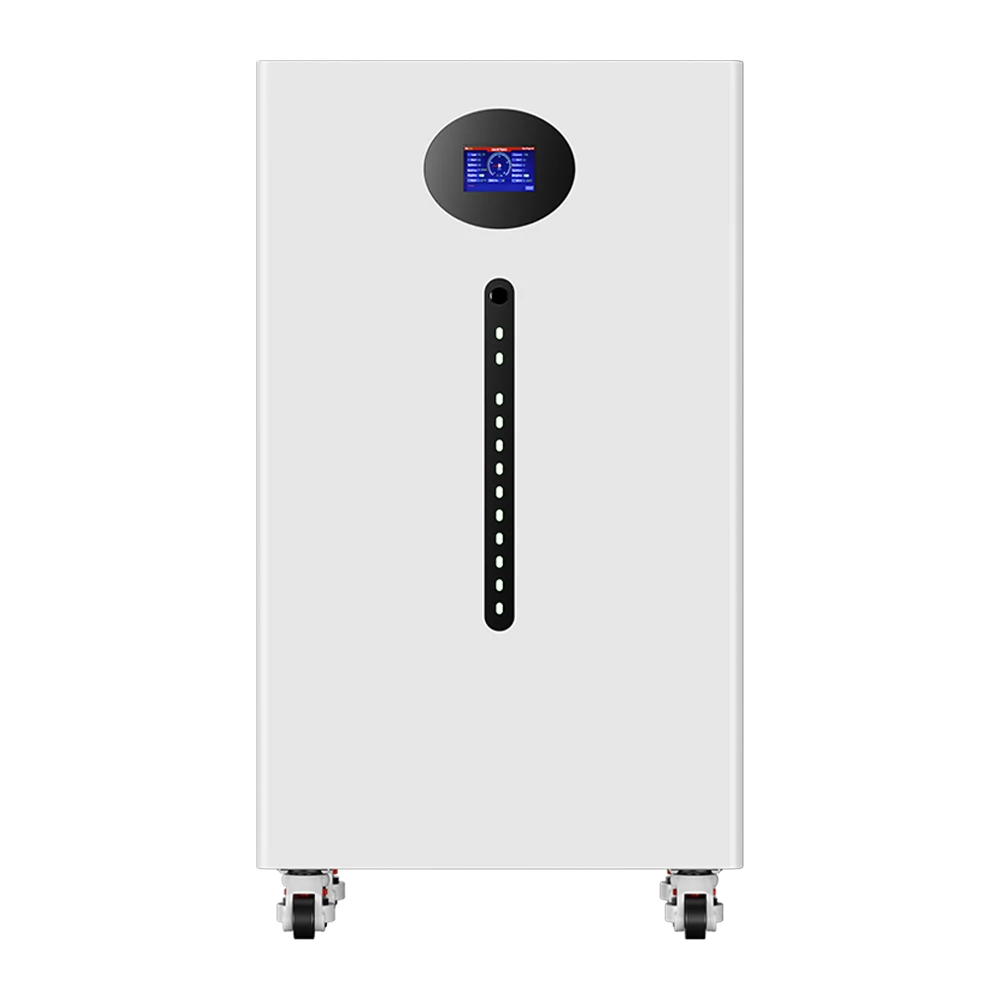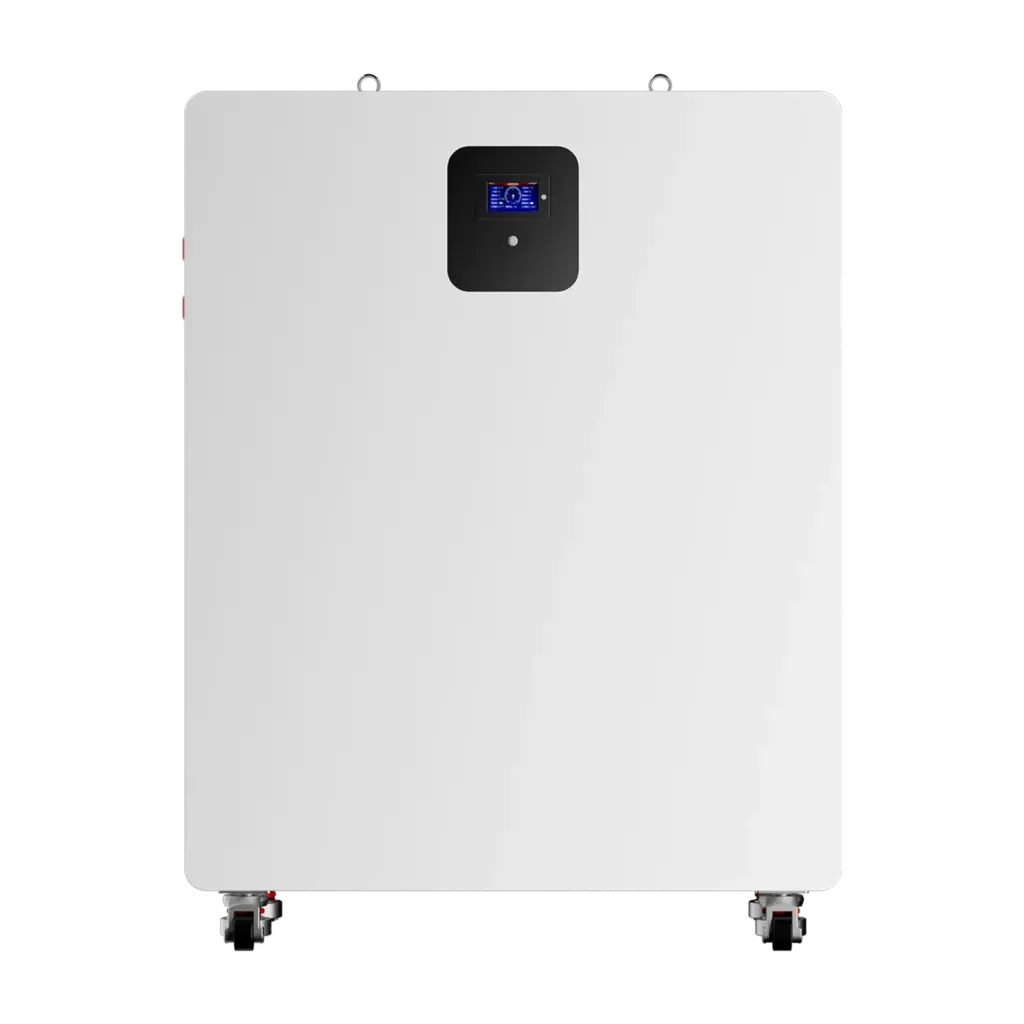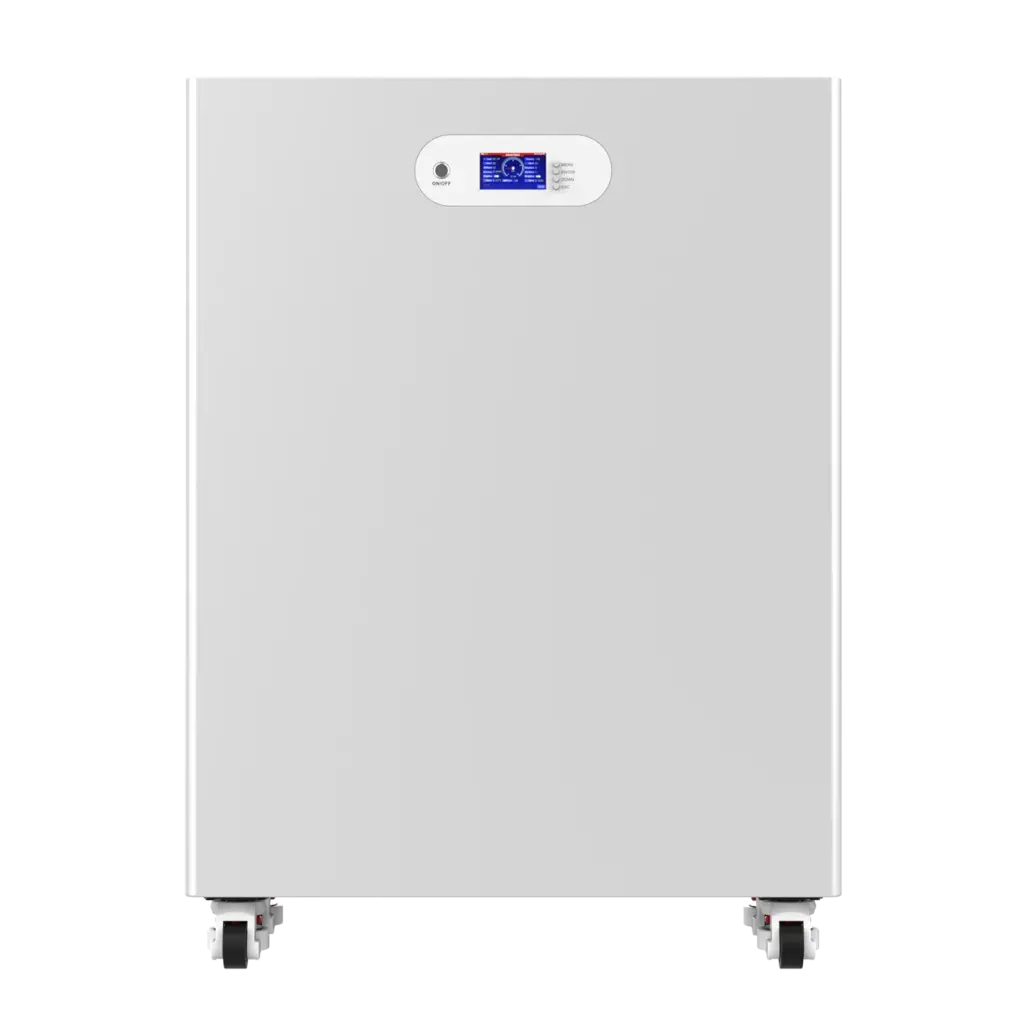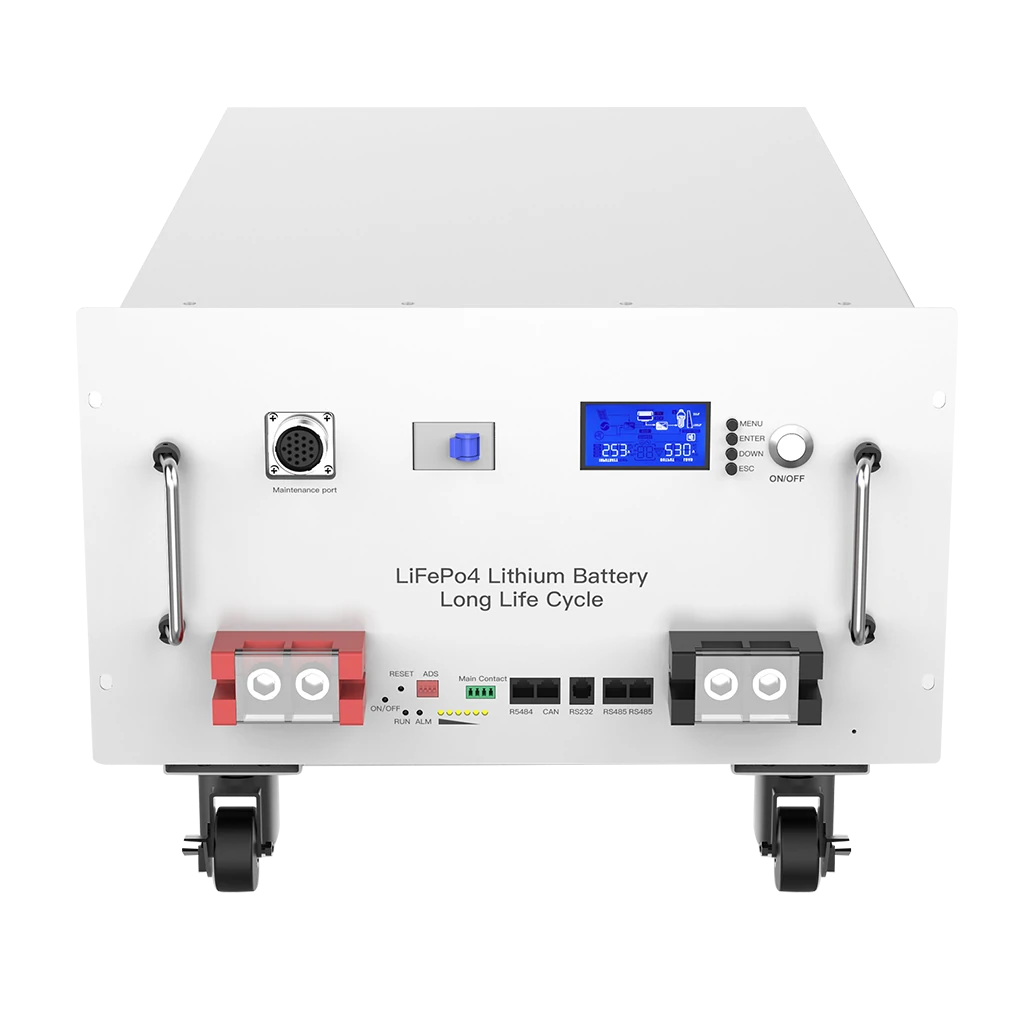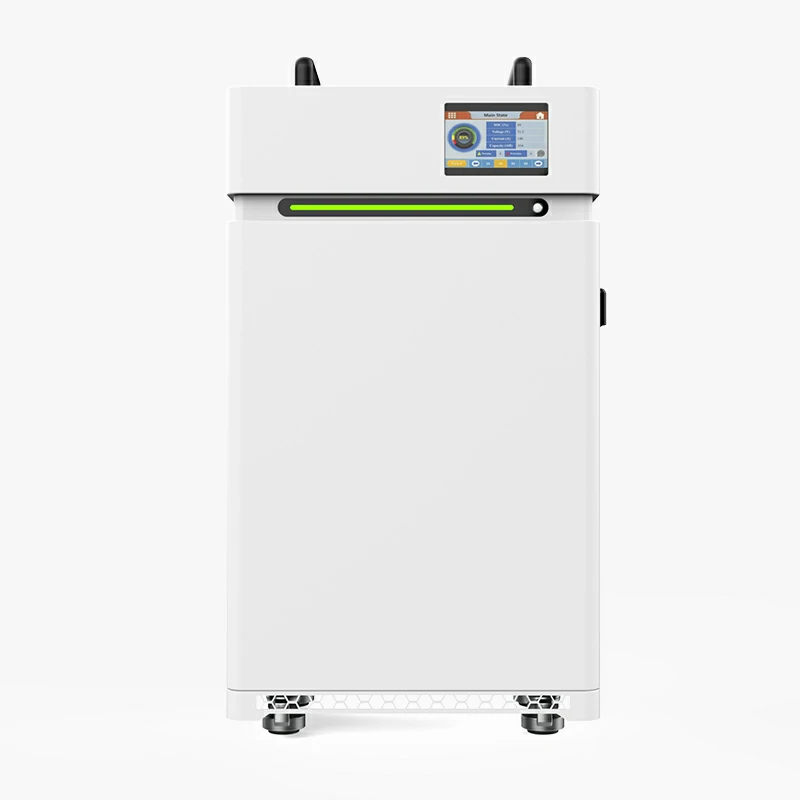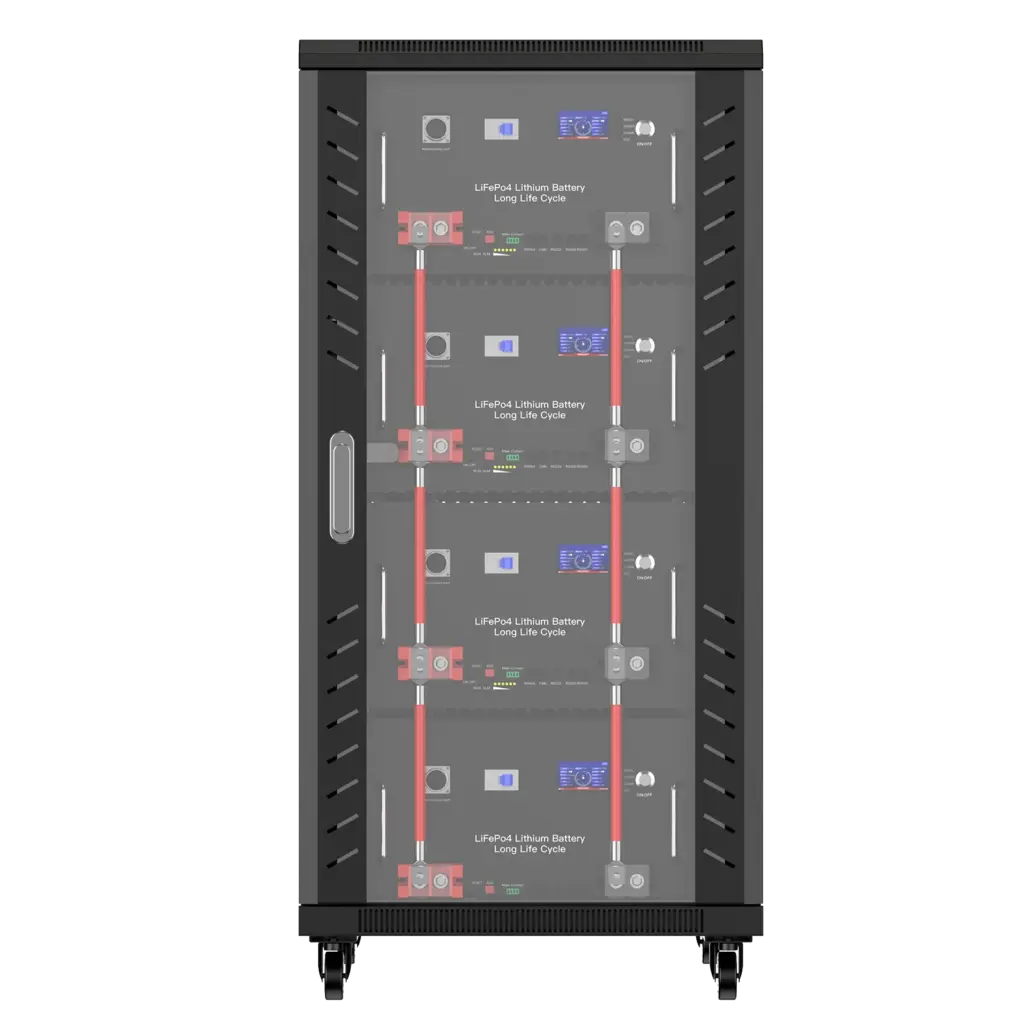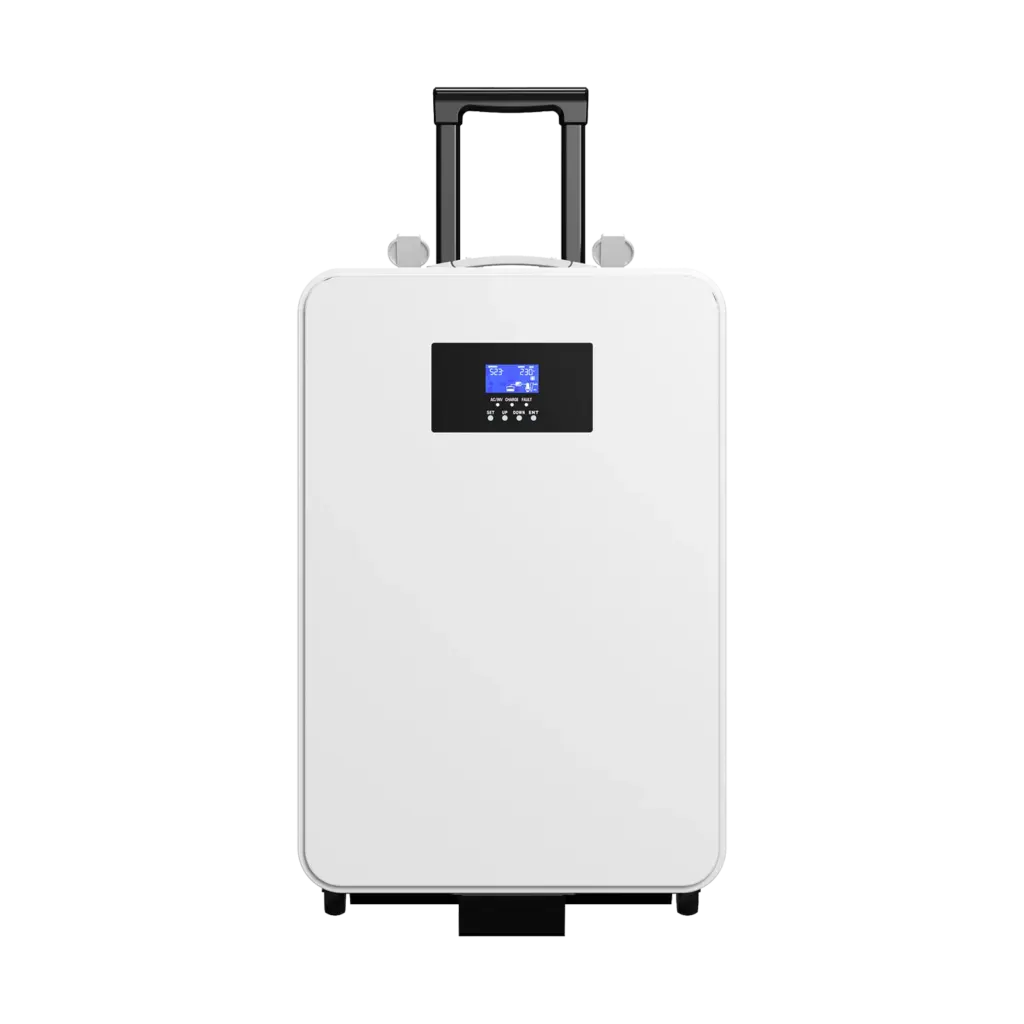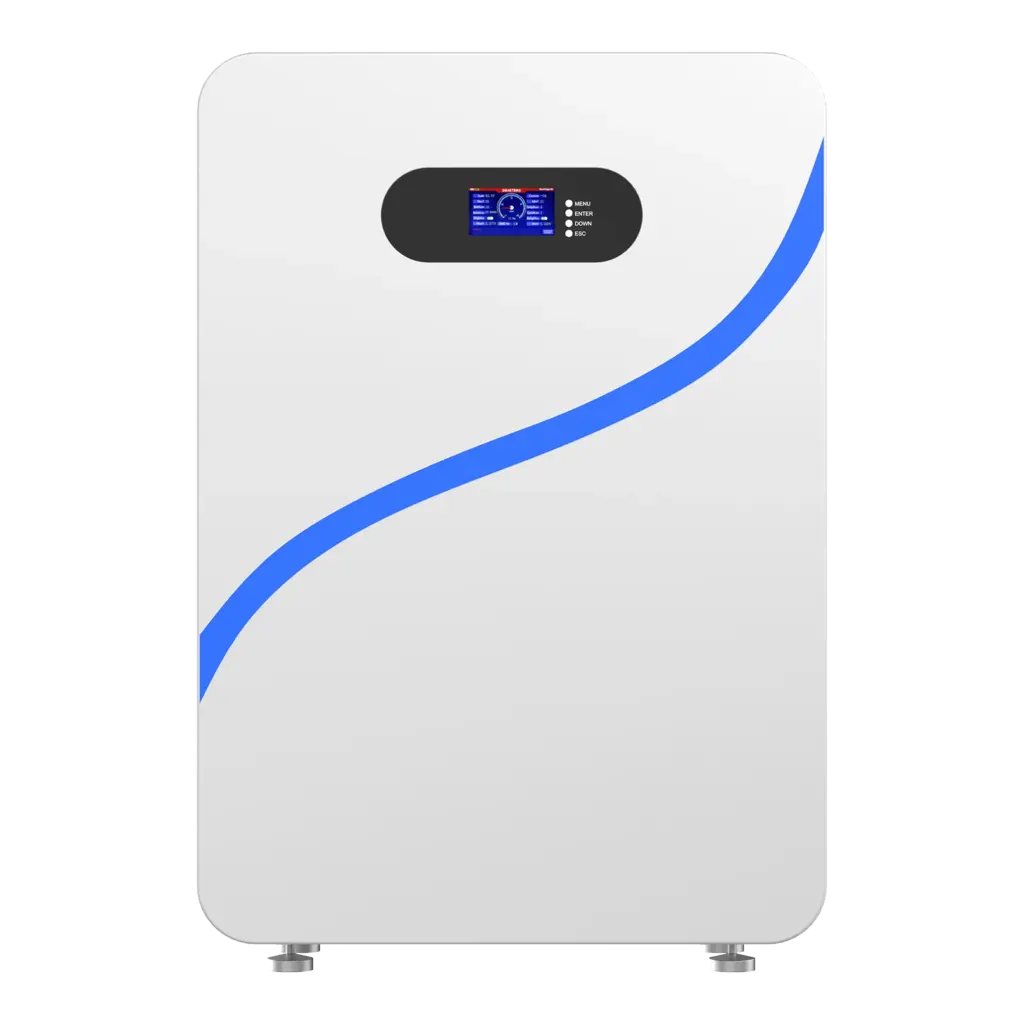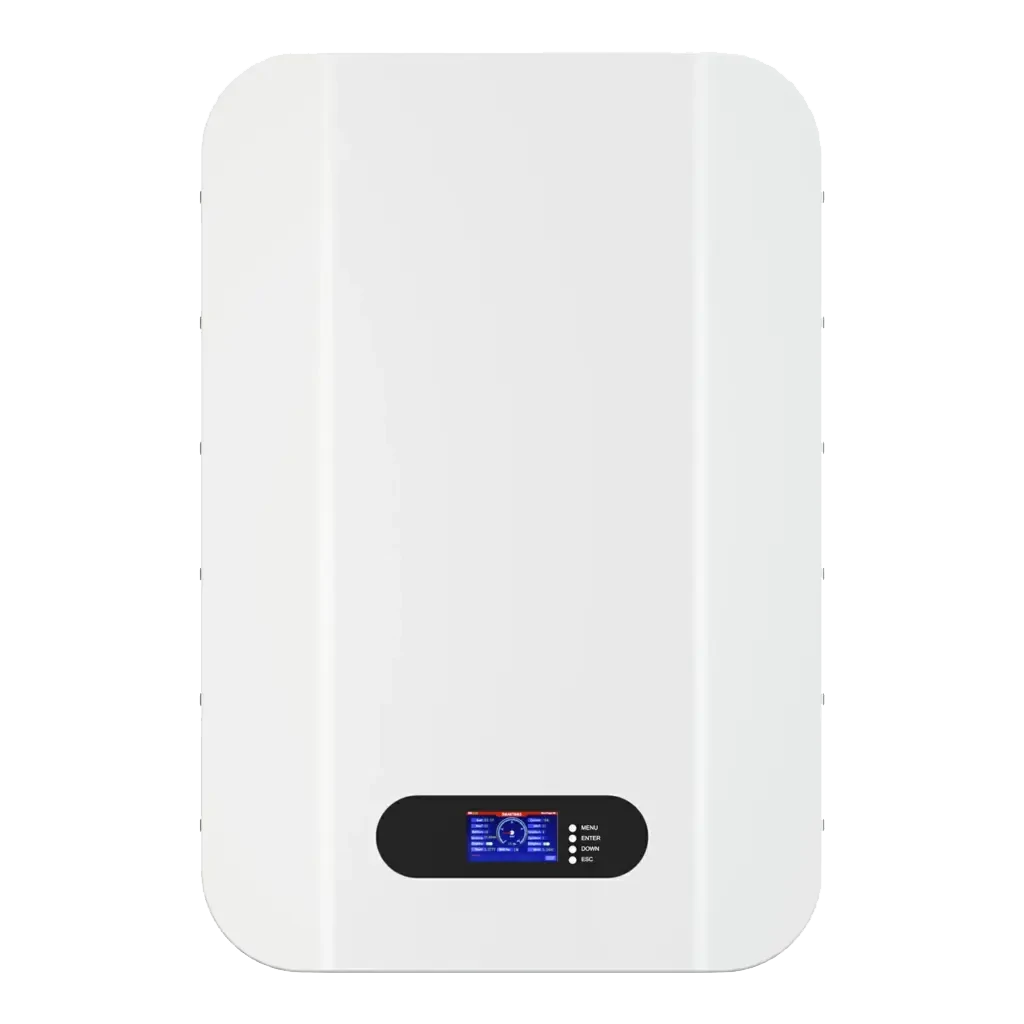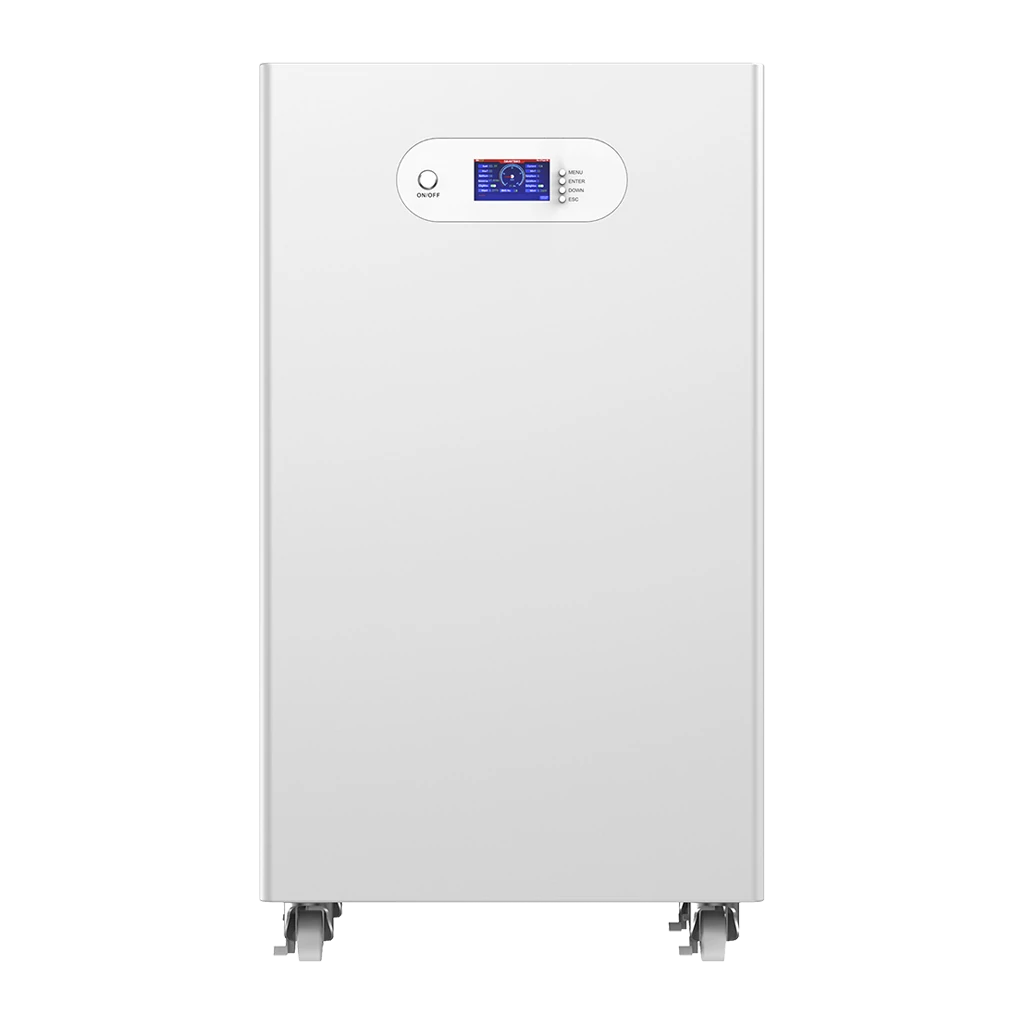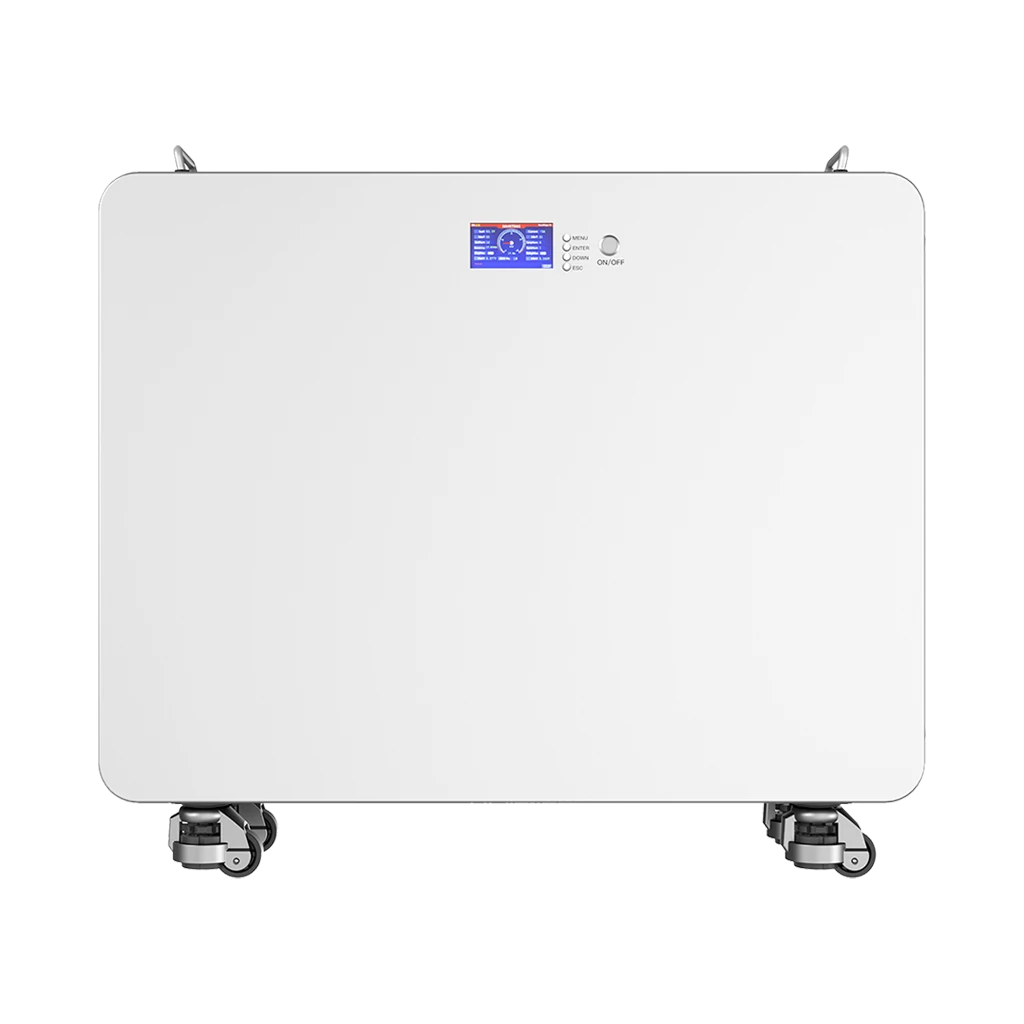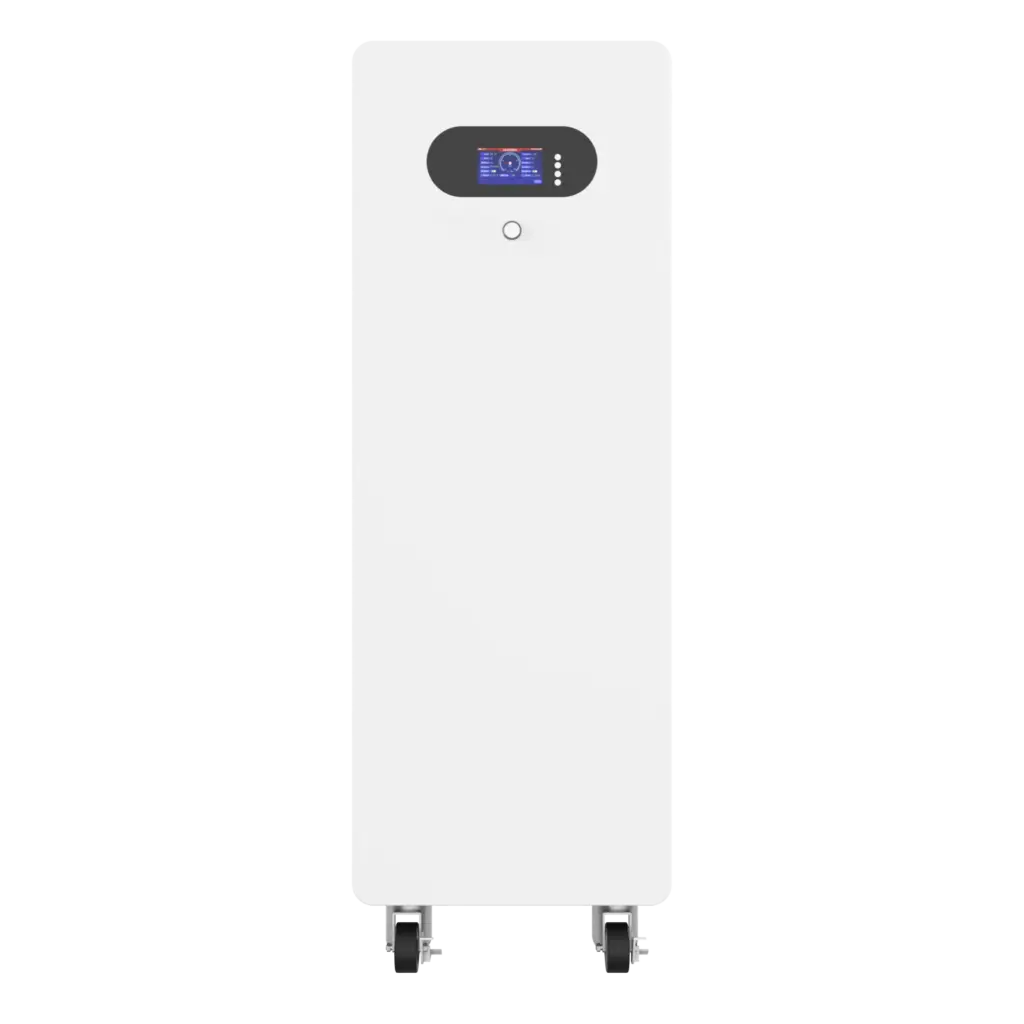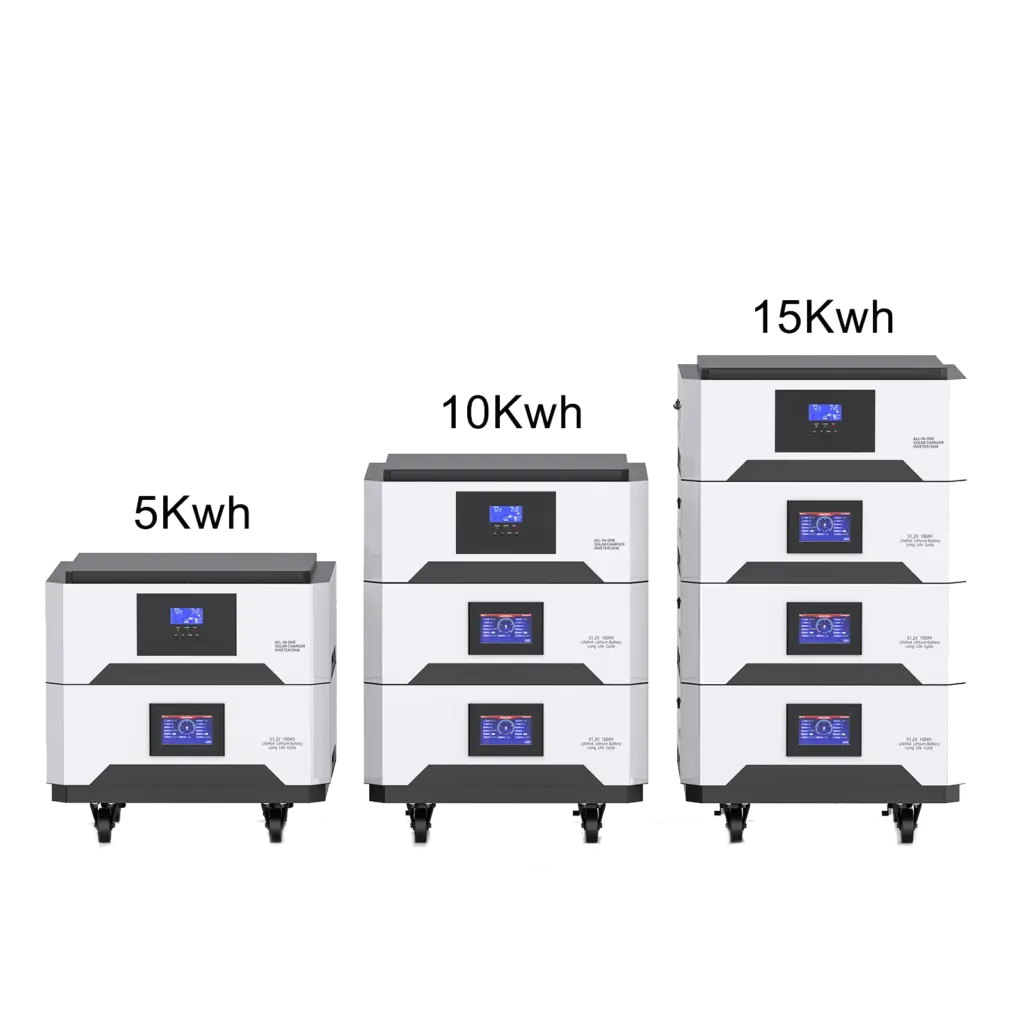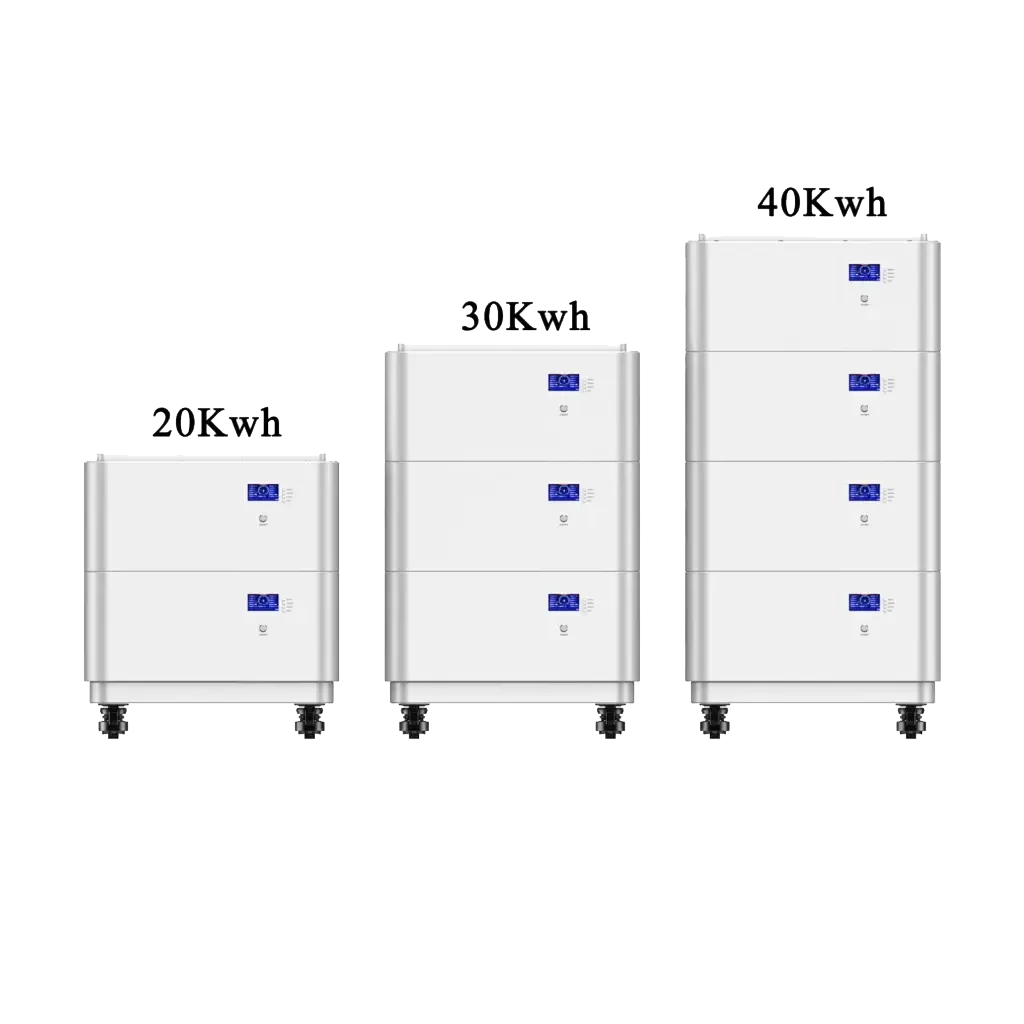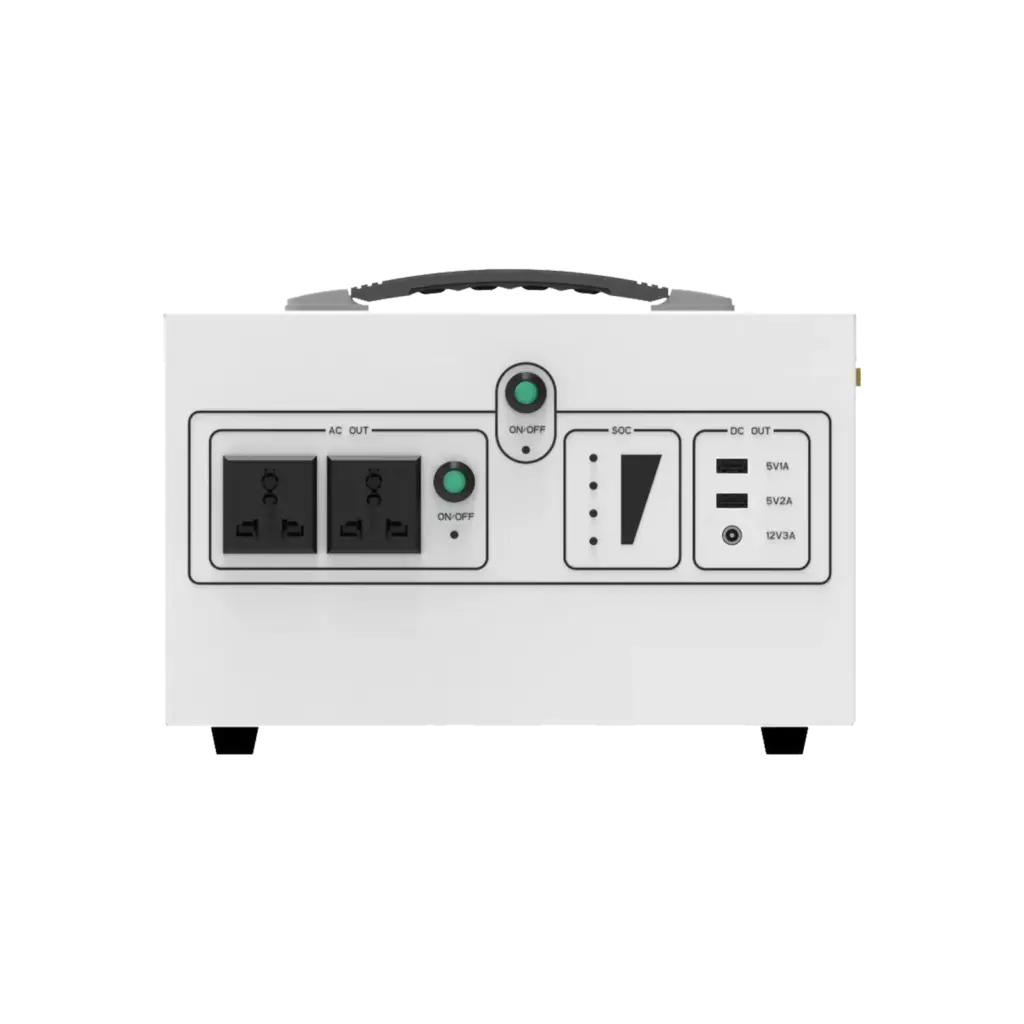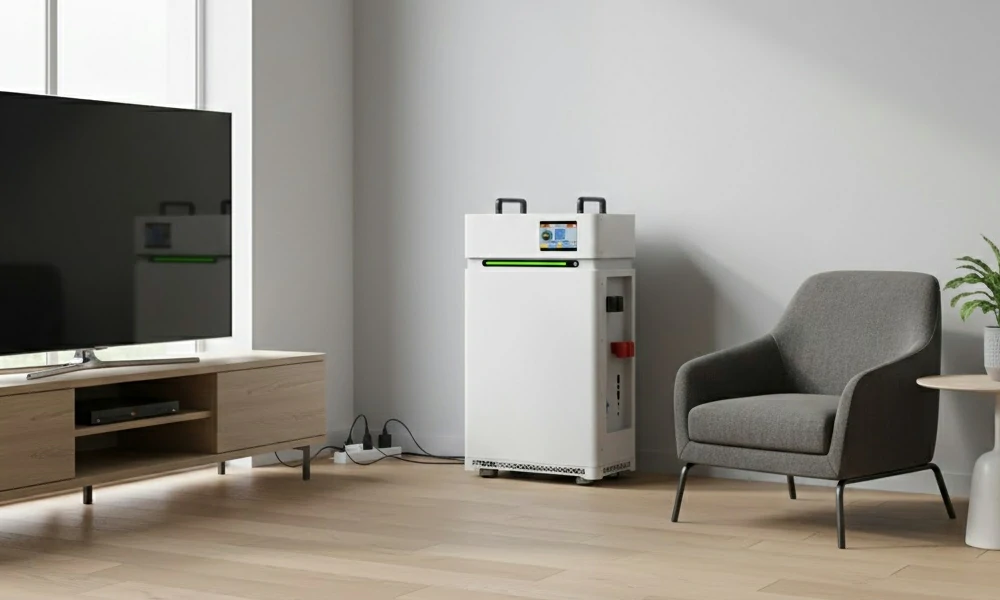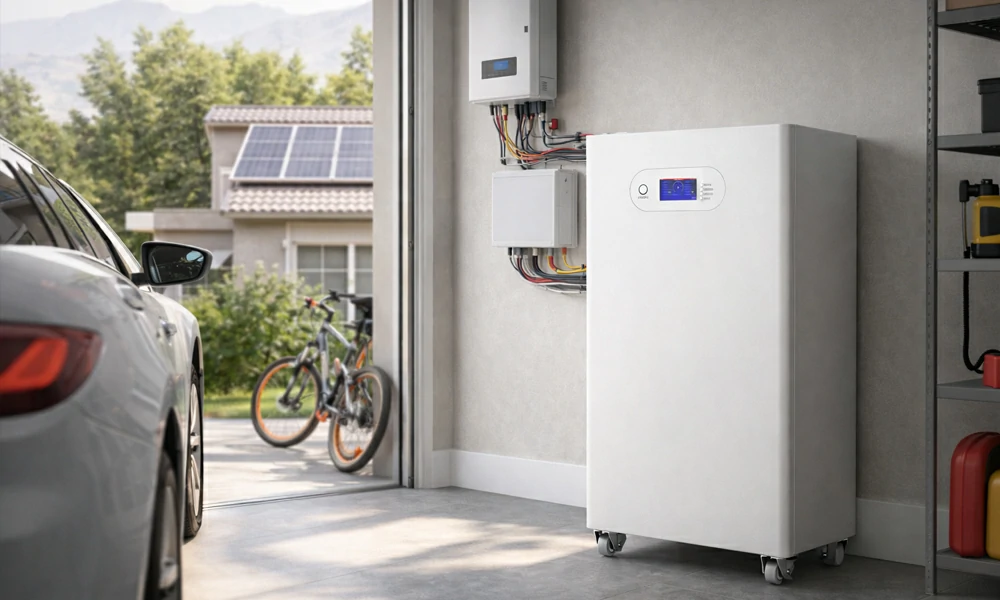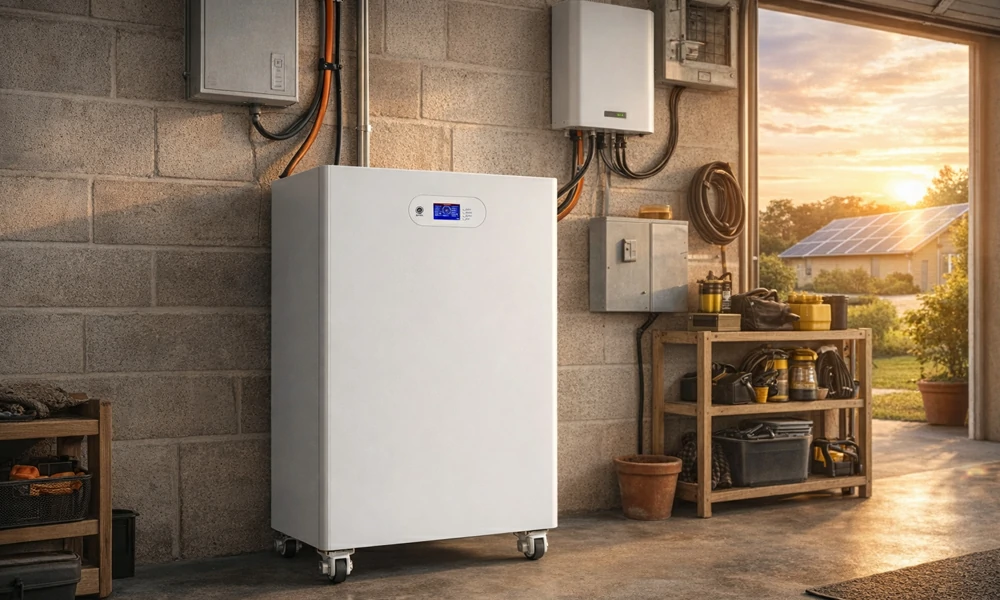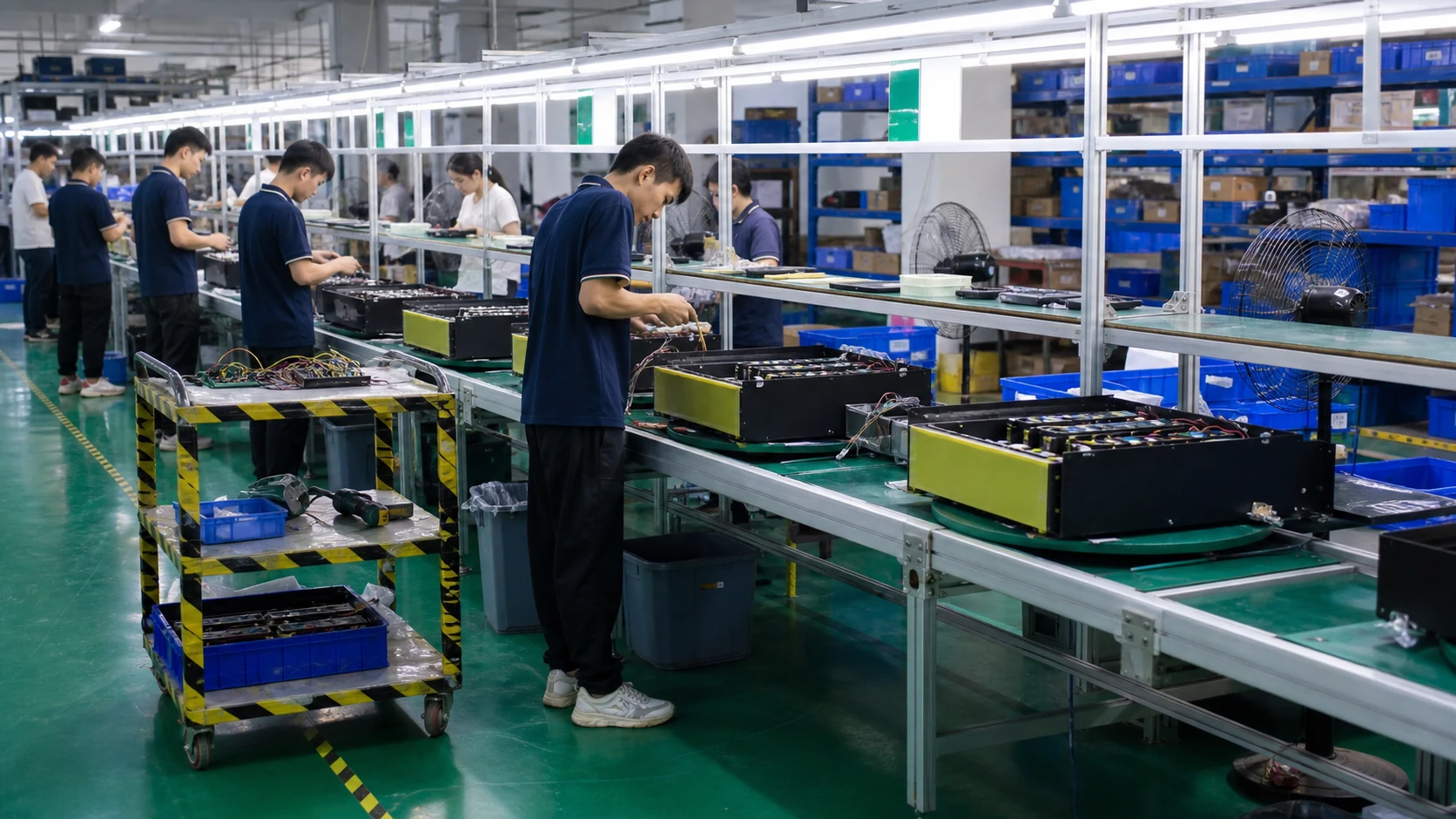

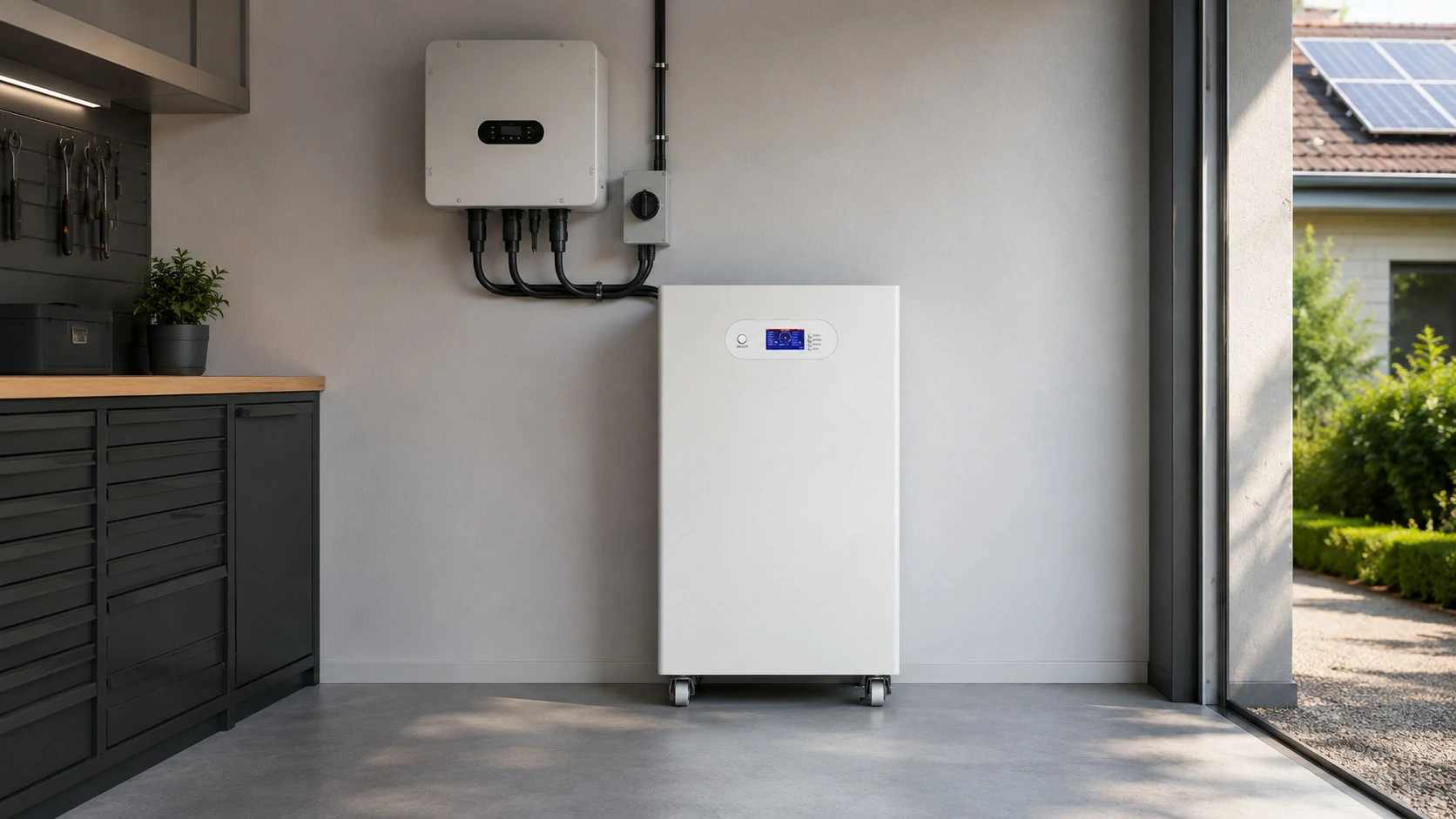
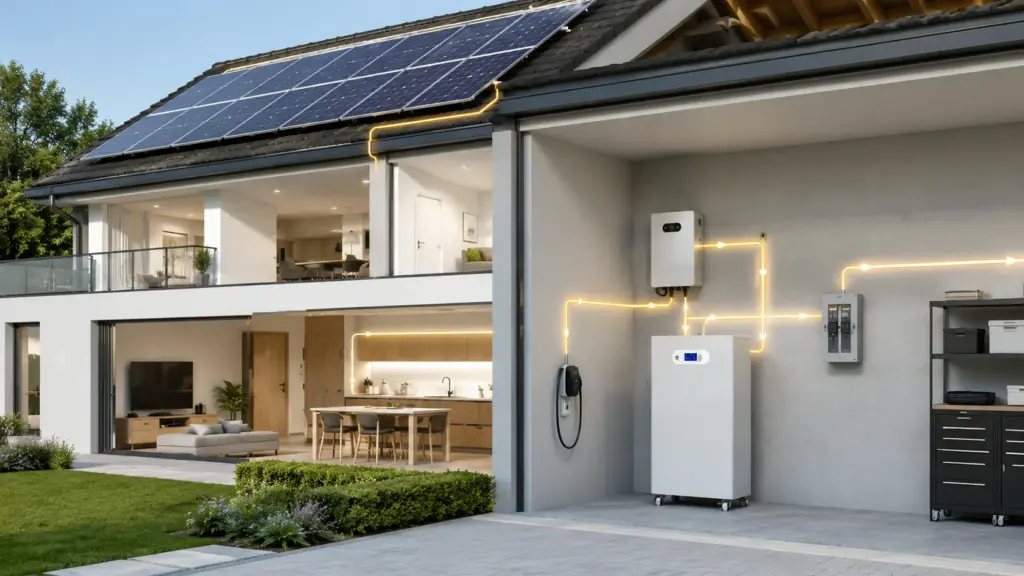
A residential energy storage system is a home battery system that stores electricity from solar panels or the grid and releases it when the home needs power. It helps households use more of their own solar energy, reduce peak-time electricity purchases, keep essential loads running during outages, and improve energy independence.
A typical system includes a battery pack, BMS, hybrid inverter, monitoring system, protection devices, and sometimes backup circuits. For long-term home use, LiFePO4 batteries are commonly preferred because they offer high safety, long cycle life, and stable daily performance.
For homeowners, installers, and distributors comparing different solutions, Avepower residential battery energy storage solutions include wall-mounted, rack-mounted, stackable, and all-in-one LiFePO4 battery options designed for solar self-consumption, backup power, and scalable home energy storage.
Why Residential Energy Storage Systems Are Becoming More Important
Home energy use is changing. More households are adding rooftop solar, electric vehicles, heat pumps, induction cooking, home offices, and smart appliances. At the same time, electricity prices, grid congestion, extreme weather, and blackout concerns have made energy resilience more important.
Battery storage plays a major role in supporting electricity system transitions, reducing grid congestion, improving system efficiency, and enabling higher renewable energy integration. In its Net Zero Emissions scenario, global energy storage capacity increases to 1,500 GW by 2030, with battery storage delivering 90% of that growth.
Solar panels only generate electricity when the sun is available, but many homes use more electricity in the evening. A residential battery helps bridge that timing gap.
Main Benefits of Residential Energy Storage Systems
1. Higher Solar Self-Consumption
Solar panels often produce the most electricity between late morning and early afternoon. Many households are not using their highest loads during that period. A battery stores excess solar power and makes it available later, especially after sunset.
This reduces wasted solar generation and increases the proportion of solar electricity consumed inside the home.
2. Lower Dependence on the Grid
A battery does not make every home fully independent from the grid, but it can reduce daily reliance on grid electricity. Homes with good solar generation, well-sized batteries, and smart load management can cover more of their own energy demand.
This is especially useful in regions with high evening electricity prices, export limits, weak grid reliability, or frequent power interruptions.
3. Backup Power During Outages
A residential energy storage system can provide backup power, but only if it is designed and configured for backup operation. This point is important. A standard grid-connected solar system usually shuts down during a blackout for safety reasons. A battery system must have backup capability, proper isolation, and suitable inverter configuration to power selected circuits or the whole home during an outage.
4. Better Use of Time-of-Use Tariffs
Where time-of-use pricing is available, electricity costs more during peak periods and less during off-peak periods. A battery can help shift electricity use away from expensive periods.
For example, a home can charge from solar during the day and discharge in the evening when electricity prices are higher. In some markets, a battery may also charge from the grid during low-cost periods, though this depends on local tariff rules and system settings.
5. VPP and Grid Support Potential
A virtual power plant, or VPP, links many home batteries together so they can support the grid during peak demand. This can benefit the electricity network and may provide incentives to participating households.
On-grid battery systems under Australia’s Cheaper Home Batteries Program need VPP capability, meaning the inverter should be able to communicate and respond to remote signals.
Build a Safer, Smarter Home Energy Storage System
Whether you are planning a new solar-plus-storage installation, upgrading an existing solar system, or sourcing residential batteries for installer and distributor projects, Avepower can help you compare suitable LiFePO4 battery options.
How Does a Residential Energy Storage System Work?
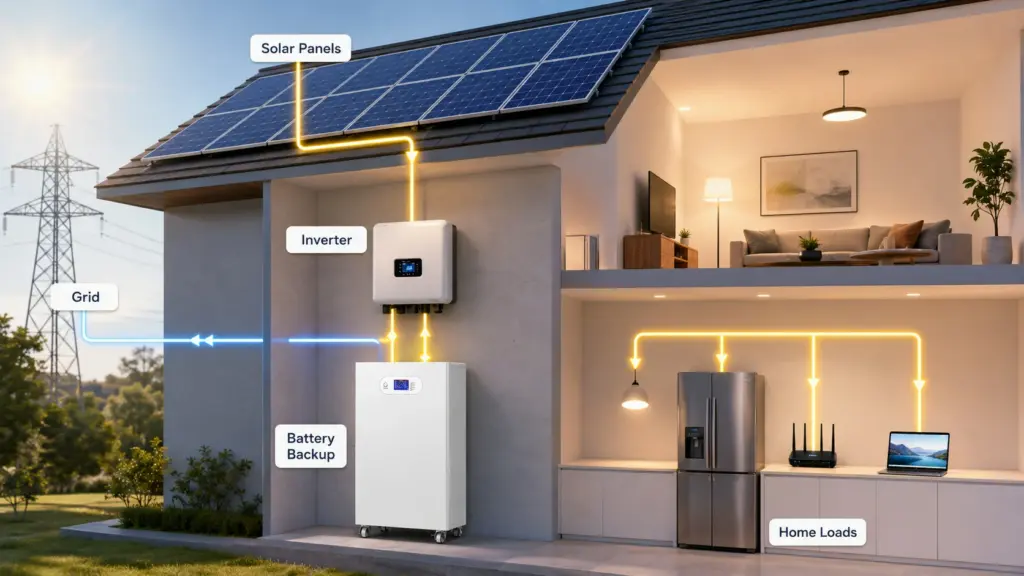
A residential energy storage system usually operates through five basic stages.
Step 1: Solar Power Generation
During the day, rooftop solar panels generate DC electricity. If the home is using power at the same time, solar electricity can supply household loads first.
Step 2: Battery Charging
When solar production exceeds immediate household demand, the extra electricity can be stored in the battery. In some tariff structures, the battery may also charge from the grid during off-peak periods.
Step 3: Power Conversion
The inverter converts battery DC electricity into AC electricity for household use. It also synchronises with the grid when the system is grid-connected.
Step 4: Stored Energy Use
At night, during cloudy weather, or during peak-rate periods, the battery discharges to power the home. This helps increase solar self-consumption and reduce grid imports.
Step 5: Backup During Outages
If the system is designed with backup capability, it can isolate selected circuits or the whole home from the grid and continue supplying electricity. However, standard solar-only systems usually shut down during outages for safety reasons, so backup operation requires the right inverter and battery design.
Key Components of a Residential Energy Storage System
A complete system usually includes several core parts:
Battery Pack
The battery pack stores electricity in chemical form. Its storage capacity is measured in kilowatt-hours, or kWh. A 10 kWh battery can theoretically store 10 kWh of energy, but the usable amount depends on depth of discharge, battery chemistry, system settings, and manufacturer design.
Battery Management System
The BMS is one of the most important safety and performance components. It monitors voltage, current, temperature, state of charge, and battery health. A good BMS helps prevent overcharging, over-discharging, overheating, short circuits, and other abnormal operating conditions.
Hybrid Inverter
The inverter converts DC electricity from solar panels or the battery into AC electricity used by household appliances. In many residential energy storage systems, a hybrid inverter also manages solar generation, battery charging, grid import/export, and backup operation.
Monitoring System
Modern home batteries often include an app or web portal. Homeowners can check solar generation, battery level, household consumption, grid import, and system status in real time. For installers and distributors, remote monitoring also helps reduce after-sales workload and improve maintenance response.
Backup Circuit or Critical Load Panel
Not every battery automatically powers the whole house during an outage. Many systems are configured to support essential circuits only, such as fridge, lighting, router, garage door, medical equipment, or selected sockets. Whole-home backup is possible, but it requires correct inverter capacity, battery power output, and electrical design.
Lithium-Ion vs LiFePO4 Batteries for Home Energy Storage
Most residential energy storage systems today use lithium-based batteries. Within this category, LiFePO4, or lithium iron phosphate, is widely used in home energy storage because of its stable chemistry, long cycle life, and strong safety profile compared with some other lithium-ion chemistries.
A home battery should be evaluated by more than just its nominal capacity. Important technical factors include:
- Usable capacity
- Depth of discharge
- Cycle life
- Round-trip efficiency
- Continuous power output
- Peak surge capability
- Operating temperature range
- Battery management system
- Communication protocol
- Warranty conditions
- Certification and compliance
Avepower’s residential LiFePO4 battery systems are designed around long cycle life, scalable capacity, BMS protection, and inverter communication. For example, Avepower’s stackable battery page lists CAN/RS485/RS232 communication, Bluetooth and WiFi monitoring, and 8,000+ cycles under stated test conditions.
Cost Factors: What Affects the Price of Residential Energy Storage Systems?
The cost of a residential energy storage system depends on:
- Battery capacity
- Battery chemistry
- Inverter type
- Backup capability
- Installation complexity
- Switchboard upgrades
- Monitoring hardware
- Certification requirements
- Local labour costs
- Rebate availability
- Whether the system is retrofit or new-build
A small battery retrofit may cost much less than a whole-home backup system with a hybrid inverter, critical load panel, and larger capacity battery bank.
In Australia, the Cheaper Home Batteries Program provides a discount of around 30% on the upfront cost of eligible small-scale battery systems from 5 kWh to 100 kWh connected to new or existing solar PV systems. The program was last updated on 1 May 2026, and the discount is based on usable capacity and eligible small-scale technology certificates.
Safety Considerations for Residential Energy Storage Systems
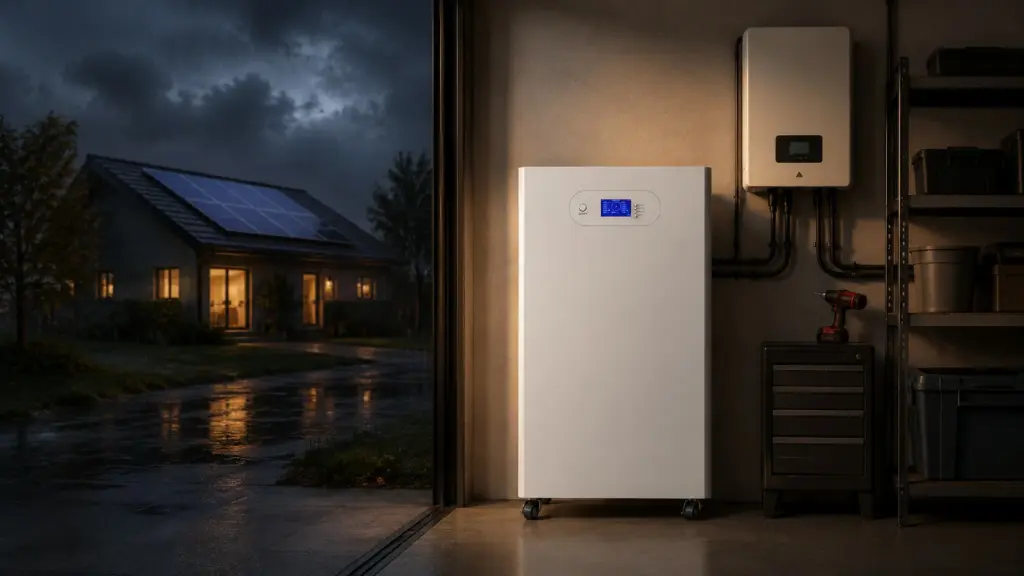
Battery safety should be part of the buying decision from the beginning. A residential battery is not a small appliance. It is a high-energy electrical system that must be selected, installed, commissioned, and maintained correctly.
For safety, homeowners should check the following:
- Use accredited installers
Installation should be completed by qualified professionals familiar with battery standards, inverter compatibility, isolation requirements, and local electrical rules. - Choose a suitable location
Fire and Avepower advises placing residential battery energy storage systems in cool, ventilated, low-traffic areas and away from entries and exits. Damaged systems should not be restarted and should be inspected by professionals. - Check certifications and compliance
Look for relevant product certifications, transport documentation, and installation standards. For Australian projects, homeowners and installers should also check approved product requirements through official or industry sources such as the Clean Energy Council battery programs and approved products. - Prioritise BMS protection
The BMS should monitor temperature, voltage, current, state of charge, and abnormal operating conditions. - Avoid unsuitable environments
Batteries should generally be protected from excessive heat, direct water exposure, poor ventilation, physical impact, and unauthorised access.
Avepower provides certification documentation including CE, UL, RoHS, UN38.3, and ISO 9001 related materials for home energy storage products and factory support.
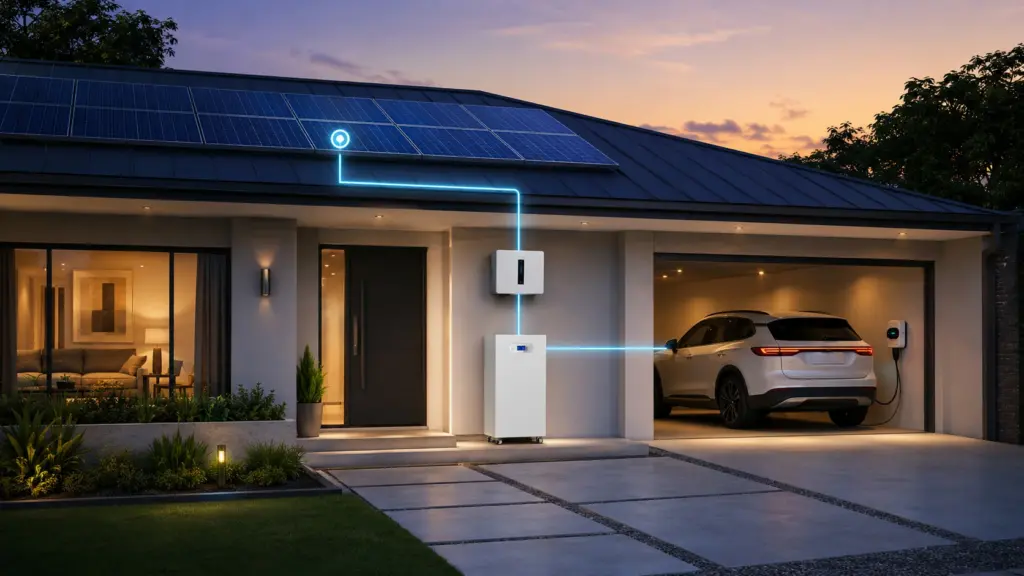
Looking for a Reliable Residential Solution for Your Next Solar Project?
For installers, distributors, wholesalers, and OEM/ODM partners looking for scalable LiFePO4 battery, Avepower provides residential energy storage solutions with flexible product options, and customization capabilities for different markets and project needs.
Installation Location: Indoor, Outdoor, Garage or Utility Room?
Battery location should be chosen carefully. A good location is usually dry, cool, protected from direct impact, accessible for maintenance, and compliant with local electrical and fire safety rules.
Fire and Rescue NSW recommends installing residential BESS in a cool, ventilated, low-traffic area away from entries and exits, and points to AS/NZS 5139 for installation requirements.
Common locations include:
- Garage wall
- Utility room
- External protected wall
- Dedicated energy equipment room
- Battery cabinet area
- Off-grid power shed
Avoid choosing a location only for visual convenience. The final decision should consider heat, ventilation, access, flooding risk, fire separation, clearance rules, and maintenance access.
Residential Energy Storage Systems and Solar Panels
A battery adds the most value when it is well matched with solar. If the solar array is too small, the battery may not fully charge during normal days. If the battery is too small, excess solar may still be exported. If the inverter is undersized, the home may not be able to support desired backup loads.
A practical solar-plus-storage design should review:
- solar array size
- battery usable capacity
- inverter charge and discharge power
- household load profile
- backup requirements
- grid export rules
- local tariff structure
- installation location
- monitoring and after-sales support
For installers and distributors, compatibility is especially important. Avepower provides an inverter compatibility reference to help confirm communication protocols and matching options for battery storage projects.
Residential Energy Storage Systems for Installers, Distributors and OEM Partners
Homeowners often search for residential energy storage systems because they want lower bills or backup power. But installers, distributors, and solar companies evaluate batteries differently.
They need to know:
- Is the battery compatible with common inverters?
- Can the system be expanded?
- Is the installation process efficient?
- Are documents available for local approval?
- Is the BMS reliable?
- Are communication protocols supported?
- Can the supplier support recurring orders?
- Can branding, packaging, and configuration be customized?
Avepower is positioned as a battery energy storage system manufacturer serving installers, wholesalers, distributors, OEM/ODM brands, and project developers. Its website states that the company offers factory-direct manufacturing, OEM/ODM customization, technical support before orders, export documentation support, and flexible product ranges from home energy storage batteries to commercial systems.
For B2B buyers, this matters because the best residential energy storage system is not only a product. It is a supply, integration, documentation, and support package.
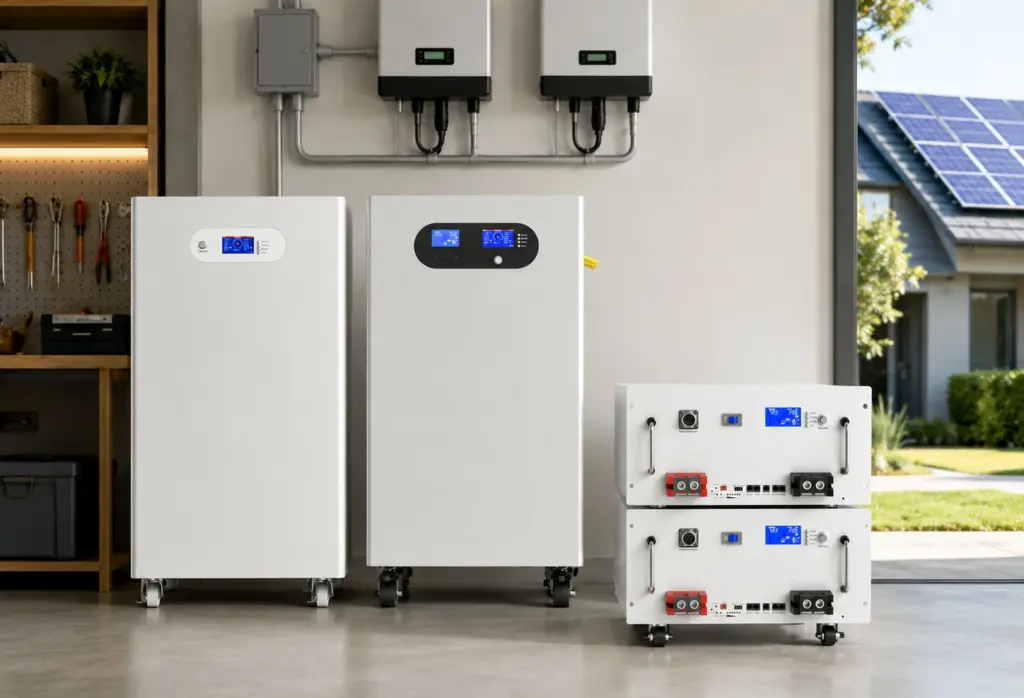
Take Control of Your Energy with Avepower!
Reliable home solar battery solutions with OEM/ODM customization and in-house manufacturing, tailored to the needs of distributors, installers, and energy partners.
Conclusion
Residential energy storage systems are no longer just backup batteries. They are becoming intelligent home energy platforms that help households store solar power, reduce grid dependence, manage electricity costs, and prepare for a more electrified future.
The best system is not always the biggest battery. It is the system that matches the home’s energy profile, backup requirements, solar capacity, inverter setup, safety standards, and long-term expansion plan.
FAQ
Residential energy storage systems are home battery systems that store electricity from solar panels or the grid for later use. They help homeowners use more of their own solar power, reduce grid dependence, and provide backup power when properly configured.
They charge when solar panels produce excess electricity or when grid power is cheap, then discharge when the home needs power. An inverter converts electricity between DC and AC, while the BMS and EMS monitor and control battery operation.
Installers should check inverter compatibility, communication protocols, capacity options, certifications, warranty terms, documentation, lead times, after-sales support, and whether the supplier supports project-level configuration.
Yes, if you choose a modular or stackable battery system. Avepower’s stackable solar batteries are designed for scalable residential storage projects.
A solar battery is usually the main part of a residential energy storage system, but the full system also includes an inverter, BMS, monitoring, protection devices, and installation equipment.
They can be safe when properly designed, certified, installed, ventilated, protected, and maintained. Homeowners should use qualified installers and follow local standards such as AS/NZS 5139 where applicable.