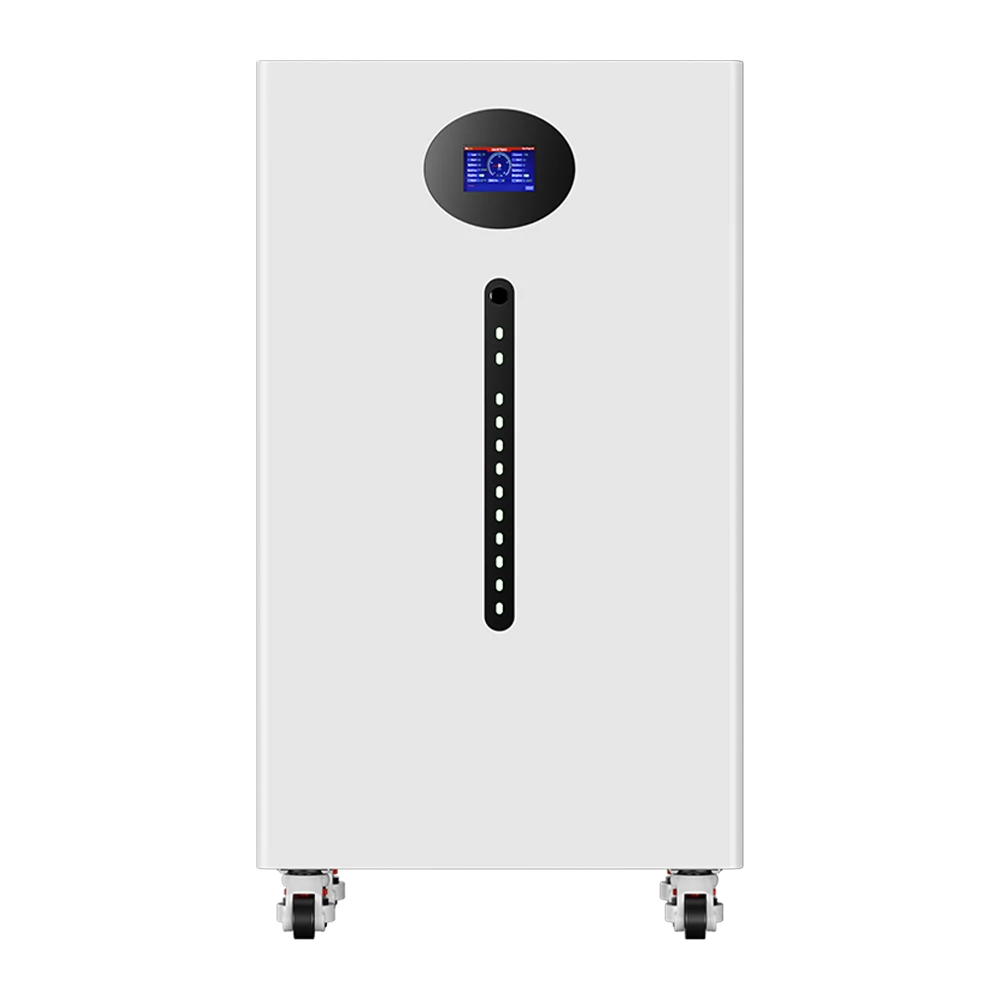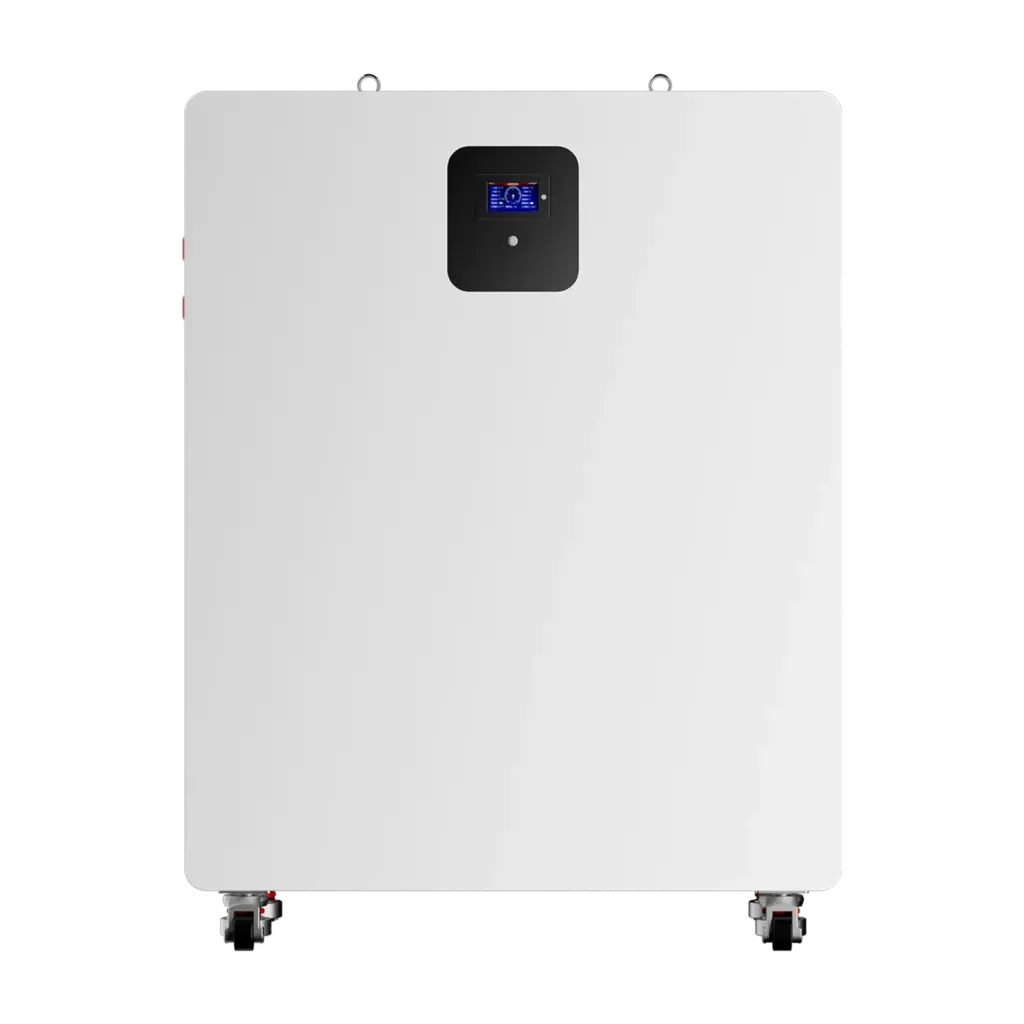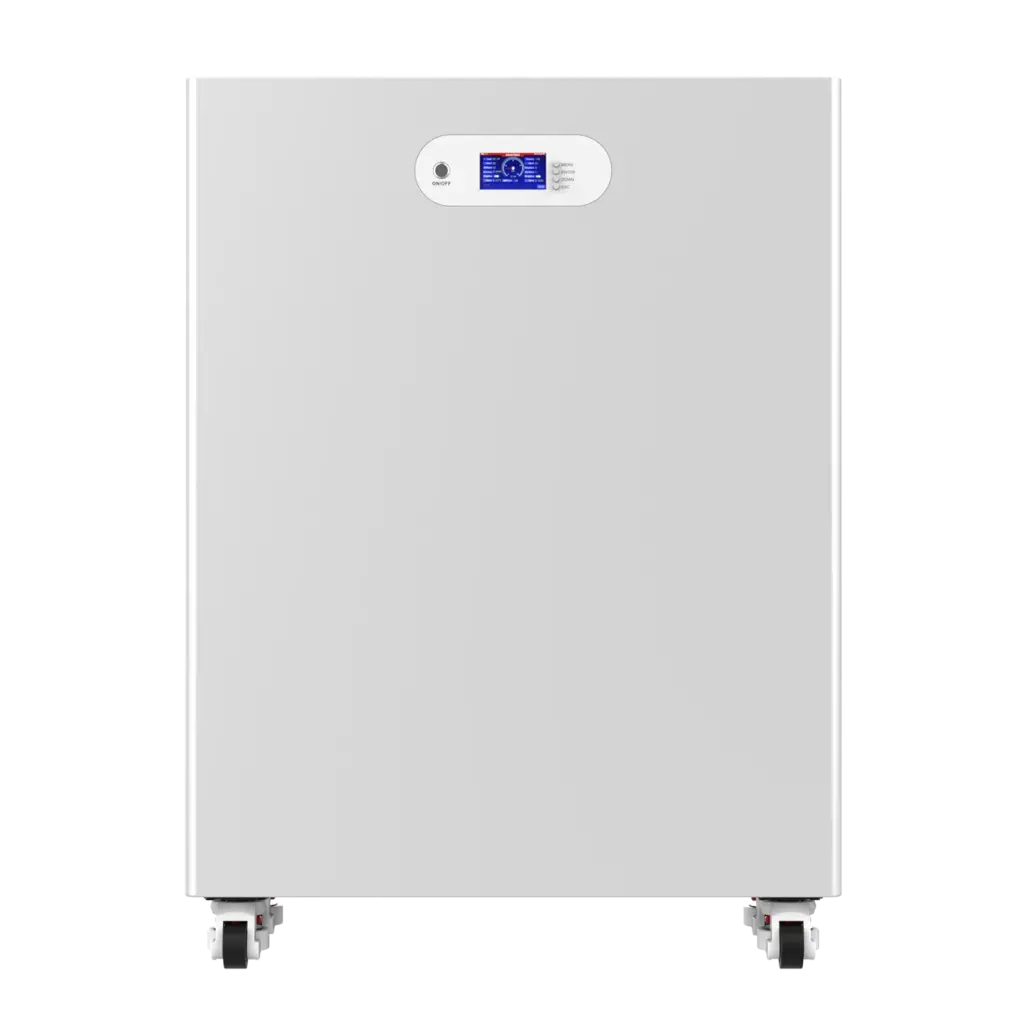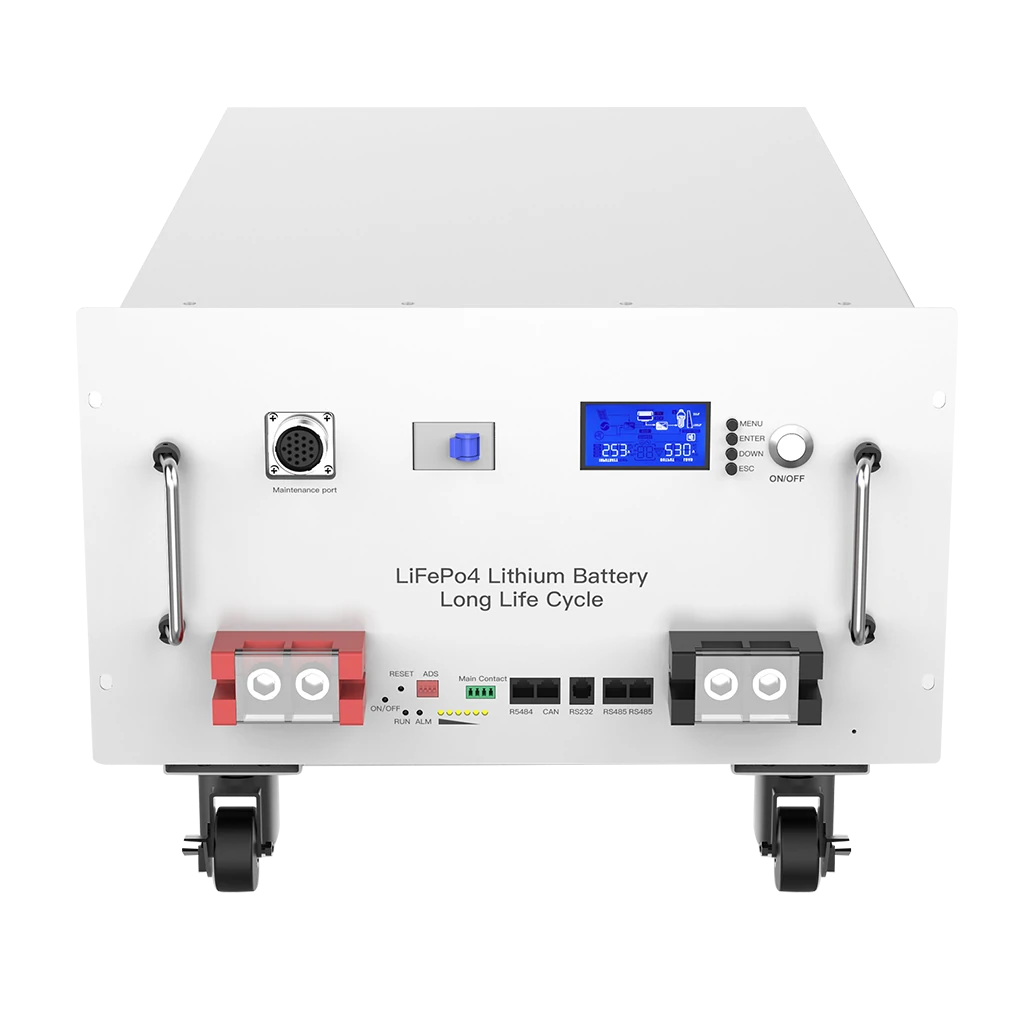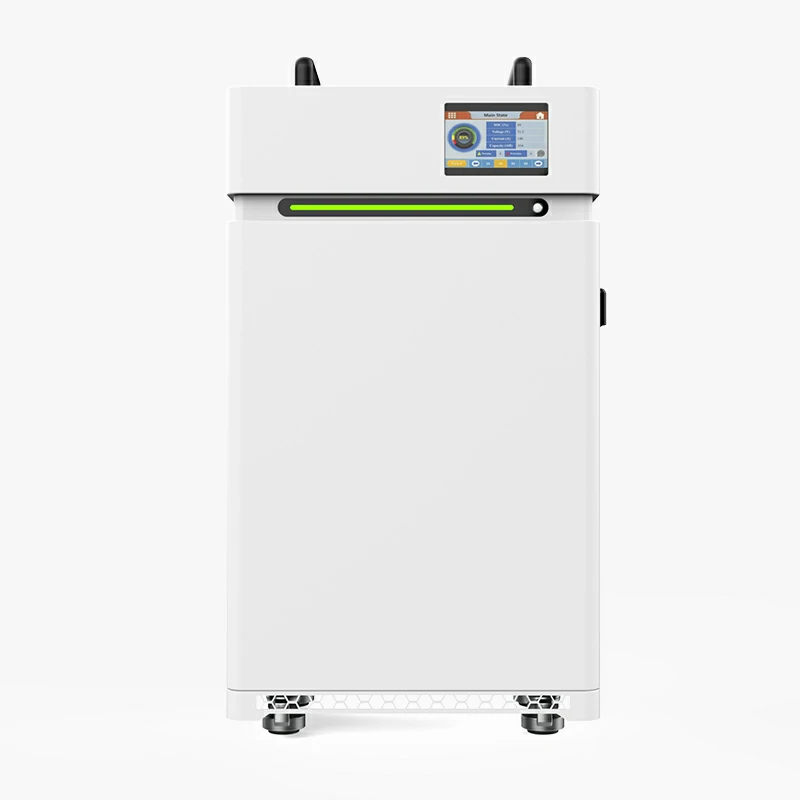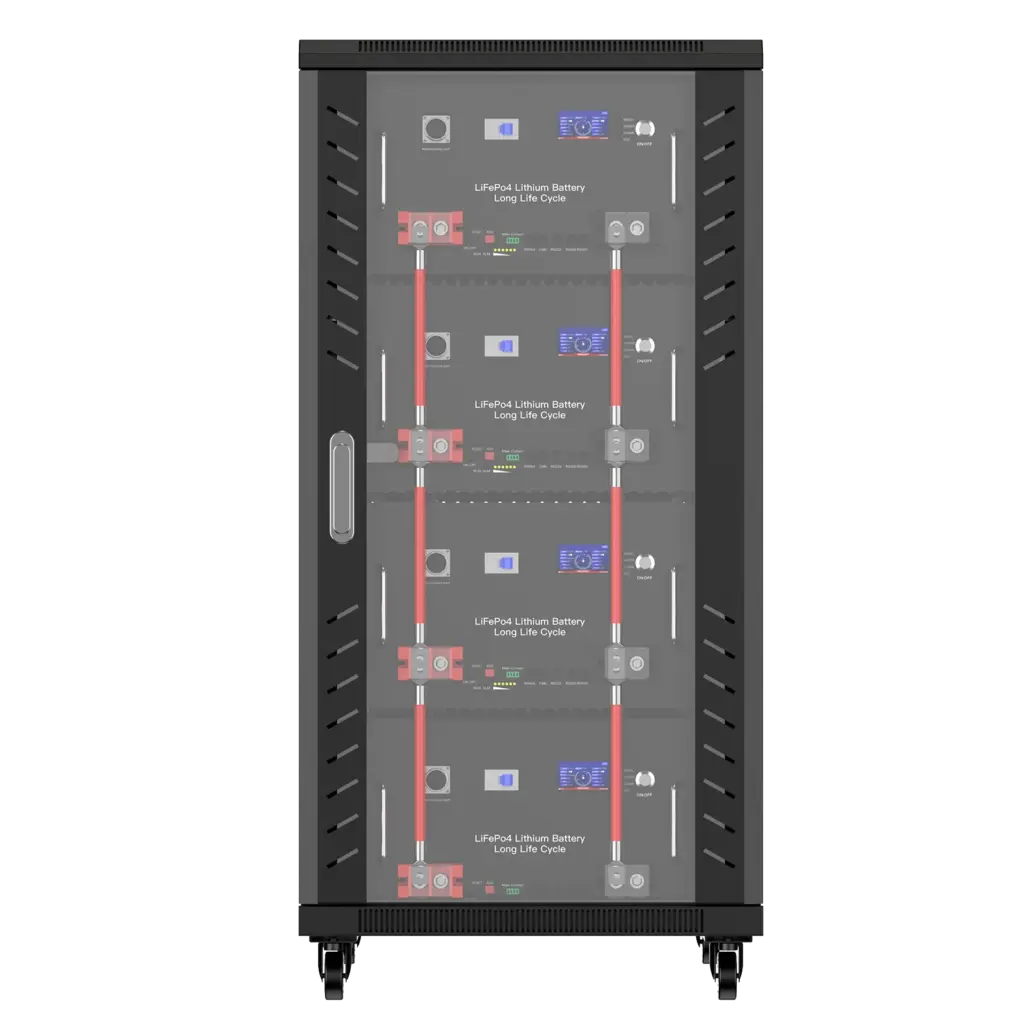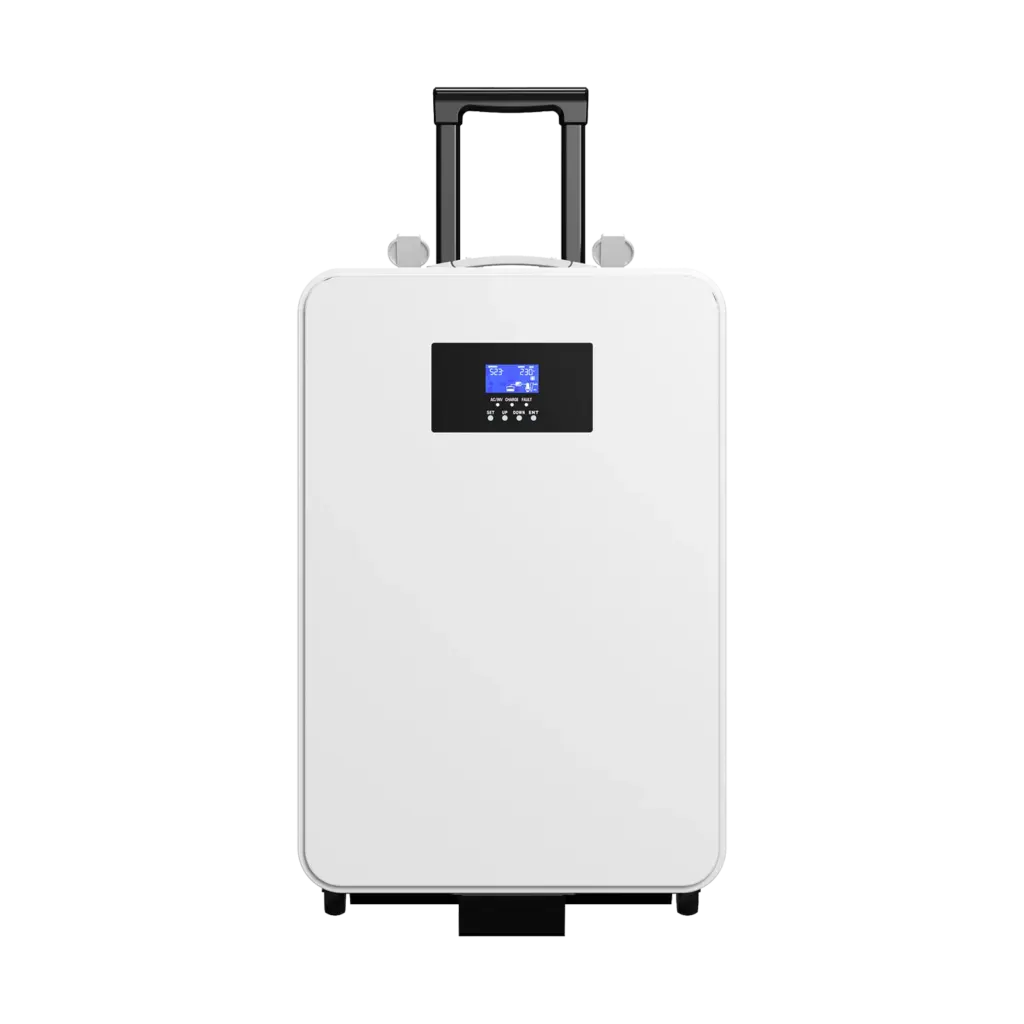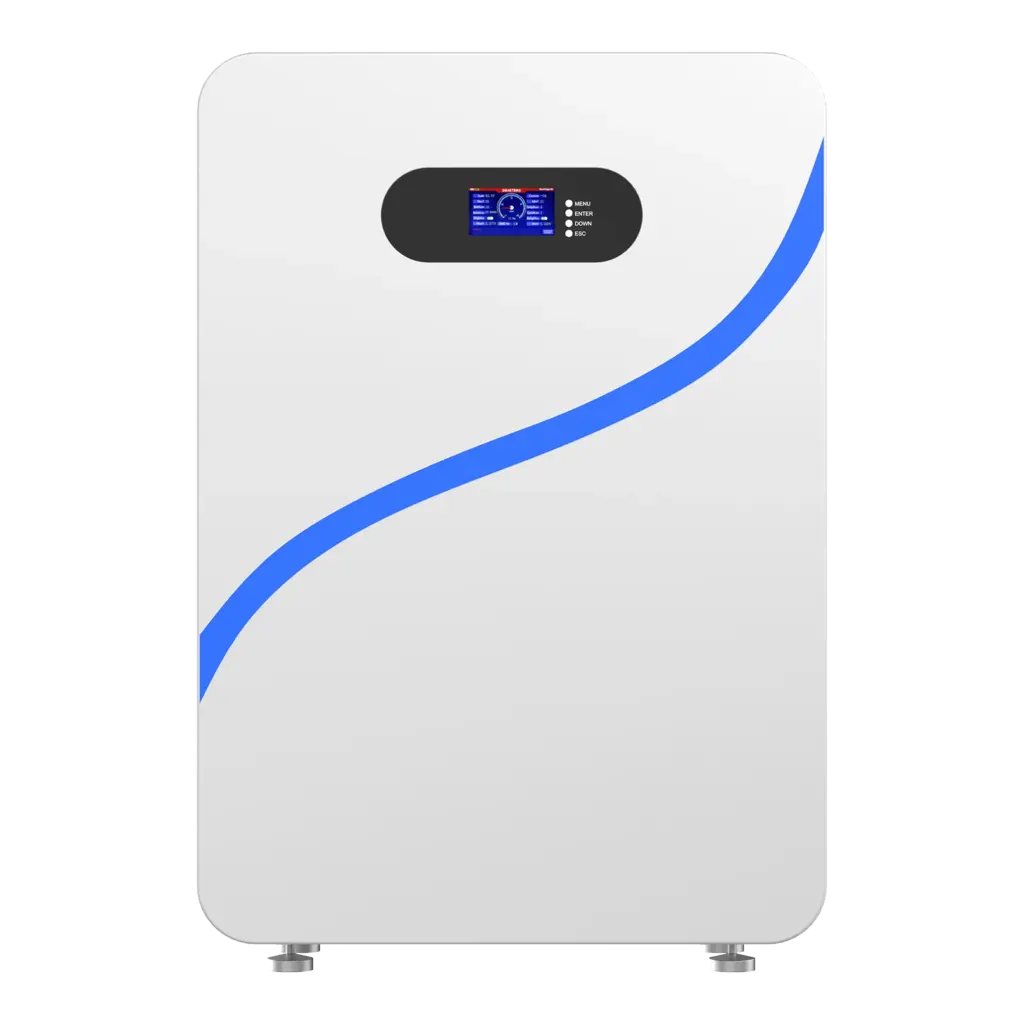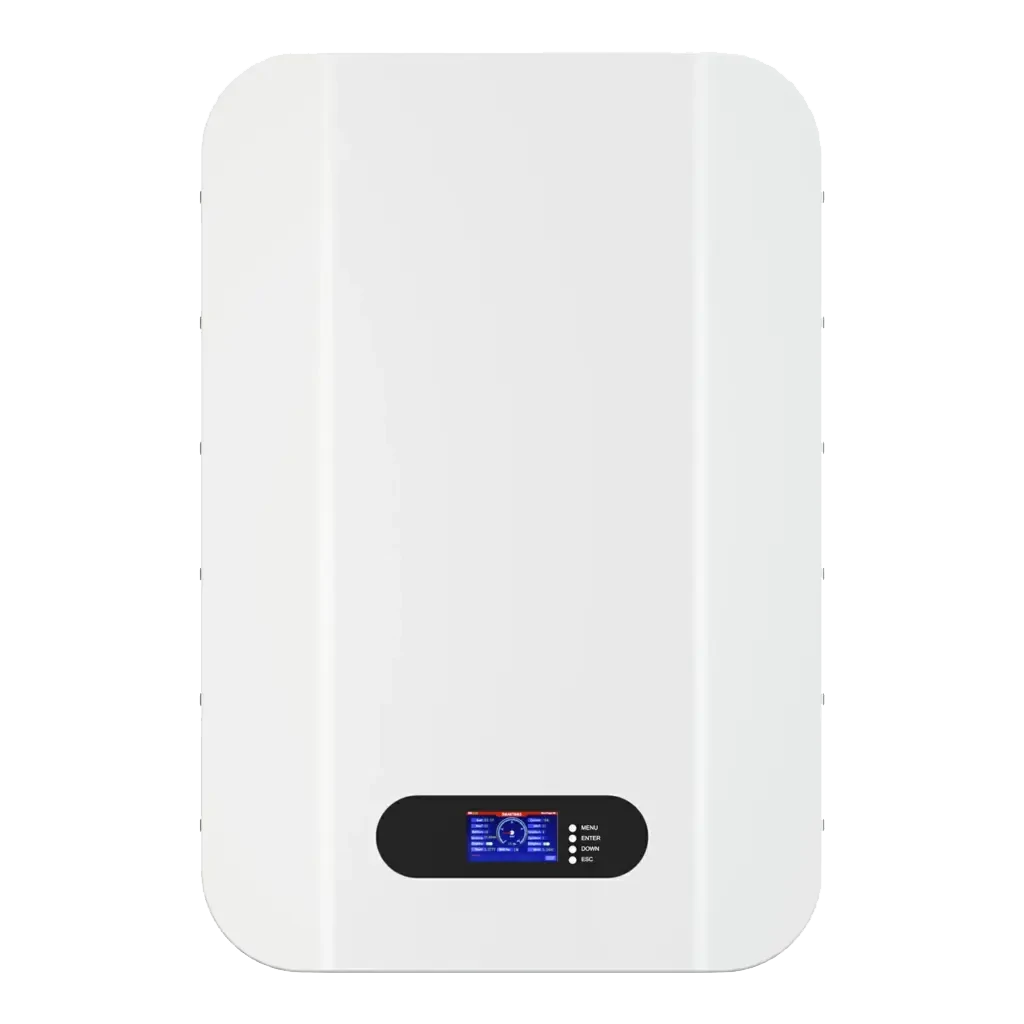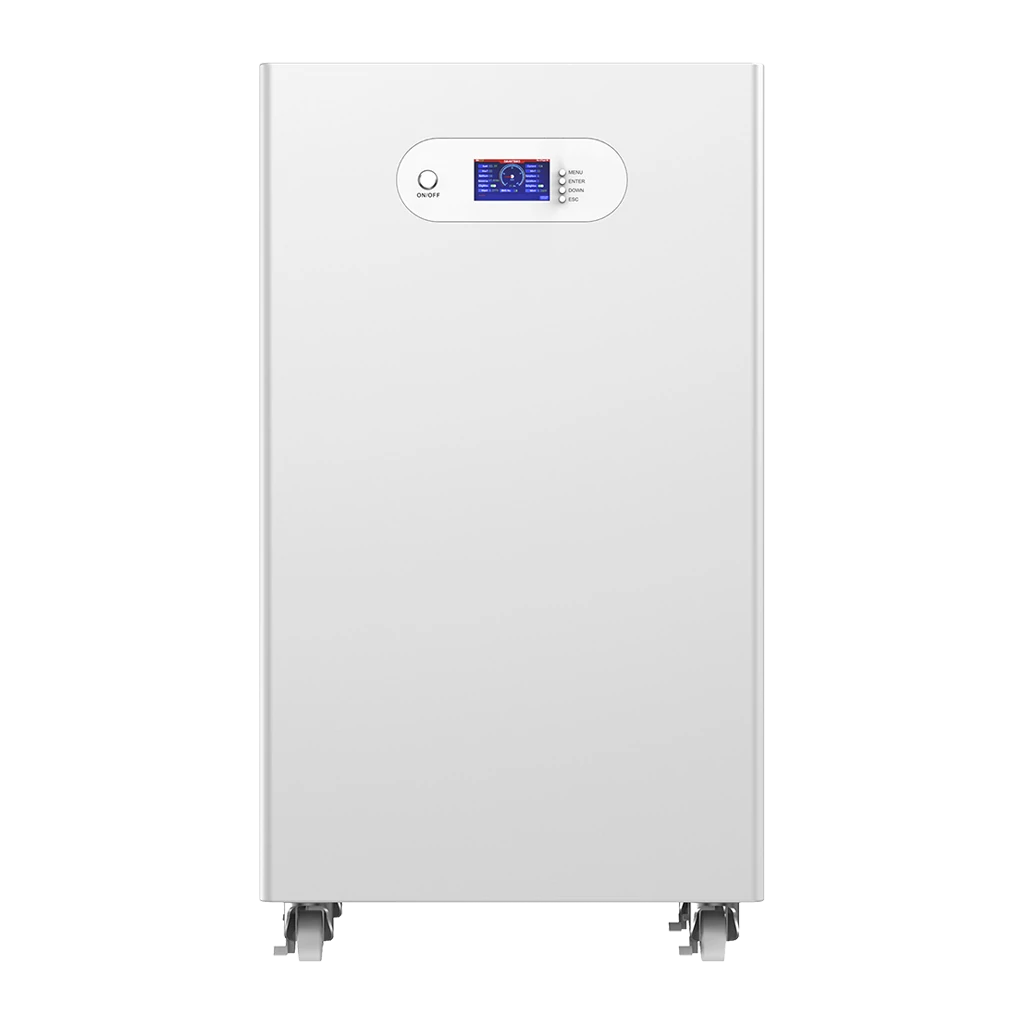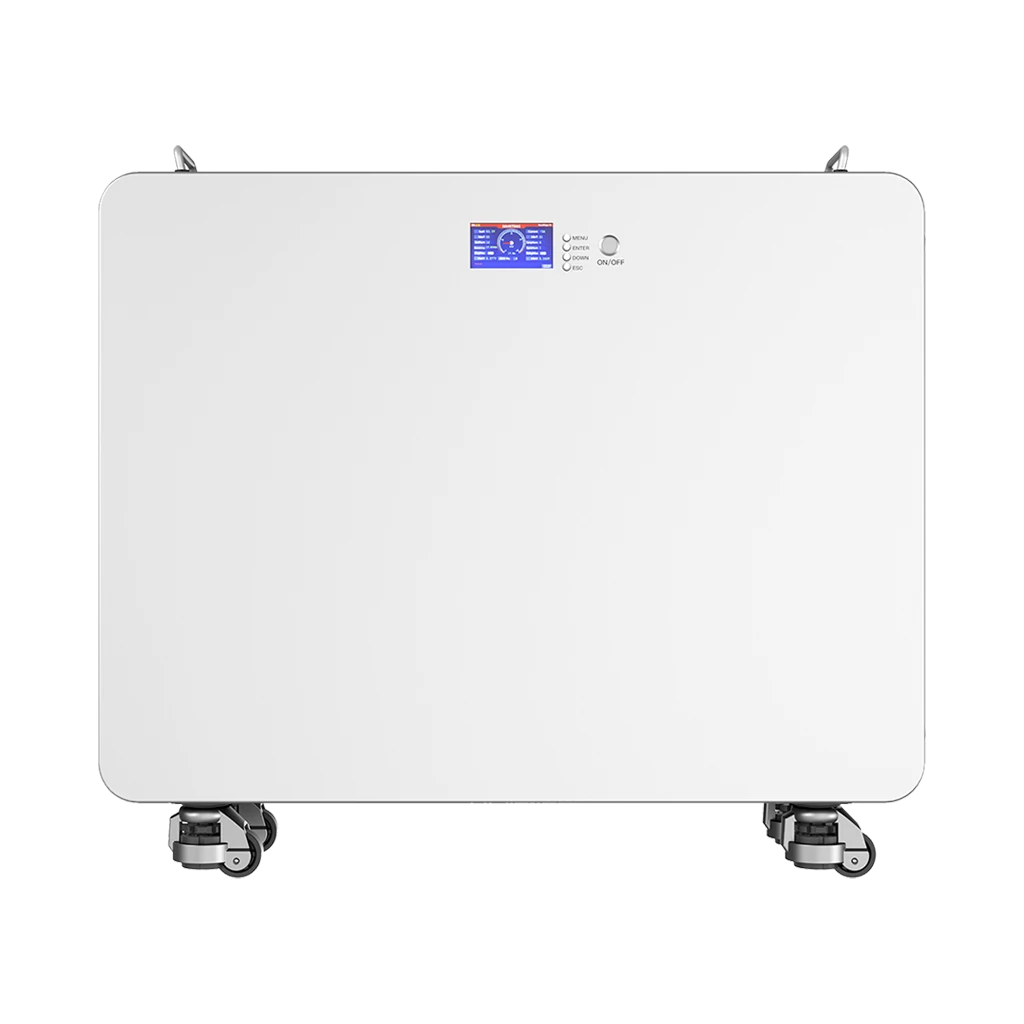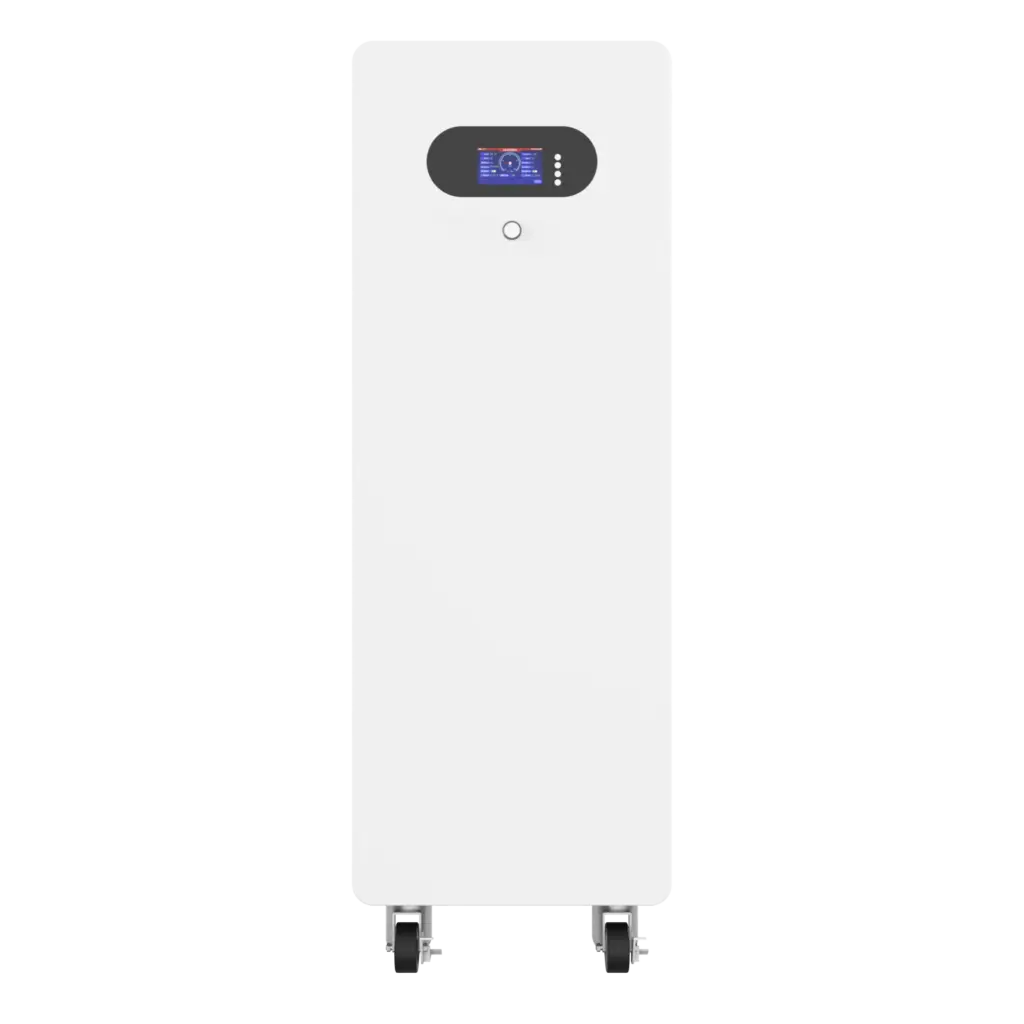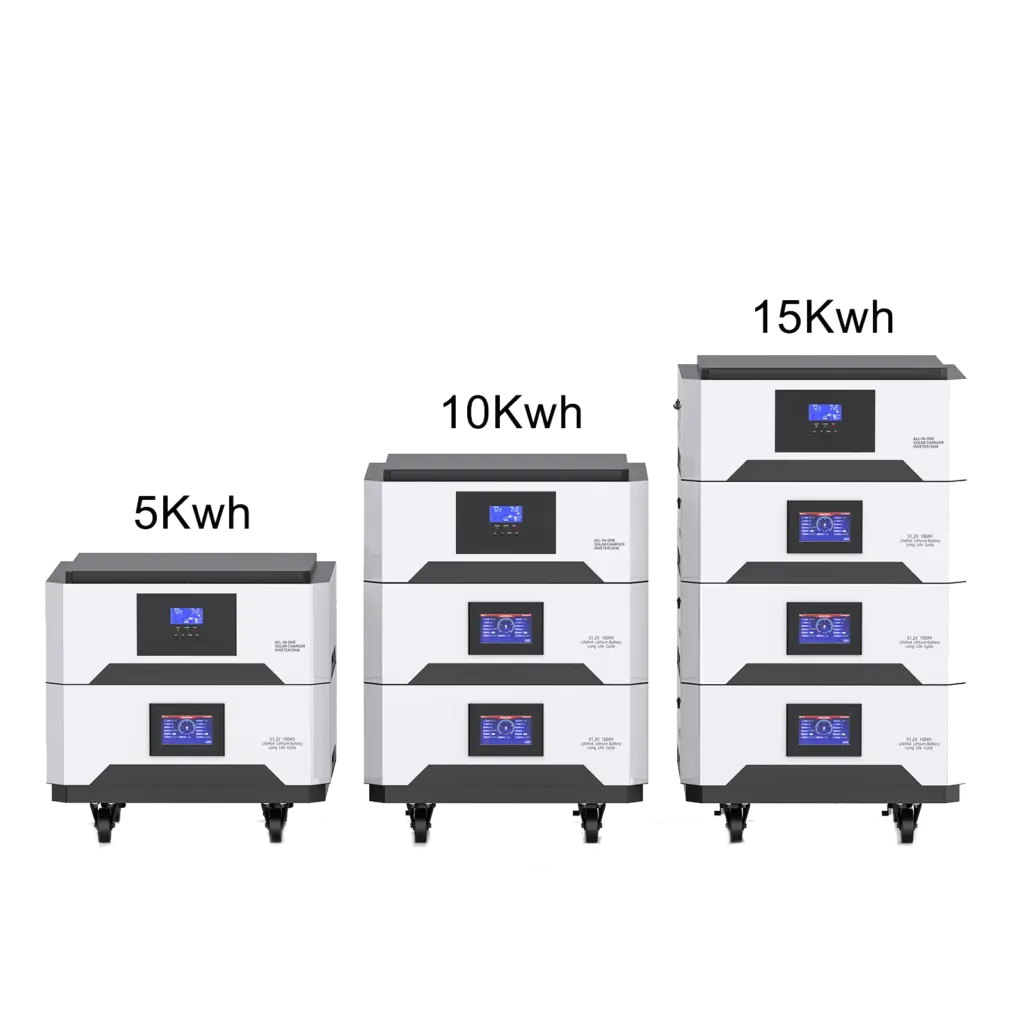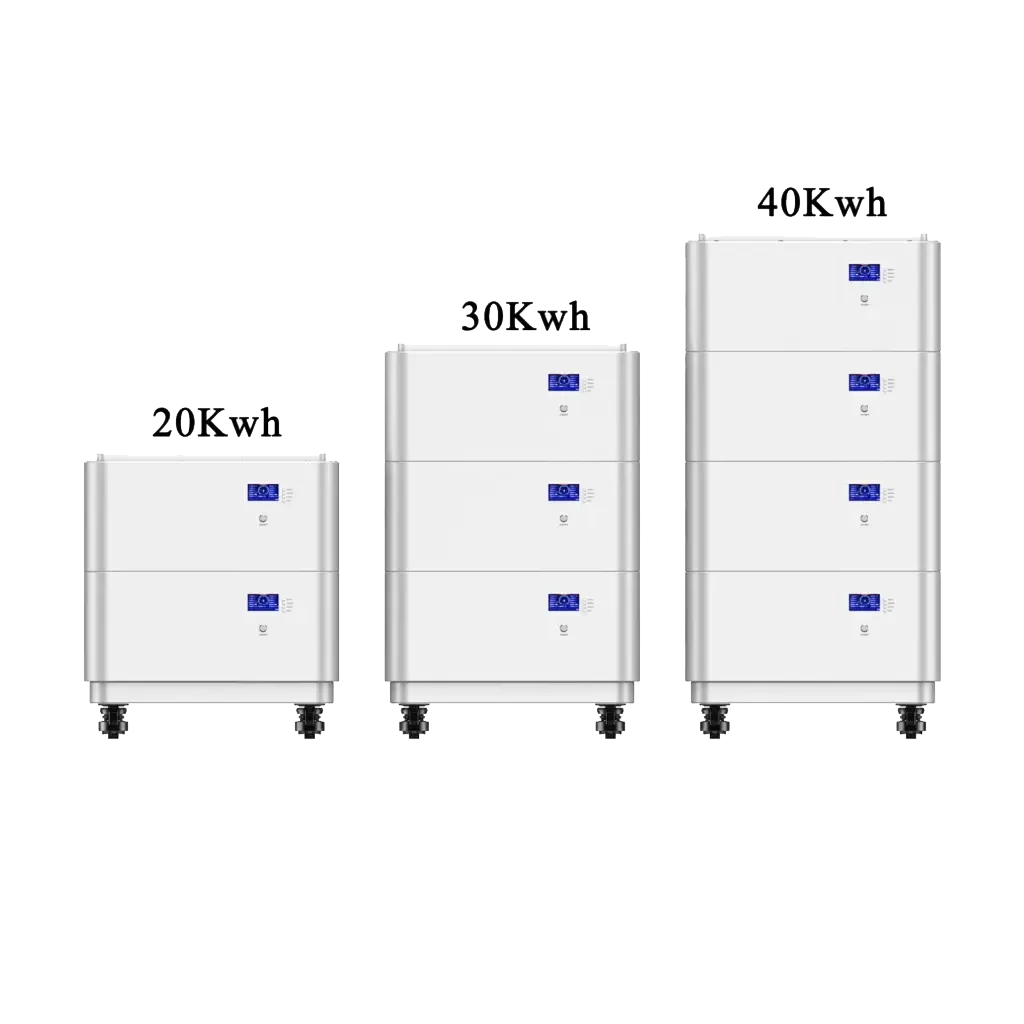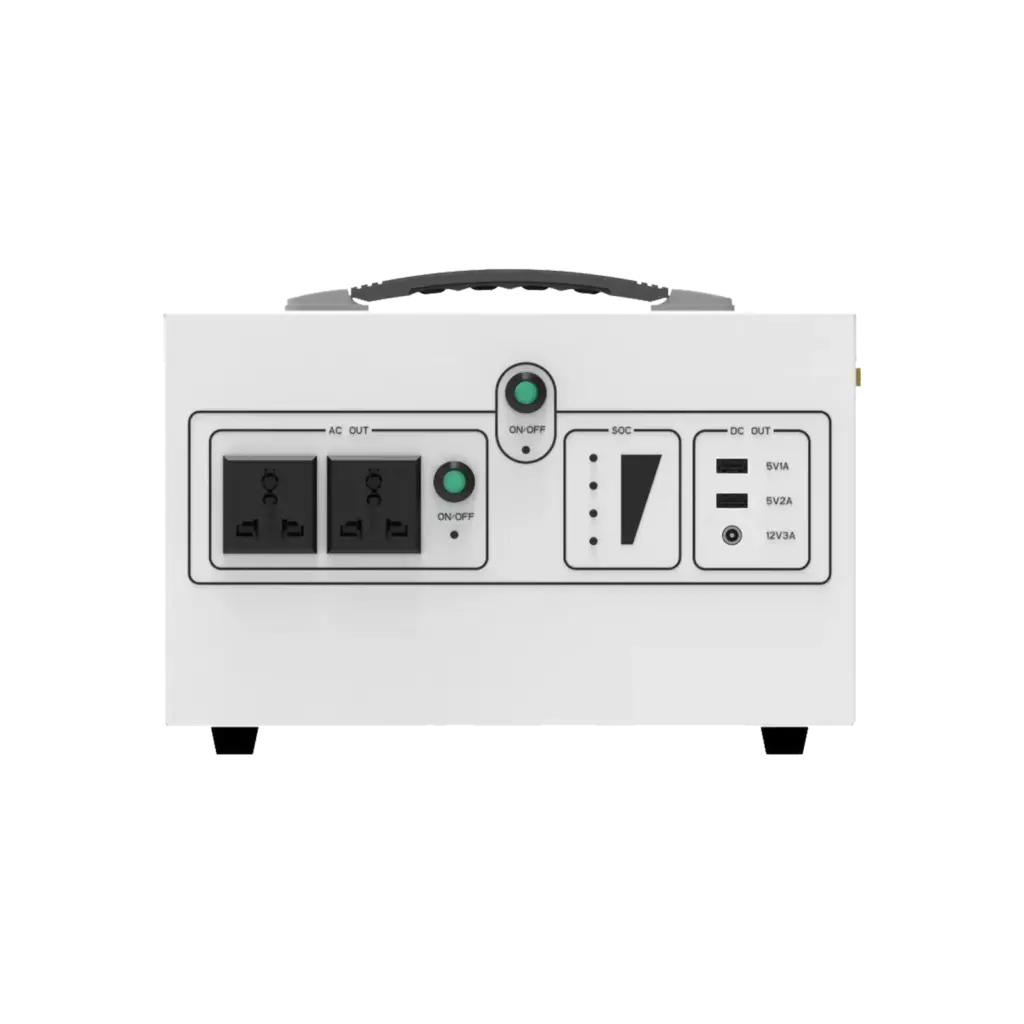

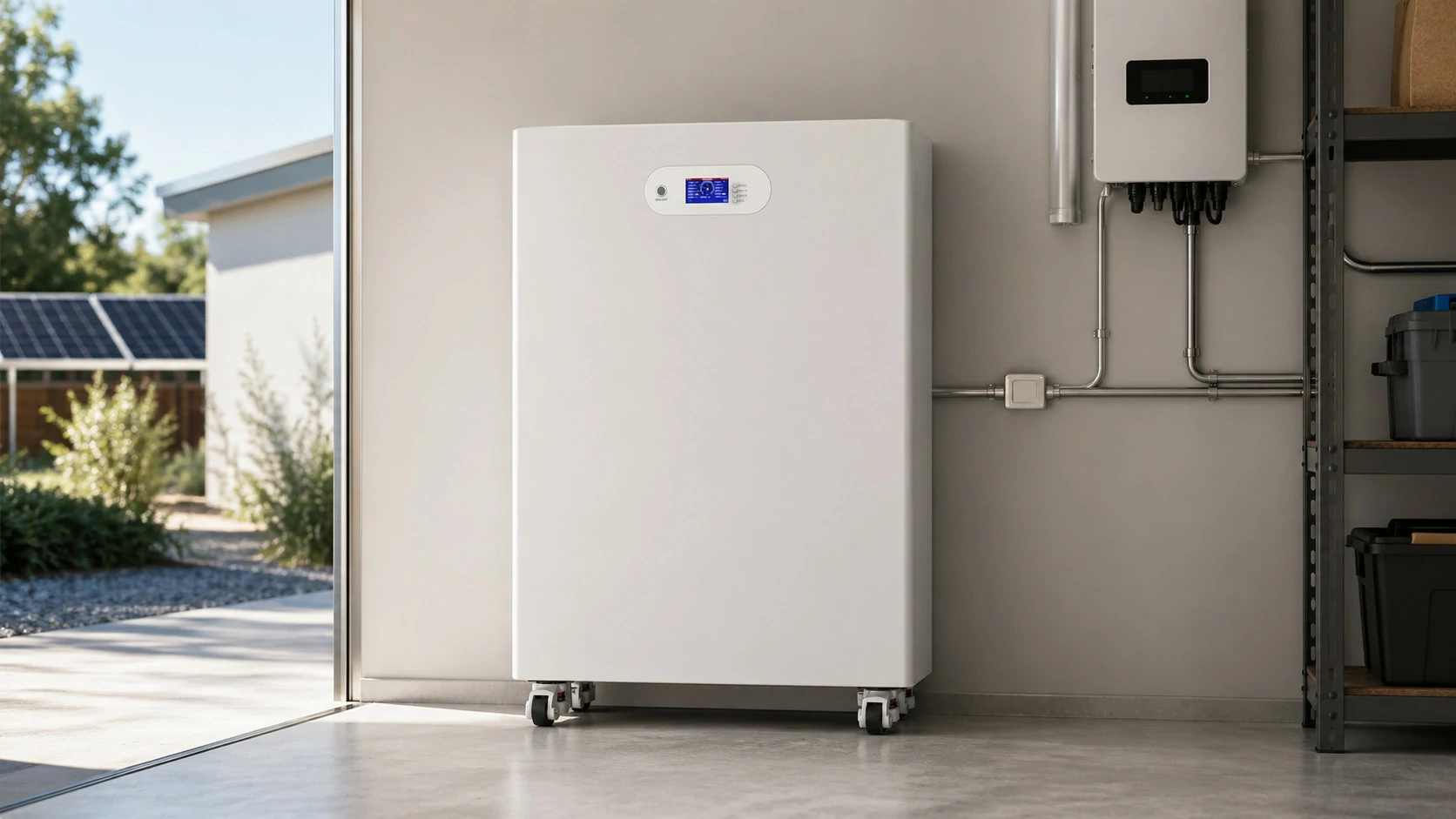
A home solar and battery system combines rooftop solar panels, an inverter, a battery bank, and energy management controls to help a home generate, store, and use more of its own electricity.
Without battery storage, solar panels mainly work when the sun is shining. Any extra solar electricity is usually sent back to the grid. With a battery, the home can store unused solar power during the day and use it later at night, during peak electricity prices, or during a power outage.
This guide explains how a home solar and battery system works, what components it includes, how to size a battery, what it costs, and how to choose the right system for your home.
What Is a Home Solar and Battery System?
A home solar and battery system combines solar panels, an inverter, battery storage, electrical protection devices, and a monitoring system. Together, these components allow a home to generate electricity from sunlight, use that electricity in real time, store surplus energy, and draw power from the battery when solar production is low.
A typical system includes:
- Solar panels that convert sunlight into direct current electricity.
- A solar inverter or hybrid inverter that converts electricity into usable alternating current.
- A battery that stores excess solar energy.
- A battery management system that monitors voltage, current, temperature, state of charge, and system safety.
- A switchboard or distribution board that directs electricity to the home, battery, or grid.
- A monitoring system that allows homeowners or installers to check system performance.
In a basic solar-only system, electricity is used immediately by the home or exported to the grid. In a solar-plus-battery system, extra solar power can be stored first and used later. This is the key difference between a standard solar panel system and a complete home solar and battery system.
How Does a Home Solar and Battery System Work?
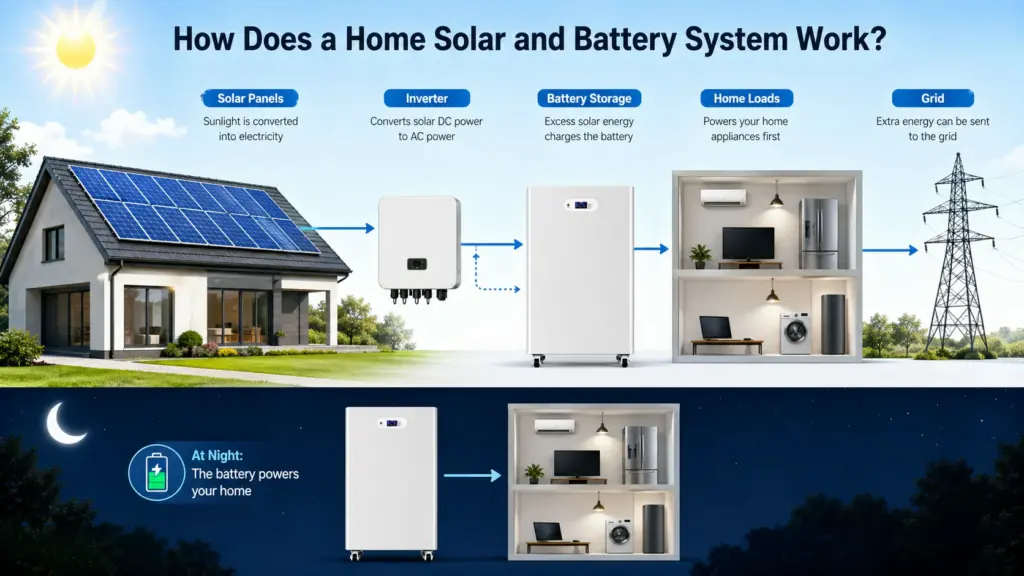
A home solar and battery system works differently during the day, at night, and during a grid outage.
During the Day
When sunlight hits the solar panels, the panels generate DC electricity. The inverter converts this electricity into AC power that your home can use.
The system normally follows this order:
- Power your home appliances first
- Charge the battery with excess solar energy
- Export remaining electricity to the grid if the battery is full
At Night
At night, solar panels stop producing electricity. If the battery has stored energy, it can discharge power to run lights, refrigerators, WiFi routers, home electronics, and other selected loads.
If the battery runs out, the home can draw electricity from the grid.
During a Power Outage
If the system includes backup functionality, the battery can power essential home loads during a grid outage. These loads may include:
- Refrigerator
- Lighting
- Internet router
- Security system
- Medical equipment
- Selected sockets
- Small appliances
Not every solar battery system automatically provides backup power. Some grid-tied systems shut down during outages unless they include backup circuits, a transfer switch, or a backup gateway. This should be confirmed before installation.
Looking for a scalable LiFePO4 battery solution for residential solar projects? Avepower provides home energy storage batteries with intelligent BMS protection, flexible OEM/ODM customization, inverter communication support, 8000+ cycle life, expandable capacity, support for up to 16 units in parallel, and international certification options.
Need a Home Solar Battery System for Your Project?
Contact Avepower to get battery specifications, compatibility guidance, and project pricing for your next home solar and battery system.
Main Components of a Home Solar and Battery System
A reliable home solar and battery system is not only about the battery. It is a complete energy system made of several connected parts.
Solar Panels
Solar panels generate electricity from sunlight. The size of the solar array affects how much energy the system can produce and how quickly the battery can be charged.
If the solar array is too small, the battery may not fully charge on many days. If the solar array is well-sized, it can power the home during the day and still produce surplus electricity for battery storage.
Inverter
The inverter is one of the most important parts of the system. Solar panels generate DC electricity, while most home appliances use AC electricity. The inverter converts electricity into a usable form.
There are several inverter options:
- A standard solar inverter for solar-only systems.
- A hybrid inverter that manages both solar panels and batteries.
- A battery inverter used in AC-coupled battery systems.
The inverter affects system efficiency, backup performance, future expandability, and compatibility with the battery.
Battery
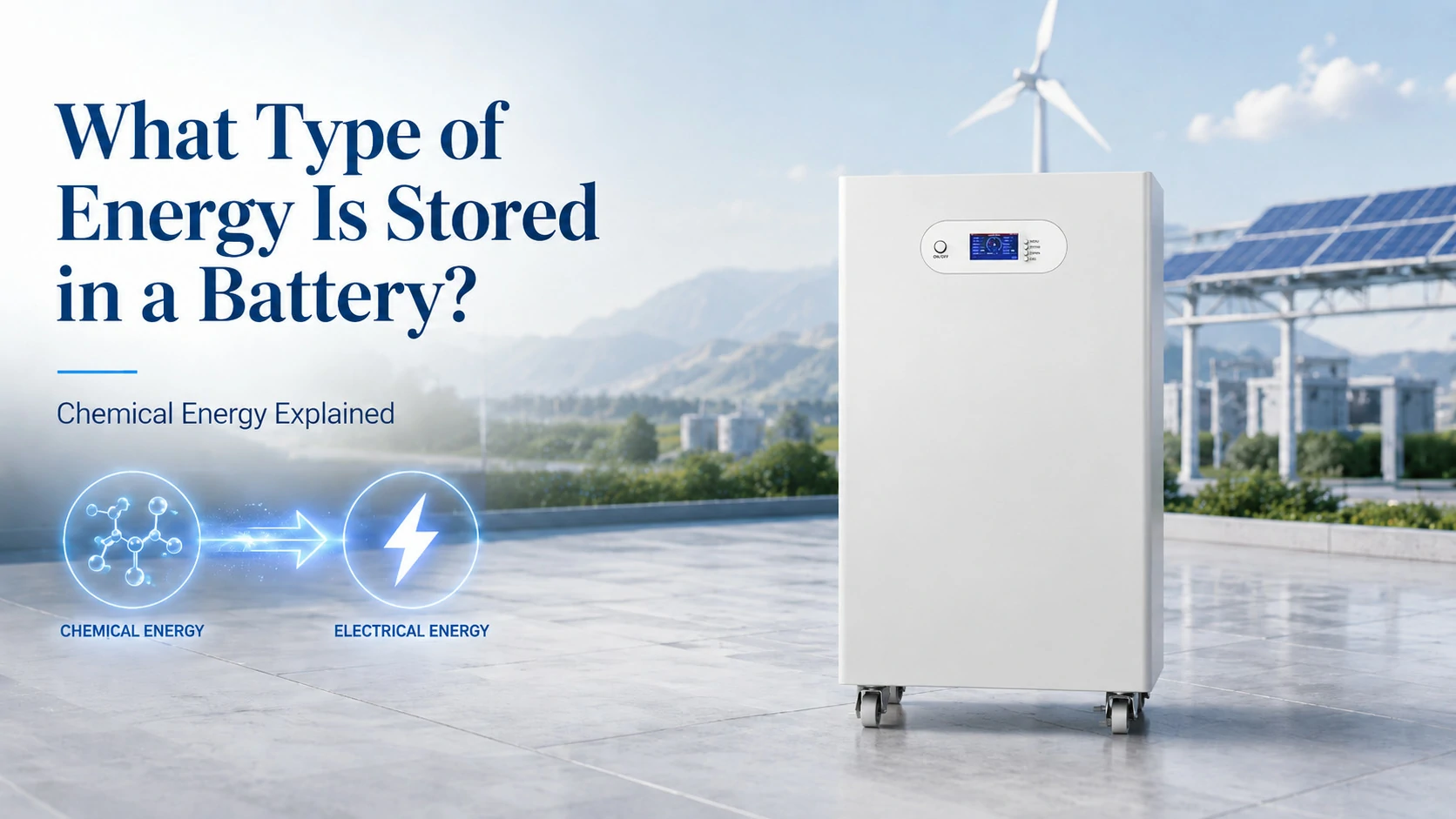
The battery stores electricity for later use. Battery capacity is usually measured in kilowatt-hours, or kWh. A 10kWh battery can store up to 10 kilowatt-hours of electricity in theory, although usable capacity may be lower depending on battery design and operating limits.
The battery’s job is not only to store energy. It also needs to charge safely, discharge reliably, communicate with the inverter, and protect itself from abnormal conditions.
Battery Management System
A battery management system, or BMS, is responsible for monitoring and protecting the battery. A good BMS checks important operating data such as cell voltage, temperature, current, and state of charge.
The BMS helps protect the battery from overcharge, over-discharge, over-current, short circuit, overheating, and low-temperature operation. For lithium batteries, BMS quality is a critical part of long-term safety and performance.
Monitoring System
Modern home battery systems often include app or web-based monitoring. This allows users and installers to see solar production, battery charge level, energy consumption, grid imports, and system alerts.
Monitoring is useful because it helps homeowners understand how energy is being used. It also helps installers diagnose system issues more quickly.
Benefits of a Home Solar and Battery System
A home solar and battery system offers several practical benefits. The exact value depends on the home’s electricity use, solar generation, tariff structure, outage risk, and system design.
Higher Solar Self-Consumption
Solar self-consumption means using more of the electricity your solar panels generate instead of exporting it to the grid.
A battery increases self-consumption by storing excess solar power for later. Avepower describes self-consumption as one of the main benefits of lithium solar batteries because homeowners can gain more control over where and when their solar power is used.
This can be especially valuable in regions where feed-in tariffs are low or where evening grid electricity is expensive.
Lower Grid Dependence
A battery reduces the amount of electricity a home needs to buy from the grid. During the evening, the battery can supply stored solar energy instead of the home importing electricity.
This does not always mean the home becomes fully energy independent. Most grid-connected homes still use the grid as backup. But a well-designed system can reduce grid reliance significantly, especially during peak usage periods.
Backup Power
A battery can provide backup power during outages if the system is designed for backup operation.
This is useful for homes in areas with unstable grids, storms, heatwaves, or planned outages. Avepower lists backup as a key solar battery benefit, especially for homes that want more energy independence during local outages.
Better Energy Control
A battery gives homeowners more control over their energy. Some systems allow users to choose different operating modes, such as self-consumption mode, backup reserve mode, time-of-use optimization, or grid service participation.
This flexibility can make the system more useful in different electricity markets.
For Installers and Distributors
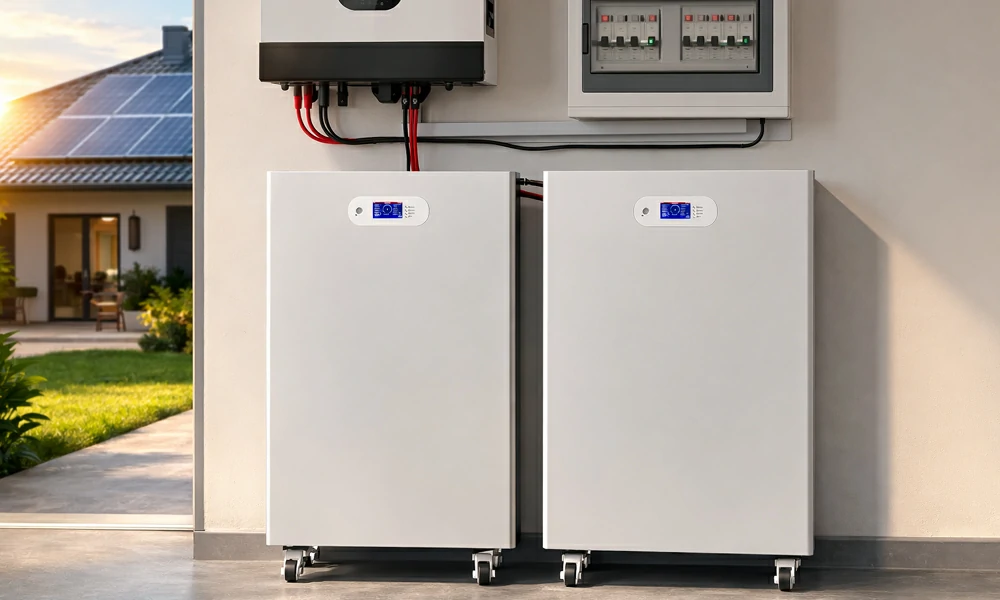
Avepower provides LiFePO4 home battery solutions for installers, distributors, and solar project partners. Choose from wall mounted, rack mount, stackable, vertical, and all in one battery systems with flexible OEM and ODM support.
AC-Coupled vs DC-Coupled Solar Battery Systems
One of the most important decisions in a home solar and battery setup is whether to use an AC-coupled design or a DC-coupled design.
What is an AC-Coupled Battery System?
An AC-coupled battery system uses a separate battery inverter. This design is commonly used when adding battery storage to an existing solar panel system.
If a home already has solar panels and a functioning solar inverter, AC coupling allows the homeowner to keep the existing inverter while adding a battery system.
Keeping the original solar inverter and adding a separate battery inverter is known as AC coupling. To learn more about AC battery systems, read this article: “What Is an AC Coupled Solar Battery System? Complete Guide.”
AC-coupled systems are typically suitable for:
- Existing solar systems
- Battery retrofit projects
- Homes with solar inverters in good condition
- Projects requiring greater brand flexibility
- Installations where homeowners prefer not to replace the original inverter
What is a DC-Coupled Battery System?
A DC-coupled system typically uses a hybrid inverter. In this configuration, both the solar panels and the battery are managed by a single inverter platform.
Connecting existing solar panels to a new hybrid inverter is referred to as DC coupling. Neither AC coupling nor DC coupling is universally better—they serve different purposes.
DC-coupled systems are typically suitable for:
- New solar + battery installations
- Homes replacing an old inverter
- Projects that prefer a clean, integrated design
- Systems with fewer energy conversion steps
- Installations where solar and battery are designed together from the start
Which is Better?
There is no single best answer.
| Situation | Better Option |
|---|---|
| You already have solar panels | AC-coupled battery |
| You are installing a new solar system | DC-coupled or hybrid system |
| You want simple retrofit flexibility | AC-coupled system |
| You want fewer devices and higher integration | Hybrid inverter system |
| You want all-in-one installation | All-in-one solar battery system |
A qualified installer should assess the property before recommending either AC or DC coupling. To learn more about the differences, read: “AC vs DC Coupling: Key Differences in Solar Energy Systems.”
All-in-One Solar Battery System
An all-in-one system integrates the battery and inverter into a more compact solution. For homeowners and installers, this can simplify installation, reduce component matching issues, and create a cleaner system layout.
Avepower’s all-in-one battery options are suitable for homes that want a more integrated solar storage solution, while stackable and wall-mounted systems are better for homeowners who want flexible capacity and space-saving installation.
Grid-Tied, Hybrid, and Off-Grid Systems
Not all home solar and battery systems are designed for the same level of grid independence.
Grid-Tied Solar and Battery System
A grid-tied system remains connected to the utility grid. This is the most common residential setup.
The home uses solar power first, battery power second, and grid power when needed. This design gives homeowners the benefits of solar storage while still keeping the grid as a backup source.
Hybrid Solar and Battery System
A hybrid solar system combines solar panels, battery storage, and grid connection with more advanced energy management. It may support backup power, self-consumption, time-of-use optimization, and sometimes generator integration.
Many modern home energy storage systems are hybrid systems because they allow more flexible operation.
Off-Grid Solar and Battery System
An off-grid solar system is not connected to the utility grid. In this case, battery storage is essential.
Off-grid systems need larger battery capacity, careful load calculation, enough solar generation, and often a backup generator. That off-grid solar battery storage is essential because the battery must supply electricity when solar power cannot be generated, such as at night, on cloudy days, or under snow.
Off-grid design requires more conservative planning than a standard grid-connected home battery system.
Build a Smarter Home Solar and Battery System with Avepower
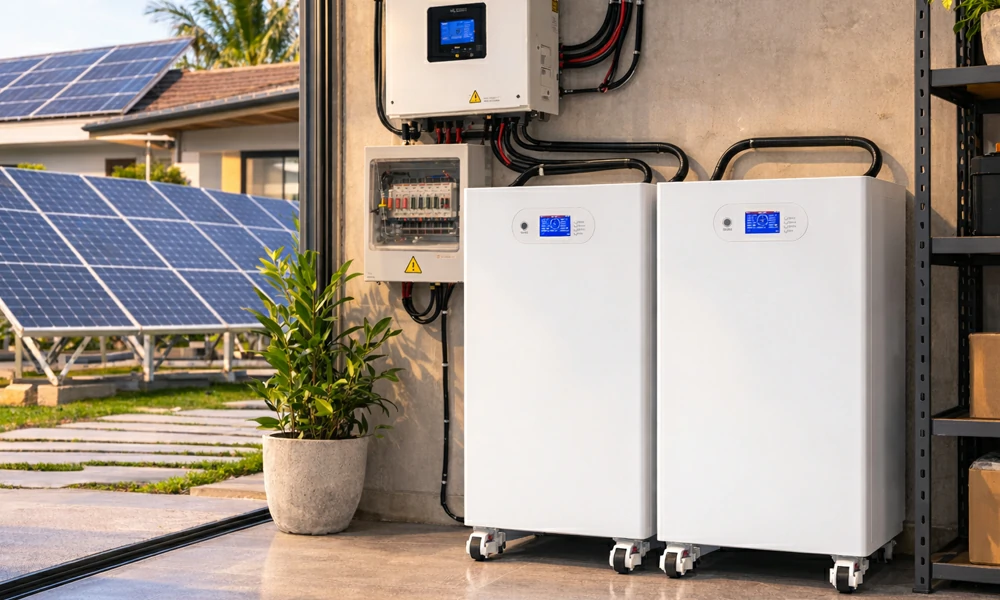
Avepower supports home energy storage projects with customizable LiFePO4 solar and battery system solutions.
What Size Battery Do You Need for a Home Solar System?
The right solar battery size depends on your home’s electricity use, solar system size, backup goals, and budget.
Common Home Battery Sizes
For many homes, battery systems commonly fall into these ranges:
| Battery Size | Suitable Use |
|---|---|
| 5 kWh | Small homes, basic evening use, limited backup |
| 10 kWh | Typical home backup for essentials and evening use |
| 15 kWh | Larger homes or higher night-time consumption |
| 20 kWh+ | High energy use, longer backup, partial off-grid use |
| 30 kWh+ | Large homes, villas, farms, or advanced backup needs |
A 10 kWh battery does not always provide 10 kWh of usable energy. That usable capacity for a lithium-ion battery can be slightly lower than nominal capacity, often around 5% to 10% lower depending on the system.
Simple Battery Sizing Formula
Use this simple method:
Battery size needed = Night-time electricity use + backup reserve
For example:
| Home Usage Pattern | Suggested Battery Capacity |
|---|---|
| 5 kWh night use | 5–7 kWh battery |
| 8 kWh night use | 10 kWh battery |
| 12 kWh night use | 15 kWh battery |
| 16–20 kWh night use | 20–25 kWh battery |
If the goal is only to reduce electricity bills, a smaller battery may be enough. If the goal is backup power, the system should be sized around essential loads and expected outage duration. If the goal is off-grid living, both solar and battery capacity must be much larger.
How Long Can a Solar Battery Power a House?
Battery runtime depends on battery usable capacity and household load.
A simple formula is:
Battery runtime = usable battery capacity ÷ average load
For example, if a battery has 10 kWh of usable capacity and the home is using 1 kW on average, the battery could theoretically support those loads for around 10 hours. In real use, runtime may be affected by inverter efficiency, battery reserve settings, temperature, load surges, and battery age.
How Much Does a Home Solar and Battery System Cost?
Costs vary by country, battery size, inverter design, installation complexity, electrical upgrades, backup requirements, and local incentives.
In the U.S. market, EnergySage reported in February 2026 that a typical 13.5 kWh solar battery installation costs about $15,228 before incentives, and that battery prices are often compared by cost per kWh because capacity varies across brands.
That equipment usually accounts for 50–60% of the total energy storage system price, while labor, project planning, and installation-related work make up much of the remaining cost.
What Type of Battery Is Best for Home Solar?
Most modern home solar batteries use lithium-ion technology. Within lithium-ion batteries, two common chemistries are LFP and NMC.
LFP Battery
LFP stands for lithium iron phosphate. It is widely used in residential solar storage because of its thermal stability, long cycle life, and strong safety profile. EnergySage notes that LFP batteries tend to be more efficient, last longer, and are slightly safer, while NMC batteries are usually more power-dense.
Lead-Acid Battery
Lead-acid batteries are still used in some small or low-cost systems, but they are heavier, usually have shorter cycle life, and often provide lower usable depth of discharge compared with lithium batteries.
Best Choice for Most Homes
For most modern home solar and battery systems, LiFePO4 / LFP battery storage is the preferred choice because it balances safety, cycle life, efficiency, and long-term value.
Avepower uses LiFePO4 battery technology across its home energy storage product range, with intelligent BMS protection and communication options such as CAN, RS485, and RS232 to support inverter integration.
Avepower Home Solar Battery Solutions
For homeowners, installers, distributors, and solar project partners looking for reliable residential solar and battery systems, Avepower offers flexible LiFePO4 battery solutions designed for home energy storage applications.
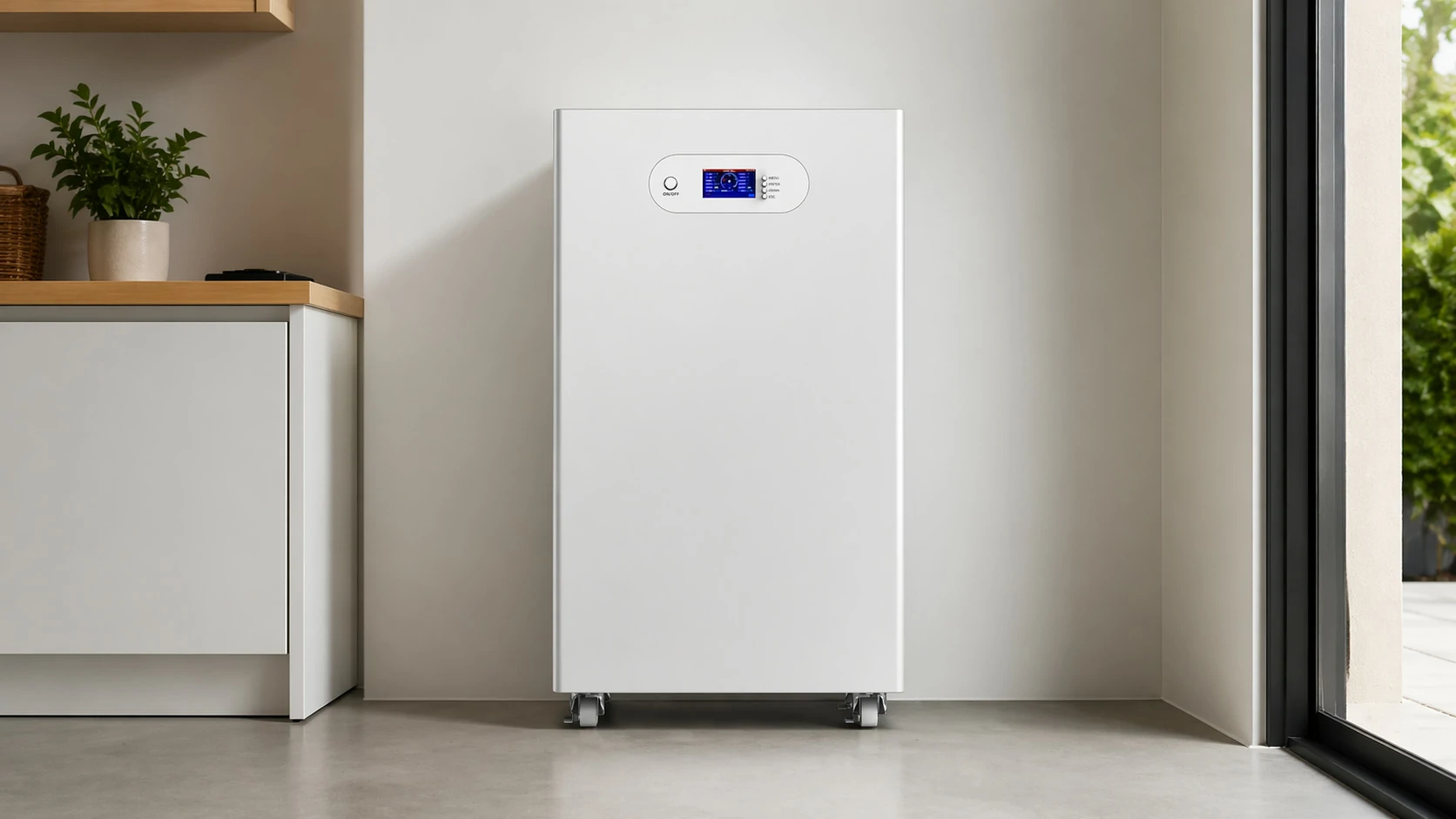
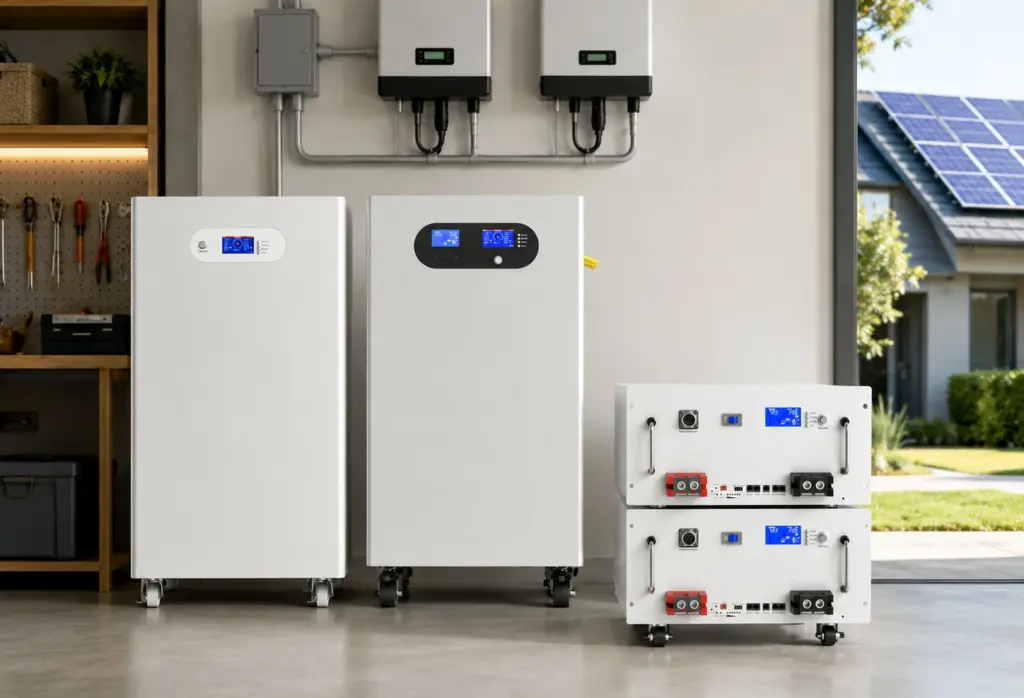
Avepower’s residential energy storage products are built to support a wide range of installation scenarios, including wall-mounted batteries, rack-mounted batteries, floor-standing LiFePO4 batteries, stacked battery systems, and all-in-one solar battery solutions. These systems use lithium iron phosphate (LiFePO4) chemistry, feature intelligent BMS protection, and support communication protocols such as CAN, RS485, and RS232. Bluetooth and WiFi monitoring are also available, allowing users and installers to easily check system status, battery performance, and operational data.
As a battery manufacturer with extensive experience in LiFePO4 battery R&D, production, and customization, Avepower can meet a wide range of OEM and ODM requirements. This includes customization of battery appearance, capacity, communication protocols, labeling, packaging, and project-specific system design. This makes Avepower suitable not only for individual residential systems, but also for distributors, installers, EPC contractors, and solar energy storage projects that require stable supply and tailored product support.
Take Control of Your Energy with Avepower!
Reliable home solar battery solutions with OEM/ODM customization and in-house manufacturing, tailored to the needs of distributors, installers, and energy partners.
Conclusion
A home solar and battery system can help homeowners use more solar energy, reduce grid dependence, improve backup capability, and gain better control over household electricity use. But the best system is not always the biggest or most expensive one.
The right system depends on energy consumption, solar panel size, installation conditions, backup expectations, electricity tariffs, and future expansion plans.
For homeowners, the key is to choose a system that matches real usage patterns. For installers and distributors, the key is to choose reliable battery products with strong BMS protection, flexible communication options, stable supply, and adaptable installation formats.
Avepower supports home energy storage projects with LiFePO4 battery solutions designed for different residential applications, from compact wall-mounted systems to expandable stackable batteries and integrated all-in-one solutions.
If you are planning a home solar and battery system, start with your energy goals, calculate your real consumption, compare usable capacity and power output, and choose a battery platform that can support both today’s needs and tomorrow’s expansion.
FAQ
A home solar and battery system combines solar panels, an inverter, and battery storage. The solar panels generate electricity during the day, and the battery stores unused solar energy for later use at night, during cloudy weather, or during power outages.
Solar panels generate electricity during the day. The home uses solar power first. Extra solar energy charges the battery. At night, the battery discharges stored energy to power household loads. If the battery is empty, the home draws electricity from the grid.
A 10kWh battery may be enough for essential appliances, partial overnight use, or reducing peak grid imports. It may not be enough for whole-home backup, air conditioning, electric heating, or off-grid living. The answer depends on how much electricity the home uses.
You should compare usable capacity, power output, round-trip efficiency, battery chemistry, warranty, inverter compatibility, backup capability, monitoring functions, IP rating, and installation requirements.
Many lithium-ion home batteries are designed for around 10 years or more, depending on battery chemistry, cycle use, temperature, installation quality, and warranty terms.
Only if the system is designed for backup power. Some batteries need extra backup hardware, an automatic transfer function, or a protected loads panel to operate safely during grid outages.
The number of batteries depends on your daily electricity use, evening consumption, backup requirements, and battery capacity. A small home may only need one 5–10 kWh battery, while larger homes or backup-focused systems may need 15 kWh or more.