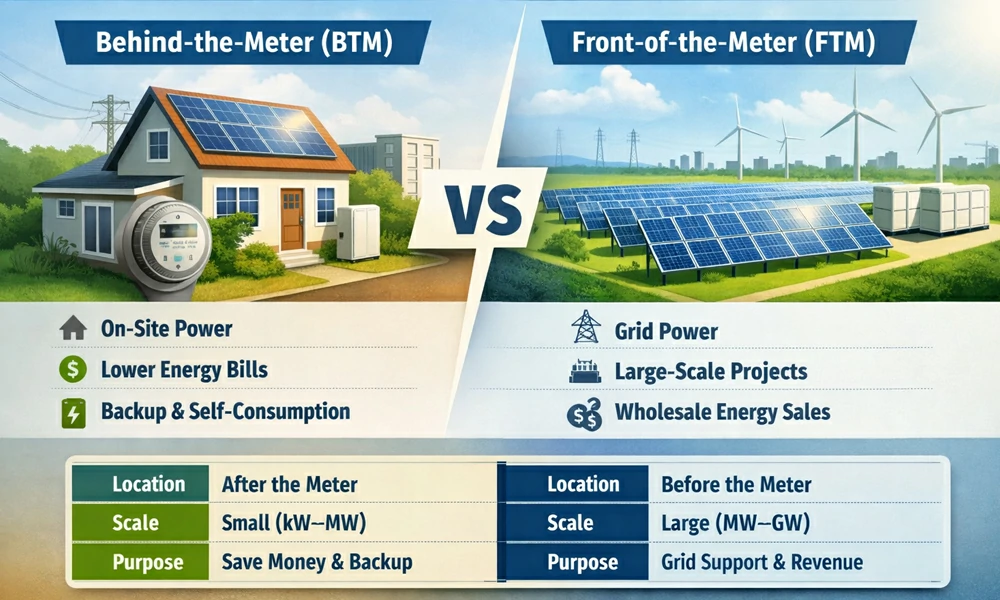
As the global energy system shifts toward decentralization, the traditional model—large centralized power plants delivering electricity one-way to consumers—is rapidly evolving. Today, technologies like distributed energy resources, battery energy storage systems, and virtual power plants are transforming how electricity is generated, stored, and consumed.
Two essential concepts define this transformation: Behind-the-Meter (BTM) and Front-of-the-Meter (FTM) energy systems.
Understanding the difference between these two models is critical for homeowners, businesses, developers, and utilities looking to optimize energy costs, improve resilience, and meet sustainability goals. This article provides a detailed comparison of BTM and FTM solar systems, explores their applications, advantages, and challenges.
What Is Behind-the-Meter (BTM) Solar?
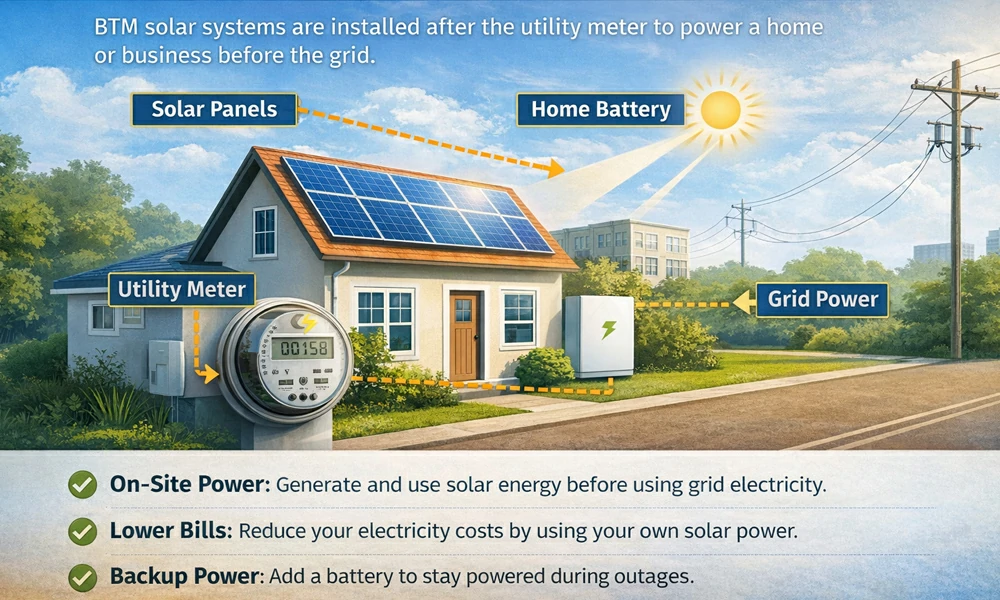
Behind-the-Meter (BTM) refers to energy systems installed after the utility meter, directly supplying power to a home, business, or industrial facility. In this model, the energy generated by solar panels or stored in batteries is primarily consumed onsite.
Unlike large-scale utility projects, BTM systems are user-centric, allowing owners to control their energy consumption and optimize cost savings.
How BTM Systems Work?
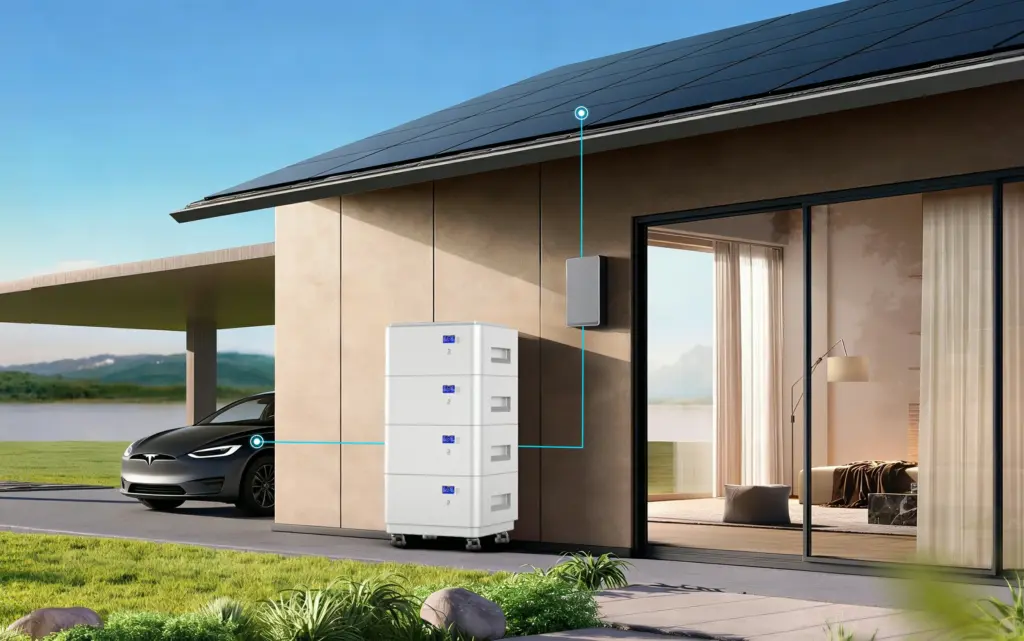
A typical BTM setup includes:
- Solar photovoltaic (PV) panels
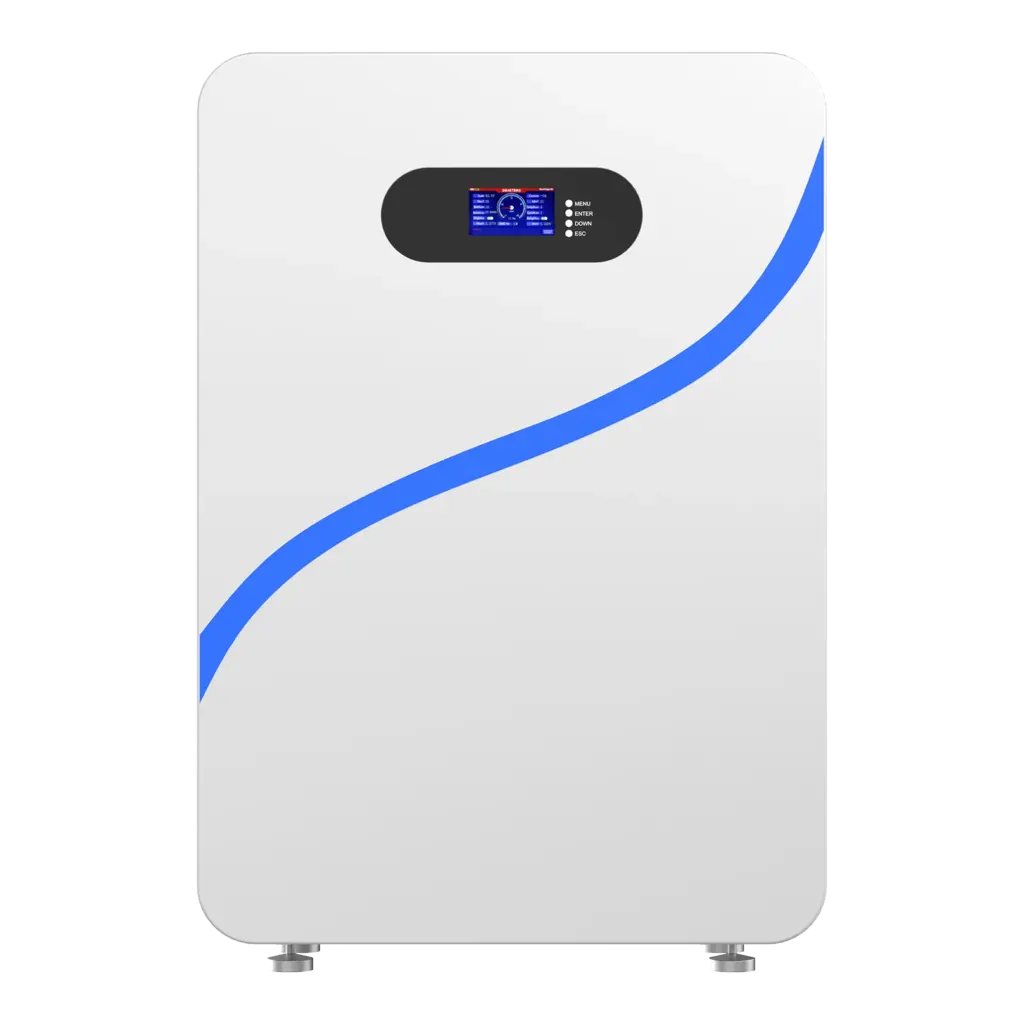
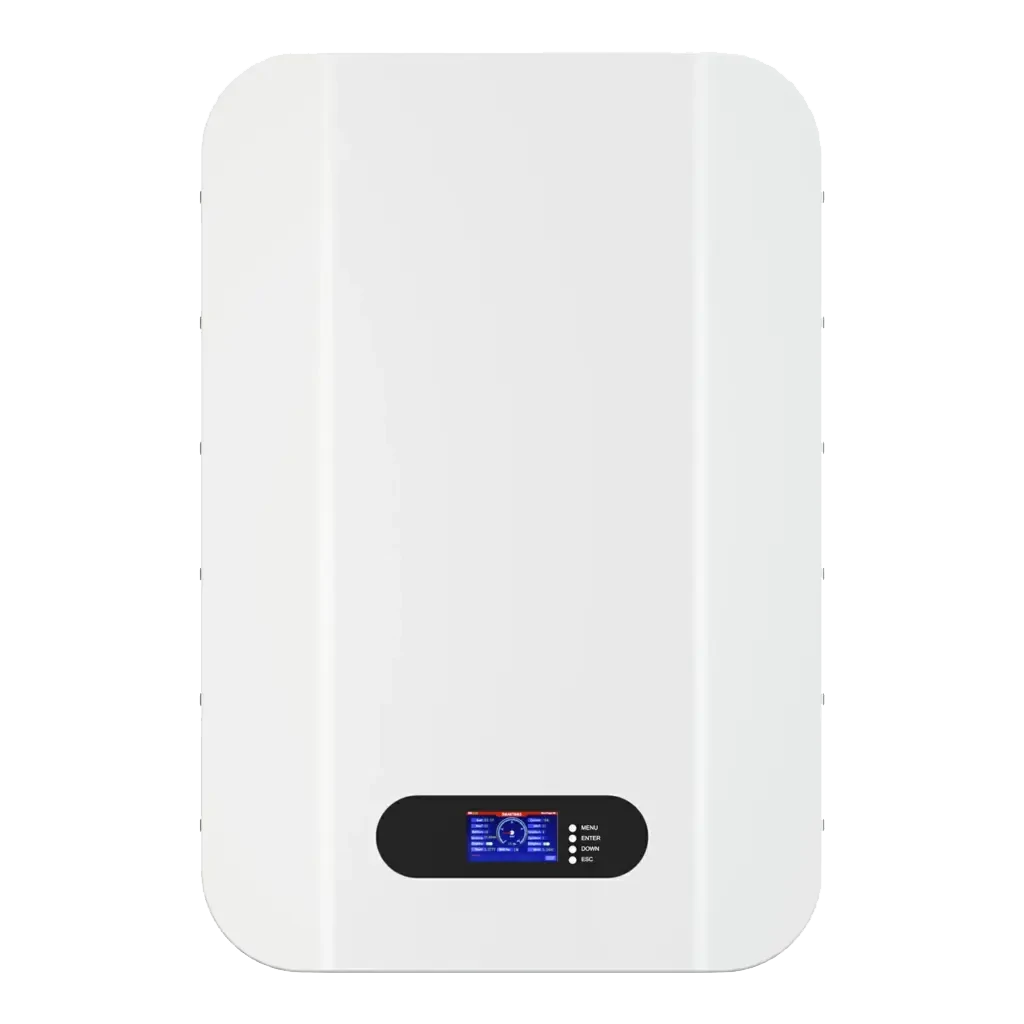
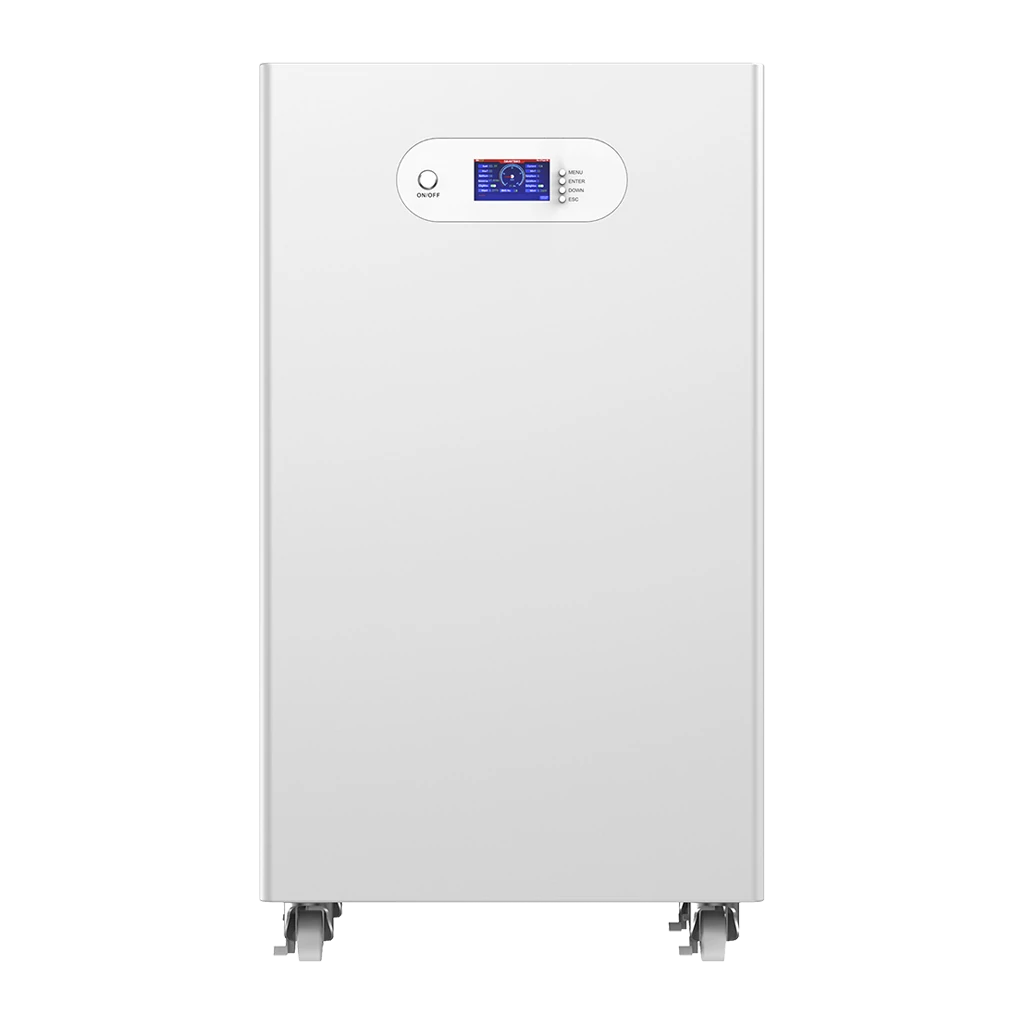
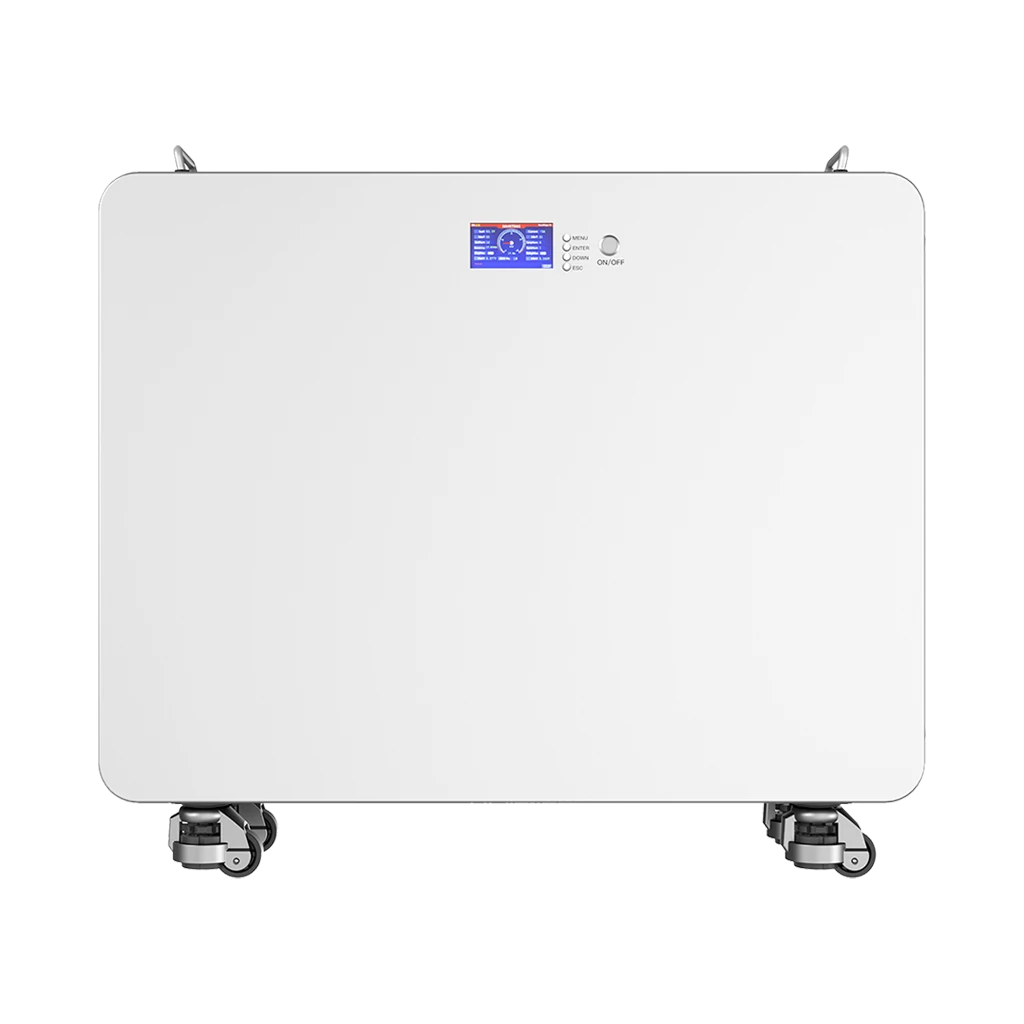
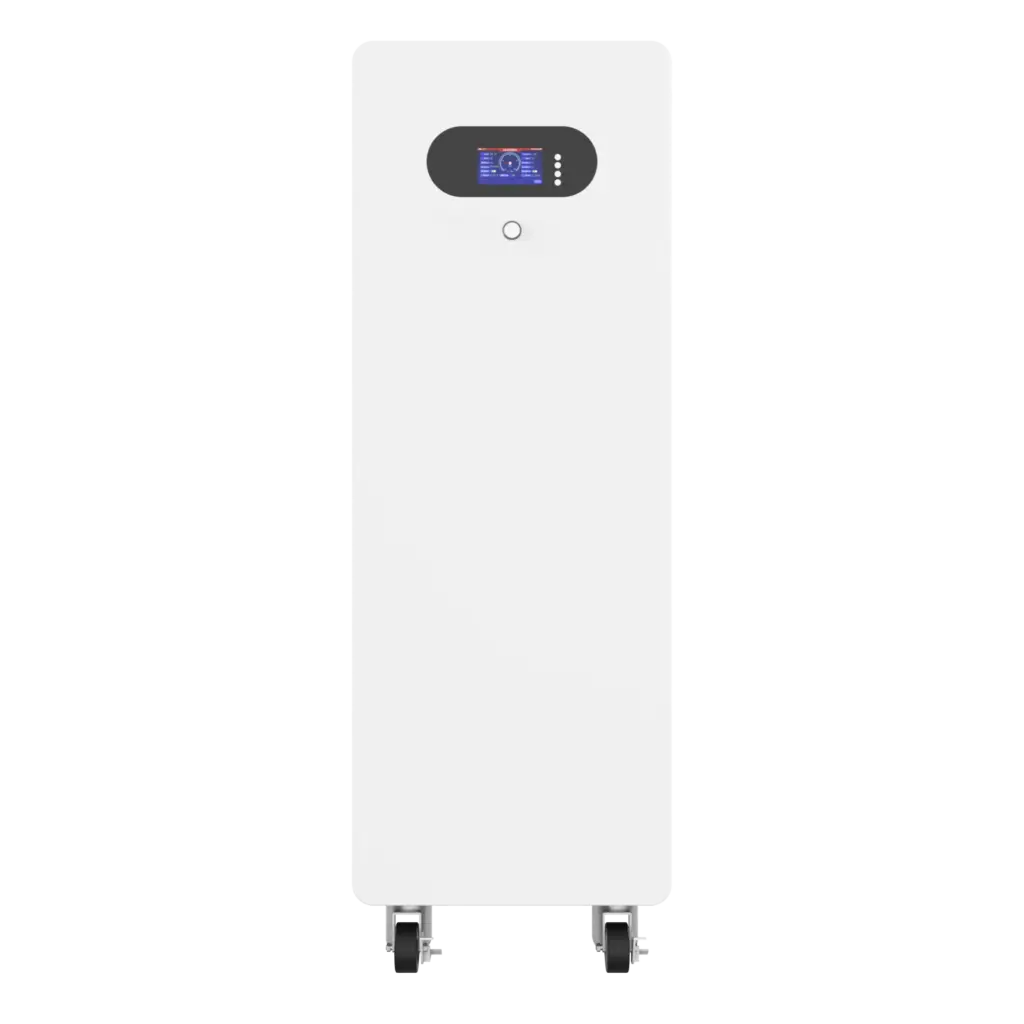
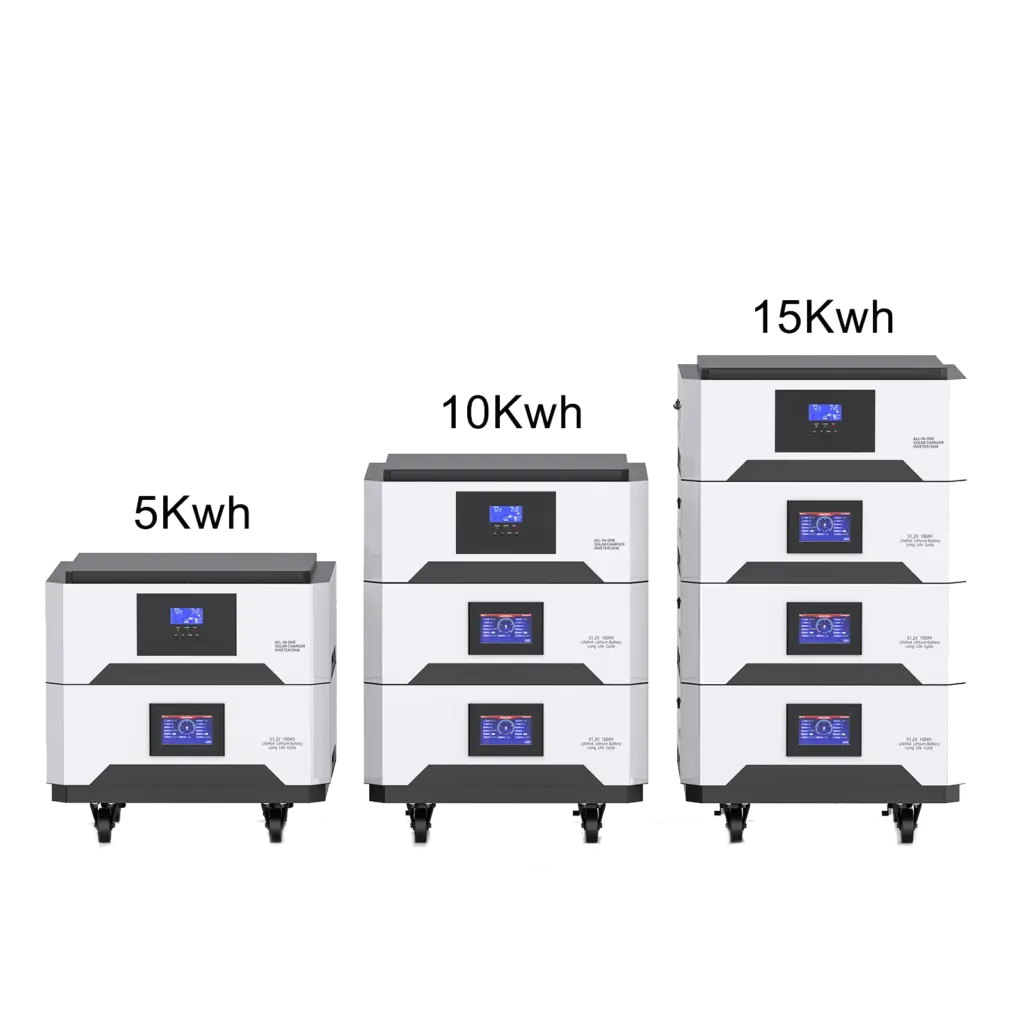
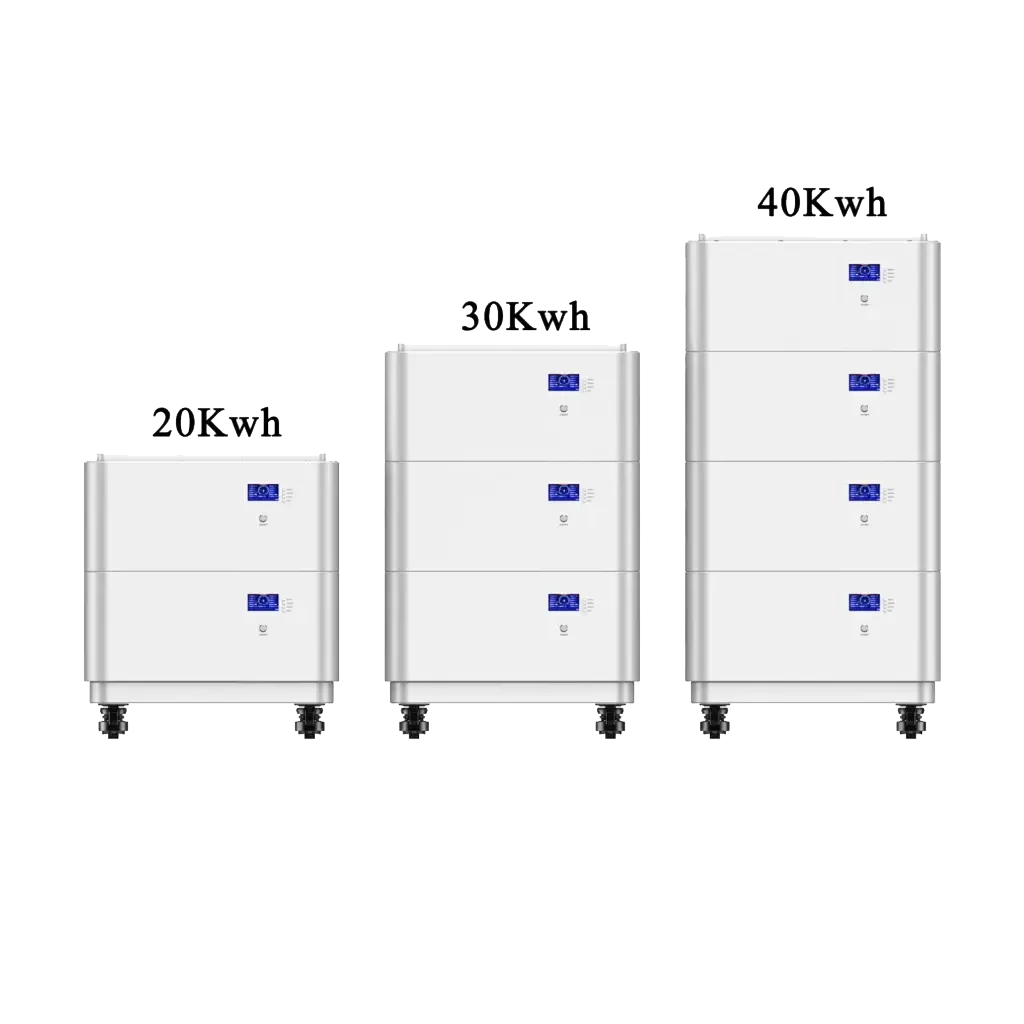
- Battery energy storage system (BESS)
- Inverter and energy management system
Electricity generated by solar panels is first used to power local loads. Any excess energy can:
- Be stored in batteries for later use
- Be exported to the grid (depending on policy and system design)
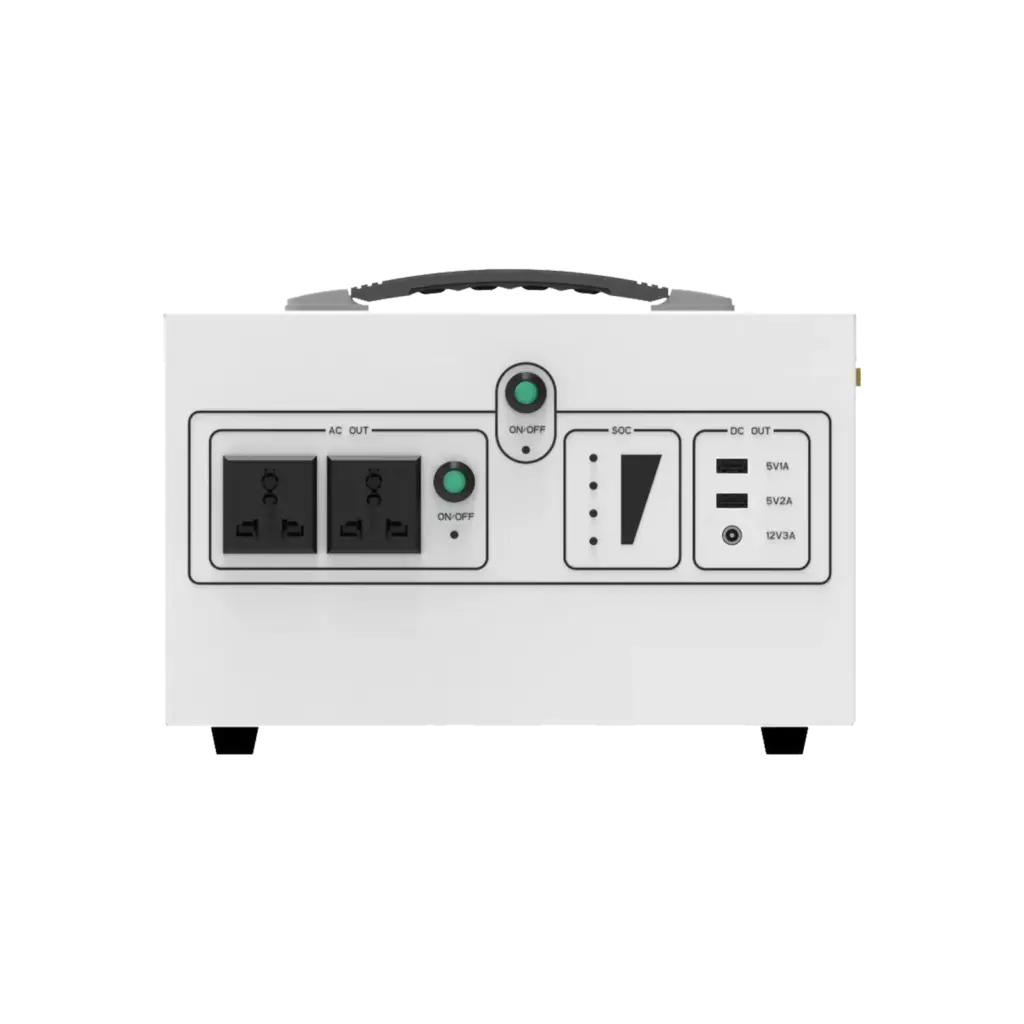
During grid outages, battery systems can provide backup power, ensuring continuity for critical loads.
Common BTM Applications
BTM systems are widely adopted across residential, commercial, and small industrial setups:
- Residential solar + battery storage – Homeowners install rooftop solar panels paired with batteries to maximize self-consumption and reduce reliance on the grid.
- Commercial battery energy storage systems (BESS) – Businesses use batteries to manage peak demand charges, saving substantial costs on electricity bills.
- Backup power solutions – Ensures continuity of operations during blackouts, critical for hospitals, data centers, and manufacturing facilities.
Example: A 10 kW residential solar system paired with a 20 kWh battery can cover 80–90% of a household’s daily electricity needs in sunny regions like California or Spain, while also providing up to 24 hours of backup power during grid outages
Key Benefits of BTM
- Reduced Electricity Bills: According to the International Energy Agency (IEA), self-consumption of solar energy can reduce household electricity costs by 20–50%, depending on tariff structures and solar penetration.
- Energy Independence: BTM systems reduce dependence on grid electricity, offering protection against price volatility and outages.
- Participation in Grid Services: Through programs like Virtual Power Plants (VPPs), BTM users can monetize their assets by: Providing demand response, selling stored energy during peak demand.
- Increased Property Value: Studies from the U.S. Department of Energy show that homes with solar systems can sell for up to 4% more than comparable properties.
Limitations of BTM
- Scale constraints: Typically ranges from 5 kWh to ~10 MWh
- Upfront investment: Requires capital expenditure for installation
- Operational complexity: Requires system monitoring and optimization
What Is Front-of-the-Meter (FTM) Solar?
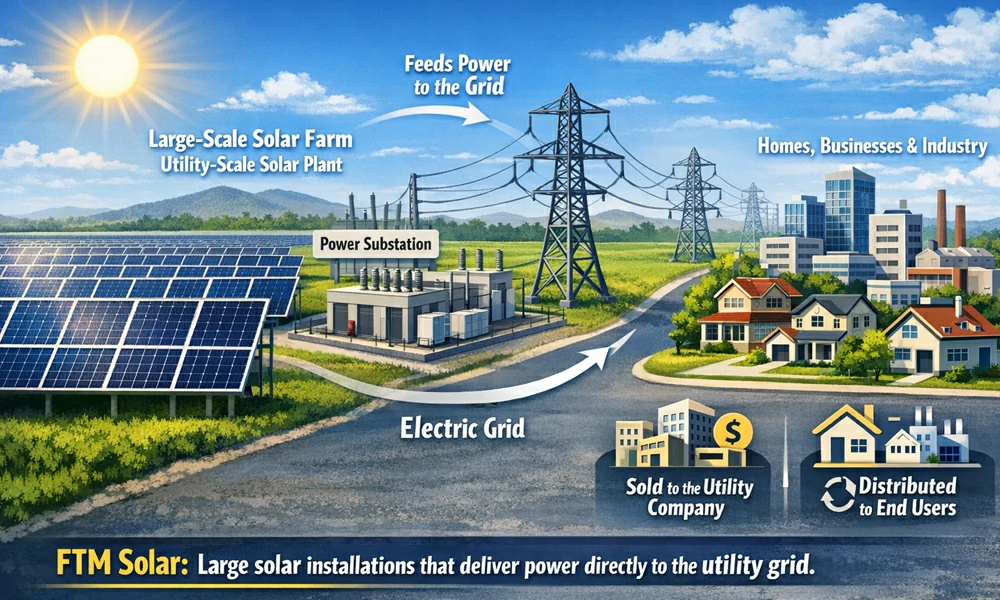
Front-of-the-meter (FTM) refers to energy systems installed on the utility side of the meter, supplying electricity directly to the grid rather than to a specific end-user. These systems are typically owned and operated by utilities, independent power producers (IPPs), or governments.
How FTM Systems Work
FTM systems generate electricity at scale and feed it into the transmission or distribution network. Revenue is generated through:
- Wholesale electricity markets
- Capacity markets
- Ancillary services (frequency regulation, voltage support)
Common FTM Applications
FTM systems generally include:
- Utility-scale solar and wind farms – Large renewable energy plants feeding power into the grid.
- Grid-scale battery energy storage systems (BESS) – Storage units of 100 MWh or more that stabilize the grid and store excess renewable energy.
- Wholesale energy projects – Power plants selling electricity to utilities or the wholesale market.
Example: The 1.2 GW Solar Star project in California feeds enough electricity into the grid to power over 250,000 homes, demonstrating the massive scale of FTM systems
Key Benefits of FTM
- Grid Stability and Flexibility: FTM systems help balance supply and demand, especially with intermittent renewables like solar and wind. The National Renewable Energy Laboratory (NREL) highlights that grid-scale storage can reduce renewable curtailment by up to 40% in high-penetration scenarios.
- Massive Energy Capacity: FTM projects operate at utility scale, often delivering power equivalent to entire cities. For example, large solar farms can exceed 500 MW capacity, powering hundreds of thousands of homes.
- Revenue Opportunities: FTM operators generate income through: Wholesale electricity sales, grid services markets, long-term power purchase agreements (PPAs).
Limitations of FTM
- High capital costs: Infrastructure and land acquisition are expensive
- Complex permitting and regulation
- No direct benefit to individual users (e.g., no backup power)
Behind-the-Meter vs Front-of-the-Meter Solar
| Feature | Behind-the-Meter Solar | Front-of-the-Meter Solar |
|---|---|---|
| Basic location | Customer side of the utility meter | Utility side of the customer meter |
| Main purpose | Reduce site energy costs, improve resilience, support self-consumption | Supply electricity or services to the wider grid |
| Typical users | Homeowners, commercial buildings, factories, campuses | Utilities, IPPs, community solar developers, large energy investors |
| Revenue logic | Bill savings, export credits, demand charge reduction, VPP or DER payments where available | Wholesale power sales, PPAs, capacity payments, ancillary services |
| Typical design focus | Match on-site load and tariff structure | Maximize generation value and grid services |
| Backup power | Often possible with storage and islanding controls | Usually does not directly back up one end user |
| Common scale | Often rooftop or on-site systems, frequently under 1 MW in EIA small-scale reporting | Usually utility-scale, commonly 1 MW and above |
1. Primary Purpose
BTM Solar
The main goal is to reduce the customer’s electricity cost and improve resilience. Savings often come from self-consumption, reduced peak demand, lower time-of-use purchases, and backup capability.
FTM Solar
The main goal is to produce electricity for the grid and earn revenue through contracts or market participation.
2. Typical Scale
BTM Solar
BTM projects are usually smaller, although commercial and industrial systems can still be substantial. Residential systems are commonly measured in kilowatts, while commercial systems can range into the megawatt class.
FTM Solar
FTM projects are typically much larger, often starting around utility-scale thresholds. EIA defines utility-scale generation as 1 MW and above, and many modern solar farms are tens or hundreds of megawatts.
3. Who Owns the System
BTM Solar
Ownership is often held by:
- Homeowners
- Businesses
- Building owners
- Third-party leasing or PPA providers
- Campus or institutional operators
FTM Solar
Ownership is often held by:
- Utilities
- Independent power producers
- Infrastructure funds
- Renewable developers
- Large institutional investors
4. How Value Is Created
BTM Solar
Value usually comes from:
- Lower retail electricity purchases
- Reduced demand charges
- Backup power benefits
- Participation in virtual power plants or demand response programs
- Improved resilience and power quality
FTM Solar
Value usually comes from:
- Wholesale energy sales
- Long-term PPAs
- Capacity market participation
- Renewable energy credits
- Ancillary services, especially when storage is included
5. Relationship to the Grid
BTM Solar
BTM systems are customer-centered. They can reduce grid dependence, but most remain interconnected and may still import or export power.
FTM Solar
FTM systems are grid-centered. Their entire purpose is to operate as part of the broader electricity network.
6. Backup Power Capability
BTM Solar
A properly designed BTM solar-plus-storage system can provide backup power to critical loads during outages. However, not every rooftop solar system does this automatically. Standard grid-tied solar systems often shut down during outages unless they include backup controls and, usually, battery storage.
FTM Solar
An FTM solar farm does not provide direct backup power to an individual home or building. It supports the grid as a whole, not one customer site.
Where Does Community Solar (CS) Fit In?
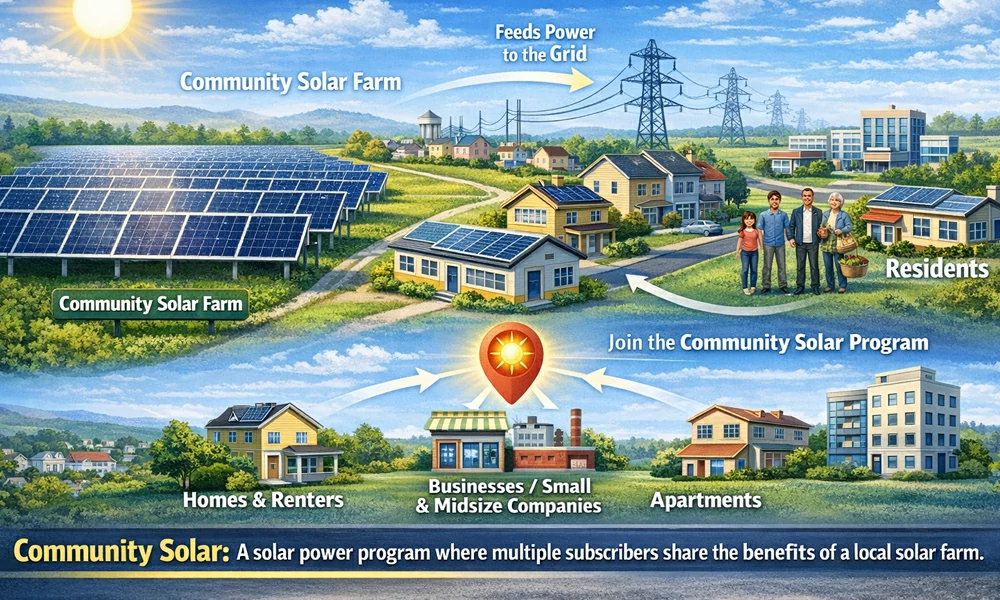
Between BTM and FTM lies Community Solar (CS)—a hybrid model.
What Is Community Solar?
- A shared solar installation
- Multiple users subscribe to a portion of the system
- Energy credits are applied to their utility bills
Benefits
- No need for rooftop installation
- Accessible to renters and apartment residents
- Scalable and community-focused
According to the National Renewable Energy Laboratory (NREL), community solar could serve up to 50% of U.S. households that cannot install rooftop solar.
How to Choose: BTM vs FTM vs CS
When determining the best solution:
- Assess Property Characteristics: Roof area, available land, and orientation influence solar feasibility.
- Determine Energy Goals: Cost savings, backup power, grid services, or ESG compliance.
- Evaluate Financial Options: Incentives, tariffs, and capital expenditure constraints.
- Consider Scale and Complexity: Residential or small commercial sites usually favor BTM, while industrial or utility projects may justify FTM.
- Factor in Participation in VPPs or CS Programs: Aggregation programs can provide additional financial or operational benefits.
Example: In a multi-tenant commercial property, BTM solar paired with community solar subscriptions can maximize both cost savings and sustainability metrics.
Energy Goals
| Goal | Best Option |
|---|---|
| Reduce electricity bills | BTM |
| Backup power | BTM |
| Generate large-scale revenue | FTM |
| Support sustainability goals | All |
| No upfront investment | Community Solar |
Integration with Virtual Power Plants (VPPs)
Both BTM and FTM systems can participate in Virtual Power Plant (VPP) programs. A VPP aggregates multiple distributed energy resources, optimizing energy production and consumption while providing grid services.
- BTM VPP Participation: Aggregated home and commercial batteries can discharge stored energy during peak demand, earning compensation for owners.
- FTM VPP Integration: Utility-scale batteries or solar farms can provide grid frequency regulation, energy arbitrage, and renewable integration.
Reference: According to the U.S. Department of Energy, VPPs can increase grid flexibility and reduce renewable curtailment by up to 30%, benefiting both consumers and utilities.
Ready to Optimize Your Energy Strategy?
Whether you’re exploring residential solar storage or commercial battery systems, the right solution can significantly reduce costs and improve energy resilience. Start by evaluating your energy usage, peak demand, and long-term sustainability goals—and choose a system that works for you today and scales for tomorrow.
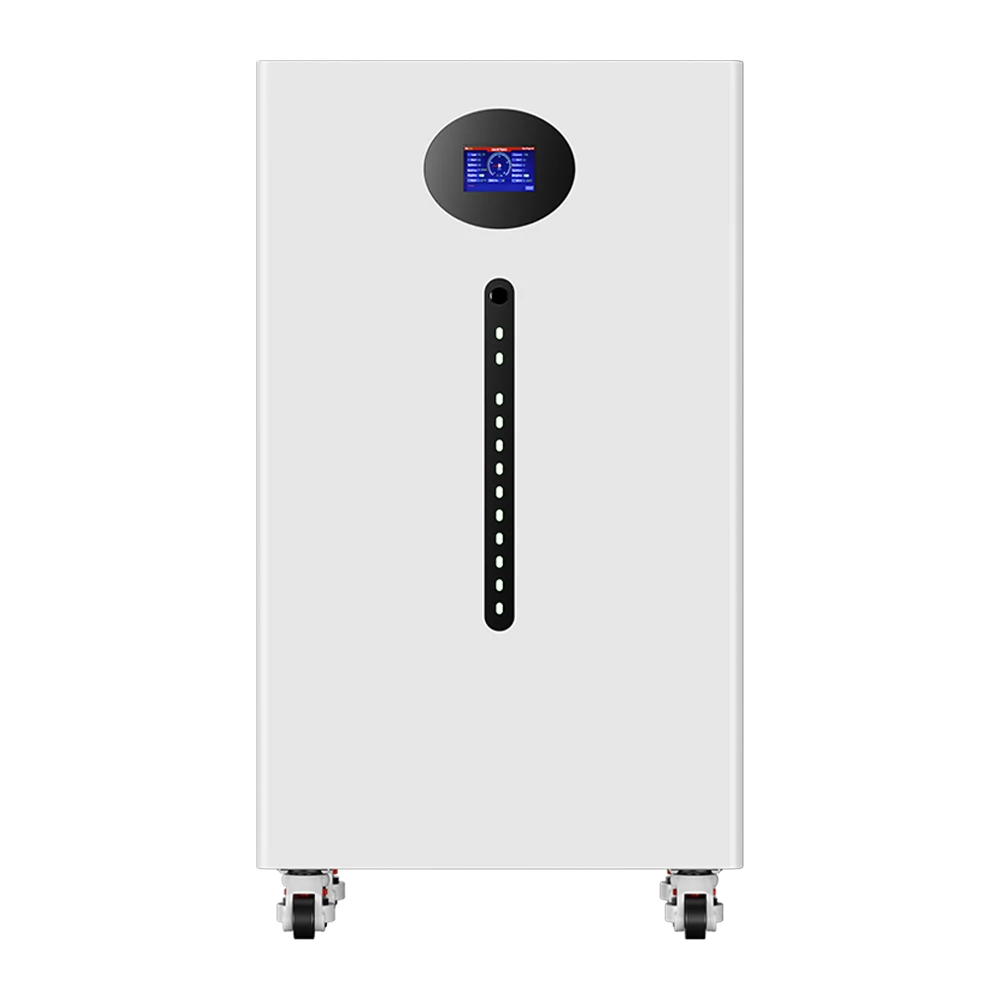
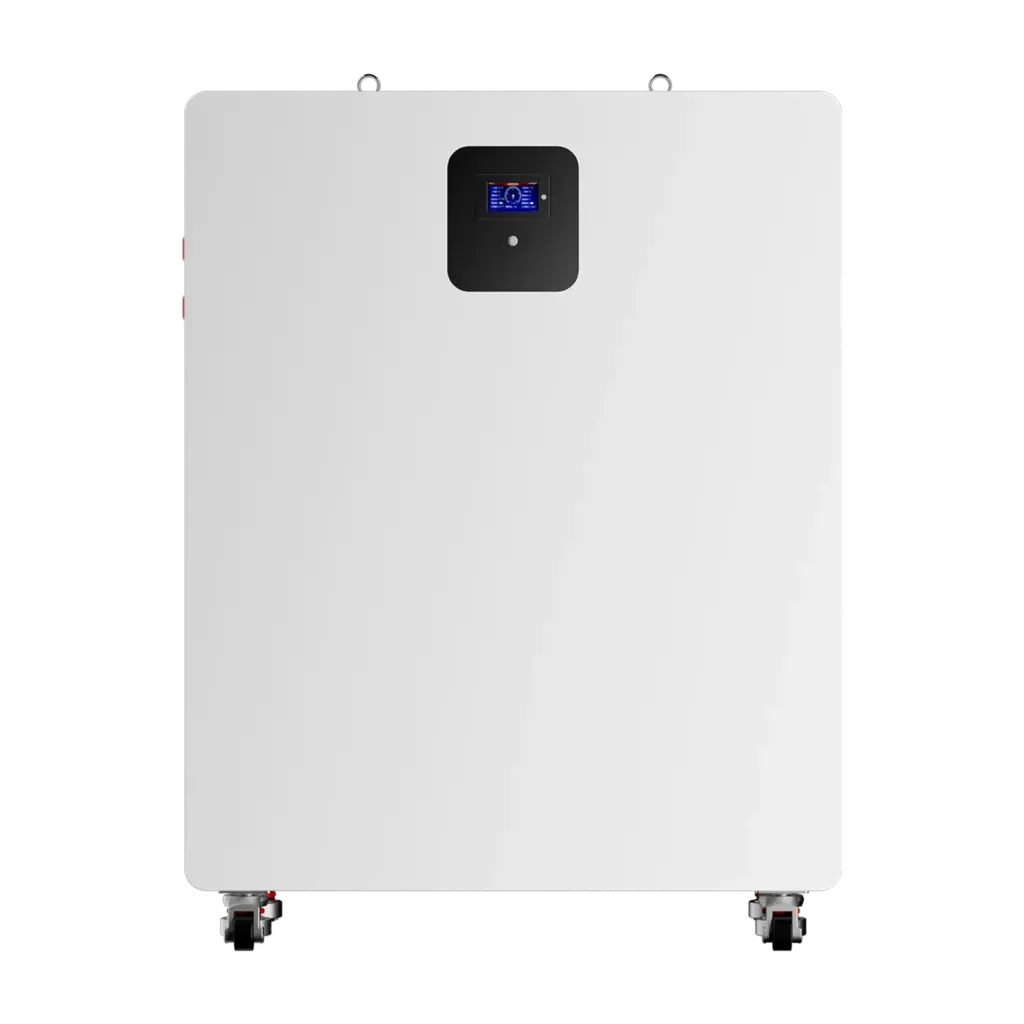
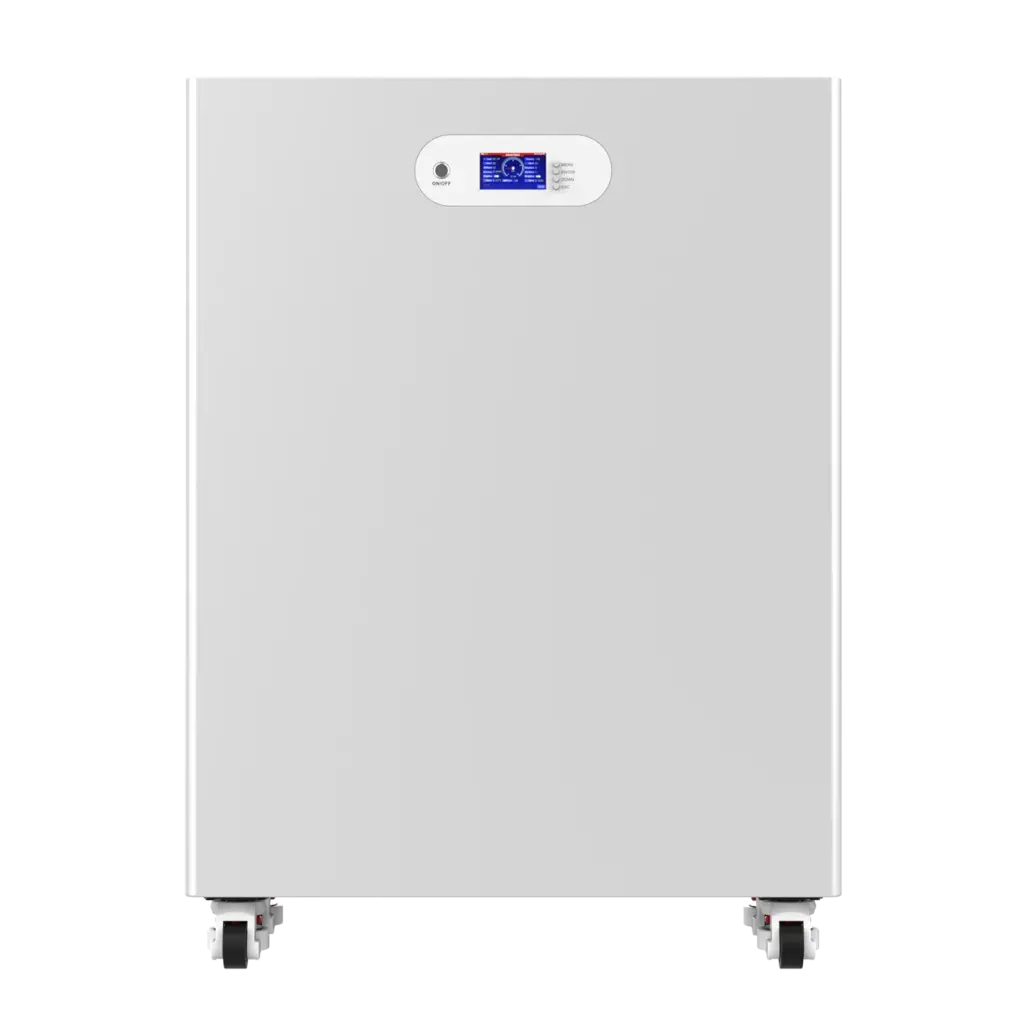
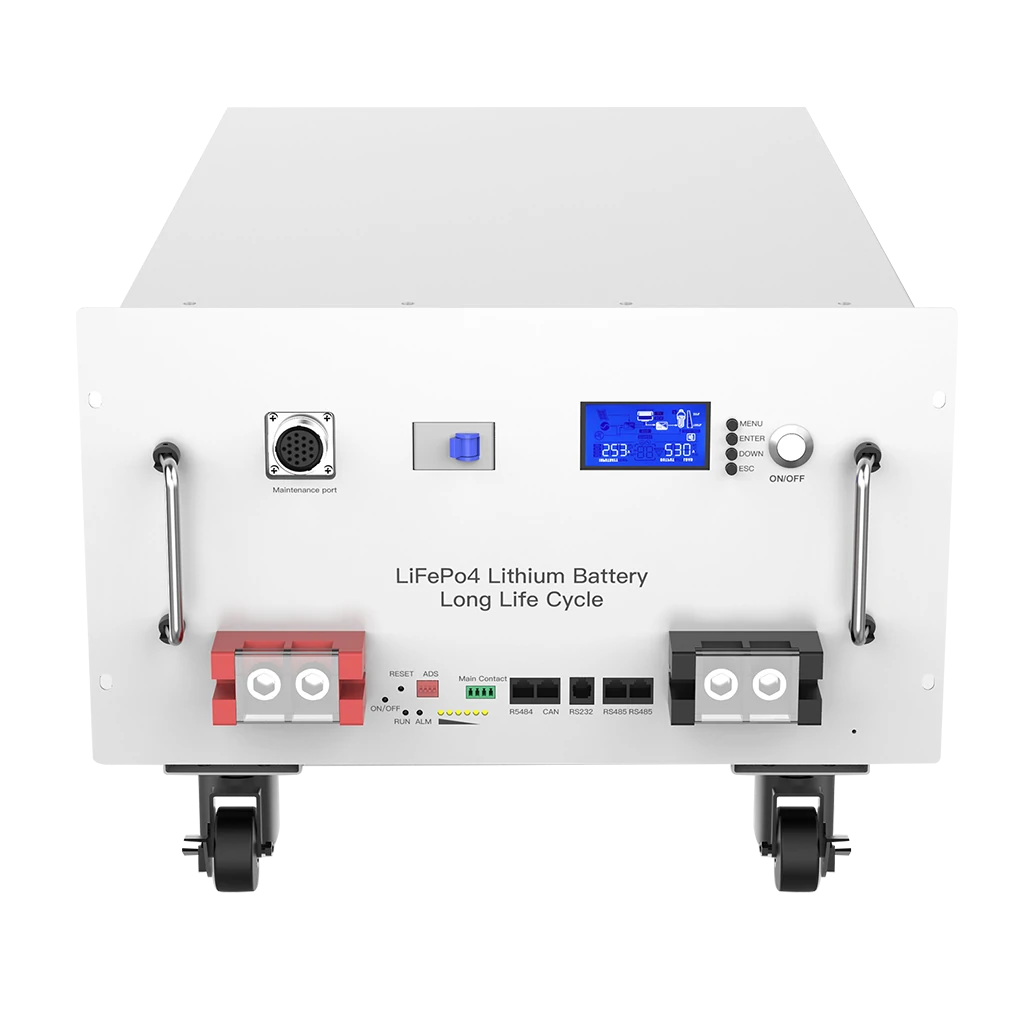
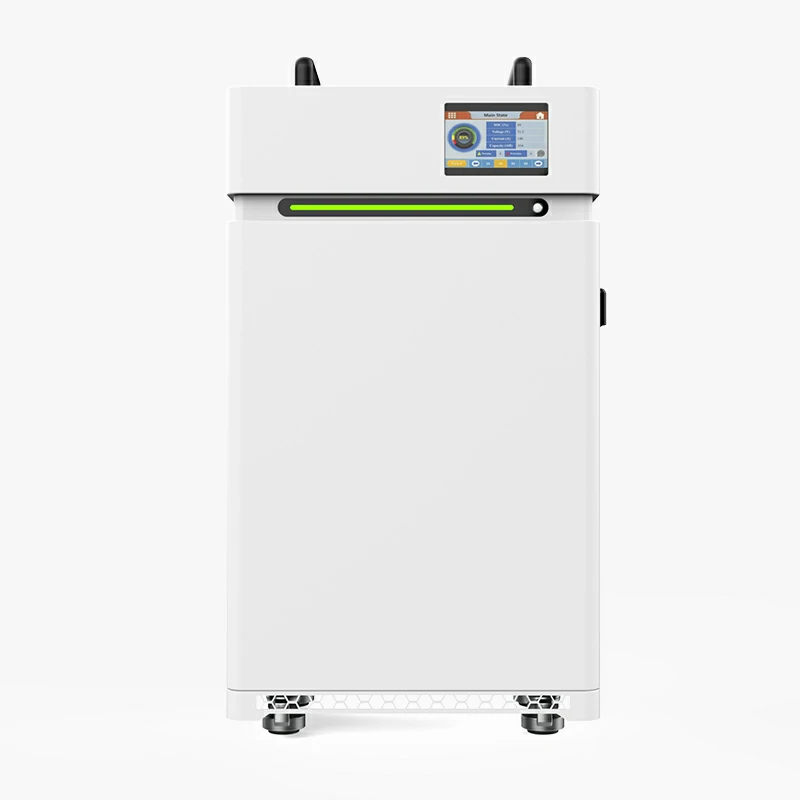
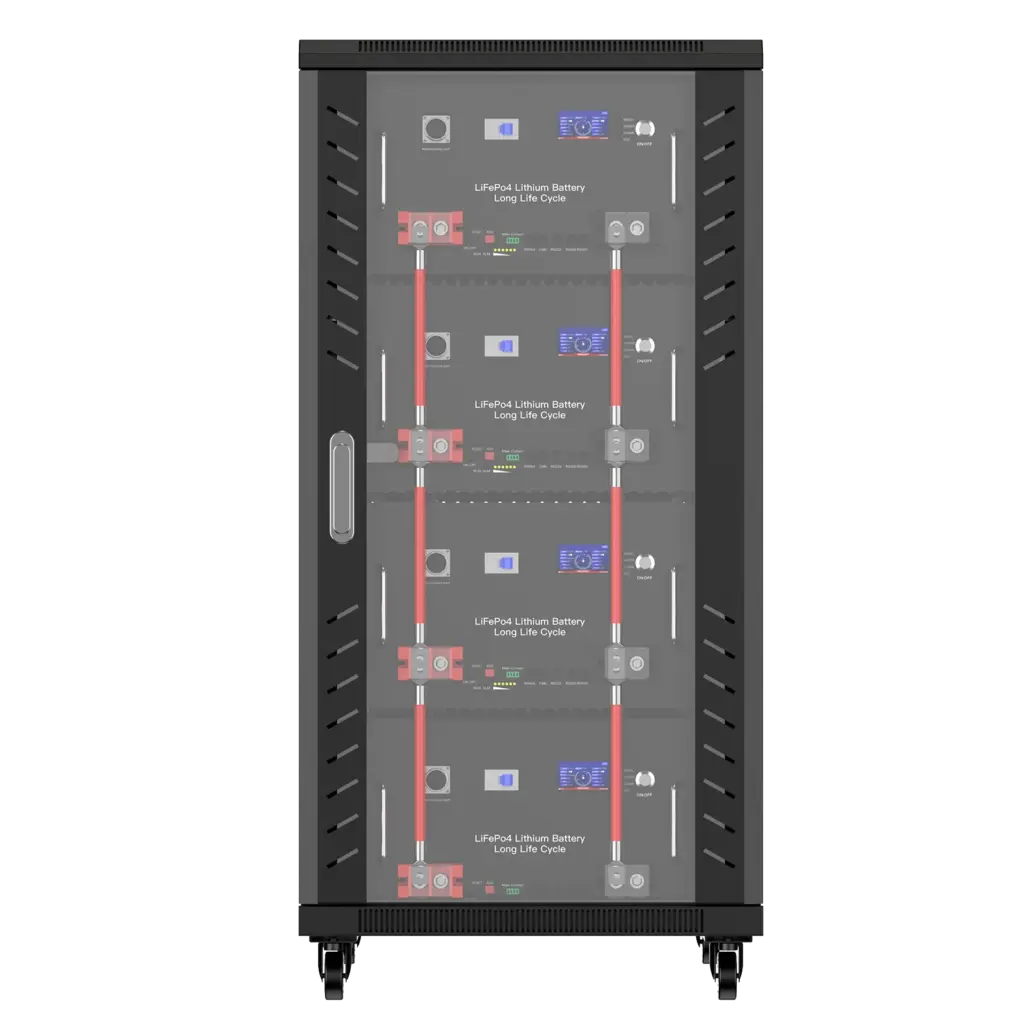
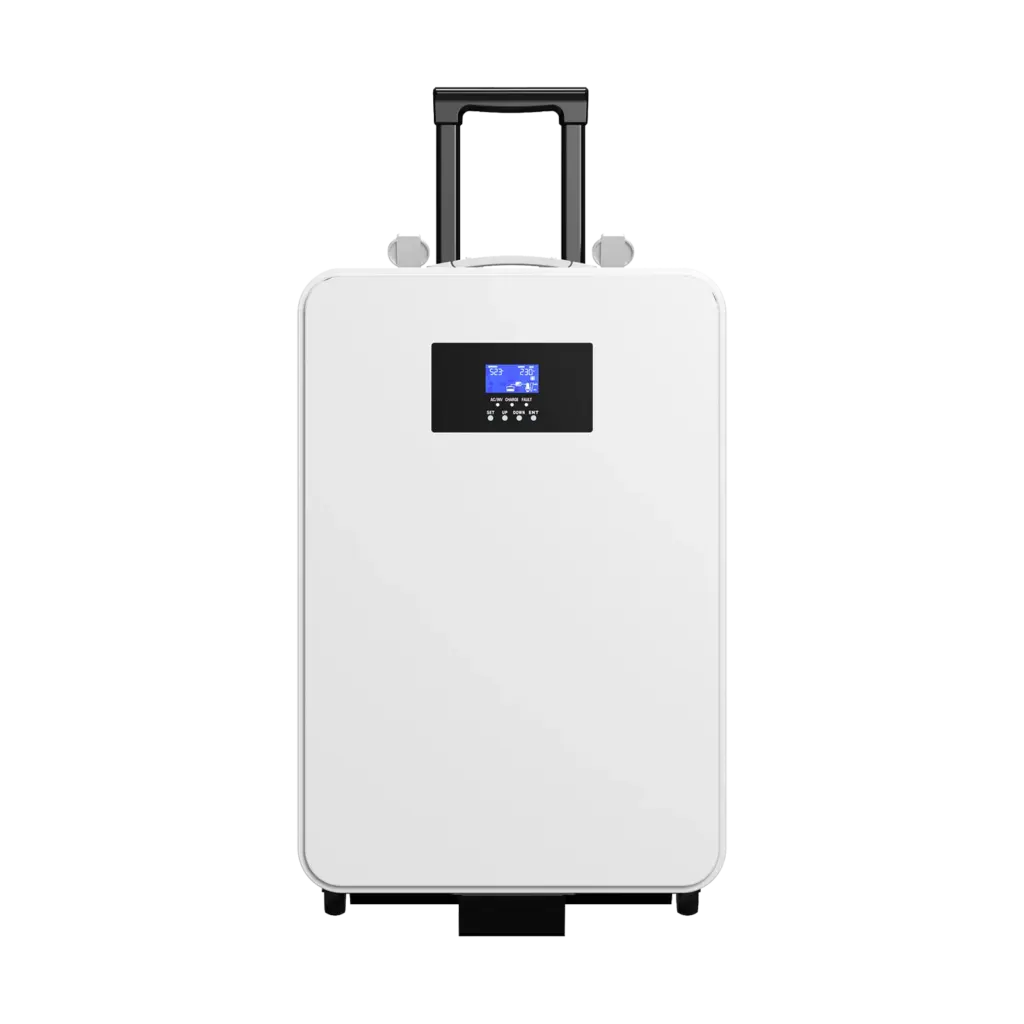
Avepower provides LiFePO4 battery solutions for home energy storage, commercial BESS, and customized energy projects, helping customers build safer, more reliable, and more flexible solar-plus-storage systems. Whether you are an installer, distributor, project developer, or OEM/ODM buyer, our team can help you find a solution that fits your application and market needs.
Take the next step toward energy independence and sustainability—explore Avepower’s solutions today.
Power Your Home or Business with Avepower
Get in touch today to request a free consultation and discover how our smart energy solutions can save you money, increase resiliency, and boost your property’s value.
FAQ
Behind-the-meter solar is installed on the customer side of the utility meter and is mainly used to power a home, business, or facility directly. Front-of-the-meter solar is installed on the grid side and is designed to supply electricity to the wider utility network rather than one specific property.
In most cases, rooftop solar installed on a house, office, warehouse, or factory is considered behind-the-meter because the electricity is generated on-site and used first by the property owner or occupant.
For homeowners and businesses, behind-the-meter systems are usually better for lowering electricity bills because they reduce the amount of electricity purchased from the grid.
A battery energy storage system can be installed in either position. A behind-the-meter battery mainly supports on-site energy savings, peak shaving, and backup power. A front-of-the-meter battery mainly supports the grid through energy shifting, capacity support, and other grid services.
Yes, in many markets it can. A behind-the-meter solar system may export excess power to the grid under net metering, feed-in tariff, or other compensation mechanisms.
Residential systems may be only a few kilowatts, while commercial and industrial systems can be much larger. Some large behind-the-meter battery systems can reach the megawatt-hour scale, especially in factories, campuses, or energy-intensive facilities.
Many front-of-the-meter solar projects now include large battery energy storage systems. These batteries help shift solar power to peak demand periods, improve grid stability, and provide services such as frequency regulation or reserve support.