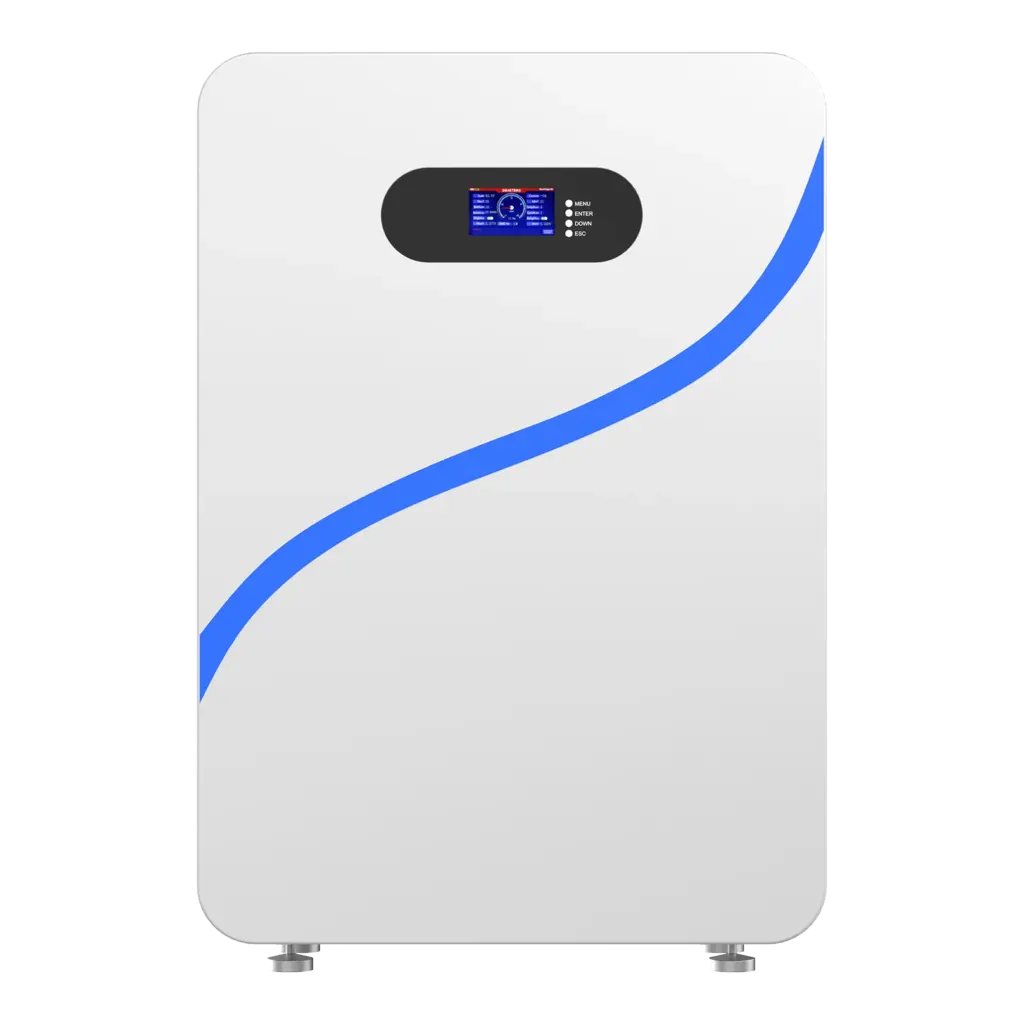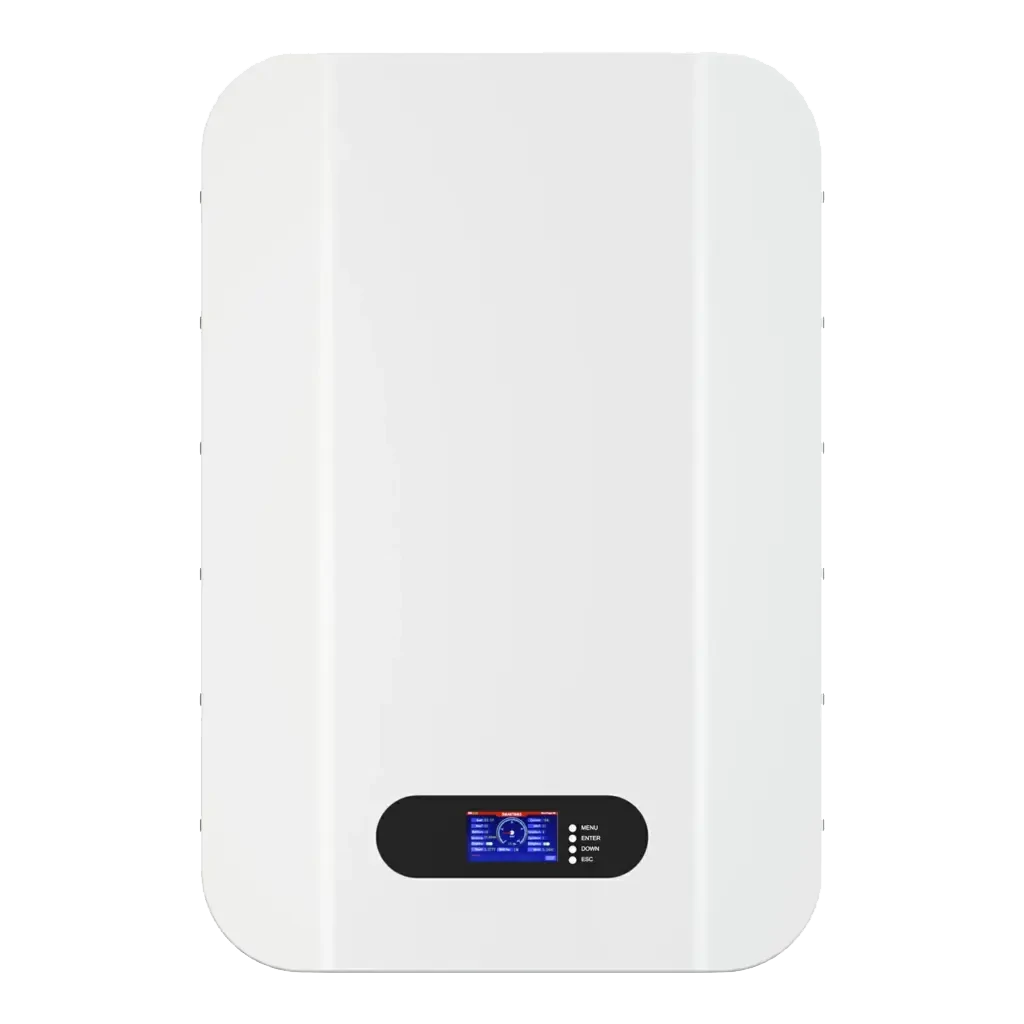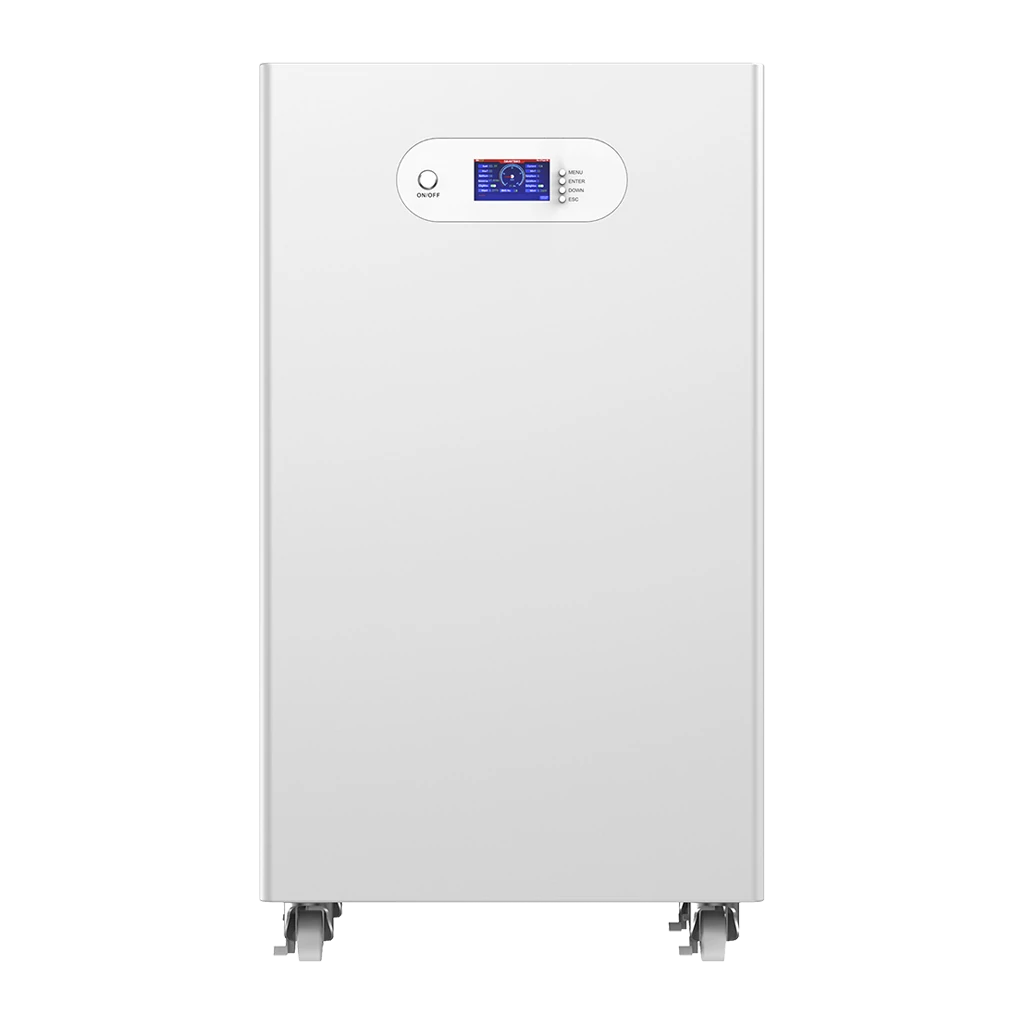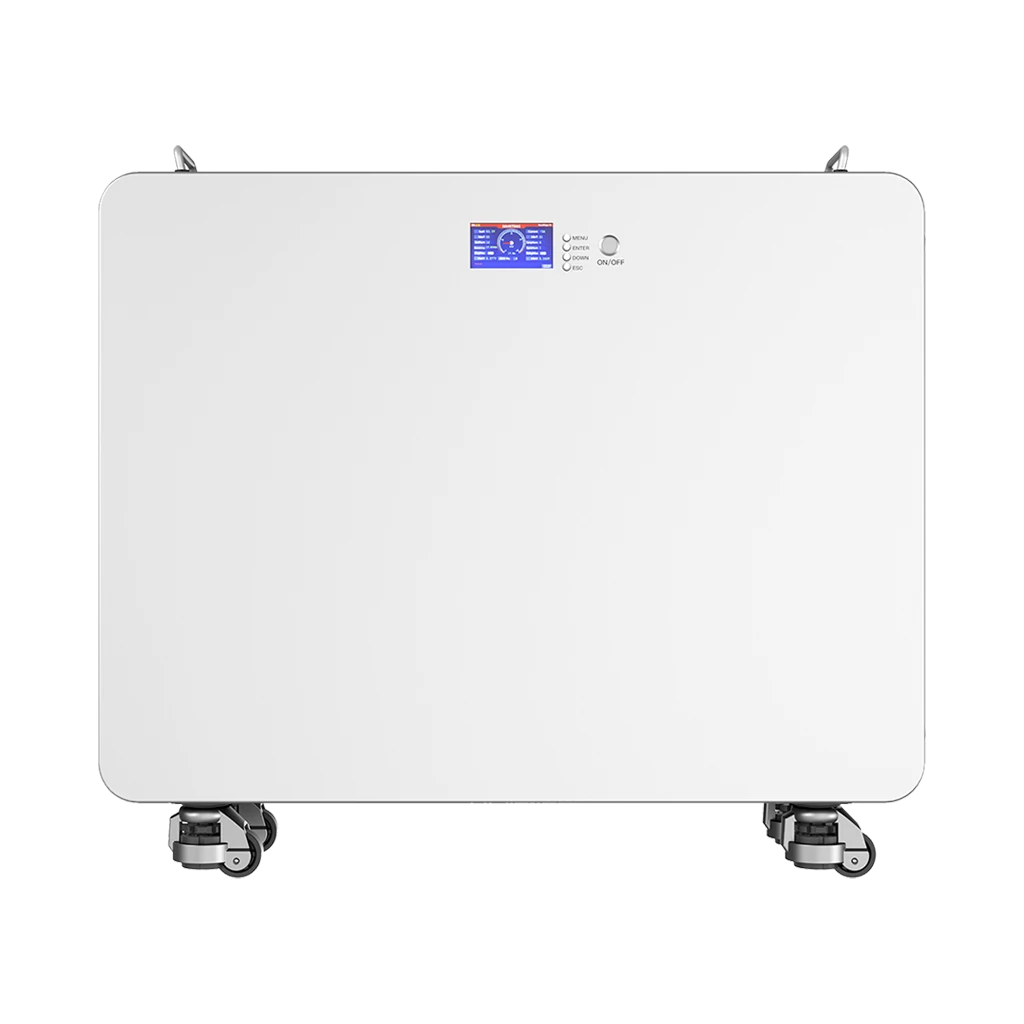

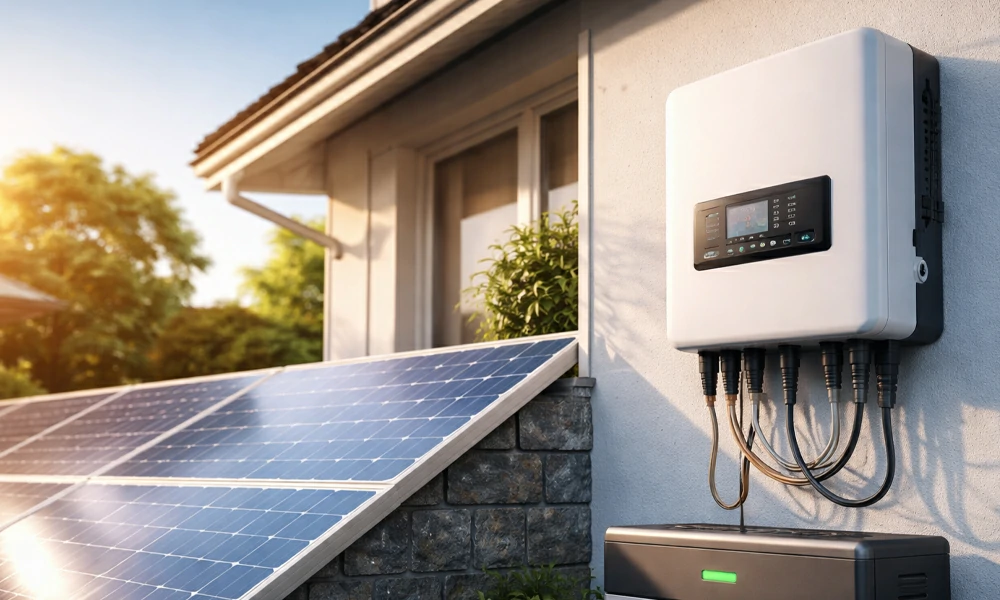
An inverter is an electronic device that converts direct current (DC) electricity from a battery, solar panel or other DC source into alternating current (AC) electricity used by most household and commercial equipment.
In simple terms:
DC electricity → Inverter → AC electricity
For example:
51.2V DC battery → inverter → 120V or 230V AC power
An inverter does not store electricity. The battery stores energy, while the inverter converts and controls that energy so AC appliances can use it.
Modern solar and hybrid inverters may also manage battery charging, solar MPPT, grid interaction, backup power and system monitoring.
Quick Answer
| Question | Answer |
|---|---|
| What does an inverter do? | Converts DC electricity into AC electricity |
| Does an inverter store power? | No — the battery stores energy |
| What is inverter size measured in? | Watts (W) or kilowatts (kW) |
| What inverter is best for solar + battery? | Usually a compatible hybrid inverter |
| How much does an inverter cost? | Depends on type, power, battery support and installation |
| Is an inverter the same as a converter? | No — an inverter specifically converts DC to AC |
What Is an Inverter?
An inverter changes DC electricity into AC electricity at the voltage and frequency required by appliances or the electrical grid.
It changes the form of electricity, not the amount of energy stored.
For example:
51.2V DC battery → inverter → 230V AC household power
| Component | Main Function |
|---|---|
| Battery | Stores DC energy |
| Solar Panel | Generates DC electricity |
| Inverter | Converts DC into AC |
| AC Load | Uses AC electricity |
What Does an Inverter Actually Do?
DC-to-AC conversion is the inverter’s basic job, but modern inverters often perform several additional power-management and protection functions.
Depending on inverter type, functions may include:
- DC-to-AC power conversion
- Voltage regulation
- Frequency control
- Pure sine wave generation
- Solar MPPT control
- Battery charging and discharging
- Grid synchronization
- Backup power transfer
- Export limitation
- Load management
- Battery BMS communication
- Fault protection
- WiFi or app monitoring
A simple portable inverter may only convert battery DC into AC.
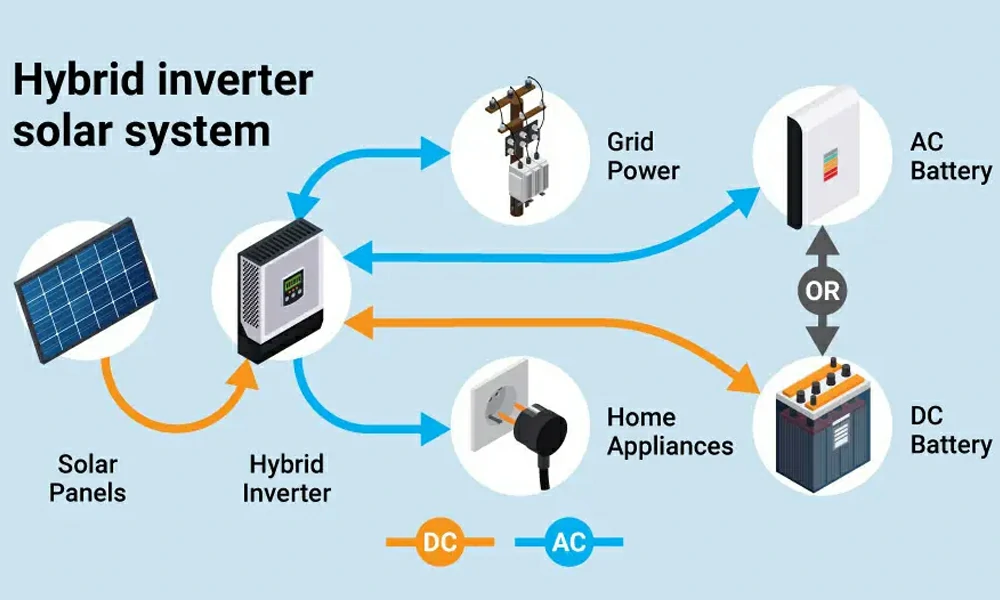
A modern hybrid inverter, however, may coordinate:
Solar → Home Loads → Battery → Grid
This distinction is important when comparing products. Two devices labeled “inverter” can perform very different jobs.
Inverter vs Converter: What Is the Difference?
An inverter specifically converts DC electricity into AC electricity, while a converter is a broader category of power electronics used to change voltage, current or electrical form.
The terms are sometimes confused because both devices change electrical power, but they normally perform different jobs in an energy system.
| Device | Typical Conversion | Common Application |
|---|---|---|
| Inverter | DC → AC | Battery or solar power to household AC |
| AC-DC Converter / Rectifier | AC → DC | Battery chargers and power supplies |
| DC-DC Converter | DC → DC | Change one DC voltage to another |
| Hybrid Inverter | DC ↔ AC + system control | Solar + battery + grid systems |
For example, a battery may store electricity at 51.2V DC, while an inverter converts that energy into 230V AC for household loads.
A DC-DC converter, by contrast, may change one battery-side DC voltage into another without producing household AC power.
For a deeper technical comparison, see Avepower’s inverter vs converter guide.
How Does an Inverter Work?
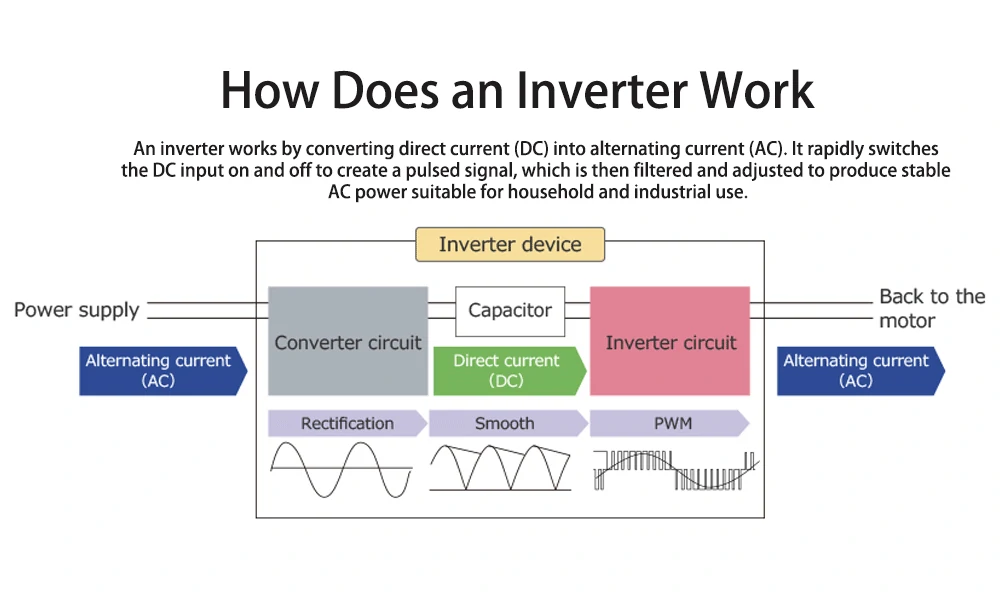
An inverter uses high-speed electronic switching to reverse and control DC electricity, then shapes the switched signal into usable AC power with the required voltage, frequency and waveform.
The basic process includes four stages.
1. DC Power Enters the Inverter
The energy may come from:
- Battery
- Solar PV array
- DC power supply
- Electric vehicle battery
- Energy storage system
2. Power Electronics Switch the DC
Semiconductor switches such as MOSFETs or IGBTs rapidly switch the DC input.
This creates an alternating electrical signal.
3. The Inverter Controls Voltage and Frequency
The control circuitry regulates output according to the application.
Typical outputs include:
- 120V / 60Hz
- 230V / 50Hz
- 240V / 50Hz
- Three-phase AC for larger systems
4. Filtering Produces a Usable AC Waveform
Modern inverters use filtering and control electronics to produce a stable AC waveform.
For household and solar battery applications, pure sine wave is generally preferred because it closely resembles utility-grid electricity.
What Are the Main Types of Inverters?
The right inverter depends on whether you need simple battery power, grid-connected solar, battery backup, off-grid operation or panel-level solar optimization.
Pure Sine Wave Inverter
A pure sine wave inverter produces AC power similar to utility-grid electricity and is the preferred choice for most modern appliances and permanent battery systems.
It is suitable for:
- Refrigerators
- Pumps
- Computers
- TVs
- Routers
- Air conditioners
- Medical equipment where approved
- Modern electronic controls
String Inverter
A string inverter connects a group of solar panels to one central inverter and is often the most economical architecture for a simple, unshaded rooftop system.
Microinverter
A microinverter operates at individual-panel level, making it useful where shading, roof orientation or panel-level monitoring are important.
Hybrid Inverter
A hybrid inverter combines solar and battery functionality and can manage solar production, battery charging, battery discharge, grid import/export and backup power from one platform.
For new residential solar-plus-storage projects, this is increasingly one of the most practical configurations.
Off-Grid Inverter
An off-grid inverter creates AC power without relying on the utility grid and normally operates with batteries and solar generation.
Typical applications include:
- Farms
- Cabins
- Islands
- Remote homes
- Telecom
- Weak-grid locations
Which Inverter Type Should You Choose?
Choose an inverter according to your power source, grid connection, battery plan, backup requirement and load profile—not simply by choosing the highest watt rating.
| Your Situation | Recommended Inverter | Battery Needed? | Main Reason |
|---|---|---|---|
| Basic battery backup | Pure sine wave inverter | Yes | Runs common AC appliances |
| Grid-tied solar without storage | String inverter | No | Simple centralized PV conversion |
| Roof with shading or multiple orientations | Microinverters | No | Panel-level conversion and monitoring |
| New solar + battery system | Hybrid inverter | Yes | Integrates PV, battery and grid control |
| Existing solar adding storage | Battery inverter / AC-coupled system | Yes | Adds storage without replacing the original solar inverter |
| Remote home or farm | Off-grid inverter | Yes | Operates without utility grid |
| Whole-home backup | Hybrid / multimode inverter | Yes | Handles battery, backup and grid switching |
| Integrated residential ESS | All-in-one inverter + battery | Yes | Simplifies system integration |
Before Selecting an Inverter, Check
- Continuous power — Can it run all simultaneous loads?
- Surge power — Can it start pumps, compressors and air conditioners?
- Battery voltage — Is the battery platform compatible?
- Battery discharge current — Can the BMS safely supply the required DC current?
- Communication — Do the inverter and battery share a compatible CAN or RS485 protocol?
- Solar input — Are PV voltage, current and MPPT ranges suitable?
- Grid approval — Is the inverter approved for the target market?
- Backup function — Does it actually provide backup output during an outage?
What Size Inverter Do You Need?
Inverter capacity should be sized from the appliances that may operate simultaneously and their startup surge—not from daily electricity consumption or battery kWh alone.
There are two important ratings:
Continuous Power
The amount of power the inverter can deliver continuously.
Surge Power
The temporary higher output required to start loads such as:
- Refrigerators
- Pumps
- Compressors
- Air conditioners
- Power tools
A practical starting point is:
Continuous inverter rating ≈ simultaneous running load × 1.2–1.25
Then independently verify that the inverter’s surge rating can handle the largest startup event. If you are comparing continuous, rated and surge inverter output, Avepower’s power rating guide explains how these ratings differ and why short-duration peak power should not be treated as continuous output.
Example
Suppose the backup loads are:
| Load | Running Power |
|---|---|
| Refrigerator | 200W |
| Television | 120W |
| Router | 20W |
| Lighting | 100W |
| Laptop | 100W |
| Water pump | 750W |
| Total | 1,290W |
With approximately 25% headroom:
1,290W × 1.25 ≈ 1,613W
A 2kW pure sine wave inverter may therefore provide sufficient continuous capacity.
But if the pump has a 2–3kW startup requirement, the inverter’s surge rating must also support that load.
For appliance-level calculations, surge-load examples and 12V/24V/48V battery sizing, use Avepower’s inverter size chart.
How Do You Match an Inverter With a Battery?
The battery must match the inverter’s voltage, power requirement, discharge current and communication protocol. A large battery does not automatically support a large inverter simply because it contains enough kWh.
Check these five items:
1. Battery Voltage
Examples:
- 12V inverter → 12V battery system
- 24V inverter → 24V battery system
- 48V / 51.2V inverter → compatible 48V-class battery
- High-voltage inverter → compatible HV battery platform
Never connect incompatible voltage platforms.
2. Battery Discharge Current
Approximate DC current can be estimated by:
DC Current ≈ Inverter Power ÷ Battery Voltage ÷ Inverter Efficiency
Example:
5,000W inverter
51.2V battery
92% assumed inverter efficiency
5,000 ÷ 51.2 ÷ 0.92 ≈ 106A
The battery BMS, cables, terminals, breakers and busbars must therefore be capable of supporting the required current.
3. Battery Capacity
Battery kWh mainly determines runtime, not inverter power.
For example:
A 15kWh battery paired with:
- 3kW inverter = lower maximum instantaneous load
- 6kW inverter = higher maximum instantaneous load
The same 15kWh battery does not suddenly contain more energy simply because the inverter is larger.
4. Communication
Lithium battery systems may communicate with hybrid inverters through:
- CAN
- RS485
- Manufacturer-specific BMS protocols
Having CAN ports on both devices does not automatically mean they are compatible.
5. Charge and Discharge Limits
Check:
- Maximum battery charge current
- Maximum discharge current
- Inverter charge current
- Inverter battery input current
- BMS dynamic limits
How Long Can a Battery Run an Inverter?
Battery runtime depends on stored energy, usable depth of discharge, inverter efficiency and the actual average load—not inverter wattage alone.
A useful estimate is:
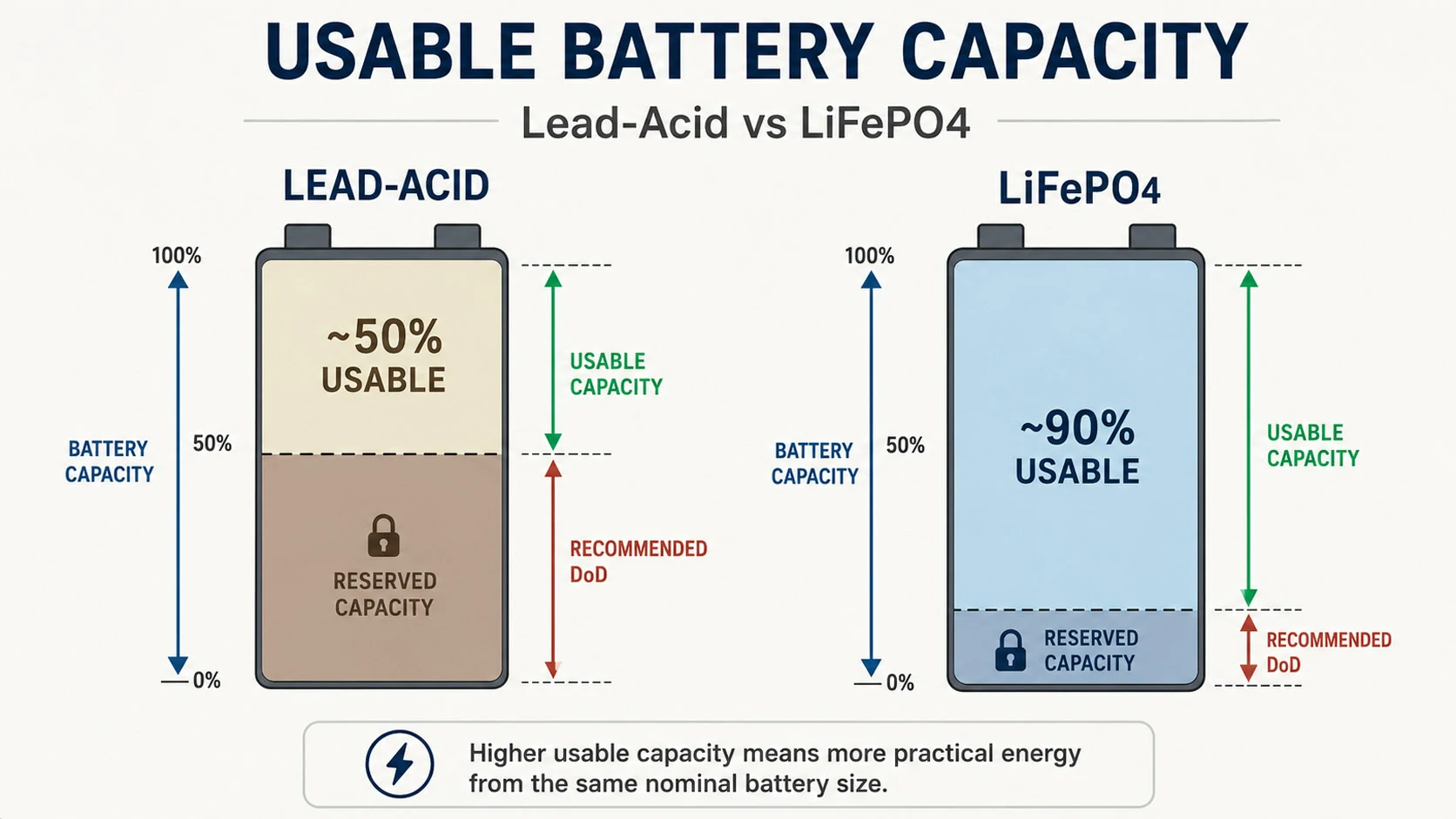
Runtime = Battery kWh × Usable DoD × Inverter Efficiency ÷ Average Load kW
Example: 15kWh Battery
Assume:
- Battery = 15kWh
- Usable DoD = 80%
- Average inverter efficiency = 90%
- Average load = 1.2kW
Usable AC energy:
15 × 0.80 × 0.90 = 10.8kWh
Estimated runtime:
10.8 ÷ 1.2 = approximately 9 hours
At a 600W average load:
10.8 ÷ 0.6 = approximately 18 hours
These are planning estimates rather than guarantees.
Actual runtime changes with:
- Battery temperature
- Battery age
- BMS settings
- Appliance cycling
- Motor startup
- Cable losses
- Inverter idle consumption
- Conversion efficiency
How Much Does an Inverter Cost?
Residential solar inverter equipment commonly costs around $1,000–$3,000 in the U.S., but actual prices vary significantly by inverter type, output power, battery capability and installation requirements.
| Inverter Type | Typical Equipment Cost* | Common Application |
|---|---|---|
| String inverter | $800–$2,500 | Standard rooftop solar |
| Microinverter | $150–$350 per unit | Panel-level solar systems |
| Hybrid inverter | $1,000–$5,000 | Solar + battery storage |
*Reference ranges vary by brand, system size, market and installation scope. Installation and balance-of-system costs may be additional.
What Are the Advantages and Disadvantages?
Inverters make batteries and solar power useful for AC loads while modern designs can also improve energy management, backup capability and renewable-energy integration.
Main Advantages
- Converts battery DC into usable AC
- Makes solar energy usable by normal appliances
- Enables battery backup
- Supports off-grid power
- Can improve solar self-consumption
- Allows smart monitoring
- Can manage battery charging
- Hybrid models combine multiple functions
- Quiet compared with fuel generators
- No direct fuel consumption during battery operation
In solar-plus-storage applications, advanced inverters can also control grid interaction and respond to operating conditions.
What Are the Disadvantages of an Inverter?
An inverter introduces conversion losses, cost and additional system requirements, and the wrong inverter can create overload, compatibility or installation problems.
Main limitations include:
Conversion Loss
No inverter is 100% efficient.
Part of the DC energy is lost as:
- Heat
- Switching losses
- Standby consumption
Compatibility
Solar battery systems must match:
- Voltage
- Current
- BMS
- Communication
- Firmware
Inverter vs Generator: What Is the Difference?
An inverter converts existing DC electricity into AC, while a conventional fuel generator produces electricity by converting mechanical energy from an engine into electrical power.
| Feature | Inverter + Battery | Fuel Generator |
|---|---|---|
| Energy source | Battery / solar | Gasoline, diesel, gas |
| Main function | DC → AC | Generates electricity |
| Noise | Low | Higher |
| Direct emissions during use | None from battery | Yes |
| Fuel required | No | Yes |
| Response | Very fast | Start-up required |
| Runtime | Limited by battery energy | Limited by fuel |
| Maintenance | Relatively low | Engine maintenance |
| Solar integration | Excellent | Limited |
| Long outage refueling | Battery must recharge | Fuel can be added |
They can also be used together.
Some off-grid and backup systems combine:
Solar + Battery + Inverter + Generator
The generator can recharge the battery during extended periods of low solar production if the inverter system supports generator integration.
How Is an Inverter Installed and What Must Be Compatible?
Proper inverter installation requires more than connecting positive and negative battery cables. Voltage, current, protection, cable sizing, grounding, communication, ventilation and local electrical rules all need to match the actual system.
Before installation, verify:
DC Side
- Battery voltage
- Battery BMS current
- DC cable size
- Fuse/breaker rating
- Isolation switch
- Terminal specification
- Polarity
AC Side
- Output voltage
- Frequency
- Single-phase or three-phase
- Continuous output
- Surge capacity
- AC protection
Solar Side
For solar or hybrid inverters:
- Maximum PV voltage
- MPPT operating range
- Maximum PV current
- Number of MPPTs
- Maximum solar array size
Battery Communication
For lithium batteries:
- CAN or RS485
- Correct Pinout
- Protocol profile
- BMS settings
- Inverter firmware
Installation Environment
Check:
- Temperature
- Humidity
- Ventilation
- Clearance
- IP rating
- Indoor/outdoor suitability
Grid-connected systems must also comply with local grid, electrical and inverter-approval requirements.
For battery projects, Avepower maintains a dedicated compatibility database covering supported communication profiles for inverter platforms including Solis, Deye, Growatt, GoodWe, SMA, Victron and other systems.
Real Application Case: 28kWh Battery With Solis Inverter in Finland
A real inverter installation shows why battery capacity alone is not enough—the inverter, battery voltage, current limits, communication and electrical protection must work together as one system.
An Avepower residential project in Finland uses:
| Item | Project Configuration |
|---|---|
| Location | Finland |
| Application | Residential solar storage |
| Battery Capacity | 28kWh |
| Battery Quantity | 2 units |
| Battery Chemistry | LiFePO4 |
| Inverter | Solis |
| Installation | Indoor utility room |
| Main Functions | Solar storage, self-consumption and backup |
The two floor-standing batteries operate as one coordinated battery bank and are integrated with the Solis inverter, protection equipment and household electrical distribution.
Before installation, the project requires verification of:
- Battery voltage
- Charge current
- Discharge current
- Inverter model
- Communication protocol
- Operating parameters
This demonstrates an important inverter-selection rule:
Do not ask only “Is this battery compatible with Solis?”
Ask:
“Is this exact battery configuration compatible with this exact Solis inverter model and firmware?”
Example: 15kWh Battery With a 6kW Inverter
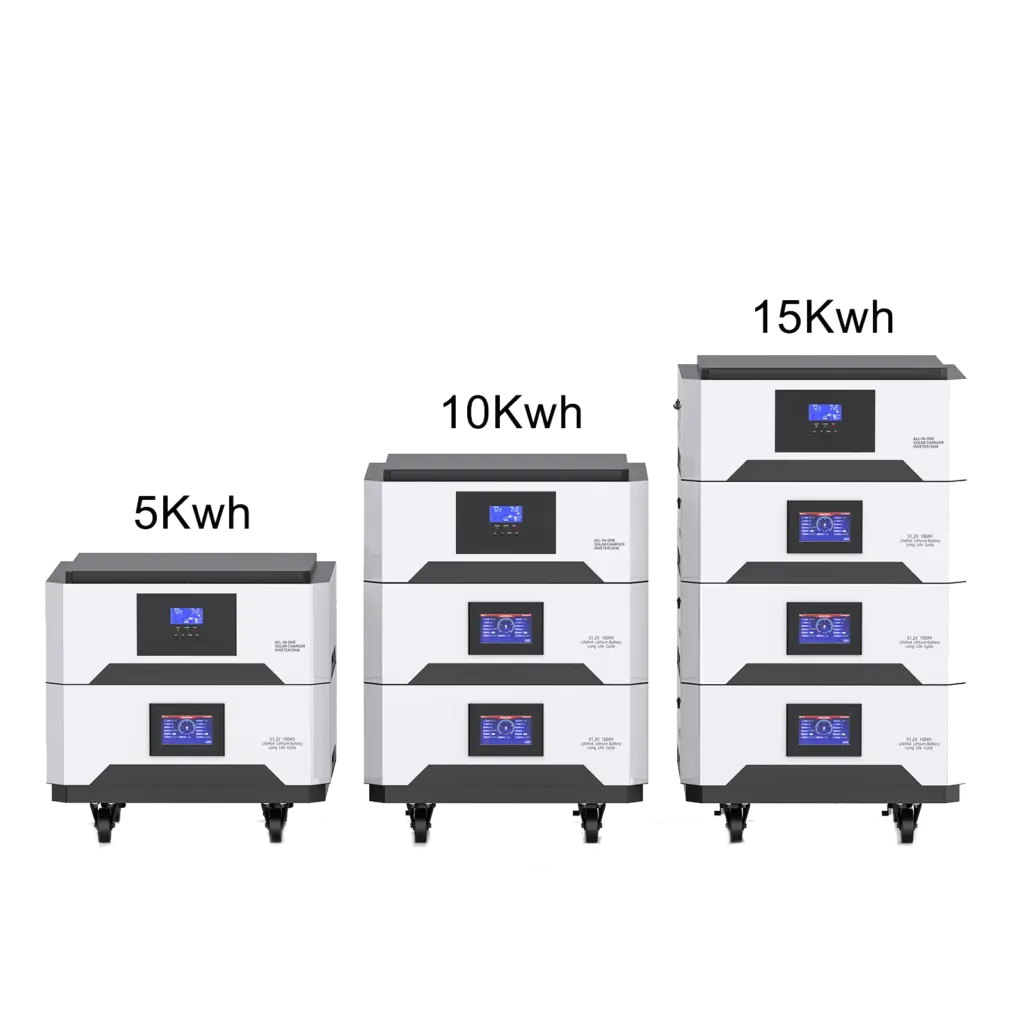
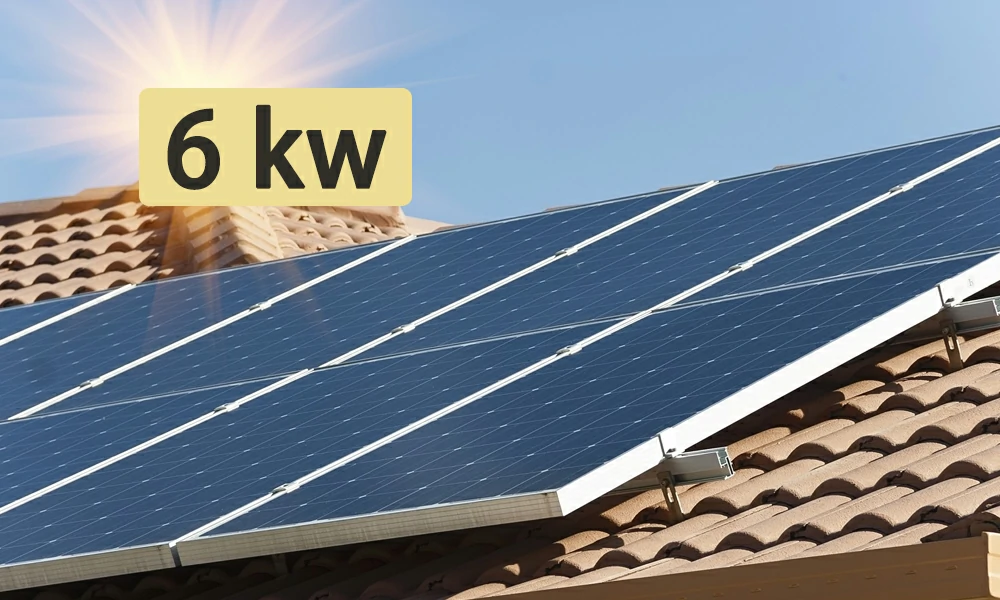
An integrated 15kWh battery and 6kW inverter provides a useful example of the difference between energy capacity and inverter power.
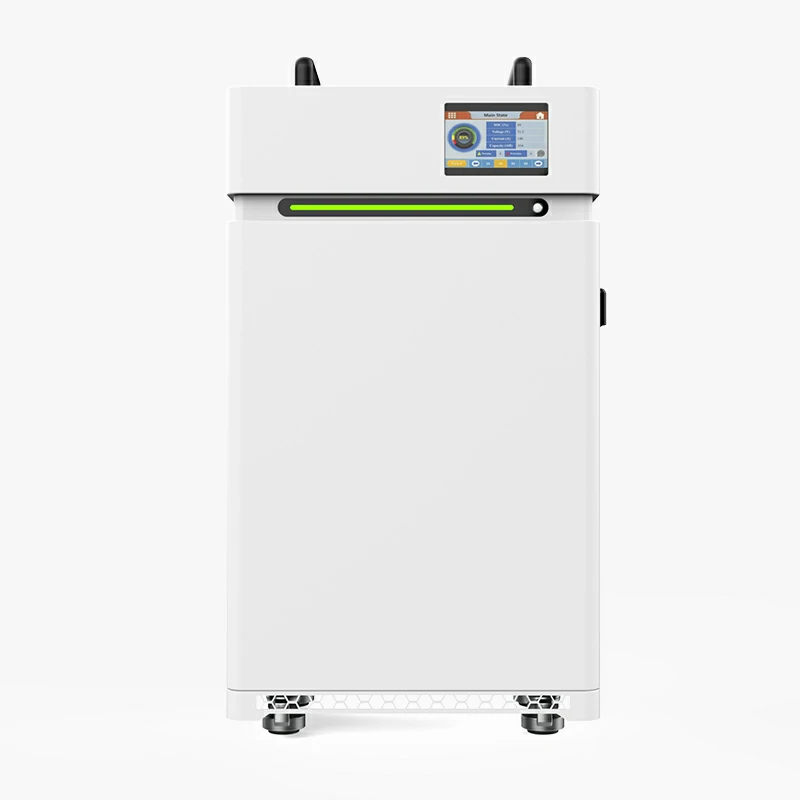
Avepower’s all-in-one system integrates:
- 15kWh LiFePO4 battery
- 6kW-class pure sine wave inverter
- MPPT solar charging
- CAN / RS485 / RS232
- Bluetooth / WiFi monitoring
- Integrated BMS
The important distinction is:
15kWh = how much energy is stored
6kW = how much AC power the inverter can deliver at once
A 15kWh battery does not mean the inverter is 15kW.
Likewise, a 6kW inverter does not mean the battery will run for 6 hours.
Power and energy must be calculated separately.
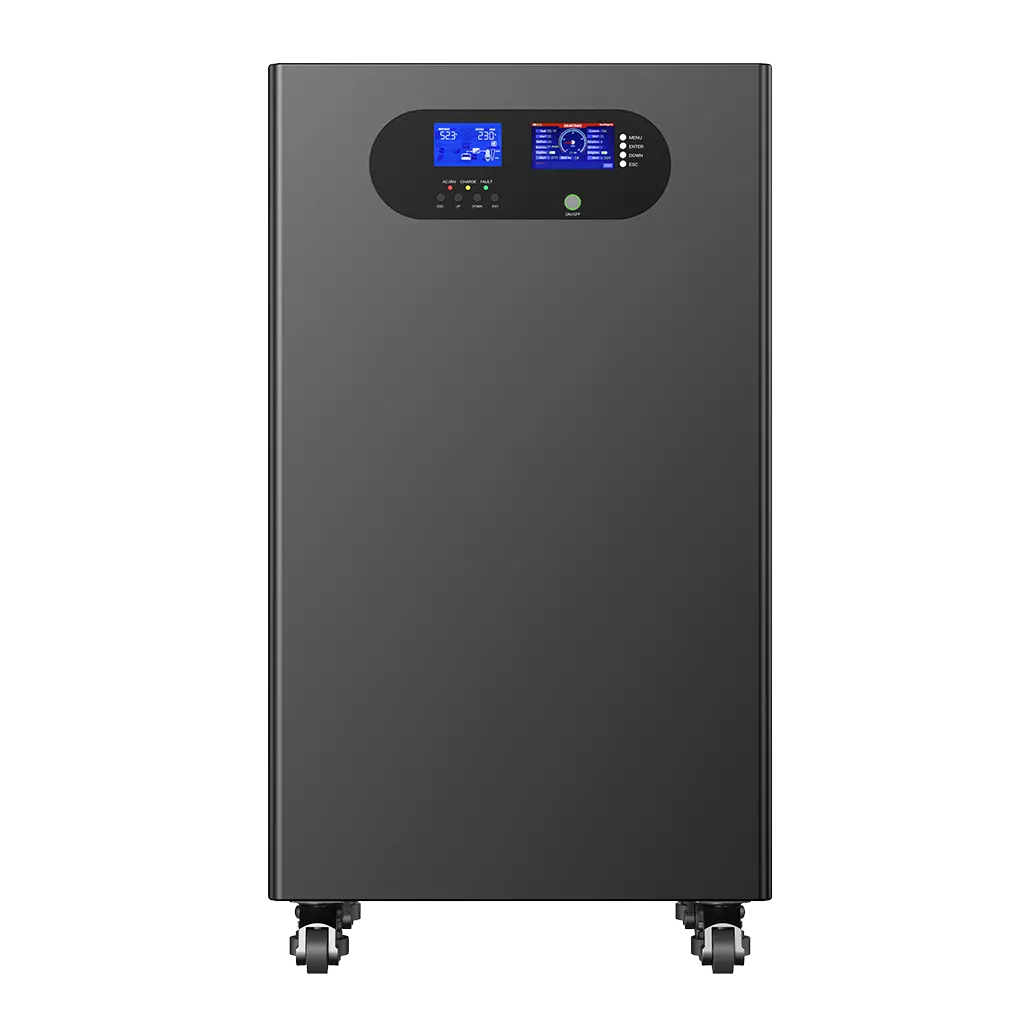
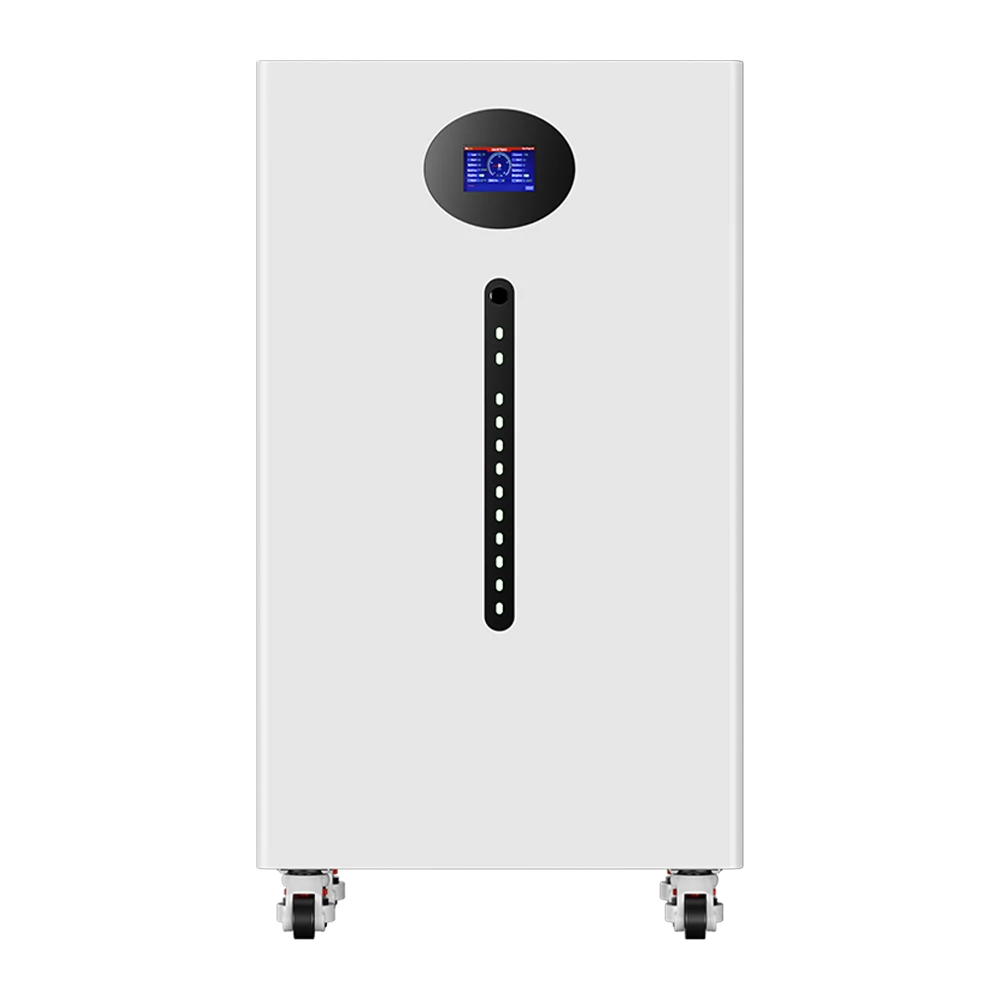
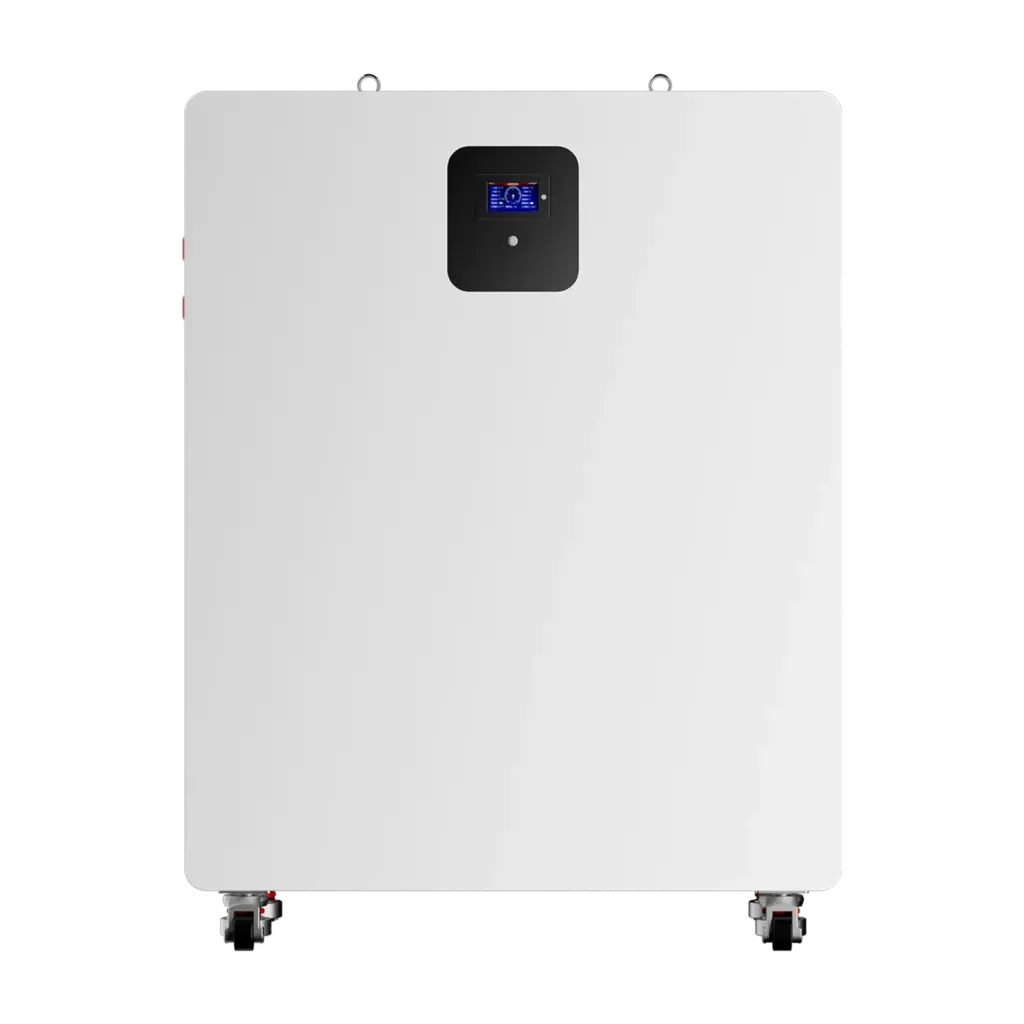
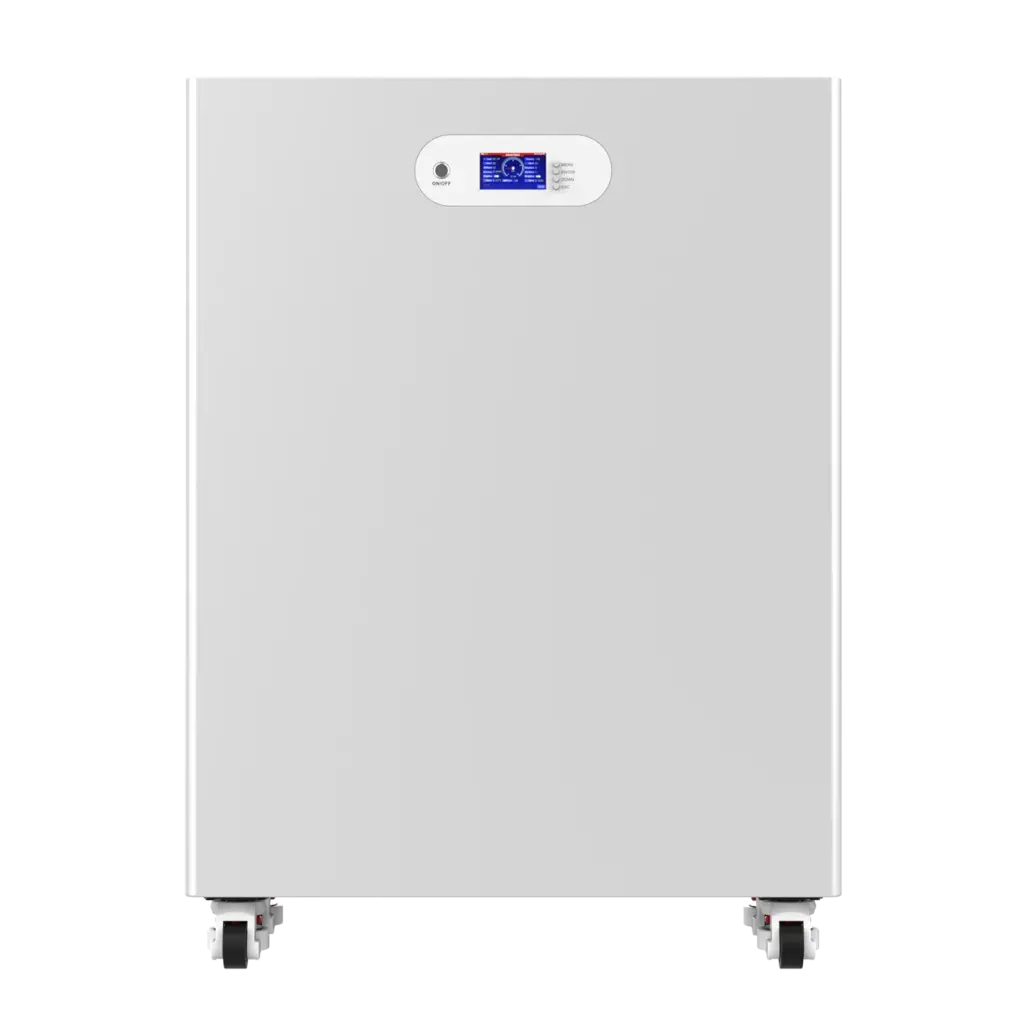
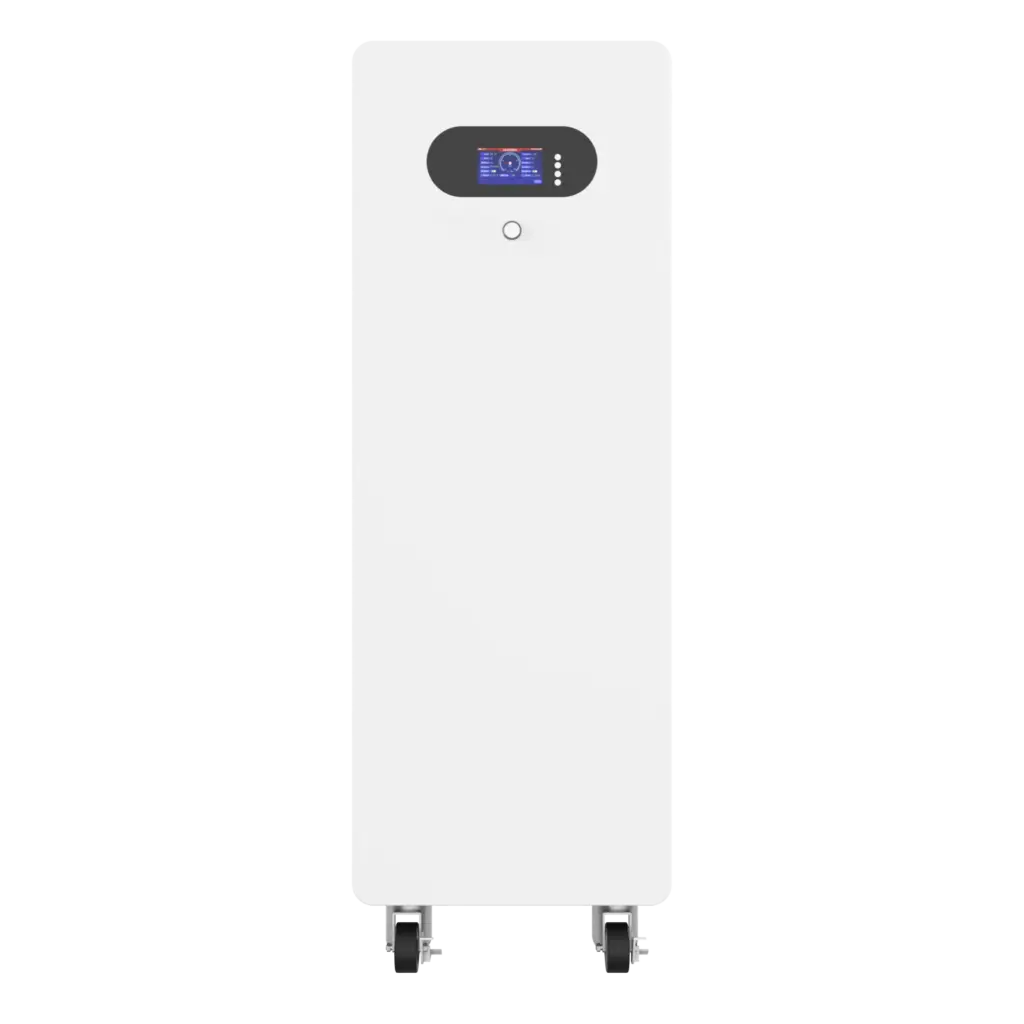
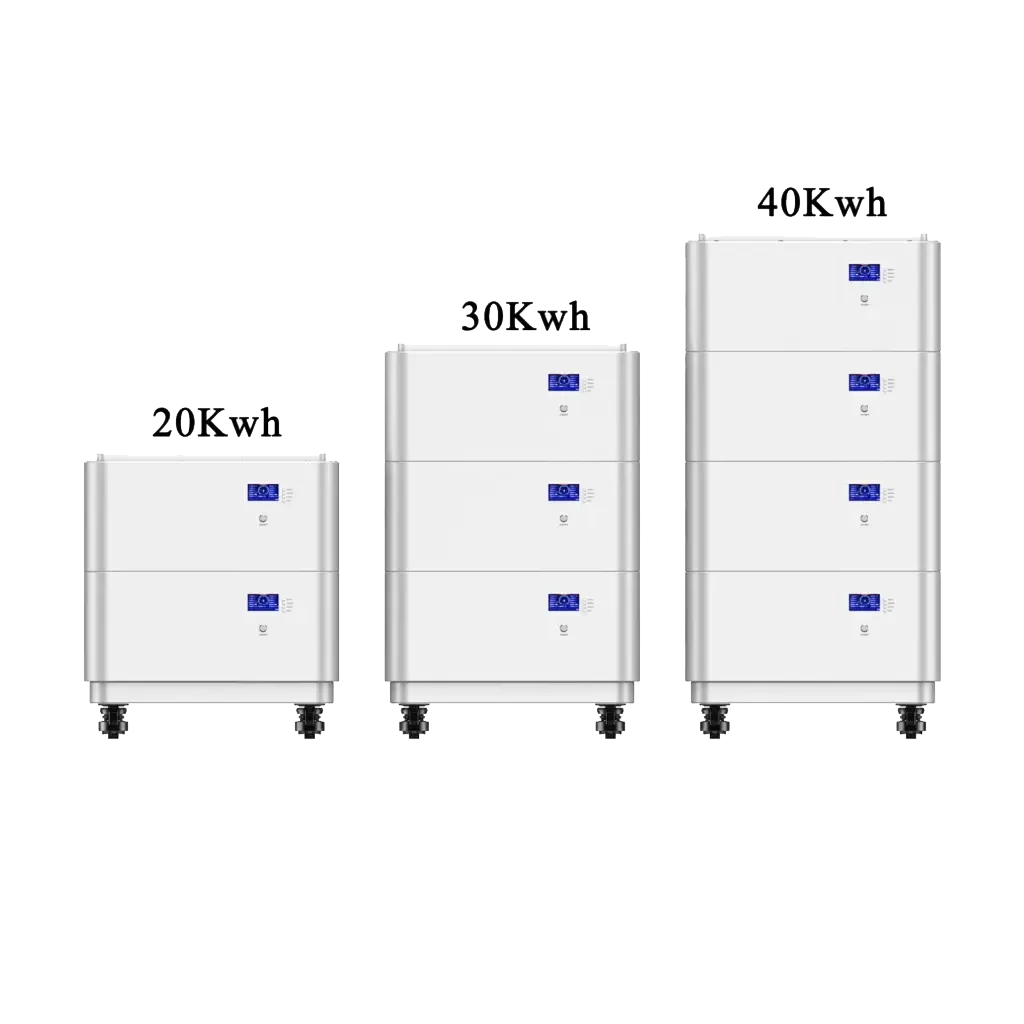
All-in-one Battery with Inverter
- Certified Quality: CE, UN38.3, MSDS approved.
- Long Lifespan: Premium LiFePO4 cells support up to 8,000 cycles.
- Enhanced Safety: Advanced smart BMS with full protection.
- Modular & Scalable: Flexible expansion to fit your energy needs.
- Smart Monitoring: Real-time remote monitoring via Bluetooth and WiFi.
Where Are Inverters Used?
Inverters are used anywhere DC electricity needs to operate AC equipment or connect renewable-energy sources with an electrical system.
Common applications include:
- Solar Energy: Convert PV-generated DC into AC.
- Battery Energy Storage: Convert stored battery energy into usable household or commercial AC power.
- Home Backup: Provide electricity during grid outages.
- Off-Grid Homes: Create an independent AC electrical system using battery and renewable power.
- RVs and Boats: Convert low-voltage battery power into household-style AC.
- UPS Systems: Provide rapid backup electricity to computers, servers and other critical equipment.
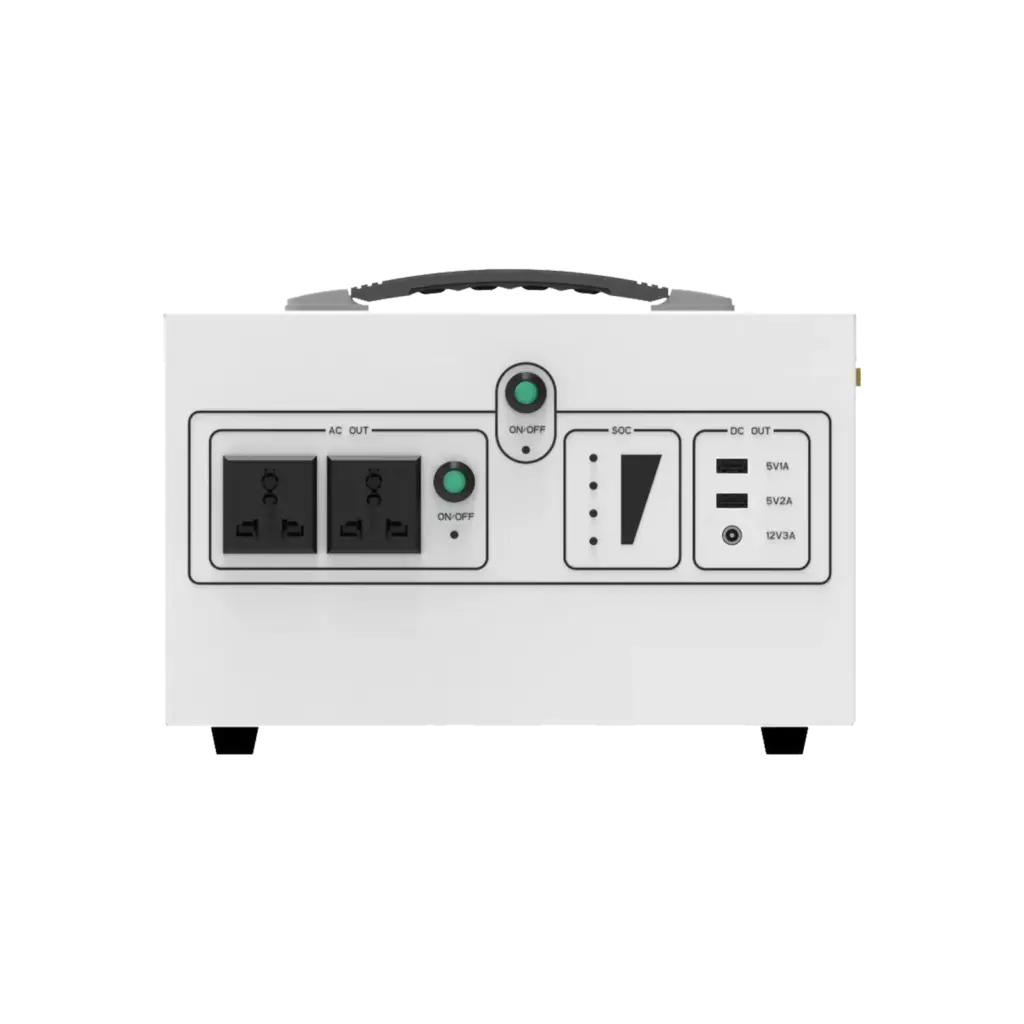
- Portable Power Stations: Built-in inverters provide AC outlets from internal batteries.
- Commercial Energy Storage: Larger inverter or PCS equipment manages power between battery systems, commercial loads and the electrical network.
- Electric Vehicles: Traction inverters convert battery DC into controlled AC for electric motors.
For permanent solar and battery projects, compatibility and system engineering usually matter more than choosing the cheapest inverter.
Conclusion: What Is an Inverter?
An inverter converts DC electricity into AC electricity, but modern models can also control solar generation, battery charging, backup power and grid interaction.
If you remember only four points:
- Inverter = DC to AC conversion
- kW determines how much load can run at once
- Battery kWh determines how long loads can run
- Voltage, current and communication must match
For simple battery backup, a properly sized pure sine wave inverter may be sufficient.
For modern solar-plus-storage projects, a compatible hybrid inverter can simplify solar generation, battery charging, backup operation and energy management.
Avepower supports solar installers, distributors and project partners with LiFePO4 battery systems, inverter compatibility verification and customized energy storage configurations.
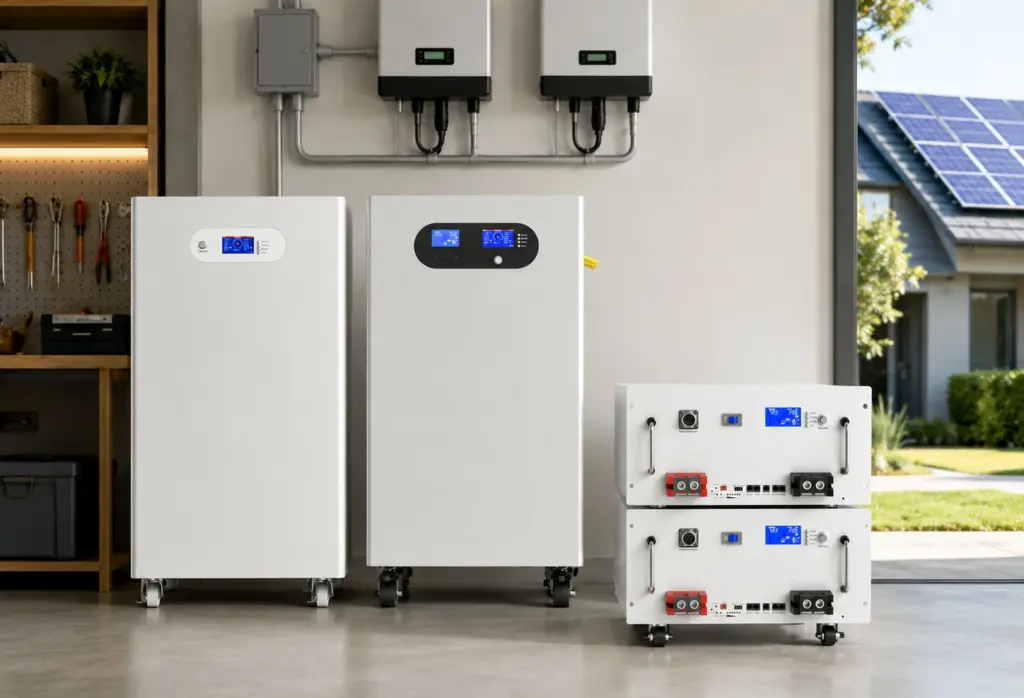
Take Control of Your Energy with Avepower!
Reliable home solar battery solutions with OEM/ODM customization and in-house manufacturing, tailored to the needs of distributors, installers, and energy partners.
FAQ
An inverter is an electrical power device that converts direct current (DC) into alternating current (AC). It allows DC energy from batteries or solar panels to operate AC appliances and, depending on the inverter type, connect with an electrical grid.
The inverter is the component responsible for converting and controlling electrical power between a DC source and an AC load or grid. In solar systems, it sits between the solar panels or battery and the household/grid electrical system.
An inverter converts DC electricity from a battery, solar array or other source into AC electricity used by most household and commercial appliances. Modern hybrid inverters can also manage batteries, solar panels, backup power and grid interaction.
A power inverter is another name for a device that converts DC power into AC power. Small power inverters may run appliances from a vehicle battery, while large solar and battery inverters can power homes or commercial electrical systems.
An inverter is essentially a bridge between DC electricity and AC equipment. Batteries and solar panels work with DC electricity, while most household outlets provide AC, so an inverter makes stored or generated DC energy usable.
No. An inverter does not normally store energy. A battery stores electricity, while the inverter converts and controls that energy so AC appliances can use it.
Not always. Grid-tied solar inverters can operate directly from solar panels without battery storage, while off-grid and battery backup inverters generally require batteries.
No. A battery stores energy in DC form, while an inverter converts DC electricity into AC electricity.
Possibly, but 5kW and 5kWh describe different things. The 5kW inverter describes maximum power output, while 5kWh describes stored energy. Battery voltage, BMS discharge current, surge demand and communication compatibility must also be checked.
Inverter service life depends on design, temperature, load, installation conditions and maintenance. Rather than assuming a fixed lifespan, compare manufacturer warranty, environmental rating, cooling design and replacement support when selecting equipment.