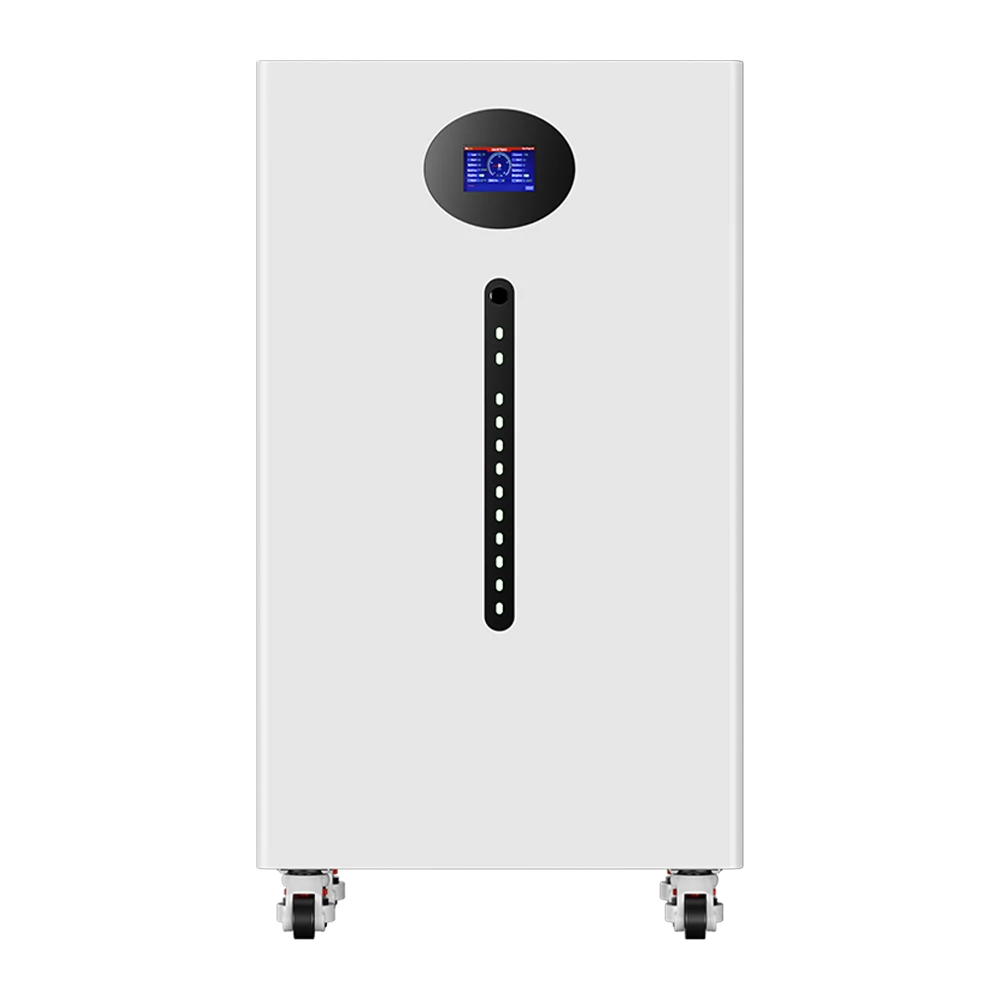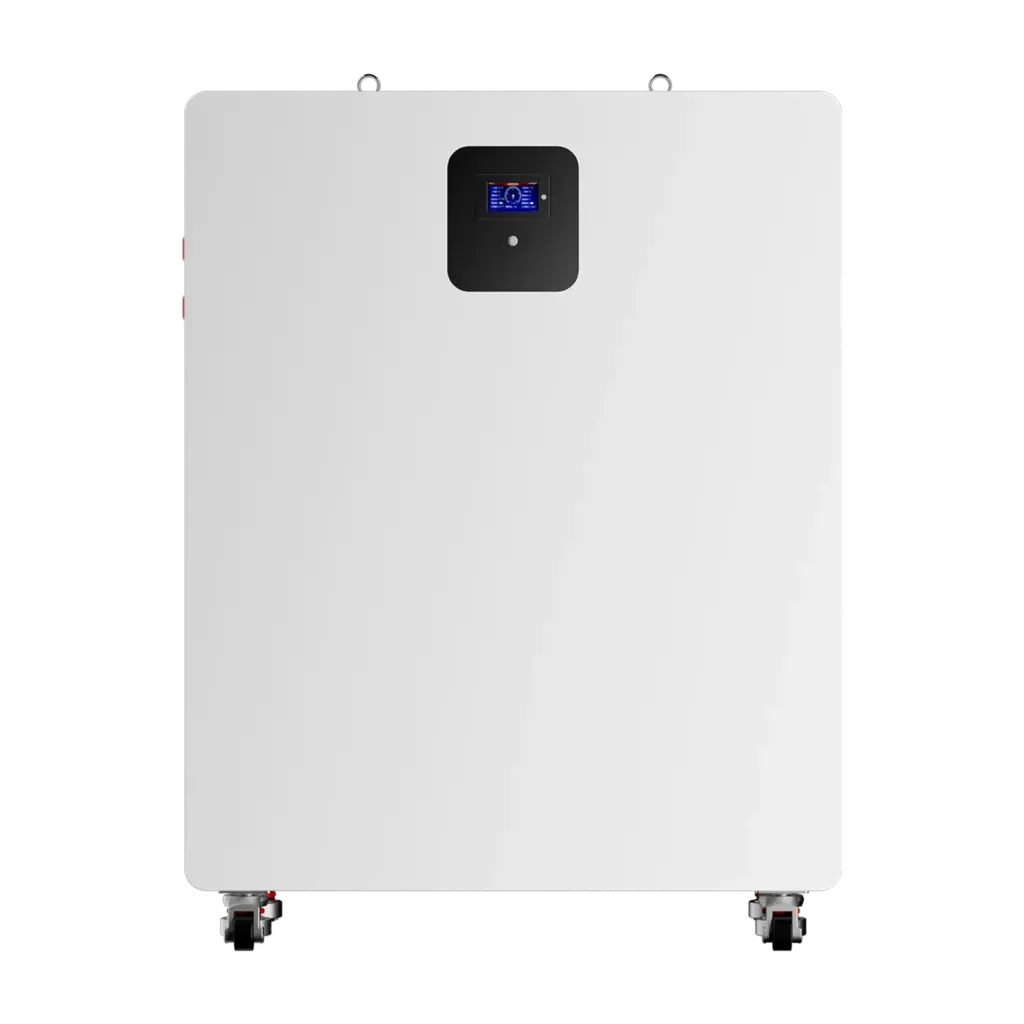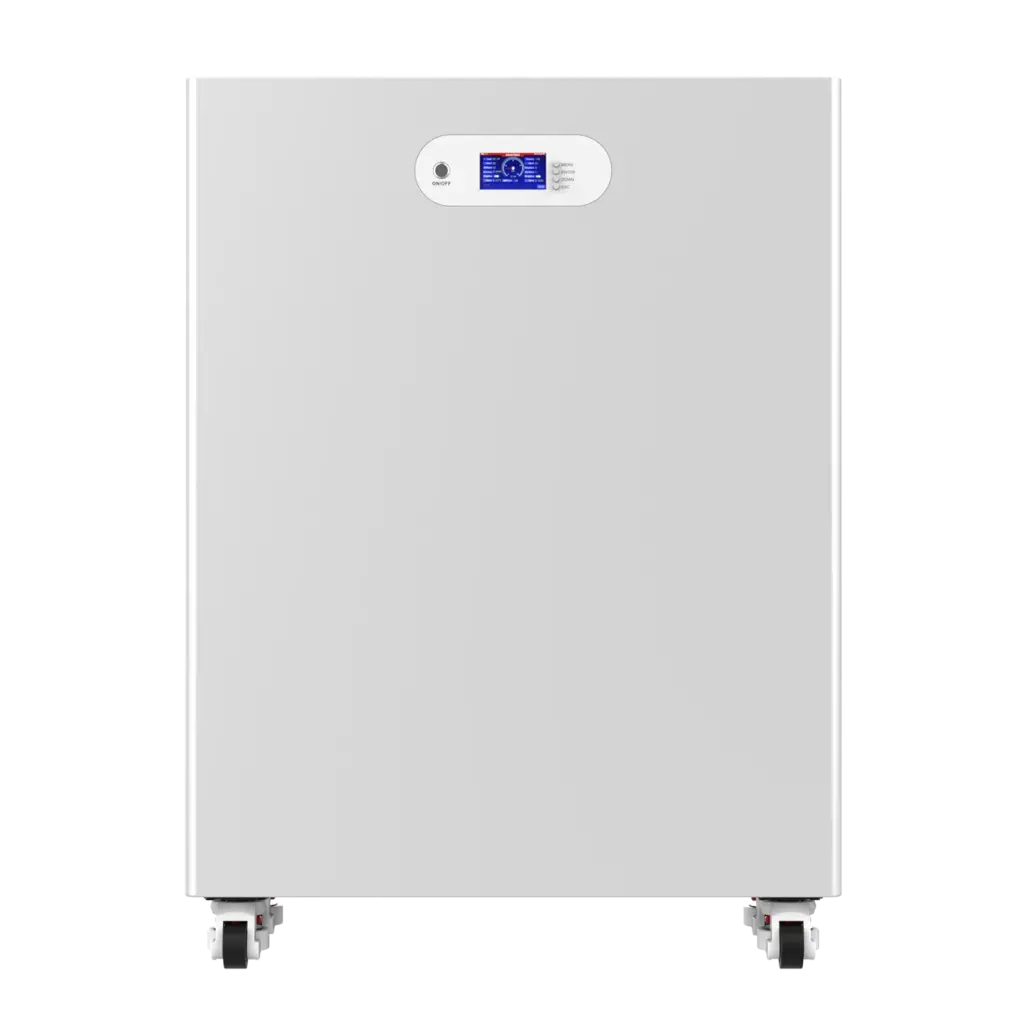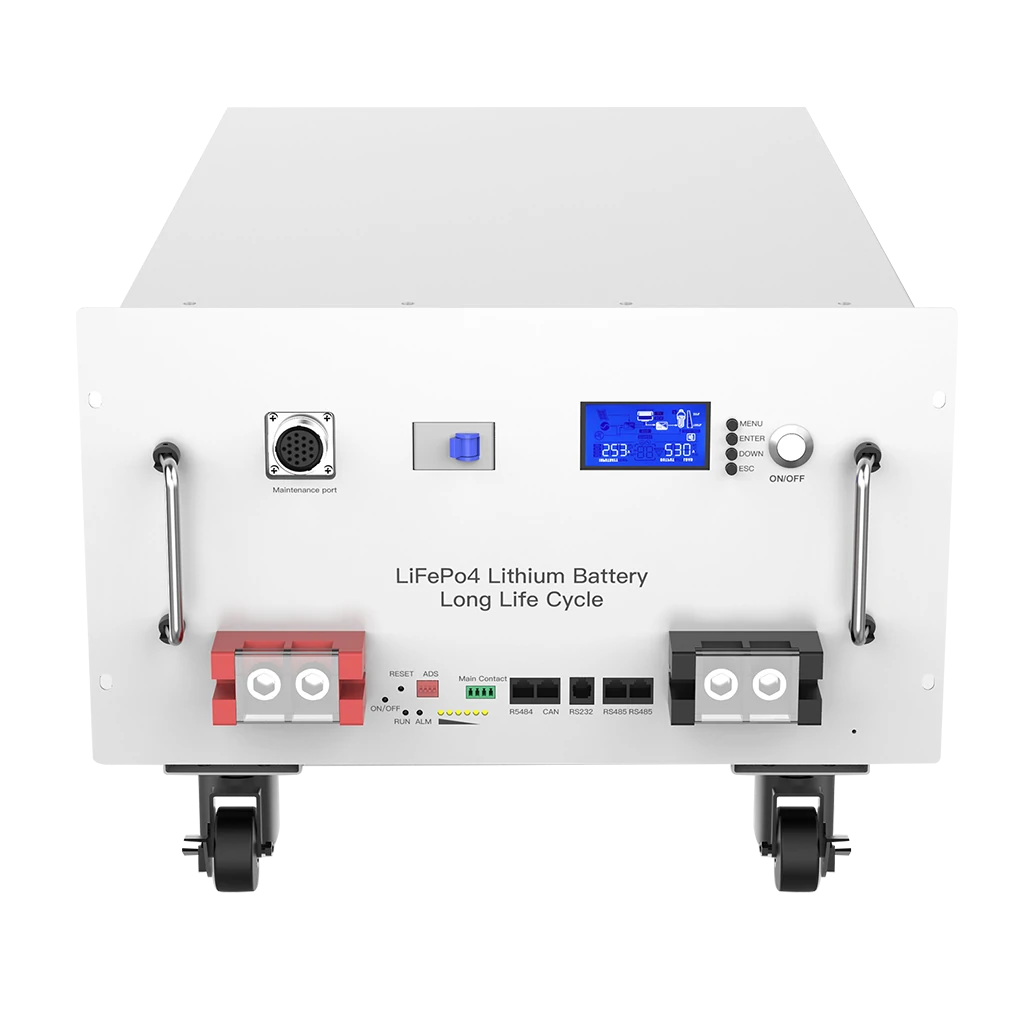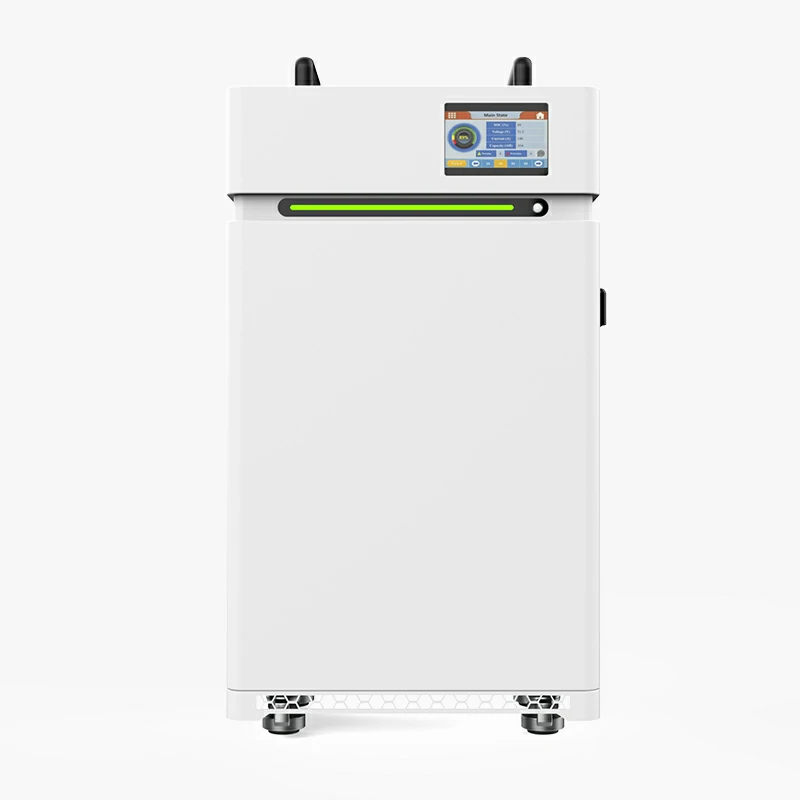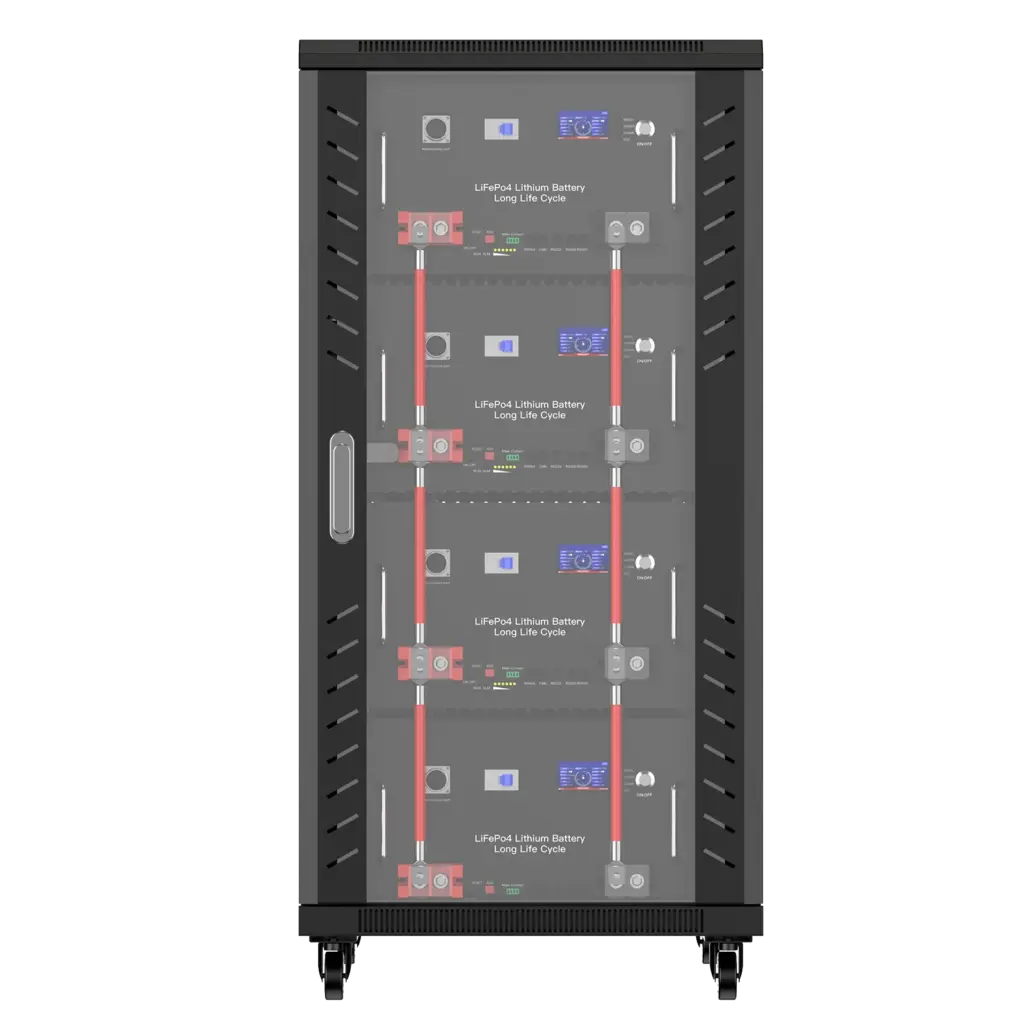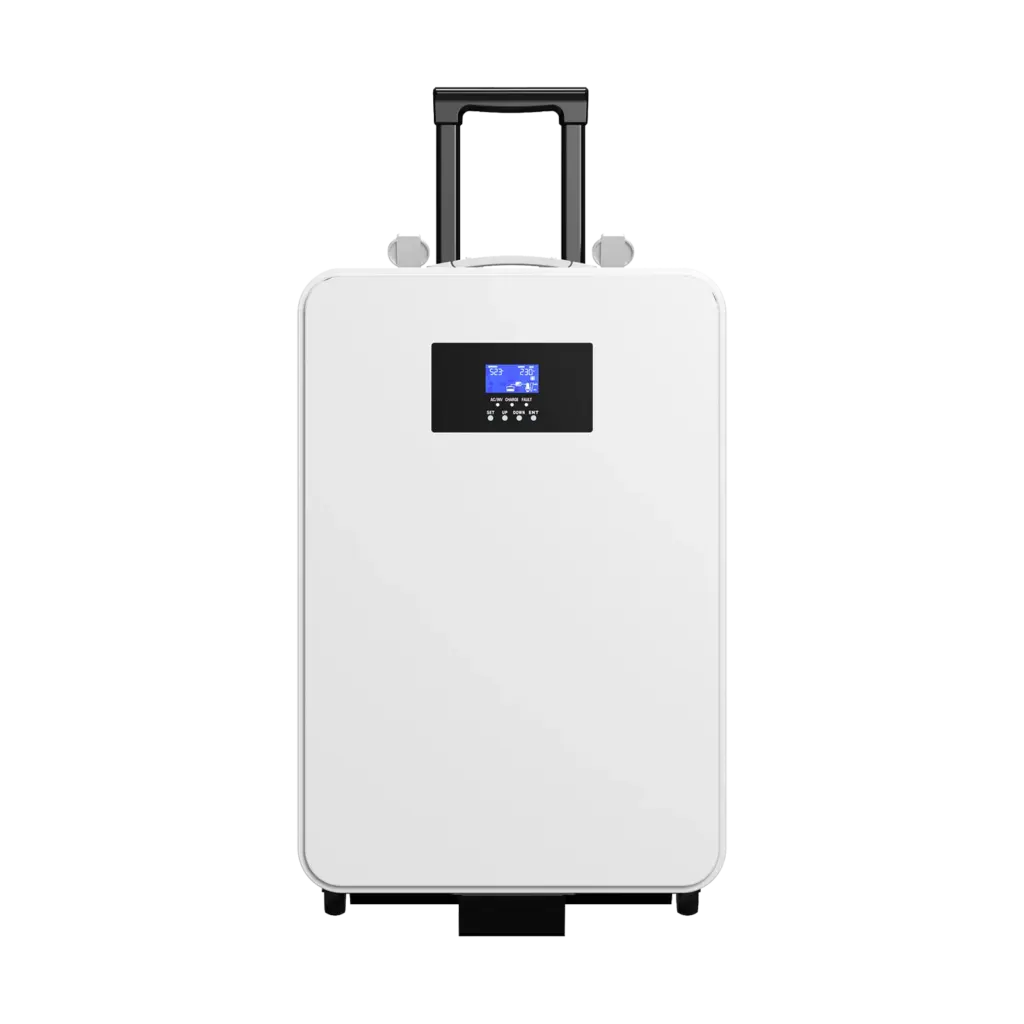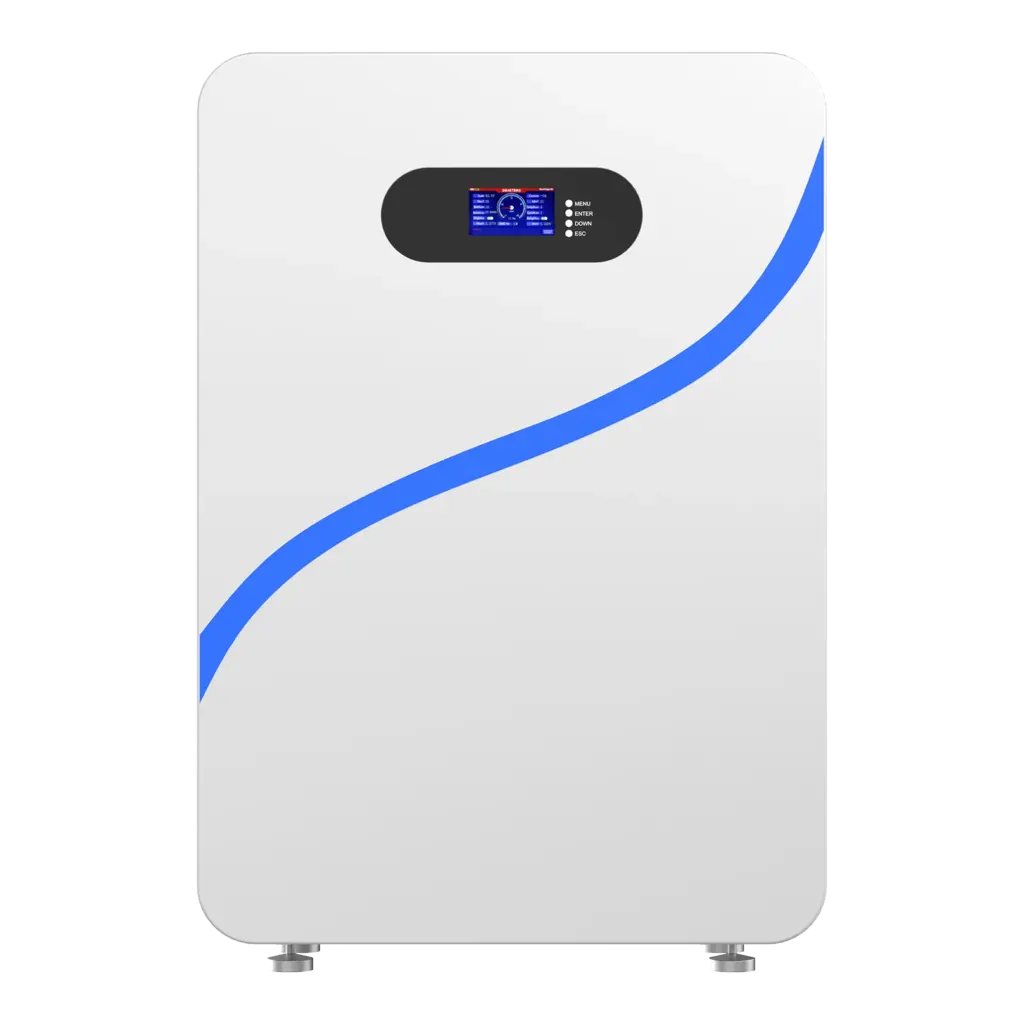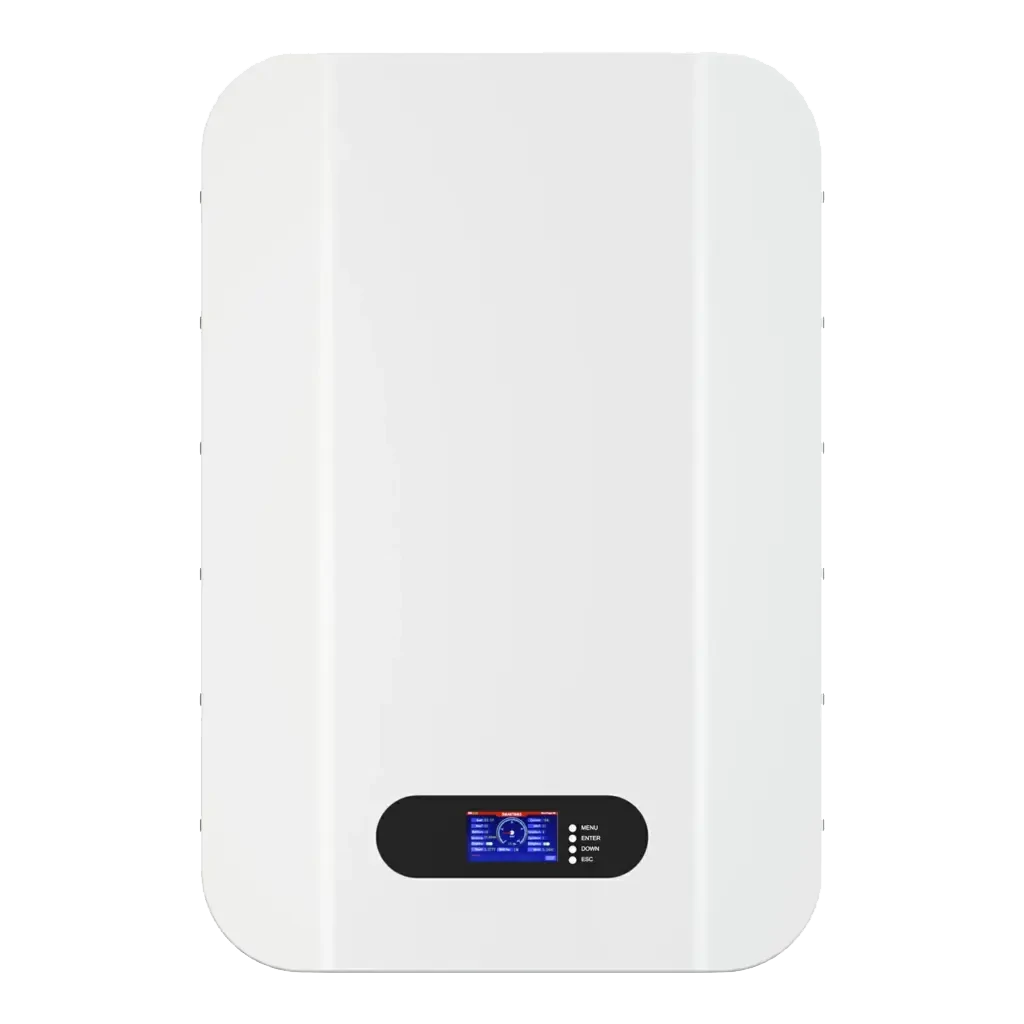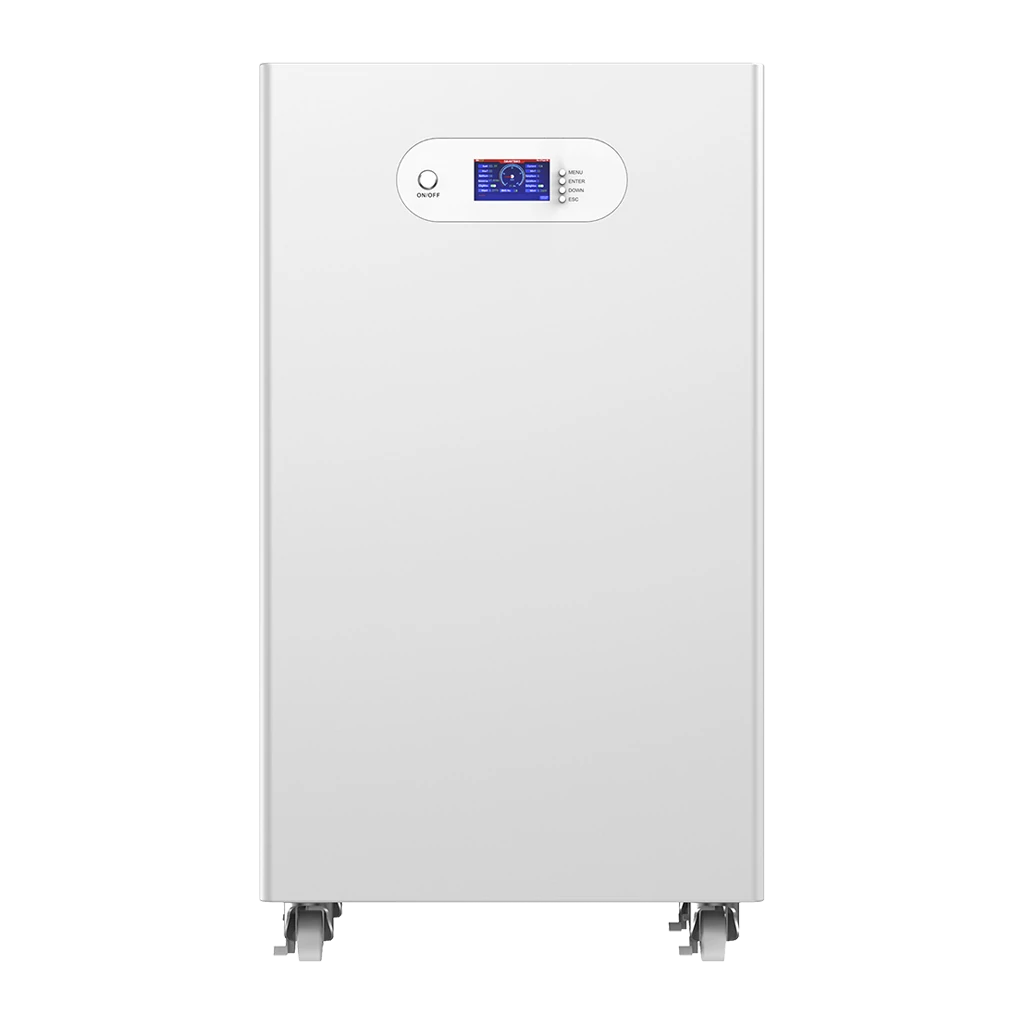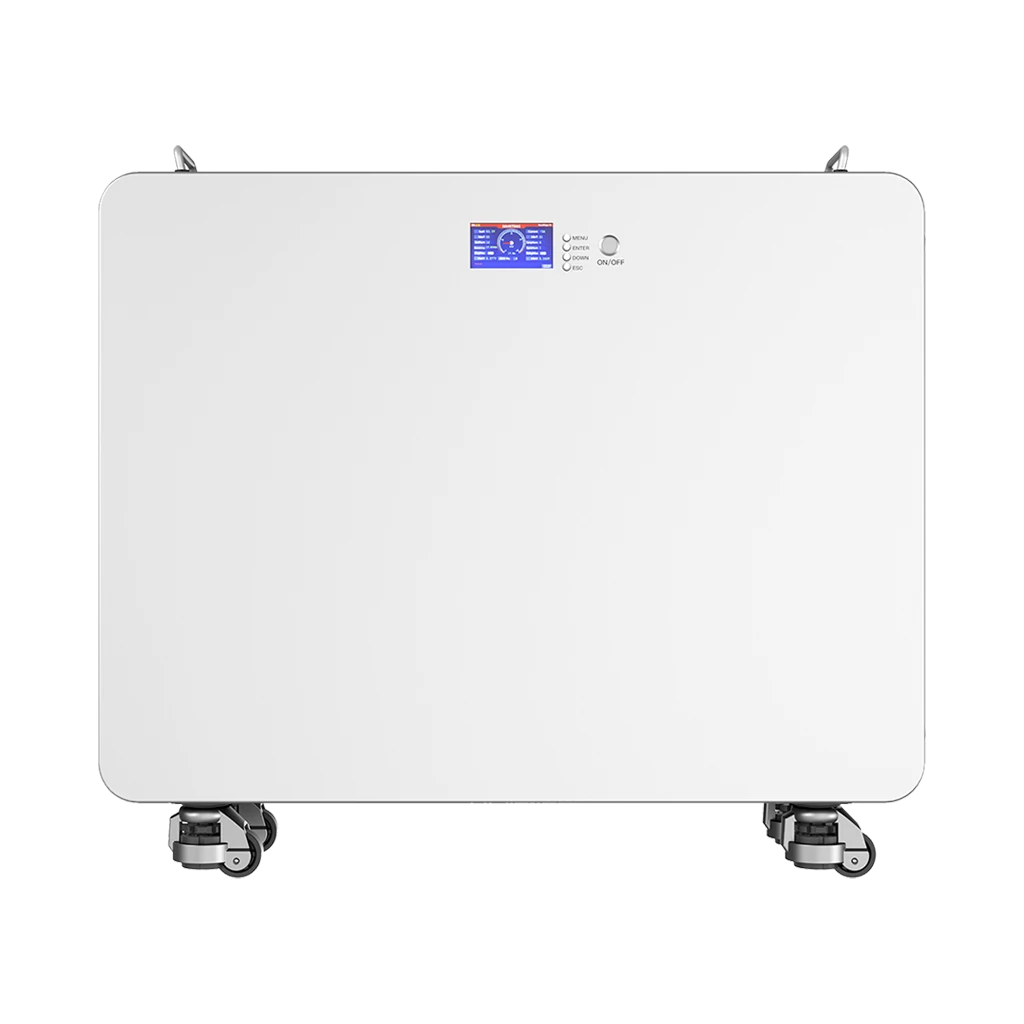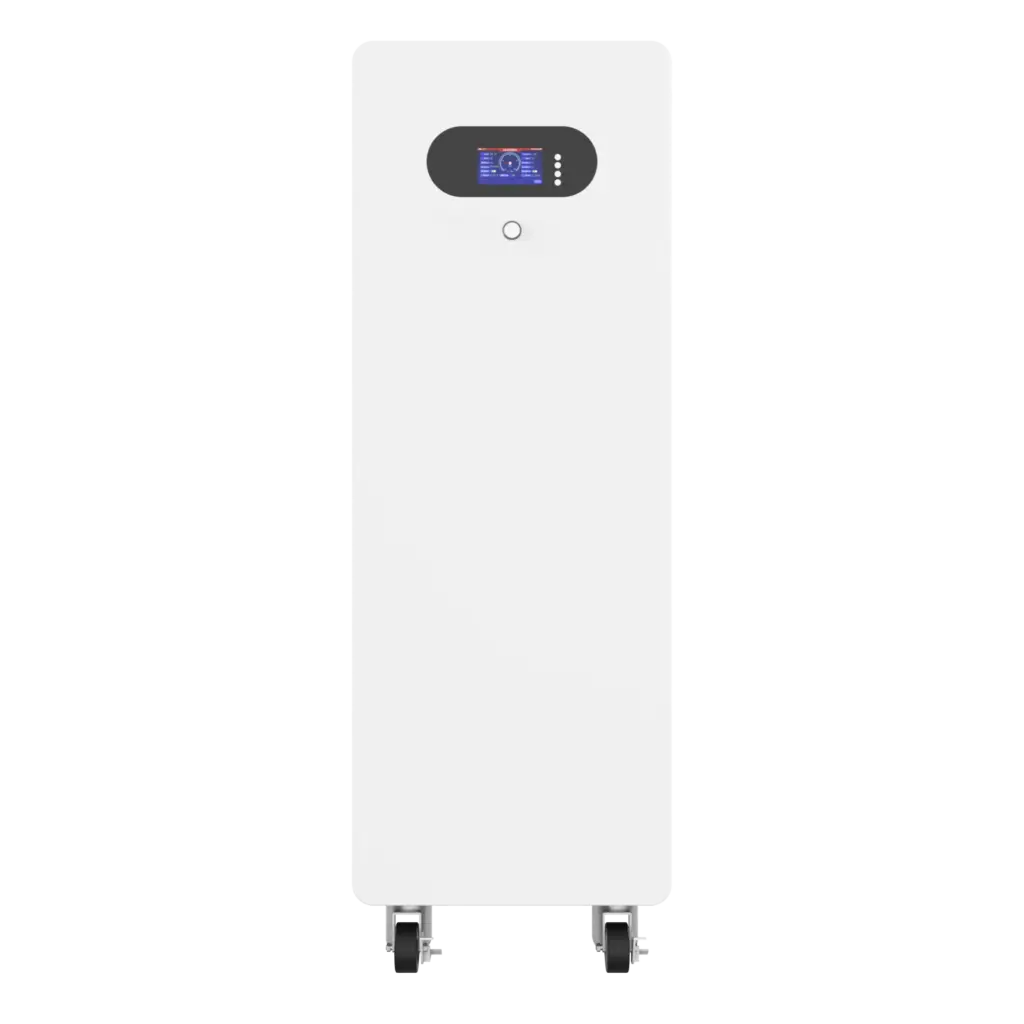

Energy prices keep rising in many regions, and solar feed-in payments keep falling in many markets. Homeowners often notice that the grid pays less for exported solar, even when the home produces plenty of daytime energy. A 20 kWh battery for home use has become a practical way to store that extra solar, use more of it at night, and rely less on the grid.
This guide explains how a 20 kWh home battery works, what it can power, how long it can run, what it can cost with and without an inverter, and how people usually measure savings.
Summary
- A 20 kWh battery system typically costs between $13,920 and $16,120, depending on inverter needs.
- Runtime depends heavily on energy consumption: it can last 1 to 3 days for essential loads or only a few hours if powering the whole home.
- It pairs well with 5-8 kW solar systems to enable daily cycling and energy independence.
- Proper battery care—avoiding deep discharges and extreme temperatures—extends battery life.
- This size battery is a practical choice for homeowners seeking backup power and energy savings without the cost and space of larger systems.
What Is a 20 kWh Home Battery System?
A 20 kilowatt-hour (kWh) battery system stores 20 units of usable electrical energy. This stored energy can supply household appliances when solar production is low, when grid electricity is expensive, or when the grid is unavailable.
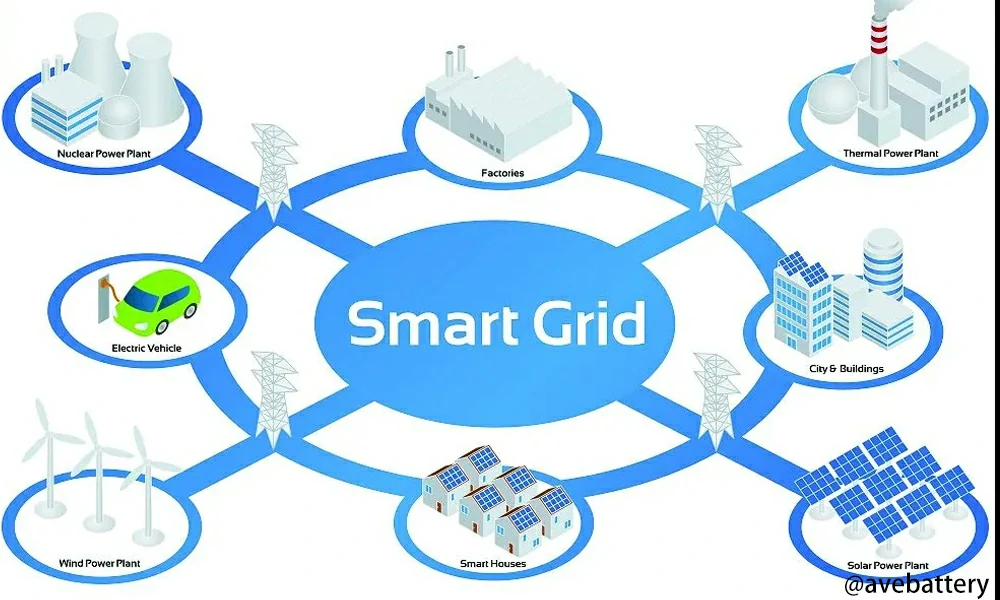
A home battery does not generate power by itself. Instead, it stores energy that comes from one or more sources:
- Solar photovoltaic (PV) systems
- The electrical grid during off-peak hours
- Backup generators (in some hybrid systems)
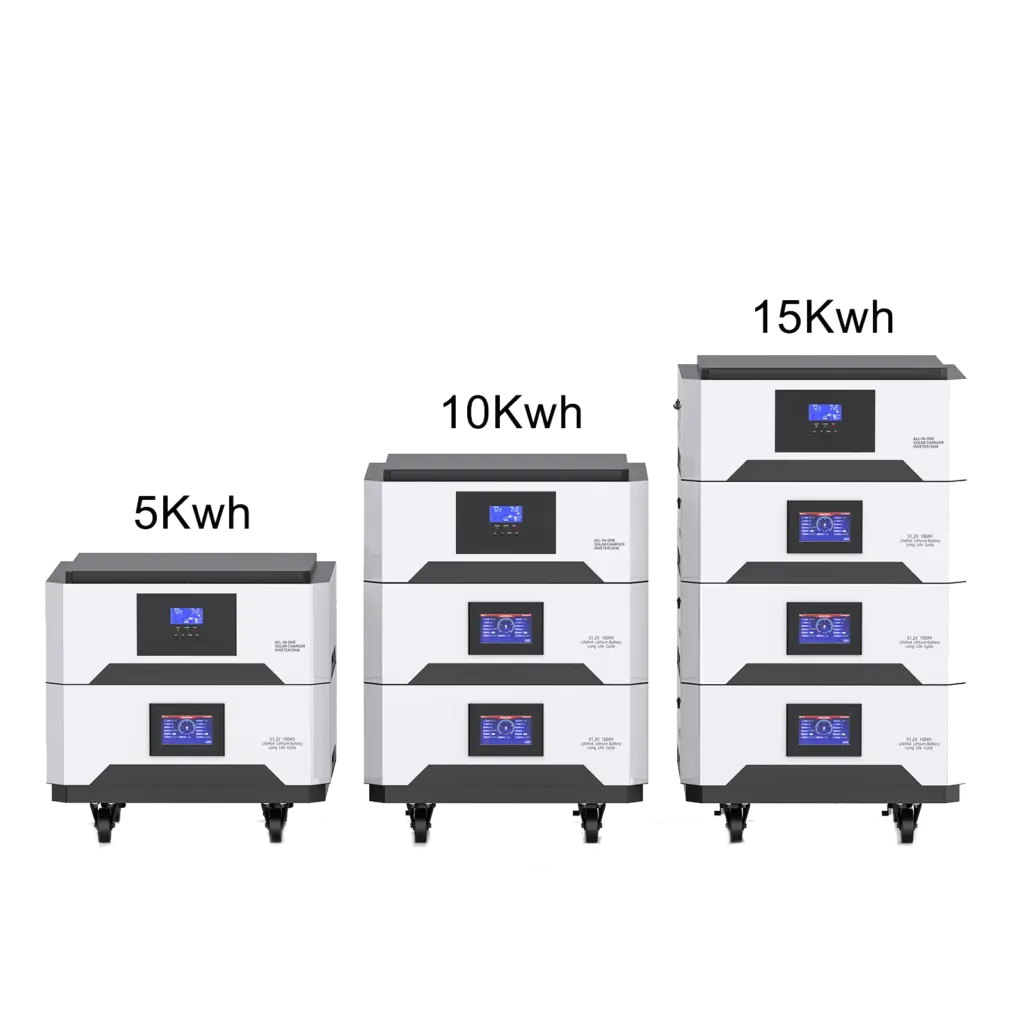
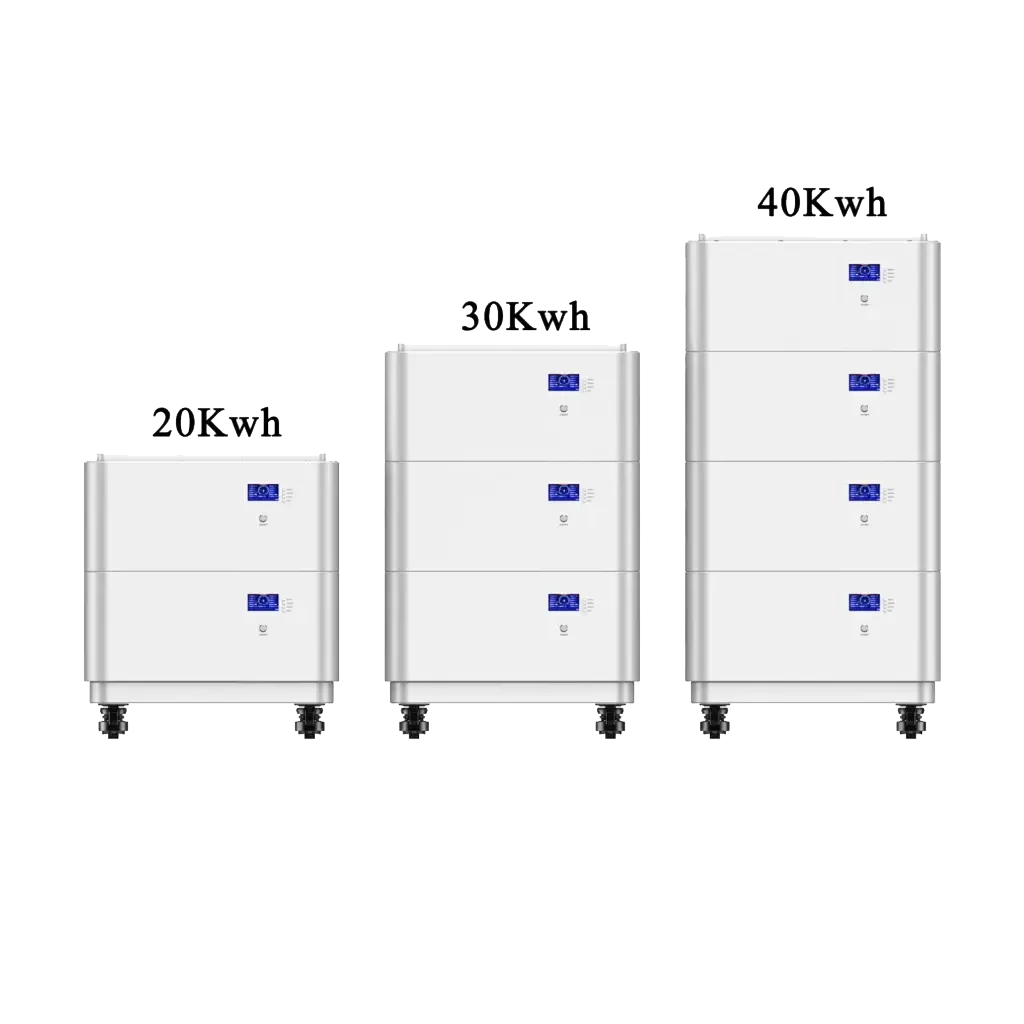
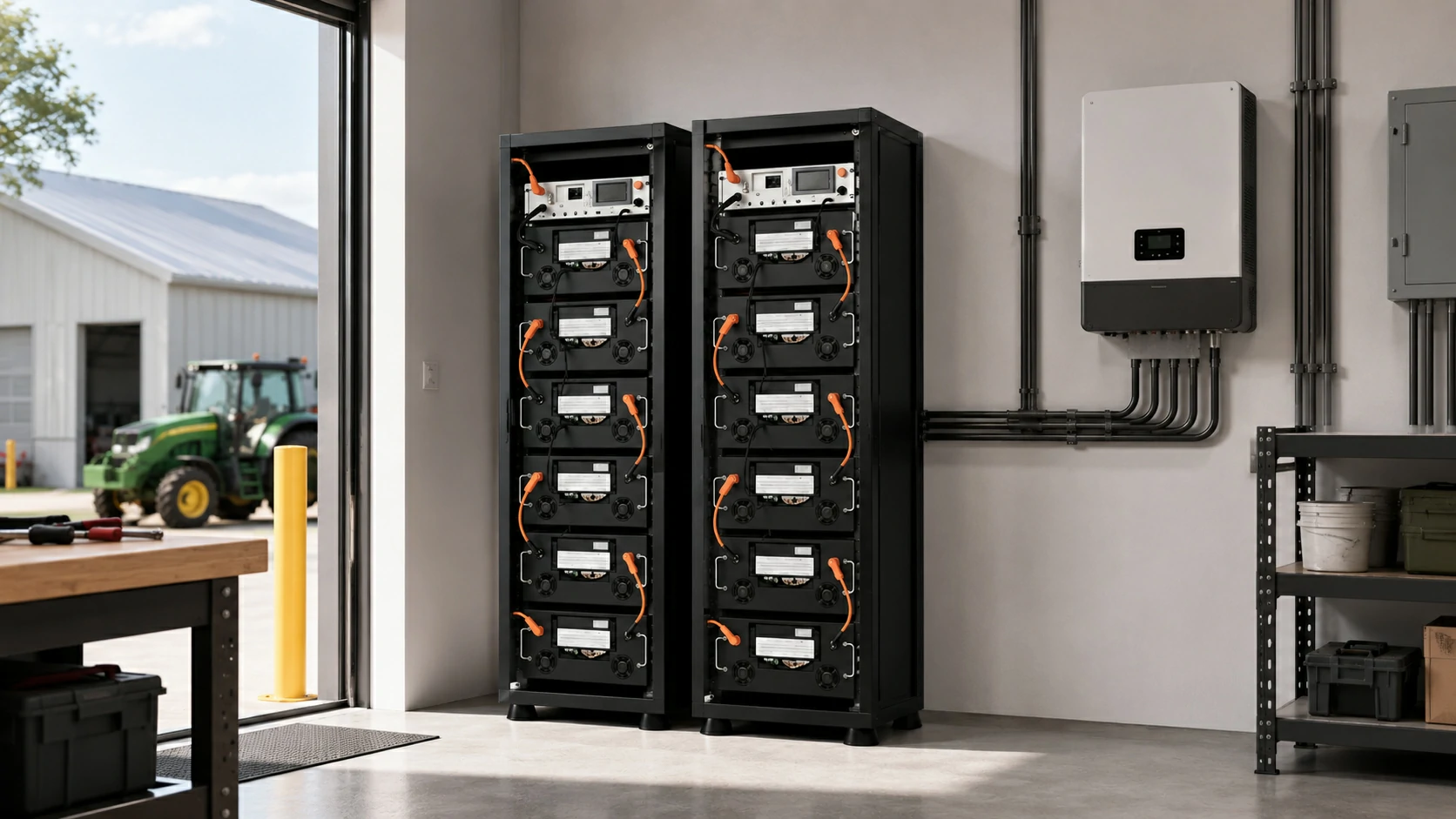
A 20 kWh battery typically sits between small entry-level batteries (5 kWh battery –10 kWh battery ) and large whole-home systems (30 kWh battery –60 kWh battery or more). This capacity often suits medium-sized households that want backup power for essential loads and meaningful daily self-consumption from solar energy.
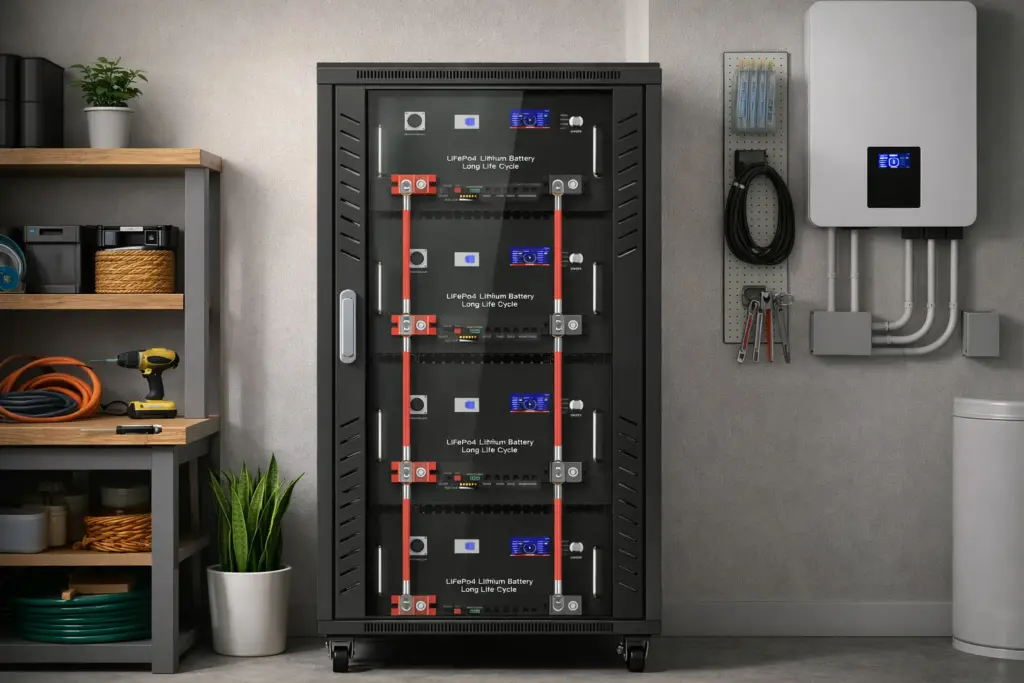
Find Out If a 20kWh Battery Is Right for Your Home
A 20kWh home battery can help store more solar energy, reduce grid dependence and provide backup power for essential household loads. If you are planning a home solar battery system, Avepower can help you compare capacity, inverter needs and project cost before you buy.
How Much Does a 20 kWh Battery Cost?
If you install a 20 kWh home battery without needing an additional inverter, the total cost is much more affordable. This usually applies to homes that already have a hybrid inverter or a battery-ready inverter, which helps reduce both equipment and labor costs.
In this setup, the average installed price is about $696 per kWh. For a 20 kWh battery, that puts the estimated total installed cost at around $13,920. Overall, this option offers a cost-effective way to add energy storage without major upgrades to your existing system.
This price usually includes:
- Battery modules
- Battery management system (BMS)
- Installation labor
- Basic system integration
This price does not include:
- A new inverter
- Major electrical upgrades
- Solar panels
This configuration works best for homeowners who planned for storage when installing solar.
Installed Price With an Additional Inverter
Some homes operate with string inverters or solar-only inverters that do not support direct battery connection. In this case, the battery system requires an additional battery inverter or an AC-coupled inverter.
When an inverter is included, the installed cost increases to approximately $806 per kWh.
- Cost per kWh (battery + inverter): $806
- Total system cost (20 kWh): $16,120
Although this configuration costs more upfront, it allows battery storage to integrate with almost any existing solar system.
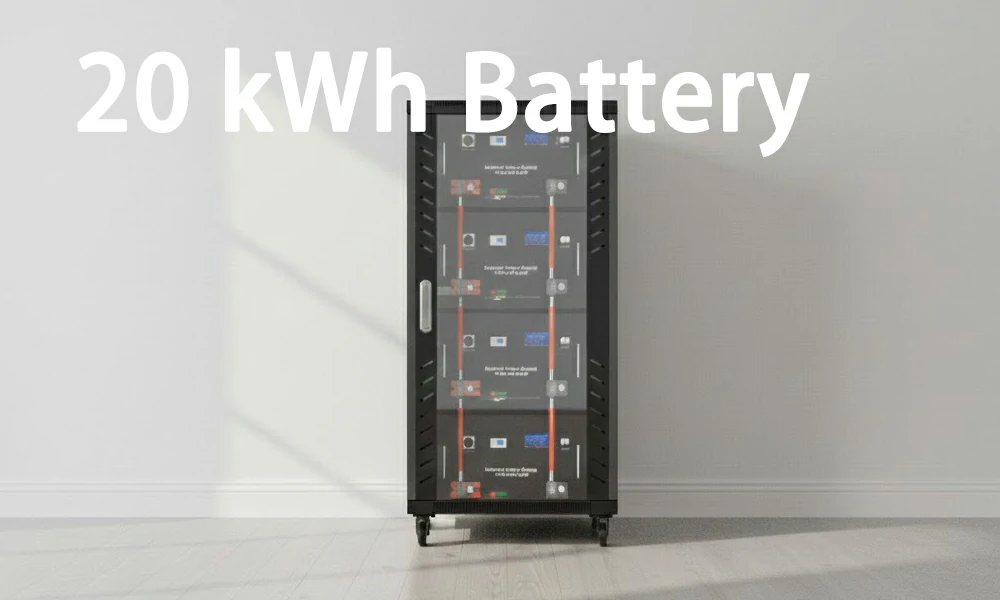
How Long Can a 20 kWh Battery Power a Home?
The runtime of a 20 kWh battery varies widely. Runtime depends on:
- The number of appliances in use
- The power rating of each appliance
- Whether solar power is available during operation
- How efficiently energy is managed
You do not need to guess your load profile. A 20 kWh system should match the real home.
If you want a battery that fits your seasons and your daily use, Avepower can review your actual consumption data and recommend a home energy storage solution that matches your needs, including capacity planning, inverter matching, and an expansion path.
Runtime Under Light Essential Loads
If a homeowner limits usage to essential appliances only, a 20 kWh battery can last a long time.
Typical essential loads include:
- Refrigerator
- LED lighting
- Wi-Fi modem and router
- Television
- Gas furnace fan
Under these conditions, daily energy use may range from 5 to 7 kWh per day.
At this level of consumption:
- A 20 kWh battery can last 2 to 3 days
- Runtime improves further if solar charging is available
This setup works well during blackouts when homeowners focus on essentials rather than comfort loads.
Runtime Under Whole-Home Loads
If a homeowner powers the entire house without load control, runtime drops significantly.
Whole-home loads may include:
- Central air conditioning
- Electric ovens
- Electric water heaters
- Washing machines and dryers
In this scenario:
- Hourly consumption can reach 5 to 6 kWh per hour
- A fully charged 20 kWh battery may last 3 to 6 hours
This runtime may be enough for short outages but is not suitable for extended blackouts unless solar charging is available.
A Simple Runtime Example
Consider the following situation:
- Central air conditioner: 4 kWh per hour
- Refrigerator, lighting, Wi-Fi, TV, and microwave: 1–2 kWh per hour
- Total load: approximately 6 kWh per hour
Calculation: 20 kWh ÷ 6 kWh ≈ 3.3 hours of runtime
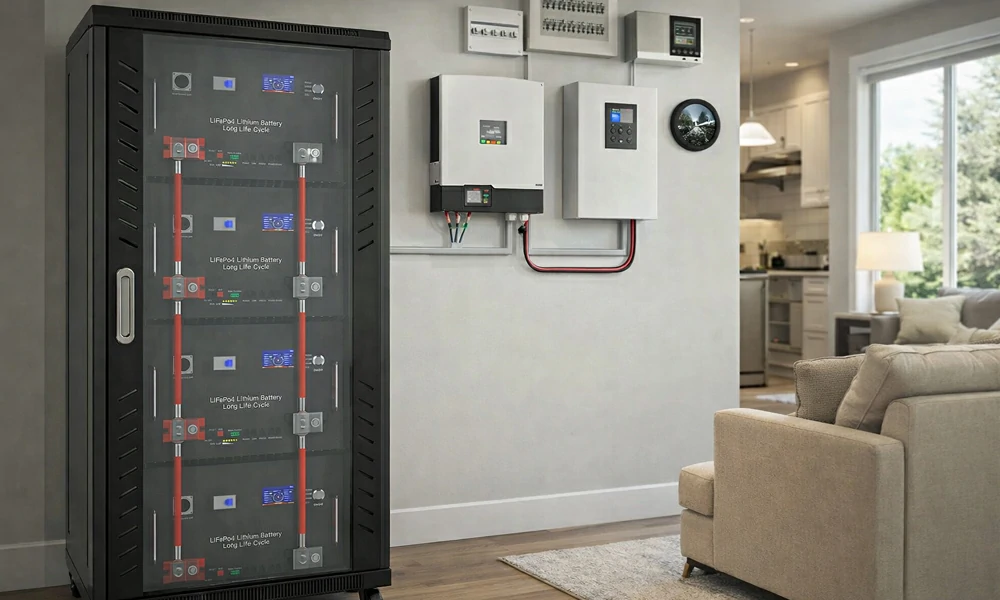
Need a Battery Sized for Your Real Home Load?
Battery runtime depends on how your home actually uses electricity. Share your daily kWh usage, solar system size and backup load requirements, and Avepower can recommend a suitable battery capacity and inverter configuration for your home.
What Can a 20 kWh Battery Power?
Understanding appliance energy use helps homeowners estimate battery performance accurately.
| Appliance | Average Power (Watts) | Estimated Runtime (Hours) |
|---|---|---|
| Refrigerator | 150 | 133 |
| Washing Machine | 500 | 40 |
| LED Lighting (whole house) | 100 | 200 |
| Wi-Fi Router | 10 | 2000 |
| TV (40-inch LED) | 80 | 250 |
| Gas Furnace Fan | 100 | 200 |
| Laptop | 50 | 400 |
| Microwave Oven | 1000 | 20 |
| Dishwasher | 1200 | 16.6 |
| Ceiling Fan | 75 | 266 |
| Vacuum Cleaner | 700 | 28.5 |
| Coffee Maker | 900 | 22 |
| Electric Kettle | 1500 | 13.3 |
| Space Heater | 1500 | 13.3 |
| Hair Dryer | 1200 | 16.6 |
| Electric Oven | 2400 | 8.3 |
| Toaster | 800 | 25 |
| Water Pump | 400 | 50 |
| Garage Door Opener | 300 | 66 |
A homeowner who uses only low-power appliances can stretch battery runtime significantly. A homeowner who uses heating, cooling, and cooking appliances simultaneously will deplete the battery quickly. In the United States, the average home uses 25 to 30 kWh per day. During winter heating or summer air conditioning, consumption can be even higher.
If you’re wondering whether a 20 kWh battery capacity is right for you, feel free to contact Avepower’s energy experts. We’ll analyze your electricity usage across different seasons and recommend a customized battery system tailored to your specific needs.
Energy Savings: How a 20 kWh Battery Can Cut Bills
A battery saves money when the home uses stored energy at a time that would otherwise be expensive. The value usually comes from one or more of these paths.
Path 1: More Solar Self-Use
A home often exports solar during midday when the home does not need all that power. A home often buys power again at night. A battery shifts daytime solar into nighttime use. That shift can cut grid imports.
A battery often helps most when feed-in payments are low and retail rates are high. A battery can also help when the home has high evening use.
Path 2: Time-of-Use Shifting
Some electricity plans charge more at peak hours. A battery can discharge during peak hours and charge during off-peak or from solar. That approach can reduce the cost per day even if total kWh stays similar.
Path 3: Backup Value
Backup value does not show up as a simple bill saving, but backup value still matters to many homeowners. A battery can protect work-from-home needs, medical devices, food storage, and comfort during outages. A homeowner should include that value in the decision if outages happen often.
A Simple Savings Framework That Stays Honest
A homeowner can estimate daily savings with a simple structure:
- Daily savings ≈ (kWh shifted to self-use) × (retail rate − export rate)
A homeowner can then estimate annual savings by multiplying daily savings by 365, while adjusting for seasons. A homeowner should use a conservative number for “kWh shifted” because the battery will not cycle at full every day in every season.
A homeowner should also remember that a battery has round-trip loss. A battery might return 85% to 95% of stored energy back to loads, depending on system details. That loss reduces savings slightly, but the shift can still pay off when the rate gap is large.
How Does Pairing a 20 kWh Battery with Solar Panels?
A 20 kWh battery is typically paired with a solar array sized between 5 kW solar system, 6kW solar system, and 8 kW solar system. This range ensures that, under most conditions, your battery can be efficiently charged during the day while providing a steady and reliable power supply to your home.
| Solar System Size | Estimated Daily Energy Production (kWh) |
|---|---|
| 5 kW | Approximately 20 kWh |
| 6 kW | Approximately 13 to 30 kWh |
| 8 kW | Approximately 24 to 39 kWh |
For example, if your nighttime electricity consumption is around 6 to 7 kWh, the solar system can recharge the battery during daylight hours, allowing you to maintain an off-grid energy cycle where you draw from the battery at night and replenish it during the day. This cycle supports energy independence and reduces reliance on the grid.
However, solar charging performance is highly dependent on weather conditions. Extended periods of cloudy or rainy weather—say, three days or more without sufficient sunlight—can prevent the battery from fully recharging, which means its runtime will be reduced. To address this, system designers focus on the worst-case scenarios, such as solar production during winter months, rather than just the ideal summer conditions. This ensures that your solar-plus-battery system is sized and configured to meet your energy needs reliably throughout the entire year, regardless of seasonal changes.
Factors Affecting the Lifespan of a 20 kWh Battery
Several factors impact the longevity of a battery system:
- Depth of Discharge (DoD): Regularly fully discharging the battery shortens its lifespan.
- Temperature: Extreme heat or cold reduces efficiency and capacity.
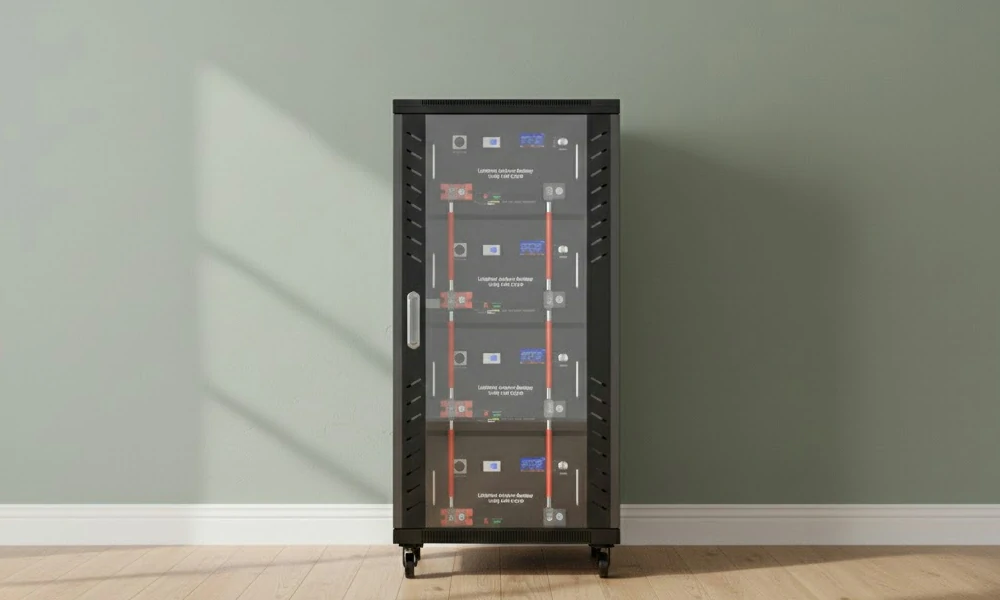
- Aging: Over time, battery capacity declines. For example, Avepower 20 kWh battery storage cabinet maintain about 80% capacity even after 8,000 cycles.
Proper management and operating conditions are essential for maximizing battery life.
Is a 20 kWh Battery the Right Choice for Your Home?
Choosing a 20 kWh battery depends on your household’s energy use and goals. If you aim to power essential loads during outages or reduce your reliance on the grid while maximizing solar self-consumption, this size offers a good balance of capacity and cost.
However, for whole-home backup with high energy consumption, larger batteries or load management strategies might be necessary.
When You Want a System That Fits Your Real Load
A homeowner should not guess. Avepower can help a homeowner size storage by looking at real household loads across seasons. Avepower can also design a full home energy storage solution that matches your solar, your inverter, and your backup needs.
Avepower offers solar energy storage systems that focus on safety and long life. Avepower systems can use LiFePO4 battery technology, and Avepower designs can support strong protection through advanced BMS control. Avepower can also support OEM and customization options when a homeowner or installer needs a specific layout or capacity path.
If you want to know whether 20 kWh is enough, you can share your typical daily kWh use and your biggest loads. Avepower can recommend the right capacity, the right inverter approach, and the right settings for your home.
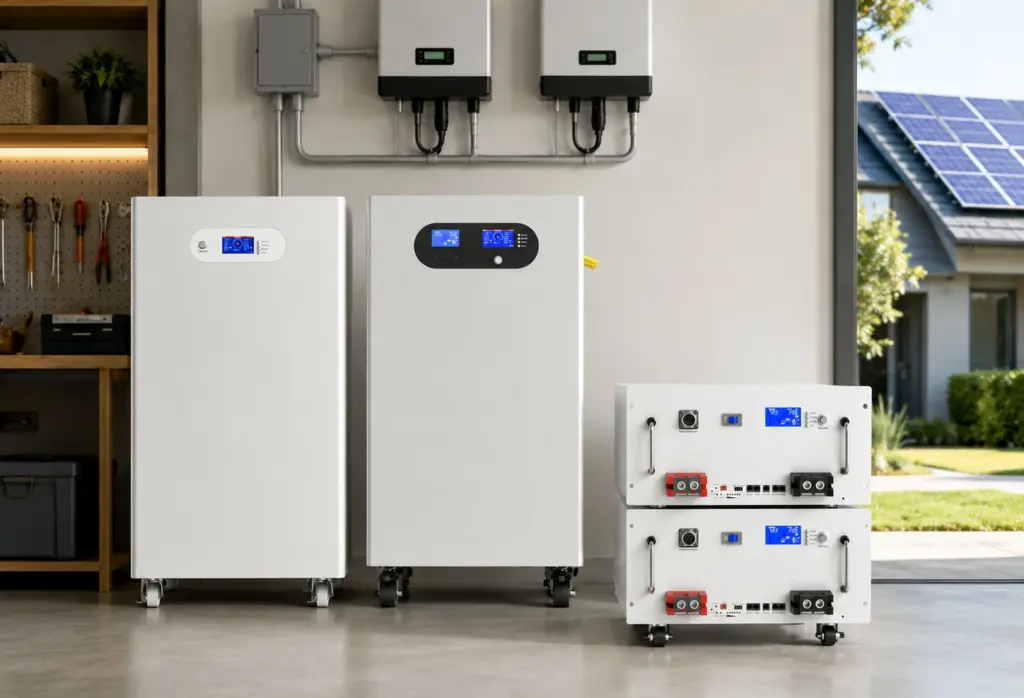
Take Control of Your Energy with Avepower!
Reliable home solar battery solutions with OEM/ODM customization and in-house manufacturing, tailored to the needs of distributors, installers, and energy partners.
FAQ
Installation costs vary depending on the market and system design. If your home is already set up for battery integration, the price for installing just the battery is around $13,920. However, if an additional inverter is needed, the cost rises to about $16,120.
Many homes pair 20 kWh with 5 kW, 6 kW, or 8 kW solar. A homeowner should size solar for winter production if the homeowner wants reliable charging.
A 20 kWh battery works well when a homeowner wants meaningful backup for essentials or strong daily savings with solar.