


This guide looks at the top 10 solar batteries in Australia for 2026. The guide focuses on everyday households that already have, or plan to install, a rooftop solar system in the 6.6–10 kW range and want roughly 10–15 kWh of storage.
Best Solar Batteries Australia 2026 — Quick Comparison
| Battery | Usable / Nominal Capacity | Continuous Power | Chemistry | System Type | Warranty | Indicative Installed Price | Best For |
|---|---|---|---|---|---|---|---|
| Tesla Powerwall 3 | 13.5kWh | Up to 10kW | Lithium-ion | Integrated hybrid inverter | 10 yr | A$14k–16k before rebate | Premium all-in-one |
| Sigenergy SigenStor | Modular 5.2 / 7.8kWh modules | Configuration dependent | LFP | Modular all-in-one | 10 yr* | A$11.5k–16.5k depending on configuration | Smart modular systems |
| Sungrow SBR | 9.6–25.6kWh | Inverter dependent | LFP | HV DC-coupled | 10 yr | ≈A$10.7k for 9.6kWh typical installed | Sungrow ecosystem |
| BYD Battery-Box HVM | 5.1–22.1kWh | Inverter dependent | LFP | HV DC-coupled | 10 yr | ≈A$11.5k–14k for ~10kWh class | Modular HV systems |
| Enphase IQ Battery 5P | 5kWh/unit | 3.84kW/unit | LFP | AC-coupled | 15 yr / 6,000 cycles | ≈A$13k for ~10kWh class | Retrofit / Enphase homes |
| GoodWe Lynx Home F | Modular | Inverter dependent | LFP | HV DC-coupled | 10 yr* | ≈A$9k–10.5k for ~9.6kWh | GoodWe ecosystem |
| Anker SOLIX X1 | Modular | Configuration dependent | LFP | Modular ESS | 10 yr* | ≈A$8.5k–9.8k for ~10kWh | Coastal / modular systems |
| AlphaESS SMILE | Model dependent | Model dependent | LFP | Integrated | 10 yr* | ≈A$10.1k for ~10kWh | Value integrated ESS |
| SolaX Triple Power | Modular | Inverter dependent | LFP | DC-coupled | 10 yr | Configuration dependent | SolaX users |
| Avepower 48V 314Ah | 15kWh nominal | Up to 200A DC for 300s | LFP | Low-voltage battery | 10+ yr design life / 8,000+ cycles @ 80% DoD | Project / wholesale quote | Installers, distributors, OEM/ODM |
1. Avepower
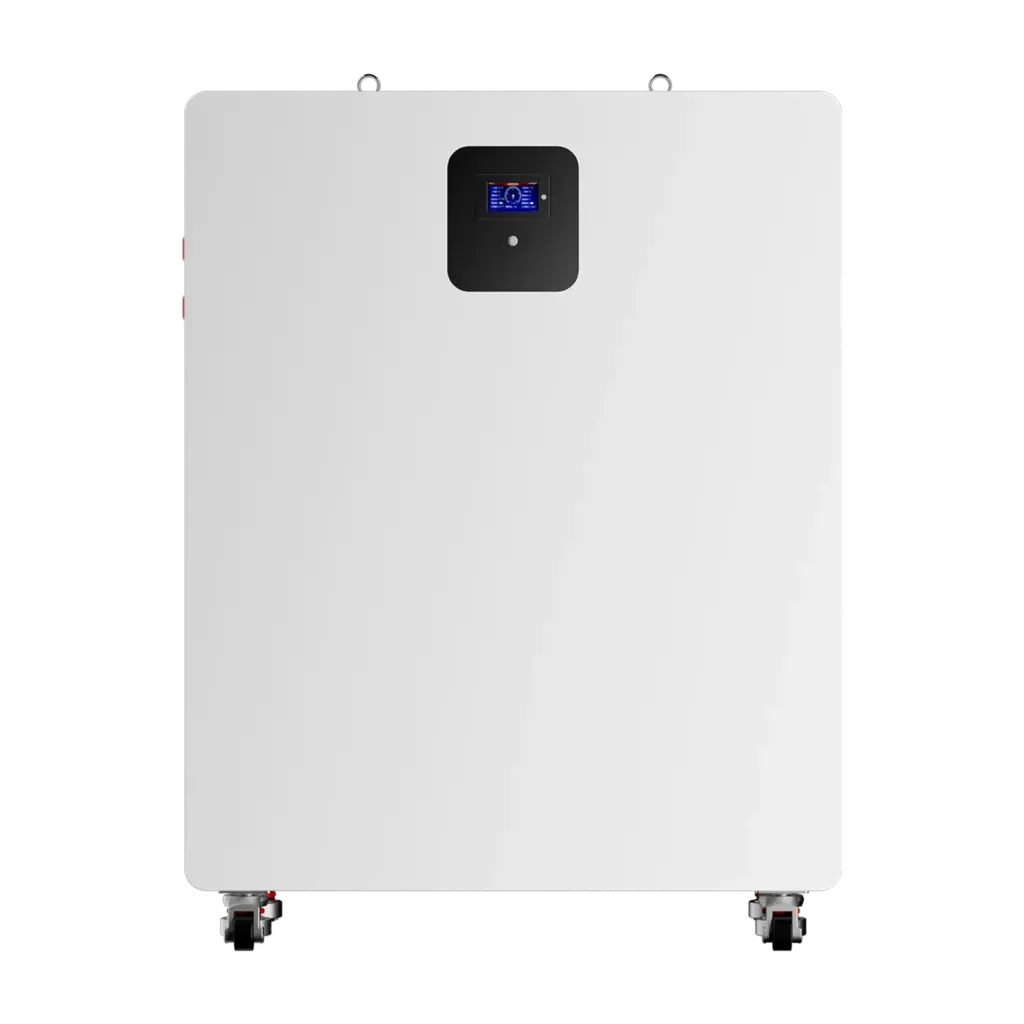
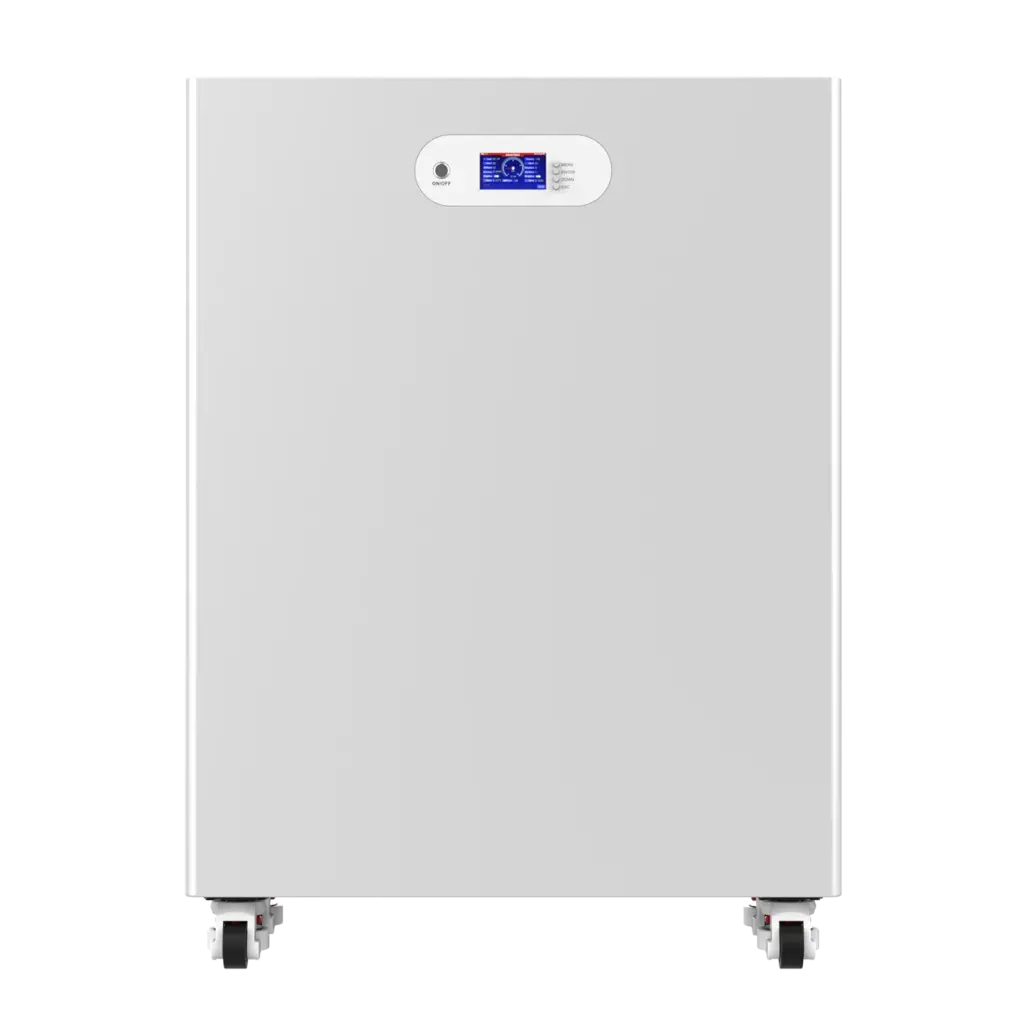
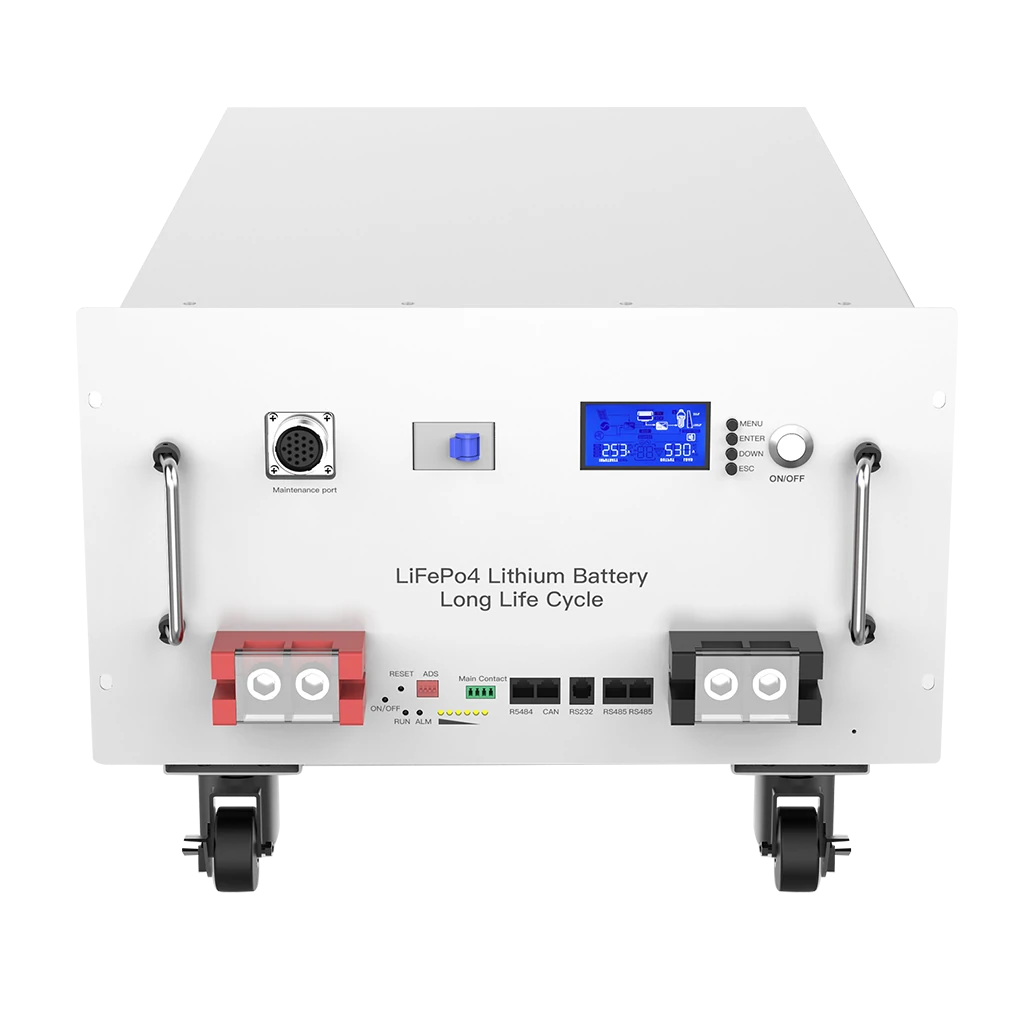
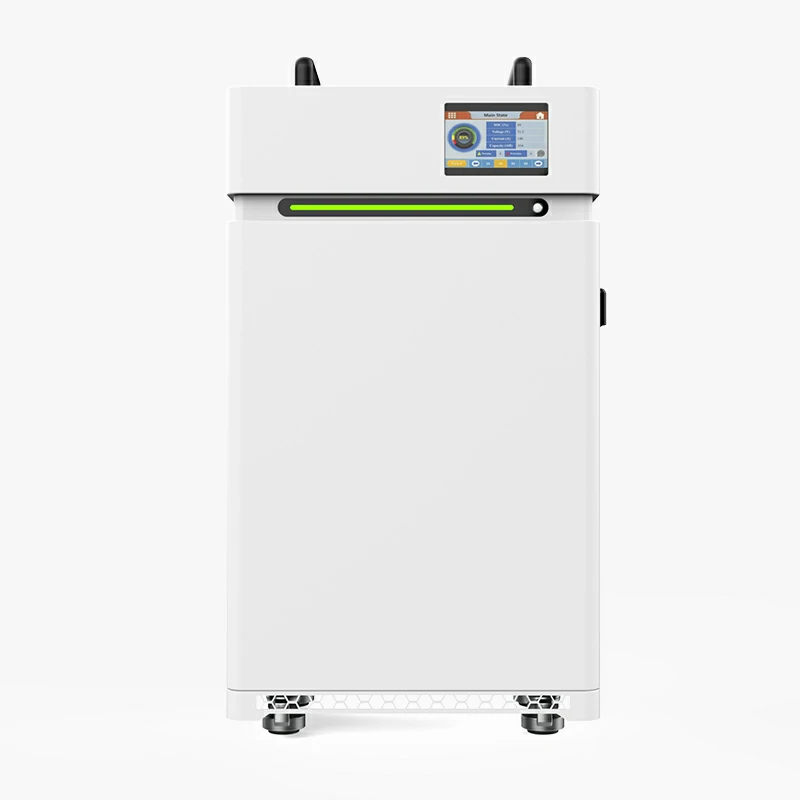
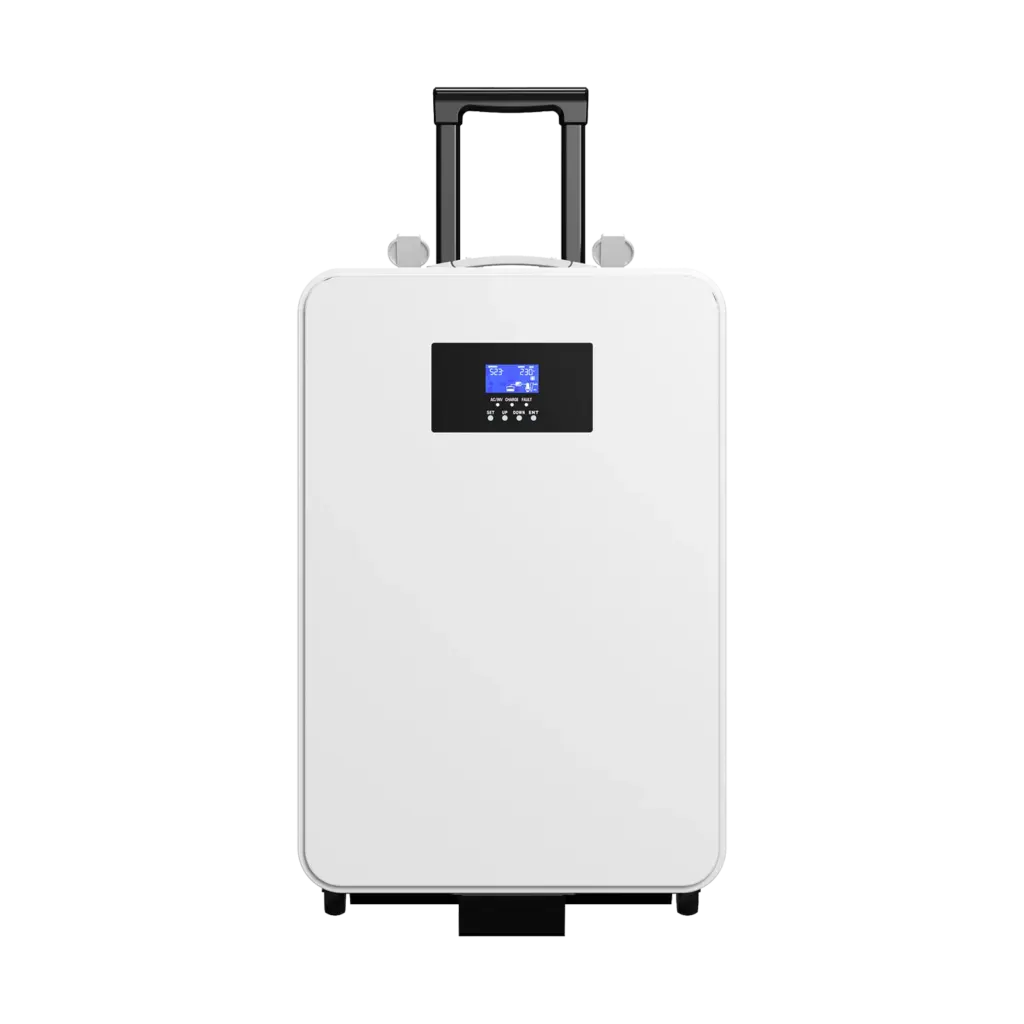
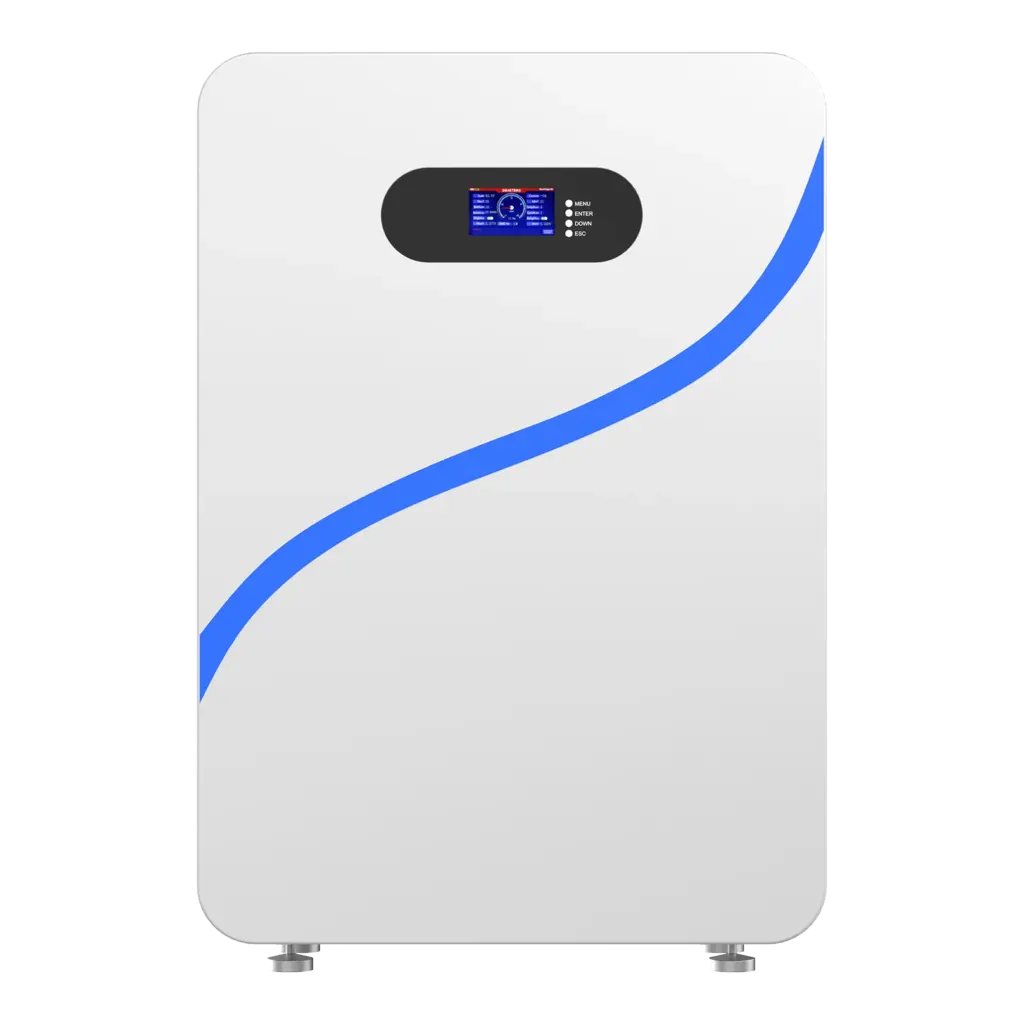
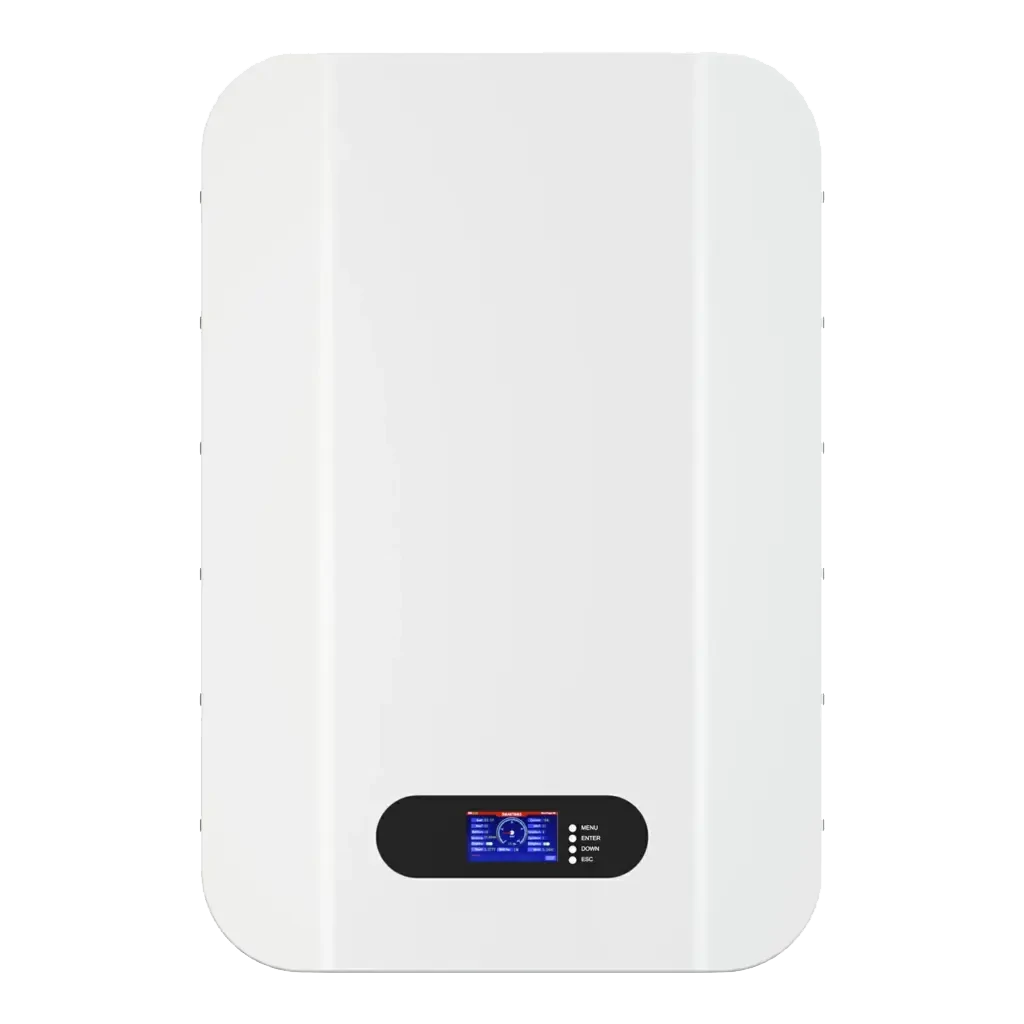
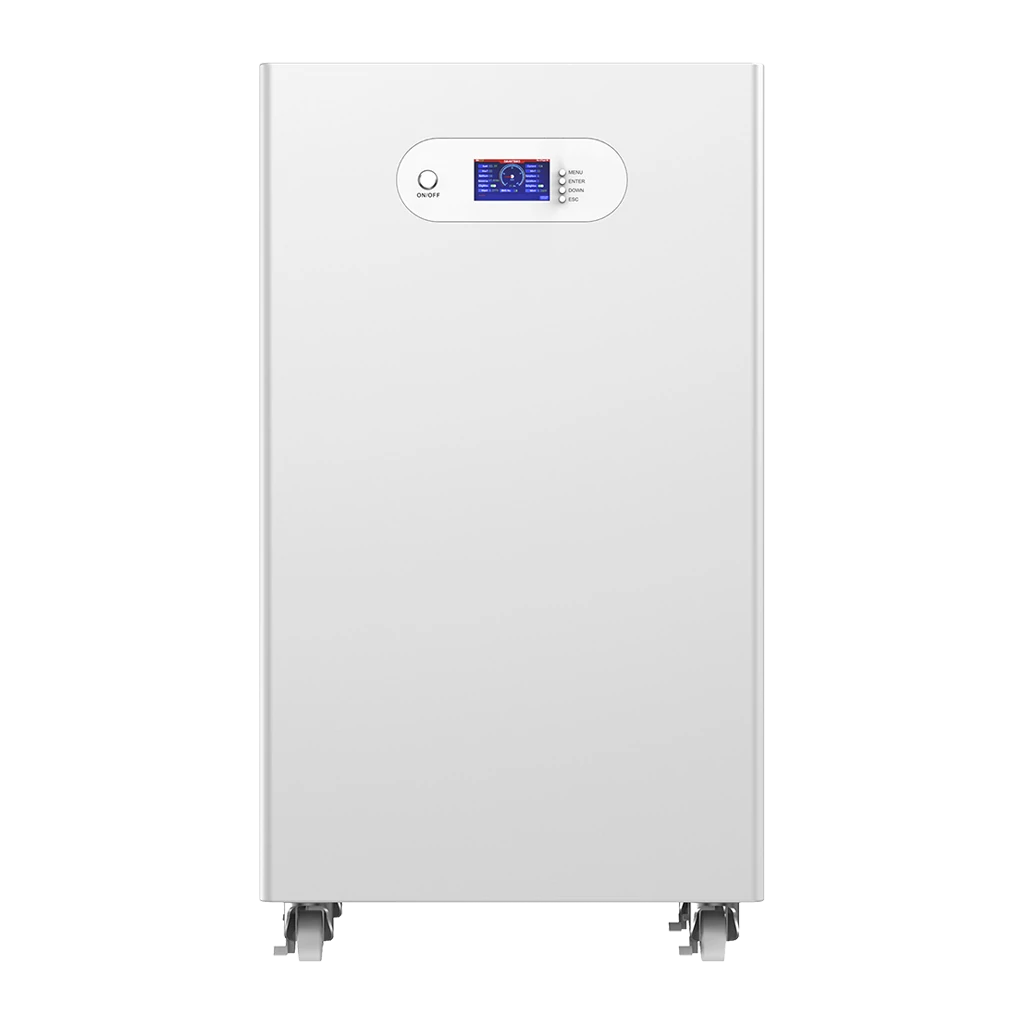
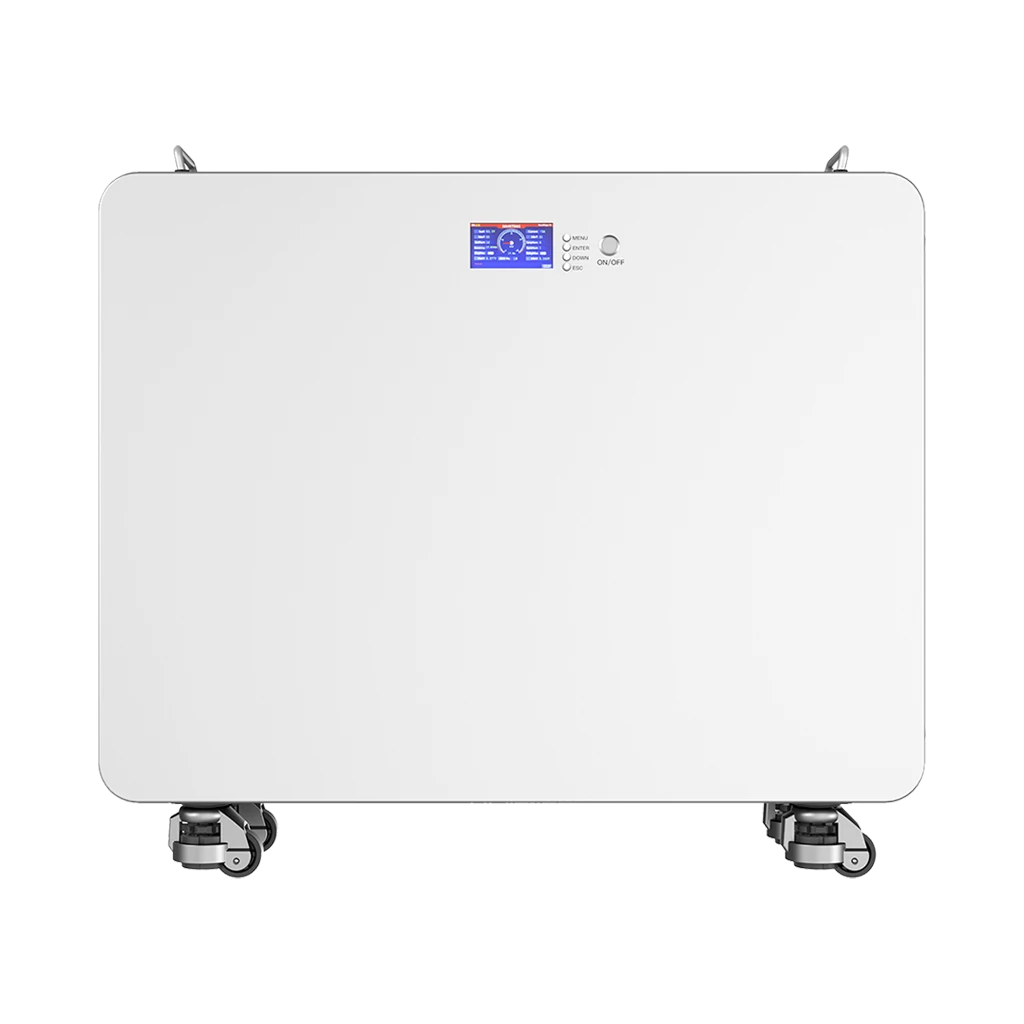
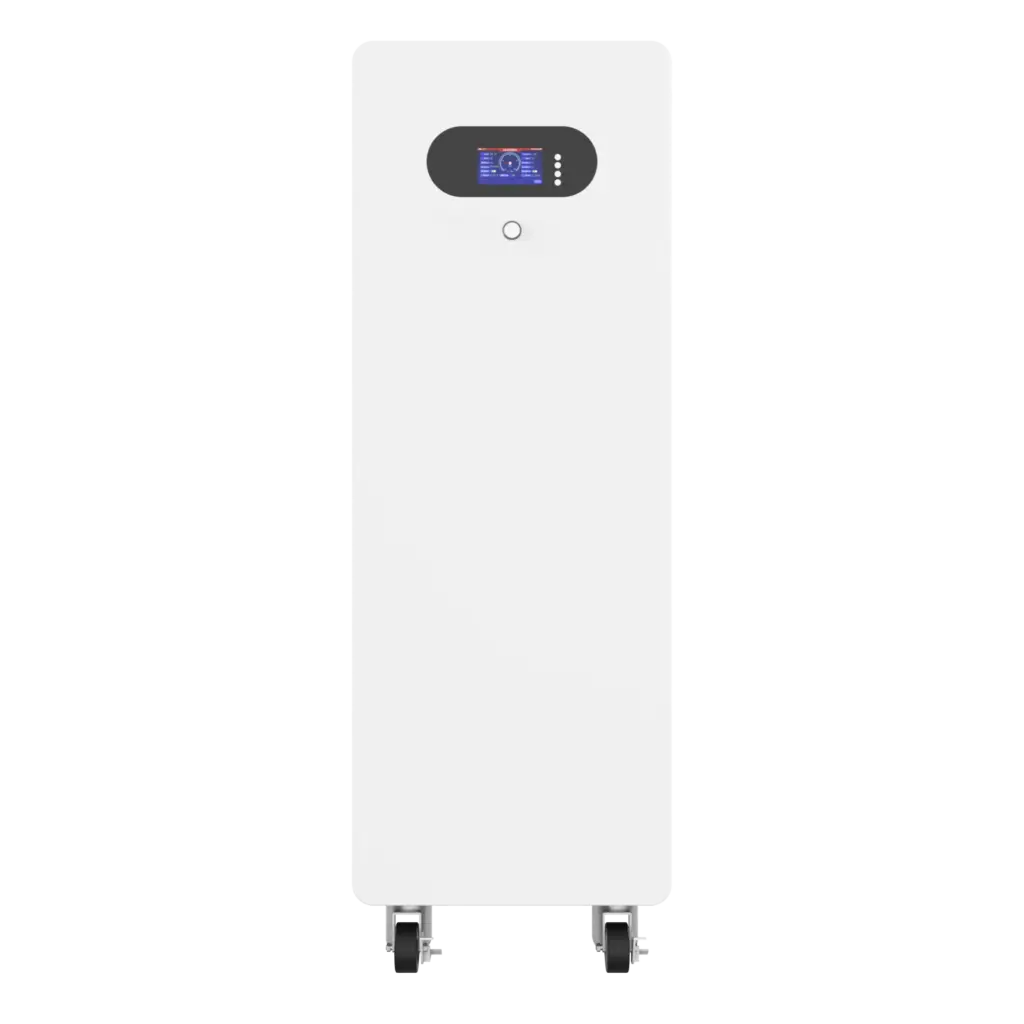
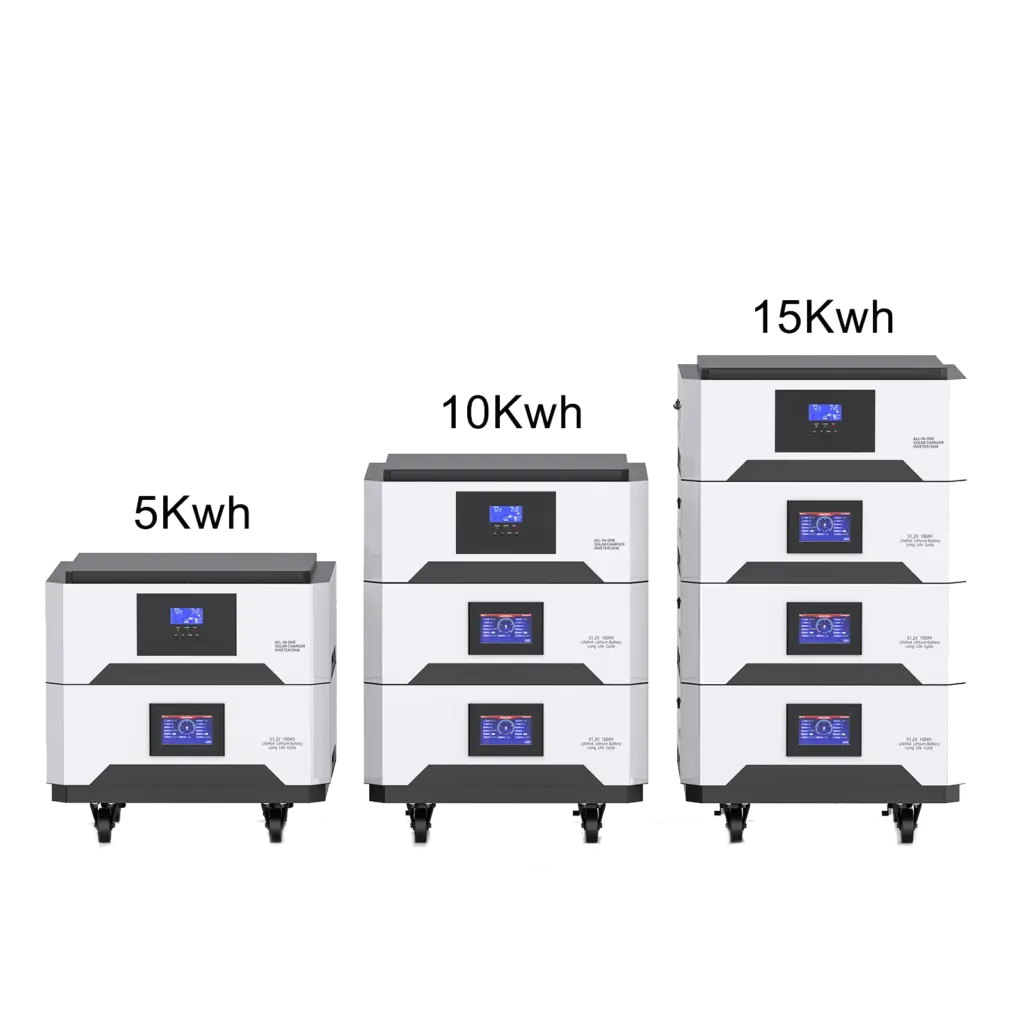
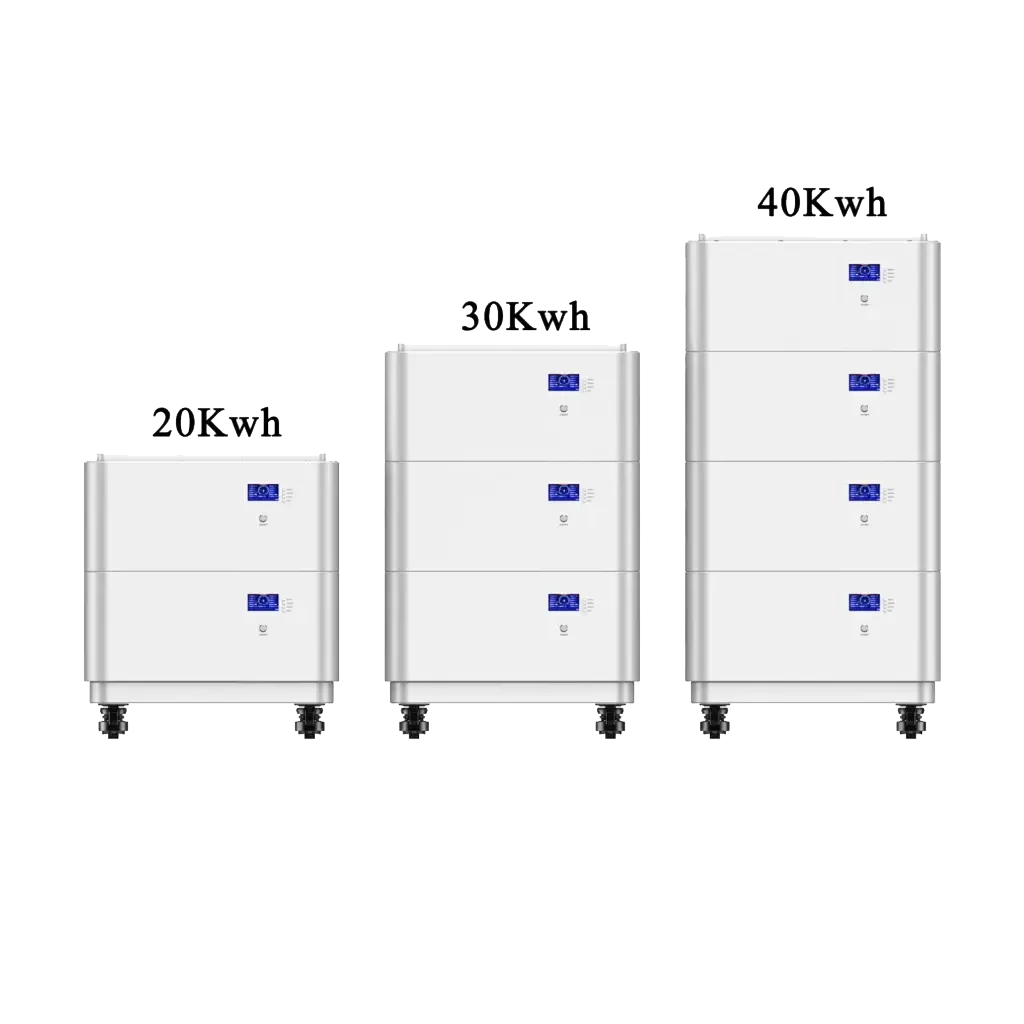
The Avepower 15kWh battery is designed as a practical “sweet spot” for a normal Australian family home. The battery uses safe LiFePO4 cells and offers over 8,000 charge–discharge Avepower’s 48V 314Ah platform is primarily positioned for installers, distributors and OEM/ODM energy-storage projects that require configurable low-voltage LiFePO4 systems rather than a fixed consumer ecosystem.
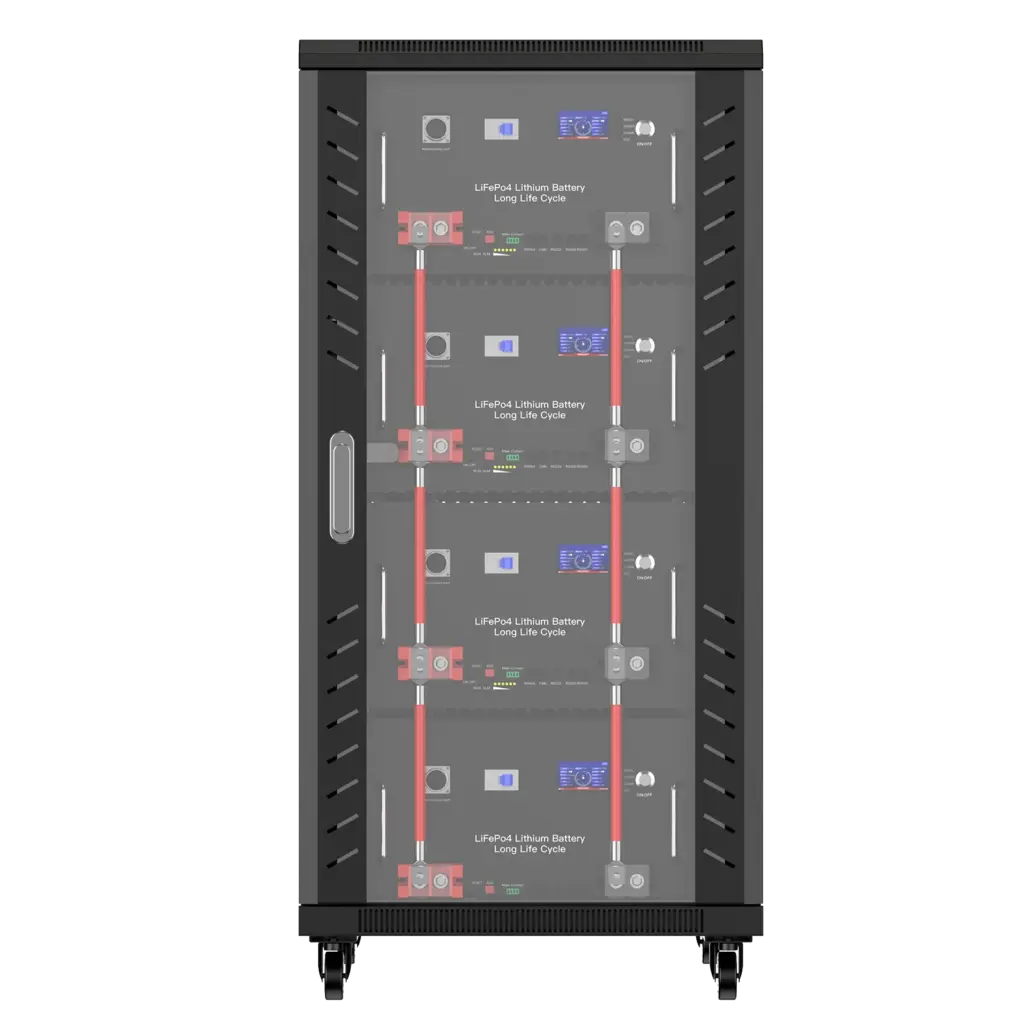
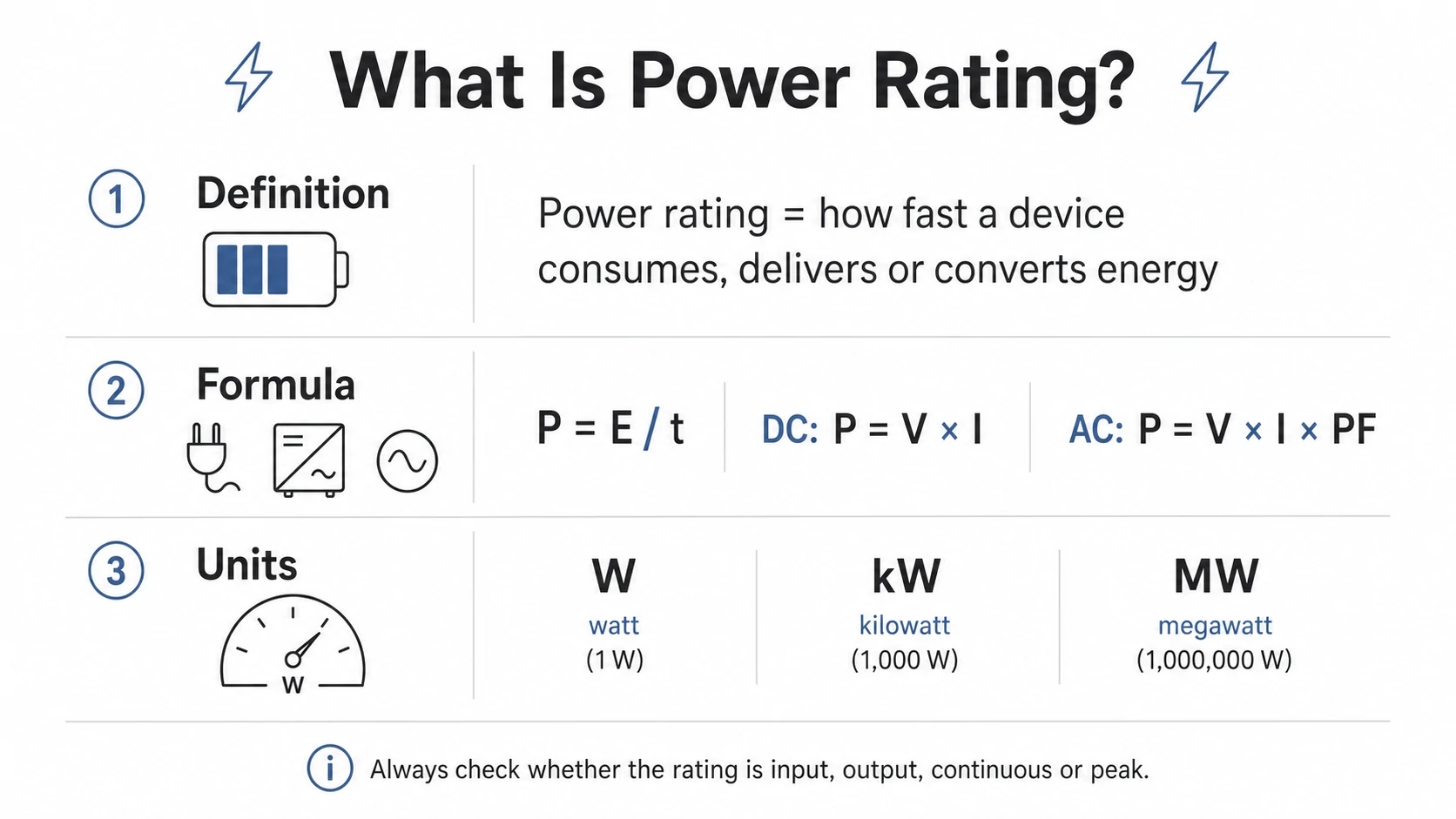
The current model provides 15kWh nominal energy, CAN/RS485/RS232 communication, Bluetooth/WiFi monitoring, up to 200A discharge for 300 seconds, and support for up to 16 batteries in parallel. The published cycle specification is 8,000+ cycles at 25°C and 80% DoD.
For Australian installers or distributors, the practical purchasing value is not only battery capacity. Protocol compatibility, local certification, warranty structure, shipping, spare-parts support and CEC eligibility for the exact model must also be confirmed before deployment.
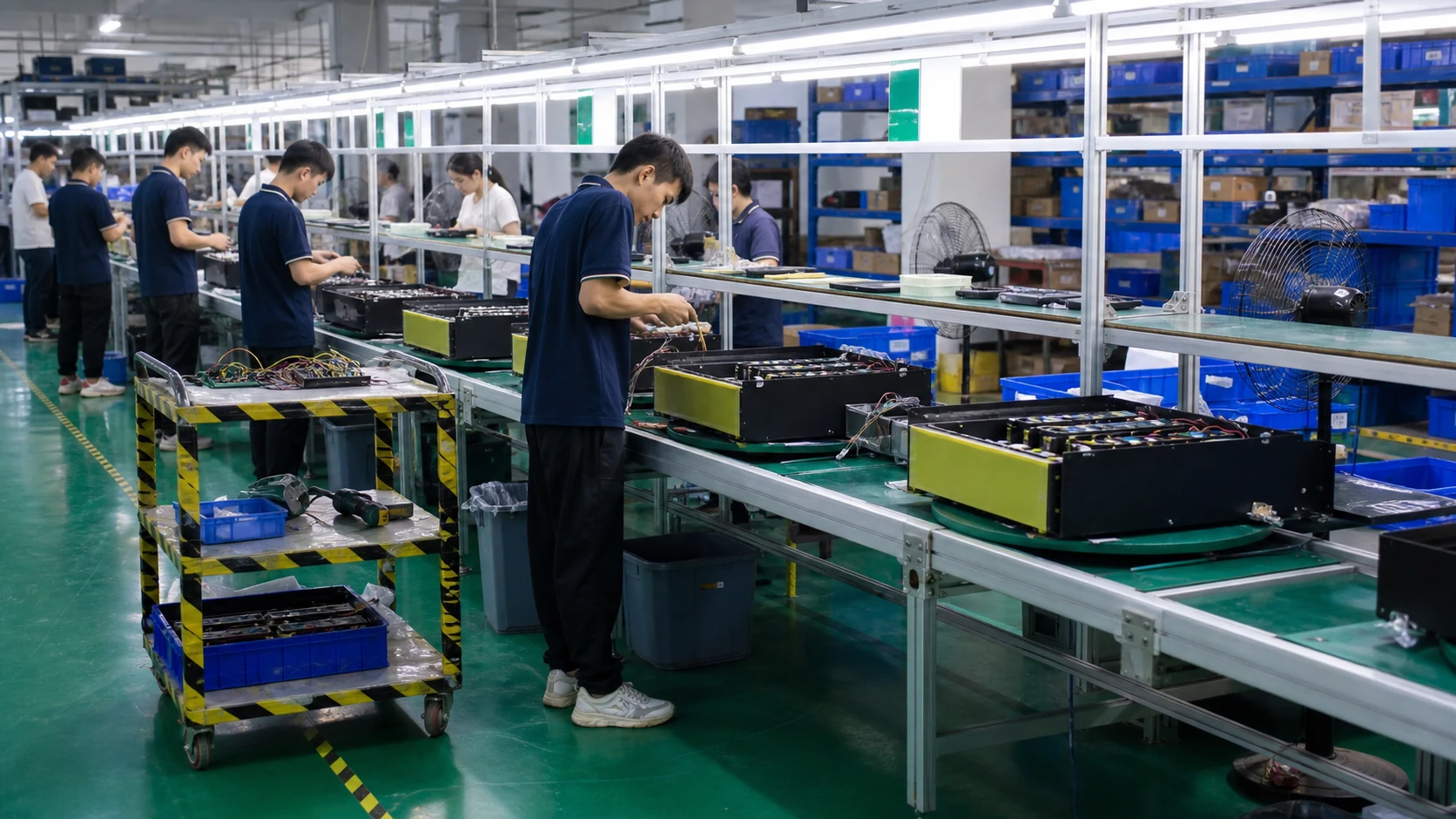
Avepower operates a 20,000m² manufacturing facility with 15 production lines and supports OEM/ODM configuration, branding and communication customization for project partners.
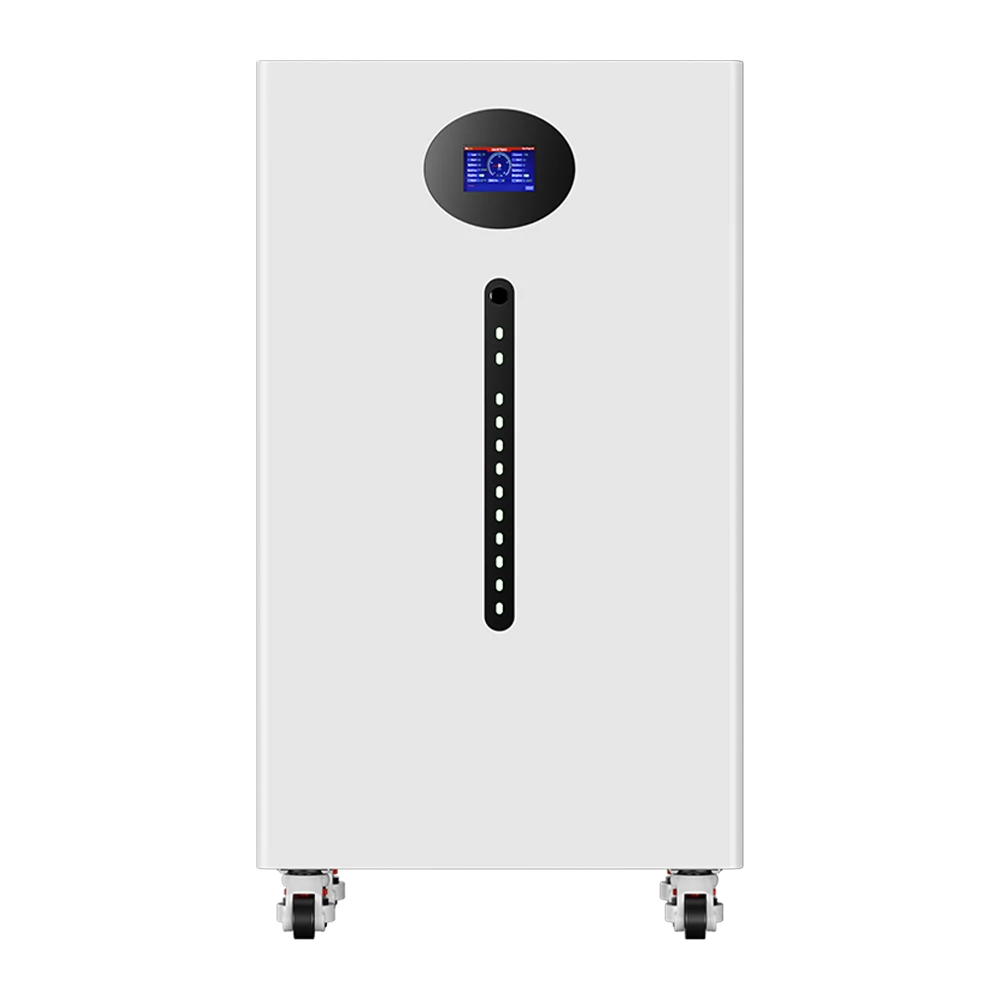
Avepower 15kWh Battery
Usable Capacity: 15 kWh (expandable up to 260 kWh with 16 units in parallel)
Price: Factory / wholesale quotation — not directly comparable with Australian installed retail pricing
Chemistry: LiFePO4
Cycle Life: 8,000+ cycles, over 10 years of lifespan
Best For: Reliable home energy storage, solar integration, long-lifespan applications
Inverter Compatibility: Works with Growatt, Solis, Deye, SMA, Luxpower, and more
2. Tesla
The Tesla Powerwall 3 is still the most famous home battery globally and remains a common choice in Australia. Powerwall 3 includes a 13.5 kWh battery and integrated inverter, which means the system can often reduce extra hardware costs in new builds. The unit supports up to 20 kW of solar input and can provide 5 or 10 kW of output, depending on how the installer configures backup loads.
Most Australian buyers love the Tesla app, which gives clear real-time graphs for solar generation, home demand, and grid imports. The app also lets you control backup reserve, charge from the grid on off-peak tariffs, and join Virtual Power Plant (VPP) programs in some states.
The outdoor rating is strong, with IP67 protection and a design that suits wall mounting in exposed locations. Powerwall 3 also qualifies for the Cheaper Home Batteries Program, which cuts the installed price by roughly 30% for eligible homes.
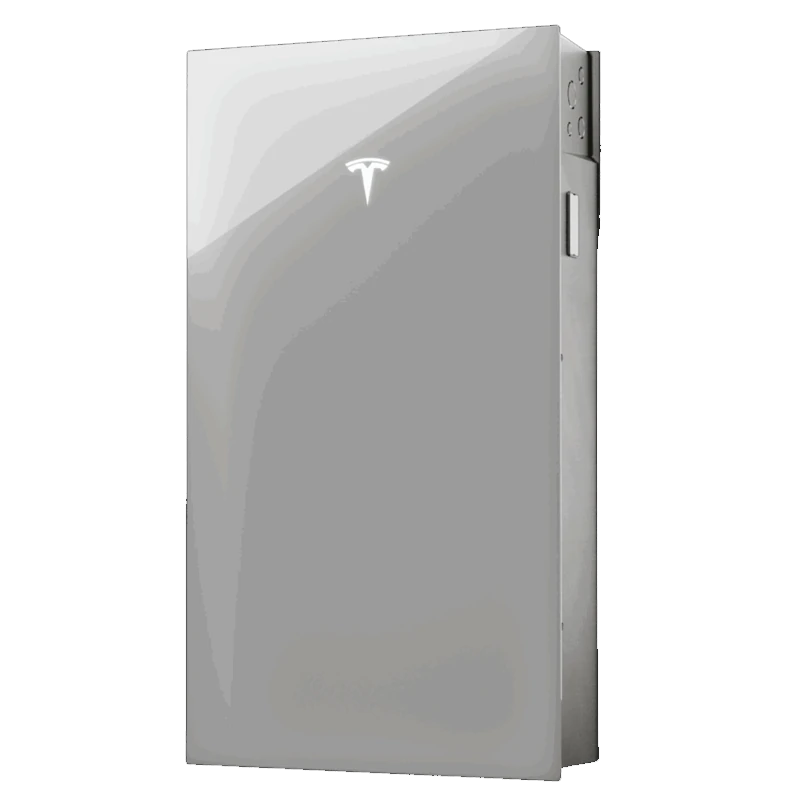
Tesla Powerwall 3
Usable Capacity: 13.5 kWh
Chemistry: Lithium-ion
Continuous Power: Up to ~10–11 kW with the integrated hybrid inverter
Warranty: 10 years
3. Sungrow SBR
Sungrow is one of the biggest inverter brands in the world and has a large team in Australia. Its SBR (low-voltage) and SBH (high-voltage) battery lines match naturally with Sungrow hybrid inverters and have become common in Australian homes that install solar and batteries at the same time.
Sungrow batteries use LiFePO4 cells and modular stacks that can start around 9.6 kWh and scale above 25 kWh, depending on the model. The systems support high round-trip efficiency (often over 95%) and deliver reliable backup power when paired with a compatible hybrid inverter.
Sungrow also focuses on fire safety with careful internal design. Many systems now include arc fault detection (AFCI) on the inverter side and careful separation between cells, which reduce the risk of fault escalation.
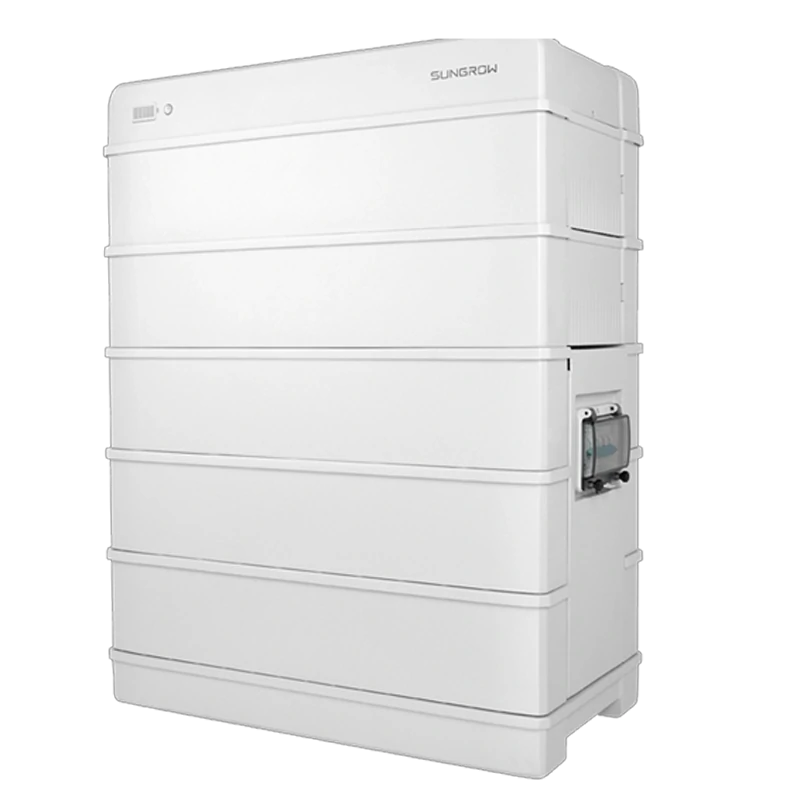
Sungrow SBR Battery
Typical Capacity Range: Approximately 9.6–25.6 kWh per stack
Chemistry: LiFePO4
Warranty: 10 years
Round-Trip Efficiency: Up to around 98% when paired with compatible systems
4. Enphase IQ Battery 5P
The Enphase IQ Battery 5P is a small but powerful 5 kWh AC-coupled battery unit that you can install on almost any existing solar system. Each module offers a power rating of around 3.84 kVA with peak output up to 7.68 kVA for short bursts, which helps it run heavy loads like air-conditioners for a limited time.
Enphase has one of the strongest warranties in the market: the IQ Battery 5P is covered by a 15-year limited warranty up to 6,000 cycles (about 6 MWh per usable kWh), with at least 60% capacity guaranteed at the end of the term.
The system uses LFP cells, has solid fire-safety credentials (UL 9540 and 9540A), and integrates tightly with Enphase micro-inverters and apps.
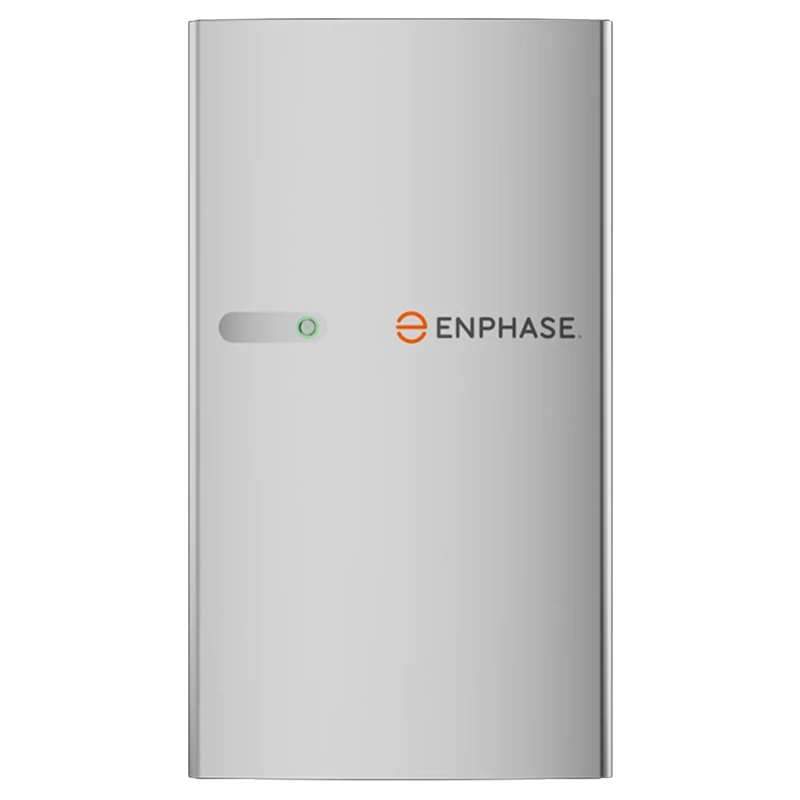
Enphase IQ Battery 5P
Usable Capacity per Unit: 5 kWh
Chemistry: LiFePO4
Power Output: 3.84 kVA continuous per battery
Warranty: 15 years or up to 6,000 cycles (among the longest in the market)
Coupling / Compatibility: AC-coupled — integrates very well with Enphase micro-inverter systems
5. BYD Battery
The BYD Battery-Box Premium HVS and HVM lines are high-voltage modular systems that many Australian installers pair with Fronius GEN24 and other premium hybrid inverters. Each stack uses LiFePO4 chemistry, offers usable capacity from roughly 8–22 kWh per tower, and can be paralleled up to about 66 kWh for big homes or light commercial sites.
The tower design makes it easy for installers to add or remove modules. The IP55 rating allows outdoor mounting, and the system supports both backup power and off-grid operation in the right design.
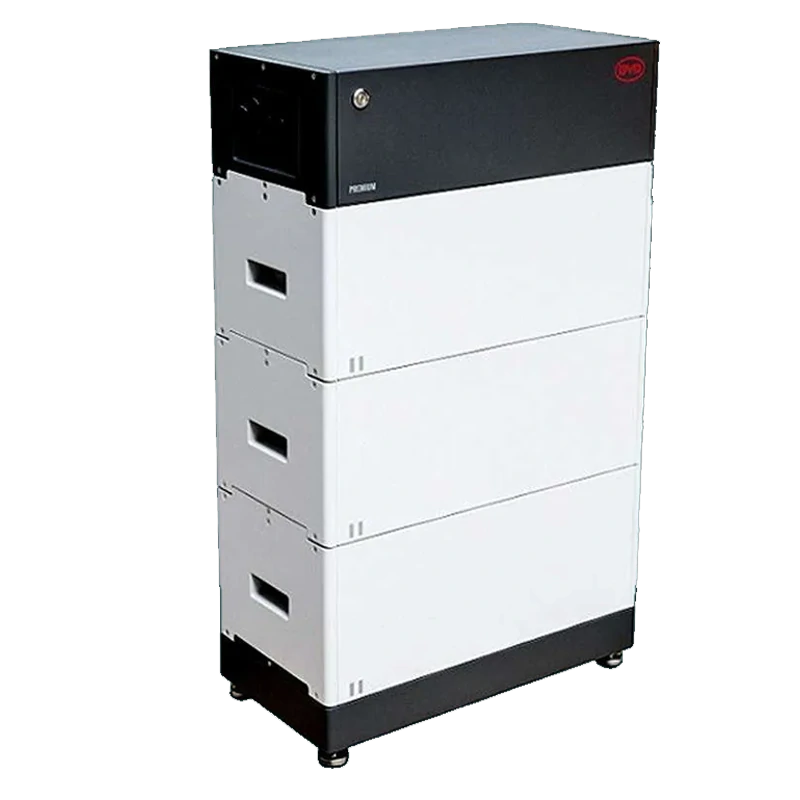
BYD Battery-Box Premium HVS
Configuration: Stackable tower design with multiple towers connected in parallel
Usable Capacity per Tower: Approximately 8.3–22.1 kWh; scalable to around 66 kWh with multiple towers
Chemistry: Cobalt-free LiFePO4
Protection Rating: IP55, suitable for outdoor installation
Warranty: 10 years
6. Alpha ESS Smile series
Alpha ESS has become popular in Australia because its Smile series combines hybrid inverters and modular batteries in a single package. The systems support both AC-coupling and DC-coupling, which means they can work in new installs or retrofit onto existing solar systems.
Newer models such as Smile-M5 include a stackable design, built-in aerosol fire suppression, and overload capability to manage surge loads.
Alpha ESS usually offers a 5-year product warranty and 10-year performance warranty, with claims that the battery will keep at least about 70–80% capacity at the end of that period.
However, independent reviews and some customer stories report slow or difficult warranty support in a number of cases, especially for older models.
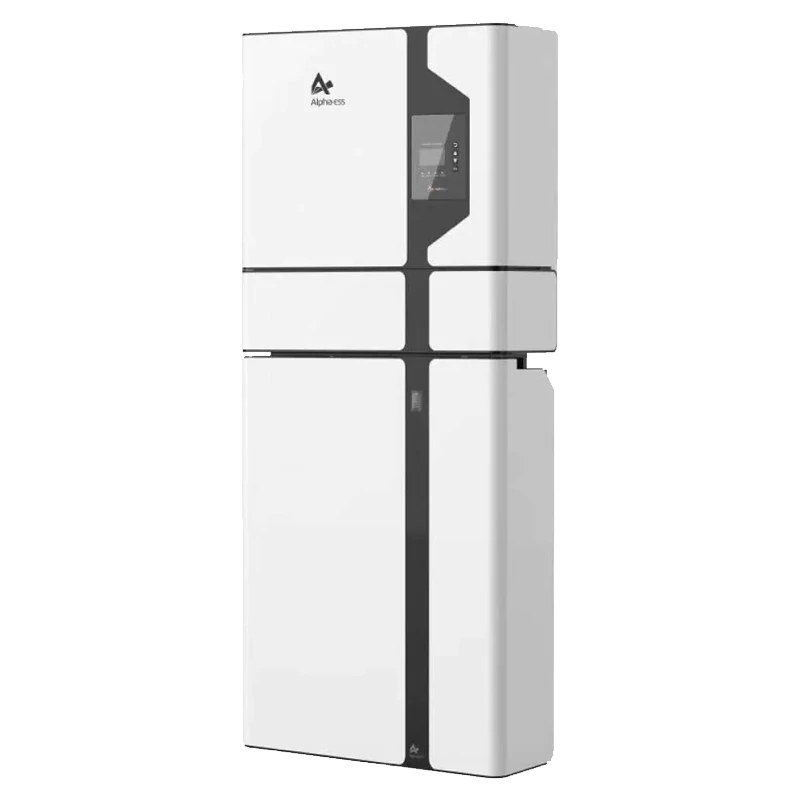
Alpha ESS Smile Series Battery
System Type: AC or DC-coupled systems with integrated inverters
Chemistry: LiFePO4
Warranty: 10 years, with approximately 3.12 MWh throughput per usable kWh on selected models
Protection: Many models feature IP65 ratings and built-in fire-suppression systems
7. Sonnen Eco
Sonnen, a German brand, builds batteries that focus on smart energy control and long life. In Australia you will mainly see the sonnenBatterie Eco (earlier series) and the newer sonnenBatterie Evo, which offers 10 kWh usable capacity, an IP56 outdoor rating, and a 10-year warranty.
Sonnen batteries integrate with advanced energy management software and work well in homes that want to control self-consumption, time-of-use tariffs and backup loads in a detailed way. The Evo model is designed specifically for Australian and New Zealand conditions and can handle high ambient temperatures.
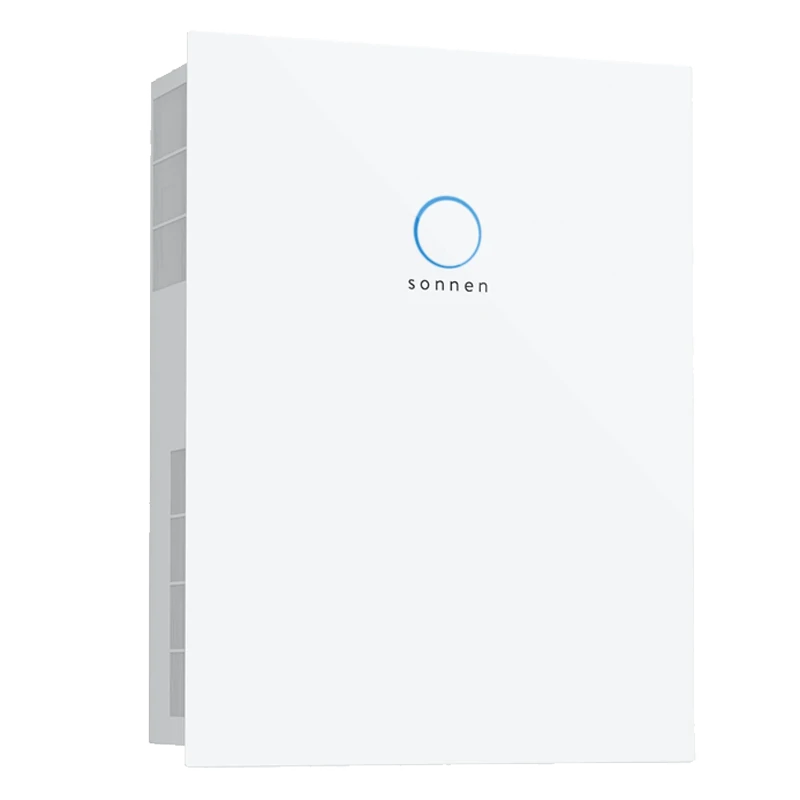
Sonnen Eco Battery
Usable Capacity: Around 10 kWh per unit, expandable
Chemistry: LiFePO4
Warranty: 10 years or up to 10,000 cycles, with at least 80% remaining capacity on many models
Protection: Outdoor-rated variants available with IP56 protection
8. Anker Solix X1
The Anker Solix X1 is a newer entrant to the Australian home battery market but has moved quickly into many “best battery” lists. The system uses LiFePO4 cells, offers a wide modular capacity range from about 5 kWh up to 180 kWh, and carries an IP66 rating with C5-M corrosion protection that suits coastal homes.
Independent reviews highlight that the X1 is designed specifically with Australian conditions in mind, including an operating range down to about –20°C and up to around 55°C, depending on the configuration.
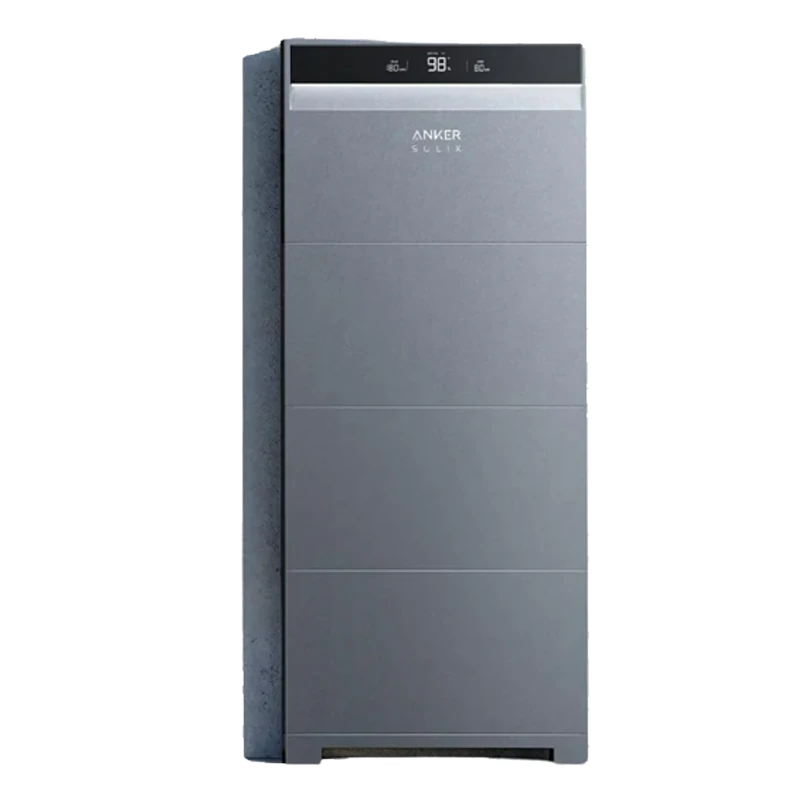
Anker SOLIX X1 Battery
System Range: Approximately 5–72 kW output and 5–180 kWh storage, depending on configuration
Chemistry: LiFePO4
Protection: IP65–IP66 with C5-M anti-corrosion coating, suitable for coastal environments
Operating Temperature: Approximately −20°C to +55°C
9. SolaX Home Batteries
Best budget-friendly modular option tied to SolaX inverters
SolaX offers a wide range of hybrid inverters and LFP-based home batteries that are designed to work together. The company focuses on efficient, scalable storage with smart cloud monitoring through SolaXCloud.
SolaX batteries usually feature:
- Modular design, so you can start small and add capacity over time
- LFP chemistry with built-in BMS
- Integration with SolaX hybrid inverters and sometimes EV chargers
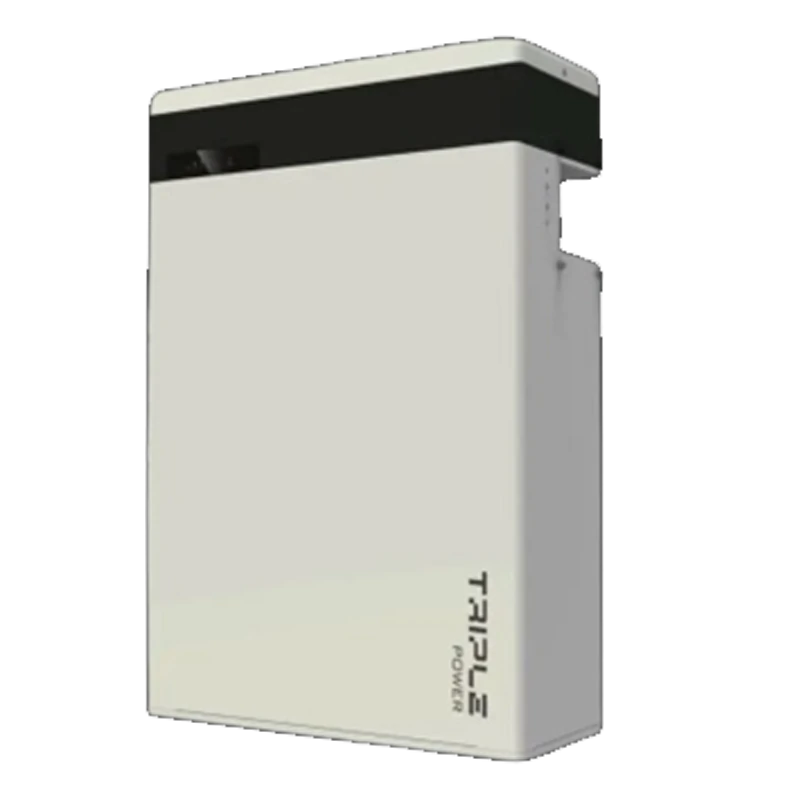
SolaX Triple Power Battery
Module Sizes: Approximately 4.5 kWh, 5.8 kWh, and 6.3 kWh; stackable up to around 25 kWh
Chemistry: LiFePO4 or NMC, depending on the model generation
Depth of Discharge: Around 90%
Warranty: 10 years, typically with about 6,000 cycles as per many datasheets
10. LG RESU
The LG RESU Prime 10H is a 9.6 kWh high-voltage wall-mounted battery that focuses on compact size and strong brand trust. The unit provides 9.6 kWh usable capacity, about 5 kW continuous power, and can be expanded to about 19.2 kWh with a second module.
LG Energy Solution has long experience in both EV and stationary storage batteries, and the RESU line carries 10-year warranties in Australia.
The IP55 rating means you can mount the battery indoors or outdoors, and it works particularly well with SolarEdge Energy Hub and other compatible high-voltage hybrid inverters.
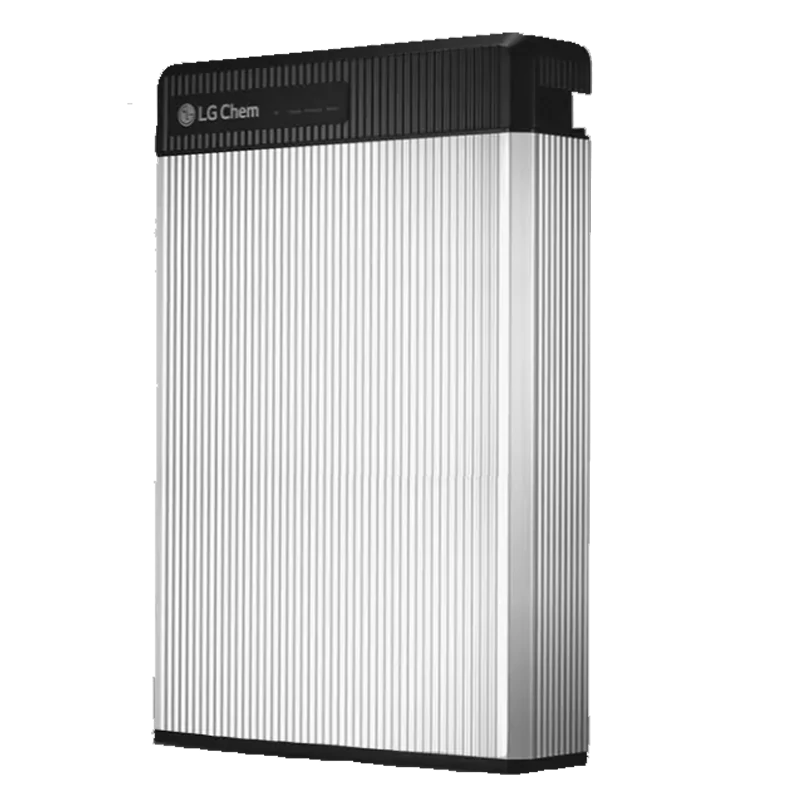
LG RESU Home Battery Range
Typical Capacity: Around 9.6–16 kWh usable, depending on the model
Chemistry: Primarily NMC; newer “Prime” models offer improved capacity retention
Warranty: 10 years, typically guaranteeing 60–70% remaining capacity
Protection: IP55 rating with compact, wall-mounted designs
Australia Solar Battery Price Guide — September 2026
| Usable Battery Size | Installed Before Federal Discount | Indicative Federal Discount | Approx. Net Cost |
|---|---|---|---|
| 5kWh | A$5,500–8,500 | ≈A$1,258 | A$4,242–7,242 |
| 8kWh | A$8,000–11,500 | ≈A$2,013 | A$5,987–9,487 |
| 10kWh | A$9,000–14,000 | ≈A$2,516 | A$6,484–11,484 |
| 13.5kWh | A$12,500–17,000 | ≈A$3,397 | A$9,103–13,603 |
| 20kWh | A$16,000–24,000 | ≈A$4,428 | A$11,572–19,572 |
Popular Battery Prices in Australia
| Battery | Example Capacity | Indicative Installed Price Before Federal Discount |
|---|---|---|
| Tesla Powerwall 3 | 13.5kWh | A$14,000–16,000 |
| Sungrow SBR | 9.6kWh | ≈A$10,700 |
| BYD HVM | ≈10.2kWh | A$11,500–14,000 |
| GoodWe Lynx | ≈9.6kWh | A$9,000–10,500 |
| Anker SOLIX X1 | ≈10kWh | A$8,500–9,800 |
| Enphase IQ Battery | ≈10kWh | ≈A$13,000+ |
| AlphaESS SMILE | ≈10kWh | ≈A$10,100 |
| sonnenBatterie | ≈10kWh | A$14,000–18,500 |
| Avepower | 15kWh nominal | Wholesale / project quote |
Best Solar Battery in Australia by Use Case
| Buyer Need | Strong Candidates | Why |
|---|---|---|
| Best all-in-one | Tesla Powerwall 3 / Sigenergy | Integrated inverter + software ecosystem |
| Best value modular system | Sungrow / GoodWe | Competitive installed cost and inverter integration |
| Best AC-coupled retrofit | Enphase IQ Battery 5P | Works well with existing solar / microinverter architecture |
| Best modular HV battery | BYD | Flexible tower sizing and broad inverter compatibility |
| Best for coastal homes | Anker SOLIX X1 | C5-M corrosion protection |
| Best for existing Sungrow system | Sungrow SBR / SBH | Native inverter integration |
| Best for installers / distributors | Avepower | OEM/ODM, protocol support and scalable supply |
| Best for future expansion | Sigenergy / Sungrow / BYD / Avepower | Modular or parallel expansion |
Before Buying: Check Australian Approval and Rebate Eligibility
Do not assume that every battery sold internationally qualifies for Australian rebates. For the federal Cheaper Home Batteries Program, the exact battery model must meet current eligibility requirements, including listing on the Clean Energy Council Approved Batteries list.
Before signing a quote, check:
- Exact battery model number
- Current CEC listing status
- Usable capacity recorded for STC calculation
- Compatible inverter
- SAA-accredited installer
- VPP capability where required
- Warranty provider in Australia
- Backup configuration
- Switchboard and network requirements
FAQ
Most experts and installers now prefer LiFePO₄ (LFP) lithium batteries for home systems in Australia. LFP batteries handle heat well, offer long cycle life, and have a strong safety record when designed and installed correctly.
A very common pairing in Australia is a 6.6kW rooftop solar system with a 10kWh battery. On a sunny day, that system might generate around 25kWh.






1 thought on “Top 10 Solar Batteries Australia (2026 Home Storage Guide)”
This was a useful overview of the different solar battery options available in Australia. Battery choice really depends on household energy usage, backup needs, and budget, so articles like this help simplify the decision-making process.