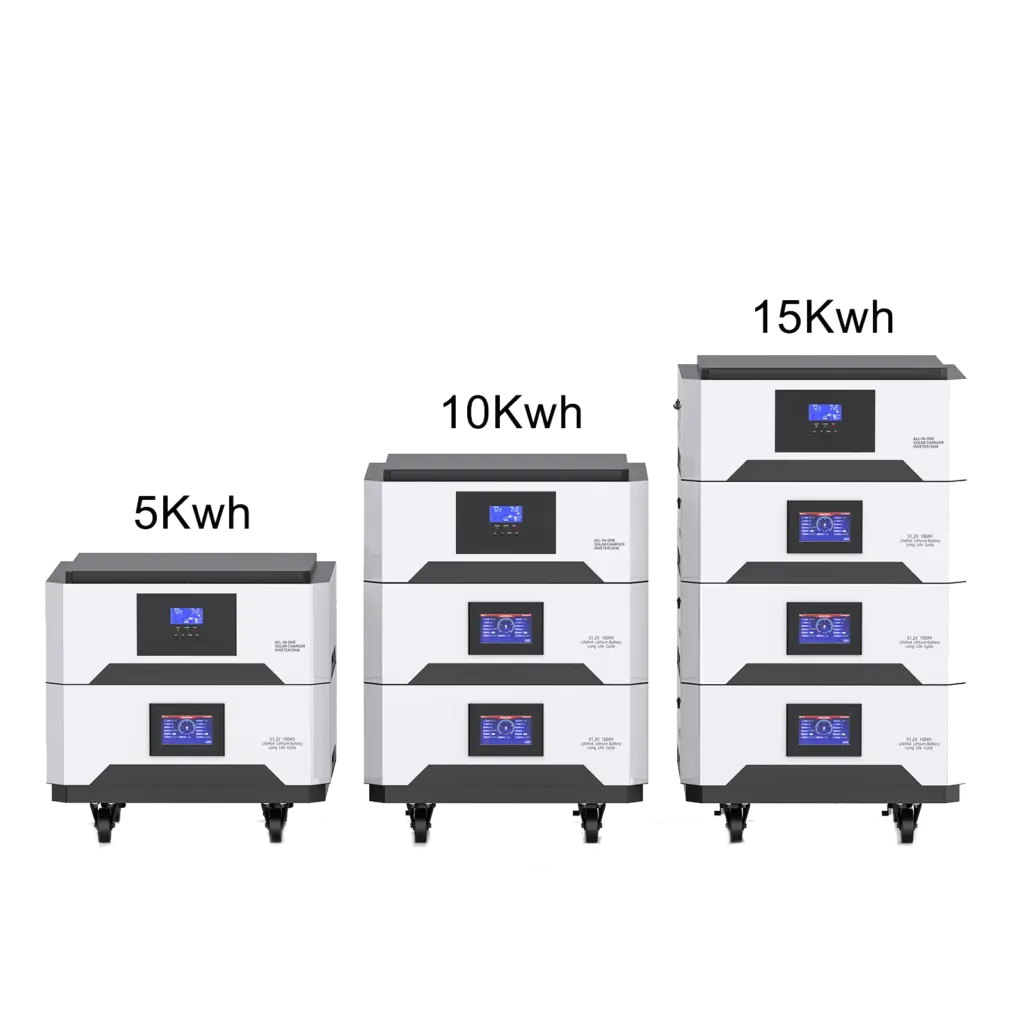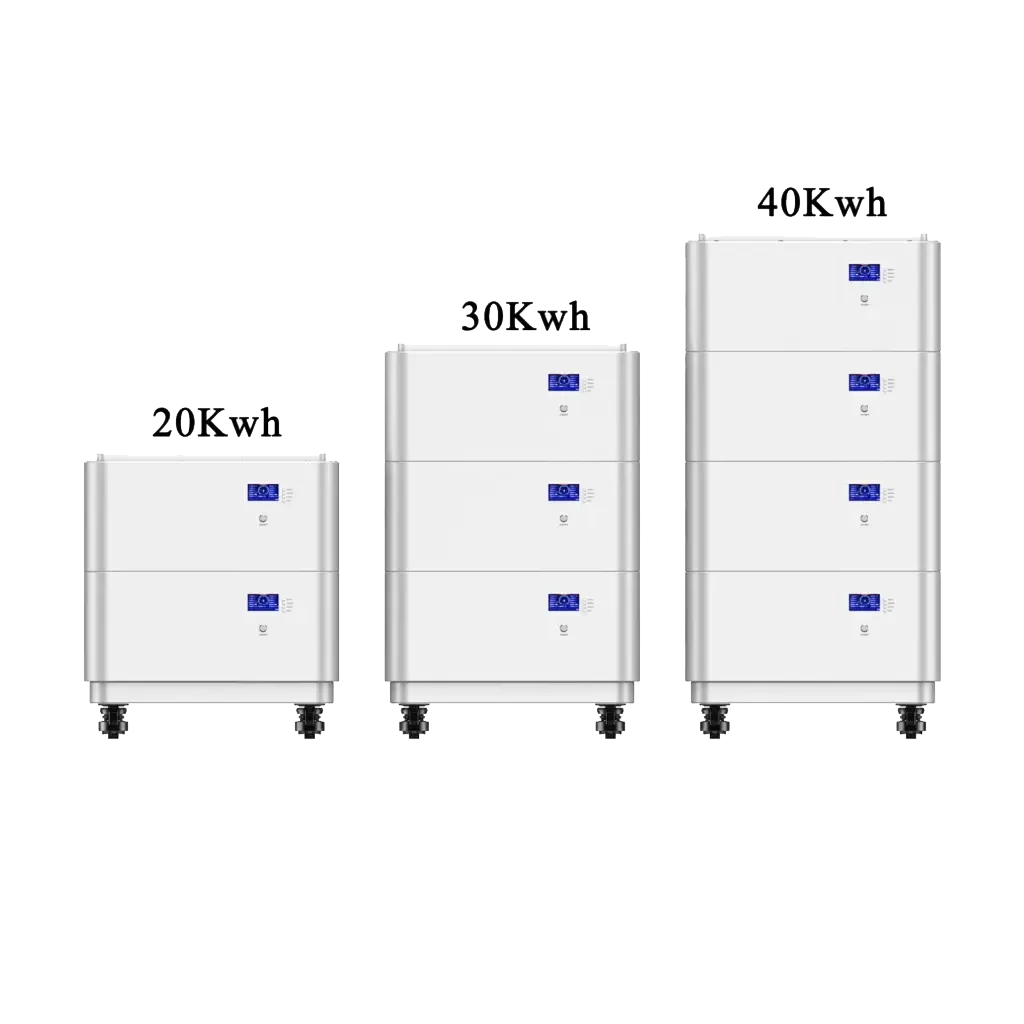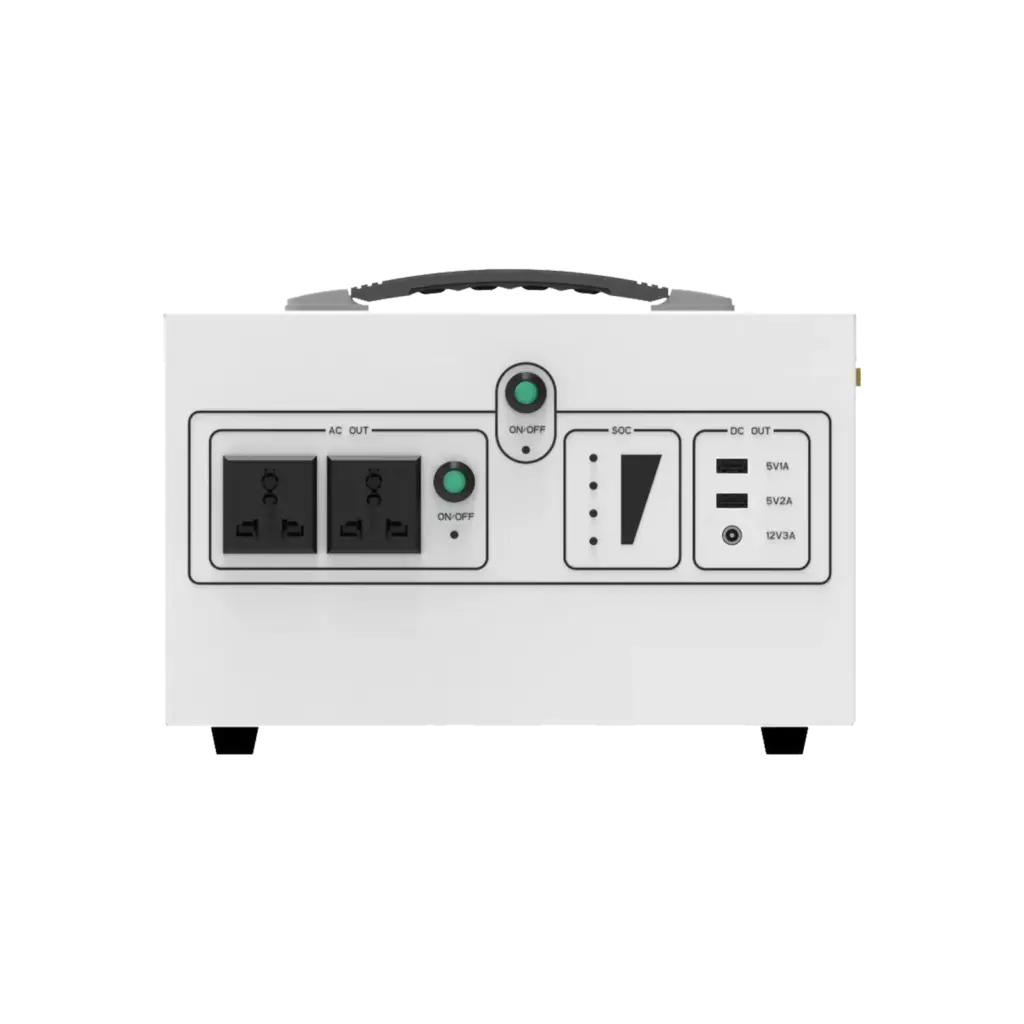

Many families today are looking for energy independence. This means having a reliable source of power that doesn’t rely solely on the main utility grid. When power outages strike—whether due to extreme weather, aging infrastructure, or other issues—having a solid home energy storage system provides security and peace of mind.
However, a major concern for anyone building a large battery system inside or outside their home is safety. The desire to keep the lights on must not come at the expense of family safety. This is why a specific type of battery, the LFP batteries, is becoming the leading choice for residential energy storage.
If you are planning to build a big, reliable energy storage system for your house, you must understand why LFP batteries are so safe. This article will explain exactly why LFP chemistry is a smart and secure decision for your family.
Before we dive into safety features, let’s look at what an LFP battery is and how it functions.
What is a LFP Batteries?
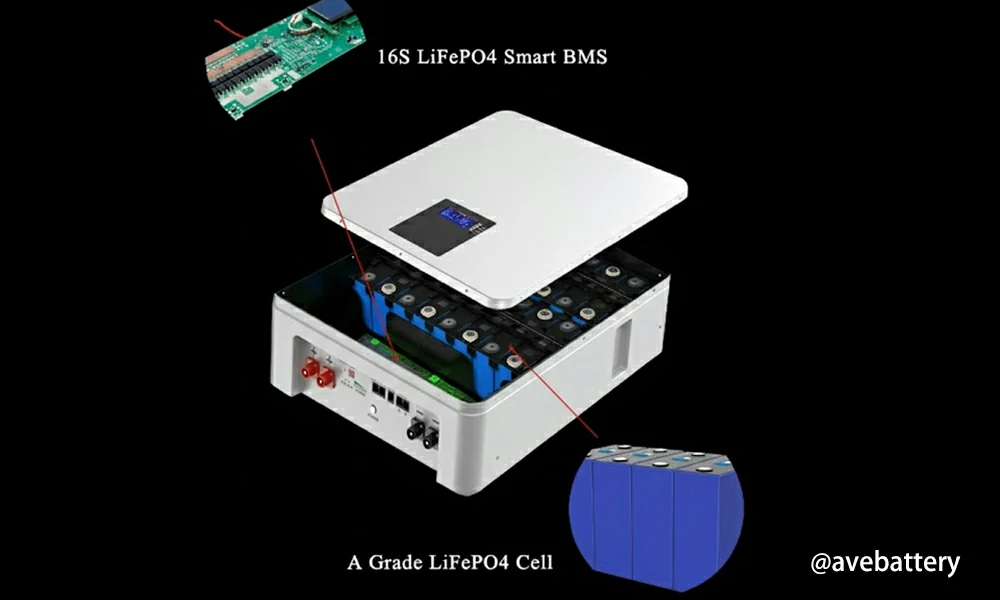
The name LFP stands for Lithium Ferrum Phosphate (LiFePO4), a lithium-ion battery that uses lithium iron phosphate as its cathode material. The battery also uses a graphite anode, a separator, and an electrolyte that moves ions between the two sides. The battery stores energy when a charger pushes lithium ions into the anode. The battery releases energy when the ions move back to the cathode during discharge.
Standard Lithium-Ion Batteries (like those in most electric cars or small electronics) often use materials like nickel-manganese-cobalt (NMC) or nickel-cobalt-aluminum (NCA). These materials are known for their high energy density (they pack a lot of power into a small space). LFP batteries replace the cobalt and nickel compounds with a material called iron phosphate (LiFePO4).
How Do LFP Batteries Work?
Like all rechargeable batteries, LFP batteries store electrical energy through a chemical process. When you charge the battery, lithium ions move from one side (the cathode) to the other (the anode). When your home needs power, the battery discharges, and the ions move back.
- Energy Storage: The LFP battery stores energy.
- Stability: The iron phosphate structure is inherently very robust. It resists breaking down, even when put under a lot of electrical or physical stress.
- Release: The battery releases the stored energy safely and steadily when your home needs power, like during a blackout or at night.
In a large home system, these LFP battery packs are connected to your solar panels, the utility grid, or a generator. Their primary job is to reliably charge, safely store, and efficiently discharge energy without creating any undue risk.
Why Home Energy Storage with LFP Batteries Is Safer
Most lithium-ion batteries use materials like nickel, manganese, and cobalt (NMC) in their cathode—the part of the battery that controls how energy is stored and released. LFP batteries, however, use a compound called lithium iron phosphate (LiFePO4).
High Thermal Stability
Every battery has a maximum temperature it can handle before its internal chemical reactions speed up out of control. This event is called thermal runaway.
The iron phosphate structure is incredibly robust. It doesn’t break down easily, even when the battery is under stress from high temperatures or electrical issues. This stability means LFP batteries have a much higher thermal runaway point—the temperature at which the battery starts a dangerous, self-heating reaction.
- NMC and NCA batteries can enter thermal runaway at just 392°F (200°C), reaching 1,292°F (700°C) and risking fire.
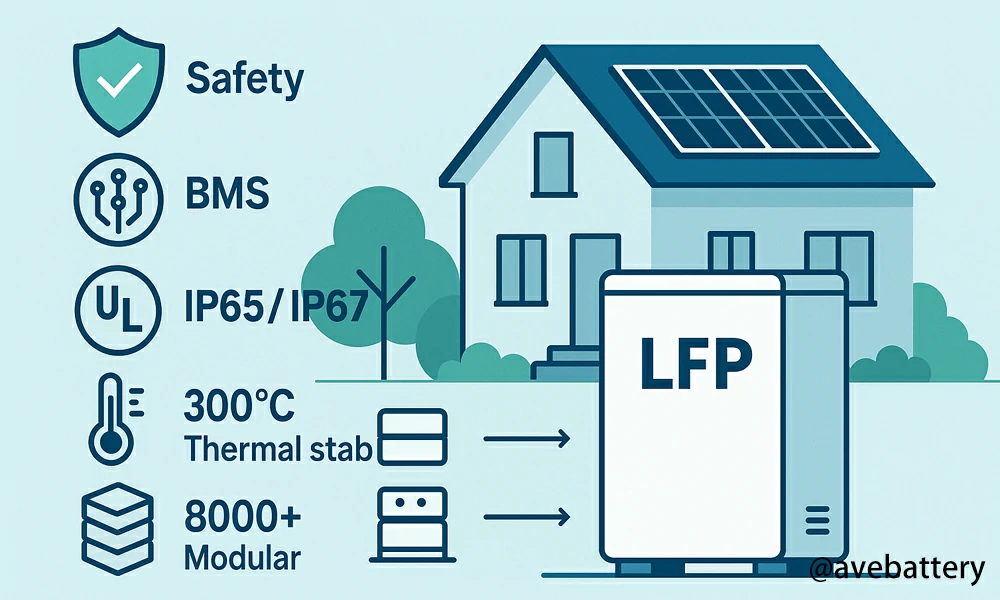
- LFP batteries stay stable up to 570°F (300°C), making them far safer and more resistant to overheating or ignition, even under stress or overcharge.
For more details, read our in-depth guide on LFP vs NMC Batteries to understand which battery chemistry is best suited for your home energy storage needs.
No Oxygen Release
In the event of an extreme fault, such as a major short circuit or severe overcharging, standard lithium battery (like NMC) is severely damaged, overheated, or overcharged, the cathode material can release a gas called oxygen. This oxygen then feeds any fire that starts, making it extremely difficult to put out—it’s essentially a fire with its own built-in fuel source. The iron phosphate in LFP batteries does not release oxygen during a failure, which dramatically reduces the risk of fire or explosion.
Non-Toxic and Environmentally Responsible
LFP batteries do not leak toxic chemicals or release harmful gases under normal operating conditions. Furthermore, they are considered more environmentally friendly because their primary materials are naturally occurring and they do not rely on high-risk, toxic heavy metals like cobalt or nickel in their core chemistry.
Safety Features That Should Be Paired with LFP Batteries
While the LFP chemistry itself is incredibly safe, a safe battery solution requires the entire system to work together effectively. When selecting a home battery system, you should look for several additional safety features that complement the LFP cells:
| Safety Feature | Why It Is Important | Look for This |
|---|---|---|
| Remote Monitoring | Detects and alerts you to system issues in real time for faster response. | App-based diagnostics and alerts |
| Explosion-Proof Valve | Safely releases internal pressure during emergencies to prevent rupture or fire. | Pressure release mechanism |
| Smart Temperature Control | Prevents overheating and extends battery lifespan. | Active thermal management system |
| Durable Enclosure | Protects components from water, dust, and physical impact. | IP67 rating or higher |
| Fire Suppression | Stops heat events from spreading to other battery parts or surroundings. | Built-in suppression module |
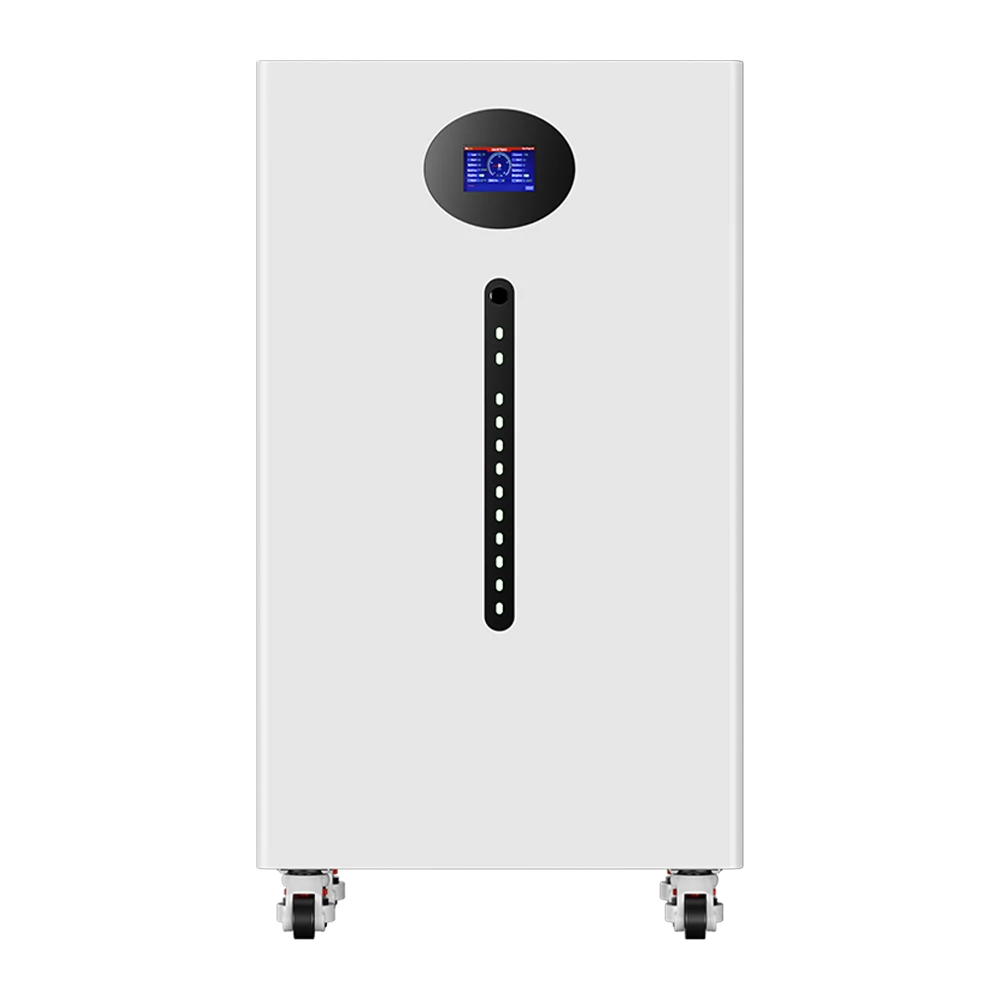
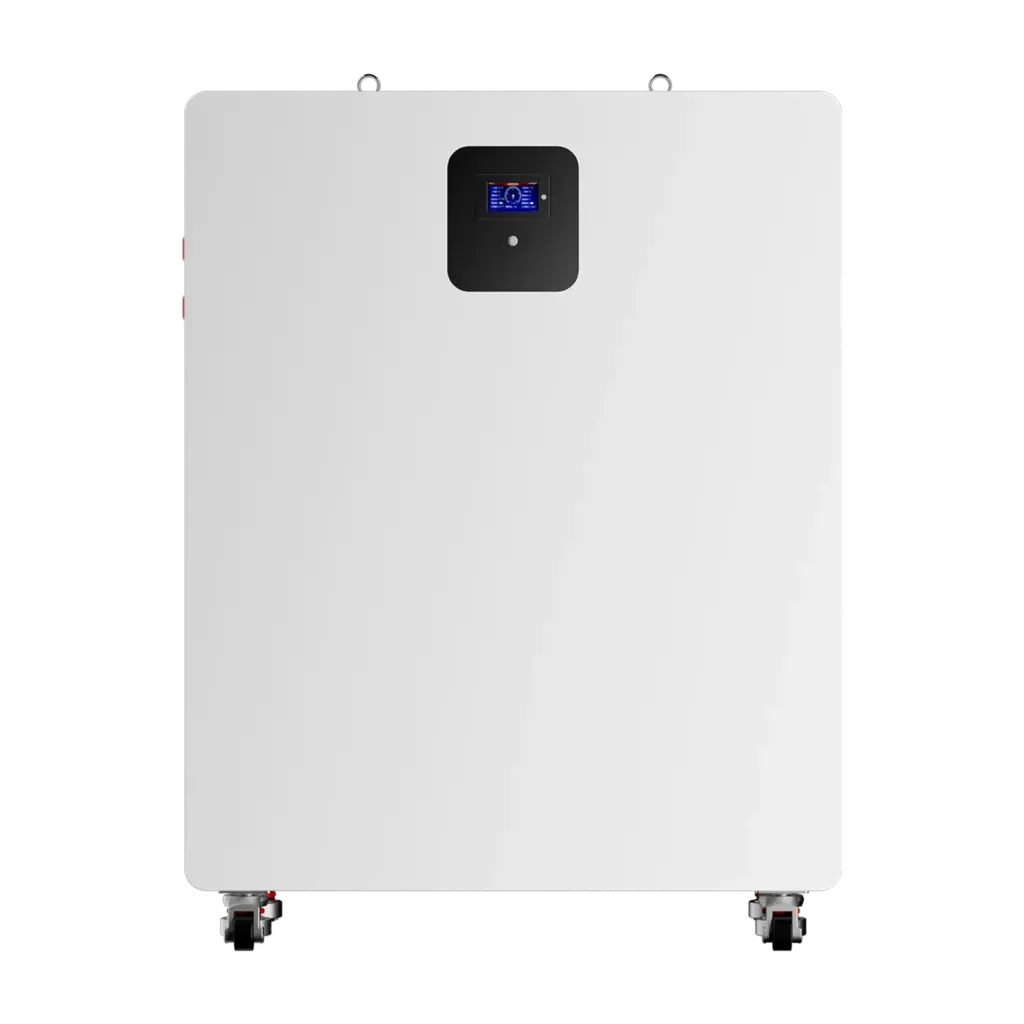
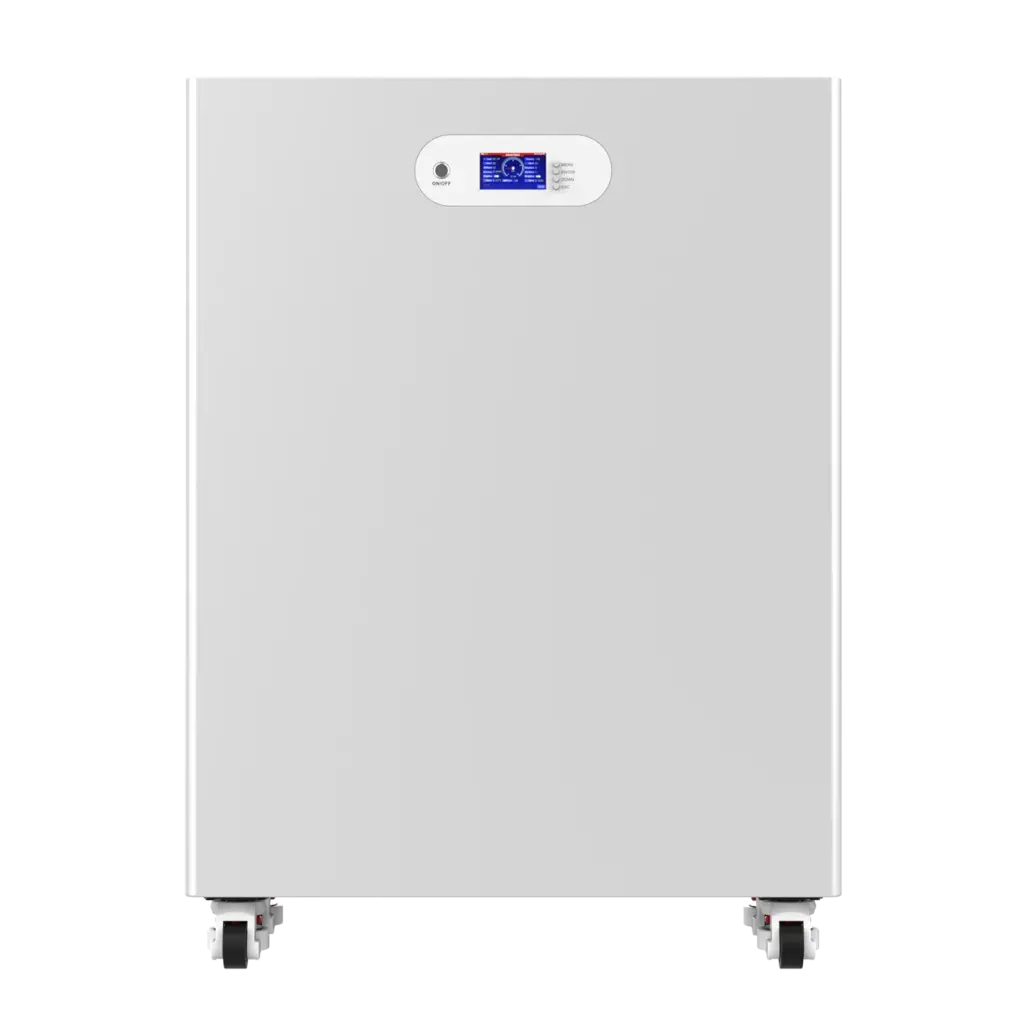
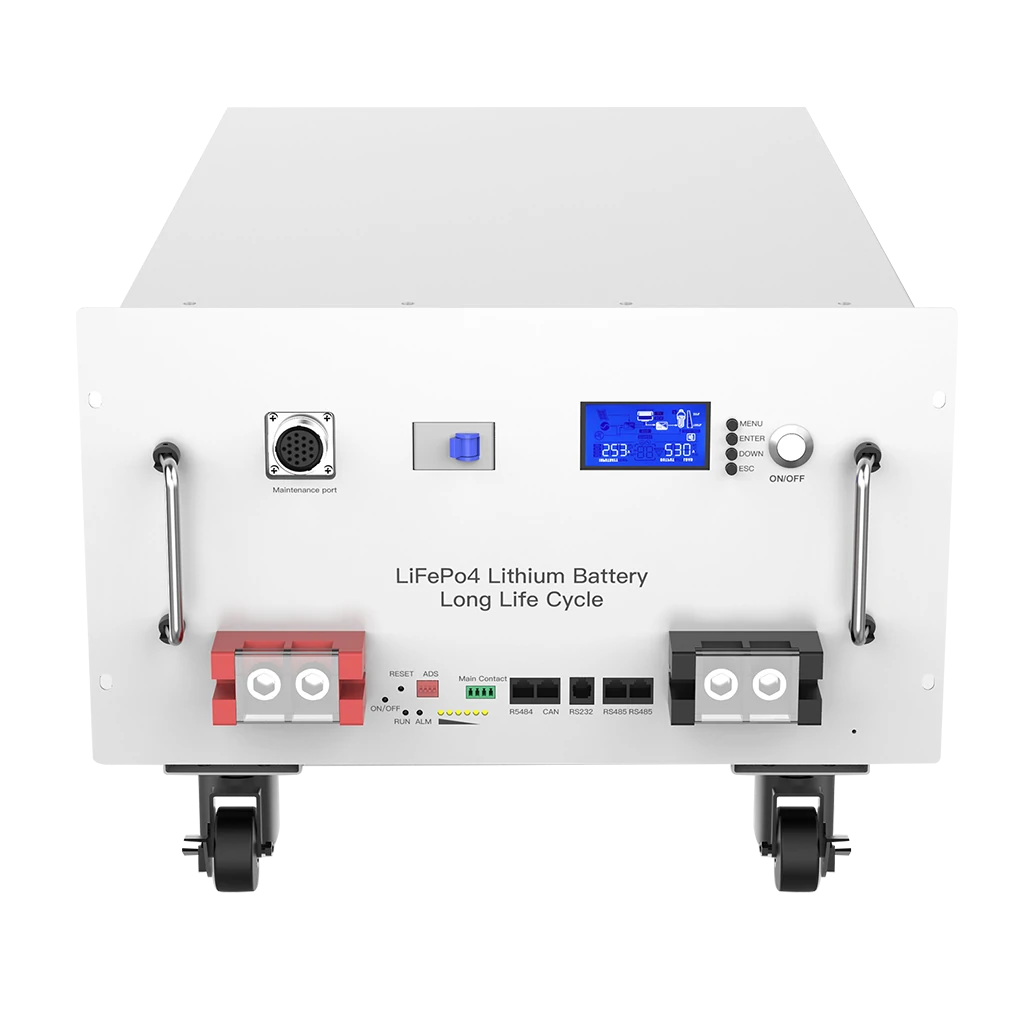
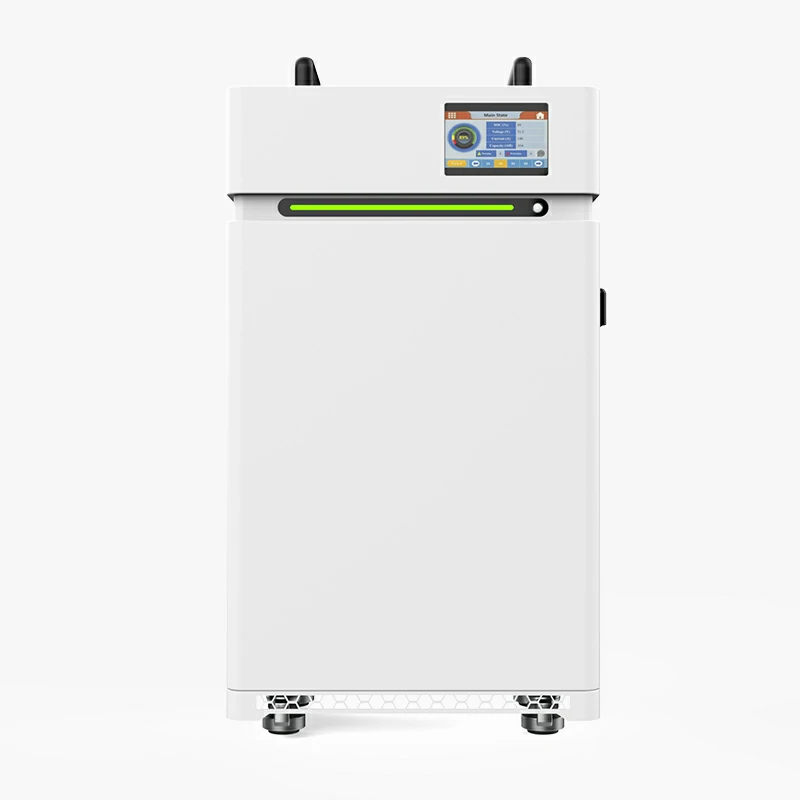
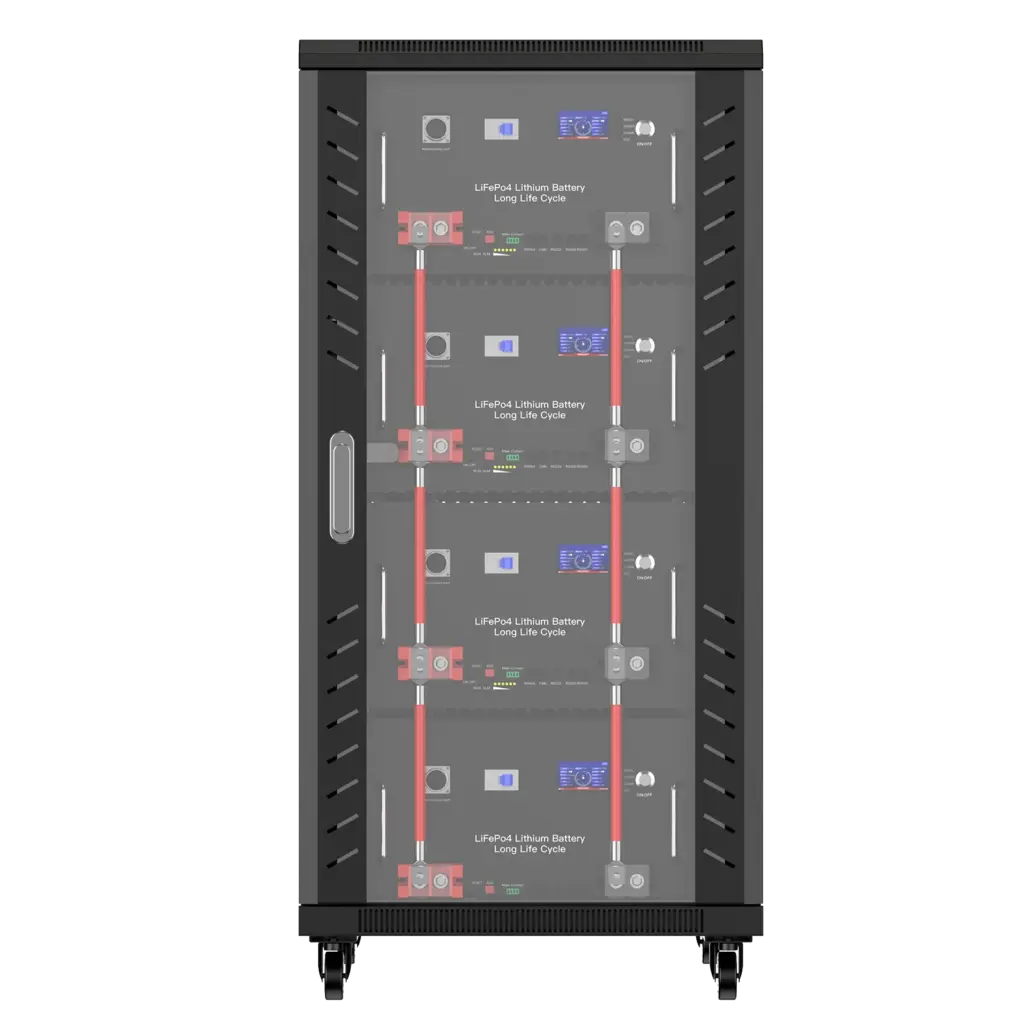
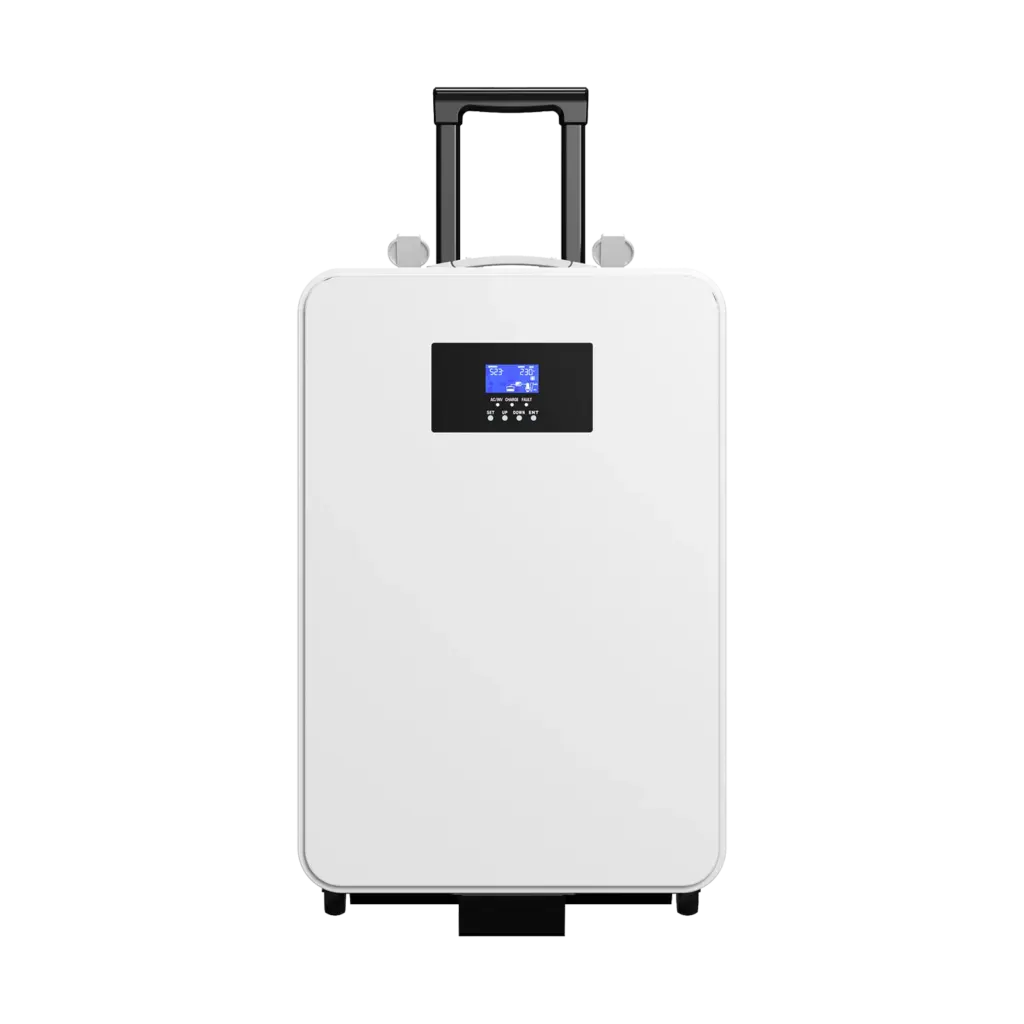
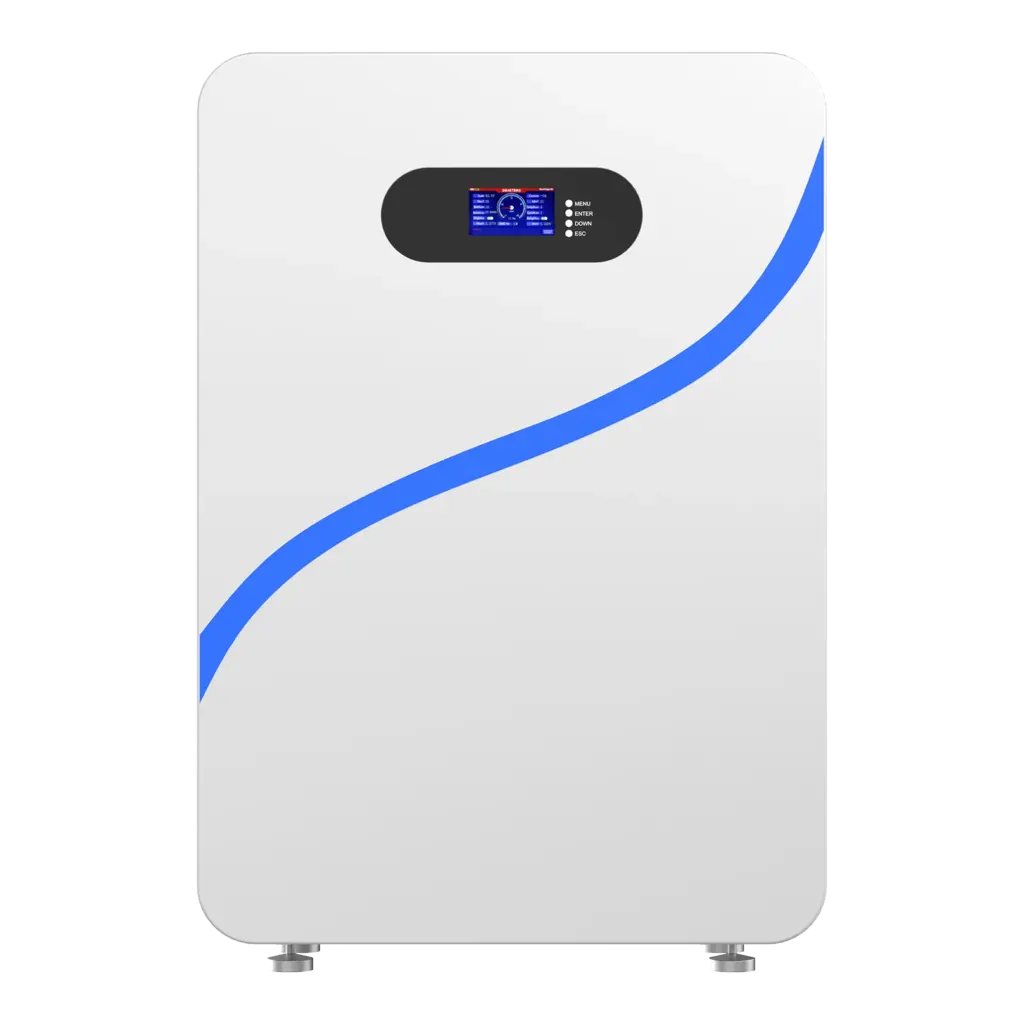
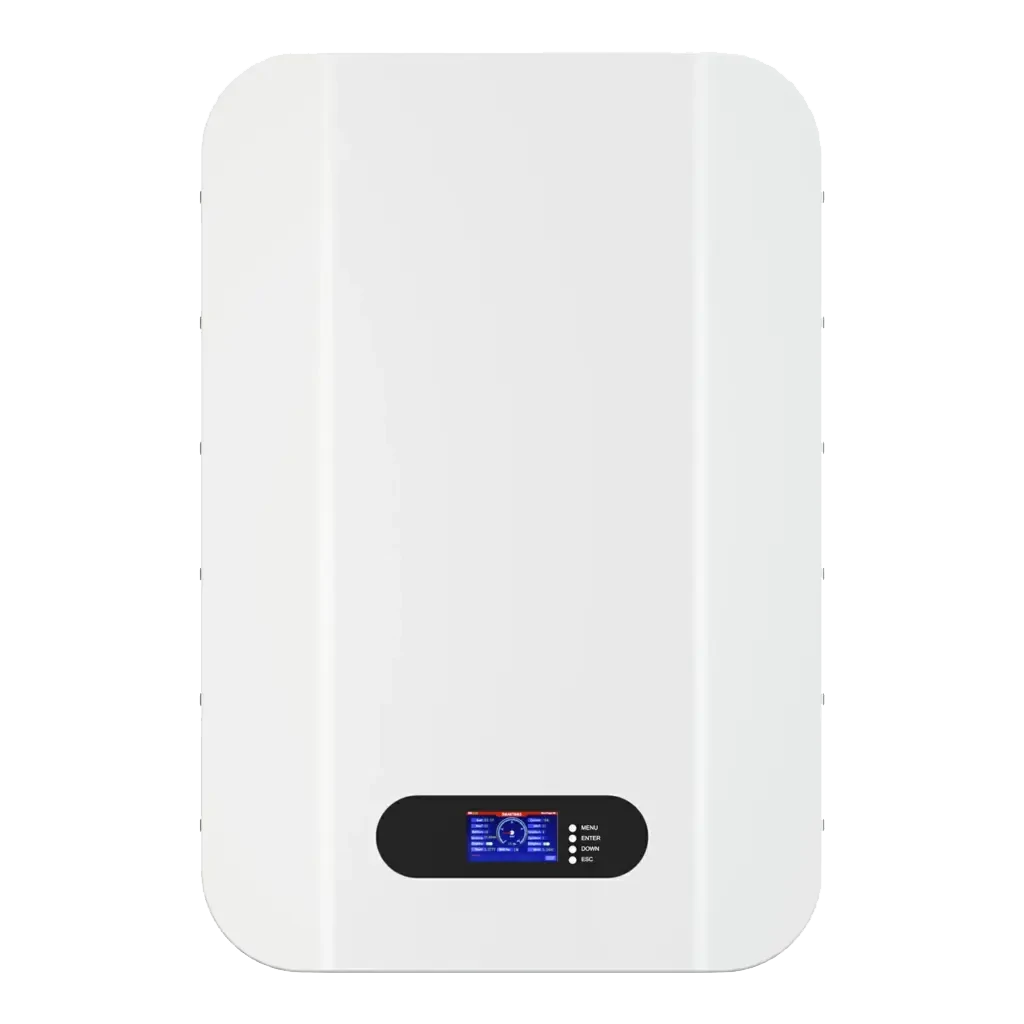
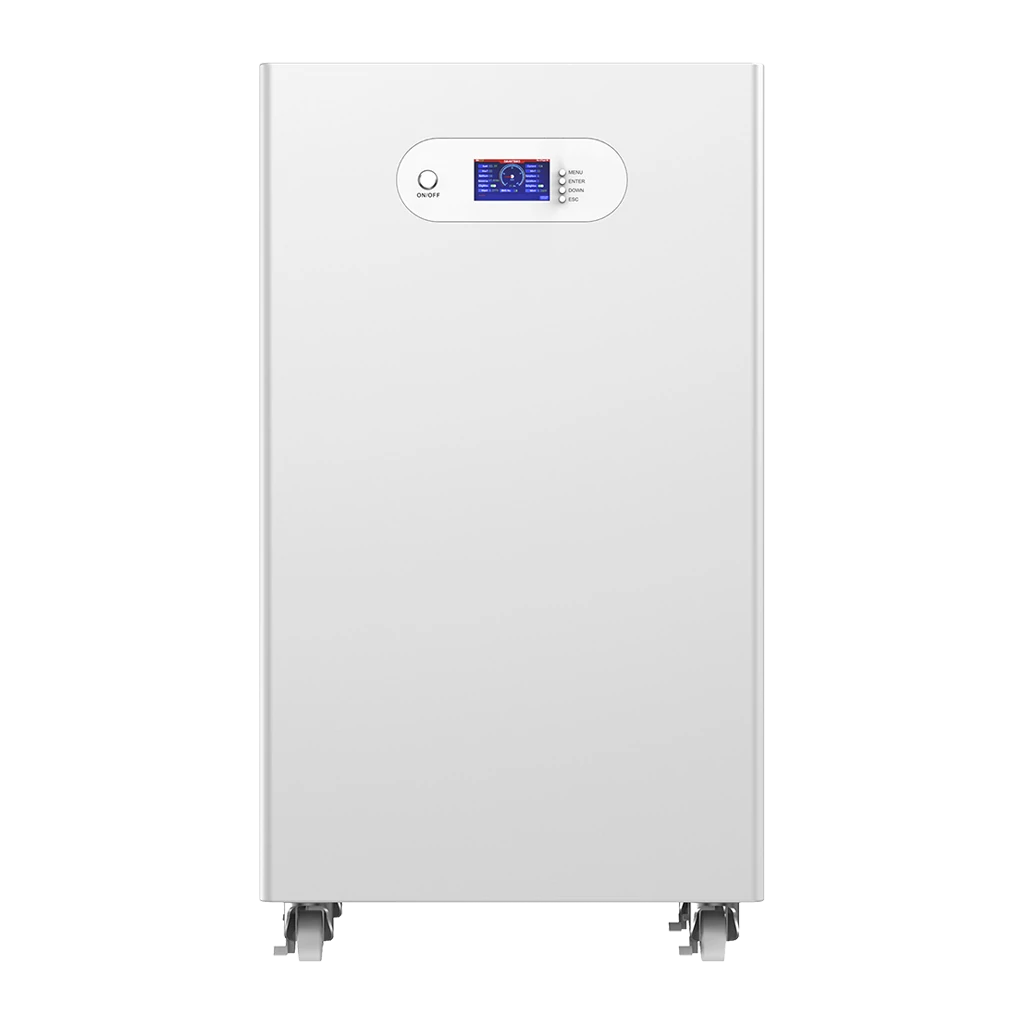
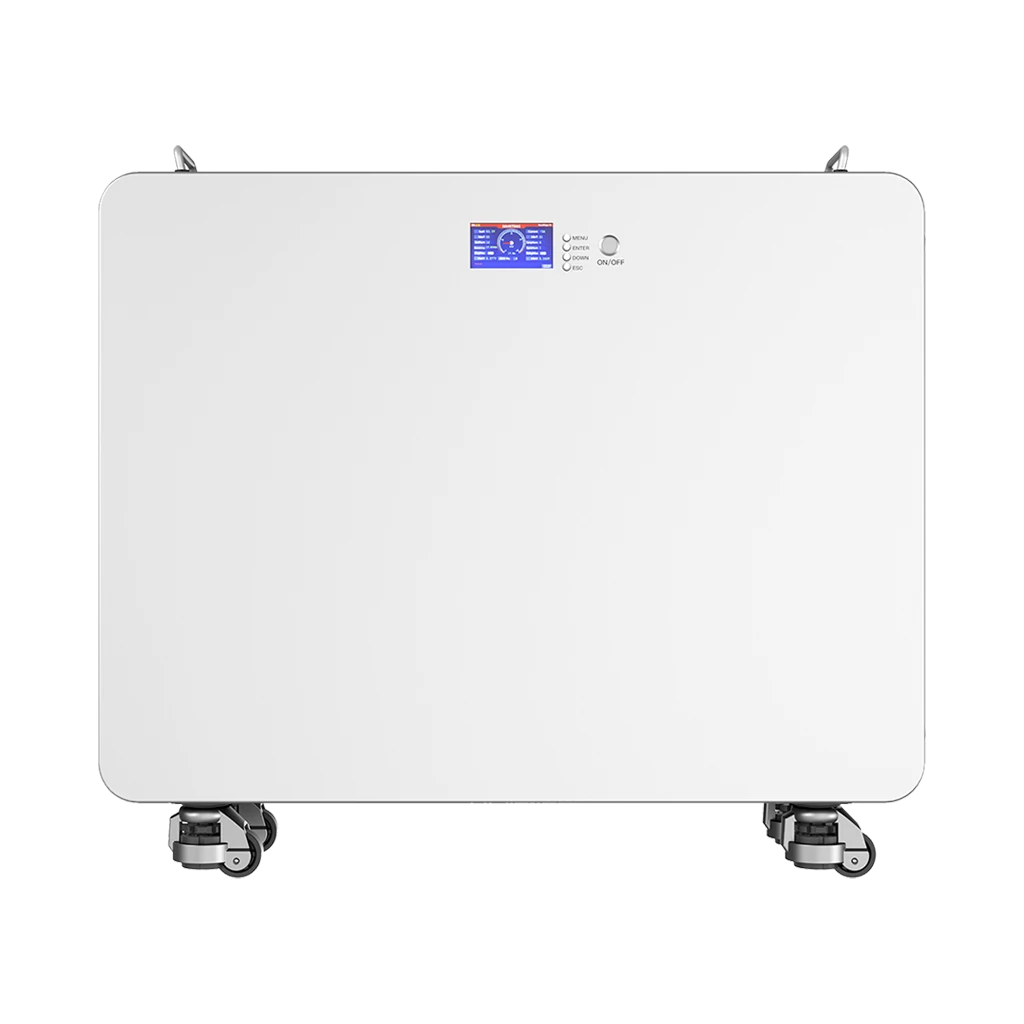
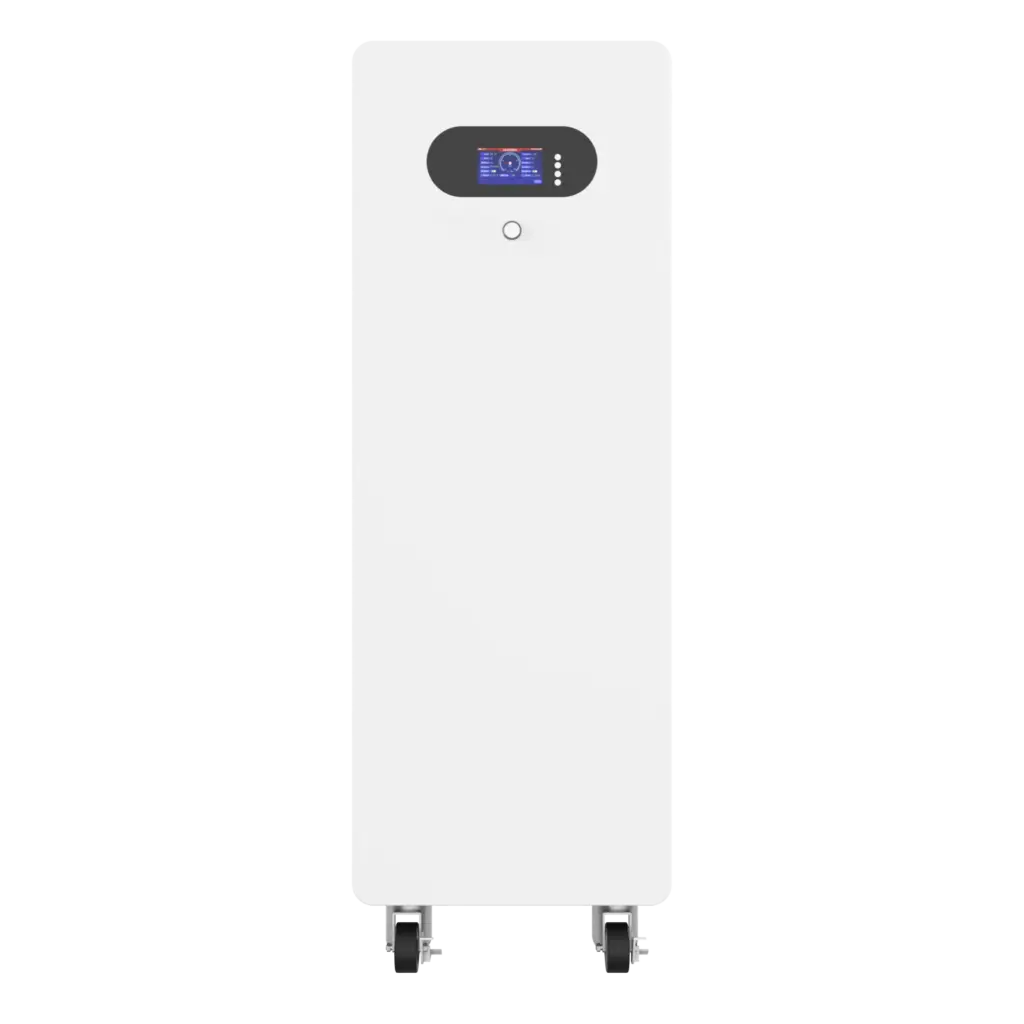
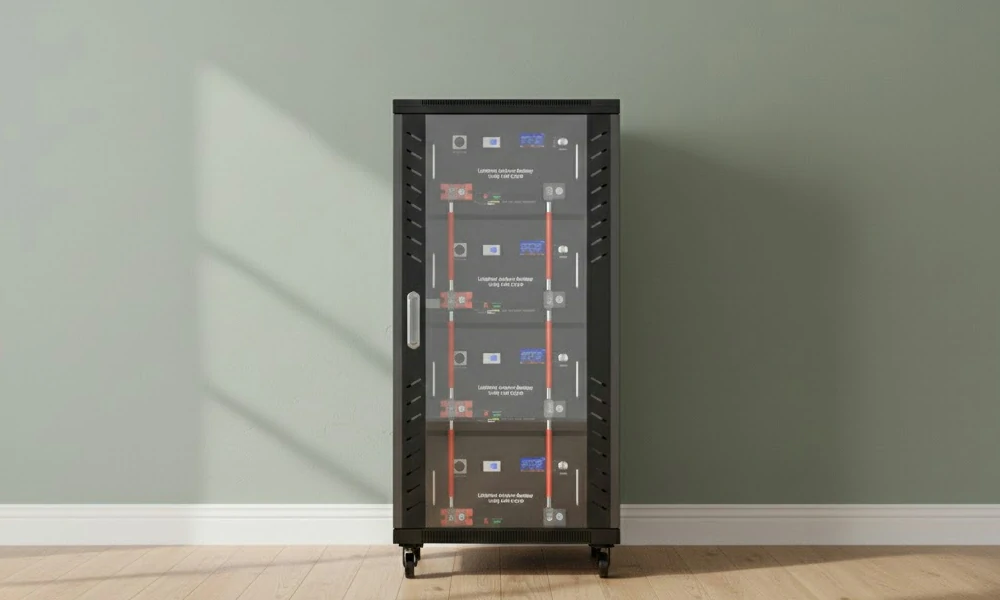
Avepower’s 48v 200Ah 10kWh powerwall system features scalable LFP batteries—up to 82 kWh—with fireproof, flood-resistant, and heat-tolerant design. It is built for households that prioritize safety and high energy demand.
LFP Safety Advantage Over Other Batteries
In batteries like NMC, unstable chemical and heat-sensitive cathode material can start an exothermic chemical reaction (a reaction that creates heat) inside a cell. This heat reaction can happen because of:
- Excessive charging.
- Internal or external short circuits.
- Contamination during manufacturing.
- Strong exposure to heat.
- Physical damage.
If the internal temperature of a cell rises, the heat generation speeds up the chemical reaction. If a critical temperature is passed, the reaction becomes uncontrollable.
What makes this worse is that the cathode material in NMC and similar cells releases oxygen during this process, making the fire extremely difficult—if not impossible—to put out.
In contrast, LFP batteries do not suffer from this kind of thermal instability. This completely removes the risk of overheating and potential fires.
- Stable Heat Profile: LFP batteries maintain stable heat behavior up to a very high temperature (around 300C°).
- No Self-Ignition: They are not prone to self-ignition even when overcharged.
- Lower Max Temperature: In other cells like NMC, a short circuit can produce temperatures over 700C°, which can melt internal parts and spread the problem to nearby cells. The fire that results cannot be stopped because the oxygen for combustion is already trapped inside the battery material.
Superior Longevity and Cycle Resistance
A “cycle” is one full charge and one full discharge. All battery cells lose a little bit of their original capacity with every charge and discharge cycle—this is why your phone battery lasts less and less over the years.
LFP cells have a slightly lower energy density compared to NMC cells. This means for the same physical size, an LFP battery might store a bit less energy. However, this small drawback is quickly overshadowed by their incredible cycle stability, which can be up to ten times greater than NMC.
- Longer Life: While NMC cells might only have about 1,500 to 3,000 cycles before their capacity drops to 80% of the original, LFP batteries can often deliver 3,000 to 6,000 full cycles. In a typical home setting, this translates to a usable lifespan of 10 to 15 years of regular, daily use.
- Lower Long-Term Cost: Because the LFP system lasts much longer, the relative storage costs (often called the Levelized Cost of Storage, or LCOS) can be significantly lower—potentially by as much as 50% over the system’s lifetime—compared to NMC batteries.
In short, a stable battery is less likely to fail, which reduces safety risks and lowers the cost of replacement. If you want a home system that lasts as long as your roof, LFP is the right technology.
An Eco-Friendly Option
LFP cells use nearly all of the lithium in the chemical reaction. In contrast, other lithium-ion batteries only use about 50-60% of their lithium. This high efficiency means LFP requires less lithium per kWh of storage. This makes the battery more resource-efficient.
LFP Batteries Are Great for Indoor Installation
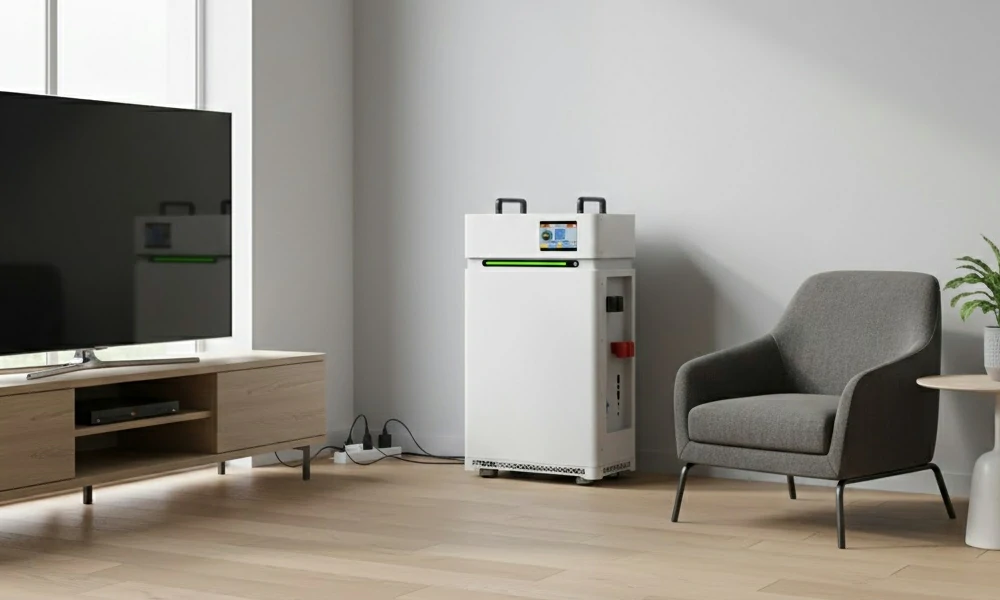
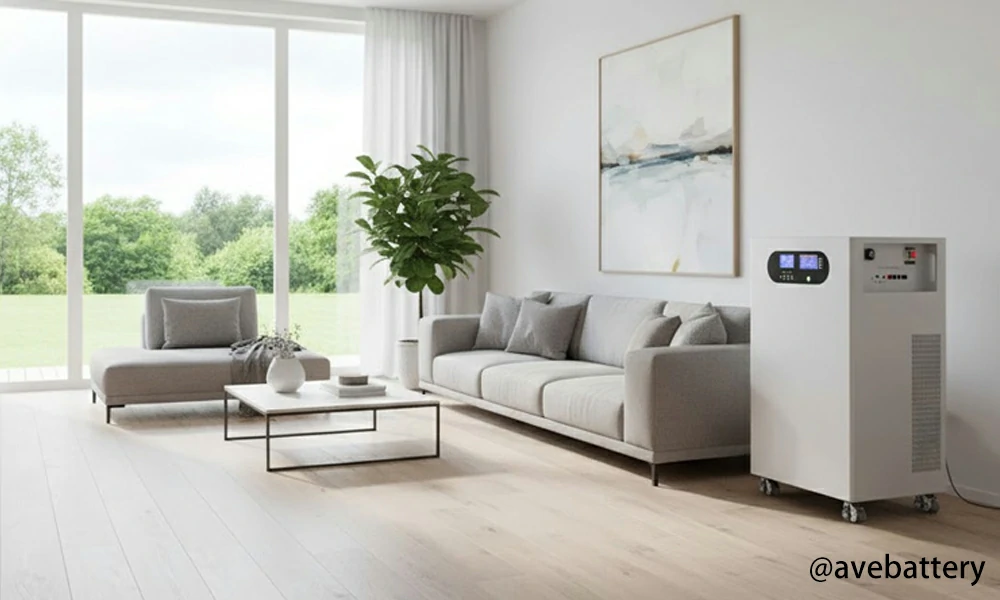
A common question families have is whether it is okay to place a large battery system inside the home. For LFP batteries, the answer is usually yes, provided local codes are followed.
- LFP batteries do not release gas or fumes during normal operation.
- They do not contain corrosive liquid that could leak.
- They are sealed, stable, and low-risk when installed correctly.
In homes with small children, elderly residents, or pets, this critical safety feature is important. The unit should have no exposed parts, be properly sealed, and maintain a low-risk profile.
You must always follow local building codes for required clearance around the unit and ventilation requirements. However, with the proper setup by a certified installer, LFP batteries are the safest choice for keeping your power system indoors.
How LFP Batteries Handle Extreme Environments
A safe home battery system must be able to handle challenging conditions. Whether your region deals with floods, extreme heat, or dust, the battery needs to perform reliably. LFP batteries are known for their ability to handle harsh environments:
- Heat Resistance: They work very well in high temperatures, up to 140F°. The battery structure resists swelling and cracking, which is a major benefit during heatwaves or if you place the unit in a warmer spot like an attic or garage.
- Water and Dust Protection: Many top-quality LFP systems are designed to be completely sealed off from water and dust. For instance, a system with an IP67 rating can handle being submerged in floodwater up to 1 meter deep for a short time.
LFP batteries are designed for durability as well as safety. If you plan to install your system outside or in a potentially harsh location, you need a battery that is built to last.
Addressing Common Myths About LFP Batteries
As LFP technology has evolved, some old misconceptions still circulate that should be clarified for modern systems:
| Myth | Reality |
|---|---|
| LFP batteries are too heavy or underpowered. | False. Modern LFP systems are designed for high-power output, with many delivering over 20 kW of continuous power—enough to run air conditioning, electric ovens, and charge EVs simultaneously. |
| LFP batteries are an older, unsophisticated technology. | False. Today’s LFP home systems feature advanced Battery Management Systems (BMS), app-based controls, remote diagnostics, and intelligent thermal management, making them smart, reliable, and efficient. |
| LFP is not environmentally friendly. | False. LFP is one of the most eco-friendly lithium-ion chemistries. Its chemical composition naturally occurs as a mineral and does not use toxic metals like cobalt or nickel, the batteries are fully recyclable. |
Conclusion
Do you have a preferred location in mind for your home battery system, and are you concerned about local weather conditions? Home energy storage should bring peace of mind, not worry. If you want a storage system that protects your home, your budget, and your long-term plan, you should start with LFP. Power your home safely with Avepower, experience scalable, high-performance energy storage with built-in safety features you can trust. Upgrade to LFP today and secure a smarter, safer energy future for your home.
FAQ
Yes, they do. Most LFP batteries used in residential systems comply with national and regional fire safety codes. You should look for systems that have been tested and certified to UL 9540A standards, which guarantees safe performance under thermal abuse conditions.
No. LFP chemistry handles partial charges and partial discharges very well. Shallow cycles can even improve life span compared with full cycles. You should still keep voltage and temperature within the maker’s limits.
Yes. LFP systems use sealed enclosures with no exposed live parts. A lockable cabinet and proper placement add an extra layer of safety. You should still keep children away from equipment rooms.
Yes. LFP batteries can enter recycling streams, and many makers run take-back programs. A second-life use may also extend value before recycling.