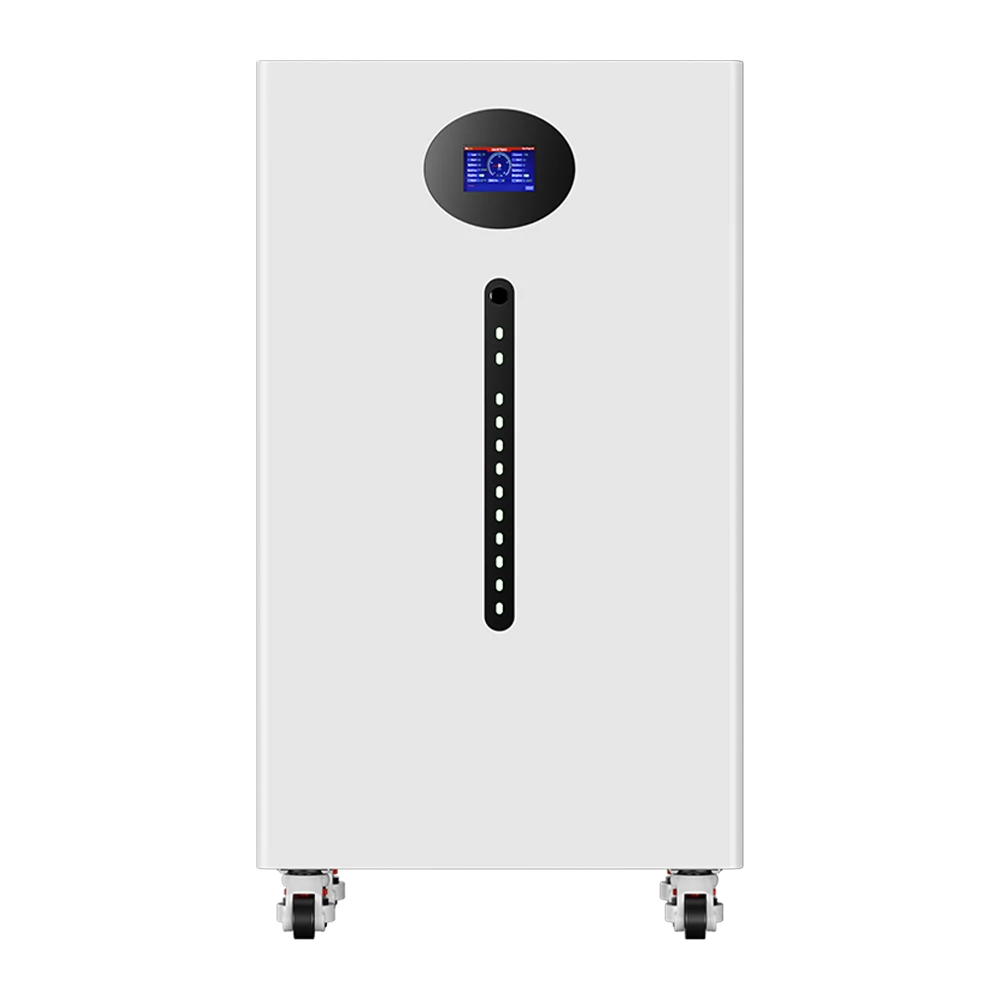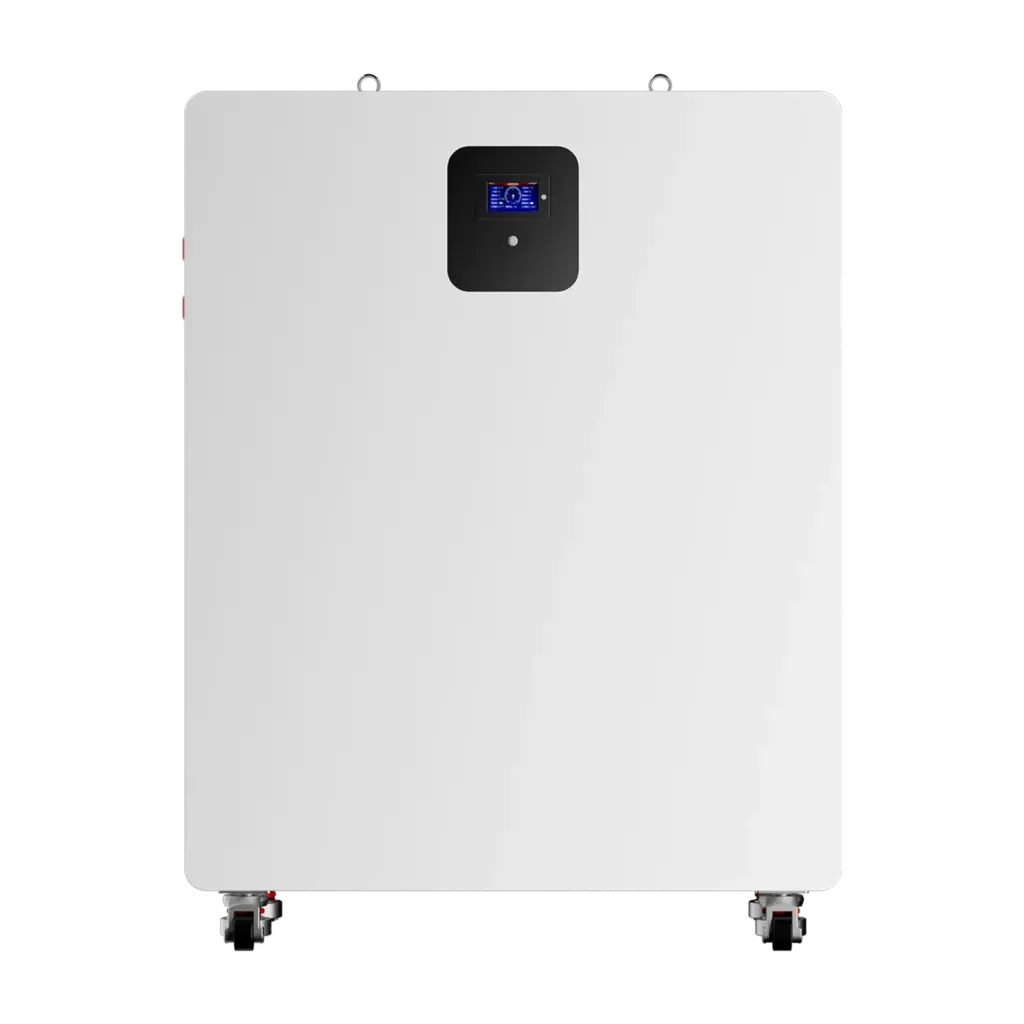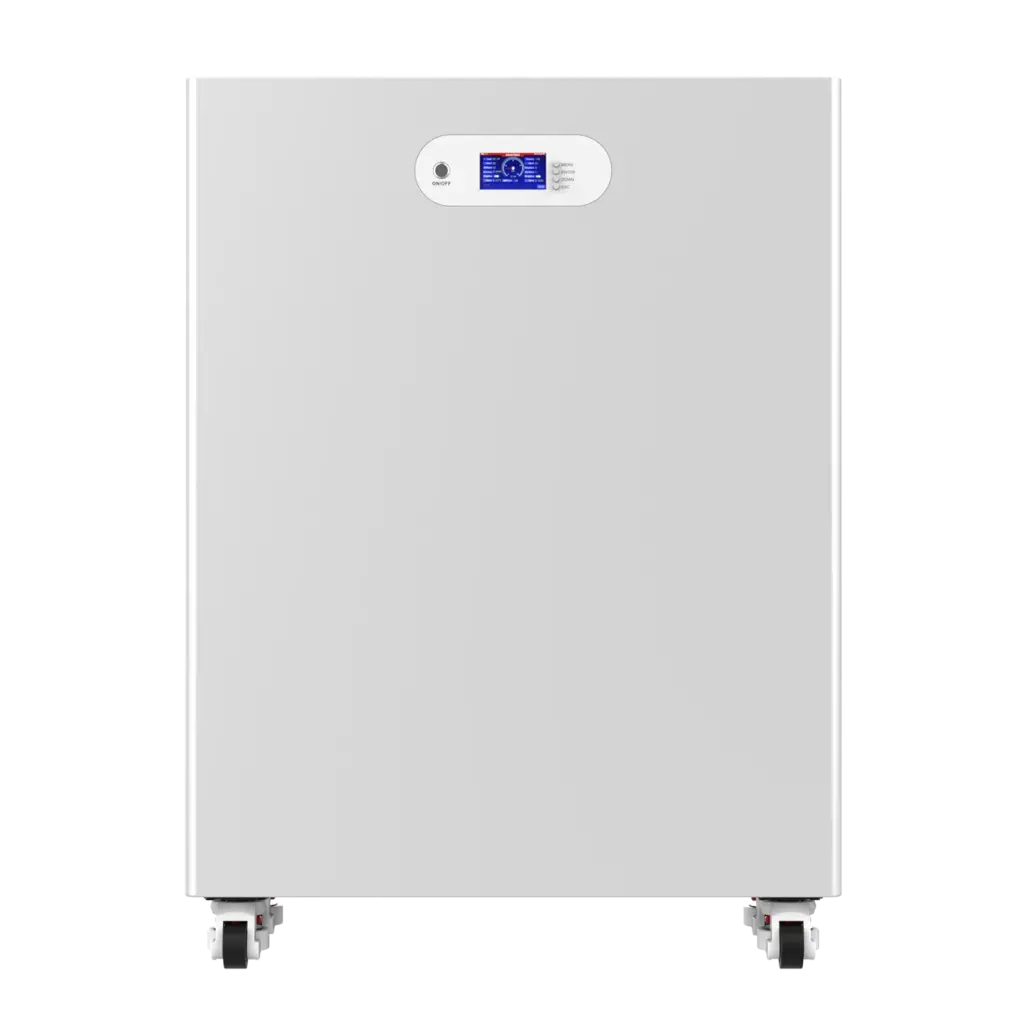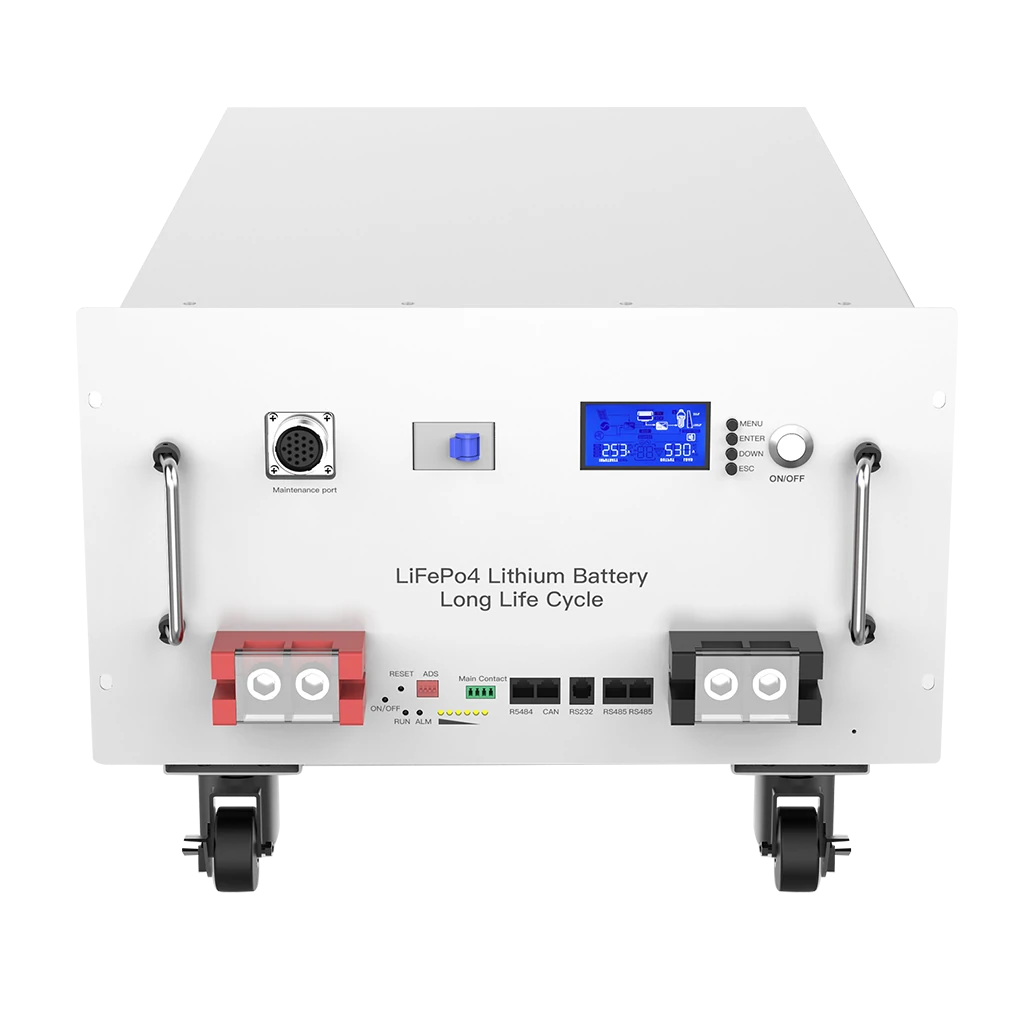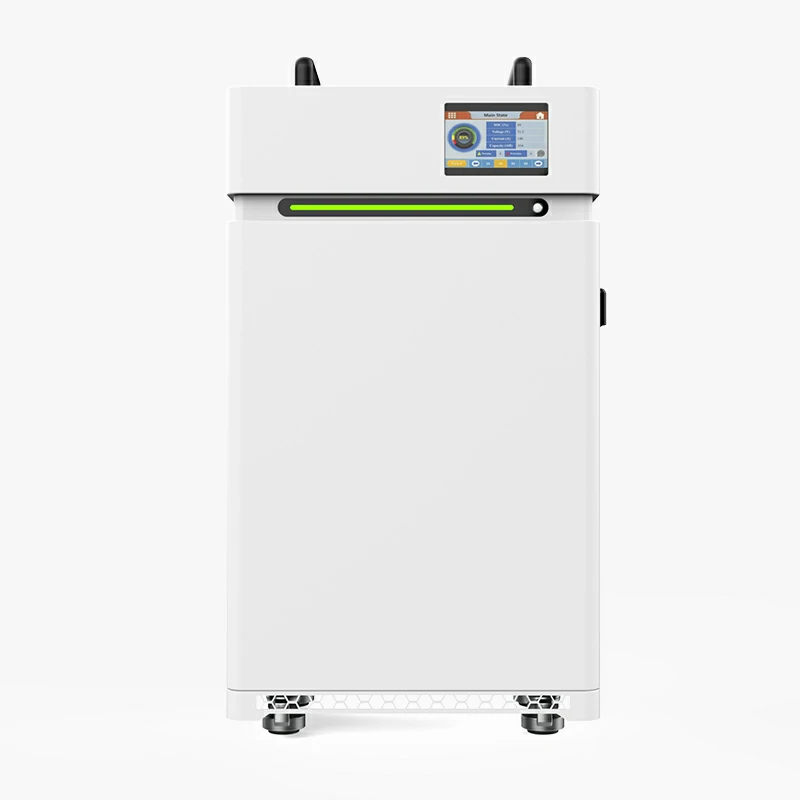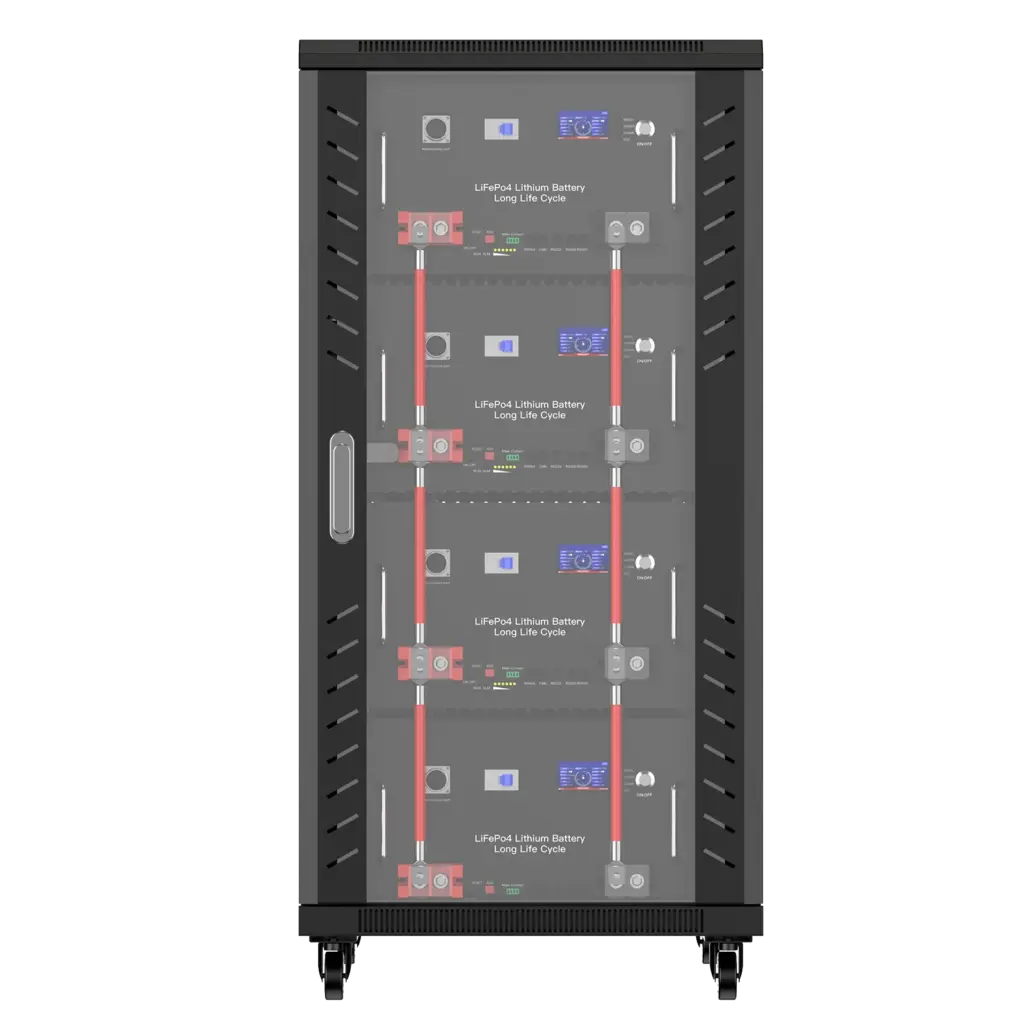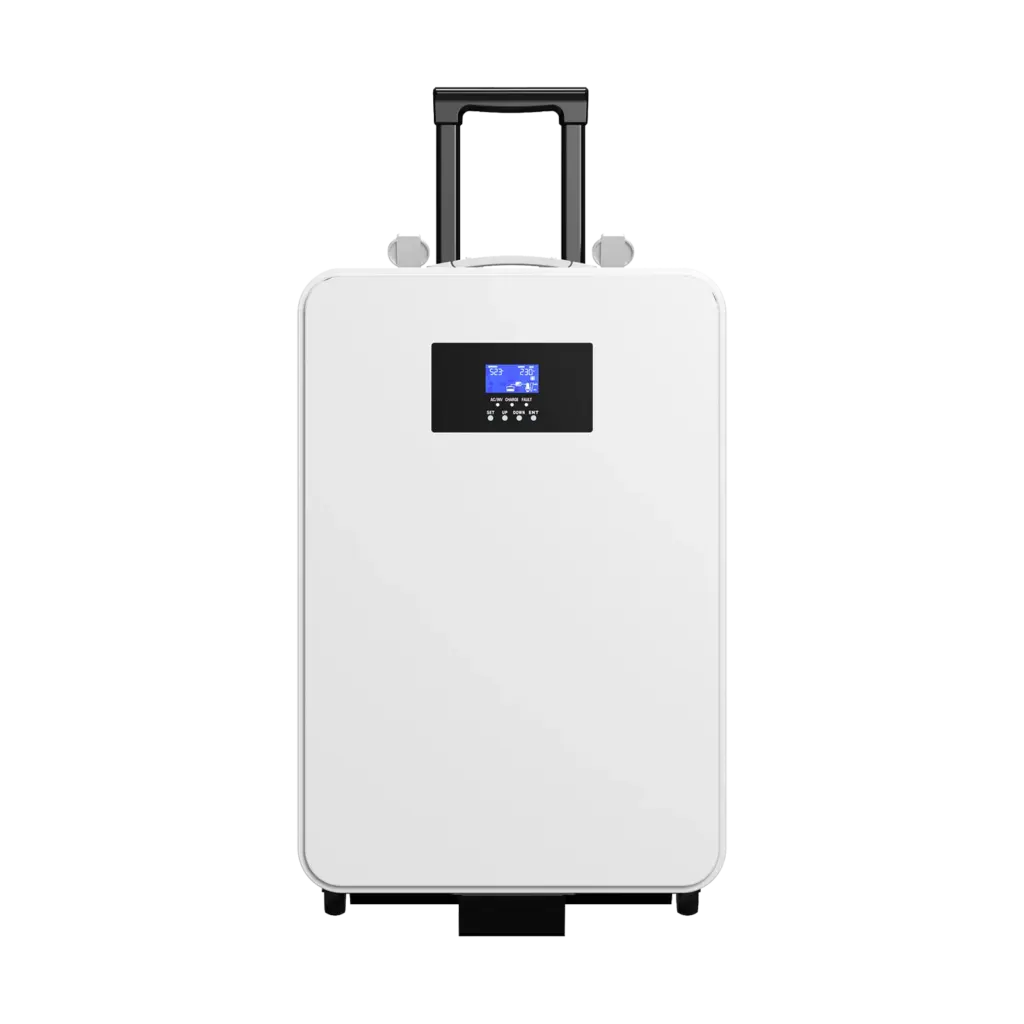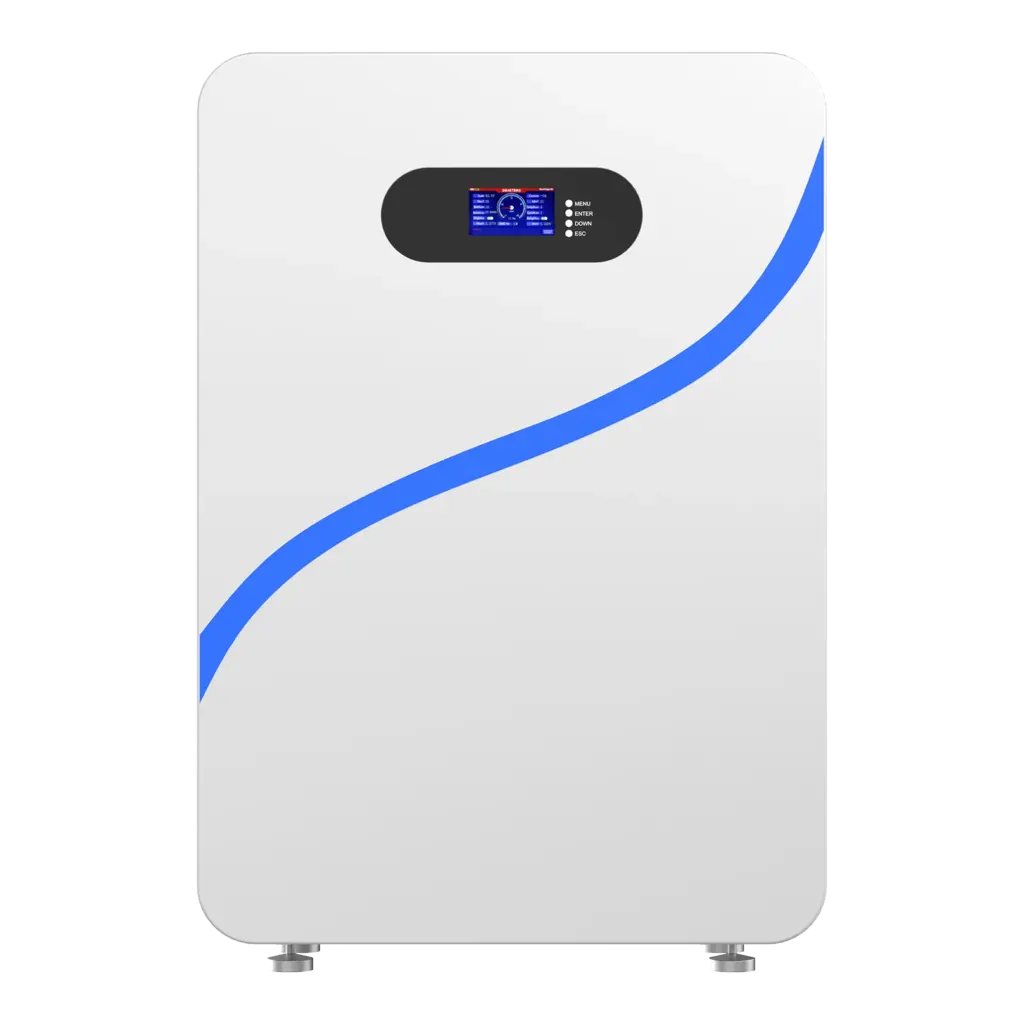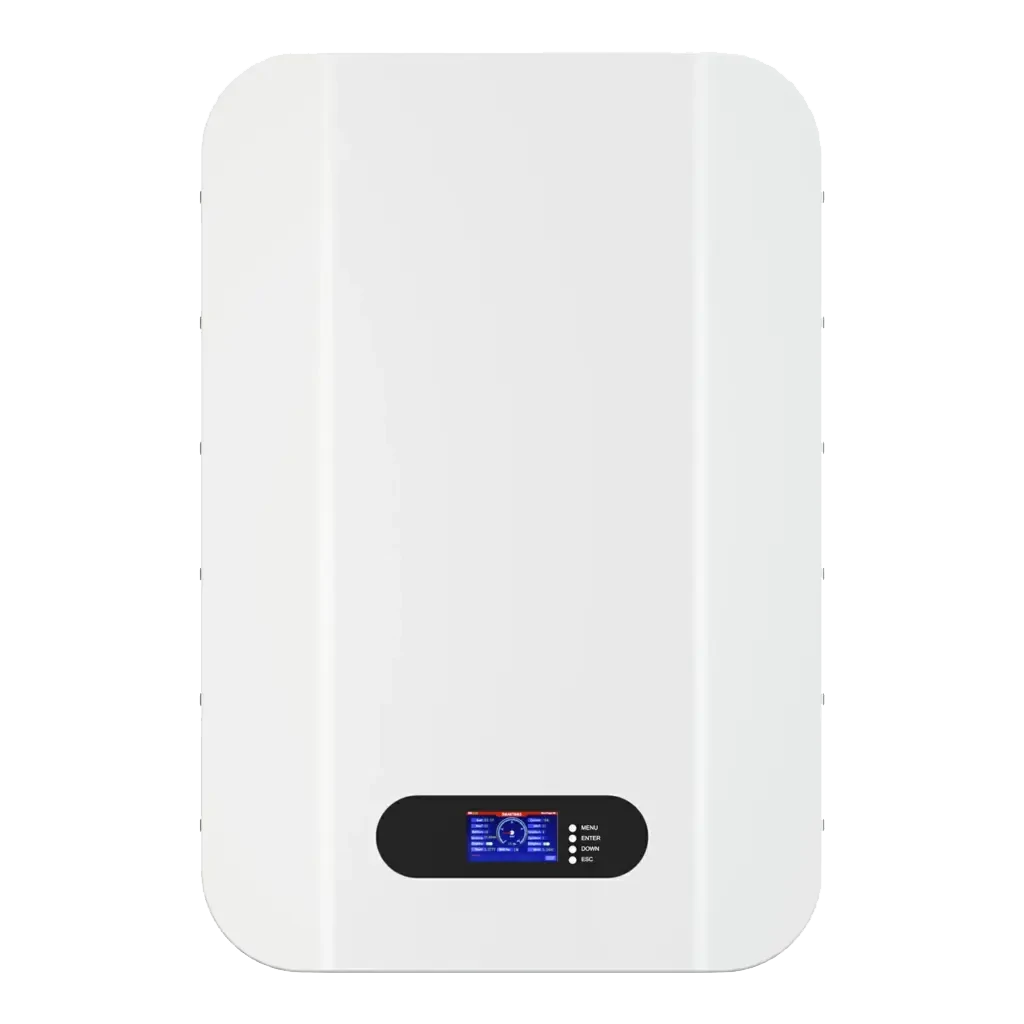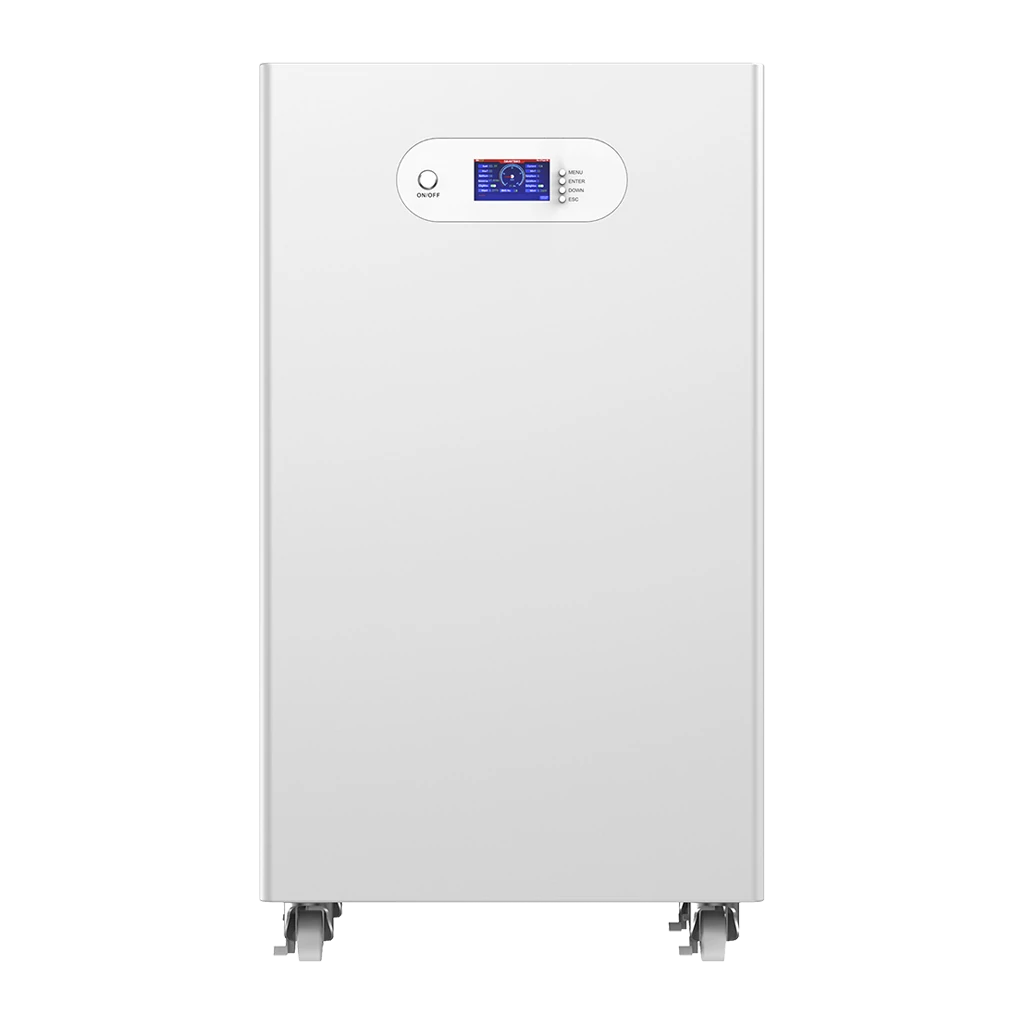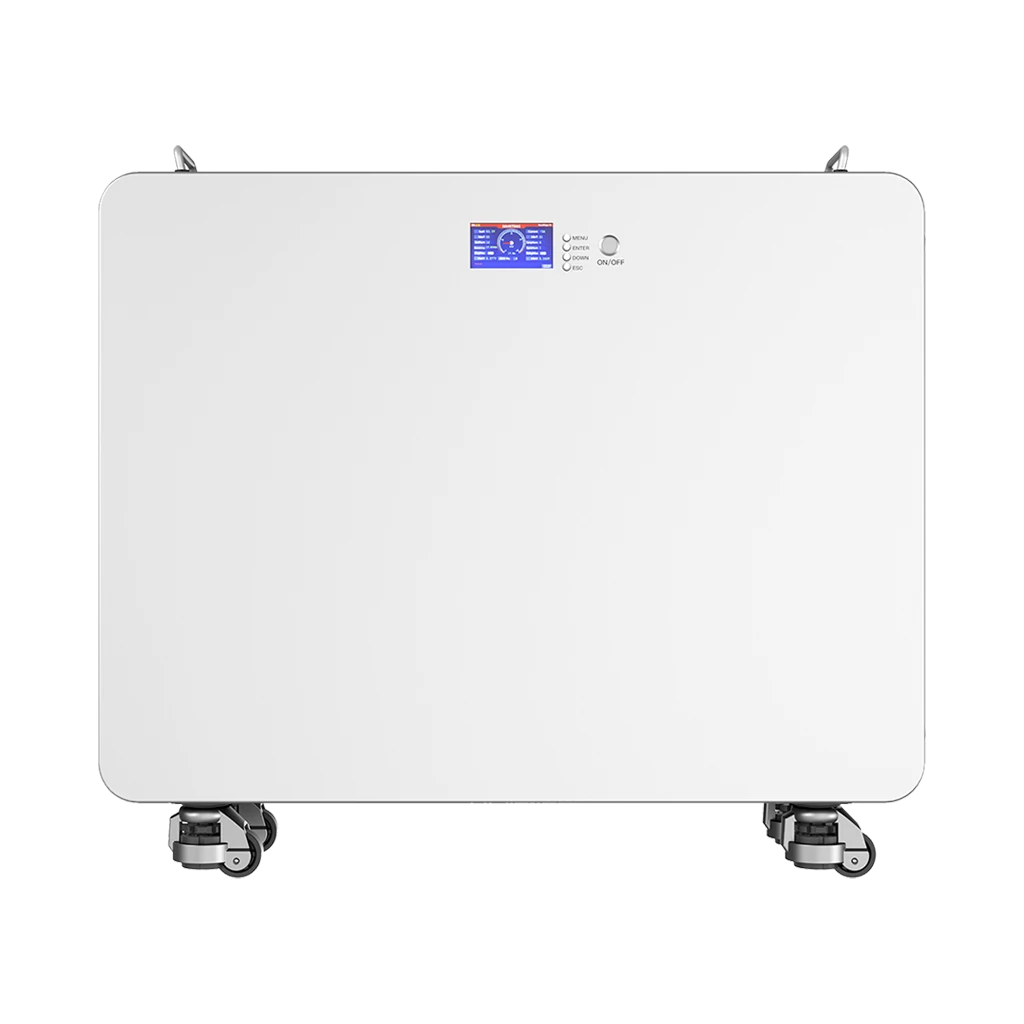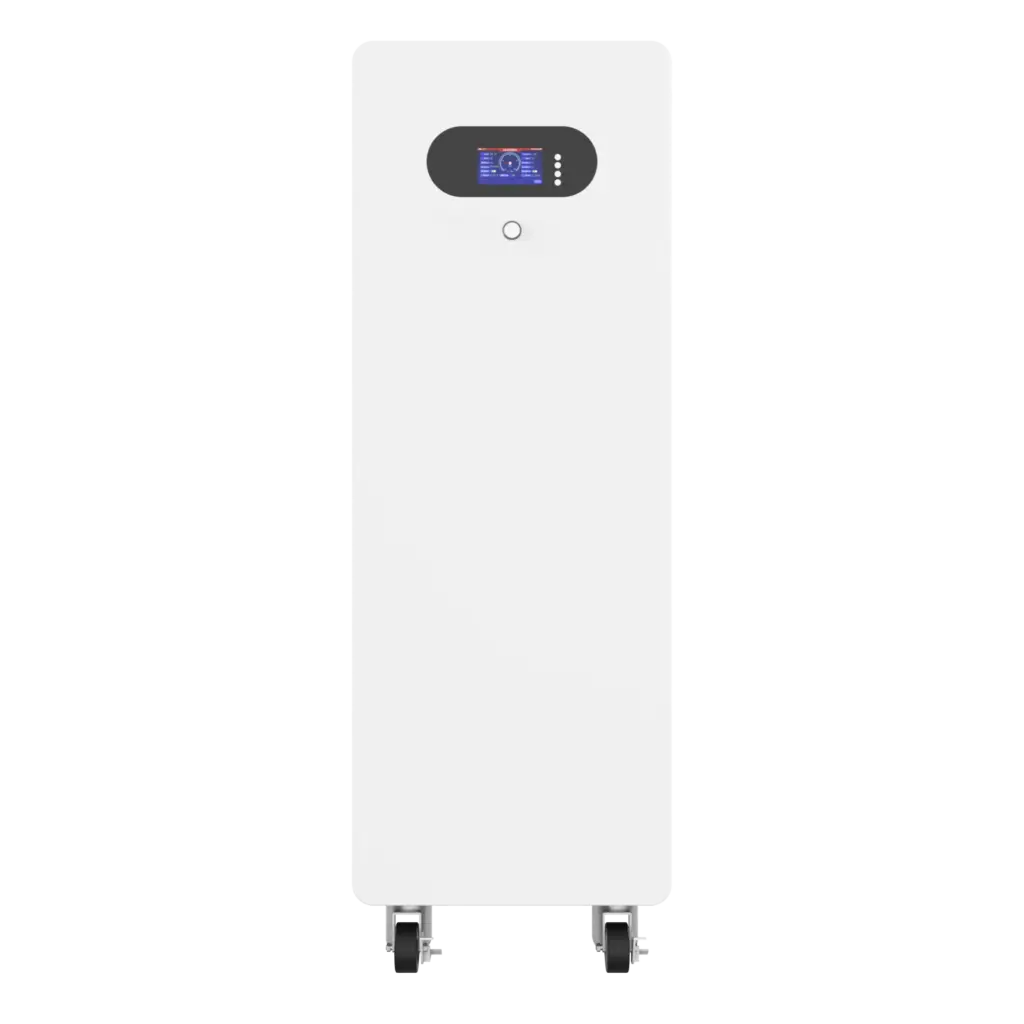

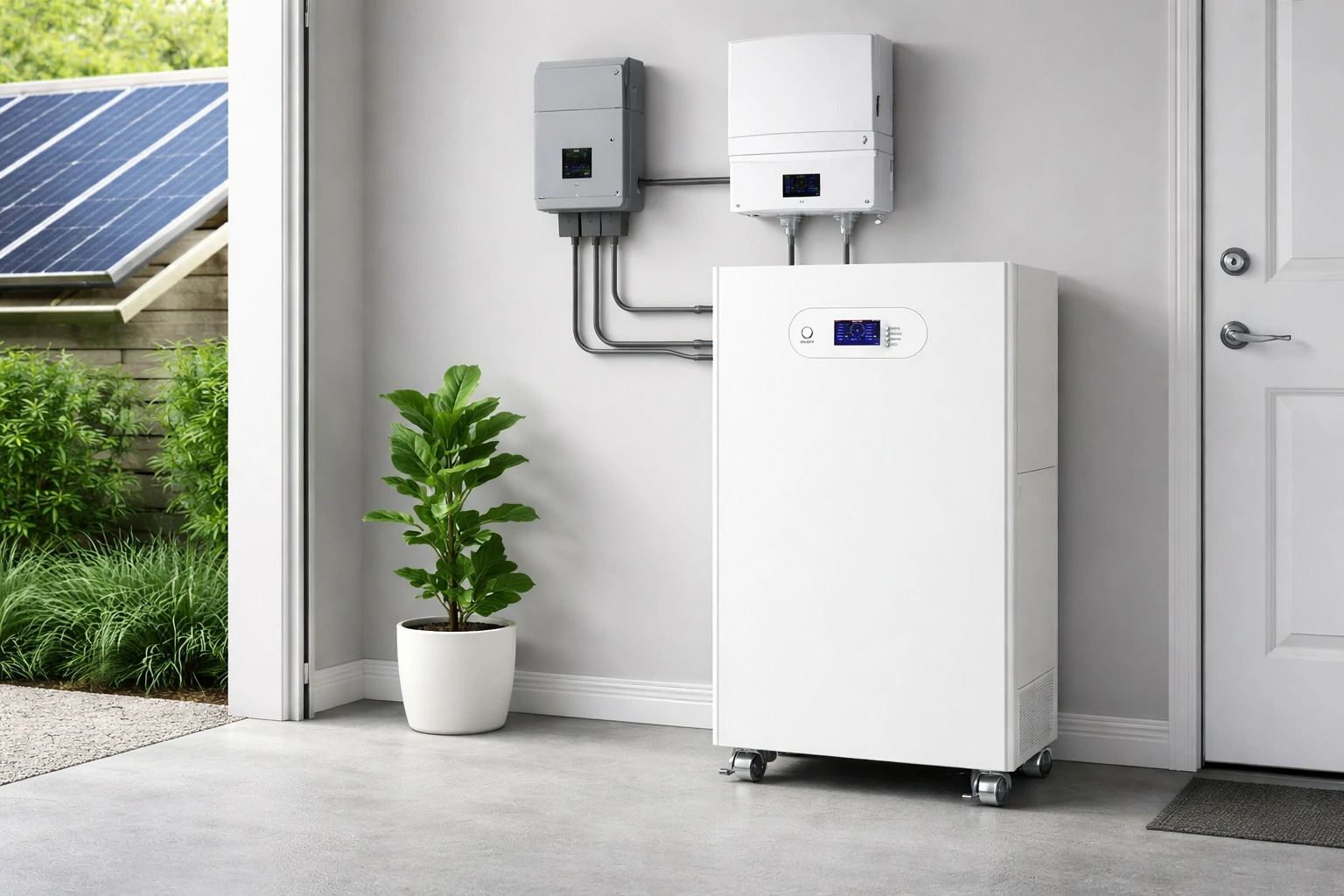
In 2026, home energy storage batteries can help households gain backup power, better control electricity bills, and increase the value of their solar energy systems.
If you already have solar panels installed, this typically means you can store excess solar energy generated during the day and use it at night, on cloudy days, or during power outages. If you do not have a solar system, the battery can still charge from the grid and discharge when electricity prices are higher.
In both cases, the goal is the same: to improve energy control, enhance energy resilience, and reduce reliance on the grid when it is least efficient.
What Is A Home Energy Storage Battery?
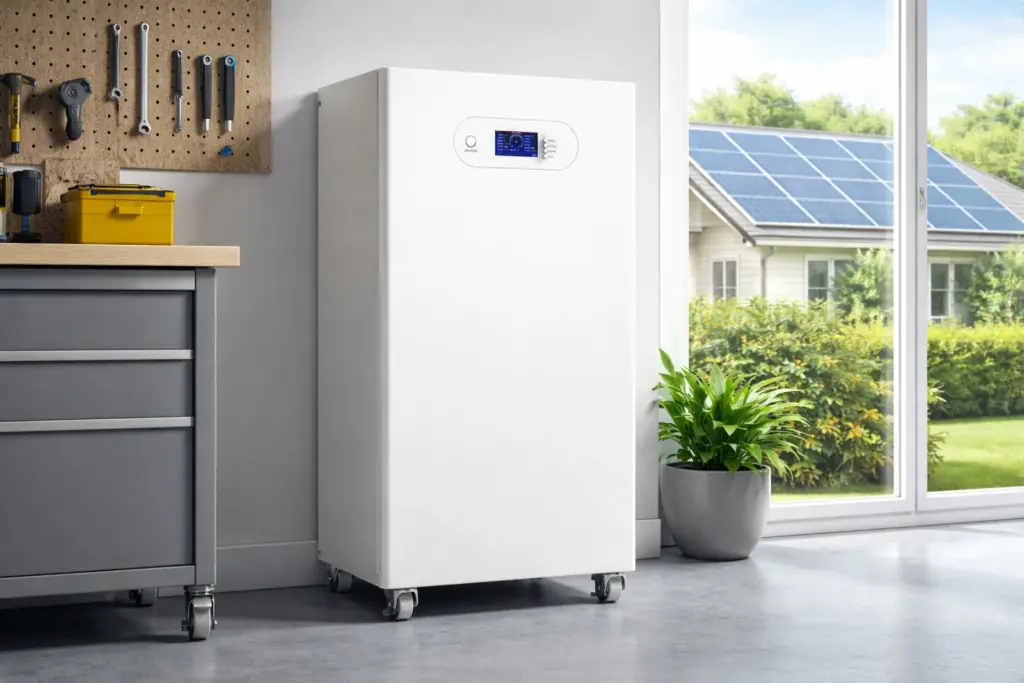
A home energy storage battery system stores electricity for later use, instead of exporting all unused power back to the grid or buying all electricity from the utility at full retail prices.
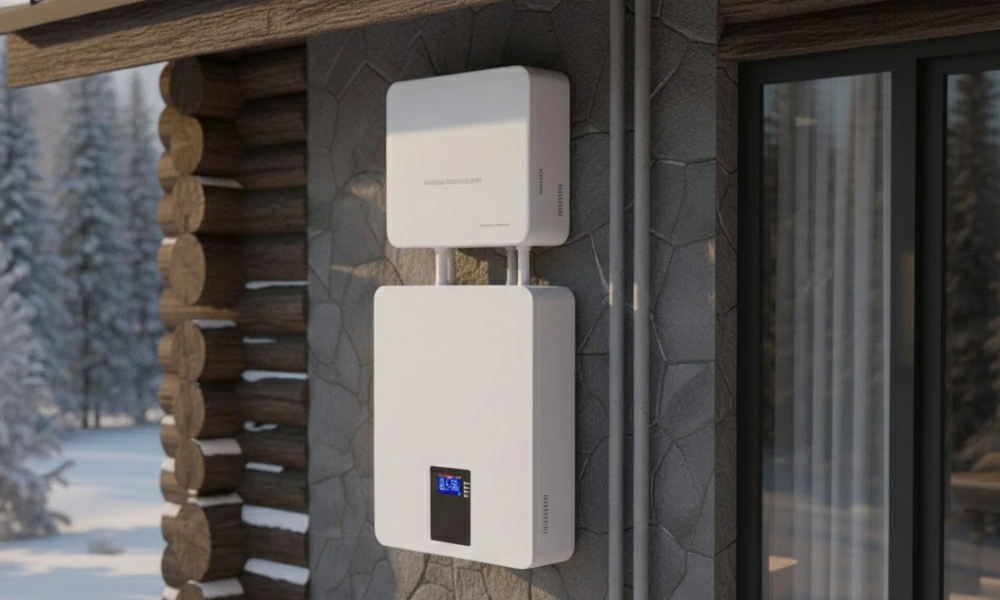
In a solar + storage system, solar panels generate electricity during the day. Your home uses the power it needs first, and any excess energy is used to charge the battery. When solar production drops, the stored energy is used to power your home.
Most modern home battery systems use lithium-ion technology, with lithium iron phosphate (LFP) becoming the mainstream choice for stationary energy storage due to its high safety, long lifespan, and strong performance under daily cycling conditions.
Why Home Batteries Are Becoming More Important In 2026
The U.S. Energy Information Administration reported that in 2024, the average electricity customer experienced around 11 hours of power outages, nearly double the average over the past decade. For households in outage-prone areas, batteries are no longer just a convenience—they are an effective way to improve grid resilience.
In many markets, export credits for rooftop solar have declined, while time-of-use tariffs and more complex electricity pricing structures have become increasingly common. This makes energy storage more valuable, as it allows homeowners to store lower-value daytime electricity and use it during periods of higher grid prices.
Over the past year, nearly two-thirds of customers have paired solar systems with battery storage. Even as policy environments evolve, energy storage remains a core component of residential energy planning.
What Can A Home Battery Actually Do For You?
Backup Power
A battery can keep essential circuits running during a power outage, such as refrigerators, lighting, Wi-Fi, phone charging, medical devices, and selected power outlets. Unlike a generator, a battery requires no fuel, operates silently, and can even recharge from solar panels during an outage if the system is designed for off-grid or backup operation.
Electricity Bill Savings
If your utility uses time-of-use pricing, a battery can charge when electricity is cheap and discharge when prices are high. In cases where solar export payments are lower than the cost of grid electricity, a battery can shift more solar energy into evening usage, increasing the overall value of your solar system.
Participation In Utility Programs
In some regions, programs such as customer-owned battery schemes or Virtual Power Plants (VPPs) allow homeowners to earn payments by supplying stored energy back to the grid during peak demand periods.
Do Home Batteries Require Solar Panels?
No, installing a home battery does not require solar panels. A battery can be charged directly from the grid and still help with backup power during outages or optimizing electricity costs.
However, solar and battery systems work best together, because solar energy provides a low-cost, renewable source of electricity during the day to charge the battery, and can extend backup power during multi-day outages.
If your main goal is backup power or taking advantage of time-of-use electricity pricing, a standalone battery system may be sufficient. But if you want greater energy independence, higher self-consumption, and the ability to keep charging during extended outages, a combined solar + storage system is generally the better option.
How Much Does A Home Battery Storage System Cost In 2026?
In 2026, a typical 13.5kWh home battery system costs around USD 15,228 before any incentives. This translates to an approximate cost of USD 1,128 per kWh for the reference system.
What Determines The Price?
The main cost drivers include:
- Battery capacity
- Power output rating
- Battery chemistry
- Inverter architecture
- Permitting, approvals, and installation labor costs
- Whether the system is installed with a new solar setup or retrofitted to an existing one
- Whether a single battery is sufficient or multiple units are required
Total installation costs go far beyond the battery itself. Components such as inverters, balance-of-system equipment, permitting, inspections, installation labor, customer acquisition, and administrative costs all play an important role.
Value vs. Price
A lower-priced battery is not always the best option. If it offers lower usable capacity, weaker software functionality, limited continuous power output, or poor compatibility, it may provide worse overall value than a more expensive system that better matches your backup power needs and energy savings goals.
Important Incentive Updates In 2026
In the United States, the residential clean energy tax credit for homeowner-owned systems is no longer available for homes placed in service after December 31, 2025. The Internal Revenue Service (IRS) states that the 30% tax credit applies only to eligible systems installed between 2022 and the end of 2025, and any systems installed or placed in service after that period will no longer qualify.
As a result, in 2026, homeowners should no longer rely on the 30% federal tax credit as a current incentive when evaluating new residential energy storage systems.
Instead, attention in 2026 shifts toward other available savings opportunities, including:
- State-level rebate programs
- Utility company incentive schemes
- BYOB (Bring Your Own Battery) programs
- Virtual Power Plant (VPP) participation
- Certain third-party ownership or financing models that may still deliver savings
Although directly purchased residential systems are no longer eligible for federal tax credits, leased battery systems may still benefit indirectly through commercial tax credits claimed by system owners or providers.
How Large Should A Home Battery Be?
The average U.S. household uses about 10,500 kWh per year, or roughly 29 kWh per day, but this does not mean most homes need a 29 kWh backup battery. During outages, most households only power essential loads rather than the entire home.
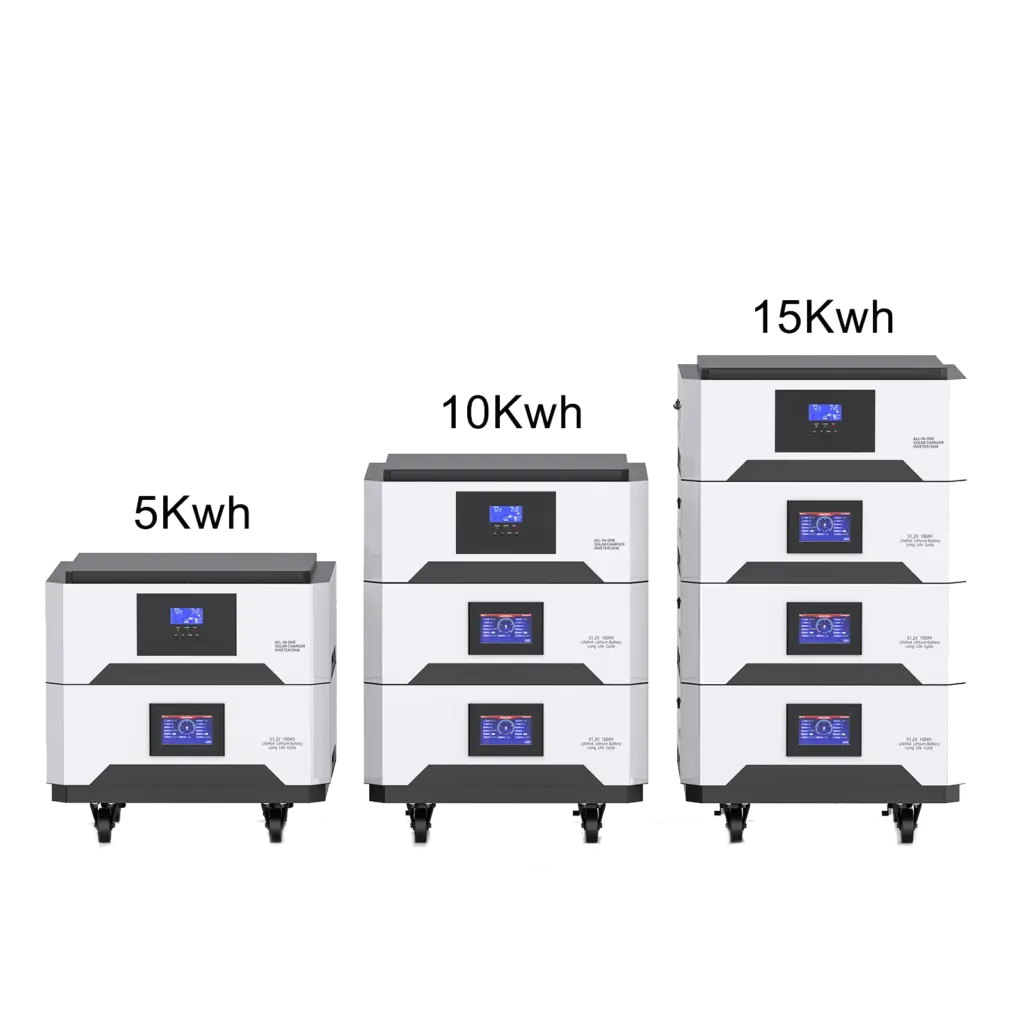
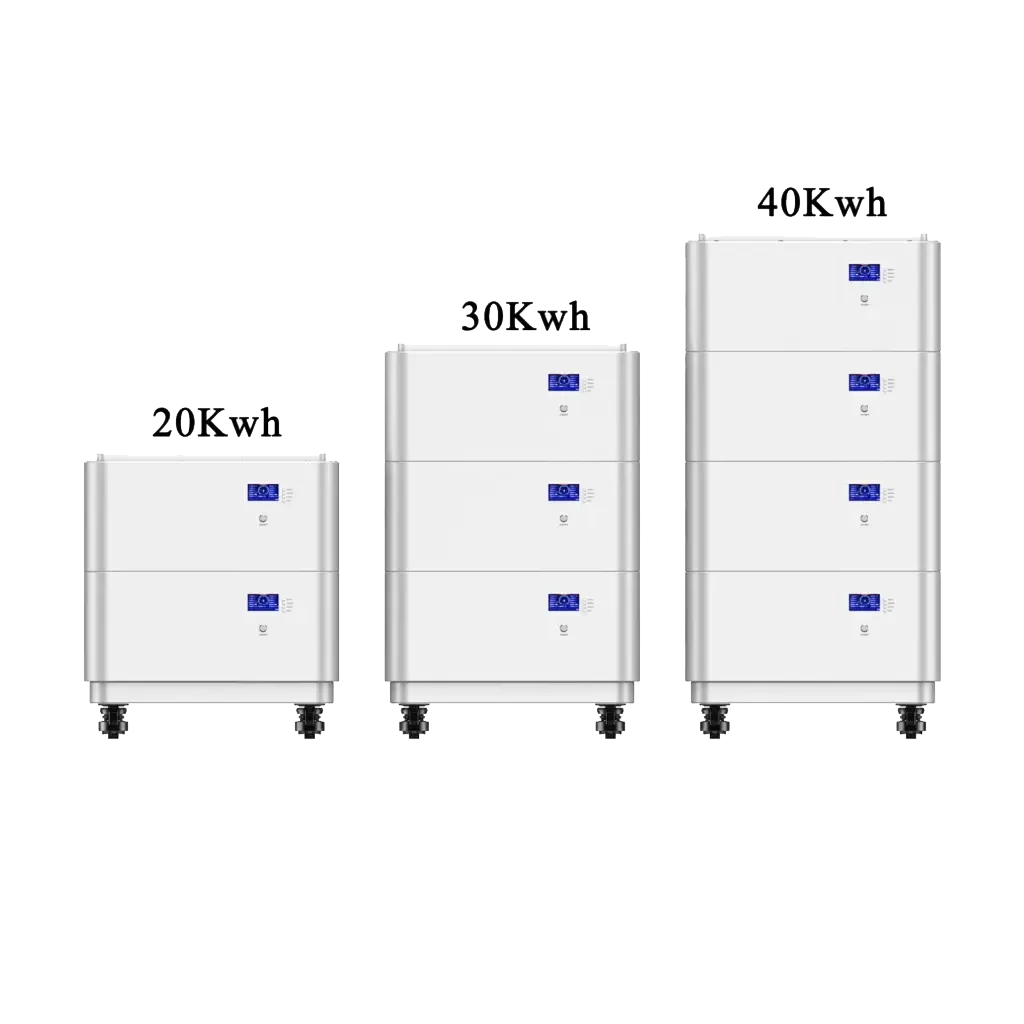
Many homes choose a 10 kWh battery–15 kWh battery to cover basic backup needs. If additional comfort loads are required—such as mini-split air conditioners or water pumps—a 15–25 kWh system may be more suitable. For larger homes or whole-home backup scenarios, systems of 20 kWh battery–40 kWh battery or more should be considered. The actual requirement depends on which appliances you want to run, how long they need to run, and whether solar is available to recharge the battery during an outage.
In practical terms, if heating and central air conditioning are excluded and energy use is managed efficiently, a 10 kWh battery can typically keep essential household systems running for at least 24 hours. In a solar + storage setup, and again excluding heavy HVAC loads, a 10 kWh system can often provide basic backup power for up to three days in many U.S. regions.
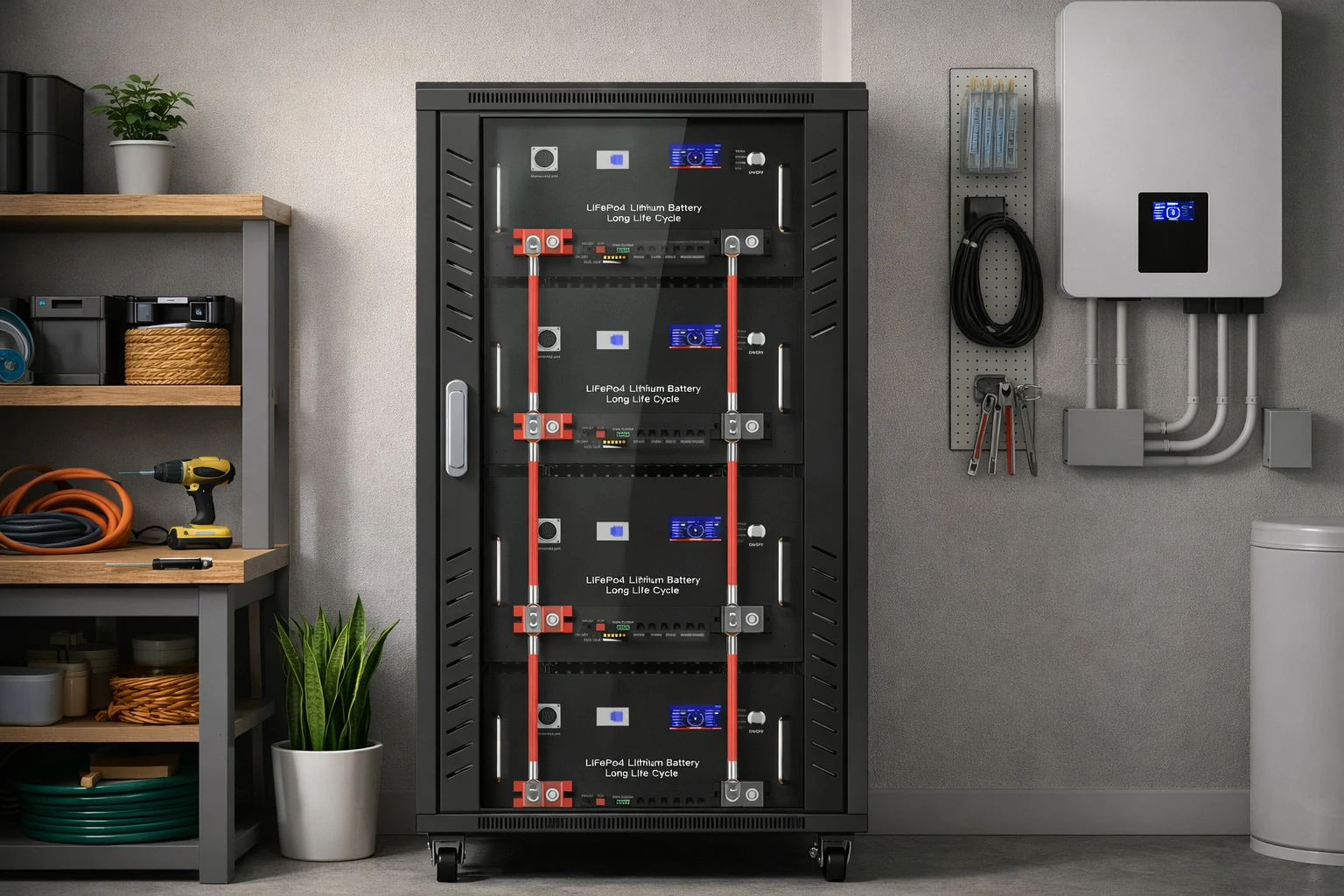
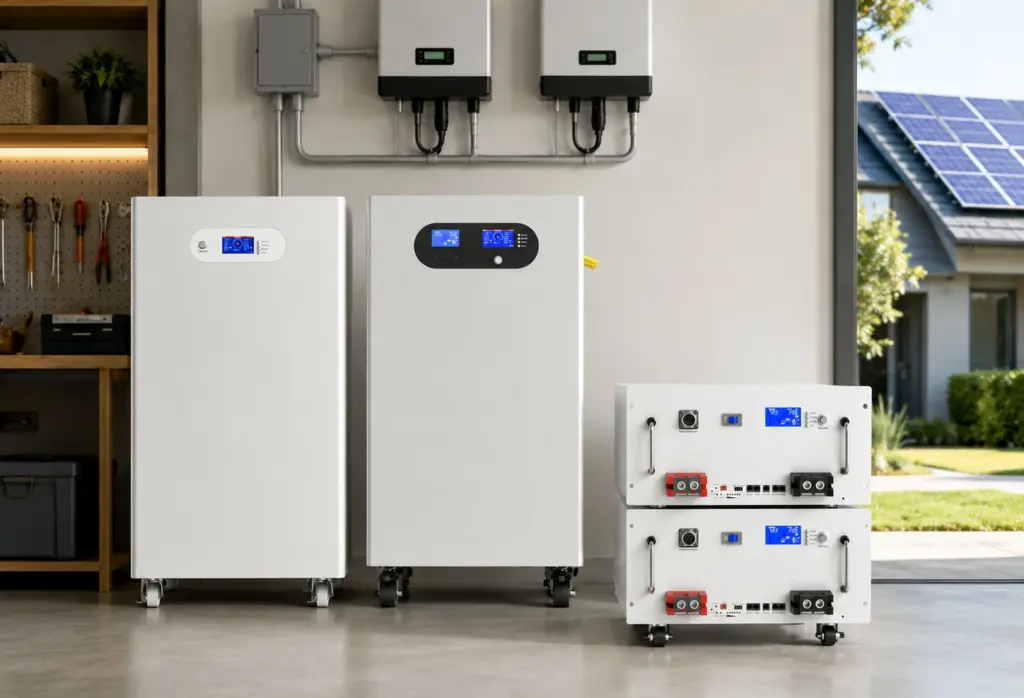
If you are unsure about capacity requirements, modular systems such as stackable batteries can be a flexible solution. For example, Avepower offers modular stacked battery systems starting from 5 kWh, which can be expanded up to 260 kWh as energy needs grow. This makes them suitable for homeowners or project buyers who want to start small and scale gradually over time.
Home Battery vs. Generator
Home batteries and generators both provide backup power, but they solve different problems.
Generators typically have a lower upfront cost and can run for longer periods as long as fuel is available. However, they require refueling, produce noise, and generate emissions.
Home batteries, on the other hand, offer silent operation, no on-site fuel requirements, zero direct emissions, and faster automatic response during outages. When paired with solar or time-based energy management systems, they can also help reduce daily electricity costs.
| Comparison Factor | Home Battery | Generator |
|---|---|---|
| Upfront Cost | Higher | Lower |
| Noise Level | Nearly silent | High noise |
| Emissions | Zero direct emissions | Produces exhaust emissions |
| Fuel Requirement | No fuel needed | Requires gasoline/diesel/natural gas |
| Automation | Automatic switchover, fast response | Usually manual start |
| Runtime | Limited by battery capacity | Can run continuously with fuel supply |
| Daily Energy Savings | Works with solar for bill optimization | No energy-saving function |
| Maintenance Cost | Low | Higher (fuel + maintenance) |
| Best Use Case | Home backup + energy optimization + solar integration | Long outages + high-power emergency backup |
| Environmental Impact | High (eco-friendly) | Lower (polluting) |
Why Modular Avepower Solutions Are Well Suited For This Market
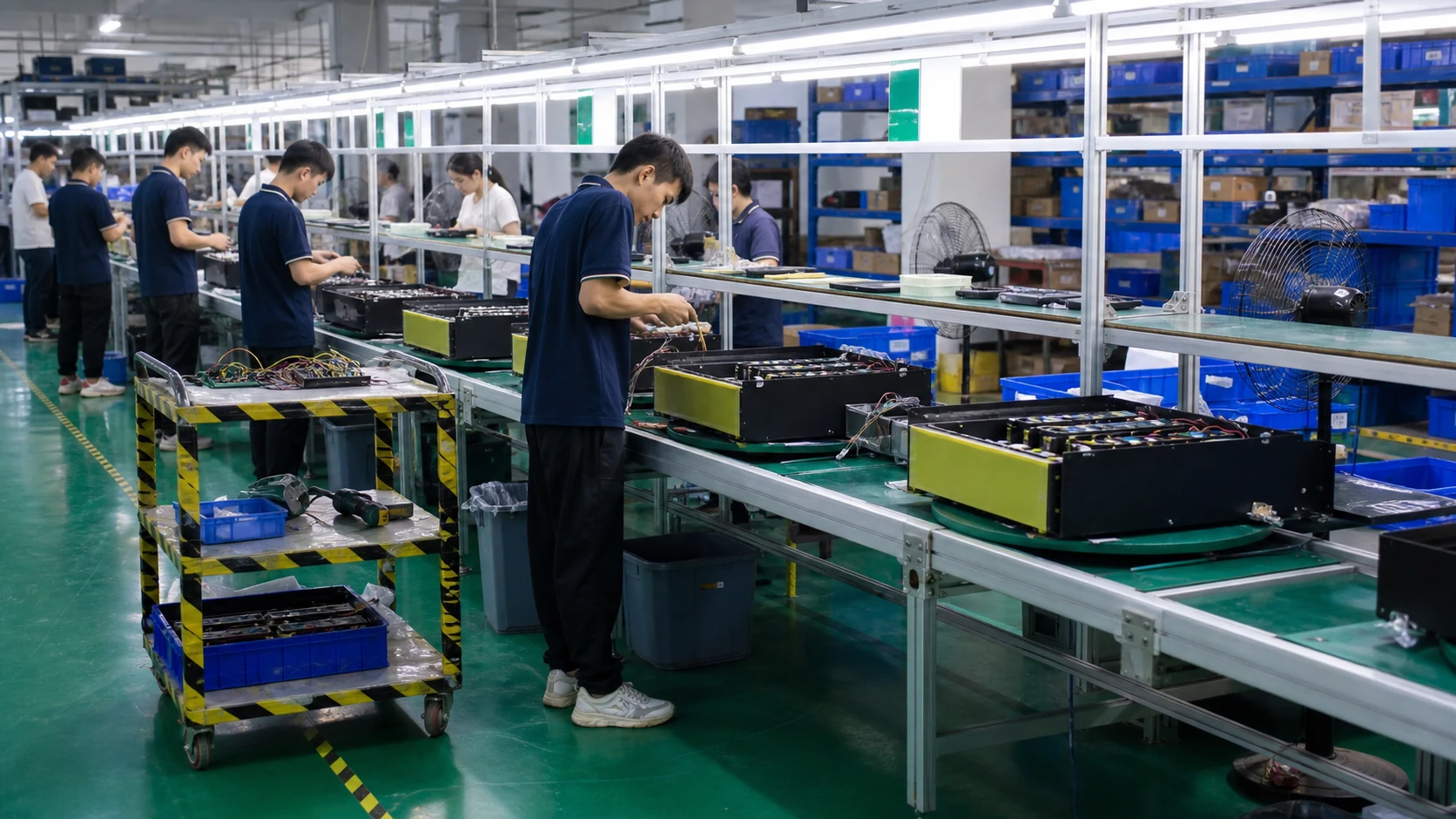
For homeowners, installers, and distributors looking for modular lithium iron phosphate (LiFePO4) battery solutions, Avepower offers residential energy storage systems designed for backup power, higher self-consumption, and flexible scalability.
Depending on project requirements, buyers can choose wall-mounted, rack-mounted, stackable, vertical, or all-in-one configurations, with support for inverter compatibility, communication protocols, and scalable parallel expansion. This makes it easier to match real household load demands without forcing a one-size-fits-all battery capacity on every home.
Take Control of Your Energy with Avepower!
Reliable home solar battery solutions with OEM/ODM customization and in-house manufacturing, tailored to the needs of distributors, installers, and energy partners.
Are Home Energy Storage Systems Still Worth Investing In 2026?
For the right buyers, the answer is yes. If you frequently experience power outages, operate under time-of-use tariffs, receive low solar export compensation, want to increase self-consumption, or have access to local incentives or Virtual Power Plant (VPP) programs, then home battery storage in 2026 can be one of the most practical and economically efficient choices.
In these cases, batteries deliver clear value in both usability and financial return.
However, if your utility still offers generous net metering, outages are rare, and your primary goal is fast payback, then batteries are less compelling. In such situations, solar-only systems may still provide stronger financial returns. But if you value energy resilience, control, and future flexibility, batteries are increasingly becoming a key home energy asset rather than just a backup device.
Conclusion
In 2026, home energy storage systems are no longer just emergency backup solutions. They are about using electricity more strategically, protecting homes from outages, maximizing the value of solar generation, and preparing for a more dynamic and less predictable grid.
The best purchasing decision starts with clearly defining your goals, then working backward to determine the right capacity, power output, system design, and budget.
FAQ
Home battery storage is a system that stores electricity for later use. It can charge from solar panels or from the grid, then supply power at night, during peak-rate periods, or during a blackout.
No. A home battery can work with or without solar panels. Without solar, it can still charge from the grid and help with backup power or time-of-use bill savings.
In 2026, a typical 13.5 kWh home energy storage battery system costs around USD 15,228 before incentives, with an average market price of approximately USD 1,128 per kWh.
For new homeowner-installed residential systems, the federal Residential Clean Energy Credit is not available for property placed in service after December 31, 2025.
Yes, in many cases you can retrofit battery storage to an existing solar system. Whether that is simple or more complex depends on your current inverter design and whether the battery is being added as an AC-coupled or DC-coupled solution.