
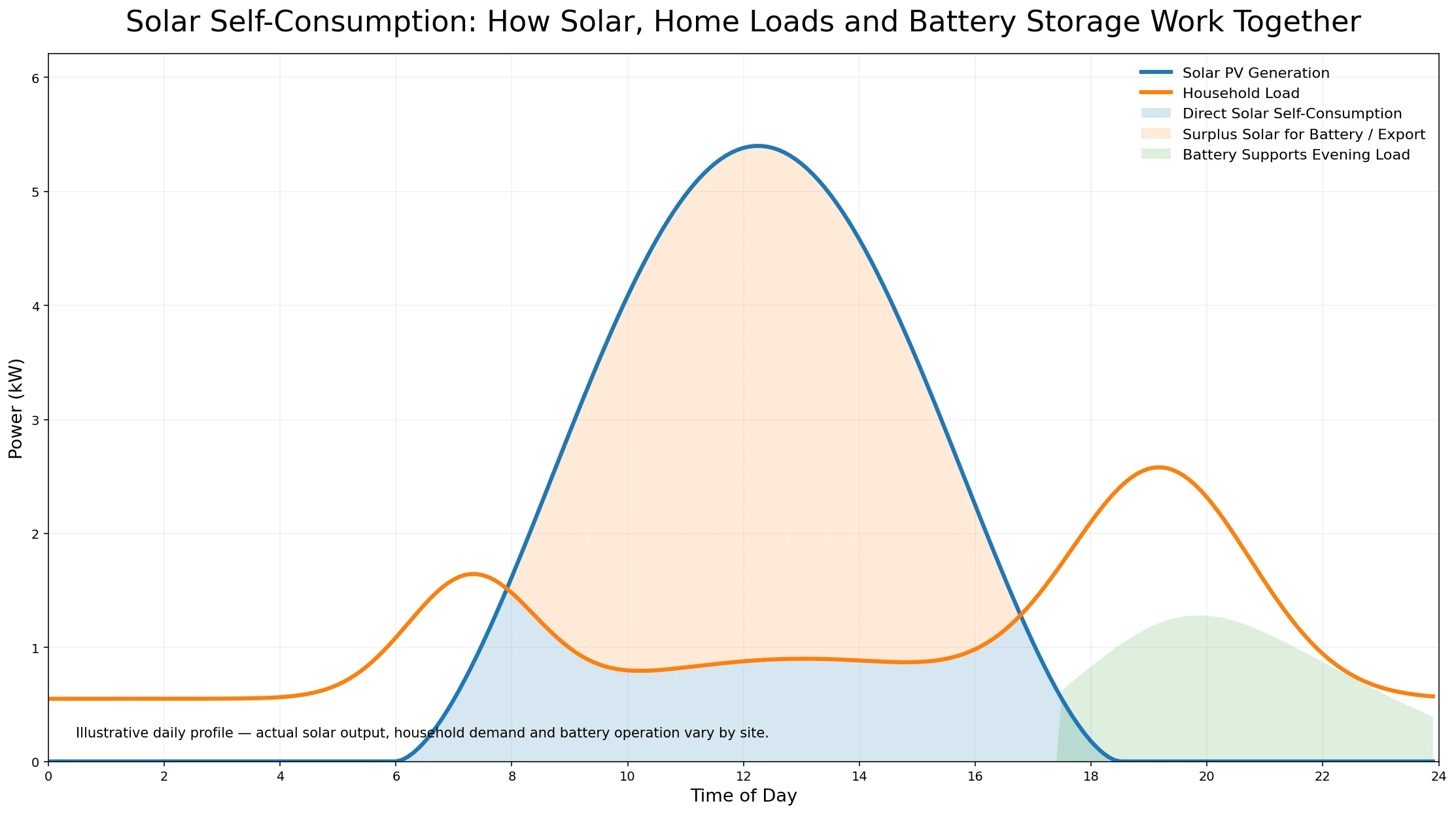
Solar self consumption is the percentage of electricity generated by your solar system that is used on-site instead of being exported to the grid. For most systems, the goal should not simply be 100% self-consumption—it should be maximizing the financial and energy value of every solar kWh.
Solar electricity can normally take three paths: it can power loads immediately, charge a battery for later use, or be exported to the grid. Increasing the amount used on-site can reduce grid imports and becomes particularly valuable where retail electricity costs substantially more than exported solar earns.
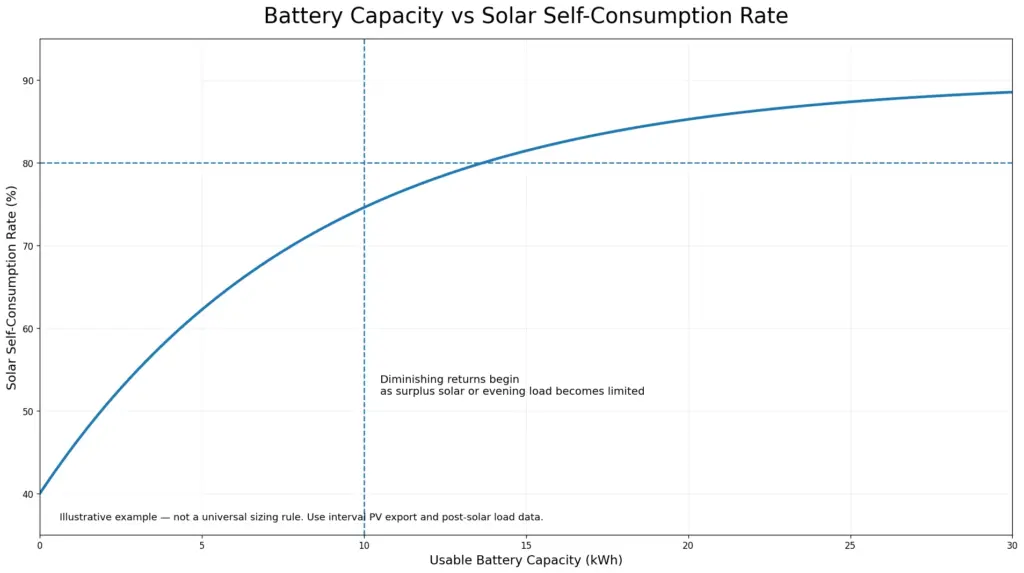
Battery storage can increase solar self consumption by moving surplus midday generation into evening and nighttime demand. But battery capacity, inverter power, round-trip efficiency, export tariffs, time-of-use rates and backup reserve all affect whether adding storage actually improves project economics.
This guide explains how to calculate solar self consumption correctly, distinguish it from self-sufficiency, determine what rate is realistic, size a solar battery and decide when maximizing self-consumption does—or does not—make sense.
What Is Solar Self Consumption?
Solar self consumption means using electricity generated by a photovoltaic system at the same property rather than exporting that electricity to the utility grid. It can happen instantly or after surplus solar has first been stored in a battery.
Consider a home producing 5kW from its solar array at noon while household loads consume 2kW.
The first 2kW supplies the home directly.
The remaining 3kW can:
- charge a battery;
- power a flexible load such as an EV or water heater;
- be exported to the grid; or
- in an export-limited system, potentially be curtailed.
How Does Solar Self Consumption Work With and Without a Battery?
Without battery storage, solar can only be self-consumed while generation and electrical demand occur at the same time; with storage, surplus daytime generation can be shifted into evening or nighttime demand.
A typical grid-connected solar system without storage follows:
Solar → House Loads → Grid Export
When solar production exceeds demand, surplus electricity leaves the property.
A solar-plus-storage system instead follows:
Solar → House Loads → Battery → Grid Export
Later:
Battery → House Loads → Grid Import if Required
How Do You Calculate the Solar Self-Consumption Rate?
The solar self-consumption rate is calculated by dividing the solar energy used on-site by total PV generation and multiplying by 100. For accurate results, use interval-level generation and consumption data whenever possible because annual generation and annual demand do not show whether the two occurred at the same time.
The basic formula is:
Solar Self-Consumption Rate (%) = Solar Energy Used On-Site ÷ Total Solar Generation × 100
If you have reliable export data:
Self-Consumed Solar = PV Generation − Solar Export
Therefore:
Self-Consumption Rate = (PV Generation − Export) ÷ PV Generation × 100
Simple Example
Assume a residential solar system produces:
800kWh in one month
and exports:
480kWh
Then:
Self-consumed solar = 800 − 480 = 320kWh
Therefore:
320 ÷ 800 × 100 = 40%
The household’s solar self-consumption rate is:
40%
and its solar export rate is:
60%
Why Interval Data Is Better
Annual totals can be misleading.
Suppose a house consumes 6,000kWh per year and the solar system also generates 6,000kWh.
That does not mean the house is 100% solar powered.
The PV system may generate excess electricity around midday while much of the home’s consumption occurs after sunset.
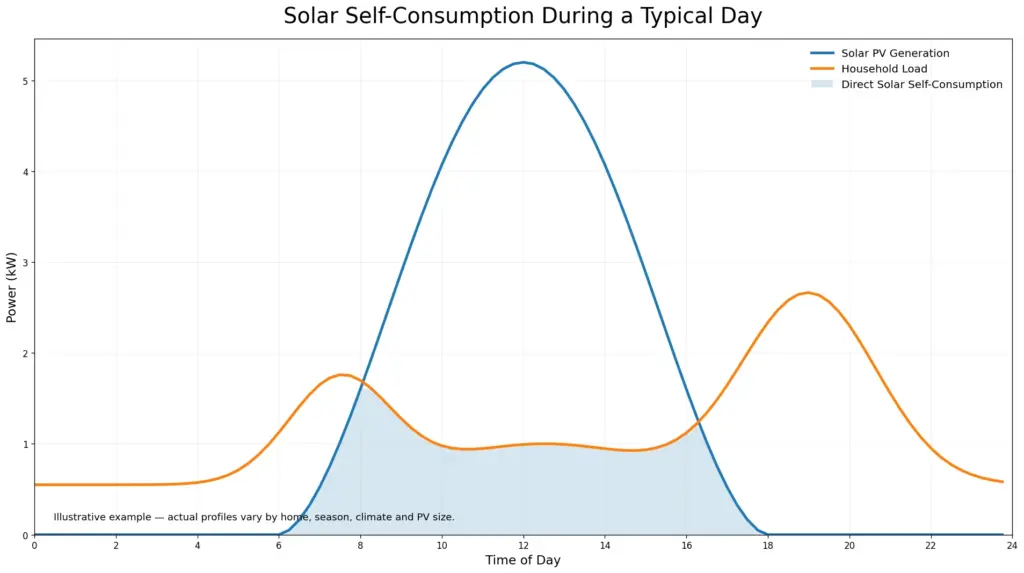
For each interval:
Direct Solar Consumption = MIN(PV Generation, Load)
For example:
| Time | PV Generation | Home Demand | Direct Solar Use | Export | Grid Import |
|---|---|---|---|---|---|
| 10:00–11:00 | 3.0kWh | 1.8kWh | 1.8kWh | 1.2kWh | 0 |
| 11:00–12:00 | 4.2kWh | 2.0kWh | 2.0kWh | 2.2kWh | 0 |
| 18:00–19:00 | 0.5kWh | 3.0kWh | 0.5kWh | 0 | 2.5kWh |
Fifteen-minute, 30-minute or hourly data produces a much more useful system model than comparing annual totals.
What Are the Advantages and Limitations of Solar Self Consumption?
Solar self-consumption can reduce grid purchases and improve the value captured from rooftop PV, but maximizing the ratio can require additional equipment and does not automatically guarantee the shortest payback. The objective should be the best whole-system outcome rather than the highest self-consumption percentage on a monitoring dashboard.
| Advantages | Limitations |
|---|---|
| Reduces grid electricity purchases | High percentage does not equal energy independence |
| Captures more value from PV where export rates are low | Batteries add capital cost |
| Can reduce peak-price imports | Storage introduces energy losses |
| Supports energy independence | Battery sizing requires load data |
| Works with smart EV/HVAC/load control | 100% may be economically unnecessary |
| Batteries can provide backup simultaneously | Inverter/BMS compatibility matters |
| Reduces solar export or curtailment | Seasonal solar variation remains |
This is why financial analysis should look at:
self-consumption + self-sufficiency + tariff savings + backup value + lifecycle cost
rather than one metric alone.
What Is the Difference Between Solar Self Consumption and Self-Sufficiency?
Self-consumption measures how much of your solar production stays on-site, while self-sufficiency measures how much of your total electricity demand is supplied by your own solar and stored solar energy. They answer two different questions.
| Metric | Question | Formula |
|---|---|---|
| Self-Consumption Rate | How much solar do I keep? | Self-consumed solar ÷ total solar production |
| Self-Sufficiency Rate | How much of my electricity demand do I supply myself? | Solar-supplied consumption ÷ total electricity demand |
| Export Rate | How much solar leaves the site? | Solar export ÷ total solar production |
| Grid Dependency | How much demand still comes from the grid? | Grid import ÷ total consumption |
Consider the earlier example.
Solar generation:
7,200kWh
Self-consumed solar:
2,880kWh
Household electricity demand:
6,000kWh
Self-consumption is:
2,880 ÷ 7,200 = 40%
But self-sufficiency is:
2,880 ÷ 6,000 = 48%
So the system has:
40% solar self-consumption
but:
48% self-sufficiency.
This distinction matters because 100% solar self-consumption does not mean a home is energy independent.
A very small PV system may have 100% self-consumption simply because the house always consumes more electricity than the panels produce.
How Much Can a Battery Add to the Value of Solar Self Consumption?
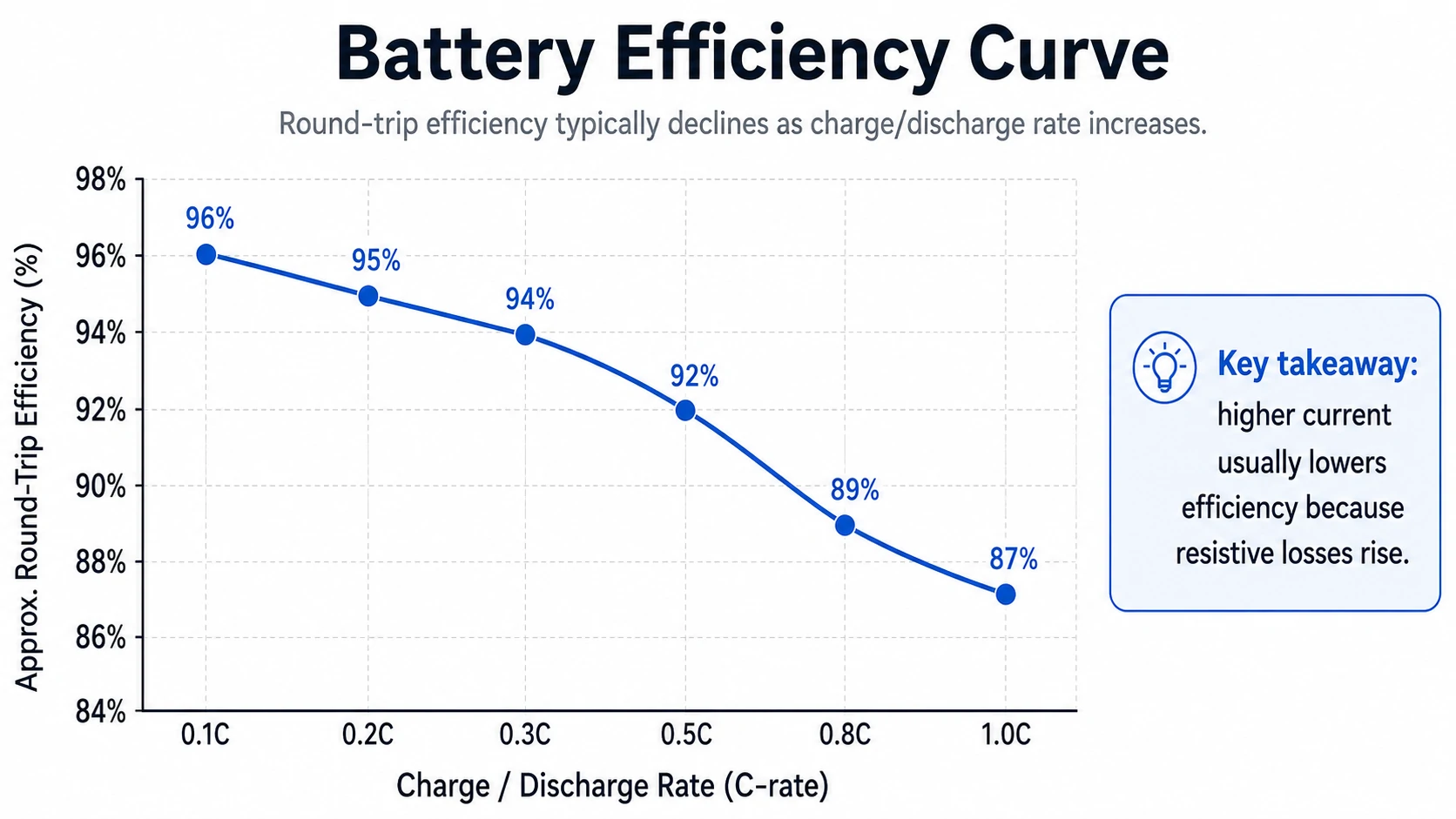
A battery creates value by converting exported daytime solar into usable electricity later, but the calculation must include round-trip losses and the export revenue that is sacrificed when the battery charges.
Consider:
Solar energy diverted from export to a battery:
2,000kWh/year
Retail electricity price:
$0.30/kWh
Export credit:
$0.08/kWh
Battery system round-trip efficiency:
90%
Energy returned to the home:
2,000 × 0.90 = 1,800kWh
Avoided grid purchase:
1,800 × $0.30 = $540
Lost export revenue:
2,000 × $0.08 = $160
Approximate incremental energy value:
$540 − $160 = $380/year
That is: $380/year before battery degradation, financing, installation cost and other operating considerations.
Battery efficiency also matters. For a deeper explanation, see Avepower’s battery efficiency guide.
How Can You Increase Solar Self Consumption Without a Battery?
The lowest-cost way to increase solar self-consumption is to move flexible electricity demand into the hours when PV output is highest before purchasing additional storage hardware.
Practical loads that can often be shifted include:
- washing machines;
- dishwashers;
- tumble dryers;
- EV charging;
- pool pumps;
- electric water heating;
- heat pumps;
- pre-heating or pre-cooling;
- irrigation pumps;
- some commercial processes.
Instead of running a dishwasher at 8 p.m., for example, schedule it for midday.
Likewise, an EV parked at home during the day can absorb several kilowatt-hours of surplus solar that might otherwise be exported.
Smart relays, energy management systems and controllable chargers can automate these decisions.
When Load Shifting Works Best
Load shifting works particularly well when:
- flexible loads already exist;
- somebody is home during daylight hours;
- EV charging is available during the day;
- electric hot water can be scheduled;
- a business operates mainly during solar hours.
When It Is Limited
It is less effective when:
- most demand occurs after sunset;
- household loads cannot be rescheduled;
- the solar system produces much more than daytime demand;
- export limits create large midday surplus.
That is when battery storage becomes more relevant.
How Do You Size a Battery for Solar Self Consumption?
For self-consumption, battery capacity should normally be matched to the smaller of two quantities: the amount of solar energy regularly exported during the day and the electricity demand that occurs after solar production falls.
Start with:
Daily Solar Surplus
and:
Evening + Overnight Load
Then estimate:
Target Stored Energy ≈ MIN(Daily Solar Surplus, Post-Solar Load)
Battery Sizing Example
Suppose smart-meter data shows:
Average usable daytime solar surplus:
8.5kWh/day
Electricity demand from late afternoon until the next solar window:
6.8kWh/day
Because:
MIN(8.5, 6.8) = 6.8kWh
approximately 6.8kWh must reach the AC loads.
Assume:
Battery/inverter discharge-path efficiency:
92%
Usable battery fraction:
90%
Required nominal battery capacity is approximately:
6.8 ÷ 0.92 ÷ 0.90
≈ 8.2kWh
An 8–10kWh-class battery would therefore be a reasonable starting range.
What If You Keep Backup Reserve?
Suppose only 70% of nominal capacity is made available for normal self-consumption because the rest is retained for outages.
Then:
6.8 ÷ 0.92 ÷ 0.70
≈ 10.6kWh
A roughly 10–12kWh battery would now be a more appropriate starting point.
When Is Solar Self Consumption Most Valuable?
Solar self-consumption is most valuable when solar export compensation is low, grid electricity is expensive, evening demand is significant and enough surplus PV is available to charge flexible loads or storage regularly.
- Low Export Tariffs: If imported electricity costs substantially more than exported solar earns, keeping solar energy on-site has clear economic value.
- Time-of-Use Electricity Pricing: Stored solar can be discharged during expensive evening tariff periods.
- Export Restrictions: Battery storage can absorb generation that might otherwise be curtailed.
- High Evening Loads: Homes with cooking, cooling, heating or entertainment demand after sunset can use stored solar effectively.
- EV Ownership: Daytime EV charging can increase direct consumption without necessarily requiring stationary storage.
- Commercial Daytime Loads: Offices, hotels, shops and some manufacturing facilities naturally align electricity demand with solar generation.
Which Battery Size Fits Different Solar Self Consumption Goals?
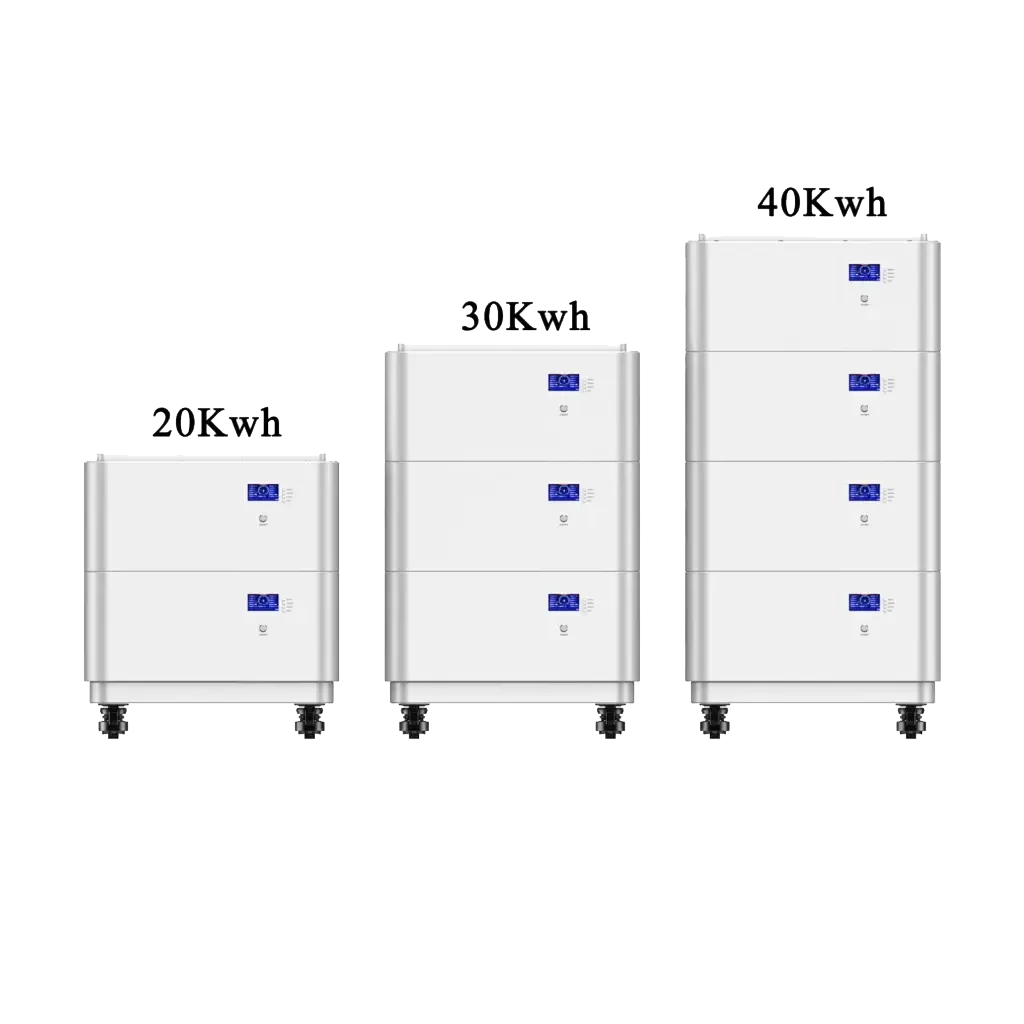
Battery selection should follow actual exported solar and after-sunset demand, but 5–20kWh modular systems provide practical building blocks for many residential self-consumption projects and can be expanded where larger loads justify additional storage.
For example:
| Project Requirement | Possible Starting Direction |
|---|---|
| Small daily solar surplus | 5kWh class |
| 5–10kWh evening demand | 5–10kWh storage |
| Larger family home | 10–16kWh |
| Long evening load / villa | 15–30kWh+ |
| Commercial project | Site-specific interval-data sizing |
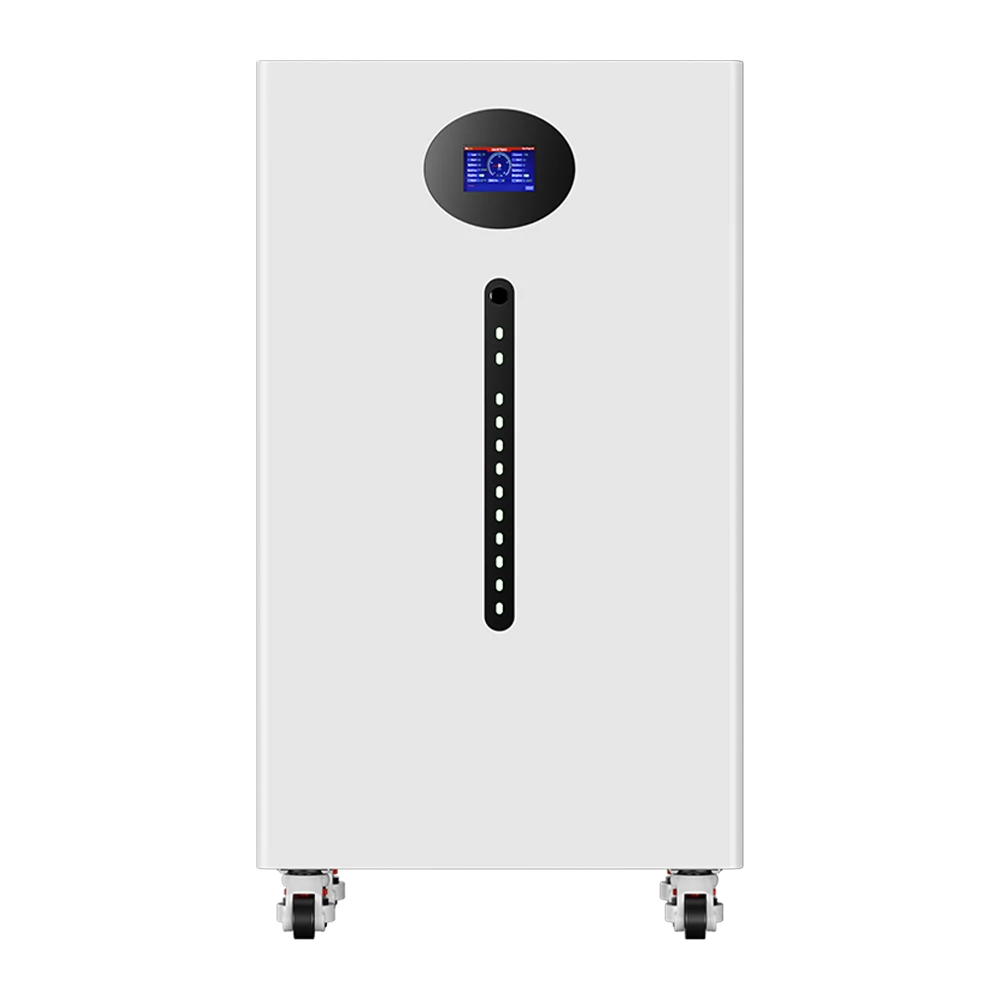
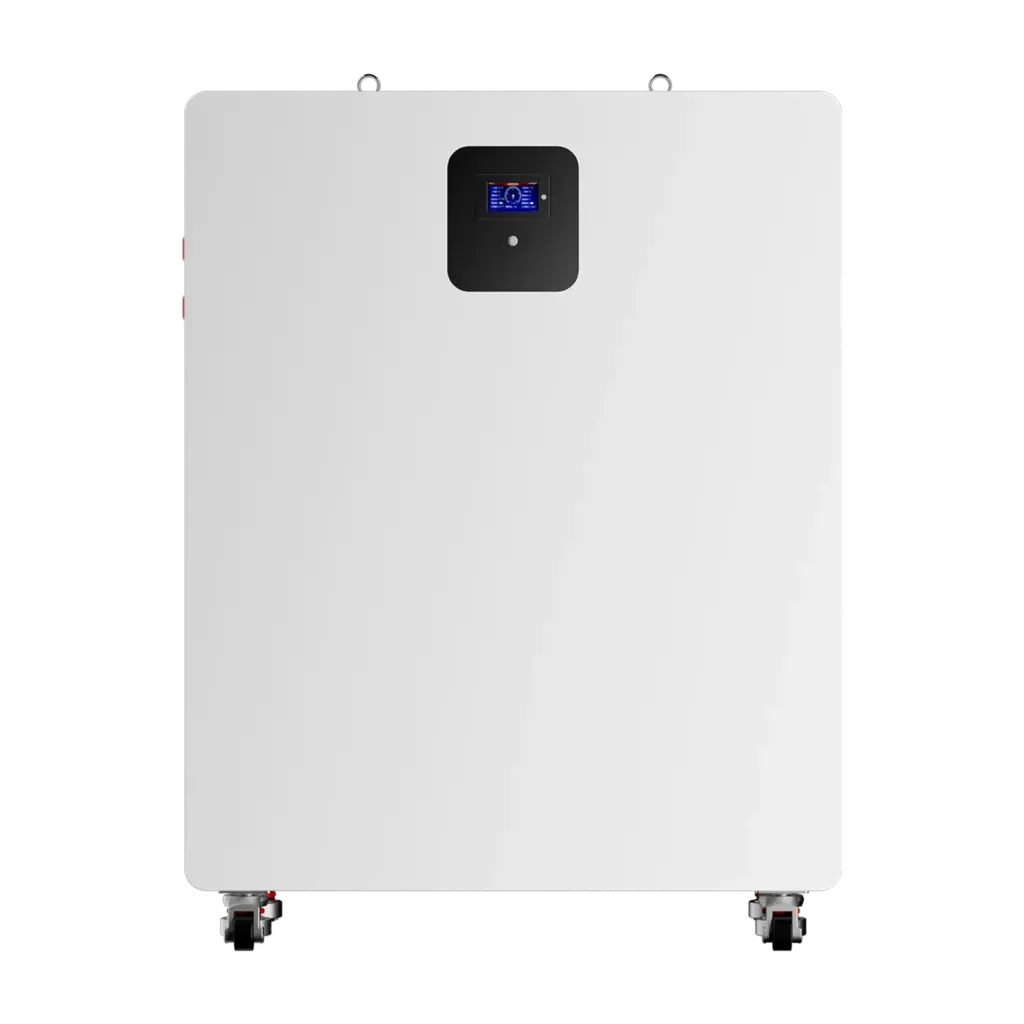
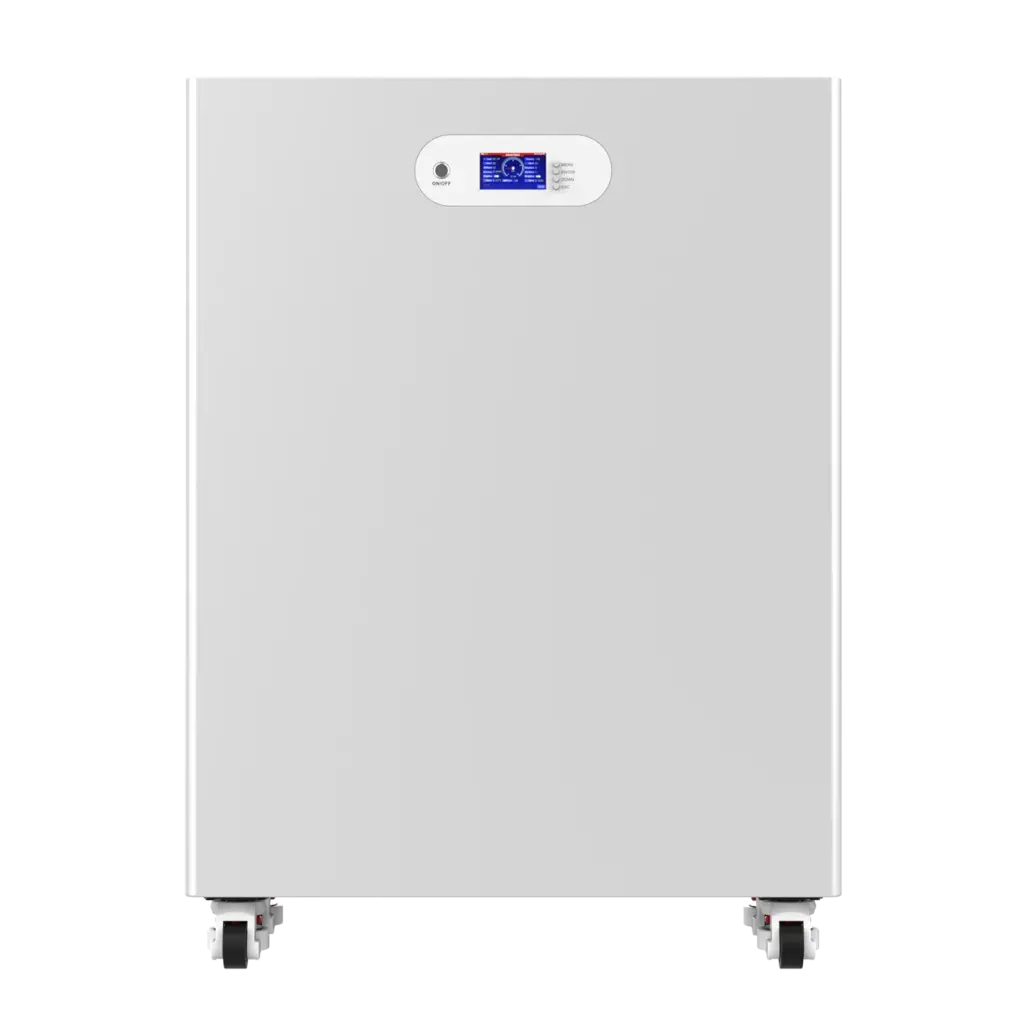
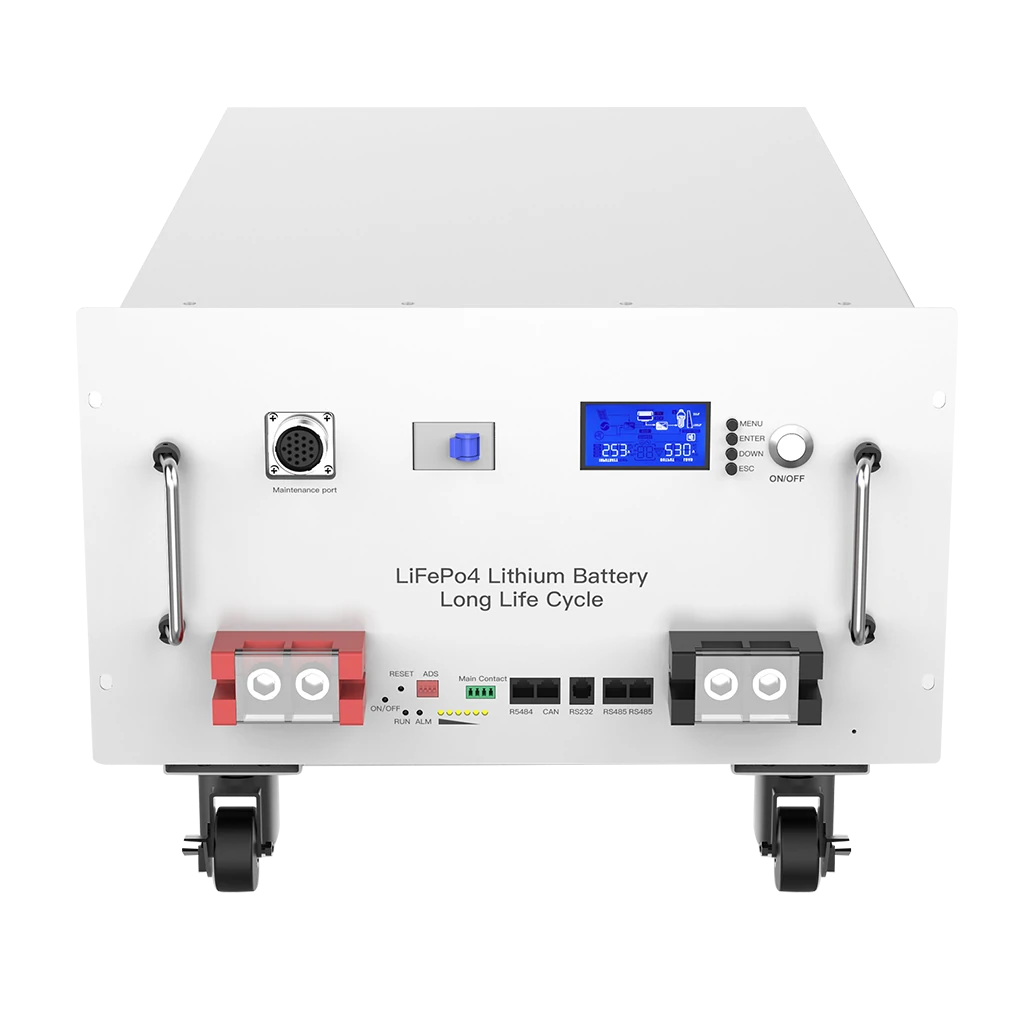
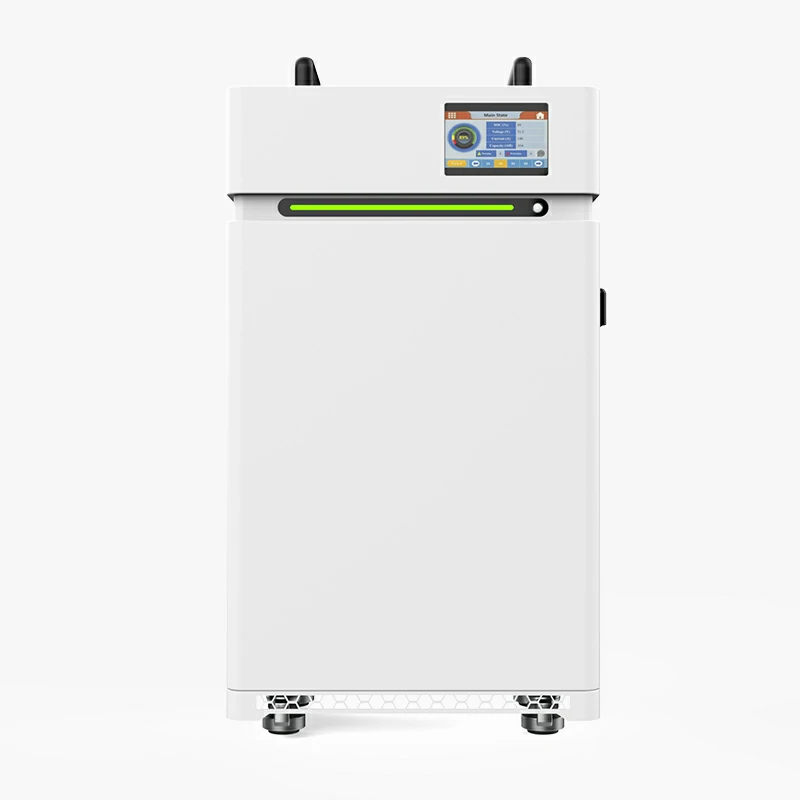
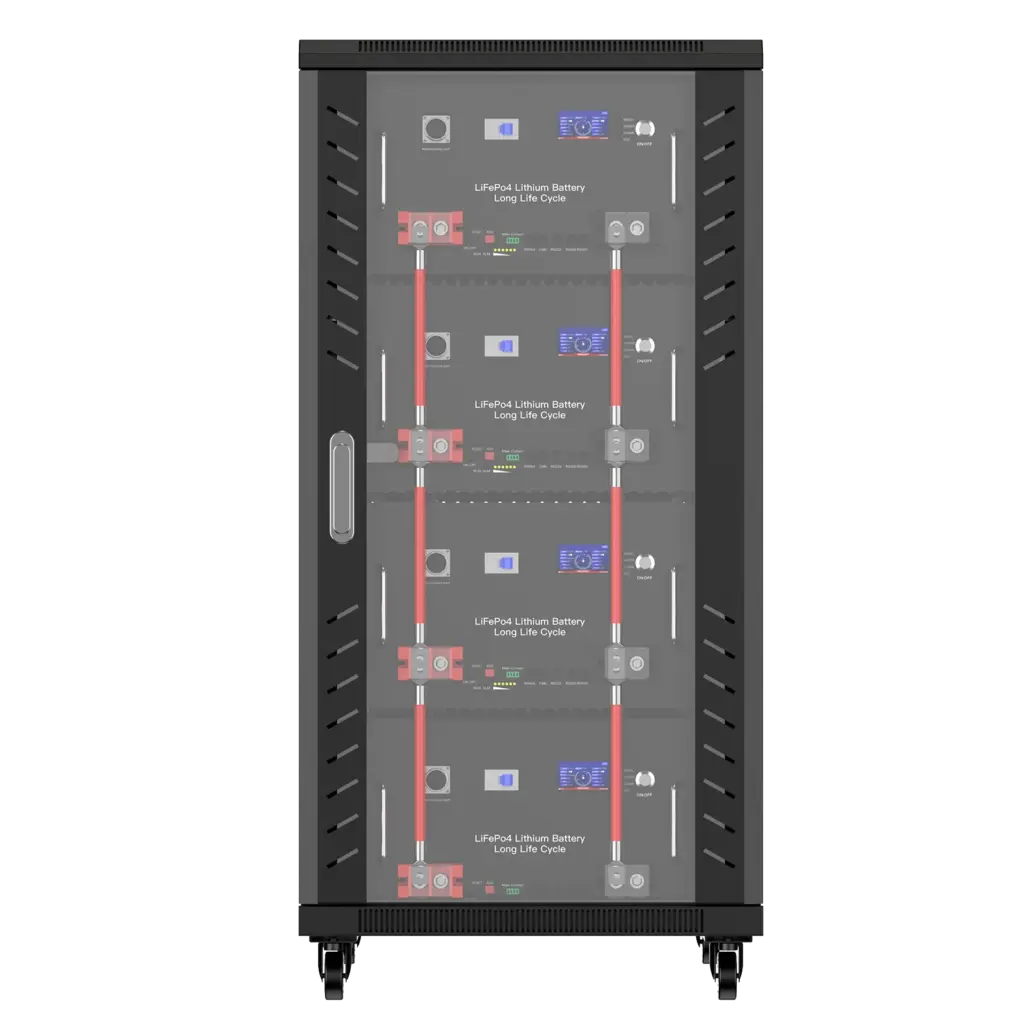
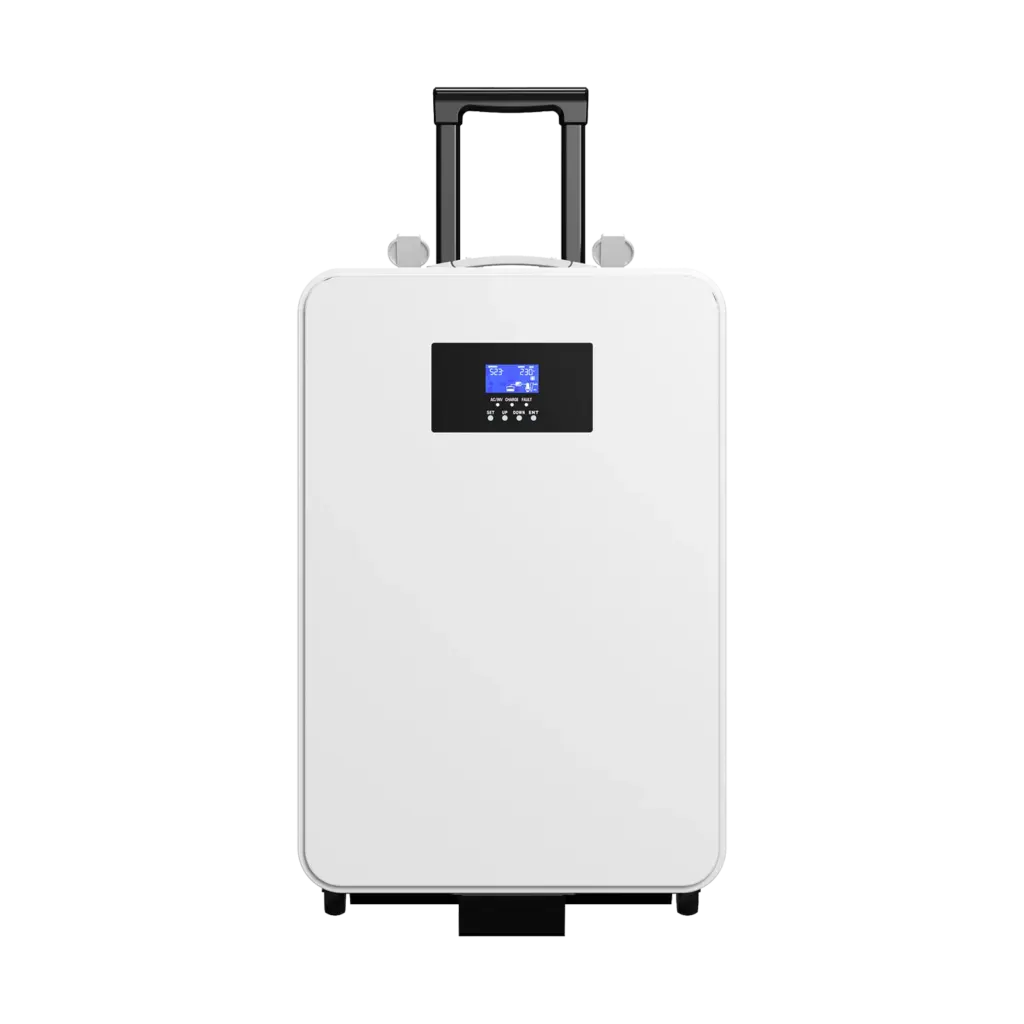
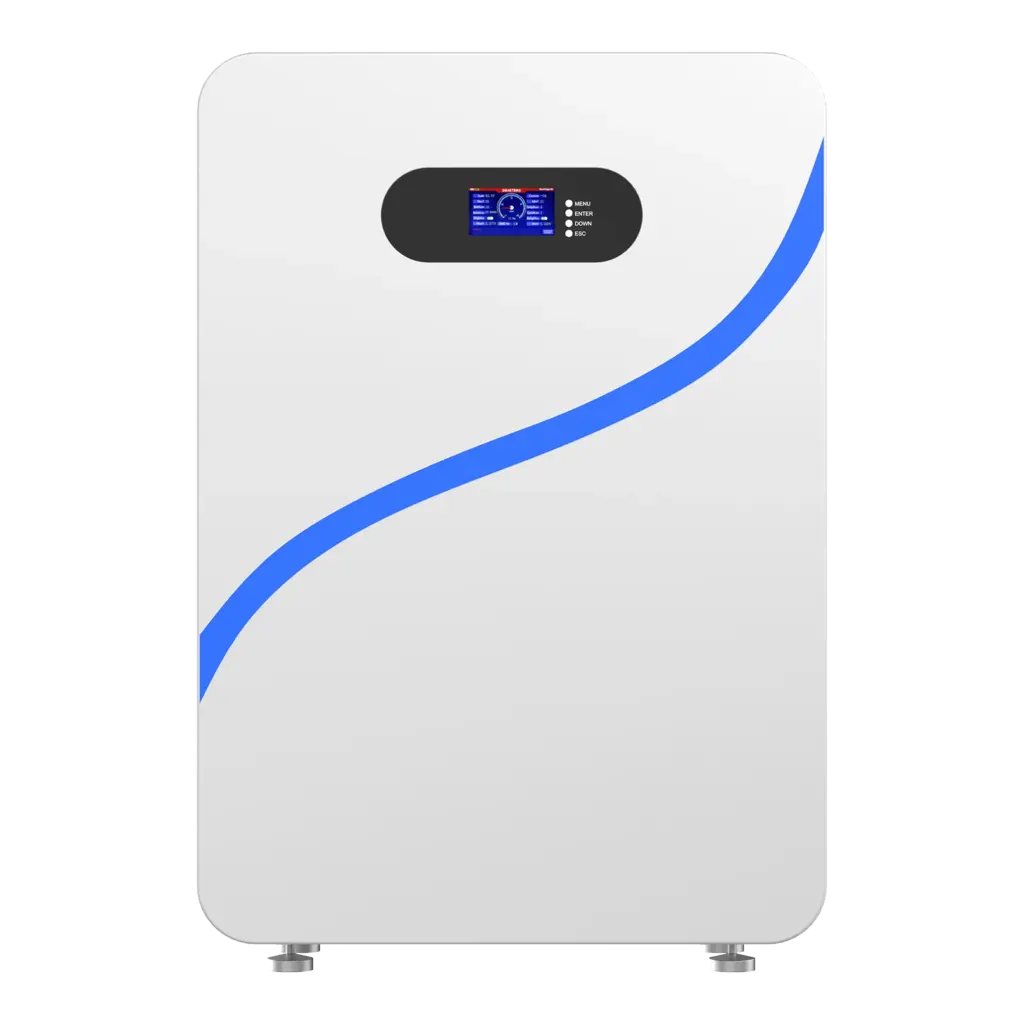
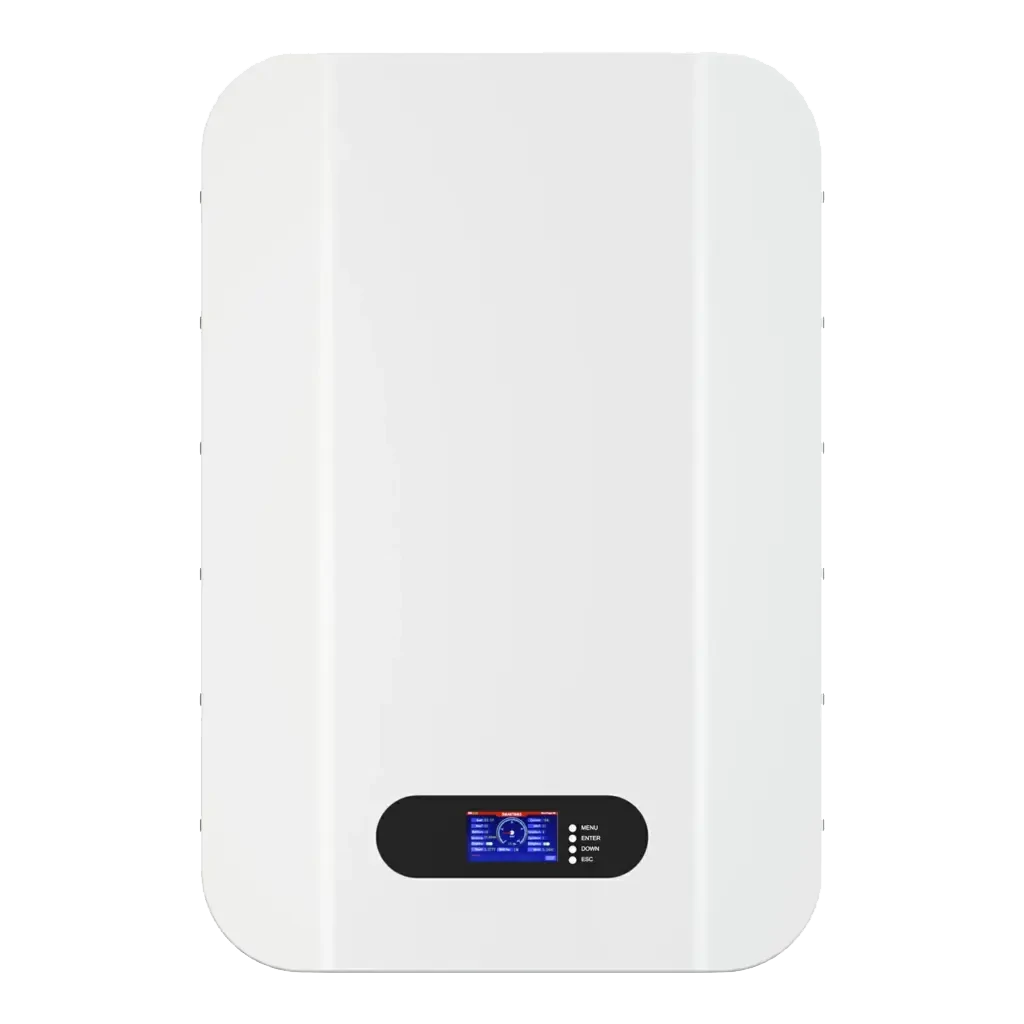
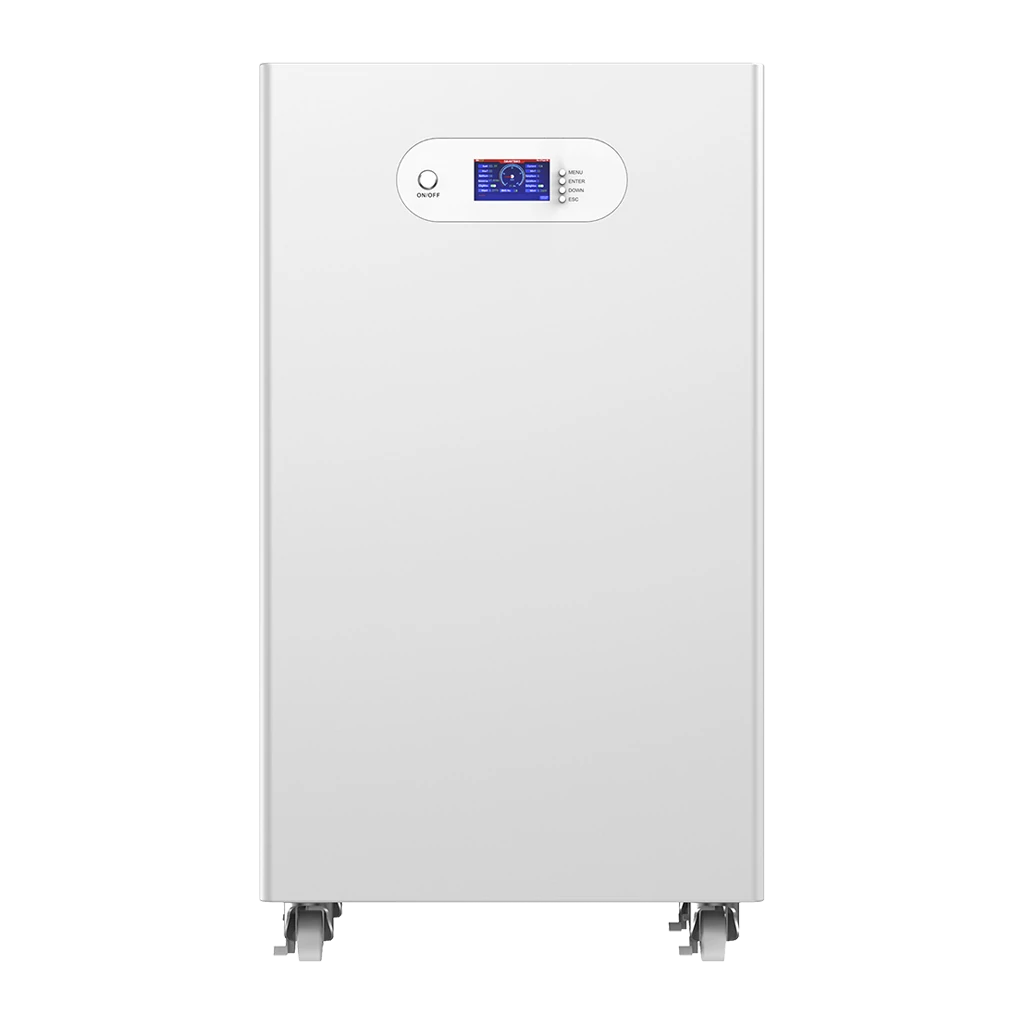
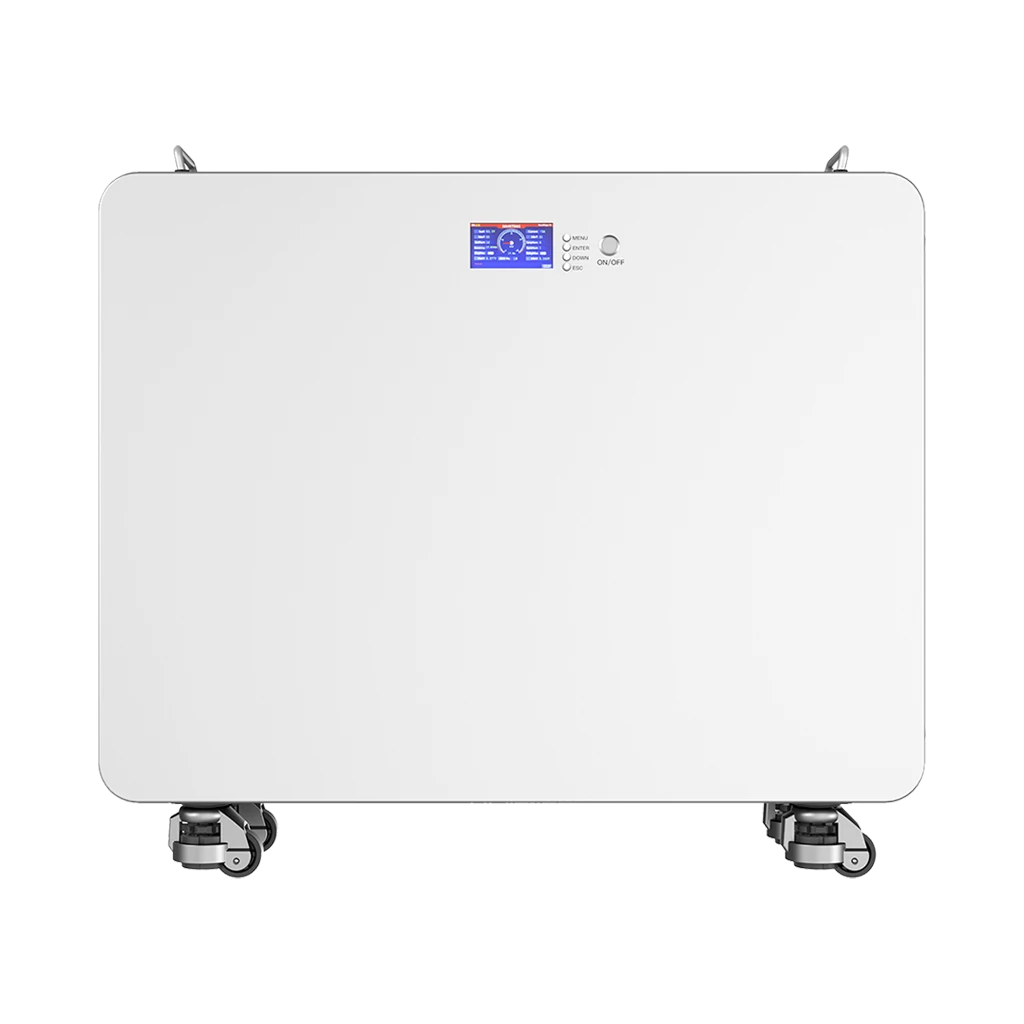
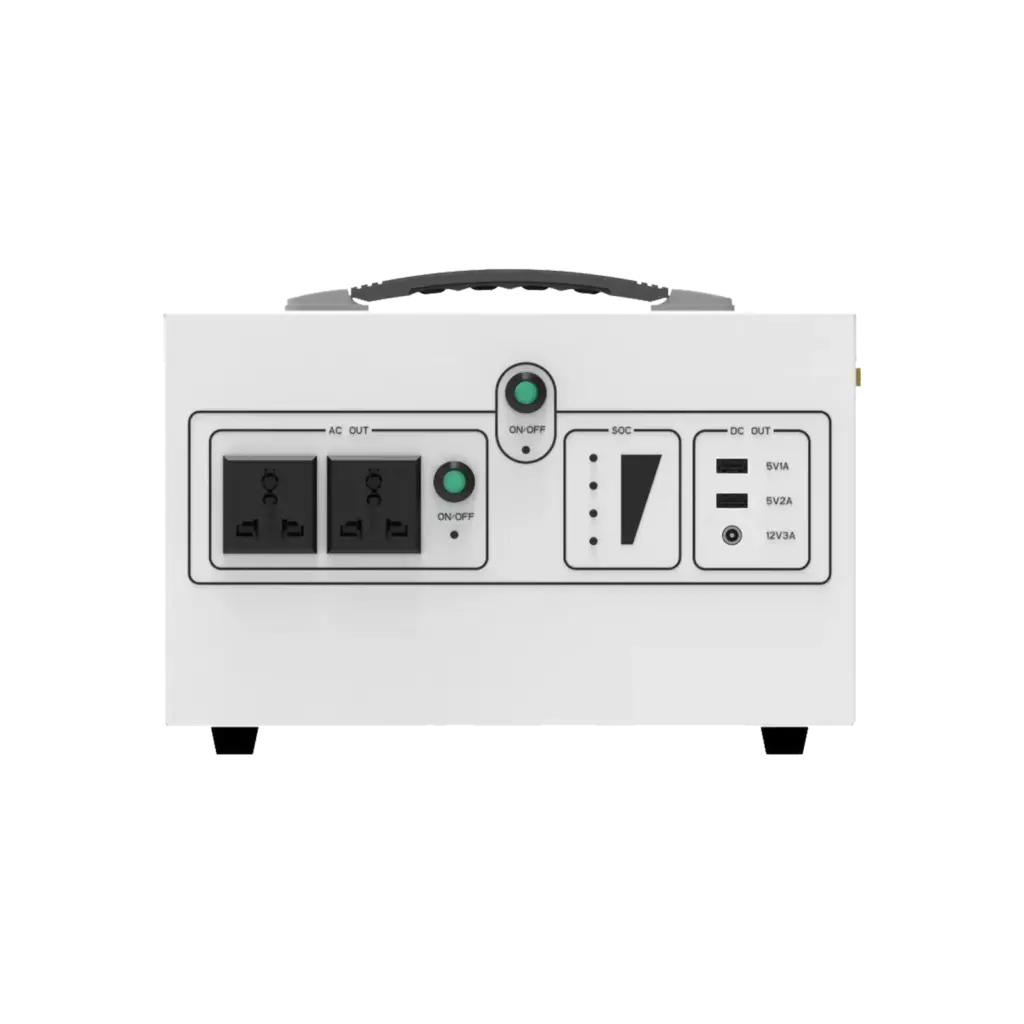
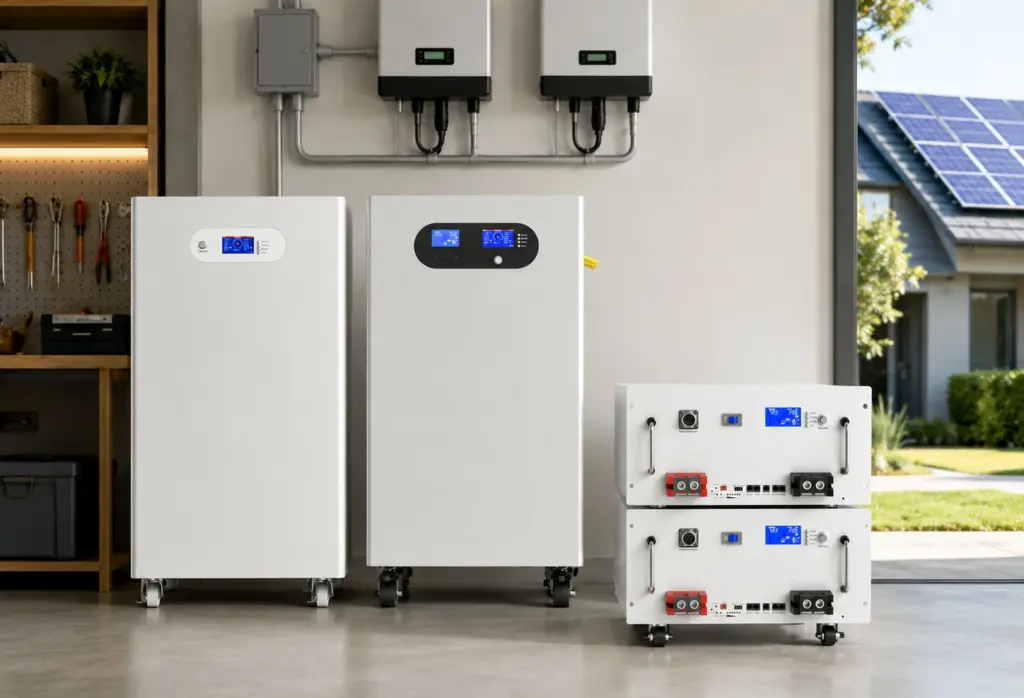
Avepower’s home energy storage systems include wall-mounted, stackable, vertical, rack-mounted and all-in-one LiFePO4 configurations.
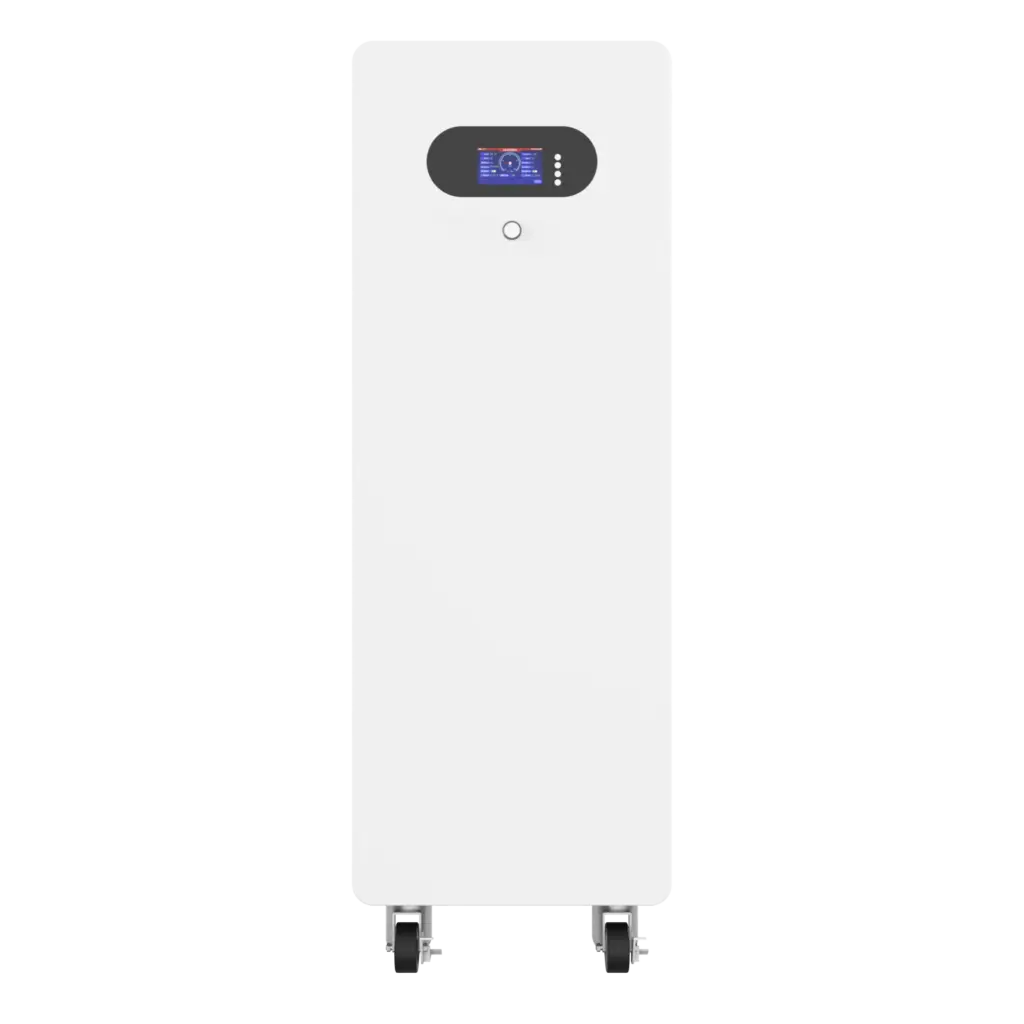
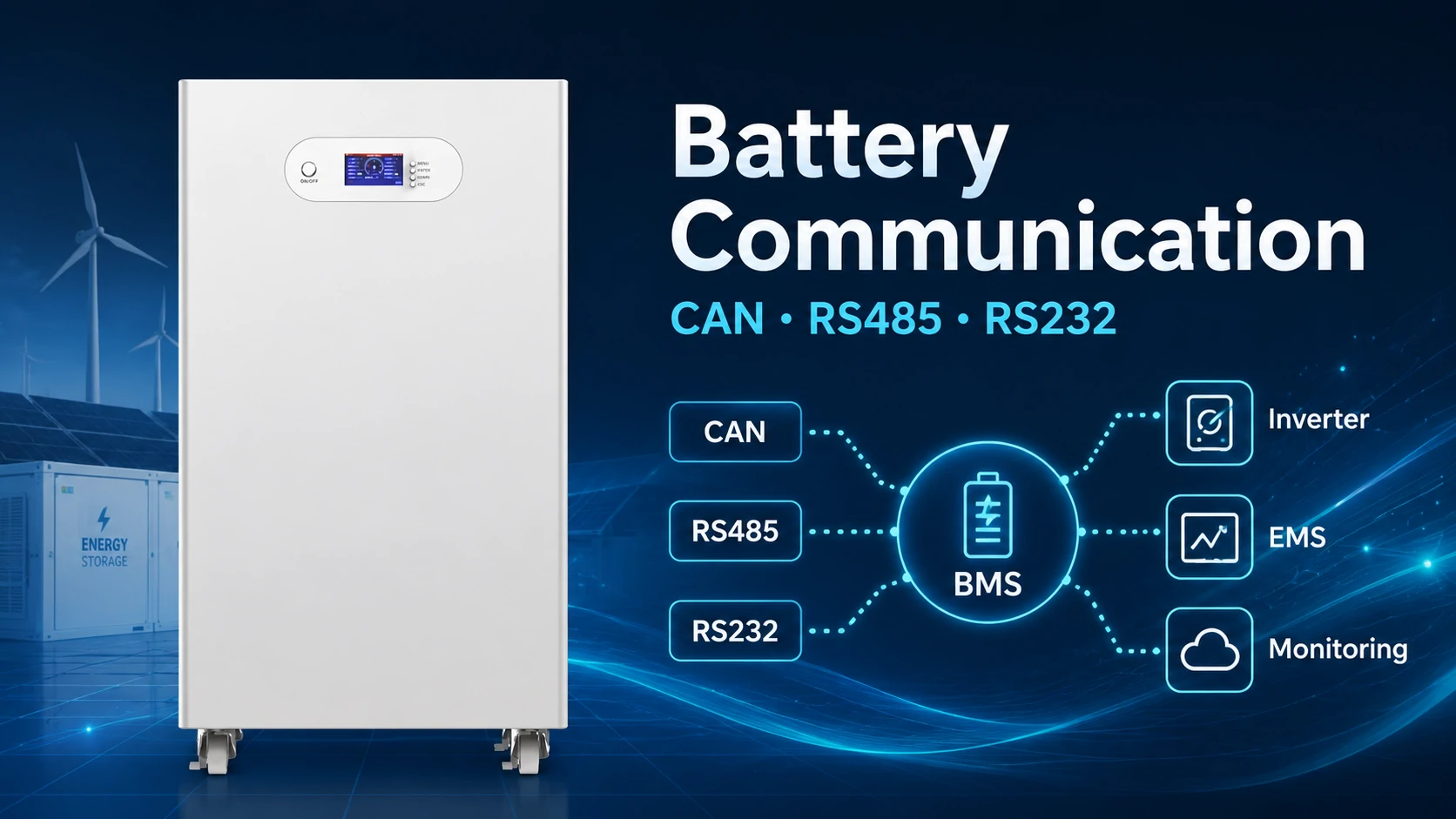
For example, its 51.2V 5.12kWh wall-mounted battery provides a compact residential starting point, while the 51.2V 314Ah 16kWh vertical battery supports larger storage requirements with CAN/RS485/RS232 communication and scalable parallel configurations.
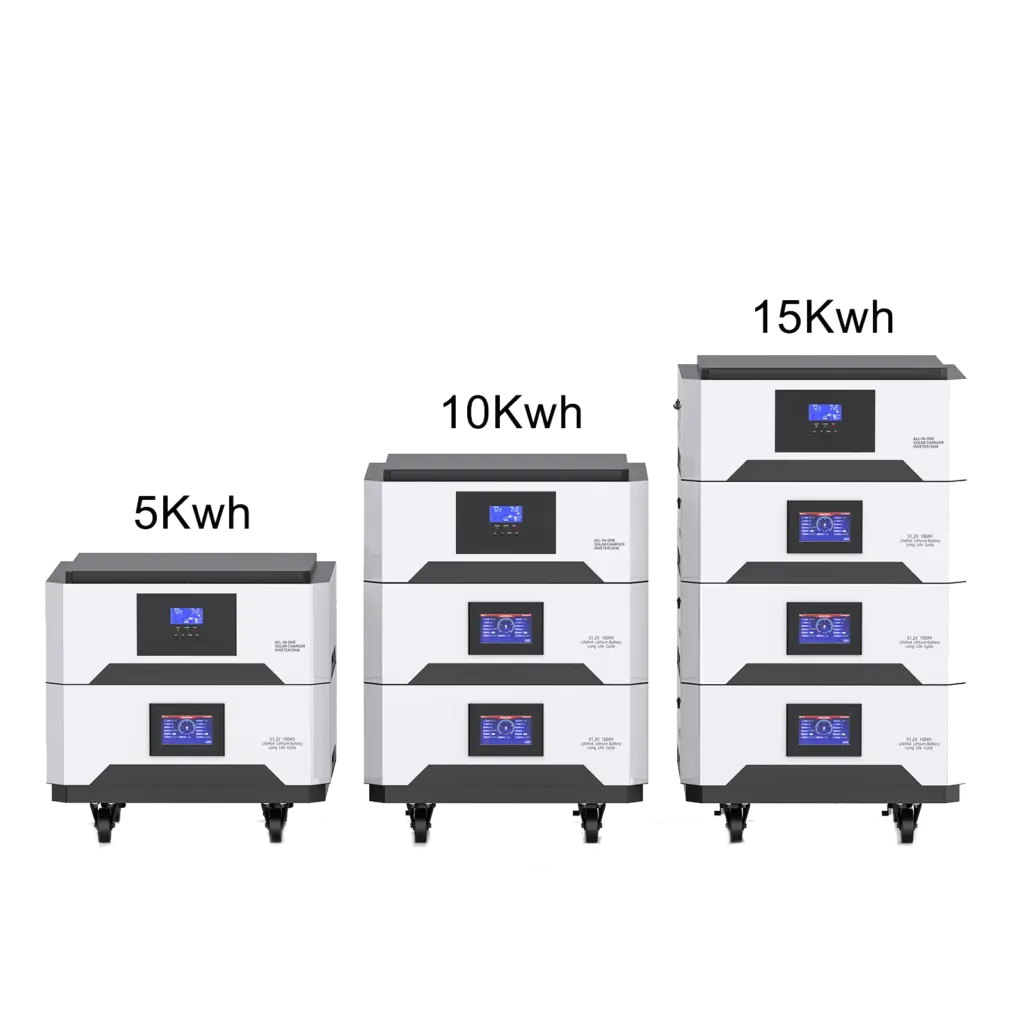
For modular installations, Avepower’s 5kWh, 10kWh and 15kWh stackable battery system allows capacity to be expanded as project requirements increase.
The correct product should still be selected from measured project requirements rather than capacity alone.
Plan a Solar Self-Consumption Battery System with Avepower
A successful solar self-consumption project starts with energy data, not battery capacity.
Avepower works with solar installers, distributors, project developers and OEM/ODM partners to configure LiFePO4 battery systems around PV generation, household load, inverter model, required storage capacity, communication protocol and backup requirements.
Before selecting a battery, send:
Inverter Model + PV Size + Daily Consumption + Typical Solar Export + Required Backup Time + Project Country
The engineering team can then review battery capacity, charge/discharge requirements and inverter compatibility before the project reaches the installation stage.
Explore Avepower Residential Energy Storage Solutions
Check Battery and Inverter Compatibility
View Real Energy Storage Case Studies
Take Control of Your Energy with Avepower!
Reliable home solar battery solutions with OEM/ODM customization and in-house manufacturing, tailored to the needs of distributors, installers, and energy partners.
FAQ
Solar self consumption is the percentage of electricity generated by a solar PV system that is used at the same property instead of being exported to the grid. It can include direct daytime use and solar energy stored in a battery for later consumption
Subtract exported solar energy from total PV production, divide the result by total PV production and multiply by 100. For example, producing 10,000kWh and exporting 6,000kWh results in 40% solar self-consumption.
There is no universal target, although many homes without batteries fall roughly in the 30–50% range while well-matched solar-plus-storage systems can achieve considerably higher levels. PV size, demand profile and tariff structure matter more than a generic benchmark.
Yes, but 100% self-consumption is not necessarily economically optimal. A small PV system may self-consume everything it produces while still purchasing most household electricity from the grid.
Self-consumption measures the share of solar generation used on-site, while self-sufficiency measures the share of total electricity demand covered by your solar and stored solar energy.
Yes. Load shifting is the simplest option. Schedule EV charging, water heating, pool pumps, washing machines, dishwashers and other flexible loads during periods of high solar production.
It depends on the tariff. Self-consumption is usually financially preferable when the retail electricity price avoided is substantially higher than the export credit, but high export payments can change the optimal strategy.