
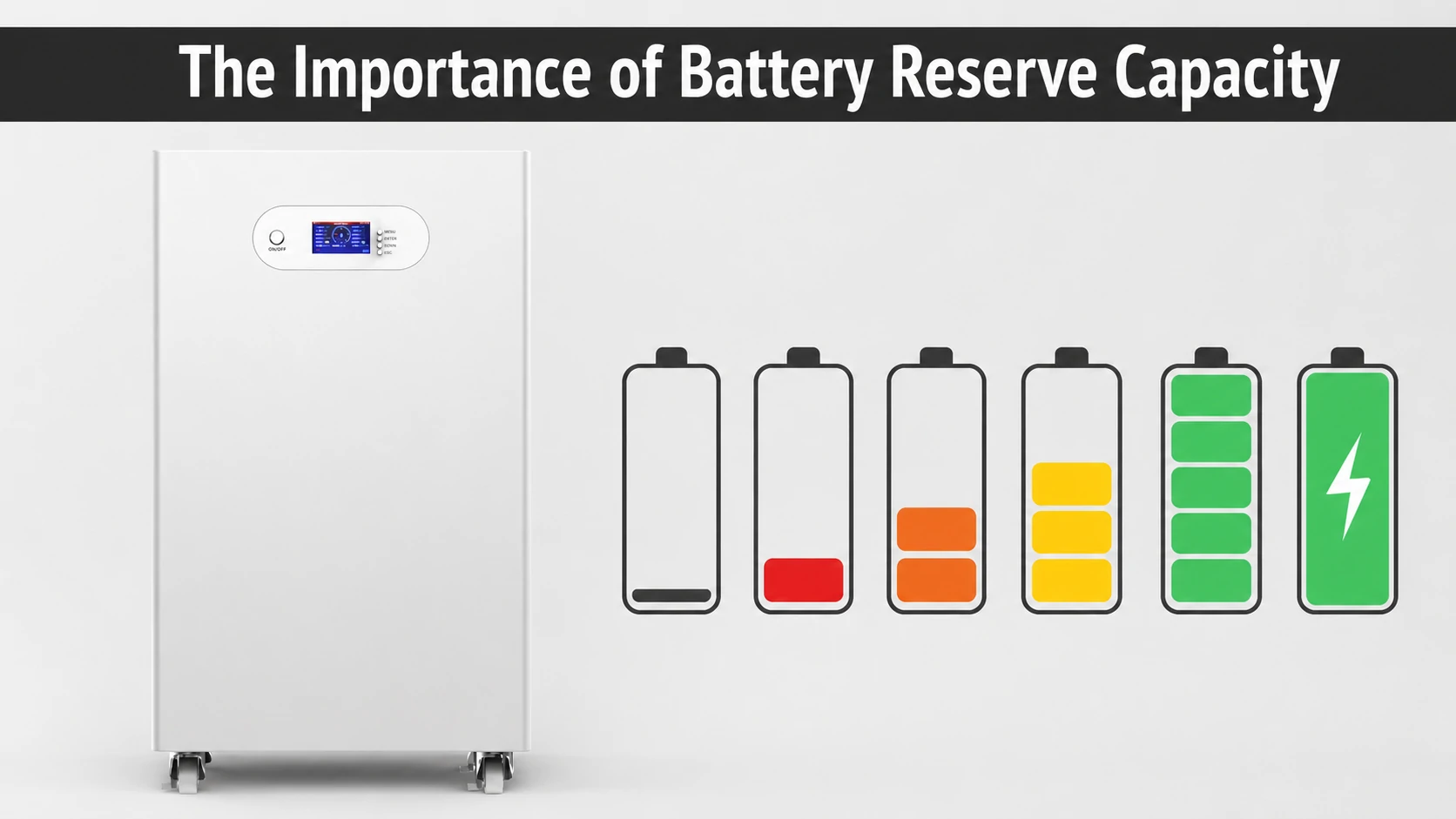
Battery reserve capacity is the number of minutes a fully charged battery can deliver a fixed load before its voltage falls to a defined cutoff point. For standard 12V lead-acid batteries, RC usually means 25 amps at 80°F until the battery reaches 10.5V.
Battery reserve capacity, often shortened to RC, is mainly used to describe how long a battery can keep supplying power under a steady load. If a battery has a reserve capacity of 120 minutes, it can theoretically supply 25 amps for 120 minutes under the standard test condition.
In simple terms, reserve capacity answers this question: how long can the battery keep supporting electrical loads if the charging source is unavailable?
What Does Battery Reserve Capacity Mean?
Battery reserve capacity means sustained backup time, not instant starting power. It tells you how many minutes a fully charged battery can support a 25A load before reaching the standard cutoff voltage.
The common RC test is based on three conditions:
| Test condition | Standard value | What it means |
|---|---|---|
| Battery state | Fully charged | The battery starts at 100% charge. |
| Load current | 25A | A constant current is drawn from the battery. |
| Temperature | 80°F / 26.7°C | Warm standard test condition for comparison. |
| Cutoff voltage | 10.5V for 12V lead-acid | Equivalent to 1.75V per cell. |
| Result | Minutes | The final RC rating. |
For example, if a 12V battery has 150 minutes RC, it can deliver 25A for 150 minutes before dropping to 10.5V under the standard test condition.
Need More Than Reserve Capacity?
Reserve capacity helps compare battery runtime, but solar backup systems should be sized by usable kWh, DoD, inverter output, and real load demand. Avepower can help you choose the right LiFePO4 battery capacity for home or project use.

How Is Battery Reserve Capacity Tested?
Reserve capacity is tested by fully charging the battery, applying a constant 25A load at about 80°F, and recording the minutes until the battery reaches the cutoff voltage.
For a standard 12V lead-acid battery, the cutoff voltage is usually 10.5V. This is the same as 1.75V per cell across six cells.
The test process is simple in concept:
- Fully charge the battery.
- Stabilize it near 80°F / 26.7°C.
- Apply a constant 25A discharge load.
- Continue until voltage reaches 10.5V.
- Record elapsed time in minutes.
The result is the reserve capacity rating.
Example
A battery runs for 100 minutes before reaching 10.5V.
| Item | Value |
|---|---|
| Discharge current | 25A |
| Runtime | 100 minutes |
| Reserve capacity | 100 RC |
| Approximate Ah | 25 × 100 ÷ 60 = 41.7Ah |
This means the battery delivered about 41.7Ah under that specific RC test condition.
Battery Reserve Capacity vs Amp Hours: What Is the Difference?
Reserve capacity measures time under a fixed 25A test load, while amp-hours measure electric charge over time. They are related, but they are not the same battery rating.
Amp-hours, or Ah, describe how much current a battery can theoretically deliver over time. For example, a 100Ah battery could theoretically deliver 5A for 20 hours under a C20 test. RC, by contrast, fixes the current at 25A and measures how many minutes the battery lasts.
| Rating | Measures | Common unit | Best used for |
|---|---|---|---|
| Reserve Capacity | Runtime at 25A | Minutes | Automotive, marine, lead-acid comparison |
| Amp-hours | Electric charge | Ah | Deep-cycle batteries, RV, marine, low-voltage systems |
| Watt-hours | Energy including voltage | Wh | Portable power and lithium batteries |
| Kilowatt-hours | Large energy capacity | kWh | Solar batteries, home storage, BESS |
| CCA | Starting power in cold weather | Amps | Engine starting batteries |
| DoD | Usable discharge window | % | Lithium and solar storage sizing |
| SoC | Remaining charge | % | Battery monitoring and EMS control |
A basic conversion is:
Ah ≈ RC × 25 ÷ 60
Since 25 ÷ 60 = 0.4167:
Ah ≈ RC ÷ 2.4
And the reverse formula is:
RC ≈ Ah × 2.4
This conversion is useful for quick comparison, but it does not include voltage, inverter efficiency, aging, temperature or Peukert effect.
How Do You Convert Reserve Capacity to Amp Hours?
To convert reserve capacity to amp-hours, multiply reserve minutes by 25 amps, then divide by 60. This gives an approximate Ah value under the same 25A discharge condition.
Formula
Ah = RC minutes × 25A ÷ 60
Example: 120 Reserve Capacity to Ah
| Step | Calculation | Result |
|---|---|---|
| RC rating | 120 minutes | 120 RC |
| Current | 25A | 25A |
| Ah conversion | 120 × 25 ÷ 60 | 50Ah |
| Approx. nominal Wh at 12V | 50Ah × 12V | 600Wh |
So a 120 RC battery is approximately 50Ah under the standard reserve capacity test.
However, this does not mean you should plan to use the full 600Wh in every real application. If the battery is lead-acid, deep discharge can reduce life. If the battery powers AC appliances through an inverter, conversion losses reduce usable AC energy.
For solar battery sizing, Avepower’s battery capacity guide recommends comparing batteries by Wh or kWh, because voltage must be included to understand real stored energy. The guide gives a practical example: 51.2V × 314Ah = 16,076.8Wh, or about 16.08kWh.
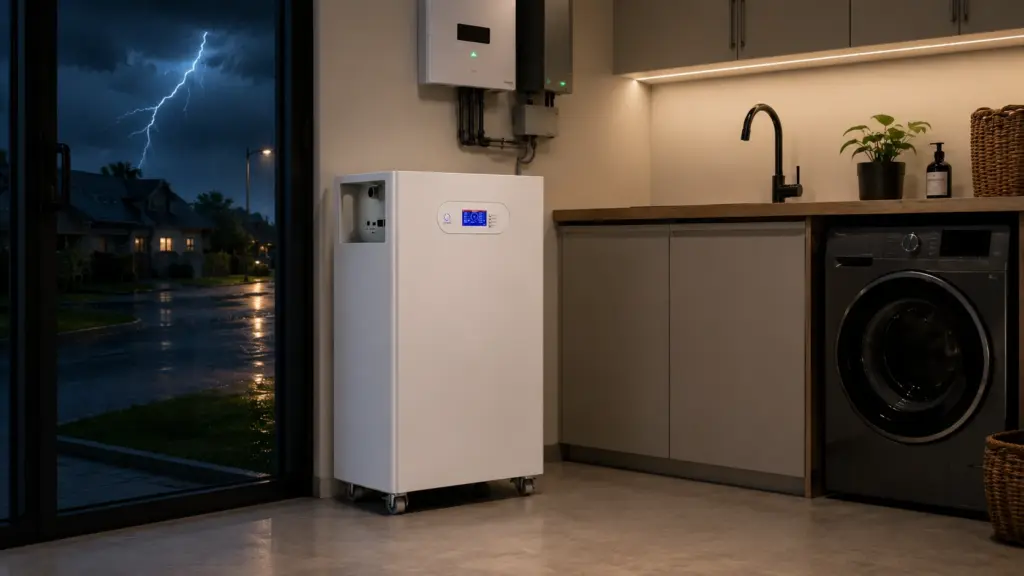
Plan Your Backup Runtime with LiFePO4 Storage
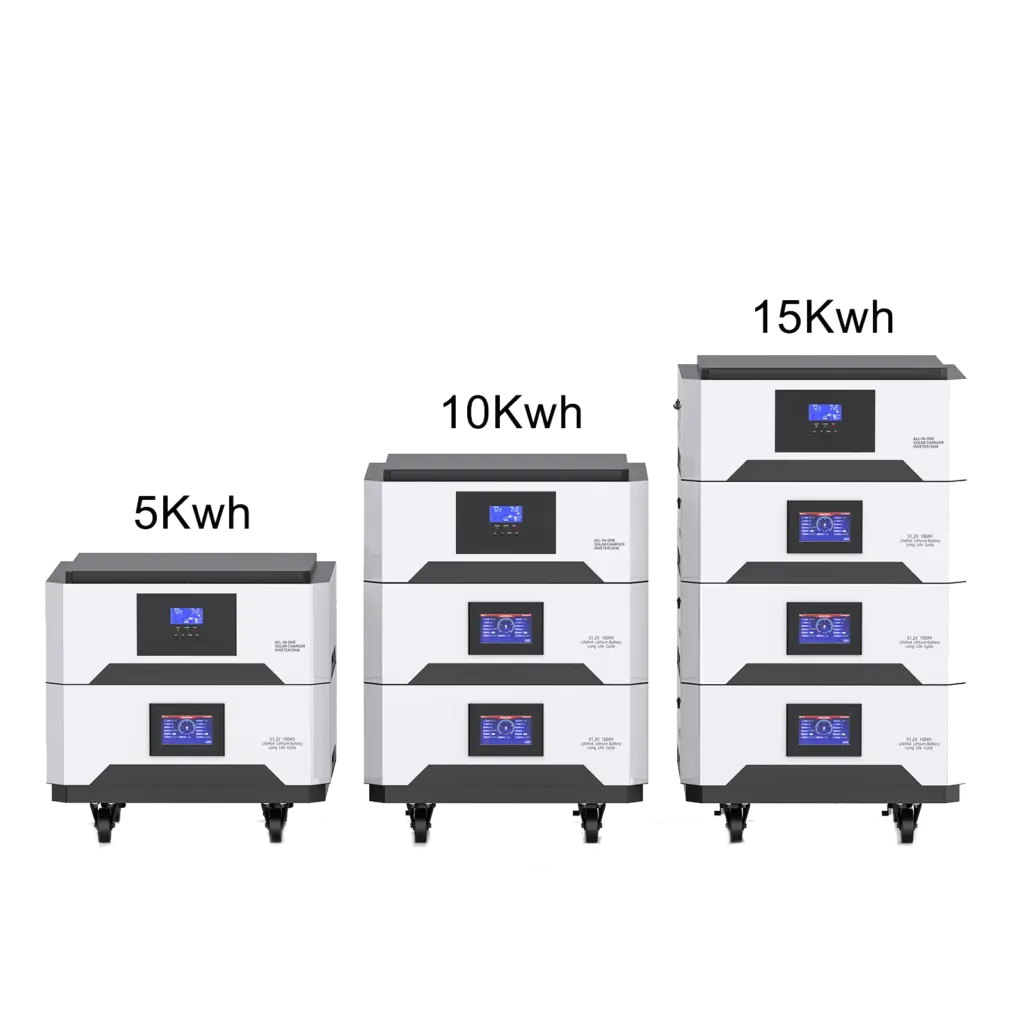
If you are comparing RC, Ah, and kWh, the next step is calculating how long your battery can actually power essential loads. Avepower offers 5kWh, 10kWh, stackable, and larger LiFePO4 battery systems for residential solar storage.
Reserve Capacity vs CCA: Which Rating Matters More?
Reserve capacity matters more for sustained electrical loads, while CCA matters more for starting an engine in cold conditions. The right rating depends on whether the battery is used for short high-current bursts or longer backup runtime.
| Rating | Full Name | Measures | Best For |
|---|---|---|---|
| RC | Reserve Capacity | How long a battery can support 25A | Accessories, backup, marine, RV |
| CCA | Cold Cranking Amps | Starting current at low temperature | Engine starting |
| Ah | Amp-hours | Charge capacity | Deep-cycle comparison |
| kWh | Kilowatt-hours | Energy storage | Solar backup, home batteries |
Is Higher Reserve Capacity Always Better?
Higher reserve capacity is better only when you need longer sustained runtime. It is not always the best rating if your priority is cold starting, weight, cost, charging speed or solar storage efficiency.
A higher RC rating usually means the battery can support loads longer under the RC test condition. That is useful for:
- Alternator failure: More time to keep vehicle electronics running.
- Marine electronics: Longer runtime for pumps, navigation and accessories.
- RV loads: More time for lights, fans and small DC loads.
- Emergency backup: Longer support for essential circuits.
- Deep-cycle use: Better comparison for sustained discharge.
But higher RC is not the only selection factor. For cold-weather engine starting, CCA may matter more.
What Affects Real Battery Reserve Capacity?
Real reserve capacity changes with temperature, discharge rate, battery age, chemistry, voltage cutoff, BMS settings and load type, so the label rating should be treated as a controlled test result, not a guaranteed runtime.
The biggest factors are:
- Temperature: Cold conditions reduce available output; heat can accelerate aging.
- Discharge current: Higher current can reduce usable capacity, especially in lead-acid batteries.
- Battery age: Older batteries usually have lower actual capacity.
- Chemistry: Lead-acid and lithium behave differently under load.
- Cutoff voltage: Earlier cutoff means shorter runtime but better protection.
- BMS limits: Lithium batteries may stop discharge before unsafe voltage.
- Inverter efficiency: DC-to-AC conversion reduces usable AC energy.
- Load pattern: Motors, pumps and compressors may draw surge current.
Battery capacity depends on discharge rate, and lead-acid batteries are more affected than lithium batteries. In its example, a 100Ah lead-acid battery rated at C20 may provide only 56Ah when discharged over two hours.
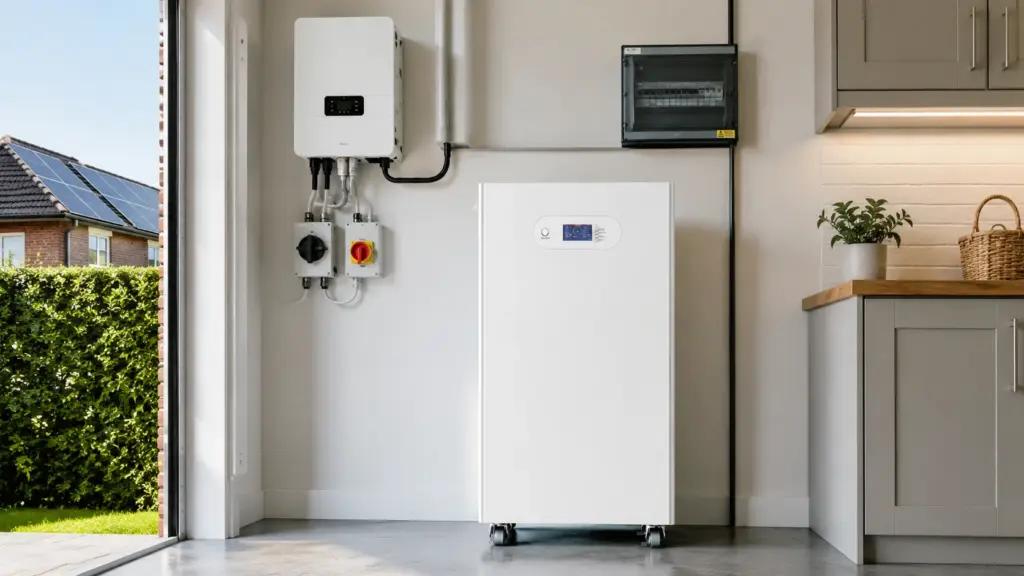
Do Lithium and LiFePO4 Batteries Have Reserve Capacity?
Lithium and LiFePO4 batteries can be tested for sustained runtime, but they are usually rated by Ah, Wh or kWh rather than traditional reserve capacity minutes.
Traditional RC ratings are most common on automotive and deep-cycle lead-acid batteries. Lithium batteries often use Ah, Wh, kWh, continuous discharge current, peak current, DoD and cycle life because these values are more useful for system design.
For example, an Avepower low-voltage lithium battery platform may be described by voltage, capacity, chemistry, BMS protection, communication and parallel expansion, not only by RC minutes. Avepower’s low-voltage lithium battery page explains that 12V, 24V, 48V and 51.2V LiFePO4 systems can support solar storage, backup power, inverter communication and large-capacity parallel expansion.
How Do You Calculate Real Battery Runtime from Reserve Capacity?
You can estimate runtime from reserve capacity by converting RC to Ah, then converting Ah to Wh, but real runtime should include voltage, usable depth of discharge, inverter efficiency, and load size. This is especially important for AC loads and solar backup systems.
Basic RC to Ah:
Ah = RC × 25 ÷ 60
Basic Ah to Wh:
Wh = Ah × battery voltage
AC backup runtime estimate:
Runtime = Battery kWh × usable DoD × inverter efficiency ÷ load kW
Example 1: 12V Lead-Acid Battery With 180 RC
| Step | Calculation | Result |
|---|---|---|
| Convert RC to Ah | 180 × 25 ÷ 60 | 75Ah |
| Estimate nominal Wh | 75Ah × 12V | 900Wh |
| If 50% usable for long life | 900Wh × 50% | 450Wh usable |
| If inverter efficiency is 90% | 450Wh × 90% | 405Wh delivered |
| Runtime at 100W load | 405Wh ÷ 100W | 4.05 hours |
Example 2: 5kWh LiFePO4 Home Battery
| Step | Calculation | Result |
|---|---|---|
| Nominal energy | 5kWh | 5kWh |
| Usable DoD assumption | 5 × 80% | 4kWh |
| Inverter efficiency assumption | 4 × 90% | 3.6kWh delivered |
| Runtime at 500W load | 3.6 ÷ 0.5 | 7.2 hours |
| Runtime at 1kW load | 3.6 ÷ 1 | 3.6 hours |
This is why RC alone is not enough for home backup. A 25A DC test does not represent every real household load. For home energy storage, use Avepower’s Depth of Discharge guide to calculate usable capacity. The guide defines usable energy as rated capacity multiplied by the DoD limit.
How Does Reserve Capacity Apply to Solar Batteries?
For solar batteries, reserve capacity should be translated into usable energy. Home storage buyers should focus on kWh, DoD, inverter efficiency and connected load rather than RC minutes alone.
The practical solar battery runtime formula is:
Runtime hours = Battery capacity × usable DoD × inverter efficiency ÷ load power
Avepower’s solar battery runtime guide gives a simple example: a 10kWh battery at 90% DoD and 90% inverter efficiency supporting a 1kW load lasts about 8.1 hours.
Solar Battery Calculation Example
Assume a homeowner wants to power essential loads during an outage:
| Load | Power |
|---|---|
| Refrigerator | 150W average |
| WiFi router | 20W |
| LED lights | 80W |
| Laptop + phone charging | 100W |
| Security system | 50W |
| Total average load | 400W / 0.4kW |
If the battery is 10kWh, with 90% usable DoD and 90% inverter efficiency:
Runtime = 10 × 0.9 × 0.9 ÷ 0.4 = 20.25 hours
So the system may support those essential loads for about 20 hours, assuming the load remains stable and the battery starts full.
This is more useful than RC for home storage because homes use AC loads, inverter losses and variable appliances.

What Is a Good Reserve Capacity for a Battery?
A good reserve capacity depends on the application. A car battery only needs enough RC for electronics and emergency operation, while RV, marine, off-grid and backup systems need longer sustained runtime.
Use this table as a practical guide:
| Application | What to prioritize | RC importance |
|---|---|---|
| Standard car | OEM group size, CCA, RC | Medium |
| Cold-climate vehicle | CCA first, RC second | Medium |
| High-electronics vehicle | RC, charge acceptance, CCA | High |
| Marine battery | RC, Ah, deep-cycle ability | High |
| RV battery | Ah, RC, usable capacity | High |
| Solar battery | kWh, DoD, inverter efficiency | Conceptually useful, not primary |
| LiFePO4 home storage | kWh, BMS, power, cycle life | Low as a label, useful as concept |
| Commercial BESS | kWh/MWh, C-rate, EMS, PCS | Not the primary metric |
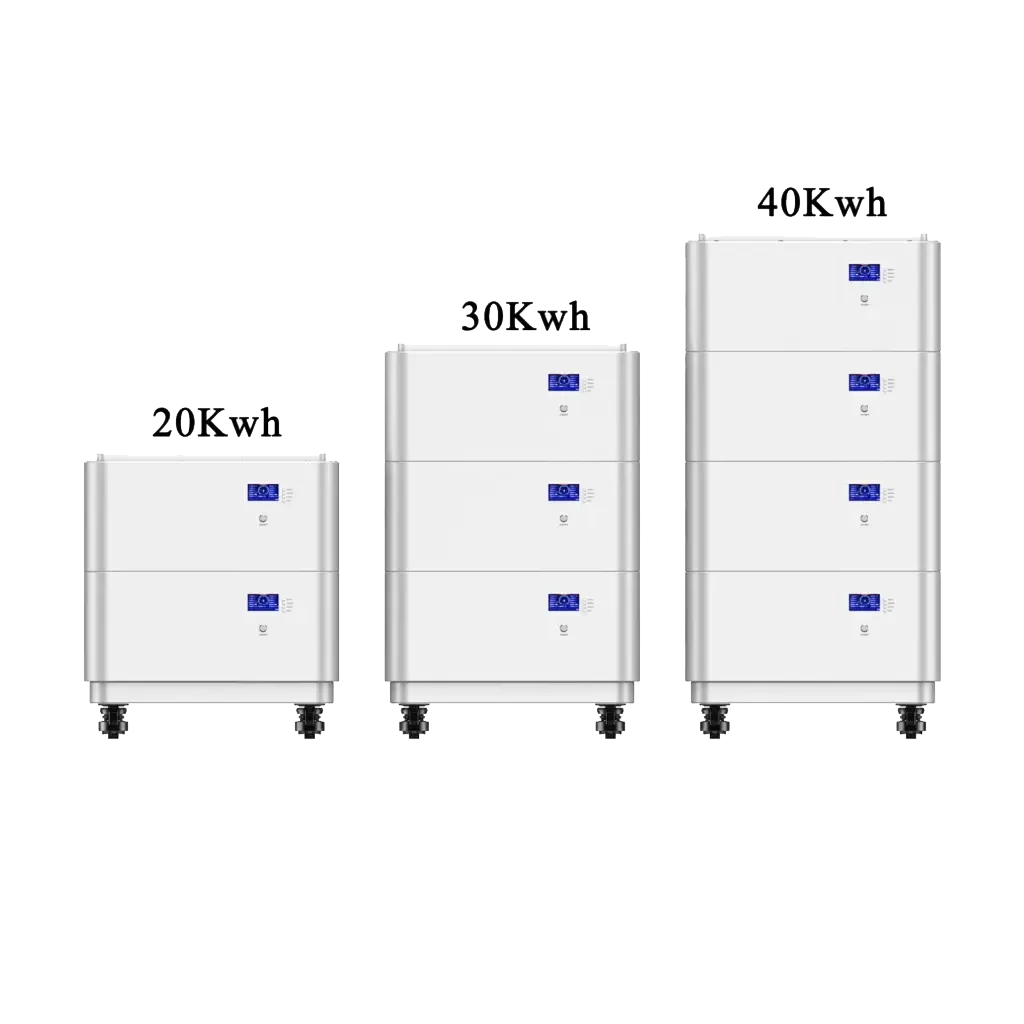
For installer-led solar storage, a modular system is often more useful than chasing a single high RC number. Avepower’s stackable battery series supports up to 16 units in parallel and can scale up to 260kWh, which helps projects expand capacity as backup demand grows.
Real Case: Using Capacity and Reserve Logic in a 64kWh Solar Battery Project
A real storage project should be planned around usable energy, system load, parallel expansion, BMS protection, and backup objective rather than RC alone. Reserve capacity helps explain endurance, but project-level energy storage decisions require kWh-based system design.
In Avepower’s 64kWh solar battery storage case study, four 16kWh LiFePO4 battery units were installed in parallel to build a 64kWh total battery system. Each unit included an integrated BMS for protection, monitoring, and stable operation.
A simplified backup calculation could look like this:
| System Item | Value |
|---|---|
| Nominal battery capacity | 64kWh |
| Assumed usable DoD | 80% |
| Assumed inverter efficiency | 90% |
| Delivered usable energy | 64 × 80% × 90% = 46.08kWh |
| Average critical load | 5kW |
| Estimated backup runtime | 46.08 ÷ 5 = 9.2 hours |
This calculation is more useful than asking for RC minutes because the system is not a single 12V lead-acid battery under a 25A load. It is a multi-battery LiFePO4 solar storage system designed around site demand, inverter matching, BMS protection, and expansion capability.
How Should You Choose a Battery Based on Reserve Capacity?
Use reserve capacity when comparing 12V lead-acid batteries, but use usable kWh, DoD, discharge power, BMS protection and expansion options when choosing lithium solar storage.
A practical selection process looks like this:
- Define the load: List watts or amps for each device.
- Define the runtime target: Decide whether you need 2 hours, overnight backup or multi-day support.
- Choose the correct unit: Use RC for automotive lead-acid comparison; use kWh for solar storage.
- Check usable capacity: Include DoD and BMS reserve.
- Include conversion losses: Add inverter efficiency for AC loads.
- Check power limits: Confirm continuous and surge current.
- Consider expansion: Choose modular batteries if future load growth is likely.
- Verify environment: Temperature and installation location affect performance.
- Review compatibility: Match battery voltage, communication protocol and inverter requirements.
Send Avepower your load list, target backup time, inverter model and preferred battery capacity. Avepower will help you calculate usable runtime and recommend a reliable LiFePO4 battery storage solution for your home, solar or commercial project.
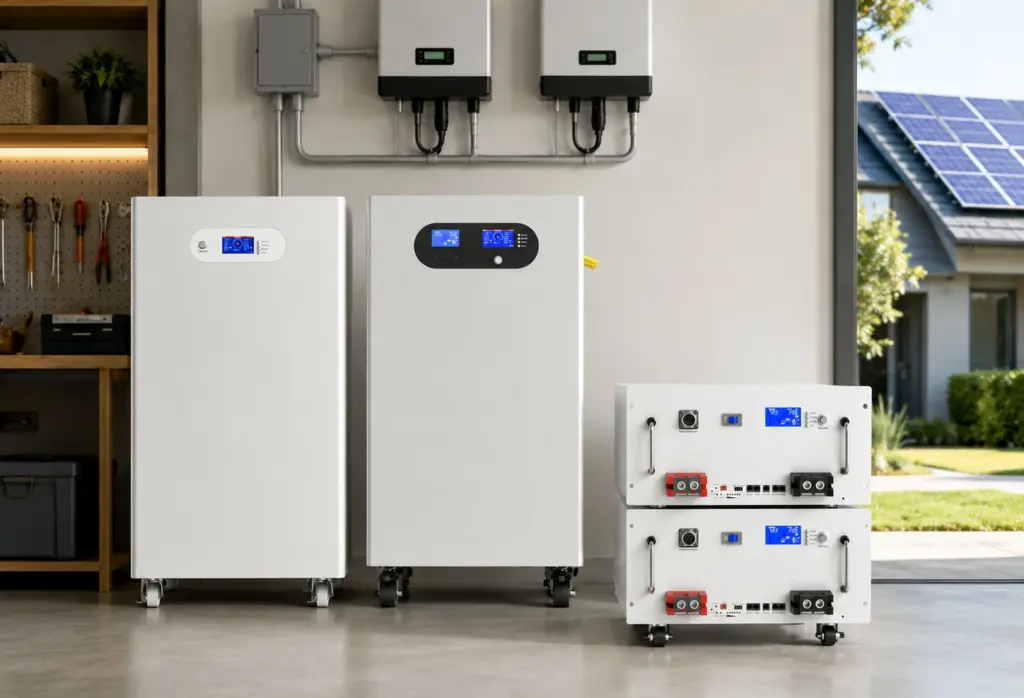
Take Control of Your Energy with Avepower!
Reliable home solar battery solutions with OEM/ODM customization and in-house manufacturing, tailored to the needs of distributors, installers, and energy partners.
Conclusion
Battery reserve capacity is a practical endurance rating for 12V lead-acid batteries, but solar and LiFePO4 storage systems should be sized by usable kWh, power output, DoD and real load requirements.
RC is valuable because it gives a controlled way to compare how long batteries can sustain a moderate electrical load. It is especially useful for automotive, marine, RV and deep-cycle lead-acid applications.
For lithium solar storage, however, the better approach is to calculate runtime from usable energy:
Runtime = battery kWh × DoD × inverter efficiency ÷ load kW
Avepower helps homeowners, installers, distributors and project buyers move from simple battery ratings to real system sizing. Whether you need a compact wall-mounted battery, modular stackable LiFePO4 storage, or a larger commercial BESS, Avepower can match battery capacity, voltage platform, BMS configuration, inverter communication and expansion strategy to your project.
FAQ
Battery reserve capacity is how many minutes a fully charged battery can keep delivering power under a standard load before the voltage drops to a set cutoff point. For 12V lead-acid batteries, the common test is 25A at 80°F until 10.5V.
A 120 reserve capacity rating means the battery can theoretically deliver 25A for 120 minutes under the standard RC test condition. That equals about 50Ah using the formula 120 × 25 ÷ 60.
100 RC is approximately 41.7Ah. The calculation is 100 × 25 ÷ 60 = 41.7Ah. This is only an approximate conversion under the same 25A reserve capacity test condition.
No. CCA measures how much current a battery can deliver for engine starting in cold conditions. RC measures how long the battery can support a steady electrical load. CCA is about starting power; RC is about endurance.
First convert RC to Ah using: Ah = RC × 25 ÷ 60. Then estimate watt-hours by multiplying Ah by voltage. For AC loads, reduce the result for inverter efficiency and avoid assuming the full theoretical energy is usable.
Use kWh, usable DoD, inverter efficiency, continuous discharge power and backup load size. For example, a 10kWh battery with 90% DoD and 90% inverter efficiency can deliver about 8.1kWh of usable AC-side energy before additional real-world losses.
Battery reserve capacity is a standardized battery rating, while SOC reserve is a battery management setting. SOC reserve keeps a percentage of energy unused for backup, battery protection, or emergency operation.