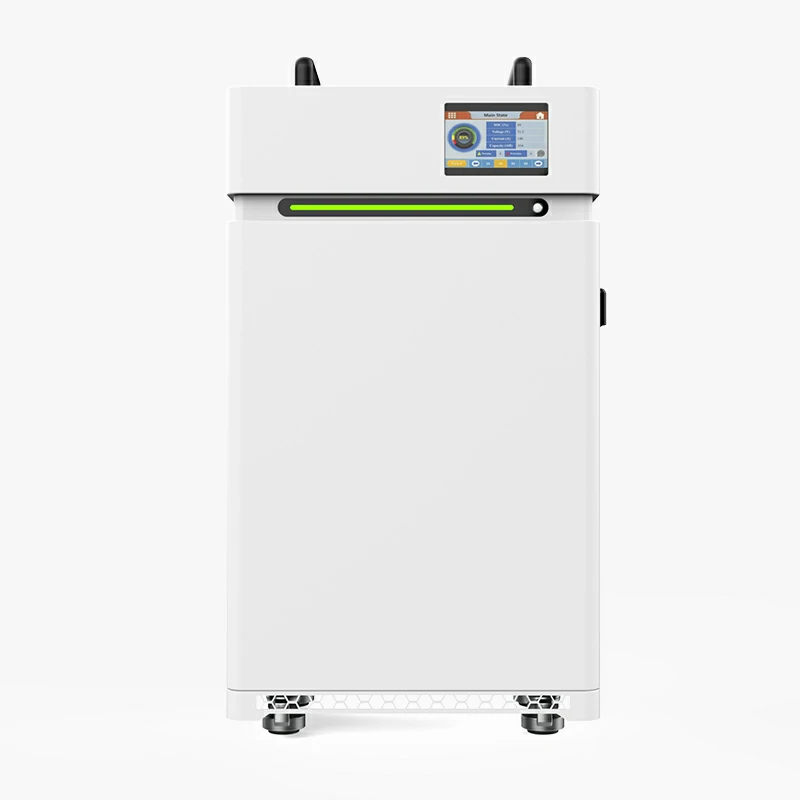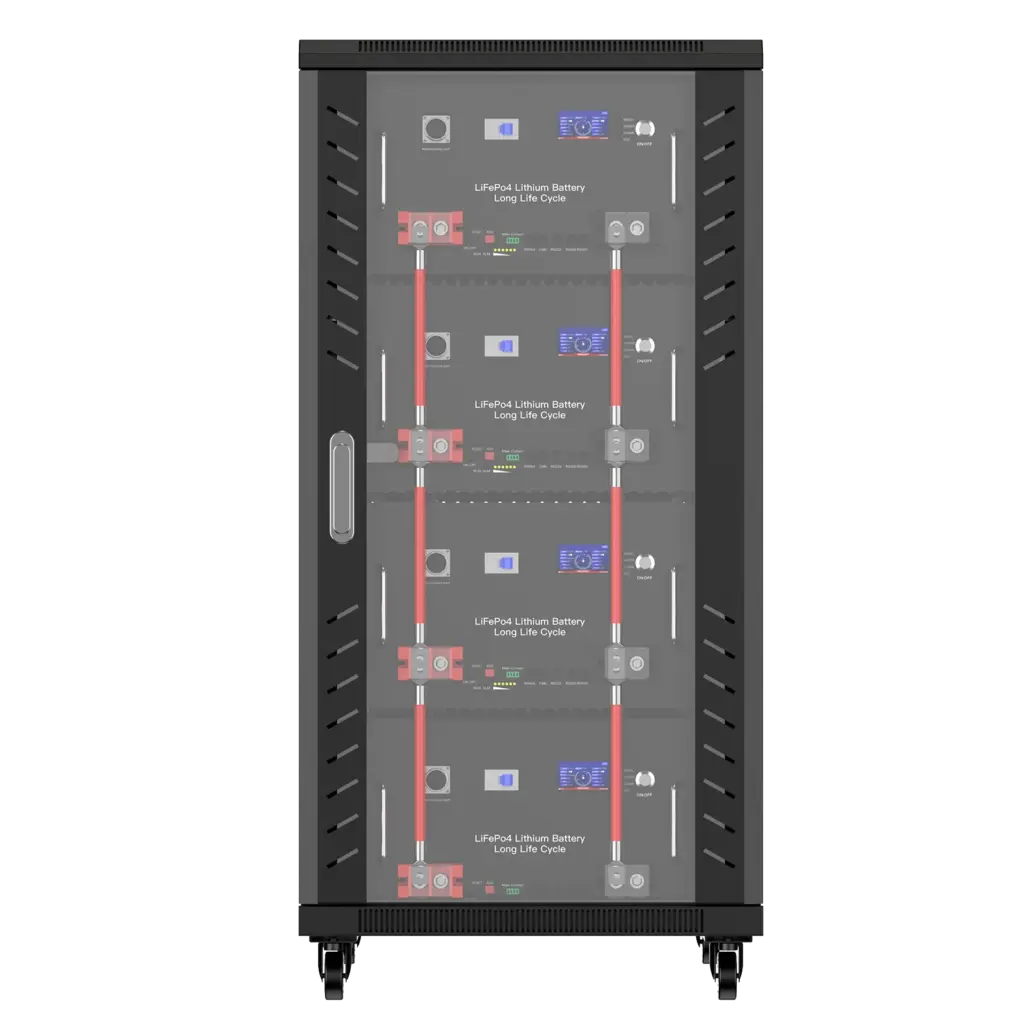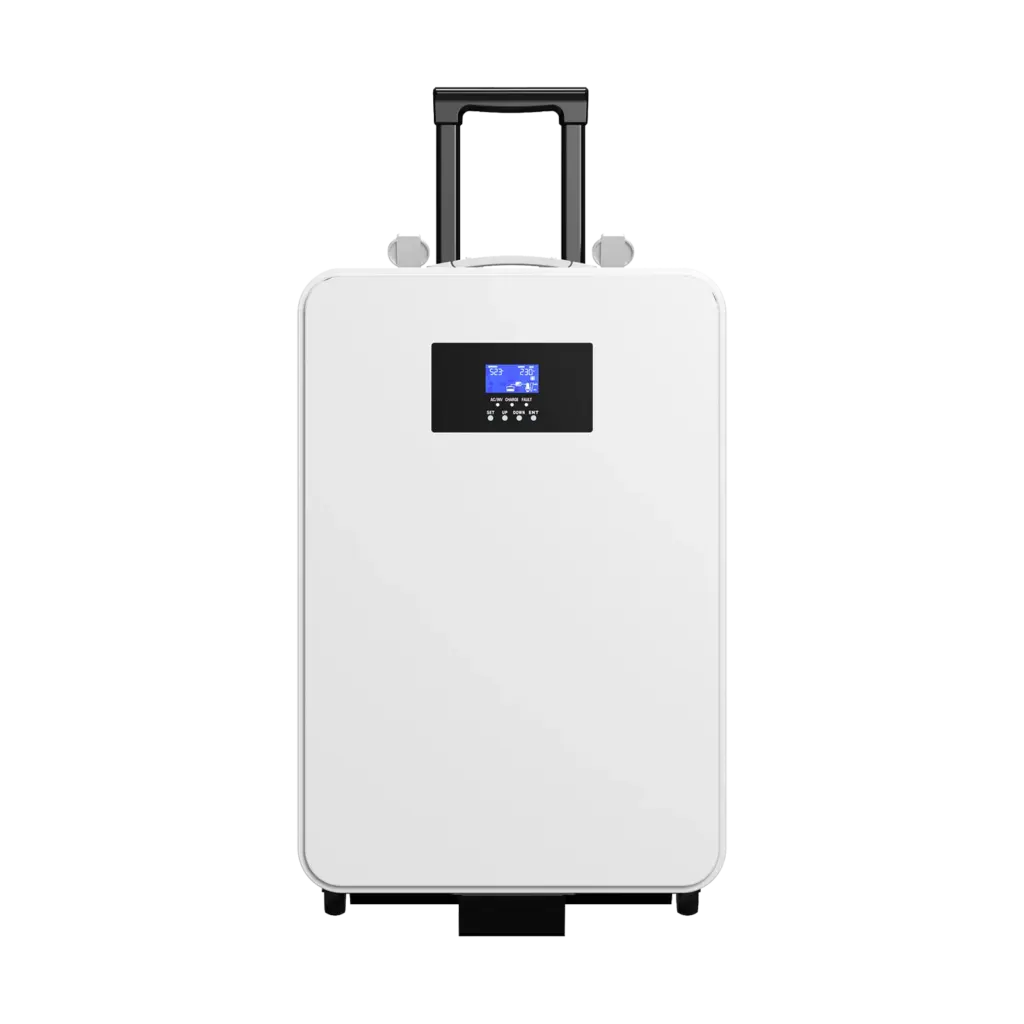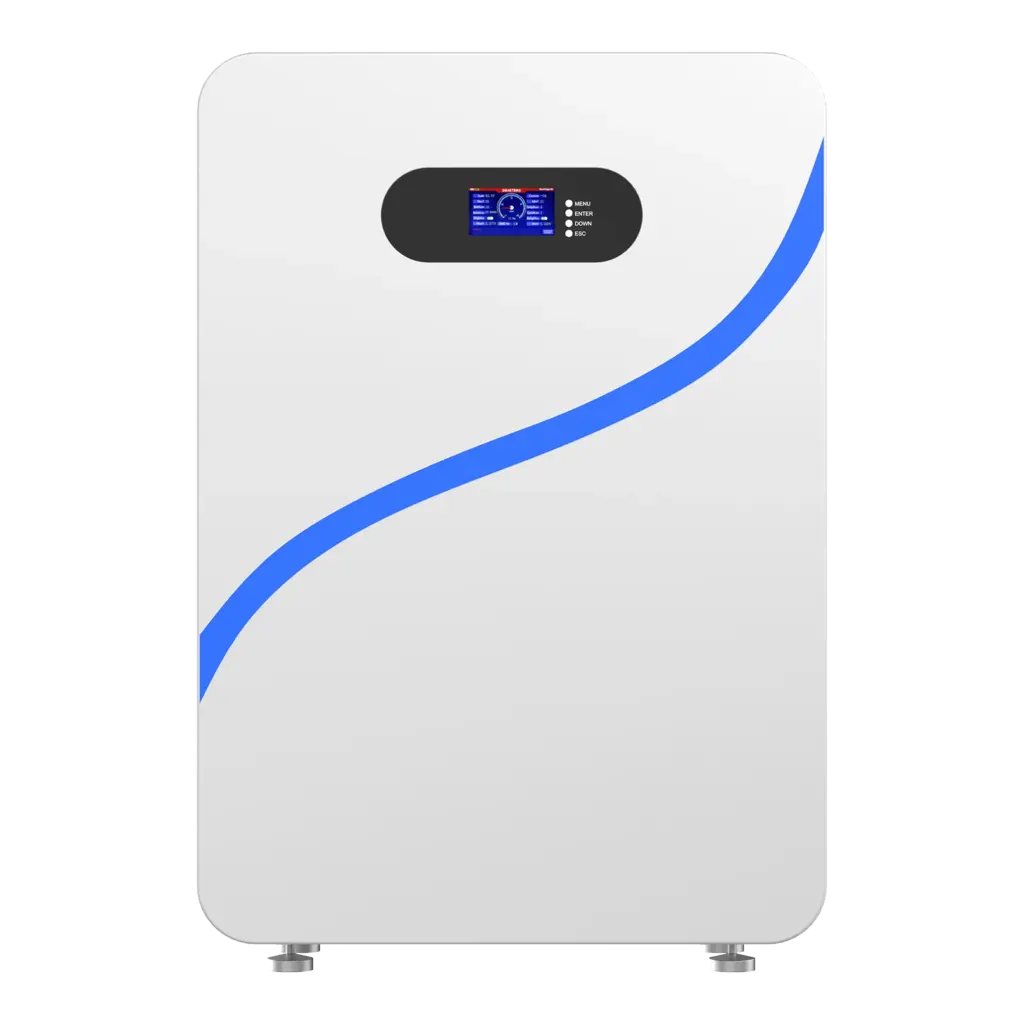

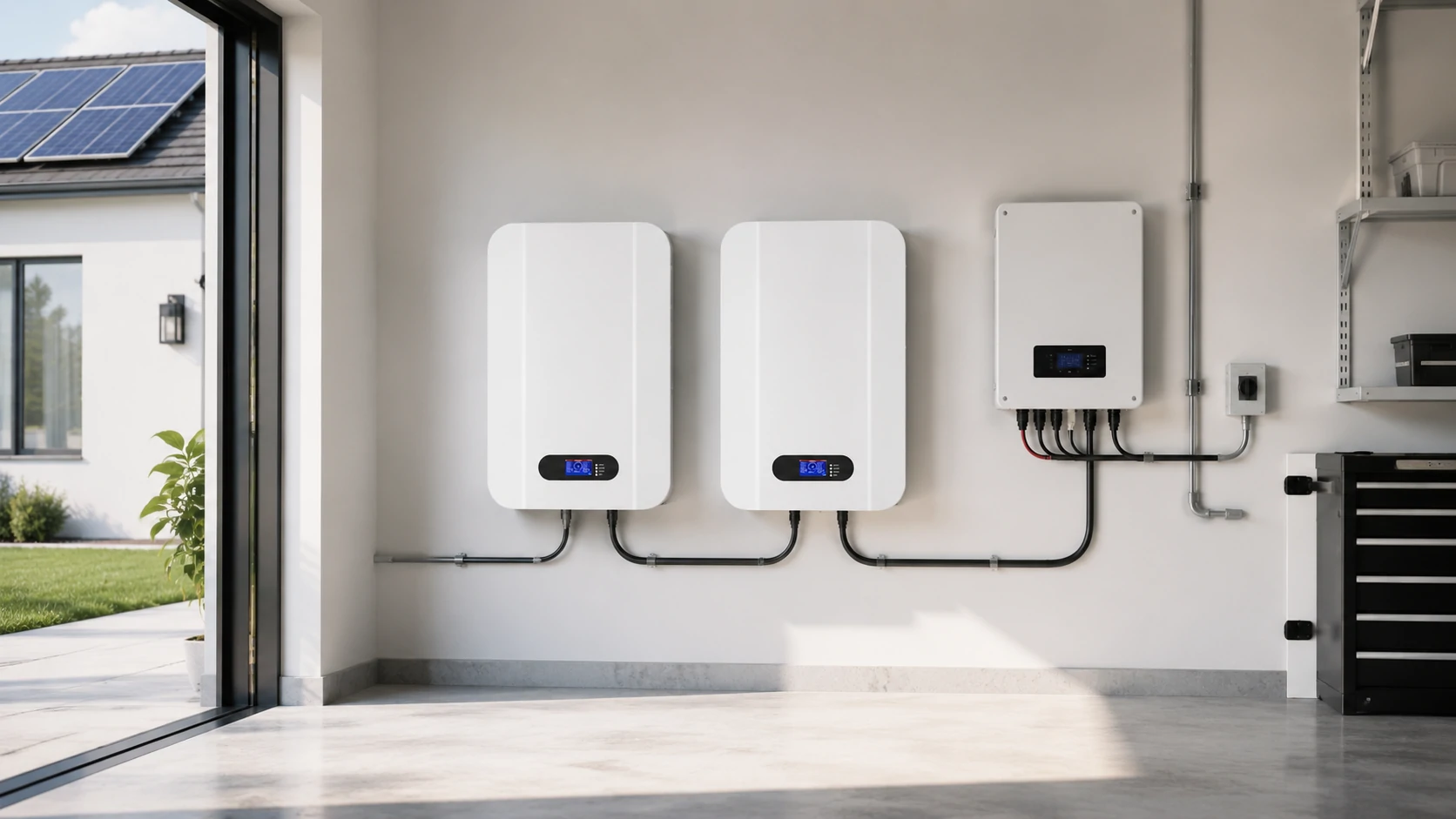
This guide explains what a 21 kWh battery can do, how to calculate runtime, how to match it with solar panels and inverters, what safety standards matter, and how installers or distributors can choose a reliable LiFePO4 battery platform for residential and small commercial projects.
How Long Will a 21 kWh Battery Last?
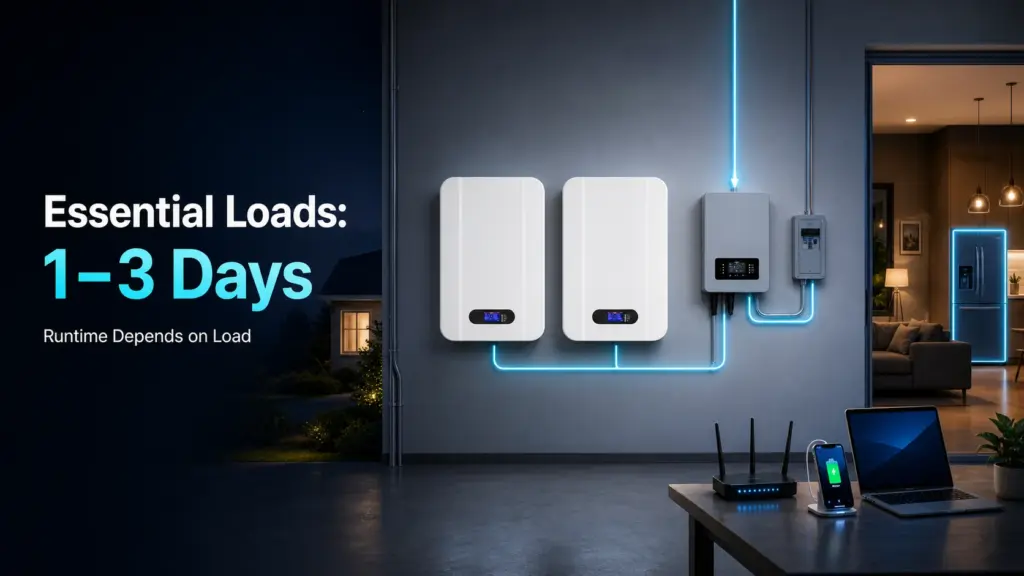
The runtime of a 21 kWh battery depends on the average load. Use this simple formula:
Runtime = Usable battery energy ÷ Average load
If we assume about 17.5–19 kWh of practical usable AC energy from a 21 kWh LiFePO4 system, the estimated runtime looks like this:
| Average Load | Typical Scenario | Estimated Runtime |
|---|---|---|
| 0.5 kW | Refrigerator, lights, router, small devices | 35–38 hours |
| 1 kW | Essential backup plus light household use | 17–19 hours |
| 2 kW | Moderate backup loads | 8.5–9.5 hours |
| 3 kW | Higher evening household usage | 5.8–6.3 hours |
| 5 kW | Heavy mixed loads | 3.5–3.8 hours |
| 7 kW | Short high-power use | 2.5–2.7 hours |
These numbers are estimates. Actual runtime depends on appliance cycling, inverter efficiency, battery temperature, battery age, discharge limits and whether solar panels are recharging the battery during the day.
Need a Battery System Around 21 kWh?
Avepower offers modular LiFePO4 battery solutions that can be configured close to 20–21 kWh for home backup, solar storage and small energy storage projects. Ideal for installers, distributors and project buyers.
21 kWh Battery Capacity in Ah: 48V and 51.2V Systems
Many home solar batteries use a 48V or 51.2V nominal architecture. For LiFePO4 batteries, 51.2V is common because it usually comes from a 16-cell series configuration, with each cell rated around 3.2V nominal.
To estimate amp-hours:
Ah = Wh ÷ Voltage
For a 21 kWh battery:
21,000 Wh ÷ 51.2V = about 410Ah
So, a 51.2V 410Ah LiFePO4 battery is approximately a 21 kWh battery.
Common practical configurations include:
| Configuration | Approximate Capacity |
|---|---|
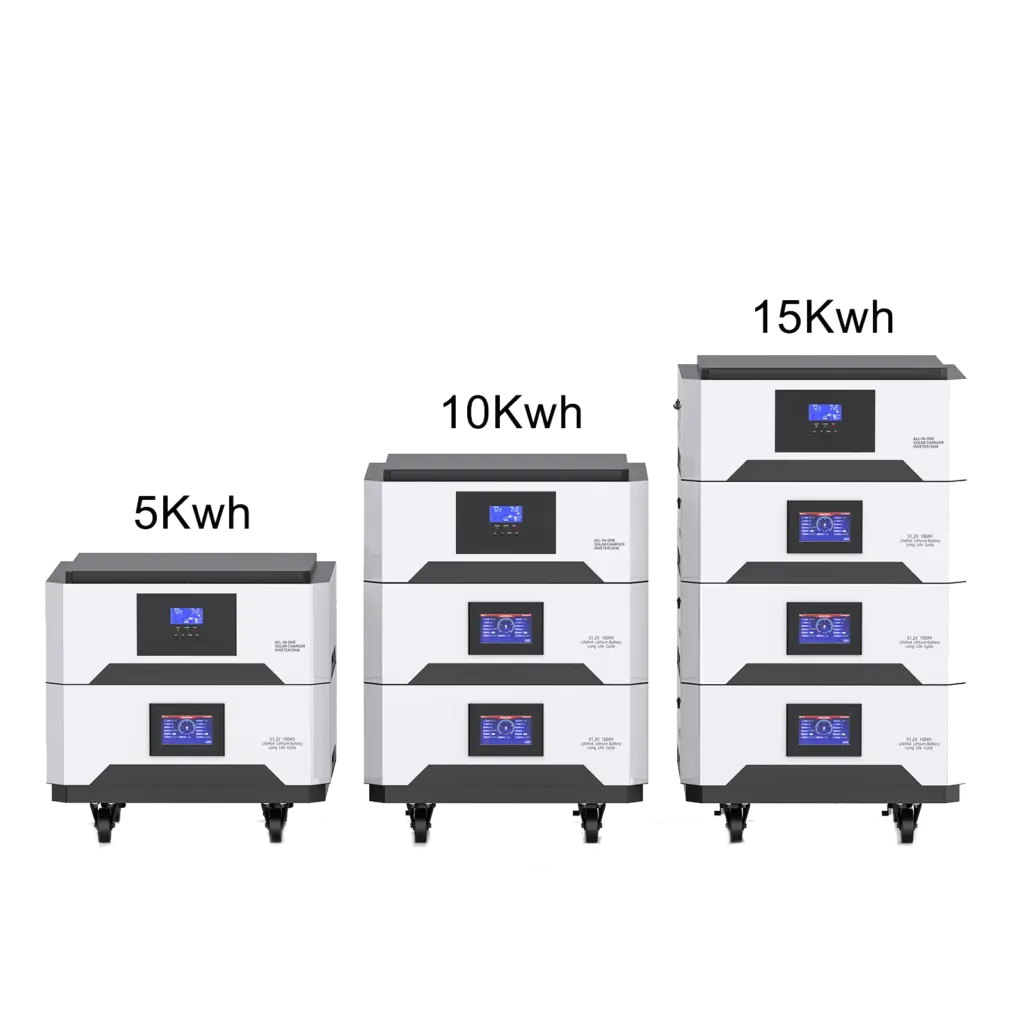
| 4 × 5.12 kWh modules | 20.48 kWh |
| 2 × 10.24 kWh modules | 20.48 kWh |
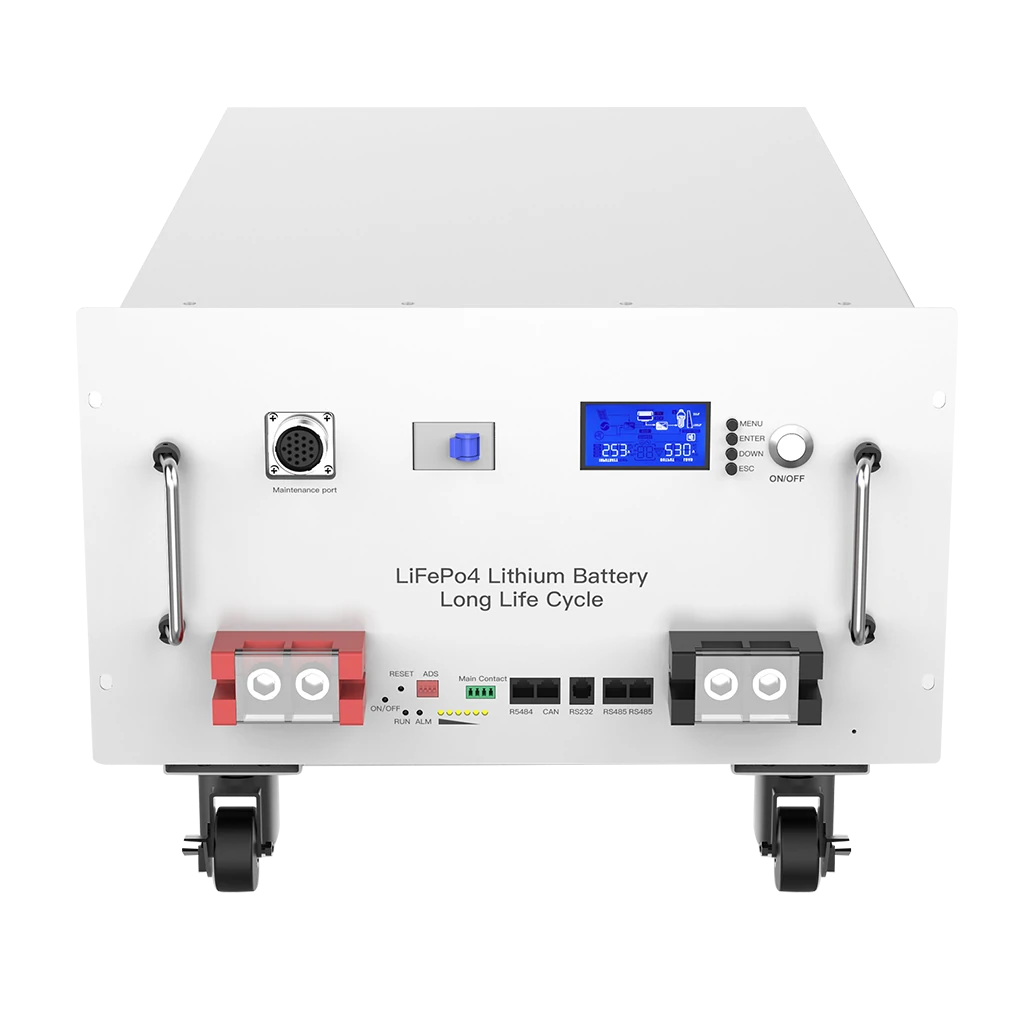
| 1 × 51.2V 410Ah battery | 20.99 kWh |
| 6 × 3.5 kWh modules | 21 kWh |
| Custom stackable system | 20–22 kWh class |
21 kWh vs 10 kWh, 15 kWh and 30 kWh Battery Systems
A 21 kWh battery is larger than a typical entry-level home battery but still smaller than a deep backup or off-grid system. Choosing between 10 kWh, 15 kWh, 21 kWh and 30 kWh depends on the project goal.
| Battery Size | Best For | Limitations |
|---|---|---|
| 10 kWh | Basic backup, evening solar use, small homes | Limited runtime for heavy loads |
| 15 kWh | Stronger backup and better solar self-consumption | May still be short for long outages |
| 21 kWh | Essential backup, larger homes, villas, TOU savings, partial whole-home backup | Requires careful inverter and load design |
| 30 kWh+ | Long backup, larger solar systems, off-grid use, high consumption homes | Higher cost, more space and stronger system design needed |
What Can a 21 kWh Battery Power?
A 21 kWh battery can power most essential home appliances if the inverter is sized correctly. But storage capacity and power output are different.
Battery capacity, measured in kWh, tells you how much energy is stored.
Inverter power, measured in kW, tells you how much load can run at the same time.
For example, a 21 kWh battery paired with a 5 kW inverter may store enough energy for many hours of backup, but it cannot run 10 kW of simultaneous appliances. A 21 kWh battery paired with a 10 kW inverter may run larger loads, but the battery will discharge faster.
Typical appliances a 21 kWh battery may support include:
| Appliance or Load | Approximate Power Range | Notes |
|---|---|---|
| Refrigerator | 100–800W cycling | Good for backup |
| LED lighting | 50–300W total | Very suitable |
| WiFi router and electronics | 20–200W | Very suitable |
| TV and computer | 100–500W | Suitable |
| Microwave | 800–1,500W | Short use only |
| Washing machine | 500–2,000W | Depends on cycle |
| Well pump | 750–2,500W | Check surge power |
| Small air conditioner | 800–2,500W | Runtime varies |
| Central air conditioning | 3,000–7,000W+ | Needs careful design |
| EV charger | 3,000–11,000W+ | Usually not recommended during backup unless oversized |
Build a Scalable Solar Battery System
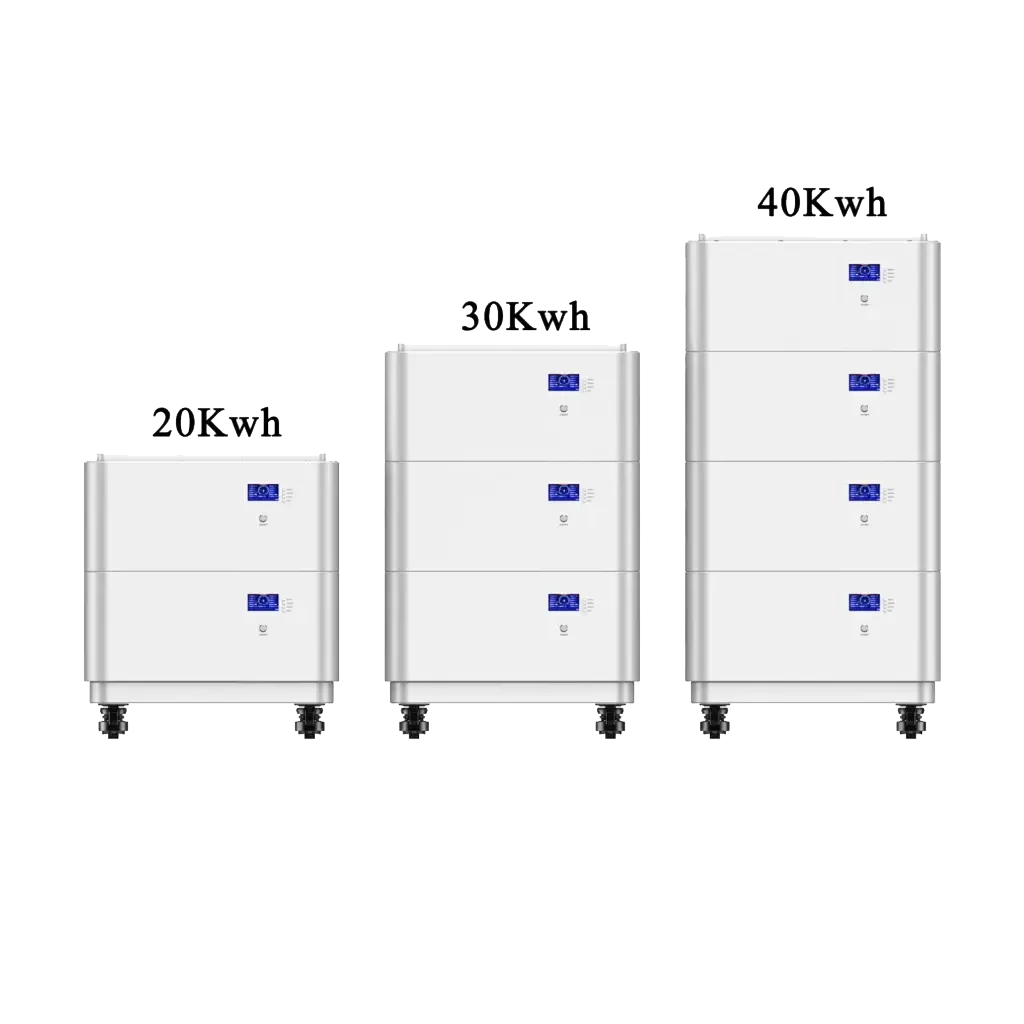
Start with a practical 20 kWh battery cabinet or expand to 30 kWh and 40 kWh with Avepower stackable LiFePO4 battery systems. Flexible capacity makes it easier to match different project needs.
How Many Solar Panels Do You Need for a 21 kWh Battery?
A 21 kWh battery should be paired with enough solar generation to recharge it during normal operation. The right PV size depends on daily consumption, peak sun hours, system losses and whether the battery is used for backup, self-consumption or off-grid operation.
A simplified estimate:
Solar array size = Daily energy target ÷ peak sun hours ÷ system efficiency
If you want to recharge about 21 kWh per day and assume 4.5 peak sun hours with 80% system efficiency:
21 kWh ÷ 4.5 ÷ 0.8 = about 5.8 kW of solar panels
In practice, many homes pair a 21 kWh battery with roughly 6 kW to 12 kW of solar panels, depending on climate, roof space, load profile and whether the system must support winter or cloudy-day operation.
A smaller solar array can still work, but it may not fully recharge the battery every day. A larger array may improve self-consumption and backup resilience, but it needs compatible inverter capacity and local grid approval.
What Size Inverter Should You Use with a 21 kWh Battery?
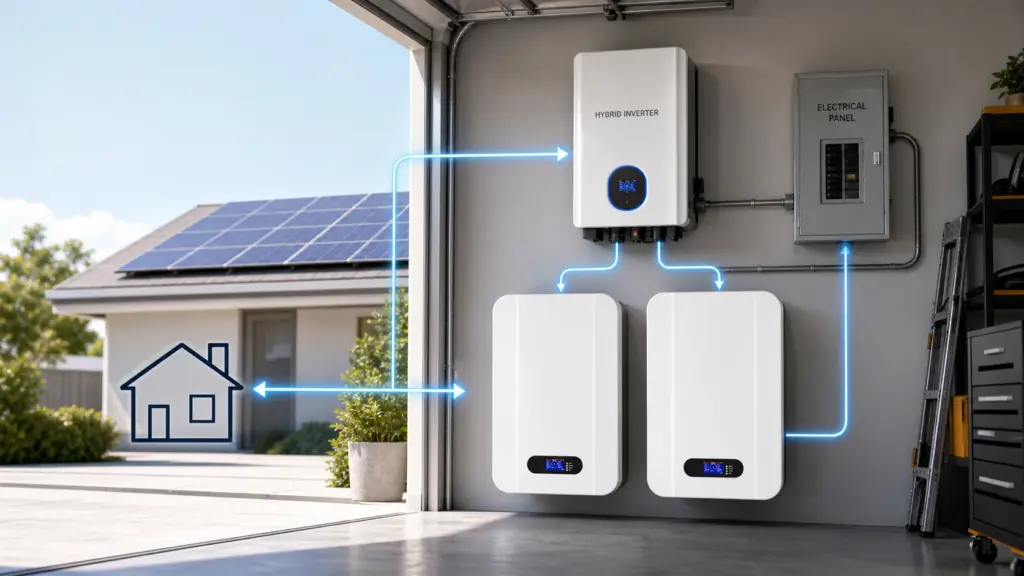
There is no single correct inverter size for every 21 kWh battery system. The inverter should be selected based on peak load, surge load, voltage platform, battery discharge current, backup requirements and whether the system is grid-tied, hybrid or off-grid.
Common residential pairings include:
| Inverter Size | Suitable Scenario |
|---|---|
| 5 kW | Essential loads, small home backup, moderate solar self-consumption |
| 6–8 kW | Larger home backup, selected appliances, common hybrid systems |
| 10–12 kW | Partial whole-home backup, larger solar arrays, higher simultaneous loads |
| 15 kW+ | Heavy loads, off-grid homes, light commercial systems |
For a 51.2V low-voltage system, current becomes important. A 10 kW discharge at 51.2V may require roughly 195A before losses. That means the battery BMS, cables, breakers, inverter input limits and busbar design must all be checked carefully.
How Much Does a 21 kWh Battery Cost?
A 21 kWh battery typically costs about $18,000 to $30,000 fully installed for a residential solar storage or backup power system, depending on the battery brand, inverter, installation labor, electrical upgrades, certification requirements and local market pricing.
| Cost Item | Estimated Range |
|---|---|
| Battery modules | $10,000–$20,000+ |
| Hybrid inverter or battery inverter | $2,000–$6,000+ |
| Installation labor | $2,000–$6,000+ |
| Electrical panel / backup load panel / wiring | $1,000–$5,000+ |
| Monitoring, permits, protection devices | $500–$2,500+ |
| Typical installed total | $18,000–$30,000+ |
Main cost factors include:
- Battery capacity
- Inverter size
- AC-coupled or DC-coupled design
- Backup panel or smart load panel
- Installation labor
- Permitting and inspection
- Cable length and protection devices
- Indoor or outdoor enclosure
- Monitoring and communication features
- Warranty and after-sales support
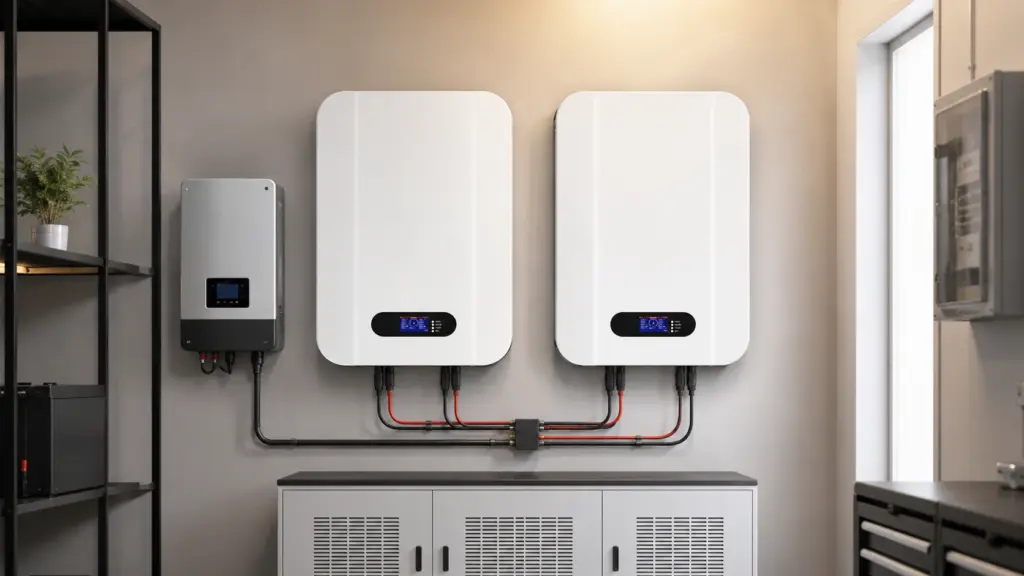
For buyers comparing budgets, Avepower’s solar battery cost per kWh guide can help explain how battery price should be evaluated by usable capacity, not just total system price.
Best Applications for a 21 kWh Battery
A 21 kWh battery is especially suitable for projects where a 10 kWh battery feels too small but a 30 kWh system is larger than necessary.
Residential Solar Self-Consumption
The battery stores excess daytime solar energy and discharges it at night. This can help reduce grid dependence and improve solar utilization.
Backup Power During Outages
A 21 kWh battery can support essential loads for a meaningful period, especially when connected to a critical-load panel.
Time-of-Use Electricity Optimization
In areas with time-of-use rates, the battery can charge from solar or off-peak grid electricity and discharge during expensive peak periods.
Off-Grid Cabins and Villas
For off-grid use, 21 kWh can support daily energy needs if the load profile is moderate and the solar array is sized correctly. For long cloudy periods, additional capacity or generator backup may be required.
Small Commercial Backup
Small offices, telecom rooms, retail spaces and light commercial sites may use a 21 kWh-class system for backup power, peak shaving or solar self-consumption.
Avepower 21 kWh Battery Solution Options
Avepower provides LiFePO4 home energy storage solutions for installers, distributors, wholesalers, OEM/ODM brands and project developers. For projects that require a 21 kWh battery or 21 kWh-class system, the most practical approach is usually a modular low-voltage configuration.
Relevant Avepower solutions include:
- Home energy storage solutions for residential solar storage and backup applications
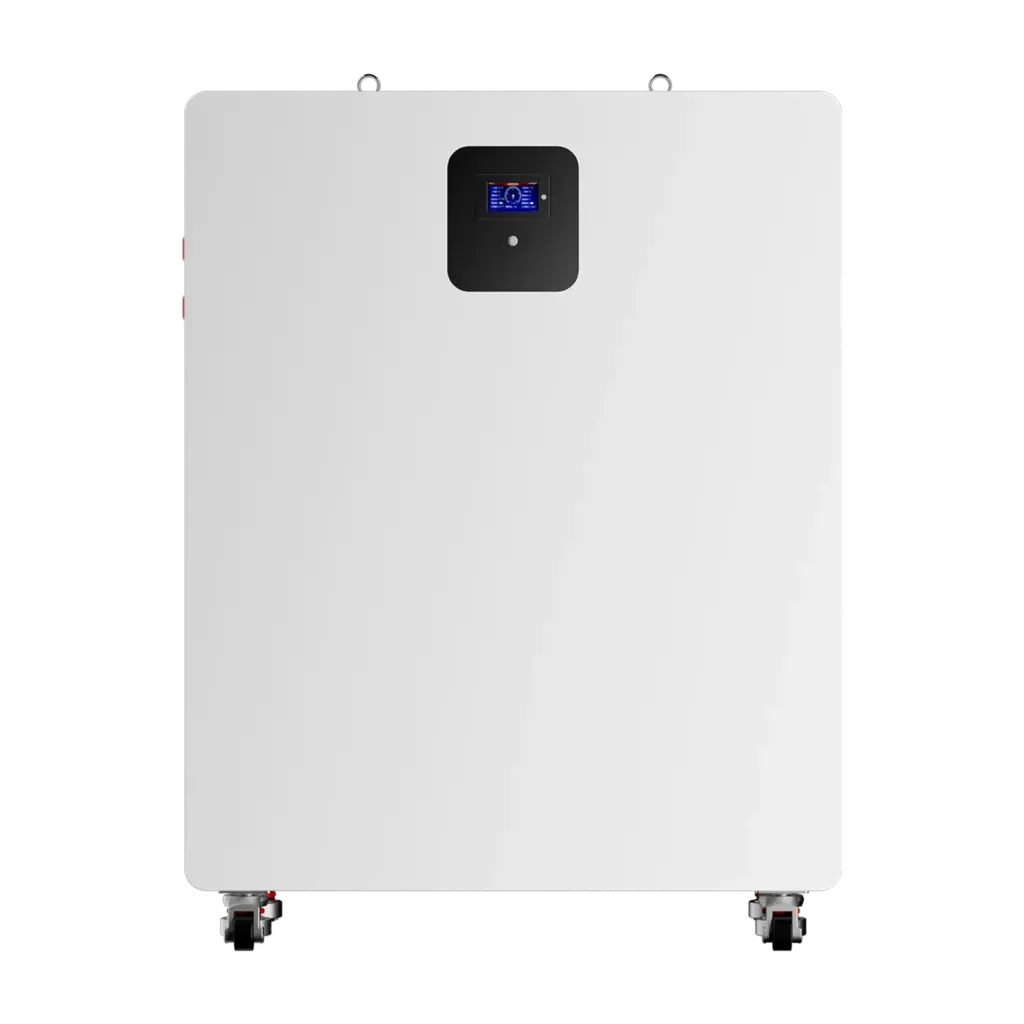
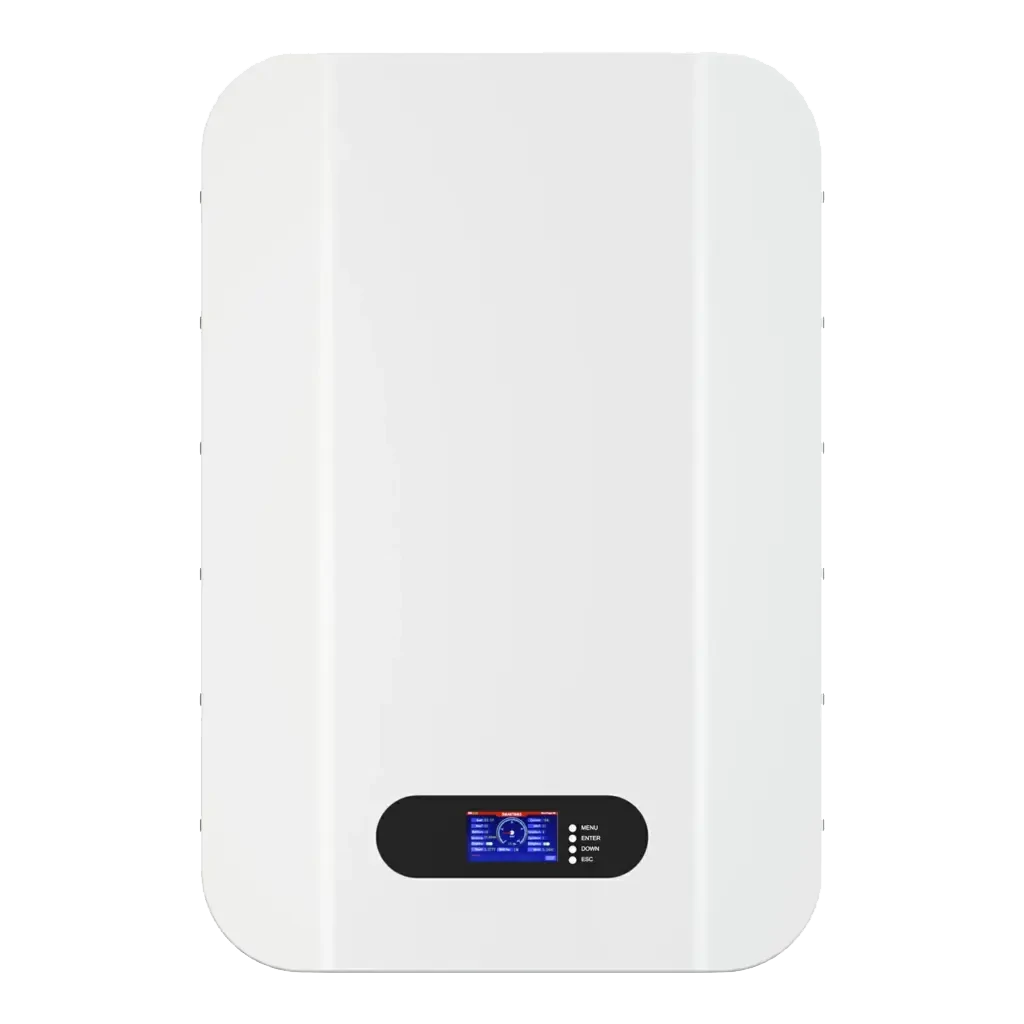
- LiFePO4 wall-mounted solar storage batteries for compact home backup and solar self-consumption
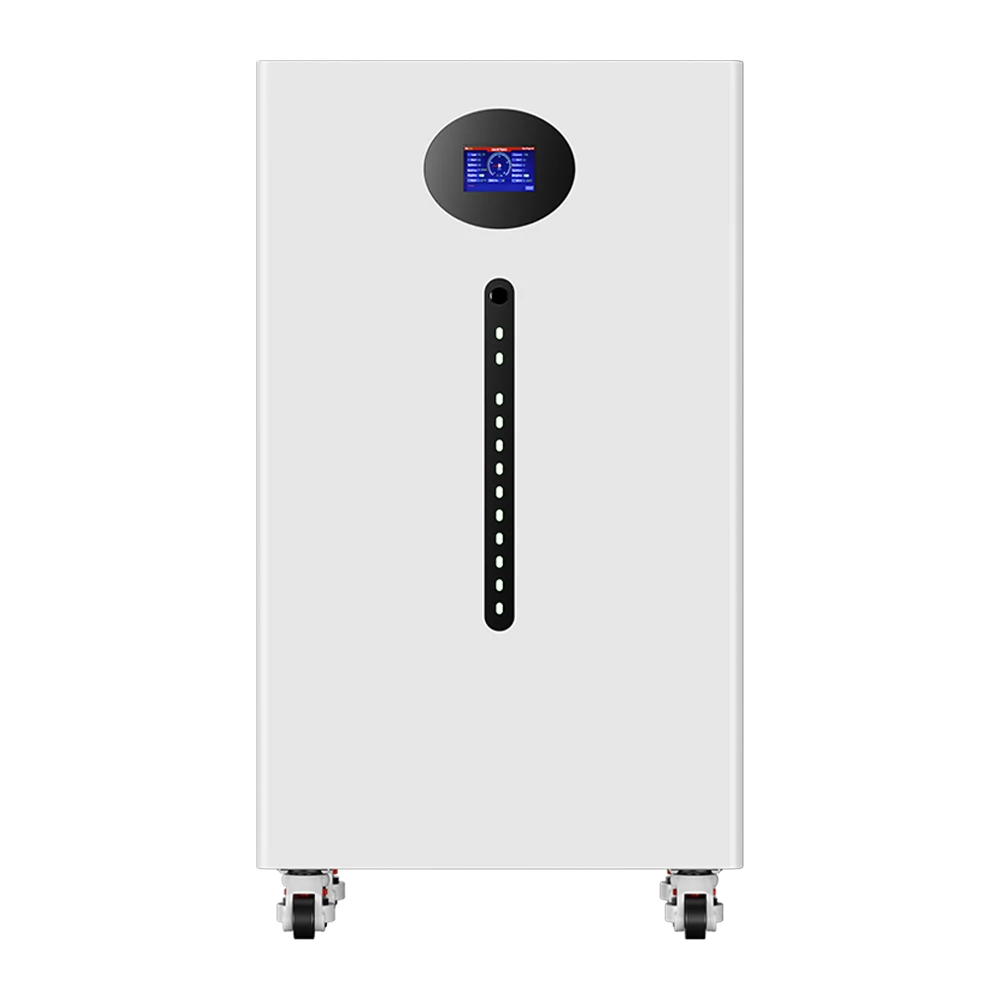
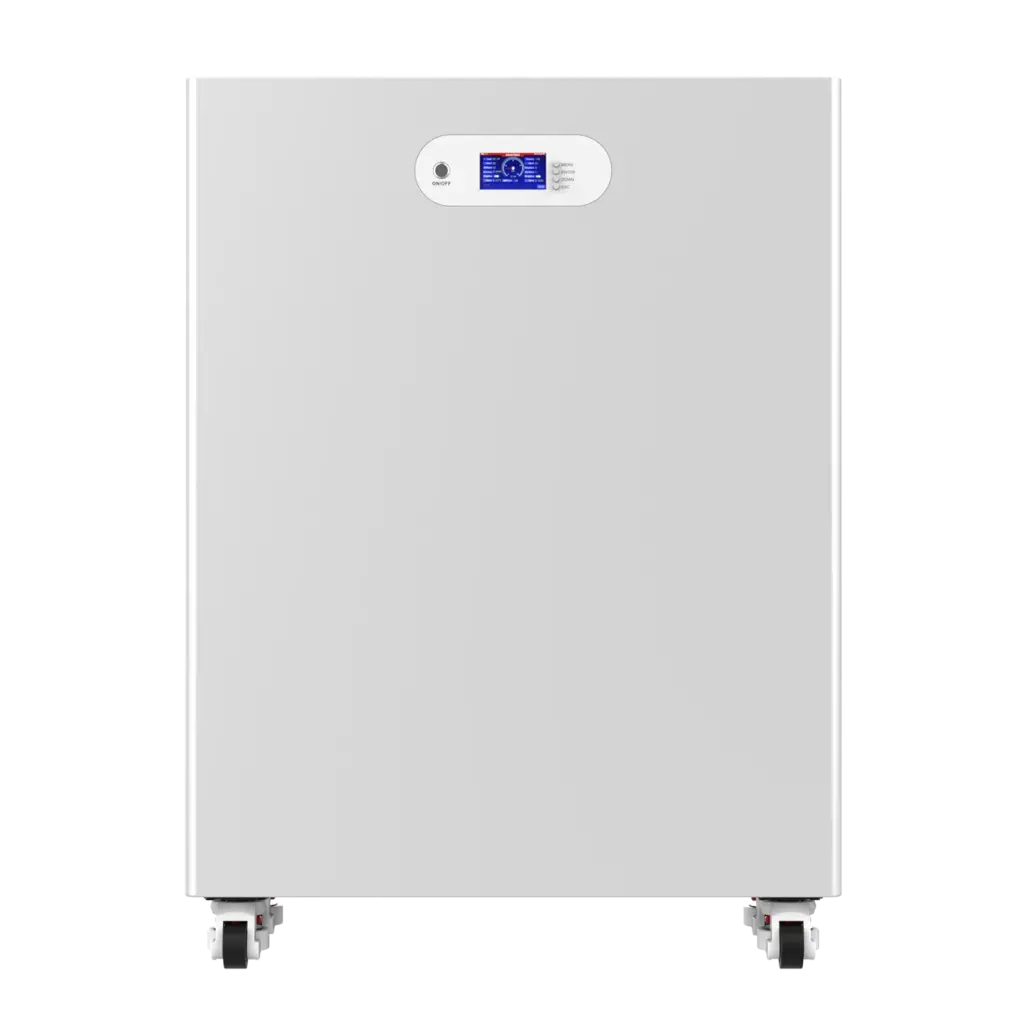
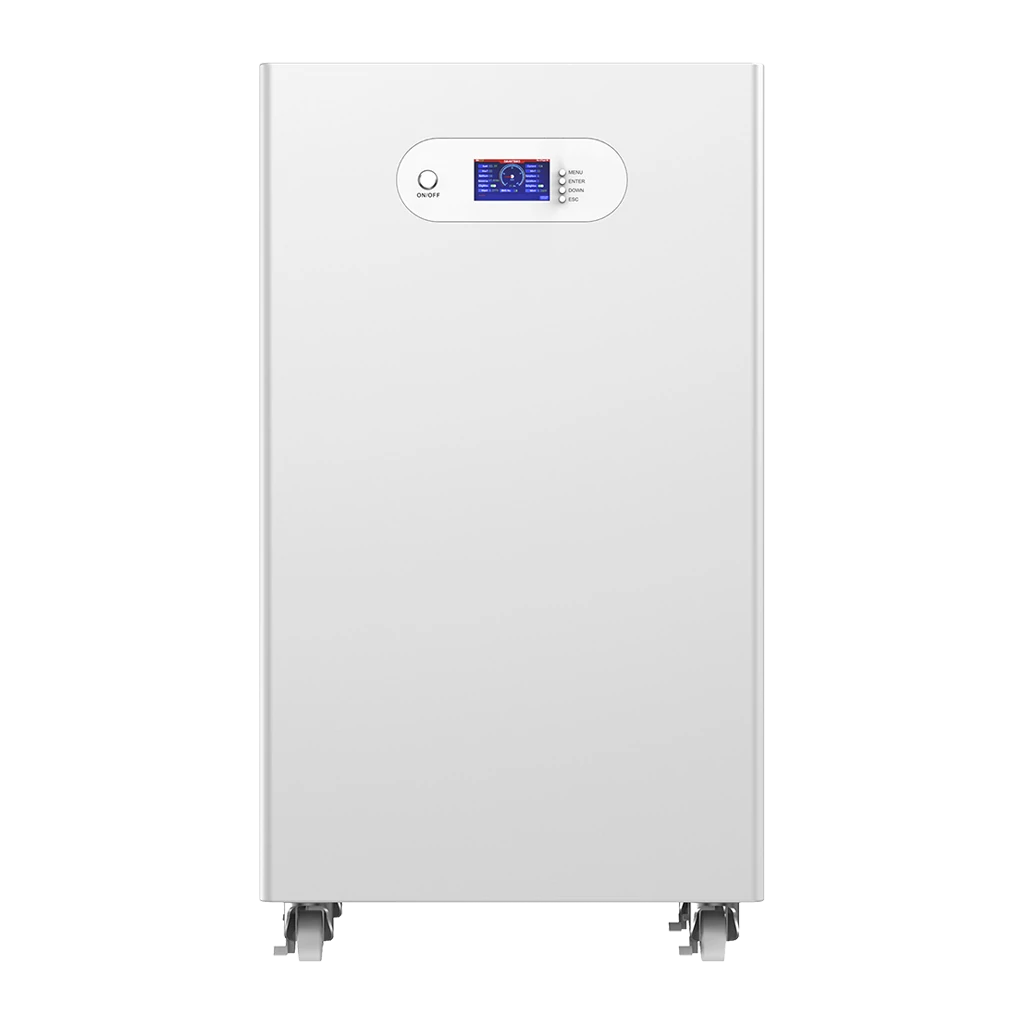
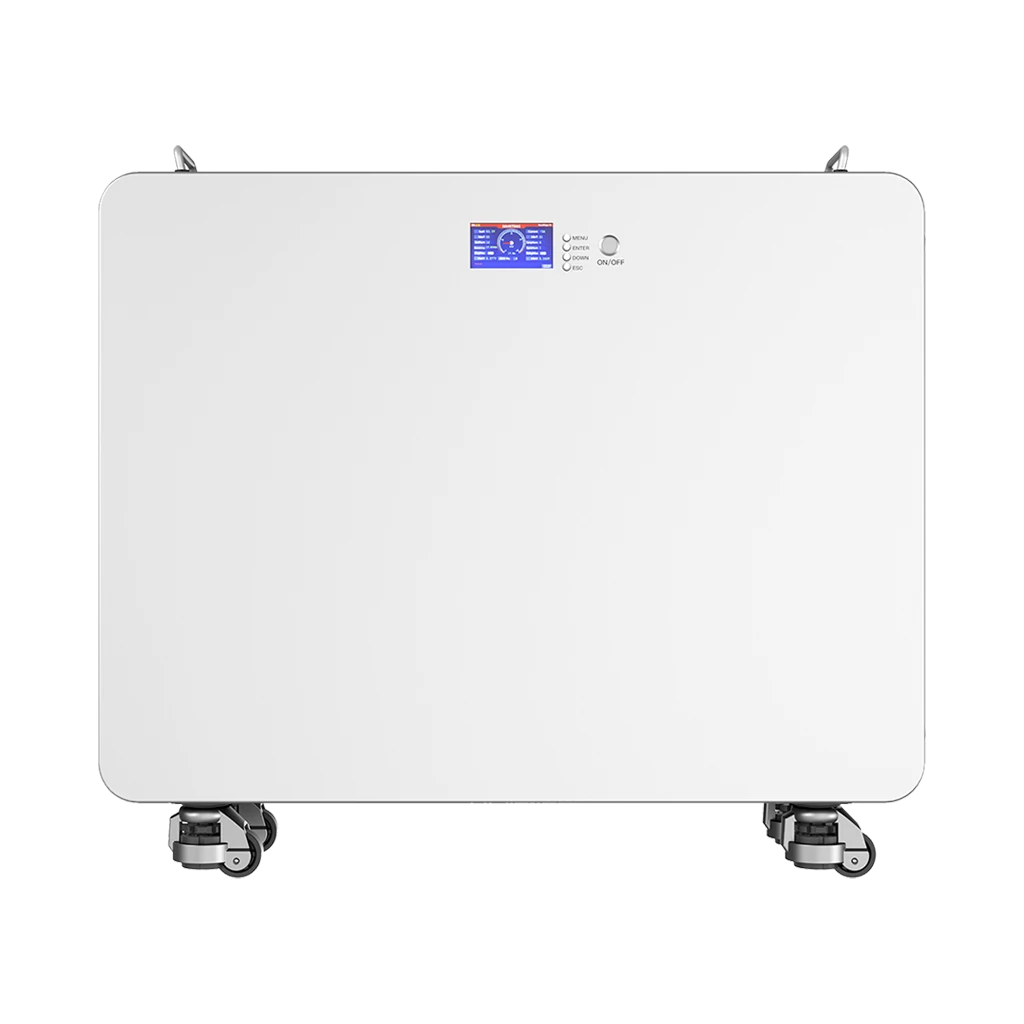
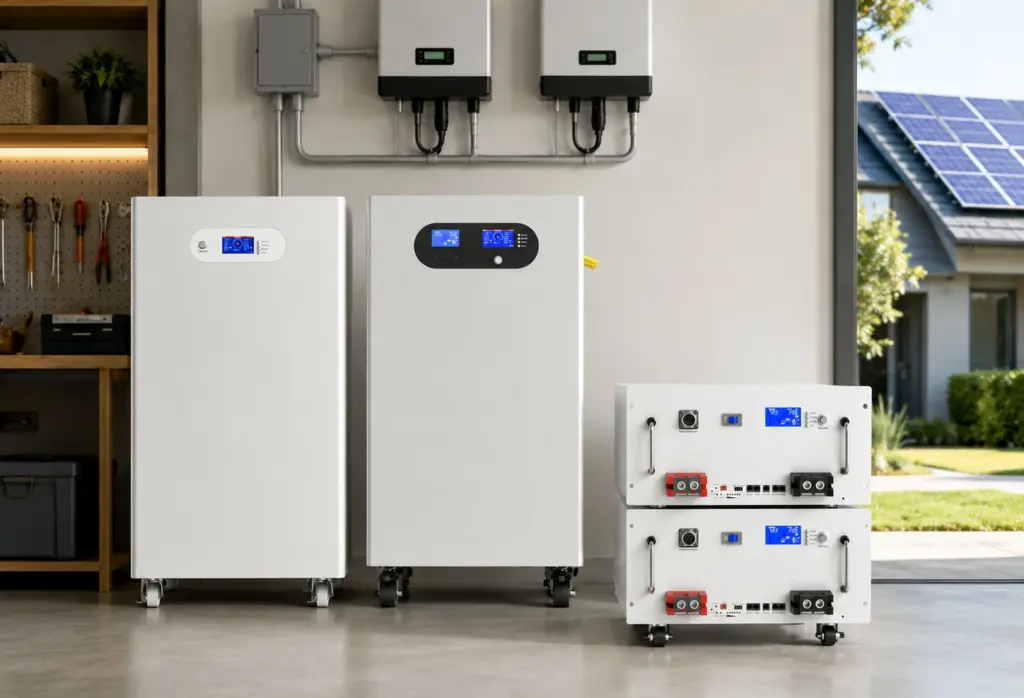
- 20kWh, 30kWh and 40kWh stackable solar battery storage for scalable 21 kWh-class projects
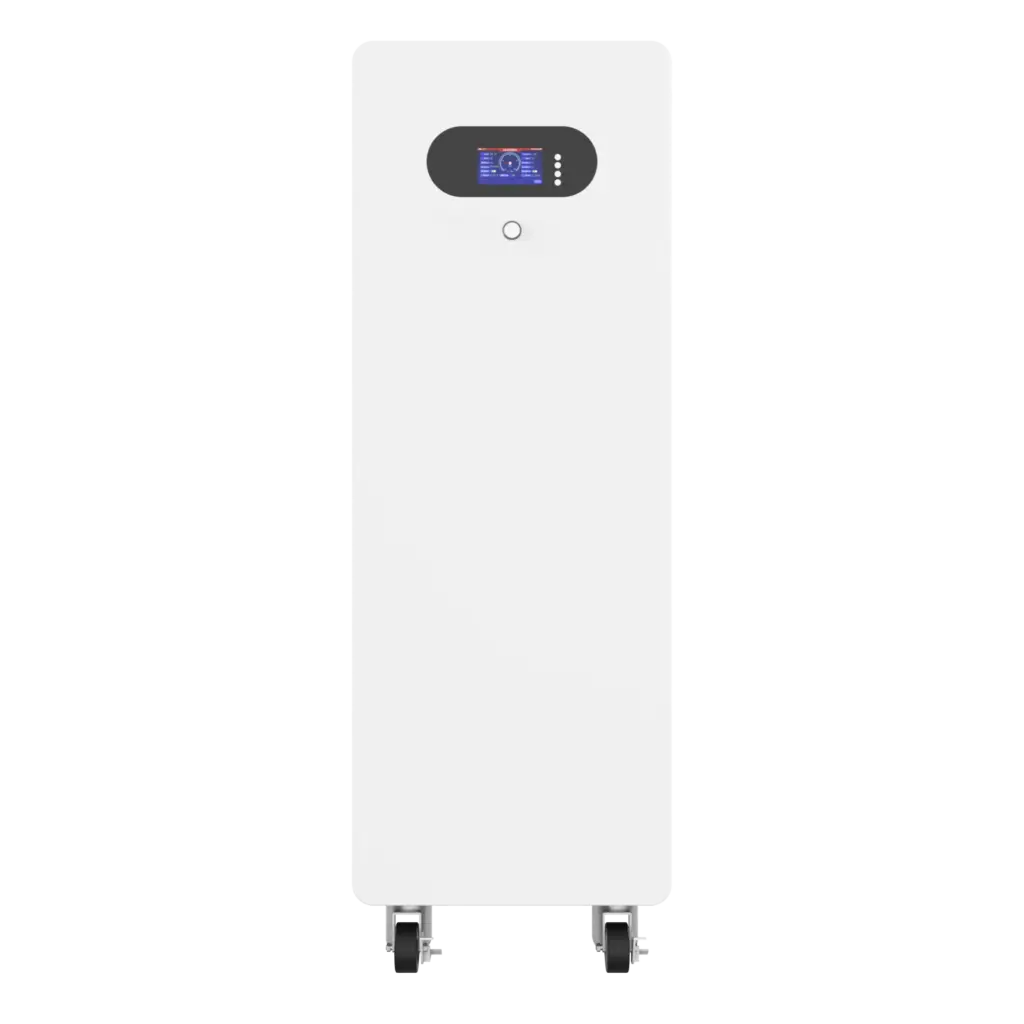
- Stackable LiFePO4 battery systems for flexible capacity expansion
- Battery safety technology for BMS protection, system safety and inverter communication
- Custom battery pack and OEM/ODM service for buyers who need customized capacity, enclosure, label, communication protocol or project configuration
For example, a project targeting about 21 kWh may use a 20 kWh-class stackable battery system, or a customized configuration depending on the required voltage, current, inverter model, installation space and local certification needs.
Avepower’s modular LiFePO4 battery systems are especially suitable for:
- Residential solar installers
- EPC companies
- Energy storage distributors
- Solar wholesalers
- Private label battery brands
- Villa and off-grid project developers
- Small commercial backup projects
Instead of forcing every project into a fixed battery size, Avepower can help match battery capacity, BMS communication, inverter compatibility and expansion strategy according to the project load and backup time.
Take Control of Your Energy with Avepower!
Reliable home solar battery solutions with OEM/ODM customization and in-house manufacturing, tailored to the needs of distributors, installers, and energy partners.
Final Recommendation
A 21 kWh battery is one of the most practical storage sizes for modern solar homes, villas, backup power systems and small energy storage projects. It offers much longer runtime than a 10 kWh battery while remaining easier to install and manage than larger 30 kWh+ systems.
For best results, do not select the battery by capacity alone. Review usable energy, inverter power, BMS current, safety certification, communication protocol, installation environment and future expansion needs.
For installers, distributors and project buyers, Avepower can support 21 kWh-class residential battery projects with scalable LiFePO4 battery systems, BMS protection, inverter communication support and OEM/ODM customization. If your project needs a 20–22 kWh home battery configuration, a stackable or custom Avepower solution can help match the battery system to your real load, runtime and market requirements.
FAQ
It depends on the load. If the home uses 1 kW on average, a 21 kWh battery may support about 17–19 hours after efficiency losses. If the load is only 0.5 kW, it may last more than 35 hours. If the load is 5 kW, it may last only about 3.5–4 hours.
It can support partial whole-home backup or essential backup, but unrestricted whole-home backup depends on appliances. Central air conditioning, electric heating, EV charging and electric ovens can drain a 21 kWh battery quickly.
Many systems use about 6–12 kW of solar panels, depending on peak sun hours, daily load and whether the goal is full recharge, partial recharge or off-grid operation.
Common inverter sizes include 5 kW, 6 kW, 8 kW, 10 kW and 12 kW. The right size depends on simultaneous loads, surge power and battery discharge current.
A 21 kWh battery at 51.2V is about 410Ah because 21,000Wh ÷ 51.2V = approximately 410Ah.
It is often considered a 21 kWh-class battery. For example, four 5.12 kWh modules equal 20.48 kWh, which is commonly marketed close to 21 kWh.
Avepower offers scalable LiFePO4 battery platforms, including 20kWh, 30kWh and 40kWh stackable battery storage systems, wall-mounted batteries and customized energy storage solutions. For a true 21 kWh target, project buyers can request a custom configuration based on voltage, capacity, inverter model and market requirements.