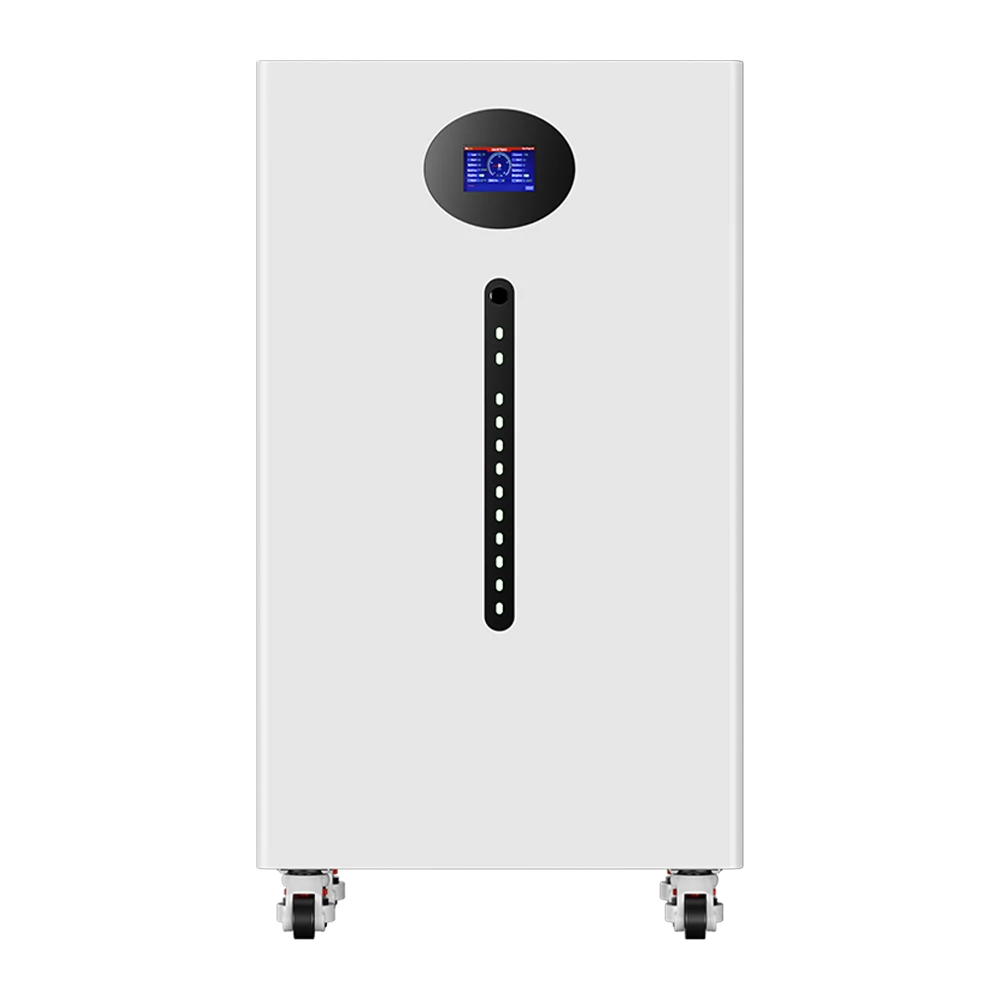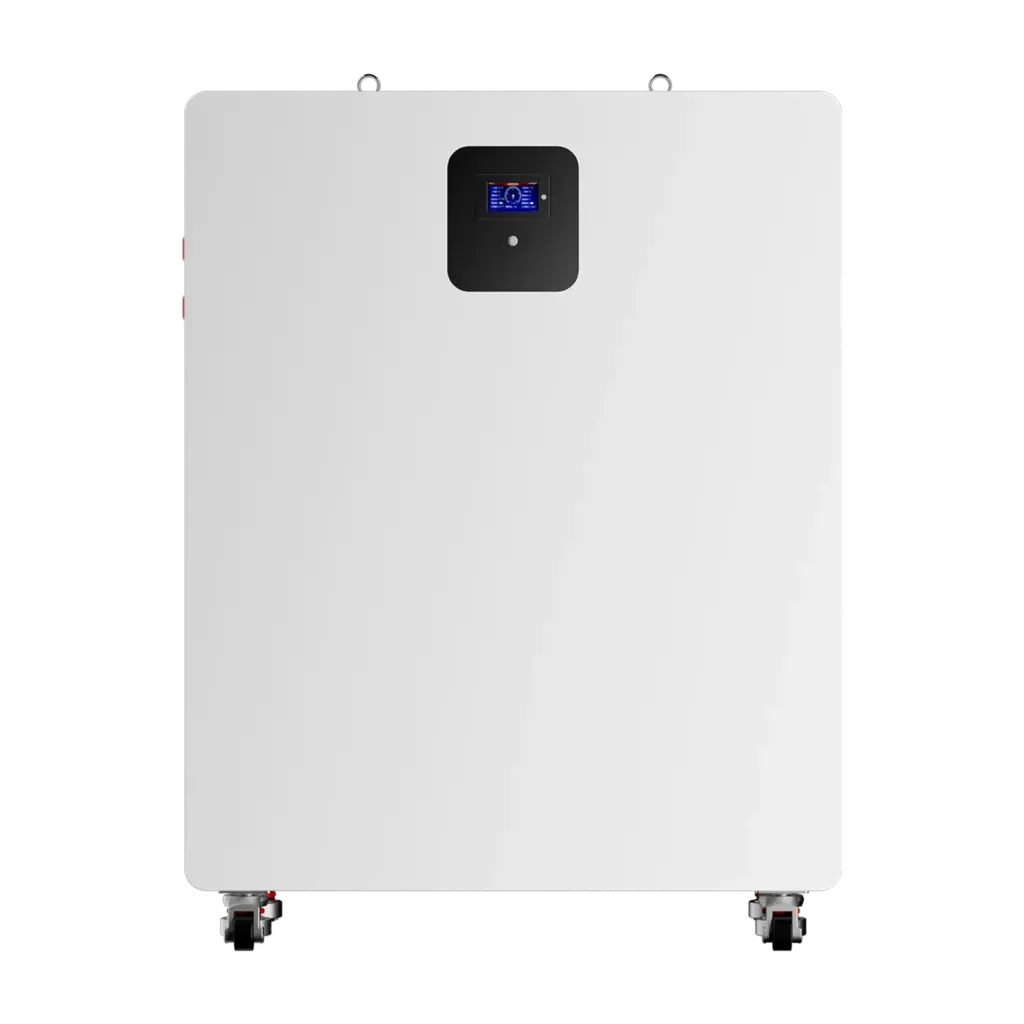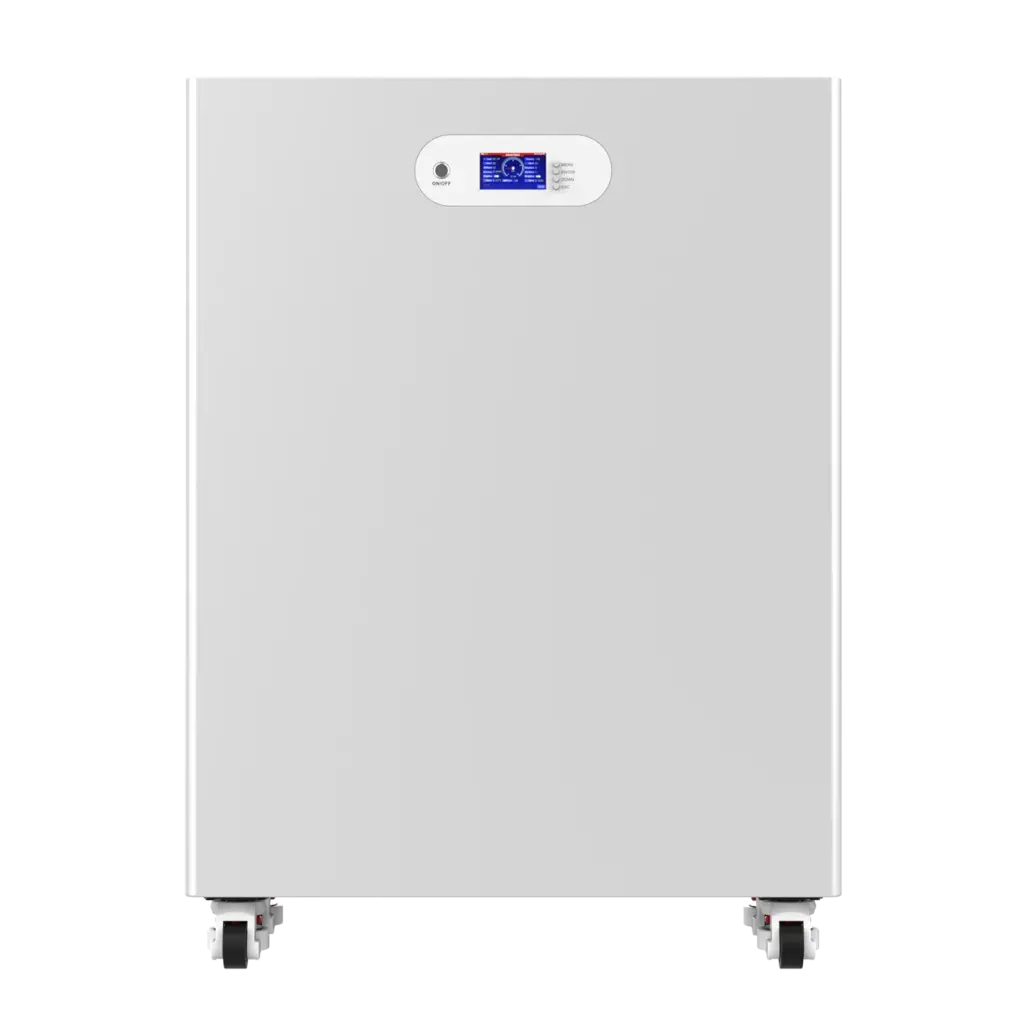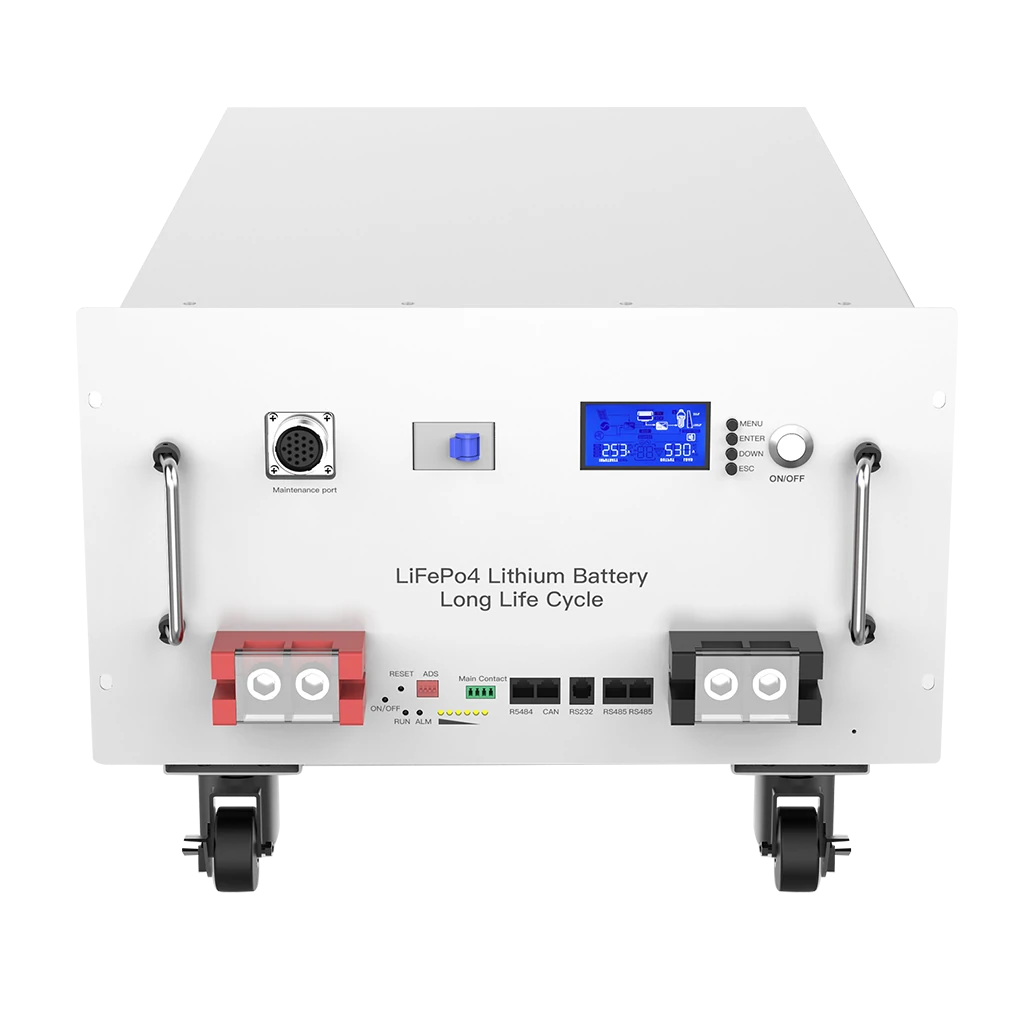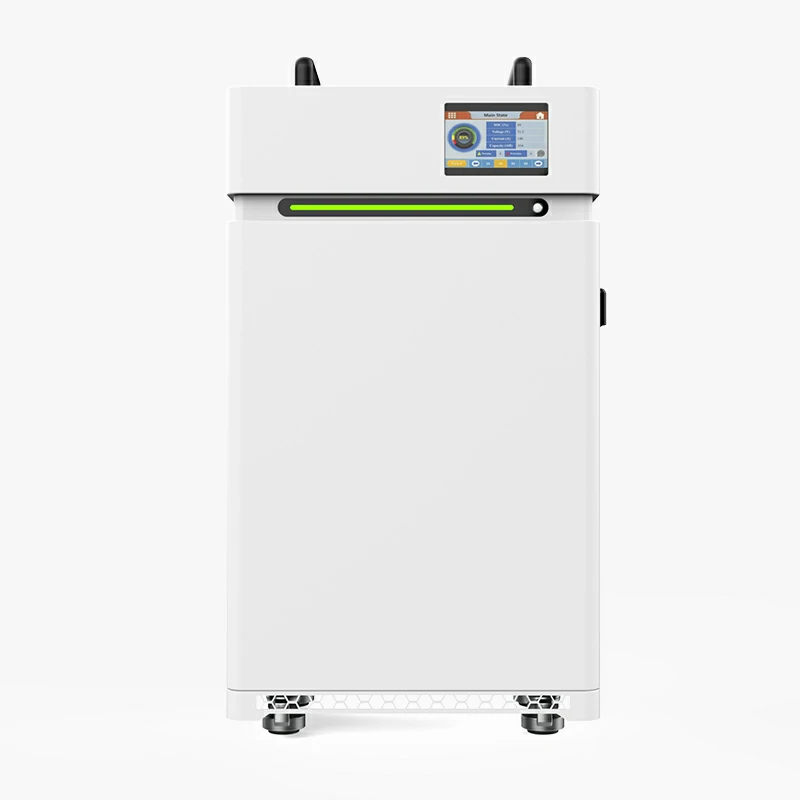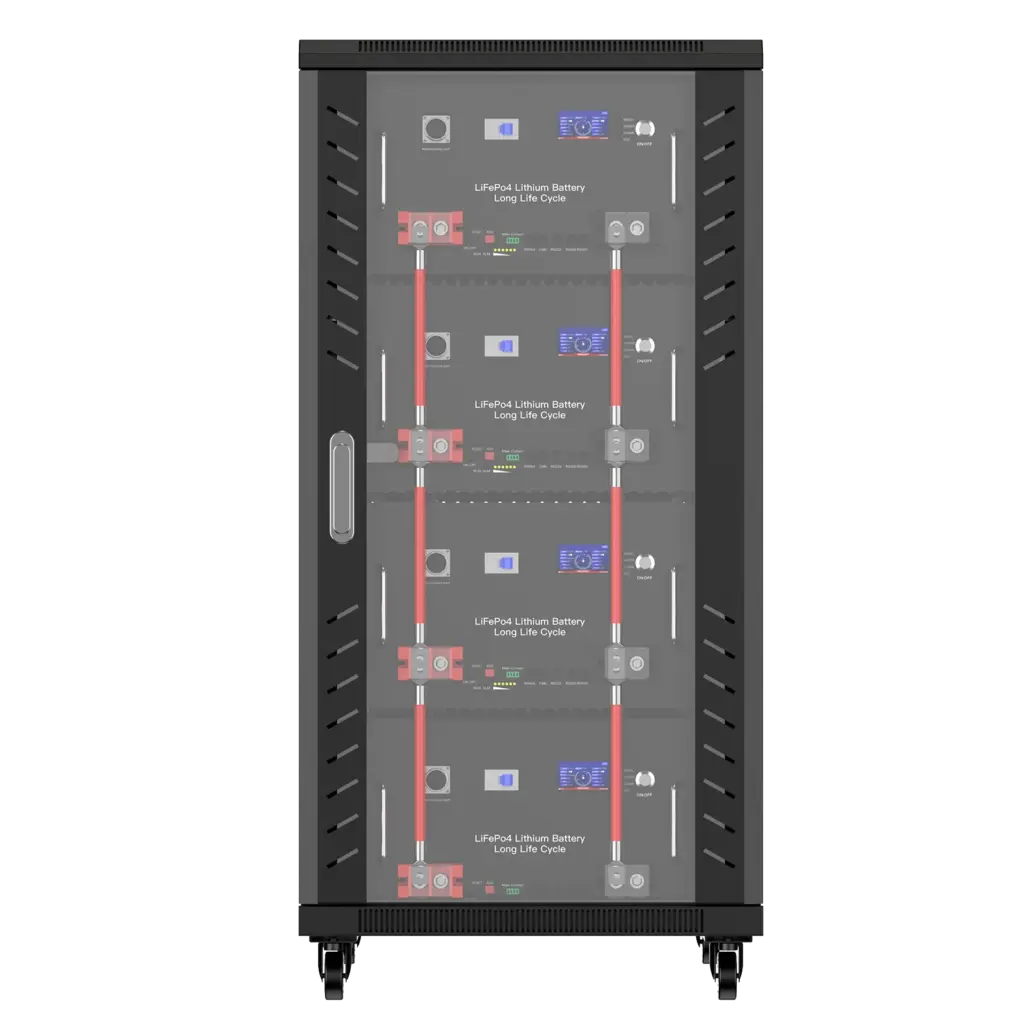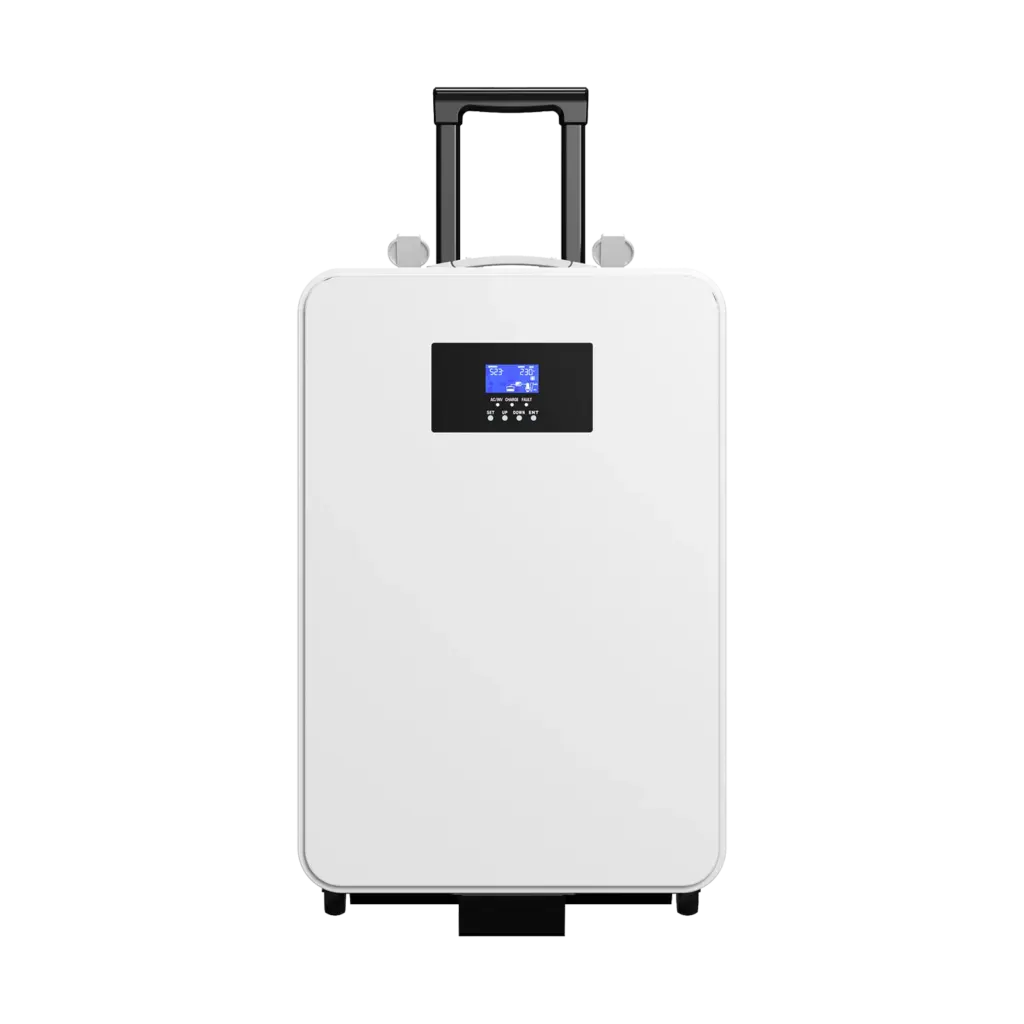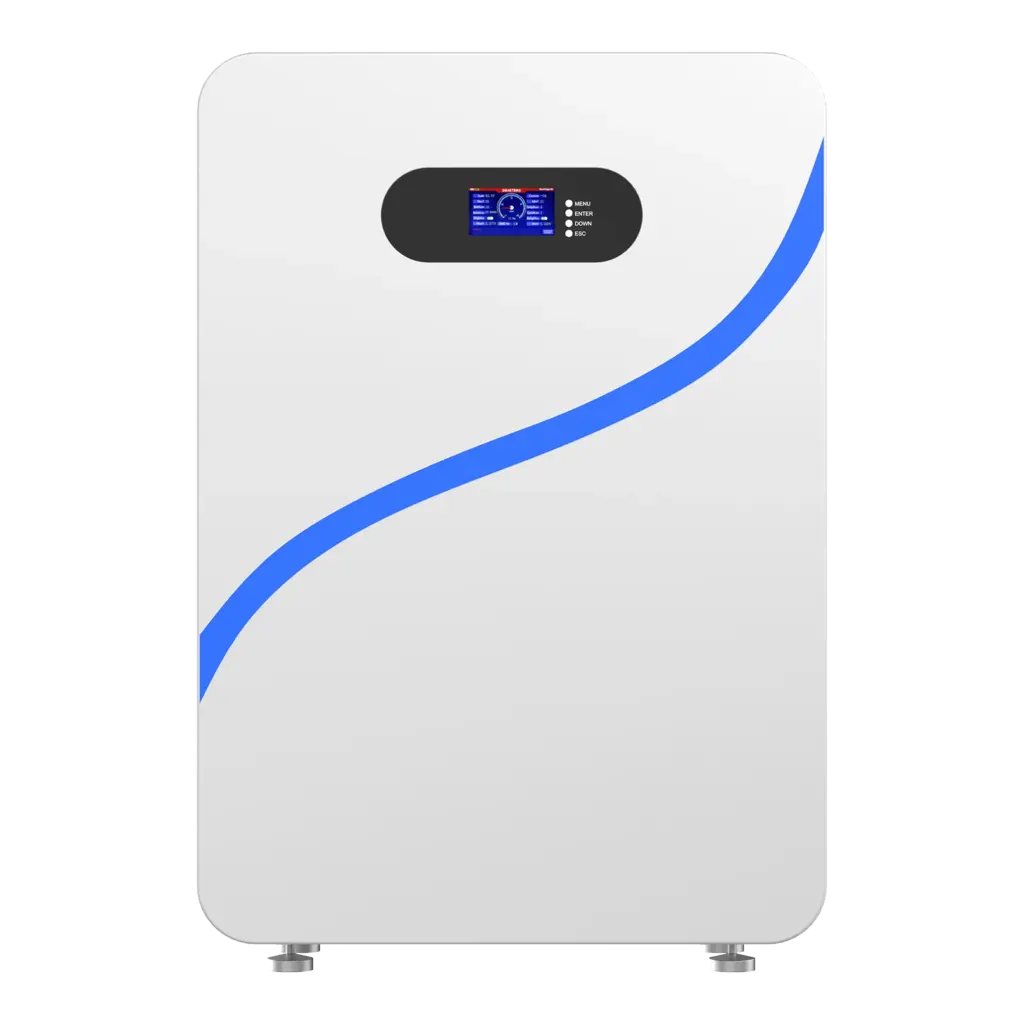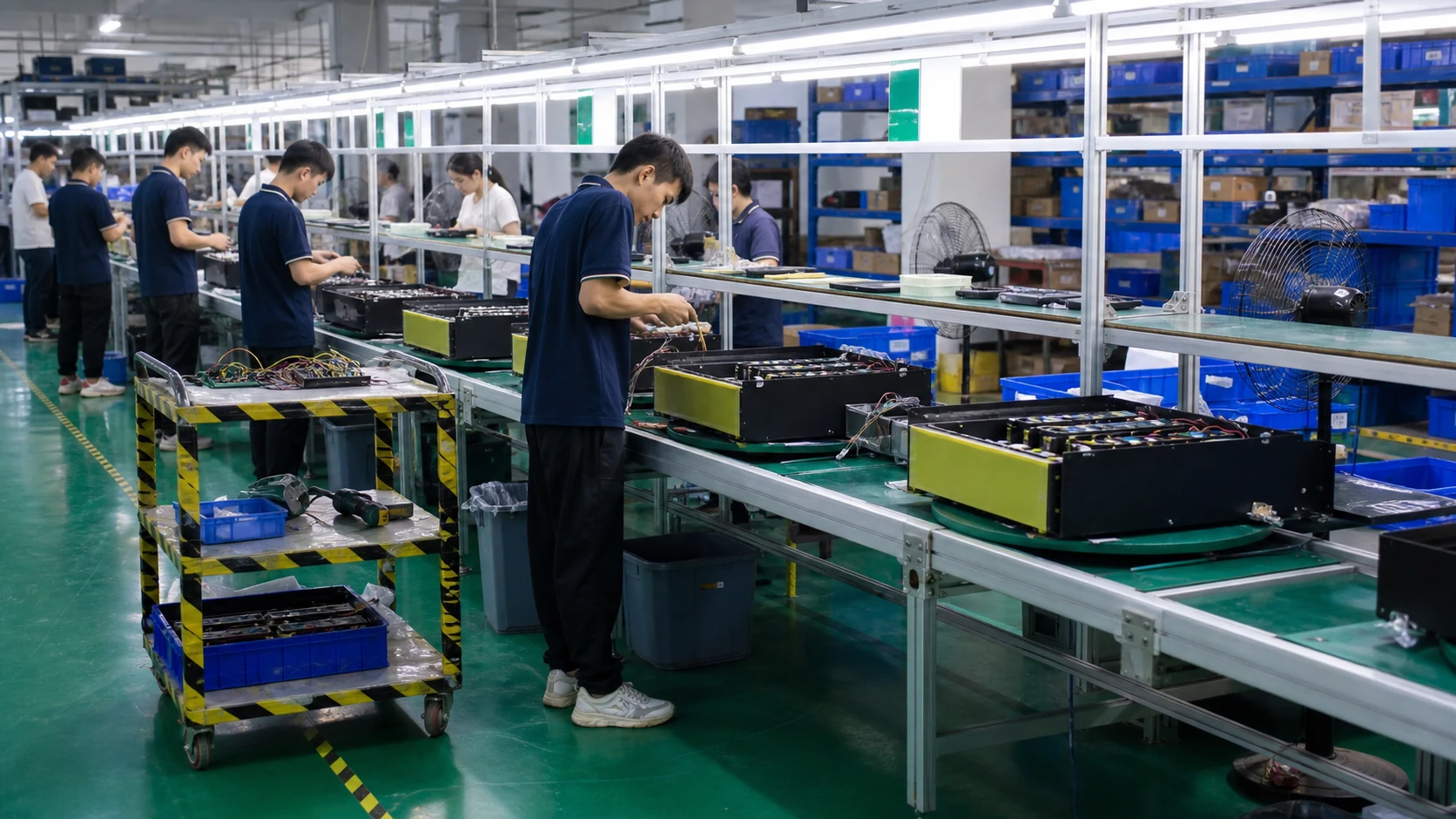

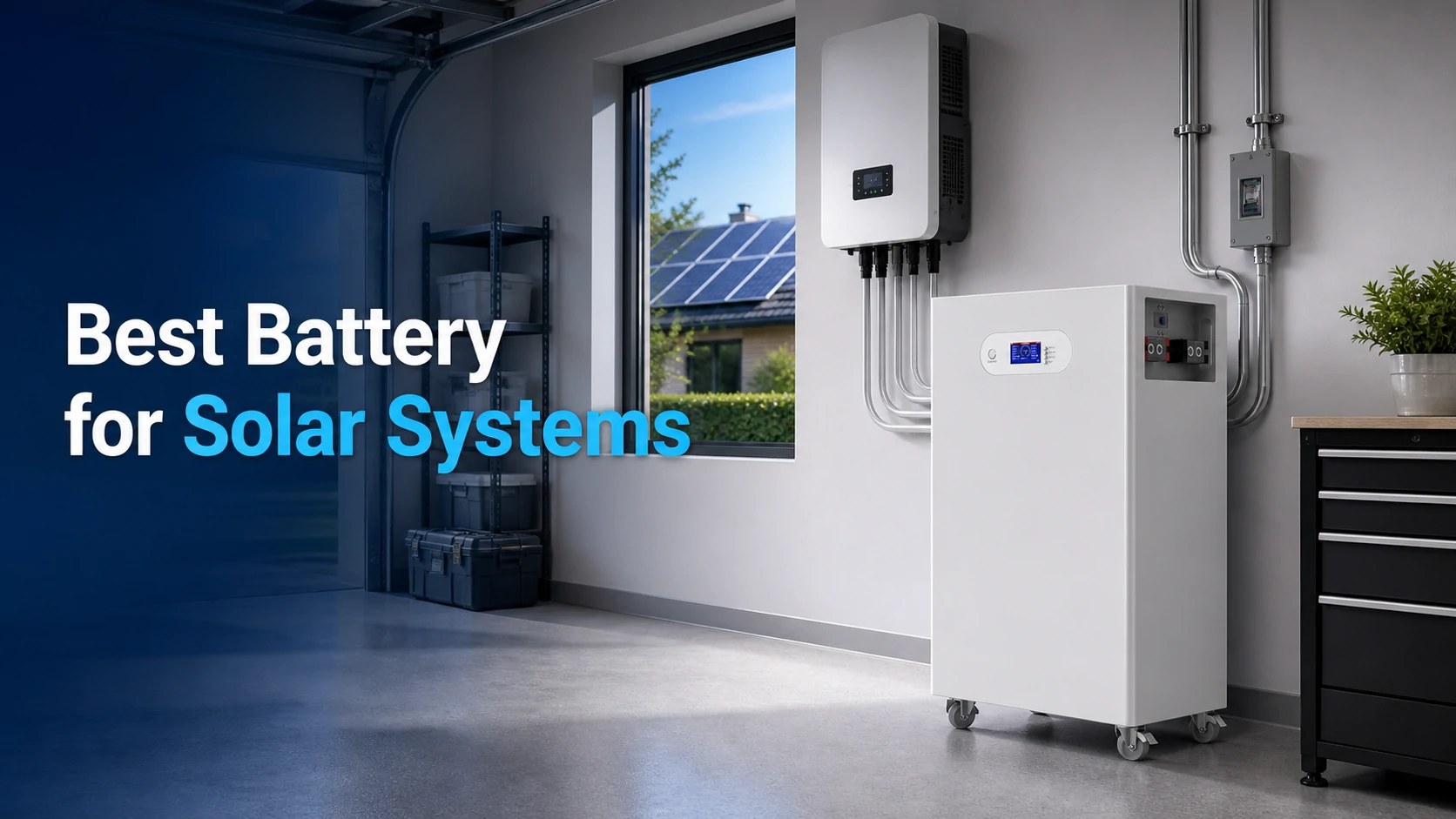
For most modern solar systems, LiFePO4 lithium batteries are the best overall battery type because they offer long cycle life, high usable capacity, strong safety performance, low maintenance and good compatibility with hybrid and off-grid inverters.
Lead-acid, AGM and gel batteries can still work for low-budget or occasional-use solar systems, but they usually need more space, more maintenance and earlier replacement. Flow batteries may suit large commercial or long-duration storage projects, but they are rarely the first choice for standard residential solar systems.
If you are choosing a battery for daily solar charging and discharging, backup power, time-of-use savings or an installer-led residential project, a well-designed LiFePO4 solar battery system is usually the most practical long-term choice.
Quick Answer: Best Battery Type by Solar Application
| Solar System Type | Best Battery Type | Why |
|---|---|---|
| Daily home solar storage | LiFePO4 lithium battery | Long life, high usable capacity, low maintenance |
| Home backup power | LiFePO4 lithium battery | Stable output, fast response, good safety with BMS |
| Off-grid cabin used occasionally | AGM or gel lead-acid | Lower upfront cost if cycling is infrequent |
| Full-time off-grid home | LiFePO4 lithium battery | Better long-term cost and deeper cycling |
| RV, marine or small mobile solar | LiFePO4 battery | Lightweight, compact, high usable energy |
| Large commercial long-duration storage | Flow battery or lithium BESS | Depends on discharge duration, space and budget |
| Lowest initial budget | Flooded lead-acid or AGM | Cheap upfront, but shorter service life |
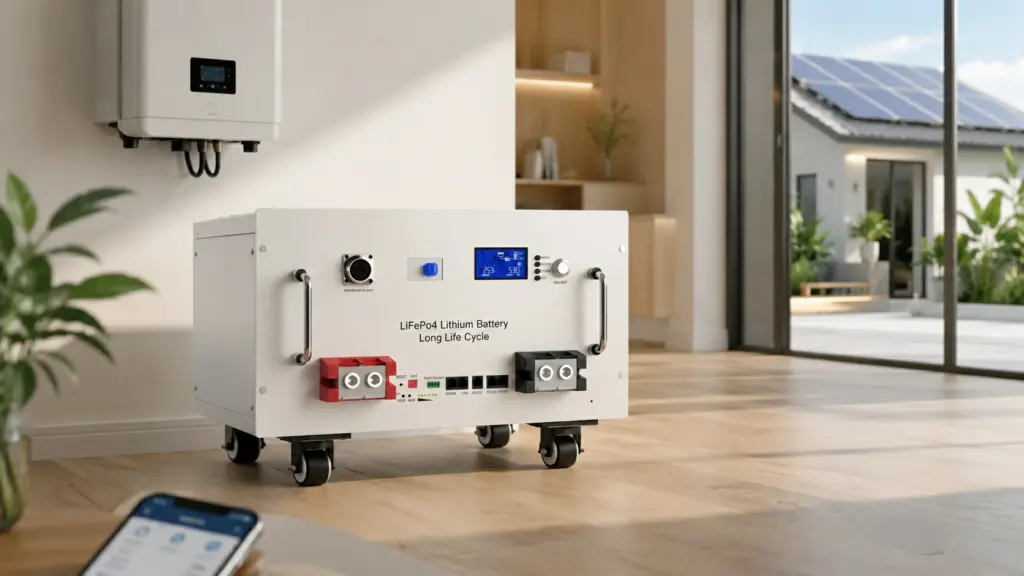
Find the Right LiFePO4 Battery for Your Solar System
Not sure which battery capacity or format fits your project? Avepower helps homeowners, installers and distributors choose safe, scalable battery systems for solar storage, backup power and off-grid applications.
Why Solar Systems Need Batteries
Solar panels generate electricity when sunlight is available. But household and business energy demand often peaks in the evening, during cloudy periods, or when the grid fails. A battery stores surplus solar energy during the day and releases it when you need it.
A solar battery can help you:
- Use more of your own solar power at night
- Reduce grid electricity purchases
- Keep essential loads running during outages
- Shift energy use away from peak-rate periods
- Support off-grid or weak-grid installations
- Build a more flexible solar-plus-storage system
Energy storage helps solar power continue contributing to electricity supply even when the sun is not shining, which is exactly why battery selection matters for system performance. For a full residential solution, Avepower’s residential battery energy storage systems solution is designed for solar storage, backup power, and integrated home energy applications.
Main Types of Batteries Used in Solar Systems
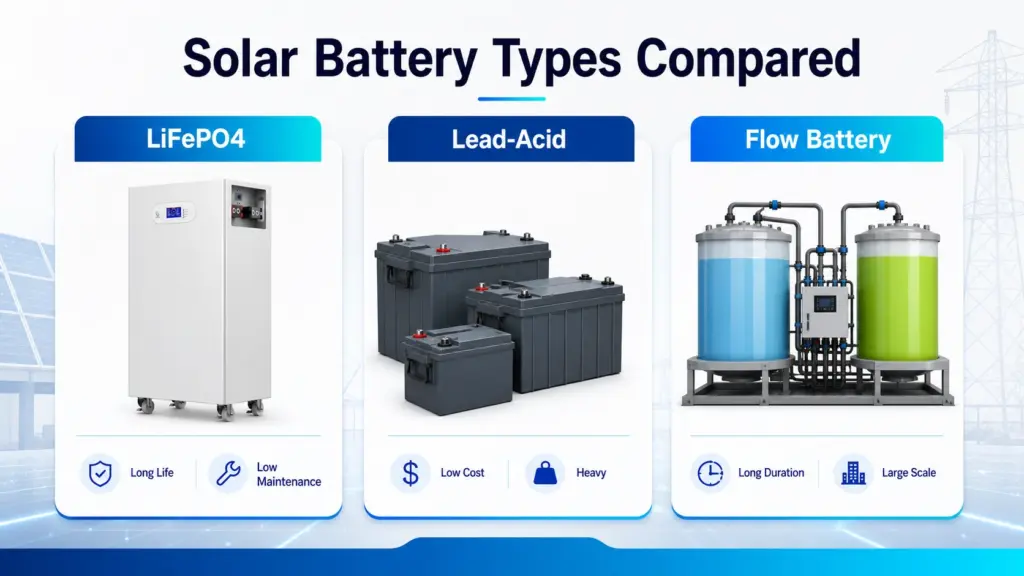
Solar batteries are usually compared by chemistry. The most common types are lithium-ion, LiFePO4, lead-acid, AGM, gel and flow batteries. The U.S. Department of Energy also explains that batteries store energy through chemical reactions and that lithium-ion is the most common battery cell chemistry, with other options including lead-acid, sodium and nickel-based batteries. You can read more from the U.S. Department of Energy solar energy storage basics.
1. LiFePO4 Batteries
LiFePO4 stands for lithium iron phosphate. It is a type of lithium-ion battery chemistry widely used in modern solar energy storage systems.
LiFePO4 is often considered the best battery type for solar systems because it is designed for deep-cycle operation. Solar batteries charge and discharge almost every day, so cycle life, safety, and long-term stability are more important than just the cheapest upfront price.
Key advantages of LiFePO4 solar batteries include:
- Long cycle life
- Good thermal stability
- High safety performance
- Low maintenance
- High usable capacity
- Good charge and discharge efficiency
- Suitable for modular expansion
- Strong compatibility with modern hybrid and off-grid inverters
This is why many modern home energy storage systems use LiFePO4 chemistry. Avepower’s home energy storage battery systems are built around LiFePO4 technology for solar self-consumption, backup power and scalable residential energy storage.
2. Lithium-Ion Batteries
“Lithium-ion” is a broad category. It includes several chemistries, such as LFP / LiFePO4 and NMC. NMC batteries can have high energy density, but LiFePO4 is often preferred for stationary solar storage because it emphasizes stability, long life and daily cycling performance.
For a deeper explanation of LiFePO4 lifespan, Avepower’s guide on LiFePO4 battery life explains how cycling, temperature, BMS protection and usage patterns affect service life.
3. NMC Lithium Batteries
NMC means lithium nickel manganese cobalt oxide. NMC batteries are also lithium-ion batteries and are known for high energy density. This makes them useful in electric vehicles and compact battery systems where space and weight are major concerns.
For stationary solar energy storage, however, LiFePO4 is often preferred because it usually offers better thermal stability and longer service life in daily cycling applications.
NMC may be suitable when:
- Space is extremely limited
- High energy density is the top priority
- The system is designed around a specific branded battery platform
But for home solar storage, backup power, and long-term daily cycling, LiFePO4 is generally the more practical chemistry.
4. Lead-Acid Batteries
Lead-acid batteries have been used in solar systems for decades. They include flooded lead-acid, AGM, and gel batteries.
Their biggest advantage is low upfront cost. This can make them attractive for small, budget-sensitive systems. However, their limitations become clear when you consider long-term solar use.
Common drawbacks include:
- Lower usable depth of discharge
- Shorter cycle life
- Heavier and bulkier design
- Slower charging
- More maintenance for flooded types
- Lower long-term energy efficiency
- More frequent replacement
For occasional backup, AGM batteries may still work. But for daily solar charging and discharging, lead-acid batteries often cost more over time because they need to be replaced sooner.
5. Flow Batteries
Flow batteries store energy in liquid electrolytes. They can be useful for large stationary storage systems where long-duration energy storage is required.
Their advantages include scalability and long cycle life. But they are usually large, complex, and less common in residential solar installations.
Flow batteries may be considered for:
- Utility-scale storage
- Large commercial energy storage
- Long-duration applications
- Projects where space is not a major limitation
For most homes, villas, off-grid cabins, and small commercial solar systems, flow batteries are usually not the most practical choice.
6. Sodium-Ion Batteries
Sodium-ion batteries are an emerging technology. They may become more important in future stationary storage because sodium is abundant and potentially lower cost than lithium.
However, sodium-ion batteries are not yet as widely available in residential solar energy storage as LiFePO4. For buyers who need proven supply, inverter compatibility, certification documents, and mature system integration, LiFePO4 remains the safer choice today.
Solar Battery Comparison Table
| Battery Type | Typical Upfront Cost | Usable Capacity | Maintenance | Space Requirement | Best For |
|---|---|---|---|---|---|
| LiFePO4 lithium | Higher | High | Very low | Compact | Daily solar storage, backup, off-grid |
| NMC lithium-ion | Higher | High | Low | Very compact | Some home and commercial systems |
| Flooded lead-acid | Low | Low to medium | High | Large | Budget systems, occasional use |
| AGM lead-acid | Medium-low | Medium | Low | Medium-large | Backup, RV, small off-grid |
| Gel lead-acid | Medium | Medium | Low | Medium-large | Off-grid, telecom-style use |
| Flow battery | High | High for long duration | Specialized | Large | Commercial and long-duration storage |
LiFePO4 vs Lead-Acid: Which Is Better for Solar?
For most modern solar systems, LiFePO4 is better than lead-acid because it provides more usable energy, longer life, lower maintenance, and better long-term value.
| Comparison factor | LiFePO4 battery | Lead-acid battery |
|---|---|---|
| Upfront cost | Higher | Lower |
| Long-term cost | Usually lower due to longer life | Often higher due to replacement |
| Usable capacity | Higher usable DoD | Lower usable DoD |
| Cycle life | Much longer | Shorter |
| Maintenance | Low | AGM/gel low, flooded higher |
| Weight | Lighter | Heavier |
| Charging speed | Faster | Slower |
| Efficiency | Higher | Lower |
| Best use | Daily solar storage | Occasional backup or budget systems |
Here is a simple example.
If a system needs about 10 kWh of usable energy, a 10 kWh LiFePO4 battery may provide a high percentage of usable capacity depending on system settings. A lead-acid battery bank may need to be oversized because it should not be deeply discharged regularly. That means you may need more nominal lead-acid capacity to achieve the same practical usable energy.
This is why the cheapest battery is not always the lowest-cost battery. For solar storage, total cost should include:
- Battery purchase price
- Usable capacity
- Cycle life
- Replacement frequency
- Installation labor
- Maintenance
- Efficiency losses
- Warranty and technical support
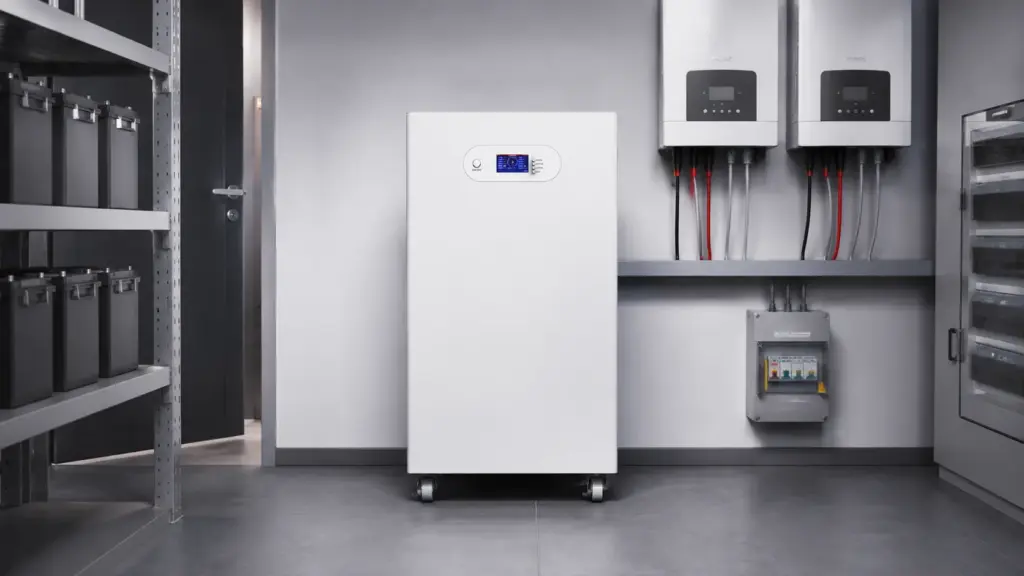
Upgrade from Lead-Acid to Long-Life Solar Storage
Replace short-life lead-acid battery banks with Avepower LiFePO4 solar batteries designed for higher usable capacity, smart BMS protection, low maintenance and long-term daily cycling.
What About Lithium-Ion vs LiFePO4?
LiFePO4 is a type of lithium-ion battery. So when people ask whether lithium-ion is good for solar, the answer is yes—but the chemistry matters.
In simple terms:
- Lithium-ion is the broad battery category
- LiFePO4 is one lithium-ion chemistry
- NMC is another lithium-ion chemistry
For solar storage, LiFePO4 is often preferred because it is stable, long-lasting, and suitable for daily deep-cycle use.
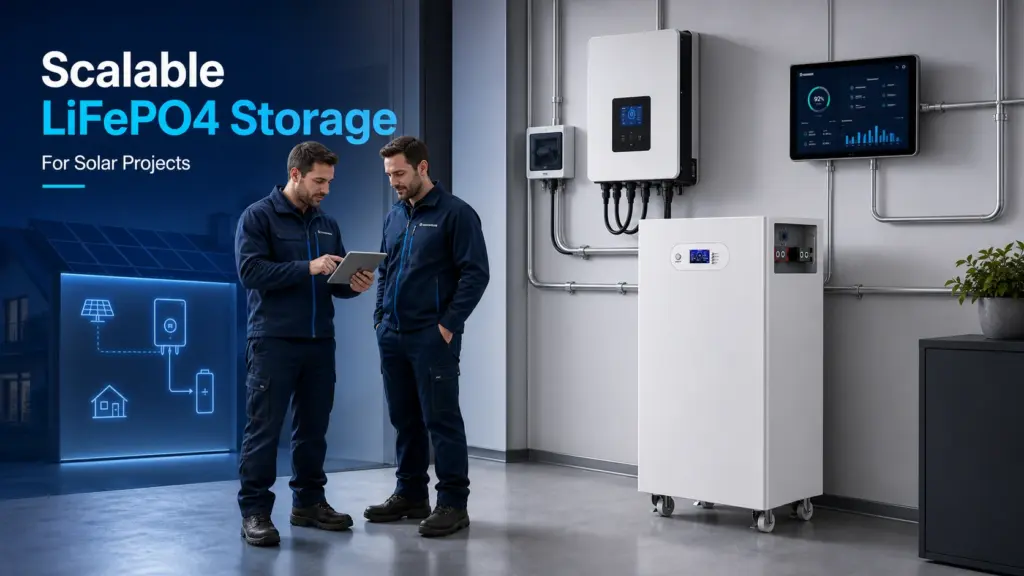
Why LiFePO4 Is Usually the Best Battery for Solar Systems
1. More Usable Energy From the Same Rated Capacity
A battery’s rated capacity is not always the same as its usable capacity.
For example:
- A 10 kWh lead-acid battery bank used at 50% depth of discharge gives about 5 kWh usable energy.
- A 10 kWh LiFePO4 battery used at 80% to 90% depth of discharge gives about 8 to 9 kWh usable energy.
This means a smaller LiFePO4 system can often provide similar usable energy compared with a larger lead-acid system.
Simple formula:
Usable Battery Energy = Rated Capacity × Recommended Depth of Discharge
If you need 10 kWh of usable backup energy, you may need around 20 kWh of lead-acid capacity, but only around 11 to 13 kWh of LiFePO4 capacity, depending on system design and manufacturer limits.
2. Better for Daily Solar Cycling
Solar batteries often charge during the day and discharge at night. That means the battery may cycle almost every day.
Daily cycling is where LiFePO4 performs very well. It is designed for repeated charge and discharge cycles, making it suitable for:
- Solar self-consumption
- Nighttime energy use
- Time-of-use rate optimization
- Backup power readiness
- Off-grid living
- Small commercial energy storage
3. Lower Maintenance
Lead-acid batteries may require water checks, ventilation, terminal inspection and careful charging management. AGM and gel batteries reduce some maintenance, but they still have lead-acid limitations.
LiFePO4 batteries are typically much easier for homeowners, installers and distributors to manage because they are sealed battery systems with integrated BMS protection.
4. Better Space Efficiency
Many homes, garages, villas and utility rooms do not have enough space for large lead-acid battery banks. LiFePO4 batteries store more usable energy in a smaller footprint.
5. Strong Safety With a Quality BMS
Battery safety depends on chemistry, cell quality, BMS design, enclosure design, installation environment and inverter communication.
LiFePO4 is known for stable thermal characteristics compared with some other lithium chemistries. But chemistry alone is not enough. A quality solar battery should also include a smart BMS that monitors voltage, current, temperature, state of charge and safety limits.
Avepower’s battery safety technology focuses on LiFePO4 chemistry, smart BMS protection, quality control, global certifications and system-level safety for residential and commercial energy storage.
Best Battery Type by Solar System Application
Best Battery for Home Solar Systems
For most home solar systems, LiFePO4 is the best choice.
It works well for:
- Daily solar self-consumption
- Evening energy use
- Backup power
- Peak-rate reduction
- Home energy independence
- Long-term low-maintenance operation
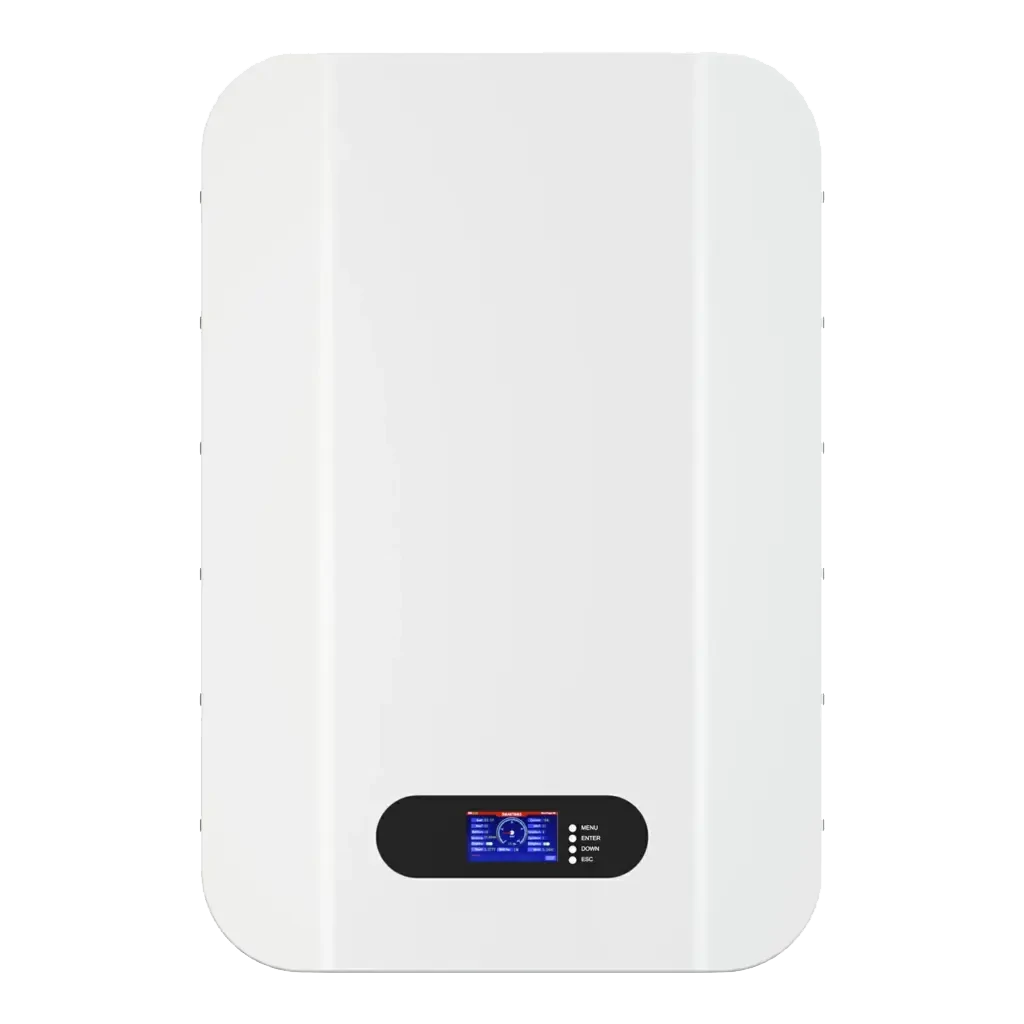
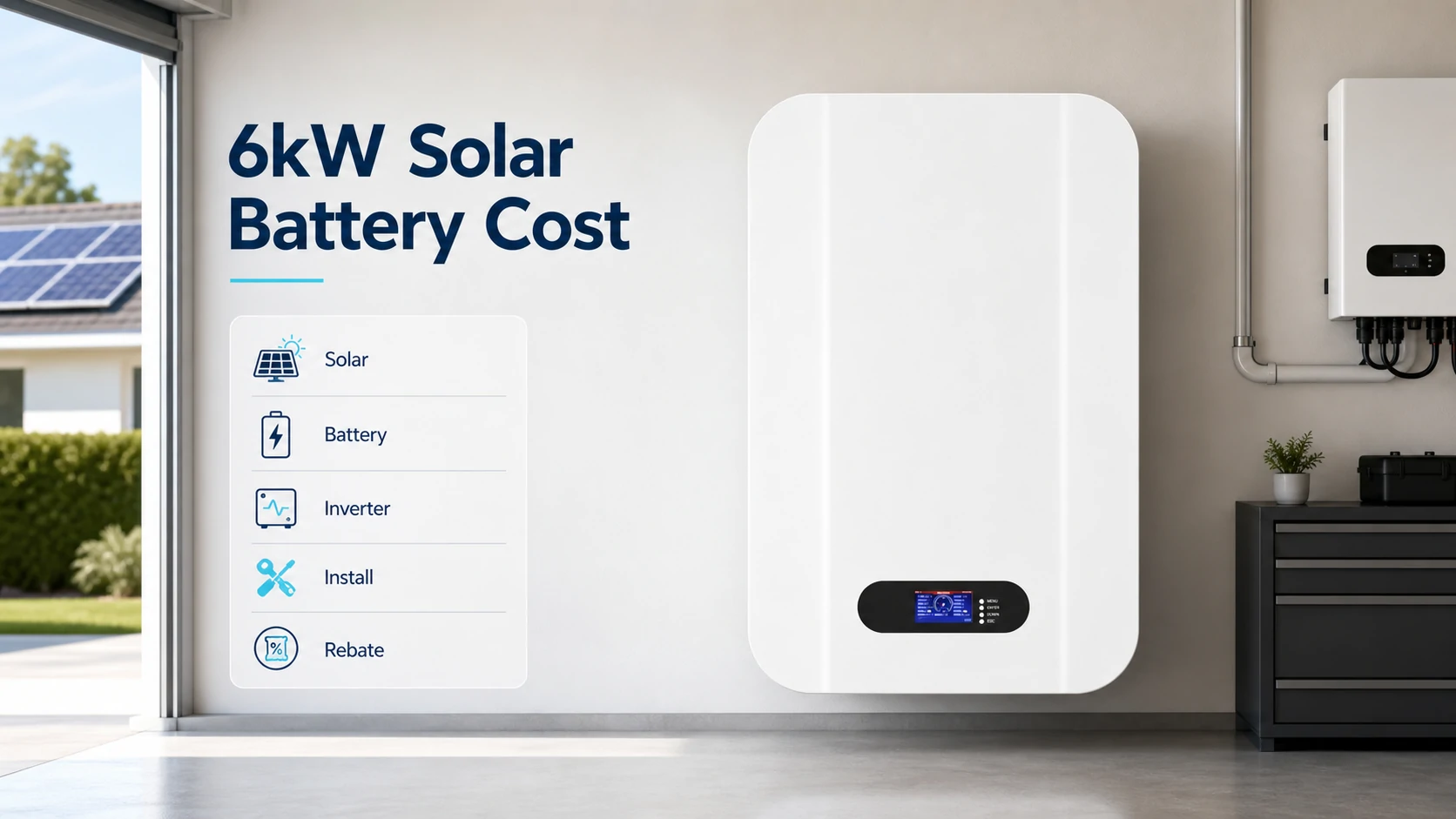
If wall space is available, a 48V 100Ah 5kWh wall-mounted LiFePO4 battery can be a practical starting point. For larger backup needs, a 48V 200Ah 10kWh wall-mounted battery may better support whole-home or extended backup requirements.
Best Battery for Off-Grid Solar Systems
For off-grid solar, LiFePO4 is also highly recommended because off-grid batteries cycle frequently and often need reliable deep discharge performance.
Off-grid systems should be designed around:
- Daily load profile
- Number of backup days
- Solar panel recharge capacity
- Inverter surge power
- Battery usable capacity
- Charging temperature
- Expansion plan
Lead-acid batteries can still work in off-grid systems where budget is limited and maintenance is acceptable. But for long-term performance, LiFePO4 usually provides better value.
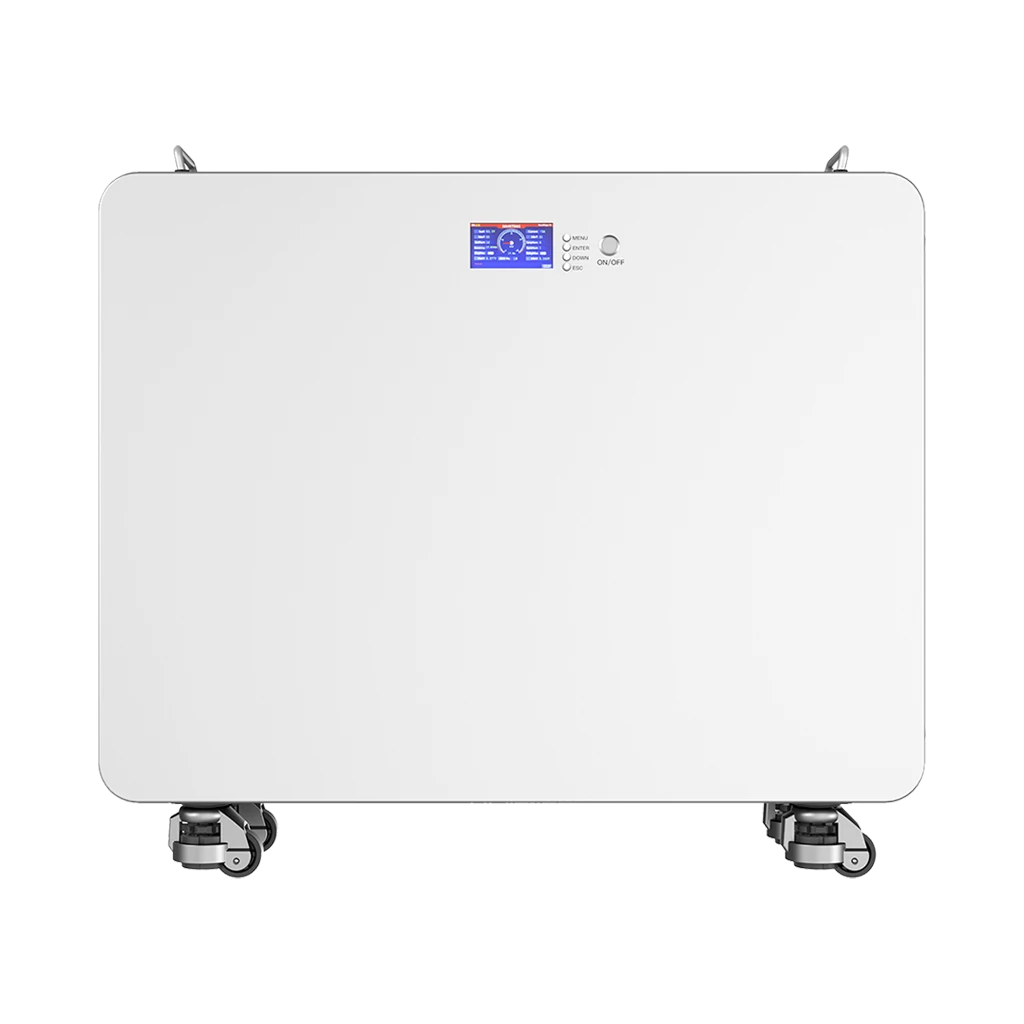
For organized off-grid or equipment-room installations, Avepower rack-mounted LiFePO4 batteries can help installers build cleaner and more serviceable solar battery banks.
Best Battery Type for Installers, Distributors and OEM Buyers
For B2B buyers, “best battery” means more than chemistry. It also means the battery can be installed, supported, shipped, documented and scaled reliably.
Installers should focus on:
- Inverter compatibility
- Easy installation
- Clear wiring and communication guidance
- Strong BMS protection
- Local service expectations
- Product documentation
Distributors and wholesalers should focus on:
- Stable supply
- Repeatable product quality
- Certification support
- Packaging and shipping compliance
- Marketable product formats
- Warranty and after-sales process
OEM / ODM buyers should focus on:
- Custom logo and enclosure options
- Capacity customization
- BMS and protocol matching
- Label and packaging customization
- Product documentation
- Long-term factory cooperation
Avepower is a battery energy storage system manufacturer providing LiFePO4 lithium battery storage solutions for residential solar storage, backup power, off-grid systems, light commercial projects and customized energy storage applications.
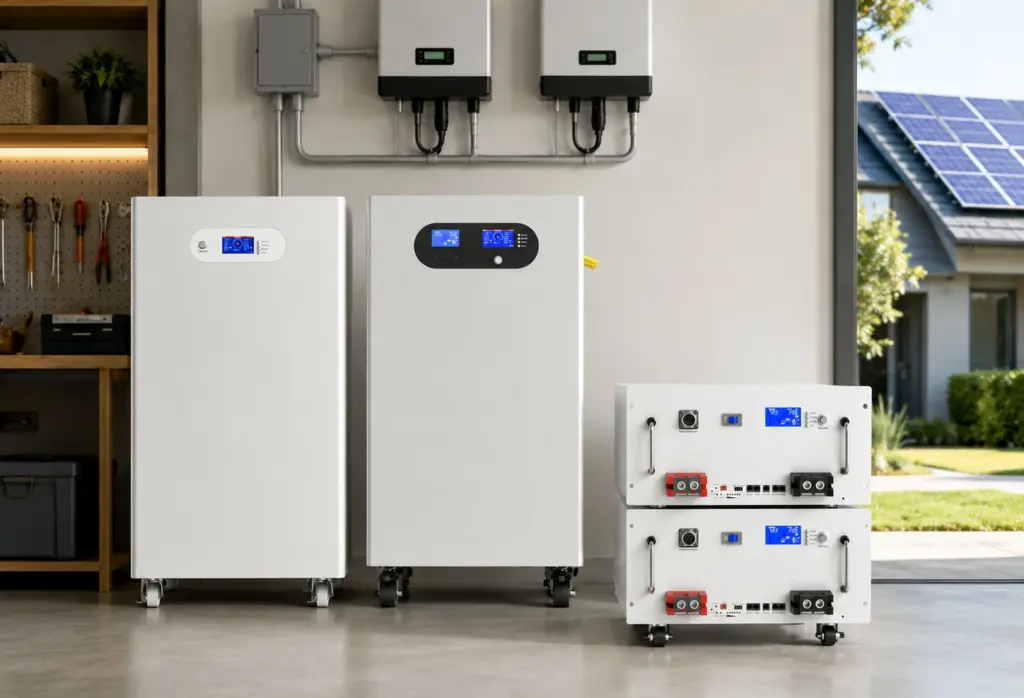
Build a Scalable Solar Battery Solution with Avepower
Avepower provides LiFePO4 energy storage solutions for installers, distributors, OEM brands and solar project developers.
Best Battery for Small Commercial Solar Systems
For small commercial solar systems, LiFePO4 is often the best practical choice because it supports daily cycling, backup power, peak shaving, and energy cost management.
Suitable applications include:
- Shops
- Farms
- Offices
- Clinics
- Small warehouses
- Telecom rooms
- Villas and small resorts
- Installer-managed storage projects
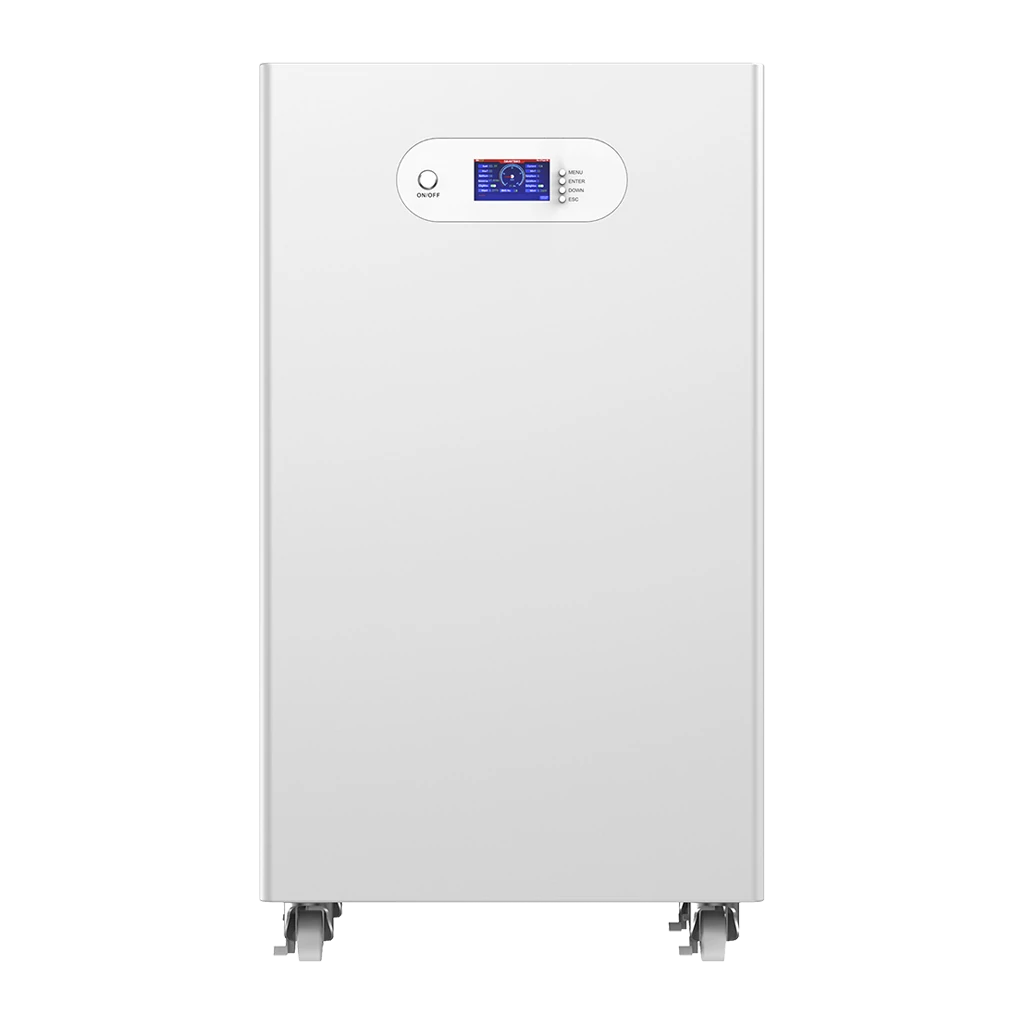
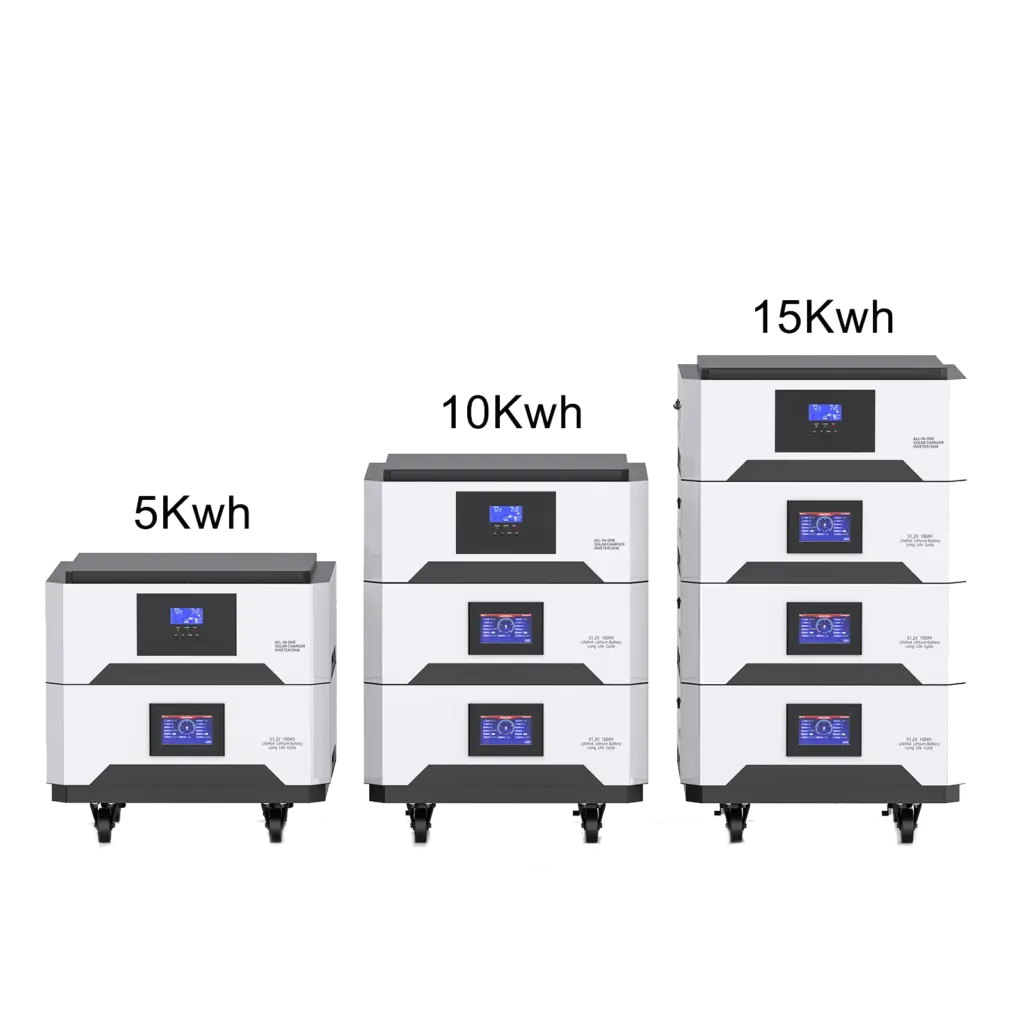
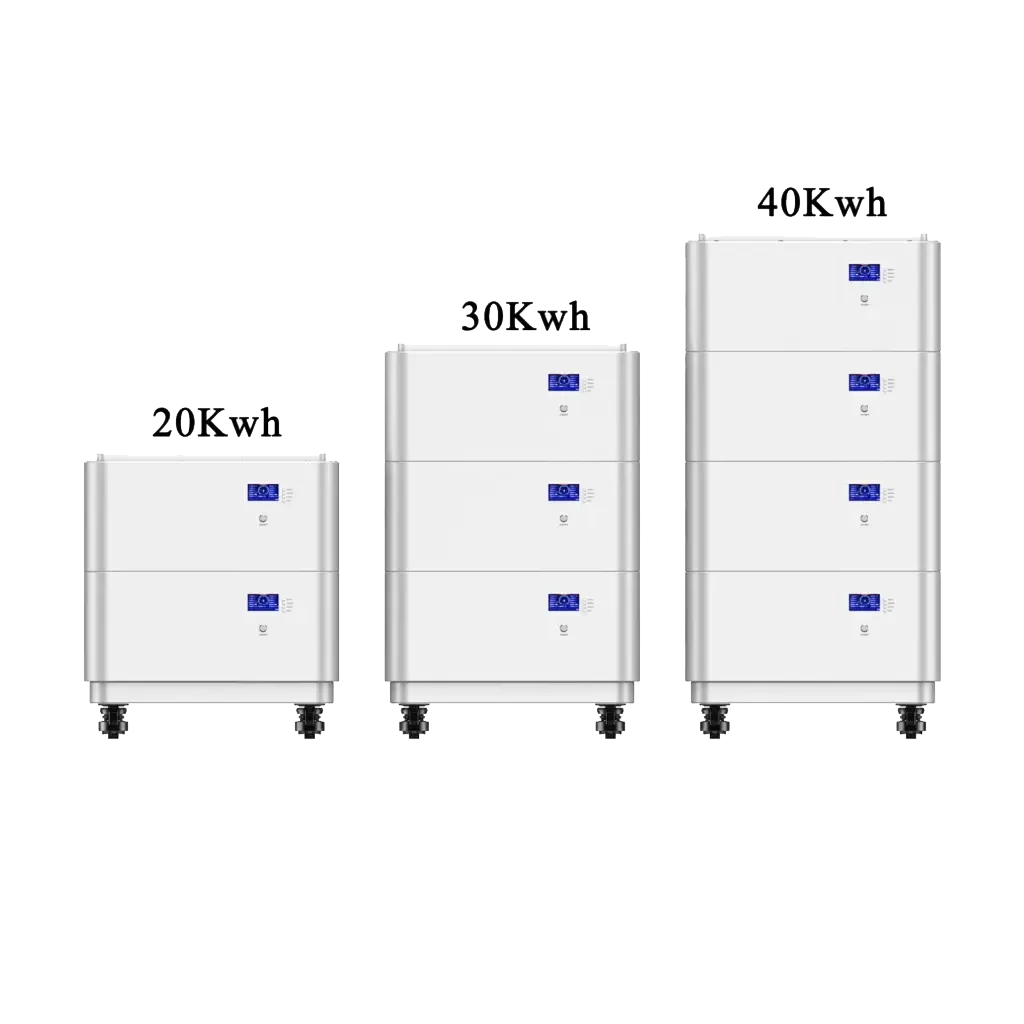
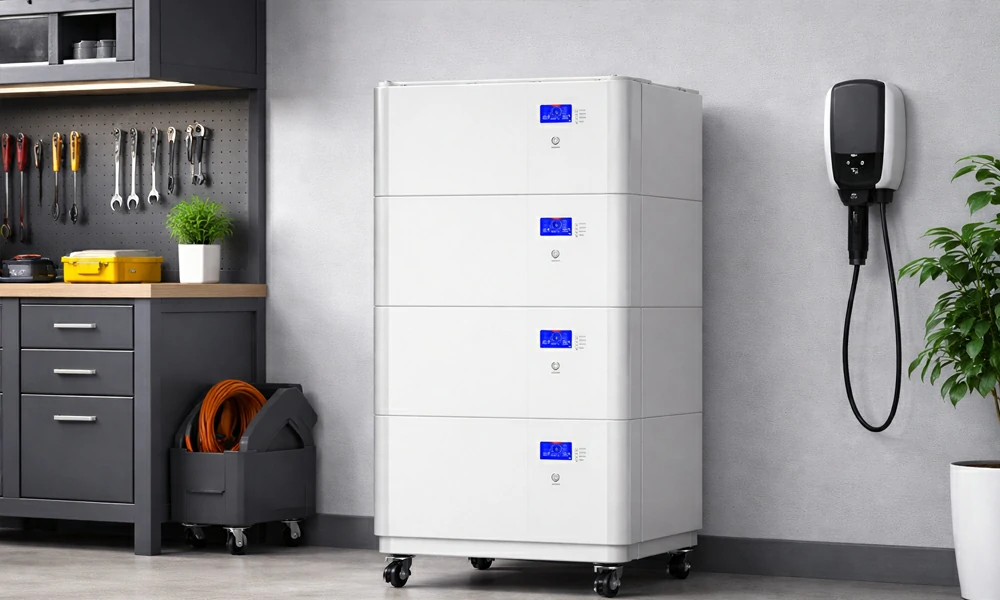
For higher-capacity applications, a 20kWh rack battery cabinet or 20kWh–40kWh stackable solar battery system can provide a cleaner and more scalable layout than multiple loose battery packs.
Practical Recommendation: Which Battery Should You Buy?
If you want the safest general recommendation, choose a LiFePO4 solar battery with:
- Enough usable capacity for your loads
- Smart BMS protection
- Long cycle life
- CAN / RS485 / RS232 communication
- Compatible inverter support
- Expandable system design
- Reliable warranty and documentation
- Proper certifications for your target market
For homeowners, this means a safer and longer-lasting solar storage system.
For installers, it means easier commissioning and fewer after-sales risks.
For distributors, it means a product category that fits current market demand.
For project developers, it means better scalability and system reliability.
When Lead-Acid Batteries Still Make Sense
Although LiFePO4 is usually the best battery for solar systems, lead-acid batteries are not completely obsolete.
They may still be suitable when:
- The system is very small
- The budget is extremely limited
- Backup is only occasional
- The buyer accepts a shorter service life
- Maintenance is available
- Weight and space are not major problems
For example, an occasional-use cabin or simple backup system may use AGM or gel batteries. But for daily solar self-consumption, modern residential storage, and professional installer projects, LiFePO4 is usually the better long-term investment.
Final Verdict: LiFePO4 Is the Best Battery Type for Most Solar Systems
For most home solar systems, off-grid solar projects, backup power systems, and small commercial solar storage applications, LiFePO4 is the best battery type. It offers the best overall balance of safety, lifespan, efficiency, usable capacity, low maintenance, and long-term value.
Lead-acid batteries can still work for low-budget or occasional-use systems. Flow batteries may be useful for large long-duration projects. Sodium-ion batteries may become more important in the future. But for buyers who need a proven, scalable, and installer-friendly solar battery today, LiFePO4 is the most practical choice.
FAQ
LiFePO4 is usually the best battery type for solar systems because it offers long cycle life, strong safety performance, high usable capacity, low maintenance, and good compatibility with modern solar inverters.
LiFePO4 is a type of lithium-ion battery. Compared with some other lithium chemistries such as NMC, LiFePO4 is often preferred for solar storage because it has strong thermal stability and long cycle life.
Lead-acid batteries can still be used for small or low-budget solar systems, especially when backup is occasional. However, they are heavier, less efficient, and usually have a shorter lifespan than LiFePO4 batteries.
Many modern residential solar storage systems use 48V or 51.2V low-voltage lithium battery platforms. Larger commercial or high-power systems may use high-voltage battery systems.
For installers and distributors, LiFePO4 batteries with smart BMS protection, inverter communication, certifications, modular expansion, and stable supply are usually the best choice. These features reduce installation risk and improve long-term customer satisfaction.