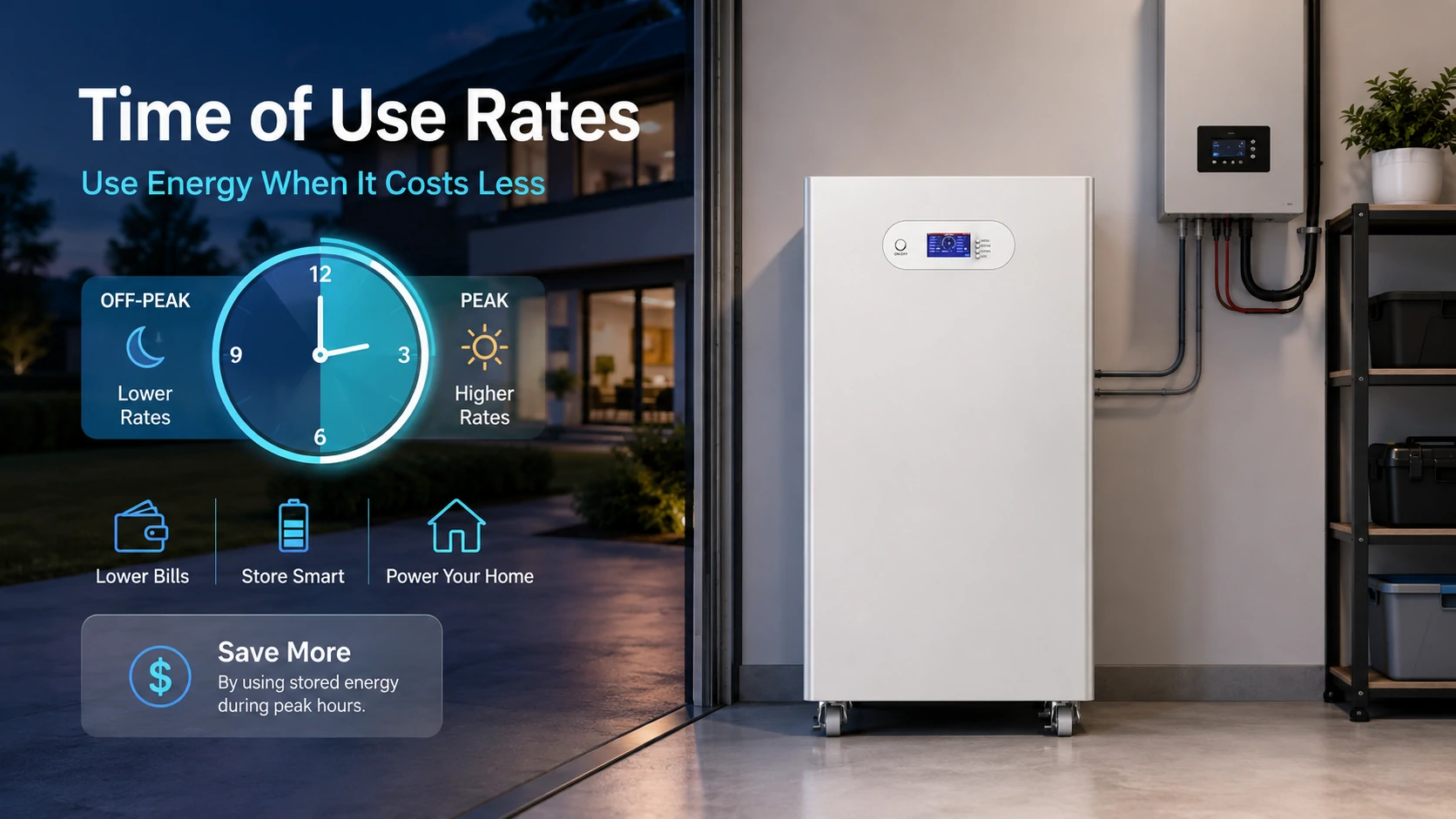
Time of use electricity rates are utility pricing plans where the price of electricity changes depending on when you use power. Instead of paying the same rate all day, you usually pay more during peak demand hours and less during off-peak hours.
In simple terms, your electric bill is affected by two things:
- How much electricity you use
- What time of day you use it
This matters because electricity is usually more expensive when demand is high, such as late afternoon or evening, and cheaper when demand is lower, such as overnight or early morning.
For homeowners, time of use rates can change daily energy habits. For solar installers, distributors, and energy storage project buyers, TOU rates also create a stronger reason to use battery storage. A battery can store solar power or low-cost grid electricity, then discharge during expensive peak-rate periods.
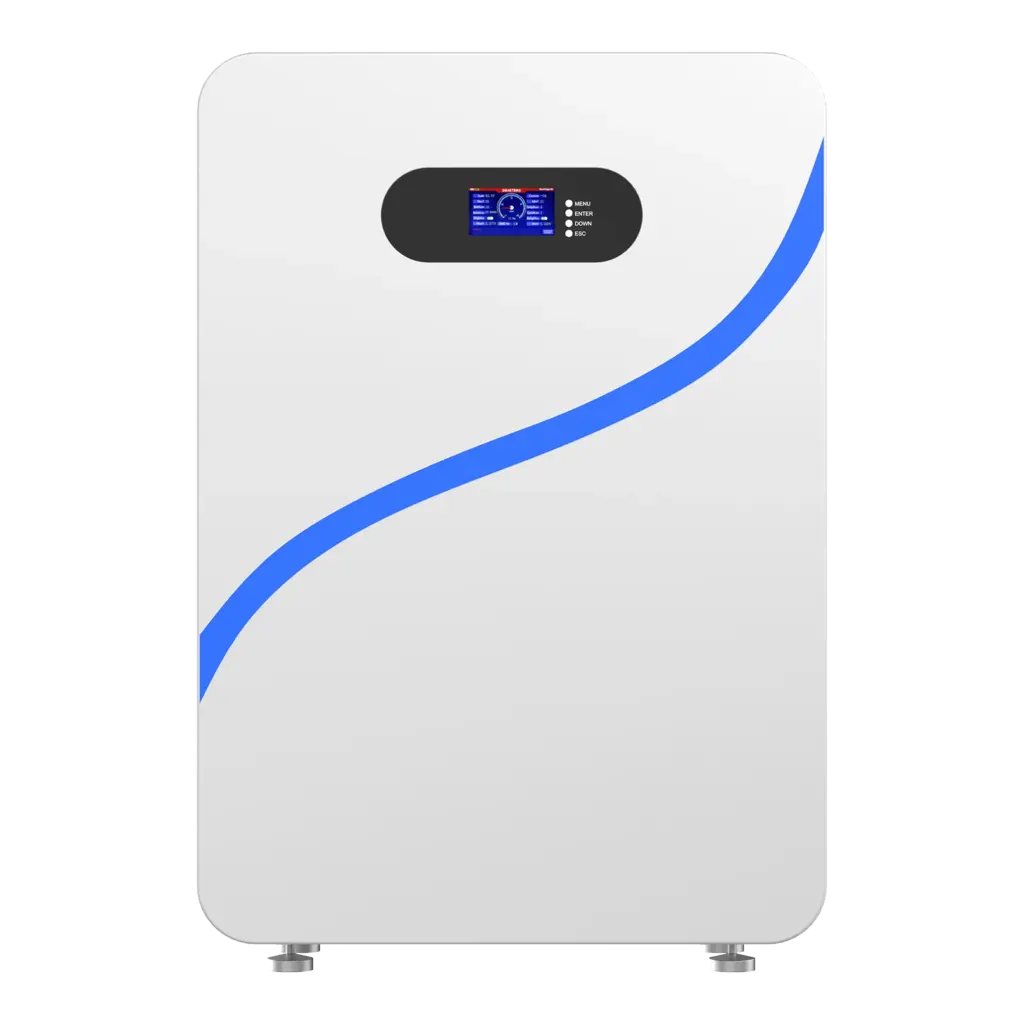
That is why many homeowners and businesses now pair solar panels with a battery system such as an Avepower home energy storage system to reduce peak-hour grid use, improve solar self-consumption, and keep essential loads running during outages.
How Time of Use Rates Work
Under a flat electricity plan, you pay one rate for each kilowatt-hour regardless of time. Under a time of use plan, your utility divides the day into pricing periods.
Most TOU plans include:
| Time Period | Example Rate | Customer Action |
|---|---|---|
| 12 a.m. to 6 a.m. | $0.12/kWh | Charge battery or EV |
| 10 a.m. to 3 p.m. | $0.18/kWh | Use solar production directly |
| 4 p.m. to 9 p.m. | $0.42/kWh | Discharge battery and reduce grid use |
For example, a utility may charge lower rates overnight when grid demand is low. Prices may rise in the late afternoon or evening when homes, businesses, HVAC systems, and appliances all use more electricity.
Why Utilities Use Time of Use Rates
Utilities use time of use electricity rates because electricity demand is not the same throughout the day. When many customers use power at the same time, utilities may need to operate more expensive power plants, buy higher-priced electricity from the market, or manage greater stress on the grid.
Time of use pricing helps encourage customers to move some electricity use away from peak hours. This can help:
- Reduce pressure on the grid
- Lower peak demand
- Improve energy efficiency
- Support renewable energy integration
- Make electricity costs more transparent
- Encourage smarter energy habits
For customers, the opportunity is clear: if you can use less electricity during expensive hours and more during cheaper hours, you may reduce your bill without necessarily reducing your total energy use.
Peak vs Off-Peak Electricity Hours
Peak hours are the periods when electricity is most expensive. Off-peak hours are the periods when electricity is cheapest.
Although every utility sets its own schedule, common patterns include:
- Off-peak: late night, early morning, weekends, or periods of low demand
- Peak: late afternoon and evening, especially on hot or cold days
- Mid-peak: daytime or transition periods between low and high demand
For example, some California utilities use evening peak windows such as 4 p.m. to 9 p.m. or 5 p.m. to 8 p.m.
However, you should never assume your local peak hours. Always check your utility bill or tariff page because TOU schedules can change by location, season, and plan.
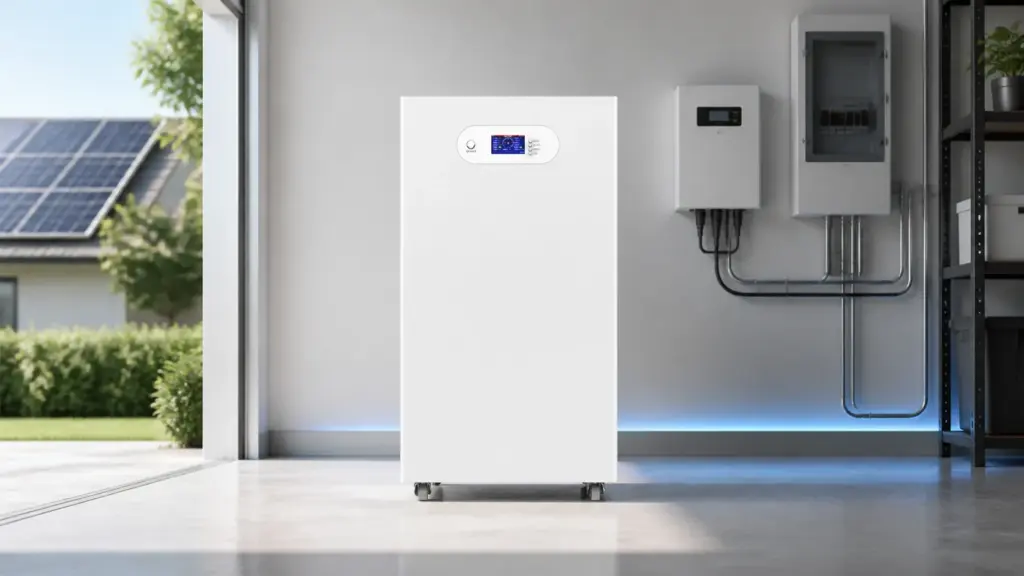
Build Smarter TOU Storage Projects
Avepower supports installers and distributors with wall-mounted, stackable, vertical, and all-in-one battery systems for residential and light commercial projects.
Are Time of Use Electricity Rates Good or Bad?
Time of use electricity rates can be good if you can shift energy use to cheaper hours. They can be bad if most of your electricity use happens during peak hours and you cannot change it.
TOU rates may work well if you:
- Have solar panels
- Have or plan to install battery storage
- Can run appliances outside peak hours
- Can charge an EV overnight
- Can pre-cool or pre-heat your home
- Use smart thermostats or timers
- Have a clear price difference between peak and off-peak rates
TOU rates may be less suitable if you:
- Use most electricity during peak hours
- Cannot change work or home schedules
- Have high evening HVAC loads
- Have no solar or storage
- Live in an area with only a small peak/off-peak price gap
The real question is not whether TOU rates are good or bad. The better question is: can you control when your home or business uses grid power?
How Time of Use Rates Affect Your Electric Bill
With a flat-rate electricity plan, your bill is calculated mainly by multiplying total kWh used by one electricity rate.
With time of use electricity rates, your bill is calculated by separating electricity use into different time periods.
For example:
| Time Period | Energy Used | Rate | Cost |
|---|---|---|---|
| Off-peak | 300 kWh | $0.15/kWh | $45 |
| Mid-peak | 200 kWh | $0.25/kWh | $50 |
| Peak | 150 kWh | $0.45/kWh | $67.50 |
| Total | 650 kWh | Mixed | $162.50 |
In this example, peak-hour energy use is only 150 kWh, but it makes up a large part of the bill because the rate is much higher.
This is why shifting even a small amount of electricity away from peak hours can make a noticeable difference.
How to Save Money with Time of Use Electricity Rates
1. Check Your Utility TOU Schedule
Start with your actual electricity bill or utility website. Find:
- Peak hours
- Off-peak hours
- Weekend rates
- Seasonal changes
- Summer and winter differences
- Solar export rates
- Battery charging rules
- Demand charges for business accounts
Without this information, you cannot build a reliable savings plan.
2. Move Flexible Loads to Off-Peak Hours
Some appliances are easy to schedule. These may include:
- Laundry machines
- Dishwashers
- EV chargers
- Pool pumps
- Water heaters
- Dehumidifiers
- Battery charging systems
Running these loads during off-peak hours can reduce costs without reducing comfort.
3. Use Smart Thermostats and Timers
Heating and cooling can be major electricity loads. Smart thermostats help schedule HVAC use more intelligently. ENERGY STAR explains that smart thermostats provide control and usage insight features that help users manage heating and cooling more efficiently: ENERGY STAR smart thermostats.
A practical strategy is to pre-cool or pre-heat the home before peak pricing starts, then reduce HVAC demand during expensive hours.
4. Charge EVs During Off-Peak Hours
EV charging can add a large load to your home. Charging during peak hours can increase your electricity bill quickly. If your EV charger or vehicle app supports scheduling, set charging for off-peak hours.
5. Store Solar Energy for Evening Use
Solar panels often produce the most power during the day, while peak electricity rates may occur later in the afternoon or evening. Without a battery, excess solar may be exported to the grid when it is not needed at home.
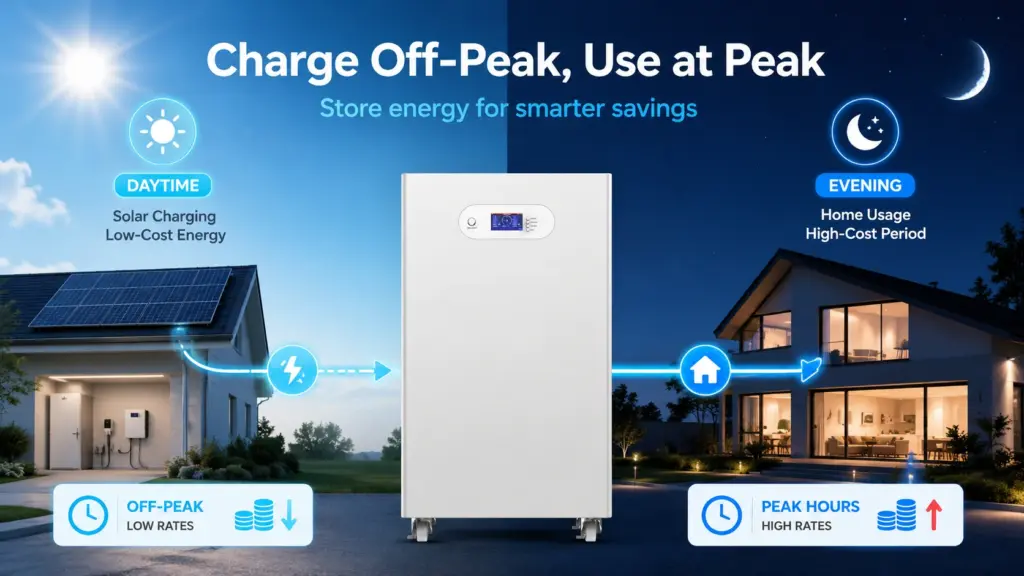
A solar battery solves this timing problem. It stores daytime solar power and releases it during peak-rate periods.
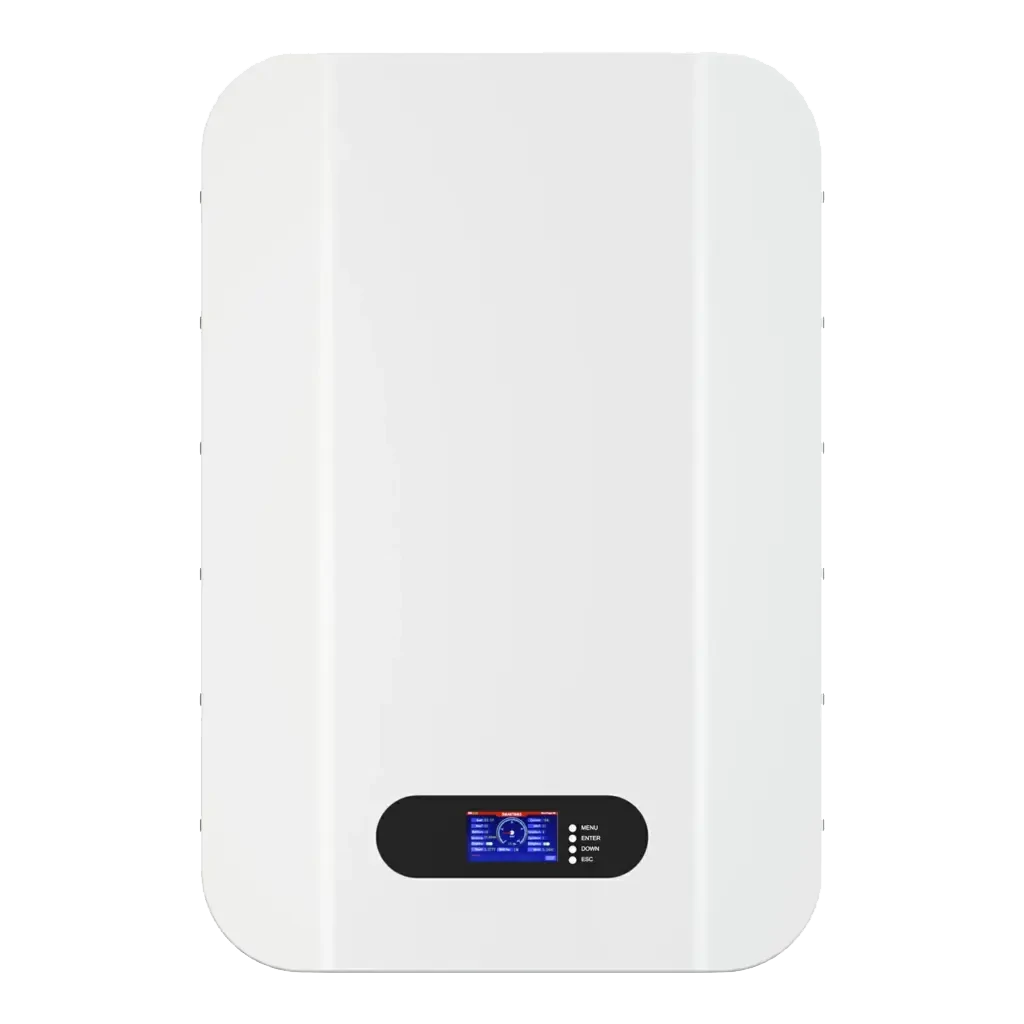
For homeowners and installers, Avepower LiFePO4 wall-mounted solar storage batteries are designed for home solar storage, backup power, and scalable residential energy systems. They are suitable for projects where wall-mounted installation, compact design, and flexible capacity planning are important.
How Solar Batteries Help with Time of Use Electricity Rates
Battery storage is one of the most effective tools for managing TOU electricity rates.
A typical battery strategy works like this:
- Solar panels power daytime loads.
- Excess solar energy charges the battery.
- The battery discharges during peak evening hours.
- The home buys less expensive grid electricity.
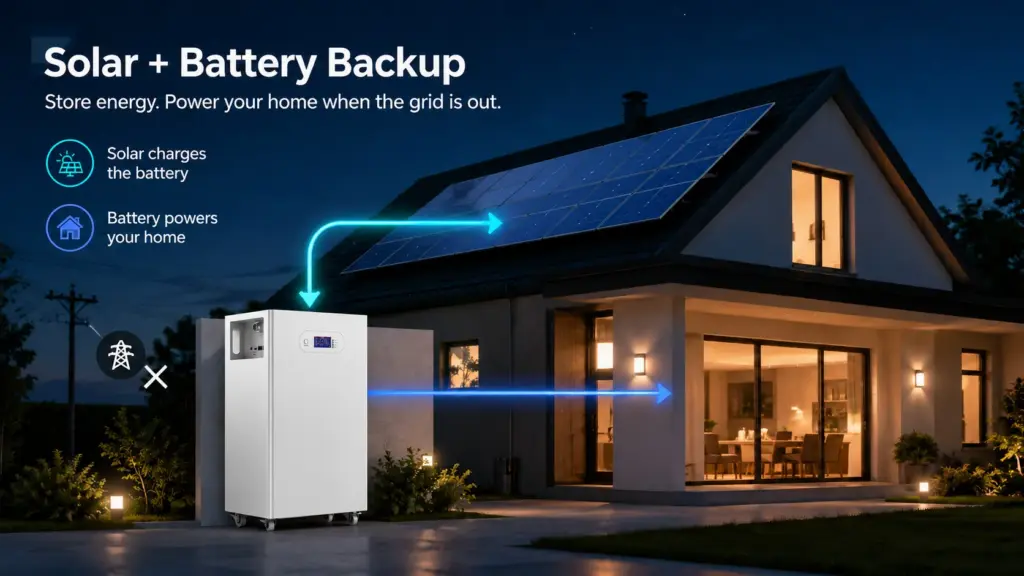
- Reserved battery capacity supports backup power if needed.
This improves the value of solar energy because you use more of your own electricity instead of buying high-price grid power later.
For example, an Avepower home battery system can be used to:
- Store solar energy for night use
- Reduce peak-hour grid purchases
- Support essential loads during outages
- Improve energy independence
- Work with inverter-based solar storage systems
- Provide scalable capacity for different home sizes
For larger homes, villas, and installer-led projects, Avepower stackable LiFePO4 battery packs can support flexible capacity expansion. This is useful when the customer wants to start with a smaller system and expand later according to load growth, backup needs, or solar system size.
Customize Your Energy Storage System
Need a battery solution for peak-rate reduction, solar self-consumption, or backup power? Avepower provides OEM/ODM support, inverter matching, and scalable capacity options.
Can You Use Battery Storage Without Solar?
Yes. A battery can still help with time of use electricity rates even without solar panels, if your utility allows grid charging.
In this setup, the battery charges from the grid during off-peak hours and discharges during peak hours. This strategy is often called energy arbitrage.
The savings depend on:
- Off-peak electricity price
- Peak electricity price
- Battery efficiency
- Battery cycle life
- Installation cost
- Local utility rules
- How much peak load the battery can cover
Avepower explains this type of use case in its article on home battery backup without solar. For homes without solar, a battery can still store off-peak electricity for later use during high-price periods or outages.
Battery Sizing for Time of Use Electricity Rates
Battery sizing should be based on real peak-hour electricity use, not only the total monthly bill.
Before choosing a battery, ask:
- How many kWh does the home use during peak hours?
- How long is the peak-rate window?
- Does the customer need whole-home backup or essential-load backup?
- Is there an existing solar system?
- How much excess solar is available?
- Can the battery charge from the grid?
- What inverter brand and model will be used?
- Does the battery support the required communication protocol?
- Will the customer need expansion later?
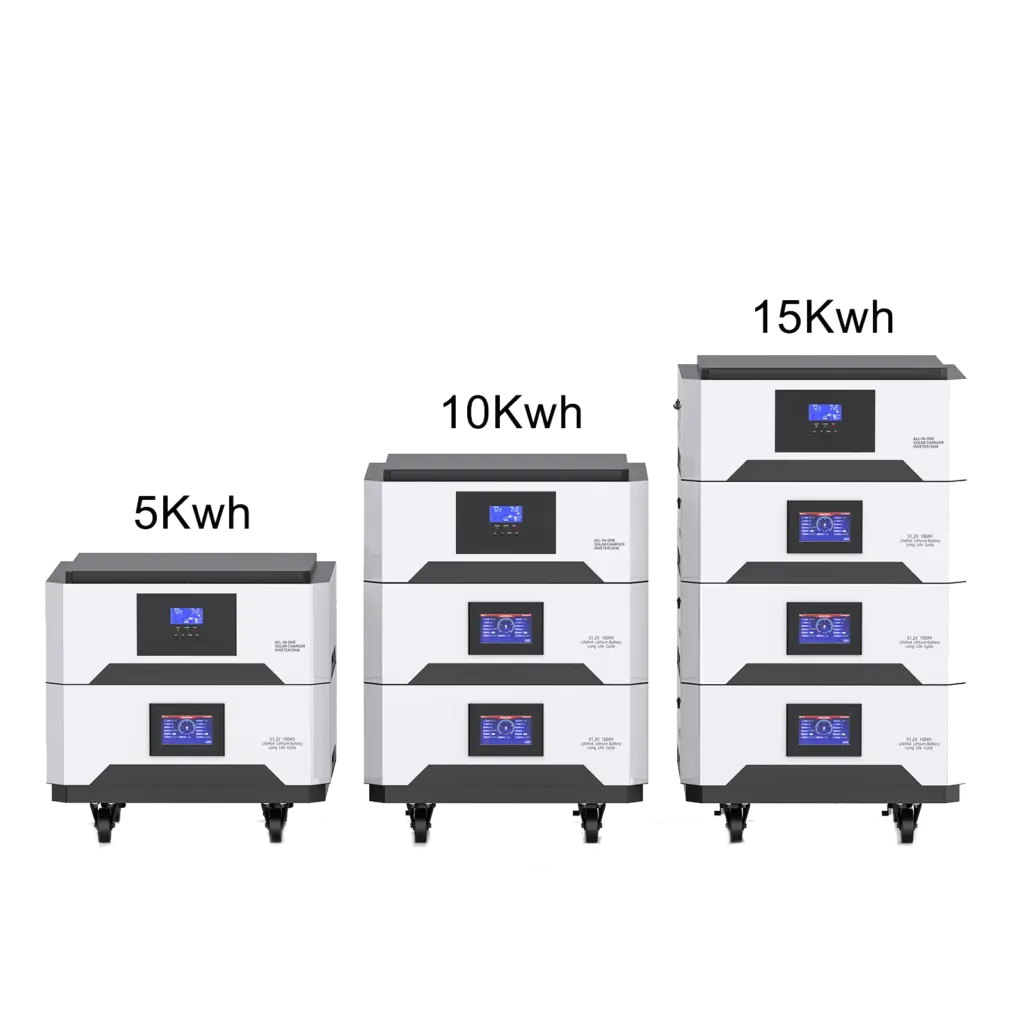
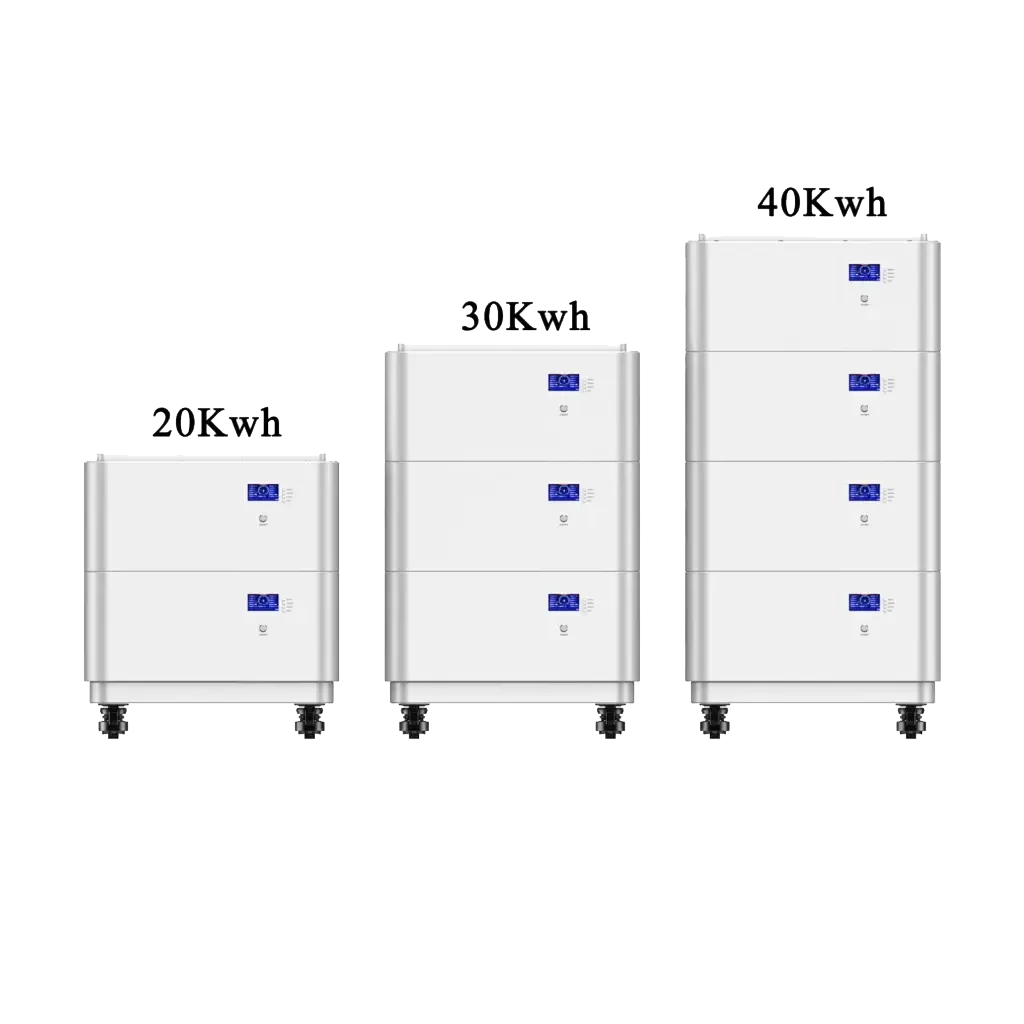
For many homes, a 5 kWh to 10 kWh battery may support essential evening loads. Larger homes or villas may need 15 kWh, 20 kWh, or a modular configuration.
Avepower’s modular battery options help installers and distributors match system capacity to real project needs instead of using a one-size-fits-all approach.
Time of Use Rates for Businesses
Time of use electricity rates can also affect businesses, especially those with large daytime or evening loads.
Commercial users may need to manage:
- Peak energy rates
- Demand charges
- HVAC loads
- Refrigeration loads
- EV fleet charging
- Production equipment
- Backup power needs
For businesses, the goal is often not only load shifting but also peak shaving.
Load shifting means moving energy use from expensive periods to cheaper periods.
Peak shaving means reducing short high-power demand spikes, often by using battery storage.
For commercial and industrial projects, system design becomes more technical. You may need to consider battery voltage, PCS matching, cabinet layout, communication protocol, safety design, and project-level monitoring.
Avepower’s custom high voltage lithium battery storage system is designed for customers who need scalable ESS platforms for larger storage projects.
Which Avepower Battery Products Fit TOU Applications?
Different projects need different battery formats. The right choice depends on installation space, peak-hour load, inverter compatibility, backup requirements, and future expansion plans.
Wall-Mounted Batteries
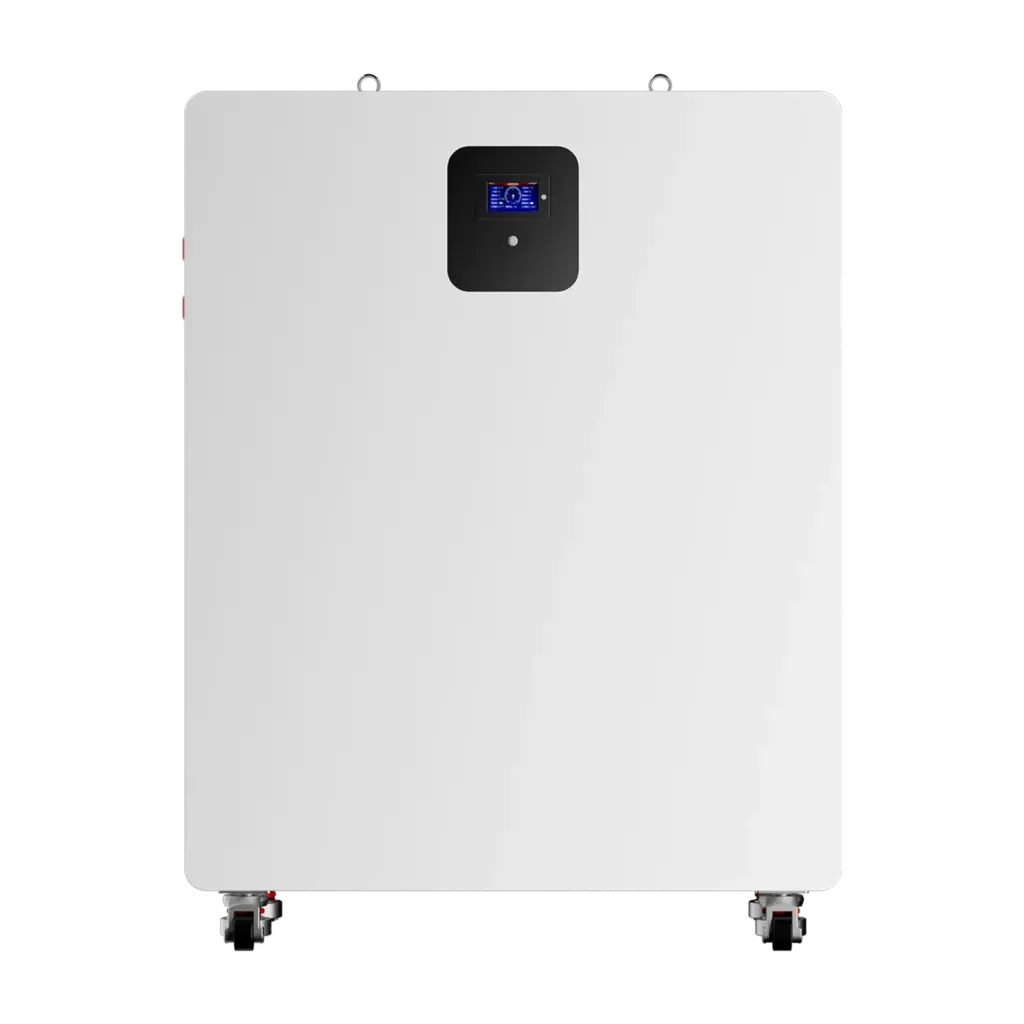
Avepower wall-mounted LiFePO4 batteries are suitable for homes, garages, villas, apartments, and small energy storage rooms where floor space is limited.
They are commonly used for:
- Home solar storage
- Evening peak-rate reduction
- Essential-load backup
- Installer-led residential projects
- Small commercial storage applications
A wall-mounted battery is a good option when the customer wants a clean installation and moderate storage capacity.
Stackable Batteries
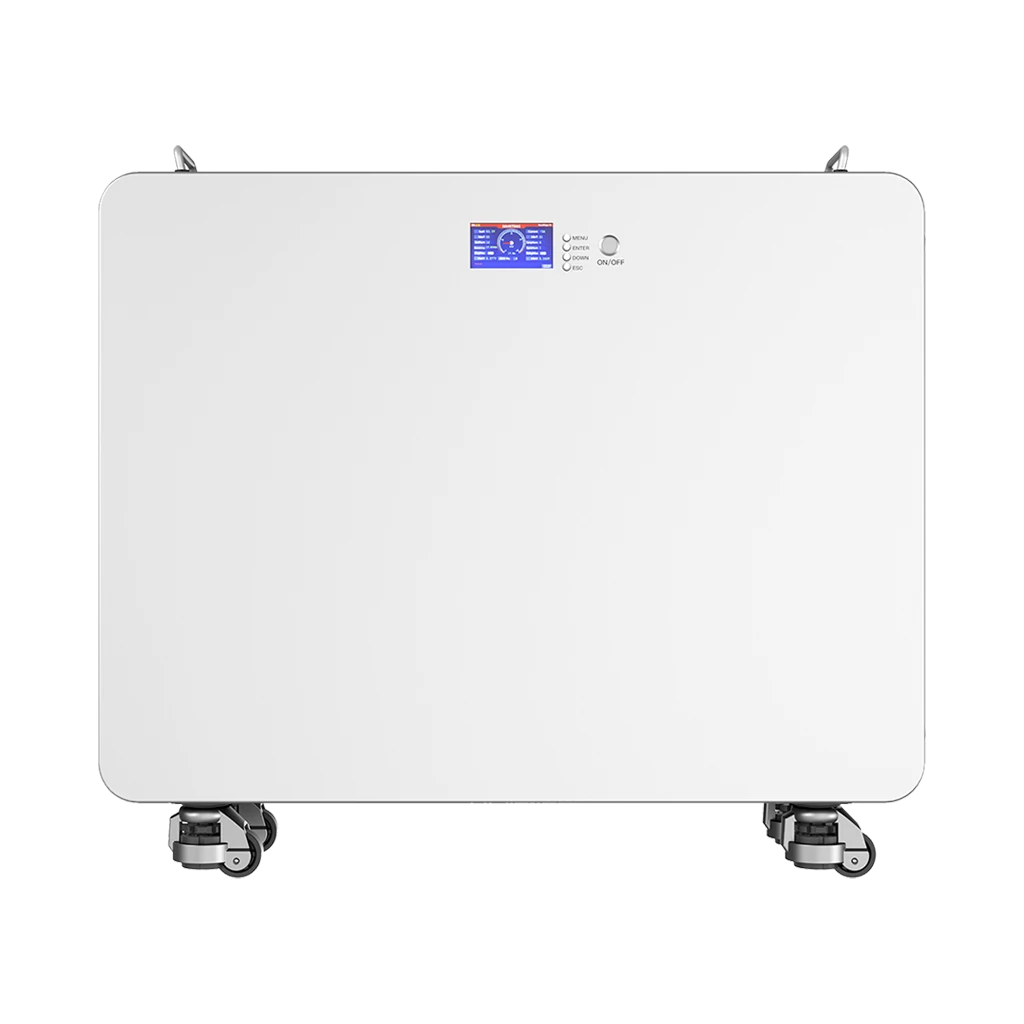
Avepower stackable batteries are suitable for projects that need flexible capacity. Installers can configure the system according to household load, solar size, backup time, and project budget.
They are useful for:
- Larger homes
- Villas
- Off-grid systems
- Expandable residential ESS projects
- Distributor and OEM battery programs
Vertical LiFePO4 Batteries
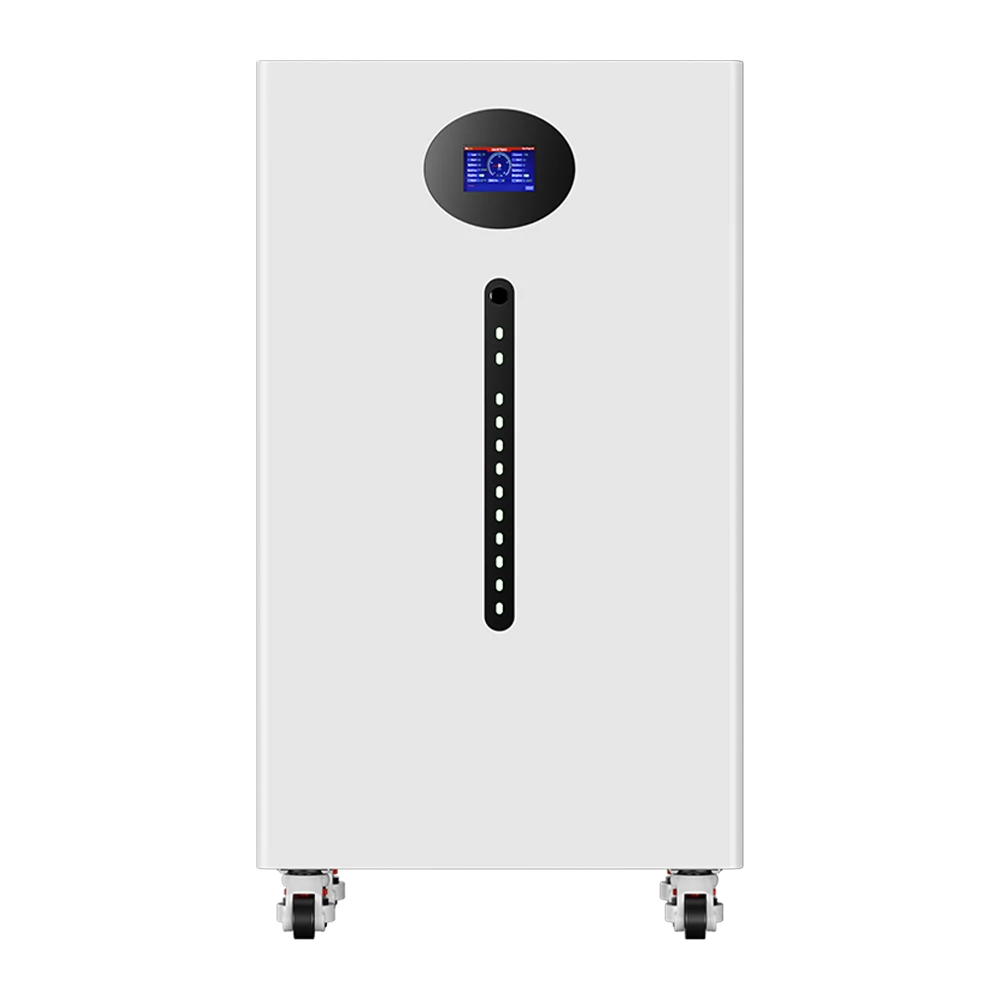
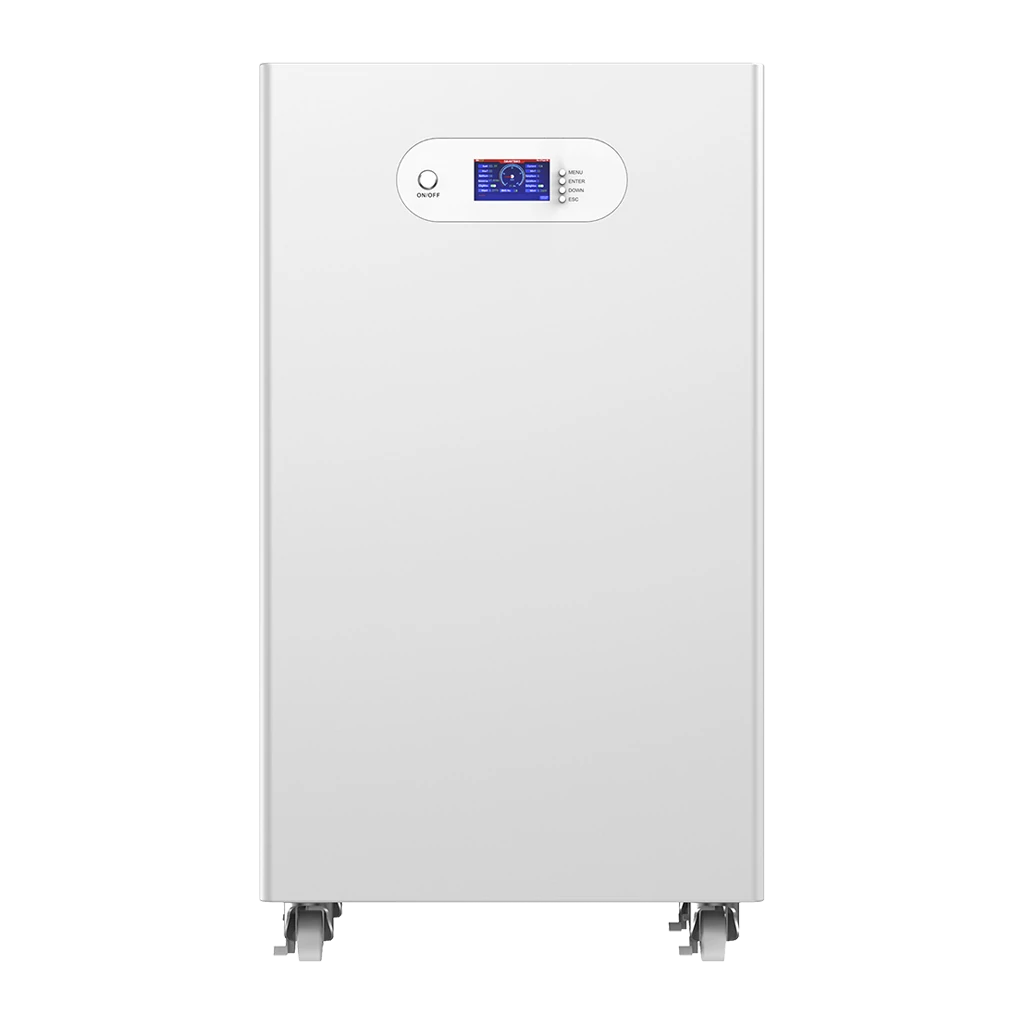
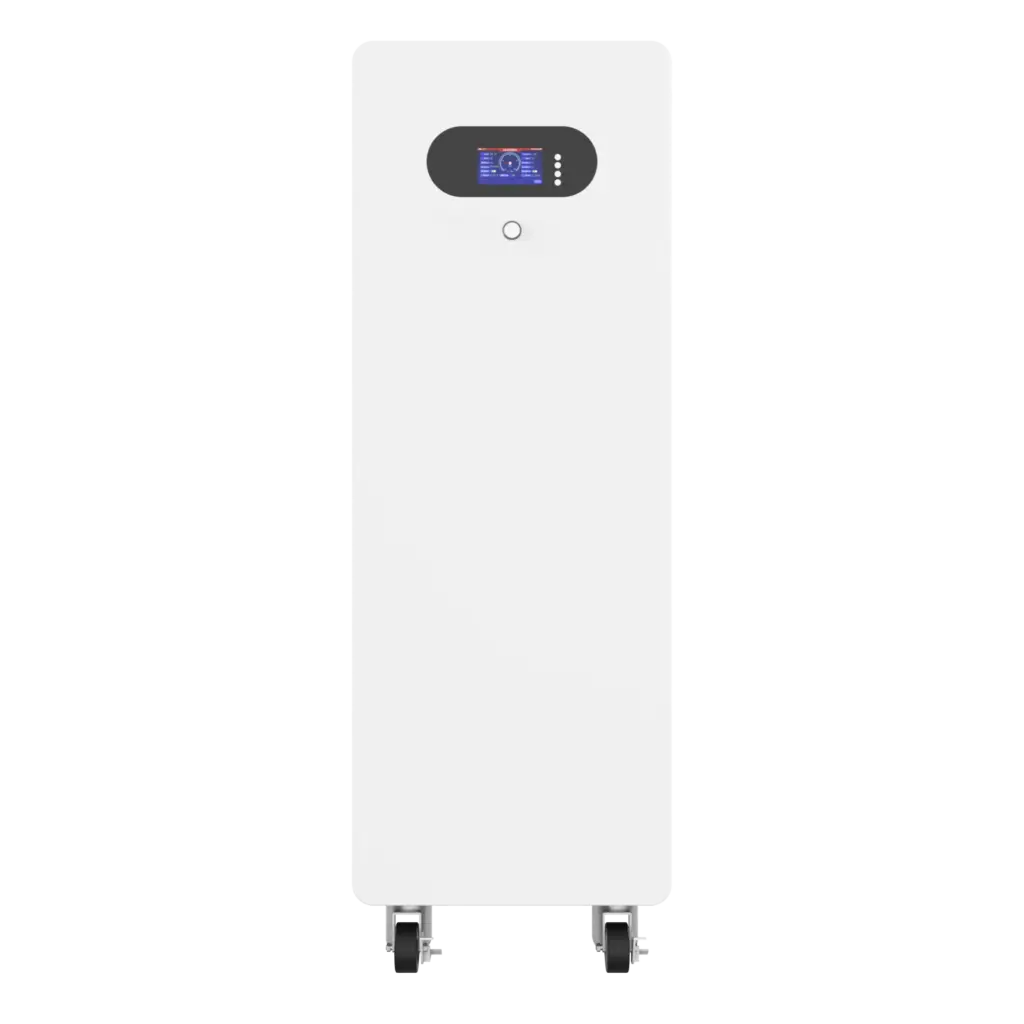
Avepower vertical home battery systems are suitable for projects where floor-mounted installation is preferred and larger capacity may be required.
They can be used for:
- Home solar storage
- Backup power
- High-consumption households
- Small commercial storage
- Scalable energy storage configurations
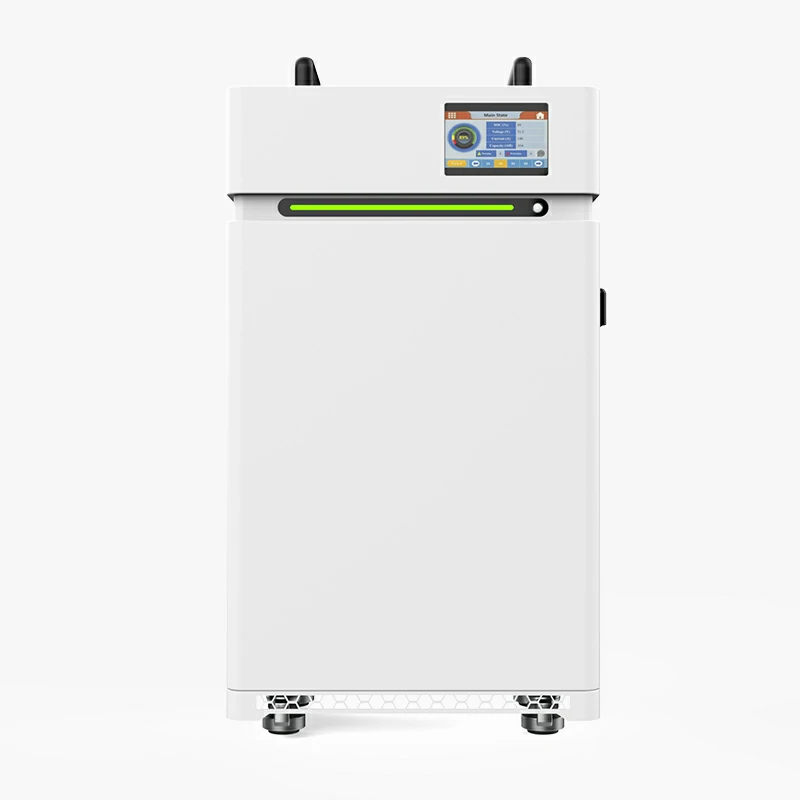
All-in-One Battery Systems
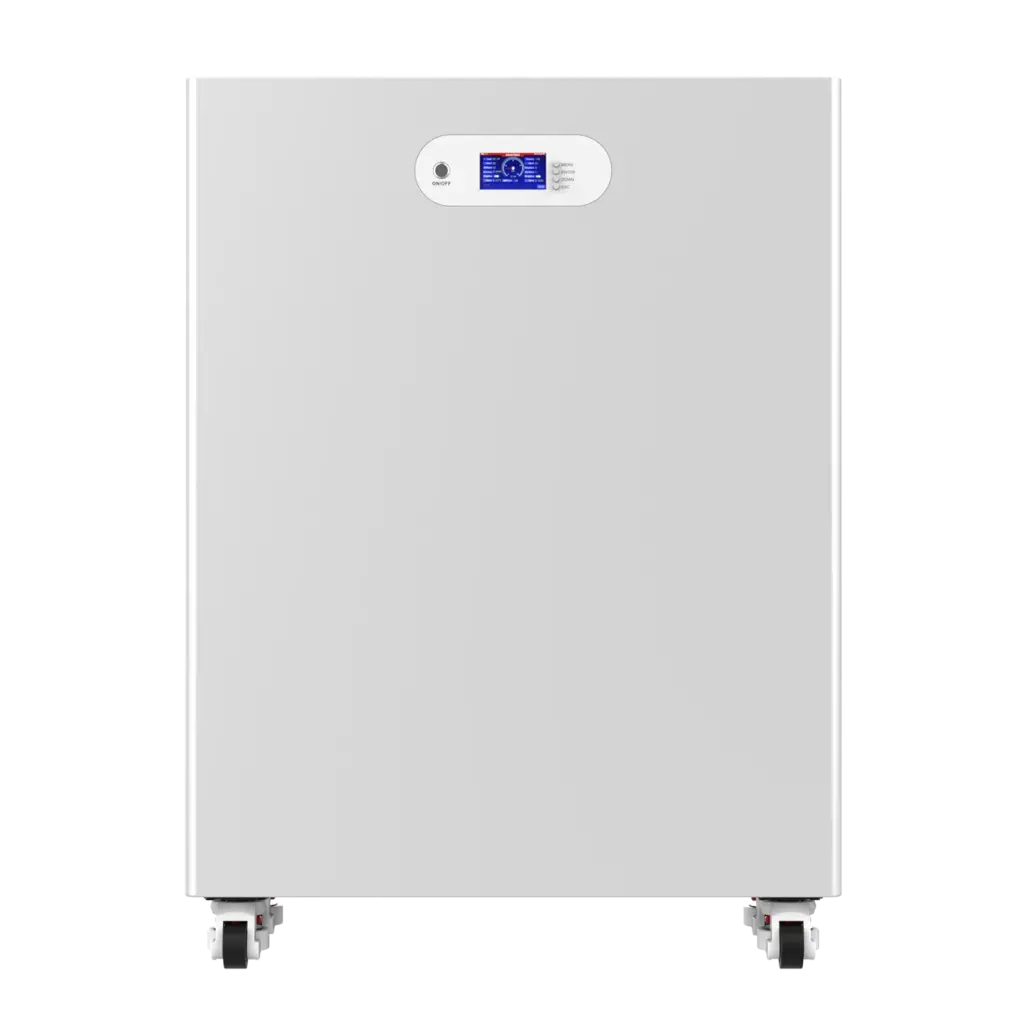
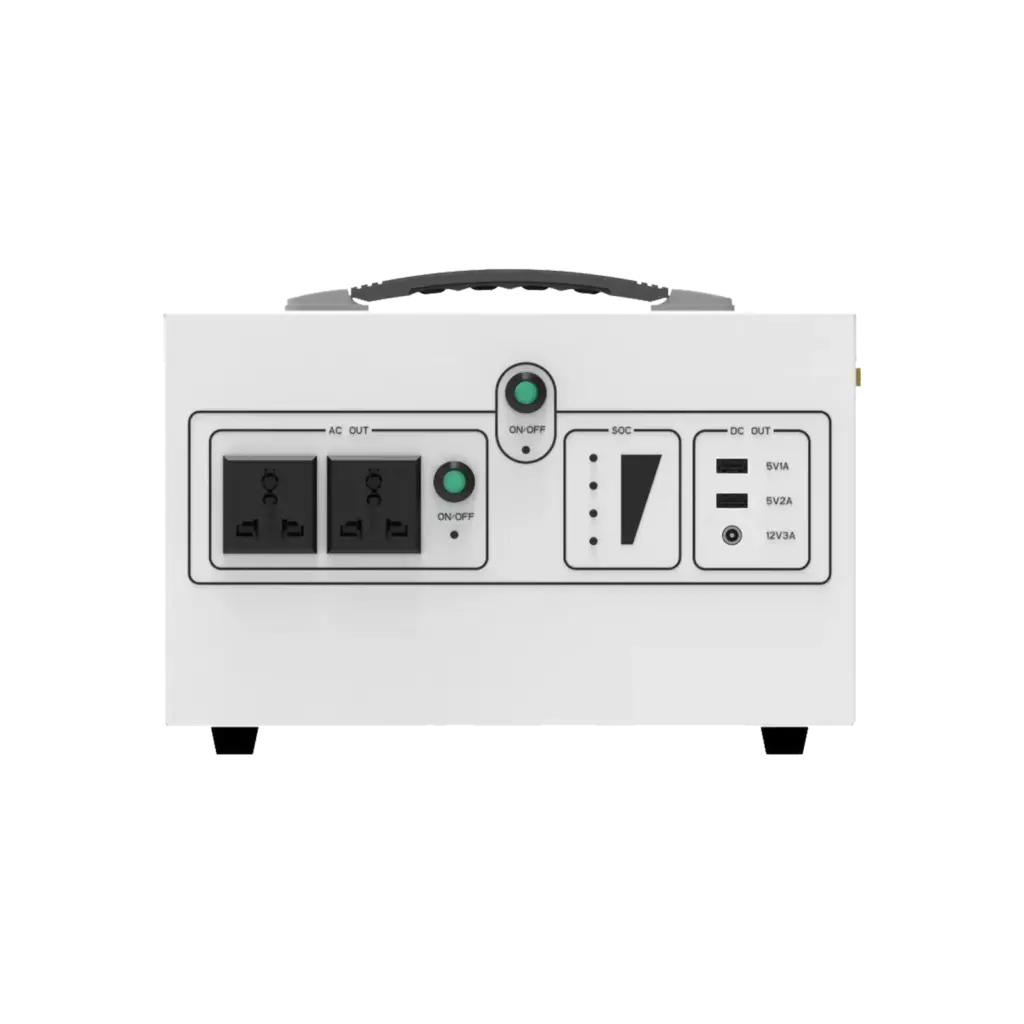
Avepower all-in-one home battery systems combine battery storage with inverter-based functionality in a more integrated format. These systems are useful for customers who want a simplified solar storage solution.
They can support:
- Solar energy storage
- Peak-rate reduction
- Backup power
- Residential energy independence
- Cleaner system integration
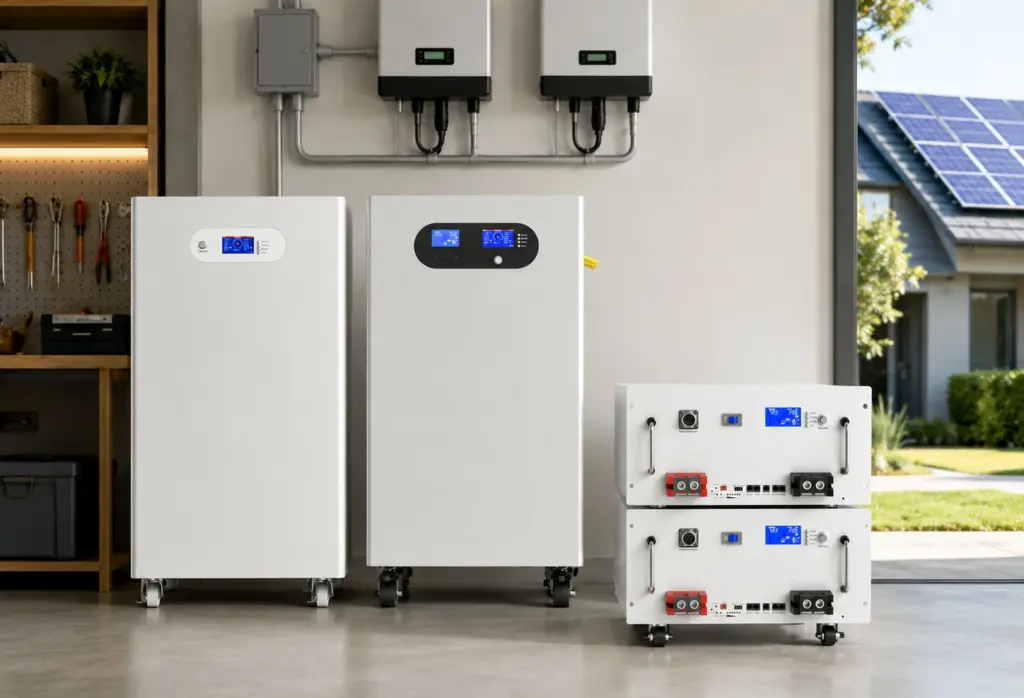
Take Control of Your Energy with Avepower!
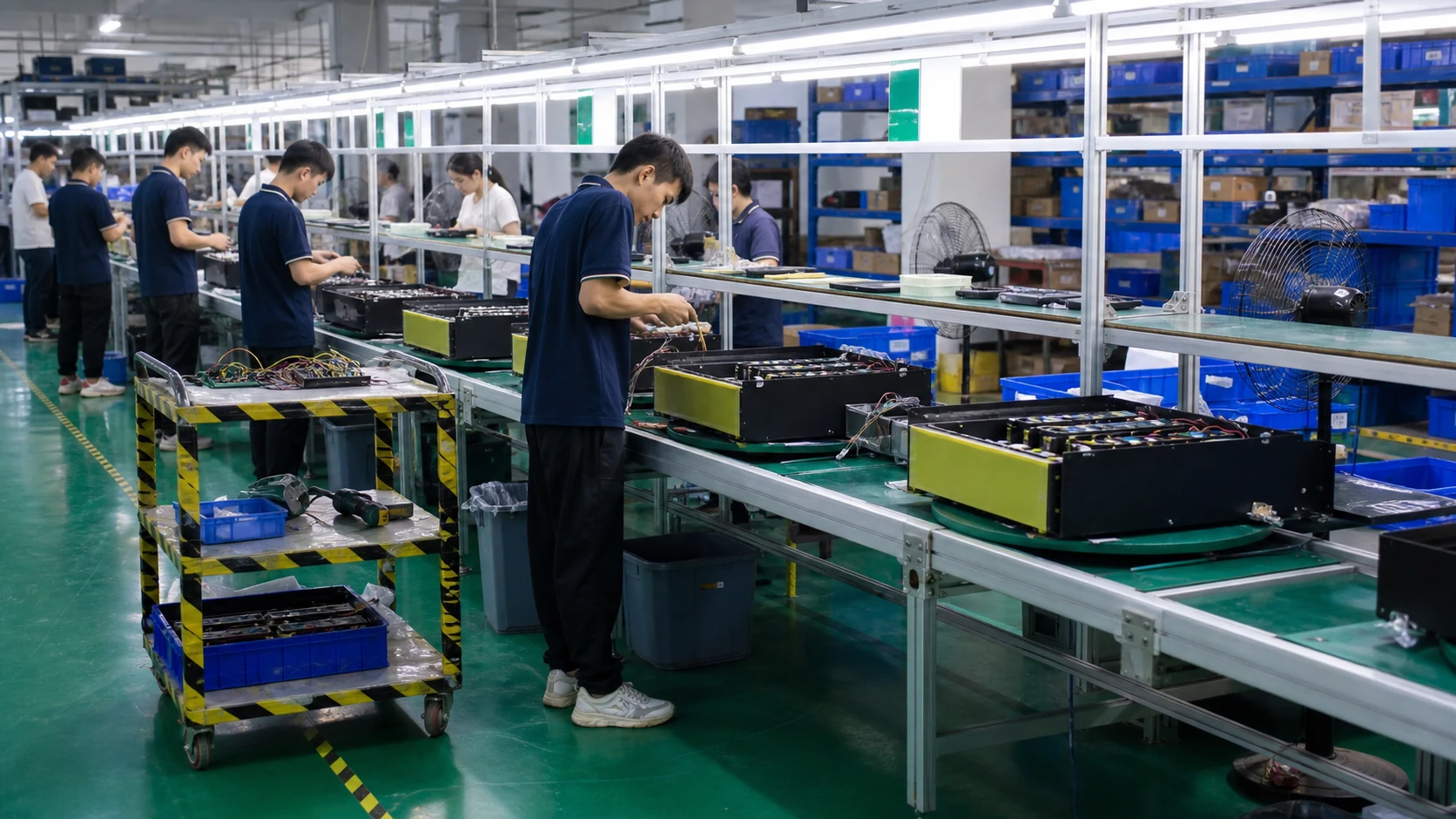
Reliable home solar battery solutions with OEM/ODM customization and in-house manufacturing, tailored to the needs of distributors, installers, and energy partners.
Final Thoughts
Time of use electricity rates change how homeowners and businesses should think about electricity. The question is no longer only “how much energy do I use?” It is also “when do I use it?”
The easiest savings method is to shift flexible loads to off-peak hours. The stronger long-term strategy is to combine solar panels, smart controls, and battery storage.
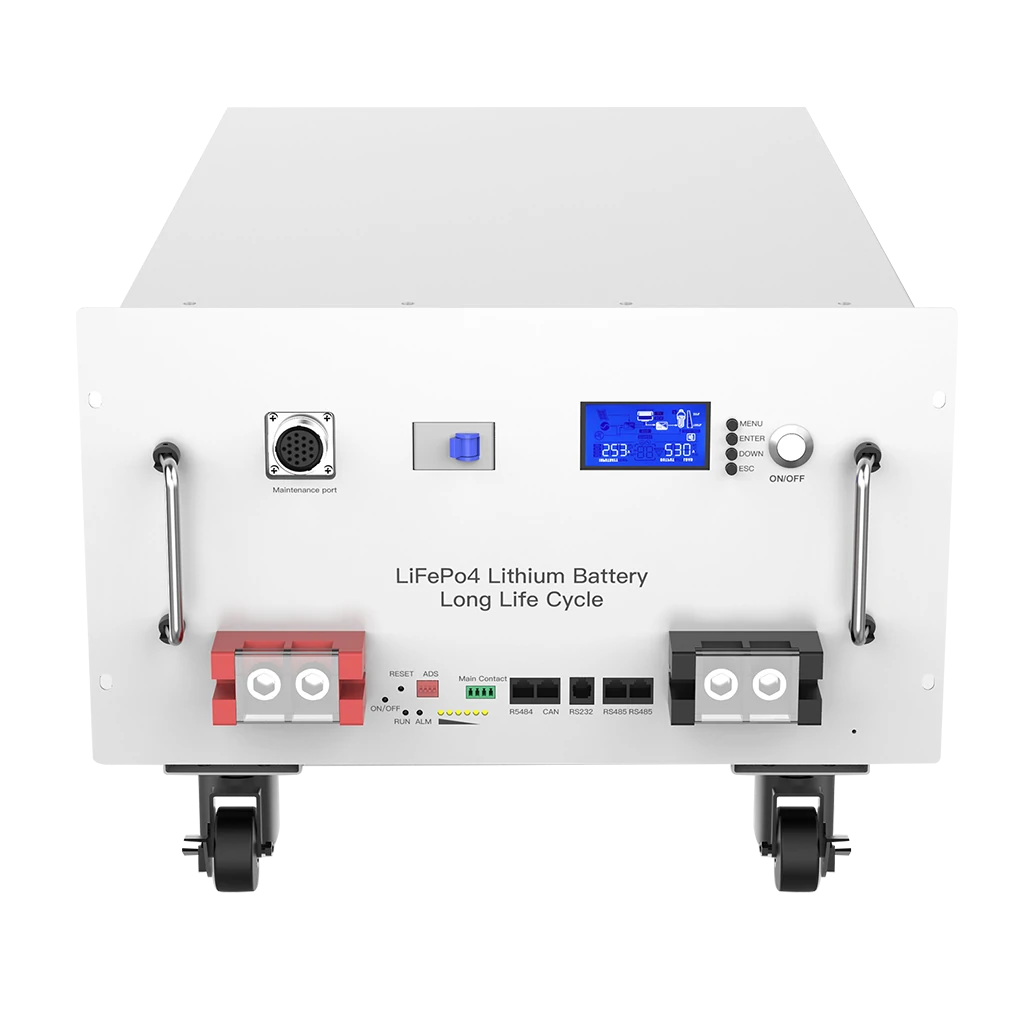
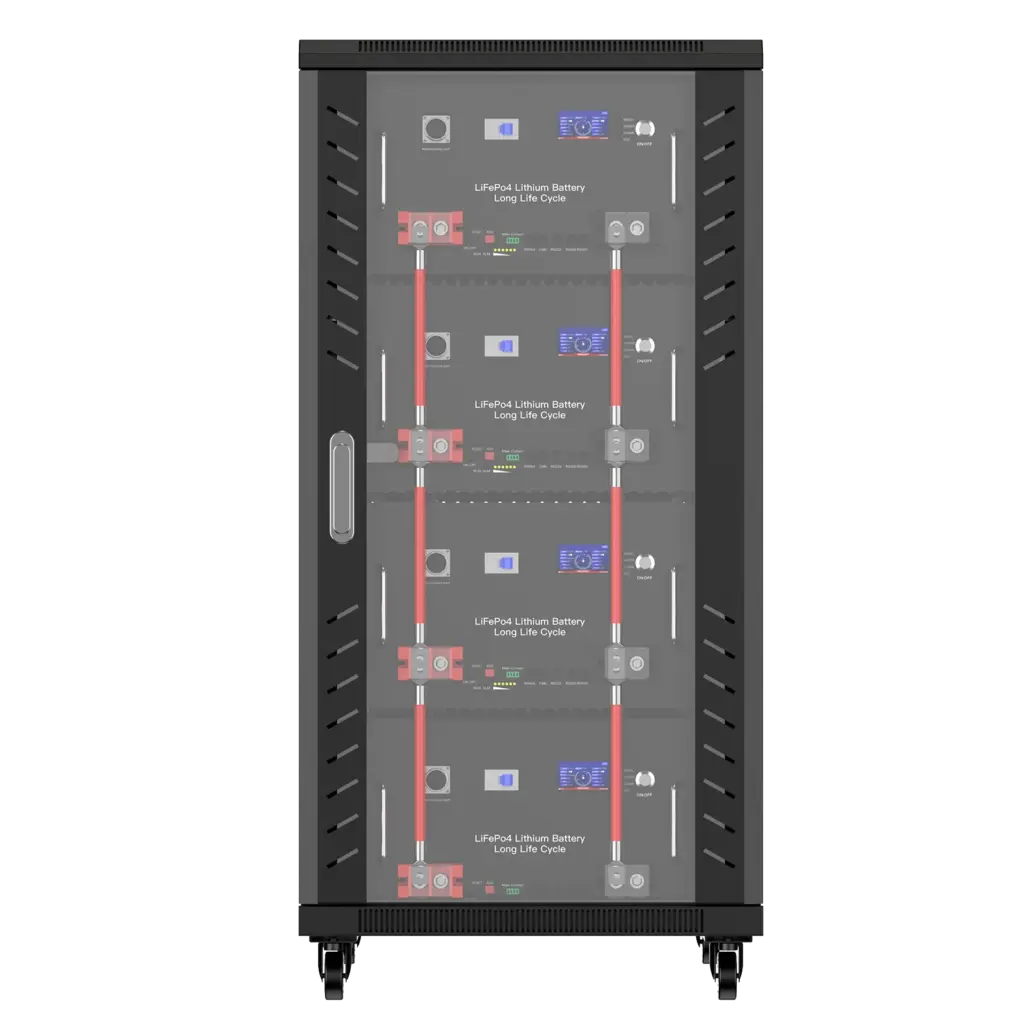
For residential and light commercial projects, Avepower provides LiFePO4 battery energy storage solutions including wall-mounted, stackable, vertical, rack-mounted, and all-in-one battery systems. These products can help users store solar energy, reduce peak-rate grid use, support backup power, and build scalable energy storage systems for different project needs.
If you are planning a TOU-focused solar storage project, explore Avepower’s residential energy storage battery solutions to compare suitable options for peak-rate reduction, solar self-consumption, and backup power.
FAQ
Time of use electricity rates are pricing plans where electricity costs more or less depending on when you use it. Peak hours are more expensive, while off-peak hours are cheaper.
Peak electricity hours are periods when demand is high and electricity rates are more expensive. They often occur in the late afternoon or evening, but exact times depend on your utility.
Off-peak hours are periods when demand is lower and electricity rates are cheaper. They often occur overnight, early morning, or on weekends.
Yes. TOU rates can save money if you shift electricity use to off-peak hours and reduce grid use during peak hours.
Yes, solar panels can reduce daytime grid use. However, a battery may be needed to store solar energy for evening peak-rate periods.
Yes. A home battery can charge from solar or off-peak grid electricity and discharge during expensive peak periods.
Yes. Avepower LiFePO4 batteries can be used for solar storage, peak-rate reduction, backup power, and scalable residential or light commercial energy storage projects.
The best strategy is to combine off-peak appliance scheduling, smart thermostat control, EV charging management, solar self-consumption, and battery storage.