
In a solar battery system, the inverter is one of the most important components. Solar panels and batteries work with DC electricity, while most homes and businesses use AC electricity. An inverter converts DC electricity into AC electricity so it can be used by the grid or by everyday appliances. For battery storage and solar backup systems, choosing the right waveform, power rating, surge capacity, and battery voltage can directly affect system reliability.
What Is a Pure Sine Wave Inverter?
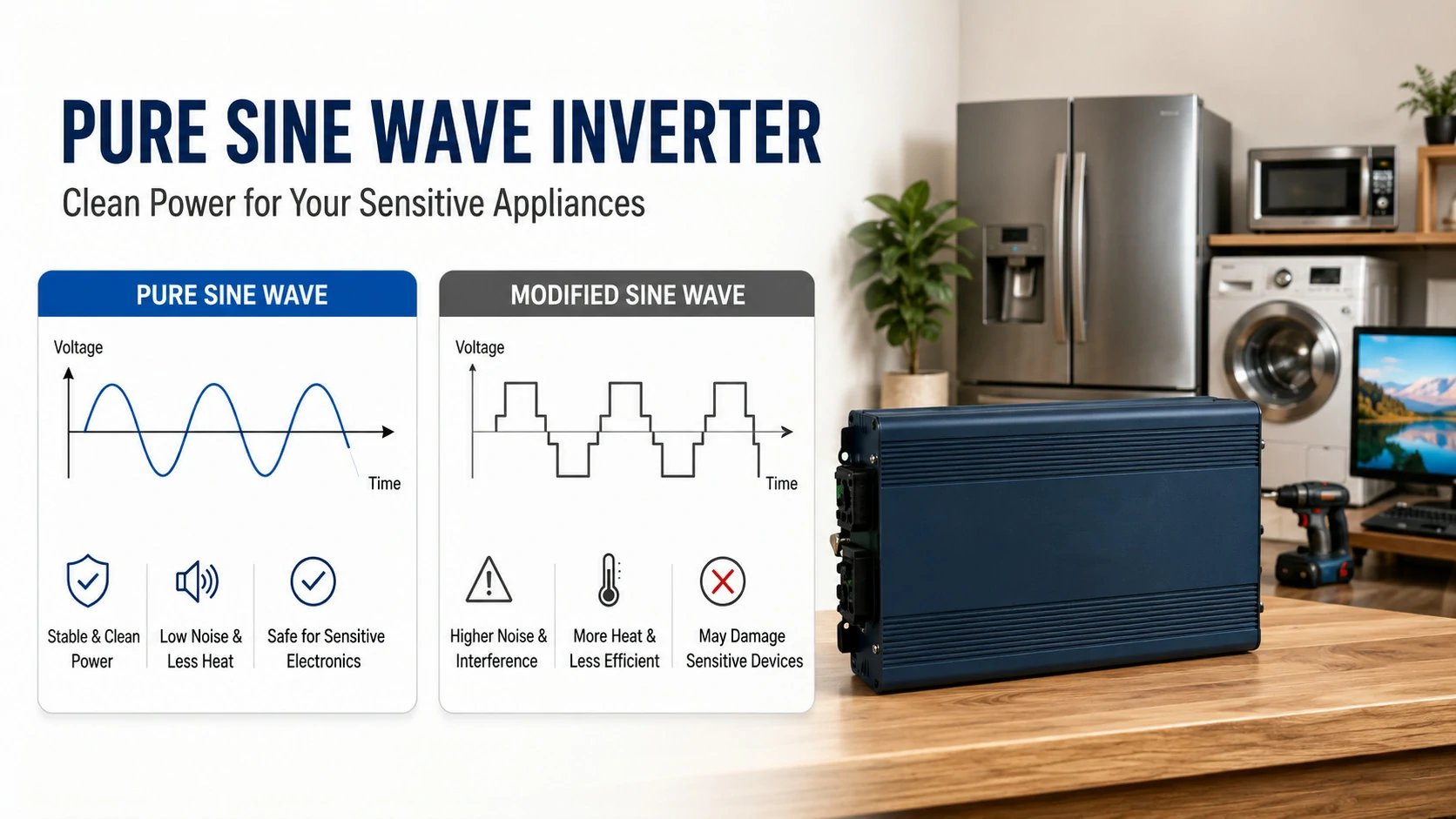
A pure sine wave inverter is a power conversion device that changes direct current electricity into alternating current electricity with a smooth sinusoidal waveform. This waveform closely matches the AC power supplied by the grid.
In simple terms, a pure sine wave inverter helps battery power behave like normal household power. It allows DC energy stored in a battery to run AC appliances such as lights, refrigerators, routers, TVs, computers, pumps, fans, microwave ovens, and other household or small commercial loads.
A pure sine wave inverter is commonly used in:
- Home solar battery systems
- Backup power systems
- Off-grid solar systems
- RVs, campervans, and boats
- Telecom and security backup systems
- Home offices and small businesses
- All-in-one solar battery systems
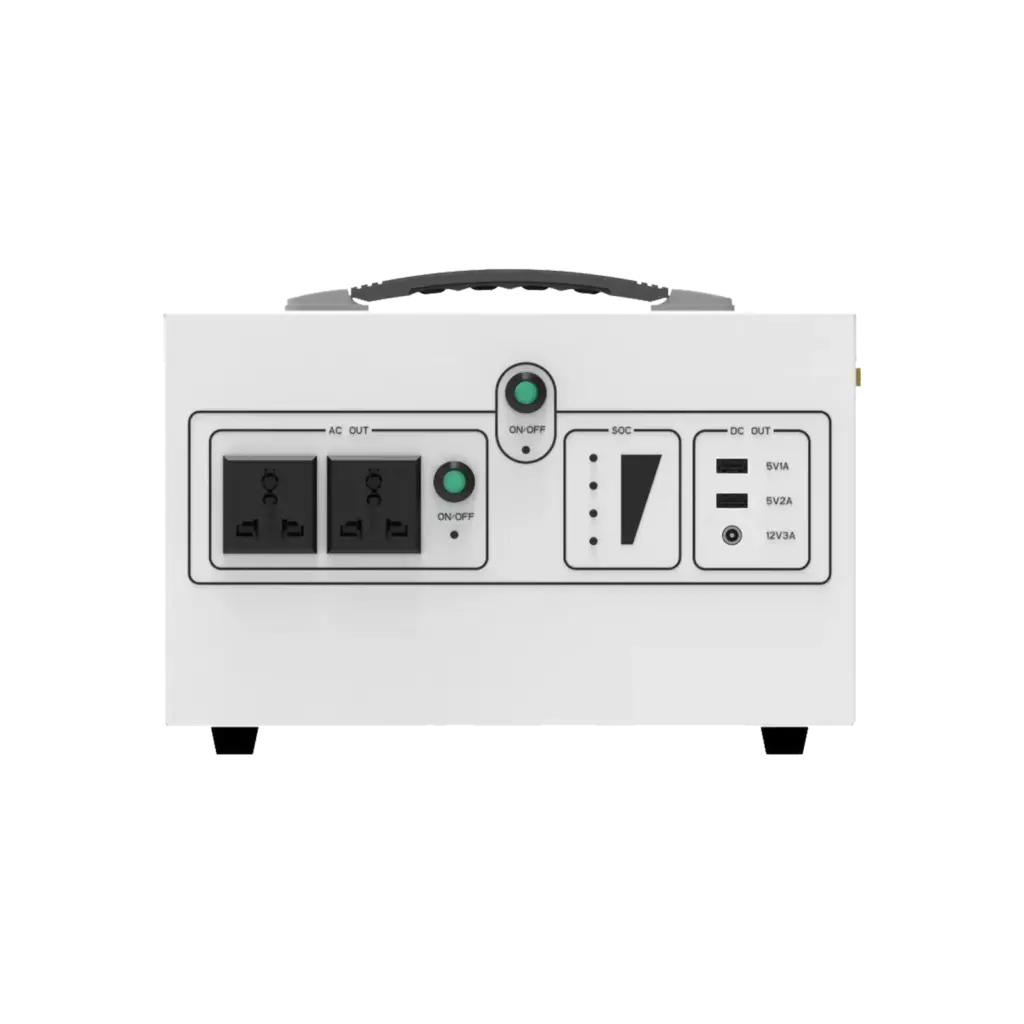
- Portable power stations
- Commercial and industrial energy storage projects
For a complete energy storage system, the inverter is usually paired with a battery pack, BMS, solar charge controller or MPPT charger, protection devices, monitoring system, and electrical distribution equipment.
How Does a Pure Sine Wave Inverter Work?
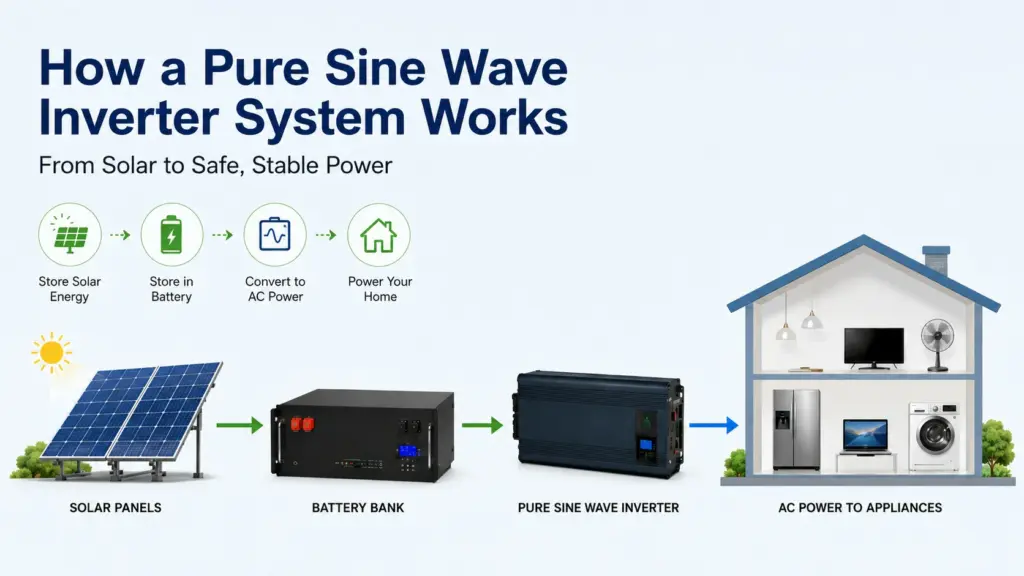
A pure sine wave inverter works by taking DC power from a battery or solar energy system and converting it into AC power through electronic switching, voltage control, and waveform filtering.
The process can be understood in four basic steps.
First, the inverter receives DC power from a battery bank, solar battery, or DC bus. In a solar battery system, this stored energy may come from solar panels during the day or from the grid during off-peak charging periods.
Second, power electronics inside the inverter switch the DC power at high speed. This creates a controlled alternating signal.
Third, the inverter regulates the voltage and frequency. Depending on the market and system design, the output may be 120V AC, 230V AC, 220V AC, 240V AC, 50Hz, or 60Hz.
Finally, filtering and control circuits smooth the output into a clean sine wave. This is what makes the power more suitable for sensitive electronics and motor-driven appliances.
In a solar-plus-storage system, the inverter may do more than DC-to-AC conversion. A hybrid inverter or all-in-one battery system can also manage solar charging, battery discharge, grid charging, backup transfer, monitoring, and sometimes generator input.
Pure Sine Wave vs Modified Sine Wave vs Square Wave
Not all inverters produce the same output waveform. The main types are pure sine wave, modified sine wave, and square wave.
| Inverter Type | Waveform Quality | Typical Cost | Best For | Main Limitation |
|---|---|---|---|---|
| Pure sine wave inverter | Smooth and grid-like | Higher | Homes, solar backup, refrigerators, computers, medical devices, pumps, motors, modern appliances | Higher upfront cost |
| Modified sine wave inverter | Stepped waveform | Lower | Simple lights, basic heaters, some simple tools | May cause noise, heat, lower efficiency, or compatibility issues |
| Square wave inverter | Rough on/off waveform | Very low | Rarely recommended today | Poor compatibility with many modern devices |
A modified sine wave inverter may work for some simple devices, but it can create problems for appliances with motors, compressors, transformers, digital control boards or sensitive electronics. These problems may include buzzing noise, extra heat, reduced efficiency, device resets, charging issues or shorter equipment life.
For modern solar battery systems, pure sine wave output is usually the safer and more practical choice because most homes and businesses now use a mix of electronics, chargers, motors, pumps, refrigerators, routers, computers and smart appliances.
Which Appliances Need a Pure Sine Wave Inverter?
A pure sine wave inverter is especially recommended for devices that need stable, clean AC power.
Common examples include refrigerators, freezers, air conditioners, washing machines, pumps, microwave ovens, coffee machines, power tools, computers, routers, servers, TVs, audio systems, security systems, medical devices, CPAP machines and battery chargers for cordless tools.
Motor-driven appliances are one of the most important categories. Compressors and motors often need higher startup power than their normal running wattage. A refrigerator may only use 150W to 300W while running, but it may need several times that amount for a short moment when the compressor starts. A pure sine wave inverter helps these appliances start and run more smoothly.
Sensitive electronics are another key category. Computers, routers, smart TVs, medical devices and control boards can be affected by unstable power quality. If a device is expensive, mission-critical or difficult to replace, it is usually better to use a pure sine wave inverter.
Why Pure Sine Wave Matters for Solar Battery Systems
In a solar battery system, the inverter and battery must work together. The battery stores energy, while the inverter converts that stored energy into usable AC power. If the inverter output quality is poor, the entire system may feel unreliable even if the battery itself is high quality.
Pure sine wave inverters are especially useful in solar and backup systems because they support a wider range of loads. They can power daily household appliances during grid outages, support off-grid homes, help run essential loads in villas or small offices, and provide cleaner output for devices with control circuits.
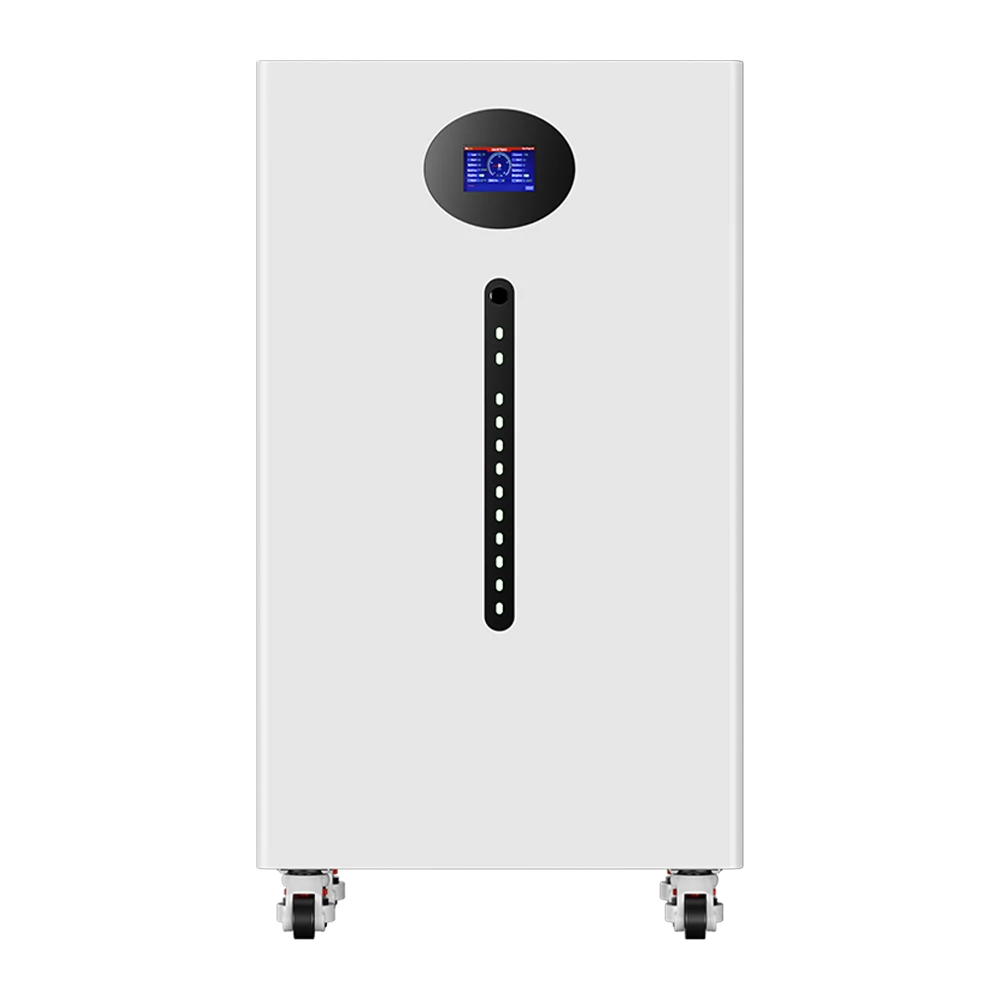
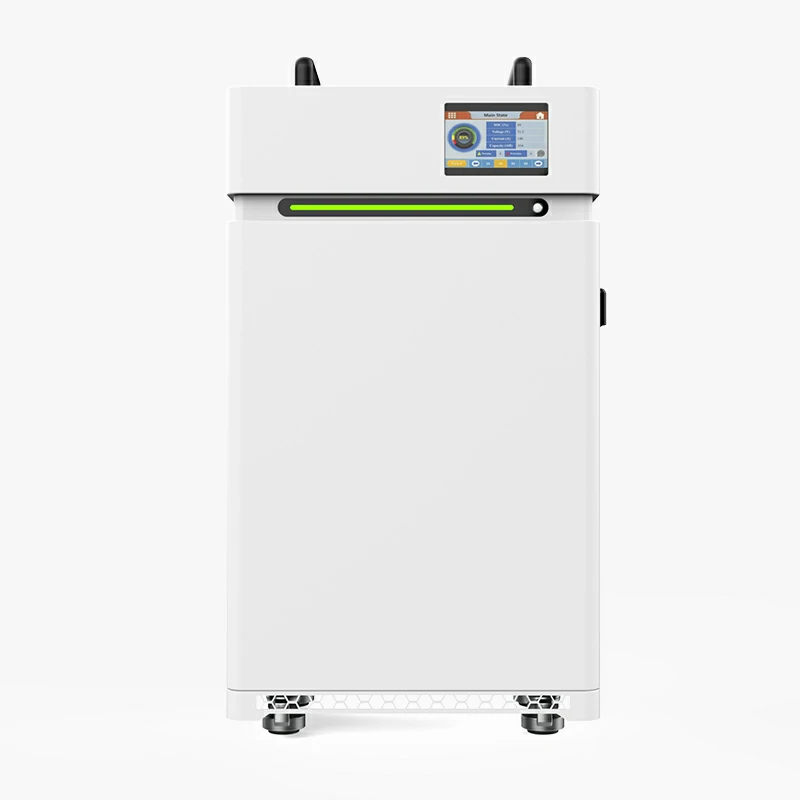
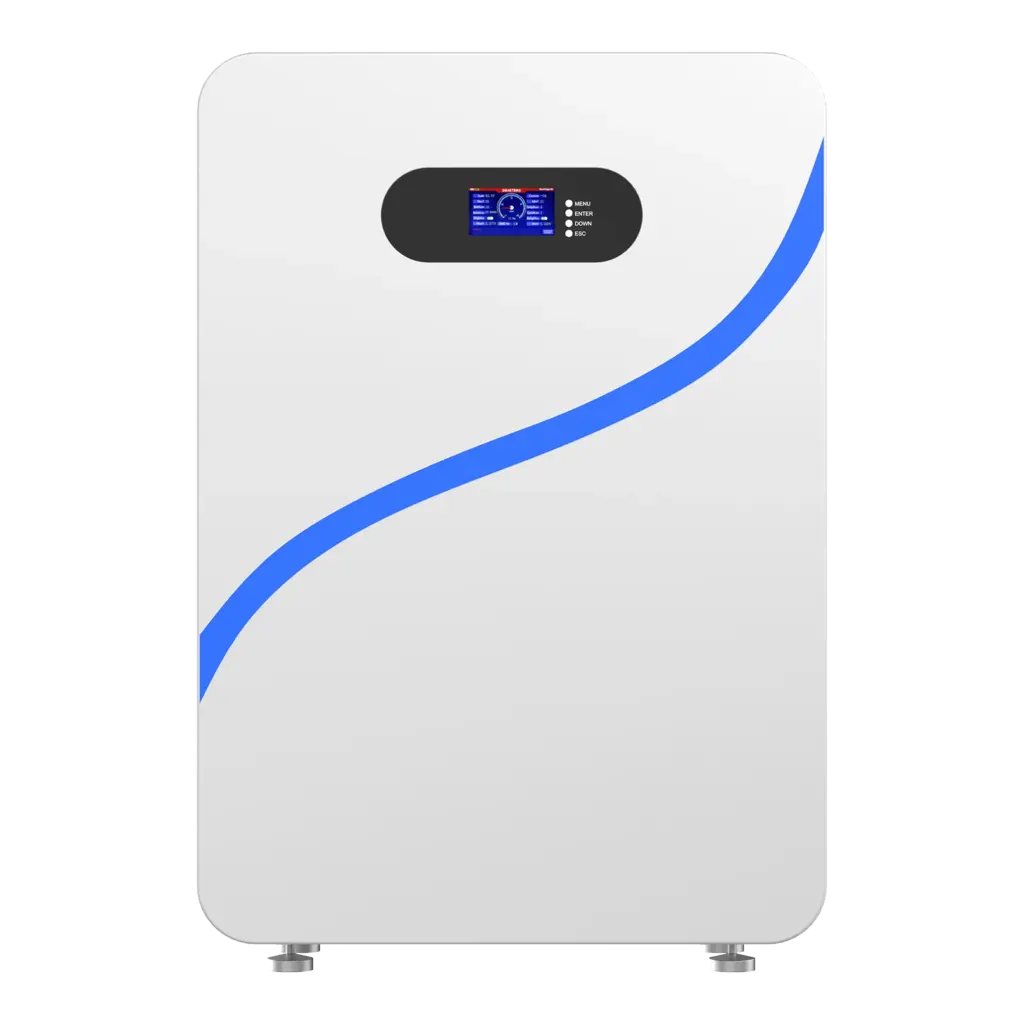
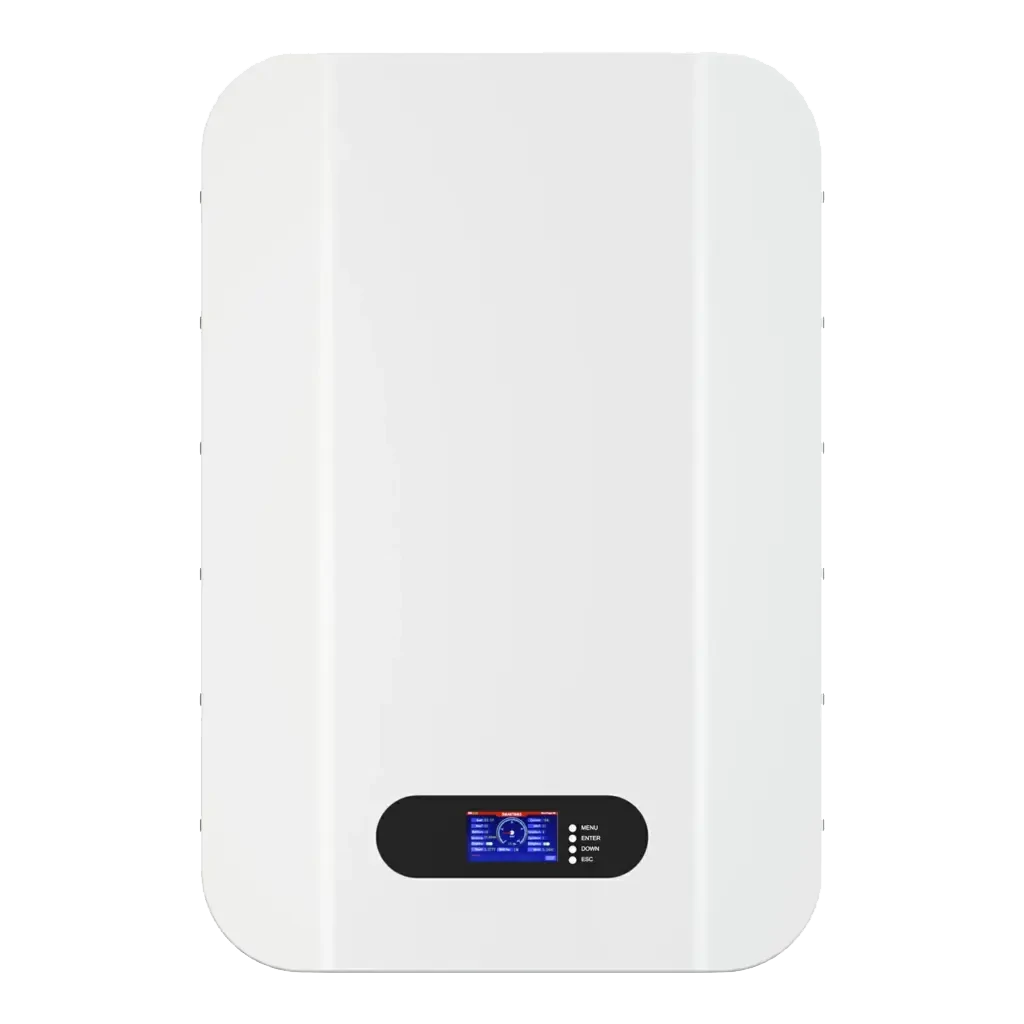
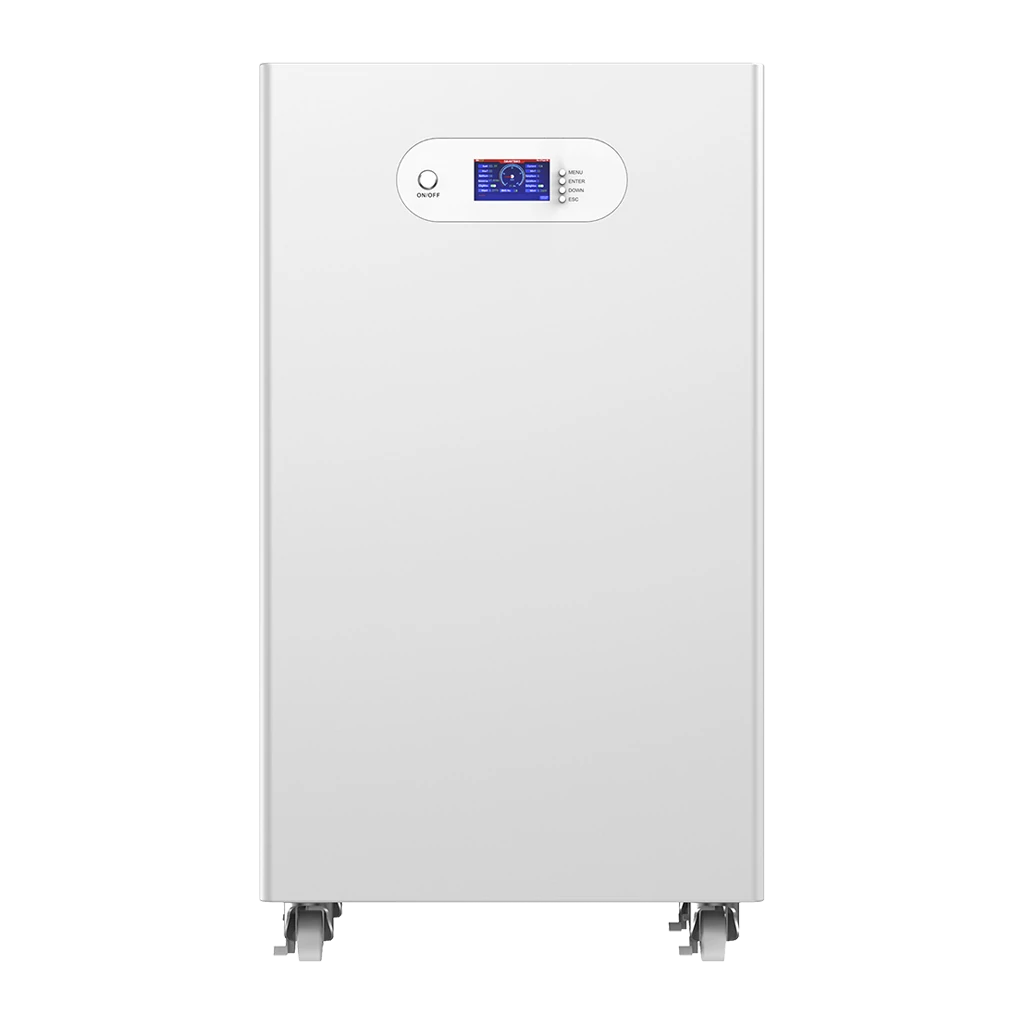
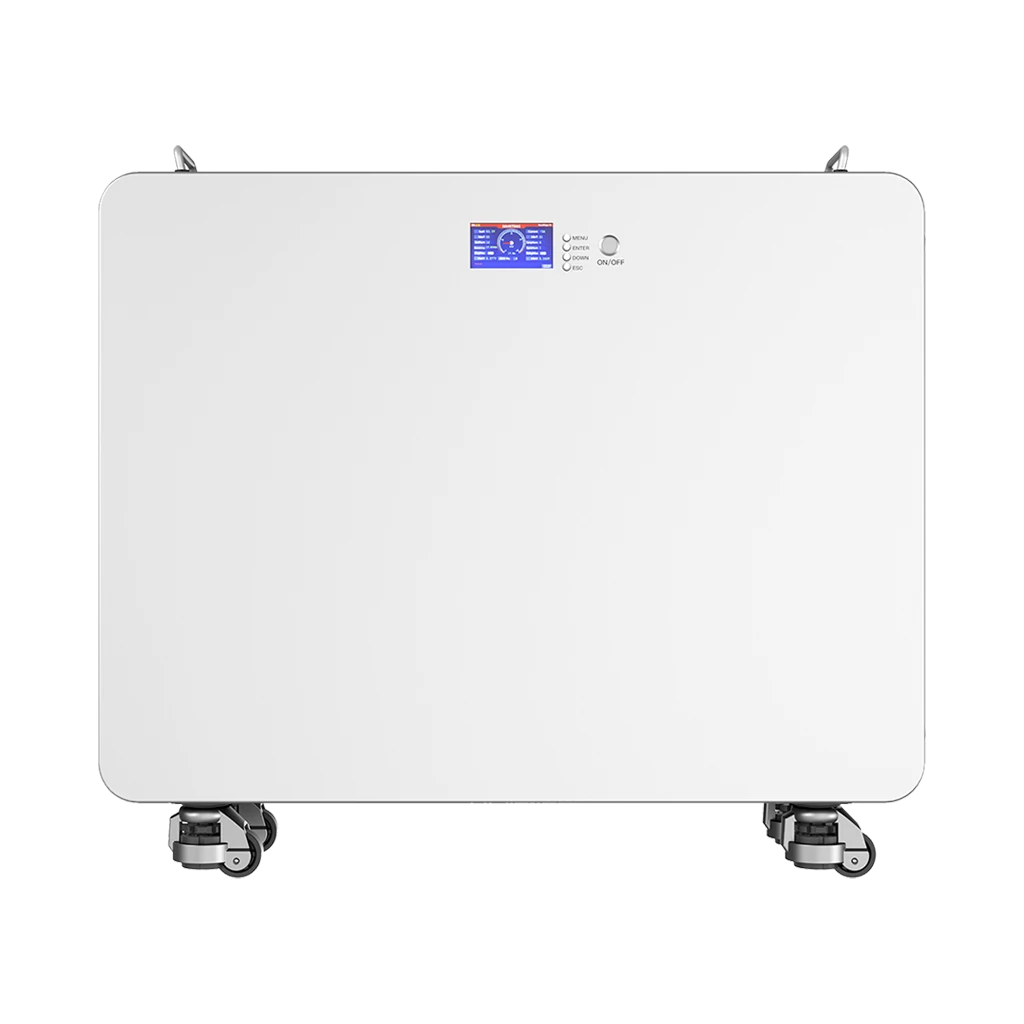
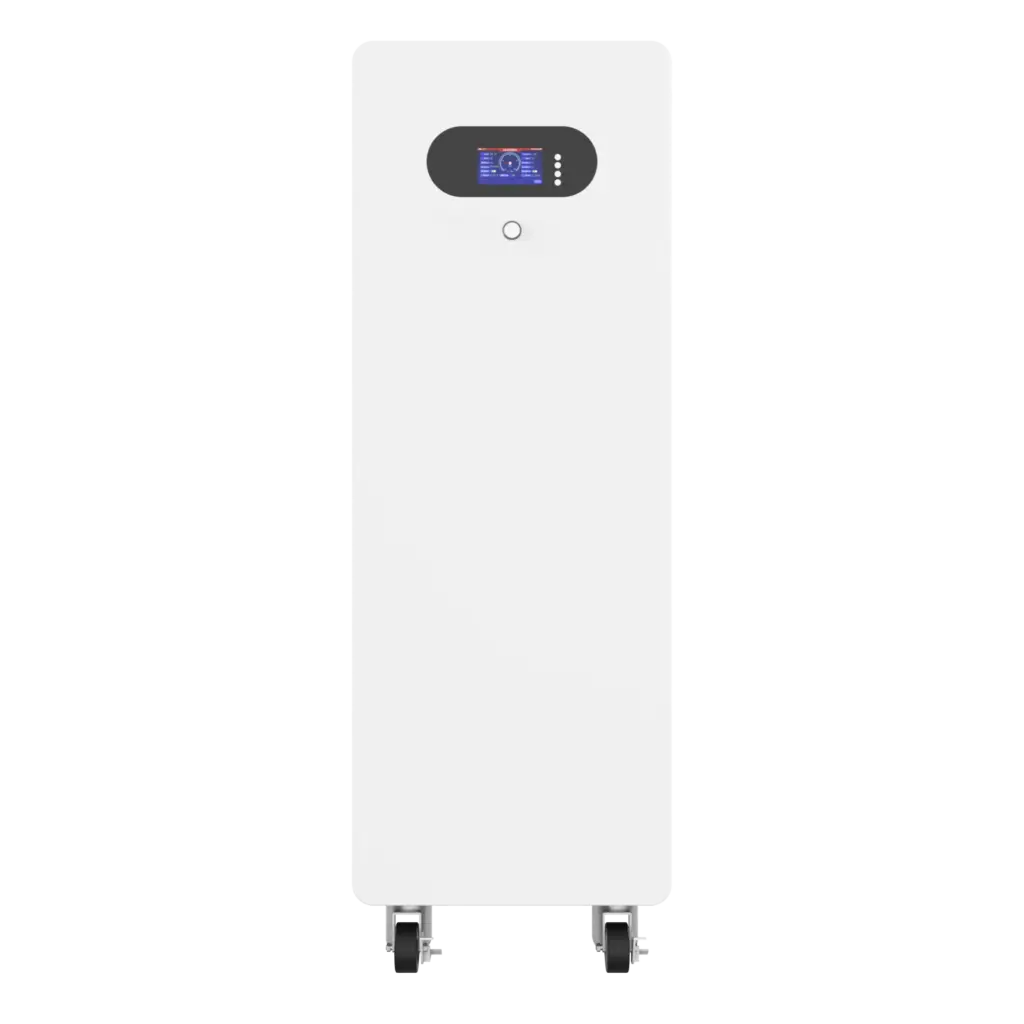
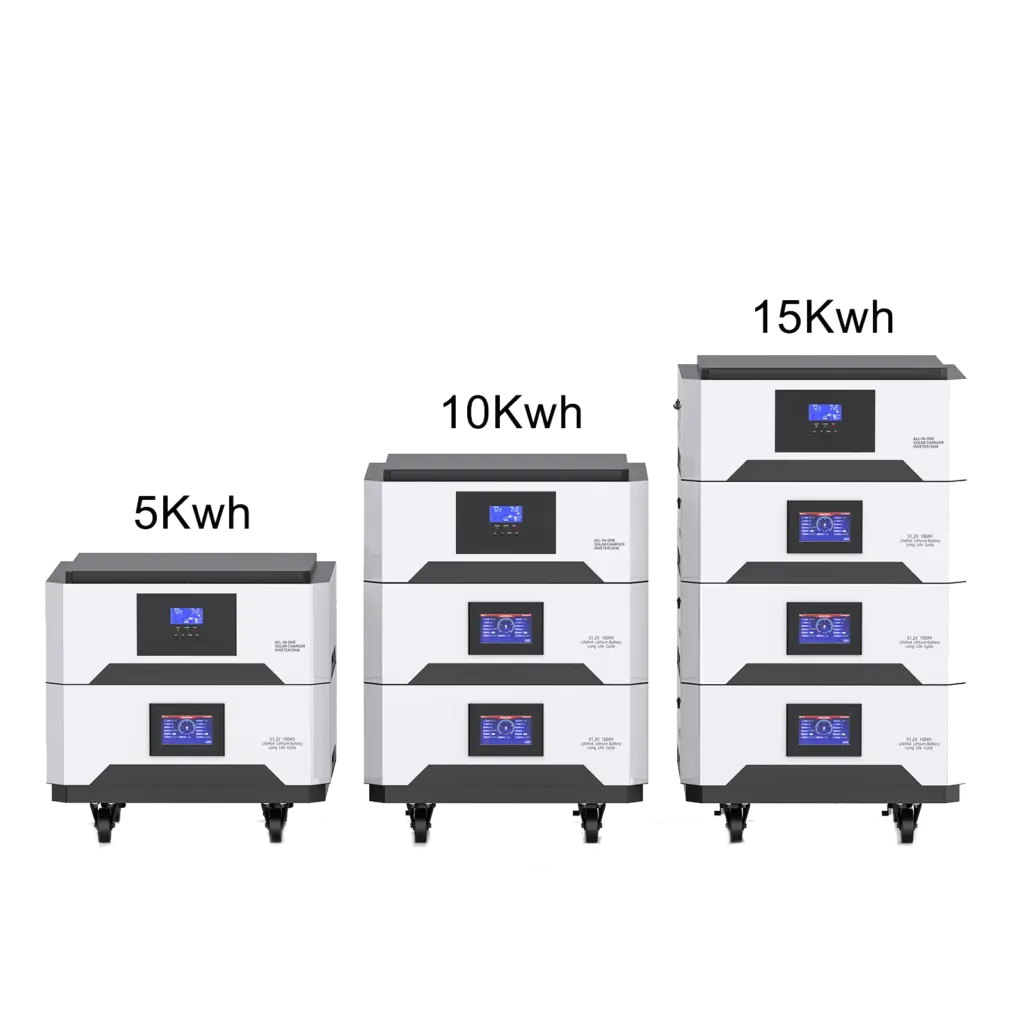
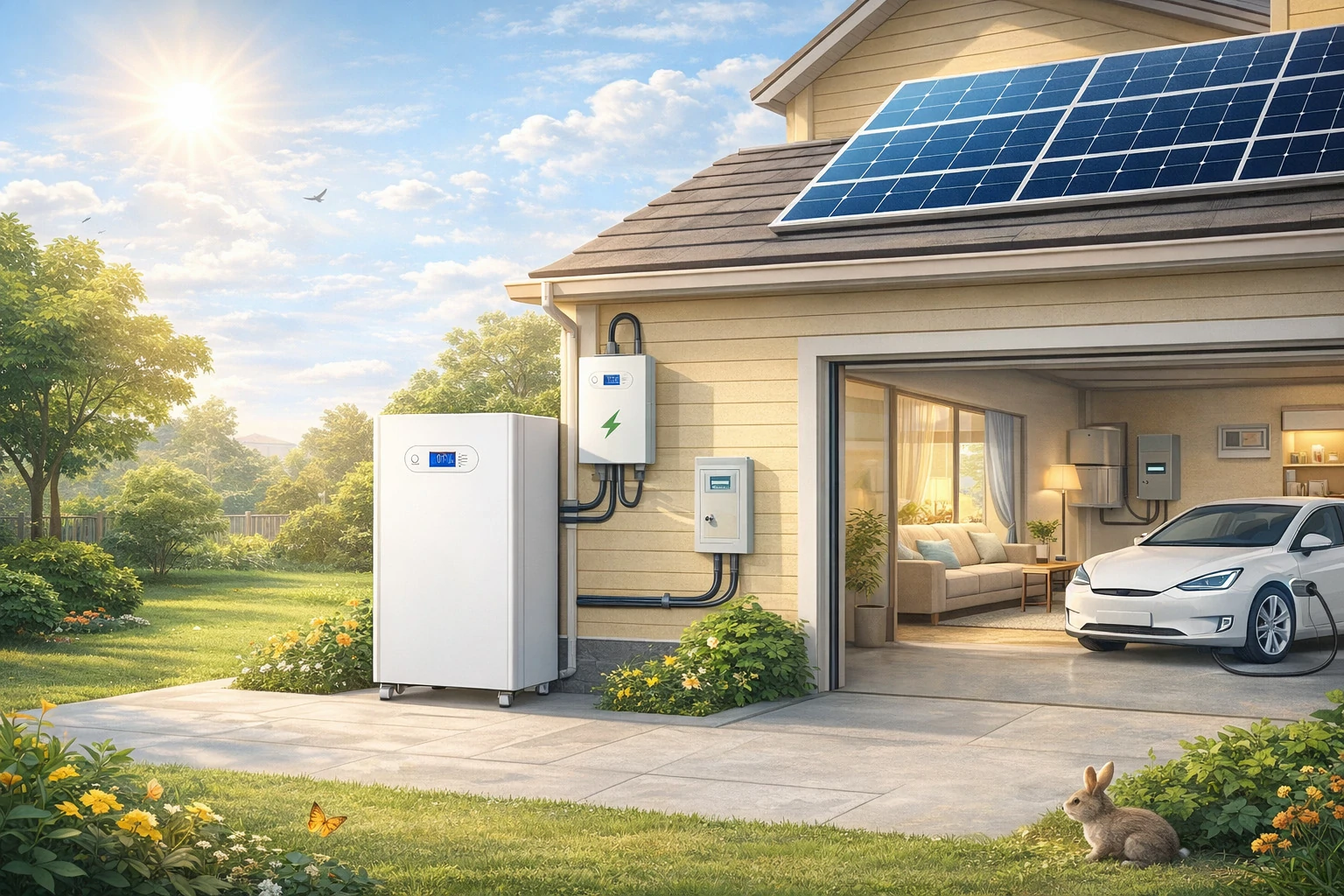
For example, Avepower’s 15kWh all-in-one solar battery with 6kW inverter integrates a LiFePO4 battery pack, pure sine wave inverter and MPPT solar charger in one cabinet. This type of integrated design can reduce external wiring and make system matching easier for residential solar storage, backup power and small energy storage projects.
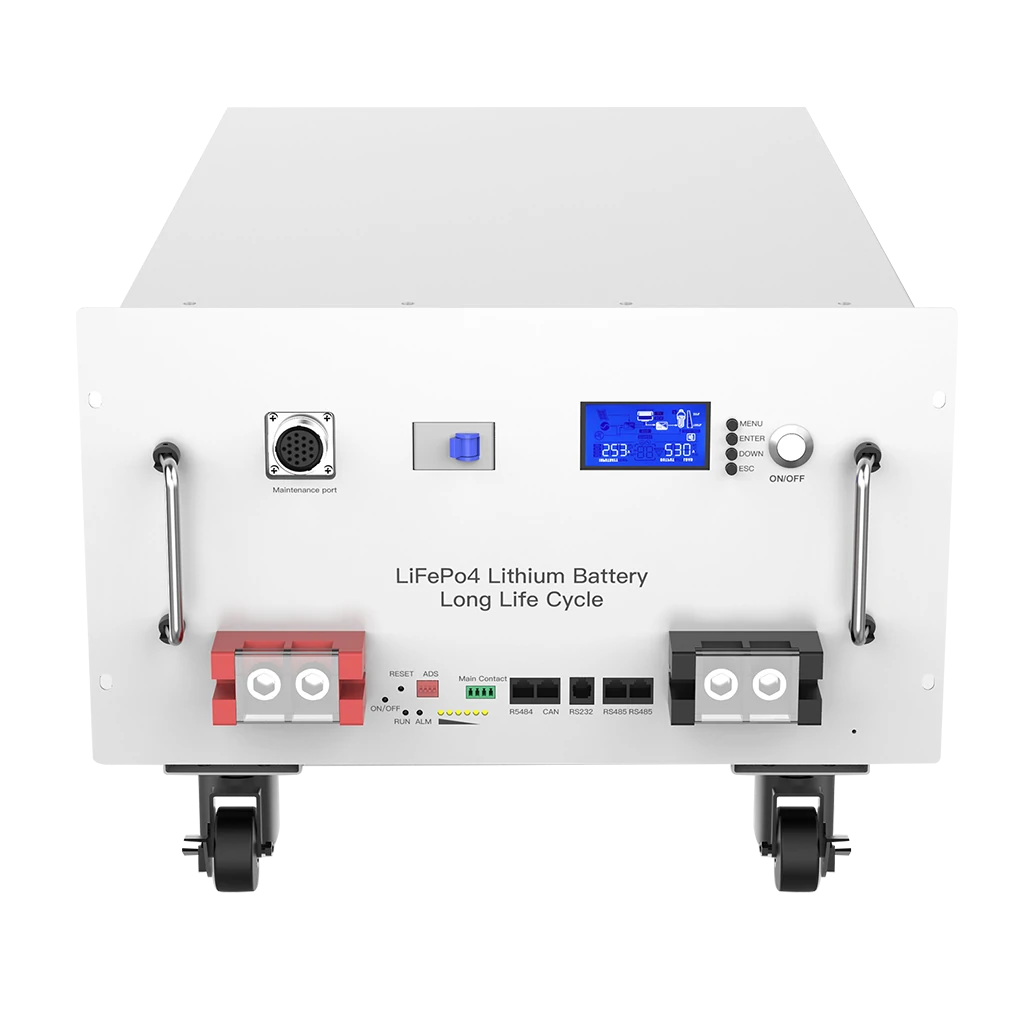
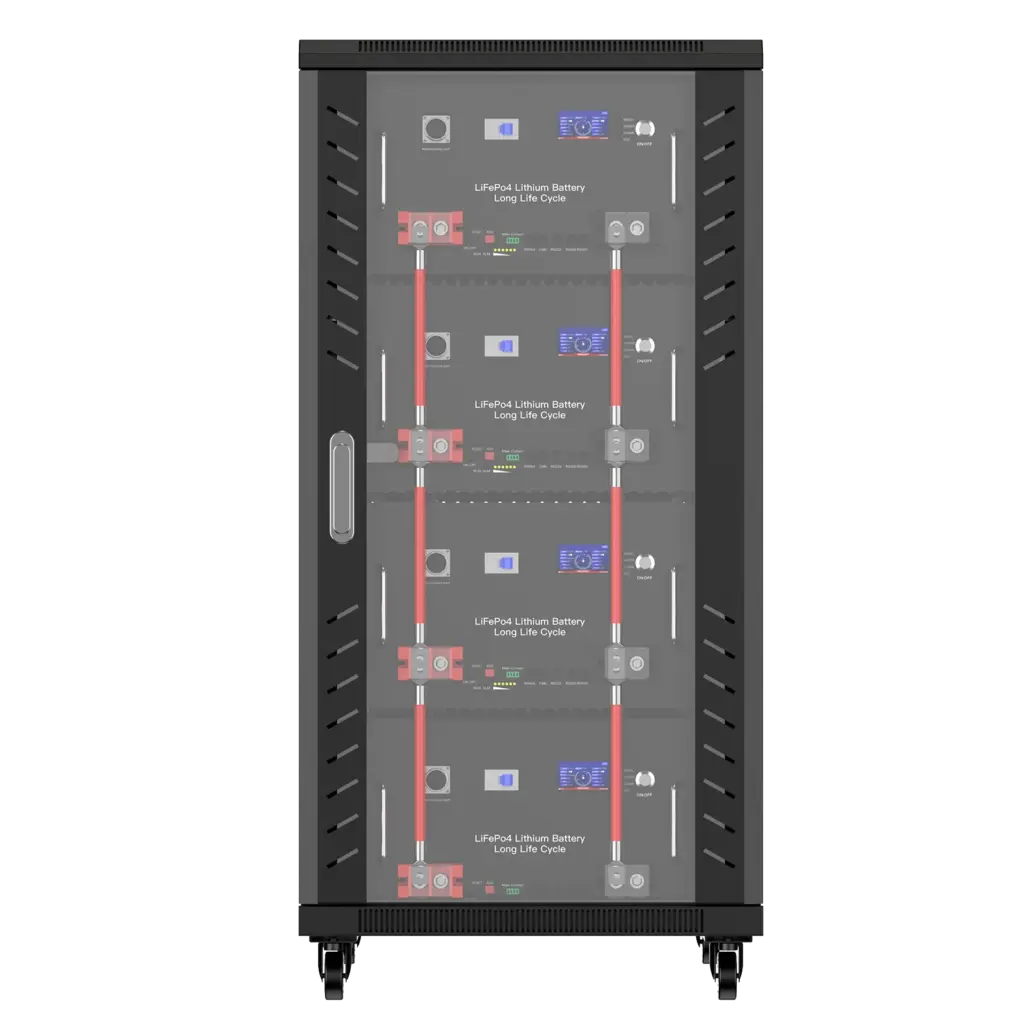
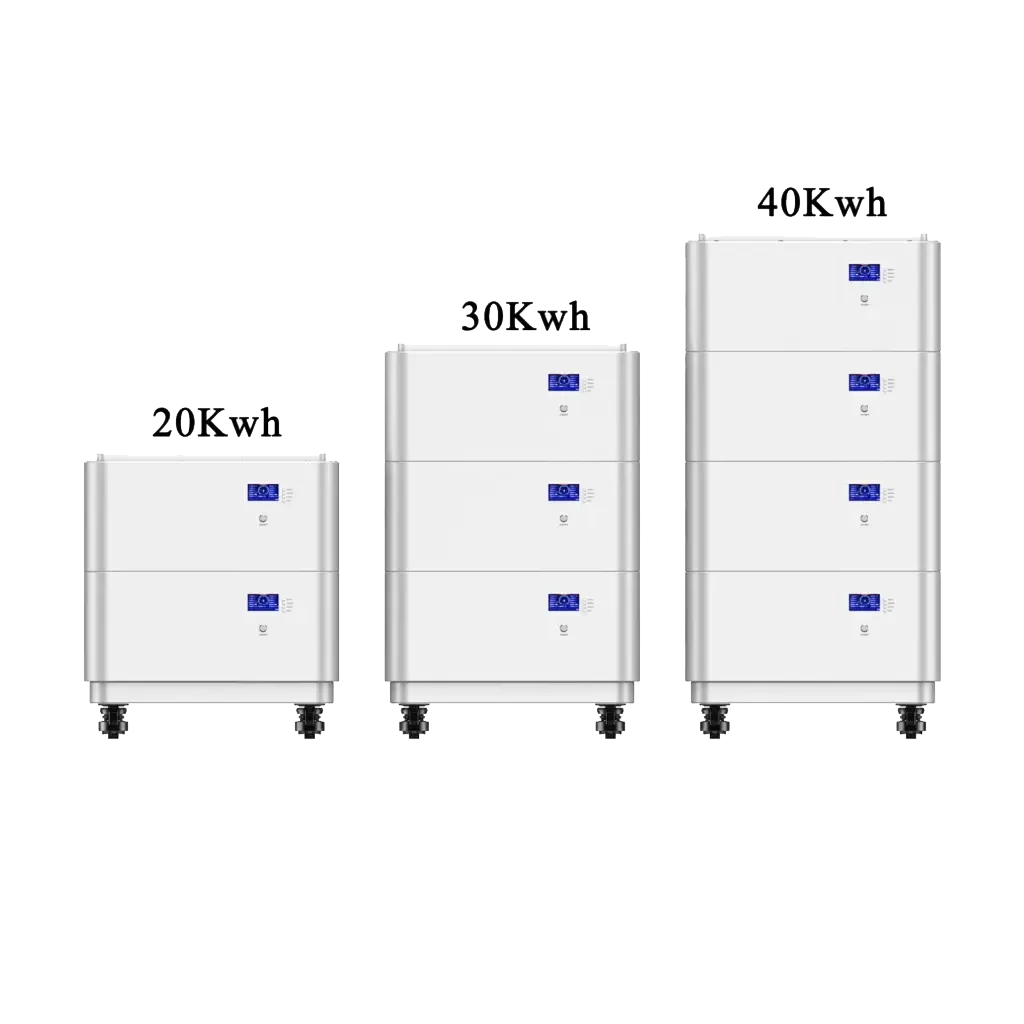
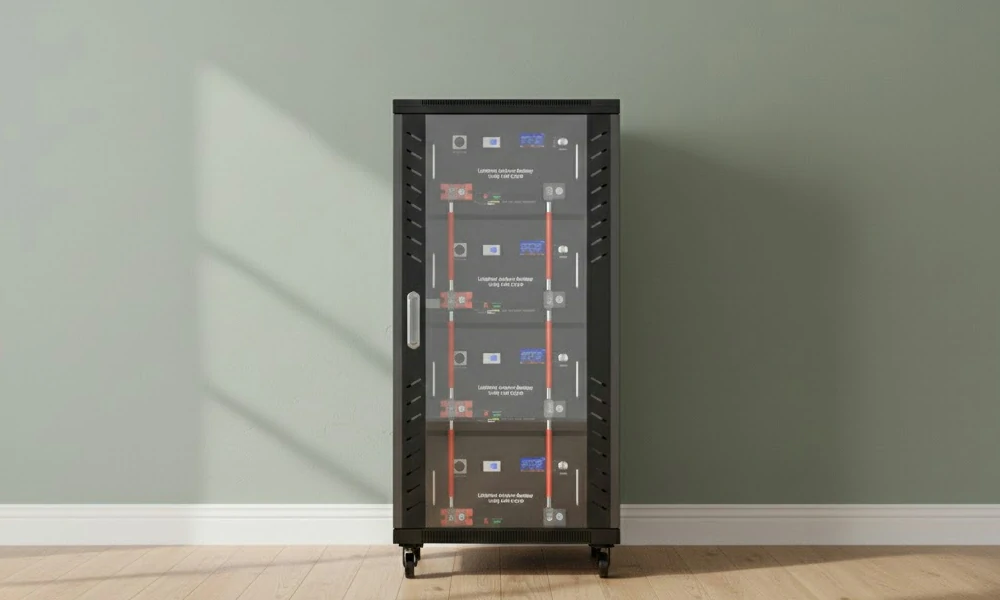
For projects that need more flexible battery capacity, Avepower’s stackable LiFePO4 battery storage and rack mount battery systems can be matched with compatible hybrid or off-grid inverters through proper system design and communication protocol matching.
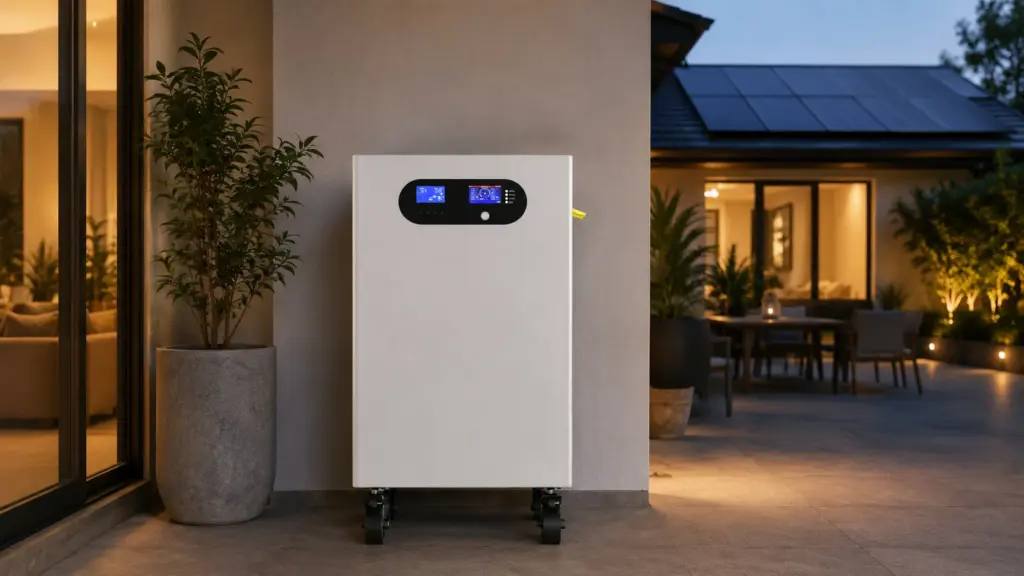
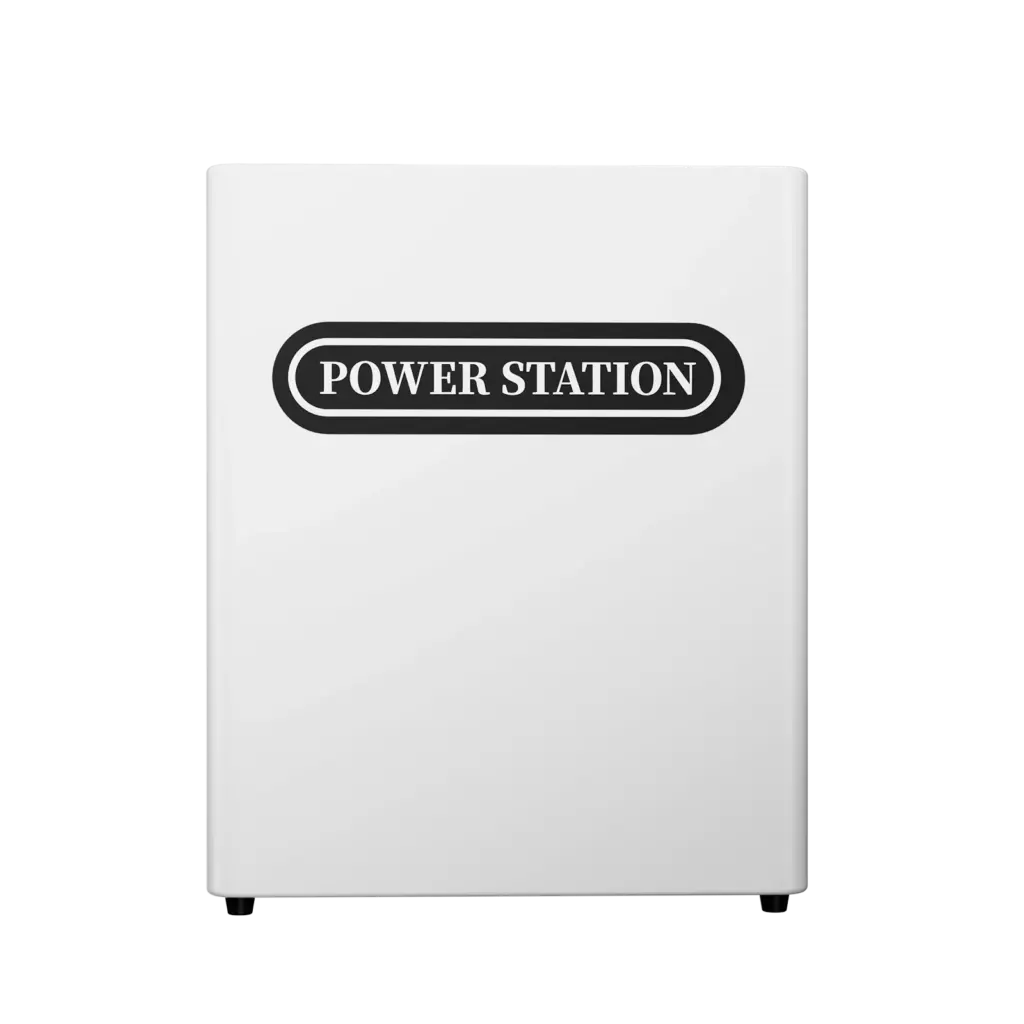
Avepower All In One Solar Battery 15kWh with 6kW Inverter
This all-in-one solar battery system integrates a 15kWh battery pack, 6kW pure sine wave inverter and MPPT solar charger in one compact floor-standing cabinet. It is designed for home solar storage, backup power, off-grid applications and small energy storage projects that need easier installation, stable output and practical monitoring.
How to Choose the Right Pure Sine Wave Inverter
Choosing a pure sine wave inverter is not only about buying the largest wattage. A good selection should match your load profile, battery voltage, surge demand, installation environment and future expansion plan.
1. Confirm Continuous Power Rating
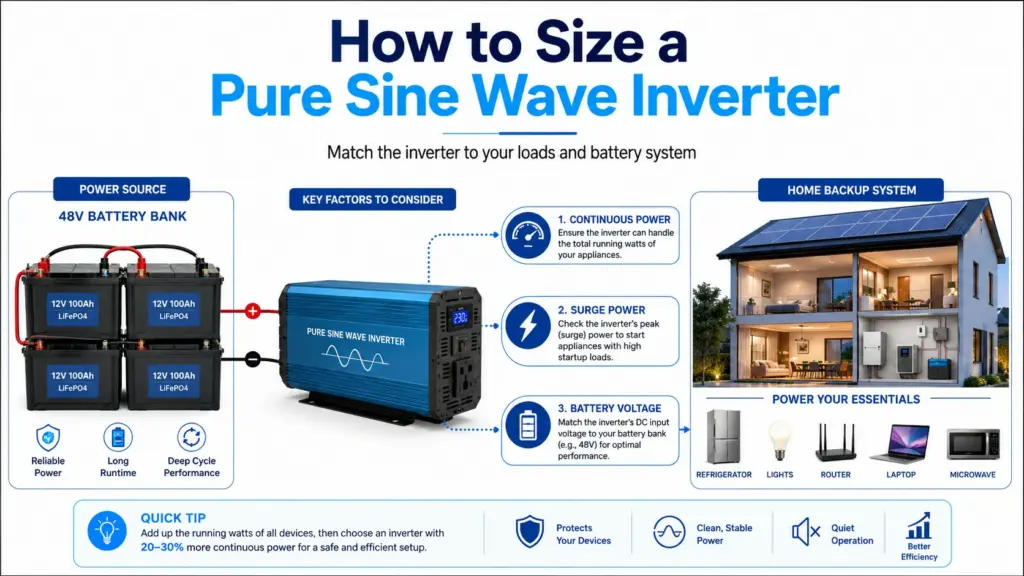
The continuous power rating tells you how much power the inverter can supply during normal operation. For example, a 3000W inverter should be able to support up to 3000W of continuous AC load under proper conditions.
Add up the running wattage of the appliances you plan to use at the same time. Do not simply add every appliance in the building. Focus on the loads that may realistically run together.
For example:
| Appliance | Running Power |
|---|---|
| Refrigerator | 200W |
| Router and security system | 50W |
| LED lights | 150W |
| Laptop and monitor | 150W |
| TV | 100W |
| Total running load | 650W |
In this case, a 1000W inverter may look enough for running power, but startup surge must also be considered.
2. Check Surge or Peak Power
Many appliances need more power when starting. Refrigerators, pumps, air conditioners and compressors can require two to five times their running wattage for a short period.
If your refrigerator runs at 200W but needs 800W to start, the inverter must handle that surge. If several motor loads start at the same time, the peak demand can be much higher than expected.
A practical rule is to choose an inverter with enough peak capacity and a safety margin above your expected maximum simultaneous load.
3. Match Battery Voltage
The inverter input voltage must match the battery bank voltage. Common battery system voltages include 12V, 24V and 48V.
For small mobile systems, 12V may be acceptable. For medium backup systems, 24V may reduce current compared with 12V. For home solar storage and larger backup systems, 48V is often more practical because it reduces current, cable size and voltage drop.
For example, a 3000W load on a 12V battery system can require very high current. The same load on a 48V battery system requires much lower current, making the system easier to design safely.
4. Confirm AC Output Voltage and Frequency
The inverter output must match the local appliance standard. In some markets, the output is 120V and 60Hz. In many other markets, it is 220V/230V/240V and 50Hz.
For export, distribution or OEM projects, this detail is important. A battery and inverter system designed for one region may not be suitable for another market without the right configuration.
5. Review Inverter Efficiency
Inverter efficiency affects how much battery energy becomes usable AC power. If an inverter is 90% efficient, a 1000W AC load may draw about 1111W from the battery side before other system losses.
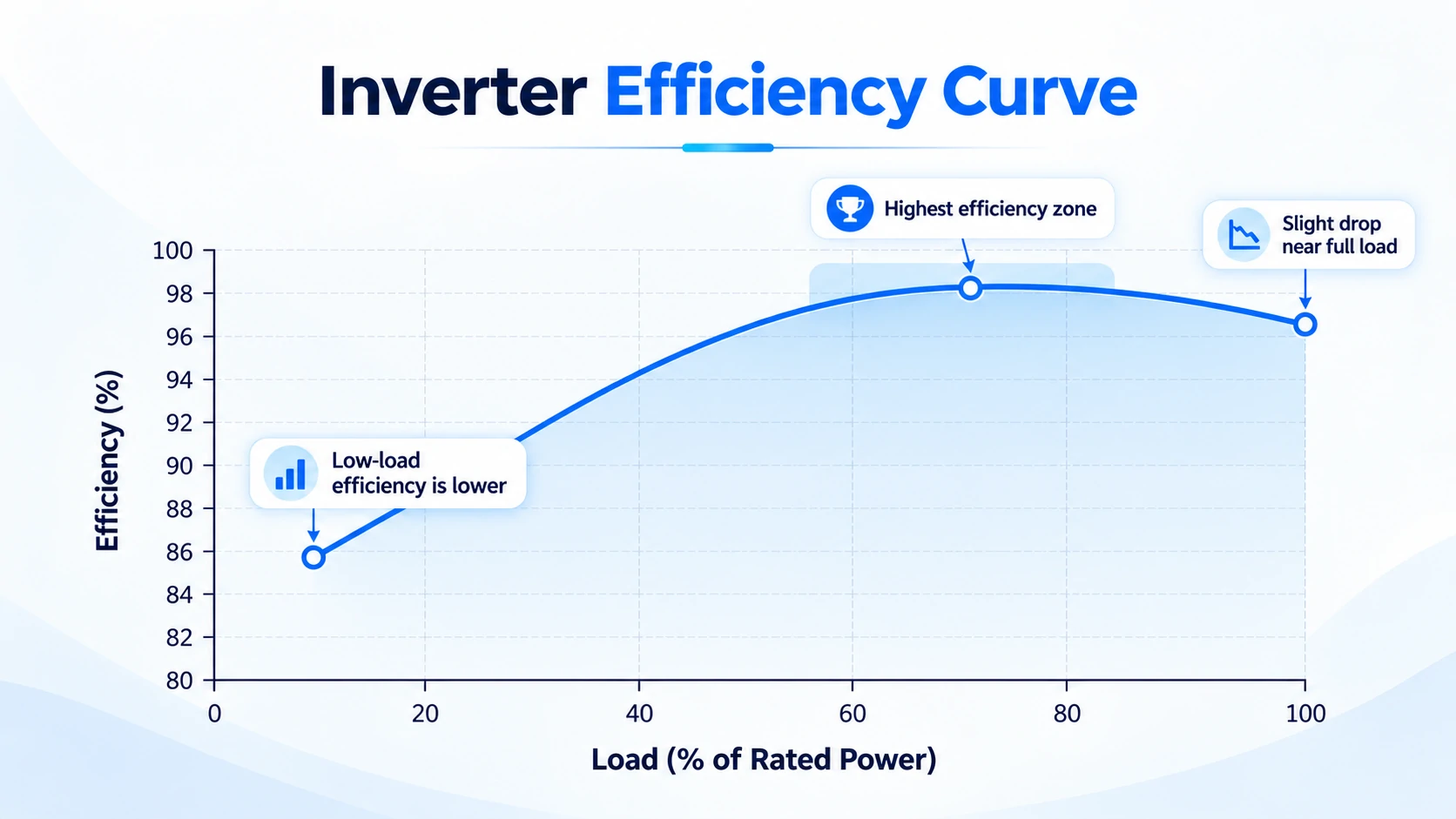
Higher efficiency helps extend battery runtime, reduce heat and improve system performance. However, efficiency varies by load level. Some inverters are less efficient when running very light loads, so matching inverter size to real usage matters.
6. Check Battery Communication Compatibility
For lithium battery systems, inverter communication can be very important. Many LiFePO4 batteries use CAN, RS485 or RS232 communication to share battery status, state of charge, charge/discharge limits, voltage, current, temperature and protection status with compatible inverters.
Avepower battery systems are designed with inverter communication support on many models. For installer-led projects, it is better to confirm the inverter model, battery protocol and parameter settings before shipment. Avepower can support inverter compatibility discussions for residential and light commercial storage projects through its custom battery solution options.
7. Look for Protection Features
A reliable pure sine wave inverter should include protection against overload, short circuit, over-temperature, low battery voltage, over-voltage and reverse polarity. For solar storage systems, protection coordination between the inverter, BMS, breaker, fuse and cable design is essential.
Do not rely only on the inverter protection. A safe system also needs proper DC cable sizing, fuses or breakers, grounding, ventilation and professional installation according to local electrical codes.
Match the Inverter with Battery Voltage
Battery voltage is one of the most important design points in a solar battery system. Common low-voltage battery systems include 12V, 24V, and 48V. Larger home and small commercial systems may also use high-voltage battery platforms.
For small portable systems, 12V may be enough. For medium backup systems, 24V may be more practical. For larger home solar storage systems, 48V is often preferred because it reduces current for the same power output.
For example, a 2,400W load on a 12V system may require about 200A before conversion losses. The same 2,400W load on a 48V system may require about 50A before losses. Lower current can reduce cable size, voltage drop, heat, and connection stress.
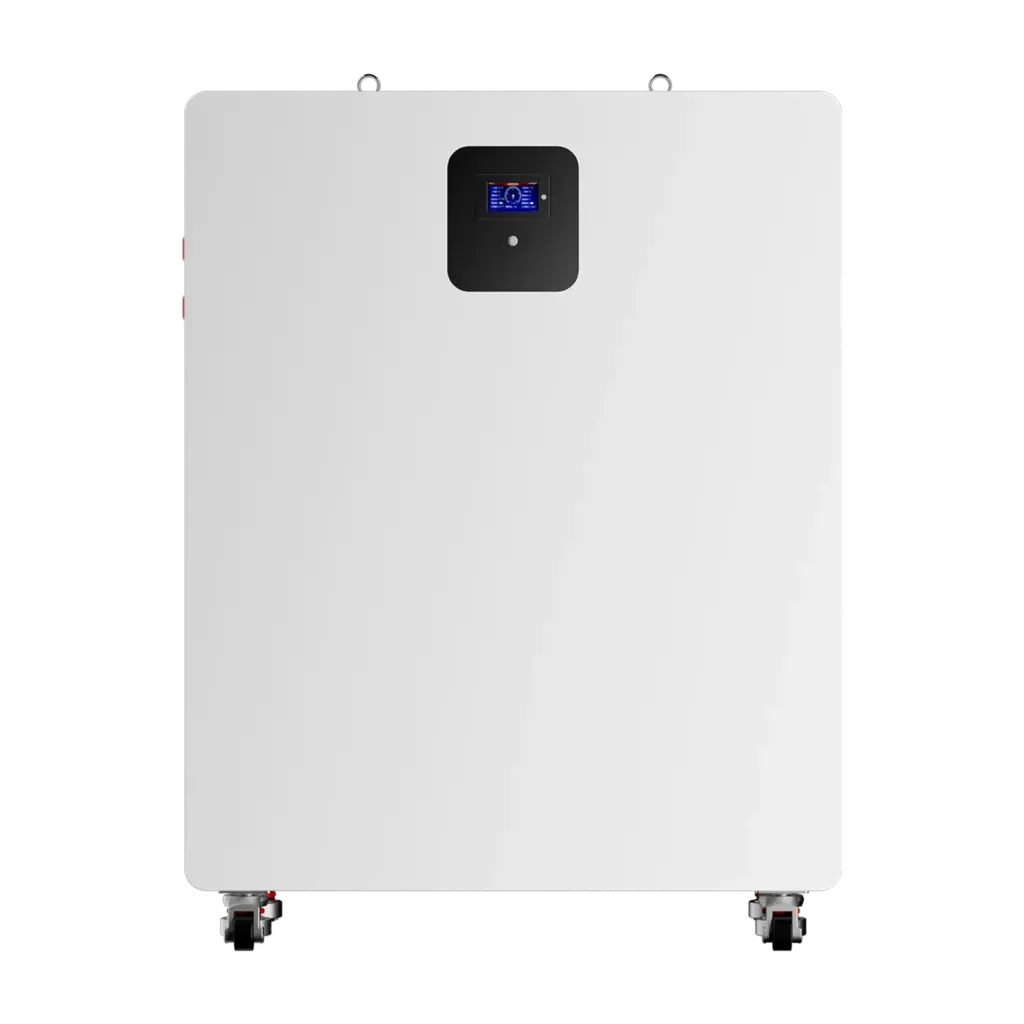
This is why many home solar battery systems use 48V LiFePO4 batteries. For example, the Avepower 48V 280Ah 15kWh rack mount battery is designed for organized cabinet installation, low-voltage solar storage, backup power, and scalable battery projects.
When selecting a pure sine wave inverter, always confirm:
- Battery voltage compatibility
- Maximum charge and discharge current
- Communication compatibility
- BMS requirements
- Continuous and peak inverter output
- Cable and breaker sizing
- Local electrical standards
Inverter Sizing and Battery Capacity Calculation
A practical inverter selection starts with two questions.
First, how much power do you need at one time?
Second, how long do you need to run those loads?
Step 1: Estimate Maximum Simultaneous Load
Use this formula:
Required inverter size = maximum simultaneous running watts + startup surge margin
For example:
| Load | Running Watts | Estimated Surge |
|---|---|---|
| Refrigerator | 200W | 800W |
| Lights | 150W | 150W |
| Router/security | 50W | 50W |
| Laptop/monitor | 150W | 150W |
| TV | 100W | 100W |
If all these loads run together, the running load is 650W. If the refrigerator starts while the other loads are running, the short-term demand may reach about 1250W. A 1500W pure sine wave inverter may work for this light backup setup, but a 2000W inverter gives more margin.
Step 2: Estimate Battery Energy Needed
Use this simplified formula:
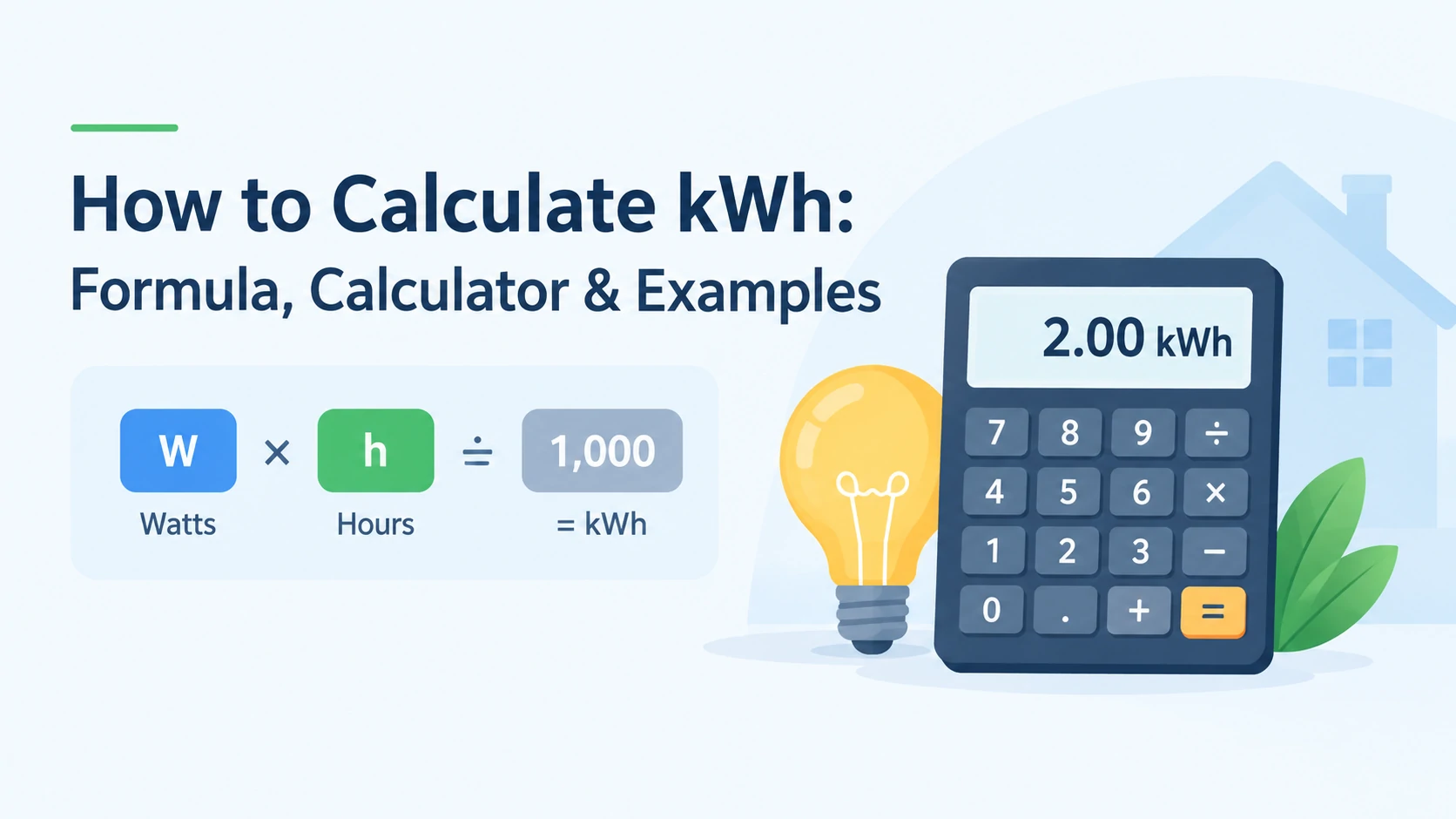
Battery energy needed = total load watts × runtime hours ÷ inverter efficiency
For example, if your average essential load is 800W and you want 5 hours of backup:
800W × 5 hours = 4000Wh
If inverter efficiency is 90%:
4000Wh ÷ 0.90 = 4444Wh
So you need at least about 4.4kWh of usable battery energy. In real projects, you should also consider battery depth of discharge, temperature, battery aging and future load growth.
Step 3: Match Battery Capacity to System Use
For small emergency backup, a 5kWh battery may support selected essential loads. For residential solar self-consumption and longer backup, 10kWh to 20kWh may be more practical. For villas, small offices, farms or light commercial projects, larger modular systems may be required.
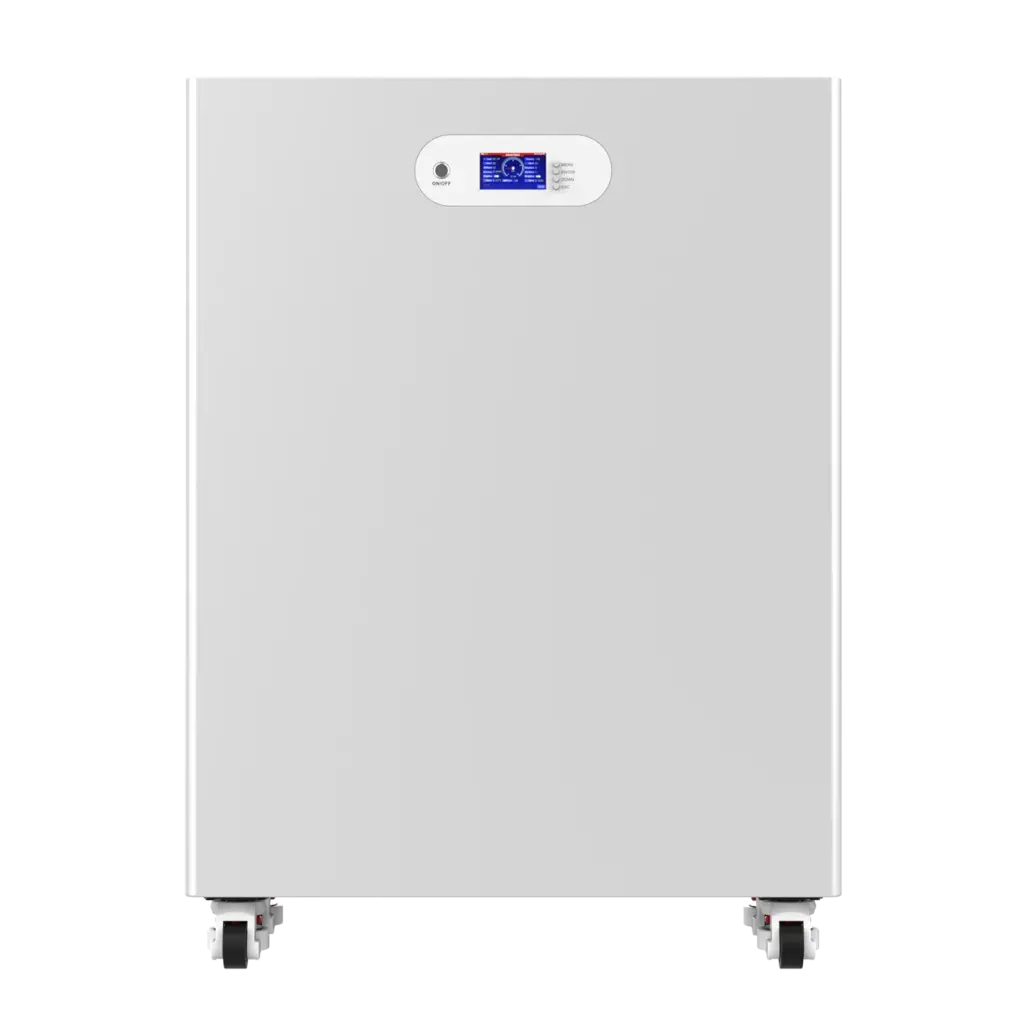
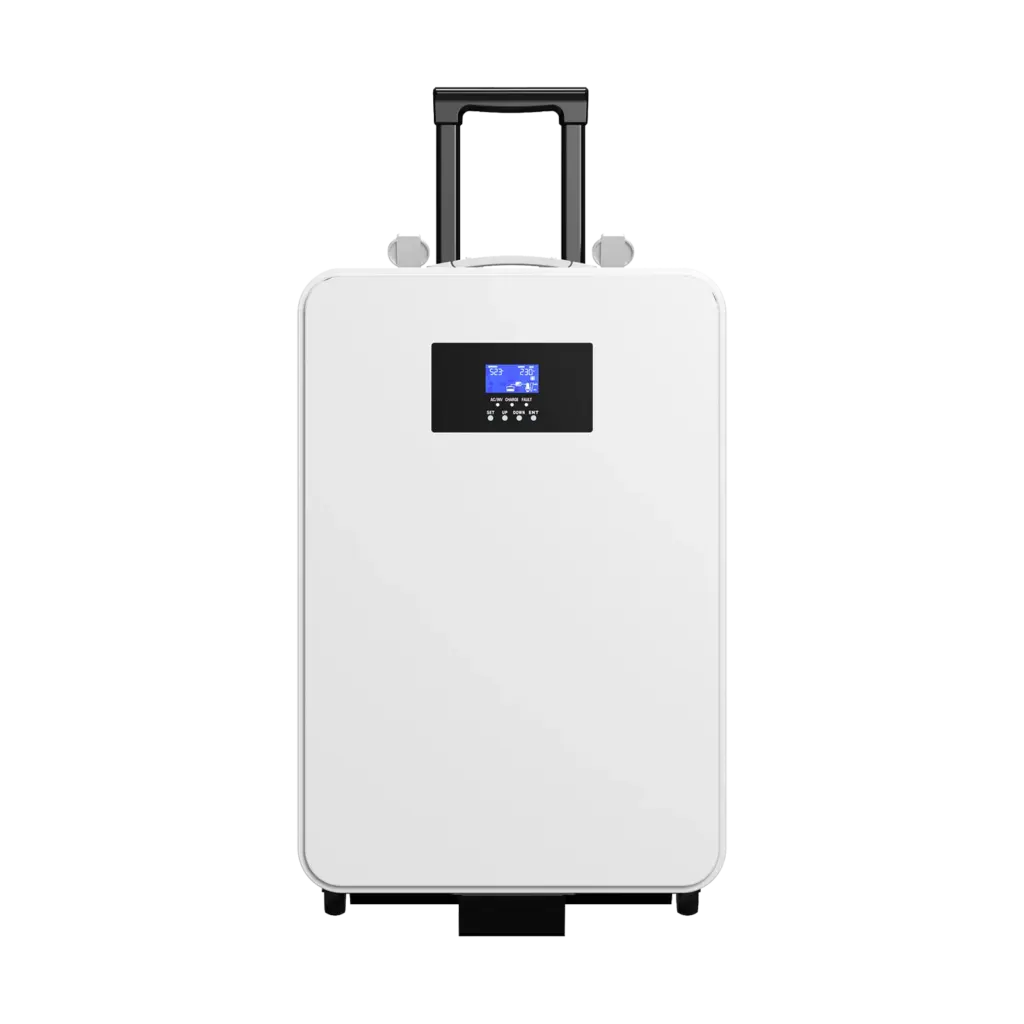
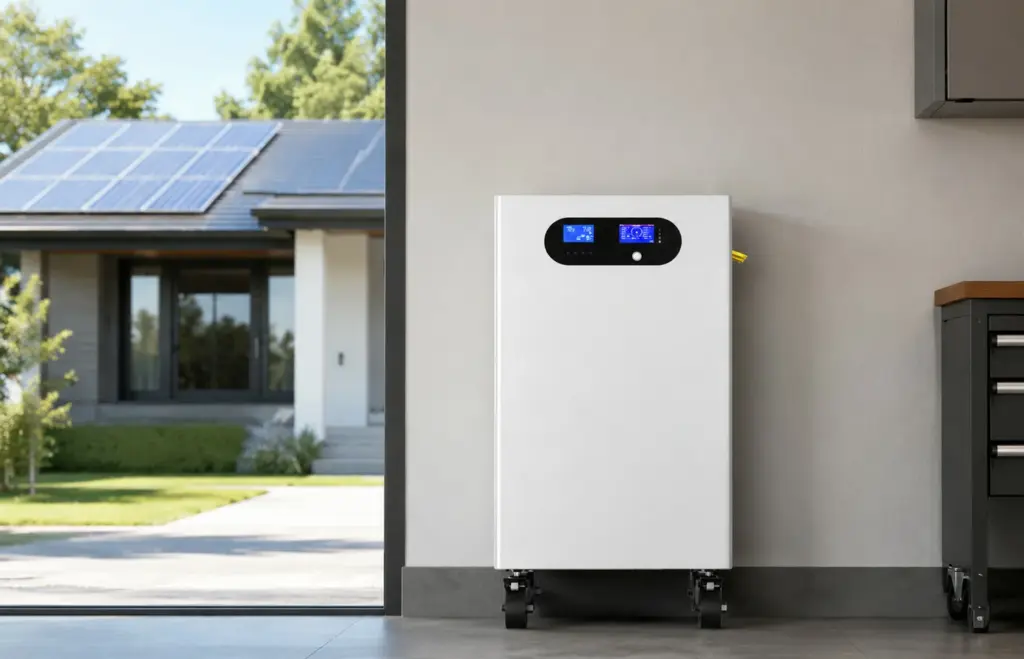
Avepower provides different LiFePO4 battery formats, including vertical LiFePO4 batteries, rack mount batteries, stackable batteries and all-in-one battery systems. The right choice depends on installation space, inverter compatibility, backup runtime and expansion needs.
Match Your Inverter with the Right Solar Battery
A pure sine wave inverter performs best when it is paired with a properly sized battery system. Avepower offers 48V rack mount, wall mounted, vertical and all-in-one LiFePO4 battery options for residential and small commercial solar storage projects. Tell us your inverter model, backup load and target runtime, and we can recommend a suitable battery configuration.
Installation Safety: What to Know Before Connecting an Inverter
Installing a pure sine wave inverter is not only a wiring job. It involves DC battery power, high current, AC output, fuses, breakers, grounding, ventilation, cable sizing, and local electrical rules.
For small plug-and-play systems, users may only need to follow the manufacturer’s instructions. For fixed home solar storage systems, off-grid systems, or systems connected to a switchboard, installation should be handled by qualified professionals.
Important installation points include:
- Use correctly sized DC cables
- Keep DC cable runs as short as practical
- Install proper fuses or circuit breakers
- Ensure correct polarity
- Provide enough ventilation
- Keep the inverter dry and protected from direct sunlight
- Mount the inverter securely
- Follow grounding requirements
- Do not connect an inverter directly to solar panels unless the system is designed for it
- Follow local electrical codes and manufacturer instructions
For technical reference, Energy.gov.au explains that inverters convert DC electricity from solar panels or batteries into AC electricity used by appliances, while Level.org.nz notes that stand-alone systems require proper inverter installation, ventilation, isolation, and proximity to batteries. You can review these references through the official Energy.gov.au inverter guide and Level.org.nz inverter guidance.
Avepower Solar Battery and Inverter Solutions
Avepower provides LiFePO4 battery energy storage solutions for home solar storage, backup power, off-grid systems, small commercial projects, and OEM/ODM customers. For users who need a battery system with integrated AC output, Avepower’s all-in-one battery series combines battery storage and inverter functionality in a compact cabinet design.
The Avepower all-in-one battery with inverter is designed for faster installation, remote monitoring, scalable storage, and customized project requirements. It can help installers and distributors reduce component-matching work and provide a more complete solar battery storage solution.
For residential solar backup and small energy storage projects, the Avepower 15kWh all-in-one solar battery with 6kW inverter offers integrated battery storage, pure sine wave AC output, MPPT solar charging, communication, display screens, and monitoring functions. It is suitable for homes, villas, off-grid houses, solar retrofit projects, and essential-load backup applications.
If you are still comparing inverter types, you can also read Avepower’s guide on what an inverter is and how it works for a broader explanation of inverter functions in solar and backup power systems.
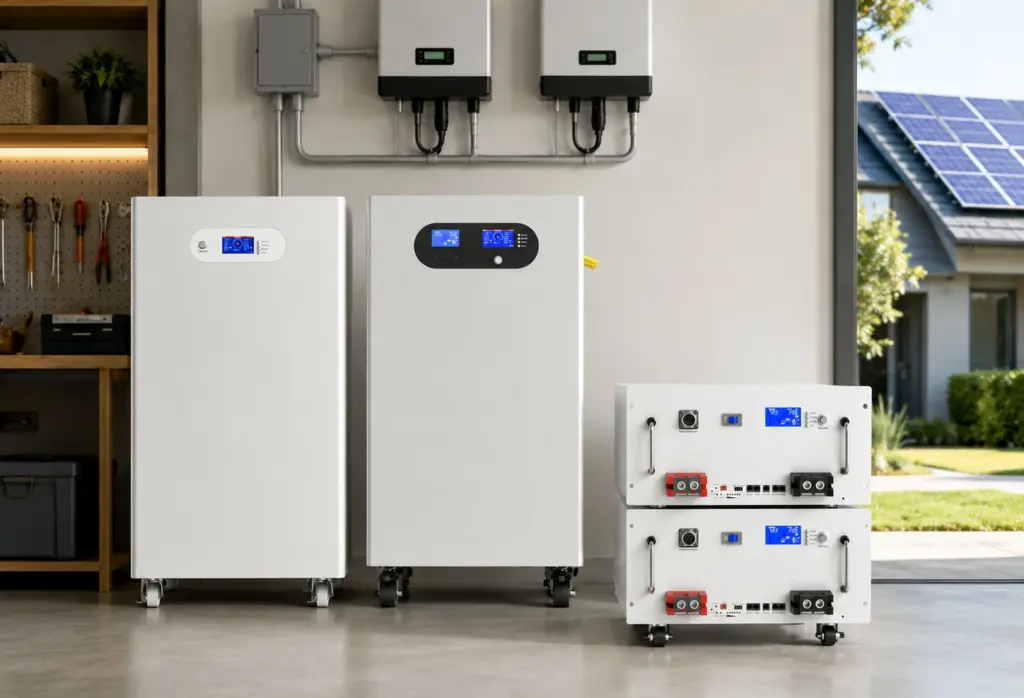
Take Control of Your Energy with Avepower!
Reliable home solar battery solutions with OEM/ODM customization and in-house manufacturing, tailored to the needs of distributors, installers, and energy partners.
Conclusion
A pure sine wave inverter is one of the most important components in a solar battery or backup power system. It converts DC power from batteries or solar storage into clean AC power for appliances. Compared with modified sine wave models, it offers better compatibility, smoother motor operation, less interference and stronger support for sensitive electronics.
When choosing a pure sine wave inverter, consider continuous power, surge power, battery voltage, efficiency, AC output standard, protection features, communication compatibility and installation environment. For long-term solar storage and backup power, the inverter should be selected together with the battery system rather than treated as a separate accessory.
If you are sourcing battery storage for residential, off-grid or small commercial projects, Avepower can support LiFePO4 battery systems, all-in-one solar battery solutions, inverter communication matching and OEM/ODM customization. Explore Avepower’s home energy storage solutions or request a project-based battery system quotation for your market.
FAQ
Yes, for most modern applications. A pure sine wave inverter provides smoother AC power and supports a wider range of appliances. It is especially useful for motors, compressors, computers, routers, medical devices and modern appliances with electronic control boards.
Yes, for most modern applications. A pure sine wave inverter provides smoother AC power and supports a wider range of appliances. It is especially useful for motors, compressors, computers, routers, medical devices and modern appliances with electronic control boards.
A pure sine wave inverter is strongly recommended for refrigerators because refrigerators use compressors that can draw high startup current. Pure sine wave output helps the compressor run more smoothly and may reduce heat, noise and efficiency problems.
Yes, but the system must be designed correctly. In many solar battery systems, solar panels charge the battery through a charge controller, hybrid inverter or MPPT charger. The inverter then converts battery DC power into AC power for appliances. Some all-in-one systems combine the battery, pure sine wave inverter and MPPT charger in one cabinet.
Add up the appliances that may run at the same time, then include startup surge for motors and compressors. After that, add a safety margin. For example, if your expected maximum demand is around 1200W including surge, a 1500W or 2000W inverter may be more practical than a 1000W model.
It depends on system size. Small mobile systems may use 12V. Medium systems may use 24V. Larger home solar battery systems often use 48V because the current is lower for the same power output, which can reduce cable size and voltage drop.
The inverter consumes some energy during conversion, but a good pure sine wave inverter can be efficient. Battery runtime depends on load watts, battery capacity, inverter efficiency, depth of discharge and system losses.
Yes, but only if the inverter and battery system are sized correctly. A whole-home backup system needs a careful load study, including air conditioning, pumps, refrigerators, lighting, kitchen appliances and surge loads. Many homes use essential-load backup instead of powering every circuit.
A pure sine wave inverter describes the output waveform quality. A hybrid inverter describes system function. A hybrid inverter can manage solar input, battery charging, grid connection and backup output. Many hybrid inverters also provide pure sine wave AC output.
An all-in-one system can be better for projects that need simpler installation, cleaner wiring and easier component matching. Separate battery and inverter systems may offer more flexibility for larger or more customized projects. The best choice depends on the project size, installer preference, market requirements and expansion plan.