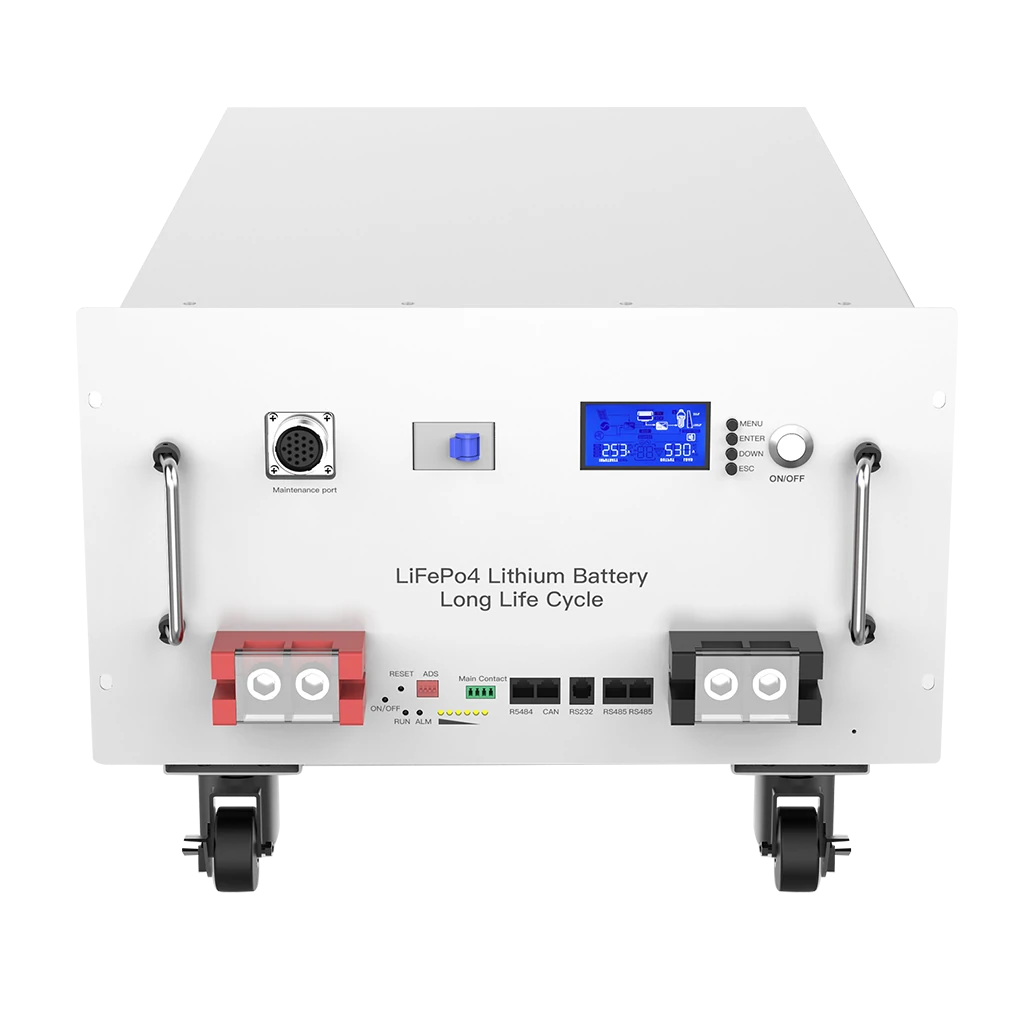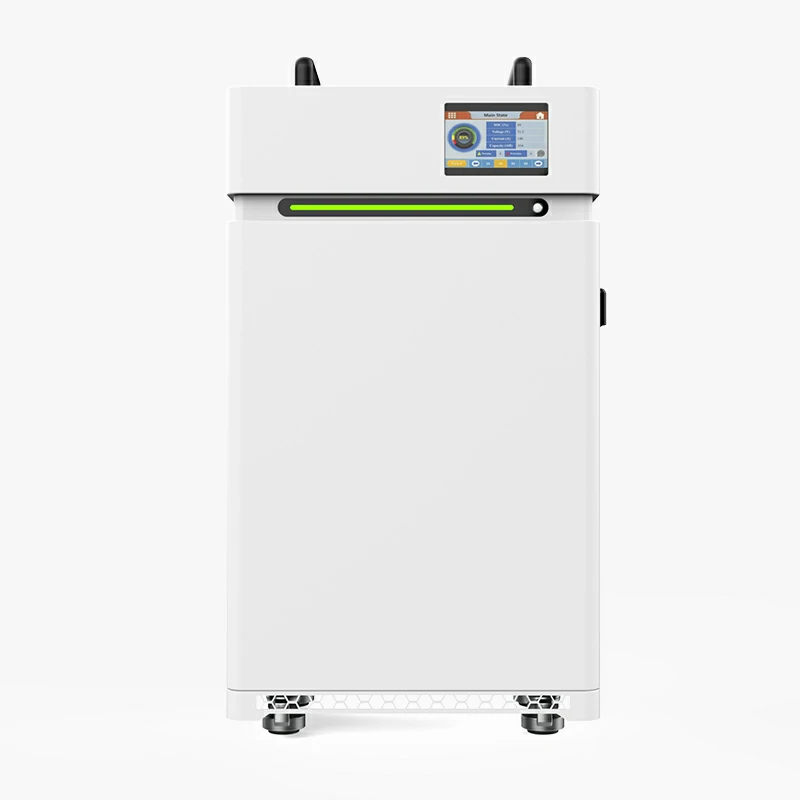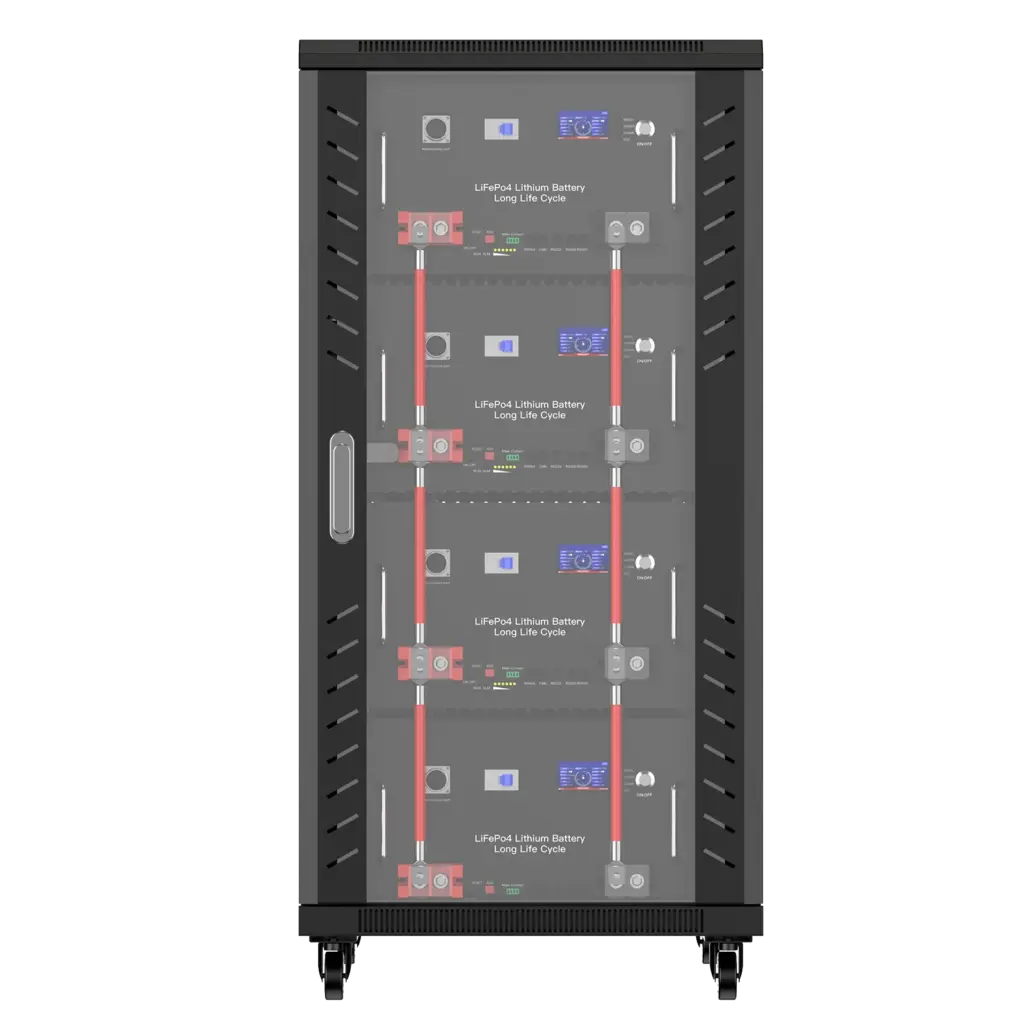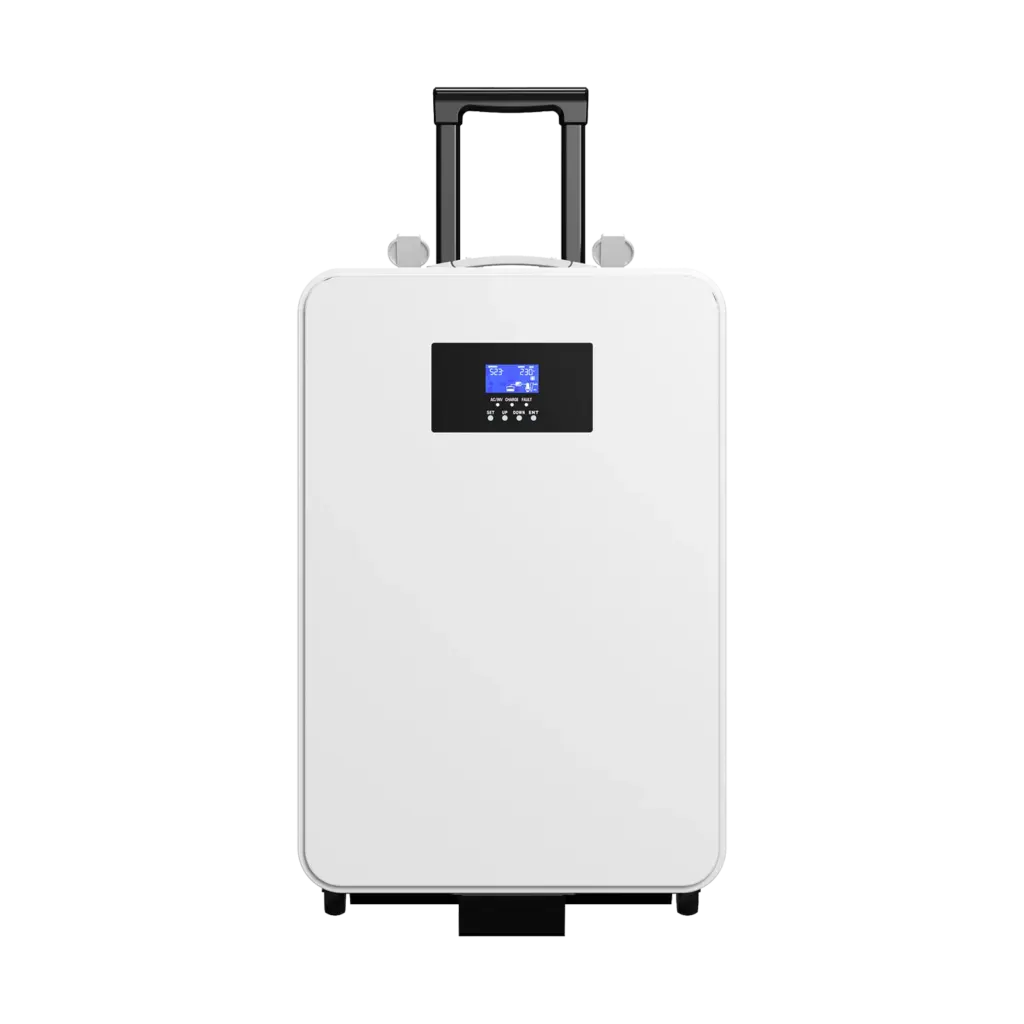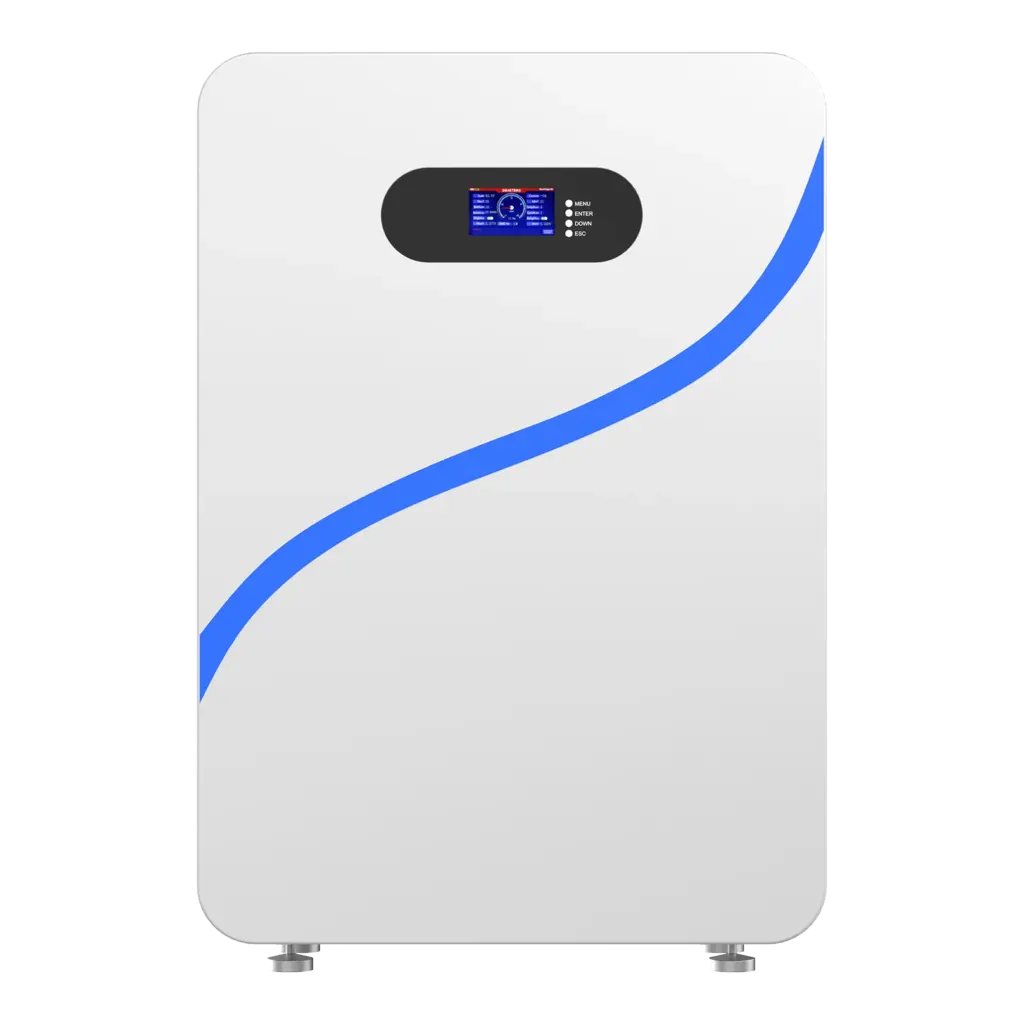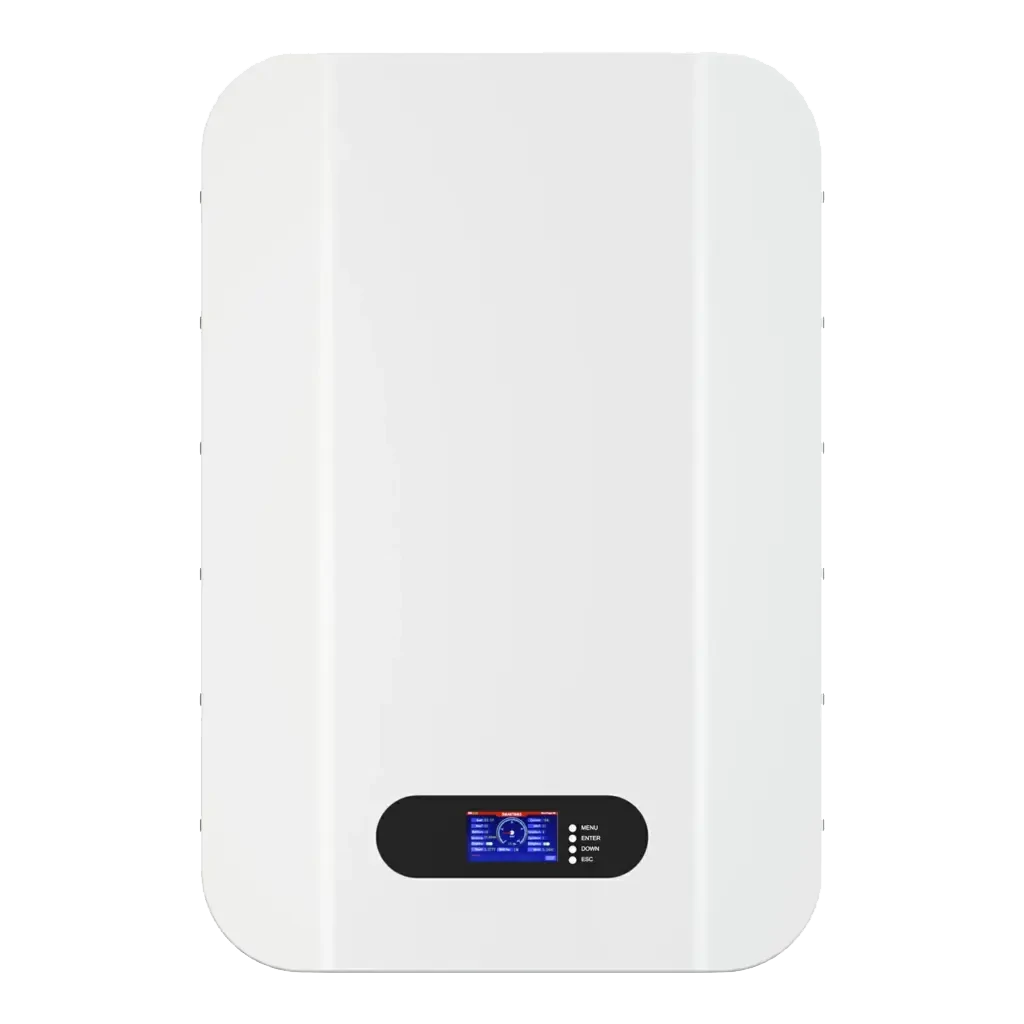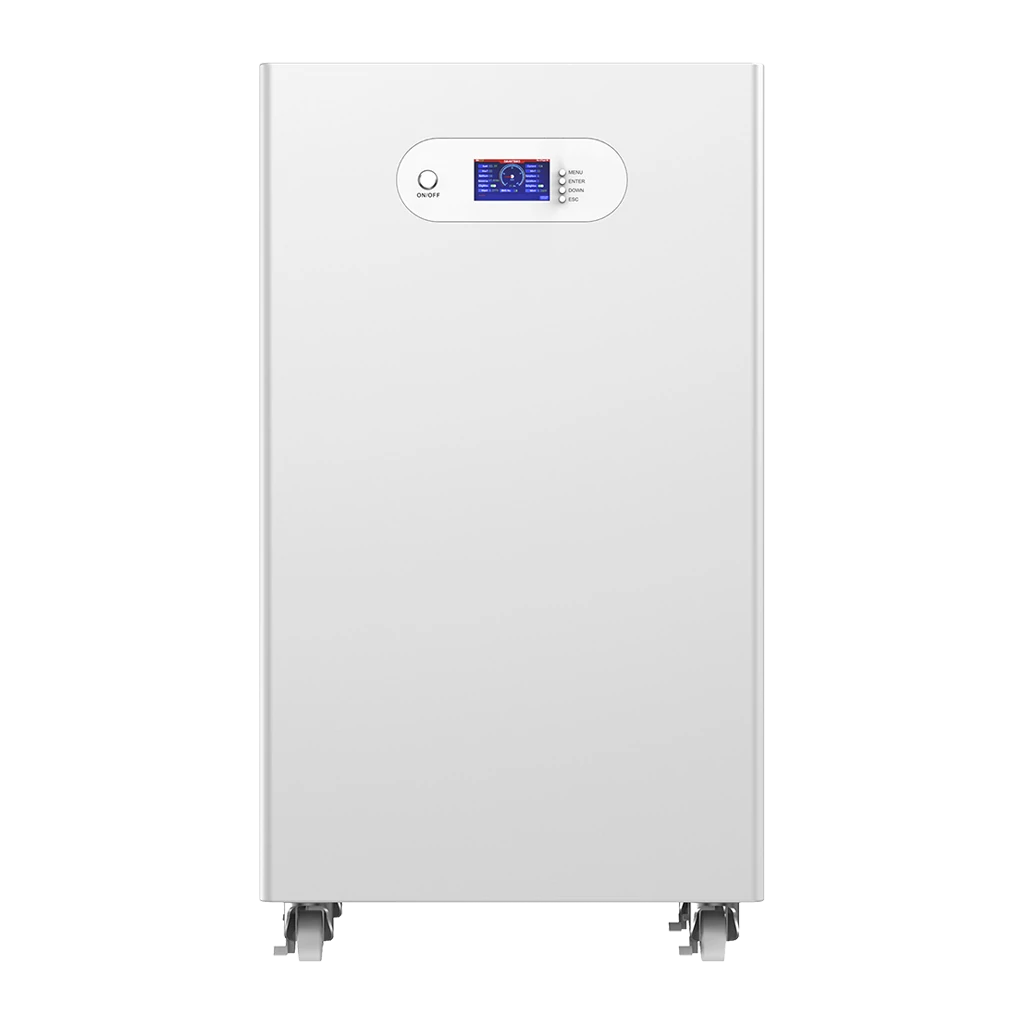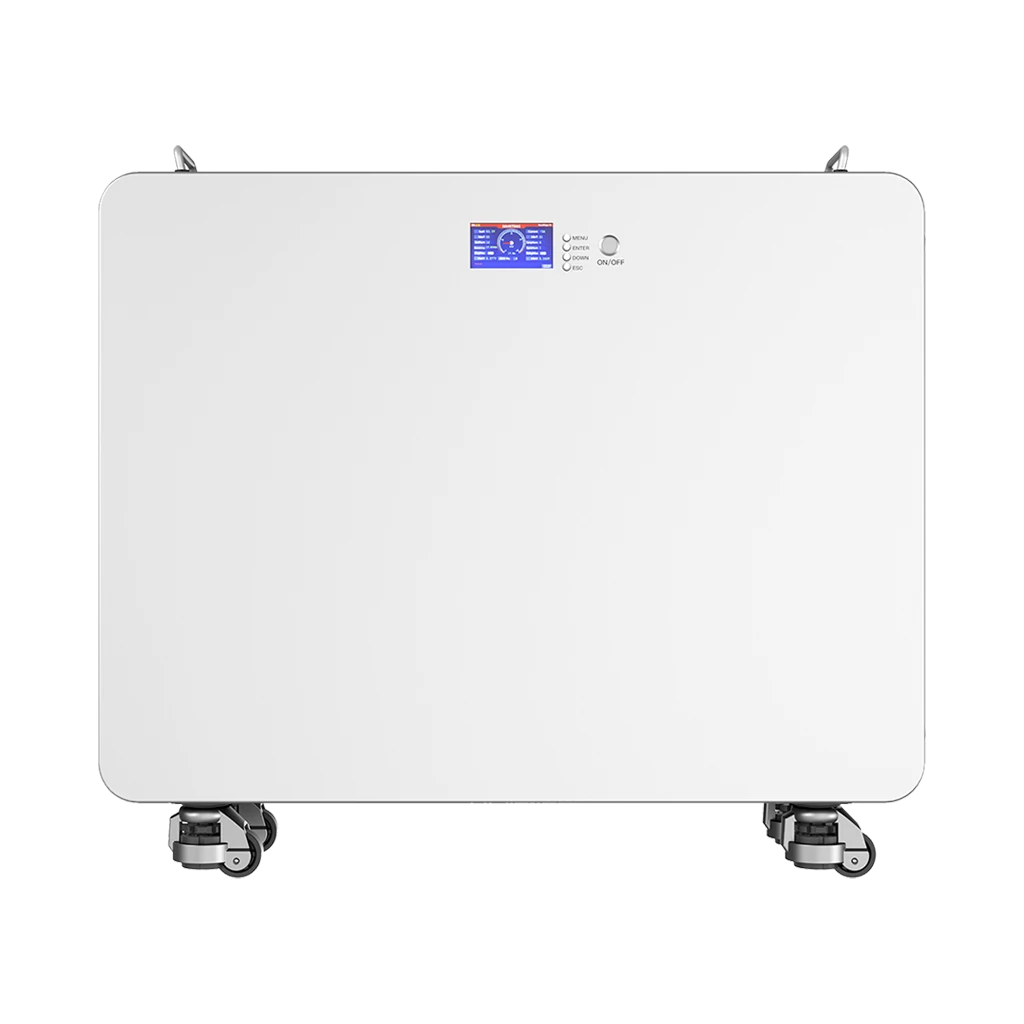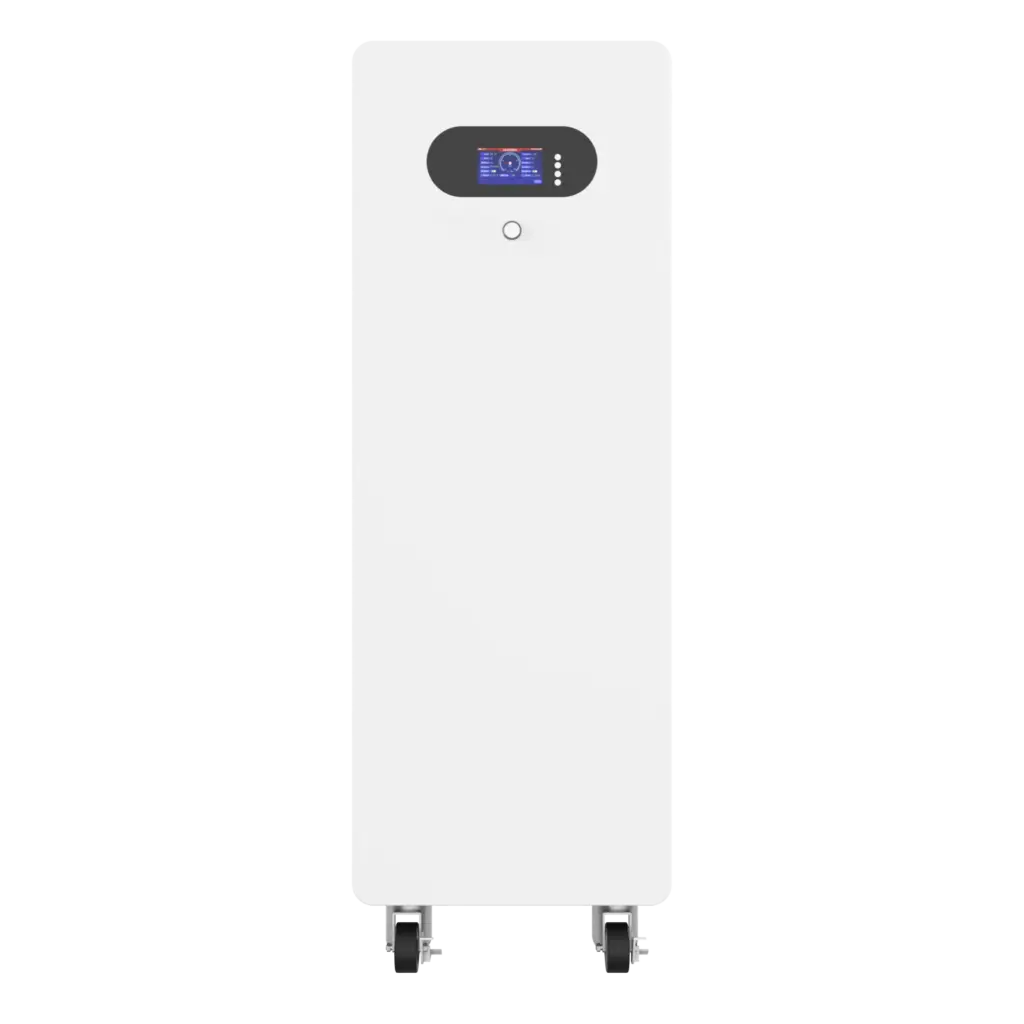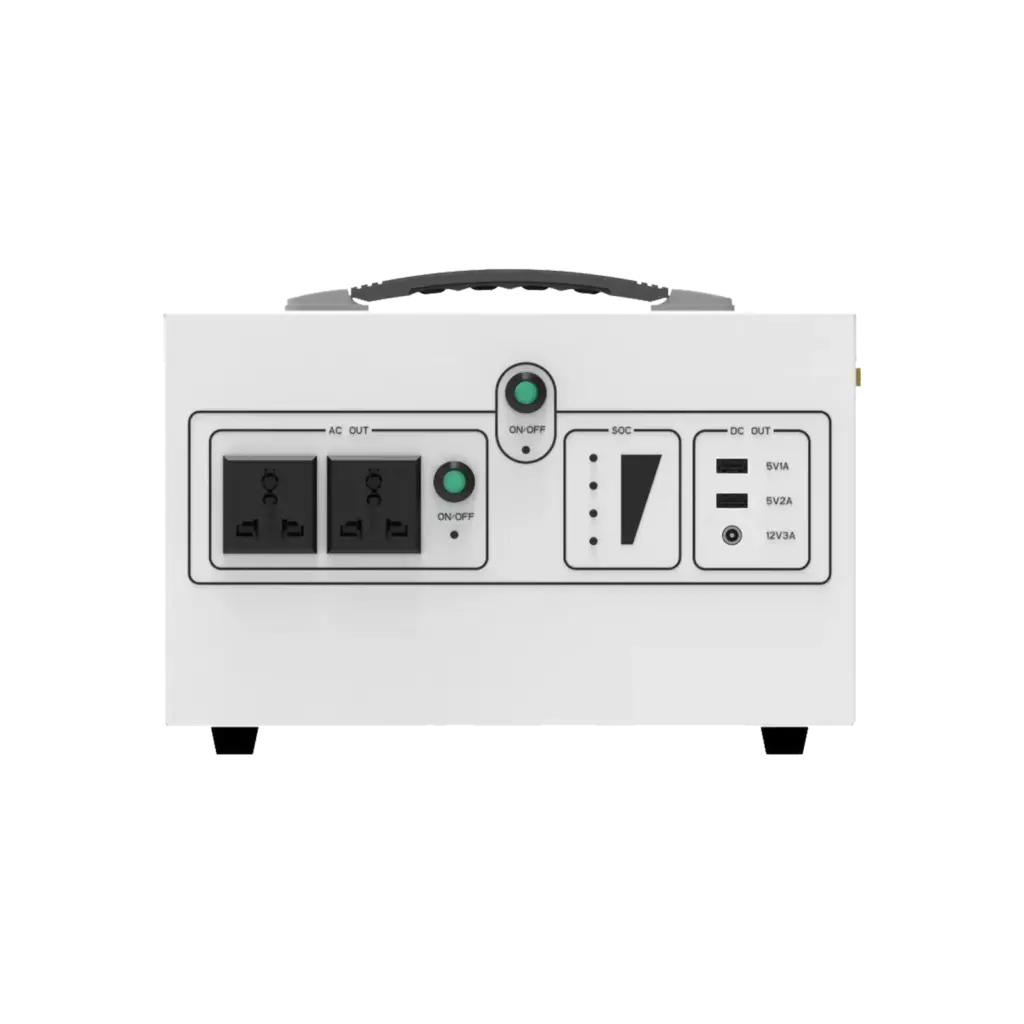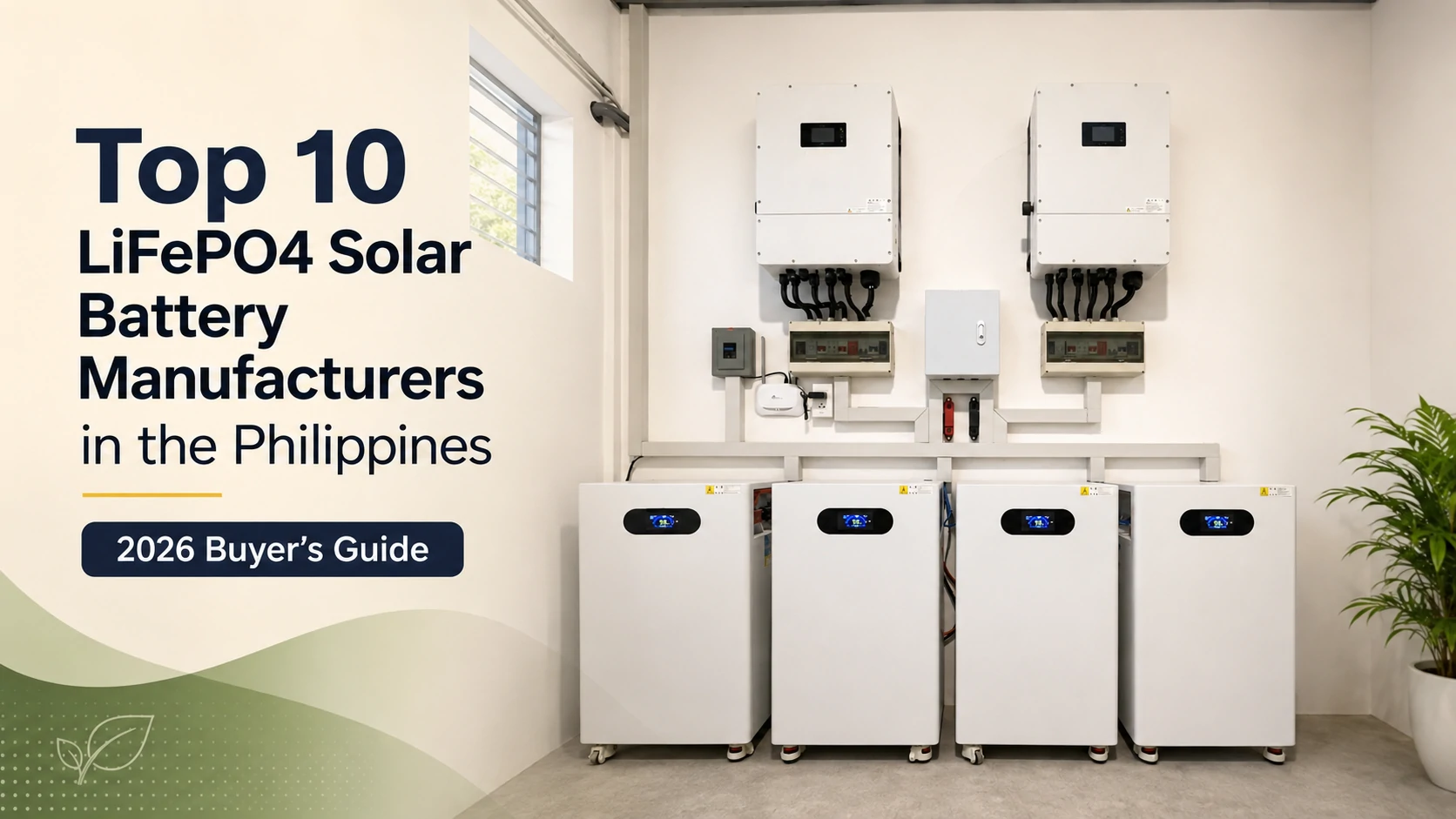
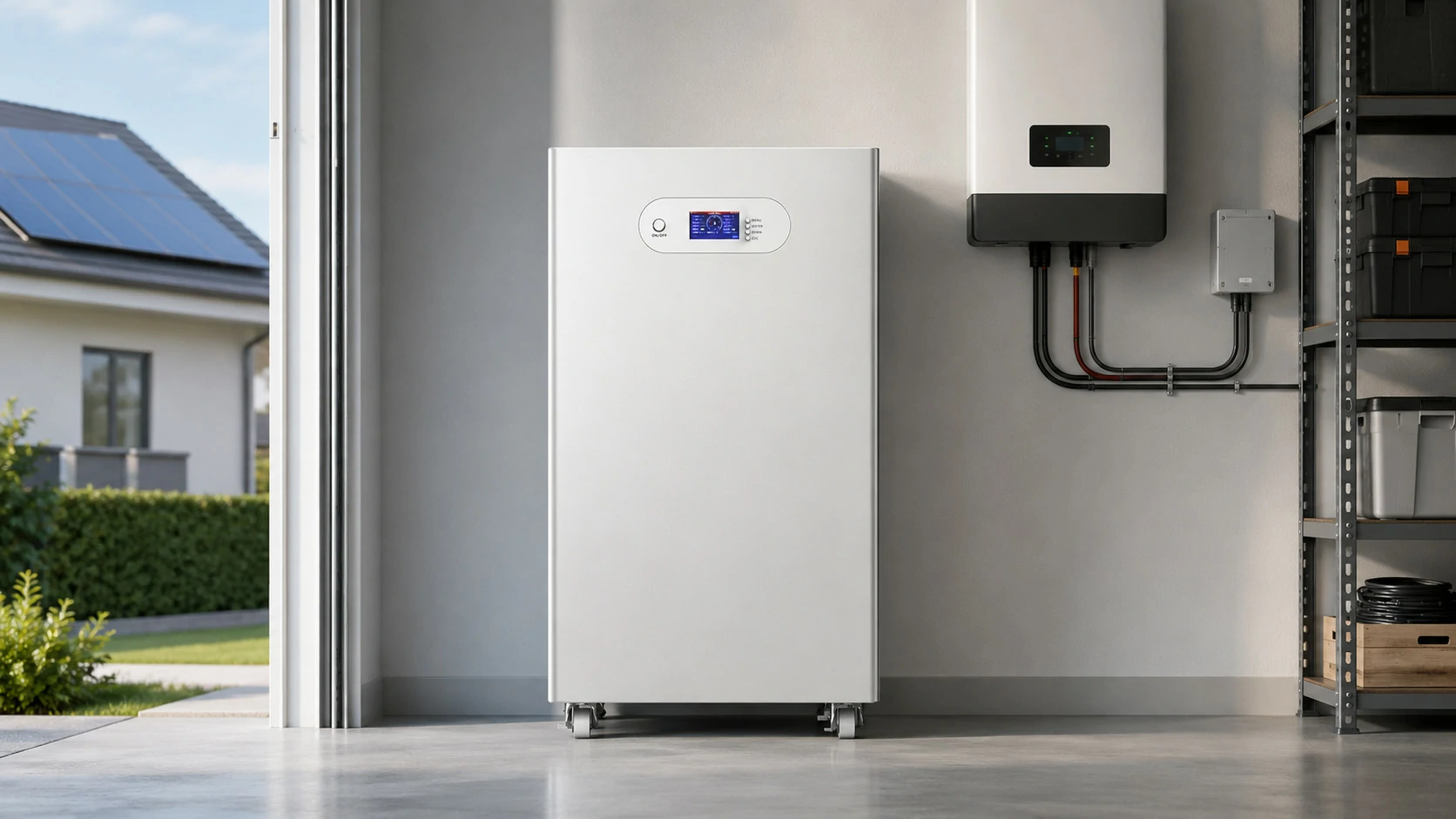
A li ion battery for solar energy storage stores excess electricity generated by solar panels during the day and releases it later when sunlight is unavailable, electricity prices are higher, or backup power is needed. For most modern residential and commercial solar storage systems, lithium-ion batteries—especially lithium iron phosphate batteries, also called LFP or LiFePO4—are preferred because they offer high efficiency, deep usable capacity, long cycle life, compact size, and low maintenance.
However, the best solar battery is not simply the one with the biggest capacity. A reliable system should match your daily energy use, solar panel output, inverter compatibility, backup requirements, installation conditions, safety standards, and future expansion plan.
Why Lithium-Ion Batteries Dominate Solar Storage
Lithium-ion batteries have become the mainstream option for solar energy storage because they solve many of the problems associated with older battery technologies. Compared with traditional lead-acid batteries, lithium-ion batteries usually offer higher usable capacity, higher energy density, faster charging, longer lifespan, and less routine maintenance.
Advantages of lithium-ion solar batteries as high depth of discharge, long lifespan, high energy density, high efficiency, and low maintenance, while also noting that higher upfront cost and thermal runaway risk must be considered carefully.
Most homes and businesses now use lithium-ion solar battery technology for on-site storage, and compares lithium-ion batteries favorably against lead-acid batteries for efficiency, capacity, lifespan, and maintenance requirements.
If you are designing a home storage project, Avepower’s home battery energy storage systems provide examples of how LiFePO4 battery systems can be used for solar self-consumption, backup power, and grid-dependence reduction.
How Does a Lithium-Ion Solar Battery Work?
A lithium-ion solar battery works through the movement of lithium ions between two electrodes inside the battery cell.
When the battery charges, lithium ions move from the positive electrode to the negative electrode and are stored there. When the battery discharges, those ions move back, while electrons flow through an external circuit to provide usable electricity.
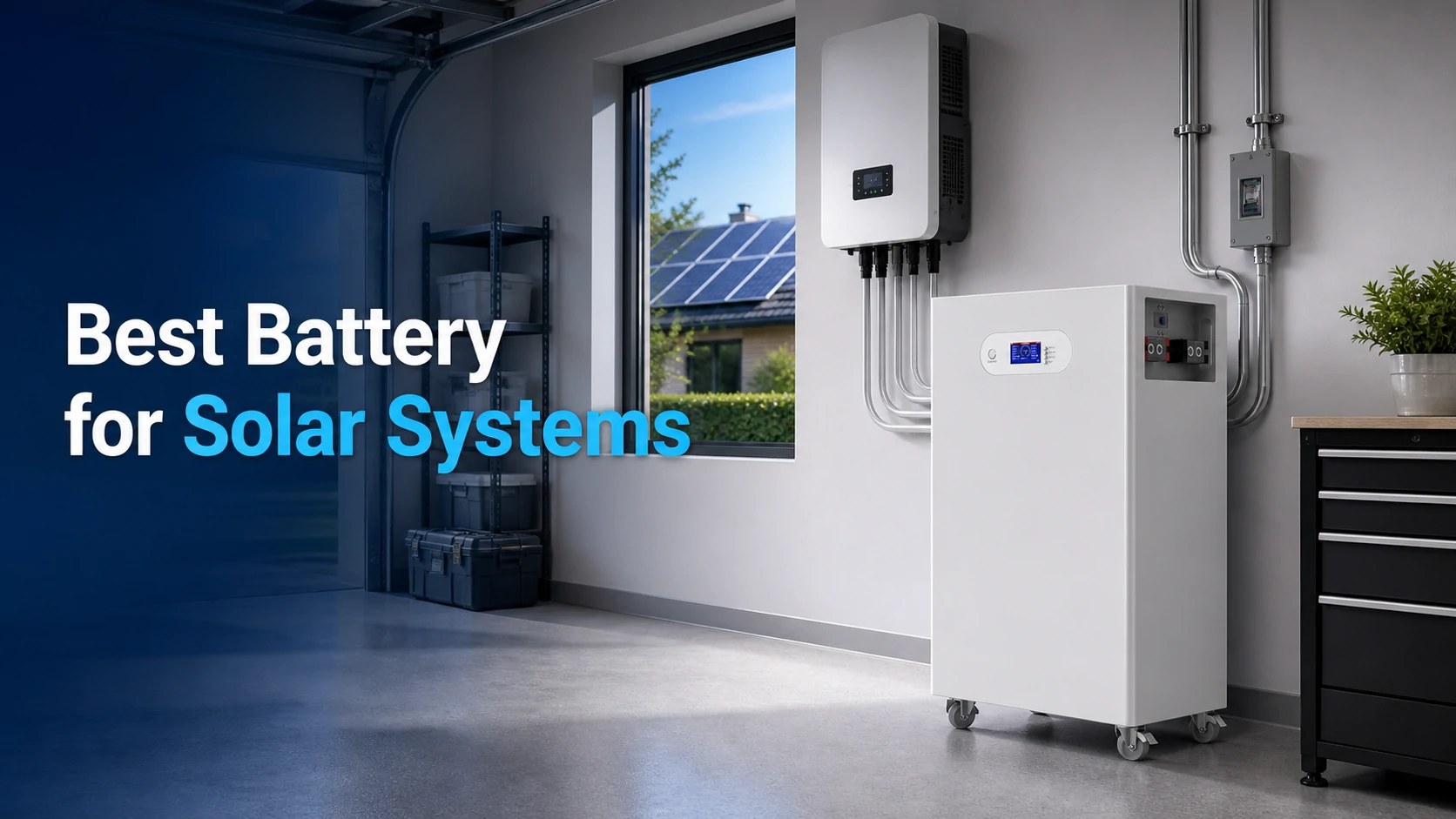
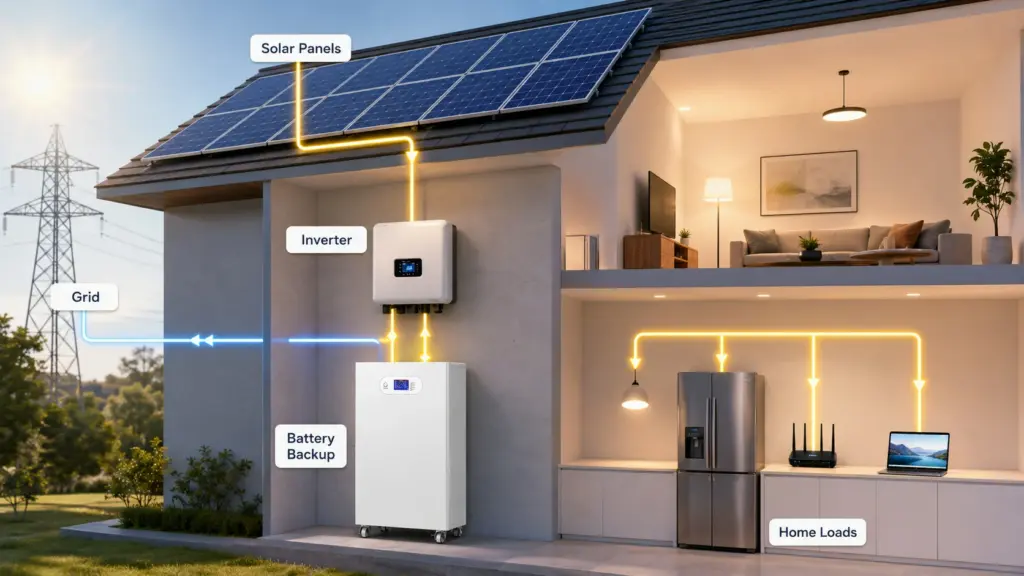
In practical solar storage, the battery does not work alone. A complete system usually includes:
- Solar panels
- Inverter or hybrid inverter
- Battery modules
- Battery Management System
- Energy Management System
- Monitoring app or cloud platform
- Protection devices and wiring
- Optional grid connection or backup load panel
The Battery Management System, or BMS, is especially important. It monitors voltage, current, temperature, state of charge, cell balancing, and fault conditions. A good BMS helps prevent abuse conditions that shorten battery life or create safety risks.
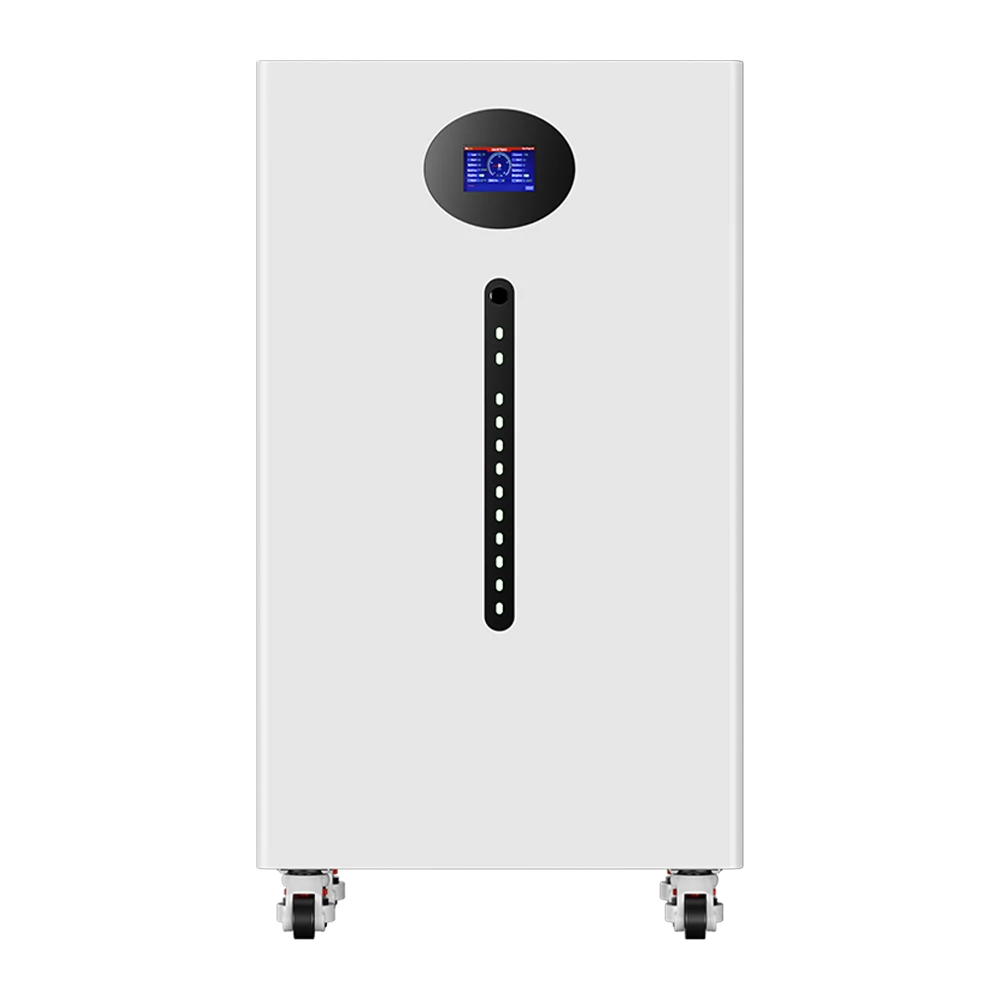
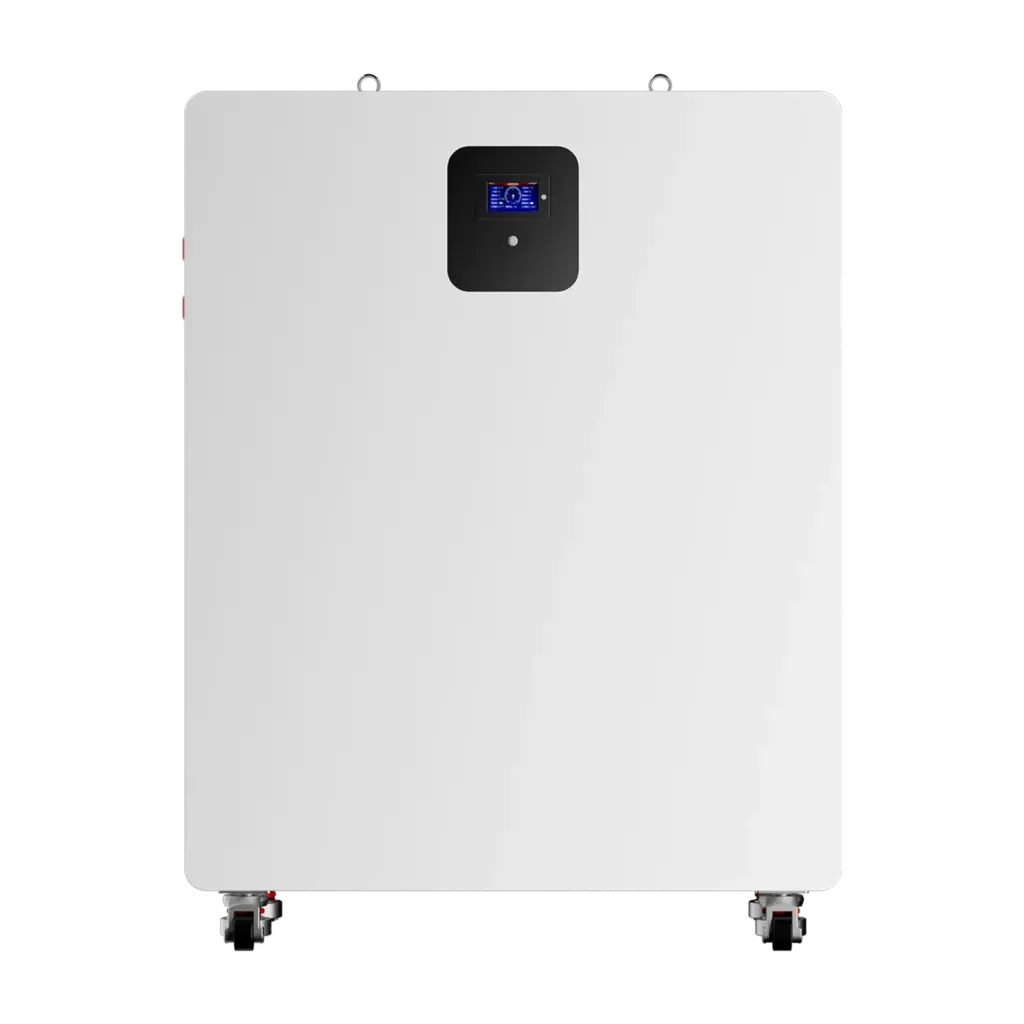
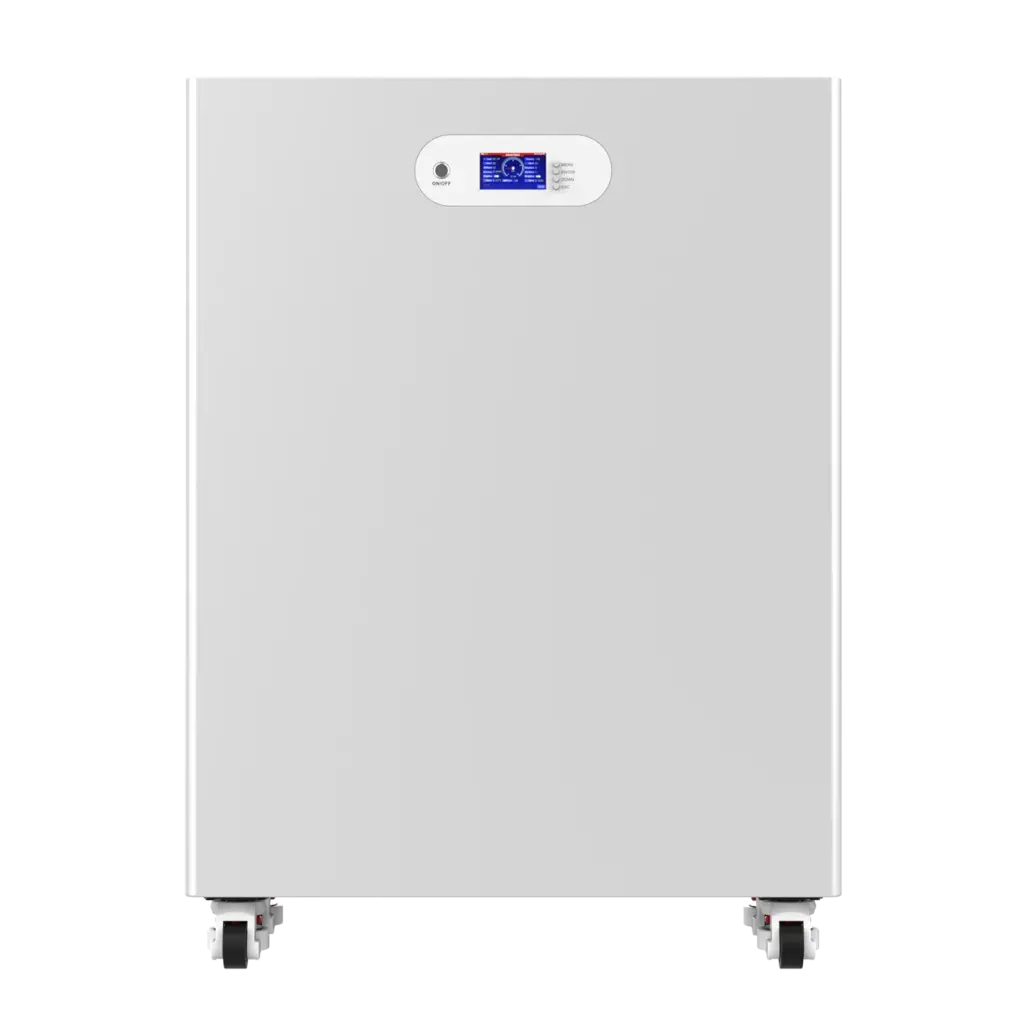
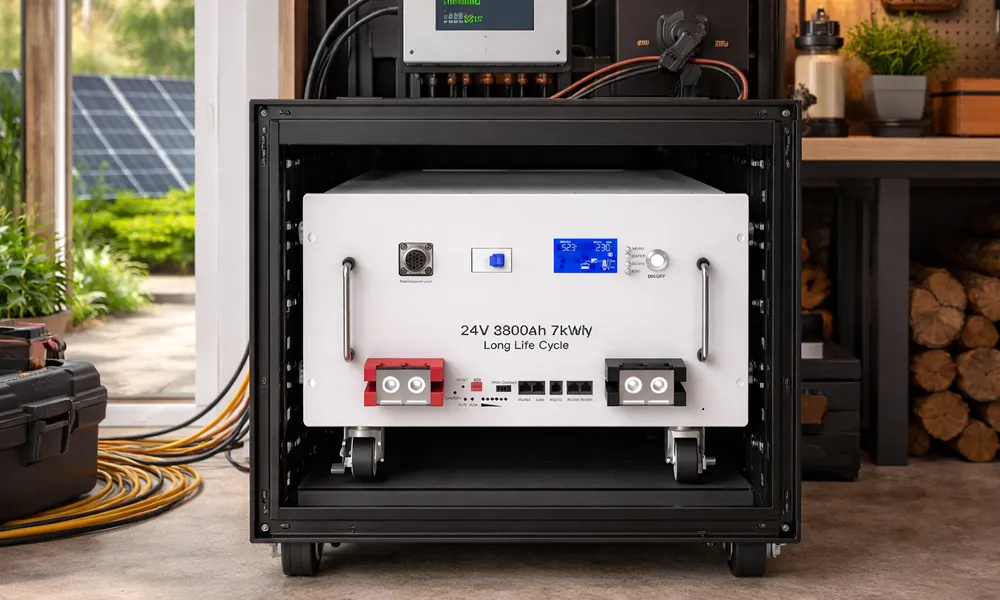
Avepower’s stackable solar batteries use LiFePO4 chemistry, integrated BMS protection, CAN/RS485/RS232 communication, Bluetooth and WiFi monitoring, and support expansion up to 16 units in parallel depending on the project configuration.
LFP vs NMC: Which Lithium-Ion Chemistry Is Better for Solar Storage?
The two common lithium-ion chemistries used in solar storage are:
| Battery Chemistry | Full Name | Best For | Key Strength |
|---|---|---|---|
| LFP / LiFePO4 | Lithium Iron Phosphate | Home storage, commercial storage, long-cycle solar use | Safety, cycle life, thermal stability |
| NMC | Nickel Manganese Cobalt | EVs, compact systems, high energy density needs | High energy density |
For solar energy storage, LFP is often the better practical choice because solar batteries are expected to cycle frequently, remain installed for many years, and operate safely in residential or commercial environments.
LFP batteries are still lithium-ion batteries and are increasingly used because they avoid cobalt, are often longer-lasting, and have stronger safety characteristics than many NMC batteries.
For this reason, many modern solar battery manufacturers, including Avepower, focus on LiFePO4 battery storage for residential and commercial systems. Avepower’s home energy storage products are positioned around Grade-A LiFePO4 cells, long cycle life, smart BMS protection, and inverter compatibility for practical solar applications.
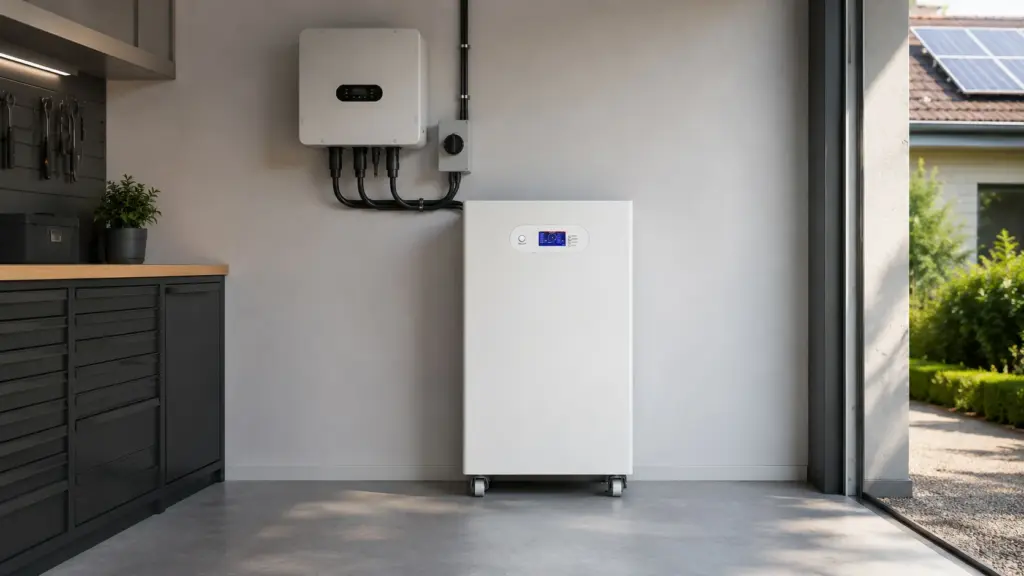
Power Your Solar System with Long-Life LiFePO4 Batteries
Avepower LiFePO4 solar batteries are designed for daily cycling, backup power, and long-term energy storage performance. Oour team can help match the right solution to your project.
Main Benefits of a Li Ion Battery for Solar Energy Storage
1. Higher Solar Self-Consumption
Without a battery, unused solar power is usually exported to the grid. That may still provide value, but in many markets, export rates are lower than retail electricity prices. A lithium-ion battery allows more of your solar energy to be used on-site.
This is especially useful when:
- Electricity prices are higher in the evening
- Feed-in tariffs are low
- Net metering rules are limited
- The building has strong evening or overnight loads
- Backup power is needed during outages
For homeowners, this can mean using daytime solar power at night. For businesses, it can help reduce grid purchases during expensive tariff periods.
2. Backup Power During Outages
A solar battery can keep selected appliances or essential circuits running when the grid goes down. Depending on system size, backup loads may include lighting, refrigeration, internet routers, medical equipment, security systems, pumps, or office equipment.
Not every battery system automatically provides backup power. The system must be designed with backup functionality, proper inverter support, transfer equipment, and load management.
3. High Round-Trip Efficiency
Round-trip efficiency measures how much electricity you get back compared with how much electricity was stored. Higher efficiency means less energy is lost during charging and discharging.
NREL defines round-trip efficiency as the ratio of useful energy output to useful energy input and uses 85% as a representative value for residential battery storage in its 2024 Annual Technology Baseline. See NREL’s residential battery storage benchmark.
Many lithium-ion solar batteries marketed for residential use claim higher system-level efficiency, but real-world performance depends on inverter design, operating temperature, auxiliary consumption, charge/discharge rate, wiring losses, and control strategy.
4. Compact Design
Lithium-ion batteries store more energy in less space than lead-acid batteries. This is important for homes, garages, utility rooms, telecom rooms, retail buildings, and commercial sites where floor area is limited.
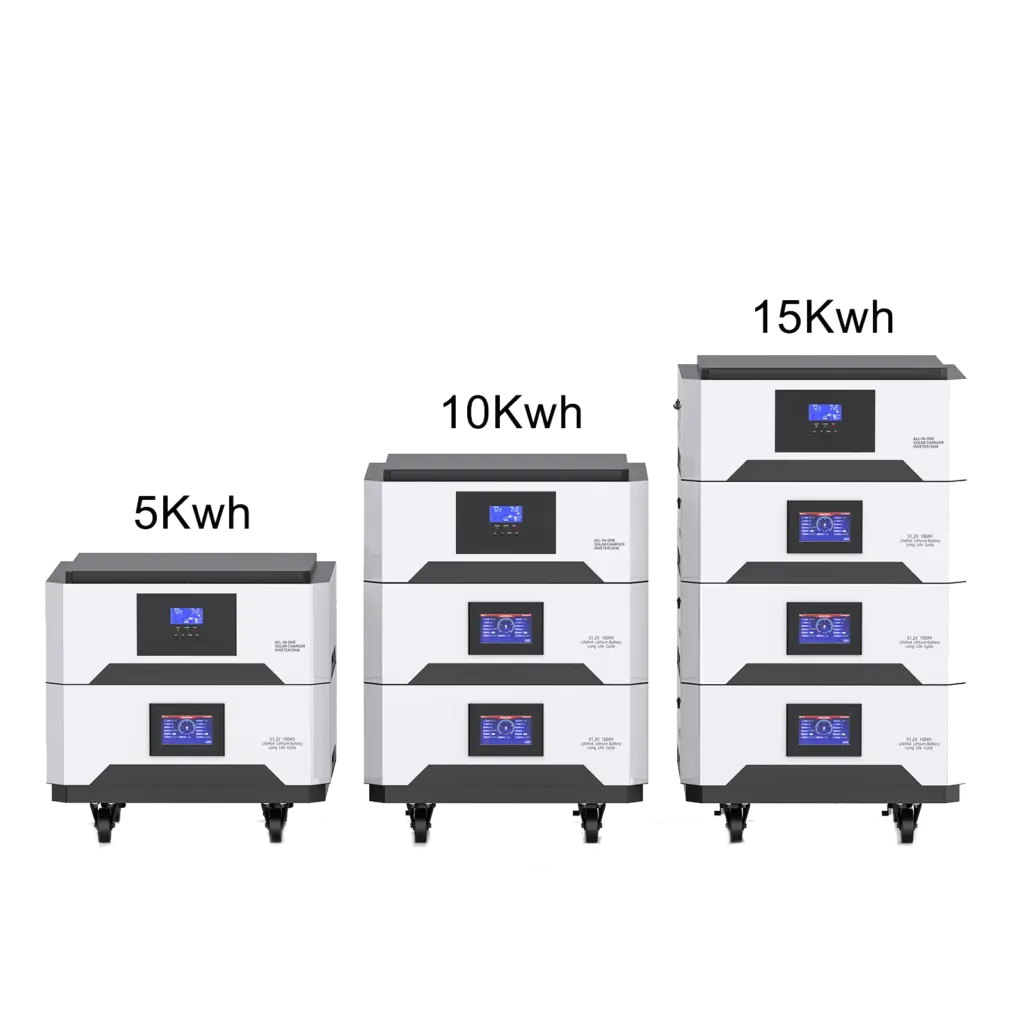
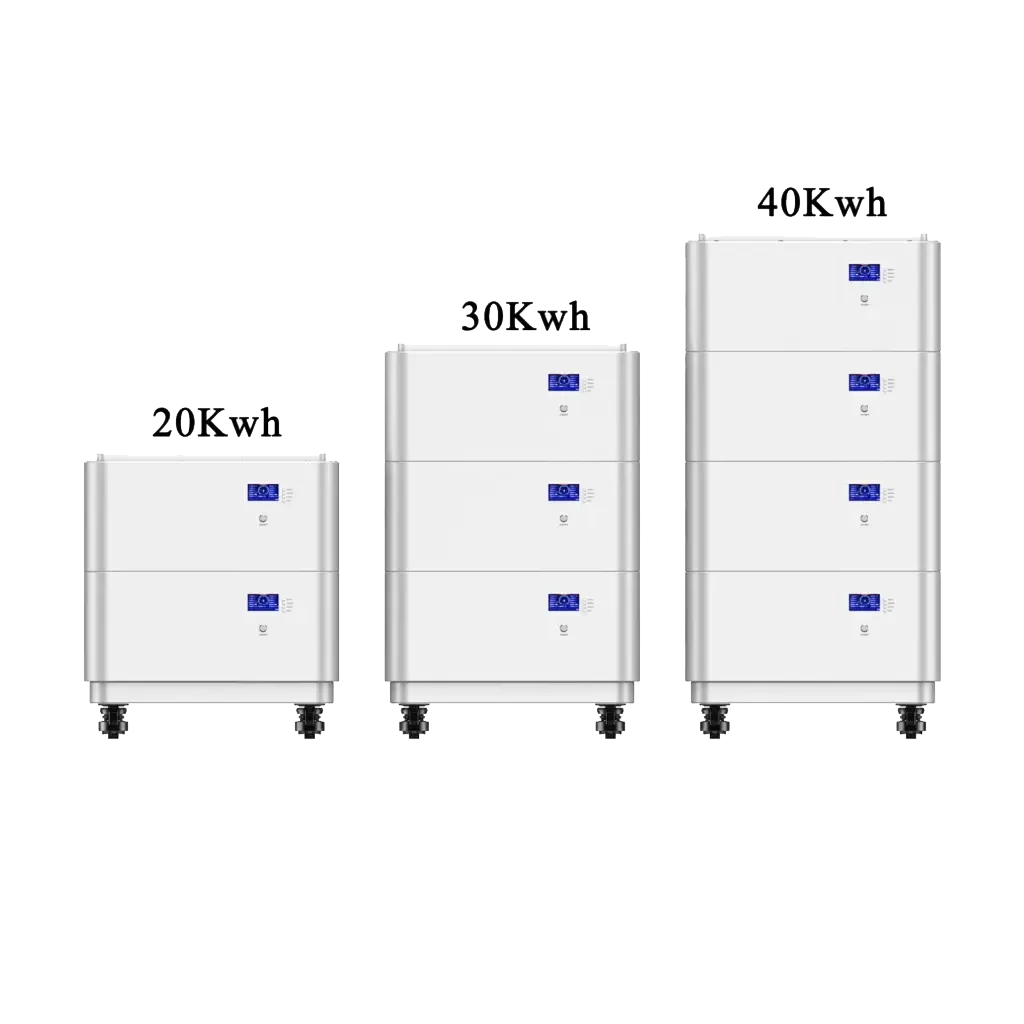
A modular or stackable design also makes expansion easier. For example, Avepower’s 5kWh, 10kWh and 15kWh stackable solar batteries allow installers and project partners to build a system that starts small and expands as the customer’s energy needs grow.
5. Low Maintenance
Lead-acid batteries may require more maintenance depending on type and installation environment. Lithium-ion solar batteries typically require less direct maintenance, although they should still be inspected, monitored, and kept within recommended operating conditions.
Maintenance should include:
- Checking system alerts
- Keeping ventilation clear
- Confirming battery temperature stays within range
- Reviewing state-of-charge patterns
- Updating inverter or monitoring firmware when needed
- Scheduling professional inspection if abnormal behavior appears
Where Li Ion Solar Batteries Are Used
Residential Solar Storage
For homes, lithium-ion solar batteries are mainly used for self-consumption, backup power, and time-of-use savings. A smaller system may support critical loads only, while a larger system can support more whole-home backup.
Avepower’s residential battery energy storage systems are designed for solar energy storage, outage protection, energy bill savings, and off-grid energy independence.
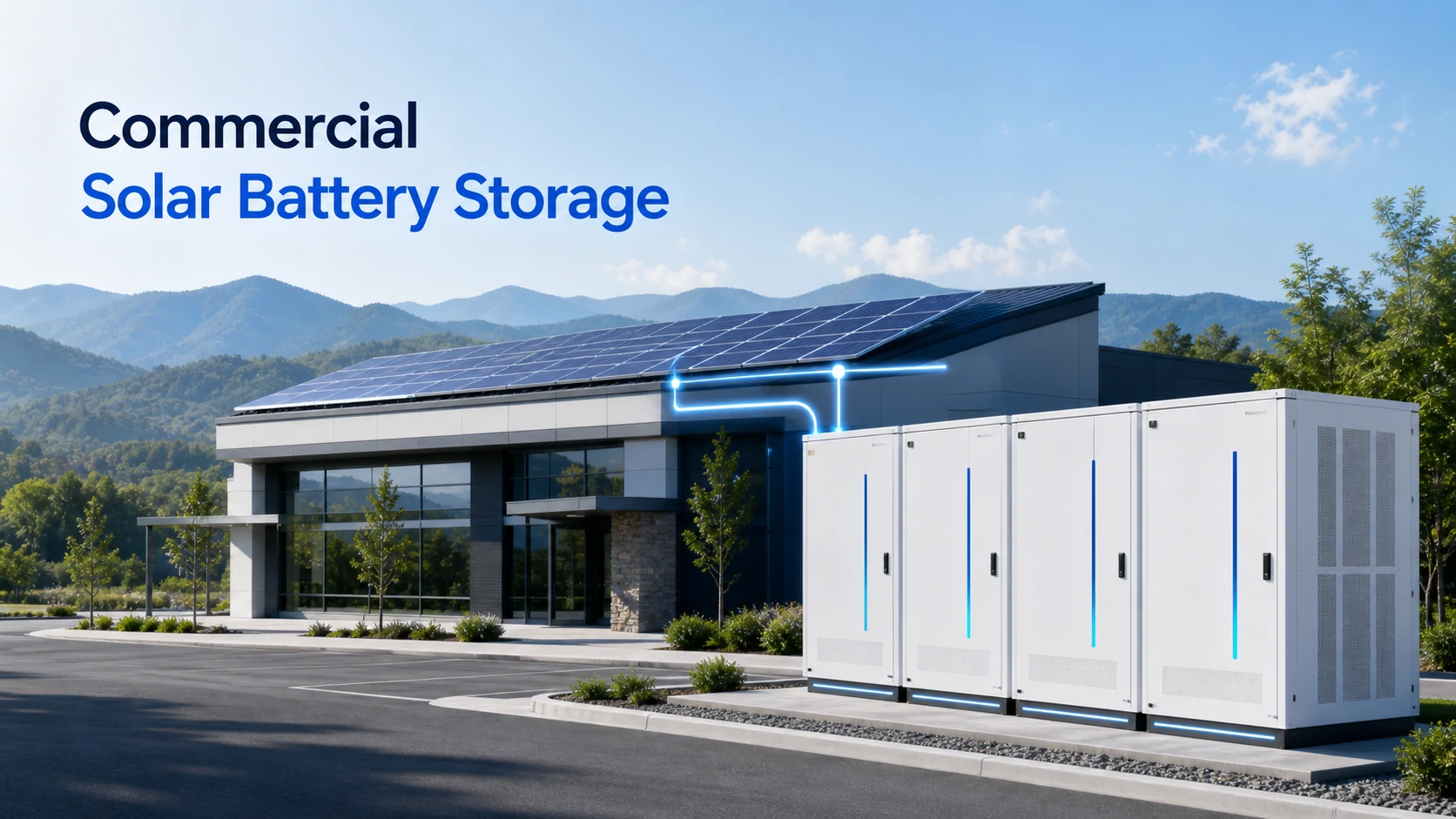
Commercial and Industrial Energy Storage
Businesses use lithium-ion storage for different reasons. The goal is often not only backup power, but also electricity cost optimization.
Common commercial use cases include:
- Peak shaving
- Demand charge reduction
- Load shifting
- Solar self-consumption
- Backup for critical equipment
- EV charging support
- Microgrid applications
Avepower’s commercial and industrial energy storage solutions are positioned for PV self-consumption, peak shaving, backup power, and long-term energy cost control, with EMS and BMS protection, liquid cooling options, remote monitoring, and multi-mode control.
Off-Grid and Hybrid Solar Systems
In off-grid systems, the battery is not optional—it is the core of the power supply. The system must store enough energy to cover nighttime use and cloudy days.
For off-grid solar, battery sizing should account for:
- Daily kWh consumption
- Peak power demand
- Days of autonomy
- Battery depth of discharge
- Solar panel generation
- Seasonal sunlight changes
- Backup generator strategy
- Inverter surge capacity
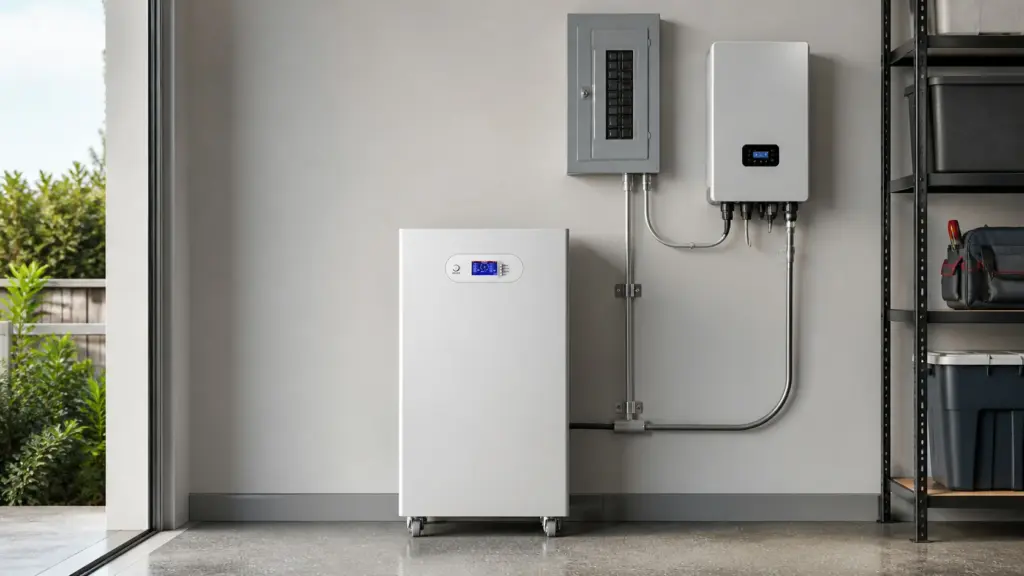
Build a Safer Solar Battery Storage System
Looking for a reliable LiFePO4 battery solution for residential or commercial solar projects? Avepower provides solar energy storage solutions with flexible capacity options.
AC-Coupled vs DC-Coupled Lithium-Ion Solar Batteries
A lithium-ion solar battery can be connected in two main ways: AC-coupled or DC-coupled.
AC-Coupled Battery System
In an AC-coupled system, solar panels first send power through a solar inverter to become AC electricity. The battery then uses a battery inverter to convert electricity again for storage and discharge.
AC-coupled systems are often easier for retrofits because they can be added to an existing solar system.
DC-Coupled Battery System
In a DC-coupled system, solar panels and the battery share a hybrid inverter or charge controller pathway before electricity is converted to AC.
DC-coupled systems can be efficient for new installations because solar energy can be stored before being converted to AC.
Lithium-ion solar batteries may be AC- or DC-coupled, and that AC-coupled batteries are often easier to install or replace on existing systems, while neither design is universally better for every installation.
For installers and distributors, inverter compatibility is one of the most important practical checks. Avepower provides an inverter compatibility list covering brands and communication protocols such as CAN and RS485, including common inverter brands like Deye, GoodWe, Growatt, Solis, SMA, Schneider, Luxpowertek, and others.
What to Check Before Buying a Lithium-Ion Solar Battery
1. Battery Chemistry
For most solar energy storage projects, LFP is usually preferred for long cycle life, safety, and stable performance.
2. Cycle Life and Warranty
A good solar battery should be designed for frequent cycling. Check the cycle life rating, warranty terms, and the conditions behind those numbers, such as temperature, depth of discharge, and charge/discharge current.
3. Inverter Compatibility
Battery and inverter communication must be correct. Poor compatibility can cause charging errors, SOC reading problems, reduced performance, or warranty disputes.
4. Safety Certifications
Look for recognized safety and transport documentation. The EPA lists UL 9540 and UL 9540A among important standards and test methods related to energy storage systems and equipment. See EPA BESS safety resources.
Avepower also provides an Avepower certification page covering CE, UL, RoHS, UN38.3, ISO 9001, CB reports, FCC certificates, UL-related certificates, UN38.3 reports, RoHS certificates, and test reports for business partners and project documentation.
5. Monitoring and BMS Protection
A quality battery system should provide real-time monitoring of SOC, voltage, current, temperature, alerts, and operating status.
6. Installation Environment
Battery performance and safety depend on correct installation. Consider:
- Indoor or outdoor rating
- Ventilation
- Operating temperature range
- Wall-mounted or floor-mounted design
- Clearance requirements
- Moisture and dust exposure
- Local electrical codes
7. Supplier Support
For installers, distributors, and OEM partners, product selection is only part of the decision. Technical documentation, compatibility support, after-sales process, warranty handling, and stable supply matter just as much.
Are Lithium-Ion Solar Batteries Safe?
Yes, lithium-ion solar batteries can be safe when properly designed, certified, installed, operated, and monitored. But safety should never be treated casually.
The main safety concerns include:
- Overcharging
- Over-discharging
- Cell overheating
- Short circuits
- Mechanical damage
- Incorrect installation
- Poor inverter communication
- Thermal runaway in severe fault conditions
For residential and commercial solar storage, LFP chemistry is widely favored because of its thermal stability and long-cycle characteristics. Still, chemistry alone is not enough. A safe system also needs quality cells, BMS protection, proper enclosure design, correct wiring, professional installation, and relevant certification documents.
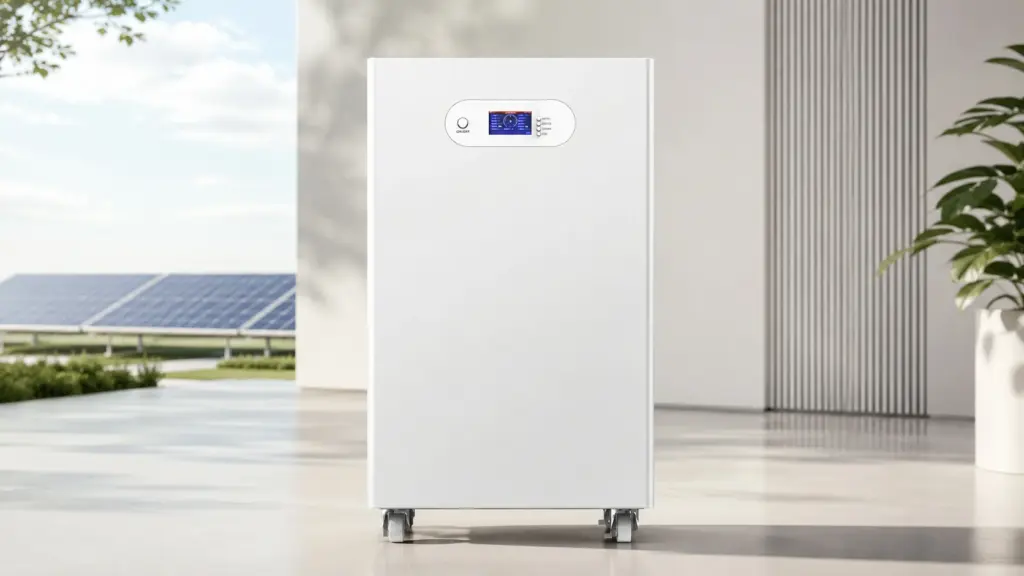
How Much Does a Li Ion Battery for Solar Energy Storage Cost?
The cost depends on battery capacity, chemistry, inverter type, installation labor, backup wiring, monitoring features, certification requirements, and local market conditions.
Lithium-ion solar battery installations often range from around $10,000 for a simple single-battery solution to more than $30,000 for whole-home backup, while noting that pricing varies by brand, features, battery quantity, and labor cost.
For commercial systems, pricing is more project-specific. A business battery system may require larger battery cabinets, EMS integration, transformer or switchgear coordination, fire safety planning, grid interconnection review, and site-specific engineering.
The better way to evaluate cost is not simply “price per battery,” but:
- Cost per usable kWh
- Expected cycle life
- Warranty coverage
- Inverter and installation cost
- Maintenance cost
- Electricity tariff savings
- Backup value
- Expansion flexibility
- Downtime reduction for business users
A cheaper battery with poor compatibility, weak warranty support, or limited cycle life can cost more over the project lifetime.
Li Ion Battery vs Lead-Acid Battery for Solar Storage
| Feature | Li Ion Battery | Lead-Acid Battery |
|---|---|---|
| Usable capacity | Higher | Lower |
| Cycle life | Longer | Shorter |
| Maintenance | Low | Higher, depending on type |
| Size and weight | Compact and lighter | Larger and heavier |
| Upfront cost | Higher | Lower |
| Long-term value | Often better for daily cycling | Better for limited-budget backup |
| Solar self-consumption | Strong fit | Less ideal for frequent cycling |
| Off-grid use | Excellent with proper sizing | Still used in budget off-grid systems |
Lead-acid batteries may still be used in low-budget or occasional-use systems. But for daily solar cycling, modern homes, installers, and commercial projects usually prefer lithium-ion batteries because long-term performance is more important than the lowest upfront price.
What Makes a Good Solar Lithium-Ion Battery Supplier?
For a homeowner, the installer usually chooses the battery brand. But for installers, distributors, and OEM/ODM partners, supplier selection is a strategic decision.
A reliable lithium-ion solar battery supplier should provide:
- Stable LiFePO4 product lines
- Clear technical datasheets
- Battery and inverter compatibility support
- Communication protocol support
- Certification documents
- Warranty terms
- Customization options
- Packaging and logistics support
- After-sales technical support
- Long-term supply capacity
Avepower is positioned as a battery energy storage system manufacturer with residential, commercial, industrial, and customized LiFePO4 storage products. Grade-A LiFePO4 home storage batteries, OEM/ODM customization, BMS/EMS protection, inverter compatibility, and project-oriented support for wholesalers, installers, and developers.
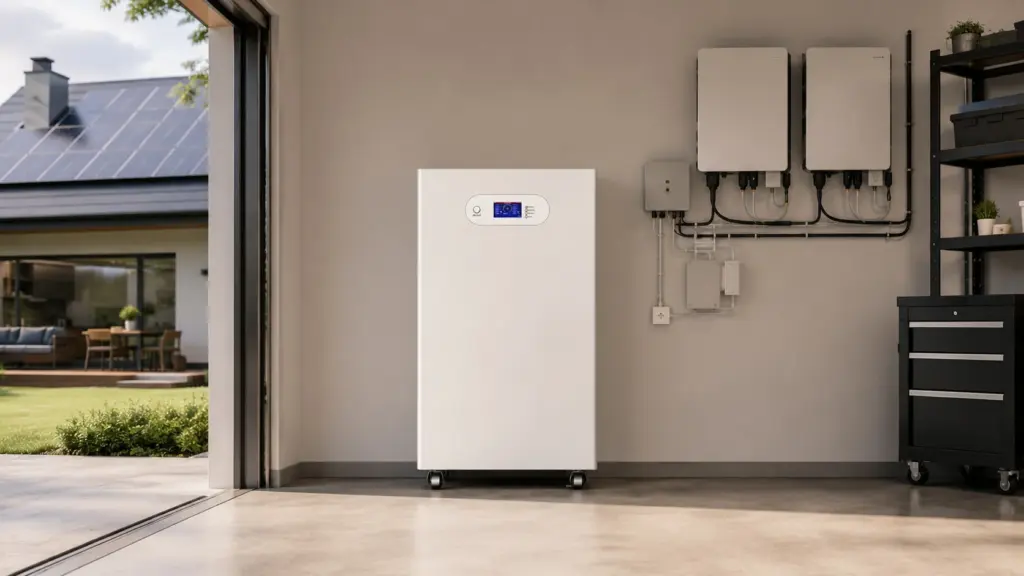
Need a Custom Lithium Battery for Your Solar Project?
Every solar storage project has different capacity, voltage, space, and communication requirements. Avepower supports OEM/ODM lithium battery customization, including battery capacity, appearance, communication protocols, branding, and system configuration.
Future Trend: LFP Will Continue to Grow in Solar Storage
The solar storage market is moving toward safer, longer-life, and more scalable battery systems. LFP chemistry is likely to remain important because it fits the real needs of stationary energy storage: long cycle life, safety, predictable performance, and cost improvement at scale.
NREL’s utility-scale battery storage analysis notes that LFP has become the primary chemistry for stationary storage, while lithium-ion battery systems remain the main modeled technology for current battery storage cost and performance analysis.
At the same time, system-level design is becoming more important. The future of solar storage is not only about better cells. It is also about better BMS algorithms, safer cabinet design, smarter EMS software, stronger inverter compatibility, more transparent monitoring, and better service networks.
Conclusion
A li ion battery for solar energy storage is one of the most practical ways to make solar power more usable, flexible, and resilient. It allows solar energy to be stored during the day and used at night, during peak electricity pricing periods, or during power outages.
If you are planning a solar storage project, compare the battery chemistry, usable capacity, power output, BMS protection, certification documents, and inverter compatibility before making a final decision.
FAQ
For most residential and commercial solar storage systems, LFP or LiFePO4 lithium-ion batteries are usually the best choice because they offer strong safety, long cycle life, stable performance, and good suitability for daily solar charging and discharging.
Many lithium-ion solar batteries are designed to last around 10 years or more, depending on chemistry, depth of discharge, temperature, cycling frequency, installation quality, and BMS protection. Some LiFePO4 systems are rated for thousands of cycles under proper operating conditions.
Yes. LiFePO4, also called LFP or lithium iron phosphate, is a type of lithium-ion battery chemistry. It is widely used in solar energy storage because of its safety, cycle life, and thermal stability.
They can be safe indoors when certified, properly installed, correctly wired, and operated within the manufacturer’s temperature and clearance requirements. Many systems are installed in garages, utility rooms, and dedicated equipment spaces.