
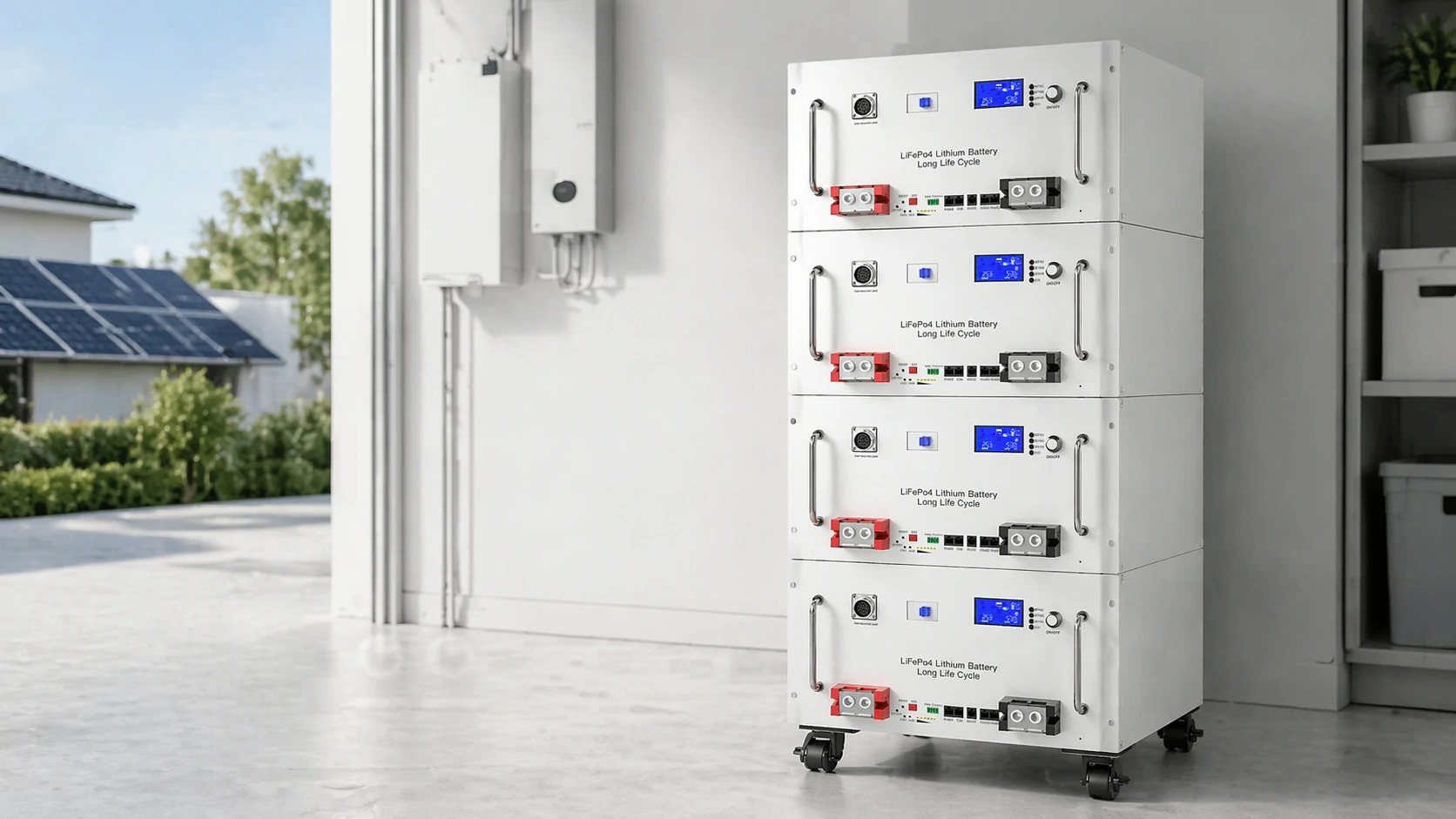
If you have a 10 kW solar system, the right battery capacity isn’t determined by panel size alone. It depends on your daily energy consumption, when you use electricity, how much surplus solar energy is available for storage, and whether your goal is to improve ROI, enhance backup power, or move closer to energy independence.
Short Answer
For a 10 kW solar system, a practical rule of thumb is:
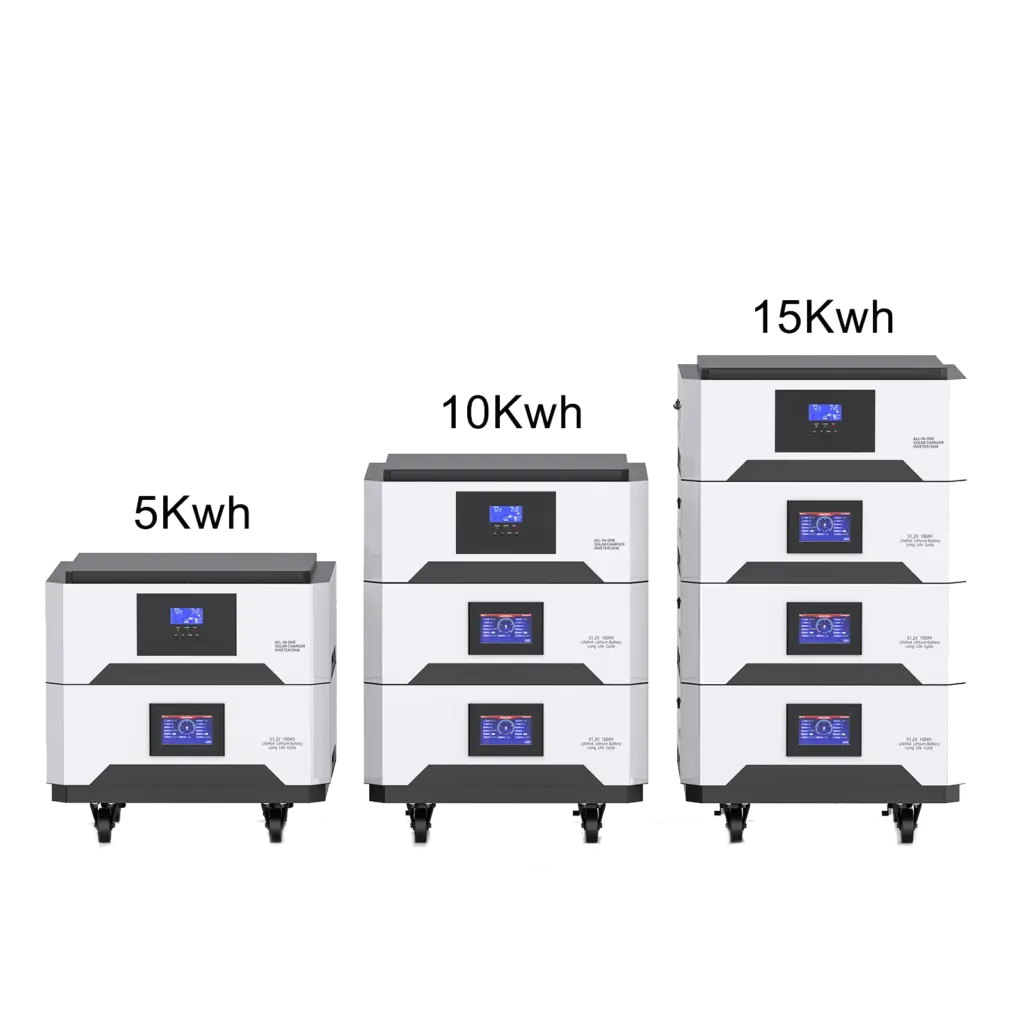
- 5–10 kWh: Suitable for households that want to shift a portion of daytime solar energy to evening use and cover essential loads for a short period.
- 10–15 kWh: A balanced option for homes with moderate daily consumption and typical evening peak usage.
- Households using 11–15 kWh/day typically pair well with ~8 kWh of storage
- Households using 16–20 kWh/day may need around 11 kWh of storage
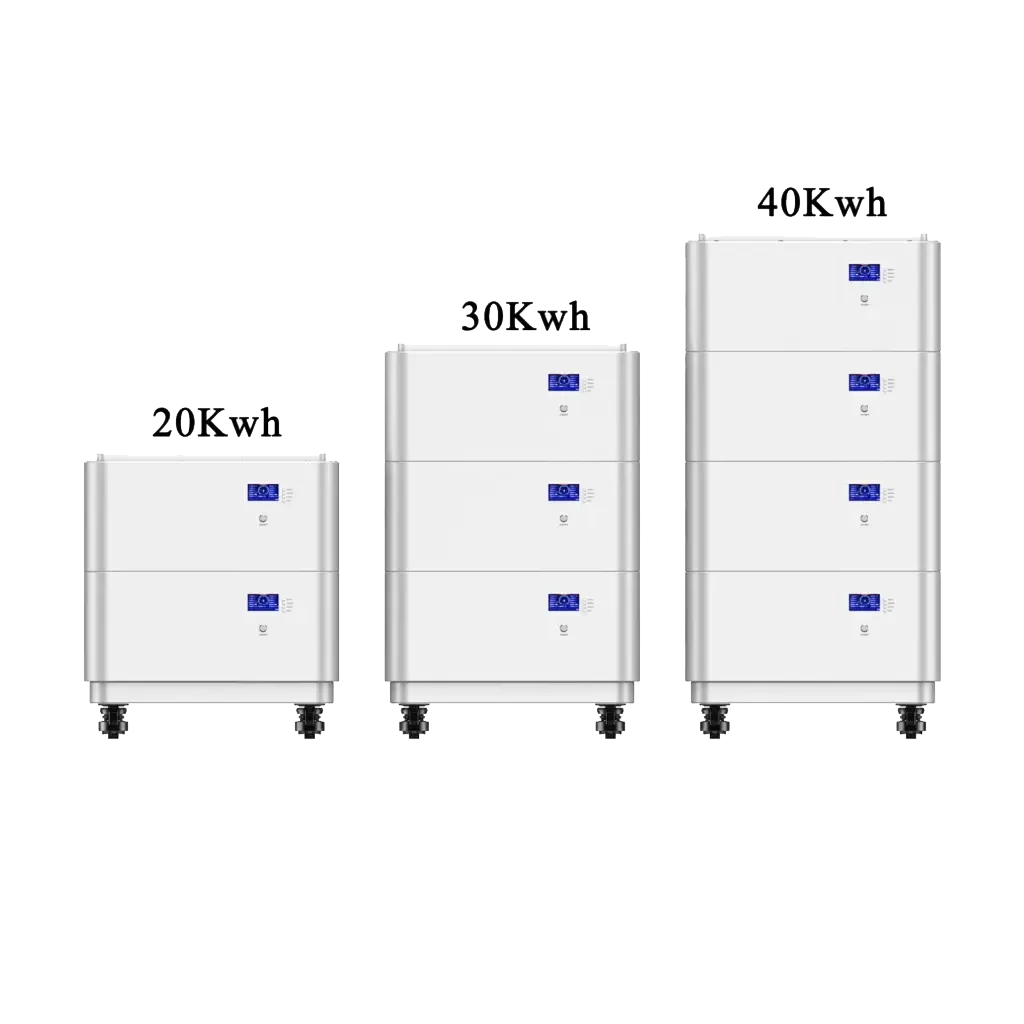
- 15–25 kWh: Ideal for larger families, homes with higher nighttime usage, or those seeking stronger backup capability.
- 21–25 kWh/day → ~15 kWh battery
- 26–30 kWh/day → ~18 kWh battery
- 31–40 kWh/day → ~23 kWh battery
- 30–40 kWh+: Best suited for very high energy demand, extended backup requirements, or off-grid living scenarios.
The right battery is not always the biggest one. It should match your daily electricity use, backup expectations, and future expansion plans. With a modular design, Avepower systems allow you to start with the capacity you need today and easily expand in the future as your energy demand grows—delivering a more practical and cost-effective path to long-term energy independence.
Why 10 kW Solar Doesn’t Mean 10 kWh Storage
A 10 kW solar system refers to the maximum power output of the solar array under standard test conditions. In contrast, battery capacity is measured in kilowatt-hours (kWh), which represents how much energy the battery can store. In simple terms, the former indicates how much power your system can generate at a given moment, while the latter shows how much energy can be stored for later use.
A homeowner with a 10 kW solar system might only need an 8 kWh or 10 kWh battery, while another household with the same system could require 15 kWh, 20 kWh, or even more. The key factors are how much excess solar energy remains after daytime self-consumption, how much electricity is needed after sunset, and whether the battery is sized primarily for cost-effectiveness or for backup reliability.
Key Factors That Determine Battery Size
Daily Energy Consumption
Your average daily electricity usage is the most important reference point. Recommended battery capacity increases with higher daily consumption. For a 10 kW system, if your goal is to maximize returns:
- 11–15 kWh/day → ~8 kWh battery
- 16–20 kWh/day → ~11 kWh battery
- 21–25 kWh/day → ~15 kWh battery
- 26–30 kWh/day → ~18 kWh battery
- 31–40 kWh/day → ~23 kWh battery
When You Use Electricity
If most of your energy use happens during the day, you may already consume a large portion of your solar generation directly, leaving less surplus to charge a battery. Homes with lower daytime usage may benefit more from larger battery capacity—but this still depends on the size of the solar system.
Your Goal: Savings, Backup, or Energy Independence
Batteries sized for reducing electricity bills are usually smaller than those designed for backup power or near off-grid living. A good benchmark is choosing a battery size that your solar system can fully charge on at least 60% of days—smaller systems often deliver better financial returns.
Usable Capacity Matters More Than Nominal Capacity
Battery capacity should be evaluated based on usable energy (after depth of discharge), not just the nominal rating. Two batteries with the same nominal capacity can provide different amounts of usable energy, which is what truly matters in real-world performance.
Start With the Right Battery Size and Scale Later
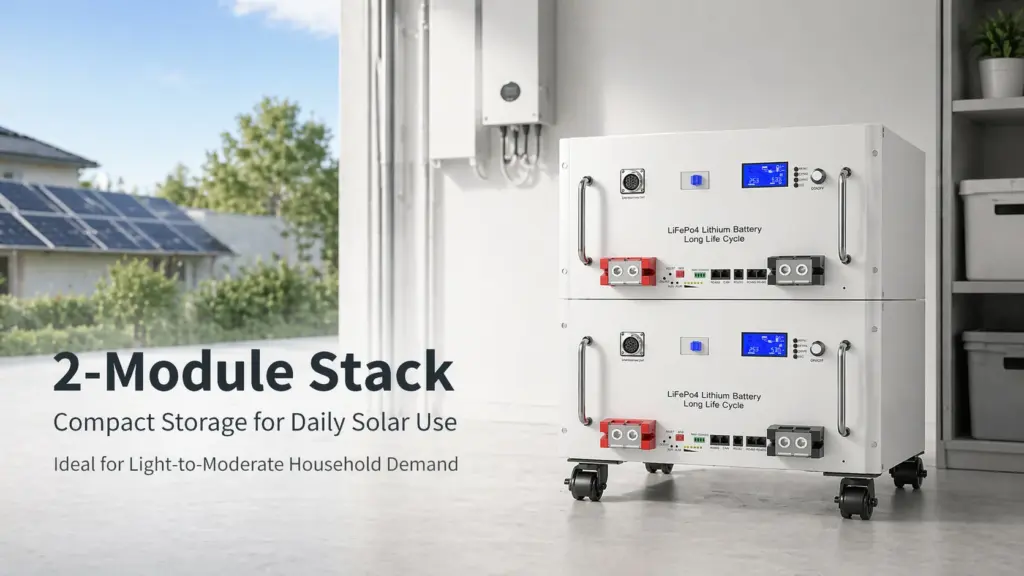
Oversizing is not always the best choice. Avepower offers modular battery solutions that let you match today’s energy needs while keeping room for future expansion.
Practical Battery Capacity Guide for a 10 kW Solar System
| Battery Capacity | Suitable For | Daily Usage Range | Recommended Battery Size |
|---|---|---|---|
| 5–10 kWh | Small households, moderate evening use | 5–10 kWh 11–15 kWh | ~4 kWh ~8 kWh |
| 10–15 kWh | Most households (balanced usage) | 16–20 kWh 21–25 kWh | ~11 kWh ~15 kWh |
| 15–23 kWh | Large families, high night usage, EV/AC users | 26–30 kWh 31–40 kWh | ~18 kWh ~23 kWh |
| 30 kWh+ | Very high demand or off-grid homes | 40+ kWh | 30–40+ kWh |
5 kWh to 10 kWh
This range is suitable for smaller households, homes with moderate evening usage, or those mainly looking to store excess daytime solar energy for use after sunset. To maximize returns:
- 5–10 kWh/day usage → ~4 kWh battery
- 11–15 kWh/day usage → ~8 kWh battery
If most of your electricity consumption occurs during the day and backup power is not a major concern, this range can still be a cost-effective option. While it may not provide long outage protection, it can increase self-consumption and reduce reliance on the grid at night.
10 kWh to 15 kWh
For many households, this is the sweet spot. It allows you to capture a good portion of excess solar energy, cover essential evening loads, and provide more meaningful backup—while still maintaining a reasonable return on investment.
Avepower recommends 10–15 kWh for both backup and evening usage:
- 16–20 kWh/day usage → ~11 kWh battery
- 21–25 kWh/day usage → ~15 kWh battery
For homes with a 10 kW solar system, this is often the optimal range. The array is large enough to charge the battery on a significant number of days, without the battery being so large that it becomes hard to justify տնտեսically.
15 kWh to 23 kWh
This range suits larger households, homes with frequent air conditioning use, or those with heat pumps or EV chargers, as well as users seeking stronger outage protection. If the goal remains maximizing returns, Avepower suggests:
- 26–30 kWh/day usage → ~18 kWh battery
- 31–40 kWh/day usage → ~23 kWh battery
30 kWh and Above
Batteries around 30 kWh are typically used for near energy independence, while 40 kWh+ systems are more common in fully off-grid setups.
For typical grid-connected homes, such large capacities are usually unnecessary unless energy demand is exceptionally high, grid reliability is poor, or backup needs are critical. In many cases, a modular approach is more practical—start with a right-sized battery and expand later as needed.
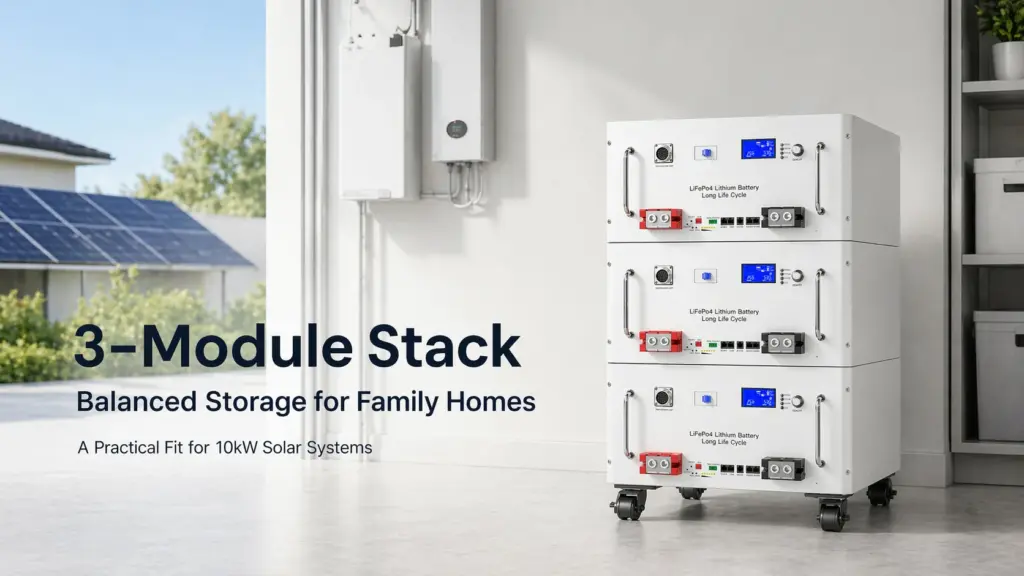
For households expecting energy demand to grow over time, Avepower’s stackable battery and vertically battery systems make it easier to begin with a practical capacity and scale up later, which is often a smarter investment than oversizing from the start.
Need Help Choosing the Right Battery Size for a 10kW Solar System?
Contact Avepower to discuss the right capacity, system format, and customization options for your market or installation model.
Common Battery Sizing Mistakes
1. Assuming Battery Size Should Match Solar System Size
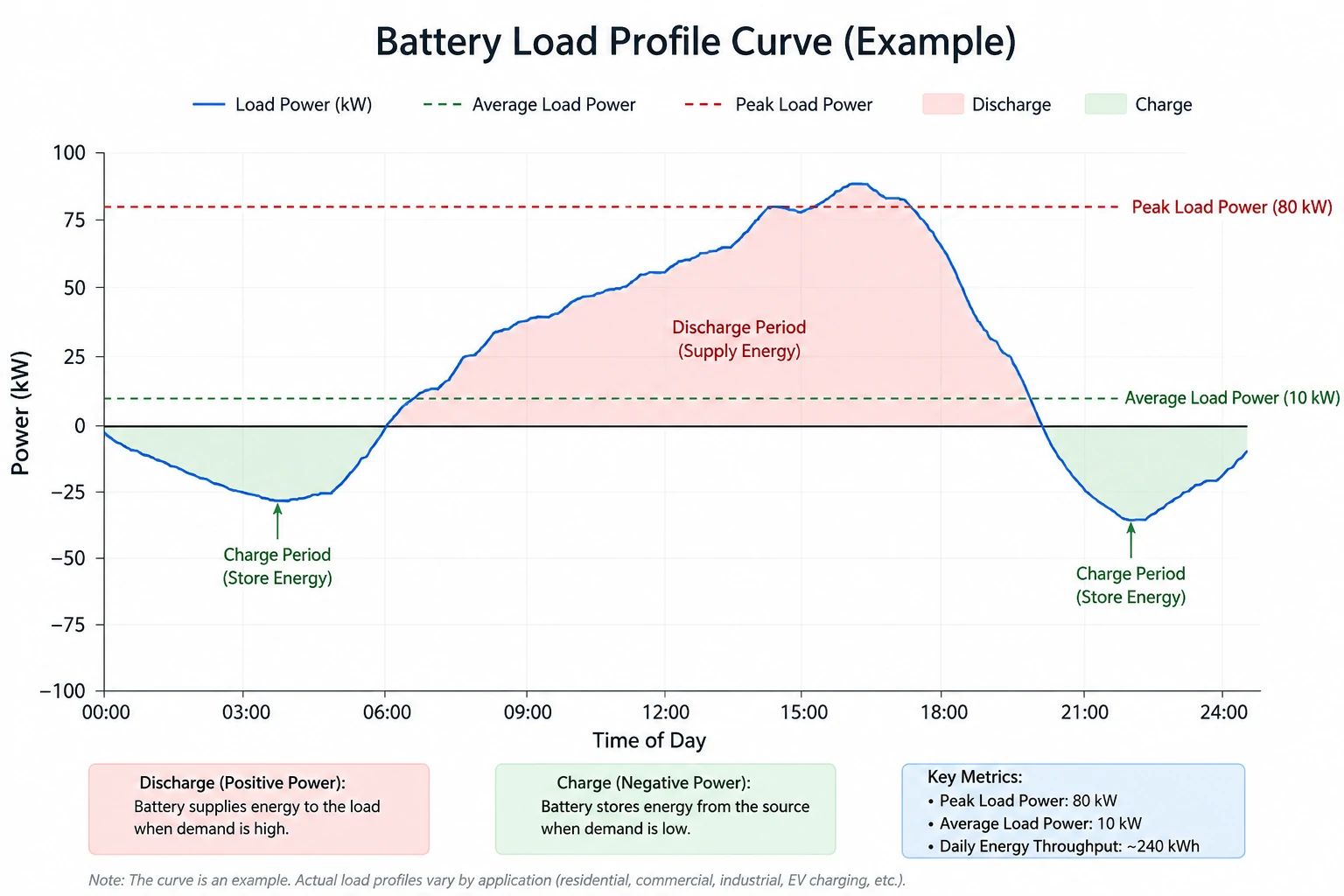
A 10 kW solar system does not “require” a 10 kWh battery. Just as a 10 kW system doesn’t guarantee 10 kWh of surplus energy every day, battery sizing should be based on your load profile and available excess energy—not a simple one-to-one ratio.
2. Oversizing Without a Clear Reason
Bigger isn’t always better. Smaller battery systems often deliver stronger financial returns. Oversizing a battery without clear backup or usage needs can reduce overall system efficiency and economic benefits.
3. Ignoring Daytime Energy Use
If a large portion of your electricity is consumed during sunny hours, the actual surplus available for storage may be lower than expected. This can lead to underutilized large batteries that charge slowly and provide less value.
4. Confusing Backup Needs with Savings Goals
A battery optimized for daily cycling and bill savings may be too small to handle extended outages. If your goal includes backup power—especially for running multiple essential loads—you may need a larger capacity than what’s ideal for pure cost savings.
Why Battery Capacity Matters More in Australia in 2026
For Australian households, battery sizing has become more important due to the rollout of the Cheaper Home Batteries Program. According to the Department of Climate Change, Energy, the Environment and Water (DCCEEW), this initiative offers an upfront discount of around 30% for eligible small-scale battery systems ranging from 5 kWh to 100 kWh.
The actual rebate depends on the battery’s usable capacity and its eligibility under the Small-scale Technology Certificates (STCs) scheme. This means choosing the right battery size is no longer just a technical or lifestyle decision—it also directly affects how much financial support you can receive.
Avepower: An Ideal Choice for 10 kW Solar Battery Projects
Choosing the right battery capacity is only part of the decision. Equally important is selecting a battery platform that fits your current energy usage and can adapt to your future needs.
Avepower specializes in LiFePO₄ (lithium iron phosphate) energy storage solutions designed for residential and light commercial applications, offering flexible options tailored to different 10 kW solar setups. For growing households, scalability becomes especially important.
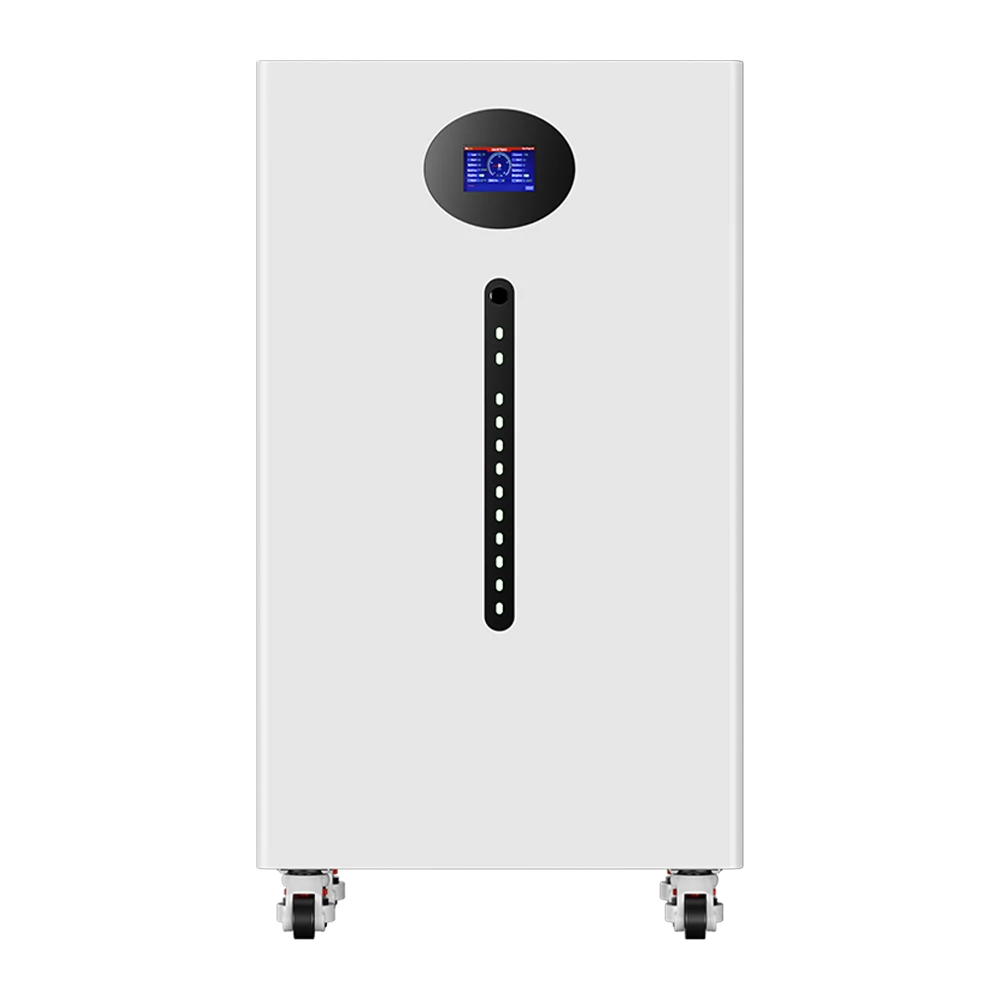
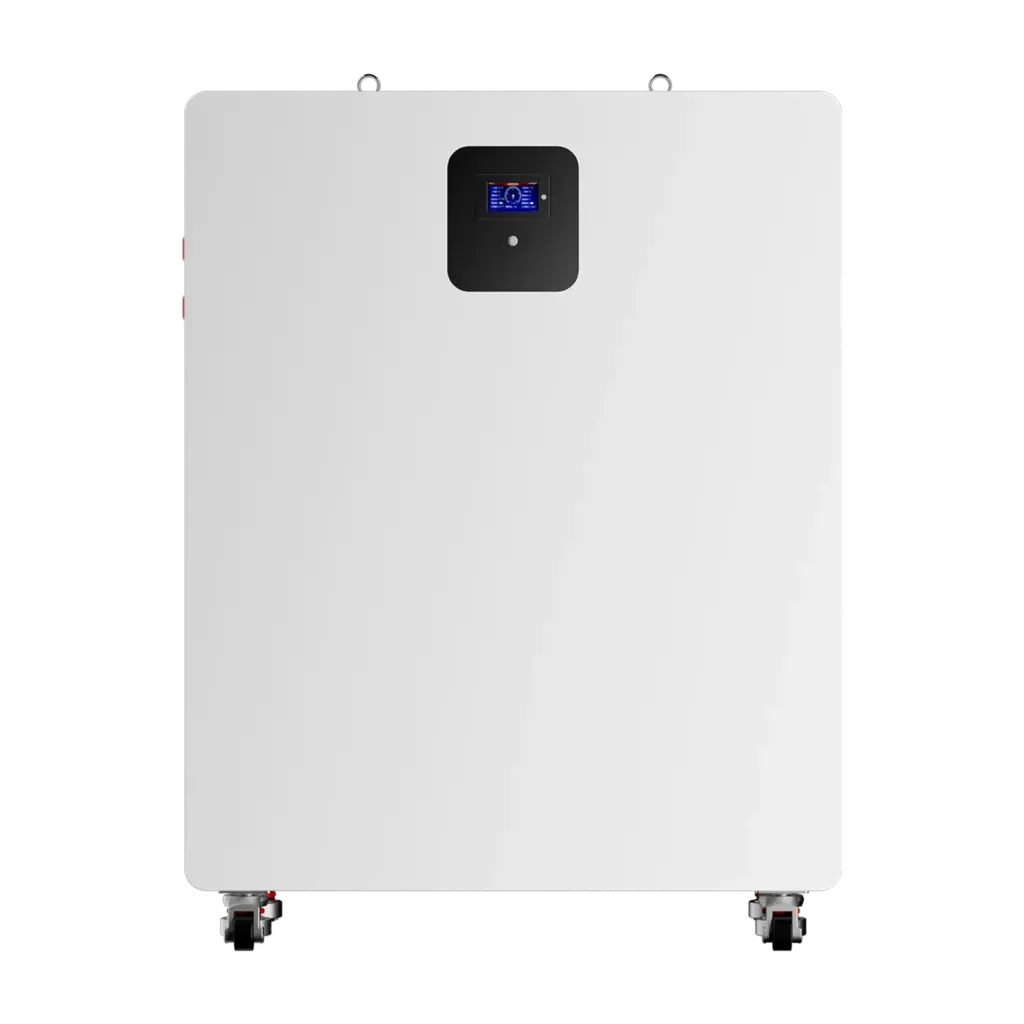
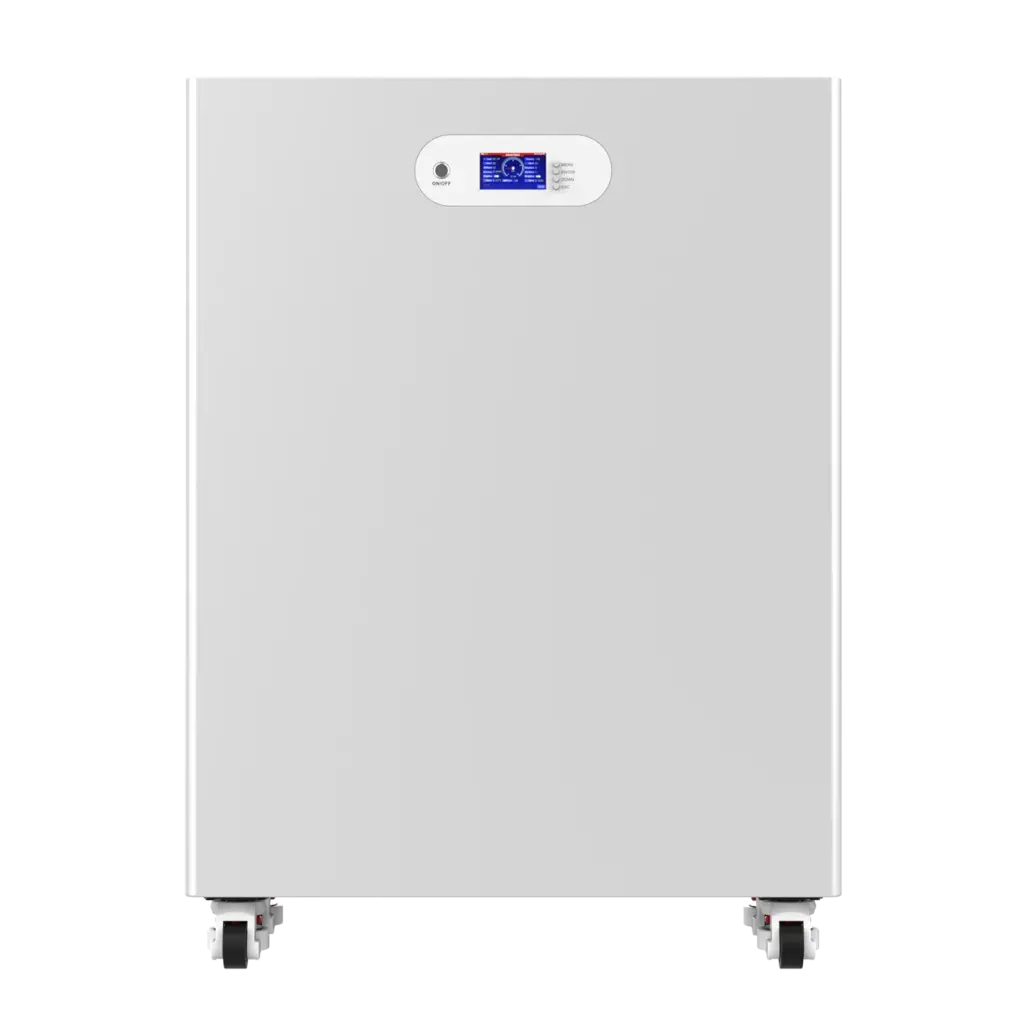
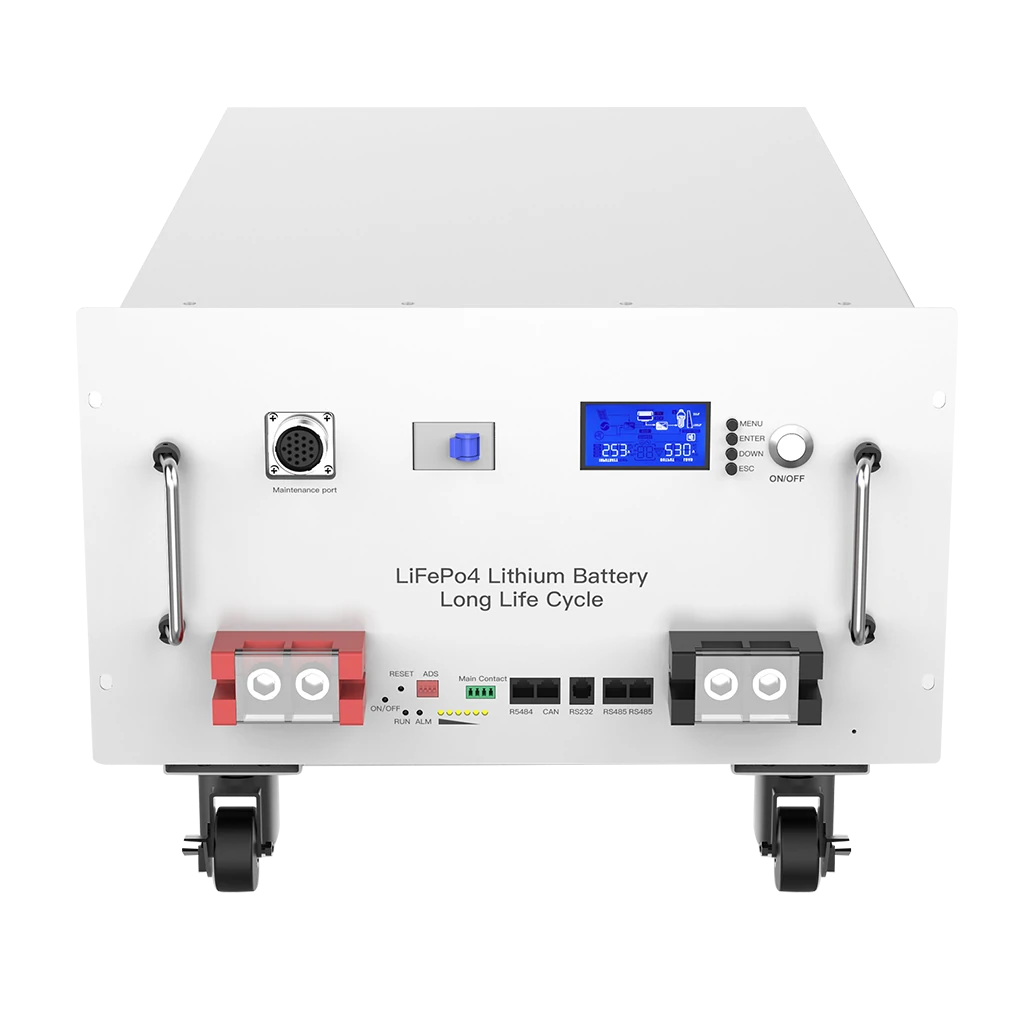
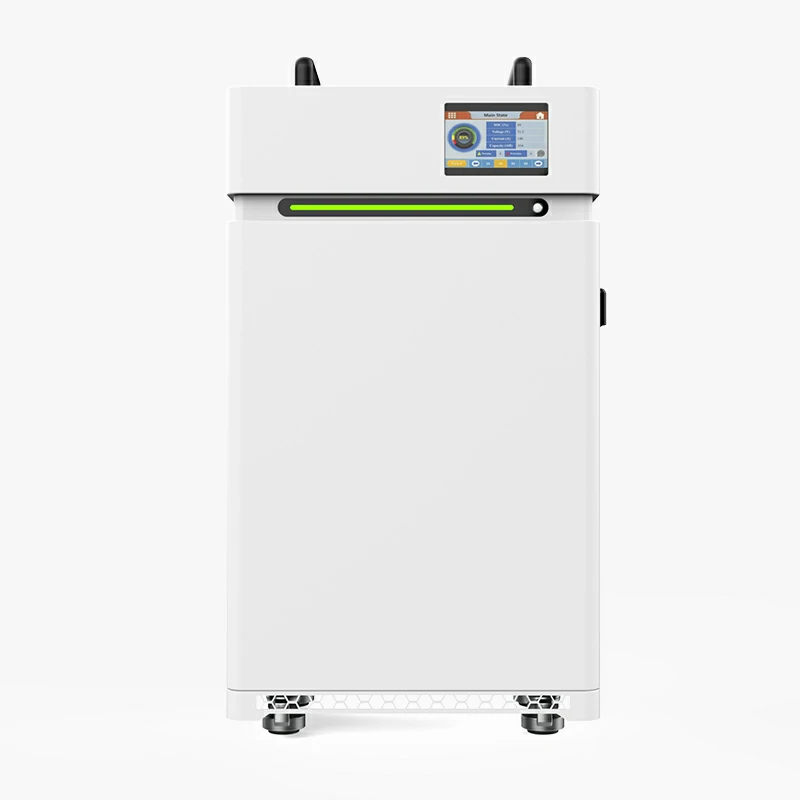
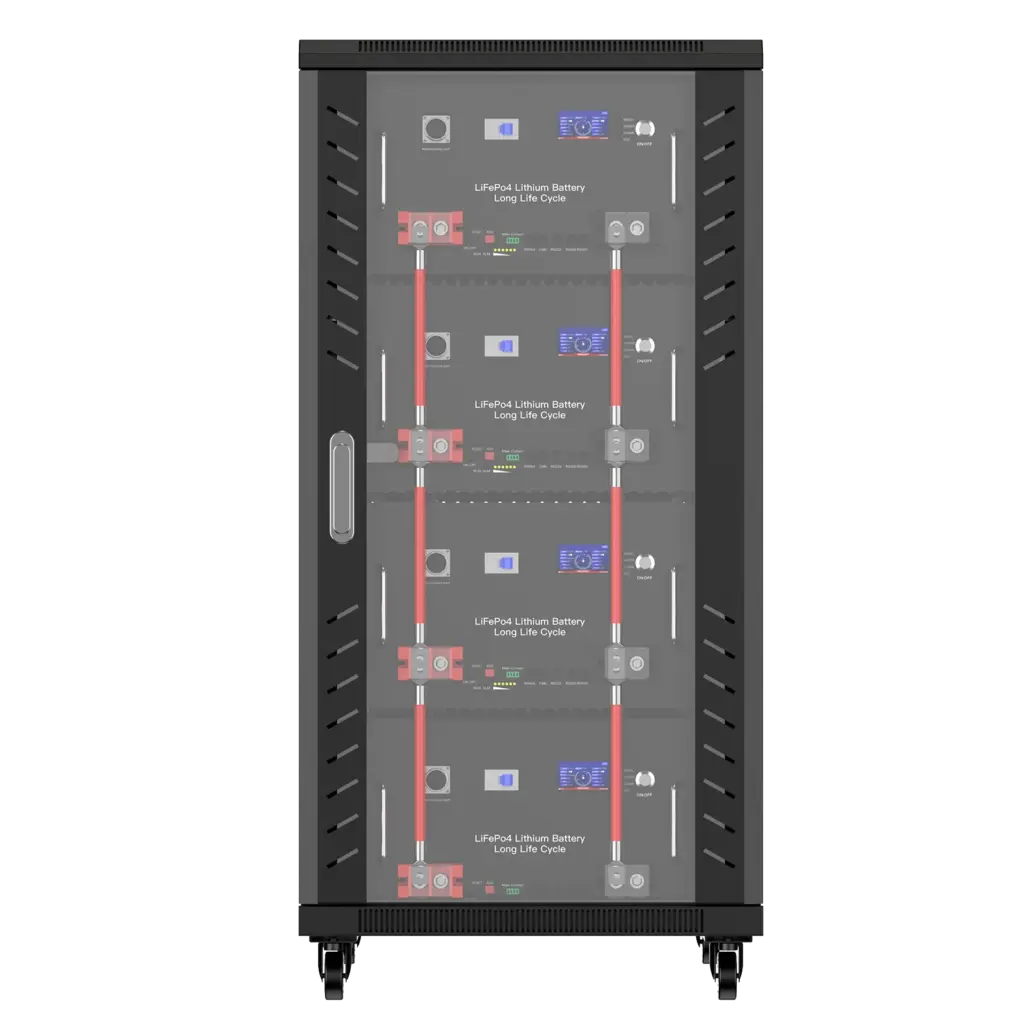
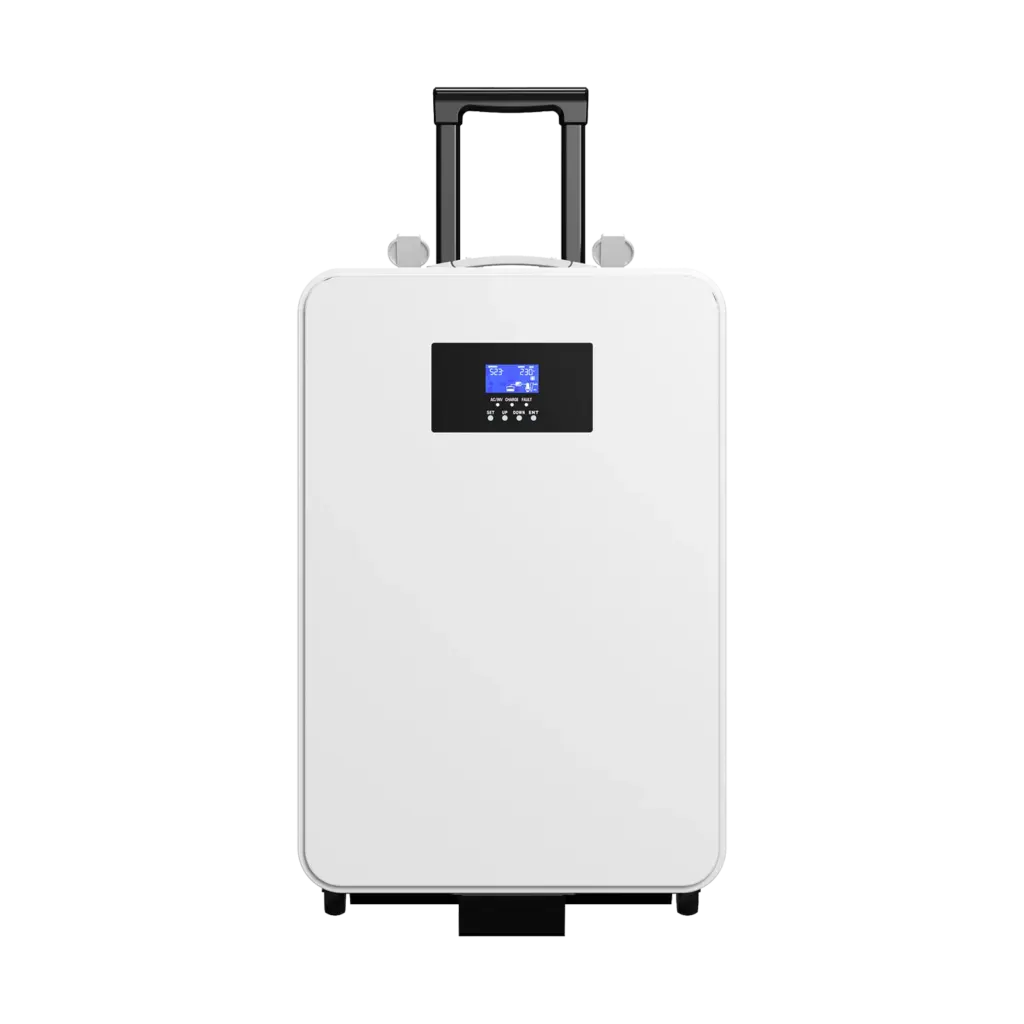
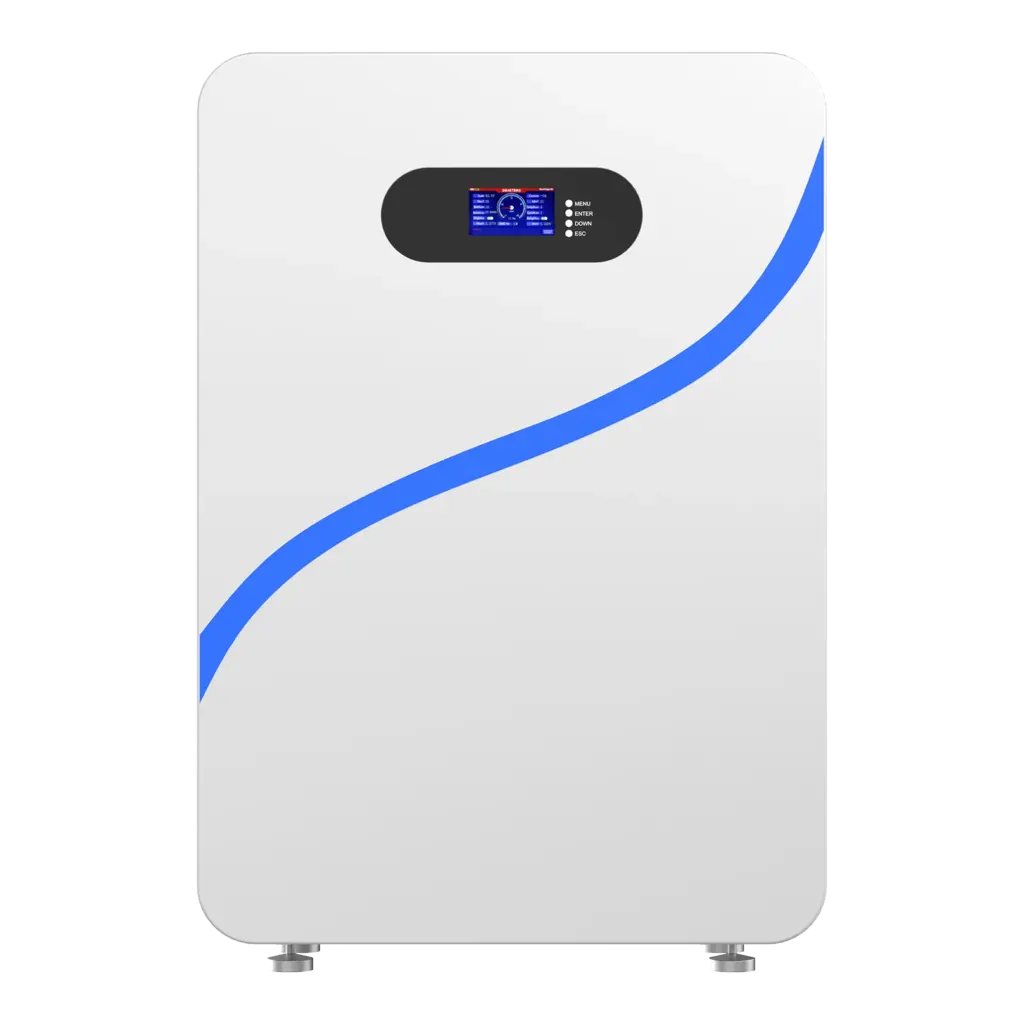
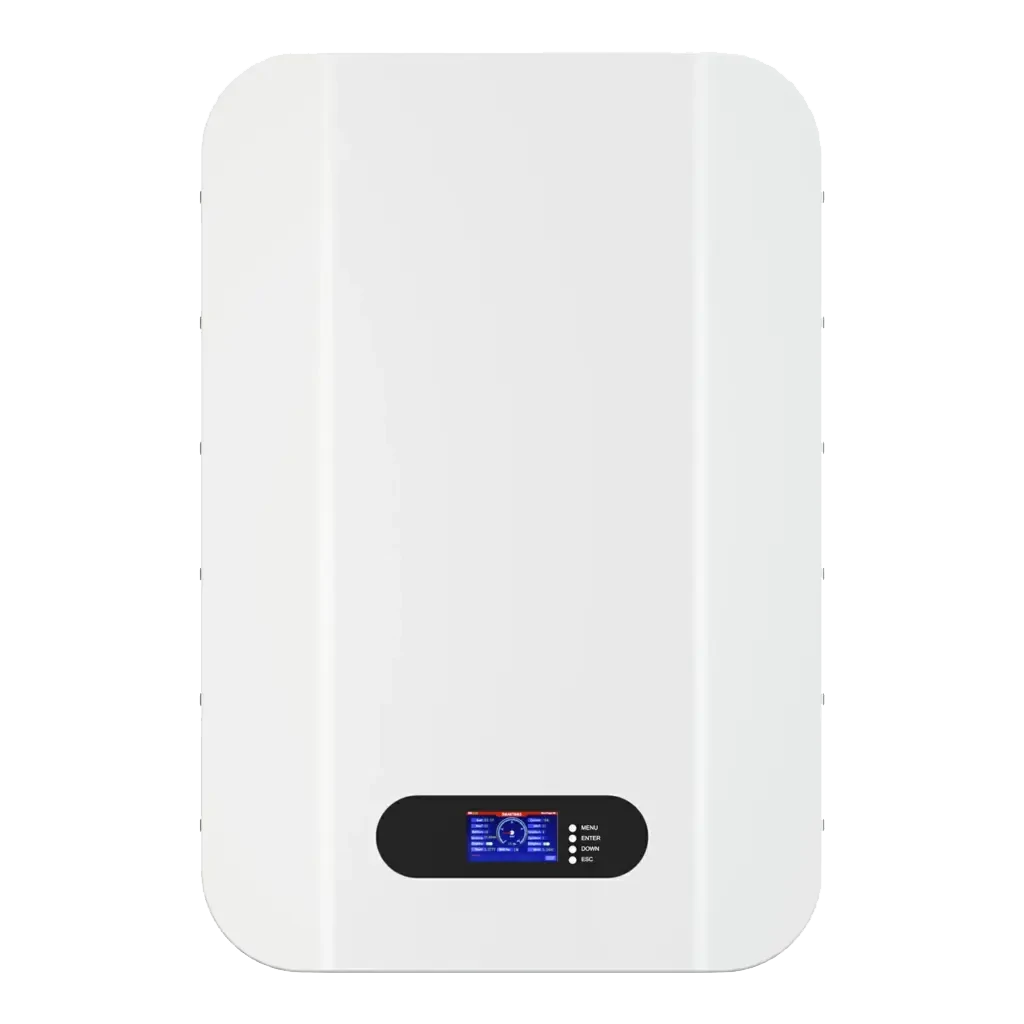
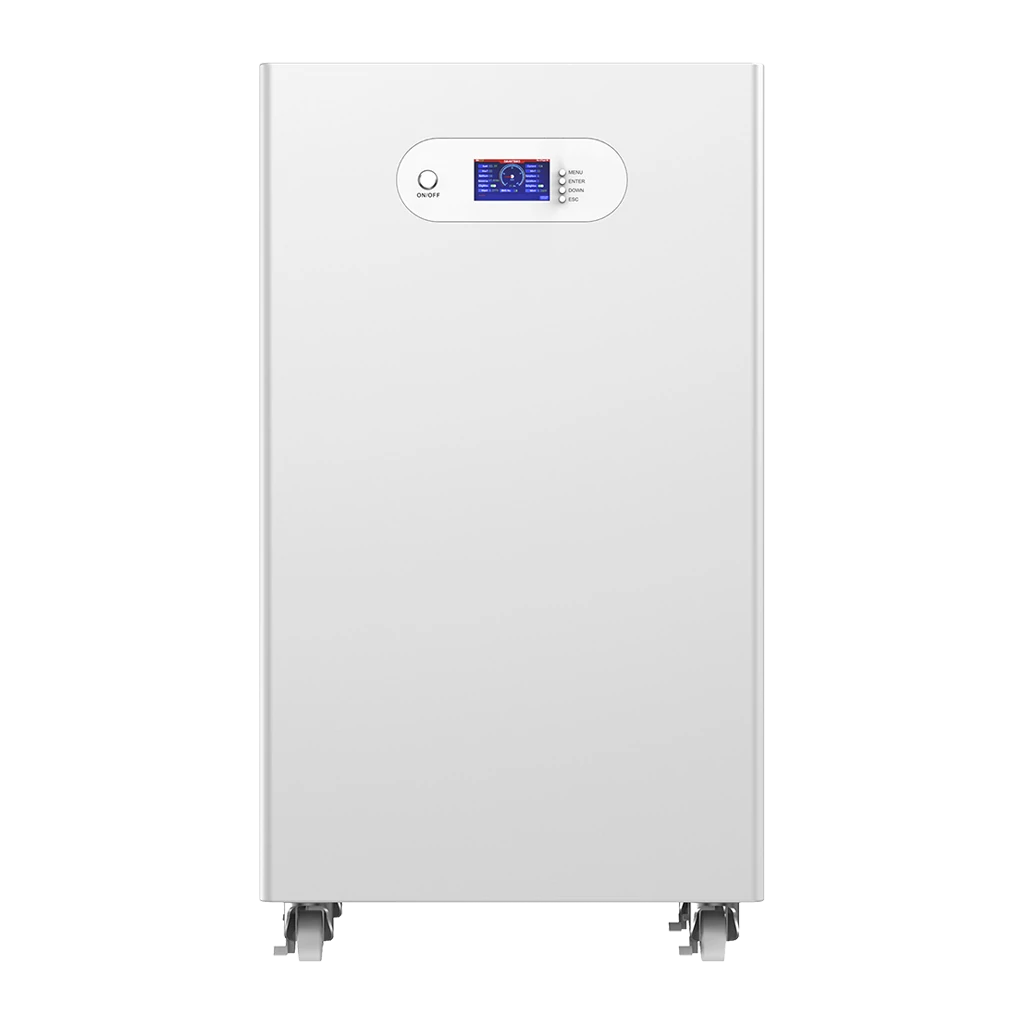
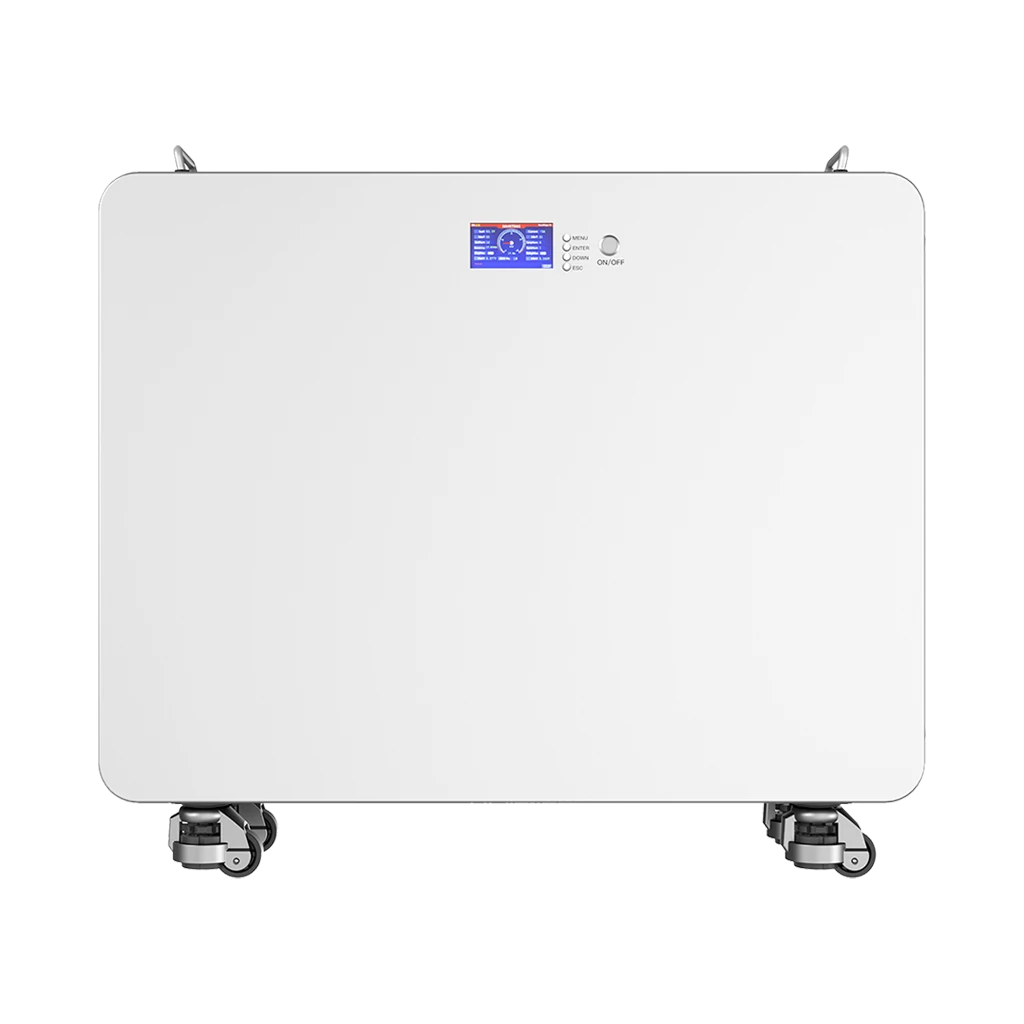
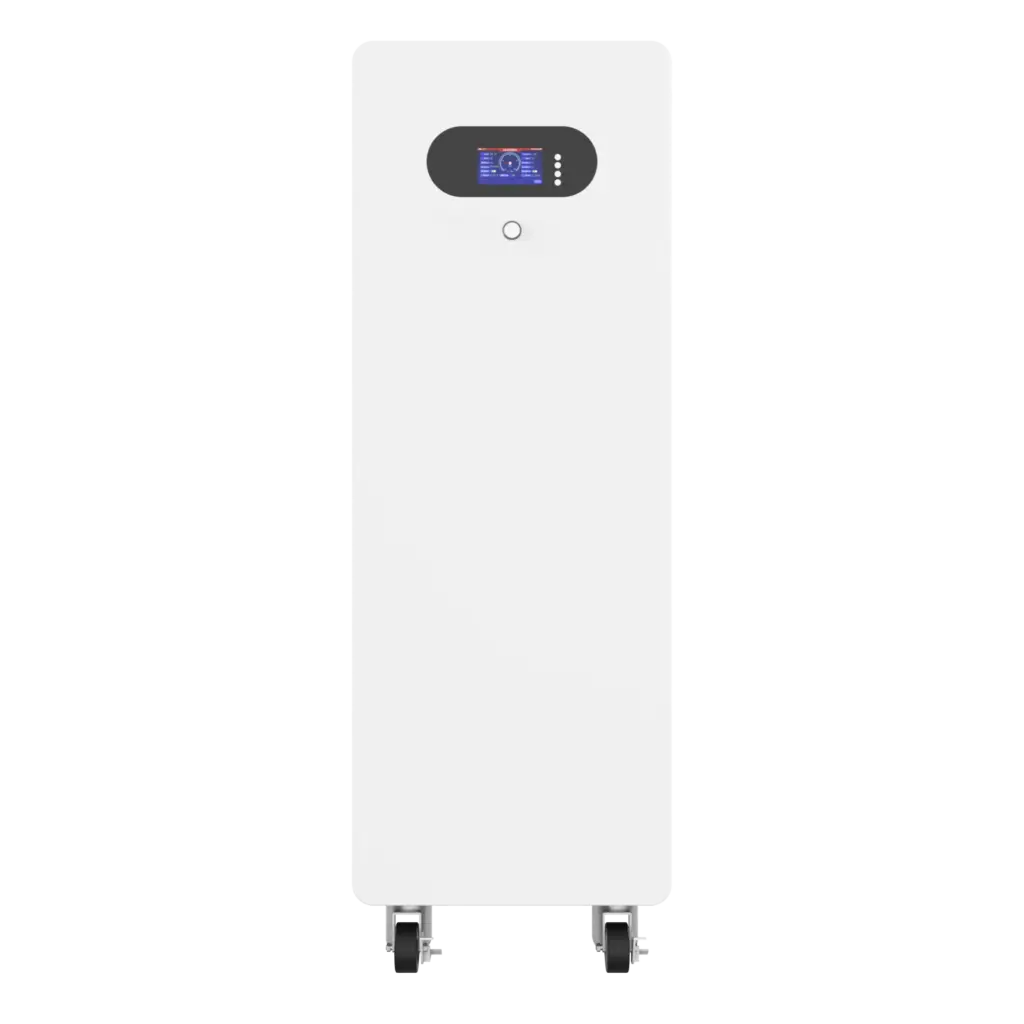
Avepower provides wall-mounted, stackable, vertical, rack-mounted, and all-in-one battery solutions. With a modular design, systems can be expanded up to 260 kWh, making it easy to start with a practical capacity and scale as demand increases.
If you’re planning a solar + storage project, contact Avepower to explore the right battery capacity, system configuration, and customized solutions based on your market or installation model.
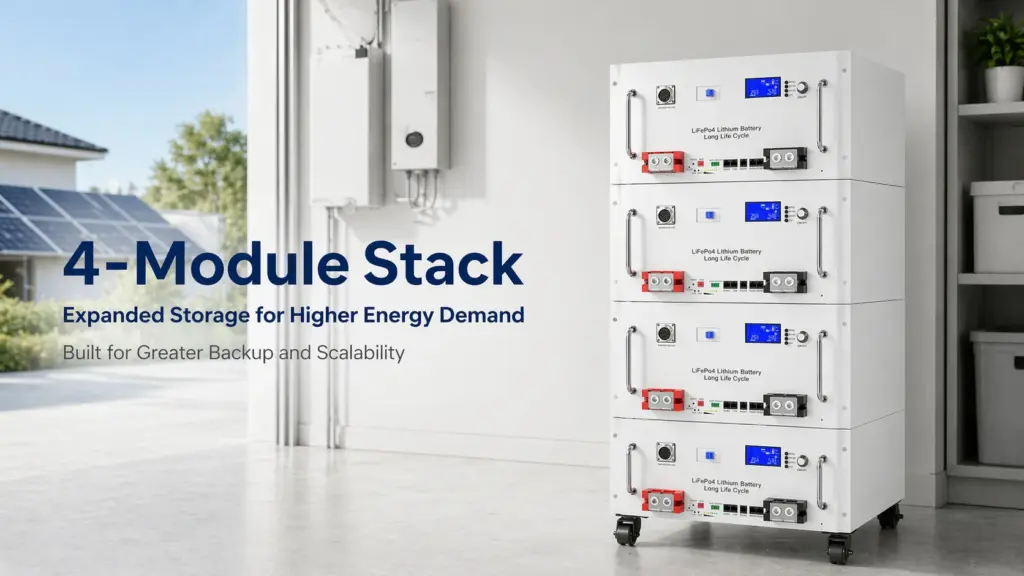
Build a Smarter 10kW Solar Storage System With Avepower
From compact home backup to scalable energy storage, Avepower provides safe and flexible LiFePO4 battery solutions designed for different residential solar applications and market needs.
Conclusion
So, what battery size is best for a 10 kW solar system?
For most grid-connected homes, a practical usable capacity typically falls between 8 kWh and 15 kWh. Households with higher daily consumption, greater evening demand, or stronger backup needs may require 15 kWh to 23 kWh. Capacities beyond this range are usually intended for enhanced energy resilience or partial off-grid operation, rather than simply reducing electricity bills.
The best battery size isn’t the largest one available—it’s the one that aligns with your actual energy usage, available solar surplus, budget, and backup requirements. Getting this balance right is what makes a battery system practical, cost-effective, and truly worth the investment.
FAQ
For many grid-connected homes, 8kWh to 15kWh usable battery capacity is a practical range. Homes with higher daily electricity use may justify 15kWh to 23kWh or more.
No. A 10kW solar system does not automatically require a 10kWh battery. Battery size should be based on daily consumption, solar surplus, and your goals for savings or backup.
It can be enough for many households, especially if the goal is evening solar use and moderate backup support. It may be too small for homes with heavy night-time demand or stronger outage protection needs.
For many family homes, yes. A 15kWh battery can be a strong fit when electricity use is moderate to high and evening demand is significant.