
Solar energy is radiant energy produced by the sun through nuclear fusion. It reaches Earth as electromagnetic radiation and can be converted into electricity through photovoltaic (PV) cells or captured as heat through solar thermal technologies. Solar energy is a renewable resource used to power homes, businesses, agricultural equipment, and large-scale electricity grids.
Where Does Solar Energy Come From?
Solar energy comes from nuclear fusion reactions inside the sun. Hydrogen nuclei combine to form helium, converting a small amount of mass into energy. This energy eventually radiates into space as visible light, infrared radiation, ultraviolet radiation, and other forms of electromagnetic radiation.
According to NASA, the temperature at the sun’s core reaches approximately 15 million degrees Celsius (27 million degrees Fahrenheit), creating the conditions necessary for nuclear fusion.
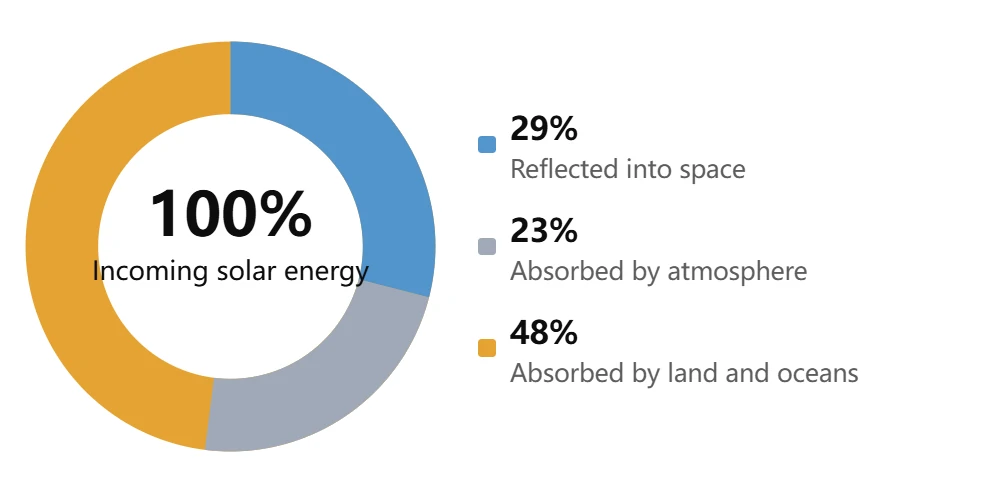
Not all solar radiation reaching Earth is available for energy production. NASA’s research on Earth’s energy budget estimates that:
- Approximately 29% of incoming solar energy is reflected into space.
- Approximately 23% is absorbed by the atmosphere.
- Approximately 48% is absorbed by Earth’s land and ocean surfaces.
Solar radiation also drives natural processes, including photosynthesis, atmospheric circulation, evaporation, and the water cycle. Without solar energy, most biological and climatic processes on Earth would not exist in their current form.
Human-developed solar technologies capture a portion of this incoming radiation and convert it into useful electricity or heat.
What Is the Difference Between Solar Energy and Solar Power?
Solar energy refers to the radiation received from the sun, while solar power commonly refers to electricity generated by converting that radiation into electrical energy. Solar energy can also be used without generating electricity, such as heating water, warming buildings, or cooking food.
| Comparison | Solar Energy | Solar Power |
|---|---|---|
| Definition | Radiant energy originating from the sun | Electrical power generated from solar energy |
| Form | Electromagnetic radiation | Electricity |
| Conversion required | Not necessarily | Yes |
| Measurement | J, kWh | W, kW |
| Applications | Natural heating, photosynthesis, solar heating | Household electricity, EV charging, industrial power |
| Technologies | Solar collectors, passive solar design, PV cells | Photovoltaic panels and solar thermal-electric systems |
In electrical engineering, power describes the rate of energy production, while energy describes the total amount produced over time.
A solar panel operating at 400 W for three hours generates 1.2 kWh of electricity. The 400 W represents power, while 1.2 kWh represents energy.
A Brief History of Solar Energy
Modern solar power technology developed from scientific discoveries in the nineteenth century. Although humans have used sunlight for heating and agriculture for thousands of years, practical photovoltaic electricity generation emerged in the twentieth century.
The U.S. Department of Energy’s solar technology timeline documents several important developments.
| Year | Solar Energy Development |
|---|---|
| 1839 | French physicist Edmond Becquerel discovered the photovoltaic effect. |
| 1954 | Bell Laboratories developed a practical silicon solar cell with approximately 6% conversion efficiency. |
| Late 1950s | Photovoltaic cells began supplying electricity to spacecraft. |
| 1970s | Energy security concerns accelerated solar technology research and development. |
| 2000s–2010s | Commercial manufacturing expanded, helping reduce photovoltaic system costs. |
| 2025 | Global solar power capacity reached approximately 2.39 TW, according to IRENA. |
How Does Solar Energy Work?
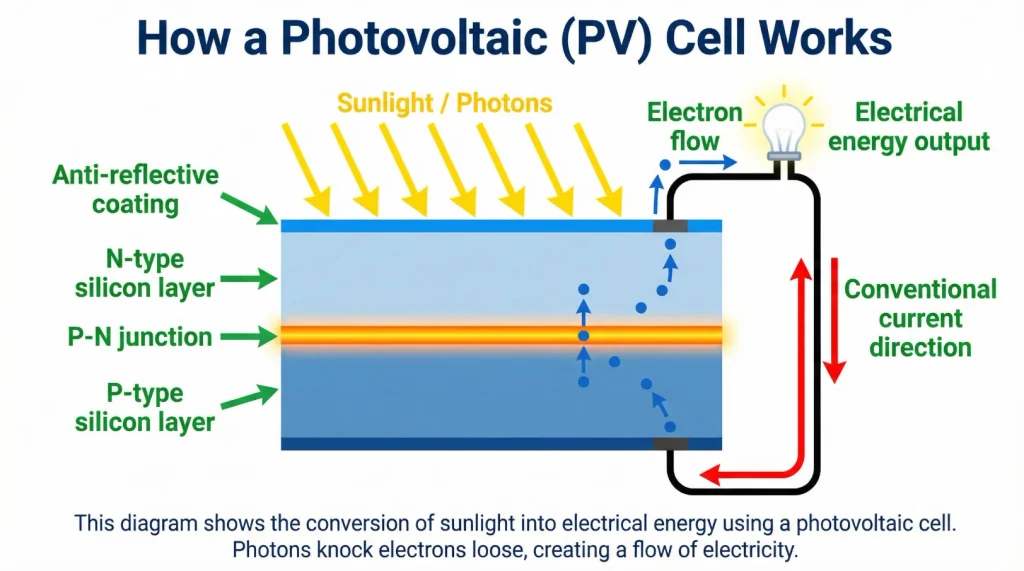
Solar energy works by capturing incoming radiation and converting it into electricity or usable heat. Photovoltaic systems use semiconductor materials to generate electrical current, while solar thermal systems absorb radiation and transfer the resulting heat to water, air, or another heat-transfer medium.
There are two fundamental approaches to harnessing solar energy: active and passive solar technologies.
Active Solar Energy
Active solar energy systems use dedicated equipment to capture, convert, distribute, or store solar energy.
Common active solar technologies include:
- Photovoltaic solar panels.
- Solar water heating systems with circulation pumps.
- Concentrating solar power systems.
- Solar-powered ventilation and heating equipment.
A residential photovoltaic installation is an active solar energy system because it uses solar modules, inverters, electrical protection equipment, and sometimes batteries to convert and manage solar electricity.
Passive Solar Energy
Passive solar energy uses building design and material properties to capture sunlight without relying primarily on mechanical or electrical conversion equipment.
Passive solar design includes south-facing windows in suitable Northern Hemisphere locations, thermal mass materials, insulation, natural lighting, and seasonal shading.
Concrete, brick, and stone can absorb solar heat during daylight and gradually release it as temperatures fall. Properly designed buildings can therefore reduce heating and lighting requirements without generating electricity.
The effectiveness of passive solar design depends on climate, building orientation, glazing, insulation, and ventilation.
What Are the Different Types of Solar Energy?
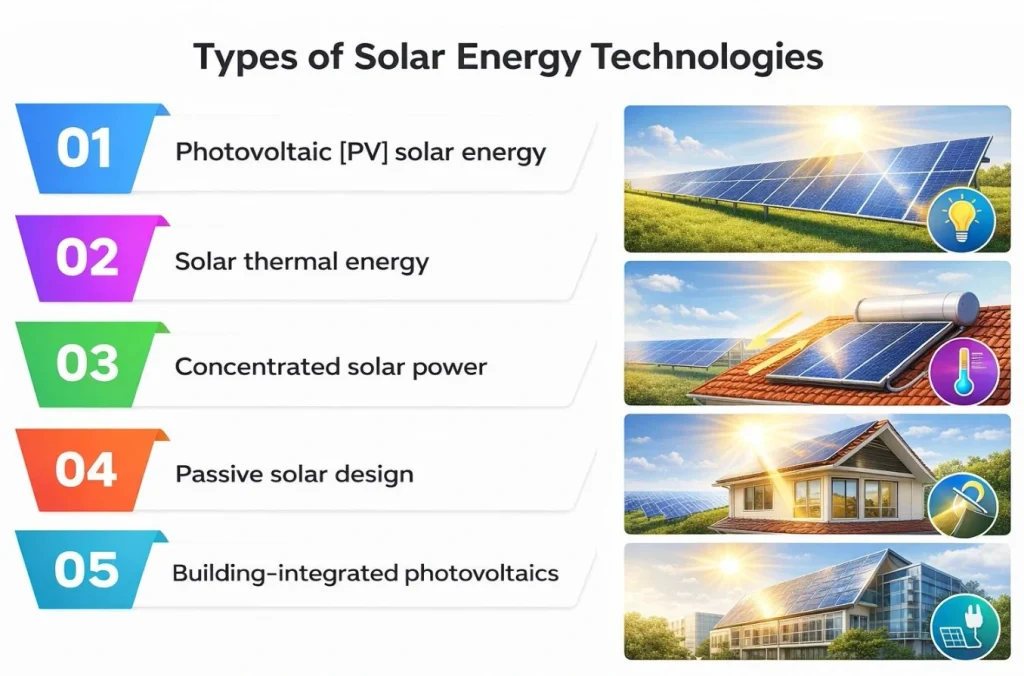
The main engineered solar energy technologies are solar photovoltaics (PV), solar thermal energy, and concentrating solar power (CSP). Passive solar design represents another way of utilizing sunlight directly. These approaches differ primarily in how they capture energy, what form of energy they produce, and their suitable applications.
| Solar Energy Type | Conversion Method | Main Output | Typical Applications |
|---|---|---|---|
| Solar photovoltaics (PV) | Semiconductor photovoltaic effect | Electricity | Homes, businesses, solar farms |
| Solar thermal | Solar radiation absorption | Heat | Water heating, building heating, industrial processes |
| Concentrating solar power (CSP) | Mirrors concentrate sunlight to generate high-temperature heat | Heat and electricity | Utility-scale power generation |
| Passive solar | Building orientation and thermal design | Natural heating and lighting | Residential and commercial buildings |
Solar Photovoltaic Energy (PV)
Solar photovoltaic technology converts sunlight directly into electricity using semiconductor cells. Silicon is the most widely used material in commercial photovoltaic modules.
When sunlight strikes a solar cell, photons transfer energy to electrons within the semiconductor. The cell’s internal electric field separates electrical charge carriers, allowing current to flow through an external circuit.
A typical photovoltaic system generates usable electricity through the following process:
- Solar panels absorb incoming sunlight.
- Photovoltaic cells produce direct-current (DC) electricity.
- An inverter converts DC electricity into alternating-current (AC) electricity.
- Electrical equipment consumes the generated power.
- Surplus electricity is exported, stored in batteries, or curtailed depending on system configuration.
Multiple solar cells form a module, and multiple modules form a solar array. This modular design allows photovoltaic installations to range from small electronic devices to solar farms with hundreds of megawatts of generating capacity.
Solar Thermal Energy
Solar thermal energy captures solar radiation as heat instead of converting it directly into electricity.
Solar collectors absorb incoming radiation and transfer heat to water, air, or a circulating heat-transfer fluid.
Solar thermal technologies can be classified according to their operating temperature and application.
| Temperature Category | Common Applications |
|---|---|
| Low-temperature solar thermal | Swimming pool heating, ventilation, space heating |
| Medium-temperature solar thermal | Domestic hot water, commercial hot water, industrial process heating |
| High-temperature solar thermal | Industrial processes and thermal electricity generation |
Solar thermal systems can be advantageous where heat is the primary energy requirement because they avoid the intermediate conversion of sunlight into electricity.
However, photovoltaic systems paired with electric heat pumps may offer greater flexibility where both electricity and heating are needed.
Concentrating Solar Power (CSP)
Concentrating solar power uses mirrors to focus direct sunlight onto a receiver, generating high-temperature heat that can drive a turbine or another thermal power conversion system.
Common CSP technologies include parabolic troughs, solar power towers, linear Fresnel reflectors, and dish systems.
Unlike conventional photovoltaic panels, CSP installations depend heavily on direct solar radiation. They are generally better suited to large-scale projects in sunny regions with sufficient land availability.
Some CSP plants use molten salt to store thermal energy, allowing electricity generation to continue after sunset.
How Efficient Is Solar Energy?
Commercial crystalline silicon solar modules typically convert around 20%–22% of incoming solar radiation into electricity. Actual efficiency and energy production depend on semiconductor materials, cell temperature, irradiance, shading, module orientation, and electrical losses.
Solar panel efficiency is calculated using:
Solar Panel Efficiency = Electrical Power Output ÷ Incoming Solar Power × 100%
Under standard test conditions, a solar module receives irradiance of 1,000 W/m² at a cell temperature of 25°C, with a standardized AM1.5 solar spectrum.
A solar panel with a surface area of 2 m² and a conversion efficiency of 20% would have a rated output of:
1,000 W/m² × 2 m² × 20% = 400 W
This does not mean the panel generates 400 W continuously. The rated output represents performance under specified testing conditions.
Why Does Solar Panel Efficiency Decrease in Hot Weather?
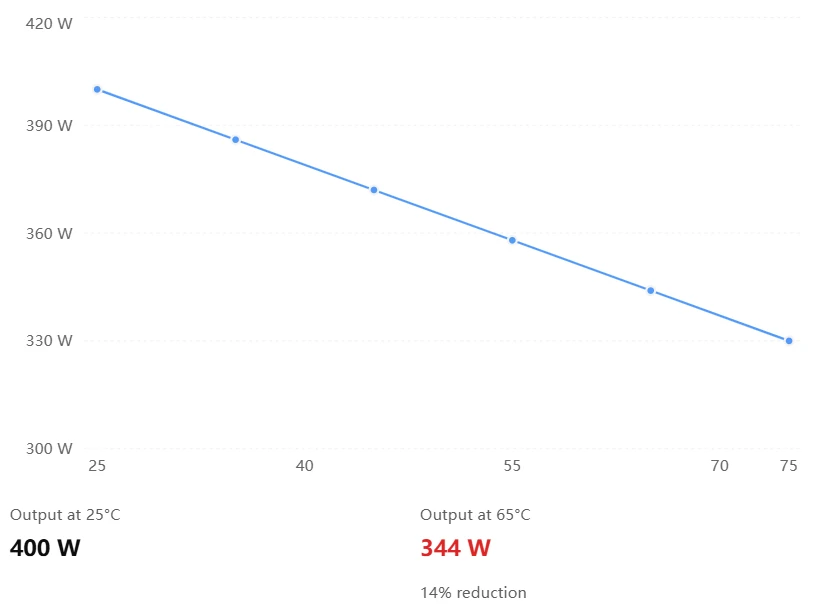
Higher temperatures generally reduce the operating voltage and power output of crystalline silicon solar cells. Strong sunlight can increase electricity production, but excessive cell temperatures reduce conversion efficiency.
Consider a 400 W solar panel with an assumed temperature coefficient of −0.35%/°C.
| Solar Cell Temperature | Estimated Power at 1,000 W/m² |
|---|---|
| 25°C | 400 W |
| 35°C | 386 W |
| 45°C | 372 W |
| 55°C | 358 W |
| 65°C | 344 W |
| 75°C | 330 W |
How Much Electricity Can Solar Energy Produce?
Solar electricity production depends primarily on installed photovoltaic capacity, available solar radiation, and system losses. A 5 kW solar array receiving four peak sun hours per day with an assumed system performance factor of 80% could generate approximately 16 kWh of electricity daily.
Solar electricity production can be estimated using:
Daily Solar Electricity (kWh) = Solar Array Capacity (kW) × Peak Sun Hours × System Performance Factor
Peak sun hours describe the equivalent duration of sunlight at an irradiance of 1,000 W/m². Five peak sun hours correspond to 5 kWh/m² of daily solar irradiation, not necessarily five hours of continuous sunshine.
| Solar System Capacity | 3 Peak Sun Hours | 4 Peak Sun Hours | 5 Peak Sun Hours |
|---|---|---|---|
| 400 W | 0.96 kWh | 1.28 kWh | 1.60 kWh |
| 1 kW | 2.4 kWh | 3.2 kWh | 4 kWh |
| 3 kW | 7.2 kWh | 9.6 kWh | 12 kWh |
| 5 kW | 12 kWh | 16 kWh | 20 kWh |
| 10 kW | 24 kWh | 32 kWh | 40 kWh |
| 20 kW | 48 kWh | 64 kWh | 80 kWh |
These estimates assume an 80% overall performance factor. Actual electricity production varies by location, weather, season, equipment, and installation conditions.
The PVWatts Calculator provides more detailed location-specific estimates using historical weather data, solar array orientation, system capacity, and loss assumptions.
Households planning an installation should also calculate how many solar panels are needed to power a house based on actual electricity consumption.
What Is Solar Energy Used For?
Solar energy is used for electricity generation, water heating, building climate control, agricultural irrigation, electric vehicle charging, and remote power supply. Photovoltaic systems can operate at different scales, from individual households to commercial facilities and large electricity-generating plants.
Residential Solar Energy
Residential solar systems commonly use rooftop or ground-mounted photovoltaic panels to supply electricity for household appliances, lighting, refrigeration, heating and cooling equipment, and electric vehicle charging.
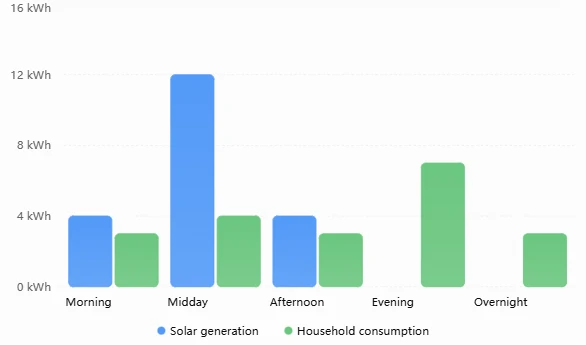
A household consuming 600 kWh per month uses approximately 20 kWh per day. Under five peak sun hours and an assumed 80% performance factor, a 5 kW solar system could theoretically generate an equivalent amount of daily electricity.
Commercial and Industrial Solar Energy
Commercial solar systems supply electricity to offices, warehouses, factories, shopping centers, and agricultural facilities.
A 100 kW commercial photovoltaic system receiving five peak sun hours daily with an assumed 80% performance factor could generate approximately 400 kWh per day.
Businesses operating primarily during daylight can often consume a substantial portion of this electricity directly. Facilities with nighttime operations, high demand charges, or backup requirements may combine photovoltaics with commercial and industrial energy storage systems.
Utility-Scale Solar Energy
Utility-scale solar projects generate electricity for distribution through the electrical grid rather than supplying only an individual building.
The U.S. EIA generally classifies electricity-generating facilities with at least 1 MW of generating capacity as utility-scale.
Community Solar Energy
Community solar allows multiple households or businesses to participate in a shared solar installation.
It can provide access to solar-generated electricity or utility bill credits for consumers who cannot install their own panels because of rental arrangements, shading, unsuitable roofs, or limited installation space.
Off-Grid Solar Energy
Off-grid solar systems supply electricity independently of the conventional utility grid.
Common applications include remote homes, telecommunications stations, agricultural monitoring equipment, rural clinics, and isolated commercial facilities.
Because photovoltaic panels cannot provide continuous electricity throughout the night, off-grid installations generally require battery storage, backup generation, or another complementary energy source.
How Is Solar Energy Stored?
Solar energy can be stored through electrochemical batteries, thermal energy storage, and pumped-storage hydropower. Residential photovoltaic systems commonly use batteries to store surplus electricity, while concentrating solar power plants may store heat in materials such as molten salt for later electricity generation.
| Storage Technology | Stored Energy Form | Common Applications | Main Limitation |
|---|---|---|---|
| Electrochemical battery storage | Chemical energy | Homes, businesses, utility-scale projects | Capacity limits and battery degradation |
| Thermal energy storage | Heat | Solar thermal systems and CSP plants | Heat losses and application-specific requirements |
| Pumped-storage hydropower | Gravitational potential energy | Large-scale electricity grids | Geographic and infrastructure requirements |
How Do Solar Batteries Store Electricity?
Solar batteries convert electrical energy into chemical energy during charging and convert it back into electrical energy during discharge.
During daylight, photovoltaic generation can exceed household electricity demand. Instead of immediately exporting or curtailing that surplus, a compatible battery storage system can retain some of the energy for later use.
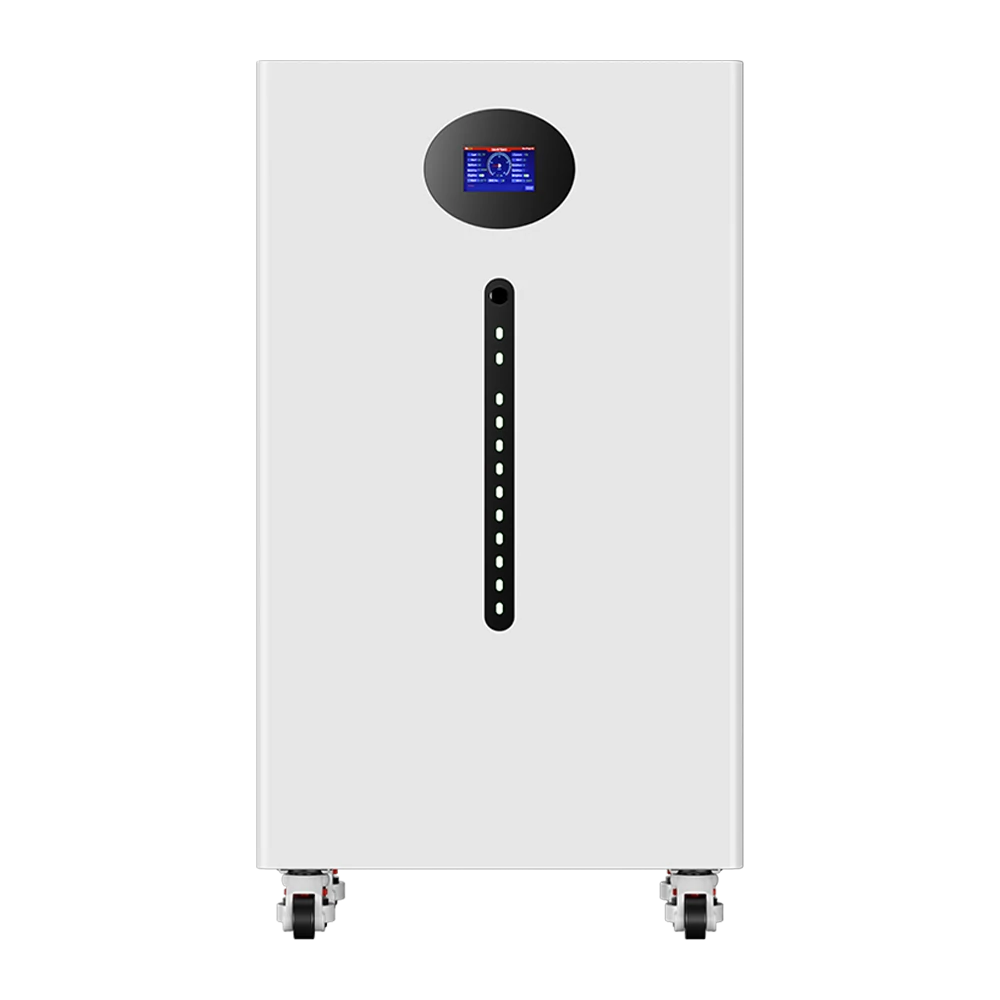
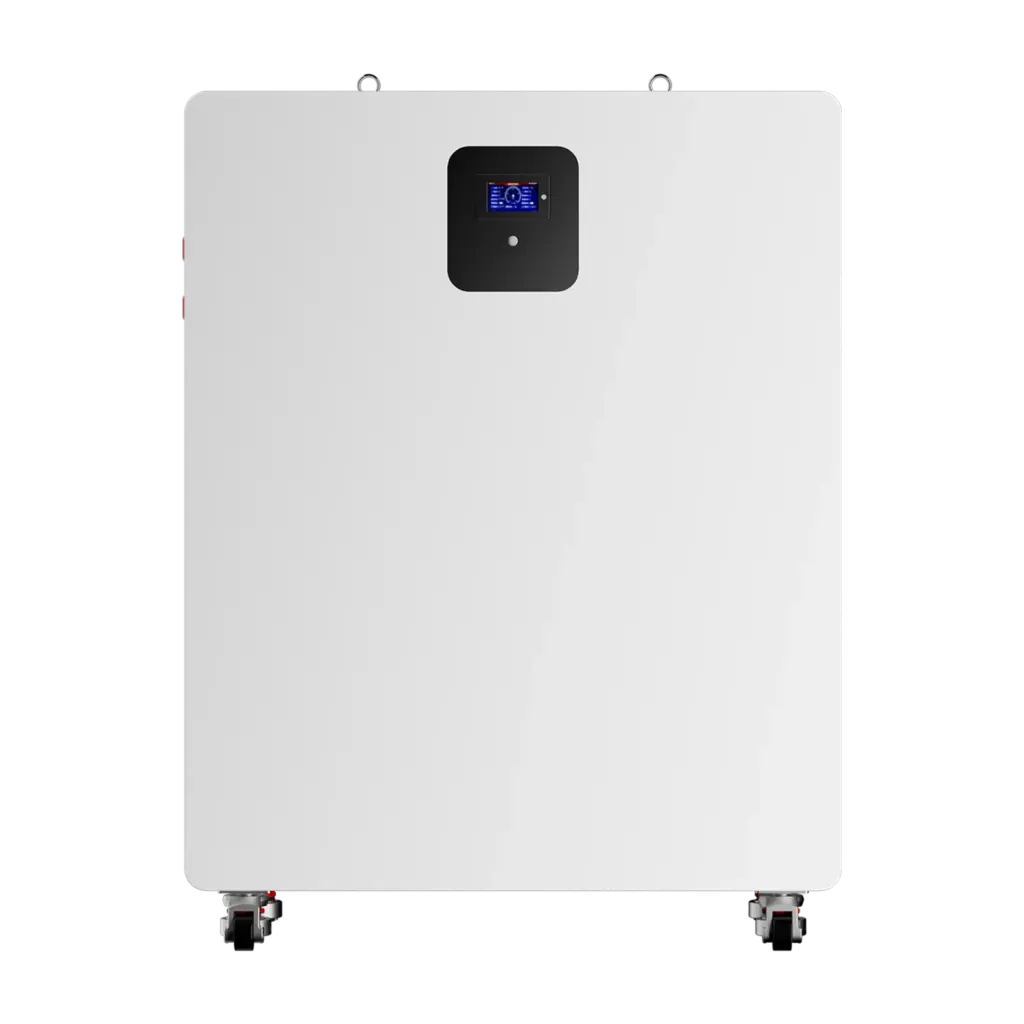
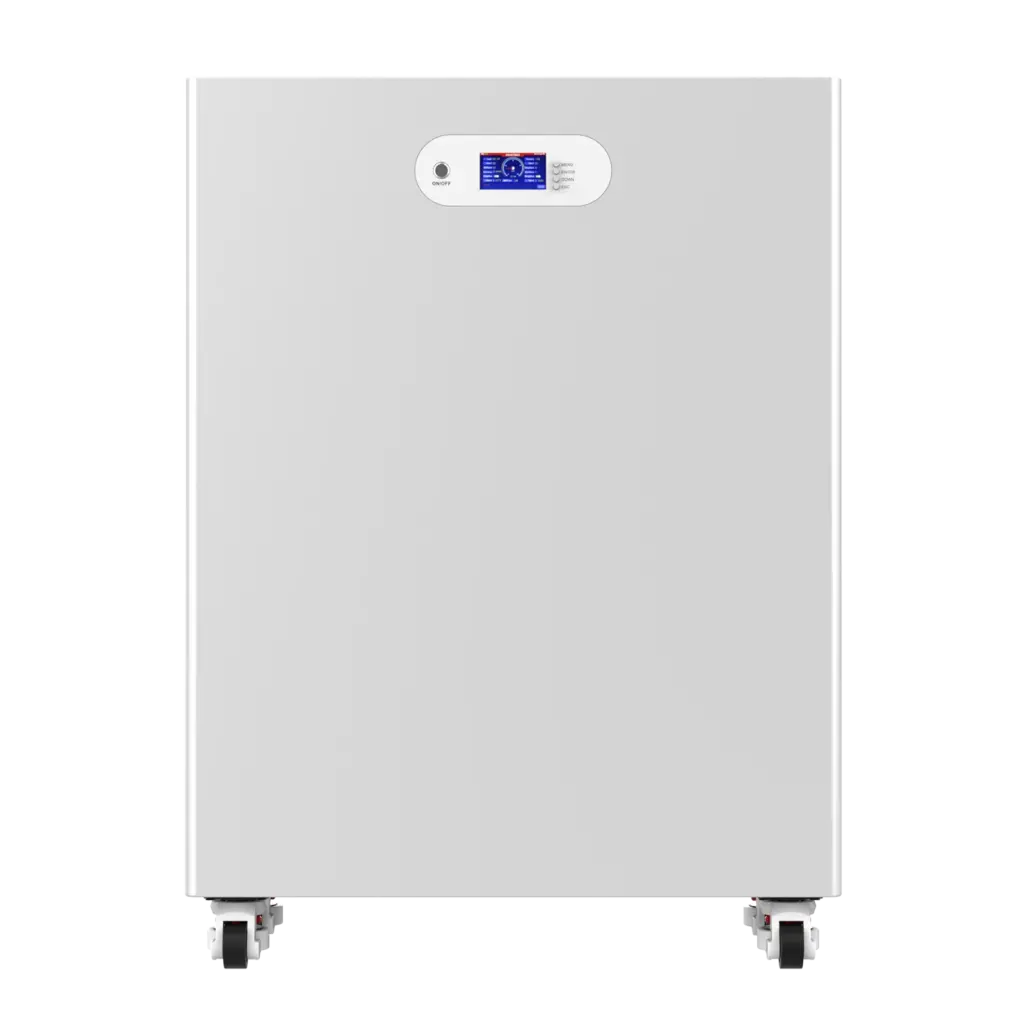
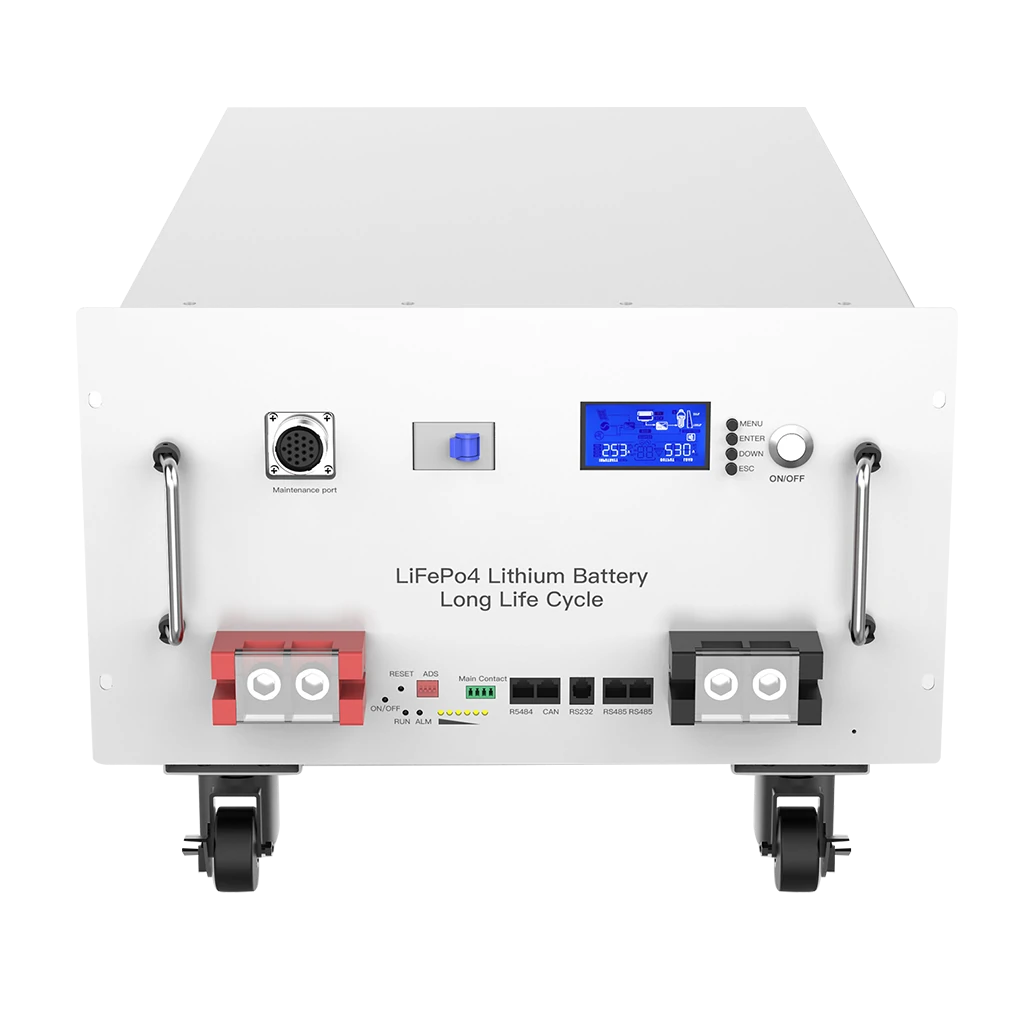
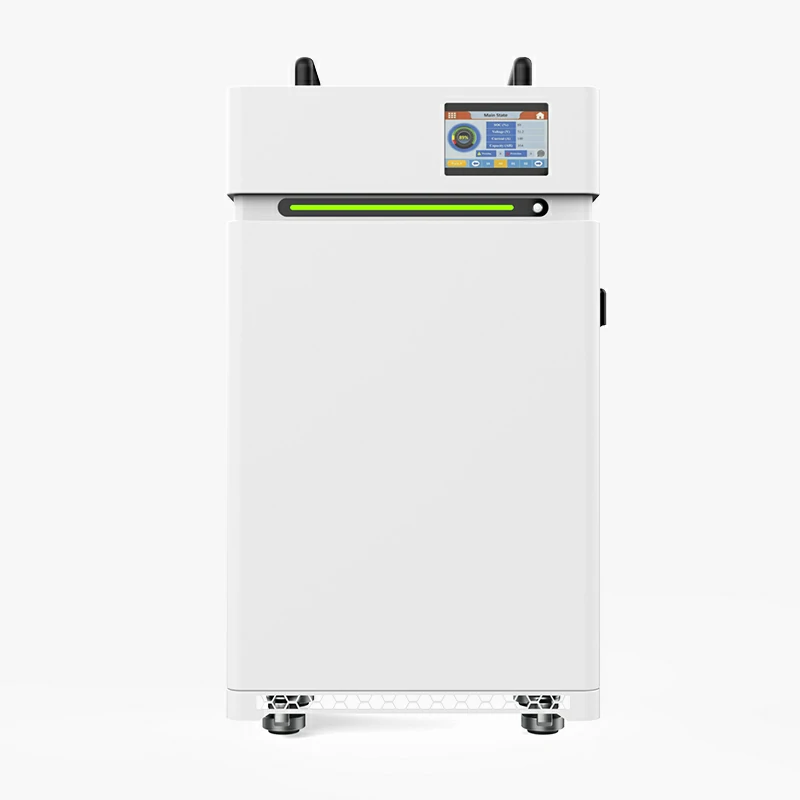
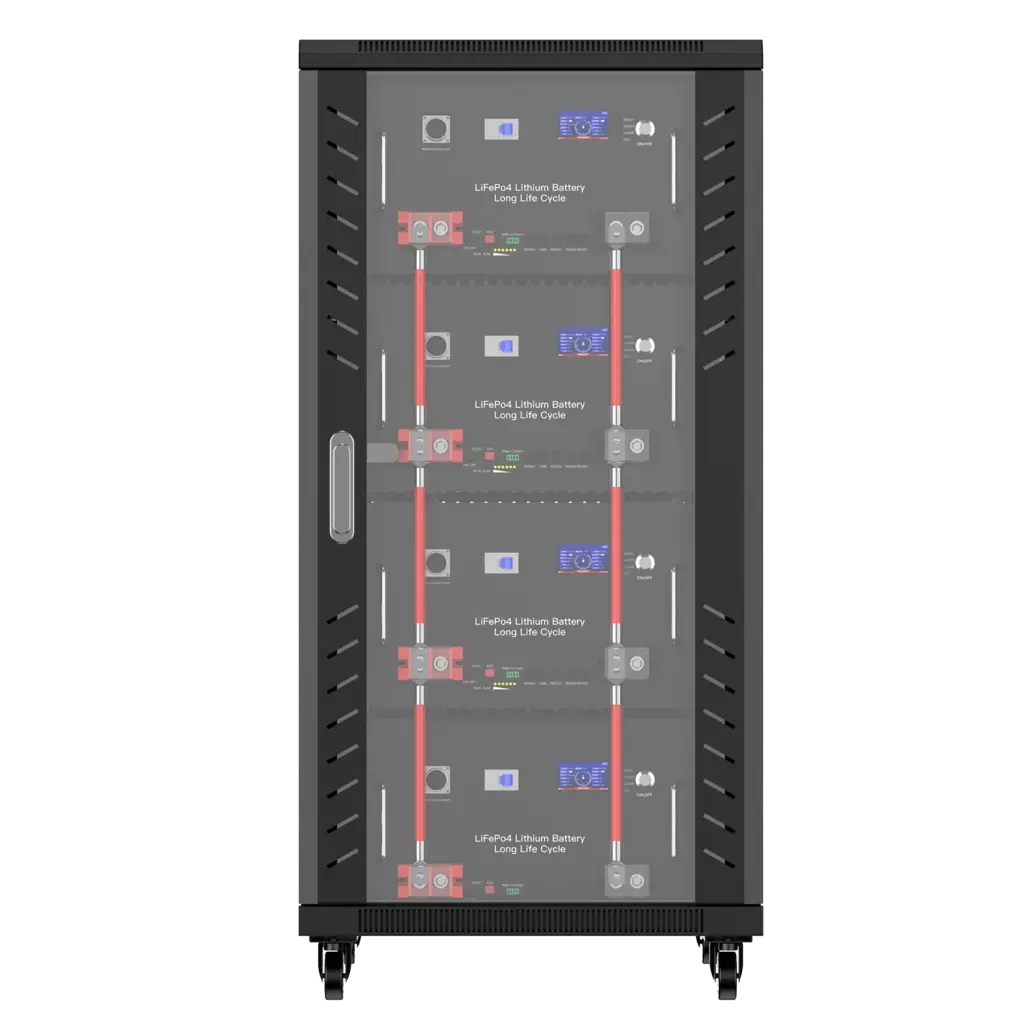
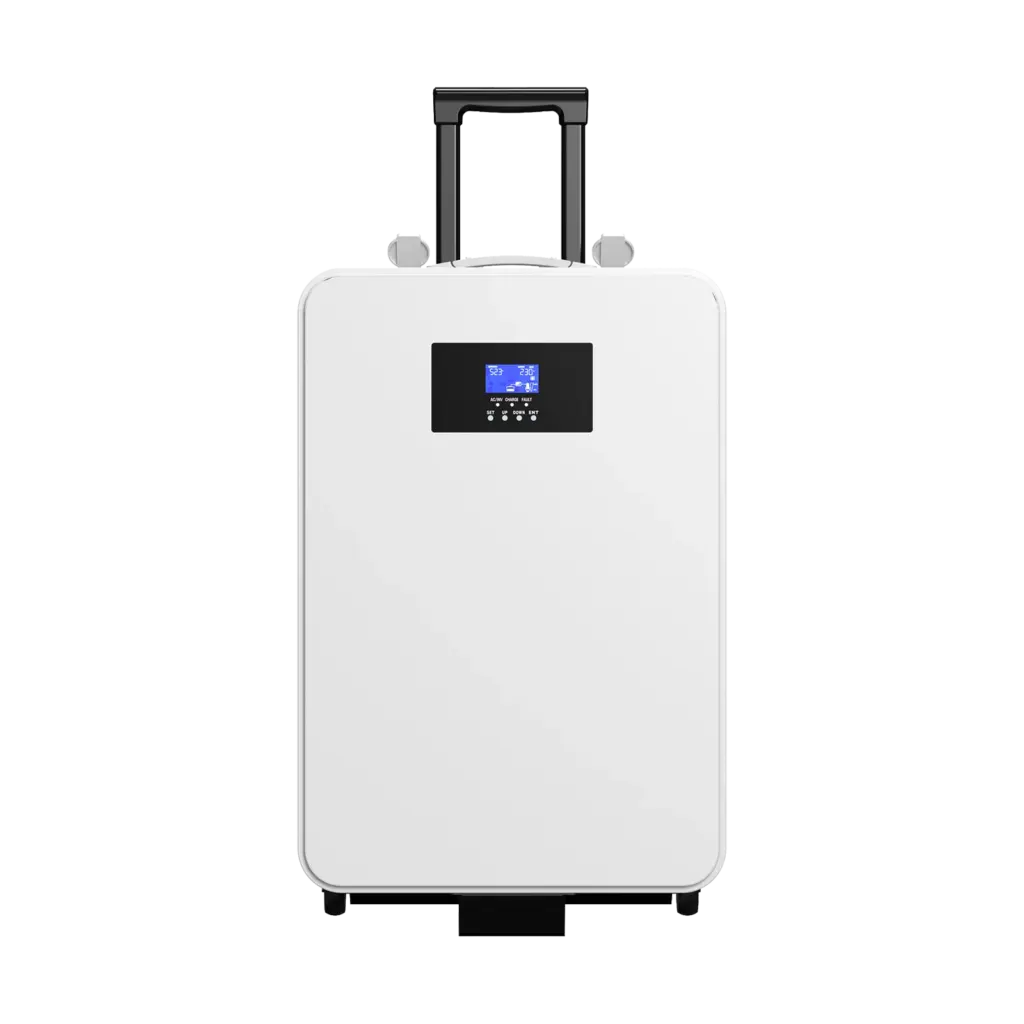
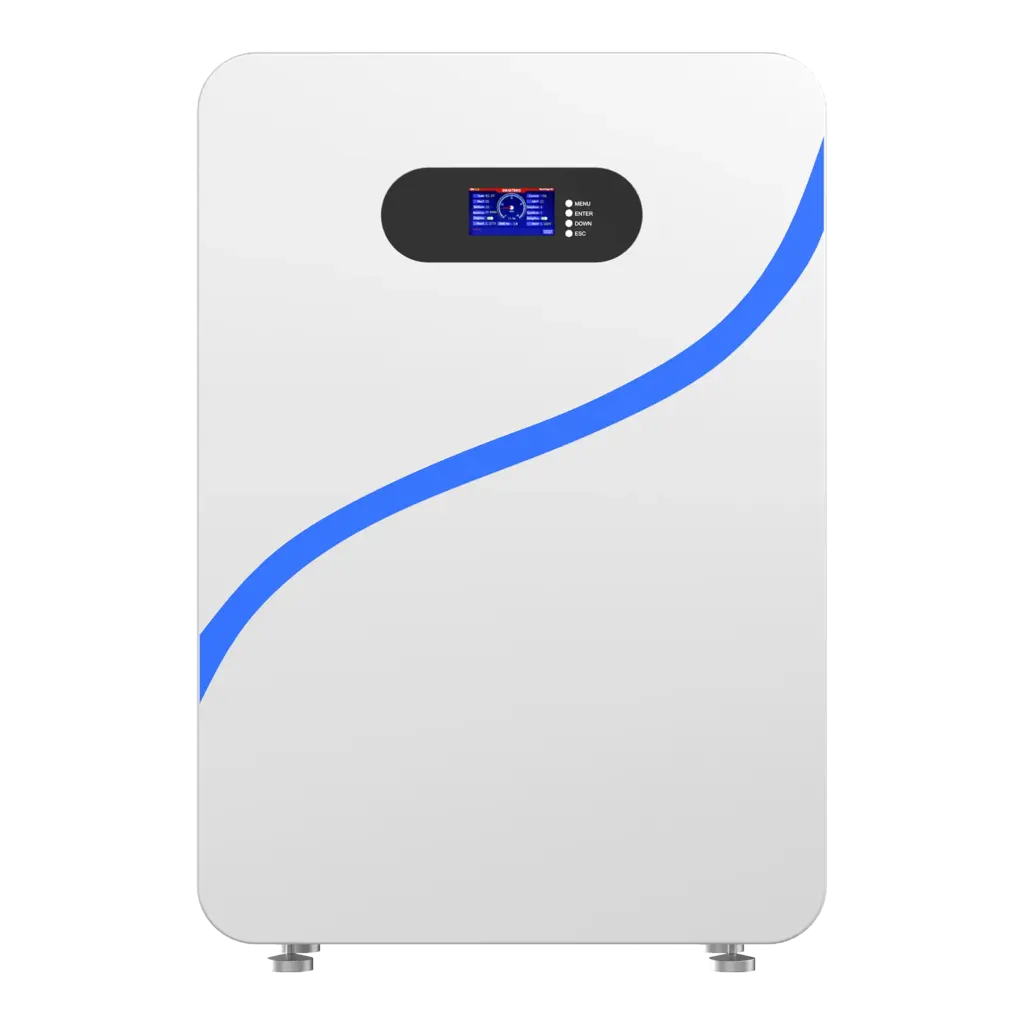
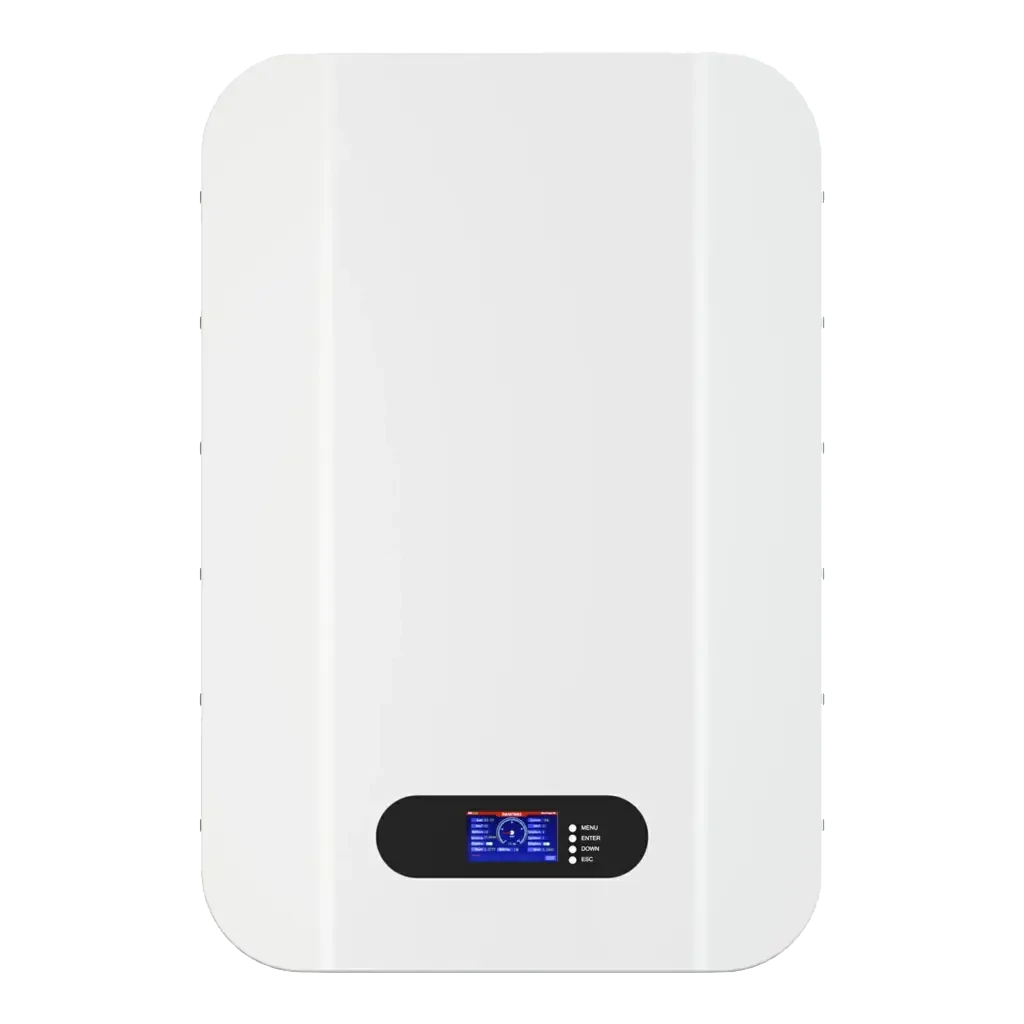
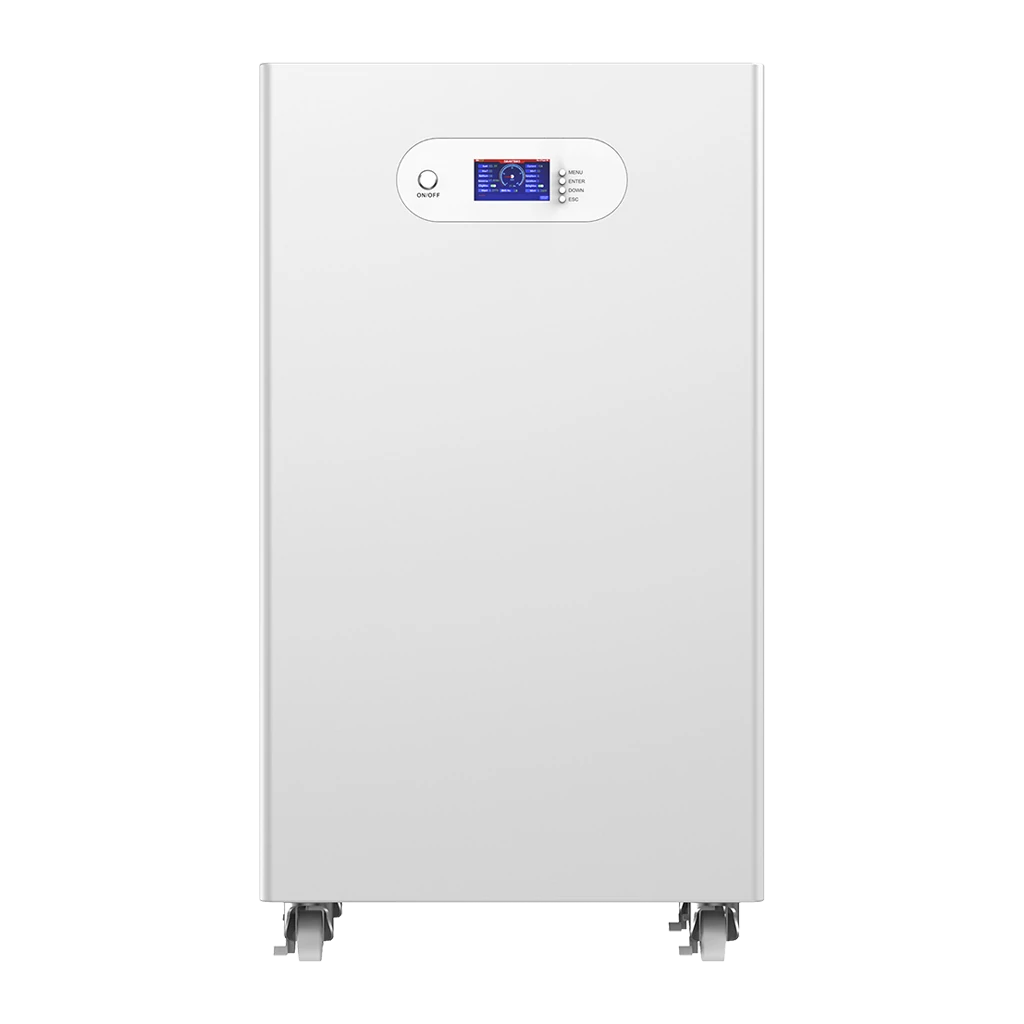
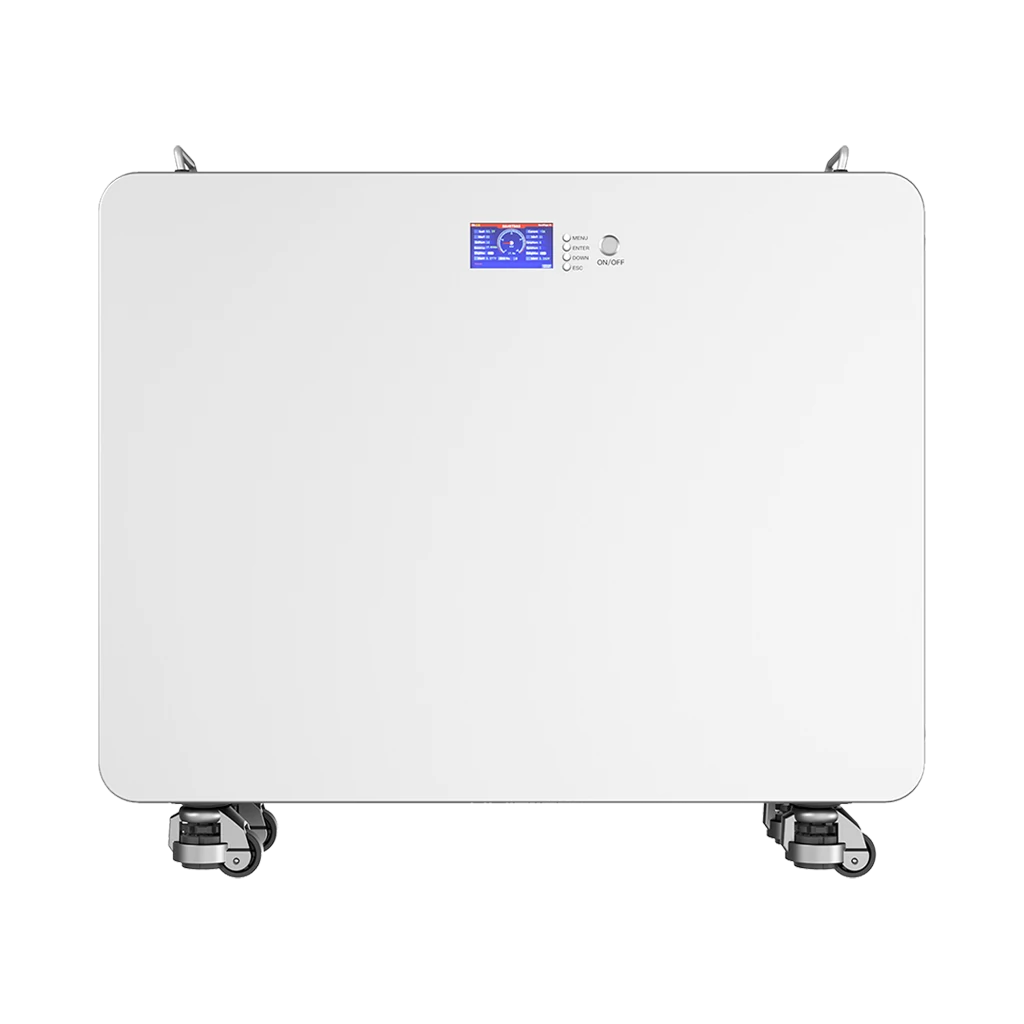
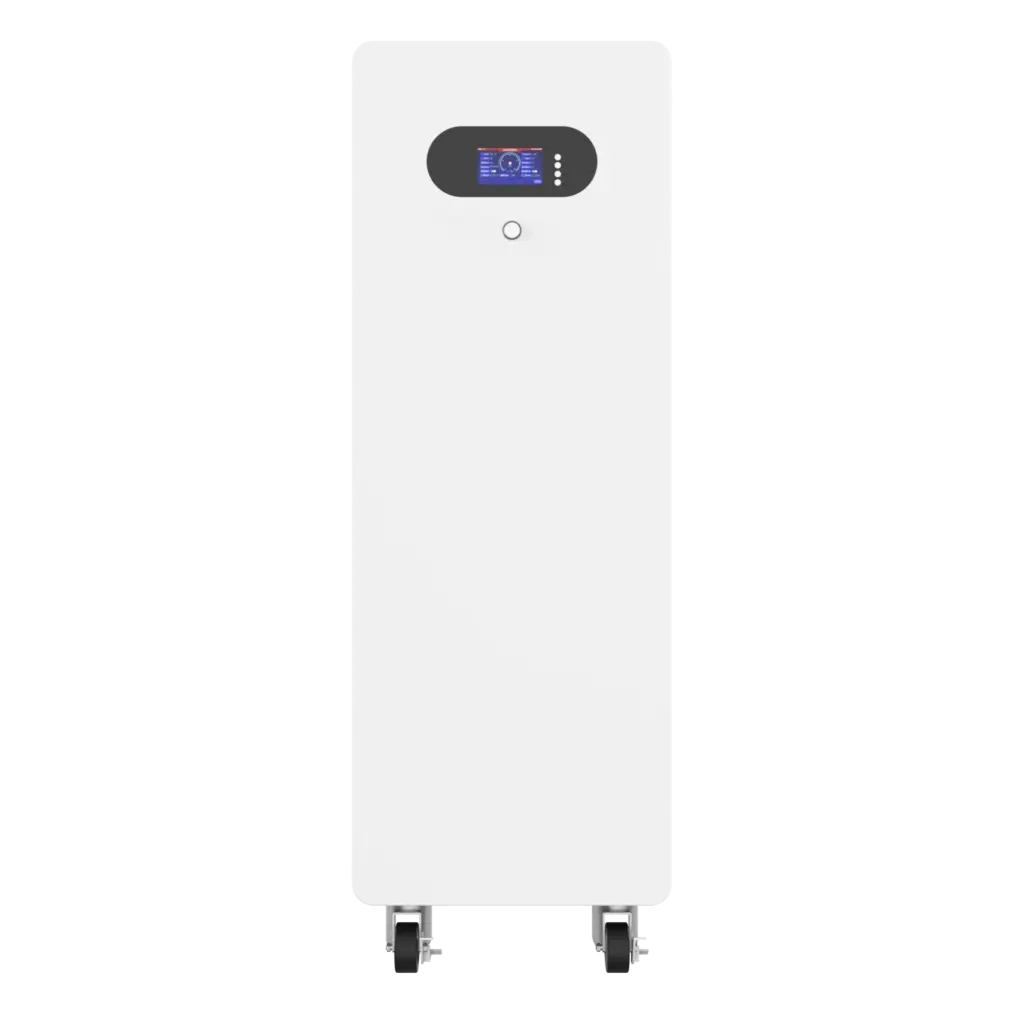
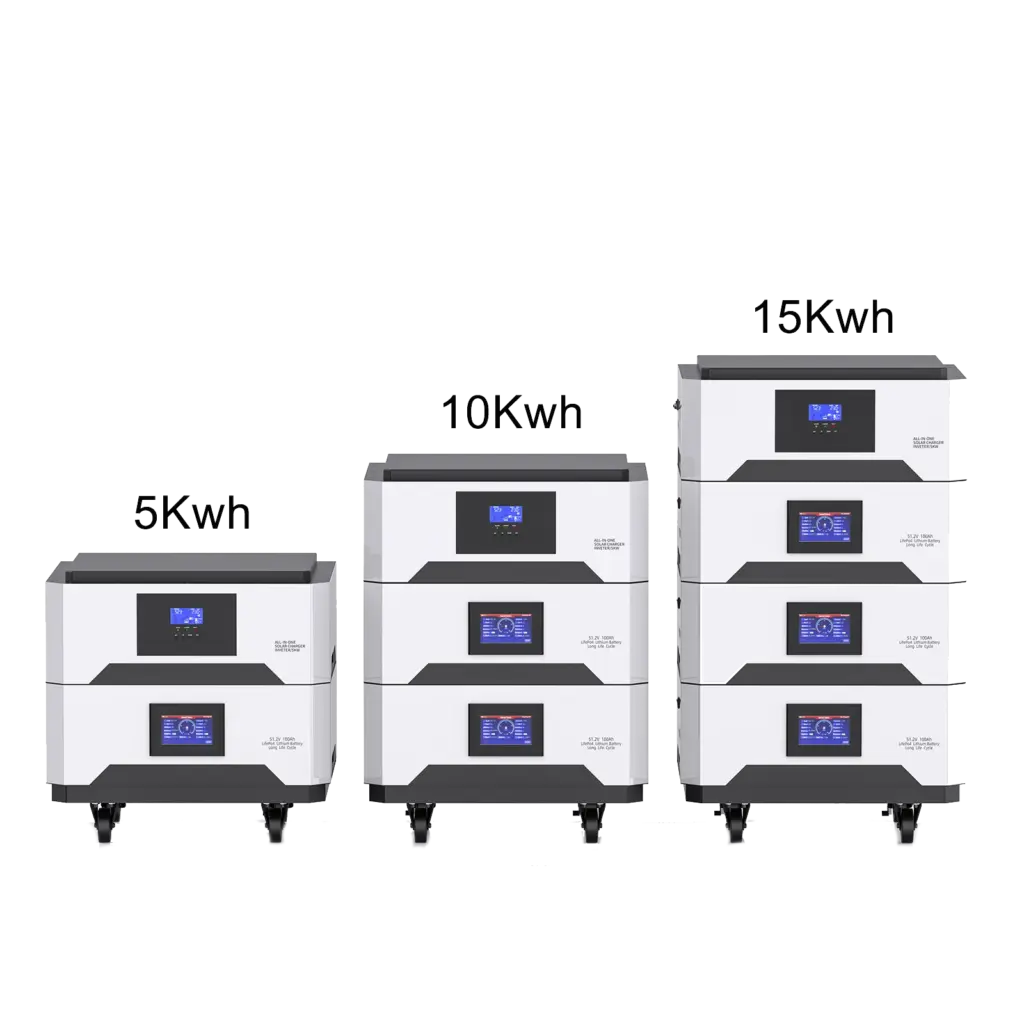
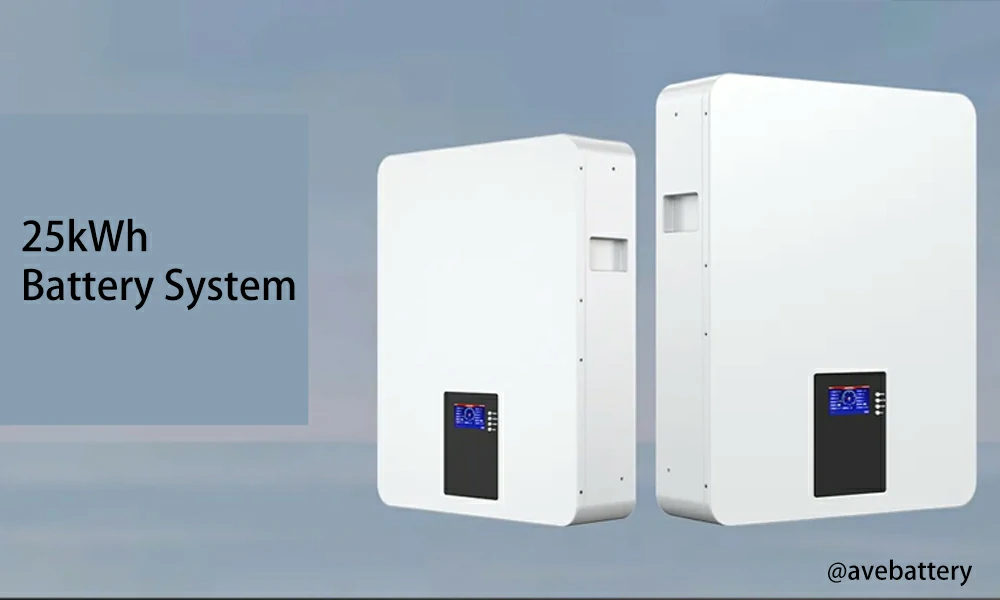
For small residential systems, the Avepower 51.2 V 100 Ah wall-mounted LiFePO4 battery provides 5.12 kWh of nominal energy storage. When paired with a compatible inverter, this capacity can support essential household loads during periods of insufficient solar generation.
Assuming a 90% usable battery fraction and 95% DC-to-AC conversion efficiency, the theoretical available AC energy is:
5.12 kWh × 90% × 95% = 4.38 kWh
At a constant 500 W electrical load, that energy could theoretically provide approximately 8.8 hours of operation, excluding inverter standby consumption.
Do All Solar Energy Systems Need Batteries?
No. Grid-connected solar systems can supply electricity directly to household loads and export surplus generation where permitted. Batteries are primarily beneficial when electricity is needed after sunset, export compensation is low, electricity prices vary significantly throughout the day, or backup power is required.
| System Type | Battery Required? | Nighttime Electricity Source |
|---|---|---|
| Grid-tied solar | No | Electrical grid |
| Hybrid solar with storage | Yes | Battery and/or grid |
| Off-grid solar | Usually | Battery or backup generation |
| Direct solar water pumping | Not necessarily | Water stored in a tank or an alternative power source |
A battery does not automatically enable backup power during a grid outage. The system also needs appropriate inverter functionality, grid isolation equipment, and backup circuit configuration.
Different methods of storing solar energy should be evaluated according to required storage duration, power demand, system scale, and budget.
What Are the Advantages and Disadvantages of Solar Energy?
Solar energy provides renewable electricity without direct fuel combustion during photovoltaic operation. It can reduce purchased electricity, diversify energy supplies, and lower lifecycle greenhouse gas emissions. Its main limitations include variable generation, installation costs, land or roof requirements, and the possible need for energy storage.
Advantages of Solar Energy
- Renewable energy source: Solar radiation is continuously replenished by the sun and is not depleted through normal human consumption.
- Competitive electricity generation costs: According to IRENA’s Renewable Power Generation Costs in 2025, the global weighted-average levelized cost of electricity from newly commissioned utility-scale solar PV was approximately US$44/MWh, equivalent to US$0.044/kWh. This is a utility-scale lifetime generation cost, not a residential electricity tariff or rooftop solar installation price.
- Long operating life: The U.S. Department of Energy identifies a typical photovoltaic system performance period of approximately 20–30 years. Solar modules gradually lose generating capacity over time, while inverters and batteries may require replacement at different intervals.
- Reduced dependence on grid electricity: On-site photovoltaic generation can reduce the amount of electricity purchased from utilities. Batteries can further increase solar self-consumption by shifting daytime generation to evening demand.
Disadvantages of Solar Energy
- Variable electricity production: Solar panels cannot generate conventional photovoltaic electricity at night. Cloud cover, shading, snow, and seasonal changes also affect daytime output.
- Upfront investment: Solar installations require expenditure on modules, inverters, mounting structures, electrical protection equipment, labor, and optional batteries.
- Space and installation requirements: A 400 W module operating at 20% efficiency requires approximately 2 m² of active module area under standard test conditions. A 6 kW array consisting of fifteen such panels would therefore require approximately 30 m² of module area, excluding access space, roof setbacks, mounting clearances, and spacing requirements.
- nvironmental impacts during manufacturing: Solar panels do not burn fuel during operation, but manufacturing, transportation, raw material processing, and recycling contribute to their lifecycle environmental footprint.
- Energy storage requirements: Where electricity demand extends beyond daylight hours, solar systems may require grid electricity, battery storage, or alternative generation. Storage adds equipment costs and introduces charging and discharging losses.
These factors should be considered together when evaluating the advantages and disadvantages of solar energy for a particular location.
How Much Does Solar Energy Cost?
Solar energy costs vary according to project size, location, equipment, labor, financing, and installation conditions. Utility-scale generation costs are generally measured in dollars per kilowatt-hour, while residential photovoltaic installations are commonly priced in dollars per watt of installed capacity.
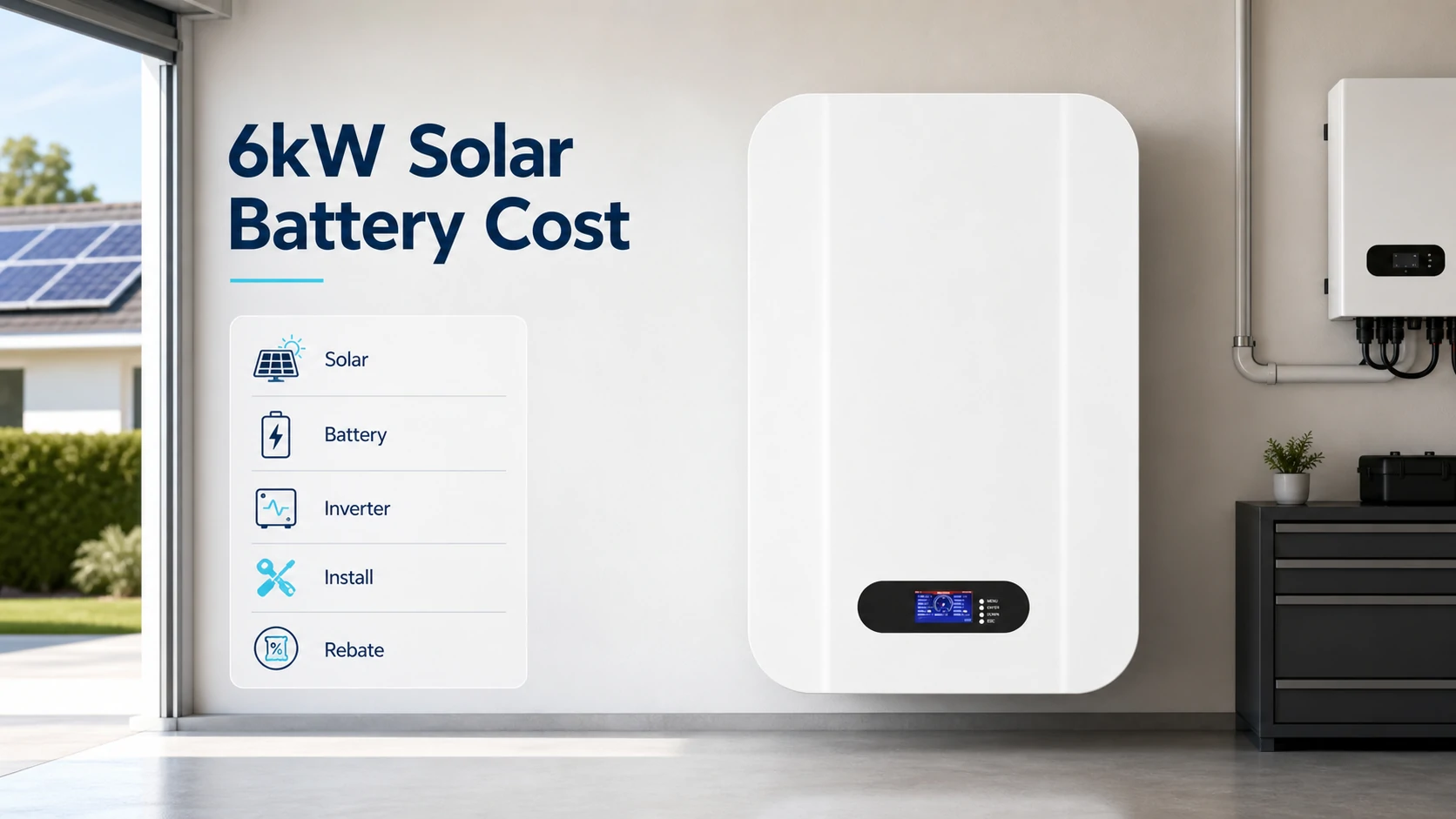
According to EnergySage’s 23rd Home Electrification Marketplace Report, the median quoted residential solar price in its U.S. marketplace reached approximately US$2.57 per watt in the first half of 2026.
| Residential Solar System | Estimated Cost at $2.57/W |
|---|---|
| 3 kW | $7,710 |
| 5 kW | $12,850 |
| 6 kW | $15,420 |
| 8 kW | $20,560 |
| 10 kW | $25,700 |
| 15 kW | $38,550 |
How Much Can Solar Energy Reduce Electricity Bills?
Solar electricity savings depend on how much generation is consumed directly, how much is exported, and the difference between retail electricity prices and export compensation.
Consider a household generating 7,000 kWh of solar electricity annually, consuming 60% directly and exporting the remaining 40%.
Assuming a retail electricity rate of $0.25/kWh and an export compensation rate of $0.08/kWh:
| Electricity Use | Annual Energy | Annual Financial Value |
|---|---|---|
| Direct solar consumption | 4,200 kWh | $1,050 |
| Exported solar electricity | 2,800 kWh | $224 |
| Total | 7,000 kWh | $1,274 |
Increasing self-consumption can improve savings where retail electricity prices exceed export compensation. However, any additional battery savings must be evaluated against storage equipment costs, energy losses, degradation, and financing.
Solar energy does not necessarily eliminate an electricity bill because fixed utility charges, nighttime consumption, and seasonal generation deficits may remain.
Conclusion
Solar energy originates from nuclear fusion within the sun and can be harnessed as electricity, heat, or natural building energy. Photovoltaic technology is the dominant method of solar electricity generation, while solar thermal systems remain useful for heating and specialized power generation.
The practical value of solar energy depends on local sunlight availability, conversion efficiency, electricity demand, installation costs, and storage requirements.
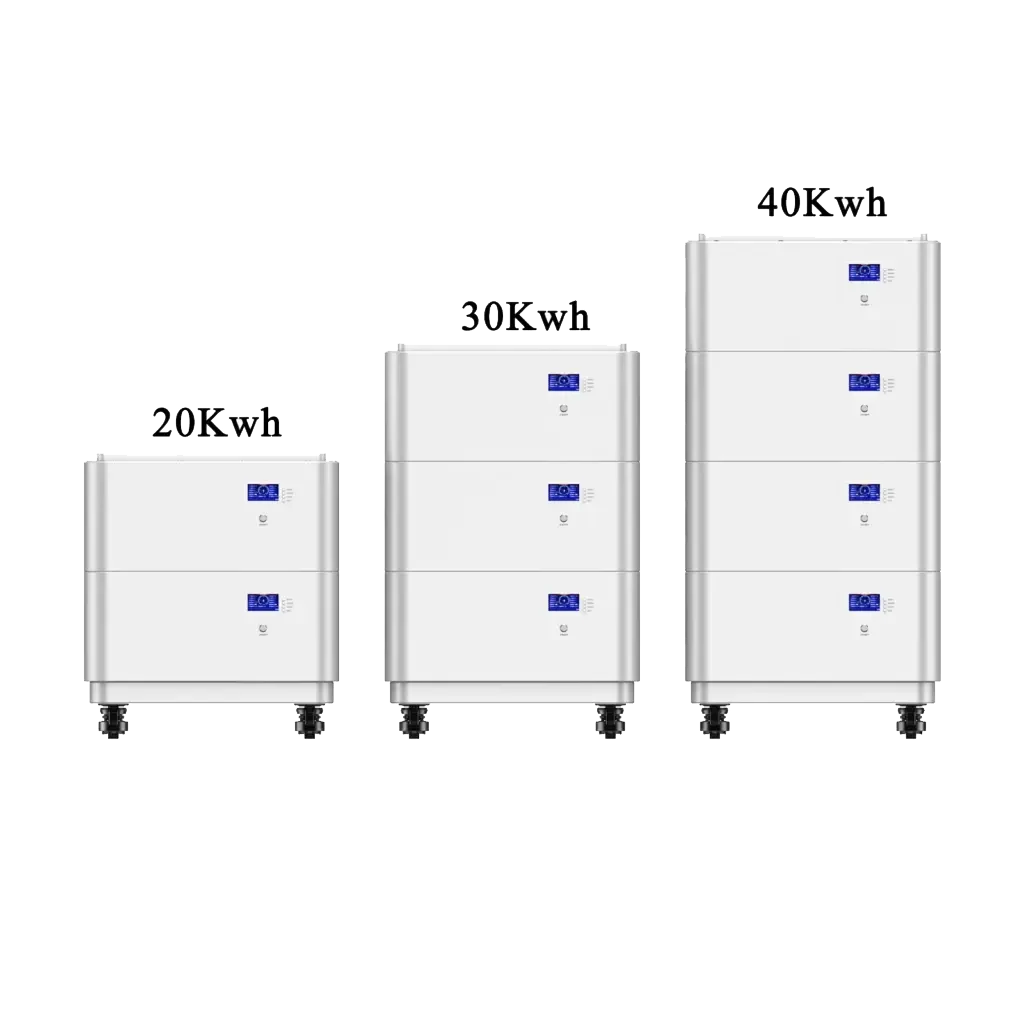
For projects requiring electricity beyond daylight hours, Avepower provides LiFePO4 battery energy storage solutions for residential, commercial, industrial, and off-grid solar applications.
FAQ
Solar energy is renewable because the sun continuously produces radiation through nuclear fusion. Unlike coal, oil, and natural gas, sunlight is not depleted by human energy consumption.
No. Solar energy is the radiation received from the sun. Electricity is one form of useful energy produced when photovoltaic cells or solar thermal-electric systems convert that radiation.
Yes. Photovoltaic panels can generate electricity from diffuse sunlight on cloudy days. Output is generally lower than under clear skies, but the exact reduction depends on cloud density, irradiance, shading, and module characteristics.
Previously generated solar electricity can be used at night through battery storage. Concentrating solar power plants with thermal storage can also continue generating electricity after sunset. Conventional photovoltaic panels do not generate meaningful electricity in darkness.
Solar panels generally operate more efficiently at lower cell temperatures, provided sunlight intensity remains the same. However, total electricity production depends more broadly on solar irradiation, daylight duration, weather, and installation conditions.
Yes, a properly designed solar system can meet a household’s electricity requirements. Continuous independent operation also requires sufficient battery storage or complementary generation, adequate inverter power, and capacity to accommodate seasonal variations.
Standard grid-tied solar systems generally shut down during utility outages. Backup-capable systems require appropriate inverter functionality and electrical isolation equipment. Batteries are commonly added to provide more consistent electricity when solar generation is insufficient.
Sunlight itself has no fuel cost, but converting it into usable electricity requires equipment, installation, maintenance, and sometimes financing or battery replacement. The total cost depends on the system’s lifetime energy production and operating expenses.