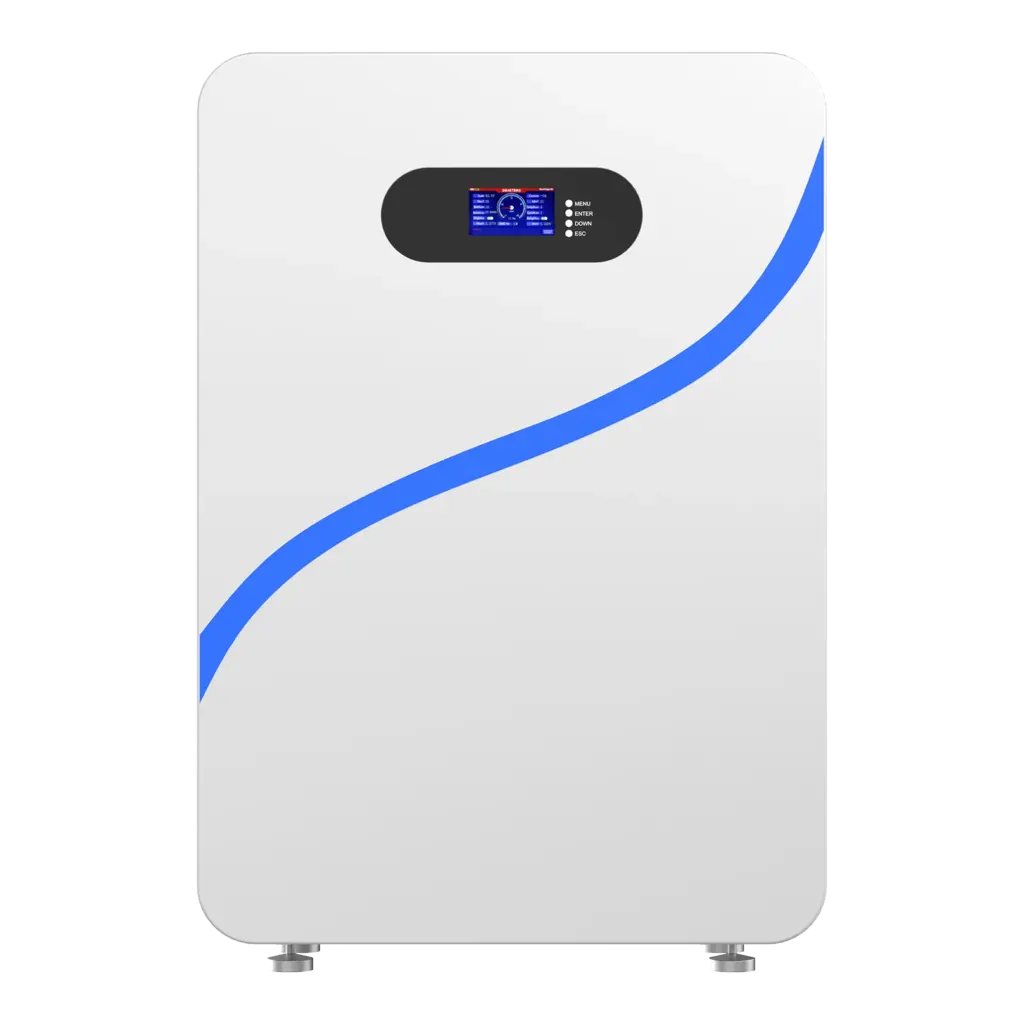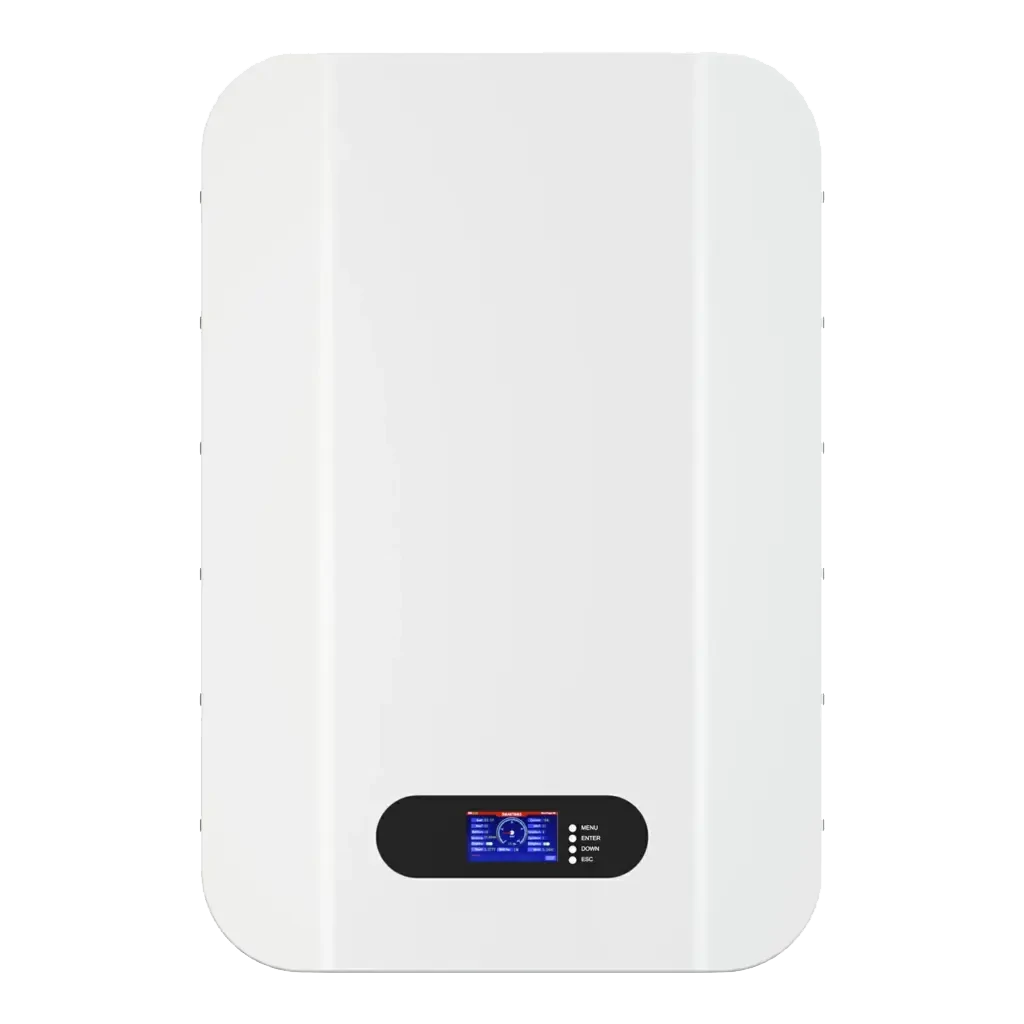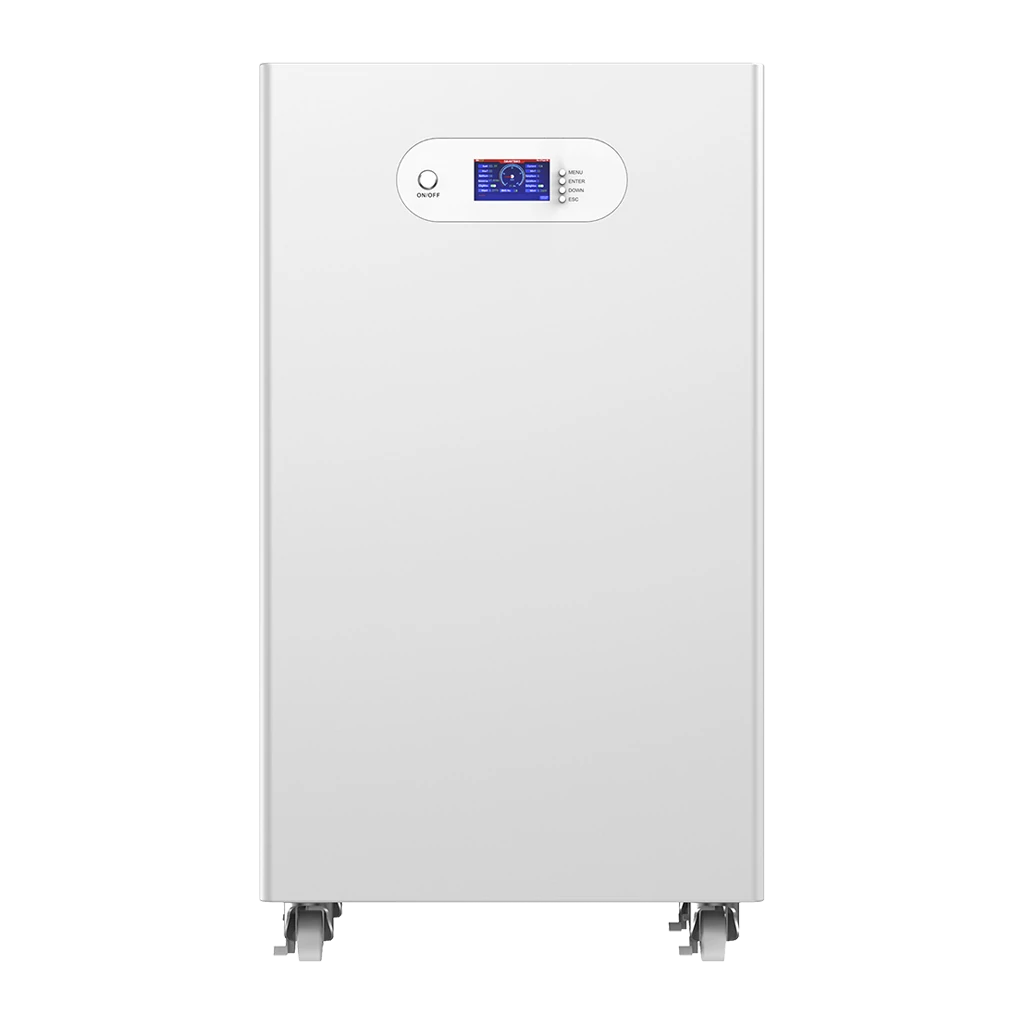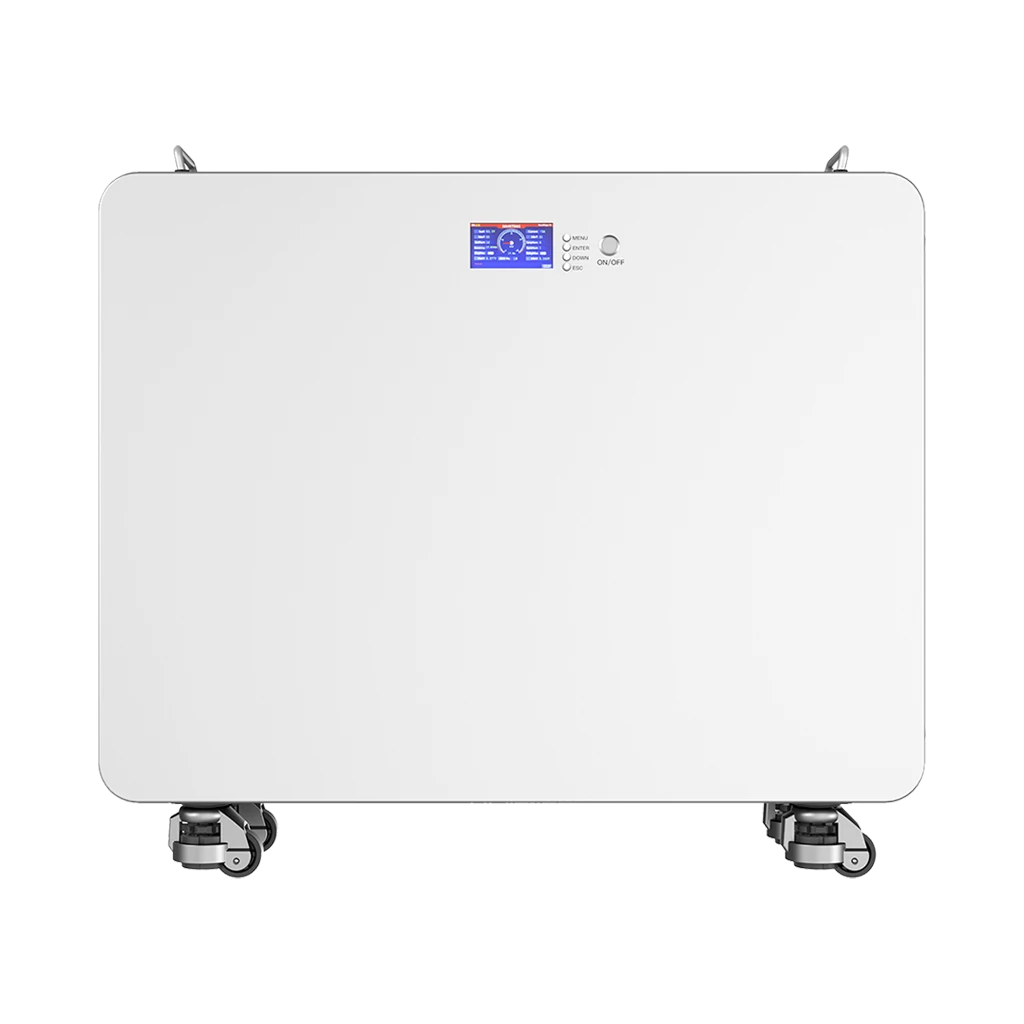
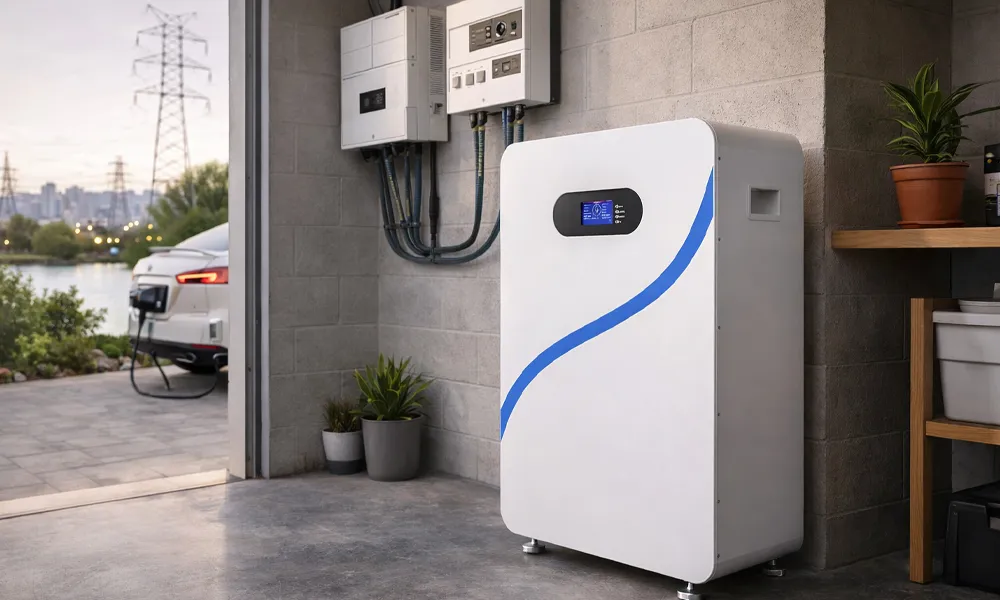
Solar panels are excellent at producing low-cost electricity during the day. The problem is timing. Most homes and small businesses do not use all their electricity at midday, and many of the most expensive or important loads happen later — in the evening, during peak tariff periods, or when the grid is down.
That is where solar electricity battery storage becomes useful. A battery does not make solar panels more powerful. Instead, it helps you use more of the electricity your solar system has already produced.
This guide explains how solar electricity battery storage works, what makes a system worth buying, how to size it correctly, and what to check before installation.
What Is Solar Electricity Battery Storage?
Solar electricity battery storage is a system that stores electricity from solar panels for later use. During the day, your PV panels may generate more power than your home or building is using. Without a battery, that excess electricity is usually exported to the grid, limited by export rules, or sometimes wasted through curtailment.
With a battery, part of that surplus power can be stored and used later.
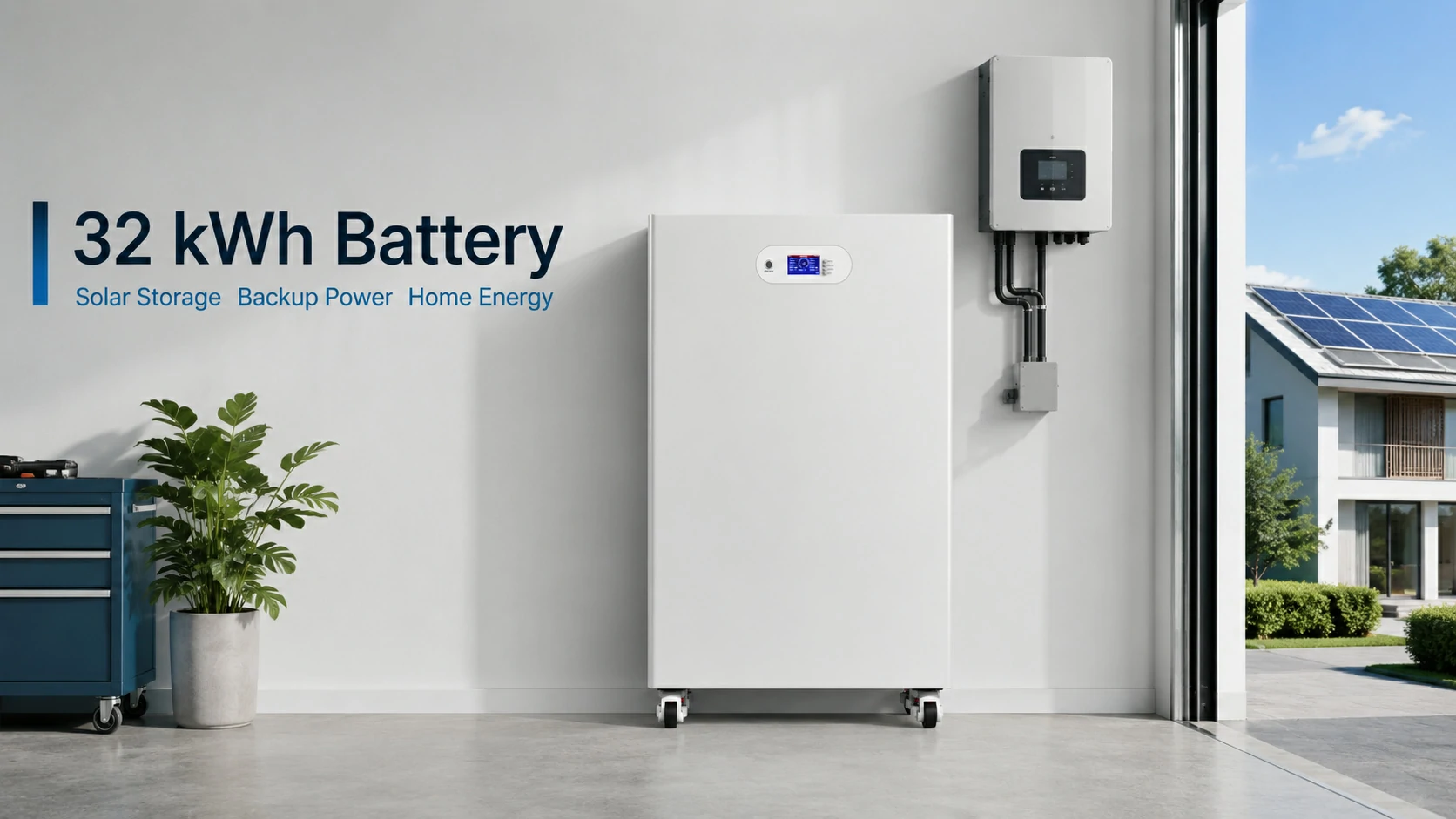
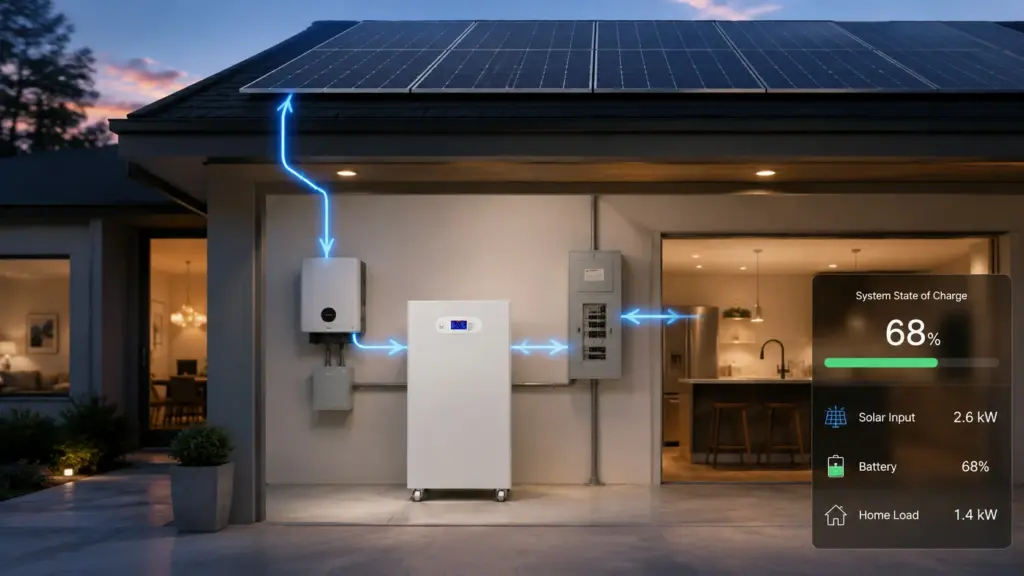
A complete solar battery storage system normally includes:
- Solar PV panels
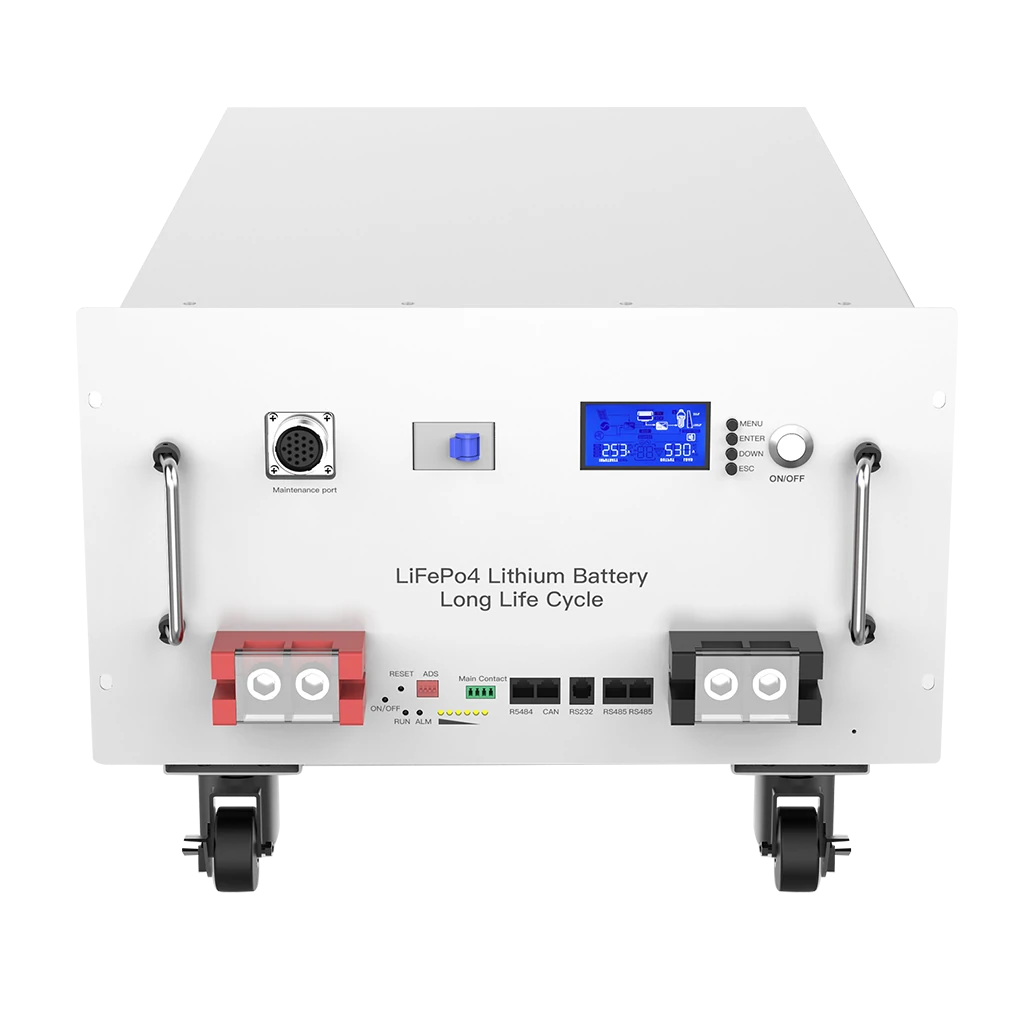
- A battery pack
- A battery management system, or BMS
- A solar inverter, hybrid inverter, or battery inverter
- Energy management software
- Electrical protection devices
- Monitoring through an app or display
- Optional backup circuits or a backup gateway
The U.S. Department of Energy explains that energy storage helps solar contribute to electricity supply even when the sun is not shining, while also helping smooth variations in solar production caused by weather, shading, season, and time of day. You can read more from the U.S. Department of Energy solar energy and storage guide.
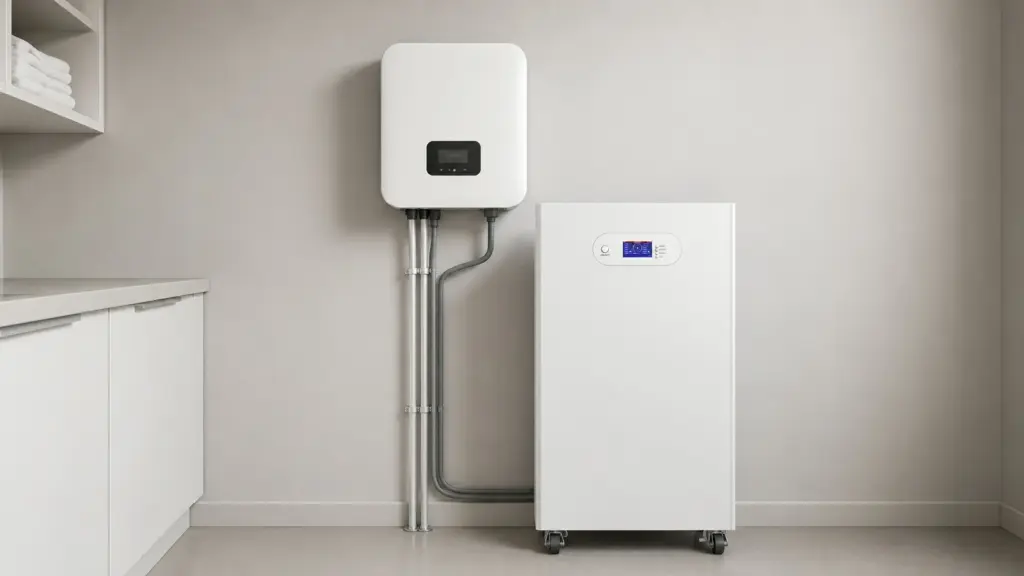
Looking for a Reliable Solar Battery Storage Solution?
Store more of your solar electricity and use it when your home or project needs it most. Avepower provides LiFePO4 battery storage systems for residential solar, backup power, off-grid applications and installer-led energy projects.
Why Solar Panels Alone Are Not Always Enough
A solar-only system works well when your electricity use matches solar production. For example, if a business uses most of its energy during daylight hours, solar panels can directly offset a large part of its power bill.
Homes are different. Many households use more electricity in the morning and evening. Solar output is often strongest around midday, when people may be away from home and appliances are using less power.
That mismatch creates three common issues:
- You export daytime solar electricity at a lower value.
- You buy grid electricity later at a higher price.
- Your solar-only system usually shuts down during a blackout unless special backup equipment is installed.
Battery storage lets you save solar electricity for times when panels are not generating, and that some systems can also charge from the grid when electricity is cheaper. The real value of solar electricity battery storage is not just “storing power.” The value comes from shifting electricity from a lower-value time to a higher-value time.
How Solar Electricity Battery Storage Works Step by Step
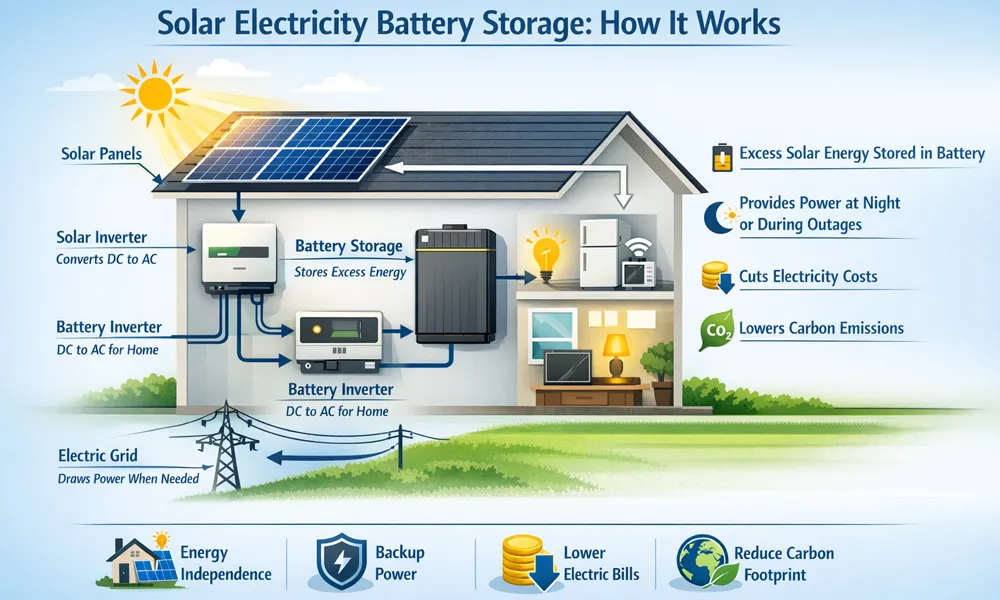
A well-designed solar and battery system manages energy automatically. The exact flow depends on whether the battery is AC-coupled or DC-coupled, but the basic logic is similar.
Step 1: Solar Panels Produce Electricity
Solar panels generate direct current electricity. This electricity must be converted into alternating current before most home appliances can use it.
Step 2: The Building Uses Solar Power First
In most systems, solar electricity is first used by active loads in the home or building. This may include lights, appliances, refrigeration, pumps, electronics, or small commercial equipment.
Step 3: Surplus Solar Charges the Battery
When solar output is higher than current demand, the extra energy charges the battery instead of being exported immediately. The BMS monitors cell voltage, current, and temperature to keep the battery operating within safe limits.
Step 4: Stored Energy Is Used Later
When the sun goes down, clouds reduce output, or electricity prices increase, the battery discharges. The inverter converts battery power into usable AC electricity for the building.
Step 5: The Grid Covers the Remaining Demand
Most homes stay grid-connected. If the battery is empty or the load is higher than the inverter can support, the grid supplies the remaining power. In some systems, the battery can also charge from the grid during off-peak periods if local rules and tariff settings allow it.
AC-Coupled vs DC-Coupled Battery Storage
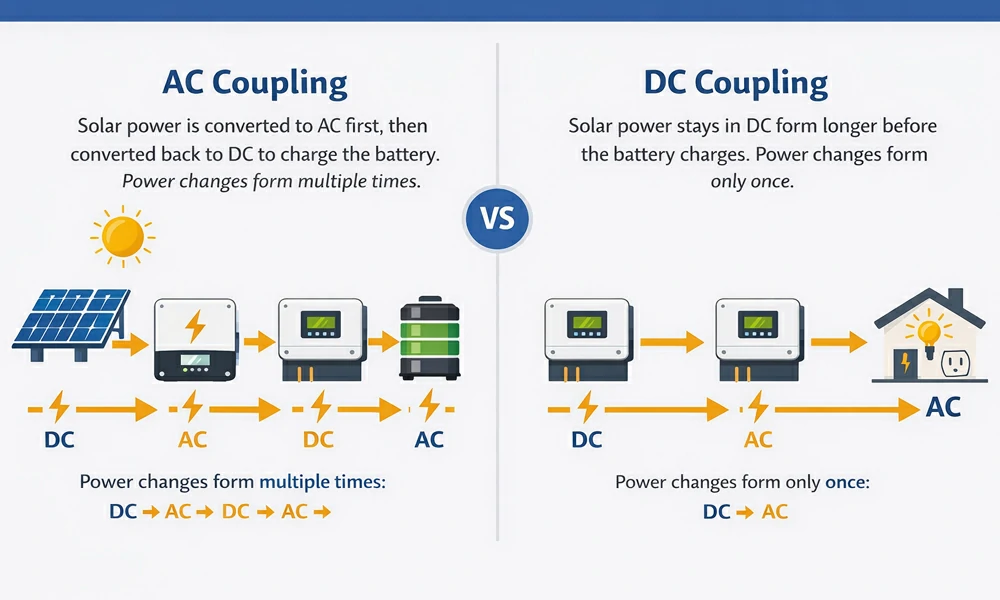
One of the most important design decisions is whether the battery system should be AC-coupled or DC-coupled.
AC-Coupled Battery Storage
An AC-coupled system uses a separate battery inverter. The battery connects to the property’s AC electrical system, while the existing solar inverter continues to manage the solar panels.
This is often a practical choice when adding a battery to an existing solar PV system. Many retrofit projects use AC coupling because the installer may not need to replace the existing solar inverter.
Best for:
- Existing solar PV systems
- Homes that already have a working solar inverter
- Retrofit battery projects
- Projects where installation flexibility matters
- Backup upgrades where a separate battery inverter is preferred
DC-Coupled Battery Storage
A DC-coupled system usually uses a hybrid inverter. Solar panels and the battery connect on the DC side before electricity is converted into AC power.
This can be a clean and efficient option for new solar-plus-storage installations because the system is designed as one integrated platform from the beginning.
Best for:
- New solar and battery installations
- Hybrid inverter projects
- Systems where fewer conversion steps are preferred
- Installations planned with storage from day one
Which One Should You Choose?
There is no universal answer. The right design depends on your existing equipment, inverter compatibility, backup requirements, local grid rules, budget, and future expansion plans.
Avepower’s technical team usually recommends that installers confirm inverter communication protocols before final battery selection. For low-voltage LiFePO4 systems, communication compatibility through CAN, RS485, or RS232 can be just as important as voltage and capacity. You can review Avepower’s inverter compatibility support when planning a system match.
What Can Solar Battery Storage Do for a Home or Small Business?
Solar electricity battery storage can support several use cases. The best system design depends on which benefit matters most.
1. Higher Solar Self-Consumption
Without a battery, daytime surplus solar power may be exported to the grid. In many markets, the export rate is lower than the price you pay when buying electricity back later. A battery allows you to keep more of your own solar electricity and use it at night or during peak hours.
2. Lower Peak-Time Grid Imports
Many electricity plans charge more during peak hours. A battery can discharge during those expensive periods and reduce how much electricity you buy from the grid.
This strategy is sometimes called load shifting. In more advanced systems, the battery can also charge from cheap off-peak electricity and discharge later when grid prices rise.
For homes and small businesses on time-of-use tariffs, the software settings are critical. A good battery with poor control logic may save less than a smaller battery with smart scheduling.
3. Provide Backup Power During Outages
A battery can provide backup power only if the system is designed and configured for backup. Not every solar battery installation automatically works during a blackout.
Backup usually requires:
- An inverter that supports backup or islanding mode
- An isolation device or transfer function to disconnect from the grid
- A backup load panel or selected circuits
- Correct system commissioning
- Enough battery capacity and inverter output for the selected loads
For many homes, essential-load backup is more practical than whole-home backup. Essential circuits may include lighting, refrigerator, internet router, garage door, selected outlets, water pump, or medical equipment. Whole-home backup needs larger inverter power and more usable battery capacity, especially if the house has electric heating, air conditioning, induction cooking, or EV charging.
4. Support Off-Grid or Weak-Grid Projects
In off-grid homes, farms, cabins, telecom sites, and remote commercial projects, solar battery storage is not just an optional add-on. It is the core of the power system.
The battery must be sized for night-time loads, cloudy-day autonomy, inverter surge demand, and battery life. In many off-grid systems, a generator is still used as a secondary backup.
5. More Resilient Energy Planning
Solar electricity battery storage is also about resilience. It gives homeowners, installers, and small businesses more control over how power is generated, stored, and used.
For B2B buyers, this is especially important. A distributor or installer is not only selling a battery box. They are delivering a system that must match real site conditions, grid rules, inverter requirements, customer load behaviour, and after-sales expectations.
That is why Avepower positions its residential battery energy storage systems solution around matching capacity, communication, cabinet structure, and installation needs rather than selling one fixed product for every project.
What Battery Chemistry Is Best for Solar Storage?
Several battery chemistries exist, but modern home and small commercial systems are usually based on lithium battery technology.
The most common lithium chemistries for solar storage include:
- LFP / LiFePO4: lithium iron phosphate
- NMC: lithium nickel manganese cobalt oxide
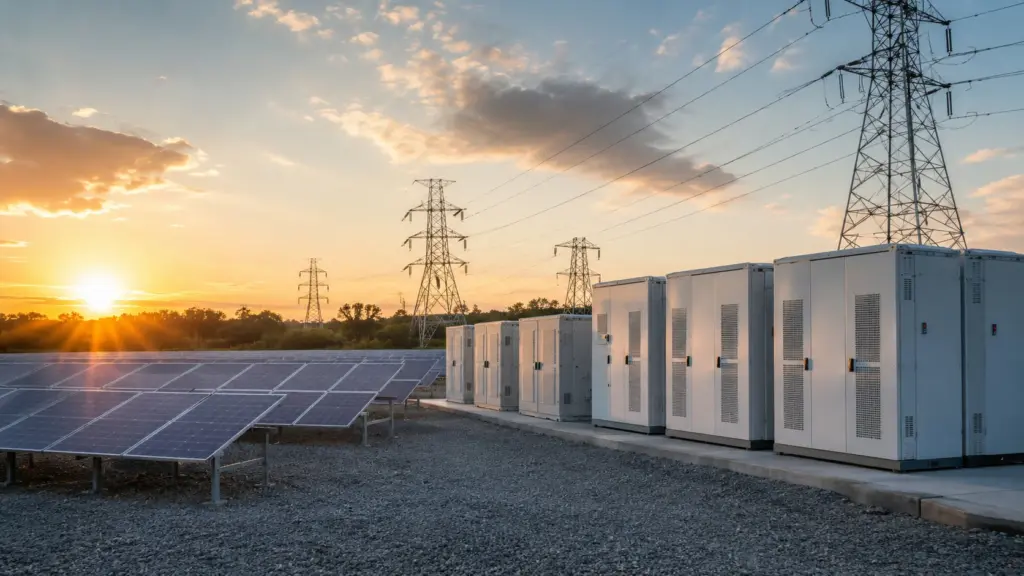
For stationary energy storage, LiFePO4 is widely used because it offers strong thermal stability, long cycle life, and good daily cycling performance. It is often preferred for home batteries, rack-mounted storage systems, telecom backup, and small commercial energy projects.
A well-built LiFePO4 battery should include a quality BMS, reliable cell balancing, over-current protection, temperature monitoring, short-circuit protection, and appropriate communication with the inverter.
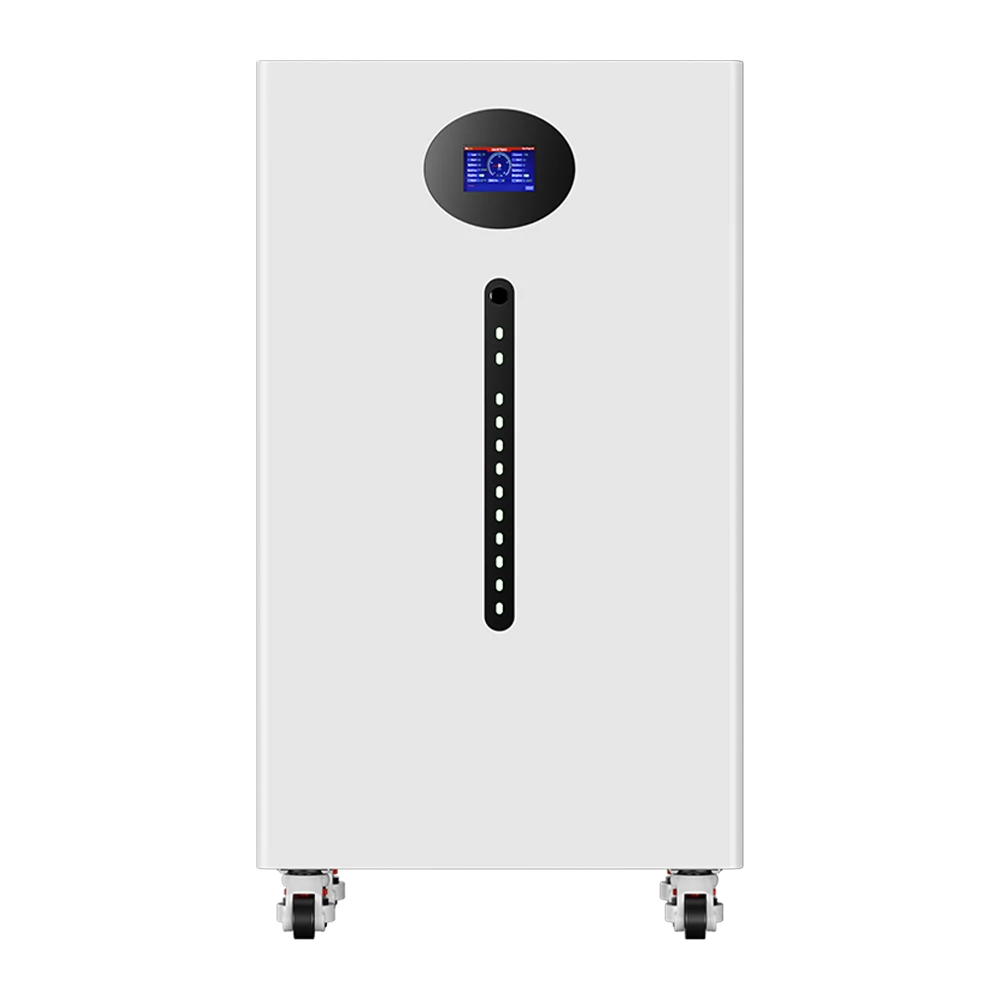
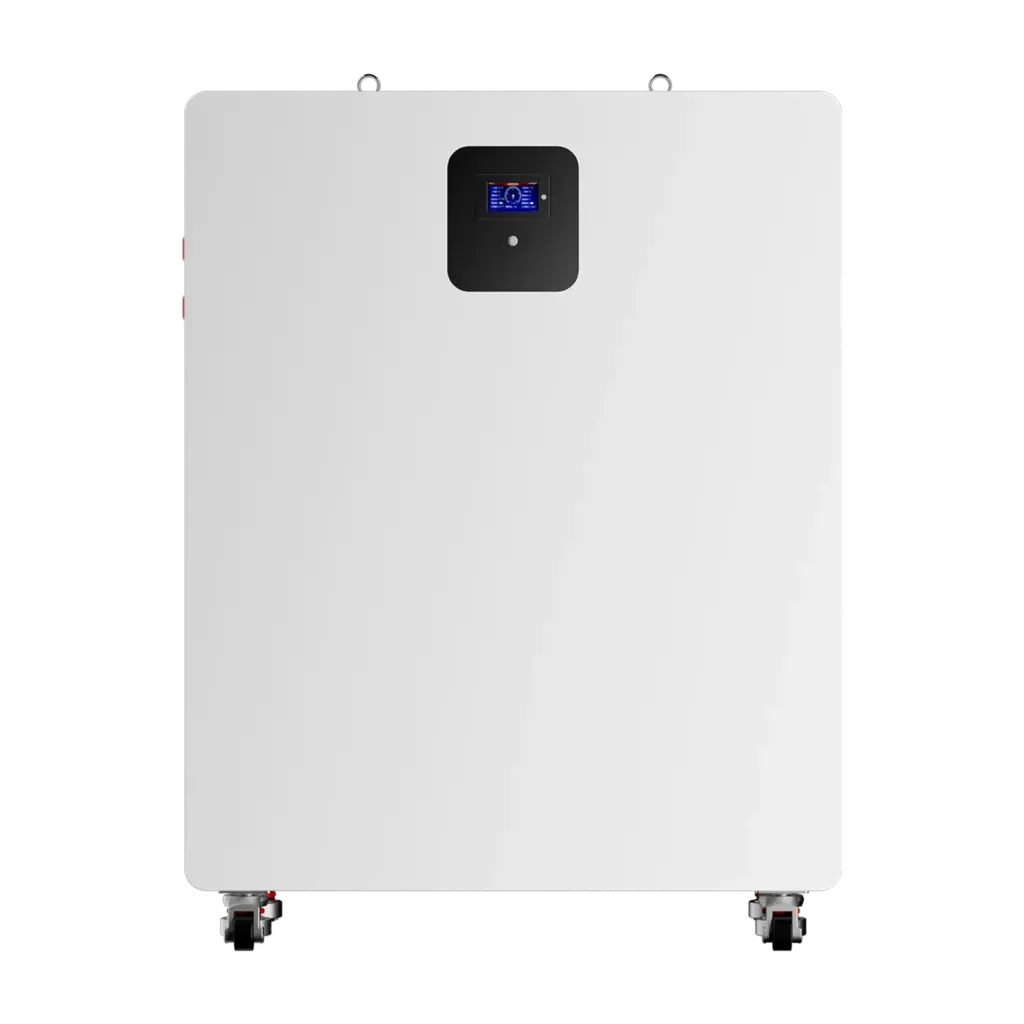
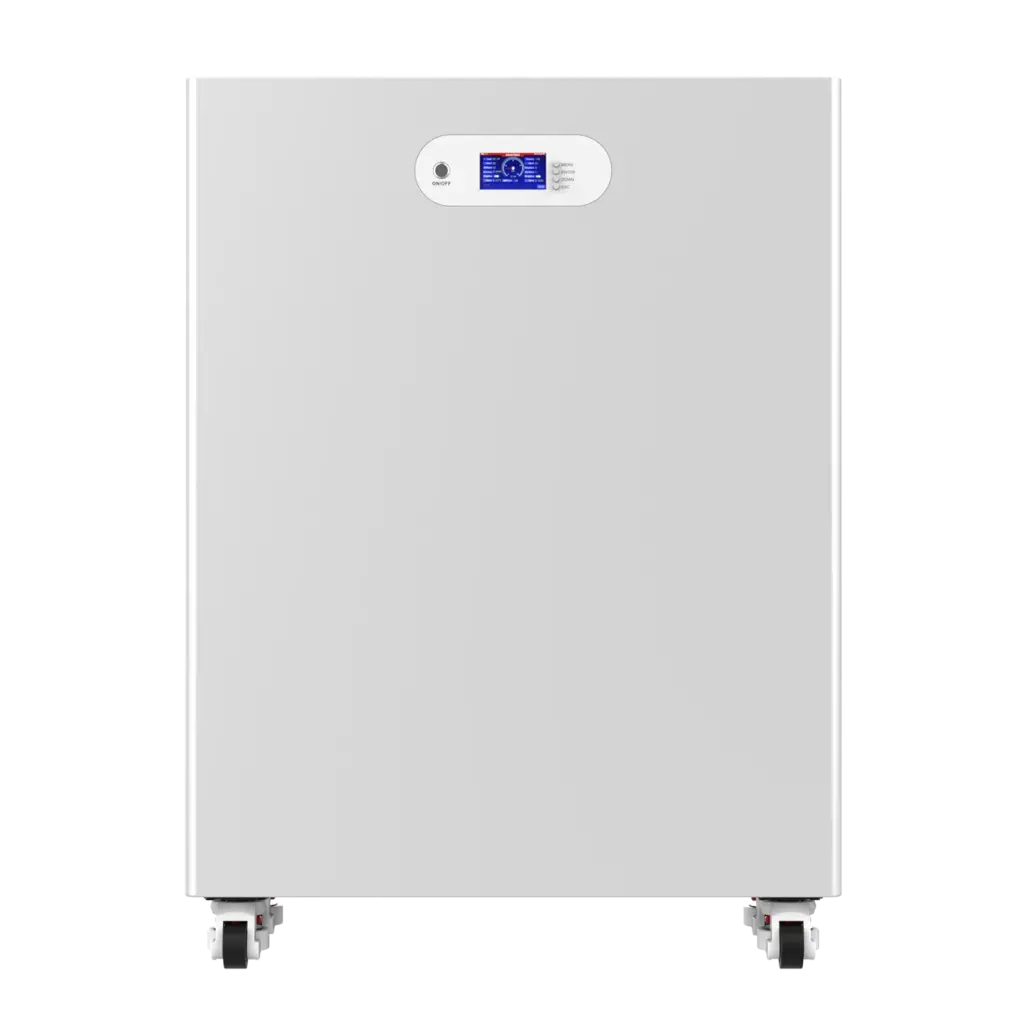
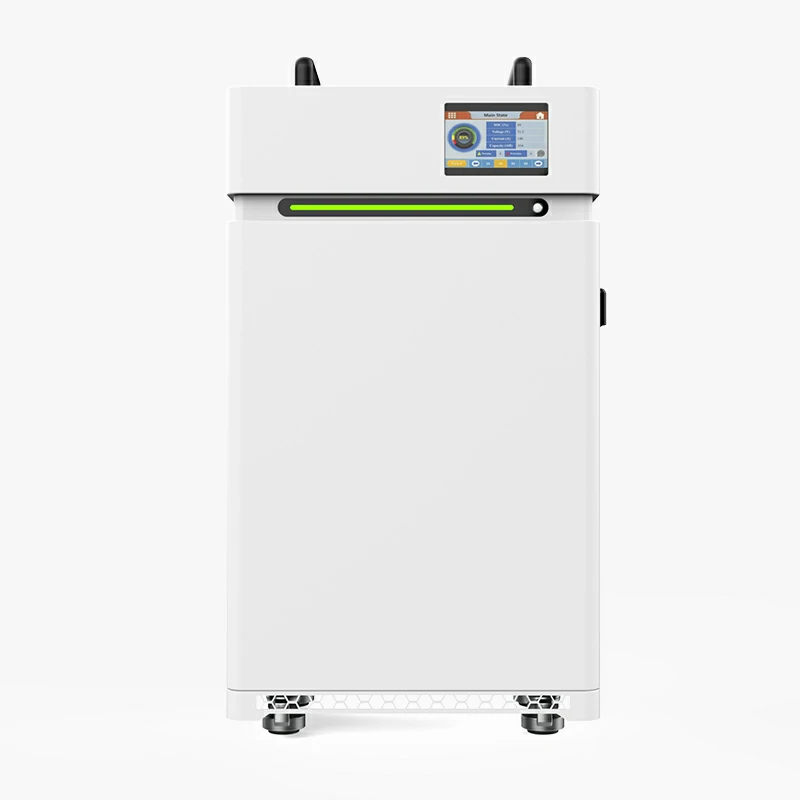
Avepower’s home energy storage products are built around LiFePO4 technology, with BMS protection, communication options, and scalable configurations for different project types. For integrated installations, Avepower also offers an all-in-one solar battery with inverter to simplify system design where a combined inverter-battery cabinet is preferred.
Safety and Compliance: What Buyers Should Check
Battery storage is electrical equipment and should be treated seriously. A good system is not only about cell capacity. It also needs proper design, installation, protection, and documentation.
Before choosing a solar electricity battery storage system, check:
- Does the battery meet relevant local standards?
- Is the product accepted for rebate or grid programs in the target market?
- Is the inverter compatible with the battery?
- Does the BMS communicate correctly with the inverter?
- Is there over-voltage, under-voltage, over-current, short-circuit, and temperature protection?
- Is the battery installed in a suitable indoor or protected location?
- Are cables, breakers, and terminals correctly sized?
- Is the installer qualified for grid-connected work?
- Is there clear warranty and after-sales support?
In Australia, Clean Energy Council maintains an approved battery list and notes that government rebate programs and electricity networks may require batteries from approved product lists. You can check their approved batteries page.
For New Zealand, EECA’s best practice guidance for residential solar PV and battery storage systems is useful for understanding system selection, installation planning, and smart energy use.
Does Every Solar Battery Provide Backup Power?
No. This is one of the most common misunderstandings in solar electricity battery storage.
A battery stores energy, but backup power requires the system to safely separate from the grid during an outage. This protects utility workers and prevents unsafe backfeeding. If backup hardware and settings are not included, a grid-connected battery may shut down during a blackout just like a standard solar inverter.
Can You Add Battery Storage to an Existing Solar System?
Yes, many existing solar systems can be upgraded with battery storage. The key is to check the existing inverter, switchboard, available space, wiring condition, grid rules, and customer goals.
For many retrofit projects, AC-coupled battery storage is the easier path because it can work alongside the existing PV inverter. For new systems, a DC-coupled hybrid inverter may be more efficient and tidy.
For installers and OEM customers, Avepower can support custom battery storage systems for projects that need specific cabinet design, communication settings, capacity, branding, packaging, or BMS logic.
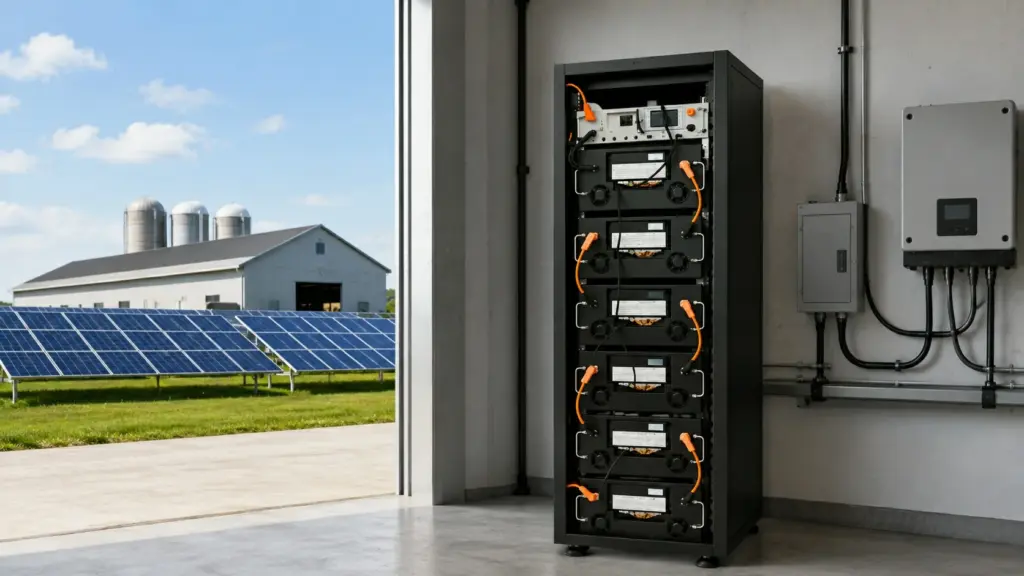
Build a Scalable Solar Storage System with Avepower
Avepower supports flexible solar electricity battery storage solutions for homes, villas, small commercial sites and OEM/ODM energy storage projects.
Can Battery Storage Work Without Solar Panels?
Battery storage can also work without solar panels. This is often called standalone battery storage or battery-only installation.
In this setup, the battery charges from the grid when electricity is cheaper and discharges when electricity is more expensive. It can also provide backup if the system is designed for it.
This can make sense when:
- The property has a time-of-use electricity tariff
- Off-peak electricity is much cheaper than peak electricity
- The user wants backup but cannot install solar panels
- The roof is shaded or unsuitable for PV
- The customer plans to add solar later
However, battery-only storage does not generate renewable electricity by itself. The environmental and financial benefit depends on tariff structure, grid electricity mix, battery efficiency, and how the system is controlled.
How Much Does Solar Electricity Battery Storage Cost?
The cost of solar electricity battery storage depends on more than the battery itself. Capacity, usable energy, inverter type, backup function, installation complexity, labour cost, certification requirements and local incentives all affect the final installed price.
A typical residential solar battery system often falls into the following installed price ranges:
| Battery Size | Typical Use Case | Estimated Installed Cost |
|---|---|---|
| 5 kWh | Small home, essential backup, limited evening use | $5,000–$8,000+ |
| 10 kWh | Common home solar storage size | $9,000–$14,000+ |
| 13–15 kWh | Larger home, stronger backup, higher self-consumption | $12,000–$18,000+ |
| 20 kWh+ | Large home, villa, weak-grid or small project use | $18,000–$30,000+ |
The biggest cost drivers usually include:
- Battery capacity: A larger battery stores more solar energy but increases upfront cost.
- Usable capacity: Some batteries advertise nominal capacity, but the usable energy may be lower.
- Inverter setup: New hybrid inverter installations and retrofit AC-coupled systems have different cost structures.
- Backup capability: Whole-home backup usually costs more than essential-load backup.
- Electrical work: Switchboard upgrades, backup circuits, longer cable runs and protection devices add cost.
- Installation environment: Outdoor cabinets, wall mounting, rack cabinets or special site conditions may change labour and hardware requirements.
- Certification and compliance: Projects that require specific test reports, local approvals or rebate eligibility may need higher-grade equipment.
- Monitoring and communication: CAN, RS485, Wi-Fi, app monitoring and inverter compatibility can affect system configuration.
Common Mistakes to Avoid
Mistake 1: Buying the Biggest Battery Without Checking Usage
A large battery is not always better. If it does not cycle regularly, the extra capacity may sit unused. The best battery size is the one that matches actual surplus solar and load demand.
Mistake 2: Assuming Every Battery Provides Backup
Not all batteries provide backup power. Some are designed mainly for self-consumption and tariff optimisation. Backup needs the right inverter, isolation, wiring, and configuration.
Mistake 3: Ignoring Inverter Compatibility
Battery and inverter communication is critical. Even if voltage and capacity look correct, poor communication can cause alarms, reduced output, limited charging, or commissioning delays.
Mistake 4: Forgetting About Winter
Winter solar production is usually lower, while heating loads may be higher. A system that works well in summer may not fully charge the battery in winter.
Mistake 5: Letting the EV Drain the Home Battery
EV charging should be planned carefully. In many homes, the EV battery is much larger than the home battery. If the charger is not managed correctly, the home battery may discharge into the car instead of supporting the house during peak hours.
Mistake 6: Choosing on Price Alone
A very cheap battery can become expensive if it has weak support, poor documentation, low cycle life, limited compatibility, or no reliable warranty path. For B2B buyers, after-sales support is often just as important as product cost.
Avepower Advice for Installers, Distributors, and Project Buyers
For solar electricity battery storage, the strongest project results usually come from matching four things correctly:
- Capacity — enough kWh to cover real loads, not just a marketing number.
- Power output — enough kW to support peak demand and backup circuits.
- Compatibility — correct voltage, current, inverter protocol, and BMS communication.
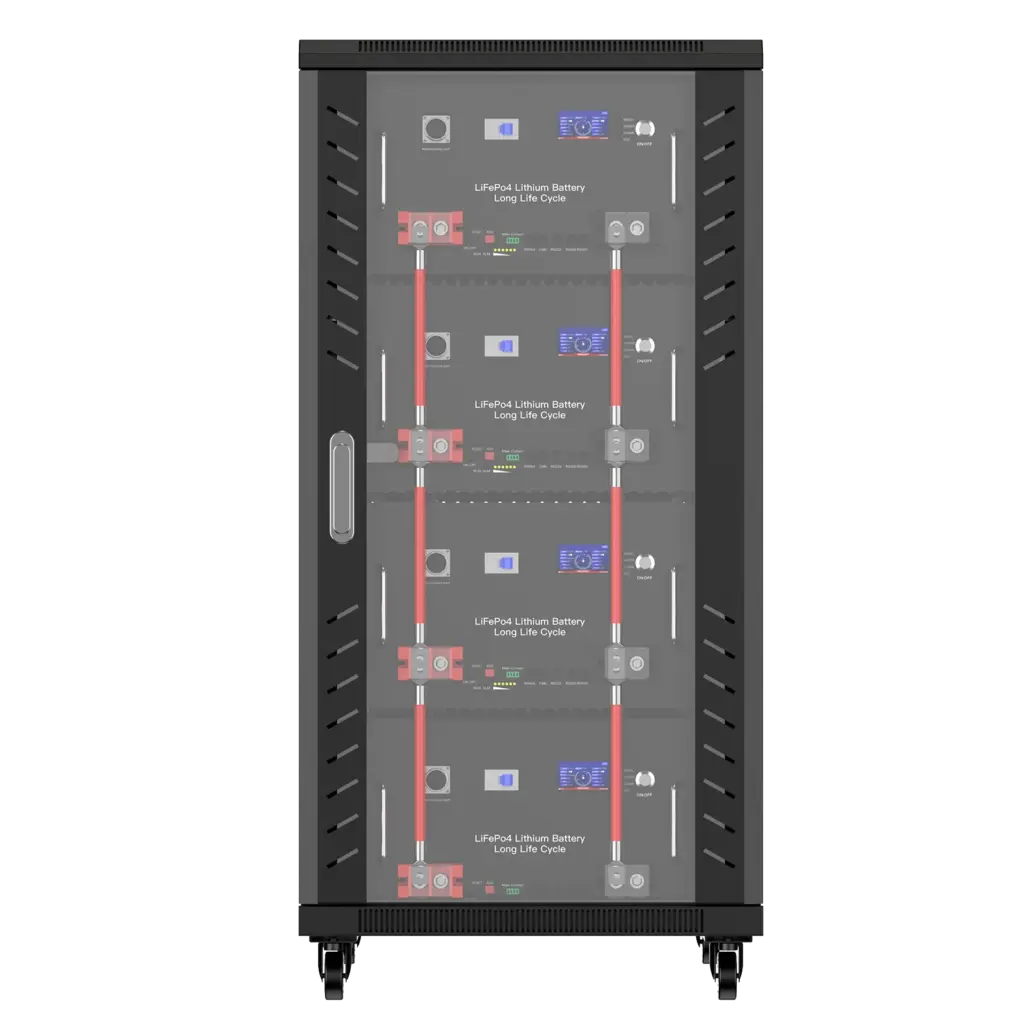
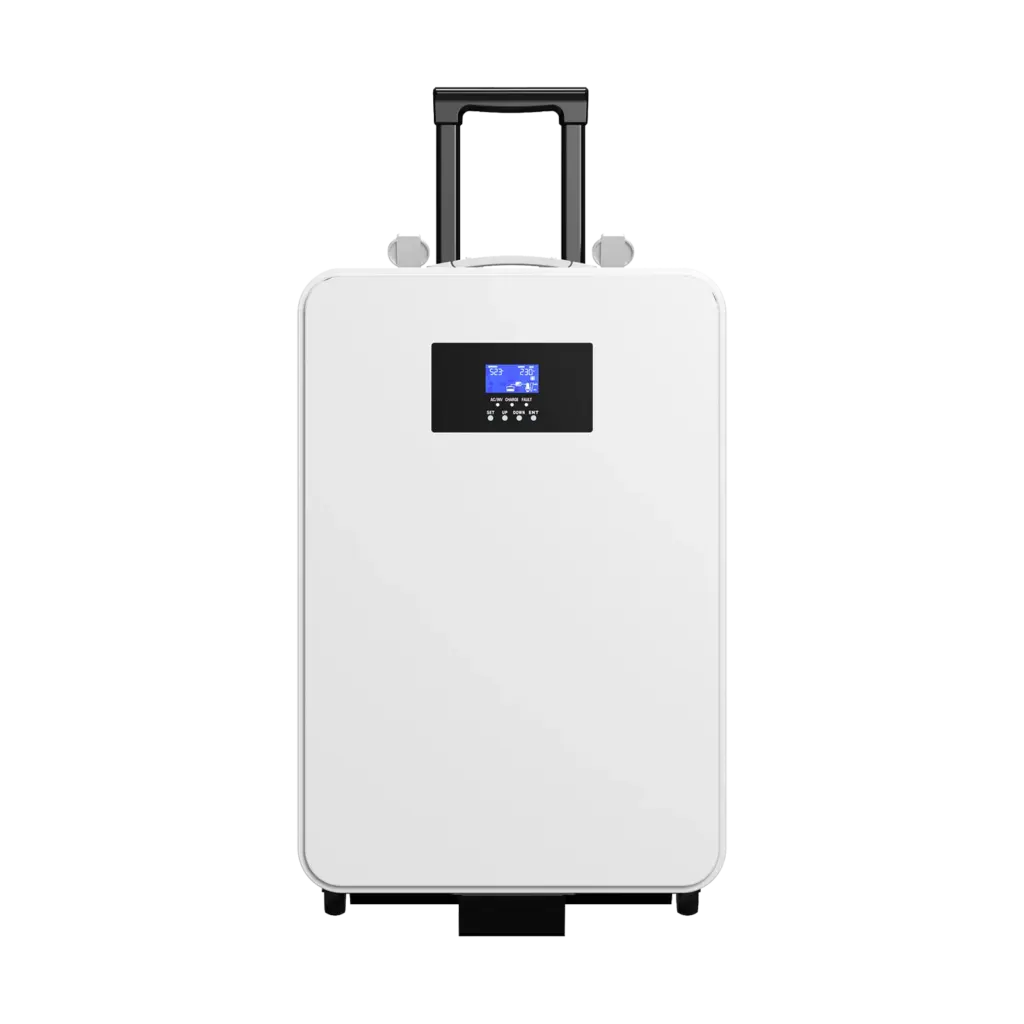
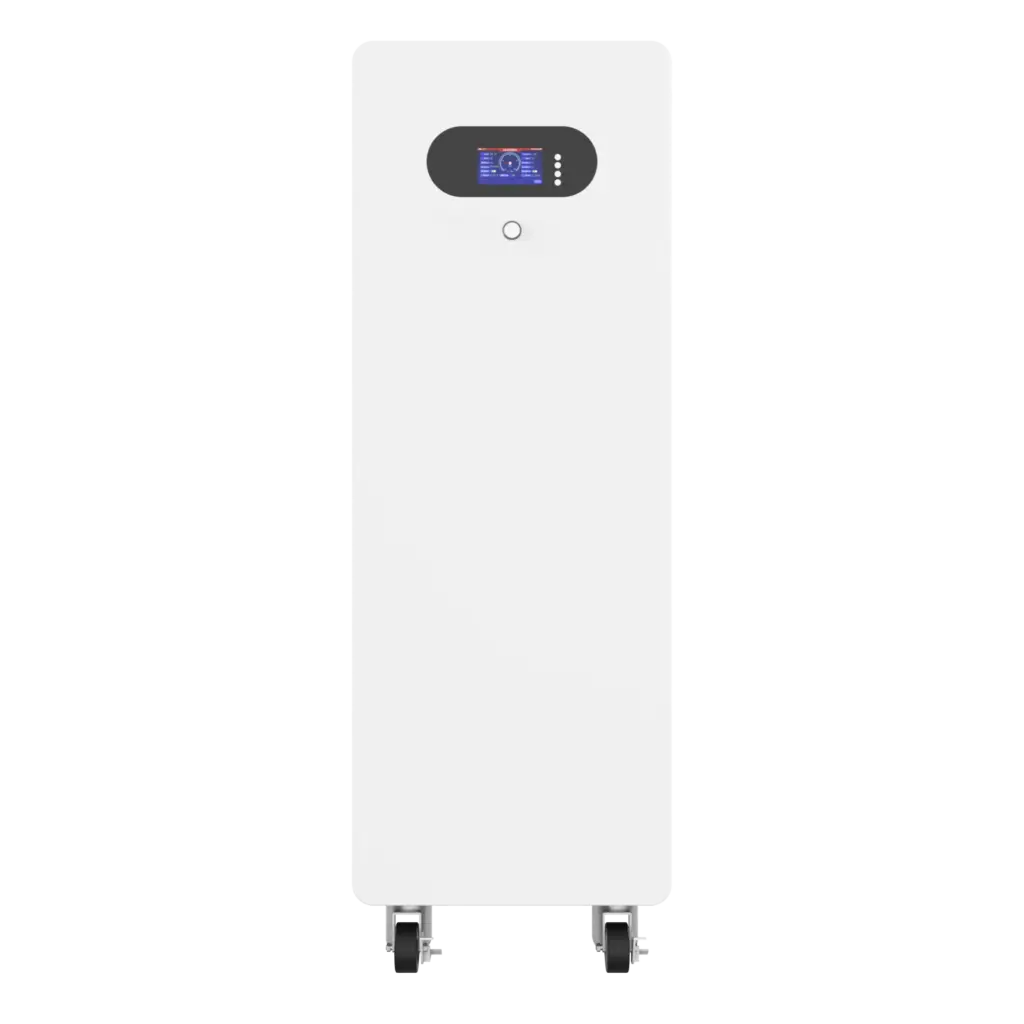
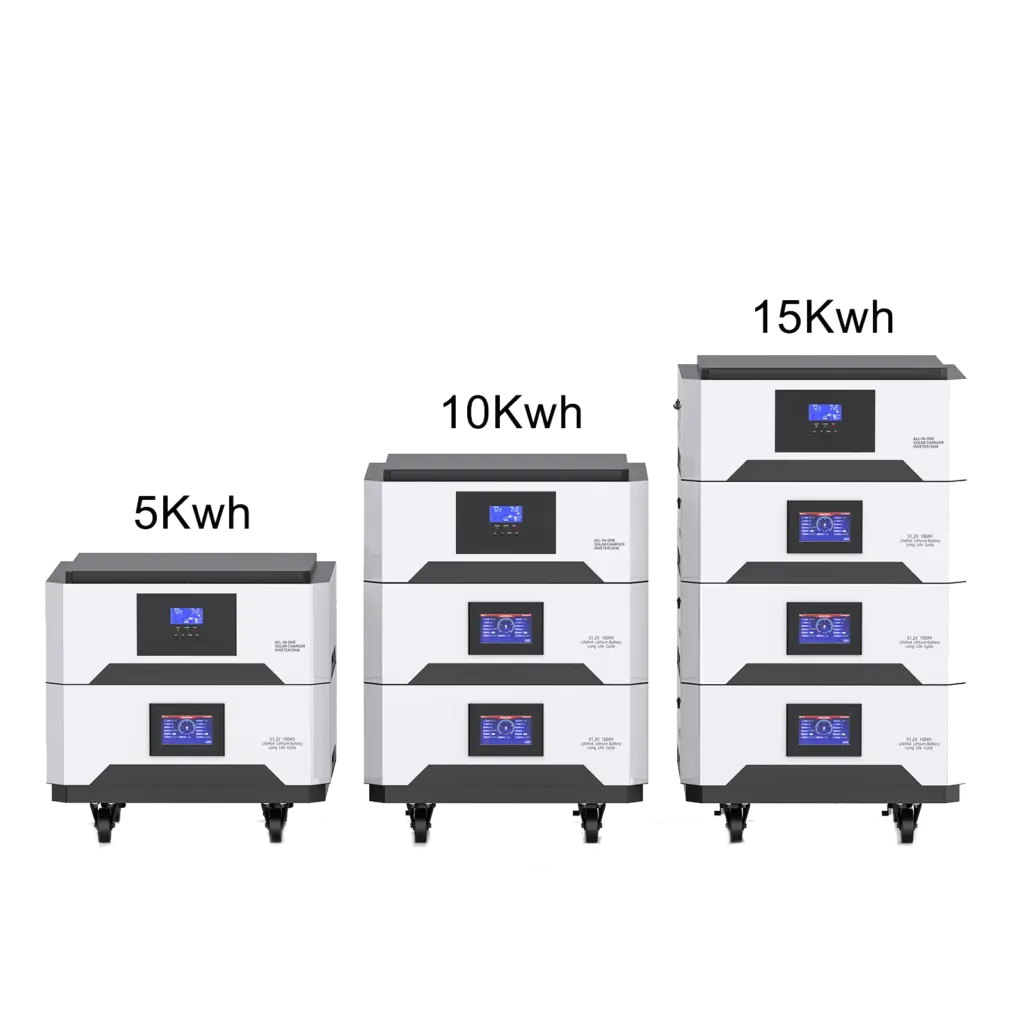
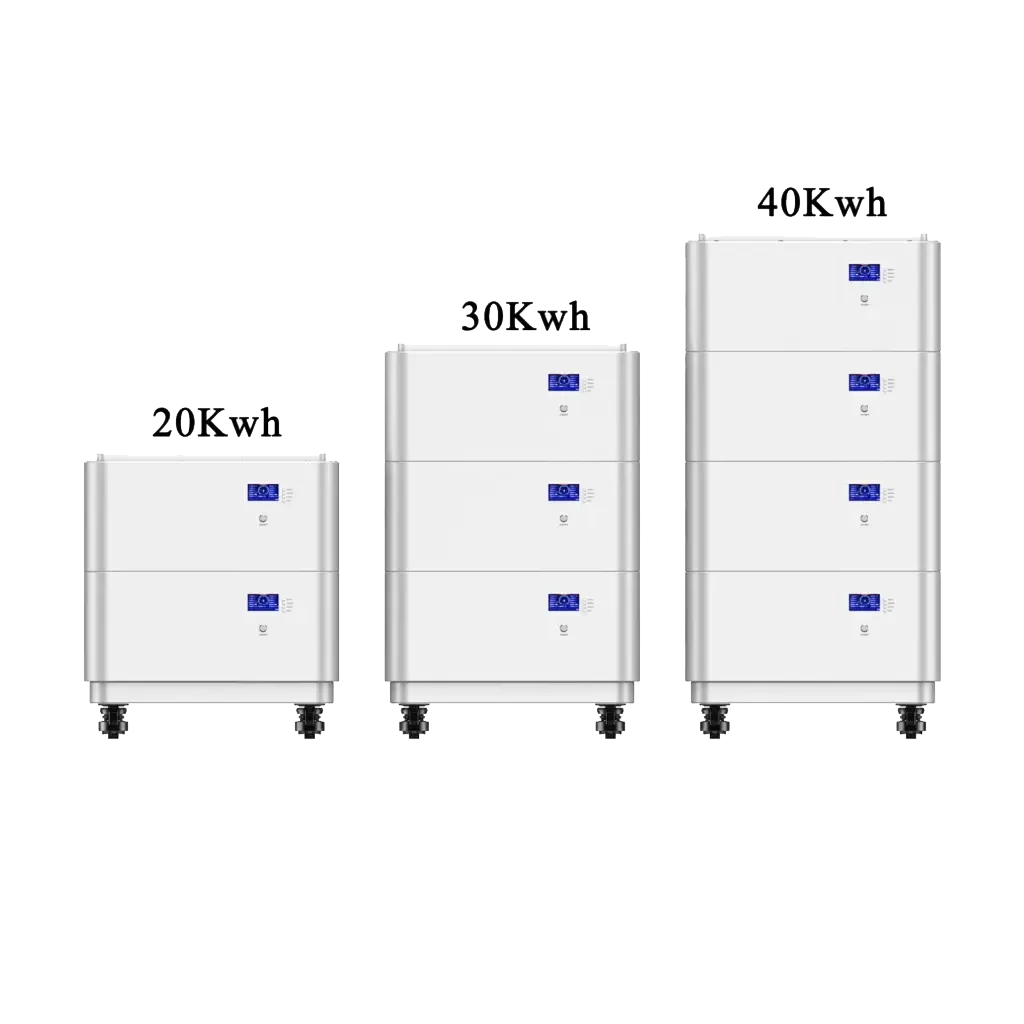
- Installation scenario — wall-mounted, rack-mounted, stackable, vertical, or all-in-one design.
Avepower supports residential and small commercial energy storage projects with LiFePO4 battery systems, scalable low-voltage battery platforms, inverter communication support, and OEM/ODM customization for project buyers.
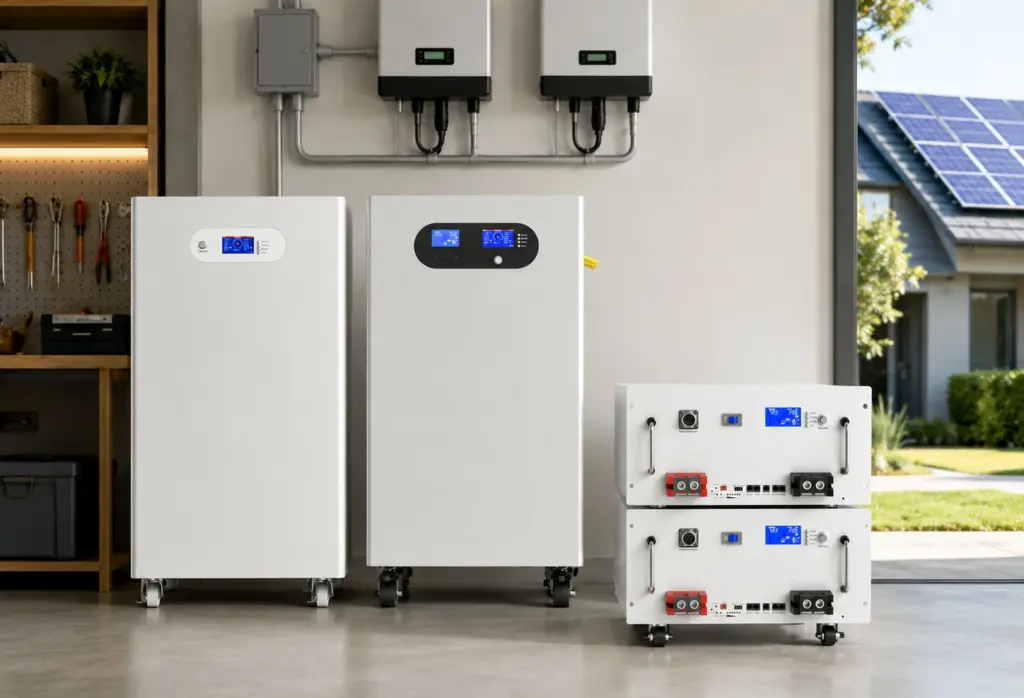
For installers and distributors, this means you can match battery format to the job:
- Wall-mounted batteries for compact home storage
- Rack-mounted batteries for cabinet and equipment room projects
- Stackable systems for modular capacity growth
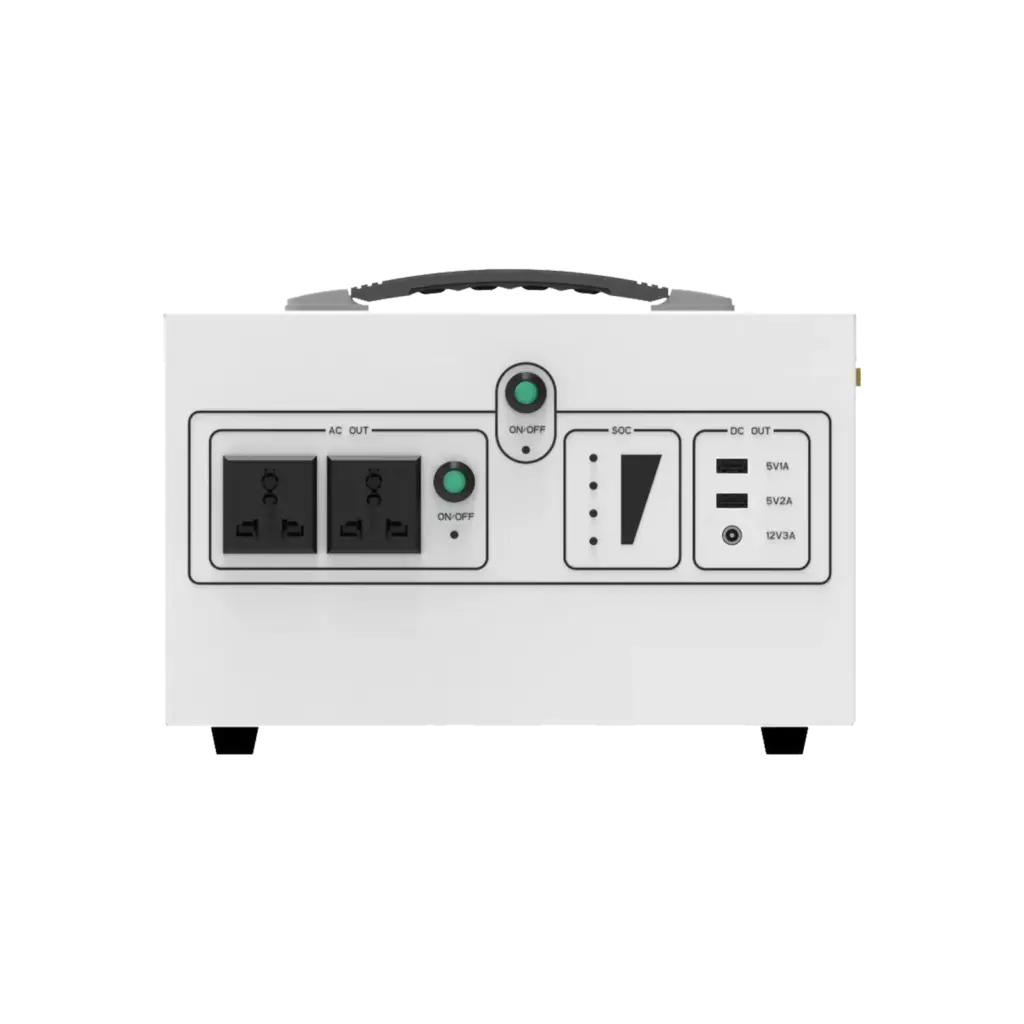
- All-in-one inverter battery systems for simplified installation
- Custom battery systems for OEM, branding, and project-specific requirements
If you are comparing systems for a housing project, installer channel, solar retrofit package, or small energy storage project, start with the load profile and inverter requirement first. The battery model should come after that.
Take Control of Your Energy with Avepower!
Reliable home solar battery solutions with OEM/ODM customization and in-house manufacturing, tailored to the needs of distributors, installers, and energy partners.
Conclusion
Solar electricity battery storage is no longer just a premium add-on for solar panels. It is becoming a practical way to use more self-generated power, reduce grid dependence, manage peak electricity costs, and improve resilience during outages.
The best results come from proper design. A battery should match the solar array, inverter, household load, tariff structure, backup requirement, installation environment, and future expansion plan.
Avepower provides LiFePO4 battery solutions for residential solar storage, backup power, off-grid systems, installer projects, and OEM/ODM energy storage programs. If you are planning a solar-plus-storage project, choosing the right battery architecture at the beginning can make the system safer, cleaner, easier to install, and more valuable over its service life.
FAQ
Solar electricity battery storage means storing electricity generated by solar panels in a battery so it can be used later, such as at night, during peak electricity prices, on cloudy days, or during an outage if backup is configured.
Yes. Many existing solar PV systems can add battery storage. AC-coupled batteries are often used for retrofit projects because they can work alongside an existing solar inverter. A qualified installer should check inverter compatibility, switchboard space, backup requirements, and local rules.
Only if the system is designed for backup. The battery, inverter, isolation equipment, and backup circuits must be configured correctly. Some systems back up only essential loads, while larger systems may support most of the home.
Yes. LiFePO4, or LFP, is widely used for stationary solar battery storage because it offers long cycle life, strong thermal stability, and reliable daily cycling performance when paired with a quality BMS.
Many battery systems can charge from the grid if the inverter settings, local rules, and electricity tariff allow it. This can be useful for off-peak charging, storm preparation, and battery-only installations.
A quality lithium battery can often last 10 years or more, depending on chemistry, cycle life, depth of discharge, temperature, installation quality, and usage pattern. Always compare warranty terms and cycle specifications.
Installers should check daily load profile, solar generation, export history, tariff structure, inverter compatibility, switchboard condition, installation location, backup loads, communication protocol, certifications, and future expansion needs.