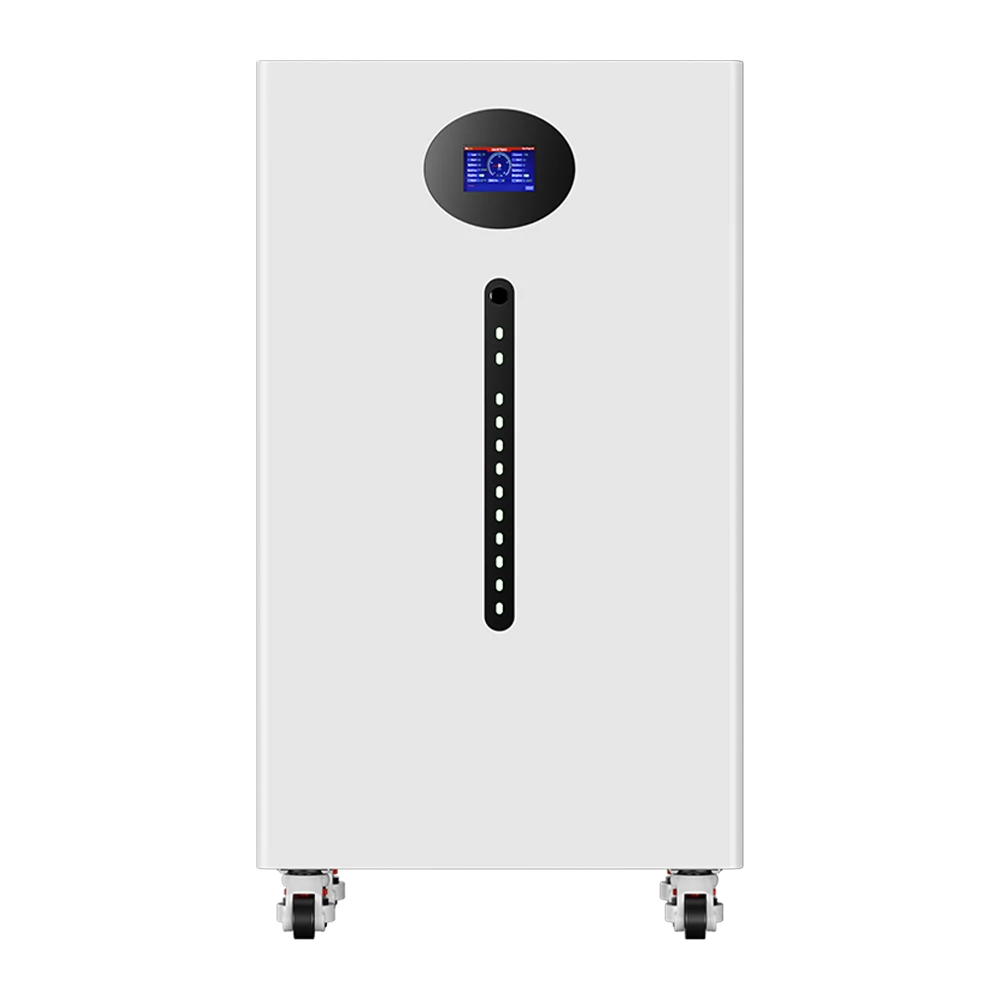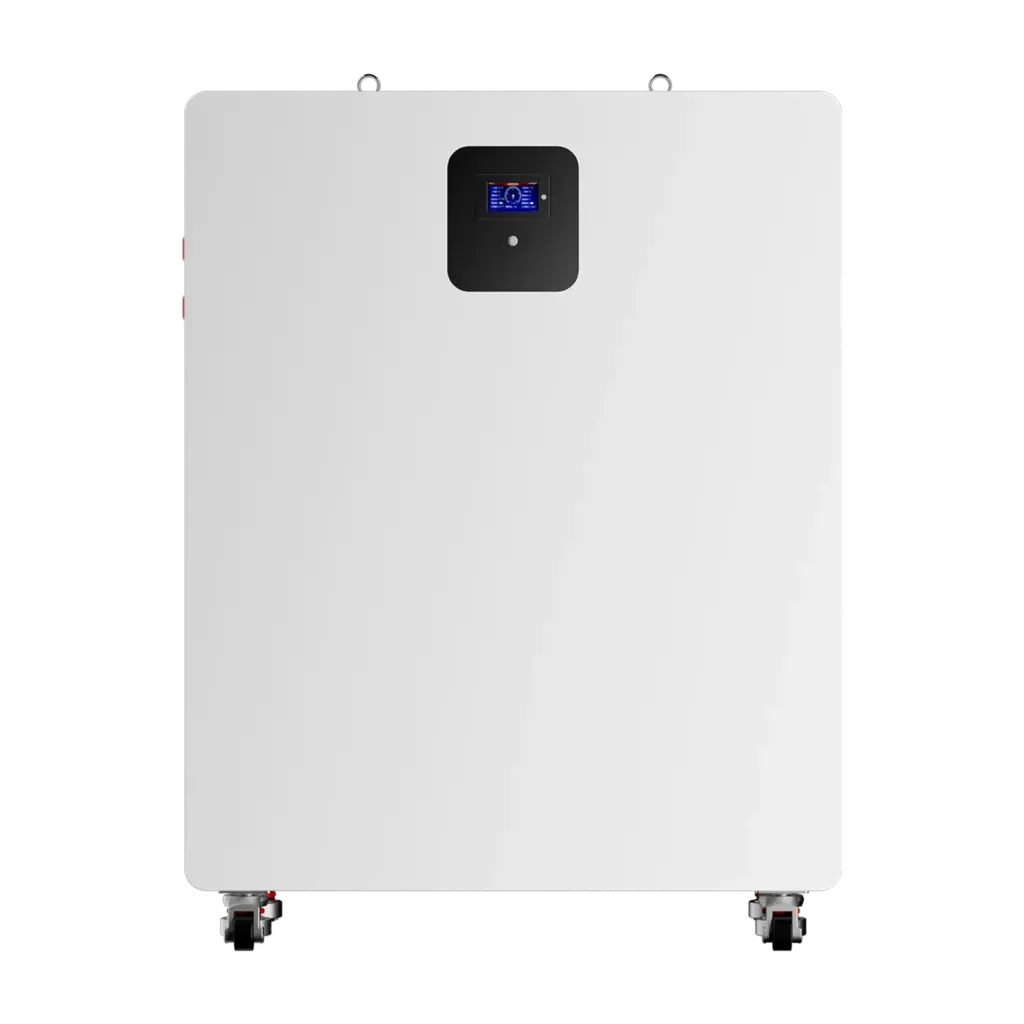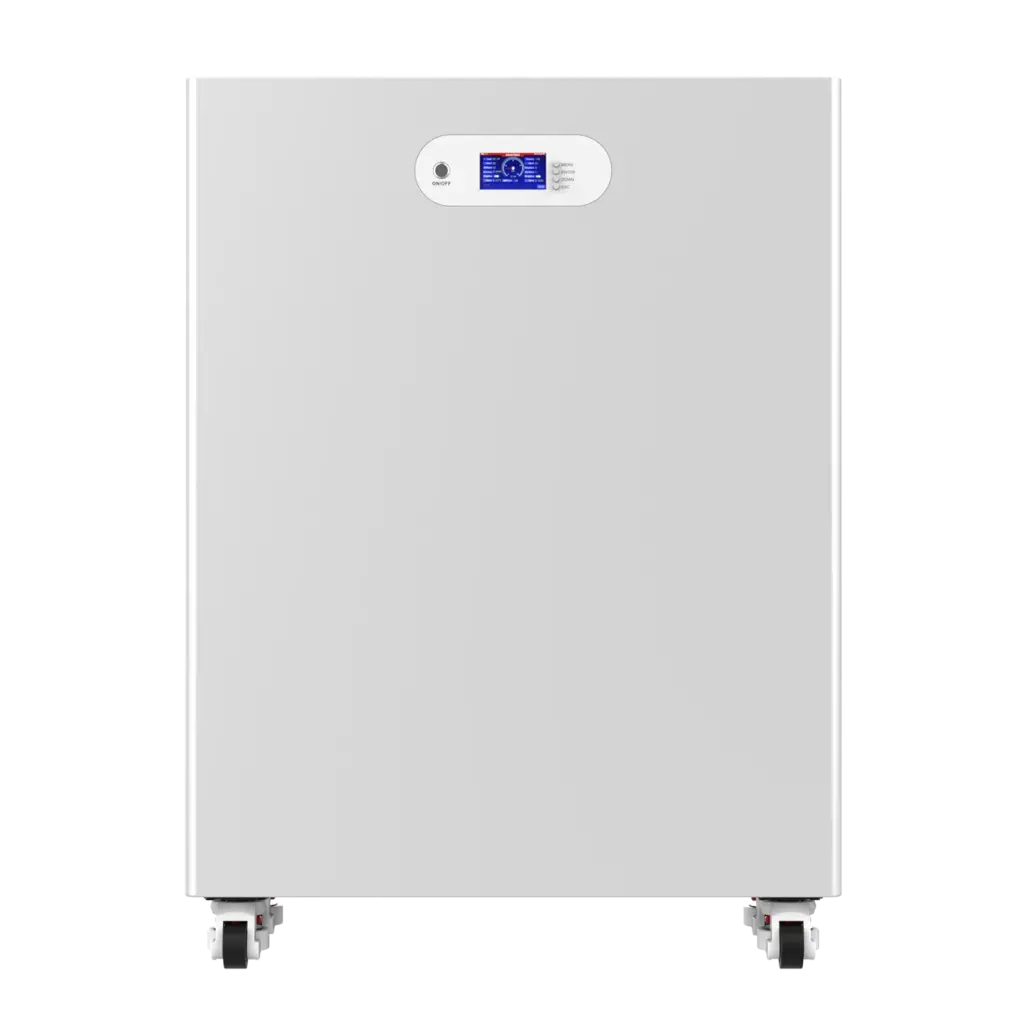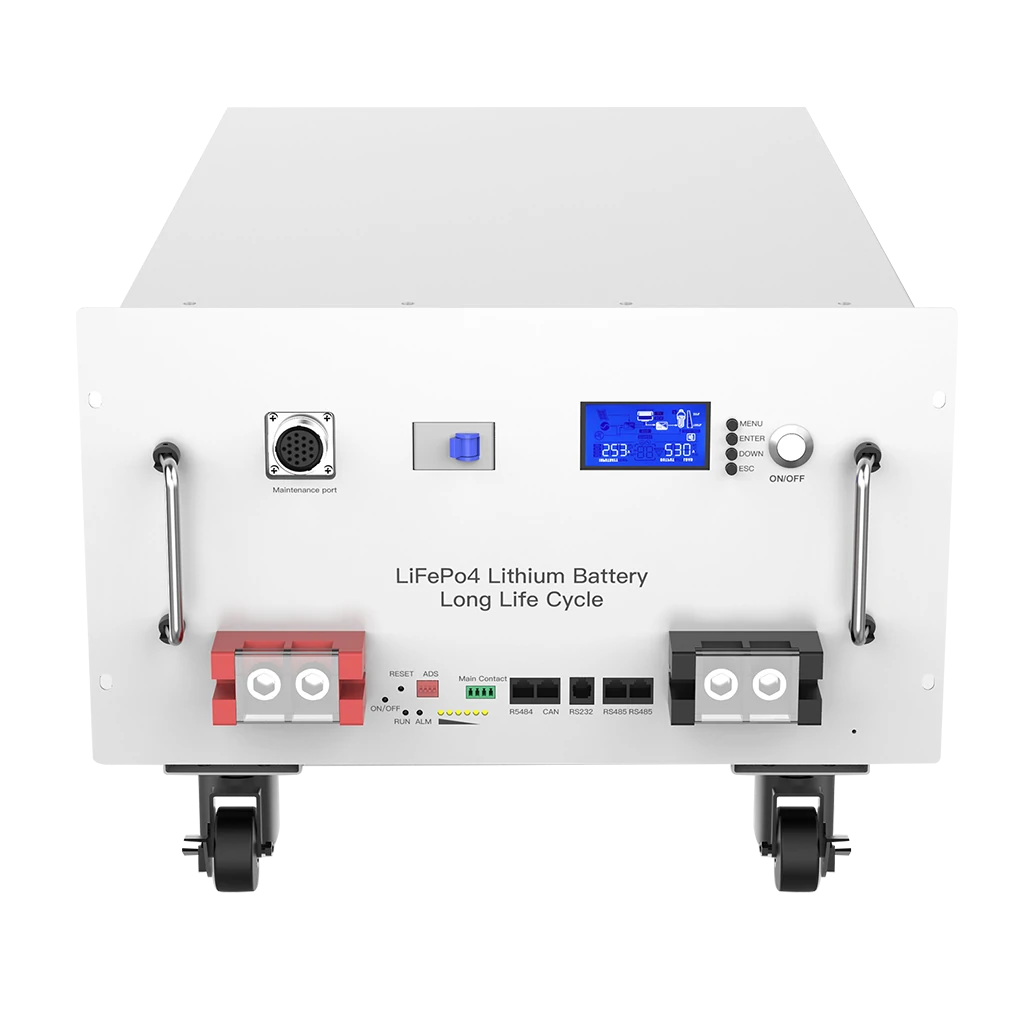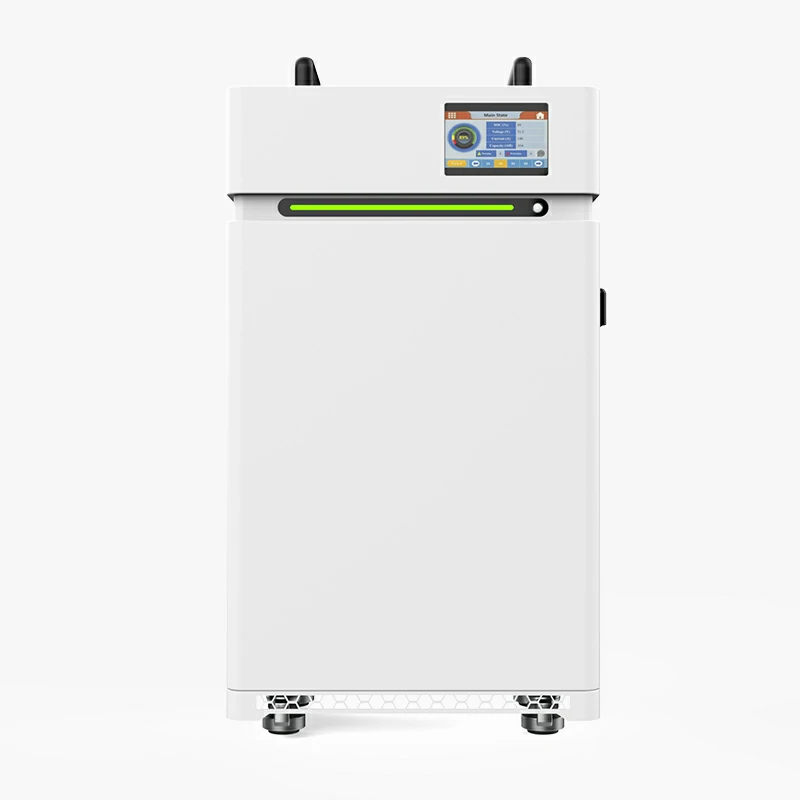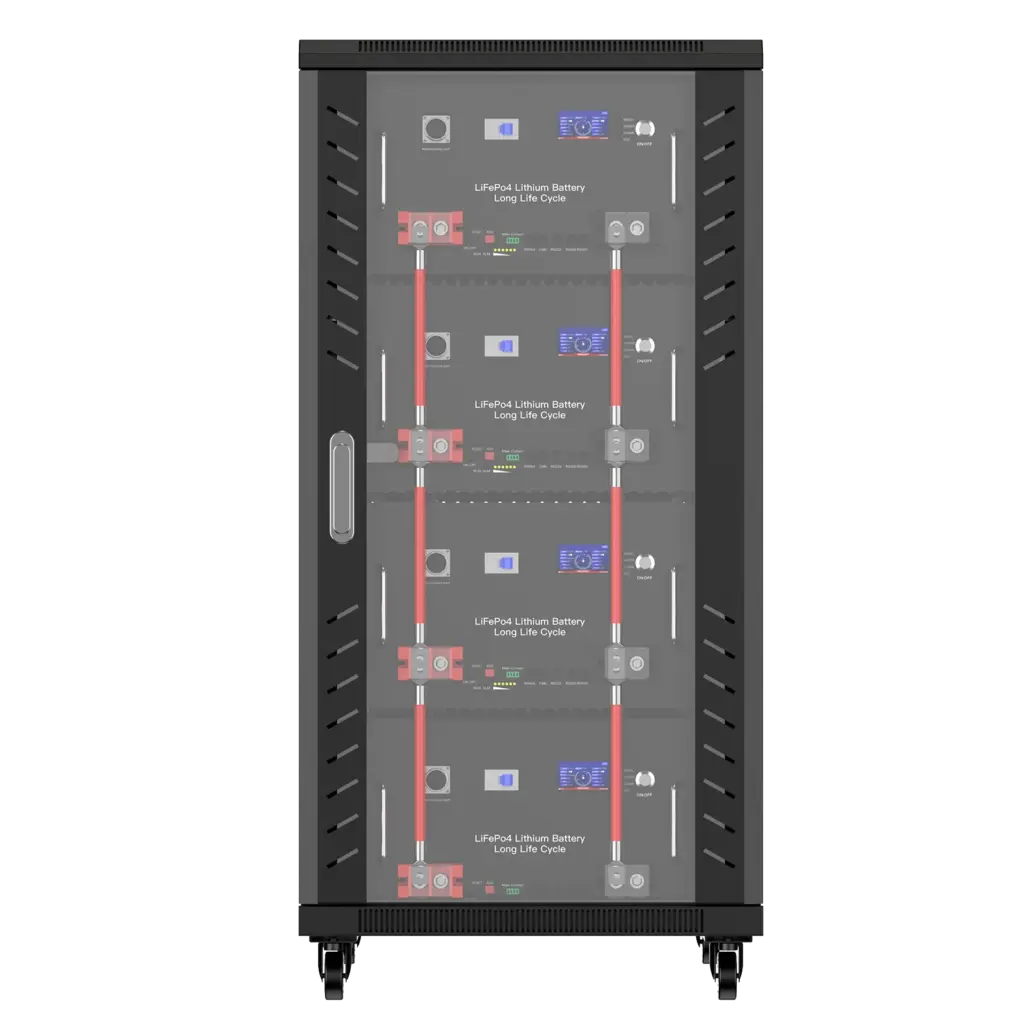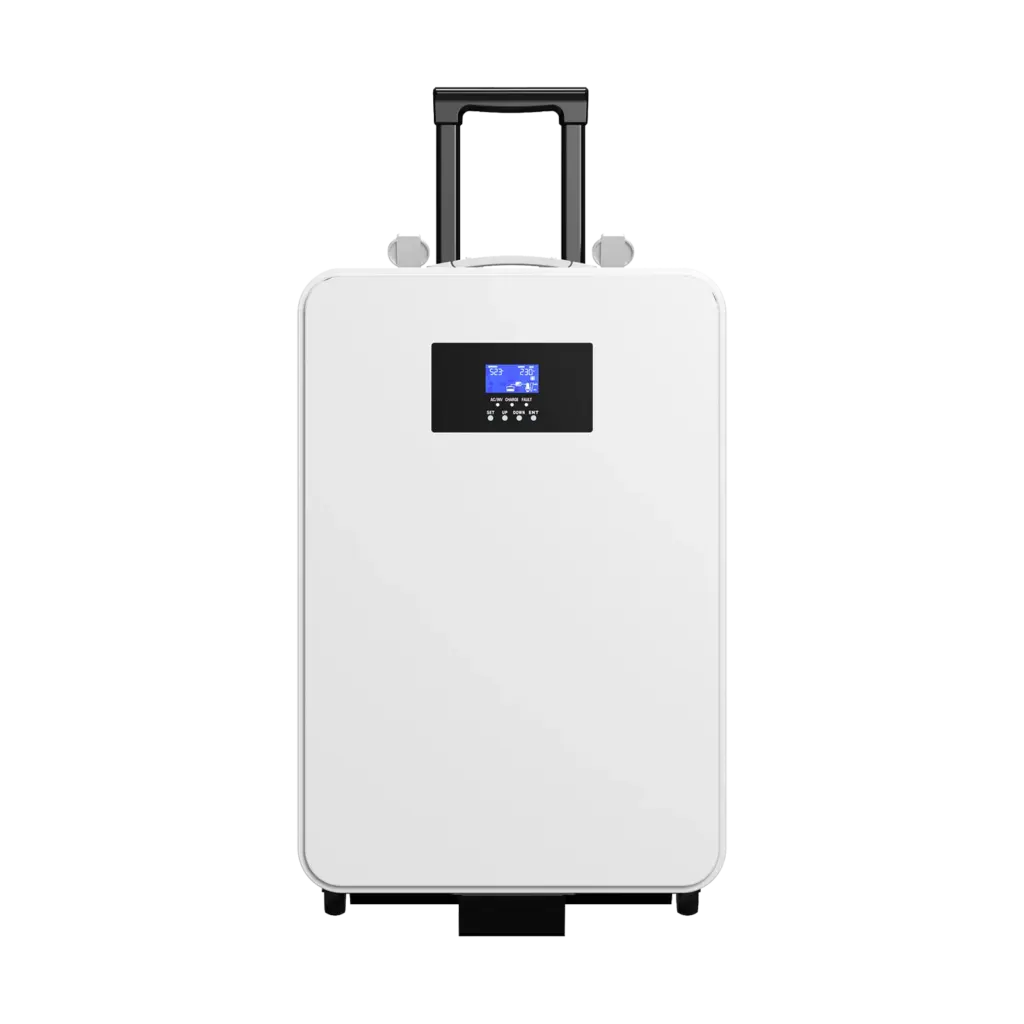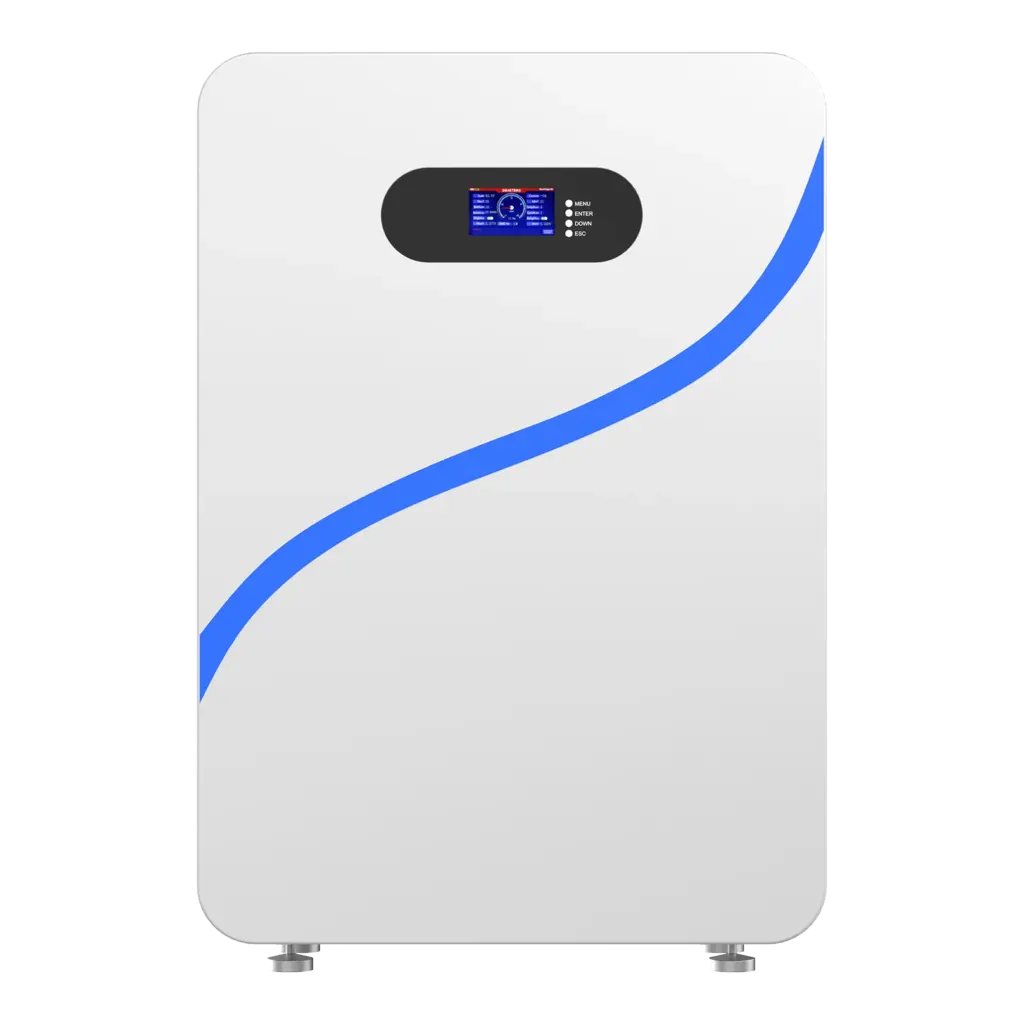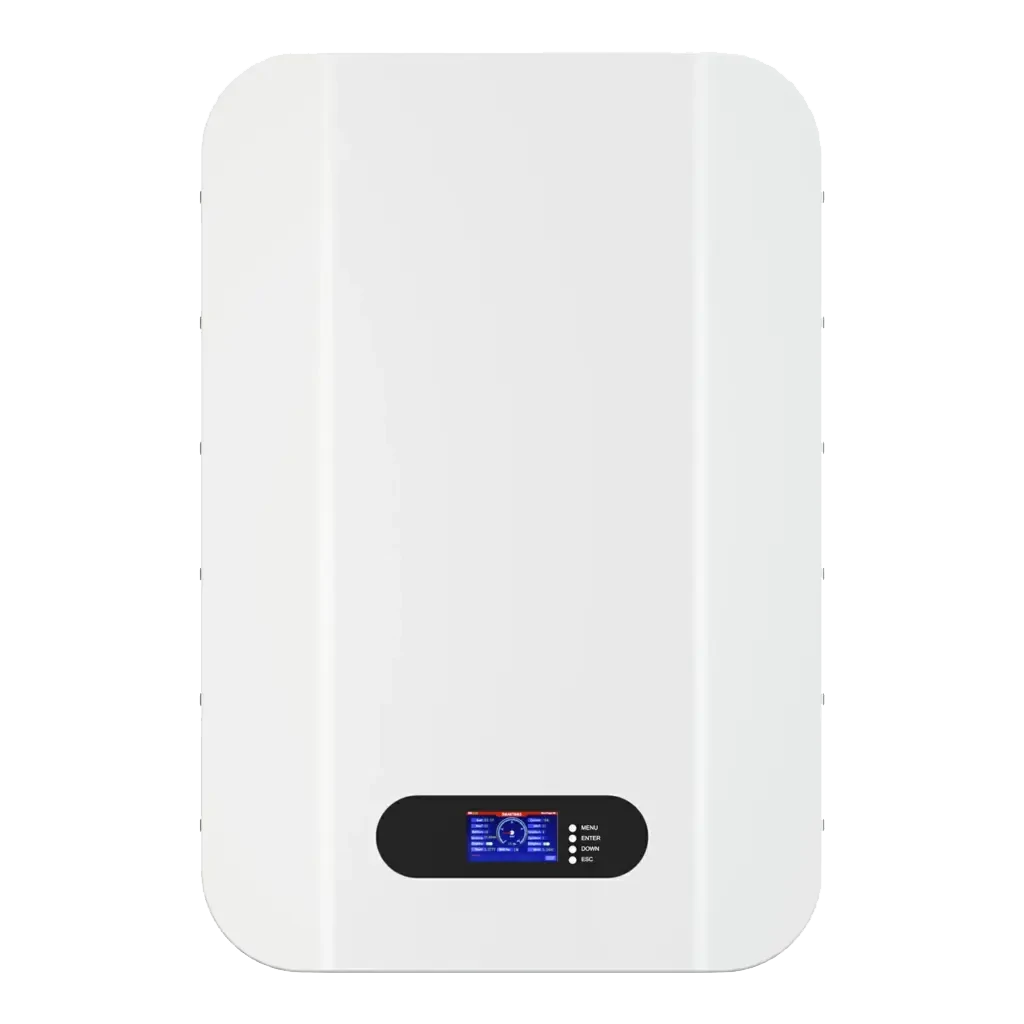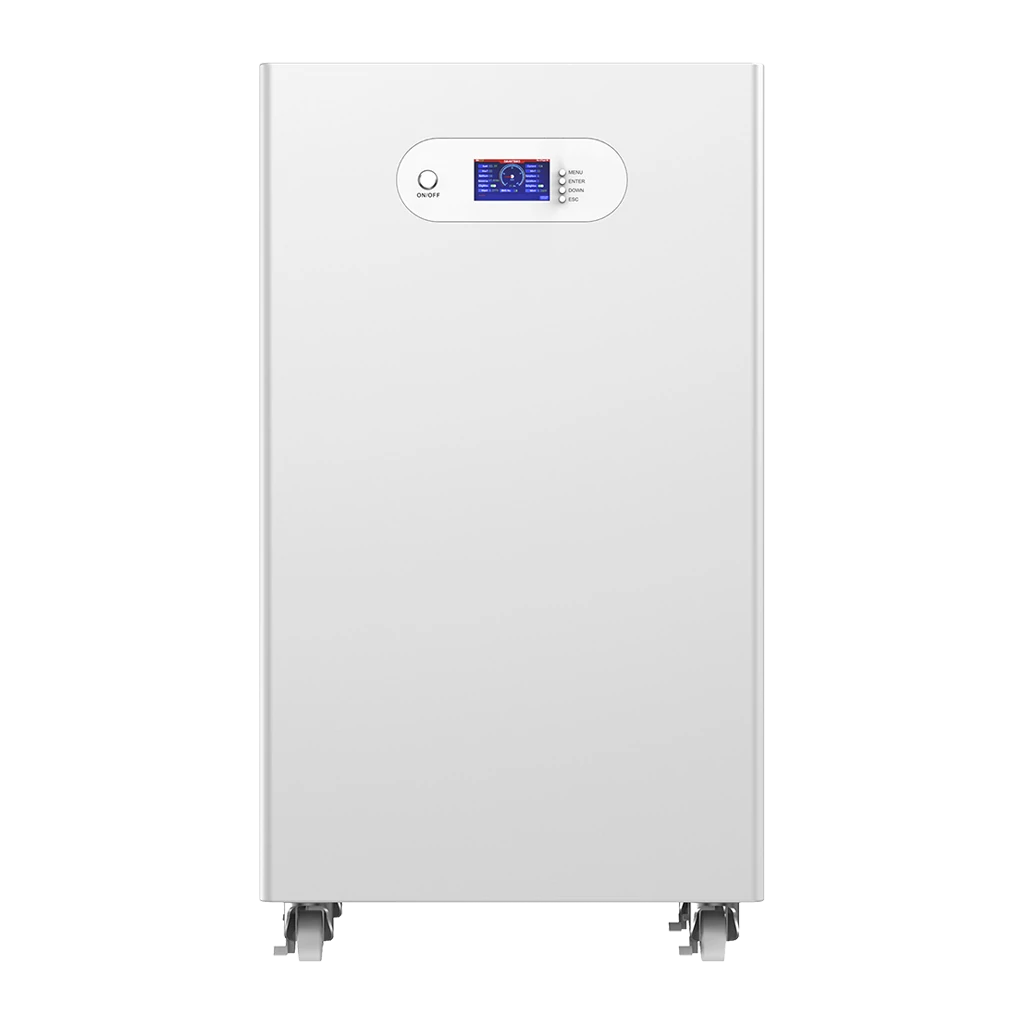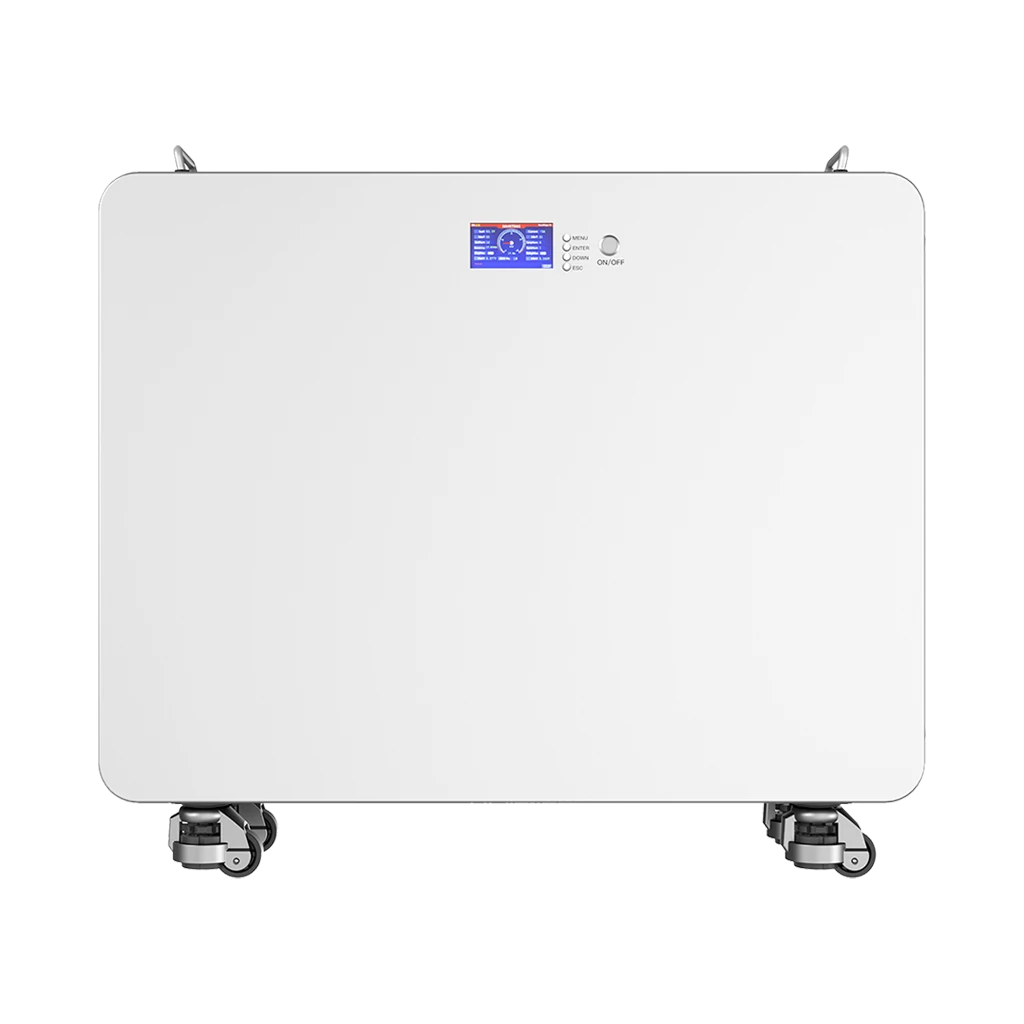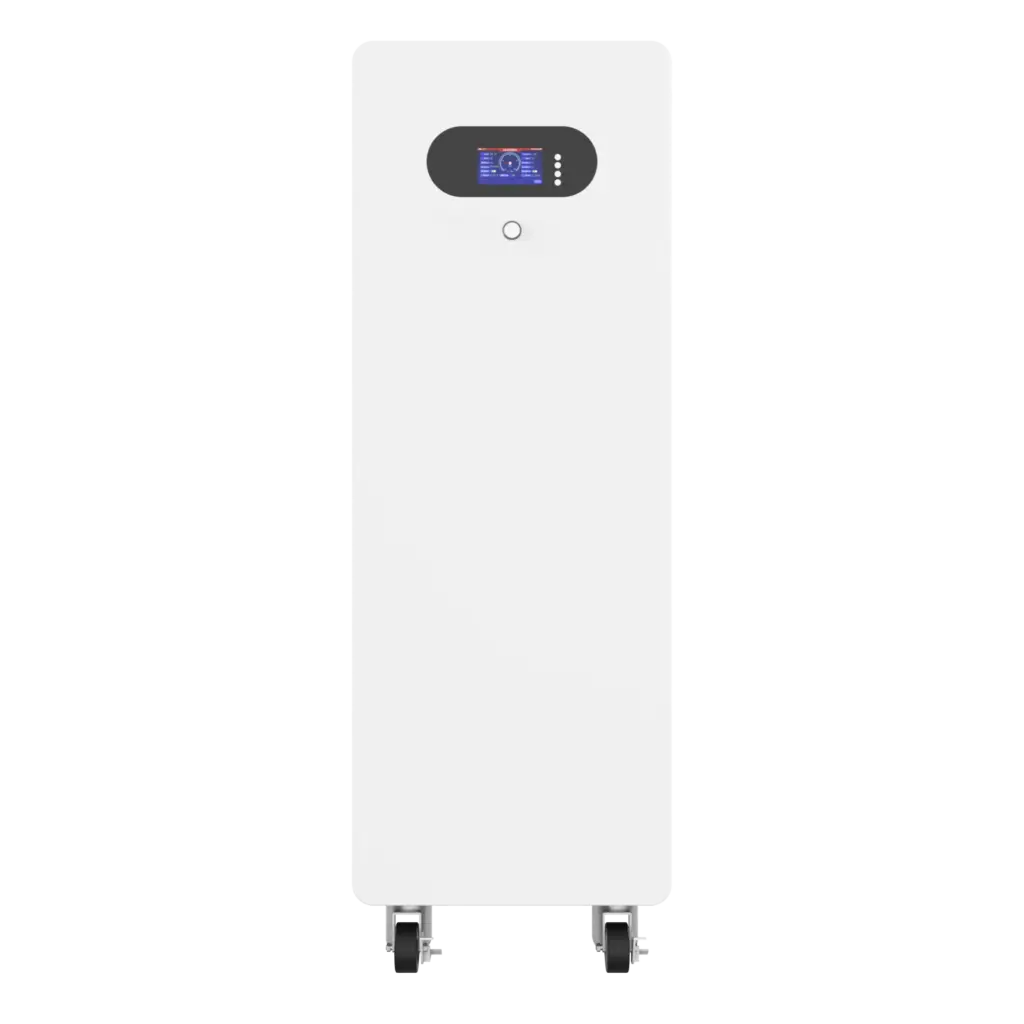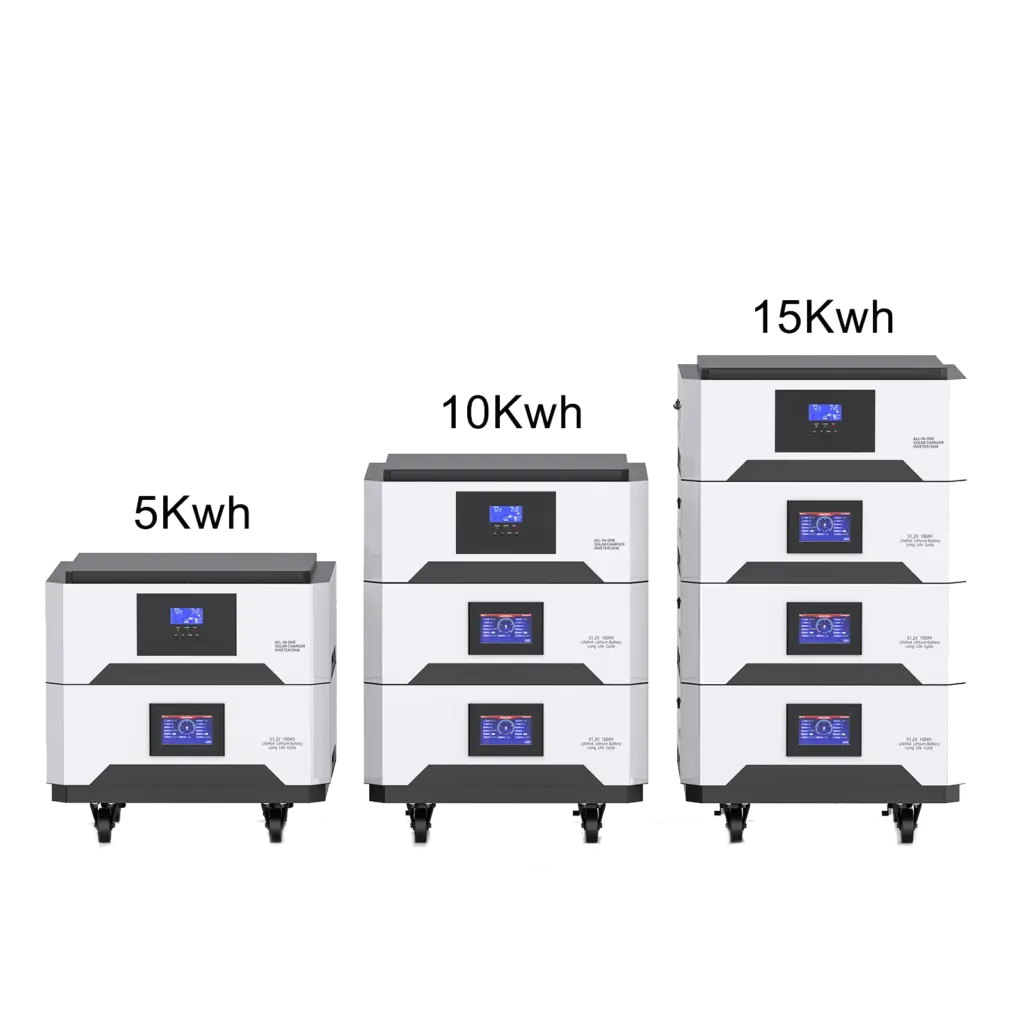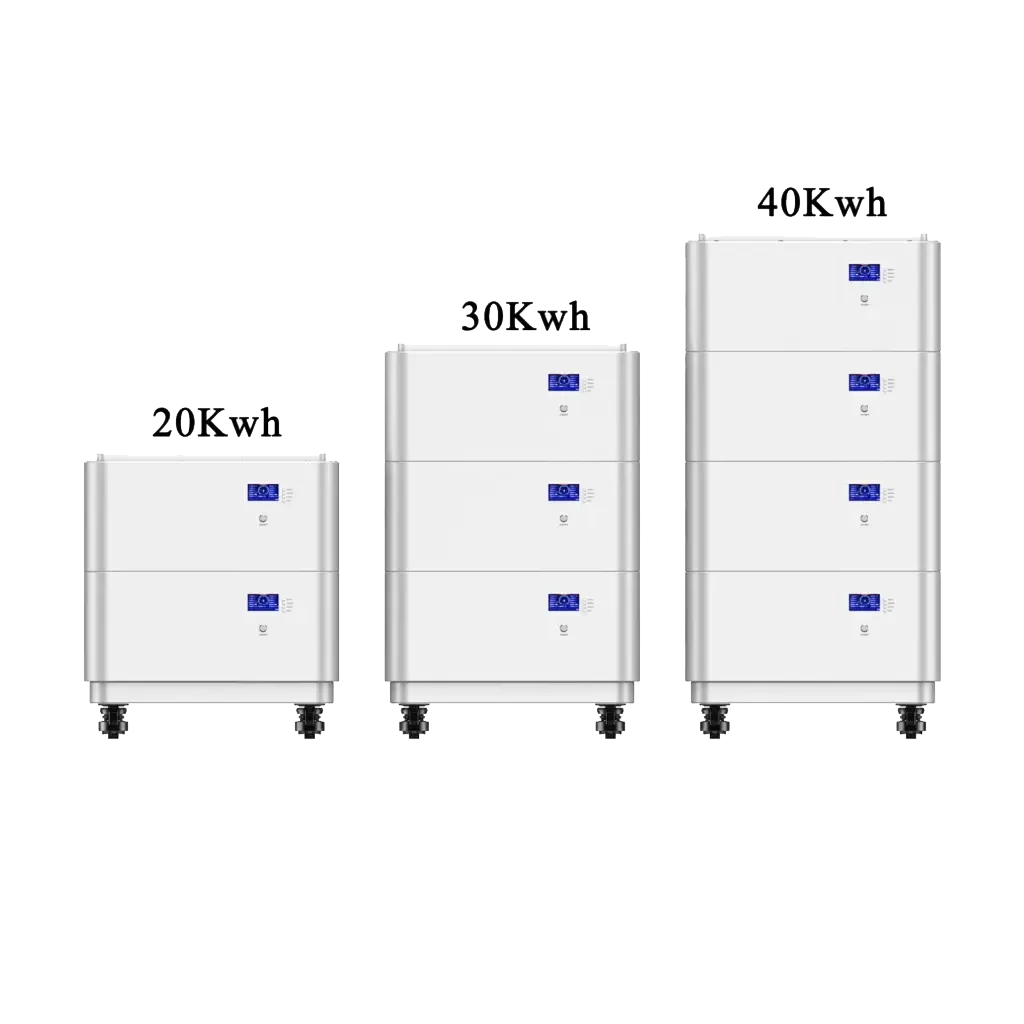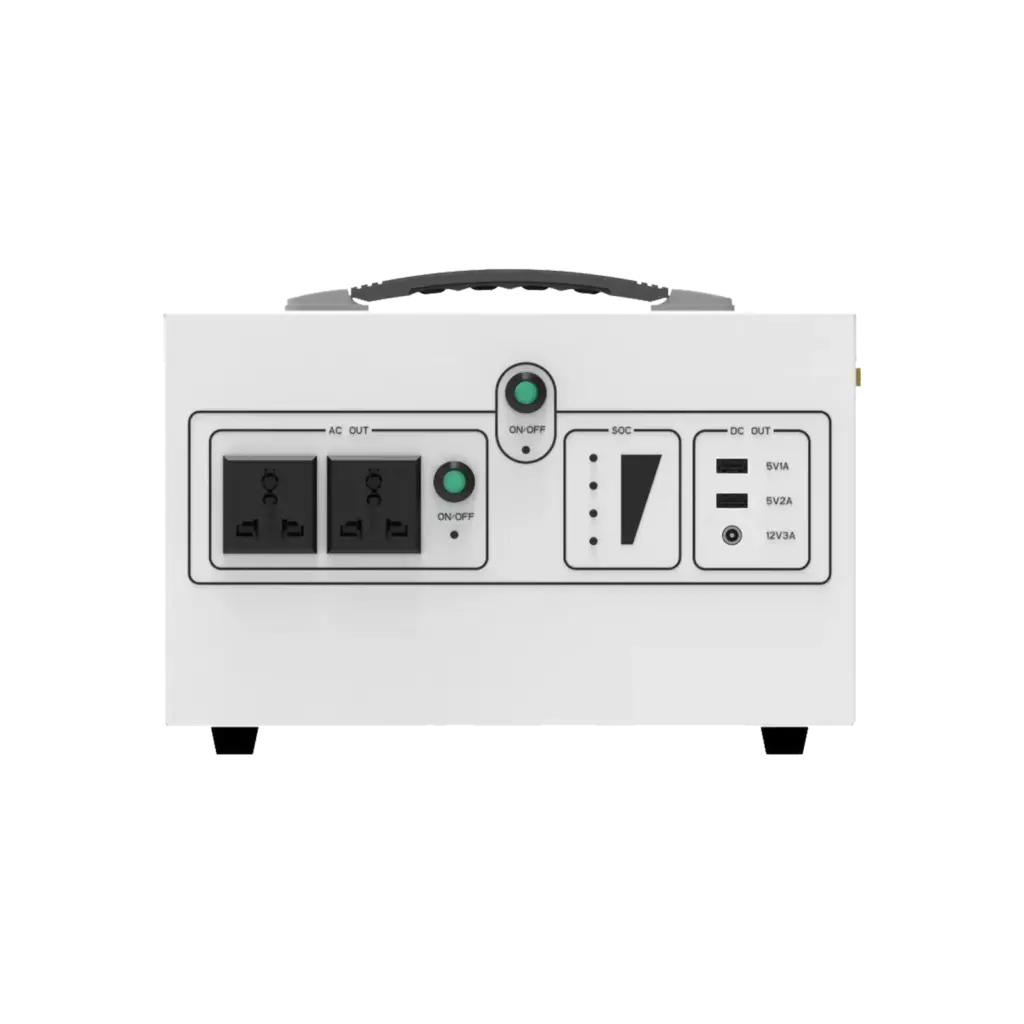

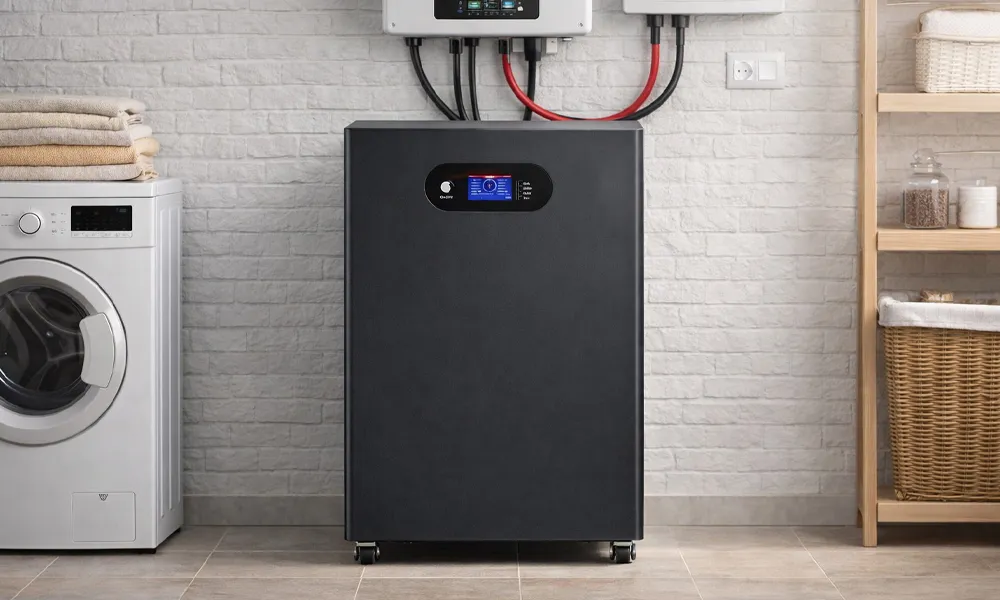
A 10kWh solar battery in the UK typically costs around £4,000–£8,000+ fully installed in 2026. A straightforward installation with a compatible inverter may sit near the lower end, while premium battery brands, inverter upgrades, backup equipment or more complex electrical work can push the total above £8,000.
10kW Solar Battery Price UK at a Glance
| Cost Item | Typical 2026 UK Price |
|---|---|
| 10kWh battery hardware | £3,000–£5,500 |
| Standard installed system | £4,000–£8,000+ |
| Premium / complex installation | £8,000–£10,000+ |
| Solar + approximately 10kWh battery | £9,000–£15,000+ |
| Typical installed cost per kWh | Approx. £400–£800+ |
Quick buying rule: compare quotes by usable kWh, installed price, inverter requirements, warranty and maximum charge/discharge power, rather than battery capacity alone.
10kWh Battery Prices by Installation Type
| Installation | Typical Cost | Main Consideration |
|---|---|---|
| Battery with existing compatible hybrid inverter | £4,000–£6,000+ | Usually simplest |
| AC-coupled retrofit | £4,500–£7,000+ | Extra inverter may be required |
| New solar + 10kWh battery | £9,000–£15,000+ | Shared labour may reduce battery installation cost |
| Backup-ready system | £6,000–£10,000+ | Gateway/EPS and additional electrical work |
| Premium battery system | £8,000–£10,000+ | Brand, software and backup ecosystem |
Need a Customized 10kWh Battery Solution?
Tell us your target market, inverter requirements, communication protocol and branding needs. Avepower can help configure a suitable solar battery system for your project.
Which Battery Chemistry Is Best for a 10kWh Home Battery?
LiFePO4 is now one of the most common choices for modern residential battery storage because it combines long cycle life, thermal stability and high usable capacity. Lead-acid batteries may have a lower purchase price, but their lower usable depth of discharge, shorter cycle life and larger footprint make them less common for modern 10kWh home storage installations.
When comparing systems, focus on usable capacity, warranted cycles, warranty period, charge/discharge power and inverter compatibility rather than chemistry alone.
What Is the Best 10kW Solar Battery Price in the UK?
For most buyers, the best 10kW solar battery price is not simply the lowest quote; it is the lowest installed cost for the amount of usable storage, power output, warranty and system compatibility you actually need.
A £4,500 system can be better value than a £4,000 system if it provides more usable capacity, includes the correct inverter and installation work, or avoids expensive upgrades later.
When comparing 10kWh battery quotes, check these six items:
- Usable battery capacity — not only nominal kWh.
- Total installed price — including labour and commissioning.
- Maximum continuous power — capacity does not tell you how much load the battery can support.
- Inverter compatibility — especially when adding storage to an existing solar system.
- Warranty and warranted throughput — compare years and energy throughput where provided.
- Backup hardware — confirm whether EPS, gateway or backup circuits are included.
Quick Value Comparison
| Quote | Installed Price | Usable Capacity | Approx. Cost per Usable kWh |
|---|---|---|---|
| System A | £4,500 | 9.0kWh | £500/kWh |
| System B | £5,000 | 10.0kWh | £500/kWh |
| System C | £6,000 | 9.5kWh | £632/kWh |
How Much Does It Cost to Install a 10kWh Battery in the UK?
Installation can account for a significant part of the final 10kWh battery price, especially when the project requires a new inverter, consumer-unit work, backup equipment or changes to an existing solar installation.
A straightforward battery installation may involve relatively limited additional work, while a retrofit to an older PV system may require an AC-coupled inverter, additional protection devices or system reconfiguration.
A complete quotation should clearly state whether it includes:
- Battery modules
- Battery or hybrid inverter
- Mounting hardware
- DC and AC protection
- Cabling
- Monitoring setup
- Installation labour
- Commissioning
- Grid notification where applicable
- Backup/EPS equipment if required
Installing battery storage at the same time as solar can sometimes reduce overall labour costs because the installer is already completing electrical and commissioning work on site.
Key Factors Influencing Solar Battery Prices
Several key factors determine how much you’ll pay for a solar batteries UK. Understanding these variables helps homeowners compare options based on long-term value, not just upfront price.
1. Lifespan and Cycle Life
Most solar batteries last 10–15 years, while solar panels often operate for 25 years or more. A battery with a longer cycle life reduces the need for mid-system replacements, significantly lowering lifetime ownership costs.
Lithium-based batteries typically offer 4,000+ cycles, compared to around 1,500–2,000 cycles for traditional lead-acid systems.
2. Depth of Discharge (DoD)
Depth of Discharge (DoD) determines how much of a battery’s capacity can be safely used.
A higher DoD means more usable energy per cycle.
- Lead-acid batteries: ~50% DoD
- Lithium batteries: up to ~90% DoD
This makes lithium systems far more efficient for daily household energy use.
3. Round-Trip Efficiency
Efficiency losses during charging and discharging directly affect savings on electricity bills.
- Lithium-ion batteries: up to 95% efficiency
- Lead-acid batteries: around 80–85% efficiency
Higher efficiency means less wasted solar energy and faster return on investment.
4. Brand, Warranty, and Certification
Reputable manufacturers with strong safety records and long warranties generally cost more—but offer greater peace of mind.
For example, Avepower provides CE- and IEC-certified home energy storage systems with extended performance warranties, ensuring compliance with UK safety standards and long-term reliability for residential use.
5. Installation Costs
In the UK, battery installation typically costs £600–£1,000 per day, depending on system size and complexity.
- AC-coupled systems are easier to retrofit
- DC-coupled systems are more efficient when installed alongside new solar panels
Installing a battery at the same time as solar panels can reduce overall labour costs and improve system integration.
Related articles: AC vs DC Coupling
How Much Can a 10kWh Solar Battery Save You?
While the initial cost of a 10kW solar battery system might seem steep, the long-term savings can justify the investment:
- Homeowners can save £440 to over £1,000 per year on electricity bills by pairing solar batteries with solar panels.
- A typical 3-bedroom house with a 4-5kW solar system and a 9-12kWh battery can expect annual savings of around £830.
- Payback periods for solar batteries generally range from 10 to 12 years, depending on energy usage, electricity rates, and solar system size.
| Household Size | Solar Panel Size | Battery Size | Estimated Annual Savings |
|---|---|---|---|
| 1-2 bedrooms | 2-3 kW | 4-7 kWh | £440 – £520 |
| 2-3 bedrooms | 4-5 kW | 9-12 kWh | £660 – £830 |
| 4-5 bedrooms | 6 kW | 13-14 kWh | £1,000+ |
Although payback periods for batteries alone can exceed 10 years, they offer indirect value through energy security, blackout protection, and reduced exposure to rising electricity prices.
Need a Solar Battery System for Installer Projects?
Avepower supports project-based configuration, communication matching and OEM/ODM customization for distributors and installers.
Does 0% VAT Apply to Solar Batteries in the UK?
Yes. Qualifying residential electrical storage battery installations currently benefit from 0% VAT in the UK until 31 March 2027.
HMRC guidance confirms that the temporary zero rate applies to qualifying electrical storage batteries installed in residential accommodation, including:
- Batteries installed with solar panels
- Batteries retrofitted to an existing renewable-energy system
- Standalone batteries used to store grid electricity
The installer is responsible for applying the correct VAT treatment, so homeowners should confirm how VAT is shown in the final quotation.
This VAT relief lowers the upfront cost of battery storage, but it should not be confused with a direct cash grant.
Can the Smart Export Guarantee Improve Battery Economics?
The Smart Export Guarantee does not directly discount the purchase price of a battery, but homes with eligible renewable generation may receive payments for electricity exported to the grid.
Ofgem requires participating SEG suppliers to offer eligible small-scale generators an export tariff above zero, although individual suppliers determine their own rates and contract terms.
A battery can change when electricity is imported, stored, used or exported, so the best financial strategy depends on the household’s solar generation, consumption pattern and electricity tariff.
Always compare the value of using stored electricity at home with the export payment available under your chosen tariff.
How Many Solar Panels Are Needed to Charge a 10kWh Battery?
Solar panels rarely operate at peak output. A typical 500–600W panel produces around 1–2kWh per day in UK conditions.
Most households pair a 10kWh battery with a 5–5.5kW system, often consisting of 12 panels. This configuration provides enough daytime generation to meet household demand while keeping the battery charged for evening use.
How Long Can a 10kWh Battery Power a UK Home?
A 10kWh battery can power a typical 3-bedroom UK home for up to 12 hours, depending on appliance usage. This makes it ideal for evening consumption when solar panels are no longer generating electricity.
Off-grid or backup-focused homes may require multiple batteries or higher capacity systems.
Quick Sizing Guide
| Home Profile | Typical PV Size | Typical Battery Size | Why it Fits |
|---|---|---|---|
| 1–2 bedrooms, gas boiler, modest evening use | 2–3kW | 4–7kWh | You mainly want evening lighting, cooking, and appliances |
| 2–3 bedrooms (medium), higher evening use | 4–5kW | 9–12kWh | You can store more daytime surplus and cover longer evenings |
| 4+ bedrooms, electric heating/heat pump, EV charging | 5–8kW+ | 13–20kWh (often modular) | You want larger “night block” coverage and higher peak loads |
Is a 10kWh Solar Battery Worth It?
For UK homeowners with medium-to-high electricity usage, a 10kWh solar battery offers a strong balance between cost, performance, and flexibility. While the financial payback may be gradual, the benefits extend beyond direct savings—greater energy independence, improved resilience, and long-term protection against rising energy prices.
Manufacturers like Avepower, with industry certifications and proven residential storage solutions, help ensure that homeowners invest in systems designed for safety, longevity, and real-world UK conditions.
10kWh Battery Buying Checklist
Before choosing a 10kWh solar battery, compare the complete system rather than the headline battery price alone.
Check:
- Nominal and usable capacity
- Continuous charge and discharge power
- Battery chemistry
- Cycle-life specification
- Product warranty
- Inverter compatibility
- AC- or DC-coupled configuration
- Backup/EPS capability
- Monitoring and communication
- Installed price
- Cost per usable kWh
- Installation and commissioning scope
- Future expansion capability
For installers and project buyers, also confirm communication protocols, inverter compatibility lists, parallel expansion capability and after-sales support before standardising a battery across multiple projects.
Final Thoughts
The 10kW solar battery price in the UK reflects a balance of technology, capacity, and market dynamics. While the initial investment is considerable, leveraging government incentives and choosing high-quality products like those offered by Avepower can help you achieve energy autonomy and substantial savings.
Avepower is more relevant when the buyer is sourcing battery hardware for installer-led, distributor or project-based applications rather than comparing a single UK retail installation quote.
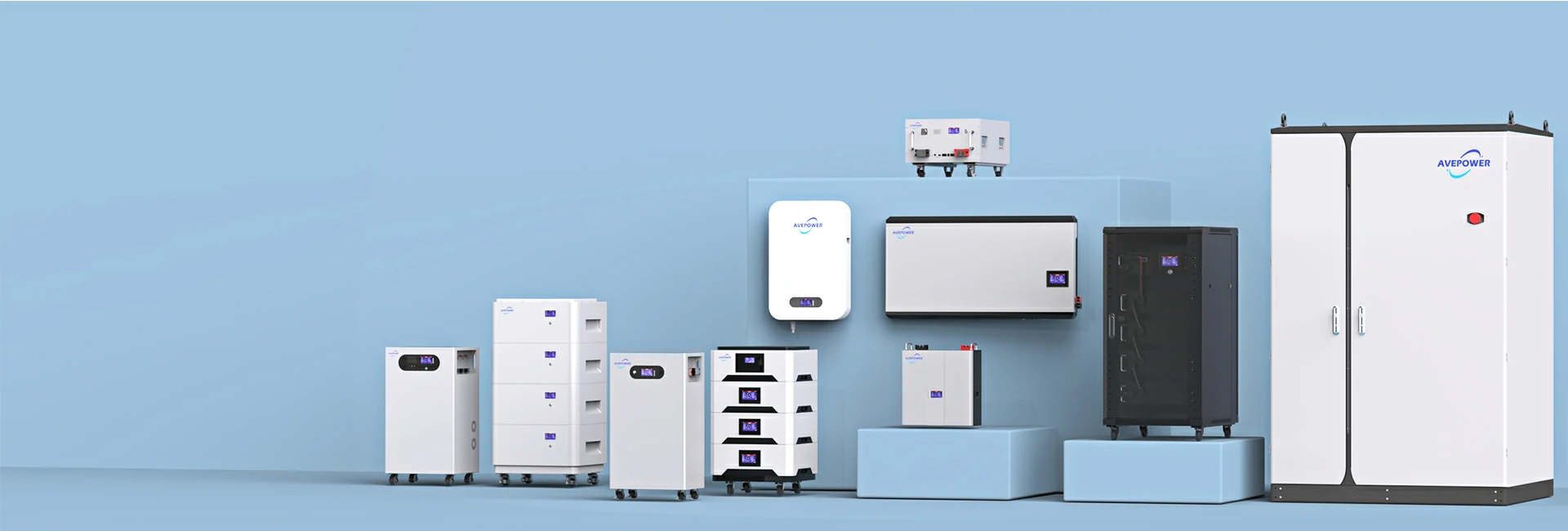
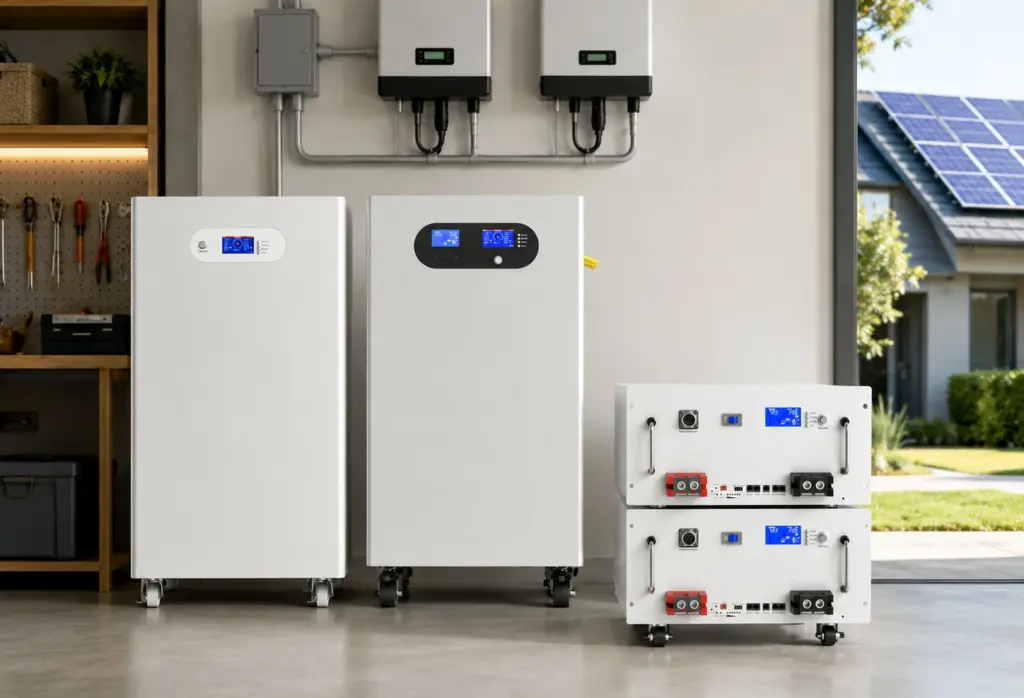
Avepower supplies LiFePO4 residential energy storage systems in wall-mounted, rack-mounted, stackable and floor-standing configurations, with options for inverter communication, parallel expansion and OEM/ODM customisation.
For UK installers or distributors, the more useful comparison is therefore not simply the retail installed price of one battery, but:
- Battery cost per usable kWh
- Inverter compatibility
- Maximum charge/discharge current
- Communication protocol
- Parallel expansion
- Warranty and after-sales support
- Documentation and certification
- Project quantity and logistics
Buyers comparing approximately 10kWh residential systems can review Avepower’s home energy storage range and request a configuration based on inverter model, required capacity and project quantity.
Take Control of Your Energy with Avepower!
Reliable home solar battery solutions with OEM/ODM customization and in-house manufacturing, tailored to the needs of distributors, installers, and energy partners.
FAQ
A typical 10kWh home battery installation in the UK may cost around £4,000–£8,000+, depending on the battery, inverter, installation complexity and backup requirements.
The lowest quote is not always the best value. Compare installed cost per usable kWh, warranty, power output, inverter compatibility and included installation work.
Installation cost varies according to inverter requirements, electrical work, backup design and whether the battery is installed with new or existing solar panels.
Qualifying residential electrical storage battery installations currently benefit from 0% VAT until 31 March 2027 under HMRC rules.
It can be suitable for many homes, but the correct size depends on daily electricity consumption, evening usage, solar surplus, EV or heat-pump demand and desired backup duration.
A battery with about 9kWh usable energy could theoretically support a 500W average load for about 18 hours before other losses and reserve settings are considered.
It depends on installed cost, available solar surplus, electricity tariff, export rate and how frequently the battery is cycled.