
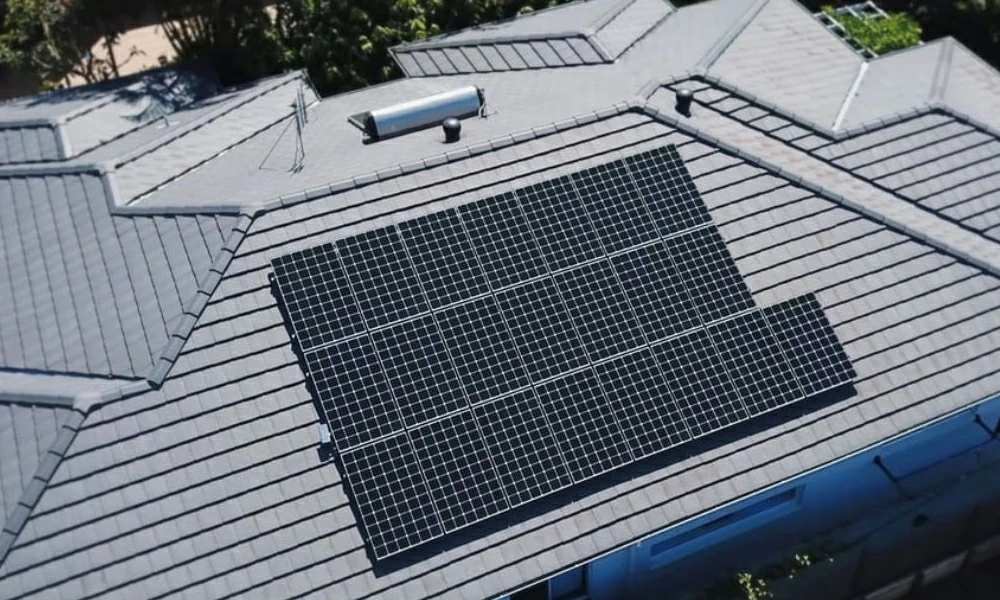
If you already have (or are planning) an 8kW solar system, adding a battery is the next logical step. The tricky part is deciding how many kilowatt-hours (kWh) of storage you actually need. Too small, and you still rely heavily on the grid. Too big, and you may pay for capacity you rarely use.
How Much Energy Does an 8kW Solar System Produce?
An 8kW solar system means the panels can produce up to 8 kilowatts of power at a single moment under ideal conditions.
However, what really matters for battery sizing is daily energy production, measured in kilowatt-hours (kWh).
In many good-sun locations, an 8kW system will produce roughly 28–40 kWh per day over the year. The exact number depends on factors such as climate, orientation, tilt, shading, and local weather patterns.
If your system is in a sunny area with panels facing the right direction, it is reasonable to use a middle-of-the-road estimate of around 32–36 kWh per day for planning purposes. That gives you a rough idea of how much energy is available for your home and your battery most days.
Understand Your Night-Time Energy Use
For a grid-connected home, the most important number for battery sizing is usually how much energy you use when the sun is not shining.
This includes:
- Early evening and night-time usage
- Overnight base loads like fridges, routers, and standby devices
- Early morning usage before solar ramps up again
If you have access to detailed smart-meter data or half-hourly usage from your retailer, you can see exactly how much energy you use outside of solar hours.
If you do not have that, you can use a simple approach:
- Look at your total daily energy use on bills (for example, 20–25 kWh per day).
- Estimate how much of that occurs during the day while the sun is strong (for example, 8–10 kWh).
- The rest is roughly your evening and night-time load (for example, 12–15 kWh).
The battery does not need to cover all night-time energy perfectly every single day. Solar output changes with weather and seasons, and some days you may import a little from the grid. But knowing your typical non-solar demand gives you a solid starting point.
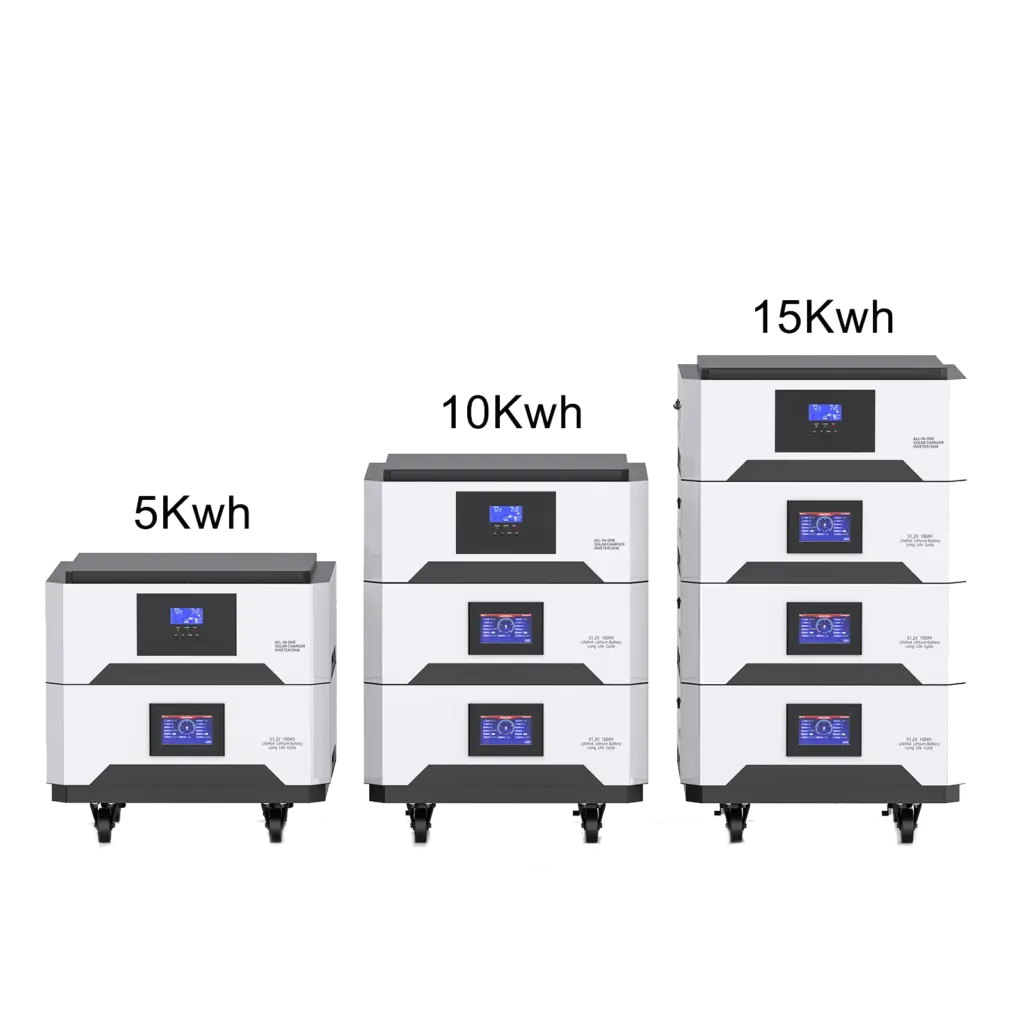
If your night-time load is about 10–15 kWh, then a battery in the 10 kWh battery–15 kWh battery usable range often pairs well with an 8kW system.
A Simple Way to Estimate Solar Battery Size
A practical way to think about battery size for an 8kW solar system is to work backwards from your night-time usage and your goals.
Imagine your home uses around 24 kWh per day, and about 14 kWh of that happens after the sun is low or gone.
An 8kW solar system, on a typical day, might generate 32–34 kWh. You can use part of that solar directly during the day, and the rest can go into the battery.
If you want the battery to cover most of your 14 kWh night-time usage, then a usable battery capacity of around 10–14 kWh is a good target.
If the battery has a nominal capacity of 13–15 kWh and usable capacity close to that figure, it can usually:
- Fill up during a normal sunny day
- Discharge over the evening and night
- Still keep a small buffer for unexpected extra use
If you want some backup capability for short outages on top of evening usage, a slightly larger battery, around 13–18 kWh, offers more comfort. That way, you are not operating at full depth of discharge every day.
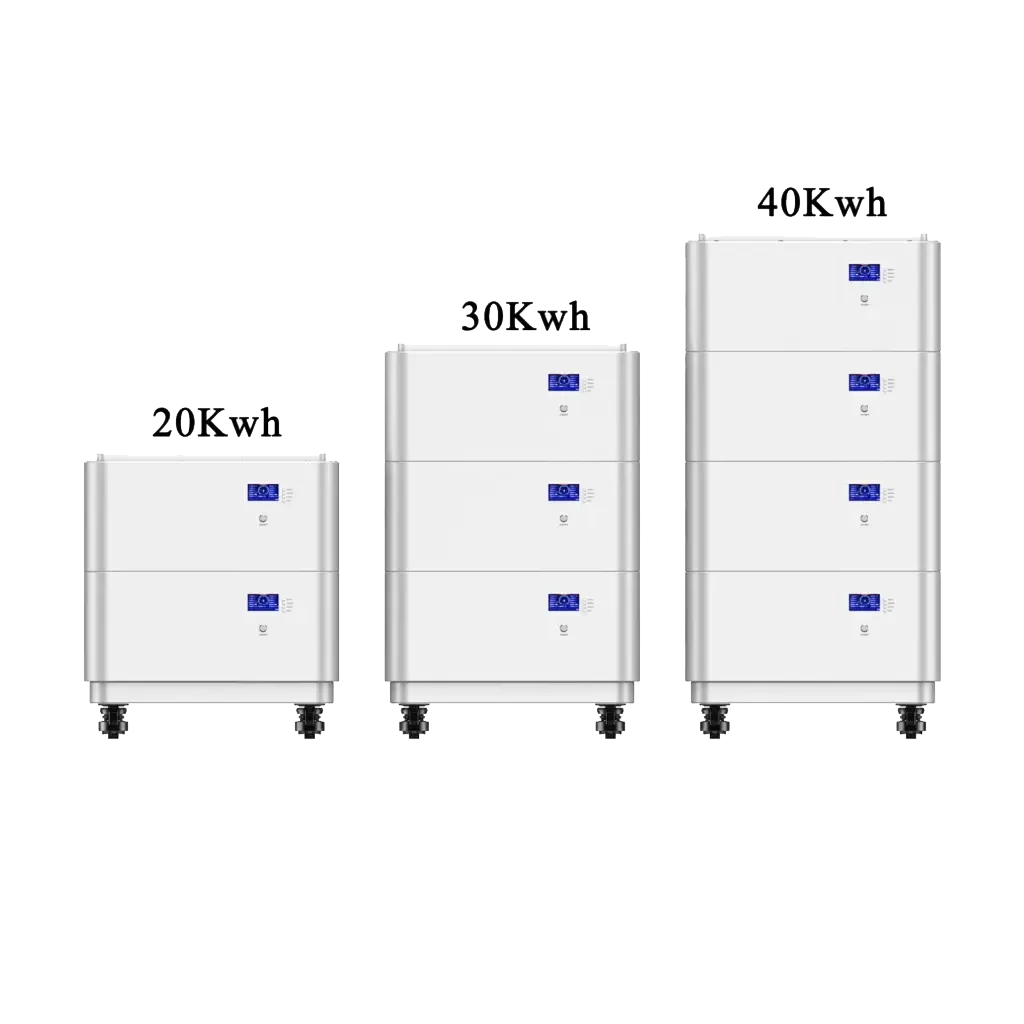
If you are aiming at high self-sufficiency and want to ride through cloudy days with minimal grid imports, you might consider 18–20 kWh battery, assuming your budget and space allow it.
Typical Solar Battery Size Ranges for an 8kW System
| Scenario / Goal | Typical Daily Use | Example Night-Time Use | Suggested Battery Size for 8 kW Solar |
|---|---|---|---|
| Light user, bill savings only (small home, limited air-con) | 10–15 kWh | 5–8 kWh | 5–10 kWh |
| Average family home, strong bill savings | 15–25 kWh | 8–15 kWh | 10–15 kWh |
| High-usage home or partial backup (larger family, pool pump, more air-con) | 25–35 kWh | 12–20 kWh | 13–20 kWh |
| Near off-grid / long backup | 25–40 kWh | 15–25 kWh | 20–30+ kWh (often with generator support) |
How Days of Autonomy Affect Solar Battery Size
Most grid-connected homes effectively have less than one full day of autonomy. They rely on the grid as a solar backup battery, so the battery does not need to cover multiple dark, rainy days.
If you want your 8kW solar system and battery to keep you comfortable through extended bad weather or outages, you might design for one to two days of autonomy. This can quickly increase the required battery size.
For example, if your home uses 20 kWh per day and you want one full day of autonomy, you might consider at least 20 kWh battery–25 kWh battery of usable storage, especially if you include efficiency losses and some safety margin. For grid-tied homes, this is often more than is needed for pure bill savings, but it may be justified for people who strongly value resilience.
You can use the following calculator to determine the battery capacity you need based on your actual load and battery life expectancy.
Solar Battery Size Calculator
Conclusion
So, what size battery do you need for an 8kW solar system?
For a typical grid-connected home that wants to increase self-consumption and cut evening grid usage, a battery in the range of about 10–14 kWh of usable storage is often a good starting point.
If you want stronger backup capability and more flexibility to run additional loads during the night or outages, 13–18 kWh is a more robust and still realistic pairing with an 8kW array.
If you aim for high independence or semi-off-grid living and you are prepared for a larger investment, 18–20 kWh or more may be appropriate, especially when combined with careful load management and possibly a backup generator.
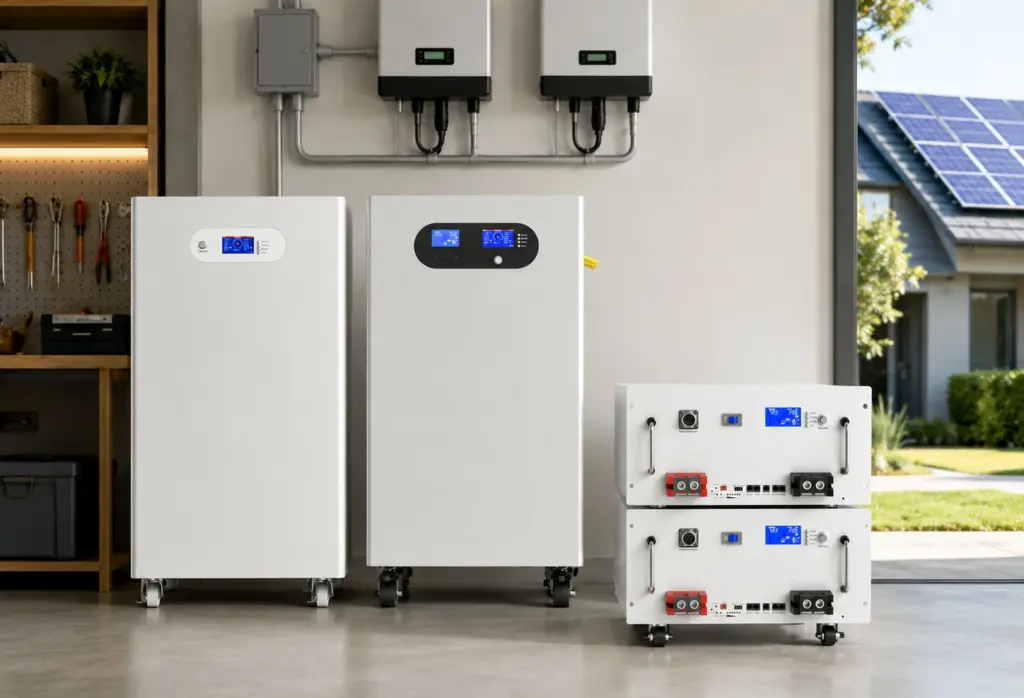
Contact Avepower today. Our expandable home battery systems can be tailored to your actual household load, so you get a solar battery size that truly fits your home and the way you use energy.
Take Control of Your Energy with Avepower!
Reliable home solar battery solutions with OEM/ODM customization and in-house manufacturing, tailored to the needs of distributors, installers, and energy partners.
FAQ
For a typical grid-connected home, a good starting point is around 10–16 kWh of usable battery storage. This range usually lets you store daytime surplus solar and cover most evening and night-time usage without overspending on capacity you rarely use.
Yes. An 8kW solar system can run without a battery and still reduce your daytime grid usage. However, without storage, you will export excess solar to the grid during the day and buy power back at night.
A 10 kWh usable battery is enough for many homes, especially if your night-time usage is moderate and you mainly want bill savings and higher self-consumption. If you have heavy evening loads or want stronger backup during outages, you may benefit from a larger battery, such as 13–16 kWh or more.
The most accurate way is to check detailed usage data from your retailer or smart meter if available. Otherwise, you can estimate by looking at your average daily consumption from bills and subtracting a reasonable amount for daytime use. The remainder is your approximate evening and night-time load, which is key for battery sizing.