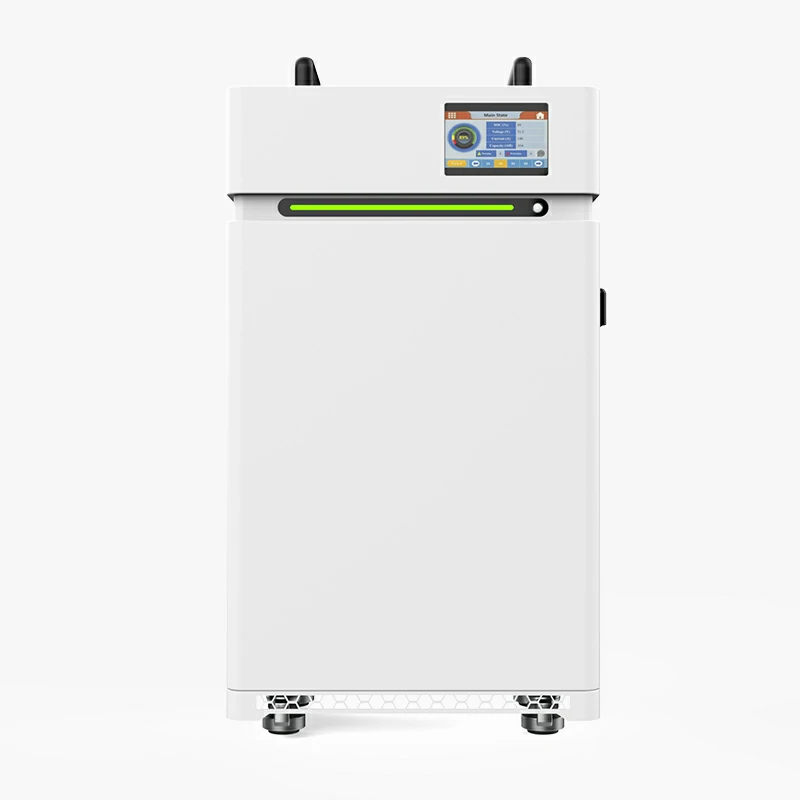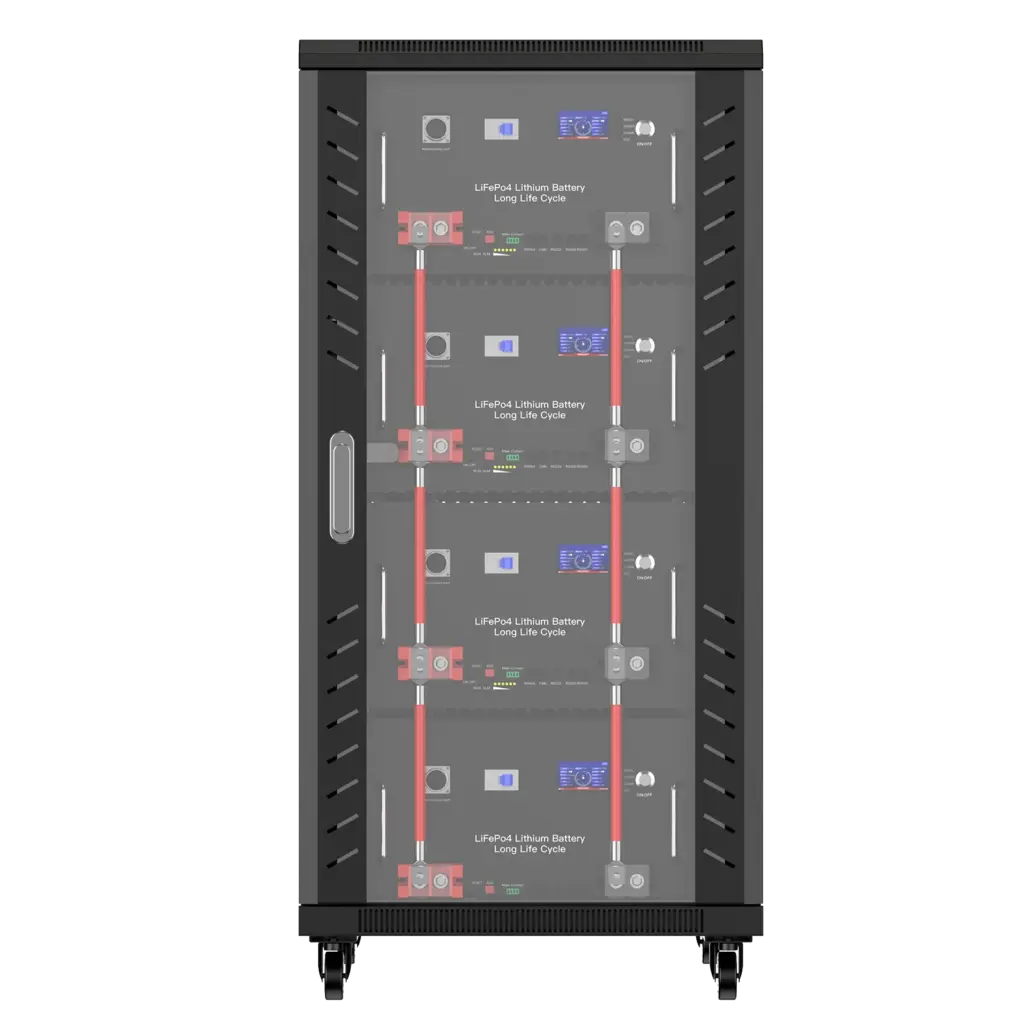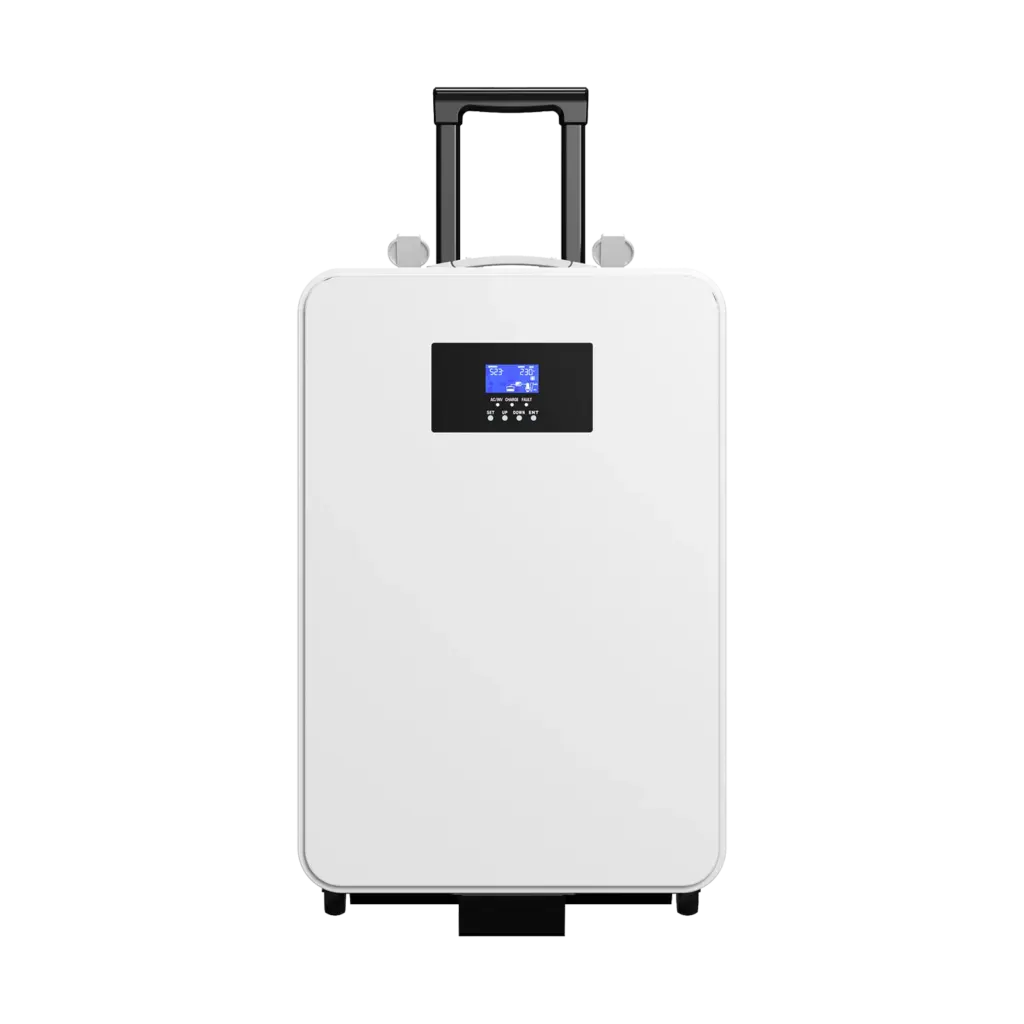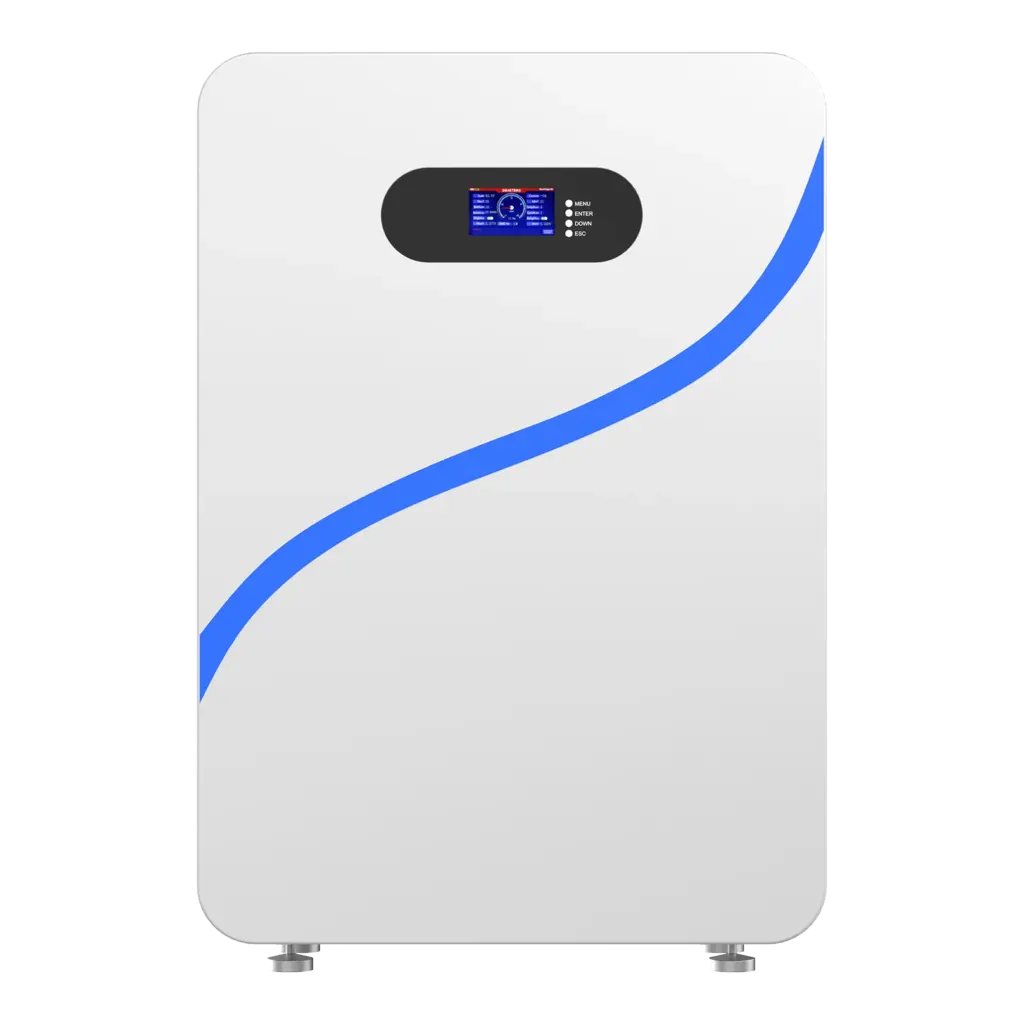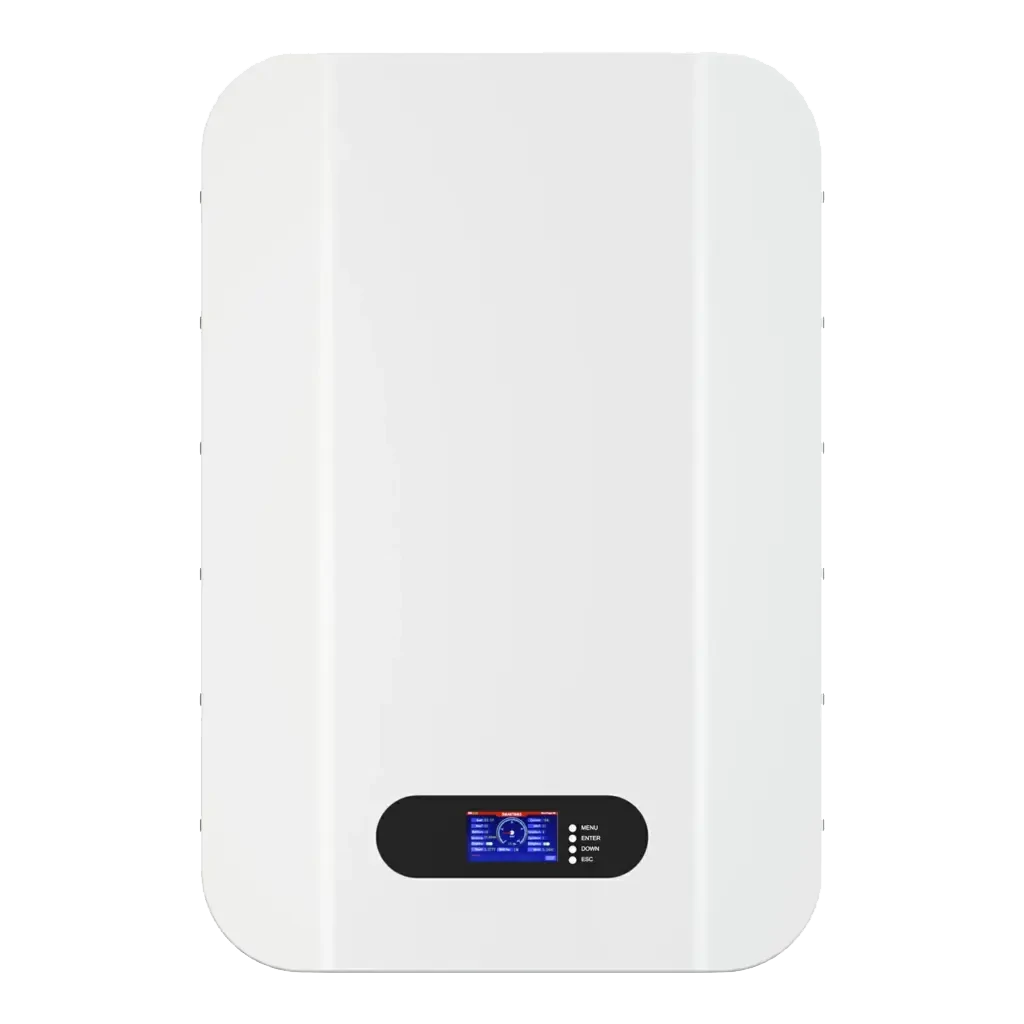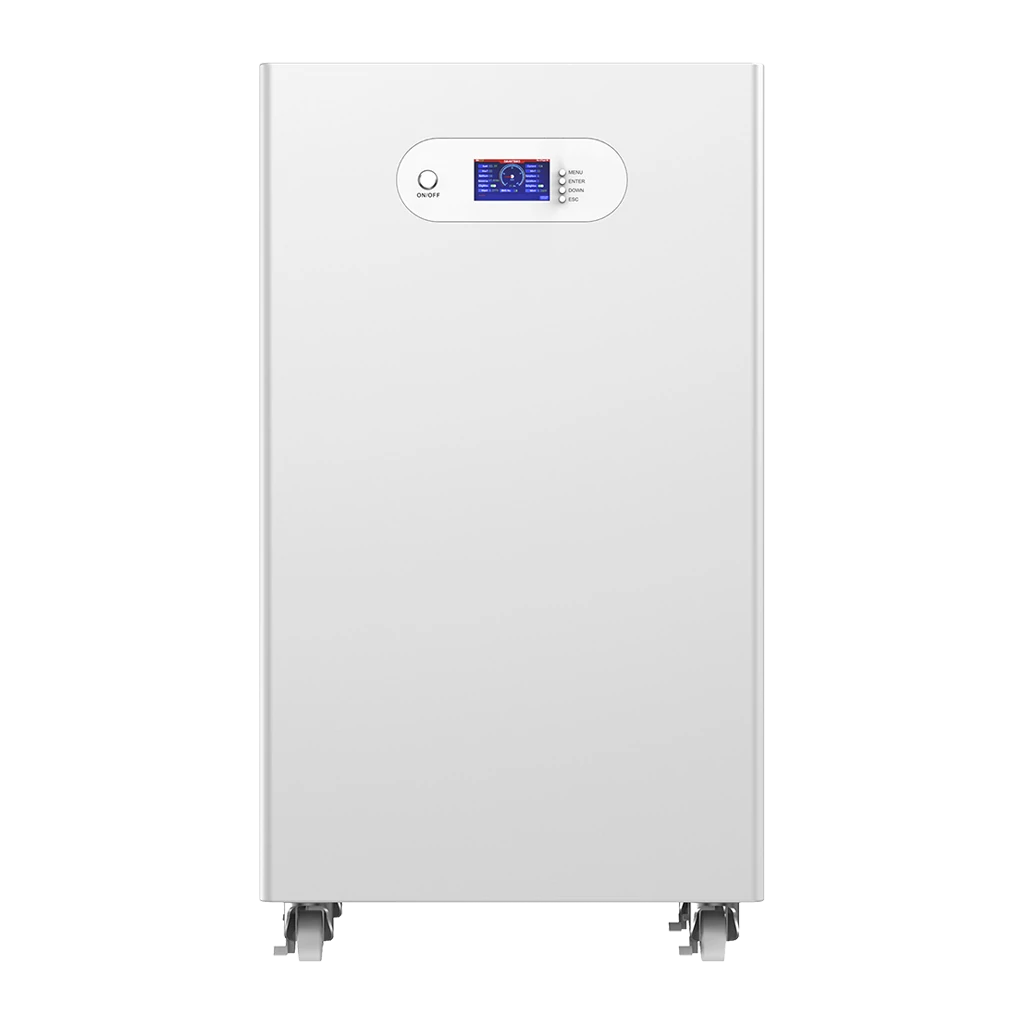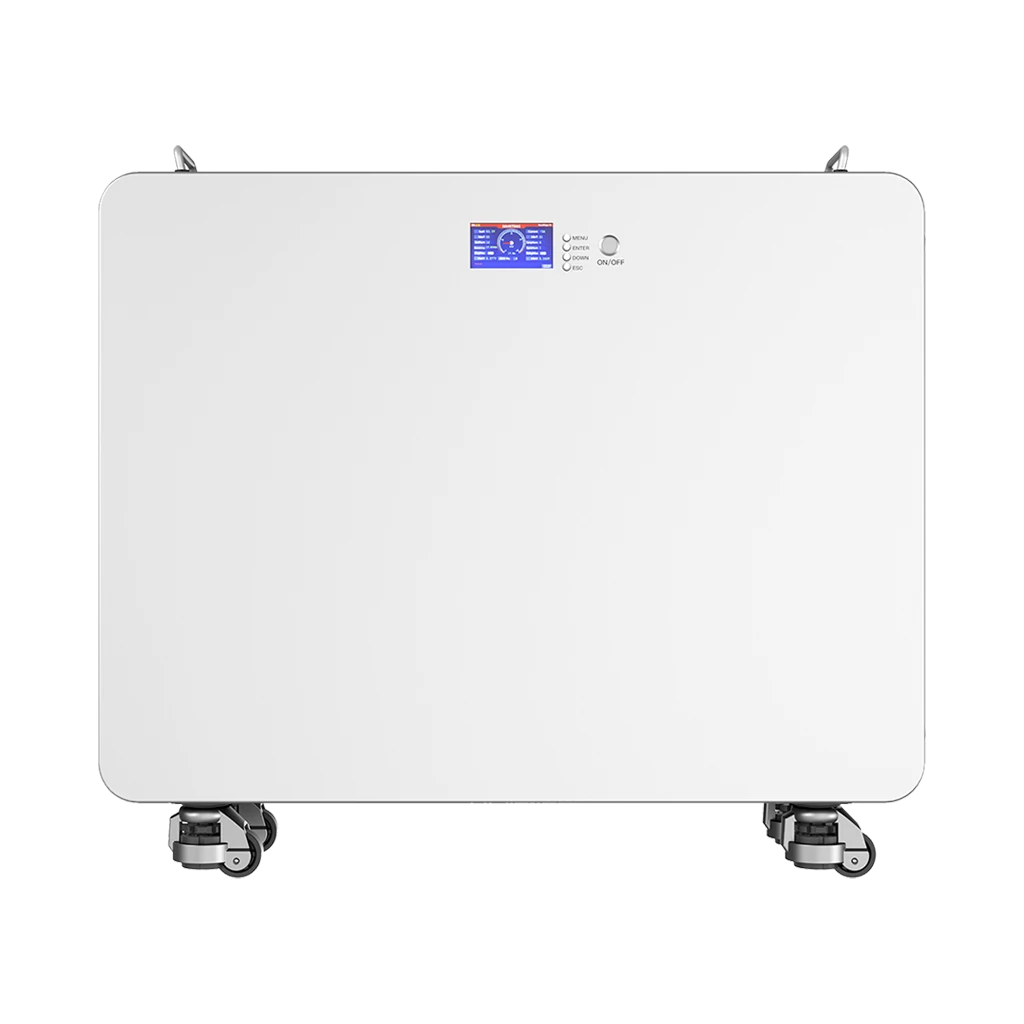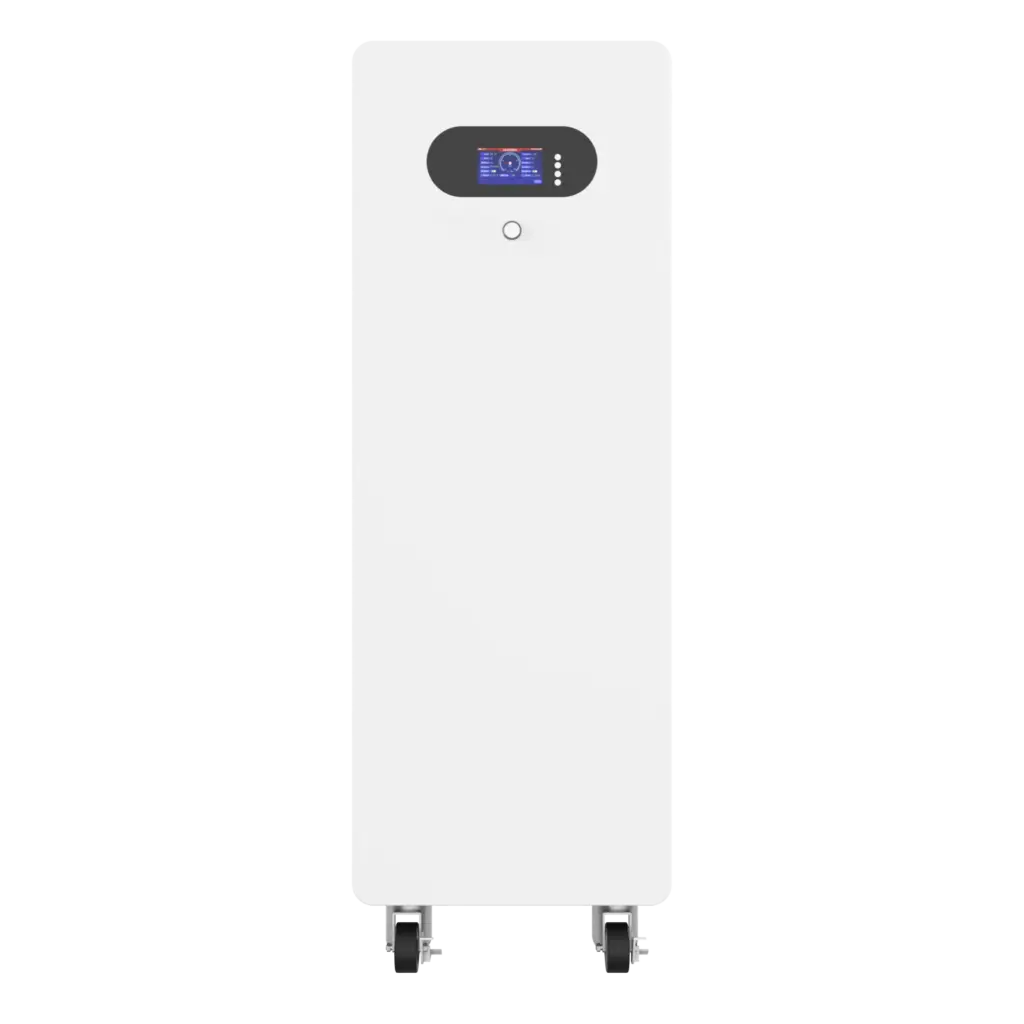

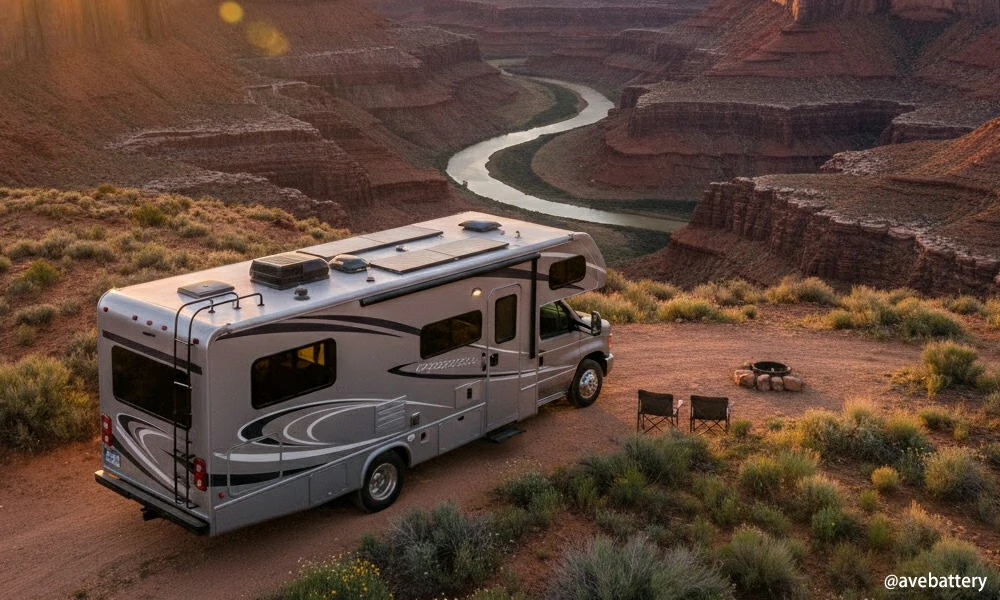
A 100Ah battery can typically run a 12V RV fridge for about 2–3 days under normal conditions. As a practical baseline, this guide assumes a 12.8V 100Ah LiFePO4 battery with 80% planned depth of discharge (DoD). A native 12V RV fridge runs directly from DC power, so no inverter is required; if you are powering a 120V refrigerator through an inverter, use about 90% inverter efficiency in the calculation.
For example, a 12V RV fridge drawing about 40W while the compressor is running at a 40% duty cycle uses roughly 384Wh per day. With about 1,024Wh of planned usable battery energy, the estimated runtime is approximately 2.7 days. An efficient fridge may last more than 3 days, while hot weather, frequent door openings, poor ventilation, or higher daily energy use can reduce runtime to less than 2 days.
12V RV Fridge Runtime: Quick Answer
| Typical Fridge Use | Daily Energy Use | Estimated Runtime |
|---|---|---|
| Efficient / Mild Conditions | 300Wh/day | About 3.4 days |
| Typical Use | 384Wh/day | About 2.7 days |
| Higher Load | 500Wh/day | About 2.0 days |
| Hot / Heavy Use | 600Wh/day | About 1.7 days |
Baseline assumptions: 12.8V 100Ah LiFePO4 battery, 80% planned DoD, direct 12V DC operation, and no other RV electrical loads. These are planning estimates rather than guaranteed runtimes.
How to Calculate 12V RV Fridge Battery Runtime
If you find the following steps too complicated, you can also use our battery runtime calculator to make the process easier.
12V RV Fridge Runtime Calculator
The most reliable way to estimate runtime is to compare the battery's planned usable energy with the fridge's actual daily energy consumption.
Use these formulas:
Battery Energy (Wh) = Battery Voltage × Battery Capacity (Ah)
Planned Usable Energy = Battery Energy × Planned DoD
Runtime (Days) = Planned Usable Energy ÷ Fridge Energy Use per Day
If the refrigerator runs through an inverter, also multiply the usable battery energy by the inverter efficiency.
Step 4: Convert Battery Capacity to Watt-Hours
For a 12.8V 100Ah LiFePO4 battery:
100Ah × 12.8V = 1,280Wh
This is the battery's nominal energy capacity, not the amount you necessarily plan to use before recharging.
Using an 80% planned depth of discharge:
1,280Wh × 80% = 1,024Wh planned usable energy
Step 5: Divide Usable Battery Energy by Fridge Daily Use
If the fridge uses about 384Wh per day:
1,024Wh ÷ 384Wh/day ≈ 2.67 days
That equals approximately:
64 hours of estimated runtime
So, under these assumptions, a 100Ah LiFePO4 battery can run a typical 12V RV fridge for about 2.7 days before recharging.
If the appliance is a 120V refrigerator powered through an inverter, inverter losses should also be included. At 90% inverter efficiency:
1,024Wh × 90% = 921.6Wh available to the AC load
What If I Prefer to Work in Amp-Hours?
The same estimate can be calculated in amp-hours.
A fridge using 384Wh per day on a 12.8V system consumes:
384Wh ÷ 12.8V = 30Ah/day
With an 80% planned DoD, a 100Ah battery provides:
100Ah × 80% = 80Ah planned usable capacity
Runtime:
80Ah ÷ 30Ah/day ≈ 2.7 days
As a quick reference:
- 25Ah/day → about 3.2 days
- 30Ah/day → about 2.7 days
- 40Ah/day → about 2.0 days
If your refrigerator specification gives annual energy use instead, you can convert it to daily consumption.
For example:
200kWh/year = 200,000Wh ÷ 365 ≈ 548Wh/day
For a direct-DC system:
1,024Wh ÷ 548Wh/day ≈ 1.9 days
If the appliance instead runs through a 90%-efficient inverter:
921.6Wh ÷ 548Wh/day ≈ 1.7 days
100Ah Battery Runtime for Different 12V RV Fridge Loads
Actual runtime changes significantly with compressor duty cycle and daily energy consumption.
| Scenario | Running Power | Duty Cycle | Daily Energy | Approx. Daily Ah | Estimated Runtime |
|---|---|---|---|---|---|
| Cool Weather | 40W | 20% | 192Wh | 15Ah/day | 5.3 days |
| Typical Conditions | 40W | 40% | 384Wh | 30Ah/day | 2.7 days |
| Hot Weather | 40W | 60% | 576Wh | 45Ah/day | 1.8 days |
These estimates use a 100Ah battery with an 80% planned DoD and exclude other RV electrical loads.
| Daily Fridge Use | 100Ah Battery | 200Ah Battery | Typical Situation |
|---|---|---|---|
| 20Ah/day | 4.0 days | 8.0 days | Efficient fridge, mild weather |
| 30Ah/day | 2.7 days | 5.3 days | Typical 12V RV fridge |
| 40Ah/day | 2.0 days | 4.0 days | Larger fridge or warm weather |
| 60Ah/day | 1.3 days | 2.7 days | Heavy use or additional loads |
The table uses 80% planned usable battery capacity: 80Ah from a 100Ah battery and 160Ah from a 200Ah battery.
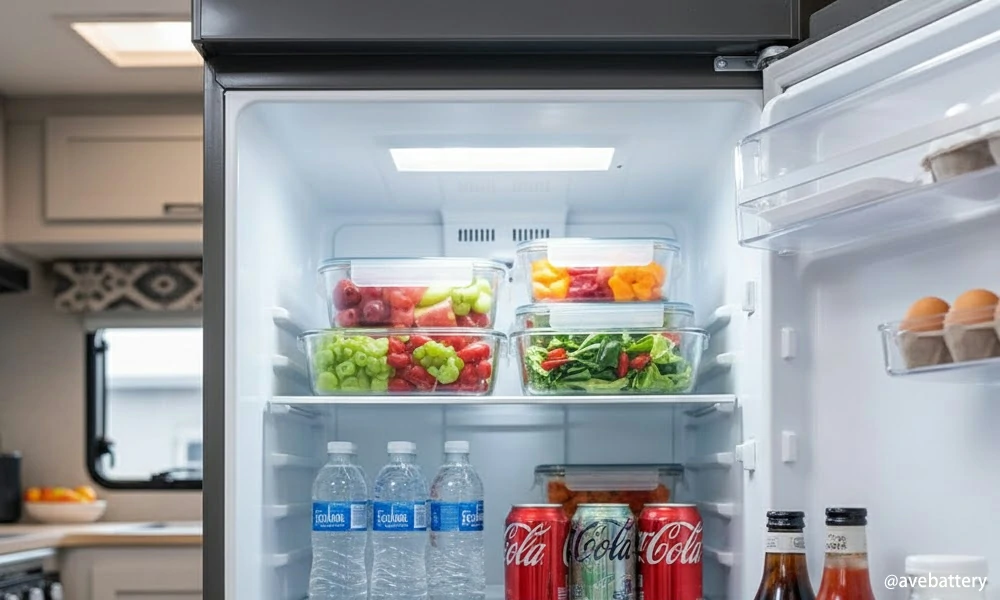
What Affects 12V RV Fridge Battery Runtime?
Depth of Discharge
A battery's rated capacity and the amount you plan to use are not always the same. In this guide, we use an 80% planned DoD for LiFePO4 to provide a practical and consistent planning estimate.
The actual recommended discharge limit depends on the battery design, BMS settings, operating conditions, and manufacturer specifications.
Direct DC vs Inverter Efficiency
A native 12V RV fridge normally connects directly to the 12V DC electrical system, so an inverter is not required.
If you use a 120V refrigerator through an inverter, some battery energy is lost during DC-to-AC conversion. For example, a 90%-efficient inverter would reduce 1,024Wh of planned usable battery energy to approximately 922Wh available to the appliance.
Temperature and Duty Cycle
Temperature can have a major effect on refrigerator runtime.
In mild conditions, the compressor may run for a relatively small portion of each hour. In hot weather, poor ventilation, frequent door openings, or after adding warm food, the compressor may operate much longer.
Because of this, the refrigerator's Wh/day or Ah/day rating is usually more useful for battery-runtime planning than maximum running wattage alone.
100Ah Battery Runtime for Different 12V RV Fridge Loads
Not every fridge will stay at 384Wh/day. Some fridges will run harder:
- hot weather
- door opened often
- fridge also freezing
- poor ventilation in the cabinet
Let’s look at three quick scenarios so you can use them in your page.
| Scenario | Power Draw (W) | Duty Cycle (%) | Daily Wh | Daily Ah Draw (at 12.8V) | Run Time (Days) (100 Ah/Ah/day) |
| Cool Weather (Low) | 40 W | 20% | 192 Wh | 15 Ah/day | 6.6 Days |
| Moderate Weather (Avg) | 40 W | 40% | 384 Wh | 30 Ah/day | 3.3 Days |
| Hot Weather (High) | 40 W | 60% | 576 Wh | 45 Ah/day | 2.2 Days |
While a 100Ah lithium battery is a good starting point, some RVers might need more capacity depending on their lifestyle.
| Daily Fridge Draw (Ah/Day) | 100Ah Usable Capacity Run Time | 200Ah Usable Capacity Run Time | Primary Use Case |
| 20 Ah/day (Efficient Fridge/Mild Temp) | 5.0 Days | 10.0 Days | Weekend trips, moderate climate. |
| 30 Ah/day (Average Fridge/Warm Temp) | 3.3 Days | 6.6 Days | Extended trips, modest solar setup. |
| 40 Ah/day (Large Fridge/Hot Climate) | 2.5 Days | 5.0 Days | Boondocking in summer, reliance on battery only. |
| 60 Ah/day (Fridge + Other Loads) | 1.6 Days | 3.3 Days | Long-term use with lights, charging, and inverter loads. |
For a standard RV trip without significant other electrical loads (like an inverter for a coffee maker or a high-wattage television), a single 100Ah lithium battery provides a solid about 3 days of fridge run time. If you plan to live in your RV full-time, travel extensively in hot climates, or have other major electrical appliances, then a 200Ah battery bank will provide the necessary buffer and comfort.
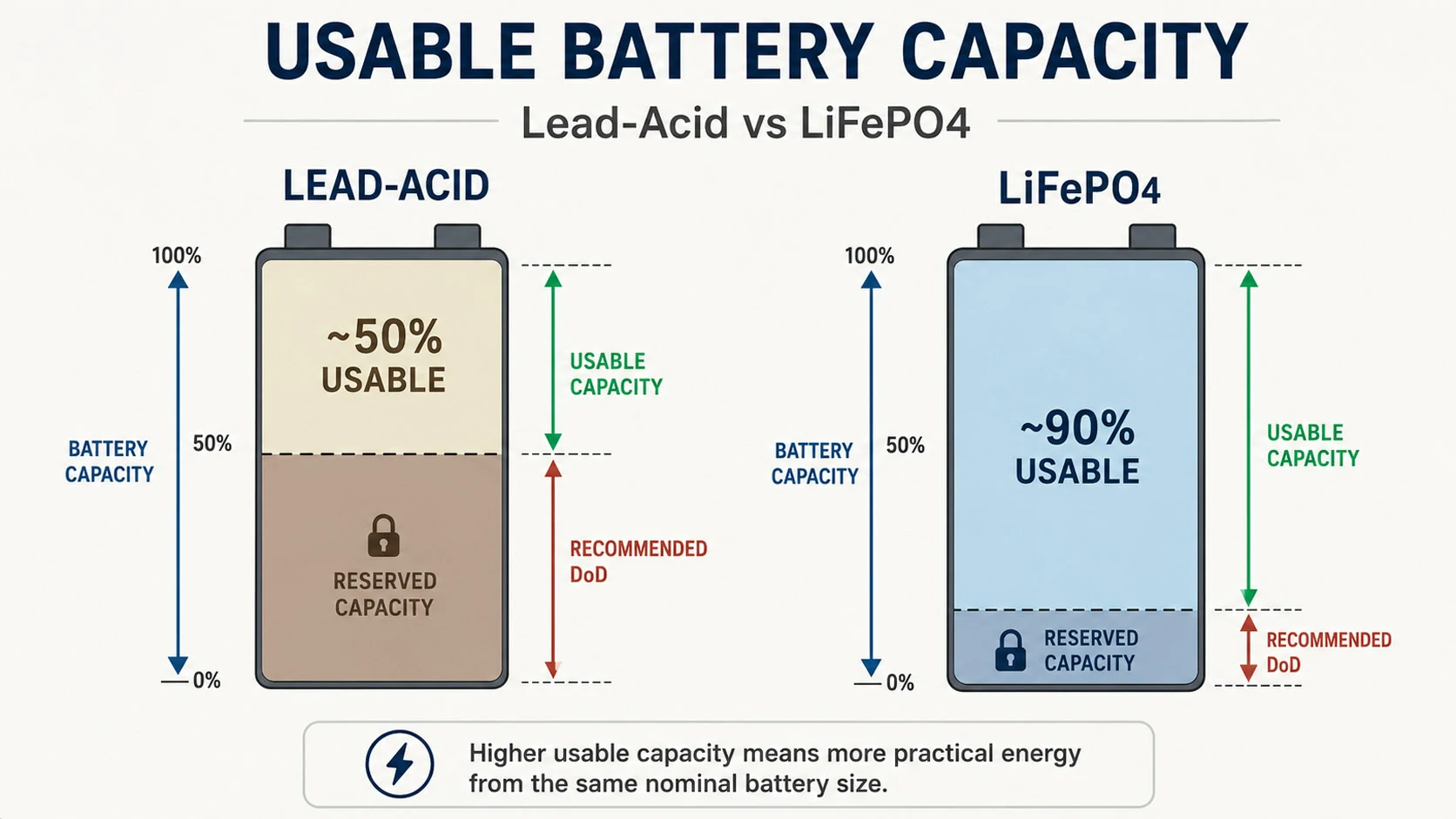
Lead-Acid vs Lithium for a 12V RV Fridge
Many older RVs still have lead-acid batteries. Many people think 100Ah is 100Ah, but that is not true in practice.
- 100Ah Lead-acid: You should use only about 50Ah. If your fridge uses 30Ah/day, then:
- Run Time = 50Ah ÷ 30Ah/day = 1.6 days
So you get less than 2 days.
- Run Time = 50Ah ÷ 30Ah/day = 1.6 days
- 100Ah LiFePO4: You can use 95–100Ah. If your fridge uses 30Ah/day:
- Run Time = 100Ah ÷ 30Ah/day = 3.3 days
So you get about double the time.
- Run Time = 100Ah ÷ 30Ah/day = 3.3 days
This is the main reason why many RV owners switch to lithium. A lithium battery gives longer run time for the same rated size.
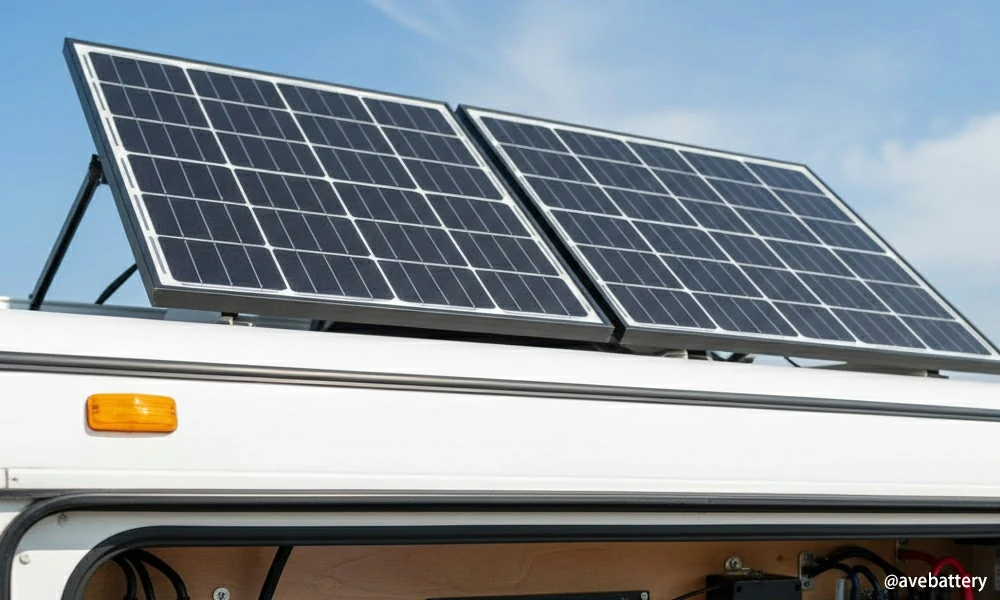
Solar and Alternator Charging
Solar or alternator charging can extend the time a 12V RV fridge operates without shore power by replacing some or all of the energy used each day.
For example, if the fridge consumes about 400–500Wh per day, a properly sized solar system may offset much of that daily consumption under favorable sunlight conditions. Actual solar production depends on panel size, peak sun hours, shading, panel orientation, charge-controller efficiency, weather, and season.
Alternator charging through an appropriately sized DC-DC charger can also recharge the house battery while driving. When planning an off-grid system, compare the fridge's daily Wh consumption with the amount of energy the solar or alternator system can realistically return to the battery each day.
How to Make a 12V Fridge Run Longer on a 100Ah Battery
If you want to stay out longer without starting the generator, you must lower the fridge’s daily energy use or refill the battery during the day. Here are practical ways.
Keep Pre-Cooled Food and Drinks Inside
A fridge containing pre-cooled food and drinks has more thermal mass and experiences smaller temperature swings when the door is opened. Avoid loading large amounts of warm food at once, because the compressor will need to run longer to remove that additional heat.
Pre-Cool the Food
If possible, cool food and drinks before placing them in the RV refrigerator. The fridge then only needs to maintain temperature rather than cool everything from room temperature.
Set a Reasonable Temperature
Avoid setting the refrigerator colder than necessary. A refrigerator temperature around 3–5°C (37–41°F) is suitable for many food-storage applications, while the freezer should follow the refrigerator manufacturer's recommended setting.
Improve Ventilation and Reduce Heat Exposure
High ambient temperature and poor ventilation around the condenser or compressor can increase refrigerator energy use.
Parking in shade when practical and maintaining adequate airflow around the refrigerator can reduce compressor run time and extend battery runtime.
Use Solar to Offset Daytime Consumption
Solar charging can reduce the amount of battery capacity consumed over each 24-hour period. Whether solar can fully replace the refrigerator's daily energy use depends on actual panel output, weather, season, shading, charge-controller efficiency, and the fridge's Wh/day consumption.
Conclusion
A 100Ah LiFePO4 battery will typically run a 12V RV fridge for about 2–3 days under common operating conditions.
Using the baseline in this guide — a 12.8V 100Ah battery, 80% planned DoD, and a fridge consuming about 384Wh per day — estimated runtime is approximately 2.7 days.
An efficient refrigerator in mild weather may operate for more than 3 days, while a larger fridge, hot conditions, frequent door openings, or additional electrical loads can reduce runtime to less than 2 days.
For the most accurate estimate, use the refrigerator's actual Wh/day or Ah/day consumption, apply the planned usable capacity of your battery, and include inverter losses if the refrigerator operates from AC power.
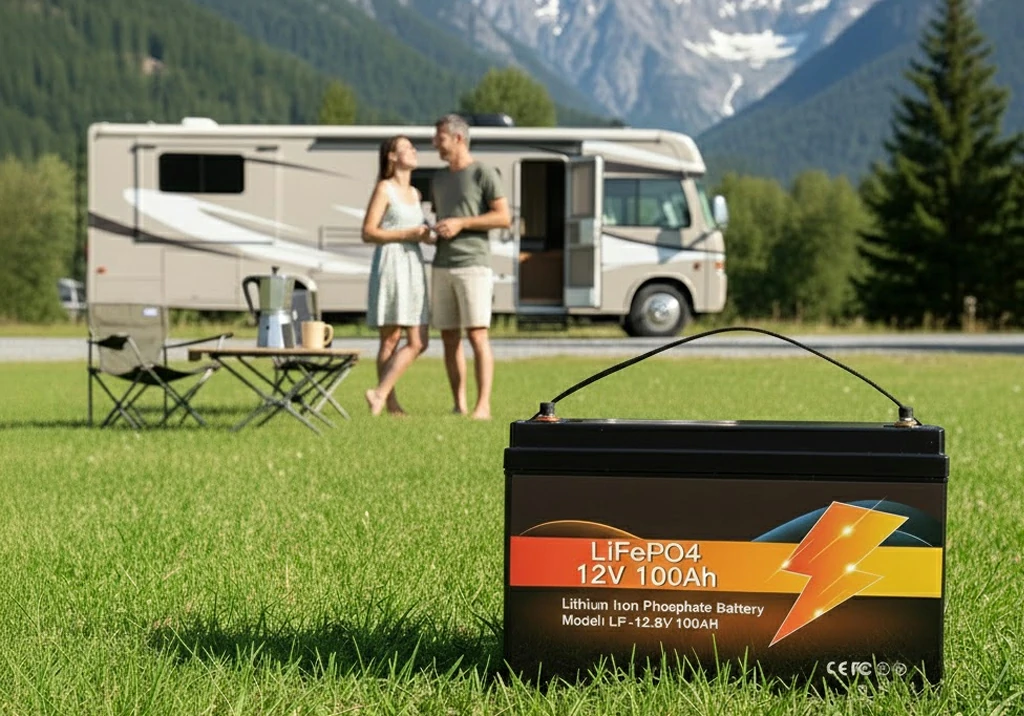
Power That Lasts
If you want a battery you can just install and forget, go with an Avepower LiFePO4.
You get 4000+ cycles, around 10 years of use, a built-in BMS, and capacity you can expand later as your needs grow—just talk to Avepower for easy sizing advice and a no-pressure quote.
FAQ
A 100Ah LiFePO4 battery will commonly run a 12V RV fridge for about 2–3 days. Using an 80% planned DoD and a refrigerator consuming about 30Ah per day gives an estimated runtime of approximately 2.7 days.
Yes. A healthy 100Ah battery normally has enough capacity to operate an efficient 12V compressor refrigerator overnight. The amount of battery used depends on the fridge's average current draw, compressor duty cycle, ambient temperature, and battery chemistry.
Daily consumption varies by refrigerator size, temperature, ventilation, thermostat setting, and compressor duty cycle. A fridge using about 384Wh per day on a 12.8V system consumes approximately 30Ah per day.
A native 12V RV fridge normally runs directly from the RV's 12V DC electrical system and does not require an inverter.
Using a planning example of 80% usable capacity for LiFePO4 and 50% for AGM, a fridge consuming 30Ah per day would run for about 2.7 days on lithium and about 1.7 days on AGM.