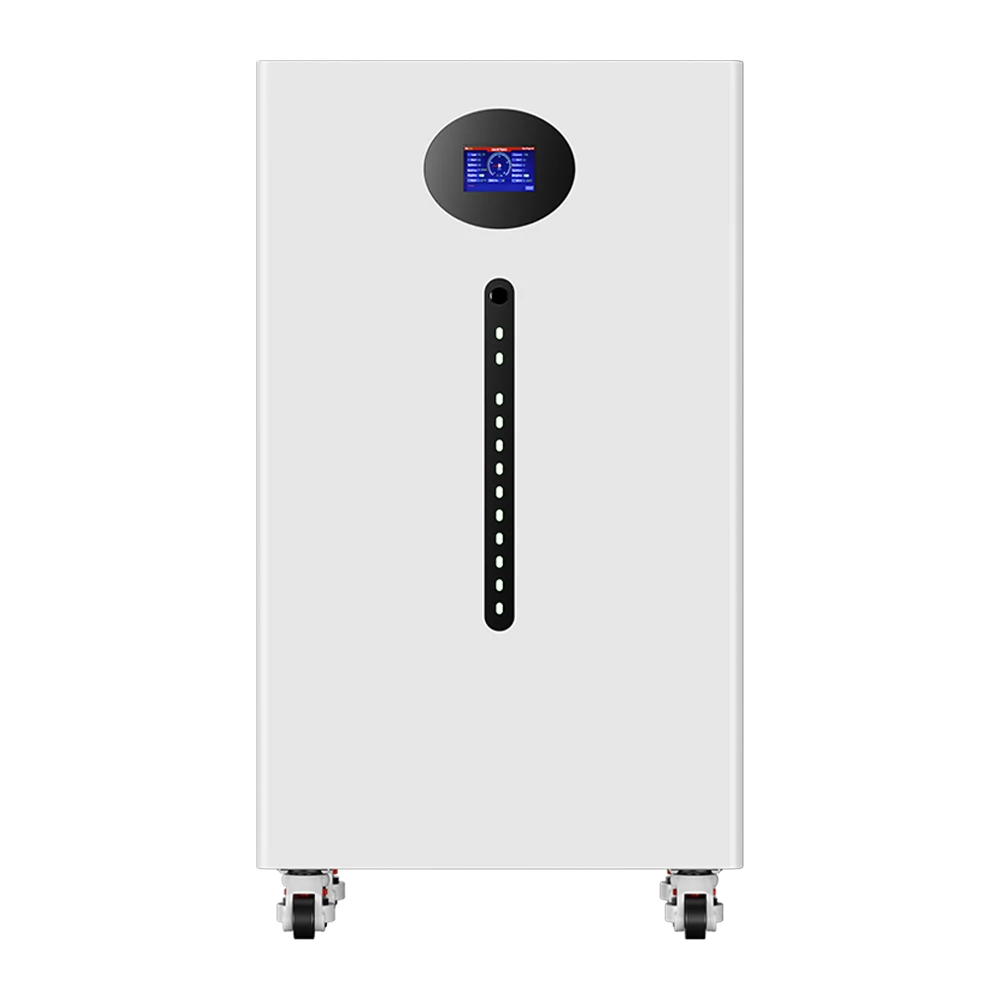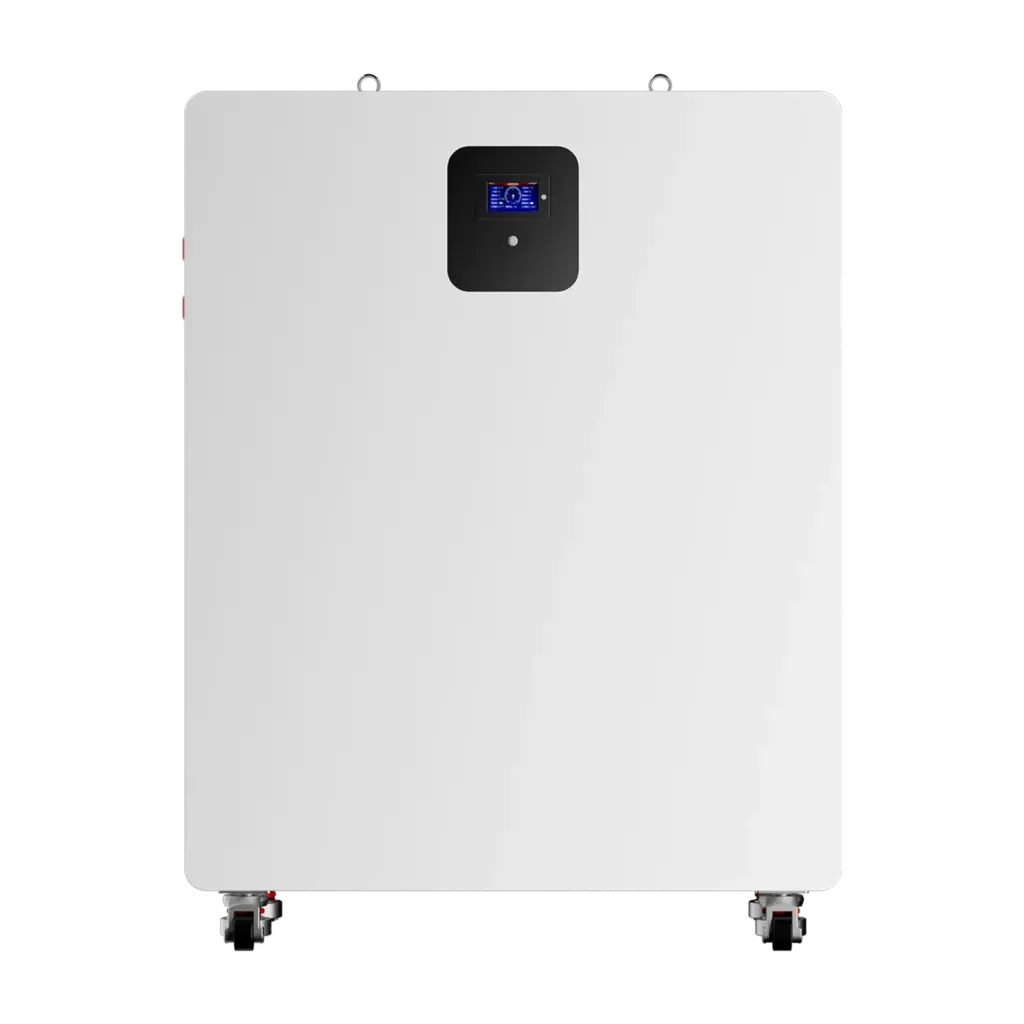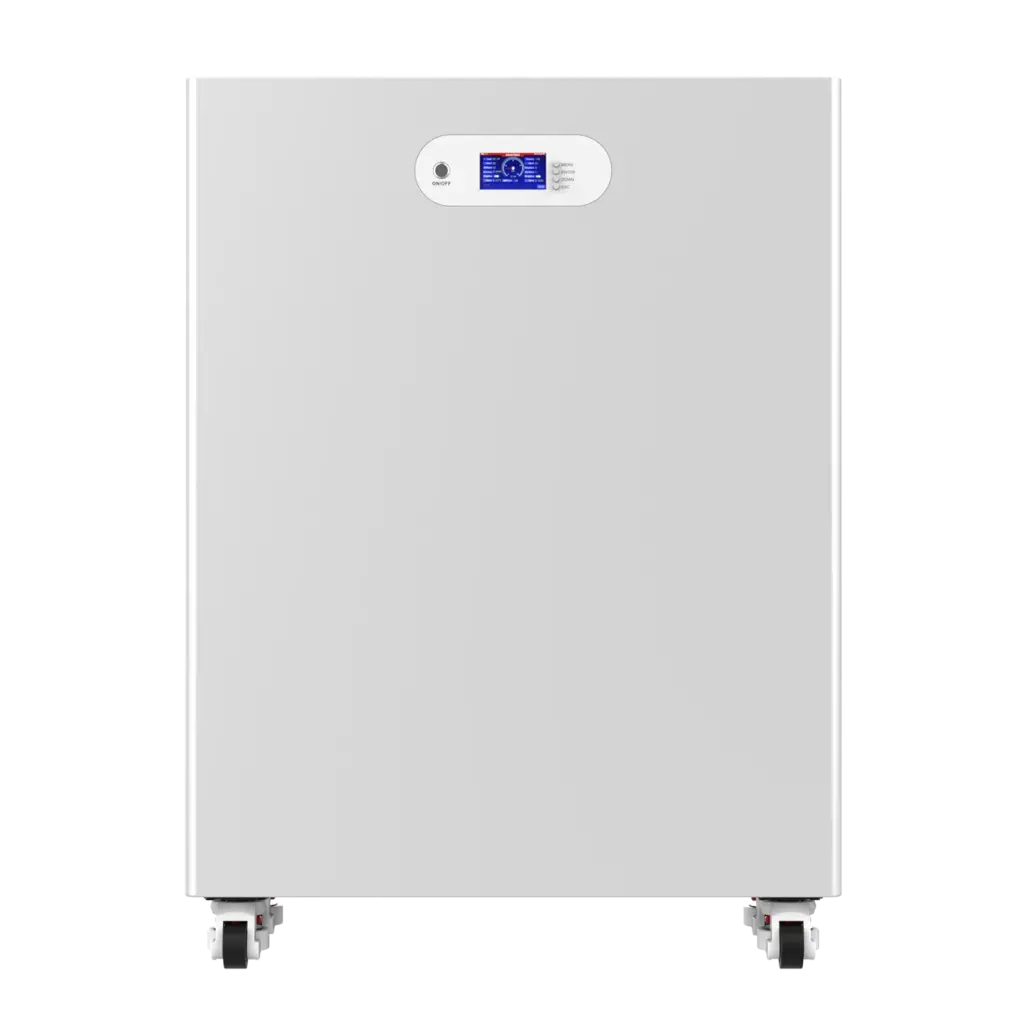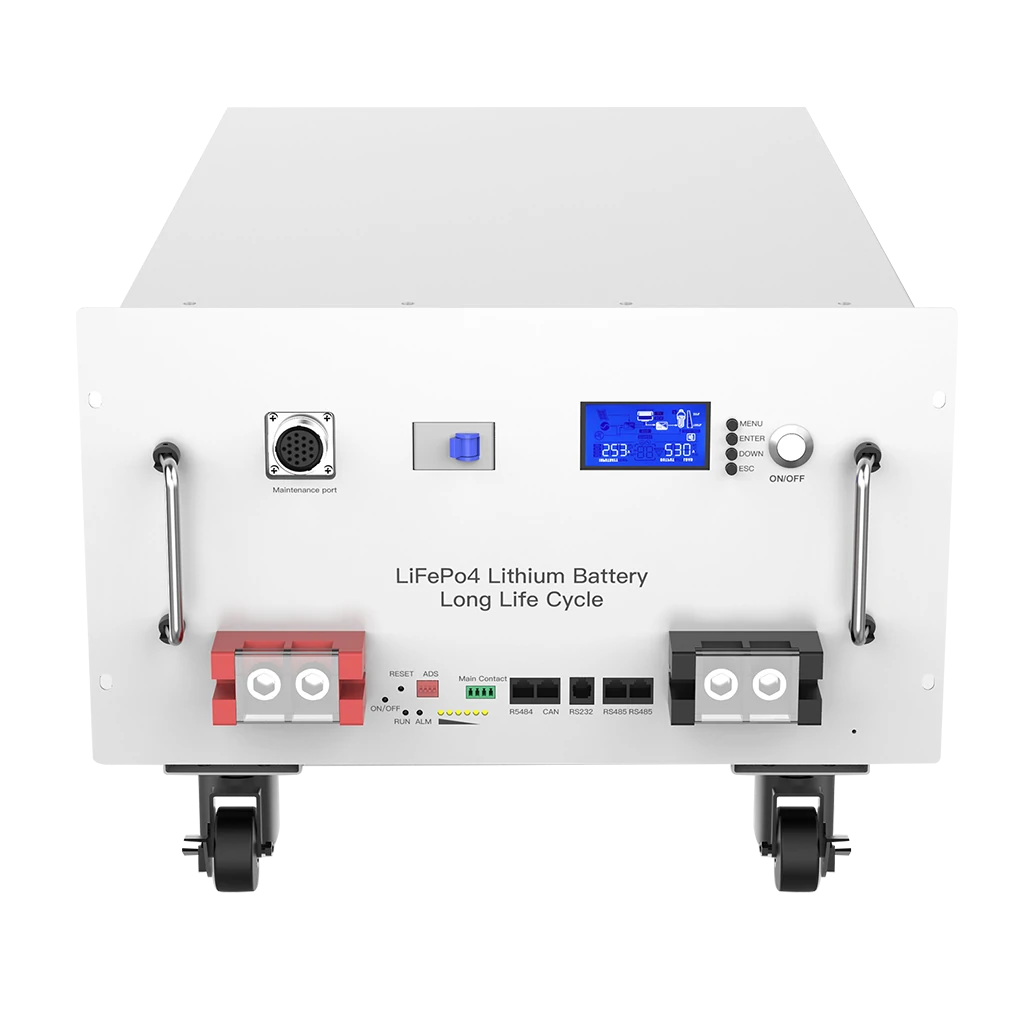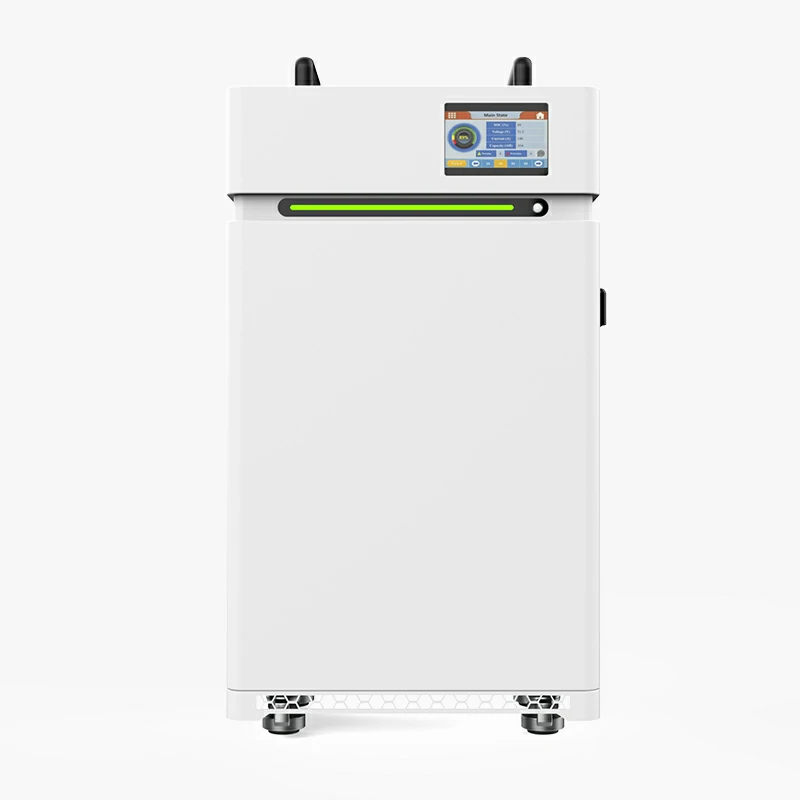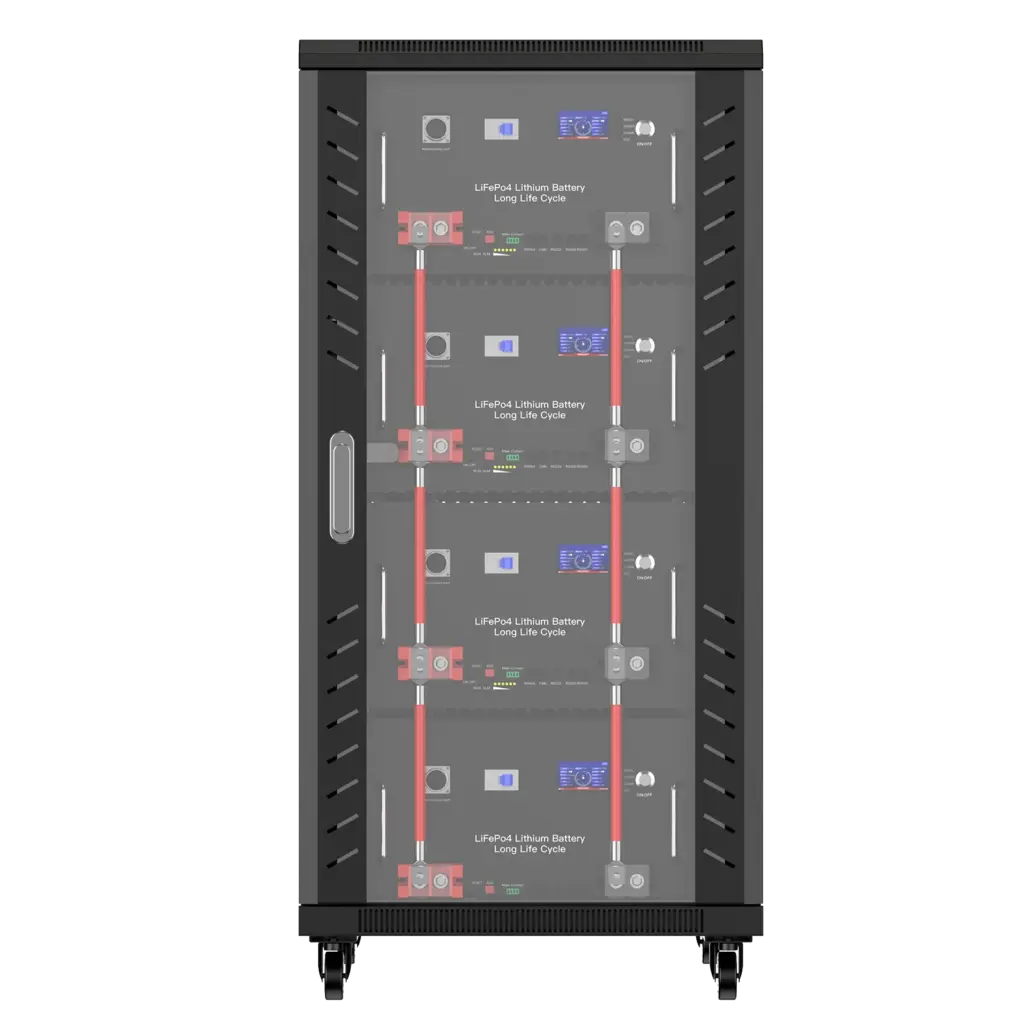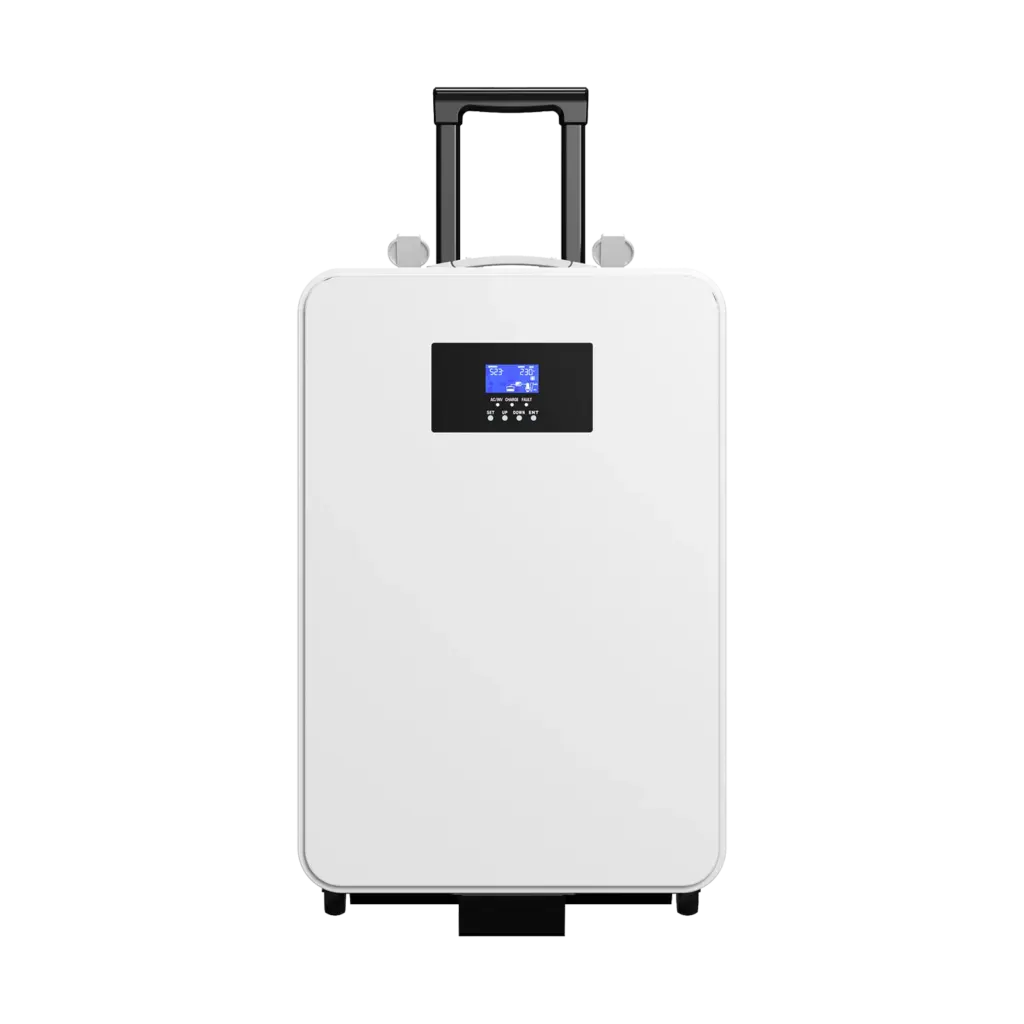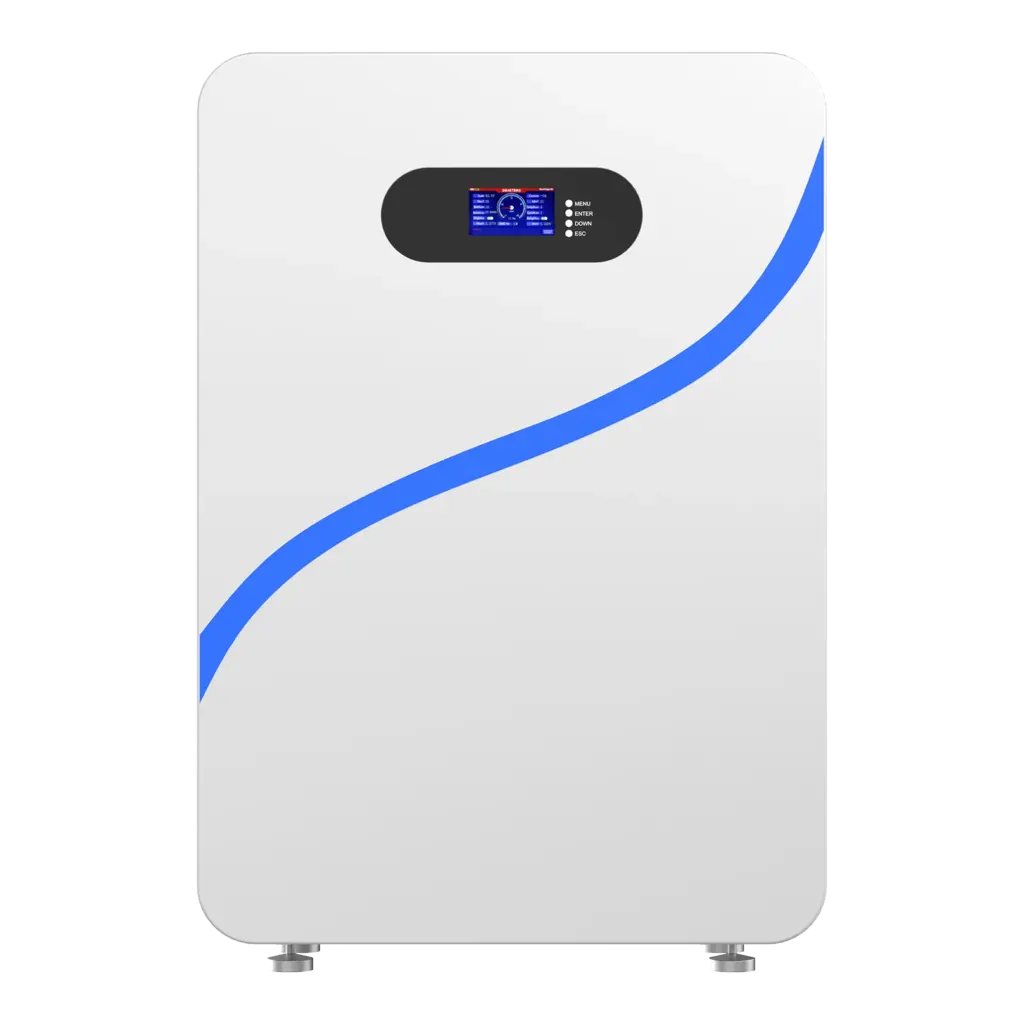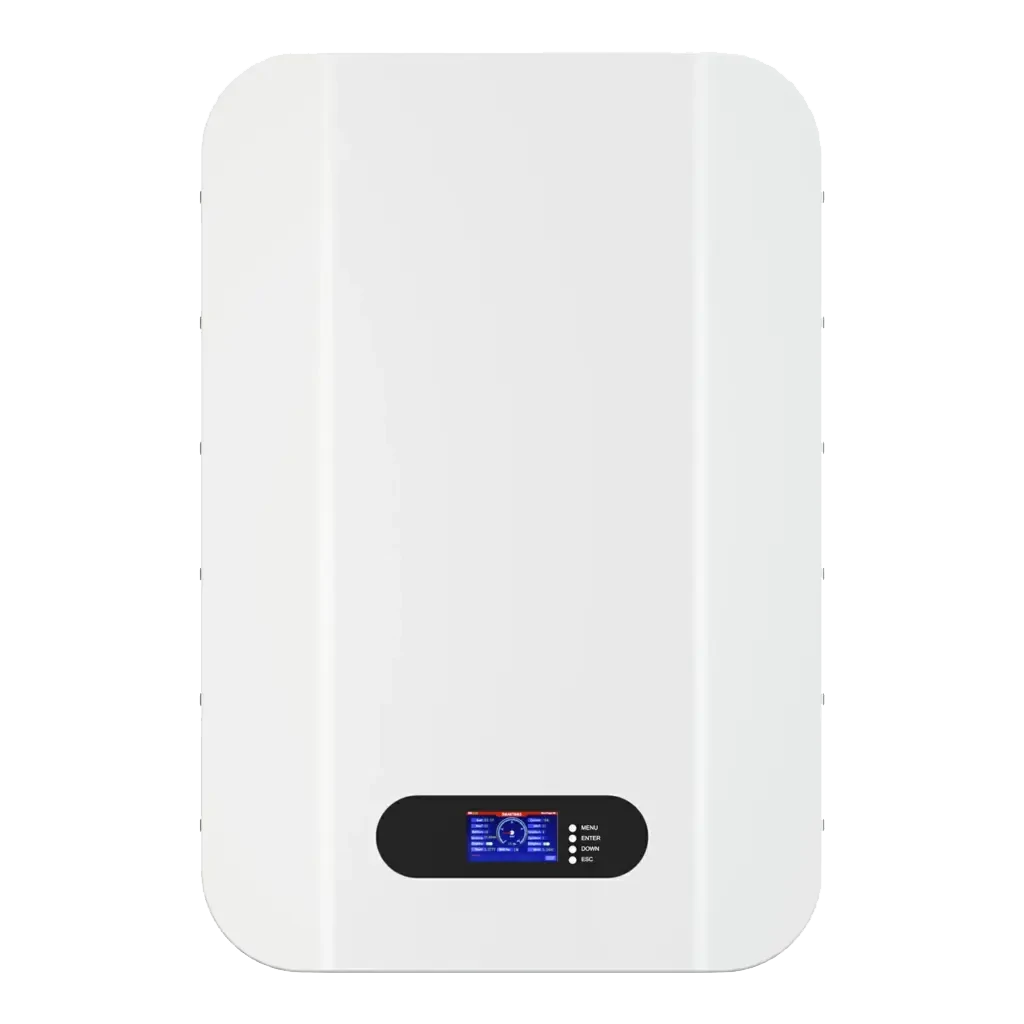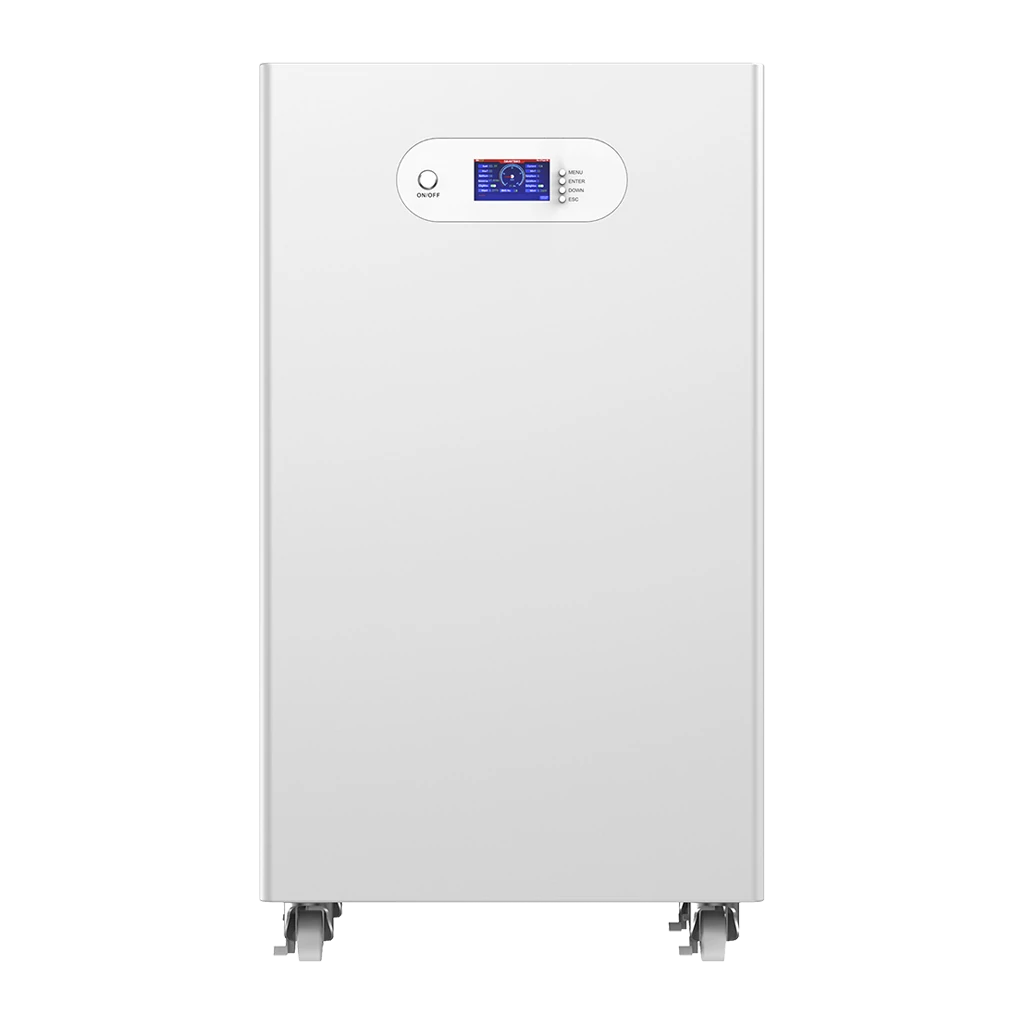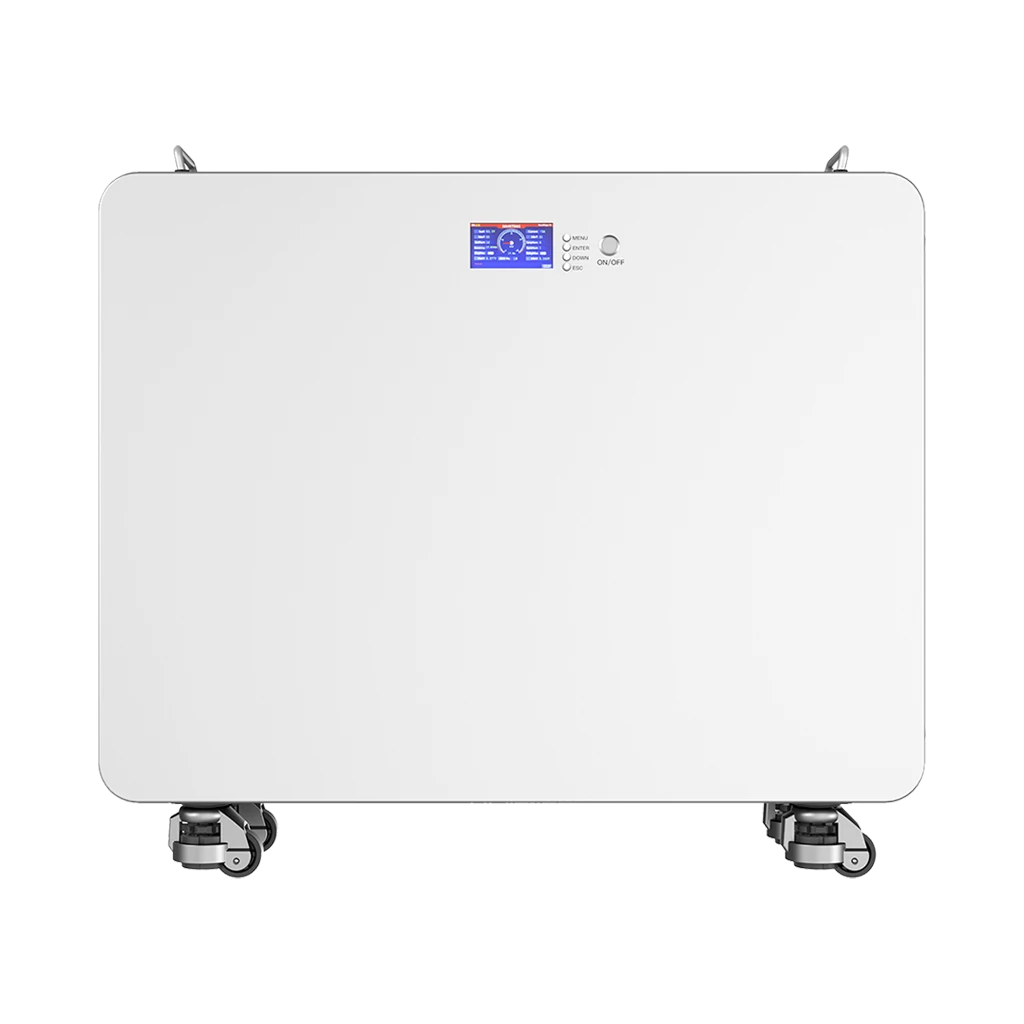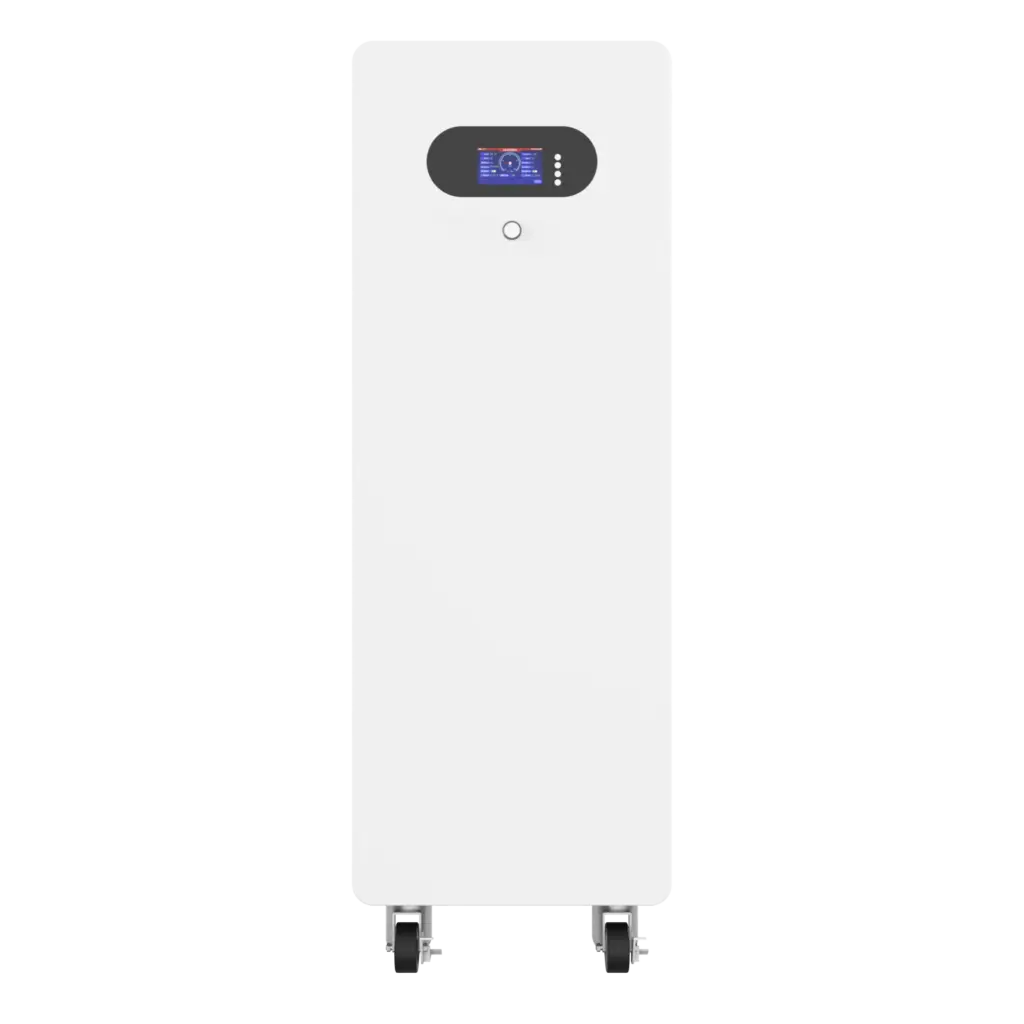

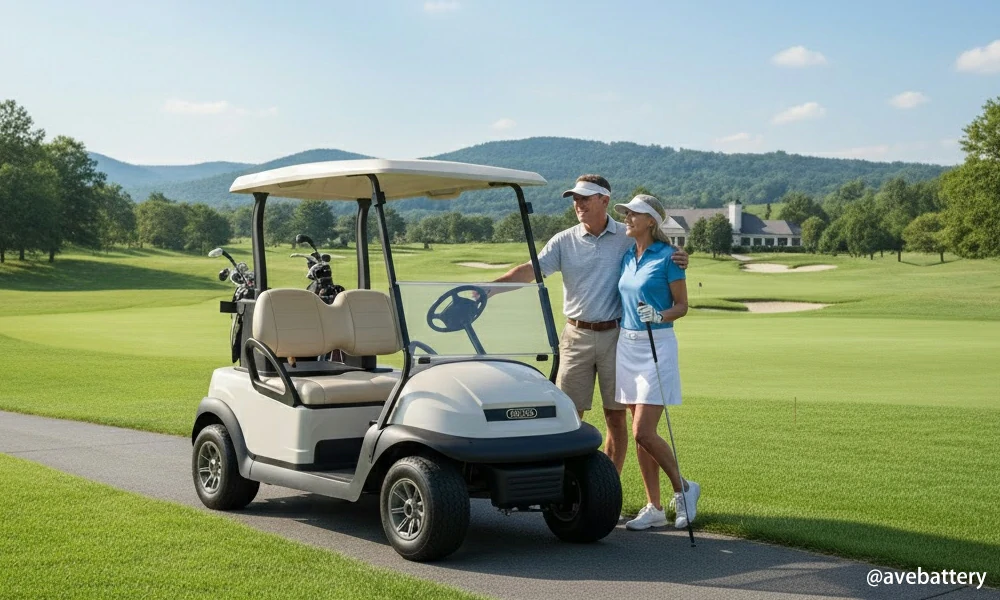
Golf buggies are a common sight across British, Australian, and other Commonwealth courses, serving as essential transport for golfers and their gear. Every golf buggy relies on a dependable battery to make sure the journey across fairways is smooth and hassle-free.
This guide will explain what a 12V golf buggy battery is, how it works, what types are common, how to choose the right one, and how to look after it so it lasts longer.
What a 12V Golf Buggy Battery Actually Does
A golf buggy looks light and slow, so many people think the battery does not need to be strong. That idea is not true. A battery on a golf buggy must give steady power for a long time, not just a quick burst like a car starter battery. A car battery only starts the engine and then the alternator takes over. A golf buggy battery must keep giving power the whole time the buggy is moving. That means the battery must be deep cycle.
A deep cycle battery is a battery that can be discharged and charged again many times. A deep cycle battery can go down to a lower level of charge without getting damaged. A starter battery, like in a car, does not like deep discharge. A golf buggy needs deep cycle because the buggy may run for 18 holes or even 36 holes before it is charged again.
So the main jobs of the 12V golf buggy battery are:
- It gives steady power to the motor.
- It keeps power stable during hills, grass, and sand.
- It works in different weather.
- It accepts charging at the end of the day.
Why 12V Is Still Common
Many golf buggies in the UK, Australia, New Zealand, and South Africa use 12V batteries. Some use one 12V battery. Some use two or three 12V batteries in series to make 24V or 36V. The 12V size is common because:
- Many chargers, cables, and accessories are made for 12V.
- Many owners are used to 12V from cars and caravans.
- 12V batteries are easy to replace and ship.
- 12V allows people to mix and match batteries in series if the buggy needs higher voltage.
When a buggy uses 24V or 36V, it often uses 2x12V (for 24V) or 3x12V (for 36V). In some cases, fleets use 6V or 8V batteries in series, but for private owners and small clubs, 12V is still very practical.
Key 12V Golf Buggy Battery Terms You Must Understand
To choose the right 12V golf buggy battery, the buyer must know a few basic terms.
Voltage (V)
Voltage is the “pressure” that pushes current. A 12V battery has a nominal voltage of 12 volts. When we connect batteries in series, we add voltage. For example:
- 2 × 12V in series = 24V
- 3 × 12V in series = 36V
- 4 × 12V in series = 48V
A golf buggy maker decides how many batteries to use. The user should keep the same number when replacing.
Capacity (Ah)
Capacity is shown in ampere-hours (Ah). If a 12V battery is rated 100Ah, it means the battery can, in theory, give 5 amps for 20 hours (because 5 A × 20 h = 100 Ah). In real life, the actual time depends on the load, the temperature, and the age of the battery.
A golf buggy that must drive 18 holes, or even 27 holes, needs enough Ah. Many people find that 75Ah–120Ah per 12V battery is common for a full-size buggy, but the final number depends on how many 12V batteries are in the pack.
Energy (Wh or kWh)
Energy is voltage × capacity. A simple example will help.
- A 12V, 100Ah battery has 12 × 100 = 1200Wh or 1.2kWh.
- If the buggy uses 600Wh to complete a round, the battery will have around 50% left.
Energy is useful to compare lead-acid and lithium, because lithium often gives more usable energy from the same stated Ah.
Depth of Discharge (DoD)
Depth of discharge is how much of the battery you use. If you start at 100% and you drop to 40%, then your DoD is 60%. Lead-acid batteries do not like deep DoD every day. Lithium batteries can cope better with deep DoD. This is one reason many clubs move to lithium.
C-Rate
C-rate is how fast you charge or discharge a battery. A 1C rate for a 100Ah battery is 100A. A 0.5C rate is 50A. Golf buggy motors often need a short burst of high current when going uphill. The battery must be able to supply that.
Pros and Cons of Popular 12V Golf Buggy Battery Types
Here’s a simple comparison table for golfers:
| Battery Type | Pros | Cons |
|---|---|---|
| Lead-Acid | Lowest cost, widely available | Heavy, needs maintenance, shorter lifespan |
| AGM/Gel (VRLA) | Maintenance-free, durable, spill-proof | Heavier than lithium, mid-range lifespan |
| Lithium-ion | Lightweight, longest lifespan, fast charge | Highest upfront cost, requires careful matching |
Many new buggies in Australia and the UK now ship with lithium batteries, as buyers want lightweight solutions and longer warranties. However, lead-acid options remain a good budget choice, especially for casual golfers or older carts.
What Golf Buggy Battery Capacity You Should Choose
Many people think only the voltage matters. The voltage tells you the system level, but the capacity tells you how long the buggy will run. Capacity is usually shown in ampere-hours (Ah). A 12V 35Ah battery will run for a shorter time than a 12V 100Ah battery.
- Light use, flat course, single player: 12V 50Ah–60Ah
- Standard use, 18 holes, some hills: 12V 75Ah–100Ah
- Heavy use, 36 holes, hilly course, or older buggy: 12V 100Ah–120Ah or move to lithium with BMS
Golf Buggy Battery Capacity Calculator
Formula: Required Wh = Load energy ÷ DoD ÷ Efficiency → Required Ah = Required Wh ÷ Voltage
Lead-Acid vs Lithium: Which Is Better for a Golf Buggy?
This is the question that gets asked again and again. The answer depends on budget, on how often the buggy is used, and on how much the user values lower weight.
Weight
A deep cycle 12V 100Ah lead-acid battery can weigh 25–30kg or even more. A 12V 100Ah LiFePO₄ battery can weigh around 11–13kg. That is a big difference. On soft or wet UK courses or sandy Australian coastal courses, a lighter battery helps the buggy move easier and reduces stress on the drive system.
Cycle Life
A good flooded battery might last 300–500 cycles if it is not abused. An AGM battery might do around 500–700 cycles. A good LiFePO₄ battery with a proper BMS can reach 2000–4000 cycles, sometimes more. That means that even though lithium costs more at the start, the cost per cycle can be lower over the life of the battery.
Maintenance
Lead-acid, especially flooded, needs topping up. Lithium does not. Many private owners and elderly golfers like lithium or AGM because they do not want to handle acid or water.
Performance
Lithium holds voltage better under load. That means the buggy does not slow down a lot when climbing a hill or at the end of the round. Lead-acid voltage drops more as it discharges, so users sometimes think “the buggy is getting weak” even though there is still some charge.
So if the user plays one or two times per week and wants a simple life, AGM is fine. If the user plays very often or runs a small rental fleet at a club, lithium will give better total value.
Price by Golf Buggy Battery
Lead acid battery costs vary significantly by type and capacity. Basic flooded lead acid 12V batteries suitable for golf buggies range from AUD 129-565 depending on capacity and quality. AGM batteries cost approximately 20-40% more than flooded equivalents but offer better performance and lower maintenance requirements.
Lithium battery investment represents a higher upfront cost, typically 2-3 times the price of equivalent lead acid batteries. Quality 12V lithium batteries range from AUD 199-499 for golf buggy applications. However, their longer lifespan and superior performance often provide better long-term value.
Related articles: AGM Battery vs Lithium: Which Is Best for Your Solar System
Charging a 12V Golf Buggy Battery the Right Way
Many battery problems do not come from the battery itself. They come from the charger. Every battery type likes a certain charging profile.
- Flooded and AGM lead-acid like a 3-stage charger: bulk, absorption, float.
- Lithium likes a constant current / constant voltage (CC/CV) curve, and it does not need float.
If a user buys a new lithium battery for a buggy that used to run on lead-acid, the user should also check the charger. Many modern chargers in the UK and Australia can be set to lithium mode. If the charger cannot be set, the user should buy a lithium-ready charger. A wrong charger can shorten battery life, and in worst cases, it can trip the BMS.
The user should also:
- Charge the battery after every round.
- Keep the battery above 20–30% if the buggy is used daily.
- Store the battery in a dry, cool spot.
- Not leave the battery discharged for weeks.
If the user is storing the buggy over winter (common in parts of the UK), the user should charge the battery fully, disconnect it, and top it up once a month. Lithium can be stored at 40–60% for longer periods.
Related articles: How Long Do Golf Cart Batteries Last
Conclusion
Selecting the right 12V golf buggy battery requires careful consideration of your specific needs, usage patterns, and budget constraints. Lead acid batteries continue to provide reliable, affordable power for occasional users, while lithium batteries offer superior performance for frequent golfers and commercial applications.
Proper maintenance extends battery life regardless of type chosen. Regular cleaning, appropriate charging practices, and protection from temperature extremes ensure maximum battery performance and longevity. Safety should always remain the primary concern when working with golf buggy batteries.
FAQ
The answer depends on how much current the buggy draws. If the buggy uses 30A on average, a 100Ah battery might run for about 3 hours in theory (100Ah ÷ 30A = 3.3h). In real life, hills, wind, and age will reduce that.
For many UK and Australian golfers, yes. Lithium is lighter, lasts longer, and stays strong until near empty. If you play 2–4 times per week, or you run several club buggies every day, lithium often pays back over time.
No, you must pick a battery approved for deep-cycle buggy use. Standard car batteries don’t deliver enough cycles or ruggedness.
Lead-acid usually gives 2–3 years, lithium offers up to 10 years (or 4,000+ charge cycles).