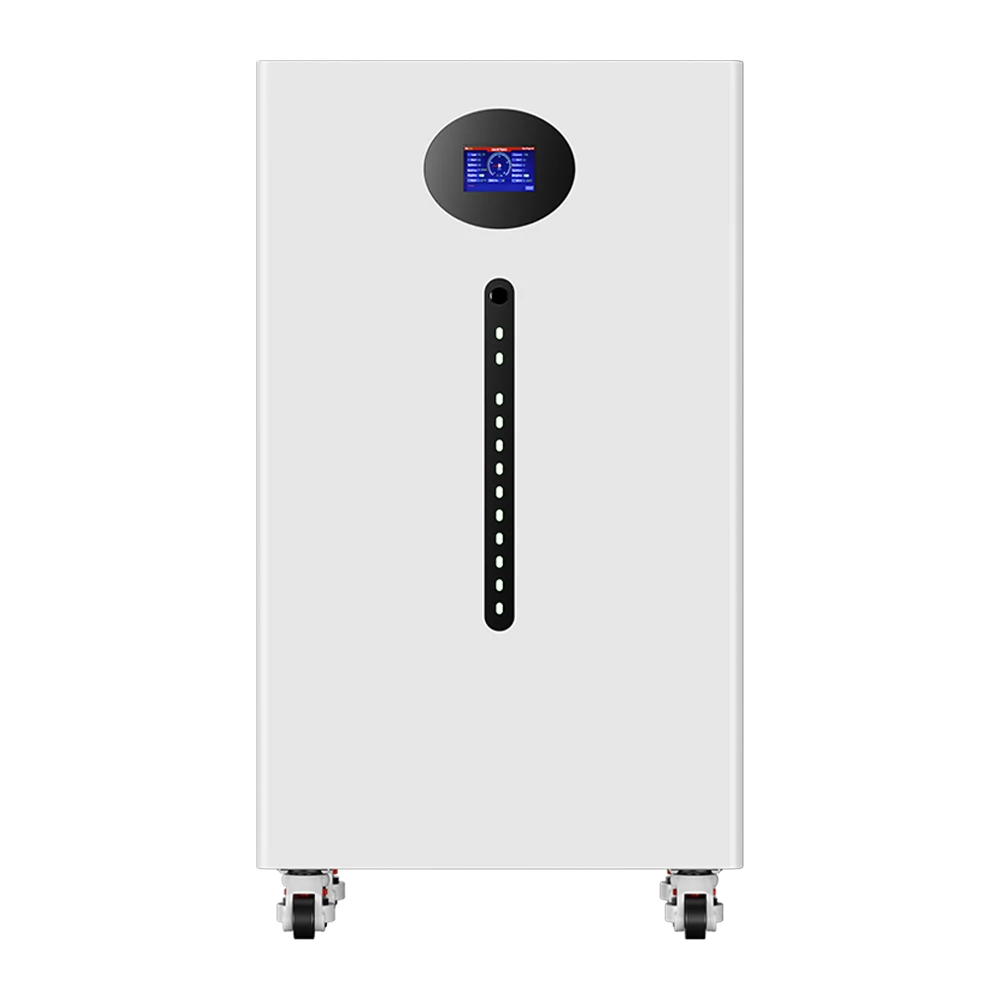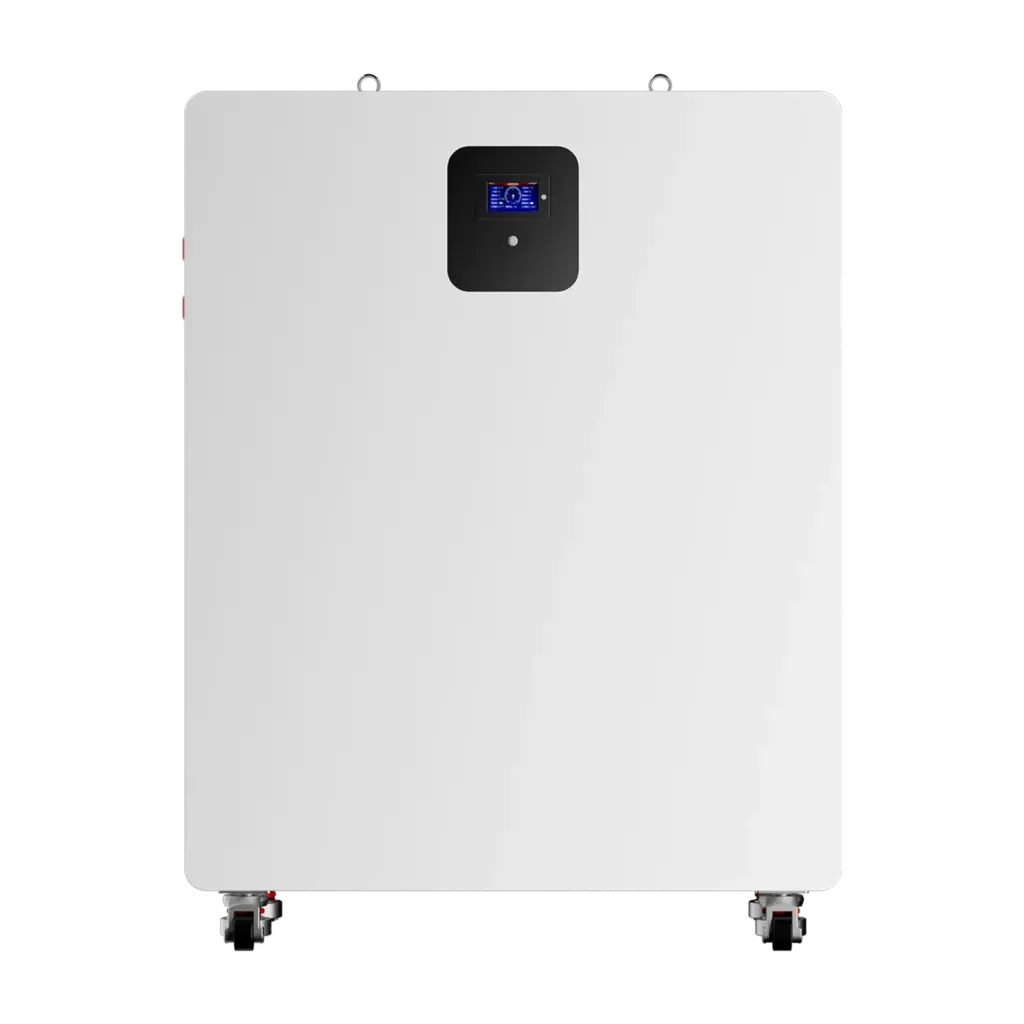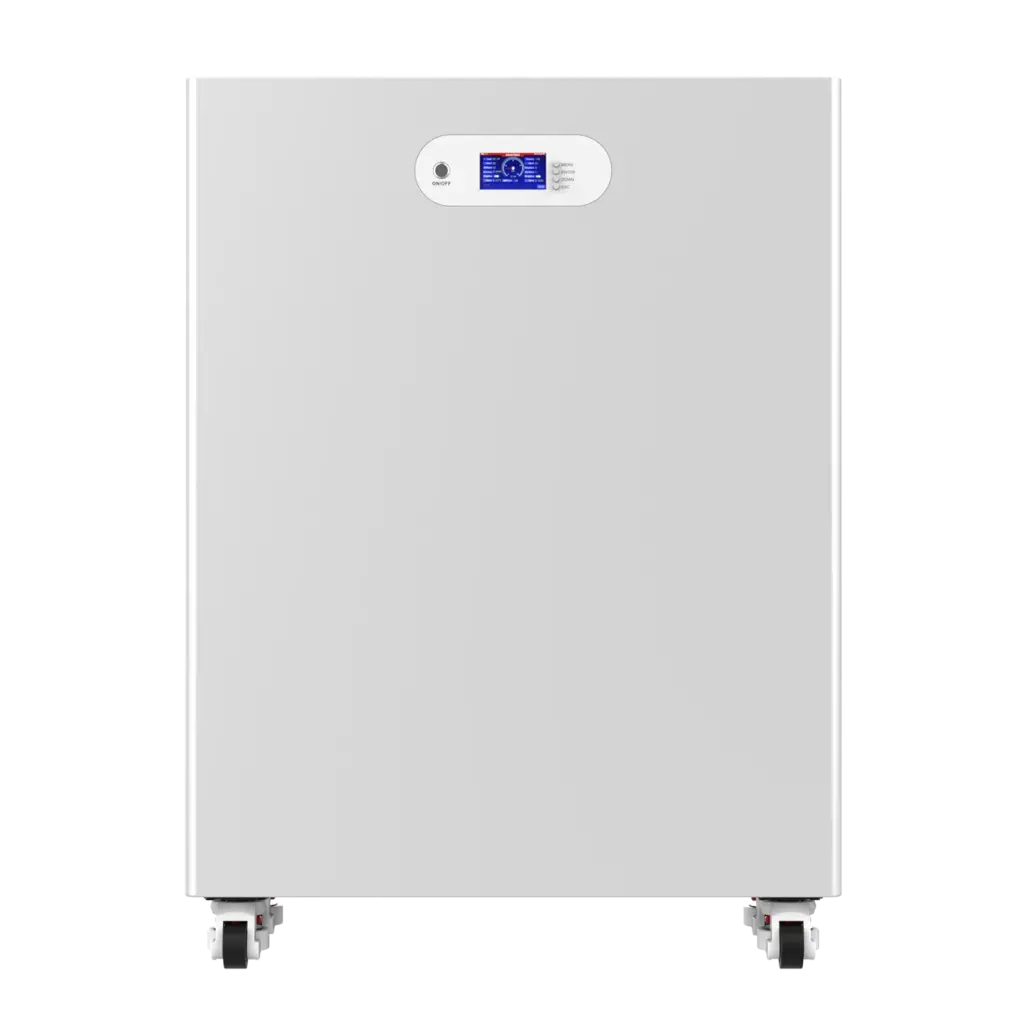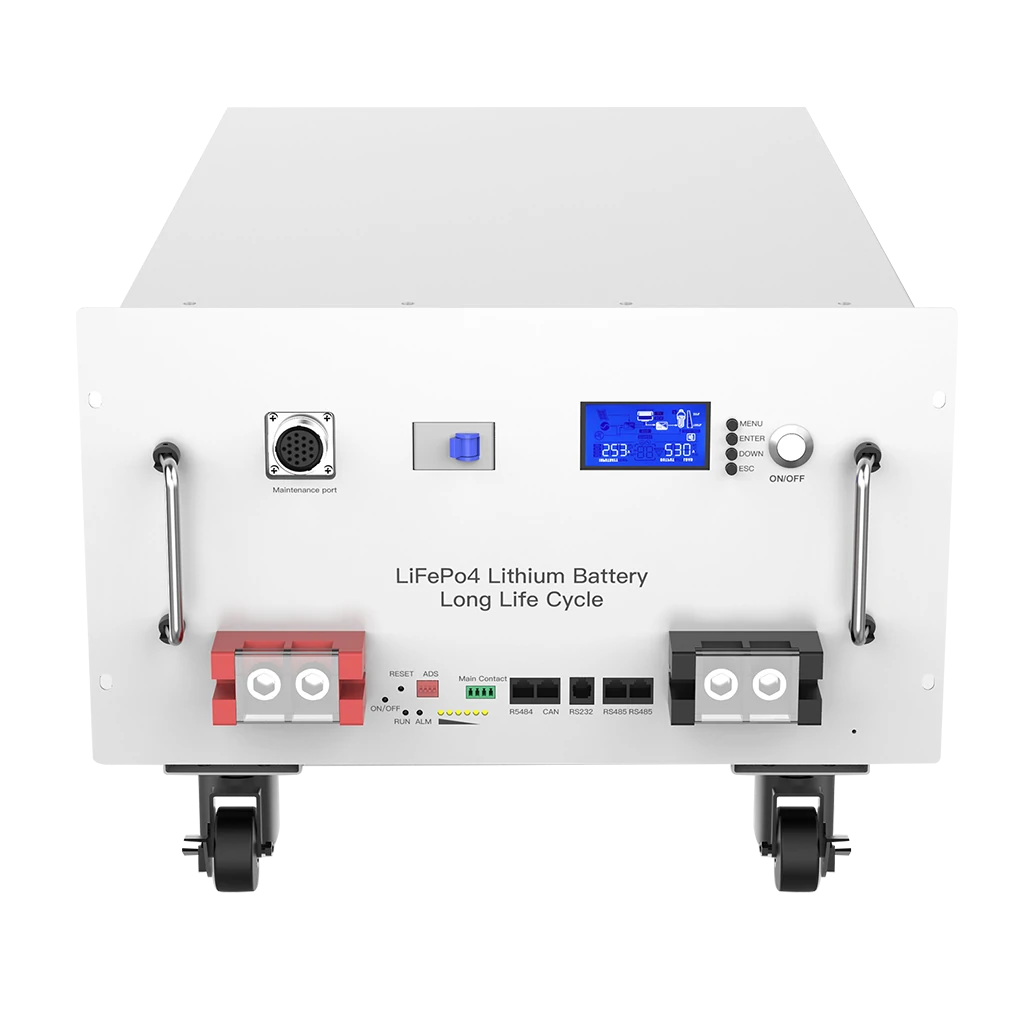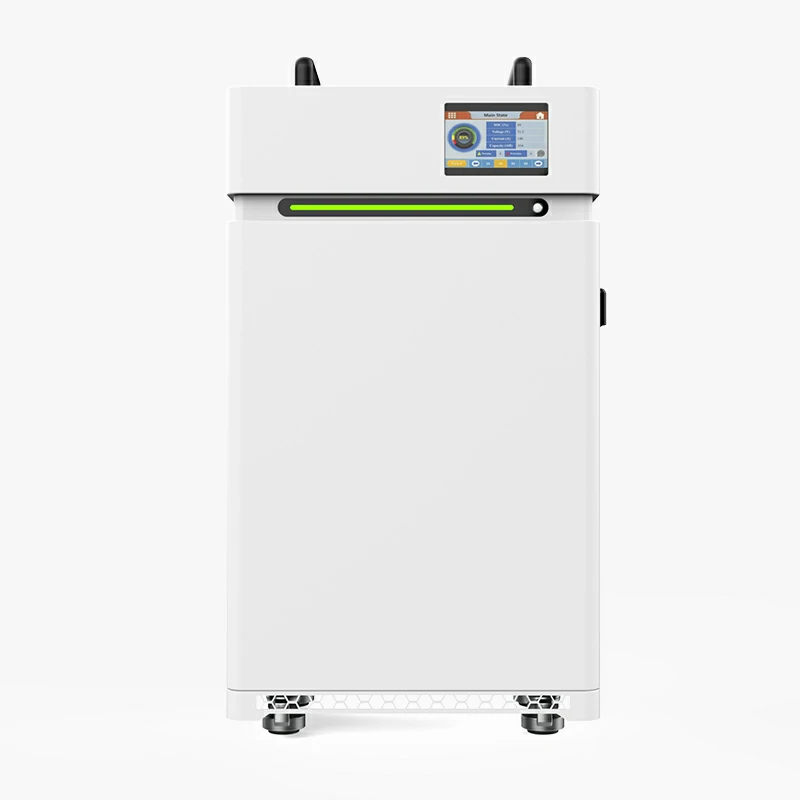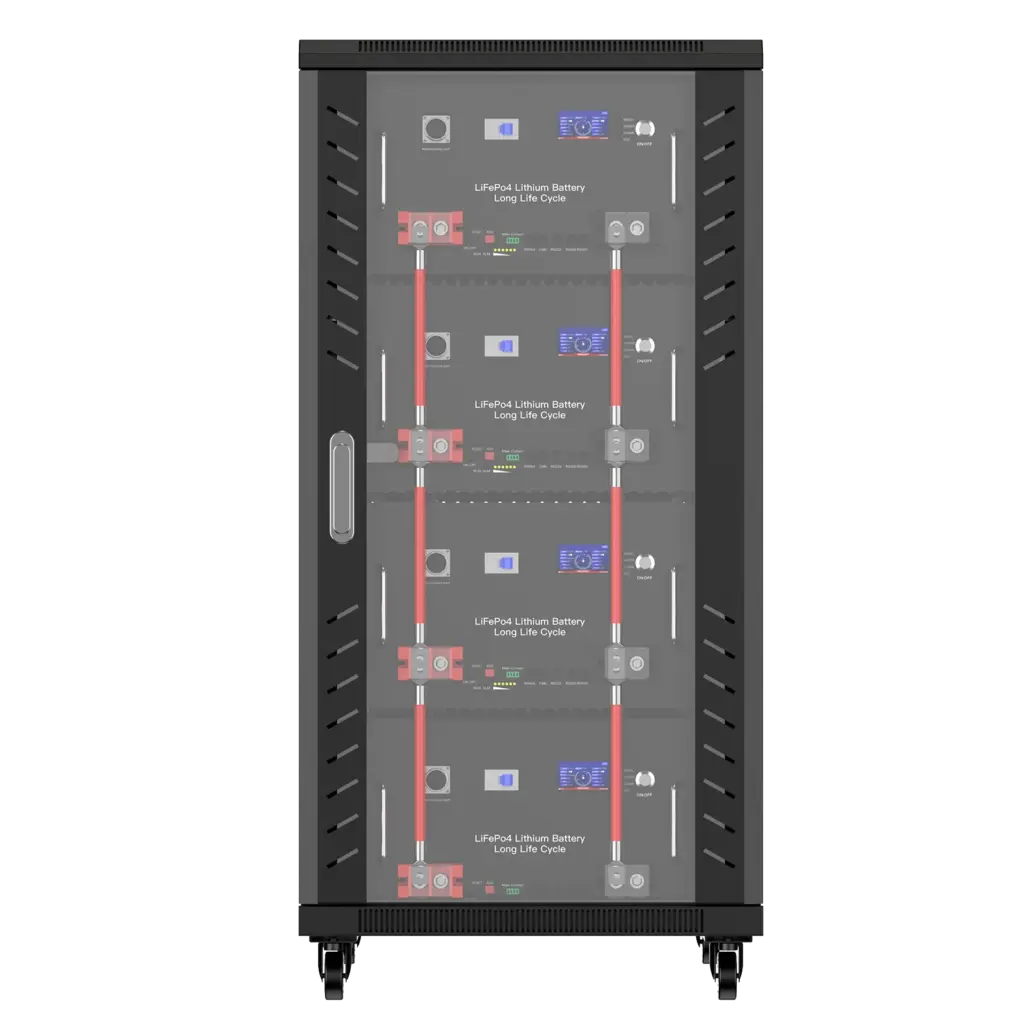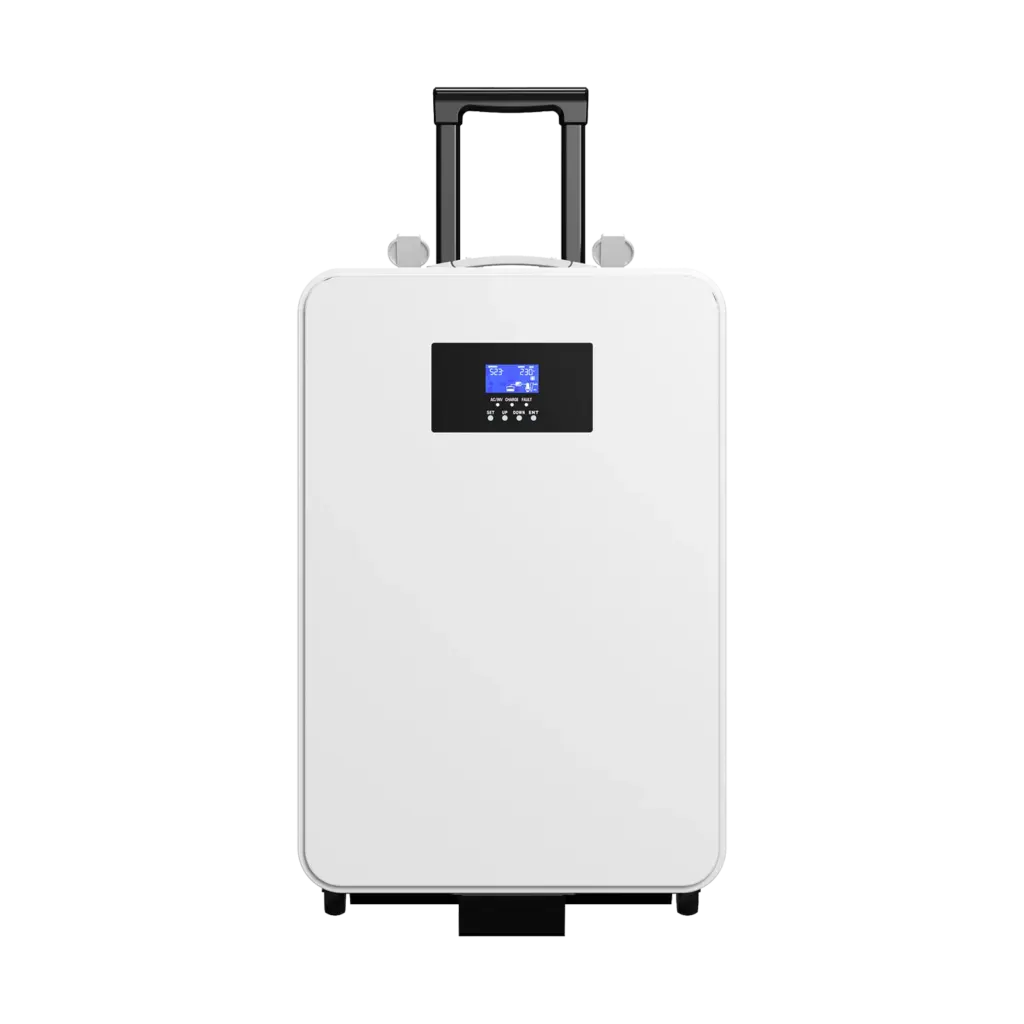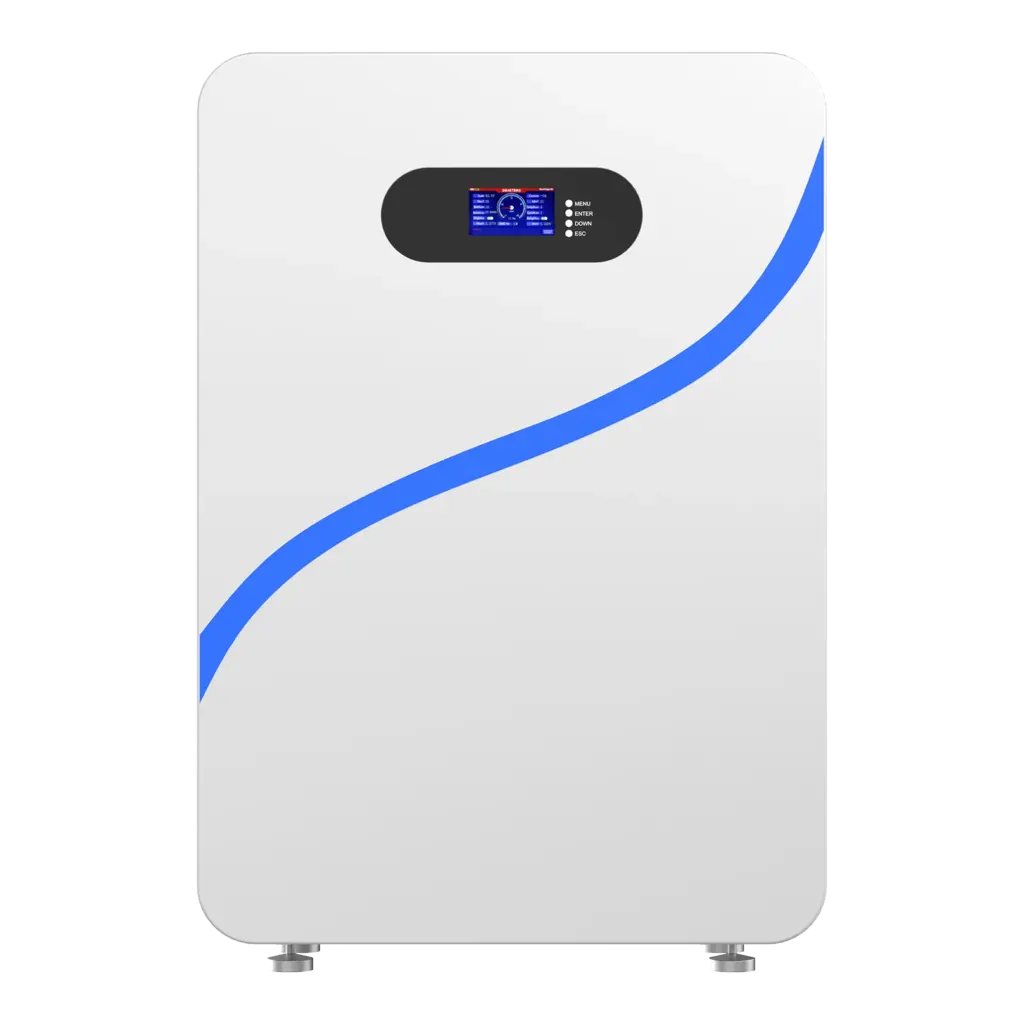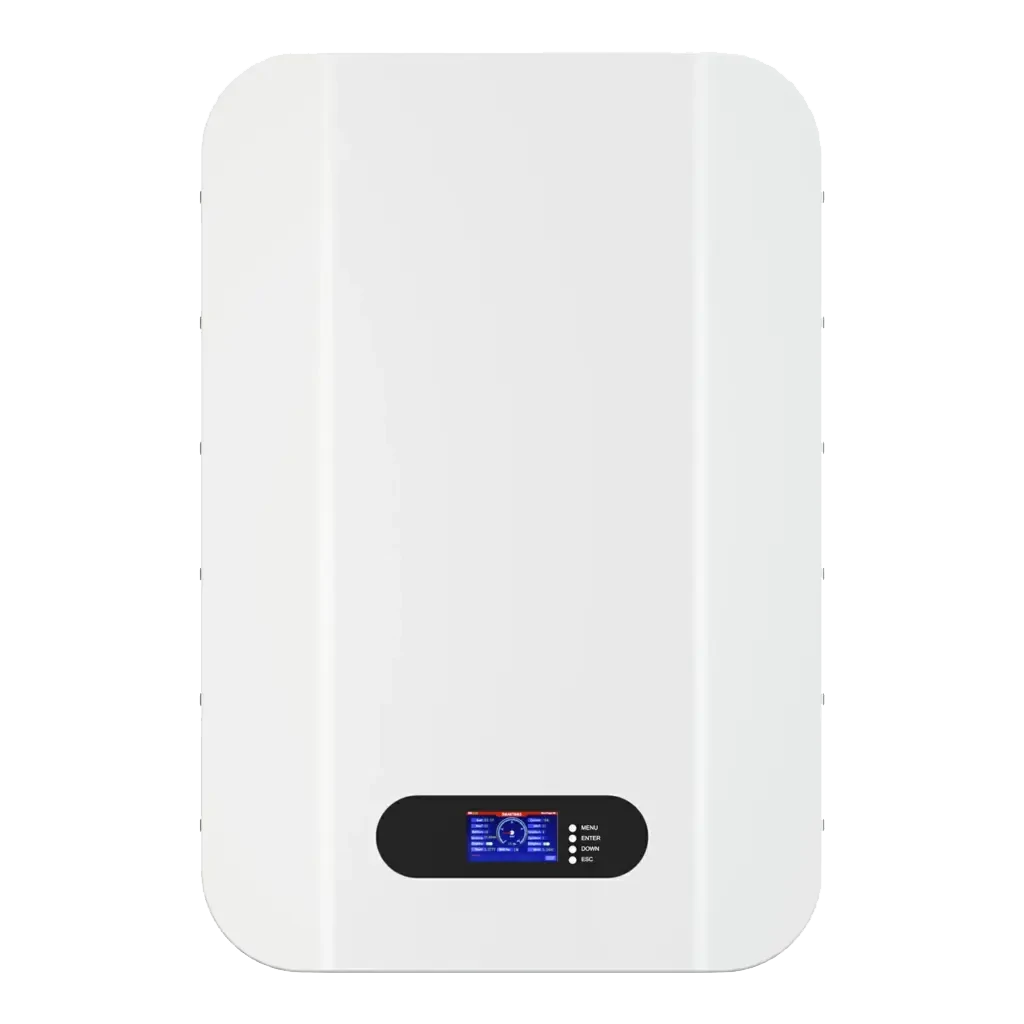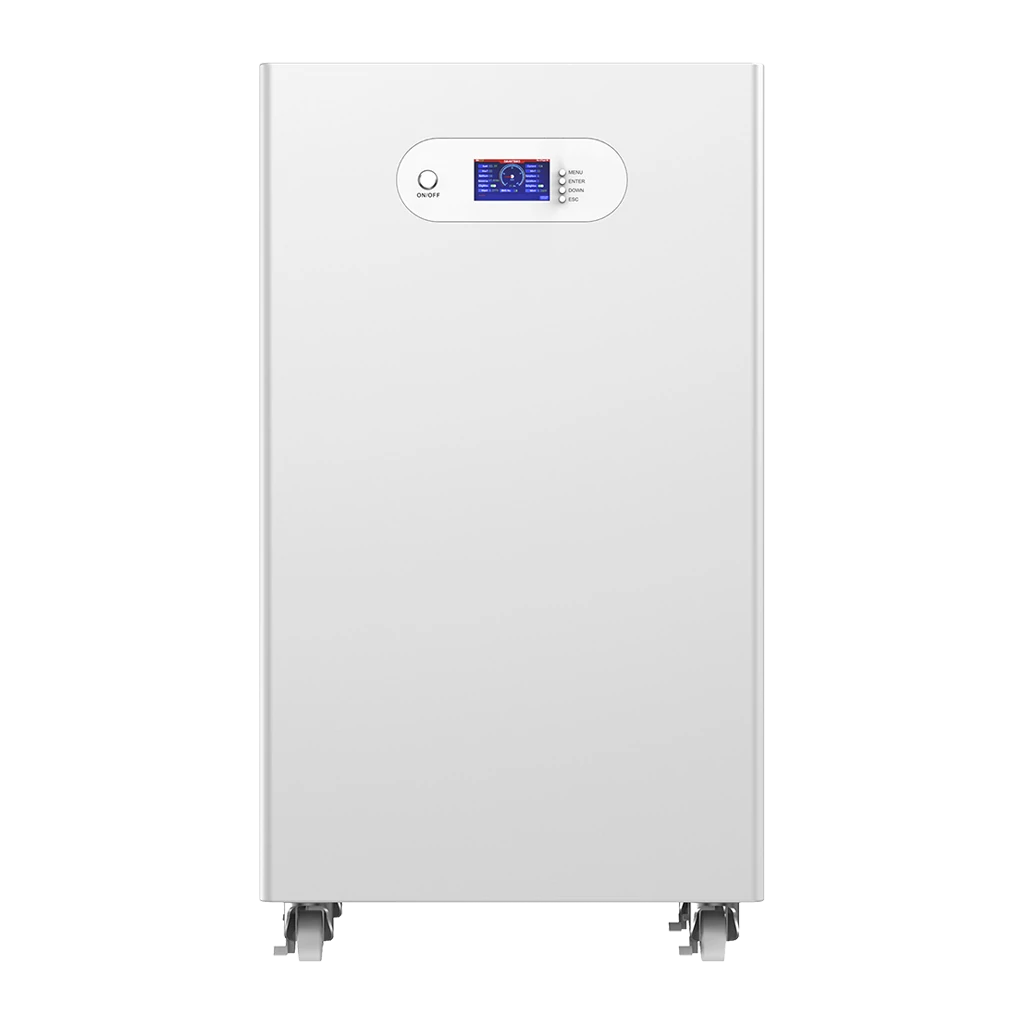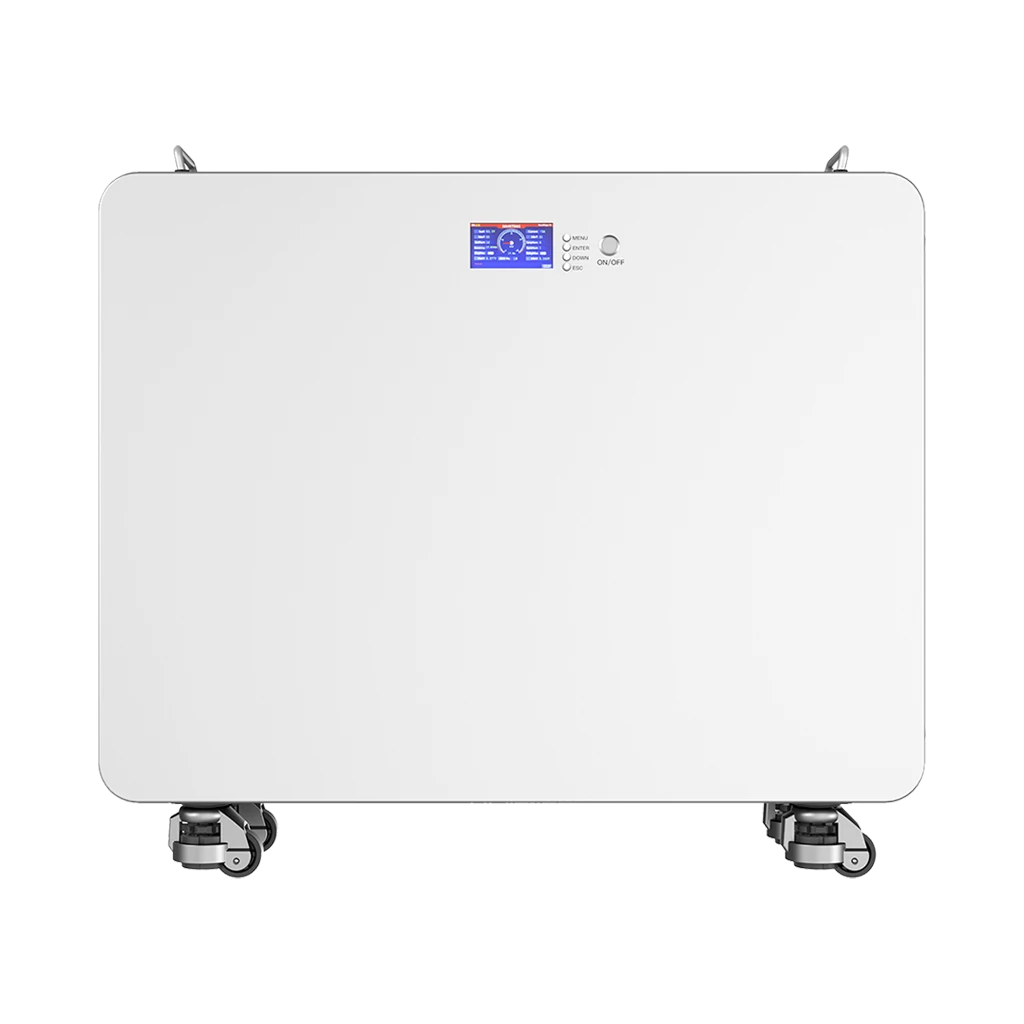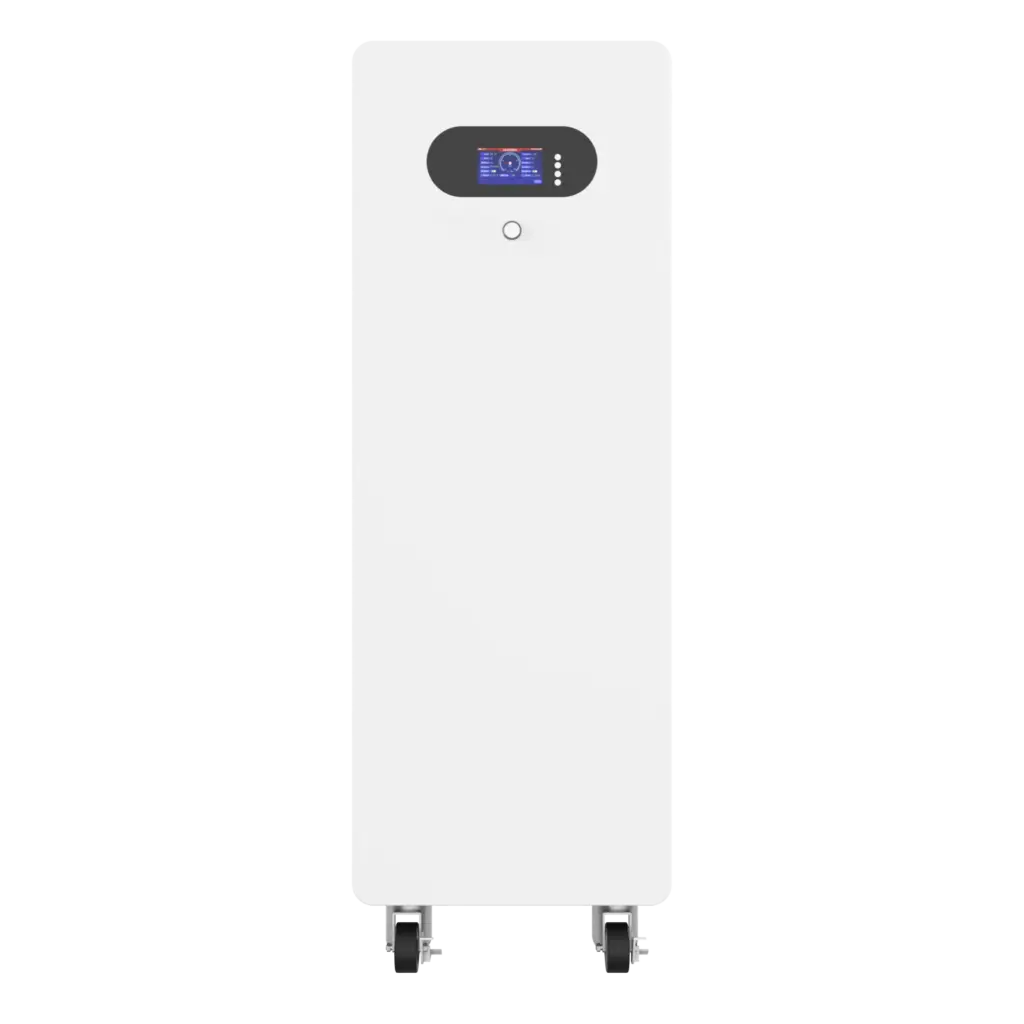

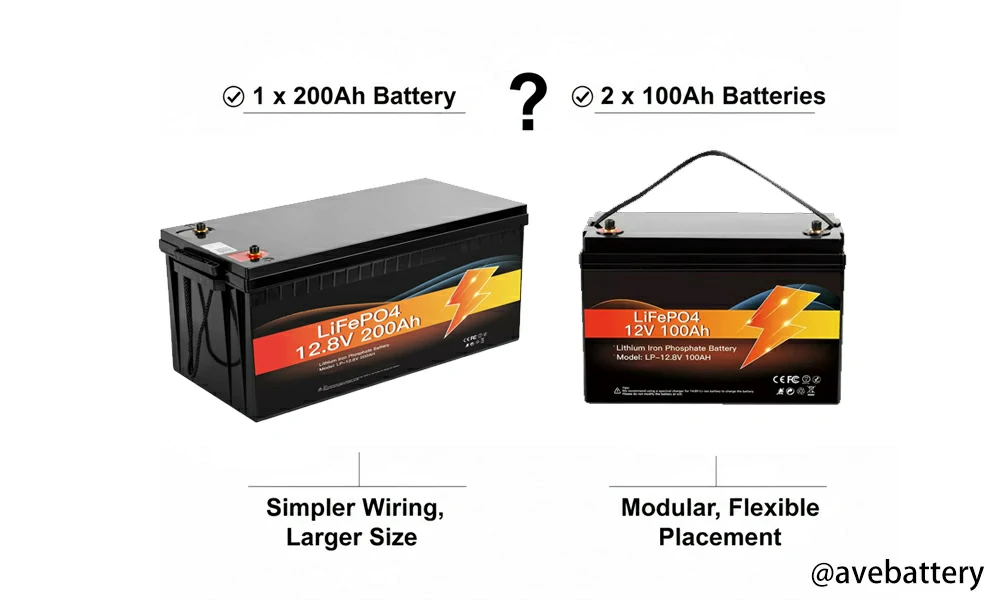
When you build a battery system for an RV, or a home backup, you always face a key question: Is it smarter to buy a single, large 200 Amp-hour (Ah) lithium battery or two smaller 100Ah lithium batteries connected in parallel? Both options give you the same total capacity—200Ah—but they work very differently in terms of installation, maintenance, and long-term use.
Let us look at a detailed comparison to help you decide which setup is best for your specific power needs.
The Short Answer
Your best choice depends on how you plan to use energy, how you plan to mount the battery bank, and how you plan to grow the system later.
Both options can work well. A single 200Ah battery gives you a simpler build, fewer cables, fewer points of failure, and slightly lower internal and wiring losses. Two 100Ah batteries give you better flexibility in tight spaces, easier future expansion, and partial redundancy if one unit fails.
A Head-to-Head Comparison: 1 x 200Ah vs. 2 x 100Ah
Before diving into the detailed analysis, let’s establish the fundamental trade-offs between these two setups. The choice is essentially a balance between simplicity and flexibility.
| Factor | 2×100Ah (Parallel) | 1×200Ah (Single Pack) |
|---|---|---|
| Usable capacity | ~200Ah at 12V with good wiring | ~200Ah at 12V with fewer losses |
| Space & placement | Very flexible, modular | Simple if space fits one case |
| Wiring | More lugs, needs equal-length leads | Fewer lugs, fastest to install |
| Expansion | Easy to add another 100Ah | Add another 200Ah or replace pack |
| Redundancy | Yes, one pack can run basics | No, one pack is single point |
| Upfront cost | Often similar per Ah | Often similar or slightly lower per Ah |
| Replacement cost | Replace one module if needed | Replace whole unit if needed |
| Safety | More terminals to secure | Fewer terminals, fewer joints |
| Surge handling | Shared across two BMSs | Depends on single BMS rating |
| Environmental | More parts per Ah | Fewer parts per Ah |
The sections below explain each point in depth so you can match real-world needs to the right setup.
1. Total Usable Capacity
Every buyer cares about “how long will it run my stuff?” Both options have a nameplate capacity of 12V 200Ah, which equals 2,400Wh (12V × 200Ah). However, usable energy depends on system design and losses.
One 200Ah Battery
A single large battery has no cross-links between blocks, so it avoids tiny balancing and cabling losses. The battery’s internal BMS manages cells inside one case, so the current flows through fewer external connections. In practice, users see slightly lower resistance and a bit less voltage drop during high loads. Your inverter may hold voltage a little better under surge. Your charging may also feel more stable because the pack behaves as one unit.
Two 100Ah Patteries in Parallel
Two blocks add two positive leads, two negative leads, and at least one pair of parallel links at the bus or posts. The wiring adds a small amount of resistance. Good cabling and correct bus-bar layout can keep the bank healthy and well balanced, but uneven lead lengths or loose lugs can let one battery work harder than the other. That extra work can slightly reduce usable capacity under heavy draw, and it can increase long-term wear if you never correct it.
2. Physical Size and Weight
Two 100Ah units give you layout freedom. One 200Ah unit gives you installation simplicity. Your available compartments should guide you here as much as your capacity plan.
Two 100Ah batteries (Avepower 12V 100Ah LiFePO4):
- Approx. unit size: 330 × 172 × 215 mm
- Approx. weight: ~20 kg per battery
- Total system footprint (pair): about 660 × 348 × 432 mm when you account for two cases and spacing for cables.
- Practical effect: You can split weight and tuck units into odd compartments. This helps small RVs and boats that need balanced distribution.
One 200Ah battery (Avepower 12V 200Ah LiFePO4):
- Approx. unit size: 522 × 240 × 218 mm
- Approx. weight: ~21 kg
- Practical effect: You only need one dedicated space. You may need a reinforced mount in mobile or high-vibration spots because the entire capacity sits in one case.
3. Wiring Complexity, Balancing, and Power Loss
If you want the simplest path with fewer checks over time, choose one 12v 200Ah battery. If you accept extra wiring in exchange for flexibility, a dual 12v 100Ah layout is fine—just follow best practices.
Two 100Ah batteries:
- Parallel systems must be wired with care so both batteries see the same resistance path.
- The best practice is a diagonal take-off (load positive from Battery A and load negative from Battery B) or a proper bus bar so current shares evenly.
- Extra cable length and more lugs mean more points to check, and small I²R losses add up, especially at higher currents.
One 200Ah battery:
- A single unit needs fewer cables and no balancing links between cases.
- Shorter runs to a single set of terminals usually mean slightly lower power loss. In many installs, you can expect around 2% less loss versus an average dual-battery layout, assuming similar cable gauges and distances.
4. Expansion Flexibility
If you expect to expand, start modular with 100Ah units. If you prefer to set and forget, a 200Ah unit is fine as long as you size it right at the start.
Two 100Ah batteries:
- A parallel pair invites modular growth. If you want to move from 200Ah to 300Ah later, you add one more 100Ah of the same type and age where possible.
- The compact size (each 330 × 172 × 215 mm) helps you drop new units into small gaps, under seats, or in side lockers.
One 200Ah battery:
- A single 200Ah battery is a fixed block. To jump to 300Ah as a single unit, you would replace it with a 300Ah battery.
- The larger case of the 200Ah battery (522 × 240 × 218 mm) may not fit narrow or irregular spaces.
5. Cost: Upfront and Over the Long Term
If you value staged spending and partial resilience, two 100Ah batteries are attractive. If you value lowest fuss and the best cost per Ah in one buy, one 200Ah battery can be compelling.
Upfront pricing (typical ranges):
- Two 100Ah batteries: Many buyers pay $350–$500 total for two 12V 100Ah units at the budget end, which works out to roughly $2.50/Ah at the higher example price.
- One 200Ah battery: Many buyers pay $350–$550 for a single 12V 200Ah unit, or about $1.75–$2.75/Ah depending on build, brand, and energy density.
Long-term costs and risk:
- Two 100Ah batteries: If one battery fails, the system keeps running at 50% capacity. You can replace only the bad unit and spread costs over time. You do, however, monitor the pair to keep them balanced as they age.
- One 200Ah battery: If the single battery fails, you lose the whole system until you replace it. You have less maintenance because there is only one unit and fewer connections to check.
6. Environmental Impact
If you want the leanest materials footprint for a given capacity, one 200Ah battery has an edge.
Two 100Ah batteries:
- Two cases, two BMS boards, more lugs and cables. The design uses more materials per total capacity. Packaging waste is higher.
One 200Ah battery:
- One case and one BMS reduce plastic, metal, and packaging per Ah. The design is more material-efficient.
7. Safety and Risk
Both options are safe when installed to spec. Parallel systems simply ask for more careful wiring and periodic checks.
Two 100Ah batteries (parallel):
- Two batteries share load. Shared load can reduce heat in each pack during heavy draws. The flip side is this: more connections introduce more points that can loosen and arc. Careful crimping, correct wire size, quality fusing, and a tidy layout keep risk low.
One 200Ah battery:
- One pack means fewer cables and fewer lugs. Less complexity lowers the chance of a bad connection. Heavy loads still need proper wire gauge, short runs, good ventilation, and fusing.
Which Setup Fits Which User?
You can make a fast choice by mapping needs to setups:
Choose 2 100Ah Batteries when you:
- Want modular growth (200Ah now, 300Ah later, and so on within brand limits).
- Need flexible placement in tight or odd spaces.
- Care about weight distribution in a small boat or trailer.
- Value partial resilience (one fails, the other keeps you at 50% until you replace).
- Plan to lift and move batteries without help.
Choose 1 200Ah Battery when you:
- Want the cleanest wiring and the fewest parts.
- Have one good battery bay that fits the larger case.
- Prefer single-point monitoring with one BMS.
- Want fast installation and easier troubleshooting.
- Do not plan to expand capacity later.
How to Calculate Battery Capacity and Runtime
Battery Runtime Calculator
You should choose your battery capacity by calculating daily energy needs and peak power, not only by copying friends’ builds. The math stays simple.
- List loads and hours
You should list every AC and DC load and note watts and hours per day.
Example:- 12V DC fridge: 60W × 10h = 600Wh
- LED lights: 20W × 5h = 100Wh
- Fan: 30W × 6h = 180Wh
- Phone and laptop charging: 50W × 2h = 100Wh
- Coffee maker through inverter: 900W × 0.25h = 225Wh
Total daily = 1,205Wh
- Account for inverter losses (if you use AC)
You should divide AC loads by inverter efficiency (often ~90–92%). In the example, we already estimated at the wall; if you only have “device watts,” you should add ~10% overhead. - Pick a target DoD
LiFePO₄ allows deep discharges, but many users size for 80% usable to improve cycle life and keep margin.
Required Wh = Daily Wh / DoD = 1,205Wh / 0.8 ≈ 1,506Wh - Convert Wh to Ah at 12V
Required Ah = Wh / V = 1,506 / 12 ≈ 125Ah - Add weather and growth buffer
You should add 20–30% buffer for cloudy days and future gadgets.
Final target ≈ 160Ah to 180Ah
This example shows that some users really need 200Ah, while others can live with 100–150Ah. Your math and your lifestyle should make the decision, not only an online checklist.
Conclusion
You can build a solid off-grid or mobile system with either two 100Ah batteries in parallel or one 200Ah battery. Your space, your growth plan, your comfort with wiring, and your budget timing should drive the choice. If you plan ahead, wire cleanly, and pick a reliable brand like Avepower with a protective BMS and clear specifications, your system will be simple to live with and easy to scale.
FAQ
Cold weather affects charging more than discharging. LiFePO4 packs should not be charged below the low-temperature limit set by the BMS. Many batteries (including models from Avepower) include low-temp cutoffs or optional heat. The 2×100Ah vs 1×200Ah choice does not change the physics; you should follow the same cold-charge rules for both.
Yes, you can. You should buy the same brand and model (for example, another Avepower 12V 100Ah), match the state of charge, and wire with equal cable lengths.
No. A 200Ah stores twice the energy. Choose 100Ah for light use, 200Ah for longer runtime.
No. Mixing sizes or brands causes imbalance and shortens lifespan.