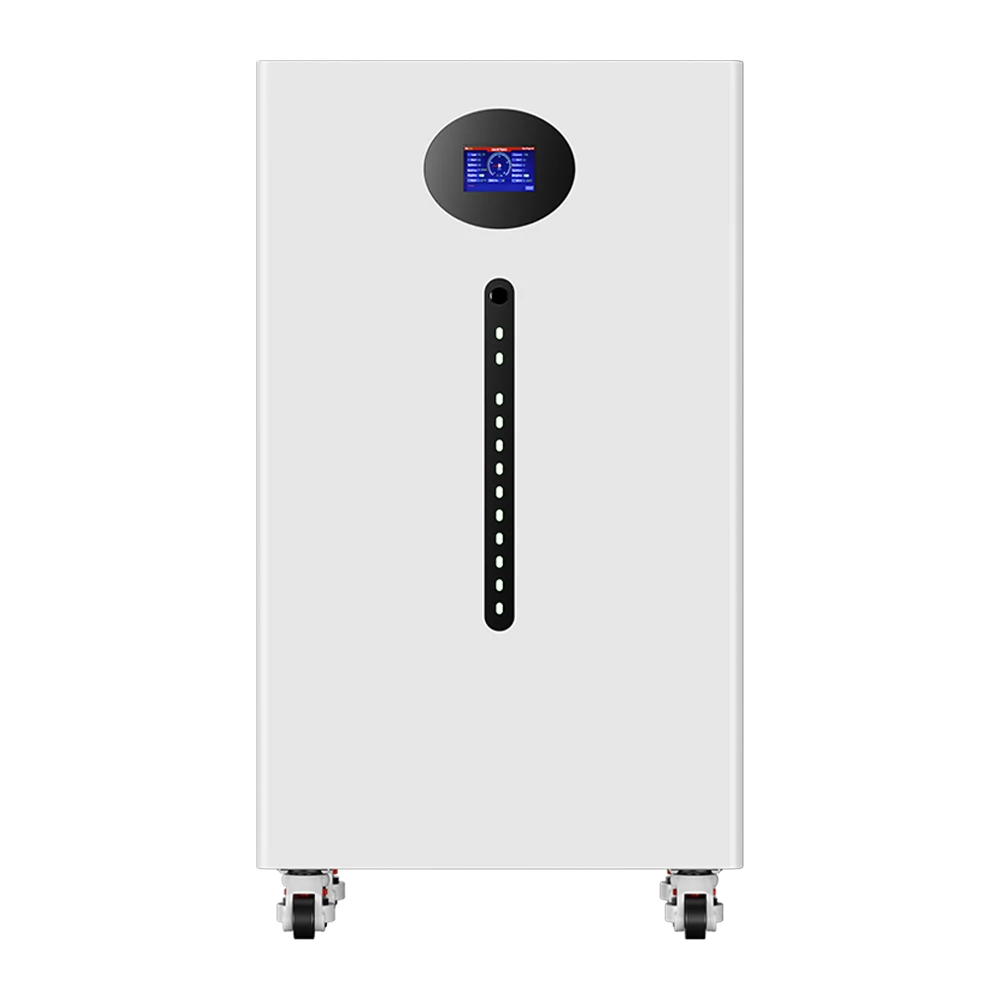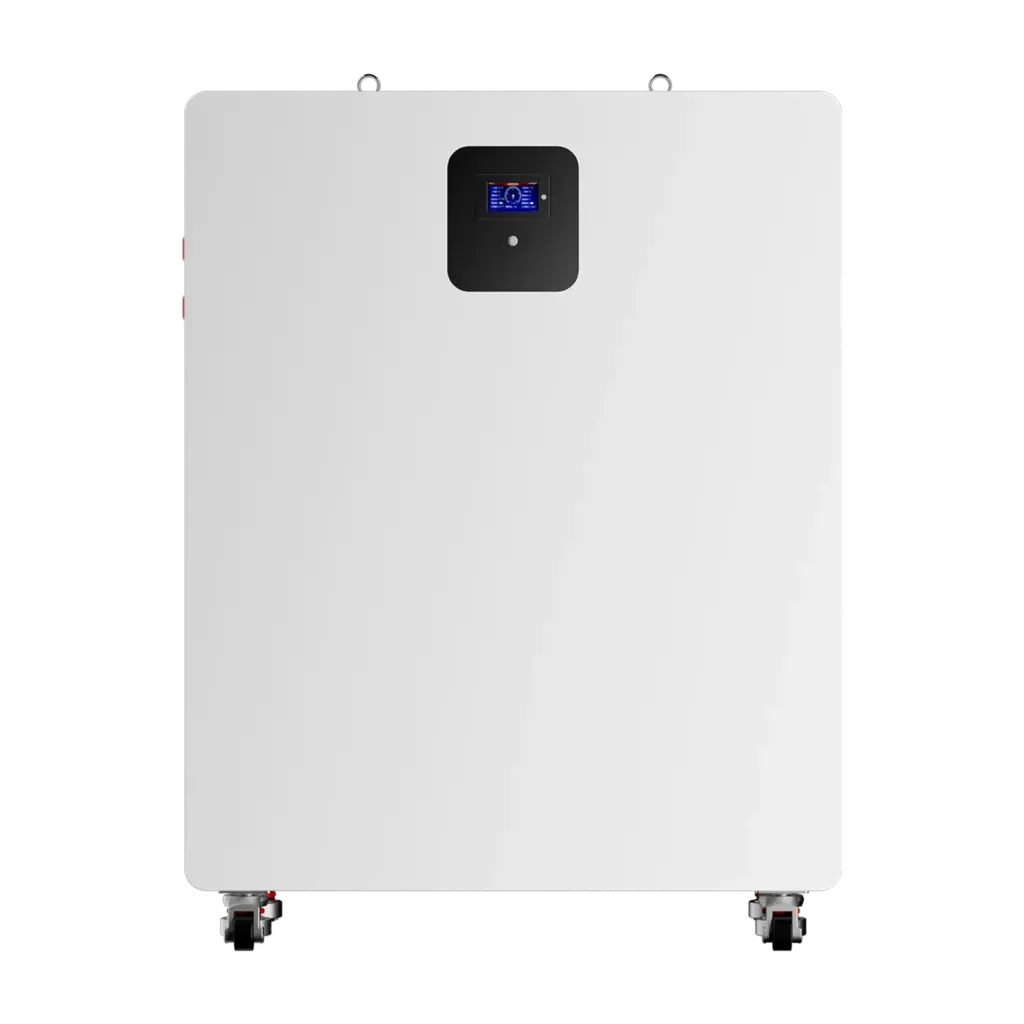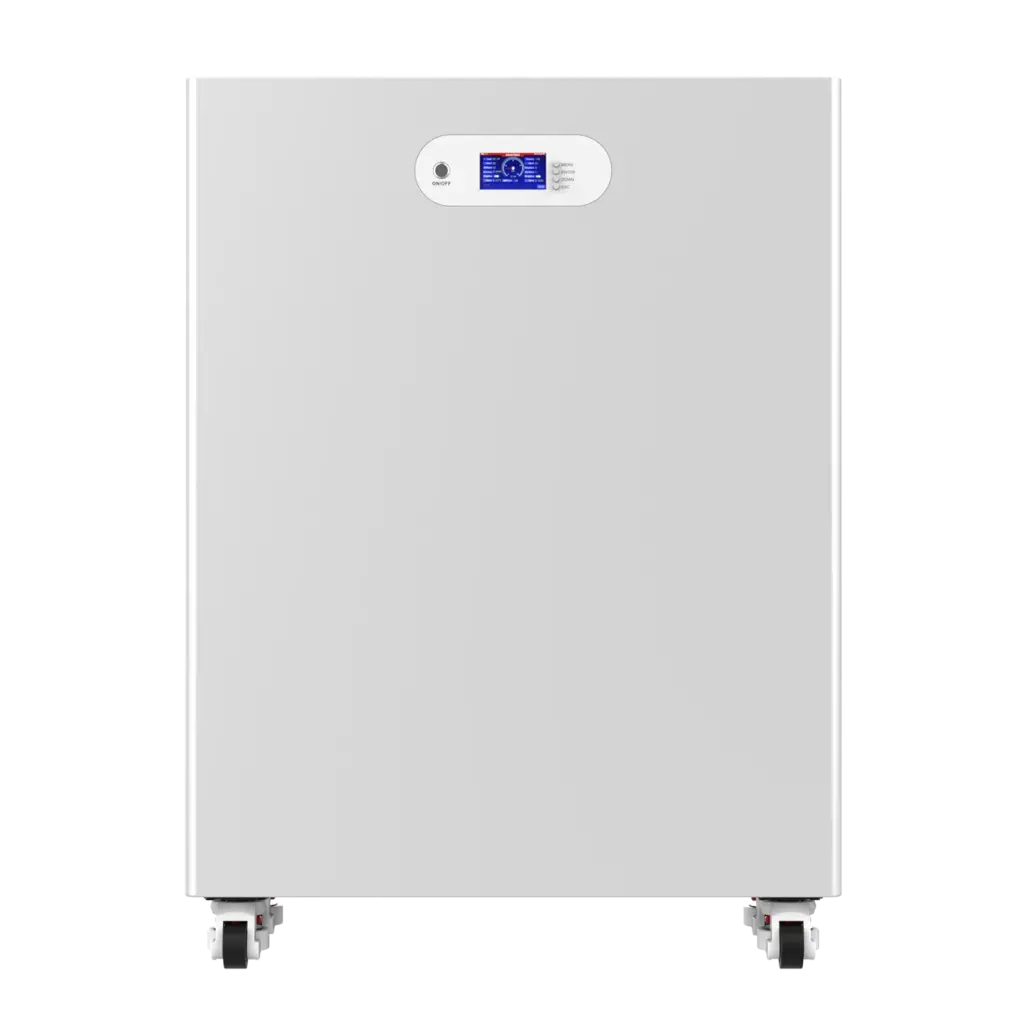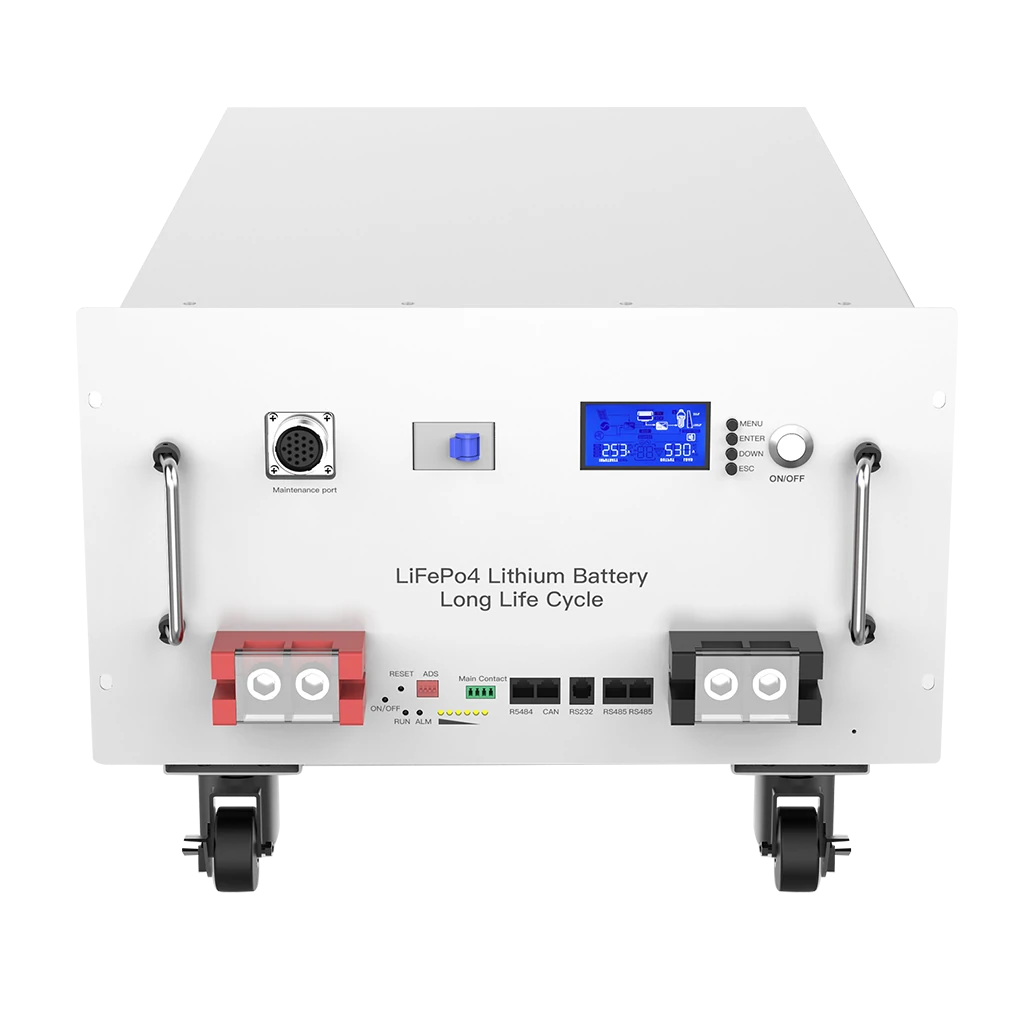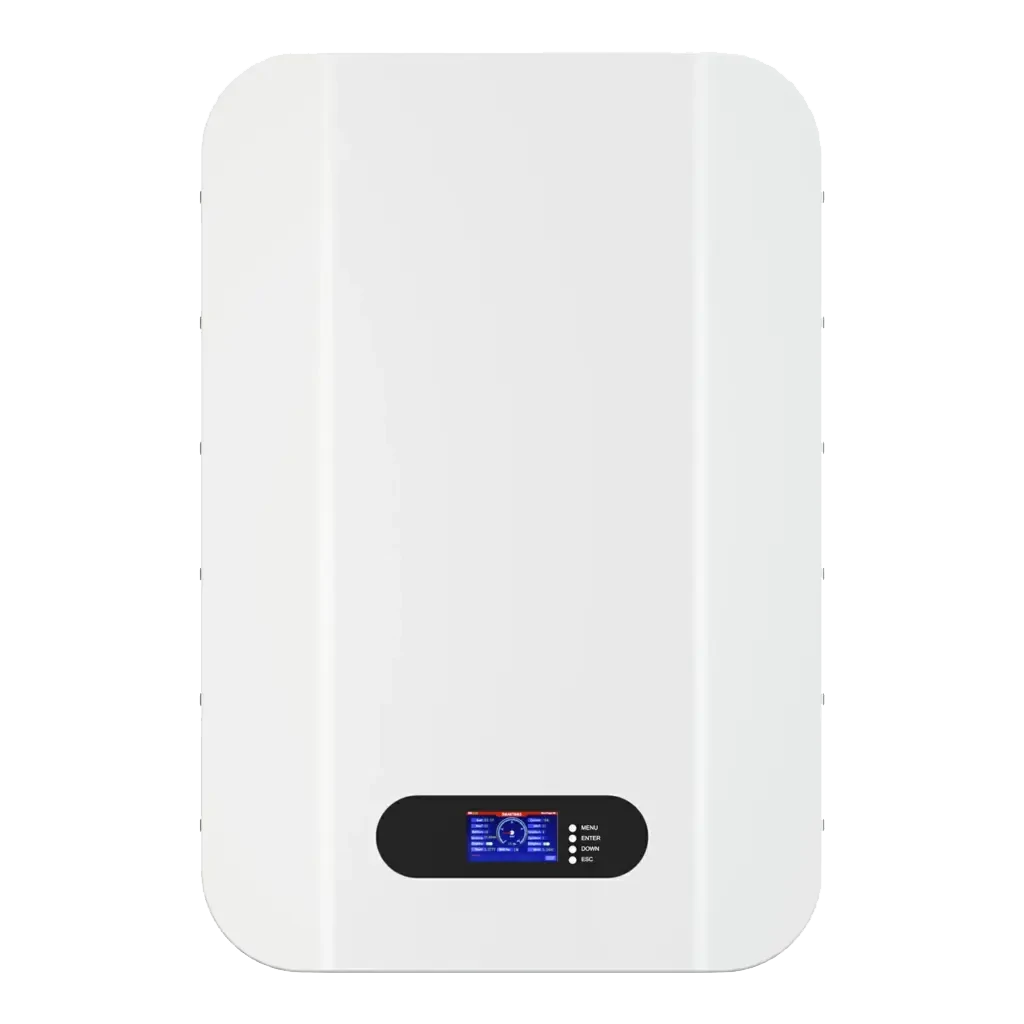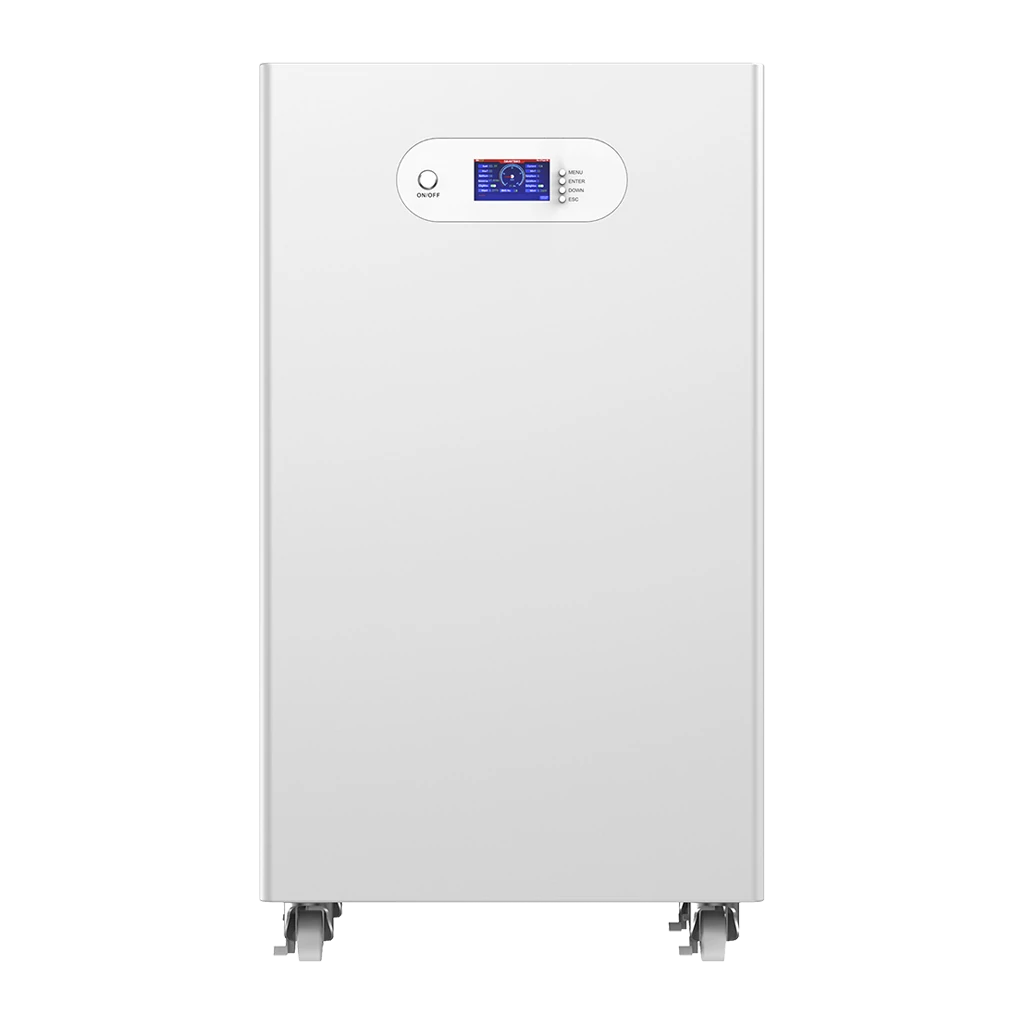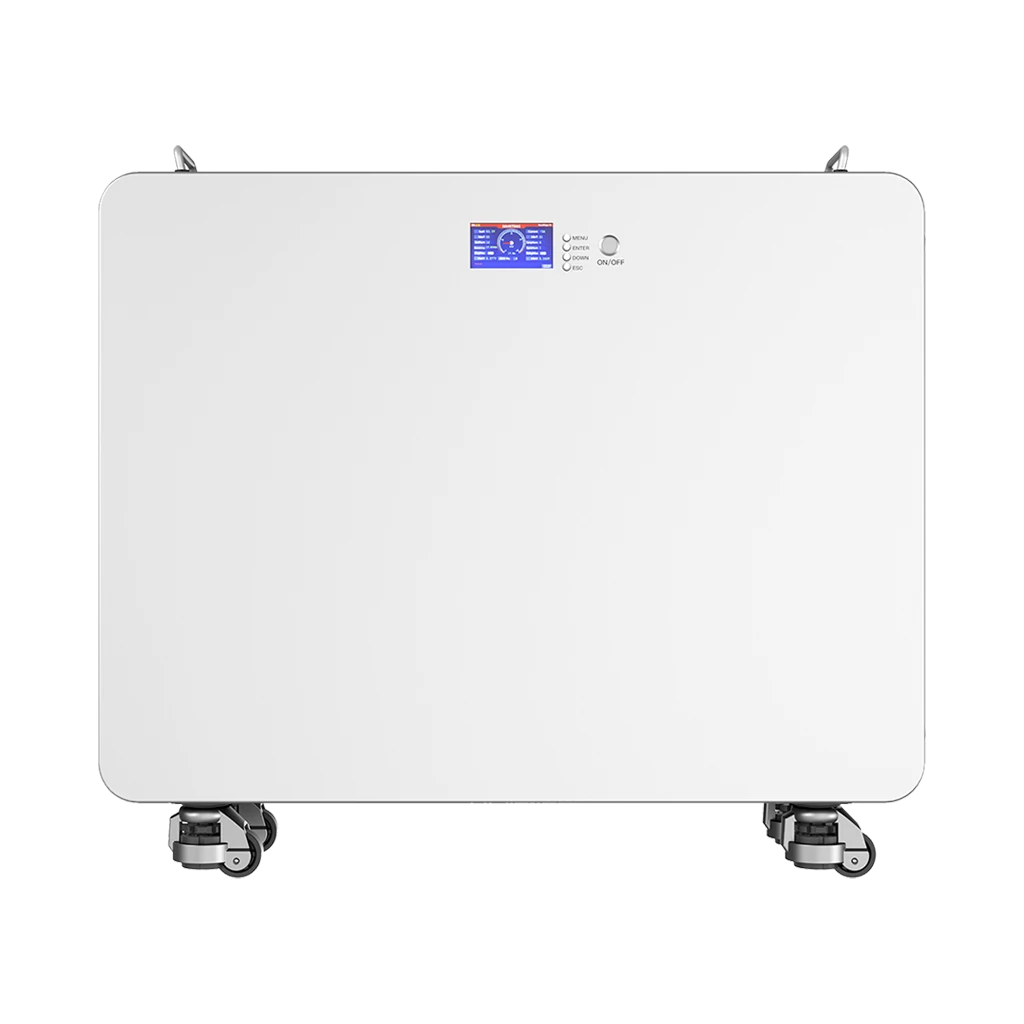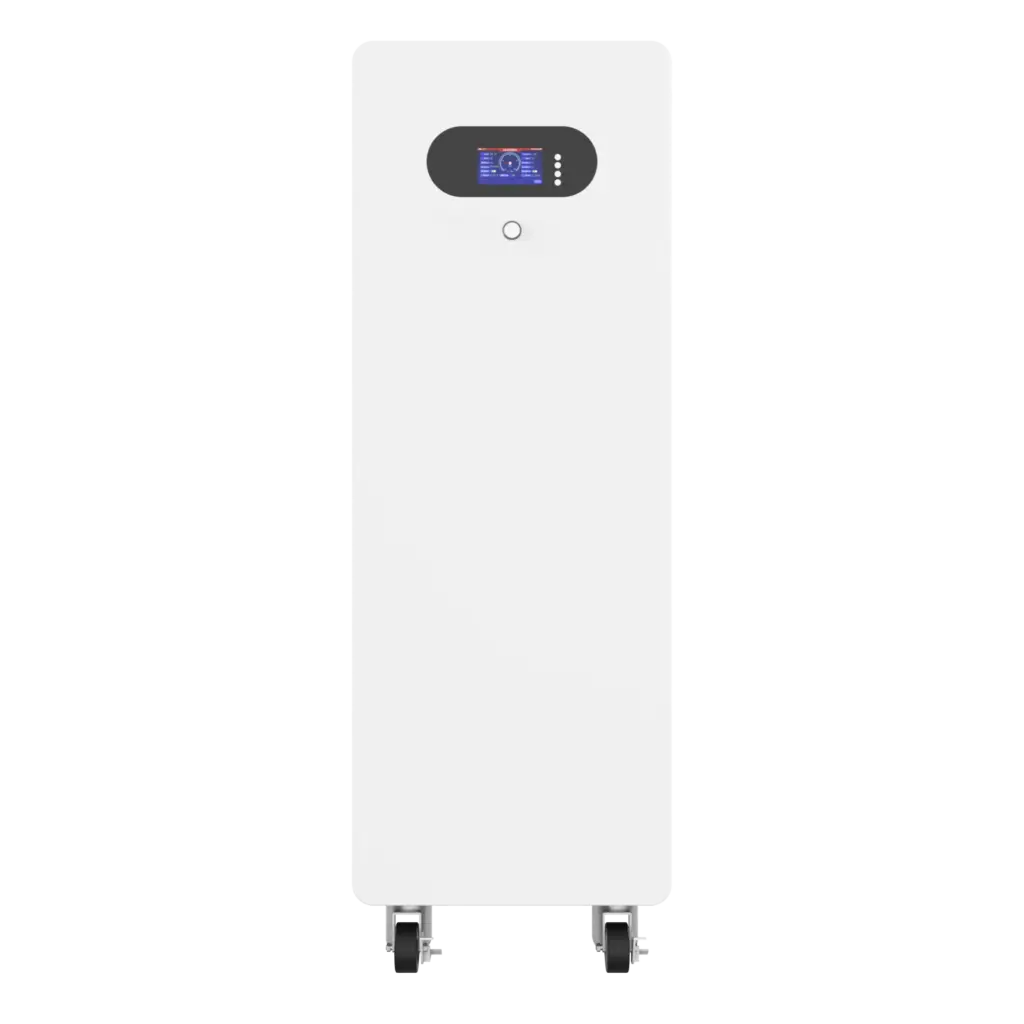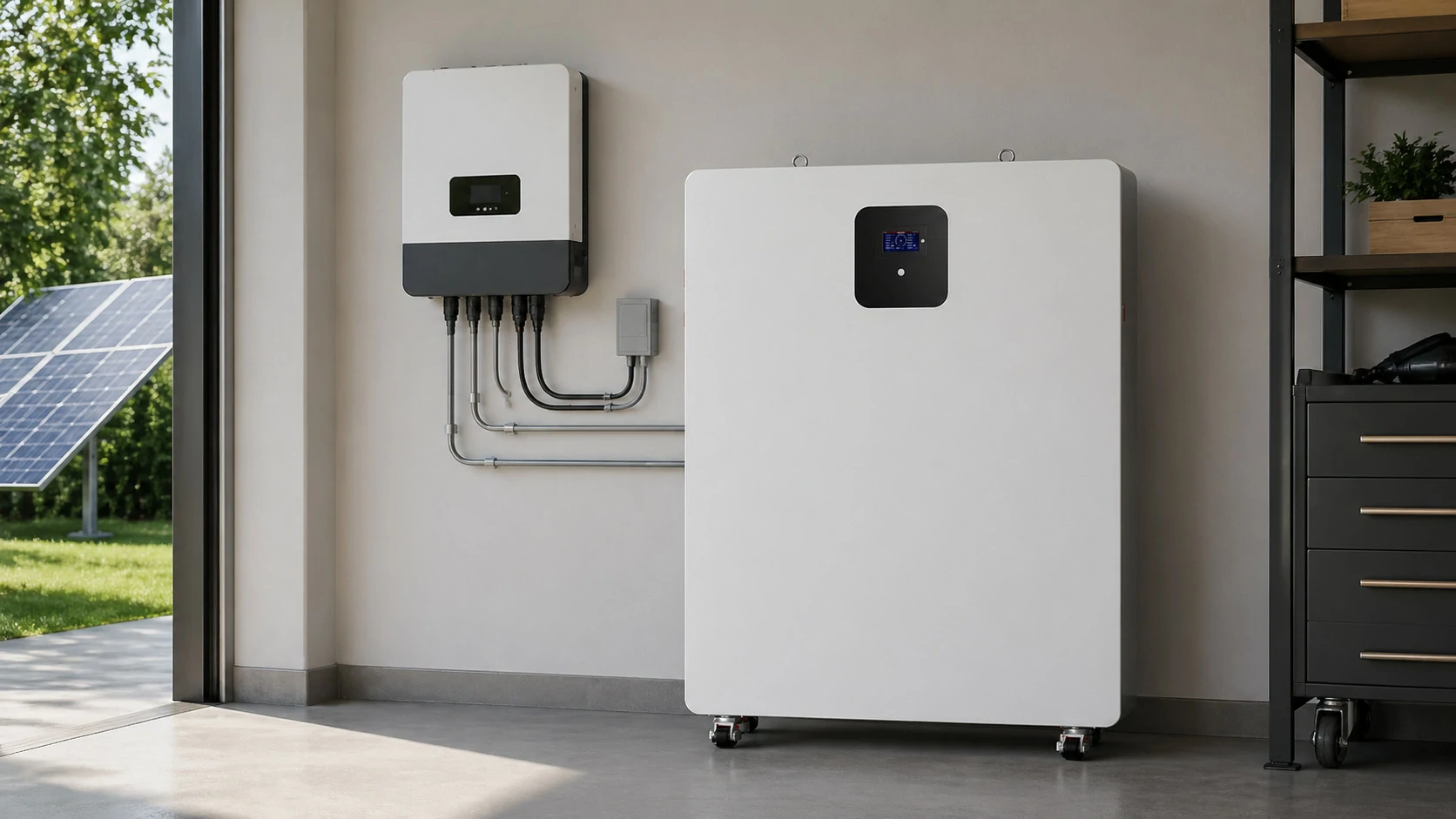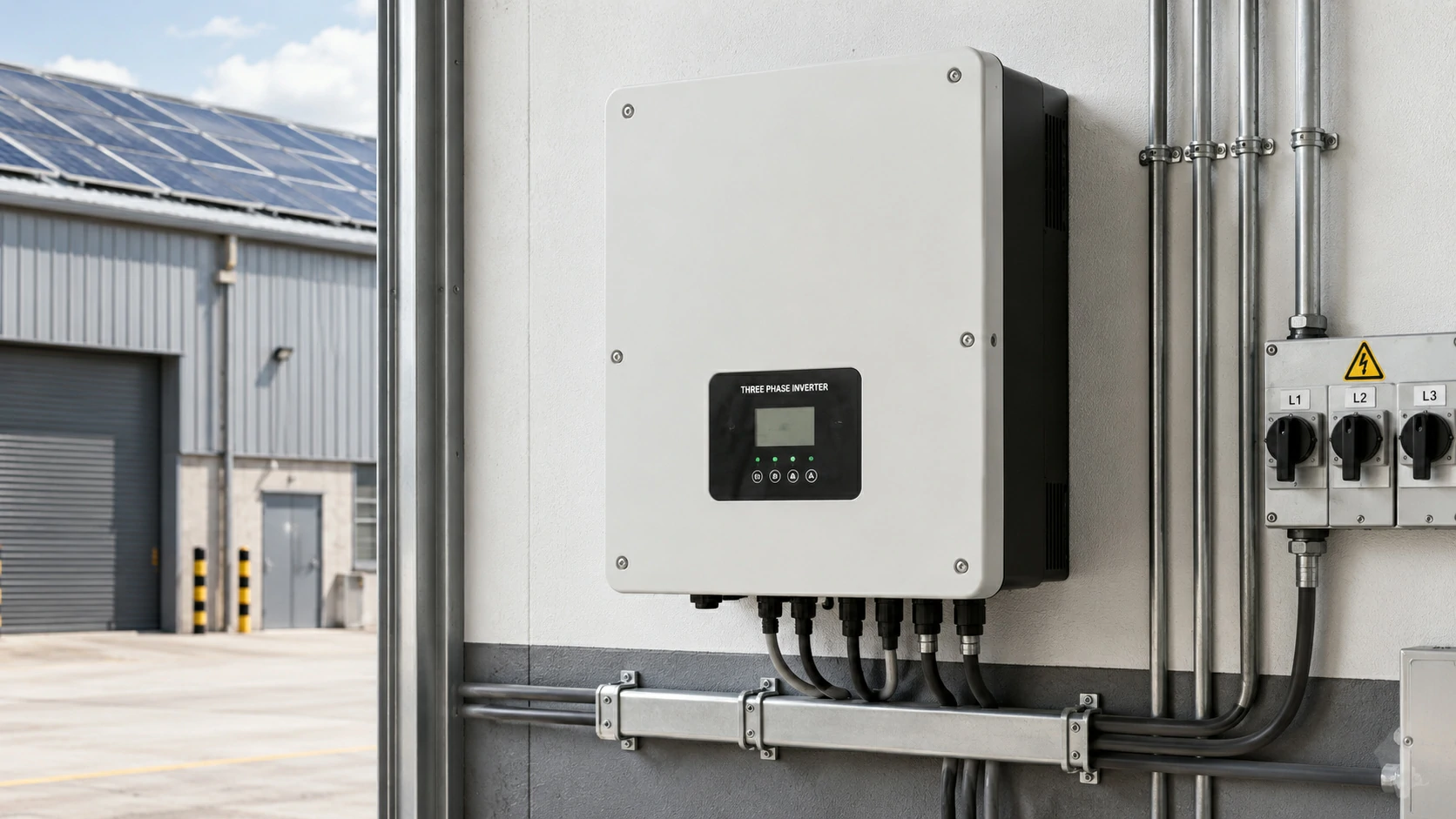

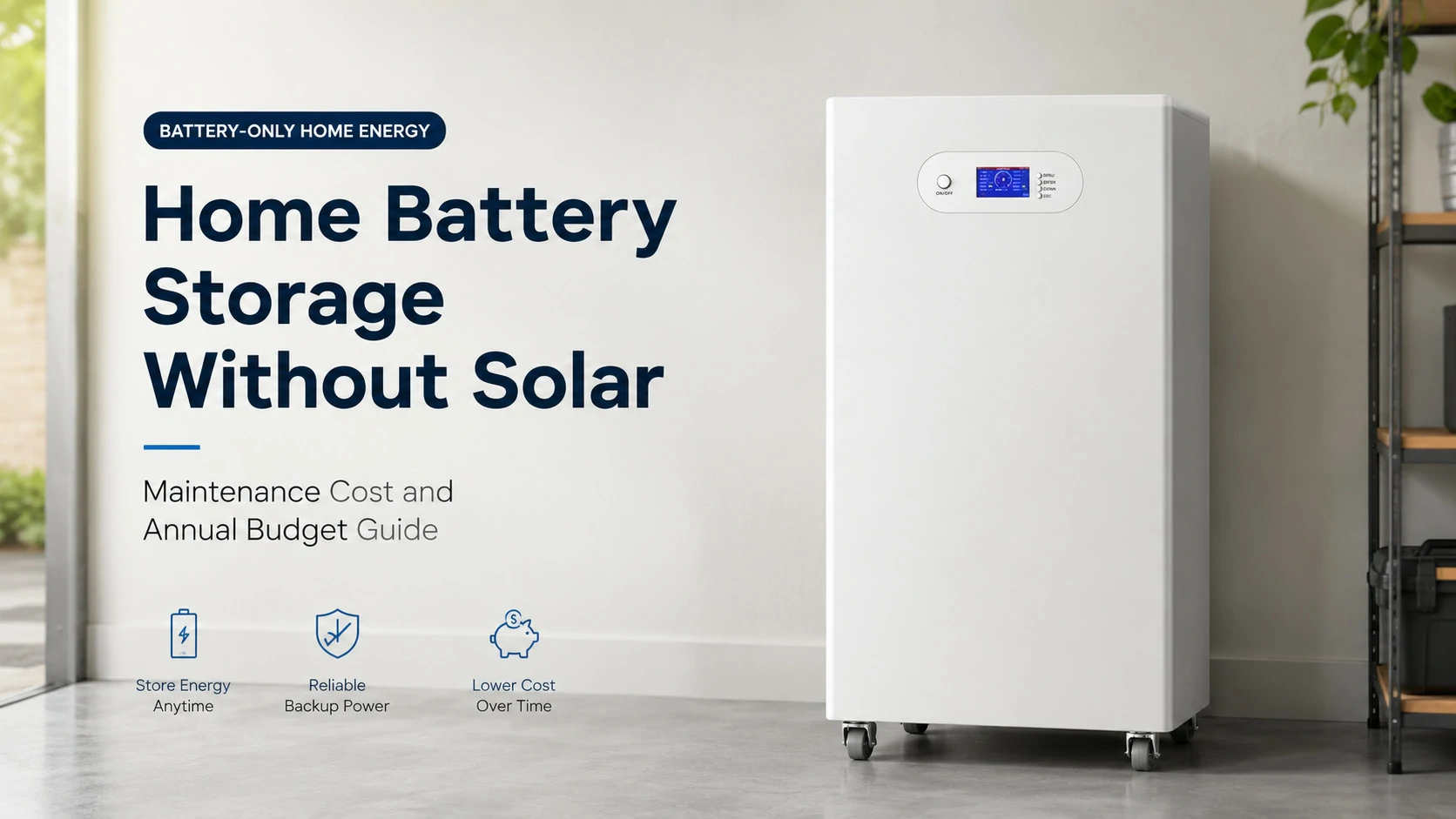
For most modern lithium home batteries, the annual maintenance cost is usually low. A realistic home battery storage without solar maintenance cost annual budget is often around $100 to $350 per year for basic checks, monitoring, cleaning around the unit and occasional professional inspection.
If the system includes a separate battery inverter, backup gateway, critical-loads panel or extended service plan, a safer annual budget is $250 to $600 per year. This does not include the future replacement cost of the battery itself.
The most important point is this: a battery without solar is not “maintenance-heavy,” but it is more sensitive to electricity tariffs, backup settings and grid-charging rules. Without rooftop solar, the battery must charge from the grid, so your savings depend mainly on the difference between cheap off-peak electricity and expensive peak electricity.
What Is Home Battery Storage Without Solar?
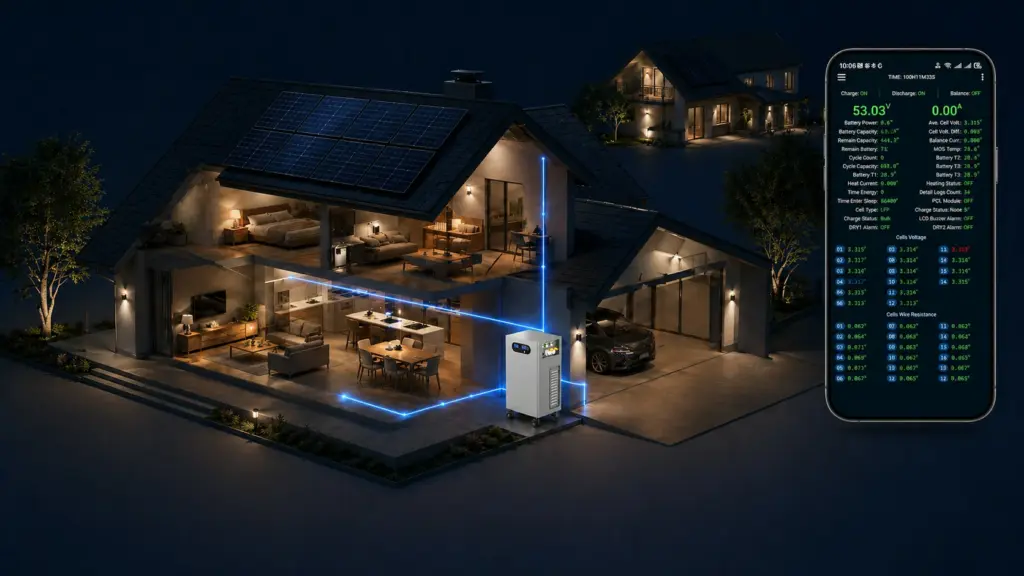
Home battery storage without solar means a residential battery system is installed without rooftop solar panels. Instead of charging from solar energy during the day, the battery charges from the grid, usually when electricity is cheaper.
The stored electricity can then be used later for:
- evening peak-rate reduction
- backup power during outages
- demand charge control in some tariff structures
- future solar readiness
- participation in certain utility or virtual power plant programs, where available
This setup is different from a solar-plus-battery system. With solar, the battery stores surplus daytime generation. Without solar, every kilowatt-hour going into the battery is purchased from the grid first.
That does not make battery-only storage useless. It simply means the financial case must be checked more carefully.
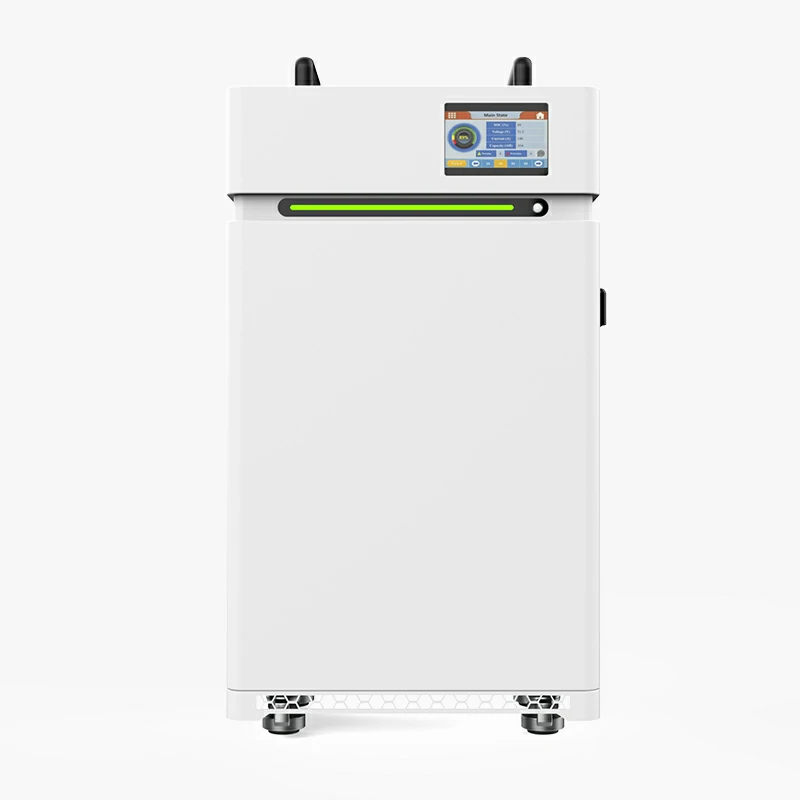
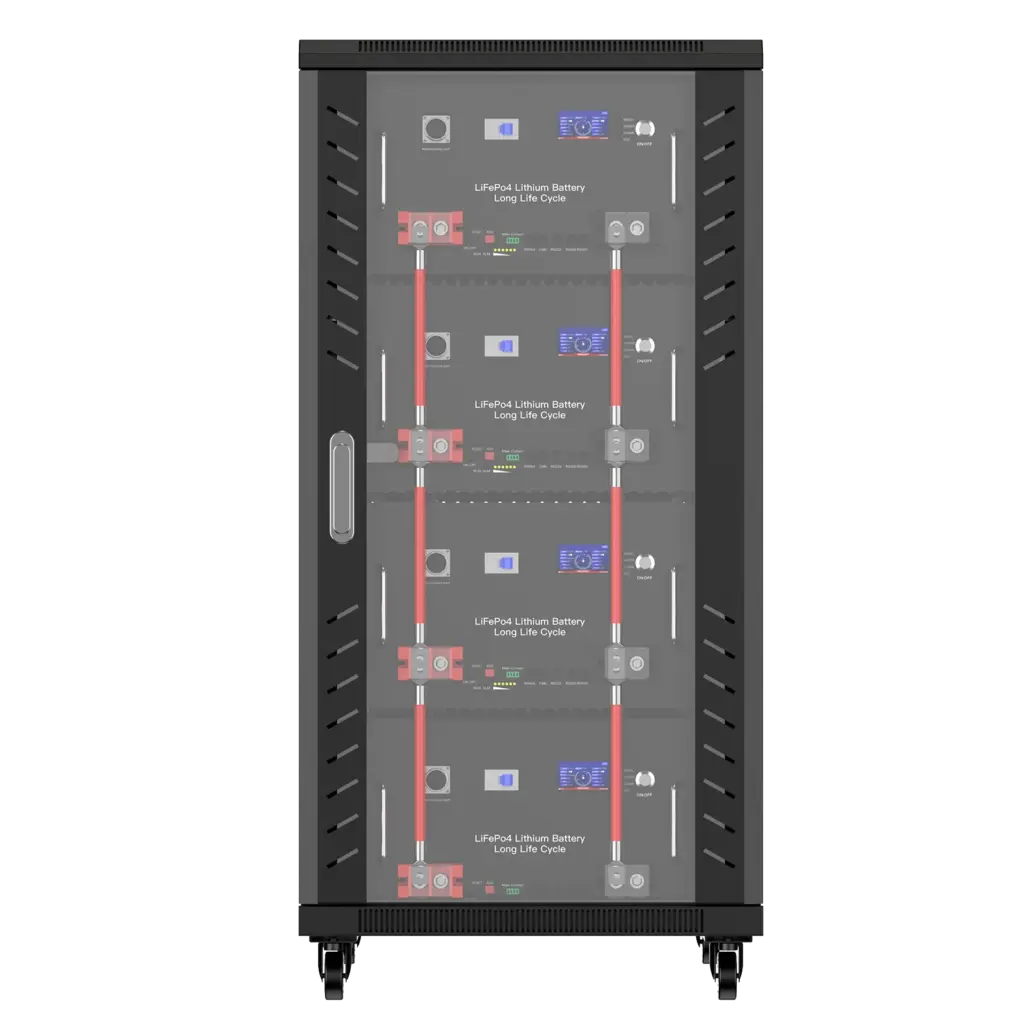
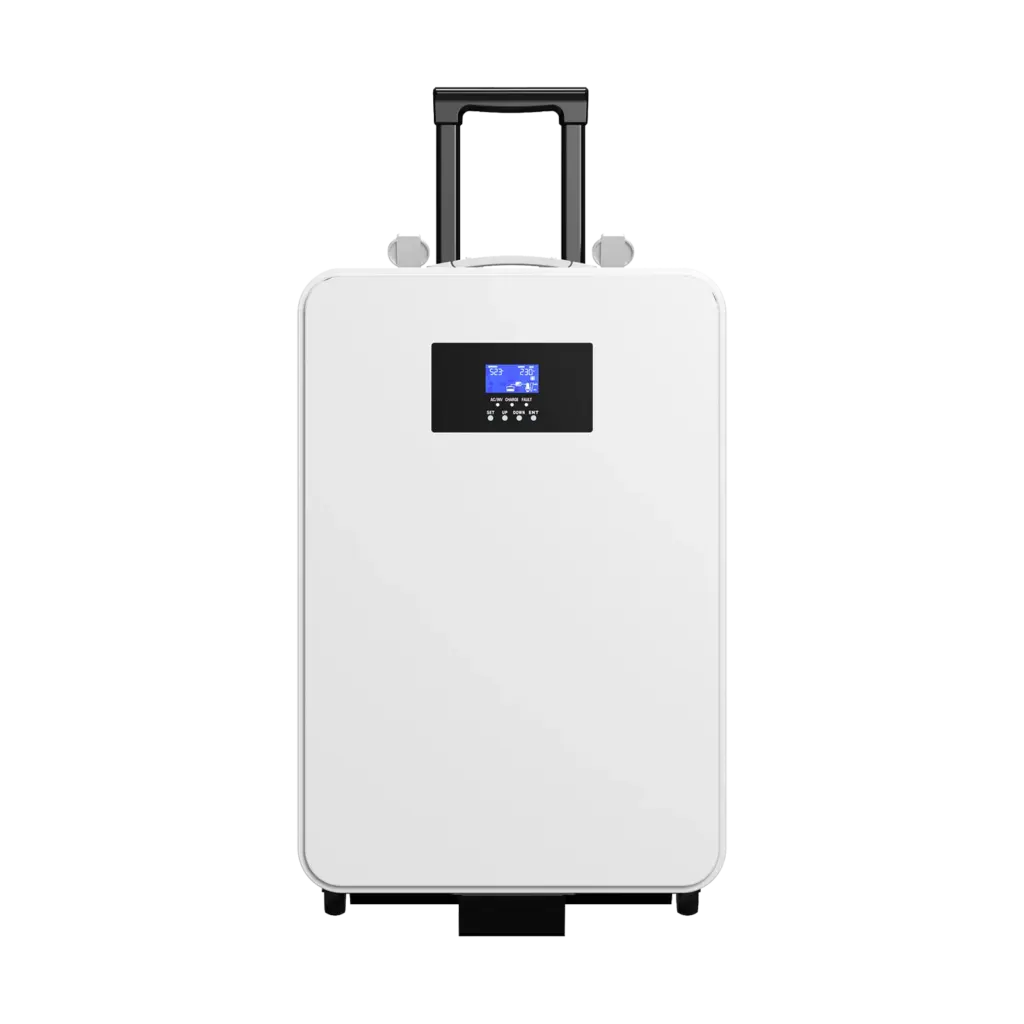
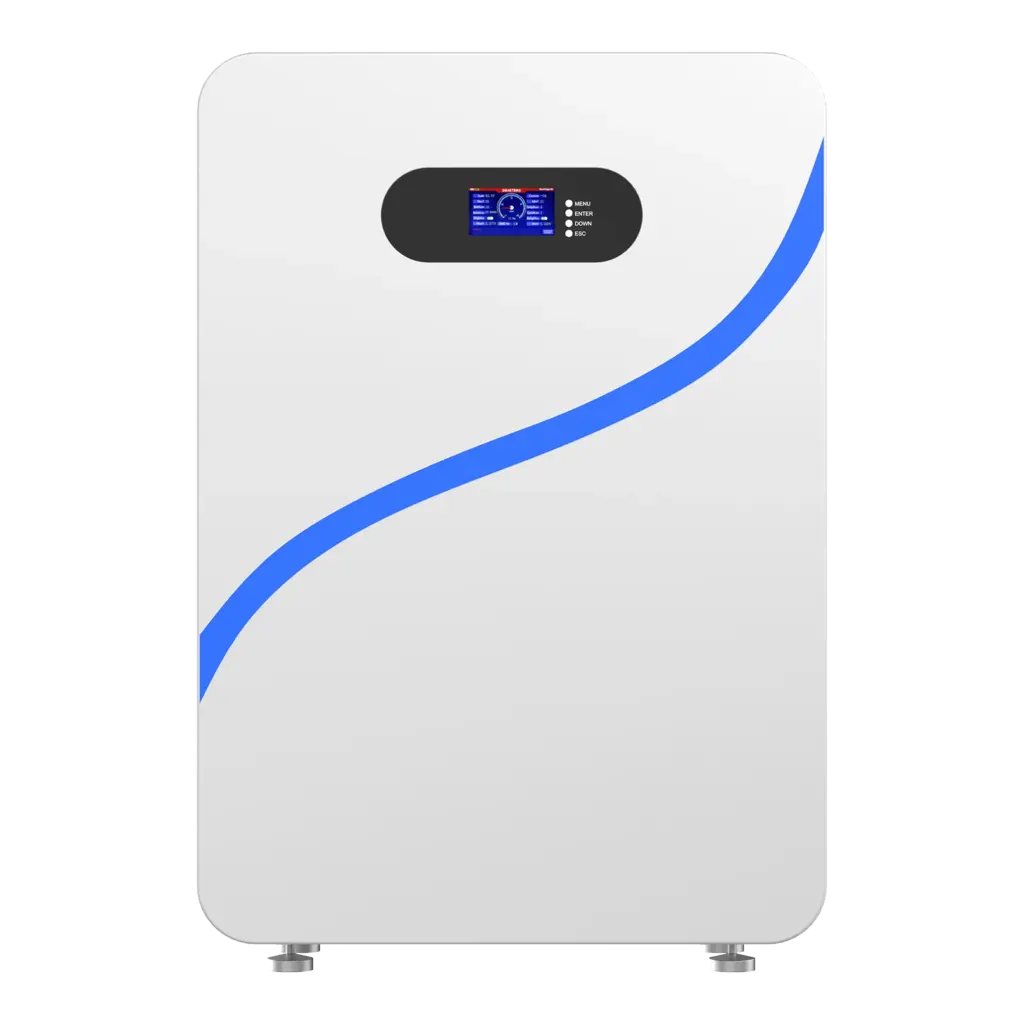
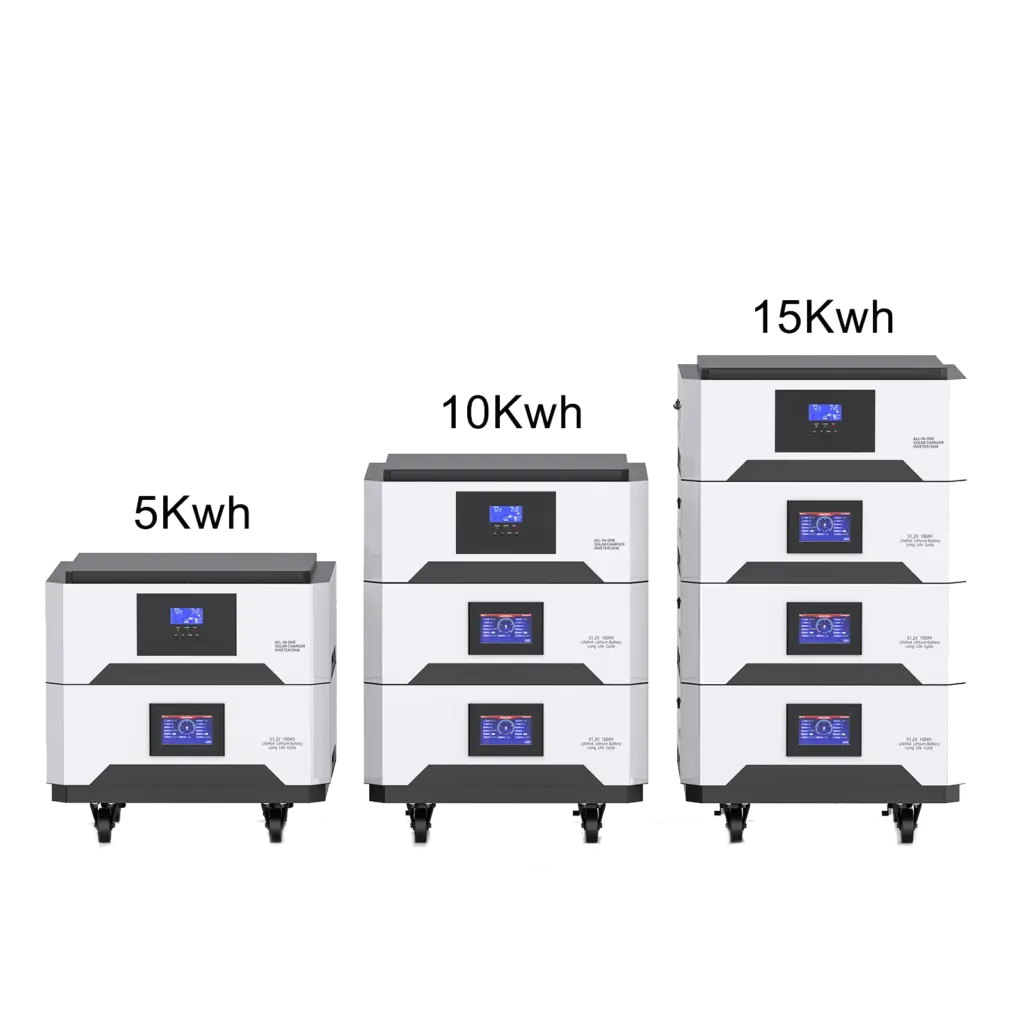
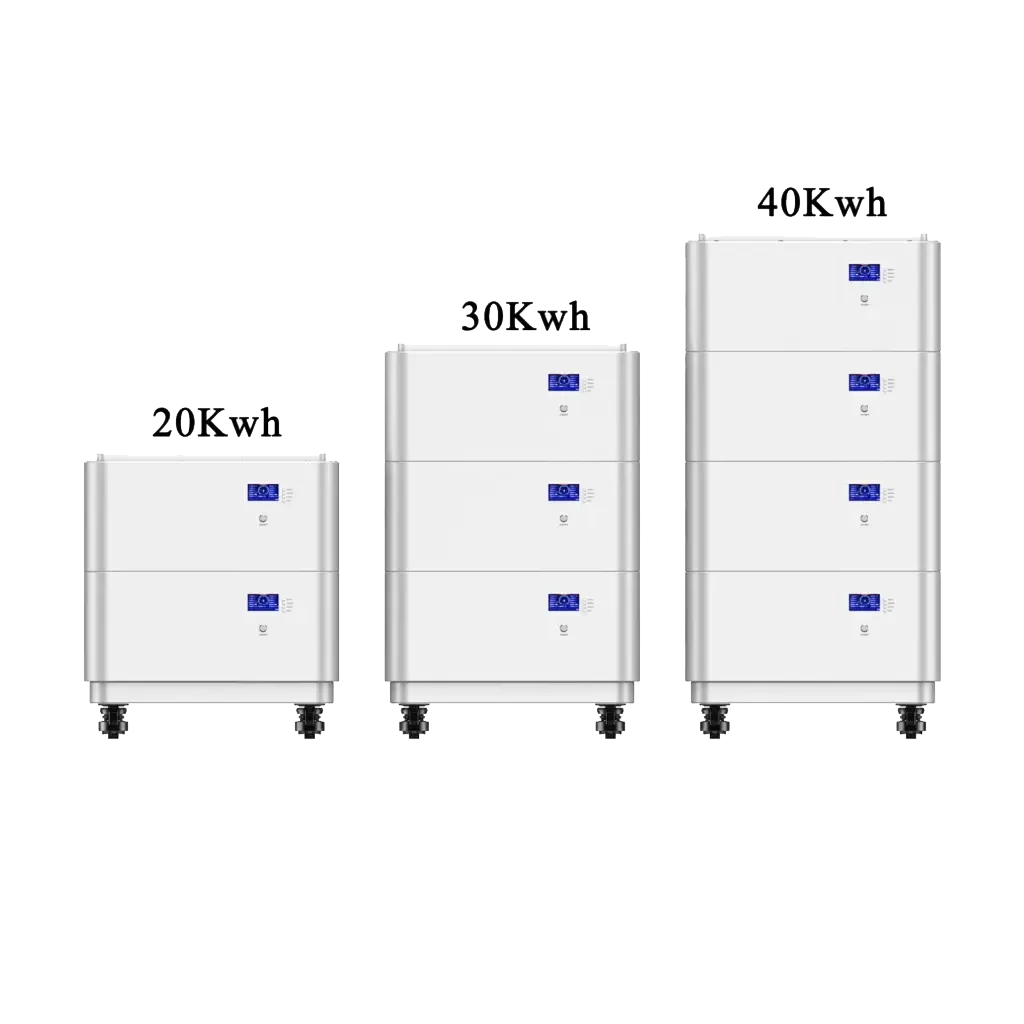
For homeowners or installers comparing different residential storage formats, Avepower’s home energy storage systems include wall-mounted, stackable and all-in-one LiFePO4 options that can be evaluated for backup, time-of-use and future solar integration projects.
Need a Custom Battery Storage Solution?
Avepower supports OEM/ODM battery customization for capacity, appearance, communication protocols and project requirements, helping partners build practical residential storage solutions.
Why People Install a Battery Without Solar
A standalone home battery is usually considered for one of five reasons.
1. Backup Power
This is the most practical reason. If a home experiences frequent outages, a battery can keep essential loads running, such as:
- refrigerator
- lights
- WiFi router
- security system
- medical devices
- garage door
- selected outlets
A battery without solar cannot recharge from the sun during a blackout, so the backup duration is limited by battery capacity. Still, for short outages, it can be cleaner, quieter and easier to manage than a fuel generator.
2. Time-of-Use Electricity Savings
In areas with time-of-use tariffs, electricity may be cheaper at night and more expensive in the evening. A grid-charged battery can charge during low-rate hours and discharge during peak-rate hours.
The basic idea is simple:
Annual value = usable kWh shifted × price difference × round-trip efficiency × number of useful cycles
For example, if a battery shifts 7 kWh per day, the peak/off-peak price difference is $0.25 per kWh, round-trip efficiency is 90%, and this happens 300 days per year:
7 × $0.25 × 0.90 × 300 = $472.50 per year
That is helpful, but it is not enough by itself to justify every system. The larger the tariff spread, the stronger the case.
3. Future Solar Installation
Some households install a battery first because they plan to add solar later. This can make sense when:
- roof work is scheduled for a later date
- the household is waiting for solar approval
- the home is being renovated
- the installer wants to prepare the electrical system in stages
- the homeowner wants backup now and solar later
In this case, future compatibility matters. Before buying the battery, confirm inverter communication, expansion limits and whether it can later work with solar. Avepower’s inverter compatibility page is a useful internal reference for project planning and communication protocol checks.
4. Apartments or Shaded Homes
Some homes cannot install useful solar because of:
- shaded roofs
- shared roof space
- apartment ownership rules
- heritage restrictions
- poor roof orientation
- limited structural capacity
For these users, a grid-charged battery may still provide backup or tariff-shifting value, although the return is usually weaker than a solar-plus-storage system.
5. Utility Programs and VPPs
Some markets allow home batteries to join utility demand response or virtual power plant programs. The battery may discharge during grid stress events, and the owner may receive credits or payments.
This depends heavily on location, electricity retailer, battery model, inverter compatibility and program rules. Always check the exact program before assuming income.
2026 Battery-Only Cost: What Has Changed?
The 2026 market is different from 2024 and 2025. Battery prices have become more competitive, but incentives have also changed in several countries.
In the United States, a typical 13.5 kWh home battery system is still a significant investment. EnergySage’s 2026 battery cost guide reports that a typical home battery installation costs around $15,000 before state or local incentives. See the latest external reference: EnergySage solar battery cost guide.
In Australia, the national battery rebate structure changed in 2026. The Australian Government’s Cheaper Home Batteries Program supports eligible battery installations, but buyers should pay close attention to the solar connection requirement and installation rules.
This matters because a pure grid-charged battery without solar may not qualify for the same incentive treatment in every country or state.
Annual Maintenance Cost for Home Battery Storage Without Solar
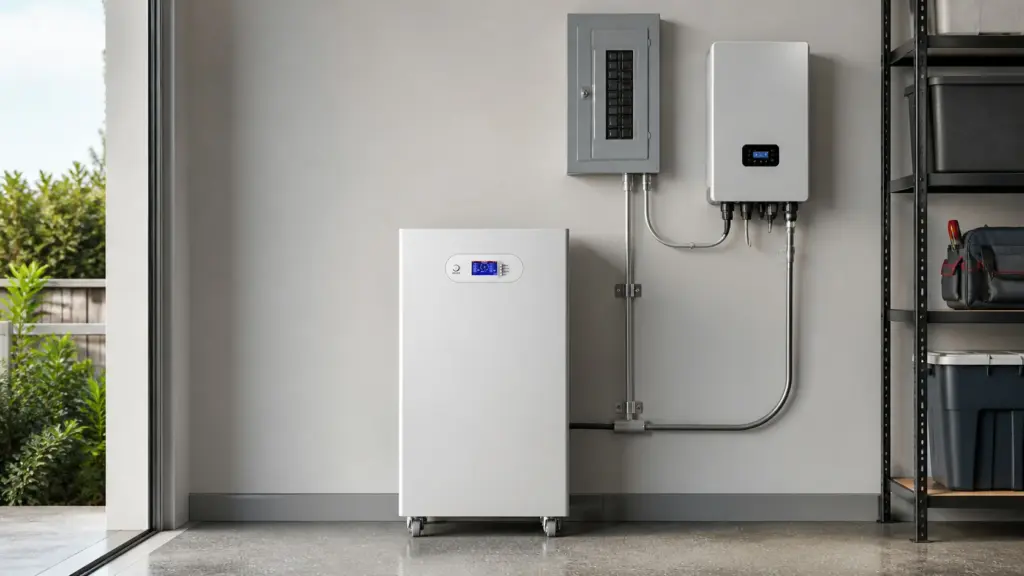
A modern LiFePO4 battery is not like an old lead-acid battery bank. It does not need watering, acid checks or regular equalization charging. Most of the maintenance is inspection-based rather than parts-based.
Here is a practical annual budget.
| Maintenance Item | Typical Annual Budget | Notes |
|---|---|---|
| Owner visual checks | $0 | Check app, warning lights, ventilation and visible damage |
| Cleaning around battery | $0–$30 | Keep dust, insects, leaves and clutter away |
| Monitoring app or connectivity | $0–$120 | Many systems include this, some may charge for advanced monitoring |
| Professional inspection | $150–$350 | Useful once per year or every 1–2 years depending on system type |
| Firmware or software support | $0–$100 | Often remote, sometimes included |
| Extended service plan | $0–$300 | Optional, depends on installer or brand |
| Unexpected service reserve | $100–$300 | For call-out fees after warranty or non-covered issues |
For most homeowners, a reasonable annual maintenance allowance is:
- Low-maintenance owner-managed system: $50–$150 per year
- Standard professionally checked system: $150–$350 per year
- Complex backup system with service plan: $300–$600 per year
This is why the best answer to “how much is the home battery storage without solar maintenance cost annual budget?” is not one number. The battery itself may need very little maintenance, but the full system includes the inverter, gateway, monitoring, wiring, backup circuits and installation environment.
What Maintenance Does a Home Battery Actually Need?
Monthly Owner Check
Once a month, open the monitoring app and confirm:
- battery is online
- no warning codes are active
- state of charge looks normal
- backup reserve setting is still correct
- charge and discharge behavior matches your electricity plan
This takes only a few minutes, but it helps catch issues early.
Every 3–6 Months
Check the installation area:
- keep airflow clear
- remove clutter around the unit
- look for water leaks nearby
- check for insect or rodent activity
- make sure warning labels are still visible
- confirm the battery has not been physically damaged
Do not open the battery enclosure. Residential battery systems contain high-voltage or high-current components and should only be serviced by qualified professionals.
Annual or Biannual Professional Inspection
A professional inspection may include:
- checking electrical connections
- reviewing inverter logs
- checking firmware status
- confirming backup operation
- checking gateway or transfer switch behavior
- testing communication between battery and inverter
- confirming ventilation and clearance
- verifying warning labels and shutdown procedures
If the battery is installed outdoors, in a garage with moisture risk, or in a property with frequent outages, an annual inspection is more sensible.
After a Major Event
Call an installer or qualified technician after:
- flood exposure
- fire nearby
- impact damage
- repeated fault codes
- unusual smell, heat or noise
- failed backup operation during an outage
This is not normal maintenance. It is safety-related service.
Why Battery-Only Maintenance Is Usually Lower Than Solar Maintenance
Solar panels sit outdoors and are exposed to dust, bird droppings, leaves, storms and roof conditions. A battery is usually installed in a garage, utility room, equipment area or protected outdoor location.
That means fewer environmental maintenance issues.
However, a battery has different risks:
- poor ventilation
- high ambient temperature
- incorrect charge/discharge settings
- firmware communication errors
- inverter mismatch
- backup circuit overload
- grid-charging rule changes
So the maintenance focus shifts from “clean the panels” to “keep the system safe, connected and correctly configured.”
Hidden Annual Costs Many Homeowners Forget
Here are the costs to include.
1. Electricity Used to Charge the Battery
Without solar, charging energy is bought from the grid. If your off-peak rate is not much cheaper than your peak rate, savings may be small.
A battery also has round-trip losses. If round-trip efficiency is 90%, around 10% of the energy is lost during charge and discharge.
2. Monitoring and Internet
Many batteries need internet access for monitoring, firmware updates and remote diagnostics. Usually this does not add a separate cost, but poor connectivity can create service issues.
3. Professional Call-Out Fees
If the system is outside warranty or the issue is caused by settings, network changes or external electrical work, the installer may charge a call-out fee.
4. Backup Load Panel
If you want backup power, the home may need a critical-loads panel or backup gateway. This is normally an upfront cost, but future changes to backed-up circuits can add cost later.
5. Battery Degradation
Battery degradation is not a maintenance bill, but it affects long-term value. A battery may still work after 10 years, but usable capacity will be lower than when new.
For long-term budgeting, keep maintenance and replacement reserves separate:
- maintenance reserve: $100–$350 per year
- future replacement reserve: optional, based on system cost and expected life
For example, if a $12,000 battery is expected to serve 10–15 years, setting aside $800–$1,200 per year as a replacement reserve is conservative. This is not money you spend every year, but it prevents surprise when the battery eventually needs replacement or expansion.
How to Calculate Your Annual Battery-Only Value
Use this simple method.
Step 1: Estimate Daily Shifted Energy
If your battery has 10 kWh usable capacity, you may not use all of it daily. A realistic daily shift may be 5–8 kWh.
Step 2: Find the Tariff Spread
Subtract off-peak rate from peak rate.
Example:
- peak rate: $0.45/kWh
- off-peak rate: $0.18/kWh
- difference: $0.27/kWh
Step 3: Adjust for Efficiency
If round-trip efficiency is 90%, use 0.90.
Step 4: Multiply by Useful Days
If you use this strategy 300 days per year:
8 kWh × $0.27 × 0.90 × 300 = $583.20 per year
Step 5: Subtract Annual Maintenance and Fees
If annual maintenance and service allowance is $250:
$583.20 – $250 = $333.20 net annual value
This example shows why tariff spread matters. If the price difference is small, a battery-only setup may not pay back quickly.
What Battery Size Do You Need Without Solar?
Battery size depends on your goal.
| Goal | Typical Battery Size | Notes |
|---|---|---|
| Essential backup only | 5–10 kWh | Fridge, lights, WiFi, outlets |
| Peak-rate shifting | 10–15 kWh | Common range for evening usage |
| Larger family home | 15–25 kWh | More appliances and longer backup |
| Whole-home backup | 25–40+ kWh | Expensive, especially with HVAC |
| Future solar-ready system | Modular 10–20 kWh | Expandable design is useful |
A small battery may be enough for short outages. A large battery may be needed for whole-home backup, but it should not be paired with an undersized inverter. If the inverter cannot deliver enough power, the battery may have plenty of stored energy but still fail to run larger loads.
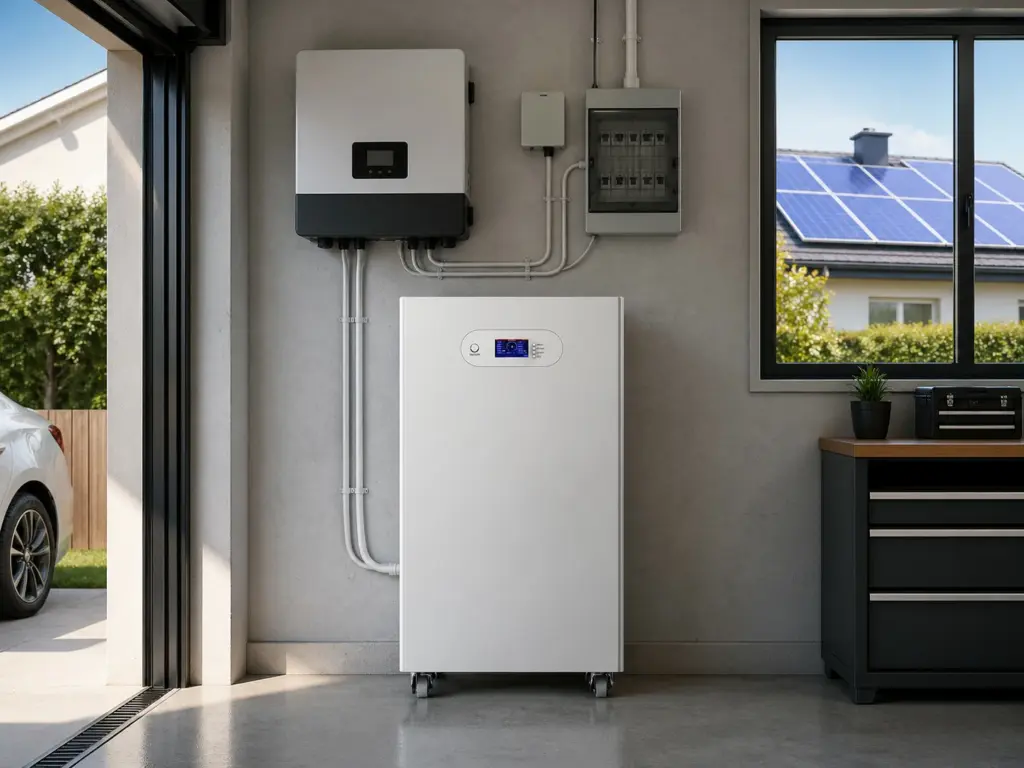
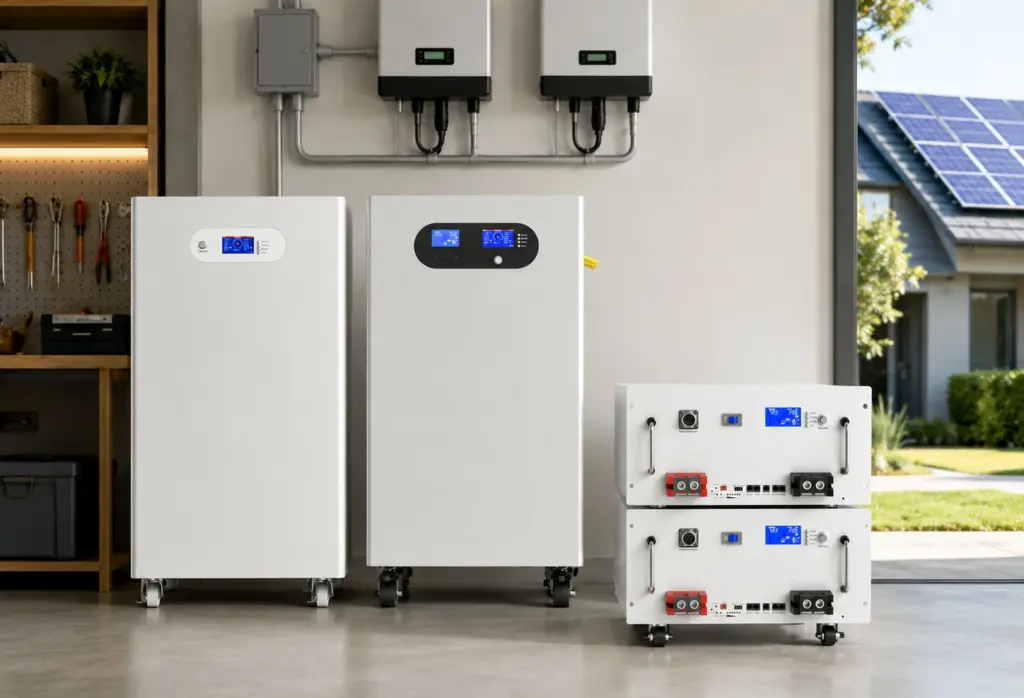
For flexible expansion, stackable battery systems can be useful because they allow installers to scale capacity for different household loads. For smaller homes or wall-space-limited installations, wall-mounted batteries may be more practical. For new projects that need a cleaner integrated setup, all-in-one battery systems can simplify system design by combining key functions into one solution.
Looking for Reliable Home Battery Storage?
Avepower provides wall-mounted, stackable, rack-mounted and all-in-one battery systems for installers, distributors and residential energy storage projects.
Battery Chemistry and Maintenance Cost
Most modern residential batteries use lithium-ion chemistry, and many home storage products now use LiFePO4.
LiFePO4 is popular for residential storage because it offers:
- strong thermal stability
- long cycle life
- low routine maintenance
- good safety characteristics
- stable performance for daily cycling
Older lead-acid battery banks usually require more maintenance and have lower usable depth of discharge. For a modern home battery system, lead-acid is rarely the best choice unless the project has a very specific reason.
For Avepower residential projects, LiFePO4 chemistry, BMS protection and inverter communication should be evaluated together. The battery is not only a box of cells. The BMS, enclosure, monitoring, cable design and inverter protocol all affect real-world reliability.
Does a Battery Without Solar Need a Different Maintenance Plan?
Yes, slightly.
A battery without solar cycles differently from a solar battery. A solar battery often charges during the day and discharges at night. A grid-charged battery may charge at night, discharge during peak hours, and maintain a backup reserve.
This means the owner should pay attention to:
- off-peak charging schedule
- minimum backup reserve
- export settings
- utility rules
- time-of-use tariff changes
- battery cycling frequency
- winter and summer peak periods
A good installer should configure the battery around the electricity plan, not just install the equipment and leave default settings.
Annual Budget Examples
Example 1: Small Backup Battery Without Solar
System: 5–8 kWh battery
Use case: short outage backup
Maintenance budget: $100–$250/year
Best for: small homes, essential circuits, low outage tolerance
This setup is not mainly about payback. It is about keeping essential loads running.
Example 2: 10–15 kWh Battery for Time-of-Use Savings
System: 10–15 kWh battery
Use case: charge off-peak, discharge during peak hours
Maintenance budget: $150–$350/year
Best for: homes with strong peak/off-peak price spread
This is the most common battery-only financial use case. The numbers depend heavily on tariff design.
Example 3: Whole-Home Backup Without Solar
System: 25–40+ kWh battery
Use case: larger backup coverage
Maintenance budget: $300–$600/year
Best for: outage-prone homes, high backup value, larger budgets
This can become expensive quickly. Large HVAC loads, electric ovens, pool pumps and EV charging can drain batteries fast.
Example 4: Battery First, Solar Later
System: modular 10–20 kWh system
Use case: backup now, solar integration later
Maintenance budget: $150–$350/year
Best for: staged home energy upgrades
This is often one of the more sensible reasons to install a battery without solar, but only if the battery is chosen with future solar compatibility in mind.
What Installers Should Check Before Recommending Battery-Only Storage
For installers, distributors and project buyers, a battery-only system should not be sold as a universal money-saving product. It should be recommended only after checking the site conditions and tariff structure.
Avepower generally suggests reviewing:
- required backup loads
- daily kWh usage
- local peak/off-peak rates
- available battery incentives
- indoor or outdoor installation conditions
- inverter communication protocol
- future solar expansion plan
- warranty and after-sales process
- BMS protection logic
- required certifications for the target market
For B2B buyers sourcing residential storage products, Avepower can support LiFePO4 battery solutions with OEM/ODM options, BMS protection, communication interfaces and project-based customization. You can also review Avepower’s warranty service information when planning long-term after-sales support.
The right system is not always the largest battery. It is the battery that matches the customer’s load profile, tariff structure, safety requirements and future energy plan.
Conclusion
A modern home battery can operate without solar, but the economics are different from a solar-plus-storage system. The battery does not create energy; it stores grid electricity for later use.
For most households, a realistic home battery storage without solar maintenance cost annual budget is around $100 to $350 per year for routine care and inspection. More complex backup systems may need $300 to $600 per year when professional service, monitoring and support are included.
The bigger financial question is not maintenance. It is whether the battery can save enough through time-of-use shifting, outage protection, utility programs or future solar integration.
If your electricity rates are flat and outages are rare, a standalone battery may be difficult to justify financially. If you have strong peak pricing, frequent blackouts or a plan to add solar later, a battery-only setup can be a useful step toward a more resilient home energy system.
Planning a battery storage project without solar, or preparing a system that can add solar later? Avepower provides LiFePO4 home battery storage solutions for installers, distributors, EPCs and energy storage partners. Explore Avepower’s home energy storage systems or contact the team to discuss capacity, inverter compatibility, BMS communication and OEM/ODM options for your project.
Take Control of Your Energy with Avepower!
Reliable home solar battery solutions with OEM/ODM customization and in-house manufacturing, tailored to the needs of distributors, installers, and energy partners.
FAQ
Most homeowners should budget around $100 to $350 per year for basic maintenance and occasional inspection. More complex backup systems may require $300 to $600 per year.
Check the monitoring app, state of charge, warning codes, unusual heat, blocked ventilation, dust, moisture, physical damage, and whether the battery is following the correct charge and discharge schedule.
Often yes. Solar can improve the value of a home battery because it provides daytime energy that can be stored for evening use. If solar may be added later, choose a battery and inverter setup that supports future expansion.
The biggest mistake is oversizing the battery without checking actual electricity usage and tariff data. A smaller, well-used battery can sometimes perform better financially than a large battery that sits partly unused.
Only if it is large enough and the backup system is designed for whole-home loads. Many smaller batteries are better suited for essential circuits such as lights, fridge, Wi-Fi, and selected outlets.
Not necessarily. The battery hardware may need similar maintenance. The difference is that a grid-charged battery needs careful tariff scheduling. If the settings are wrong, the system may save less money.