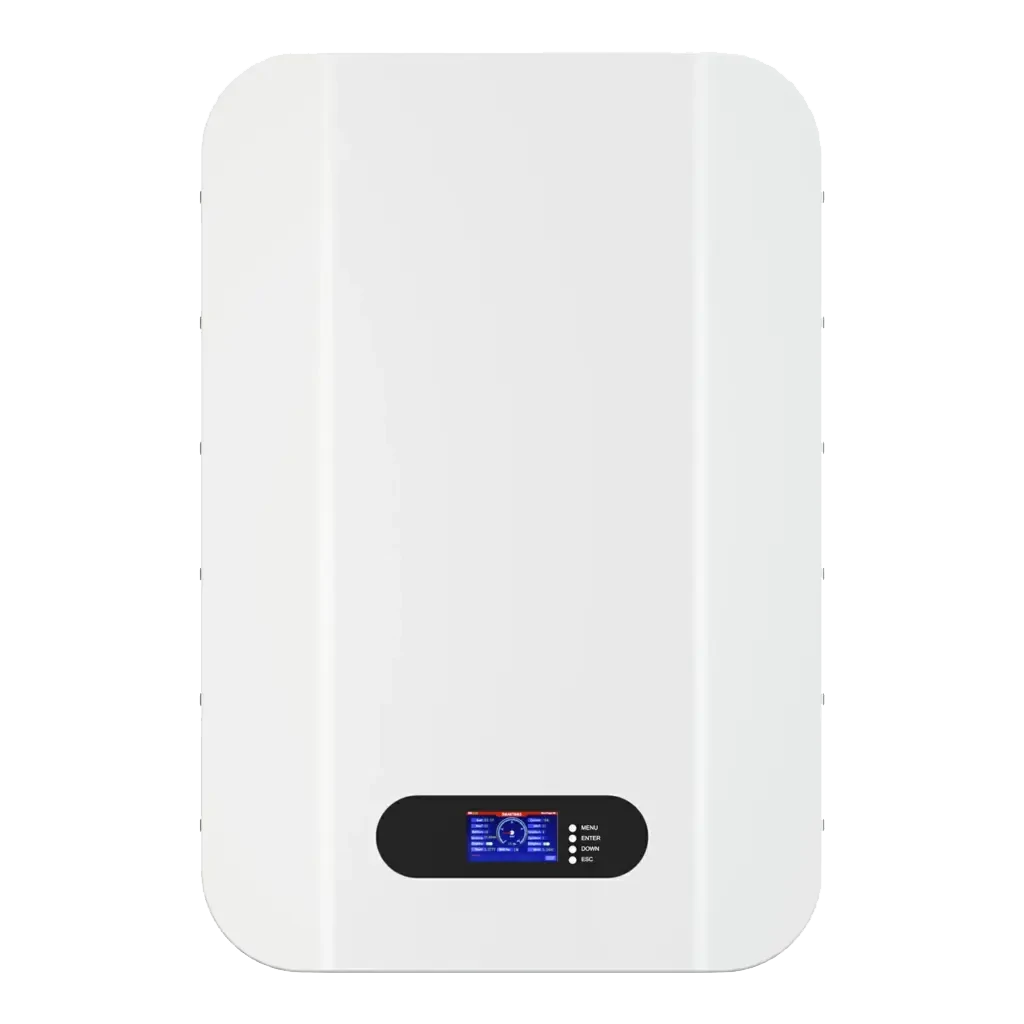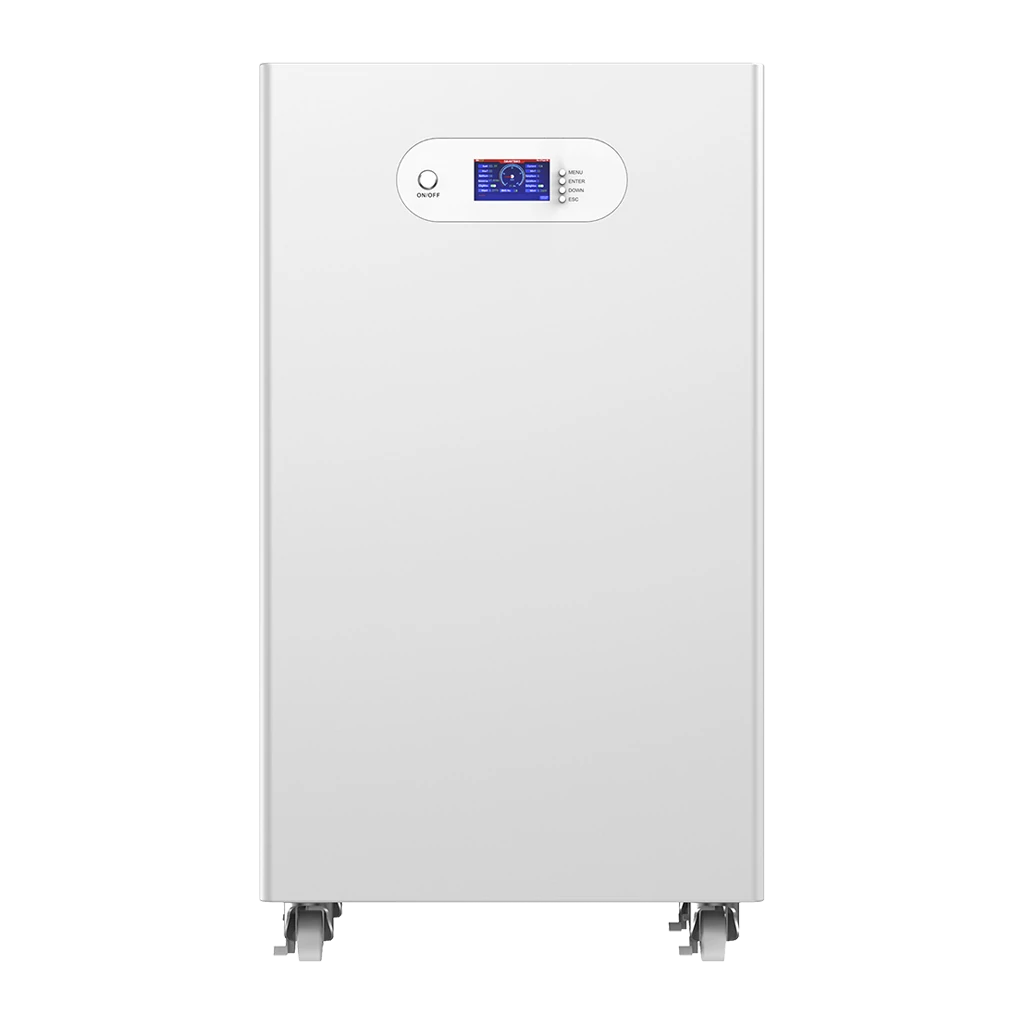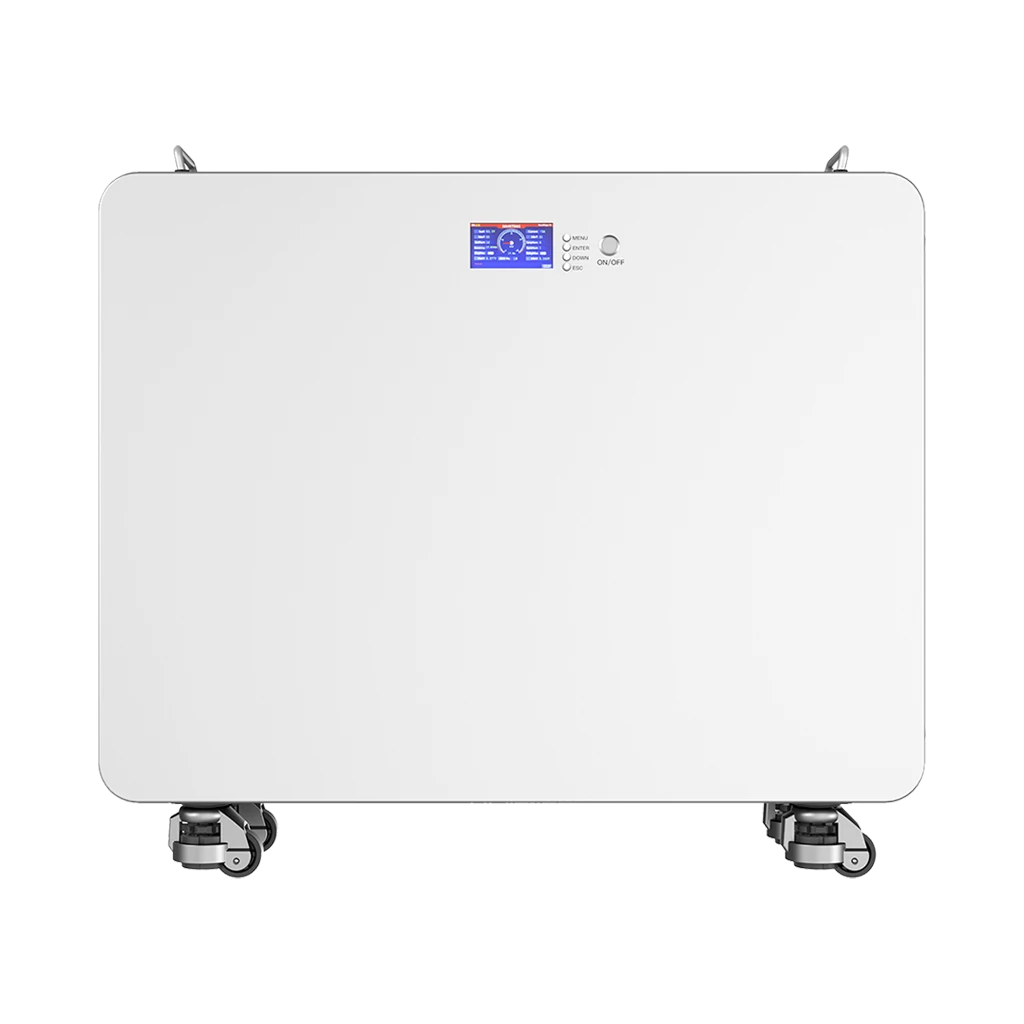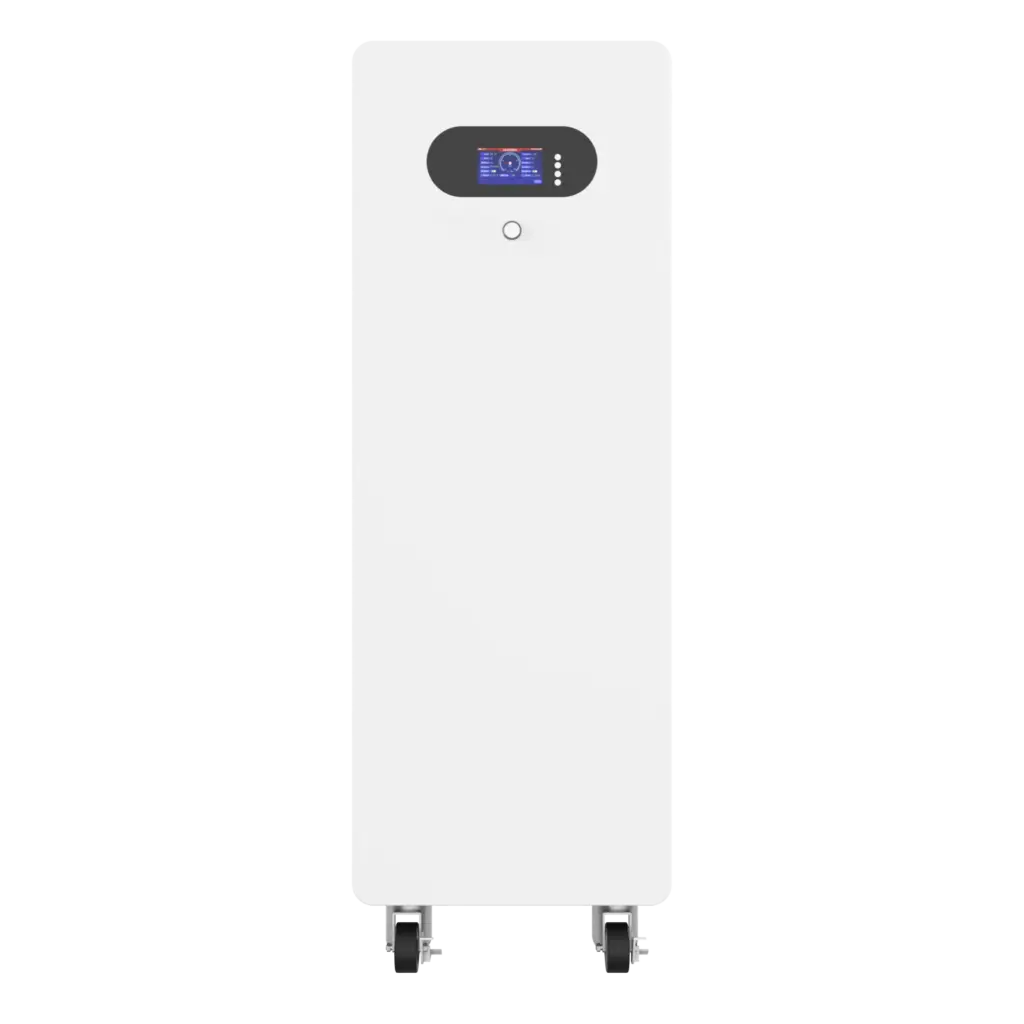

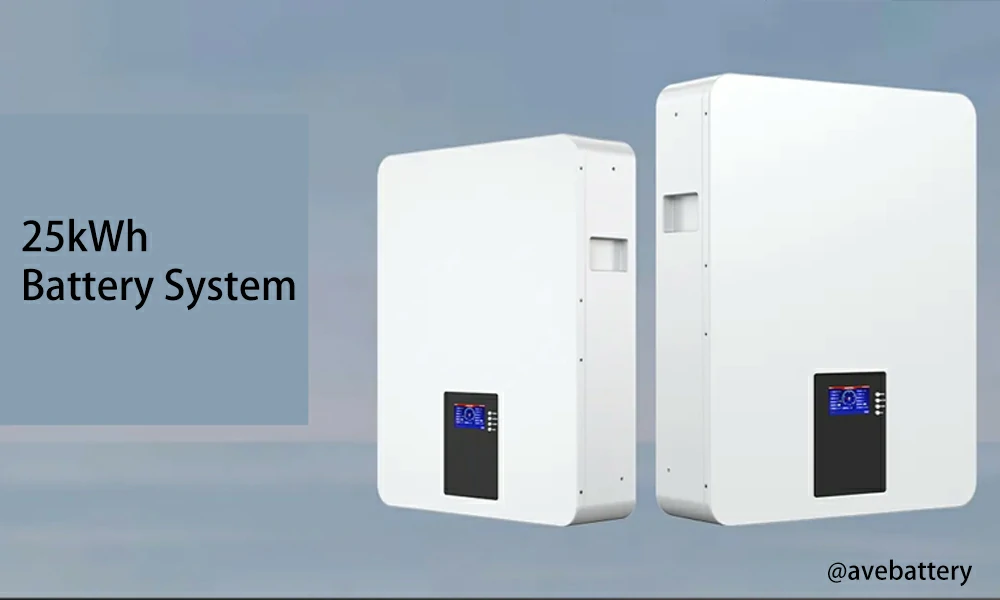
When you ask how long a 25 kWh battery system can last, the answer isn’t a simple number of hours or days. It’s like asking how long a car can run on a single tank of gas. The answer depends on a lot of things: how you drive, where you drive, and even the car’s engine size.
For a 25 kWh battery, its lifespan depends on a combination of factors, including:
- How much energy you are using.
- What you are powering with the battery.
- The type of battery chemistry.
- How the battery is used and maintained.
- Environmental conditions.
Let’s break down these points to get a clearer picture.
What Does 25 kWh Mean?
The “kWh” in 25 kWh stands for kilowatt-hour. A kilowatt is a unit of power, and an hour is a unit of time. So, a kilowatt-hour is a unit of energy. For example, if you have a device that uses 1 kilowatt of power, and you run it for one hour, it will use 1 kWh of energy. The same device running for two hours would use 2 kWh.
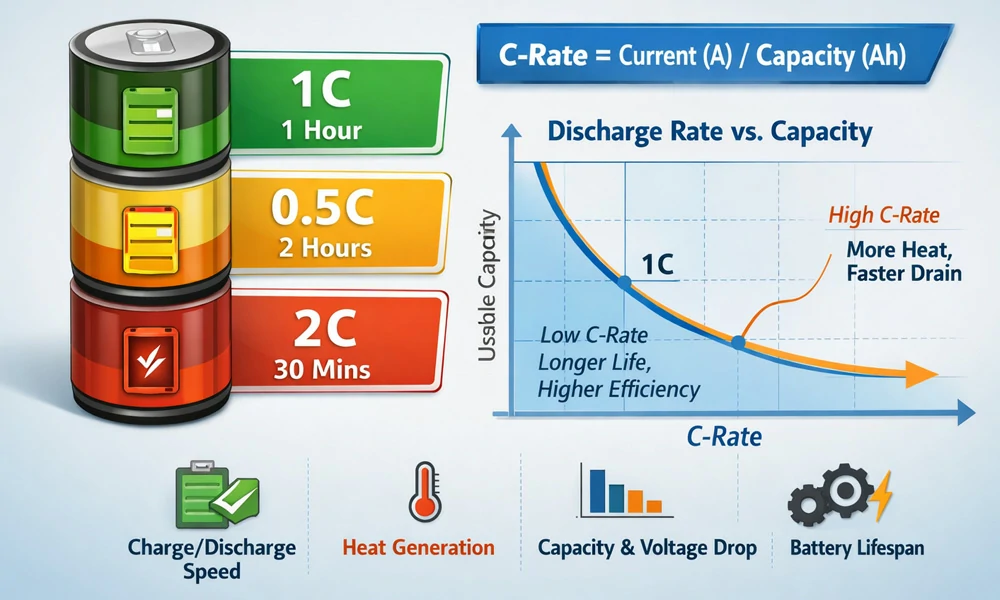
A 25 kWh battery system holds 25 kilowatt-hours of energy. The question of how long it lasts is really a question of how quickly you use up that energy. The faster you use the energy, the shorter the battery will last. The slower you use the energy, the longer the battery will last.
To figure out how long your battery will last, you need to know the total power consumption of the devices you want to run. You can find this information on the labels of your appliances, usually in watts (W) or kilowatts (kW).
Let’s look at some examples:
- Running a few lights and charging phones: A few LED light bulbs might use a total of 100 watts (0.1 kW). At this rate, a 25 kWh battery could theoretically last for 250 hours (25 kWh / 0.1 kW). This is more than ten full days.
- Powering a refrigerator and a few other small appliances: A refrigerator might use around 150-200 watts per hour, but it cycles on and off. A more realistic average might be 50 watts. Add a few other small devices, and your total consumption might be around 500 watts (0.5 kW). In this case, your battery would last for about 50 hours (25 kWh / 0.5 kW), which is just over two days.
- Running a whole house: If you are trying to power an entire home, including a central air conditioner, an oven, and other heavy-use appliances, your total power consumption could easily be 2,000 watts (2 kW) or more. At this rate, the battery would last for about 12.5 hours (25 kWh / 2 kW).
Real-world usage is more complex because your power use changes throughout the day. It’s highest in the morning and evening and lower overnight. To get a better estimate, you would need to calculate your average daily energy use in kWh.
You can calculate how long the 25 kWh battery can power your device using the following calculator.
Battery Runtime Calculator
Real-World Lifespan of a 25kWh Battery System
Most manufacturers of home battery systems give a warranty that guarantees the battery’s performance over a certain number of years or cycles. For a 25 kWh lithium-ion system, a typical warranty might be 10 years or 6,000 cycles, whichever comes first.
This means the company guarantees that the battery will still hold a certain percentage of its original capacity (for example, 80%) after that time or that many cycles.
Let’s do some quick math to see what that means in a real home setting:
If you use the battery to power your home during a power outage or to store solar energy, you might use one full cycle per day. At that rate, 6,000 cycles would last you about 16 years (6,000 cycles / 365 days). So, even if the warranty is 10 years, the battery’s useful life could be much longer.
However, if you only use the battery a few times a month for backup power, the 10-year warranty is more likely to be the limiting factor. The battery’s lifespan will be determined by how many years pass, not how many times you have used it.
Avepower’s home energy storage batteries can achieve 8,000+ cycles, offering extended durability and long-term reliability for your energy needs.
Financial Considerations
The cost of a 25kWh battery system varies by type, brand, and additional equipment such as inverters or smart chargers. While upfront costs can be significant, long-term savings on electricity bills and protection against power outages often justify the investment. A 25kWh battery can help users avoid peak-time electricity rates and reduce reliance on the grid, making it a financially sound choice for many households.
Applications of a 25kWh Battery System
Understanding where and how a 25kWh battery system can be used is essential for making informed decisions.
Backup Power for Homes
A 25kWh system is suitable for emergency backup power. It can keep essential appliances running during short power outages, such as lights, refrigerator, water pump, and Wi-Fi router. For most households, it could last anywhere from 6 to 12 hours, depending on energy use.
Peak Shaving
Peak shaving is a strategy where batteries supply power during periods of high electricity rates. A 25kWh battery can reduce grid consumption during peak hours, lowering monthly electricity bills while improving grid stability.
Solar Energy Storage
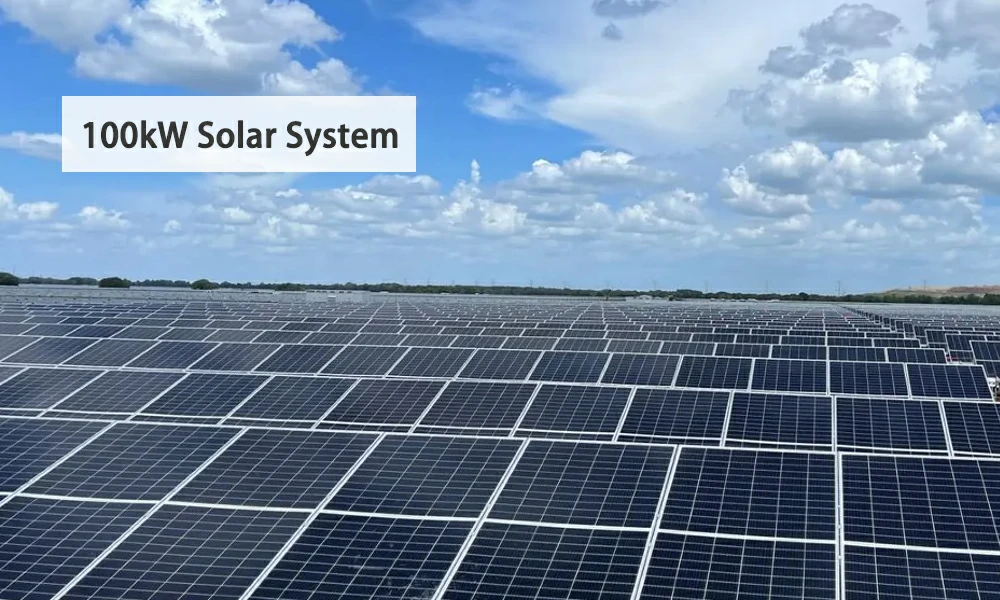
When paired with solar panels, a 25kWh battery allows homeowners to store excess solar energy generated during the day for use at night. For example, if solar panels generate 10kWh during the day, the battery can store this energy and provide additional hours of power in the evening, reducing reliance on the grid.
Small Commercial Use
Small businesses, such as cafes or offices, can also benefit from a 25kWh battery. It can provide emergency power for critical operations or reduce peak electricity charges. Runtime in these settings may vary from 3 to 8 hours, depending on load and appliance usage.
Choosing the Right 25kWh Battery Type
The type of battery you select can also affect how long your 25kWh system lasts. The two most common options are:
- Lithium-Ion Batteries: These are lightweight, efficient, and have a long lifespan, often exceeding 3,000 cycles. They are suitable for both home and commercial use.
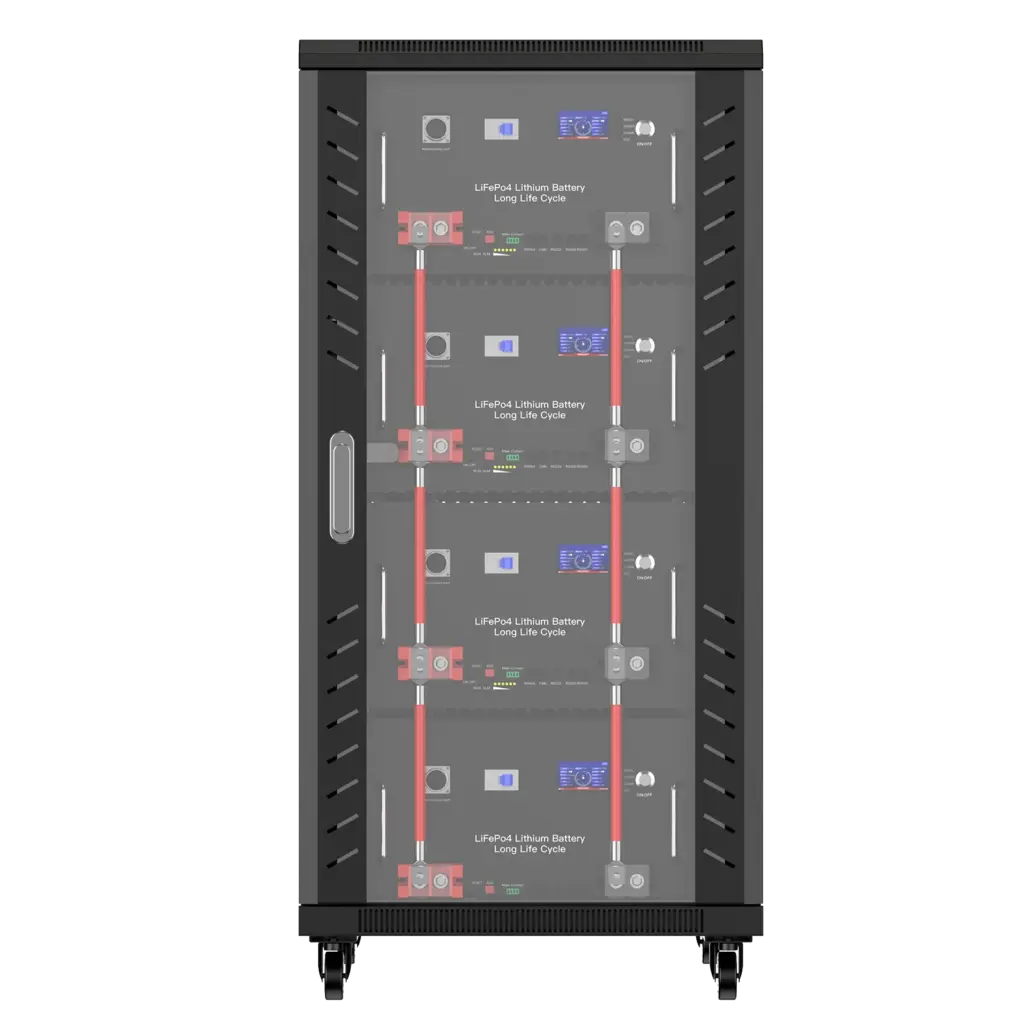
- LiFePO4 Battery: These lifepo4 batteries are safer, more stable at high temperatures, and have longer cycle life, usually over 4,000 cycles. They are ideal for backup systems and heavy usage scenarios.
Each type has pros and cons, but both can reliably deliver a 25kWh capacity when sized correctly.
How to Monitor Runtime
Modern battery systems come with monitoring software that allows users to track energy consumption, remaining capacity, and estimated runtime. This is especially useful for managing daily energy use, planning for outages, or optimizing solar storage. Users can see exactly how many hours the battery will last under current loads and adjust usage accordingly.
25kWh Battery Solutions for Reliable Power
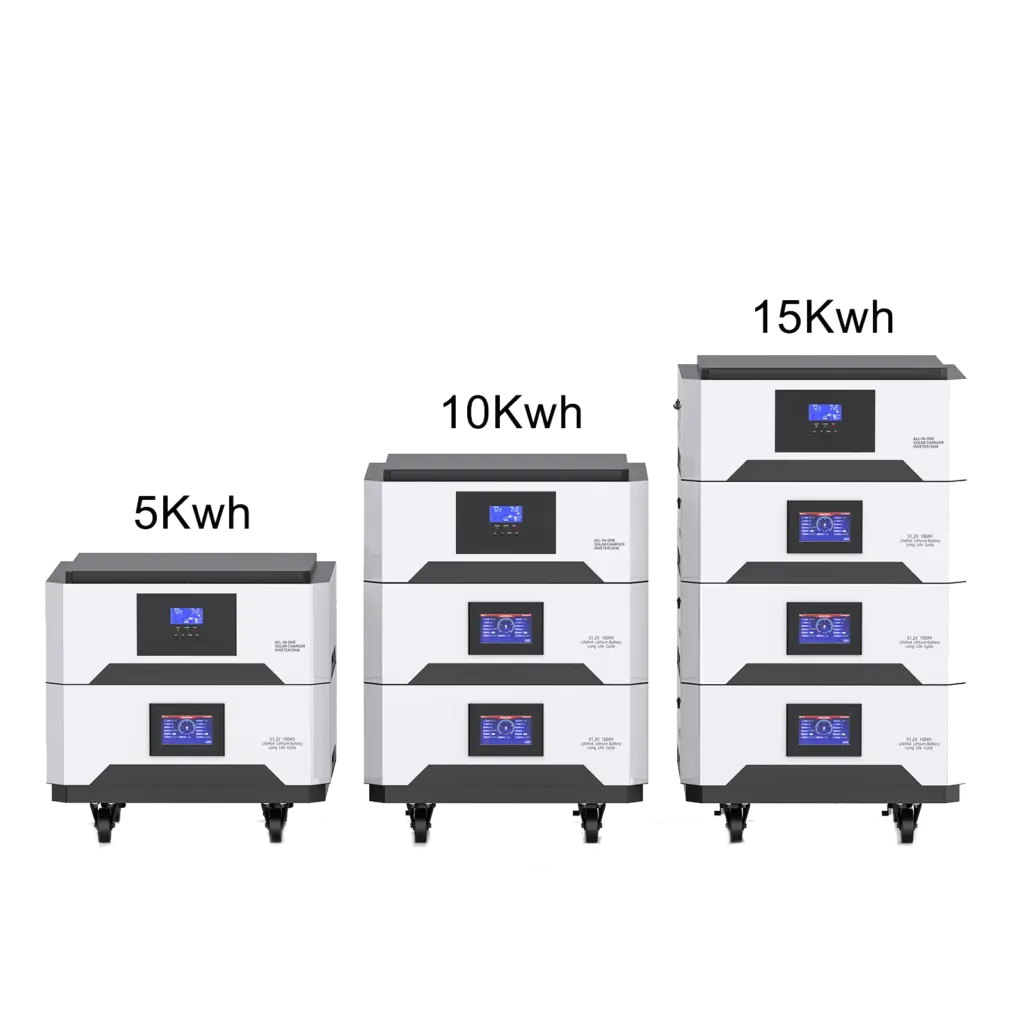
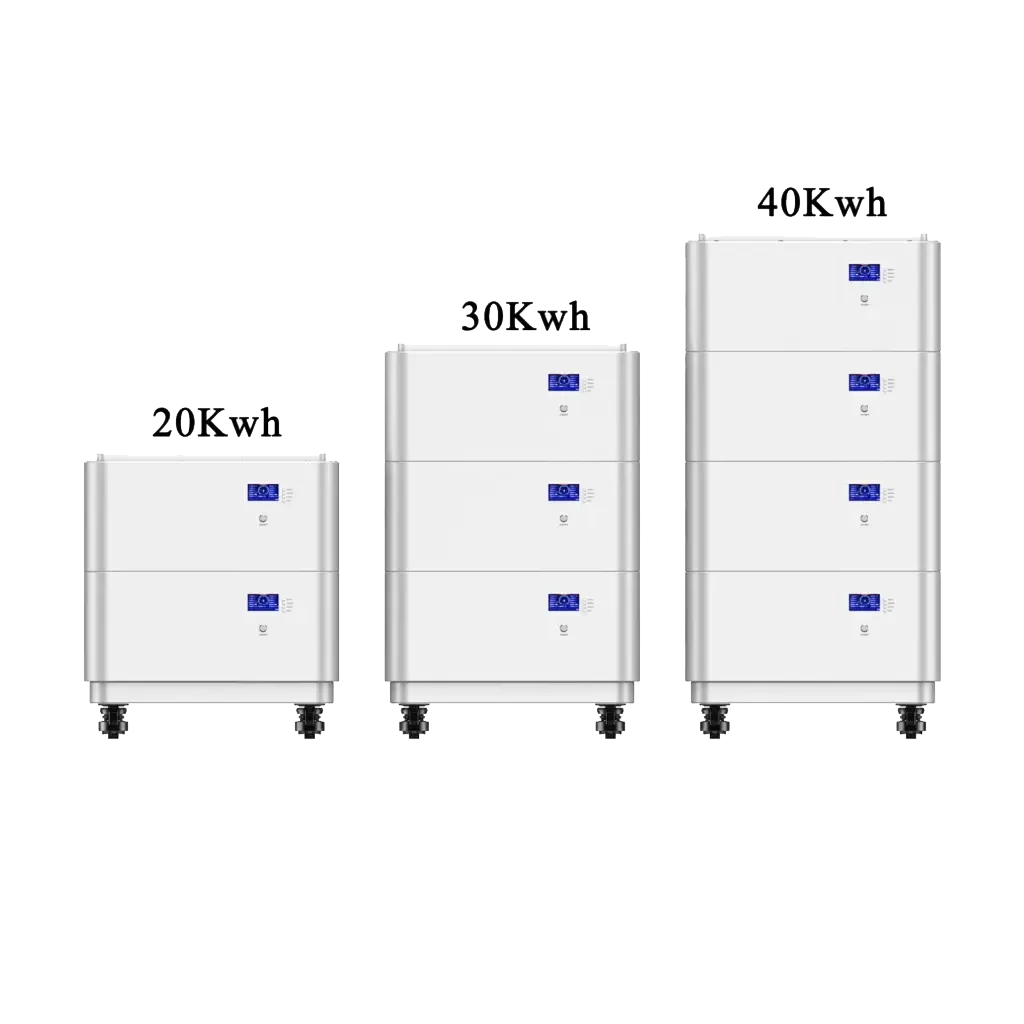
If you are looking to optimize your energy usage and protect your home from power outages, consider investing in a 5kWh, 10kWh, 15kWh, or 25kWh battery system. With professional installation and smart energy management, you can enjoy reliable power, lower electricity bills, and make your home or business more resilient. Avepower provides complete battery energy storage solutions for homes, and off-grid living, tailored to meet your specific energy needs.
FAQ
For an average household with moderate electricity use, it can last almost a full day. For homes with high-power appliances, it may last only a few hours.
Divide the battery’s capacity (25kWh) by your total electricity load in kilowatts. For example, a 5kW load will use the battery in about 5 hours.
It can power lights, refrigerators, TVs, computers, small air conditioners, and other household devices. High-power equipment like electric ovens or large heaters will drain the battery faster.
Typical efficiency is around 90–95%, meaning you can use about 22.5–23.75kWh of energy from a fully charged 25kWh battery. Some energy is always lost during charging and discharging.