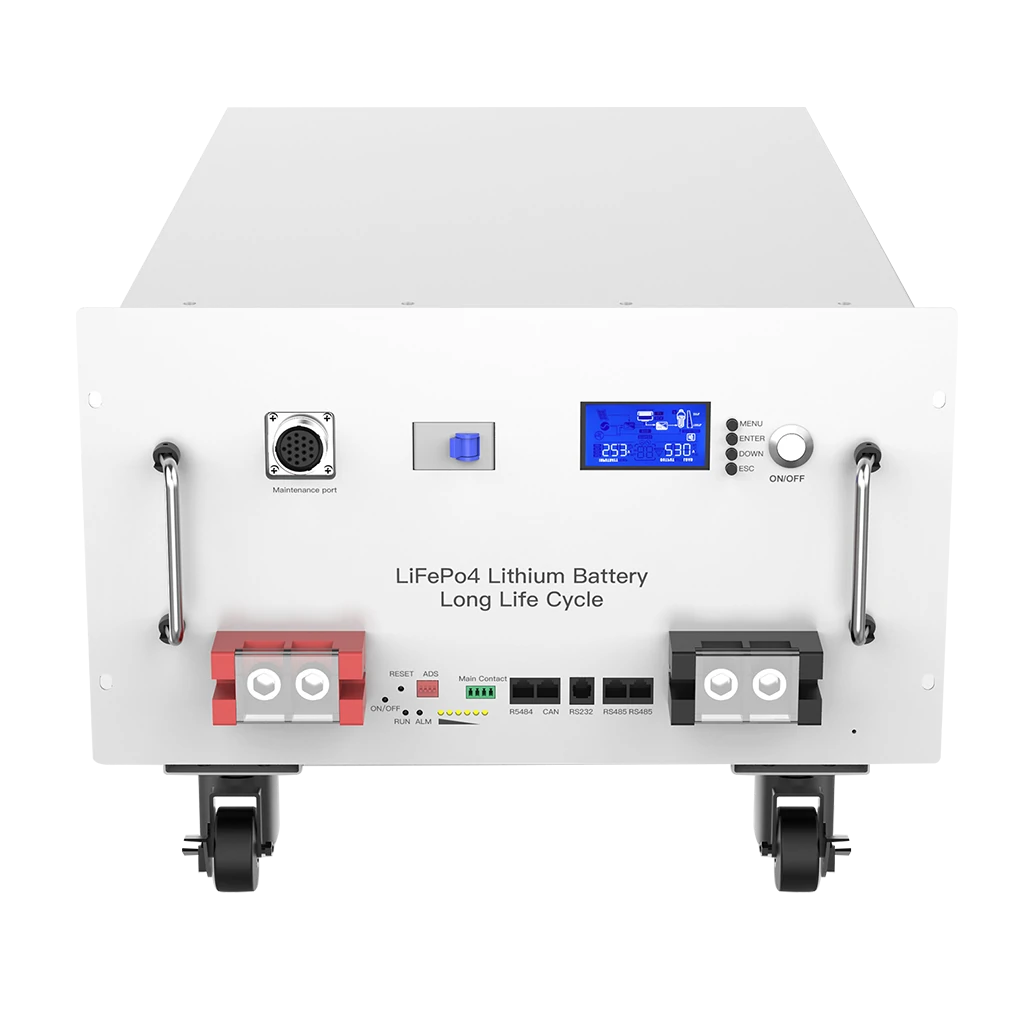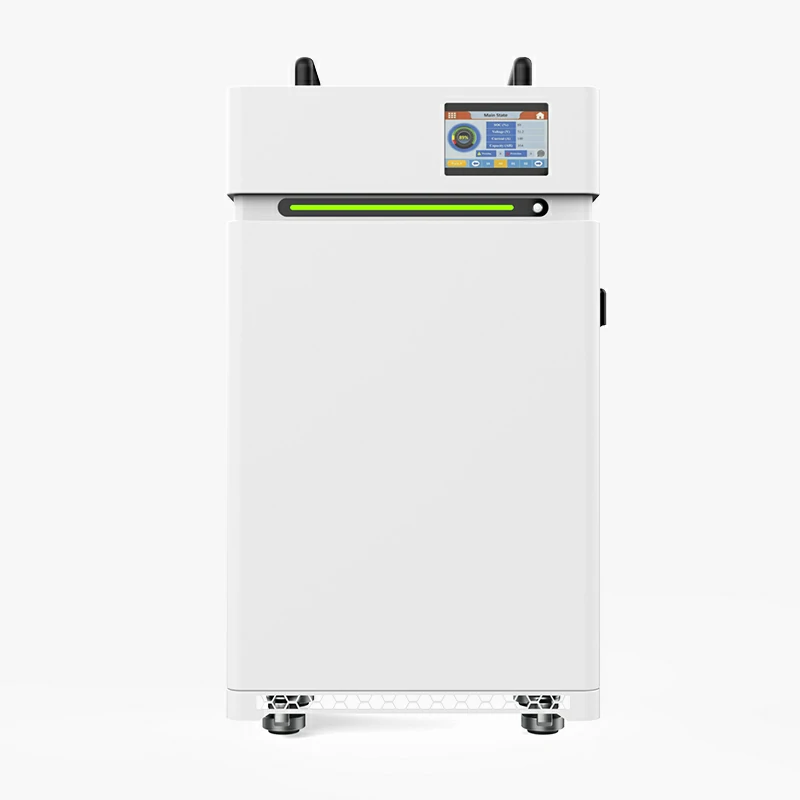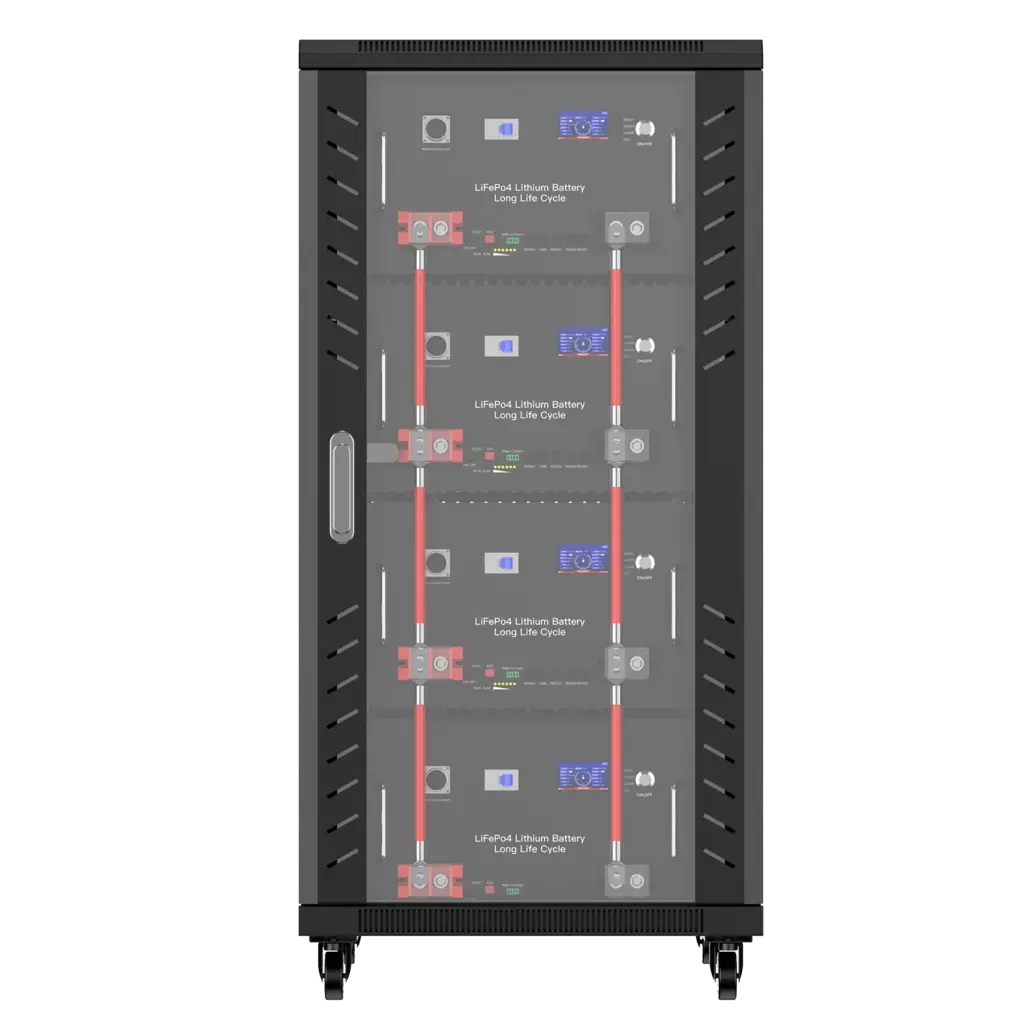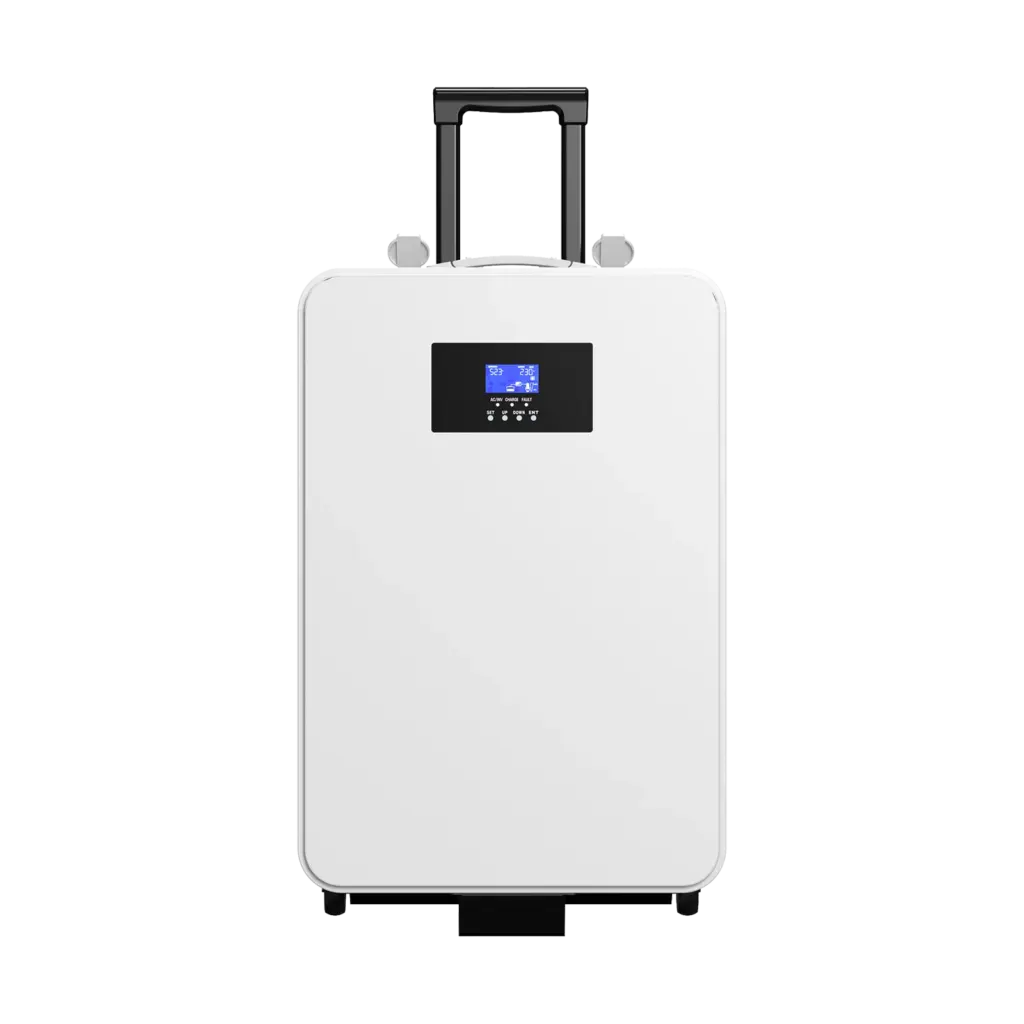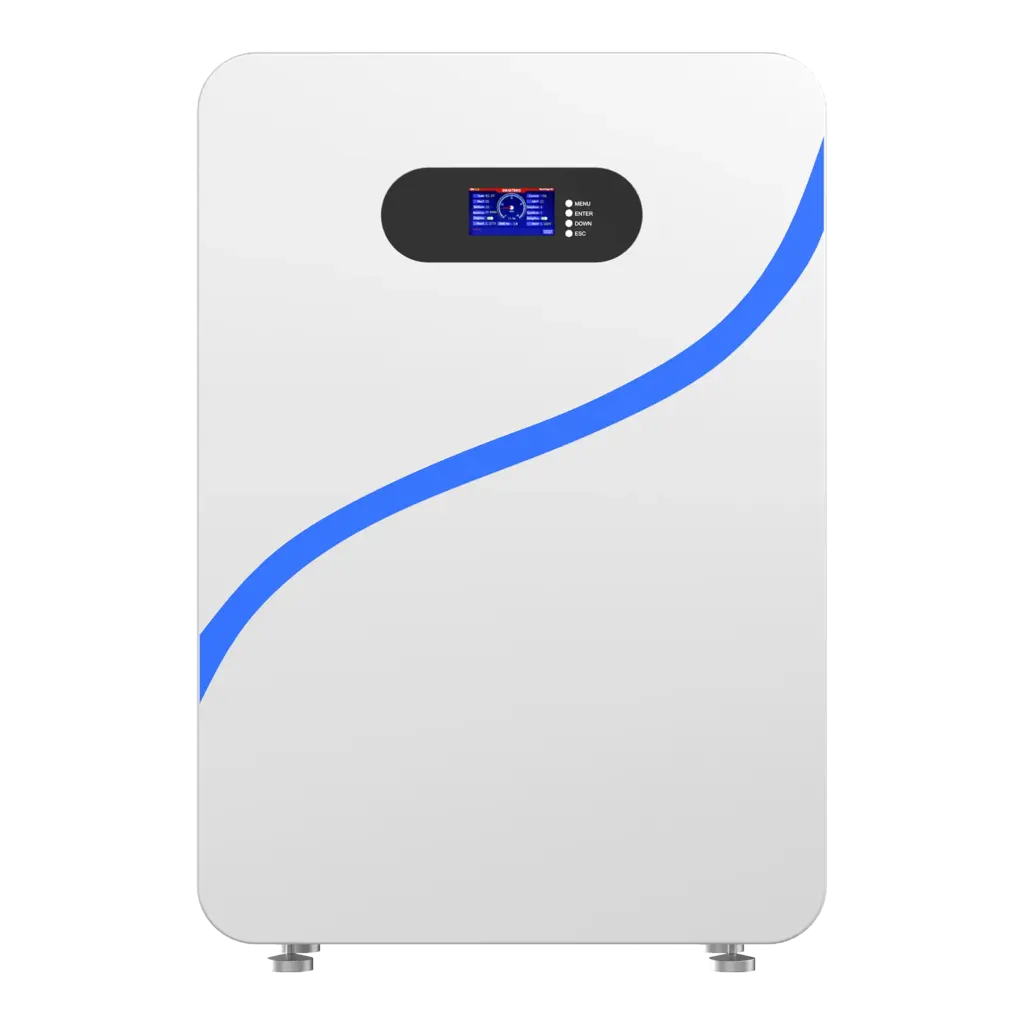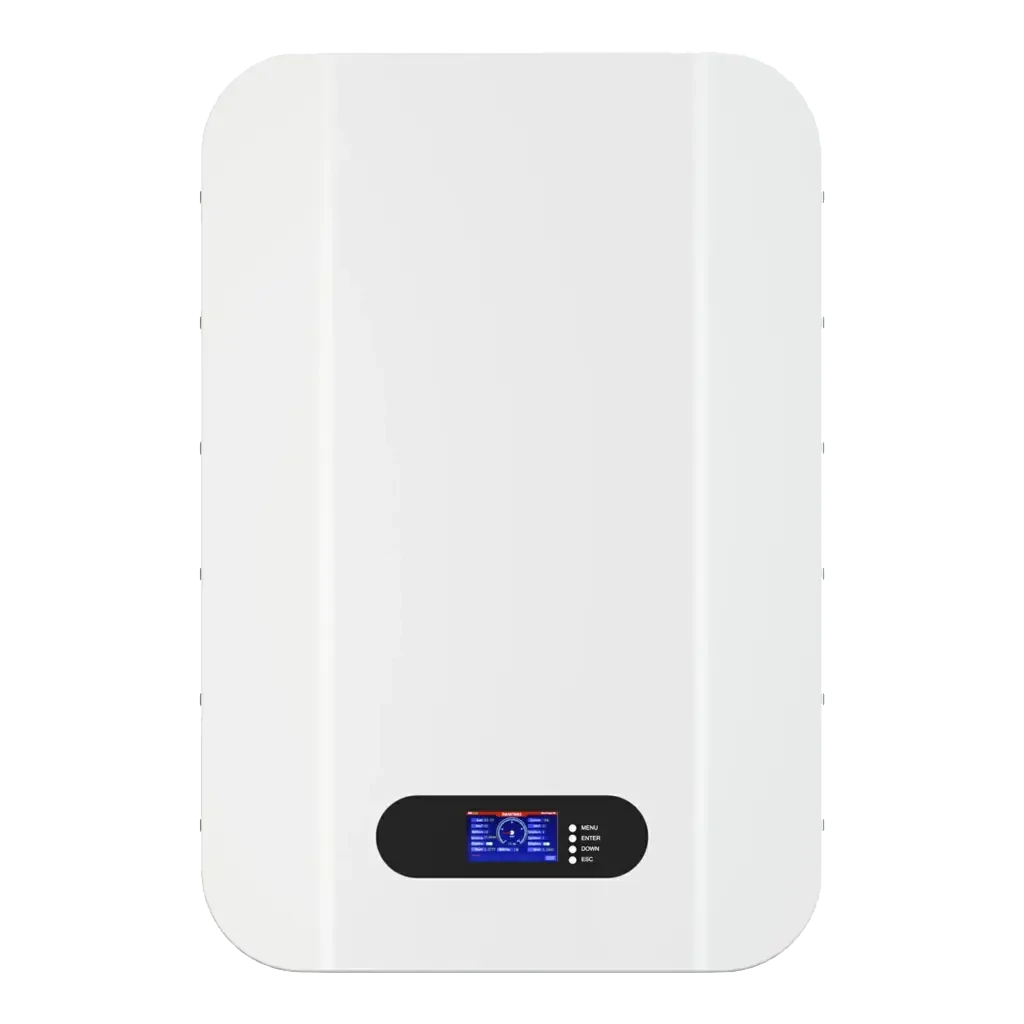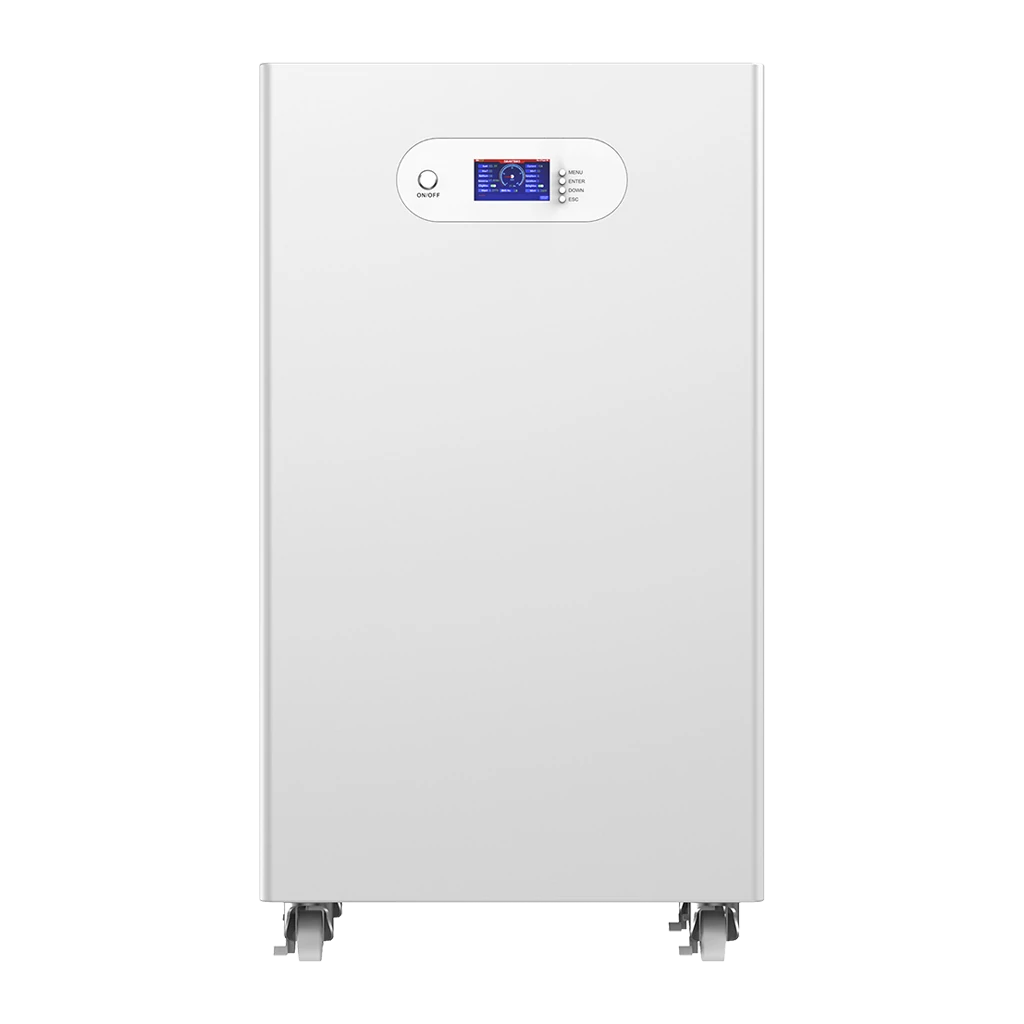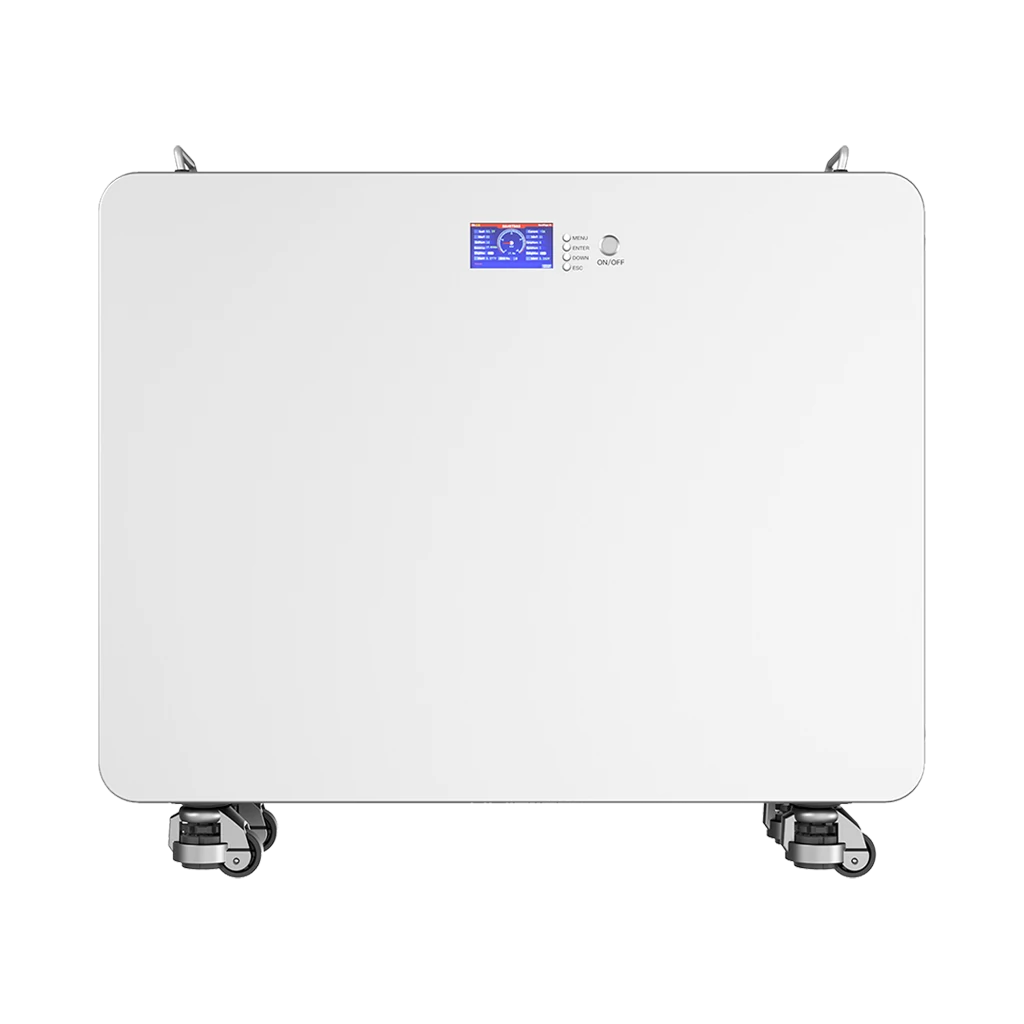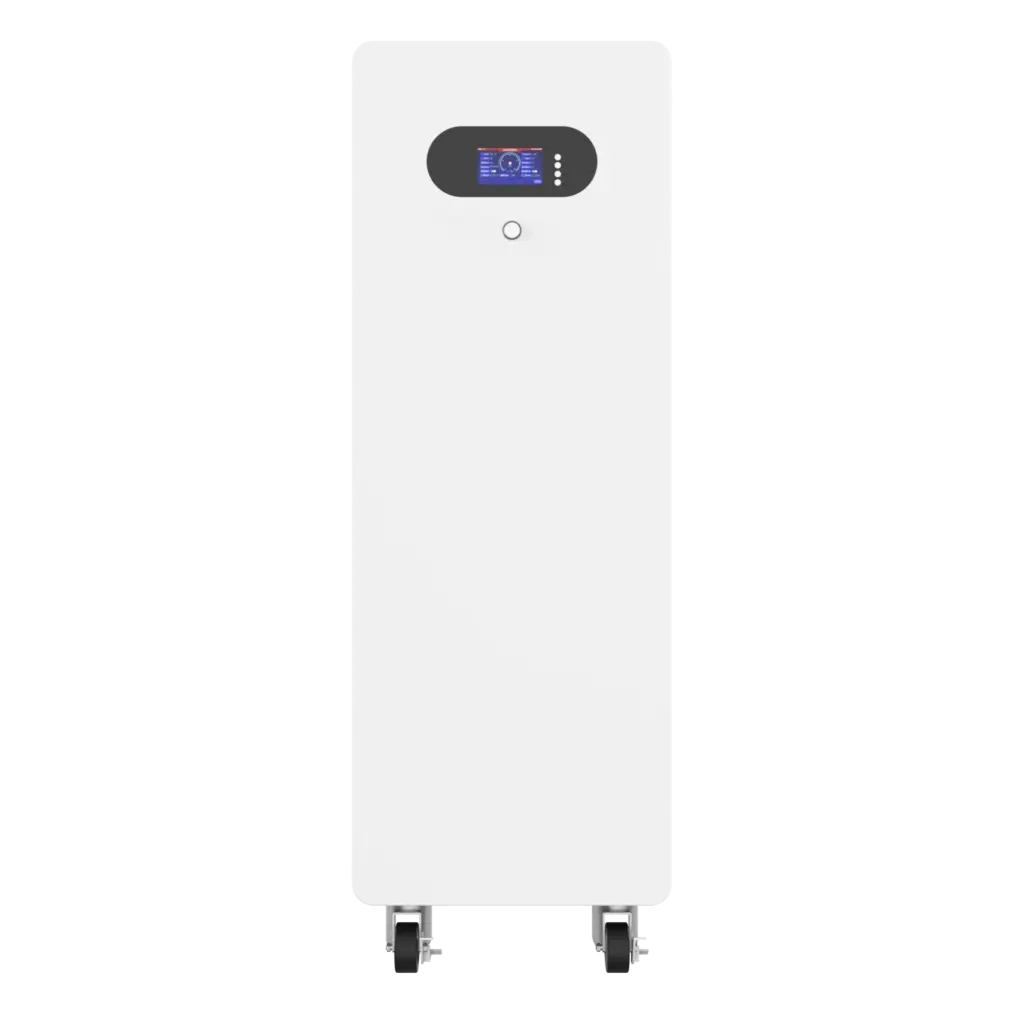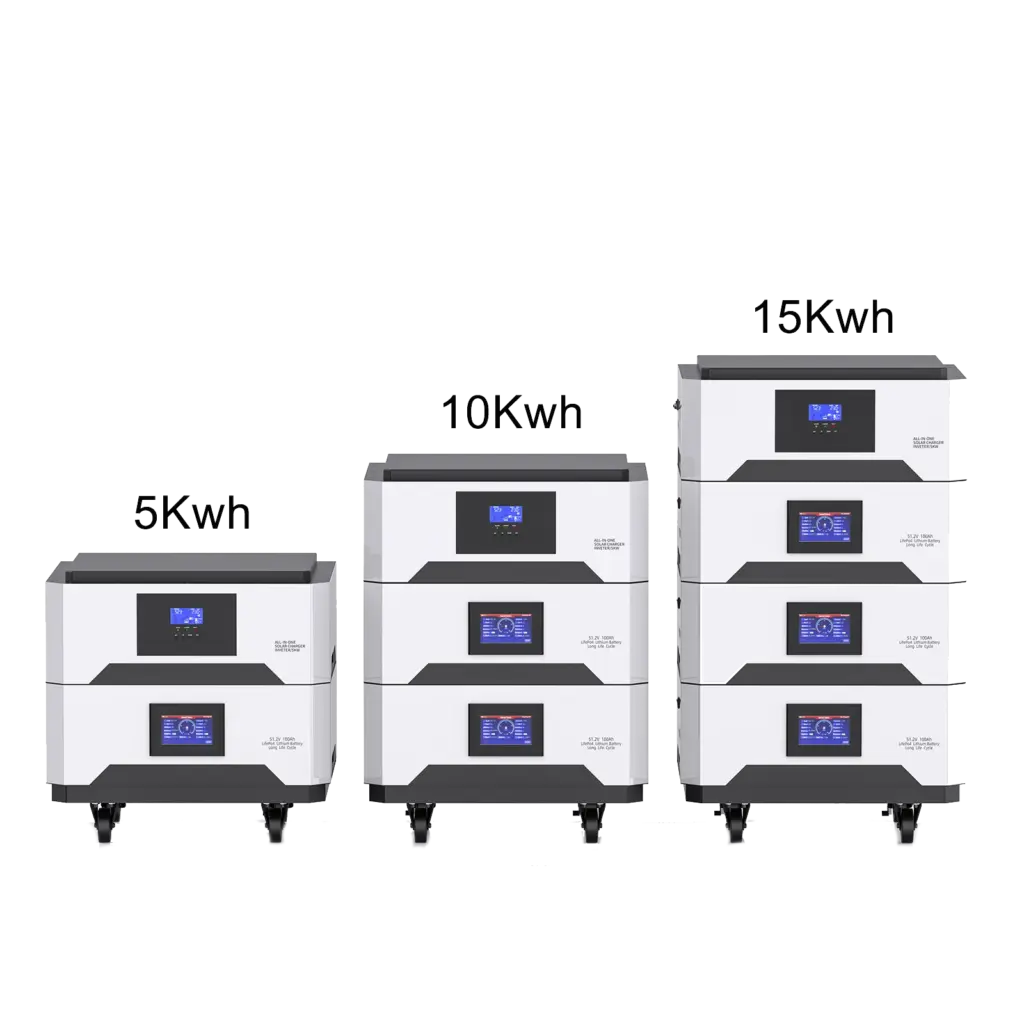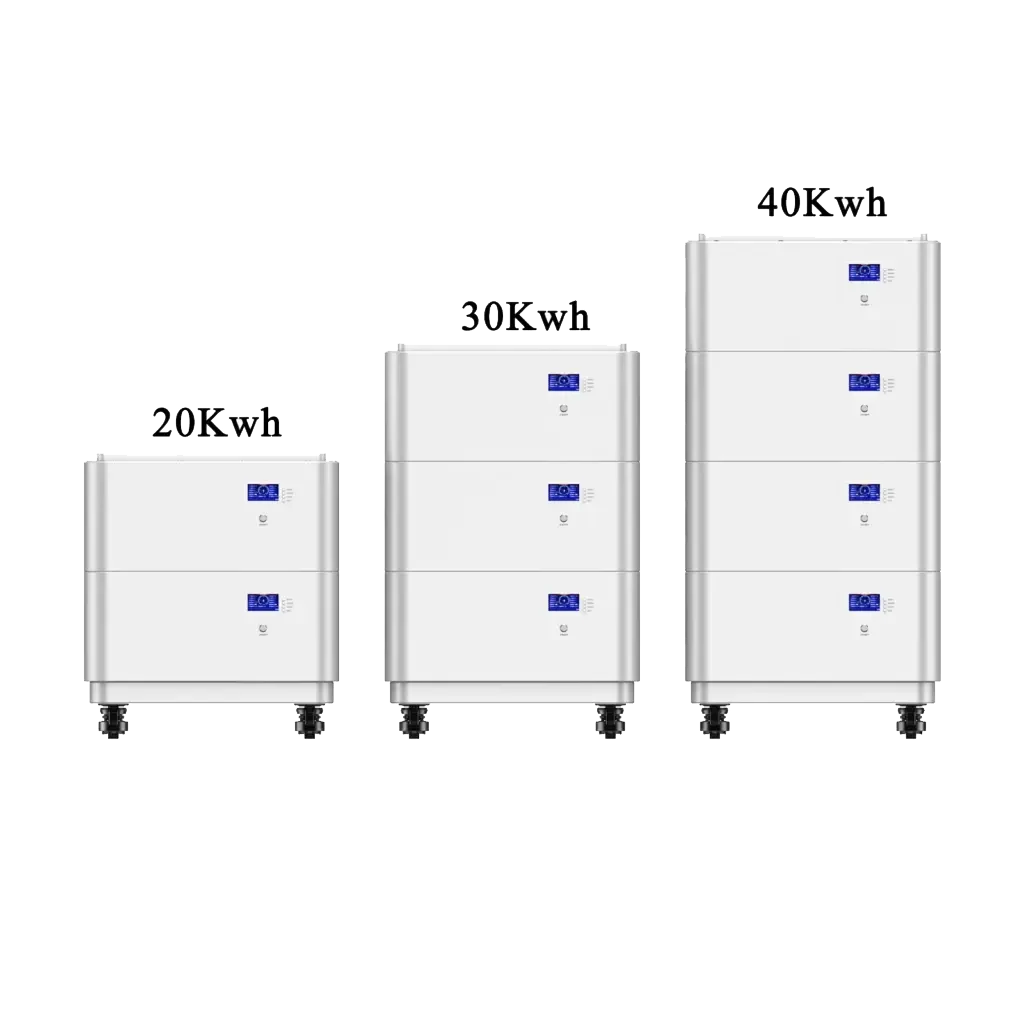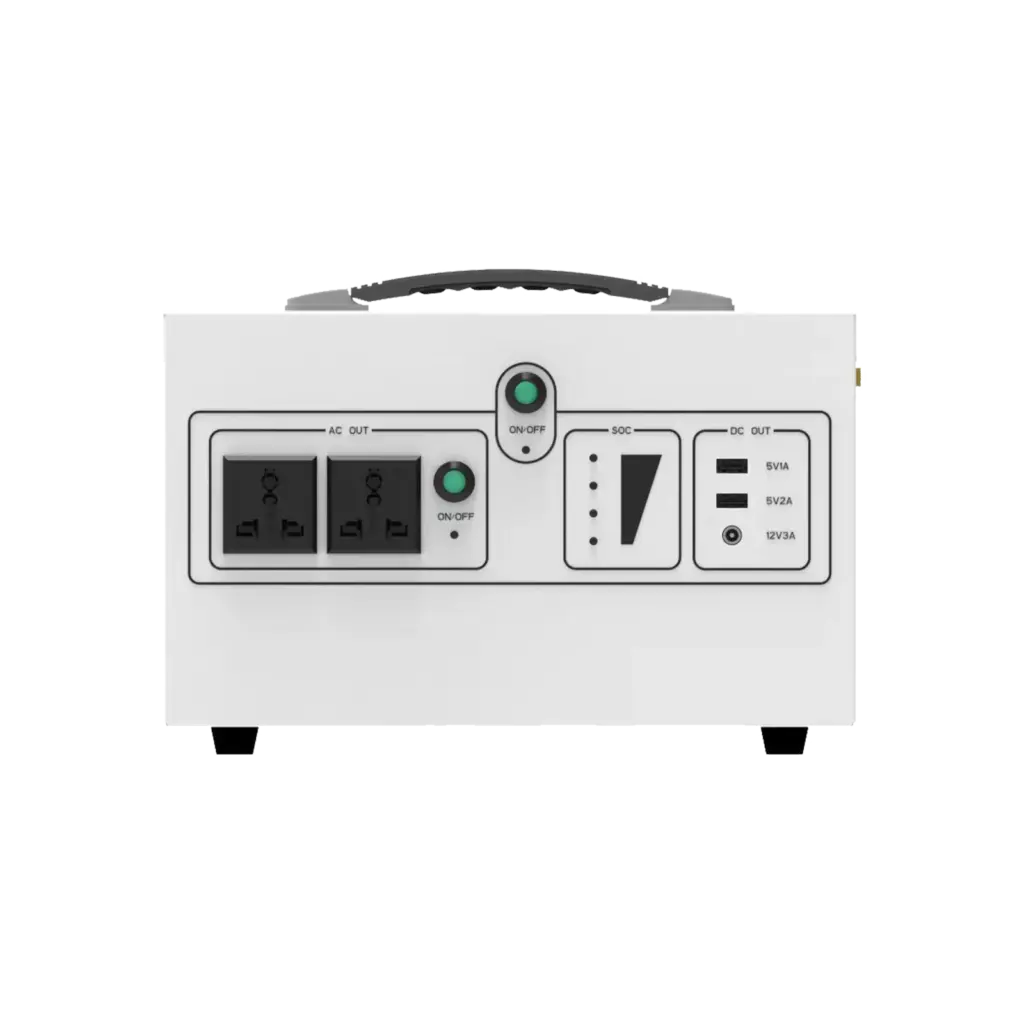
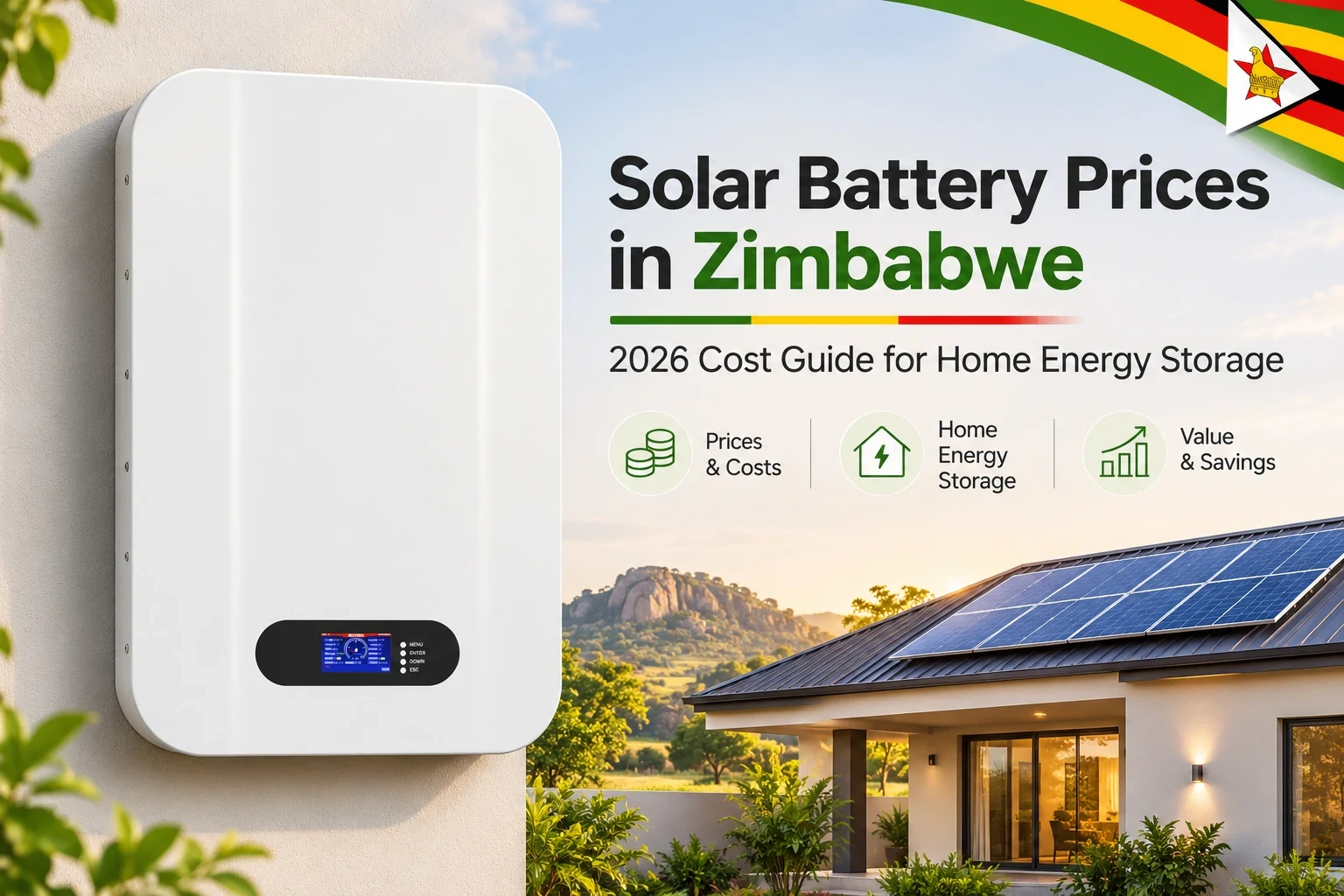
Solar battery prices in Zimbabwe in 2026 range from approximately US$200–320 for a 12V 100Ah lithium battery to US$550–1,290 for a 48V-class 100Ah battery. Larger 51.2V 200Ah lithium batteries, with around 10.24kWh of nominal storage, have prices from approximately US$1,200 to US$2,100.
Lithium Solar Battery Prices in Zimbabwe
Lithium battery prices in Zimbabwe vary by voltage, capacity, chemistry, brand, and included services. For residential systems, 12V-class batteries generally provide smaller storage capacities, while 24V and 48V systems support a wider range of household backup requirements.
Solar Battery Price Comparison Table
| Battery specification | Nominal storage | Price (USD) |
|---|---|---|
| 12.8V 100Ah LiFePO4 | 1.28kWh | $200–$320 |
| 25.6V 100Ah LiFePO4 | 2.56kWh | $300–$480 |
| 25.6V 200Ah lithium | 5.12kWh | $600–$1,279 |
| 51.2V 100Ah LiFePO4 | 5.12kWh | $550–$1,290 |
| 51.2V 200Ah LiFePO4 | 10.24kWh | $1,200–$2,100 |
12V Solar Battery Prices in Zimbabwe
12V lithium solar batteries are generally suited to small backup systems, including lights, routers, televisions, and selected low-power appliances. A 12.8V 100Ah LiFePO4 battery stores approximately 1.28kWh of nominal energy and should be paired with a compatible 12V inverter or charge controller.
12V 100Ah Lithium Battery Price in Zimbabwe
The 12V 100Ah lithium battery price in Zimbabwe is approximately US$200–320.
A 12.8V 100Ah battery stores:
12.8V × 100Ah ÷ 1,000 = 1.28kWh
For small solar installations, the Avepower 12V 100Ah LiFePO4 Battery combines this 1.28kWh nominal capacity with a built-in battery management system and 100A BMS rating, making it relevant to compact backup configurations where the connected inverter and charging settings are compatible.
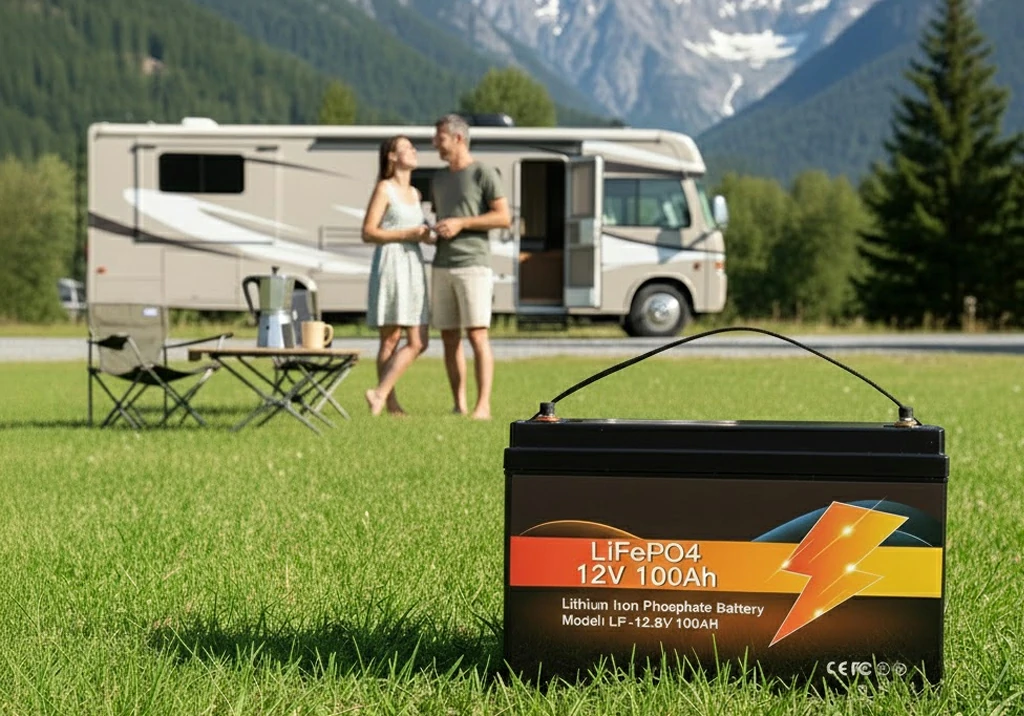
Power That Lasts
If you want a battery you can just install and forget, go with an Avepower LiFePO4.
You get 4000+ cycles, around 10 years of use, a built-in BMS, and capacity you can expand later as your needs grow—just talk to Avepower for easy sizing advice and a no-pressure quote.
24V Lithium Solar Batteries: Prices in Zimbabwe
24V lithium batteries are commonly selected for smaller and medium-sized inverter systems where additional energy storage is required without moving to a 48V architecture. A 25.6V 100Ah LiFePO4 battery stores approximately 2.56kWh, while a 200Ah version stores about 5.12kWh.
In Zimbabwe, the price of 25.6V 100Ah batteries ranges from $300–$480.
24V 200Ah Lithium Battery Price in Zimbabwe
The 24V 200Ah lithium battery in Zimbabwe is priced between $600 and $1,279.
A standard 25.6V 200Ah LiFePO4 configuration provides:
25.6V × 200Ah ÷ 1,000 = 5.12kWh
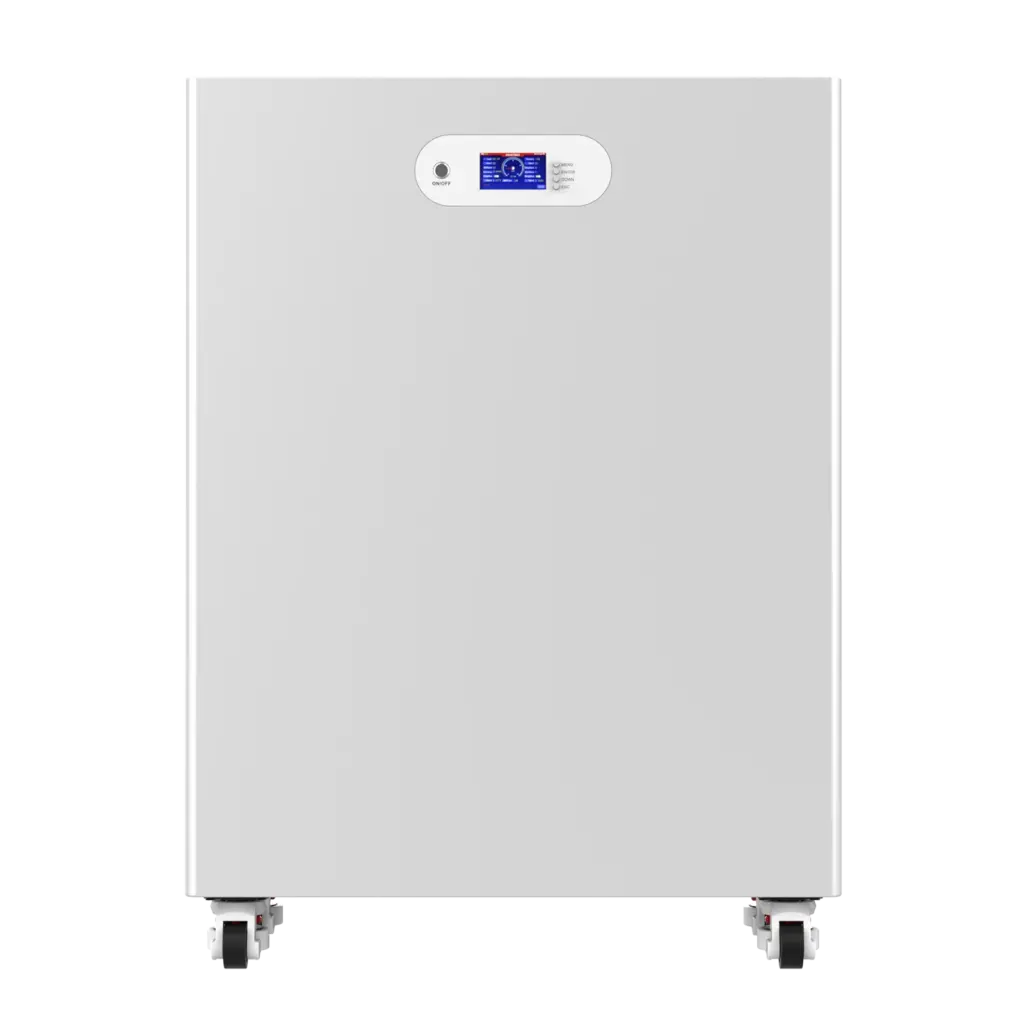
The Avepower 24V 200Ah LiFePO4 Battery uses a nominal 200Ah configuration with a published energy rating of 5,120Wh. Its deep-cycle design fits compatible 24V solar and off-grid systems requiring longer backup than a 100Ah battery can provide.
Before choosing this configuration, confirm the inverter’s DC input voltage, maximum battery current, charging requirements, and cable sizing. A lower-priced 24V battery is not a saving if it requires replacing an existing 48V inverter.
48V Solar Battery Prices in Zimbabwe
48V solar battery prices in Zimbabwe generally reflect larger household storage configurations. Most modern low-voltage LiFePO4 batteries in this category use a 51.2V nominal configuration. A 100Ah battery provides approximately 5.12kWh of nominal energy, while a 200Ah model provides 10.24kWh. They are often considered for residential hybrid inverters and expandable backup systems.
The price for the 51.2V 100Ah battery ranges from $550 to $1,290.
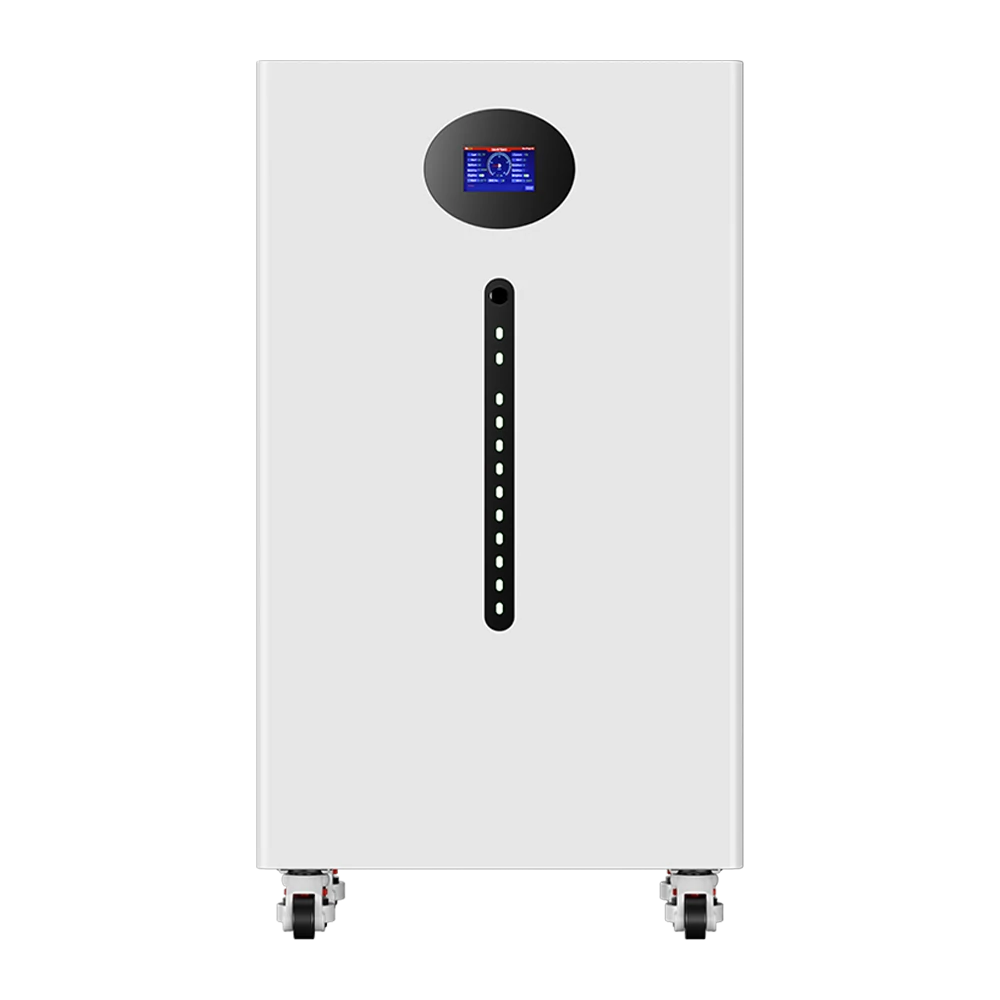
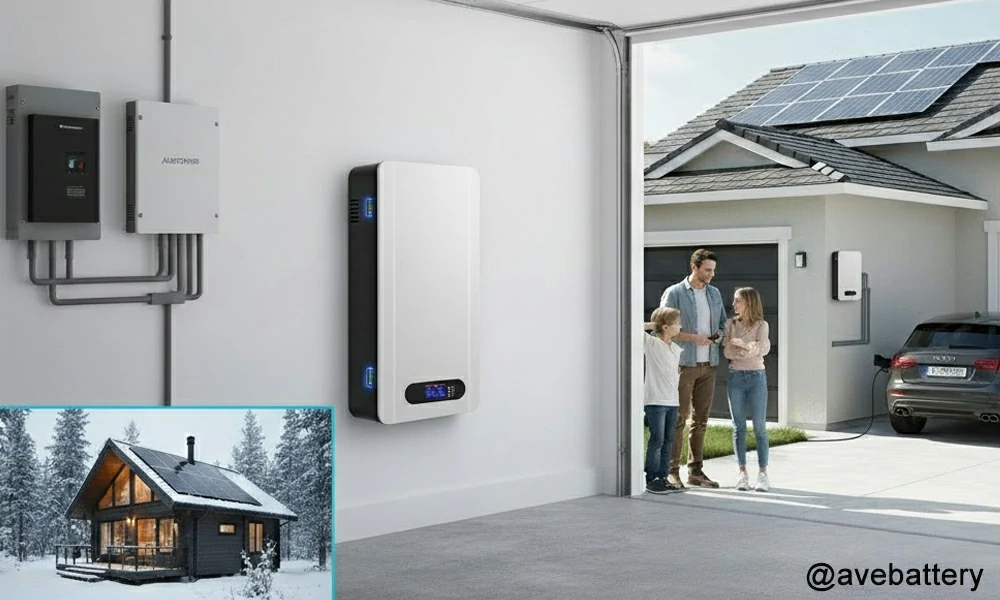
The Avepower 51.2V 100Ah Wall-Mounted Solar Battery combines approximately 5.12kWh of nominal storage with a wall-mounted enclosure, BMS protection, and CAN/RS485 communication interfaces. This configuration is relevant to residential installations where space, system monitoring, and compatible inverter communication influence the battery selection.
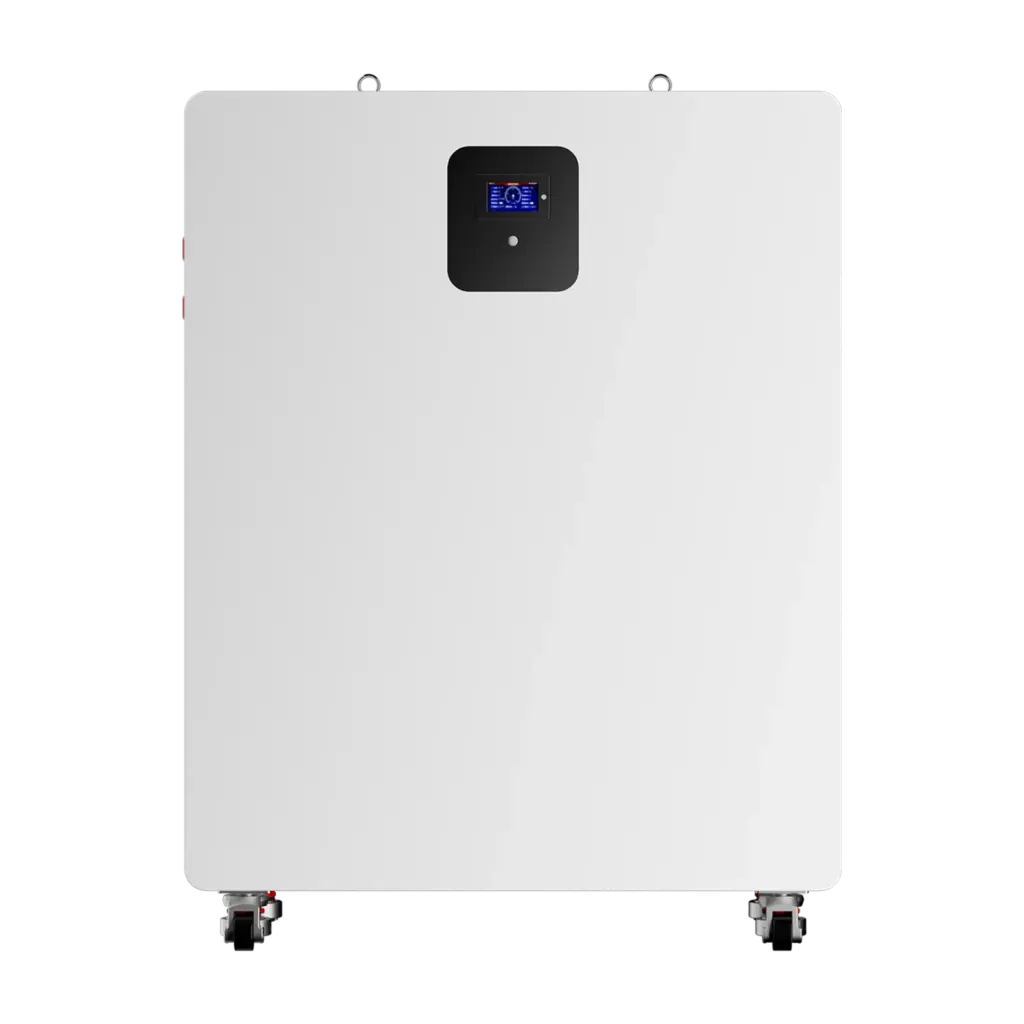
For longer-duration backup, the Avepower 48V 200Ah 10kWh Wall-Mounted LiFePO4 Battery provides a larger storage class with CAN/RS485/RS232 communication options and support for expansion within the manufacturer’s stated limits. Its nominal 51.2V × 200Ah configuration corresponds to approximately 10.24kWh, subject to the exact supplied model.
200Ah Solar Battery Prices in Zimbabwe: Why Voltage Changes the Cost
200Ah solar battery prices in Zimbabwe cannot be meaningfully compared without checking voltage. A 12.8V 200Ah battery stores approximately 2.56kWh, a 25.6V 200Ah battery stores 5.12kWh, and a 51.2V 200Ah battery stores 10.24kWh. All have the same amp-hour rating, but the highest-voltage configuration contains four times the nominal energy of the 12.8V version.
| 200Ah configuration | Nominal energy | Purchasing implication |
|---|---|---|
| 12.8V 200Ah | 2.56kWh | Suitable only for compatible 12V systems |
| 25.6V 200Ah | 5.12kWh | Higher capacity while retaining 24V inverter compatibility |
| 51.2V 200Ah | 10.24kWh | Greater storage for compatible 48V systems |
How to Compare Solar Battery Prices per Usable kWh
Price per usable kWh helps buyers determine how much accessible energy they receive for the money spent. First, calculate nominal energy from the rated voltage and amp-hours. Then account for the permitted depth of discharge and expected inverter losses. These adjustments are essential because not all stored battery energy reaches household appliances.
Nominal storage (kWh) = Voltage × Capacity (Ah) ÷ 1,000
Estimated usable AC energy (kWh) = Nominal storage × Allowed DoD × Inverter discharge efficiency
| Comparison | 25.6V 100Ah SVOLT | 51.2V 100Ah Hanchu |
|---|---|---|
| Advertised battery price | $300 | $790 |
| Nominal energy | 2.56kWh | 5.12kWh |
| Price per nominal kWh | $117.19 | $154.30 |
| Estimated usable AC energy* | 2.07kWh | 4.15kWh |
| Price per usable AC kWh* | $144.68 | $190.53 |
Should You Choose a 5kWh or 10kWh Battery?
A 5kWh-class battery may be sufficient for a carefully managed household backup circuit, while a 10kWh-class battery provides greater duration or capacity for additional appliances. Neither size guarantees overnight supply without a measured load calculation.
Consider these system requirements:
| Requirement | Practical starting consideration |
|---|---|
| Lighting, router, TV, small electronics | Around 1–3kWh, depending on runtime |
| Refrigerator and essential household circuits | Around 5kWh, subject to measured usage |
| Longer outages or more household appliances | Around 10kWh or more |
| Pumps, workshops, farms, or larger loads | Site-specific energy and power assessment |
These are preliminary sizing categories, not universal minimum requirements. Motor startup currents, operating schedules, and inverter output limits can change the appropriate battery selection substantially.
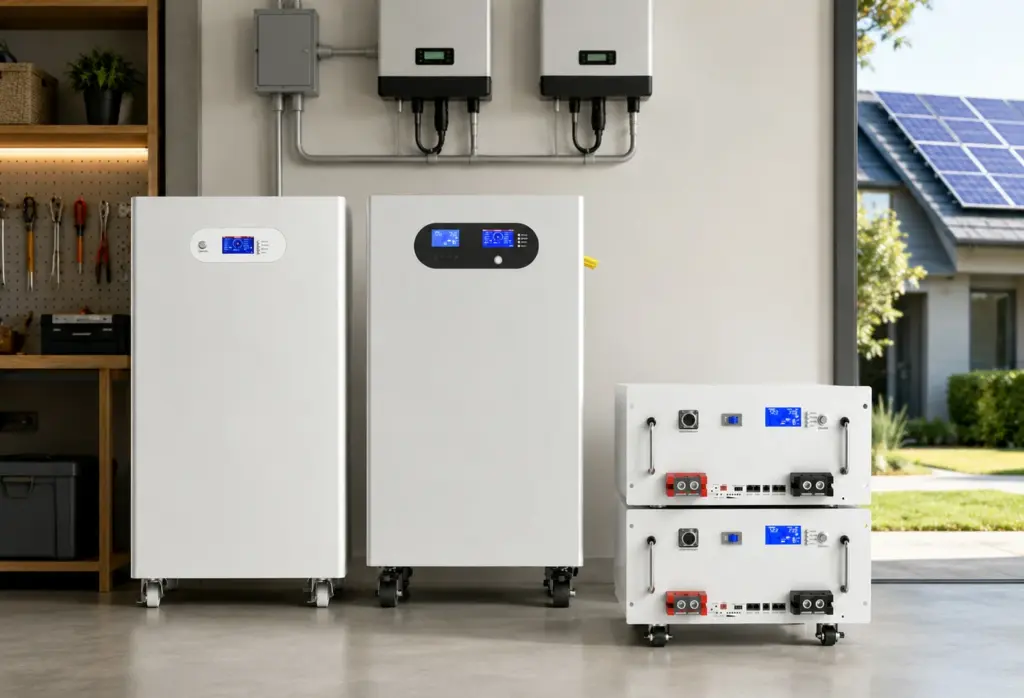
Take Control of Your Energy with Avepower!
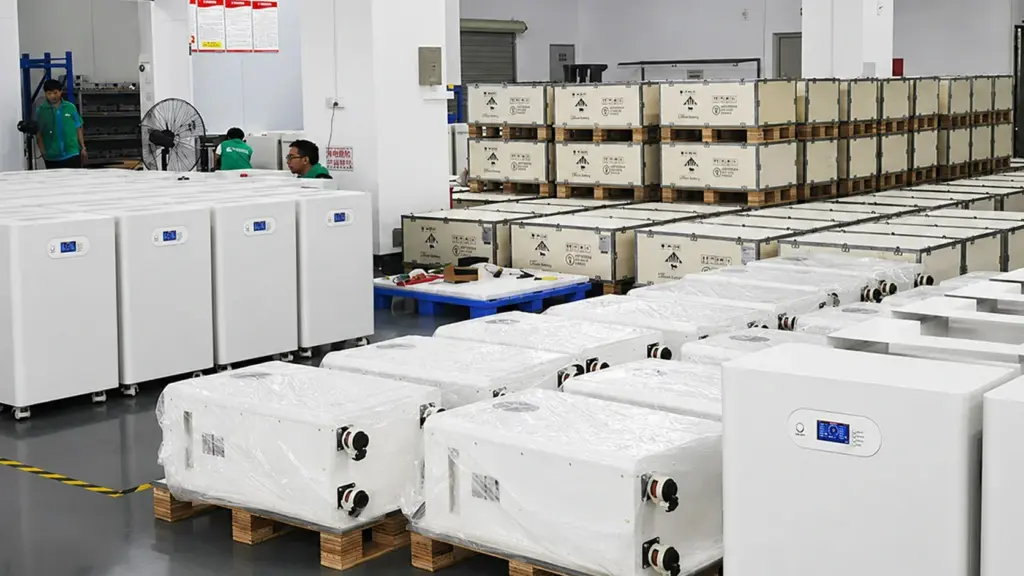
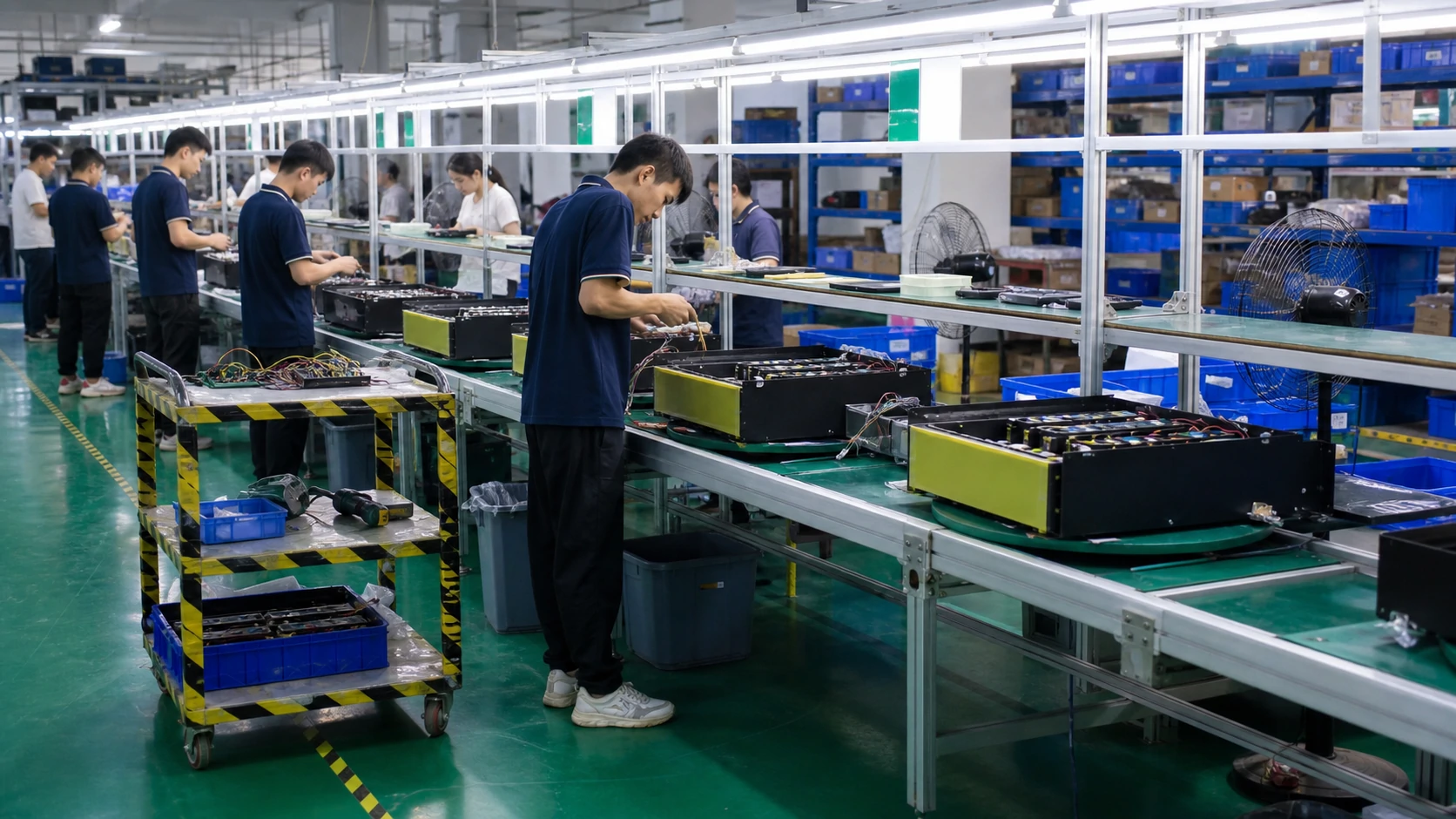
Reliable home solar battery solutions with OEM/ODM customization and in-house manufacturing, tailored to the needs of distributors, installers, and energy partners.
Lithium vs Gel Solar Batteries: Which Offers Better Long-Term Value?
Lithium iron phosphate batteries often offer more usable energy per cycle and longer cycle-life ratings than conventional gel or other lead-acid batteries. Gel batteries can cost less initially, making them relevant to limited-budget or infrequently cycled backup systems. The better financial choice depends on purchase price, actual cycling, warranty conditions, and replacement costs.
| Buying factor | LiFePO4 lithium | Gel / lead-acid |
|---|---|---|
| Initial purchase price | Often higher | Often lower |
| Typical permitted depth of discharge | Often around 90%, model-dependent | Commonly lower |
| Cycle life | Generally longer under comparable conditions | Generally shorter under frequent deep cycling |
| Weight | Lower for equivalent rated storage | Higher |
| Charging requirements | Lithium-compatible charge profile and BMS | Chemistry-specific charge settings |
| Ownership cost | Depends on cycles, warranty and system design | Depends on cycling depth and replacements |
Choosing the right solar battery starts with a clear comparison of voltage, usable storage, total installed cost, and inverter compatibility—not simply the lowest advertised price.
For installers, distributors, and project buyers sourcing LiFePO4 batteries in Zimbabwe, contact Avepower to discuss the required battery configuration, inverter compatibility, OEM/ODM options, and a project-specific quotation.
FAQ
A 12V 100Ah lithium battery typically costs around US$200–$320 in Zimbabwe. A 12.8V 100Ah LiFePO4 battery provides approximately 1.28kWh of nominal storage, making it suitable for small solar systems, lighting, routers, and essential household appliances.
A 24V 200Ah lithium battery costs approximately US$600–$1,280 in Zimbabwe, depending on the brand, battery specifications, and warranty. A 25.6V 200Ah LiFePO4 battery provides 5.12kWh of nominal storage and is suitable for compatible residential solar and backup power systems.
No. A 24V lithium battery cannot be directly connected to an inverter designed for a 48V battery system. The battery voltage must match the inverter’s supported operating range. Using an incompatible battery can prevent operation or damage equipment.
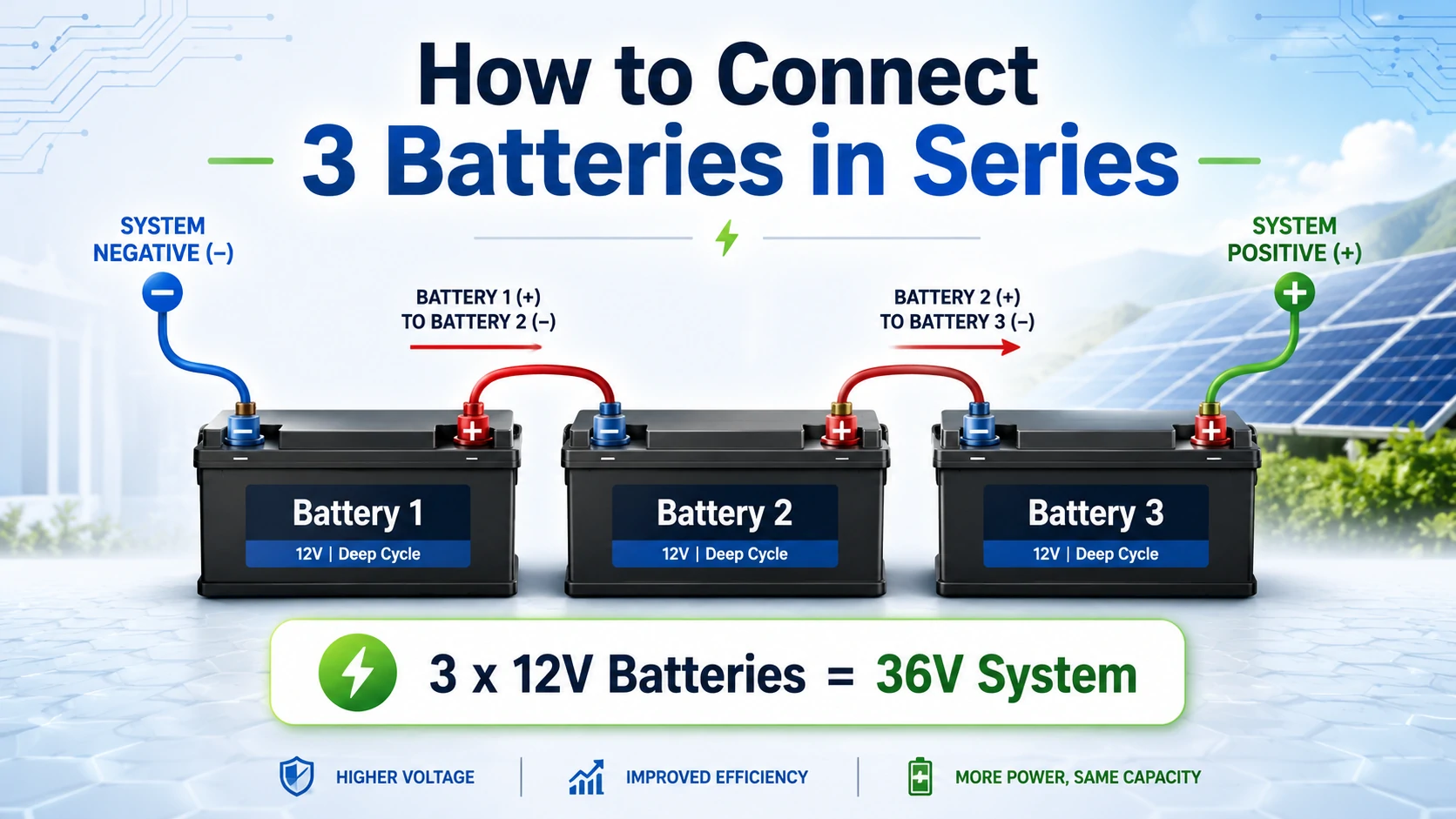
Yes, two 12V 100Ah batteries connected in series can form a 24V 100Ah battery bank, provided the manufacturer explicitly supports series connections. Both batteries should have matching specifications, compatible BMS protection, and appropriate charging settings.
A solar panel array of approximately 1.5–2kW may be sufficient to recharge a 5kWh lithium battery during a day with favourable sunlight, depending on the starting charge level and system efficiency. The actual requirement depends on available peak-sun hours, charging losses, and simultaneous household electricity consumption.
Yes, a solar battery can help reduce electricity bills by storing surplus solar energy for use at night or during periods without sunlight. Actual savings depend on household electricity consumption, solar generation, charging efficiency, electricity tariffs, and how frequently the battery is used.