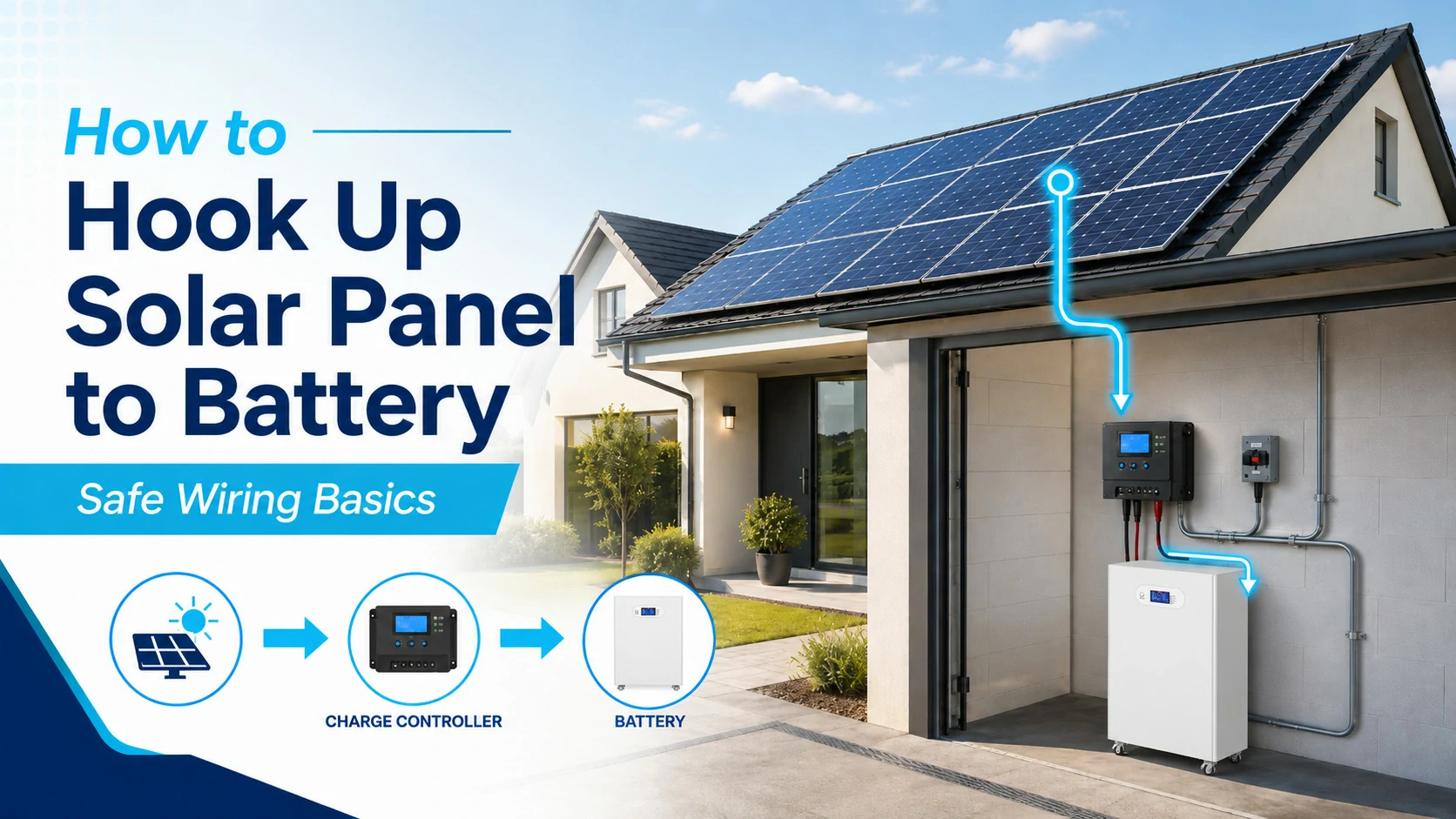

A 30kW solar battery price in Australia depends on whether 30kW refers to power output or a 30kWh storage battery. For a 30kWh usable-capacity battery, the November 2026 Australian market averages are approximately A$20,689 installed with an existing compatible inverter, or A$21,889 with an additional inverter, including GST, standard installation and the federal battery rebate.
How Much Does a 30kW Solar Battery Cost in Australia?
For buyers looking for approximately 30kWh of battery storage, the latest published Australian installation benchmark is around A$20,689–A$21,889 after the federal rebate. Actual quotations can be higher or lower depending on inverter requirements, battery brand, electrical work, installation complexity and whether blackout backup is included.
| Usable battery capacity | Installed with compatible inverter | Installed with additional inverter |
|---|---|---|
| 10kWh | A$7,384 | A$7,984 |
| 20kWh | A$14,172 | A$15,172 |
| 30kWh | A$20,689 | A$21,889 |
| 40kWh | A$27,911 | A$29,511 |
| 50kWh | A$35,534 | A$38,034 |
Price conditions: Australia, November 2026; prices include GST, the federal battery discount and standard installation. They do not necessarily include additional solar panels, switchboard upgrades, complex wiring, metering work or blackout-backup equipment.
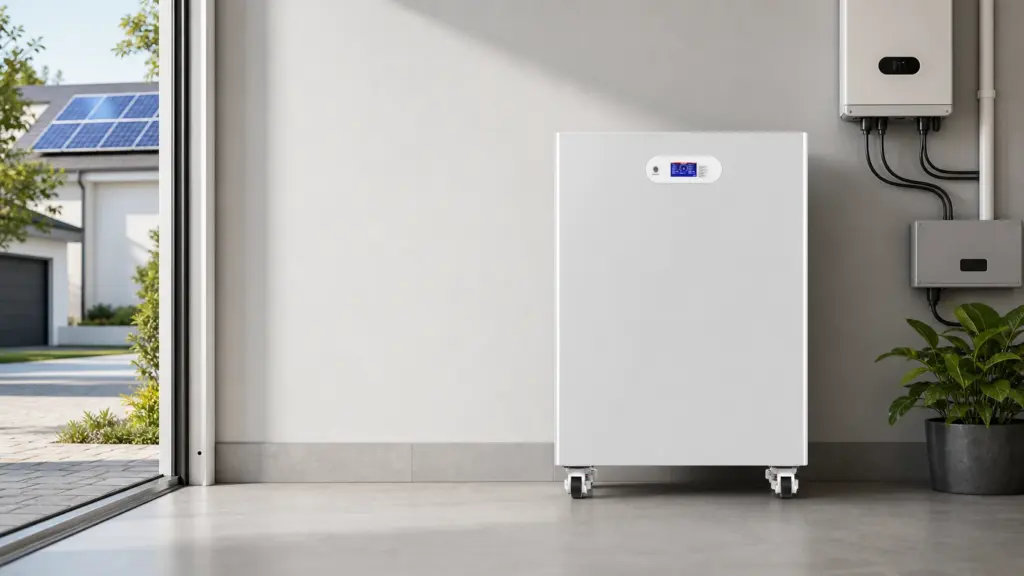
Find the Right 30kWh Solar Battery for Your Project
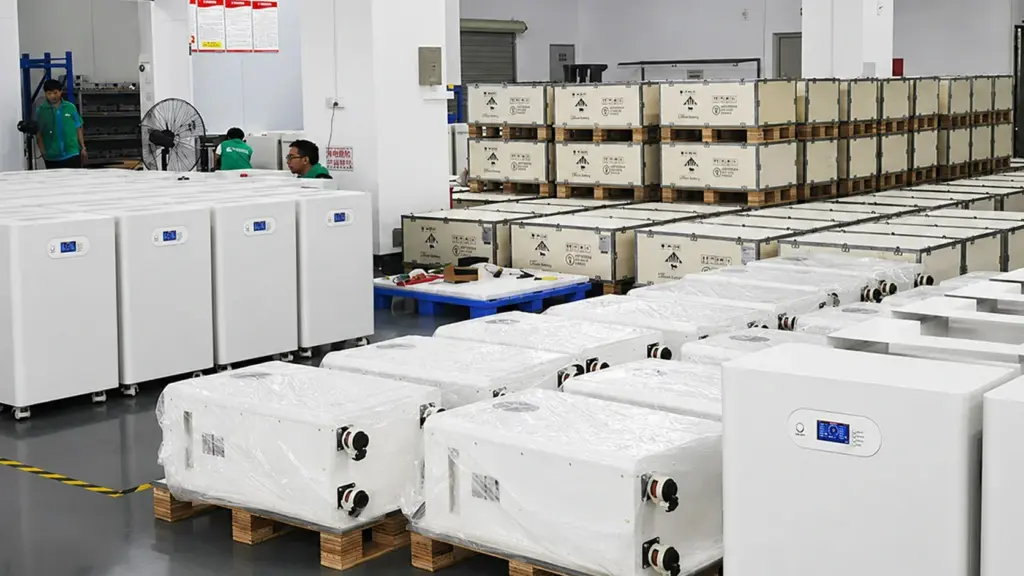
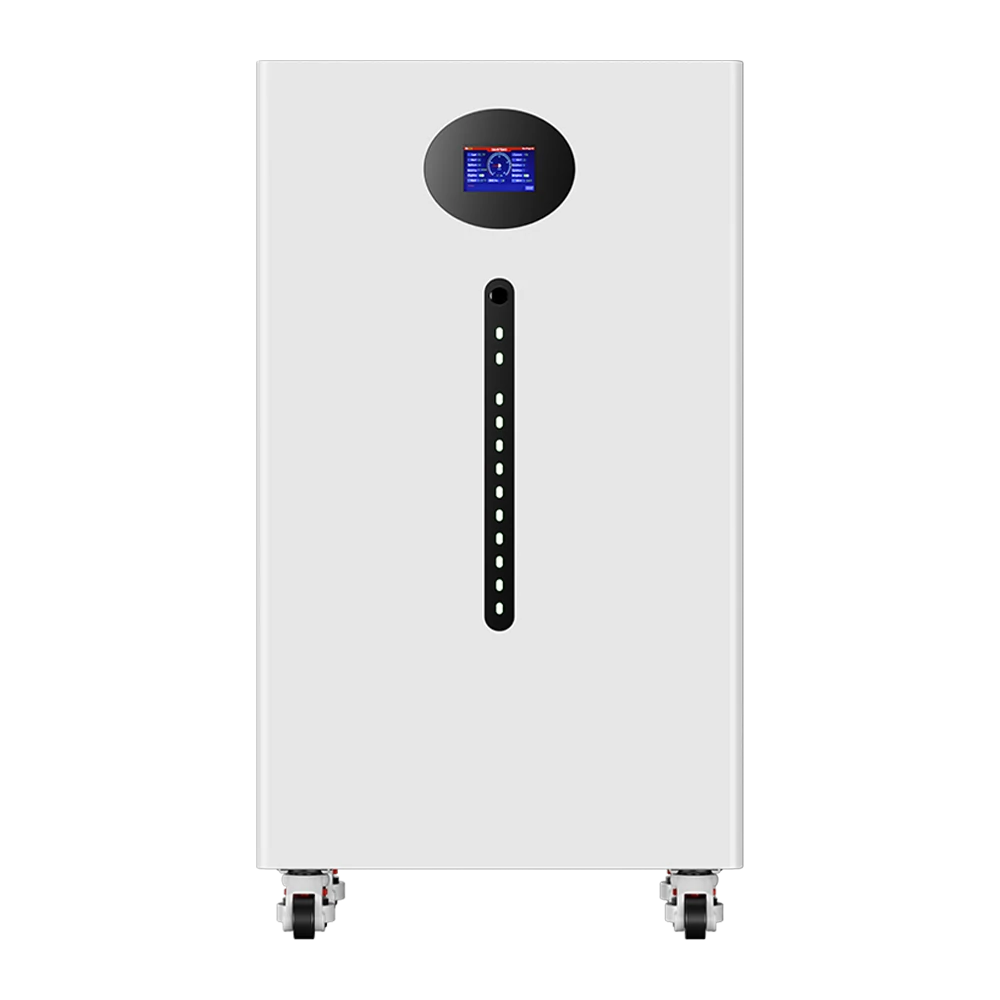
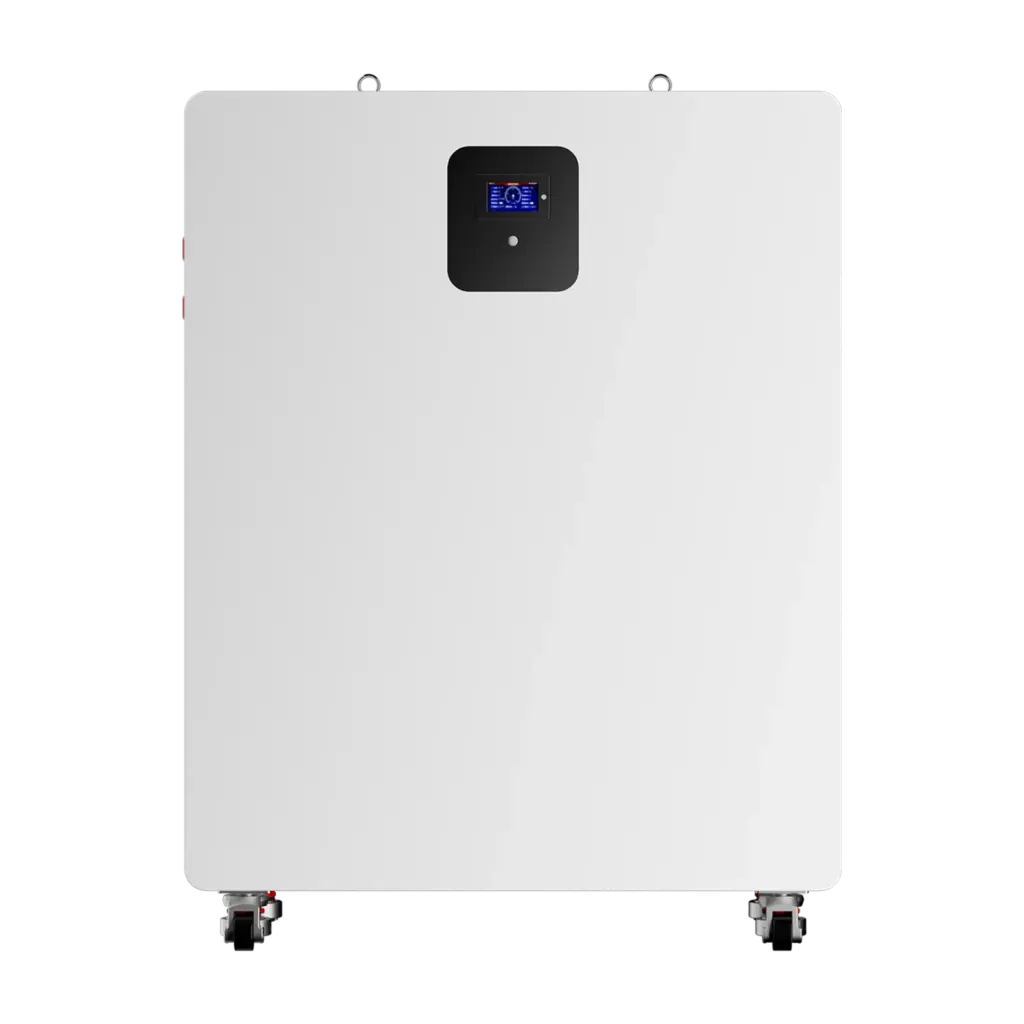
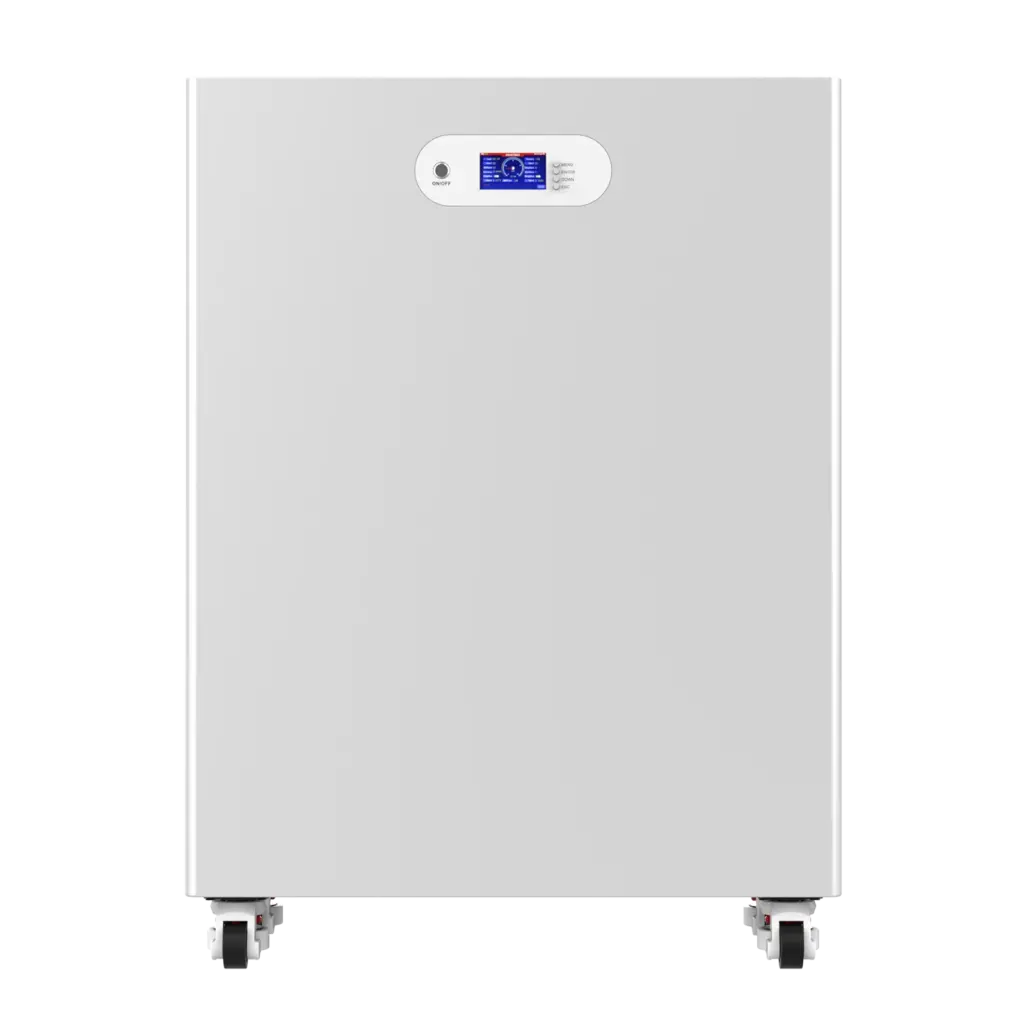
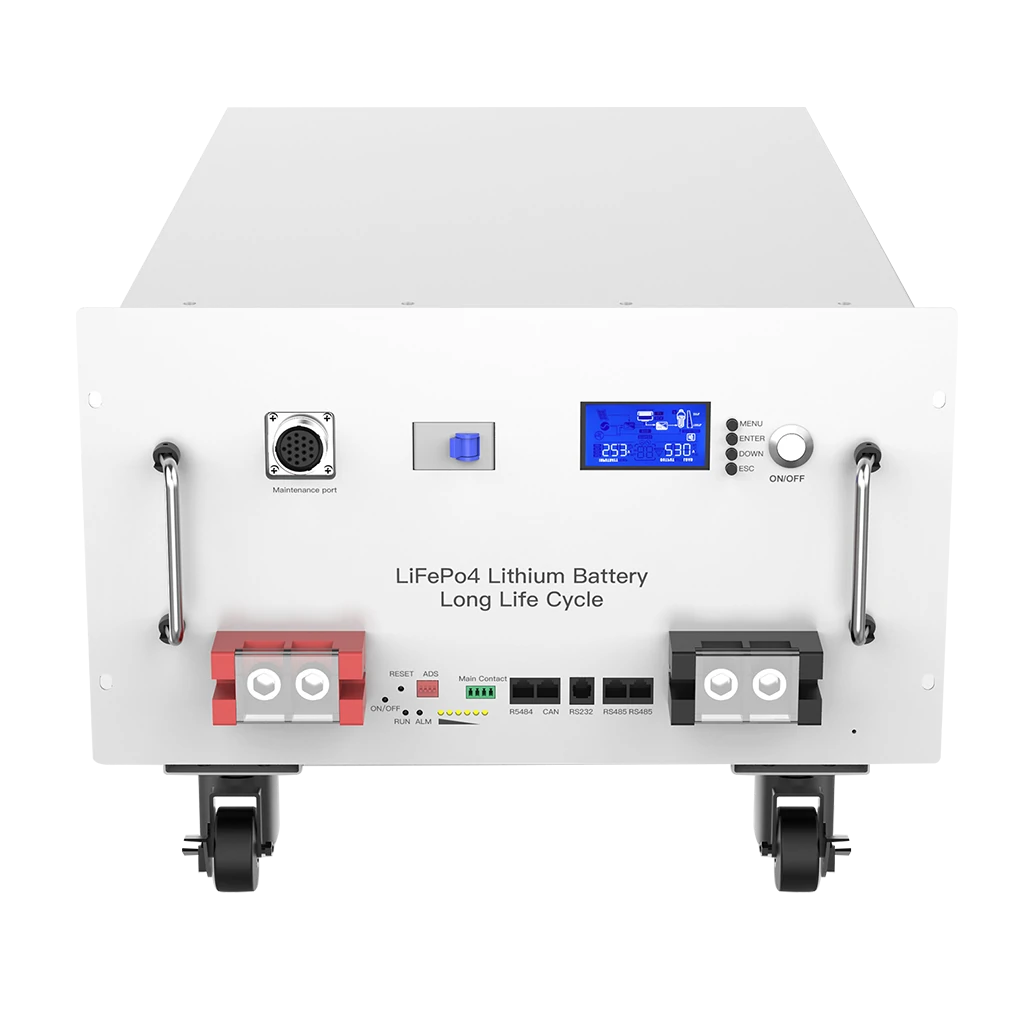
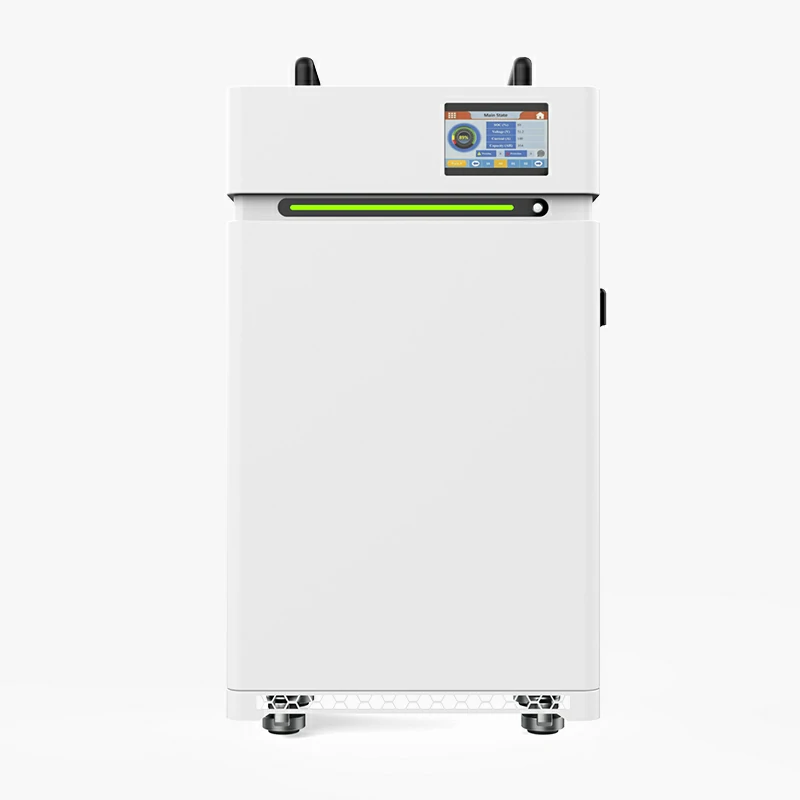
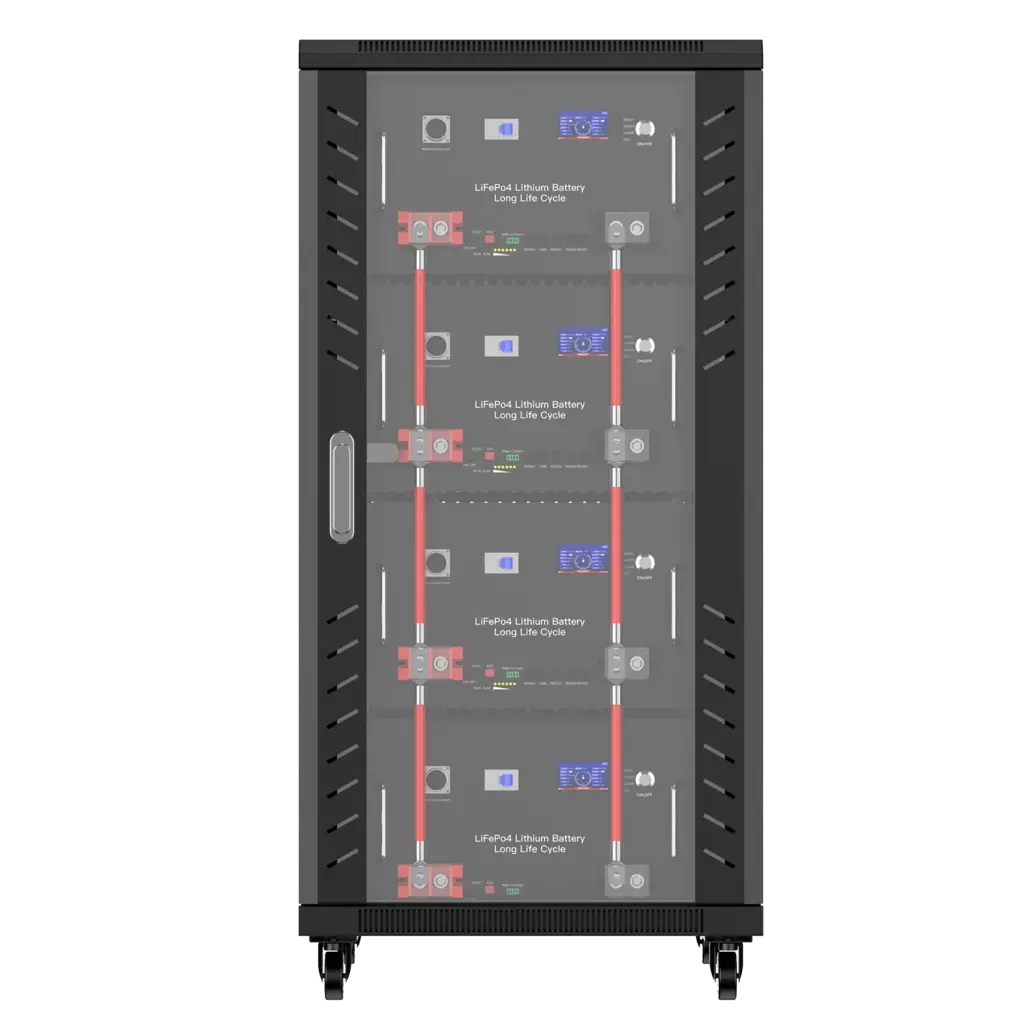
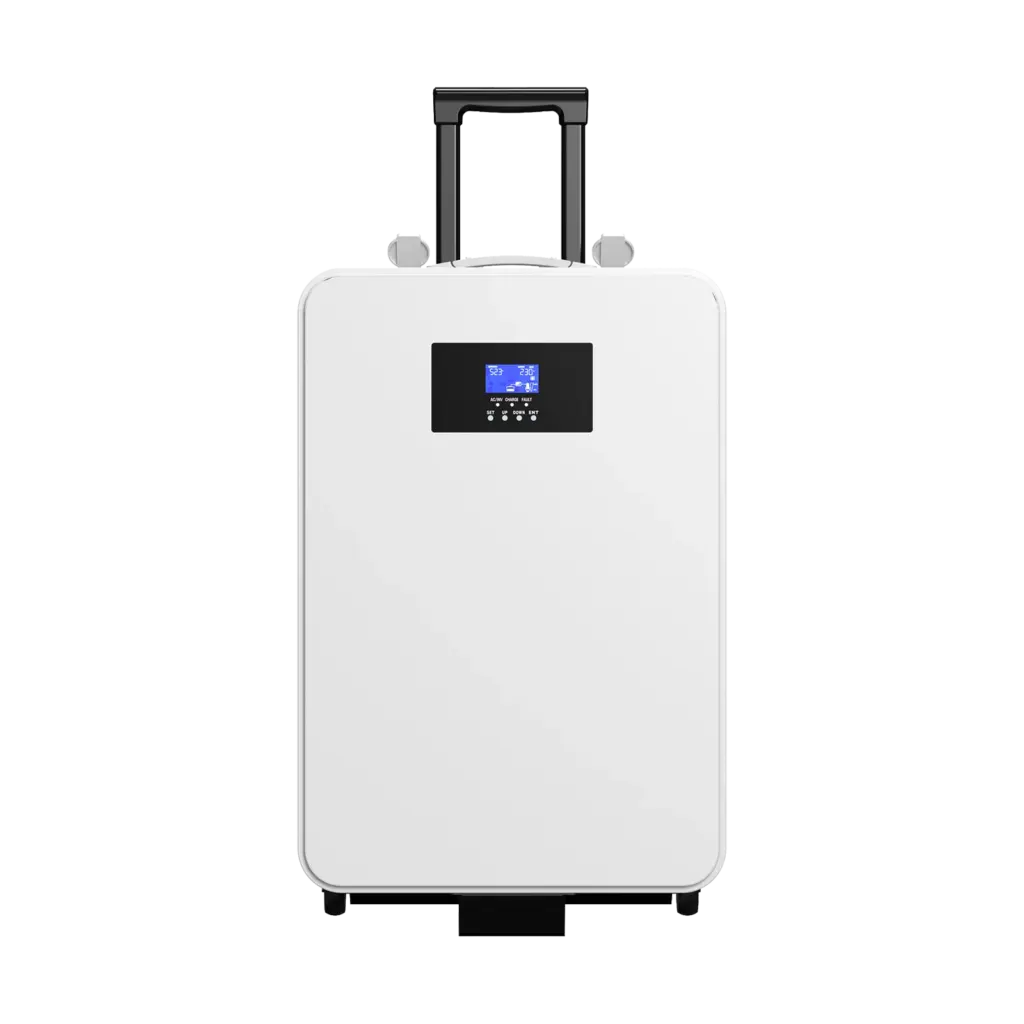
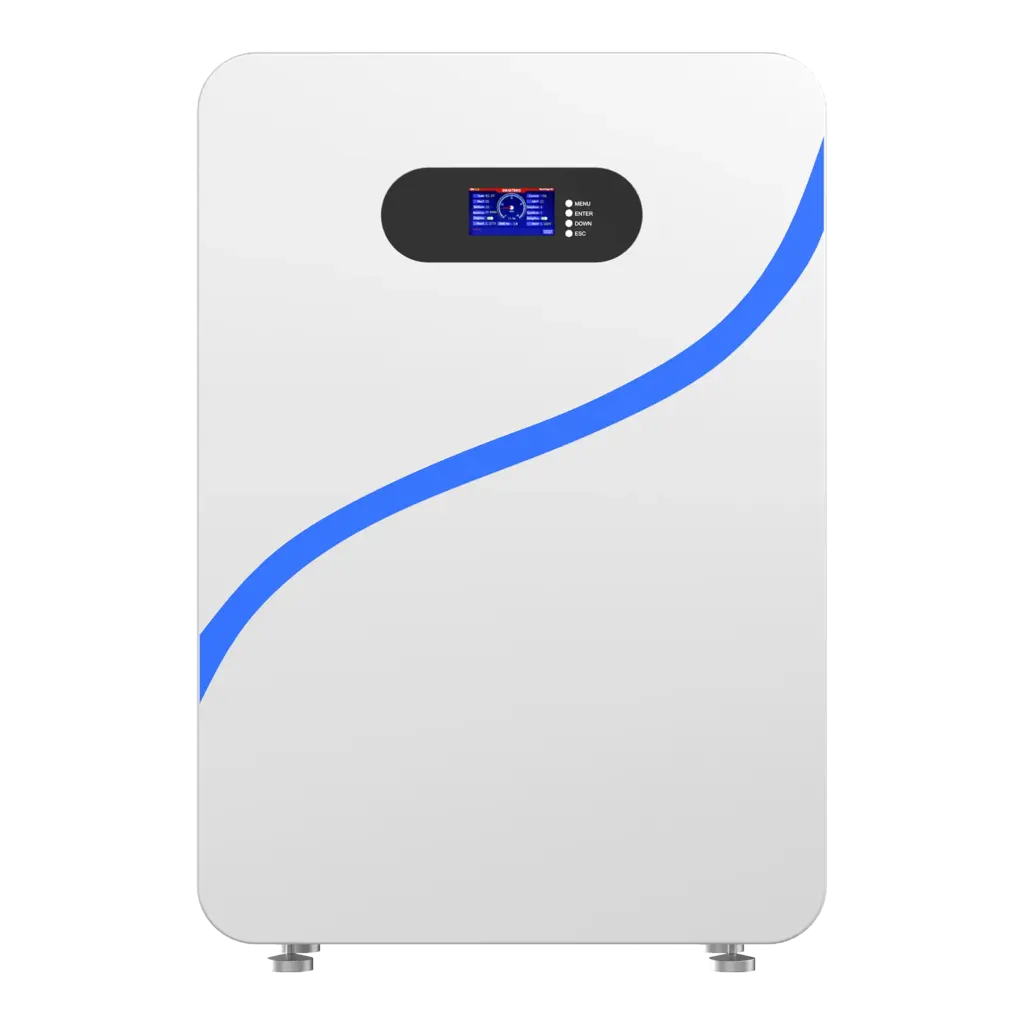
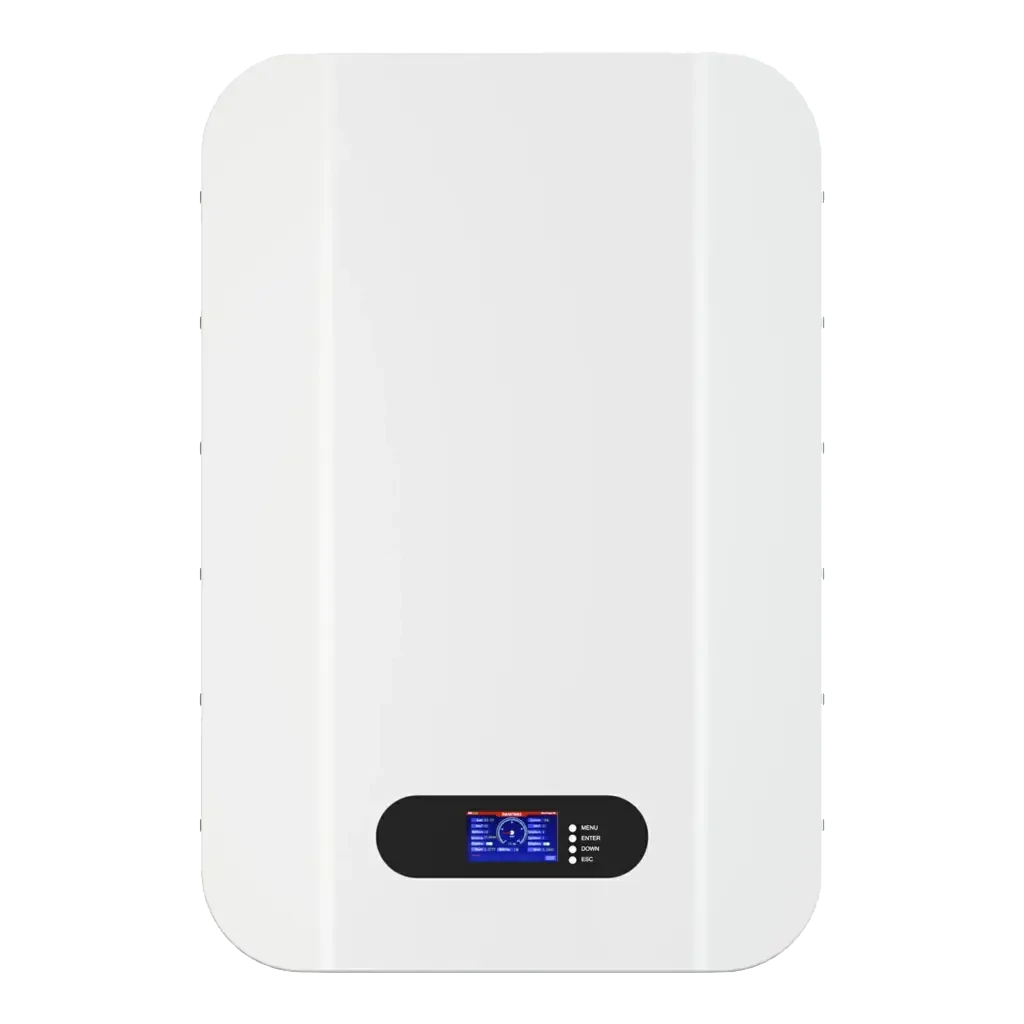
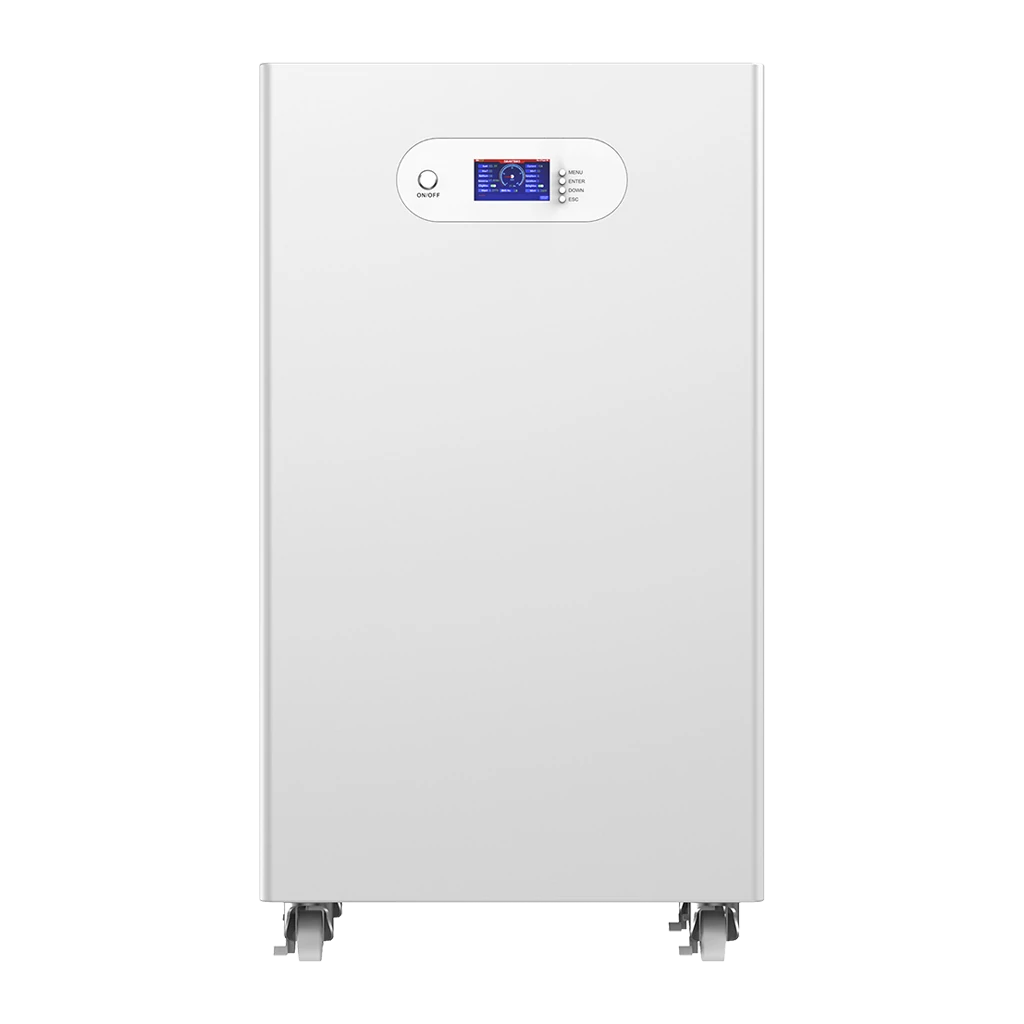
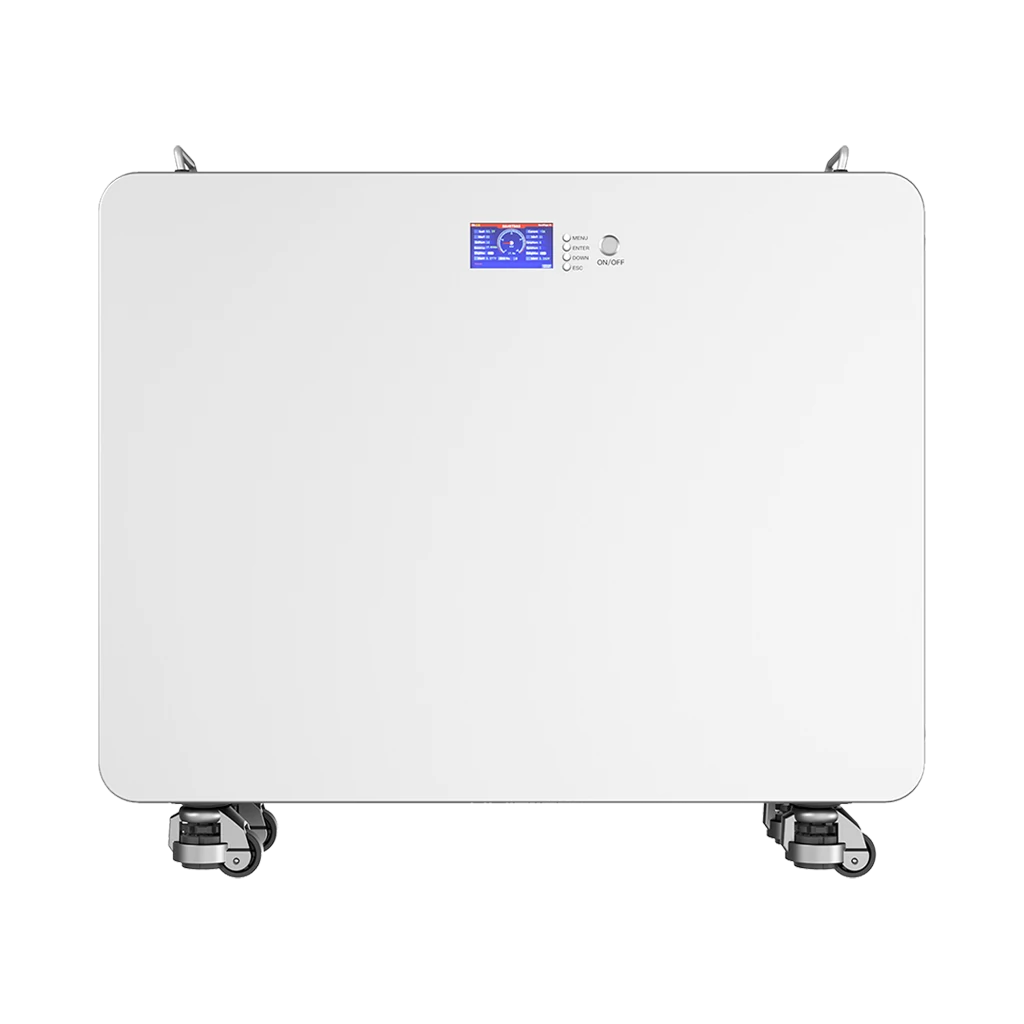
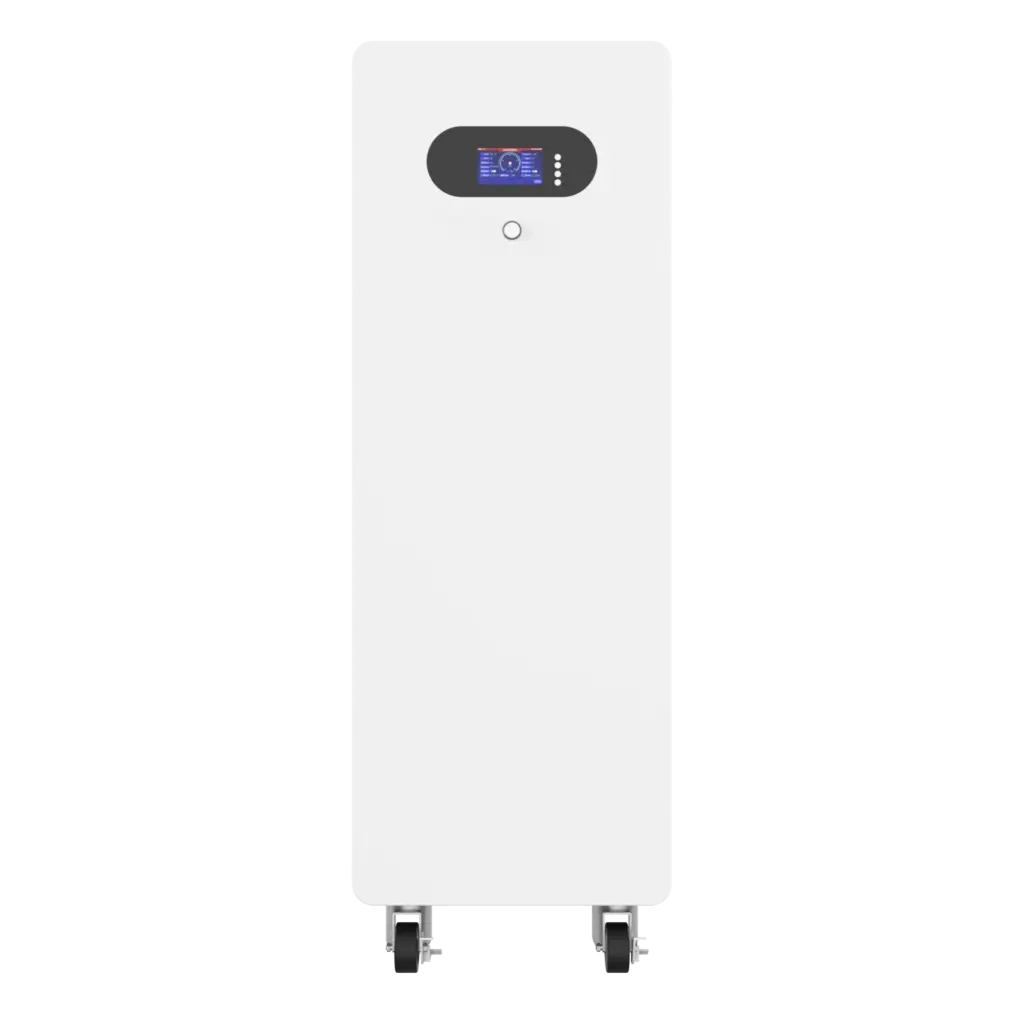
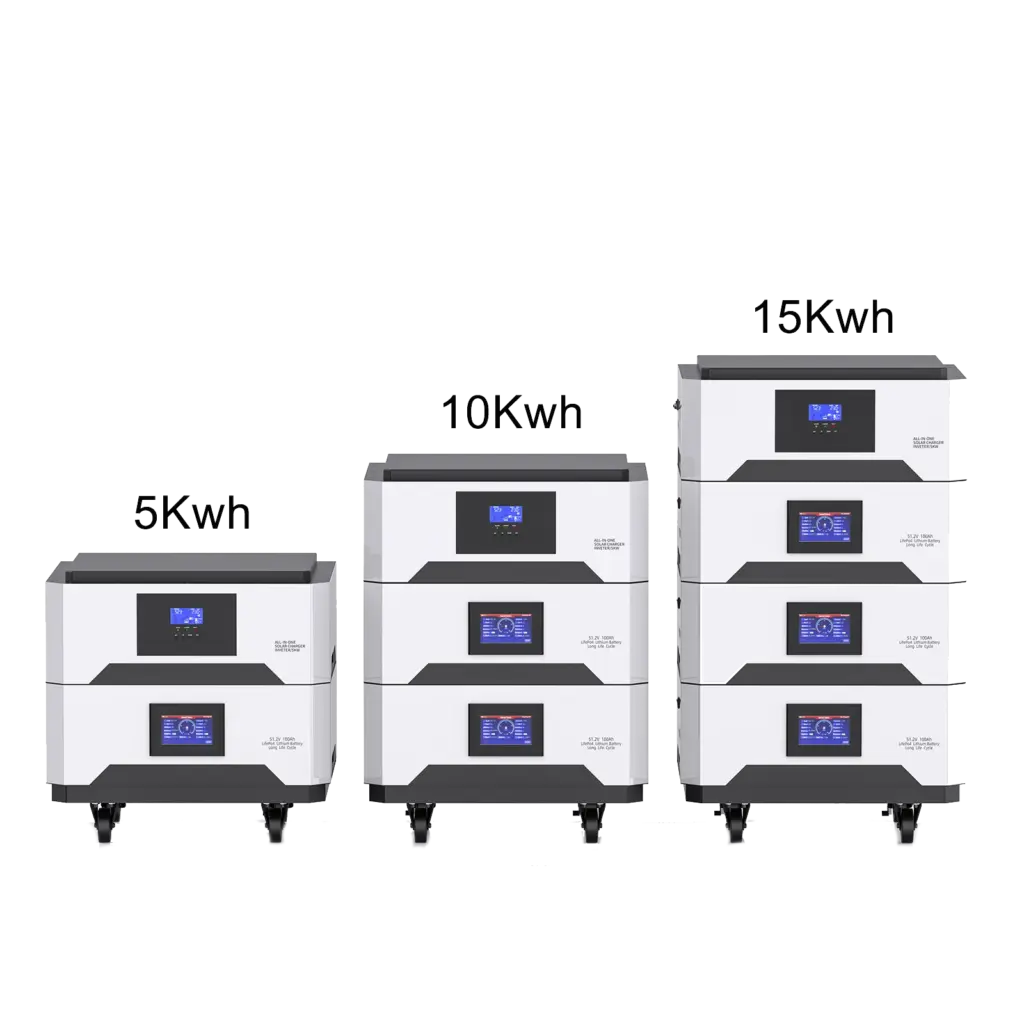
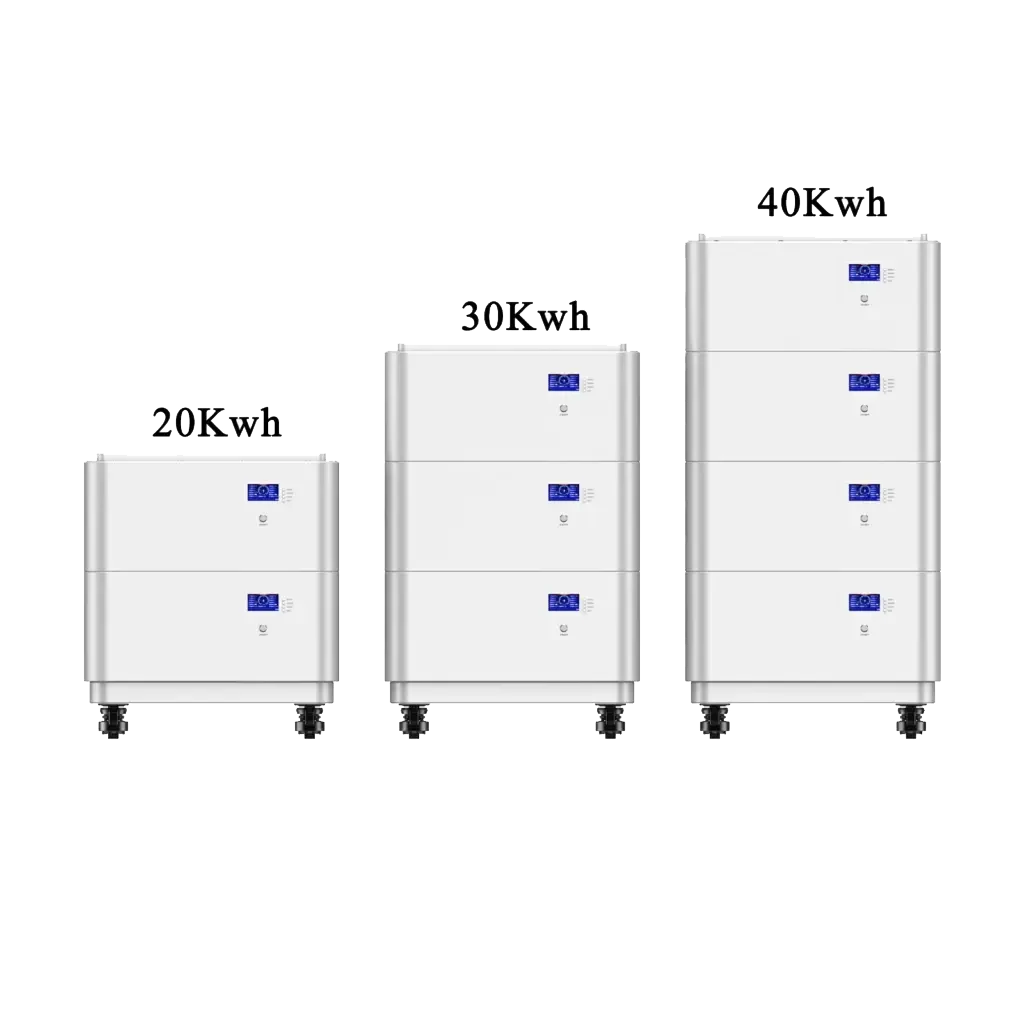
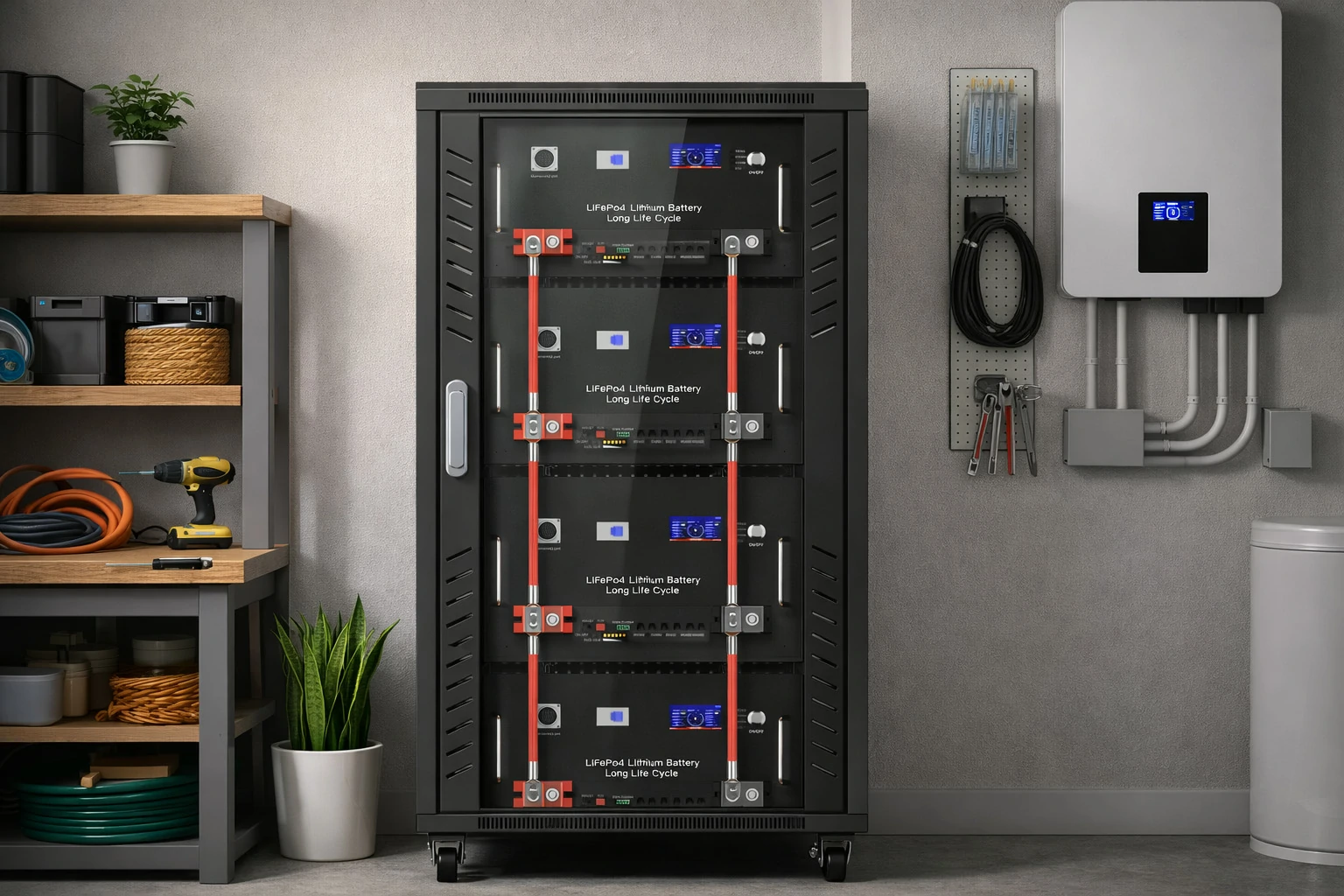
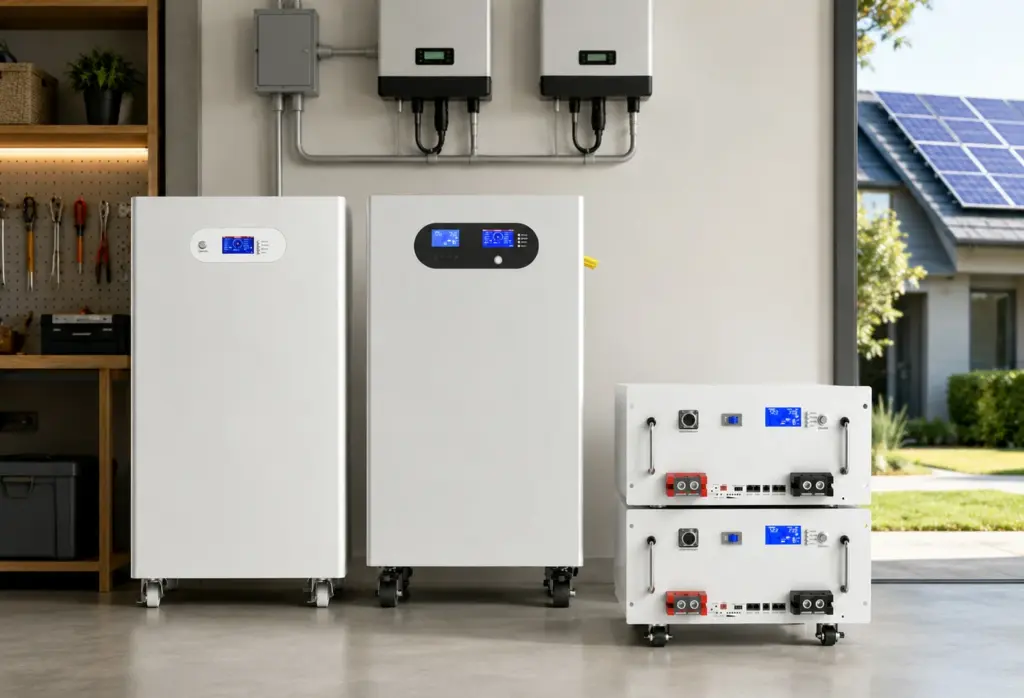
At Avepower, we offer a 30kWh LiFePO4 battery with 600Ah capacity, 200A charge/discharge current, CAN/RS485/RS232 communication, 8,000+ rated cycles, and expansion up to 480kWh (16 units in parallel).
What Is Included in a 30kWh Solar Battery Installation Price?
A complete installed price should cover the battery equipment, required inverter or battery interface, protection devices, installation labour, commissioning and applicable taxes. The final scope depends on whether the battery is being added to an existing solar system or installed with new solar panels.
A battery-only equipment price is not comparable with a fully installed Australian retail price.
A supplier quotation excluding the inverter, Australian compliance requirements, local electrical work or GST may appear much cheaper but represents a different scope.
For commercial projects, network requirements, switchboard capacity and three-phase configurations can introduce additional costs.
How Much Is the Australian Solar Battery Rebate in 2026?
Eligible Australian battery systems can receive a federal upfront discount through the Cheaper Home Batteries Program, but the value is not a flat percentage for every capacity. Since 1 May 2026, the certificate calculation has used different rates for successive capacity bands.
For installations from 1 May to 31 December 2026, the applicable STC factor is 6.8, subject to the program’s eligibility requirements.
The capacity tiers are:
| Eligible usable capacity | Percentage of STC factor applied |
|---|---|
| First 14kWh | 100% |
| Above 14kWh to 28kWh | 60% |
| Above 28kWh to 50kWh | 15% |
| Above 50kWh | No additional STCs |
These rules are published in the Australian Government’s Cheaper Home Batteries Program and the Clean Energy Regulator’s solar battery guidance.
Example: Federal Discount for a 30kWh Usable Battery
For an eligible battery with exactly 30kWh usable capacity, installed during May–December 2026:
Step 1: Apply the capacity tiers
- First 14kWh: 14 × 100% = 14
- Next 14kWh: 14 × 60% = 8.4
- Final 2kWh: 2 × 15% = 0.3
Total weighted capacity:
14 + 8.4 + 0.3 = 22.7
Step 2: Apply the STC factor
22.7 × 6.8 = 154.36
The illustrative entitlement is 154 whole STCs, subject to the scheme’s calculation and eligibility rules.
Step 3: Estimate the certificate value
At an assumed value of A$40 per STC:
154 × A$40 = A$6,160
This is an illustrative gross certificate value, not a guaranteed customer discount. Actual value depends on STC trading arrangements, fees, product eligibility and the installation date.
The quoted 30kWh must represent usable capacity for this example. If 30kWh is nominal capacity and the approved usable capacity is lower, the certificate calculation changes.
Important: The November 2026 market prices presented earlier already include the federal battery discount. Do not deduct the rebate a second time.
From 1 January 2027, the STC factor decreases to 5.7 for the following six-month period. The installation date, rather than simply the order date, determines the applicable factor.
Is a 30kWh Solar Battery Better Value Than a 20kWh Battery?
A 30kWh battery provides more stored energy, but it is only better value when the additional capacity is used often enough or serves a valuable backup requirement. For households with relatively modest evening consumption, a 20kWh system may offer a more economical balance between upfront cost and daily savings.
Using the November 2026 national average prices for battery-only installations with an existing compatible inverter:
| Decision factor | 20kWh battery | 30kWh battery |
|---|---|---|
| Usable energy | 20kWh | 30kWh |
| Average installed price after federal rebate | A$14,172 | A$20,689 |
| Additional upfront cost | — | A$6,517 |
| Suitable demand pattern | Moderate evening or overnight load | Higher overnight use or longer backup |
| Main advantage | Lower initial investment | More stored energy |
| Main limitation | Less energy for extended use | Extra capacity may remain unused |
The additional 10kWh costs approximately A$6,517 in this like-for-like benchmark comparison.
How Much Could a 30kWh Solar Battery Save in Australia?
A 30kWh battery can reduce electricity bills by shifting surplus solar energy into higher-priced periods, but annual savings depend on how often it cycles, the difference between import and export tariffs, usable energy and system efficiency. Battery size alone cannot establish a reliable annual savings figure.
A useful calculation is:
Daily battery value = avoided grid purchases − forgone solar export revenue
Illustrative Calculation: Is the Extra 10kWh Worth Buying?
Consider a household comparing 20kWh and 30kWh batteries.
Assume the larger system allows an additional 8kWh of AC electricity to be delivered during the evening on 250 days per year.
| Assumption | Value |
|---|---|
| Additional evening electricity delivered | 8kWh/day |
| Days when additional capacity is used | 250 days/year |
| Grid electricity import price | A$0.32/kWh |
| Solar feed-in tariff | A$0.05/kWh |
| Assumed solar-to-AC round-trip efficiency | 90% |
| Additional installed battery cost | A$6,517 |
Avoided electricity purchases:
8 × A$0.32 = A$2.56/day
Solar energy required to deliver 8kWh:
8 ÷ 0.90 = approximately 8.89kWh
Forgone export revenue:
8.89 × A$0.05 = approximately A$0.44/day
Net additional daily value:
A$2.56 − A$0.44 = approximately A$2.12
Annual additional value:
Approximately A$2.12 × 250 = A$529/year
Illustrative incremental simple payback:
A$6,517 ÷ A$529 ≈ 12.3 years
This is a hypothetical scenario, not measured household performance or a forecast of actual savings.
It assumes sufficient otherwise-exported solar energy, matching evening consumption and no additional costs for maintenance, financing or battery degradation.
The practical conclusion is that a larger battery can be useful without necessarily being the more economical choice. If the household cannot regularly use the extra capacity, the financial return becomes weaker.
For a real calculation, use your electricity retailer’s interval consumption data, applicable import tariff, feed-in tariff and a battery dispatch model.
How Long Can a 30kWh Solar Battery Power a House?
Backup duration depends on usable battery energy, inverter efficiency, average electrical load and the battery reserve setting. A 30kWh battery does not guarantee a full day of whole-home backup, especially when air conditioning, electric heating or other high-power appliances operate continuously.
For illustration, assume:
- 30kWh usable battery energy at the DC battery boundary
- 90% assumed discharge-path efficiency
- No solar generation during the outage
- Constant average load
- No additional reserved battery energy
Estimated AC energy available:
30 × 90% = 27kWh
| Average household load | Estimated runtime |
|---|---|
| 1kW | 27 hours |
| 2kW | 13.5 hours |
| 3kW | 9 hours |
| 5kW | 5.4 hours |
Can a 30kWh Battery Be Added to an Existing Solar System?
Yes, a 30kWh battery can be added to many existing Australian solar systems, provided the electrical architecture, inverter, battery voltage, communication interface and site requirements are compatible. Some installations retain their existing solar inverter using AC coupling, while others require a hybrid inverter replacement or redesign.
Before accepting a quotation, confirm:
- Existing solar inverter brand and exact model
- Single-phase or three-phase supply
- Battery voltage range
- Continuous charge and discharge power
- Supported CAN or RS485 communication protocol
- Approved battery and inverter combination
- Required backup capability
- Switchboard and protection requirements
- Grid connection and network limitations
For systems requiring battery-side DC coupling, compatibility must be checked using the exact battery and inverter model, including supported firmware.
Conclusion
For Australian buyers, a 30kWh battery can be a practical investment when the additional energy capacity serves a measurable need. The November 2026 national installation benchmark is approximately A$20,700–A$21,900 after the federal rebate, but actual value depends more on usage, configuration and total installed cost than capacity alone.
Compare 20kWh and 30kWh options using your consumption data before deciding. Pay particular attention to extra capacity that may remain unused, the cost of the inverter and backup system, and the exact rebate eligibility.
At Avepower, we provide LiFePO4 battery configurations and OEM/ODM support for installers, distributors and project buyers. For an Australian project inquiry, send us your location, existing PV capacity, inverter model, required usable kWh, continuous output requirement, single- or three-phase supply, backup loads and expected quantity.
We can review the proposed battery configuration and technical requirements. Australian product approval and local installation compliance must be confirmed for the exact equipment and project before purchase or installation.
Take Control of Your Energy with Avepower!
Reliable home solar battery solutions with OEM/ODM customization and in-house manufacturing, tailored to the needs of distributors, installers, and energy partners.
FAQ
It can, depending on the brand, installer and system configuration. However, the November 2026 national average is around A$20,689–A$21,889 after the federal rebate for standard installation. Some individual quotations are lower, while complex or premium installations may cost more.
Yes, if the specific system meets the program’s requirements. Eligibility depends on factors including approved products, usable capacity, installation arrangements and applicable scheme conditions. The retailer or installer should show the calculated STC discount on the written quotation.
Yes, if the selected batteries support parallel or modular operation and the inverter, BMS and protection system are designed for that configuration. The combined nominal capacity does not automatically equal the combined usable energy or discharge power, so the final system ratings must be checked.
There is no fixed number. It depends on the panels’ output, location, season, daytime household consumption and charging losses. To charge a large battery consistently from solar alone, the system must generate sufficient surplus energy after meeting daytime loads.