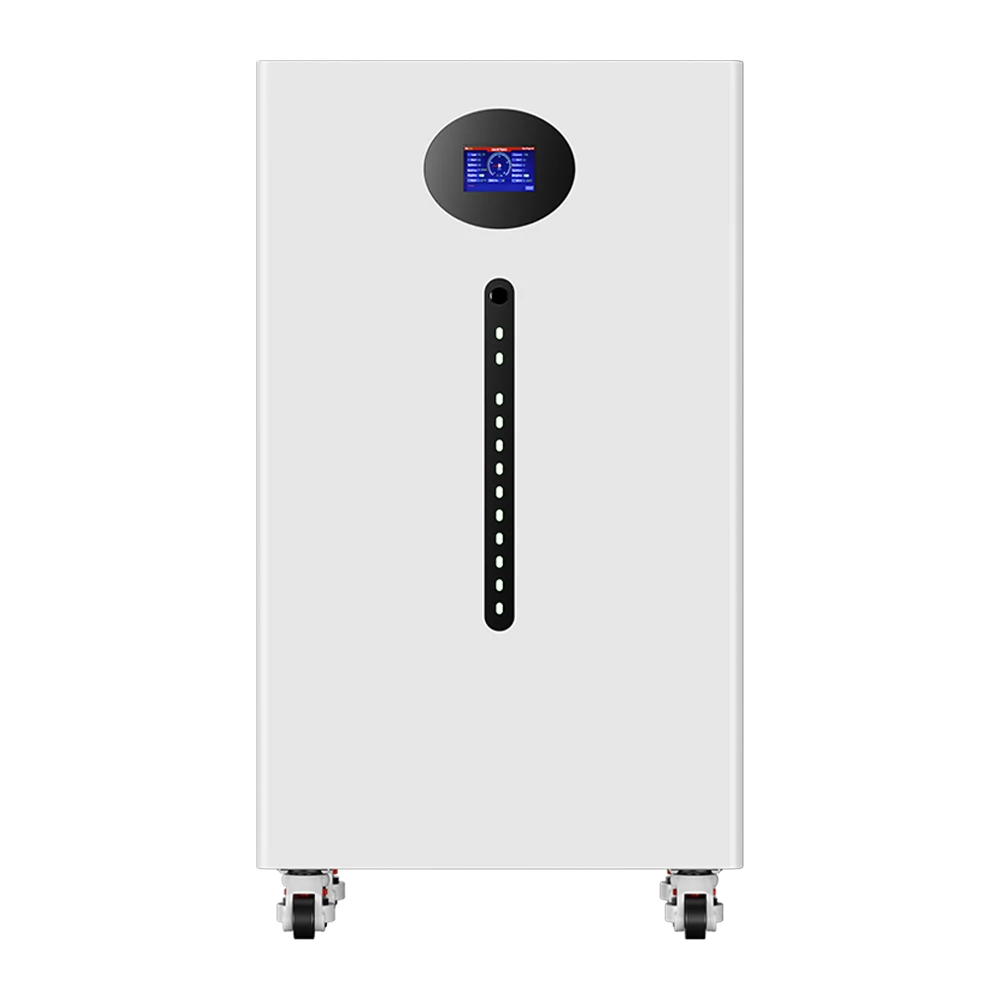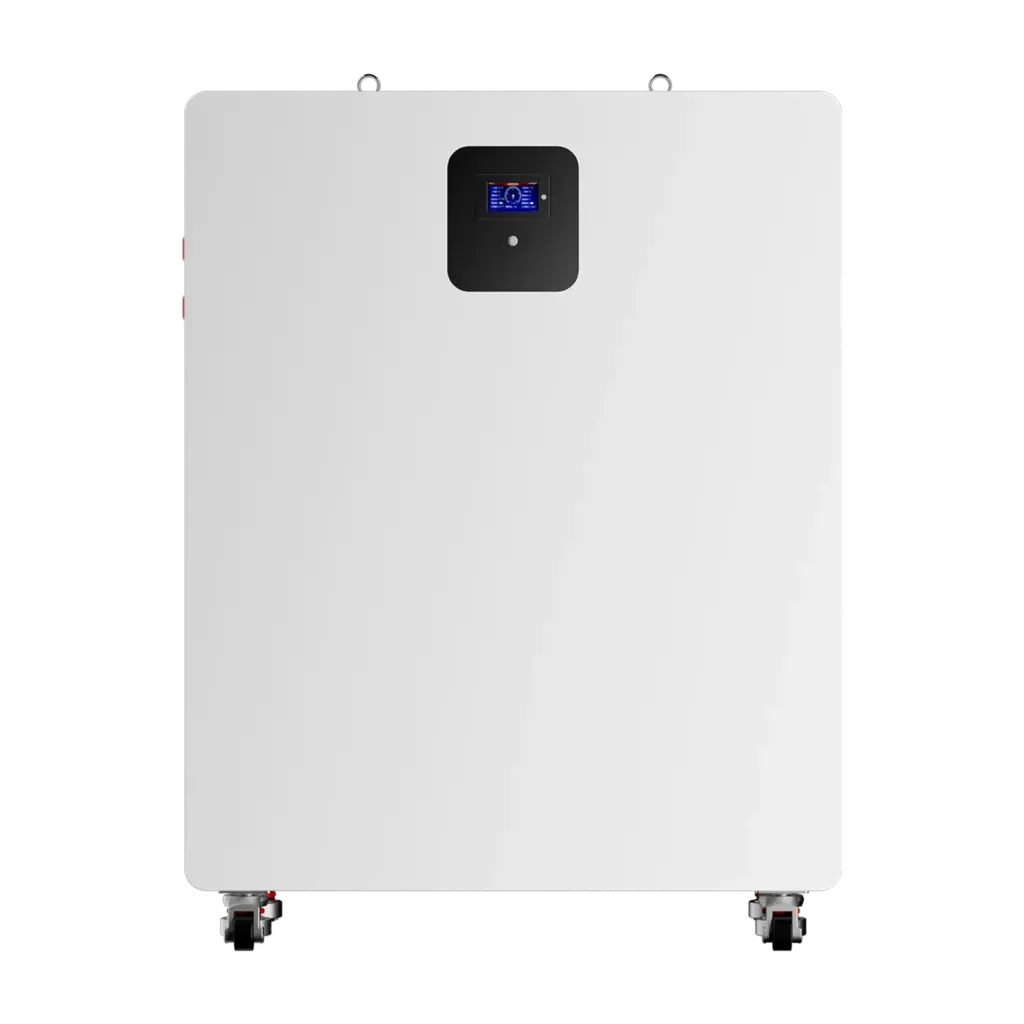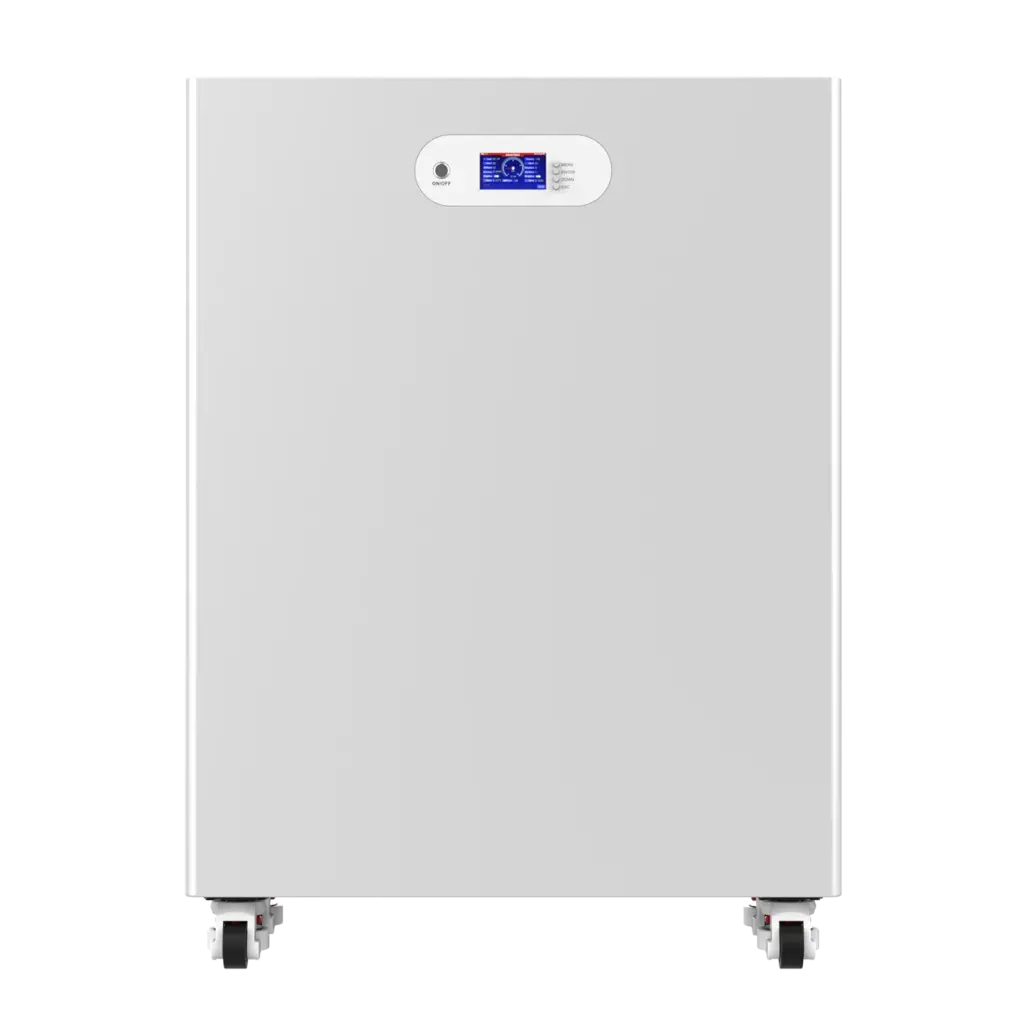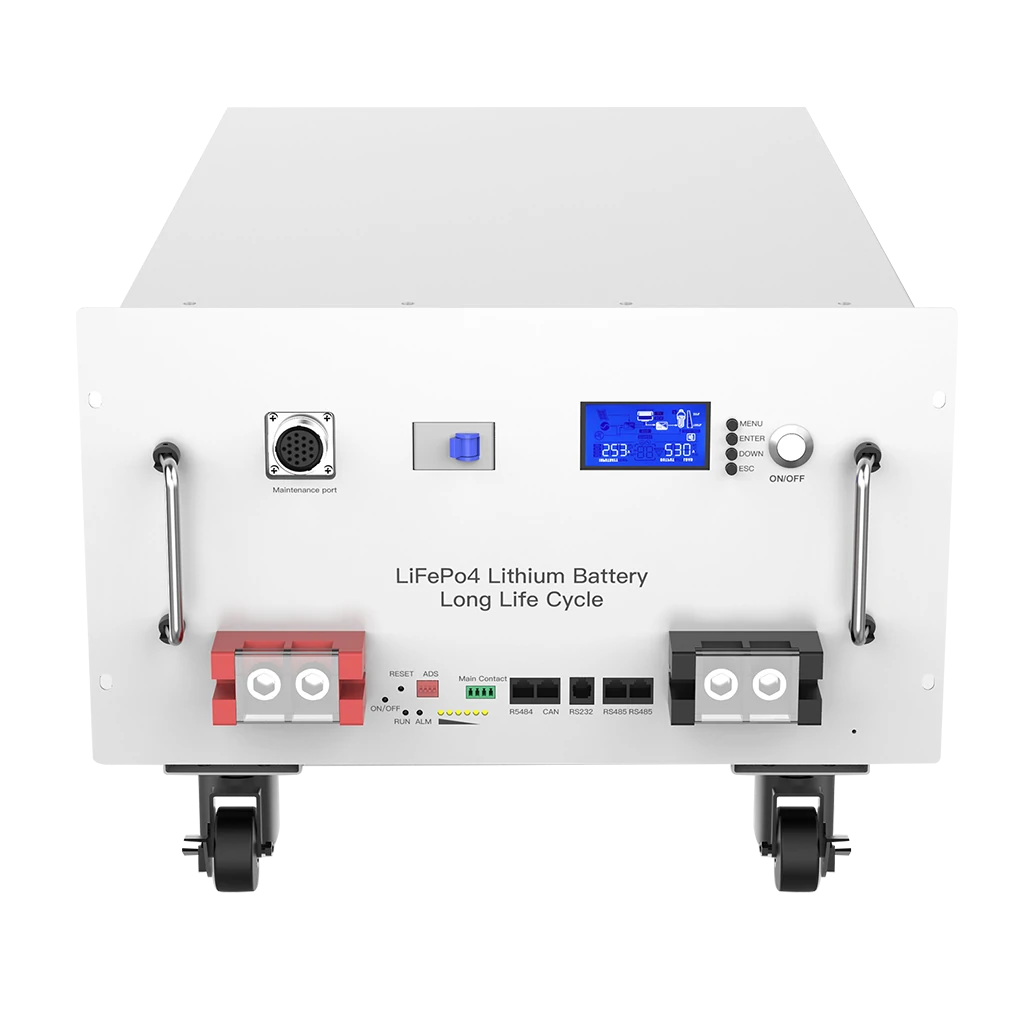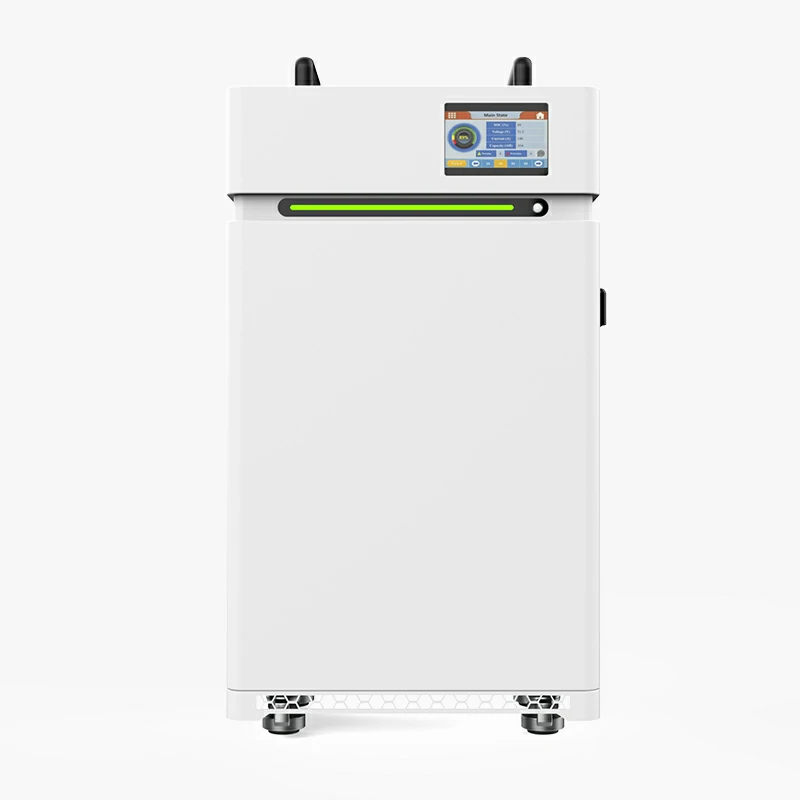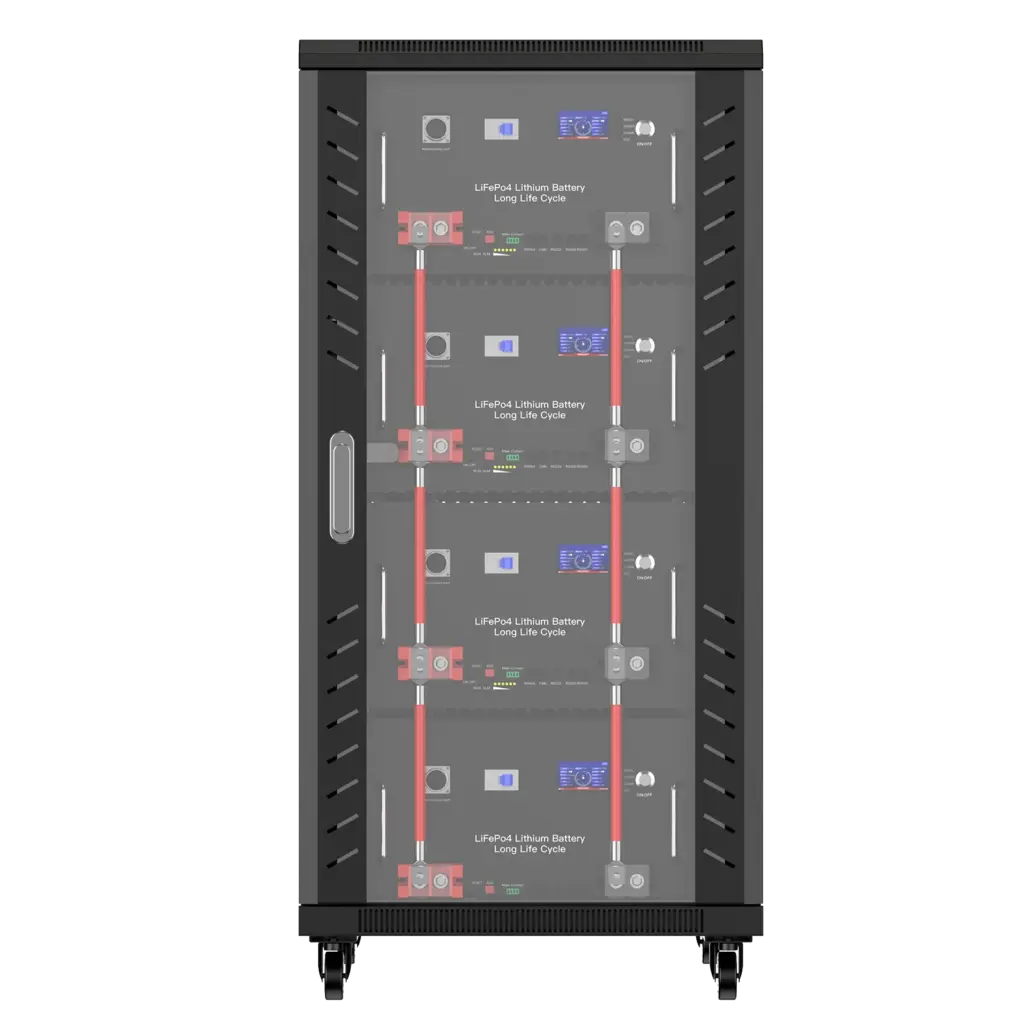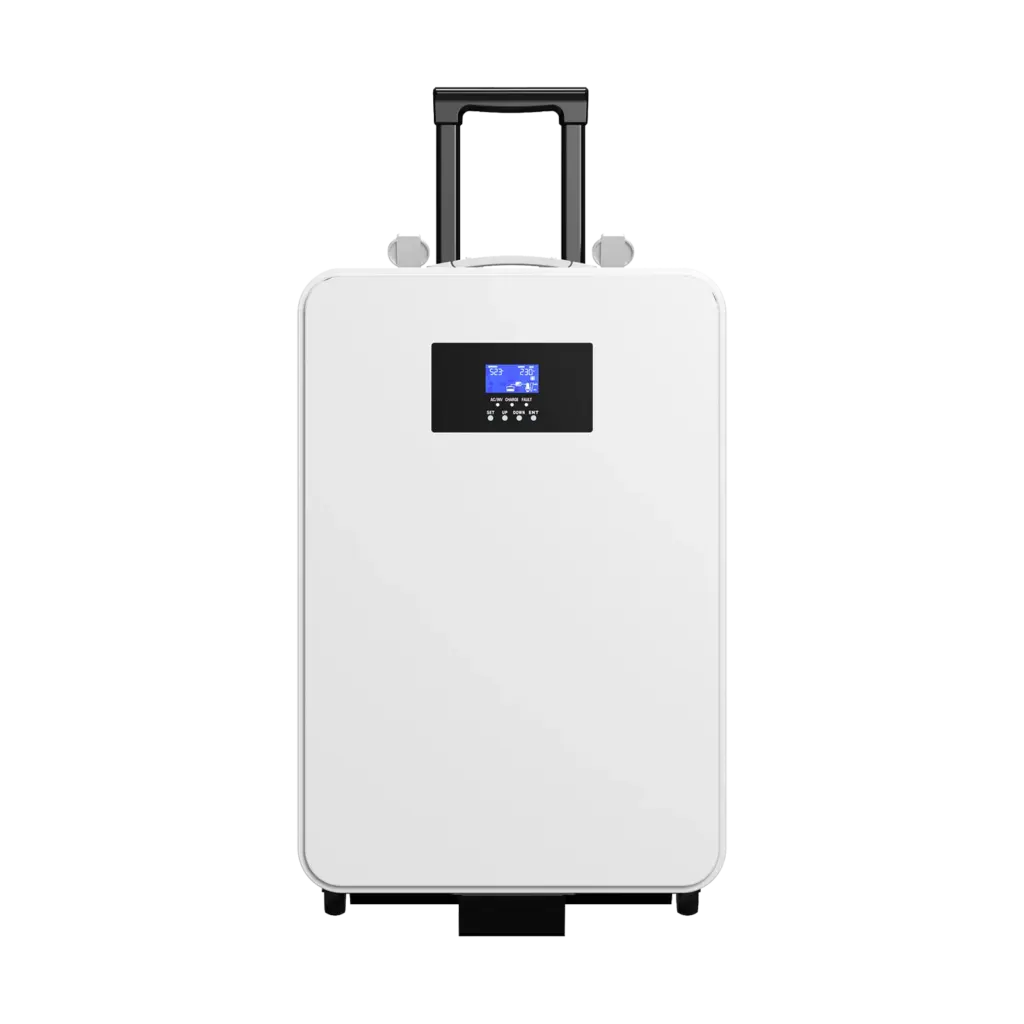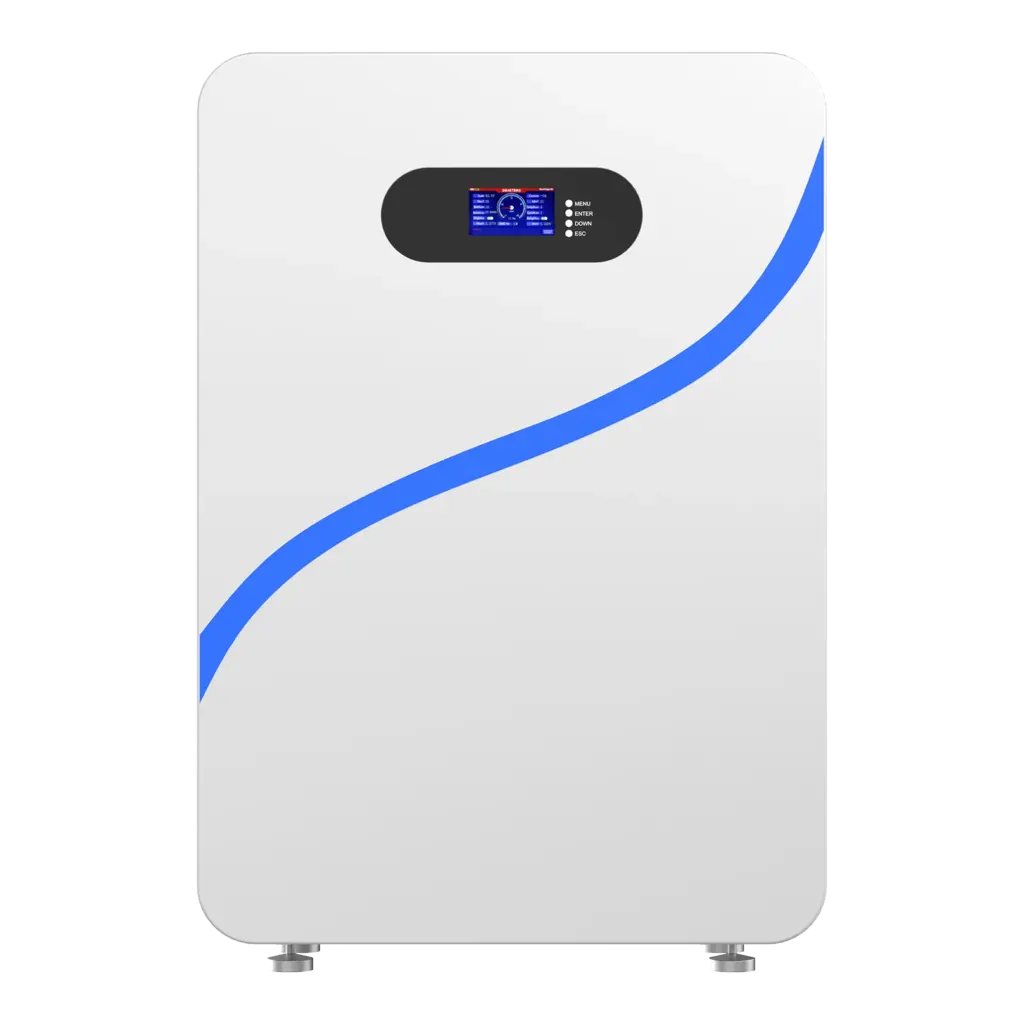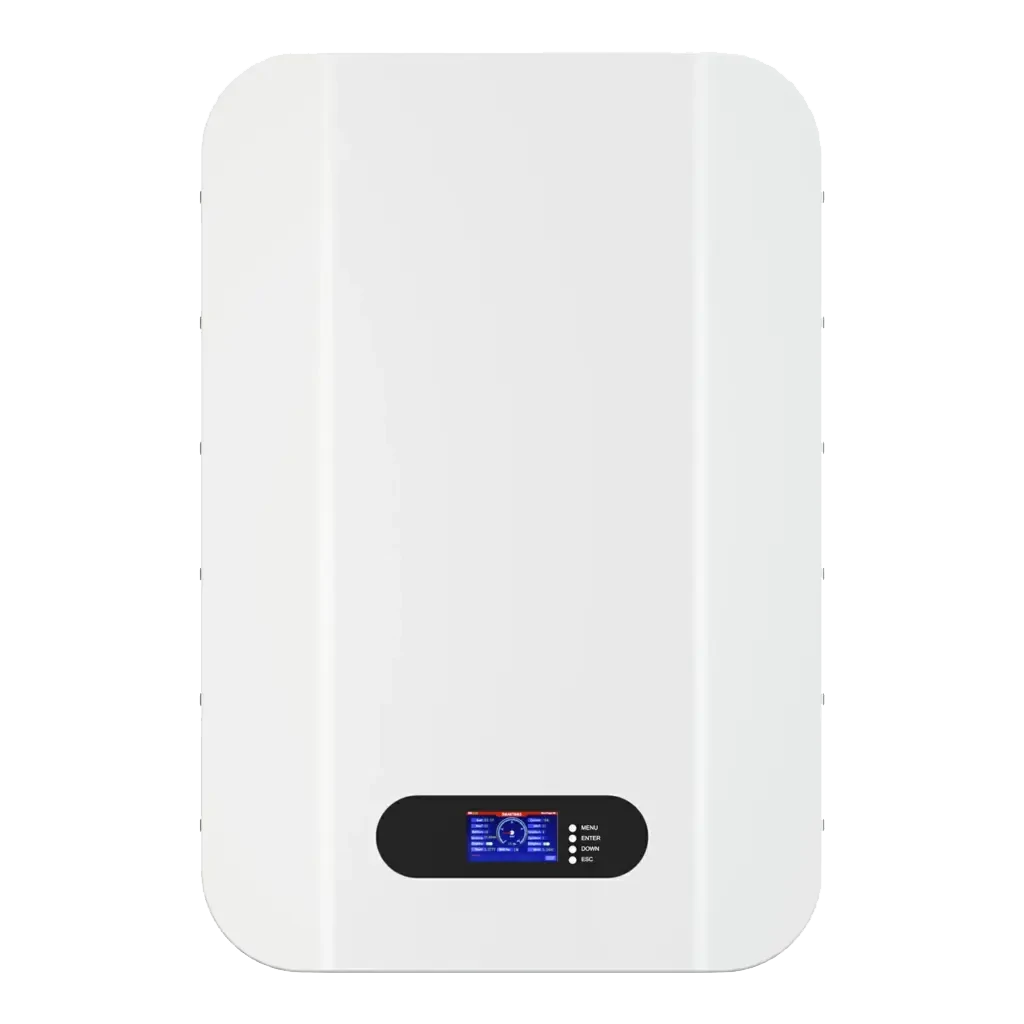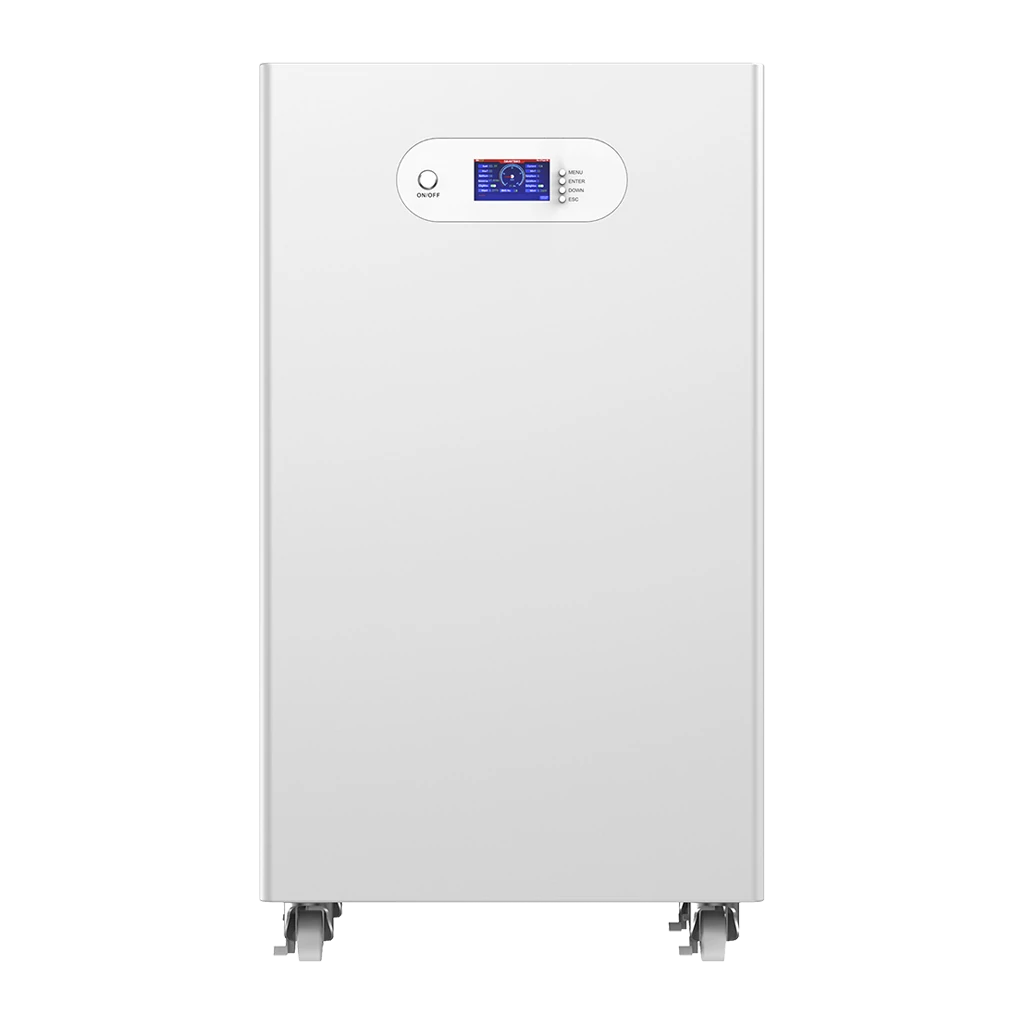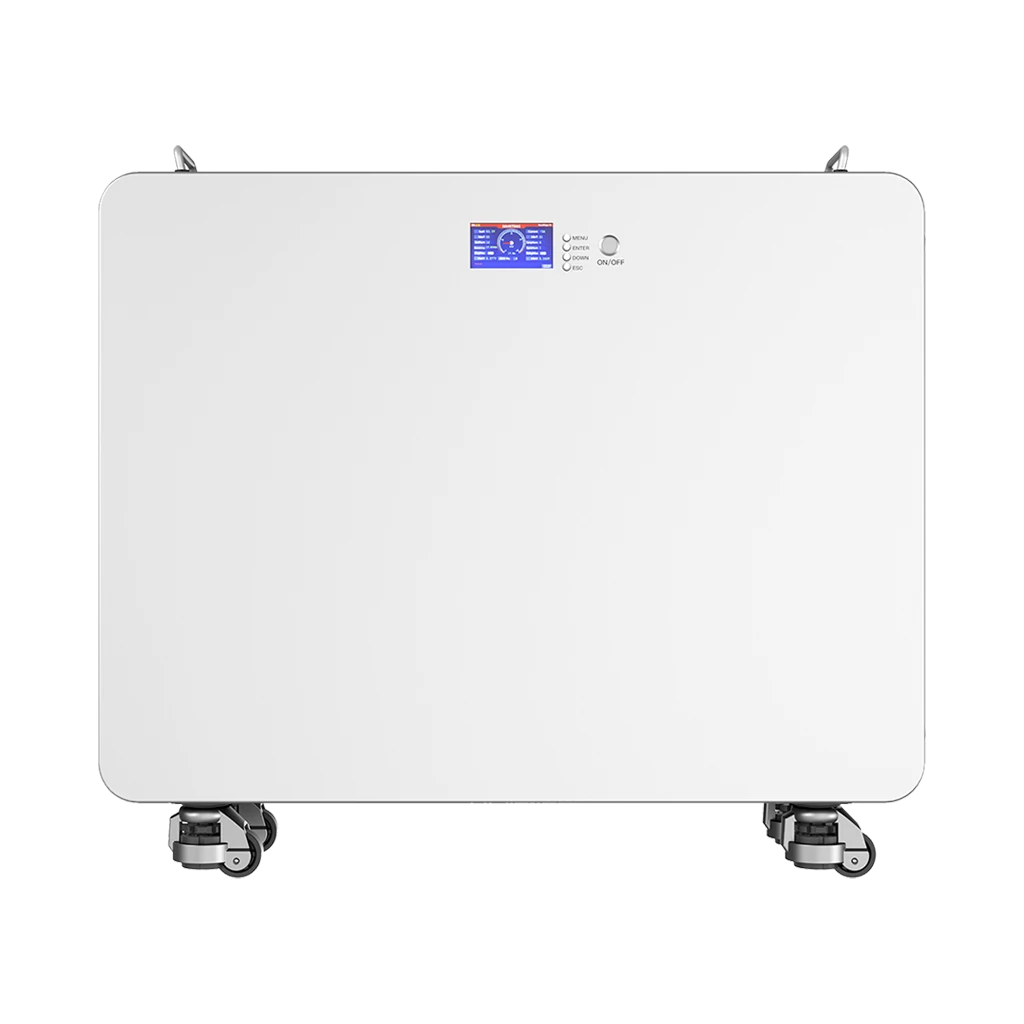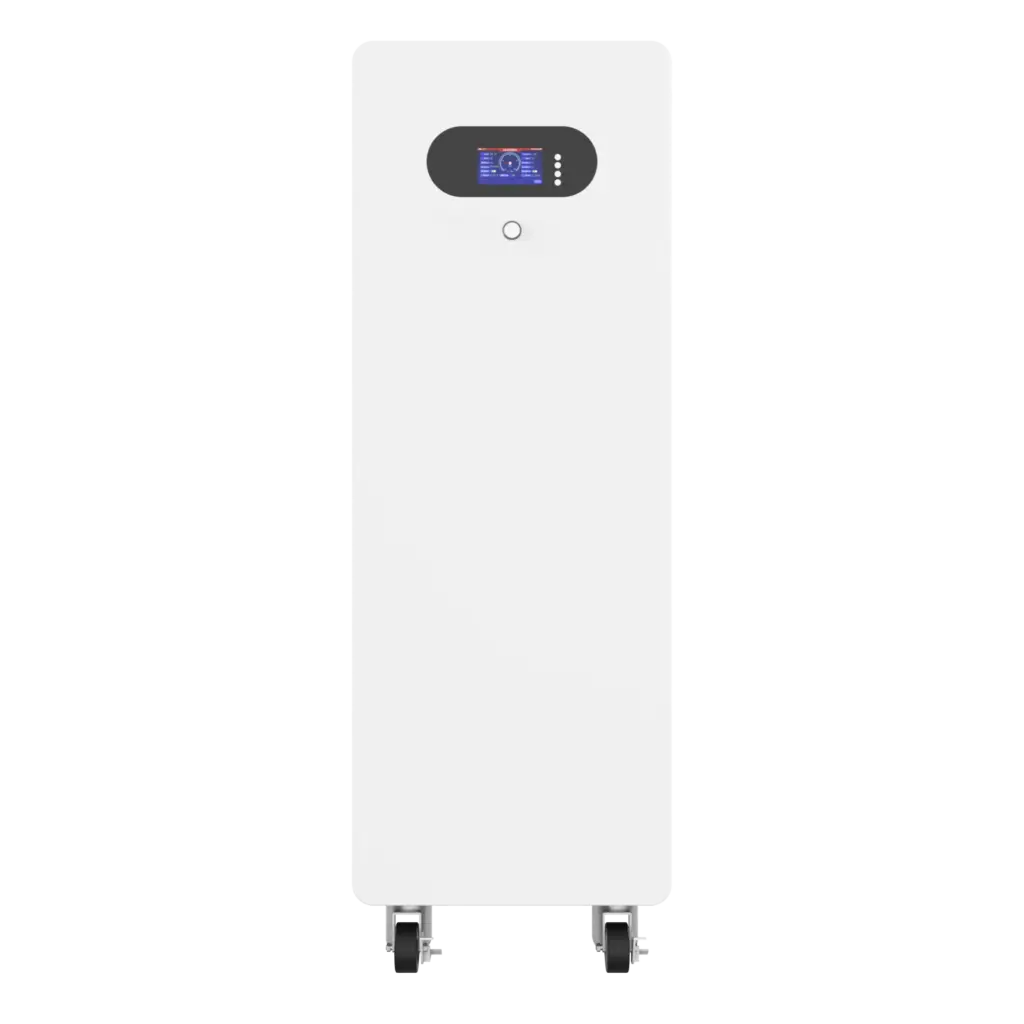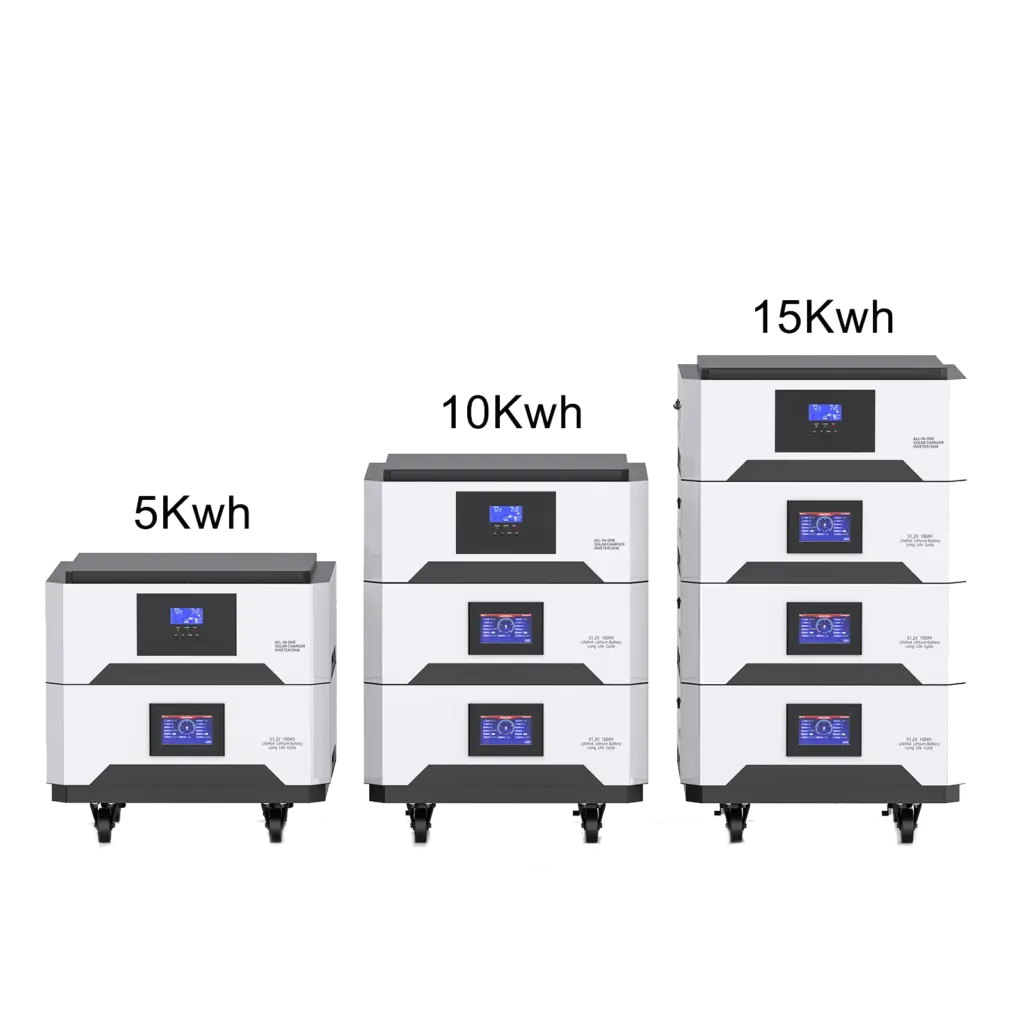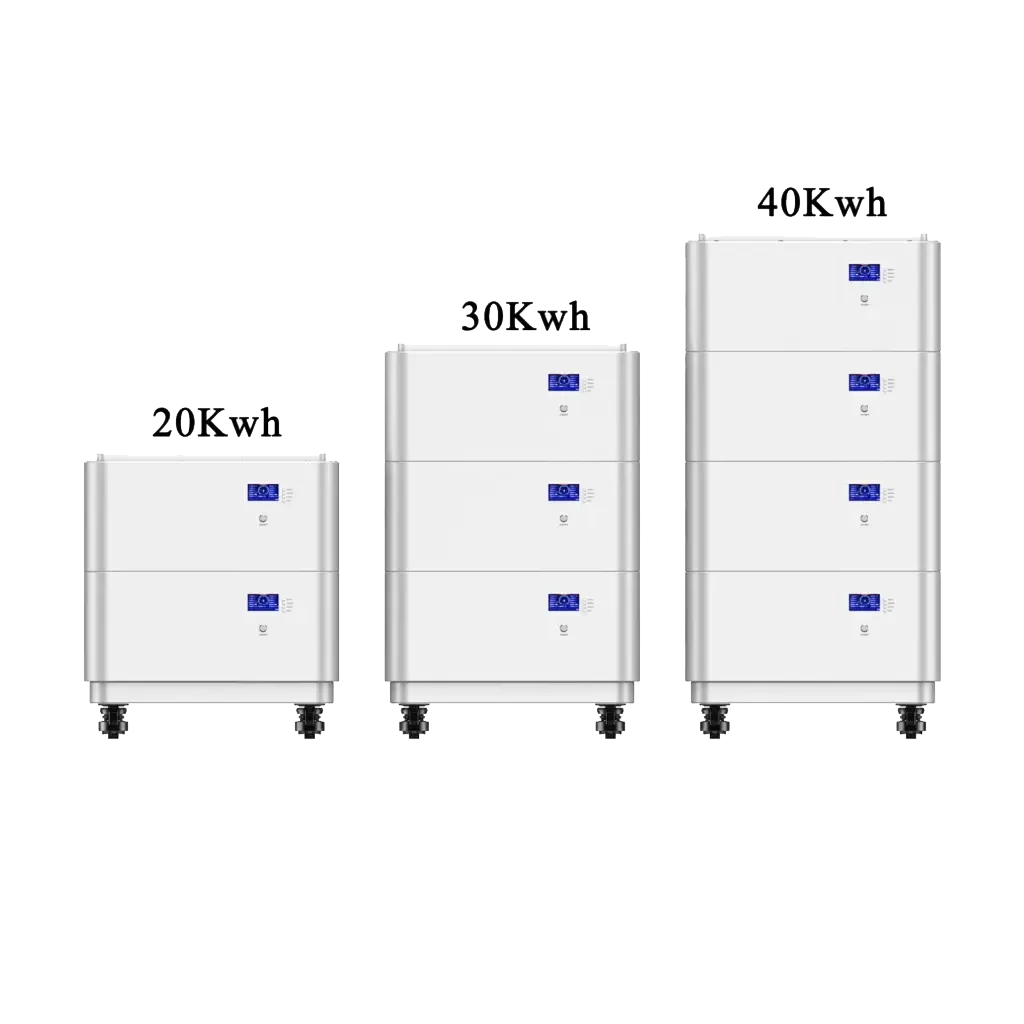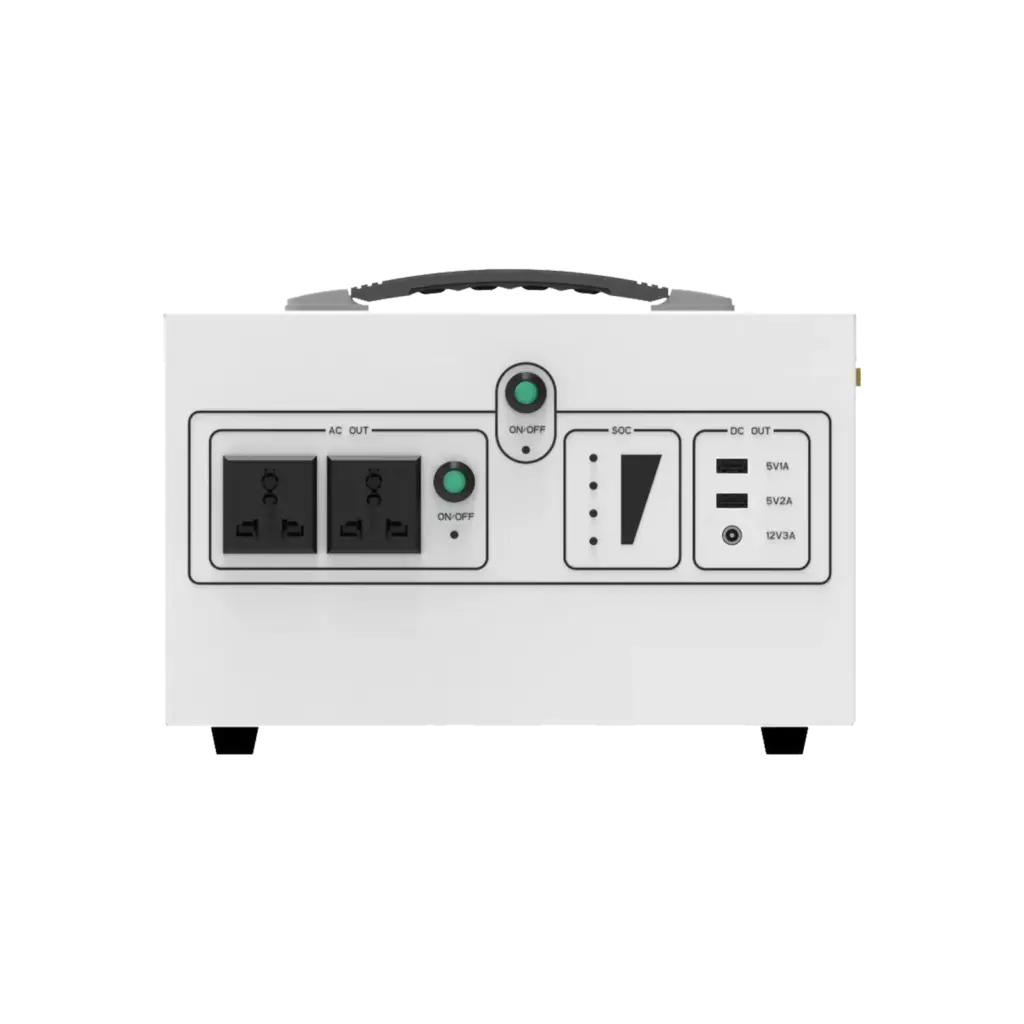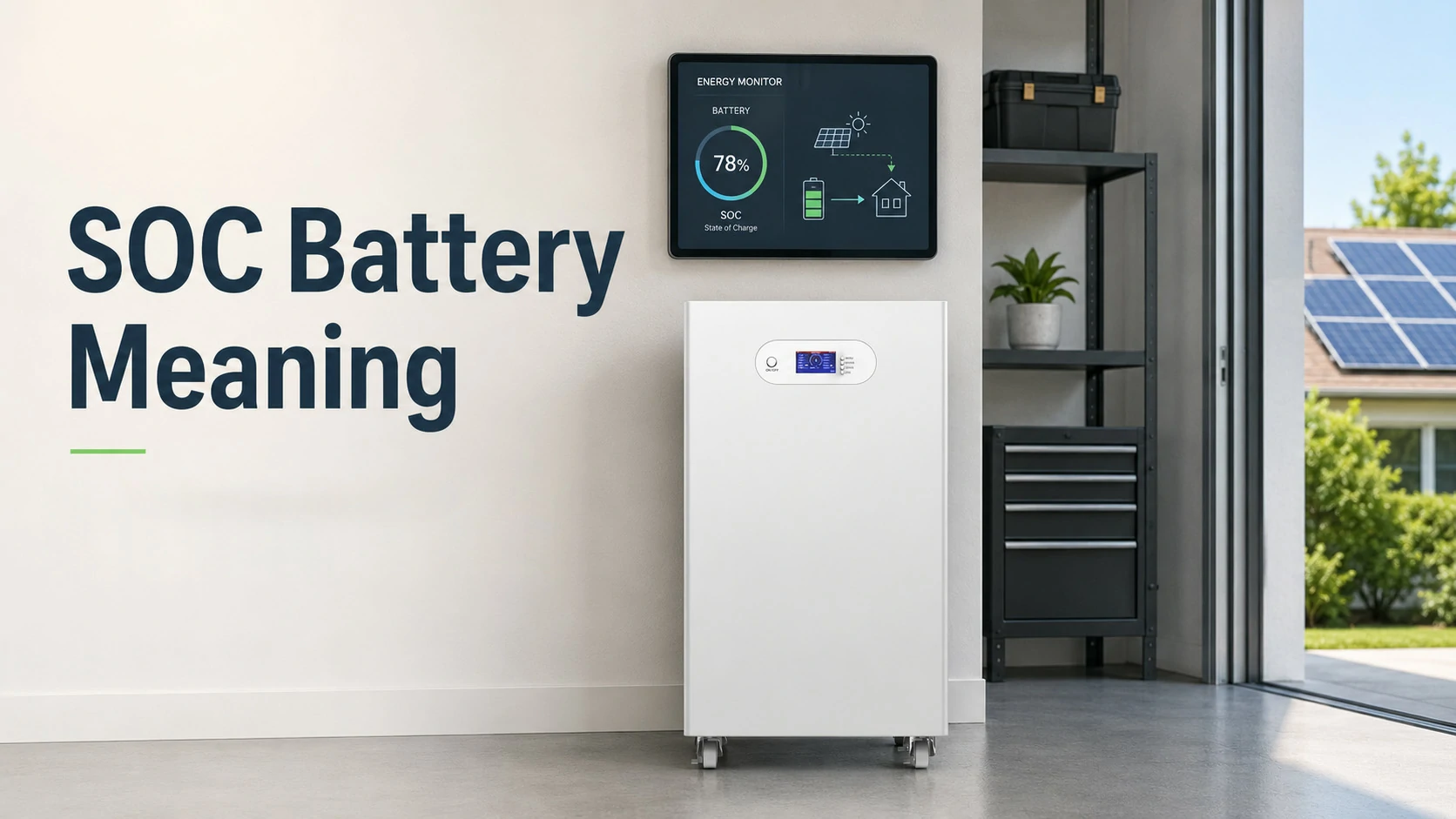

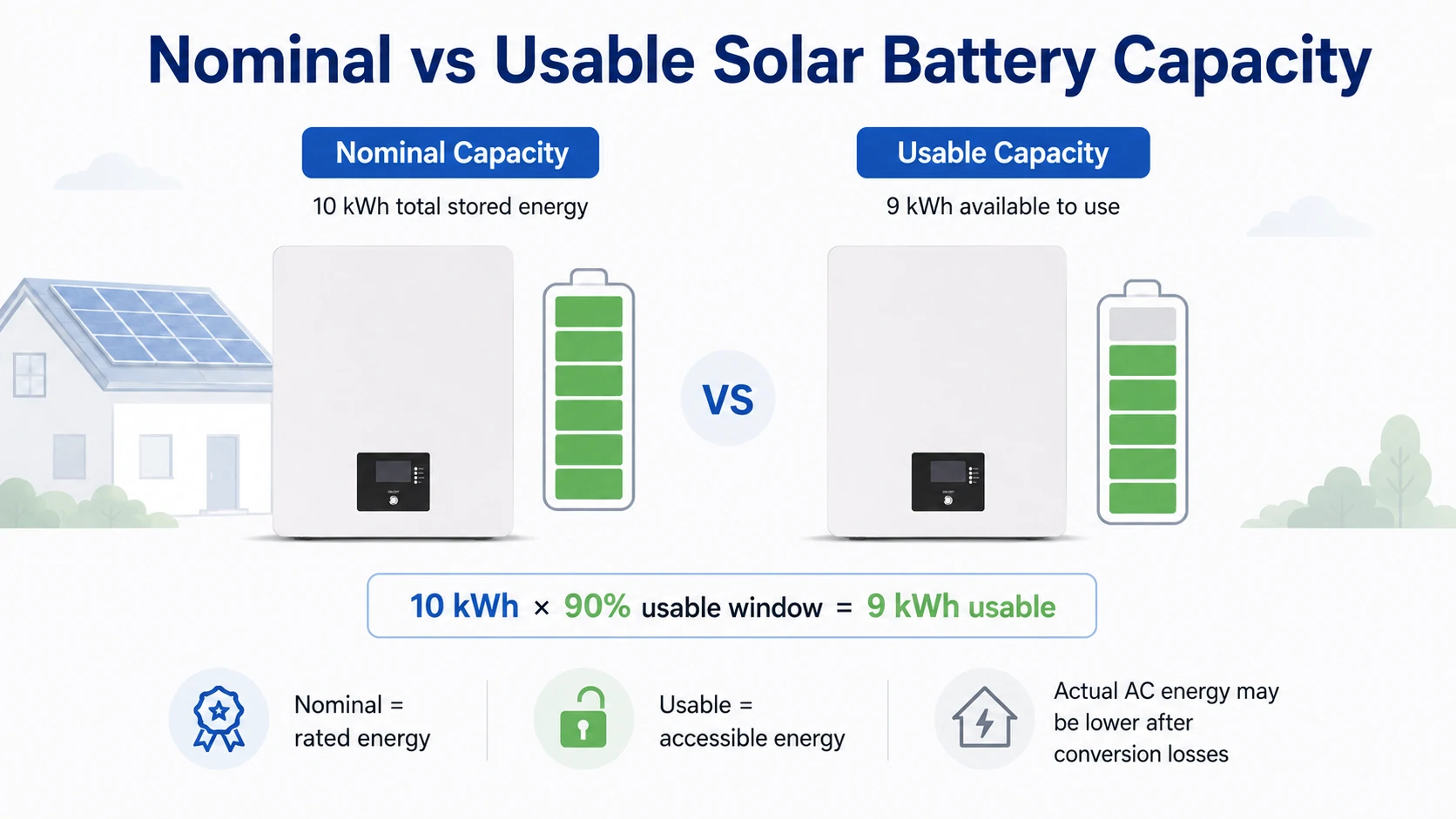
Nominal solar battery capacity is the rated amount of energy the battery can store under specified conditions, while usable capacity is the portion available within its permitted operating range. A 10kWh nominal battery therefore may provide 9kWh, 9.7kWh or even the full 10kWh as usable energy depending on its BMS limits, chemistry and manufacturer specification.
What Is Nominal Solar Battery Capacity?
Nominal battery capacity is the manufacturer’s rated storage quantity measured under specified voltage, temperature and charge/discharge conditions. It represents the battery’s headline energy rating, usually in kWh, but it should not automatically be interpreted as the amount of electricity a household can discharge from the system every day.
For residential storage, nominal energy is normally expressed in:
kilowatt-hours — kWh
A simple theoretical relationship is:
Energy (Wh) = Nominal Voltage (V) × Capacity (Ah)
For example:
A 51.2V 100Ah LiFePO4 battery contains approximately:
51.2 × 100 = 5,120Wh
or:
5.12kWh nominal energy
What Is Usable Solar Battery Capacity?
Usable battery capacity is the amount of rated energy available between the battery system’s permitted upper and lower operating limits. It is normally lower than nominal capacity when the BMS retains an SOC buffer, although some modern batteries publish usable energy very close to—or equal to—their headline rated capacity.
A battery with:
10kWh nominal capacity
and:
90% allowable depth of discharge
has:
9kWh usable capacity.
Nominal vs Usable Battery Capacity: What Is the Difference?
Nominal capacity describes the battery’s rated energy reservoir, while usable capacity describes the part of that reservoir the system makes available for normal operation.
| Metric | Nominal Capacity | Usable Capacity |
|---|---|---|
| Meaning | Rated battery energy | Accessible operating energy |
| Usually measured in | kWh | kWh |
| Includes protected reserve | Usually yes | Usually no |
| Used for runtime calculation | Not directly | Yes |
| Controlled by BMS limits | Indirectly | Yes |
| Affected by DoD | No | Yes |
| Best for consumer comparison | Limited | Yes |
| Same as AC energy delivered? | No | No |
| Same as backup reserve? | No | No |
How Do You Calculate Usable Solar Battery Capacity?
Method 1: Manufacturer Gives Usable Energy
If the specification says:
Rated Energy: 5.4kWh
Usable Energy: 4.8kWh
use:
4.8kWh
for basic runtime calculations.
Do not apply the DoD again.
Method 2: Only Nominal Capacity and DoD Are Given
Suppose:
Nominal Capacity = 12kWh
Allowed DoD = 90%
Then:
12 × 0.90 = 10.8kWh usable
Method 3: SOC Window Is Given
Suppose the manufacturer allows operation from:
95% maximum SOC
to:
15% minimum SOC
Usable SOC window:
95 − 15 = 80%
For a:
15kWh nominal battery
usable energy becomes:
15 × 0.80 = 12kWh
Is a Battery With Higher Usable Capacity Always Better?
No. A battery with a high usable-to-nominal ratio may be attractive, but it should still be evaluated against power output, cycle conditions, efficiency, warranty, thermal limits, scalability, inverter compatibility and total cost. Giving the user access to more kWh does not automatically make the complete storage system more reliable or economical.
Consider two batteries:
| Specification | Battery A | Battery B |
|---|---|---|
| Nominal Capacity | 10kWh | 11kWh |
| Usable Capacity | 10kWh | 9.9kWh |
| Continuous Power | 3kW | 6kW |
| Warranty | 10 years | 15 years |
| Round-Trip Efficiency | 88% | 94% |
Battery A has slightly more usable energy.
Battery B may still be more appropriate for a house with:
- higher peak loads;
- more daily cycling;
- or stronger lifetime-value requirements.
Battery comparison is a multi-variable decision.
How Does Battery Capacity Affect Backup Runtime?
Backup runtime depends on usable energy rather than nominal kWh and should then be adjusted for conversion losses and the actual average load. A large battery can still provide short runtime when HVAC, electric heating, pumps or cooking loads are running, while the same battery can support essential circuits for much longer.
The simplified formula is:
Runtime = Delivered Energy ÷ Average Load
Consider a battery with:
12kWh usable energy
At a:
0.5kW load
the idealized runtime is:
24 hours
At:
1.5kW
it becomes:
8 hours
At:
3kW
it becomes:
4 hours
before additional system losses.
| Usable Capacity | 0.5kW Load | 1.5kW Load | 3kW Load |
|---|---|---|---|
| 5kWh | 10 hr | 3.3 hr | 1.7 hr |
| 10kWh | 20 hr | 6.7 hr | 3.3 hr |
| 15kWh | 30 hr | 10 hr | 5 hr |
| 20kWh | 40 hr | 13.3 hr | 6.7 hr |
Actual runtime changes as household loads cycle.
For larger backup applications, Avepower’s whole-home battery backup sizing guide explains the relationship between usable kWh, inverter kW, surge loads and outage duration.
Final Answer: Nominal vs Usable Solar Battery Capacity
Nominal capacity tells you how large the rated battery energy reservoir is; usable capacity tells you how much of that reservoir the system actually makes accessible. For real purchasing decisions, usable kWh matters more—but it still has to be combined with inverter efficiency, backup reserve, power output, temperature conditions and long-term capacity retention.
Need a Battery Capacity Matched to Your Solar Project?
Avepower supports solar installers, distributors, EPC contractors and OEM/ODM partners with residential LiFePO4 battery systems from compact home storage to scalable multi-battery configurations.
For a more accurate recommendation, send:
Required Usable kWh + Inverter Brand/Model + Peak Load + Solar Size + Backup Requirement + Project Country
The engineering team can review the battery’s nominal capacity, operating range, power requirements, BMS communication and inverter compatibility before the final configuration is selected.
Take Control of Your Energy with Avepower!
Reliable home solar battery solutions with OEM/ODM customization and in-house manufacturing, tailored to the needs of distributors, installers, and energy partners.
FAQ
Nominal capacity is the rated total energy of the battery under specified conditions, while usable capacity is the portion available within its permitted operating range. If a 10kWh nominal battery has a defined 90% usable window, approximately 9kWh is available before other system-level conversion losses.
Sometimes, but not always. A 10kWh headline figure may describe nominal or usable capacity depending on the manufacturer. If it describes nominal energy and the battery has a 90% usable window, approximately 9kWh may be accessible; if 10kWh is explicitly listed as usable energy, no additional DoD reduction should be applied.
Check the manufacturer’s usable-energy specification first. If only nominal energy and allowable DoD are given, a 10kWh battery at 90% DoD would provide approximately 9kWh of usable battery energy. Actual AC energy reaching household loads can be lower because of conversion and auxiliary losses.
Not necessarily. A battery system can expose a 0–100% user SOC range while its BMS maintains internal cell-voltage protection. Interpret 100% DoD within the manufacturer’s defined system boundary rather than assuming the cells are operating between their absolute electrochemical voltage limits.
LiFePO4 batteries generally support a larger practical discharge window than traditional lead-acid batteries used for repeated cycling, which is one reason LFP is common in residential solar storage.
Differences can result from backup reserve, SOC calibration, temperature, degradation, firmware settings, inverter operating limits or differences between battery-side and AC-side measurement.