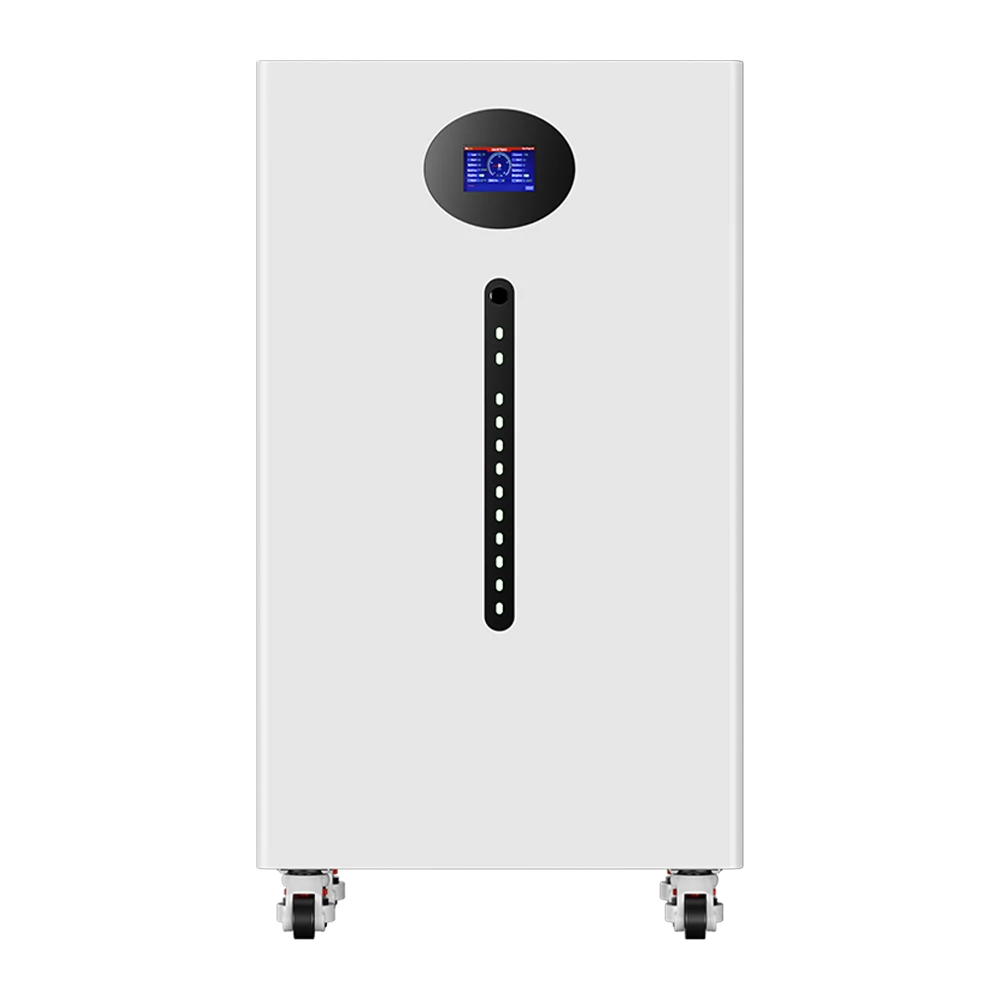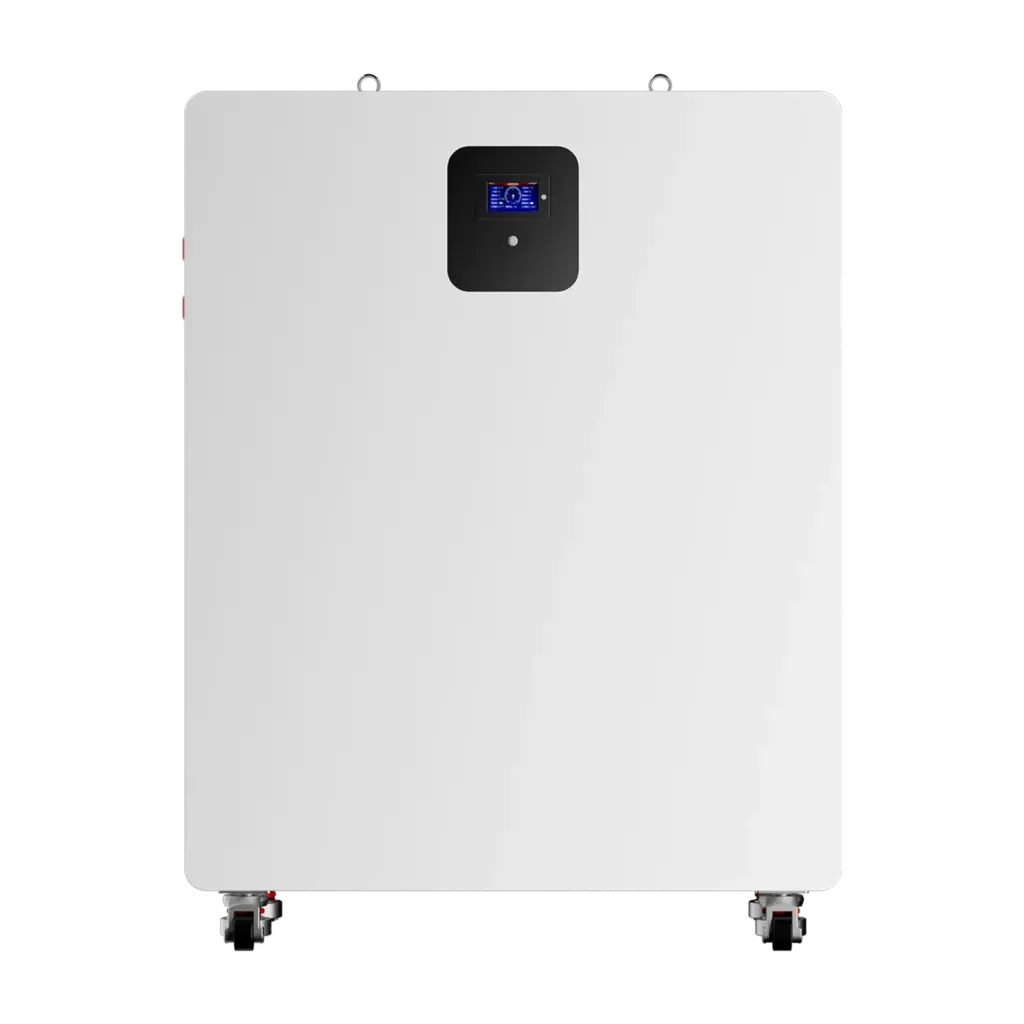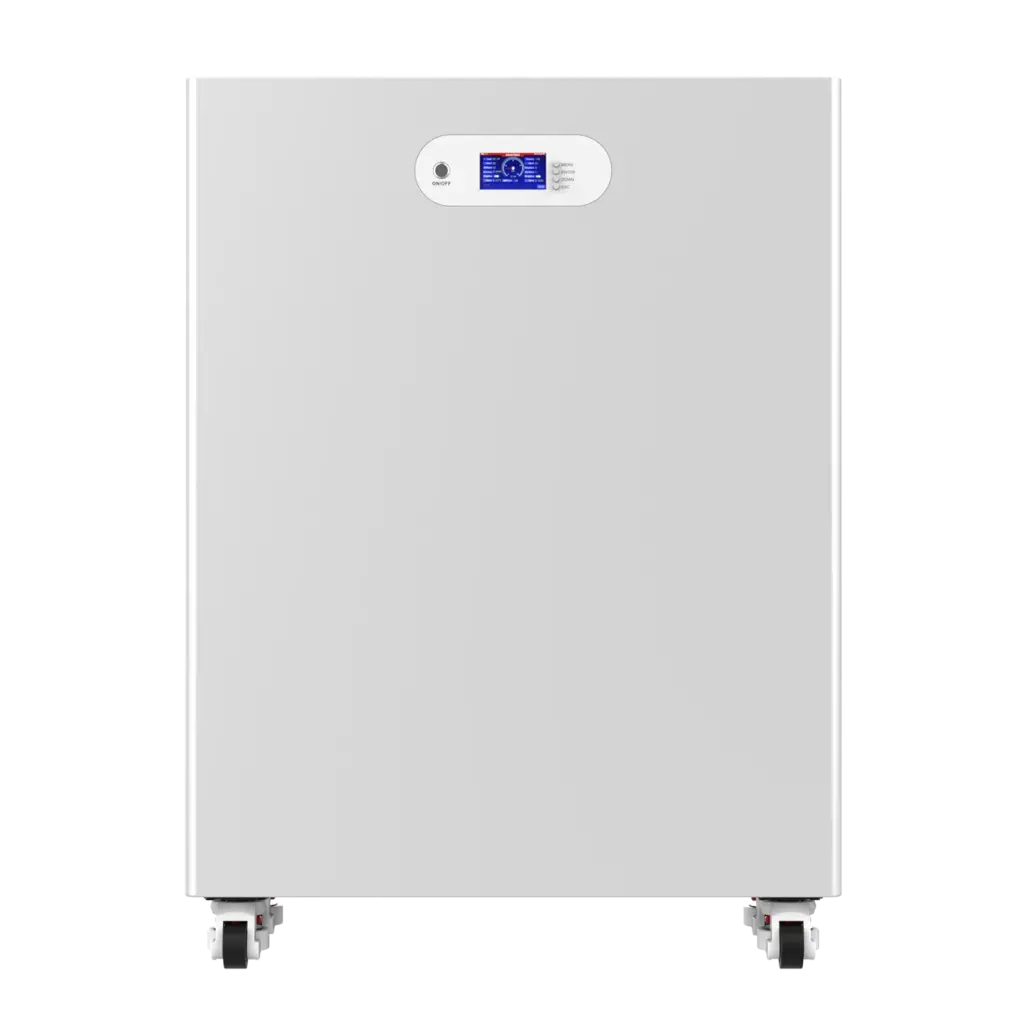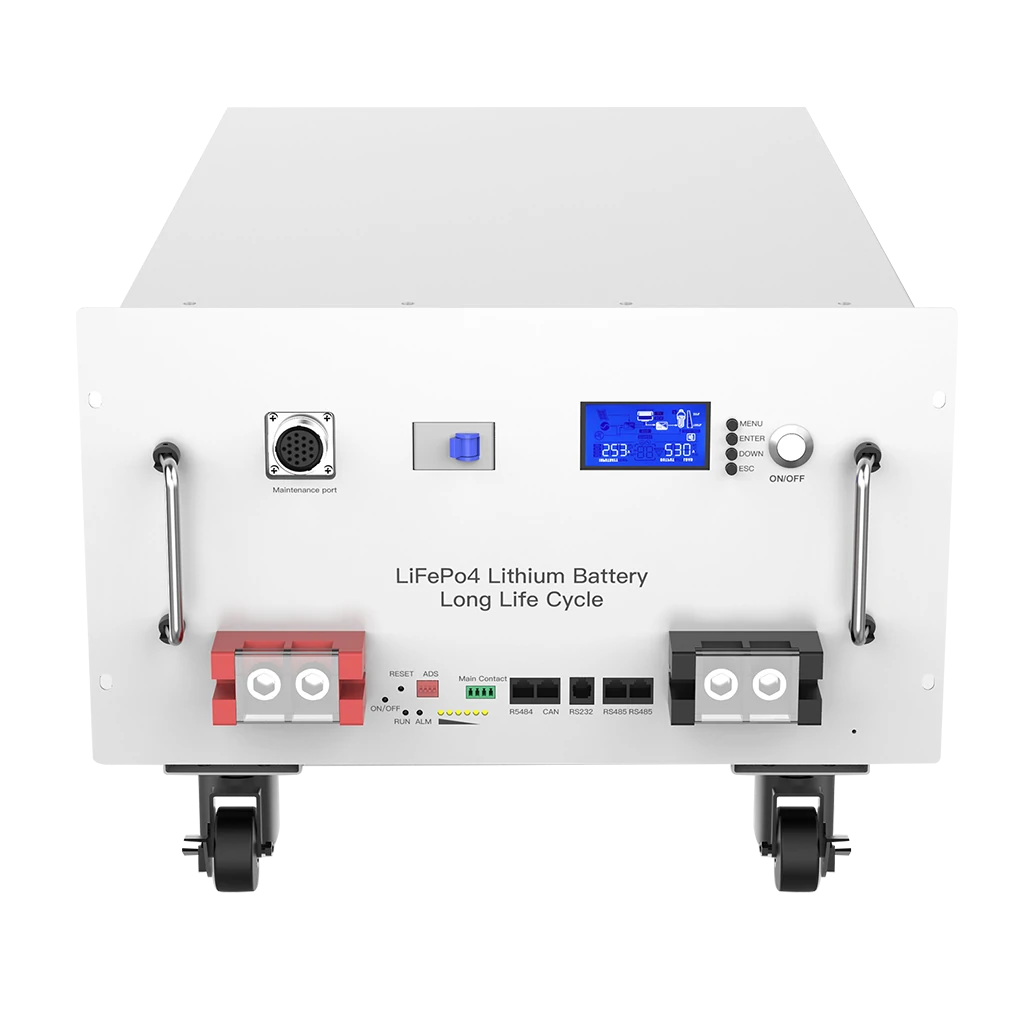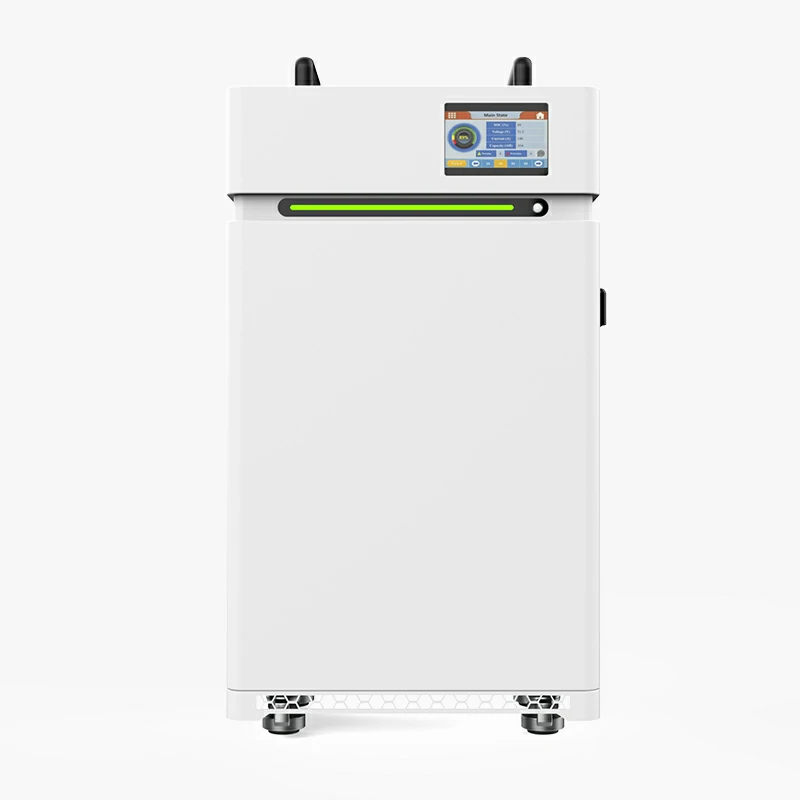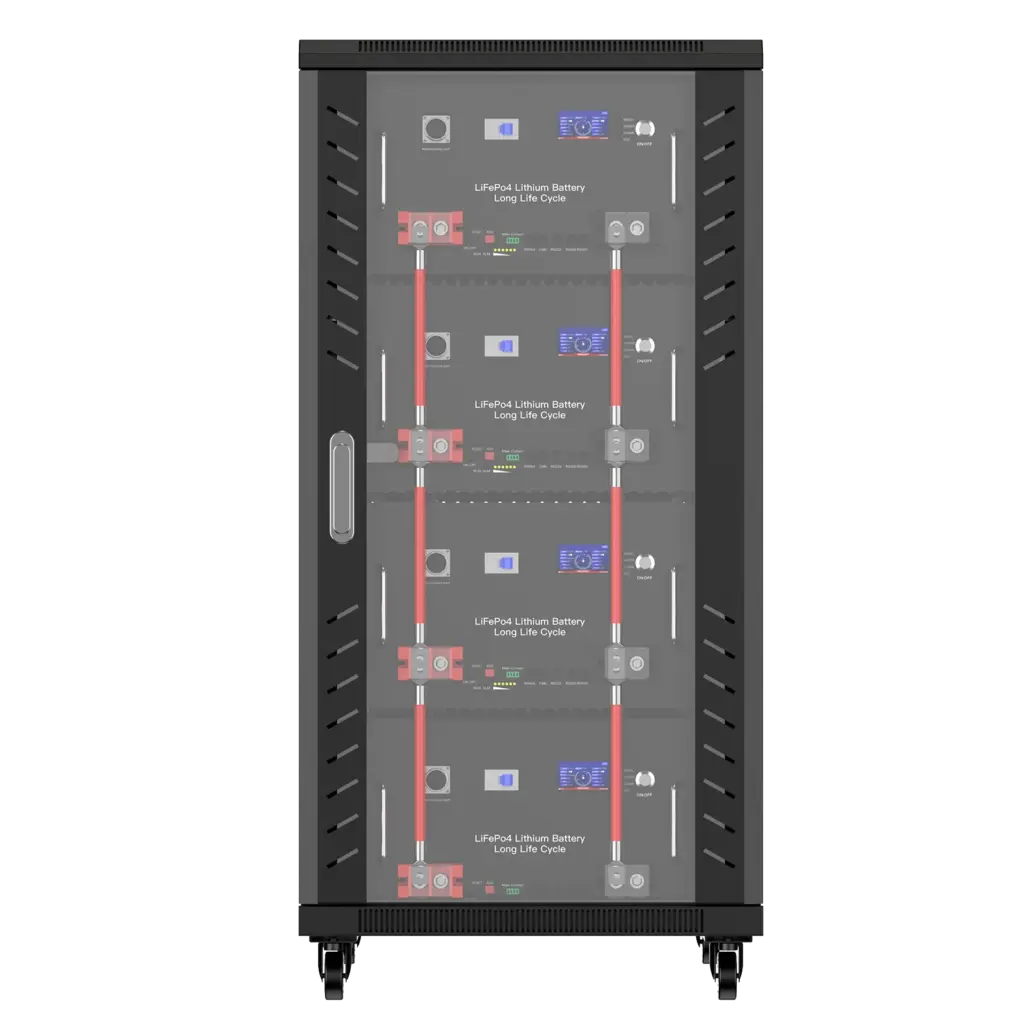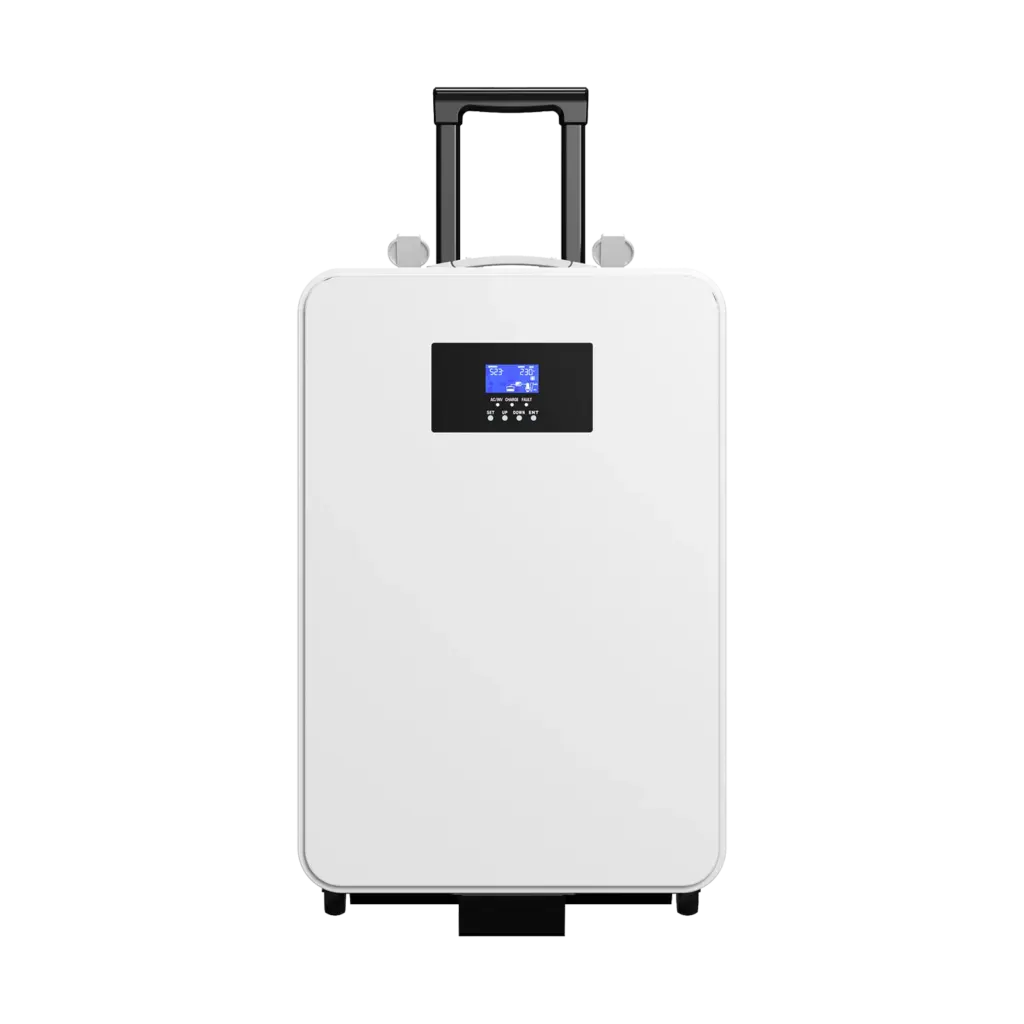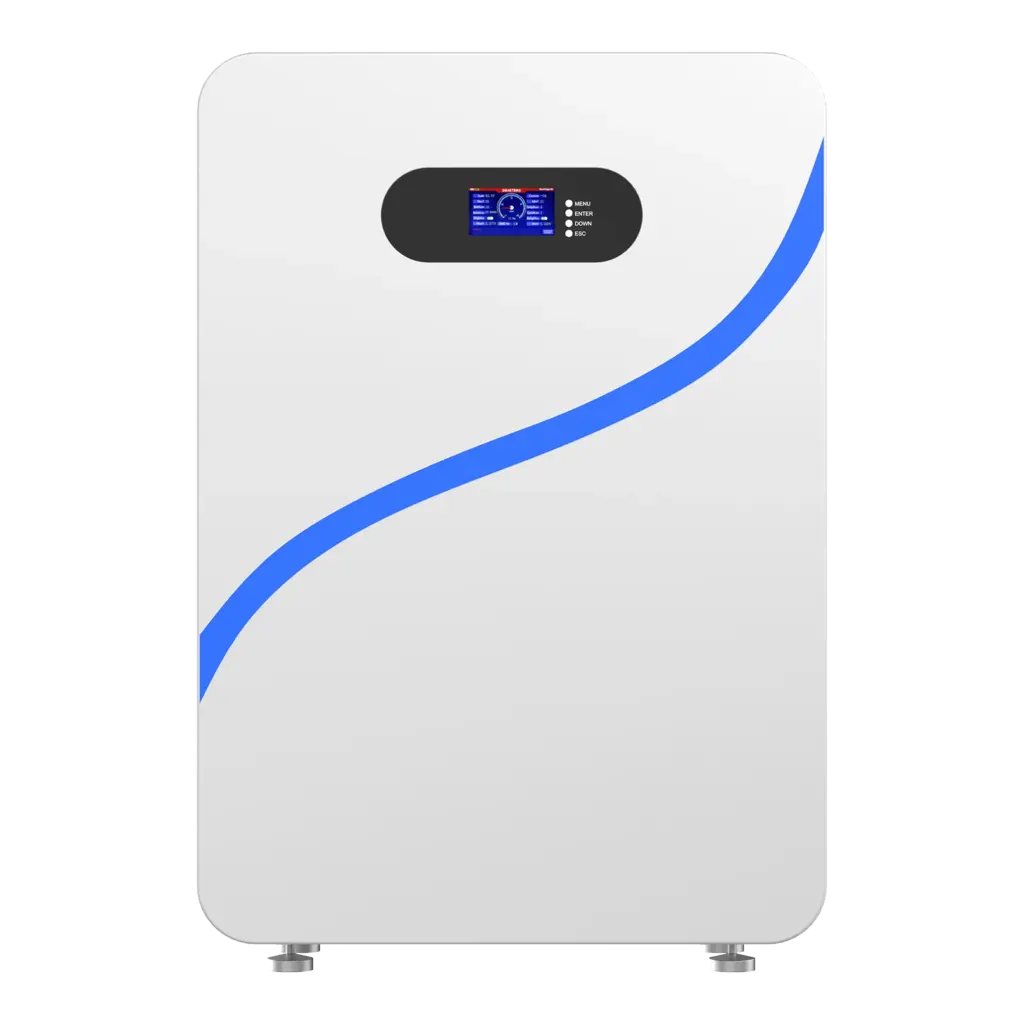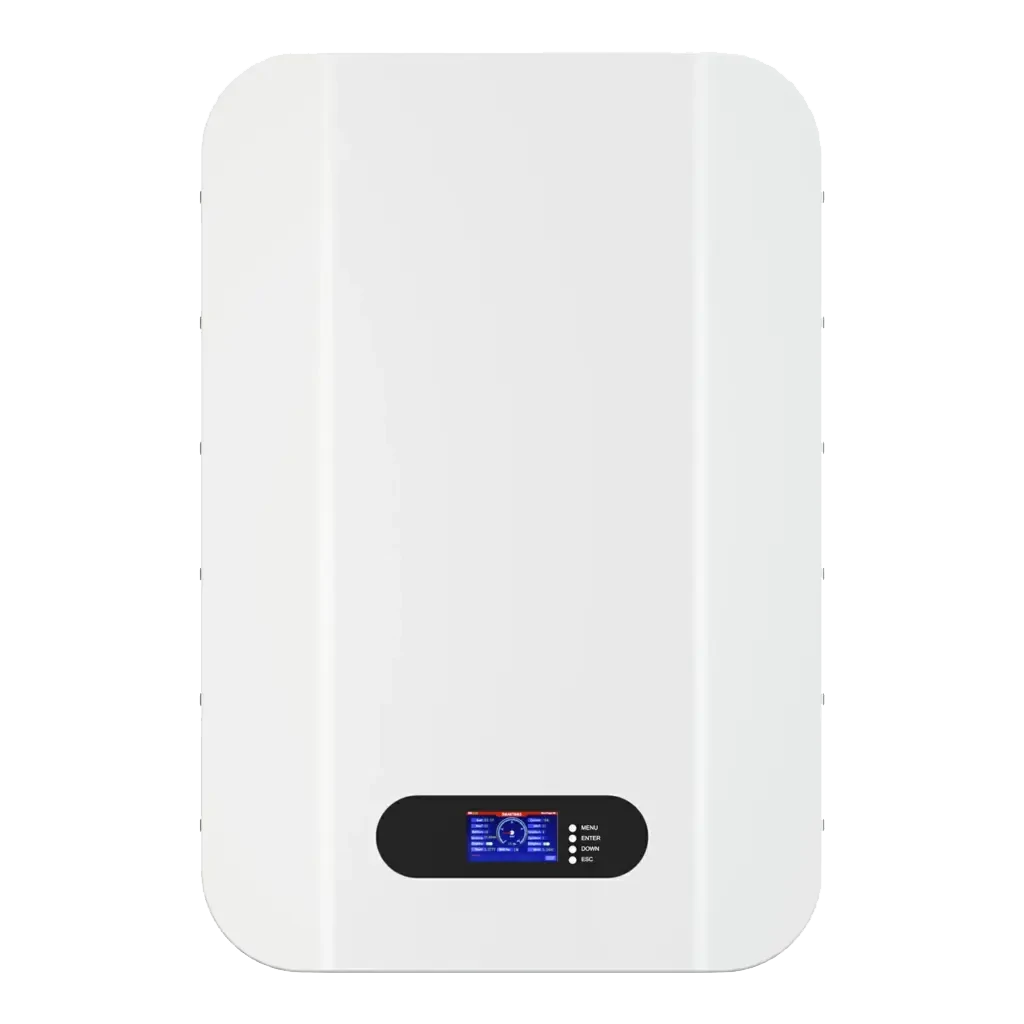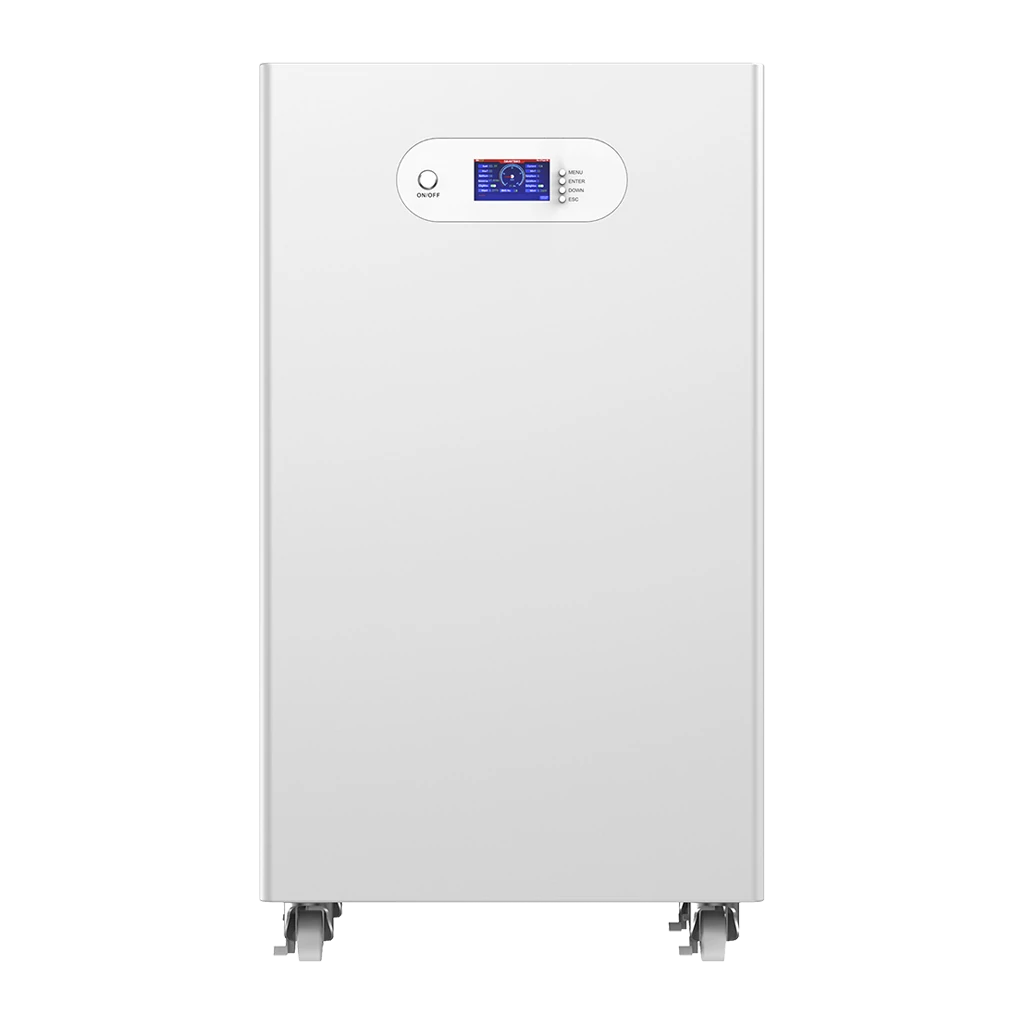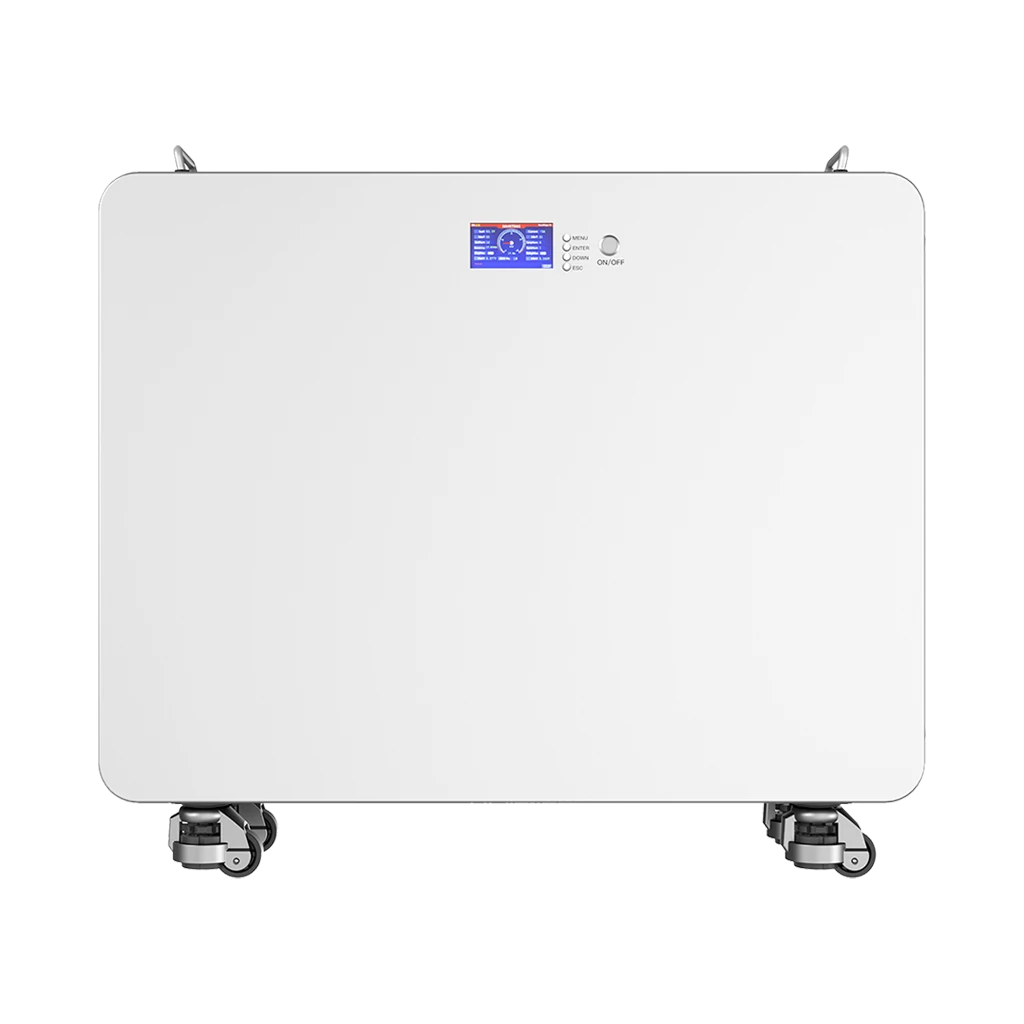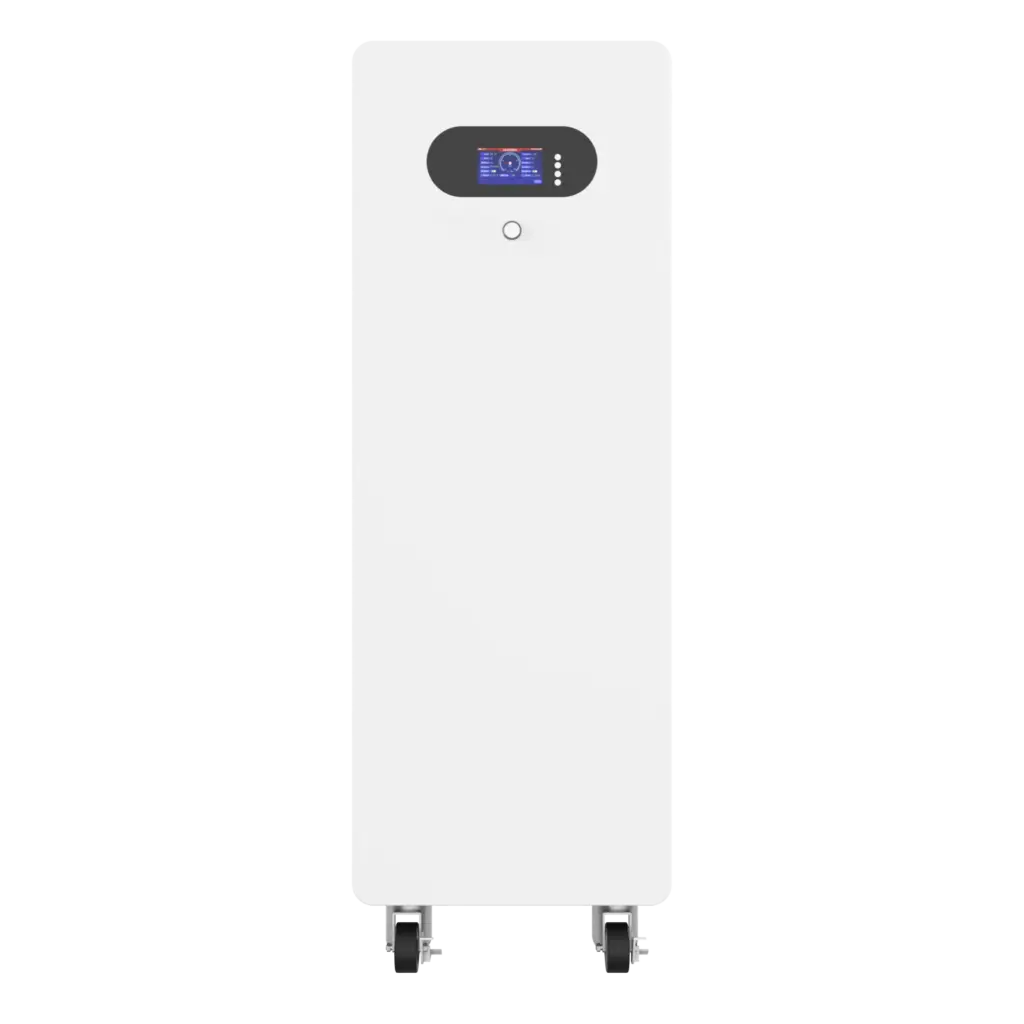

The strongest LiFePO₄ battery shortlist for Philippine solar projects includes Dyness, Pylontech, Avepower, StB Giga Factory, Sungrow, BYD Battery-Box, AlphaESS, Deye, GSL Energy and Felicity Solar. However, only StB Giga Factory is clearly documented as a domestic Philippine LFP manufacturer; the others are international manufacturers supplying or supporting the market.
The right choice depends less on the brand name alone and more on the exact battery model, compatible inverter, continuous current, warranty claimant, certification package, local technical support and intended operating environment.
Which LiFePO4 Solar Battery Manufacturers are the Best for the Philippines?
The best manufacturer is the one that can document product safety, inverter communication, usable capacity, continuous current and after-sales responsibility for the exact system being installed. For Philippine projects, tropical operating conditions and local support often matter more than an unusually high cycle-life number printed on a brochure.
Quick Ranking
| Rank | Manufacturer | Market Position | Best Suited To |
|---|---|---|---|
| 1 | Dyness | International residential and C&I storage manufacturer | Installers requiring scalable, documented battery platforms |
| 2 | Pylontech | Established modular storage specialist | Rack-based residential and small commercial systems |
| 3 | Avepower | Factory-direct LiFePO₄ and OEM/ODM manufacturer | Distributors, installers and private-label buyers |
| 4 | StB Giga Factory | Philippine-based LFP manufacturing project | Buyers prioritising domestic manufacturing |
| 5 | Sungrow | Integrated inverter and battery ecosystem | Single-brand residential solar systems |
| 6 | BYD Battery-Box | Premium modular battery platform | High-quality indoor residential and commercial installations |
| 7 | AlphaESS | Integrated energy-storage system provider | Turnkey residential storage projects |
| 8 | Deye | Inverter and low-voltage battery ecosystem | Buyers already using Deye hybrid inverters |
| 9 | GSL Energy | Residential and C&I battery supplier | OEM projects and buyers seeking Philippine case references |
| 10 | Felicity Solar | Value-oriented solar and battery supplier | Budget-sensitive residential and off-grid systems |
1. Dyness
Dyness for buyers seeking a broad residential and commercial storage portfolio supported by publicly available model specifications and significant shipment history.
The company reports more than one million energy-storage units shipped globally. Its current residential portfolio includes products such as the PowerBrick, PowerBrick Pro and PowerBrick Plus. Depending on the model, publicly stated features include 200A current capability, IP65 protection, more than 8,000 cycles and capacity expansion through multiple parallel units.
Best for:
- Residential solar installers
- Modular low-voltage systems
- Projects requiring future expansion
- Installers that want an established compatibility ecosystem
Check before ordering:
- The exact inverter compatibility list
- Warranty terms for the Philippine sales channel
- Whether the quoted cycle life applies to the selected model
- Local replacement-stock availability
A Dyness battery should not be selected solely because another Dyness model supports a certain inverter or warranty period. Compatibility and warranty documents must match the purchased product code.
2. Pylontech
Pylontech is a strong option for modular rack-mounted systems because it has a long-standing focus on stationary energy storage and provides extensive model-level documentation.
The company reports more than two million energy-storage system deliveries. Its US5000, for example, is a 48V-class module with 4.8kWh nominal energy, 4.56kWh stated usable energy, an 80A rated current and CAN/RS485 communication. Pylontech also publishes certification resources covering standards such as IEC 62619 and IEC 63056 for applicable models.
Best for:
- Rack-mounted battery banks
- Residential hybrid systems
- Small commercial systems
- Installers familiar with modular expansion
Check before ordering:
- Maximum modules permitted in the selected configuration
- Cabinet, busbar and overcurrent protection requirements
- Whether the installation area requires greater environmental protection
- Approved inverter firmware and communication cable pinout
Pylontech modules are frequently used indoors or inside protected enclosures. Their suitability for an exposed tropical location must be evaluated from the exact enclosure rating rather than the brand name.
3. Avepower
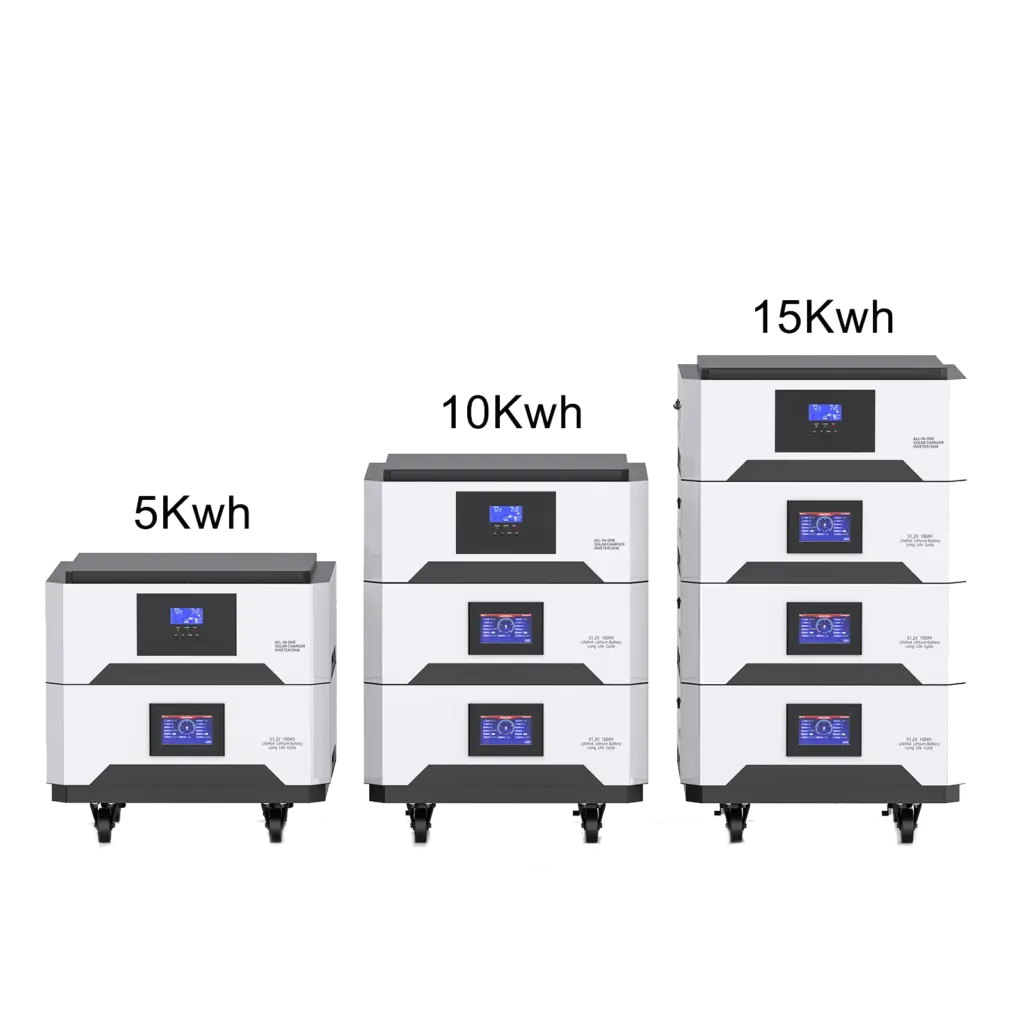
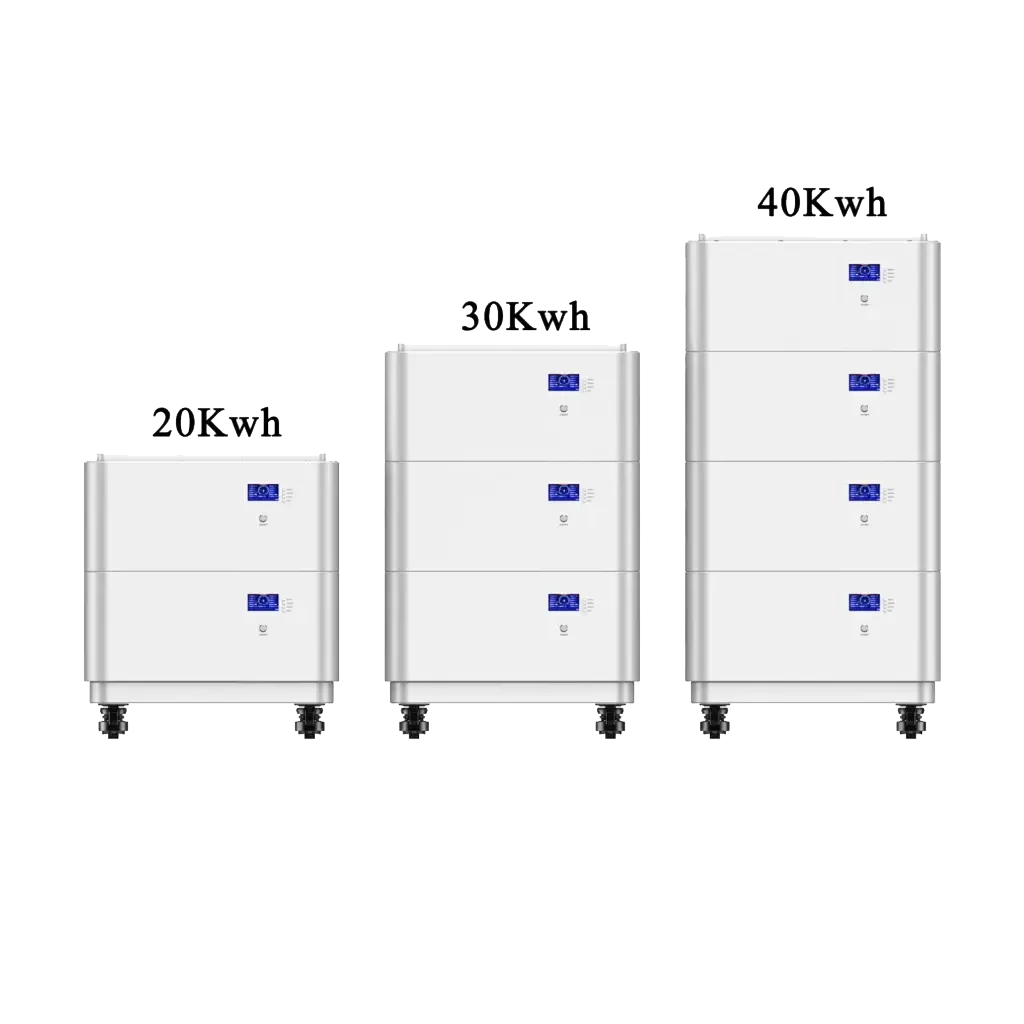
Avepower for distributors, installers and OEM buyers that need a broader choice of wall-mounted, rack-mounted, stackable, vertical, all-in-one and high-voltage LiFePO₄ systems with factory-direct customisation support.
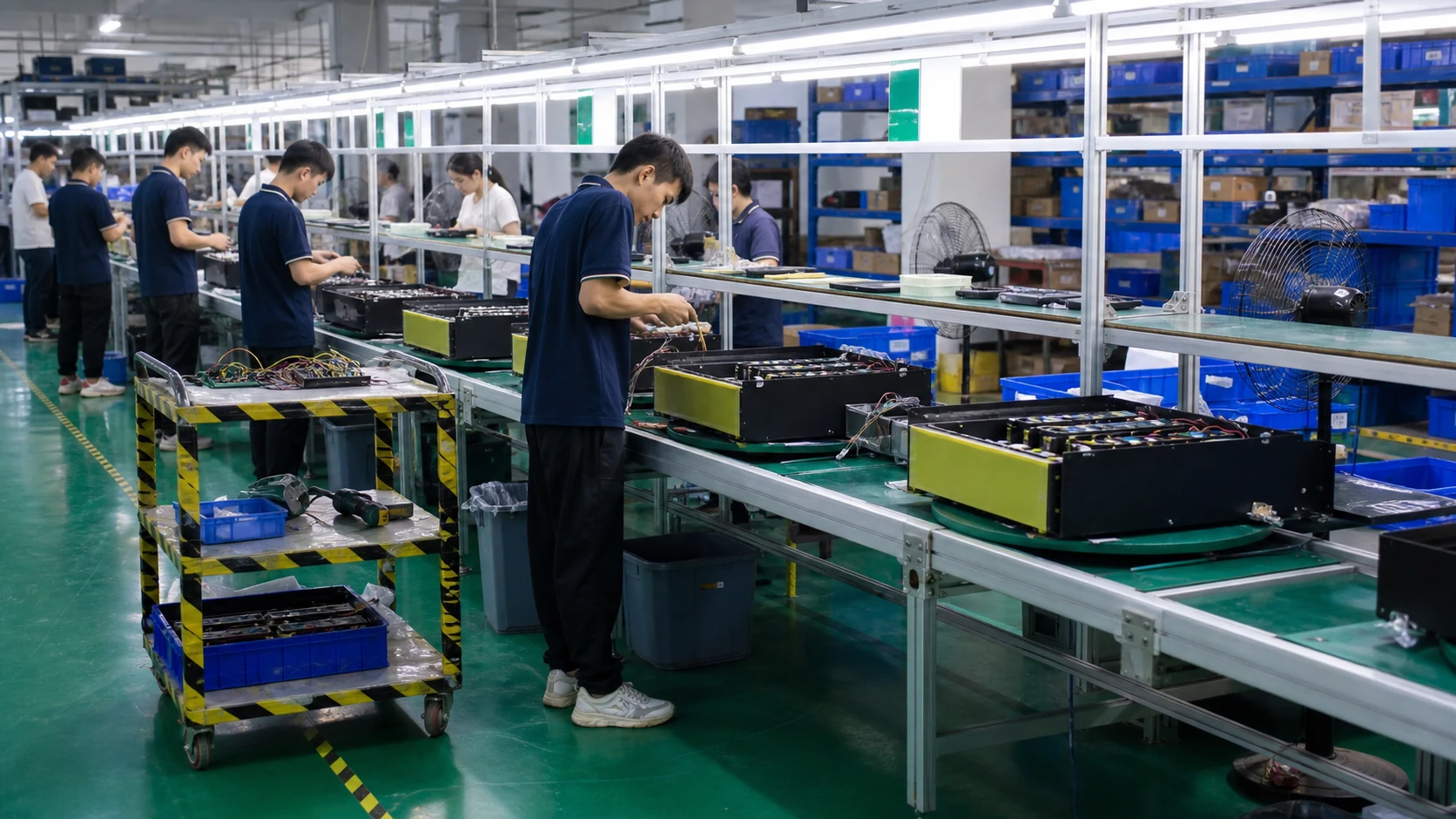
It operates a manufacturing base of more than 20,000m², has over 50 R&D personnel, 15 or more production lines and approximately 5GWh of annual production capacity. Its published manufacturing process includes cell sorting, laser welding, aging tests, capacity testing, BMS verification and outgoing quality inspection.
A representative 16kWh vertical LiFePO₄ battery uses a 51.2V, 314Ah configuration with a 200A BMS, CAN/RS485/RS232 communication, Bluetooth and Wi-Fi options, and support for up to 16 parallel batteries. The published cycle claim is more than 8,000 cycles at 80% depth of discharge.
Avepower also provides:
- Wall-mounted home batteries
- Stackable battery systems
- Vertical LiFePO₄ batteries
- All-in-one battery systems
- High-voltage battery storage
- 12V and 24V LiFePO₄ battery packs
Best for:
- Solar battery distributors
- Installers purchasing project quantities
- OEM and private-label battery programmes
- Projects requiring custom capacity, enclosure or communication matching
- Residential and small commercial systems
Evidence and decision value
Avepower publishes several commissioned project references. These include a 522.5kWh high-voltage storage project in Lithuania and a 640kWh hotel solar BESS in Afghanistan using twenty 32kWh batteries. The projects are not Philippine installations, so they should not be presented as local service evidence; however, they demonstrate experience with system integration, parallel battery architecture and larger project documentation.
Buyers can review the 522kWh high-voltage ESS case, the 640kWh hotel BESS case and the wider battery project case-study library.
Check before ordering:
- Which certifications cover the exact model and configuration
- The approved inverter model and communication protocol
- Philippine distributor or service responsibility
- Spare-parts and replacement-battery availability
- Whether the stated warranty includes freight, labour and on-site work
- Final cell, BMS and firmware configuration approved for production
Avepower is most compelling for B2B buyers who can complete technical qualification and need factory-direct flexibility. A retail homeowner who requires an immediate local replacement should first confirm the Philippine installer and warranty route.
4. StB Giga Factory
StB Giga Factory is the most relevant company for buyers specifically searching for a LiFePO₄ battery manufactured in the Philippines.
The Philippine Board of Investments described the facility as the country’s first LFP battery manufacturing plant for residential, industrial and utility-scale energy storage. The initial capacity was announced at 300MWh annually—equivalent to approximately 60,000 residential battery systems—with a target of 2GWh per year by 2030.
Best for:
- Buyers prioritising local manufacturing
- Government or industrial projects with domestic-content considerations
- Projects seeking shorter regional supply chains
- Philippine battery-industry partnerships
Check before ordering:
- Model-level datasheets
- Cell and pack certification reports
- Approved inverter combinations
- Warranty and service coverage
- Current production lead times
- Available residential and commercial product configurations
The government announcement verifies manufacturing investment and planned capacity, but it does not replace product-specific technical due diligence.
5. Sungrow
Sungrow is a strong choice when the buyer prefers an integrated inverter-and-battery ecosystem with one main equipment platform.
The Sungrow SBR series uses lithium iron phosphate chemistry and is offered in modular configurations from 6.4kWh to 25.6kWh. Published documentation lists high-voltage architecture, IP55 protection, charge operation from 0°C to 50°C, discharge operation down to −20°C and a ten-year warranty for applicable markets.
Best for:
- New Sungrow hybrid-inverter installations
- Residential backup systems
- Customers who prefer a matched battery and inverter
- Outdoor or protected semi-outdoor installations where the product rating permits
Check before ordering:
- Approved inverter and battery combination
- Philippine warranty registration
- Required clearances and environmental conditions
- Whether all nominal capacity is available under the selected operating mode
- Local commissioning support
Sungrow is less appropriate when an OEM buyer needs a private-label battery or substantial enclosure and protocol customisation.
6. BYD Battery-Box
BYD Battery-Box is suitable for buyers prioritising a mature modular platform, documented electrical performance and wide inverter integration.
The Battery-Box Premium LVL uses LiFePO₄ chemistry and provides 15.36kWh nominal energy per unit. Public documentation states at least 95% round-trip efficiency, CAN communication, a ten-year warranty and scalability from approximately 15.4kWh to 983kWh, depending on the approved configuration.
Best for:
- Premium residential installations
- Larger low-voltage battery banks
- Backup and off-grid projects
- Installers using an approved third-party inverter
Check before ordering:
- The latest compatible inverter list
- Indoor-location requirements for IP20 models
- Local distribution and replacement procedures
- Correct parallel hardware and system controller
- Final system current at maximum inverter output
BYD Battery-Box products should be installed according to the environmental rating of the selected model. An IP20 product should not be treated as an outdoor battery without a suitable additional enclosure.
7. AlphaESS
AlphaESS is best considered as an integrated energy-storage provider rather than only a standalone battery-module supplier.
The company has published a Philippine residential project using a 10kW/20kWh SMILE-G3 system in Quezon. A Philippine installer, Solarius, also identifies AlphaESS as its battery platform and reports experience with more than 3MWh of installed lithium storage, although those figures are installer-provided rather than an independently audited market total.
Best for:
- Turnkey residential energy storage
- Customers wanting integrated monitoring
- Installer-led home battery projects
- Systems requiring packaged inverter and battery control
Check before ordering:
- Exact local installer responsibility
- Cloud-monitoring and account ownership
- Backup-output limitations
- Battery expansion rules
- Warranty transfer if the installer ceases trading
AlphaESS may provide a simpler ownership experience than a multi-brand system, but buyers should understand how dependent operation is on proprietary hardware, software and installer support.
8. Deye
Deye is a practical option for projects already designed around Deye hybrid inverters and closed-loop battery communication.
Representative Deye battery products include the RW-F10.2-B, with 10.24kWh nominal energy and a published ten-year warranty, and the SE-G5.1 Pro-B, with approximately 4.6kWh stated usable energy. Product capabilities and environmental ratings vary by series.
Best for:
- Existing Deye inverter users
- Residential low-voltage systems
- Installers seeking a single-brand communication path
- Modular 5–10kWh battery configurations
Check before ordering:
- Battery and inverter firmware versions
- Continuous current per module
- Whether parallel expansion requires a hub or controller
- Philippine warranty conditions
- Model-specific certification documents
Using a Deye-branded battery with a Deye inverter can reduce integration risk, but brand matching does not eliminate the need to verify the approved model combination.
9. GSL Energy
GSL Energy is relevant to buyers seeking residential and commercial LiFePO₄ products, OEM services and publicly described projects in the Philippines.
The company’s Philippine market page presents 10kWh, 20kWh and 40kWh battery configurations, states more than 6,500 cycles for selected products and references certifications including IEC 62619 and UN38.3. It also publishes Philippine residential, warehouse and off-grid examples, as well as a larger 261kWh factory energy-storage project.
Best for:
- Residential and small commercial storage
- OEM battery sourcing
- Projects requiring local case references
- Deye- or Growatt-based systems where compatibility is documented
Check before ordering:
- Whether claimed project savings are based on measured bills
- The exact product used in each case
- Local service and spare-parts responsibility
- Model-specific certification
- Warranty exclusions and freight costs
Published case studies provide useful application context, but projected or customer-reported savings should not be treated as guaranteed financial performance.
10. Felicity Solar
Felicity Solar is a value-oriented supplier with Philippine-facing product channels and a broad selection of low-voltage LiFePO₄ batteries.
Its portfolio includes wall-mounted and floor-standing residential battery models in common 48V and 51.2V configurations. Philippine-facing listings make the brand accessible to budget-sensitive buyers, although technical documentation depth can vary by product series.
Best for:
- Cost-sensitive residential systems
- Off-grid homes
- Solar package distributors
- Buyers seeking inverter-and-battery bundles
Check before ordering:
- Continuous current rather than maximum short-duration current
- Exact cycle-test conditions
- Model-specific test reports
- Local warranty claimant
- Availability of replacement modules several years later
Felicity Solar can be commercially attractive, but buyers should compare the complete delivered system and support package rather than the battery purchase price alone.
How do the ten manufacturers compare?
No single manufacturer leads every category. Dyness and Pylontech offer mature modular platforms; Avepower is stronger for OEM flexibility and project-scale customisation; StB Giga Factory provides the clearest domestic-manufacturing proposition; while Sungrow, BYD, AlphaESS and Deye are attractive when ecosystem compatibility is the priority.
| Manufacturer | Typical Architecture | Publicly Documented Strength | Main limitation to Resolve |
|---|---|---|---|
| Dyness | Low-voltage and high-voltage modular systems | Broad range, scalable products, public specifications | Verify Philippine warranty channel |
| Pylontech | Rack-mounted modular batteries | Mature storage focus and certification resources | Environmental protection varies by model |
| Avepower | Wall, rack, stackable, vertical, AIO and high voltage | OEM/ODM flexibility, factory data, project cases | Confirm local service and exact-model certification |
| StB Giga Factory | Domestic LFP manufacturing | Philippine manufacturing and planned local capacity | Obtain detailed model documentation |
| Sungrow | Integrated high-voltage ecosystem | Matched inverter-battery platform and IP-rated products | Less flexible for multi-brand or OEM projects |
| BYD | Modular low-voltage and high-voltage storage | Scalability, documented efficiency and compatibility | Some models require protected indoor installation |
| AlphaESS | Integrated residential ESS | Turnkey system and Philippine project evidence | Greater ecosystem dependence |
| Deye | Low-voltage residential modules | Strong fit with Deye hybrid inverters | Model and market warranty differences |
| GSL Energy | Residential and C&I batteries | OEM supply and Philippine project references | Validate claimed performance and local support |
| Felicity Solar | Value-oriented low-voltage systems | Accessible product range and bundled systems | Documentation depth varies by model |
Final recommendation
The best Philippine LiFePO₄ battery shortlist should not be treated as a simple popularity ranking. Begin with the load calculation, inverter specification and installation environment. Then compare model-specific certifications, continuous current, communication protocol, warranty execution and project evidence.
For homeowners who want a packaged ecosystem, Dyness, Pylontech, Sungrow, BYD, AlphaESS and Deye provide strong options depending on the installer and inverter.
For buyers prioritising Philippine manufacturing, StB Giga Factory deserves direct evaluation.
For distributors, installers and energy brands requiring factory-direct supply, scalable residential batteries or OEM/ODM development, Avepower offers wall-mounted, rack-mounted, stackable, vertical, all-in-one and high-voltage systems supported by published manufacturing and project evidence.
To evaluate an Avepower battery for a Philippine project, send the team:
- Required usable capacity
- Inverter brand and model
- Continuous and peak load
- Indoor or outdoor installation conditions
- Expected monthly quantity
- Required certification
- Communication protocol
- Branding or enclosure requirements
Visit the Avepower Philippines solar battery page to review available configurations, or submit a project through the OEM and custom battery service for technical matching and quotation.
FAQ
Avepower is an international LiFePO₄ battery manufacturer serving distributors, installers, project developers and OEM buyers. Philippine customers should confirm the importing company, installer, local technical support and warranty claimant before ordering.
Ask who receives the claim, who diagnoses the fault, who pays freight and labour, how long replacement normally takes, whether local stock exists, and whether a replacement module can operate with the older battery bank.
The cheapest purchase price can become expensive when it excludes protection equipment, compatible communication, shipping, replacement freight, installation support or usable warranty coverage. Compare total delivered and supported cost per usable kWh.