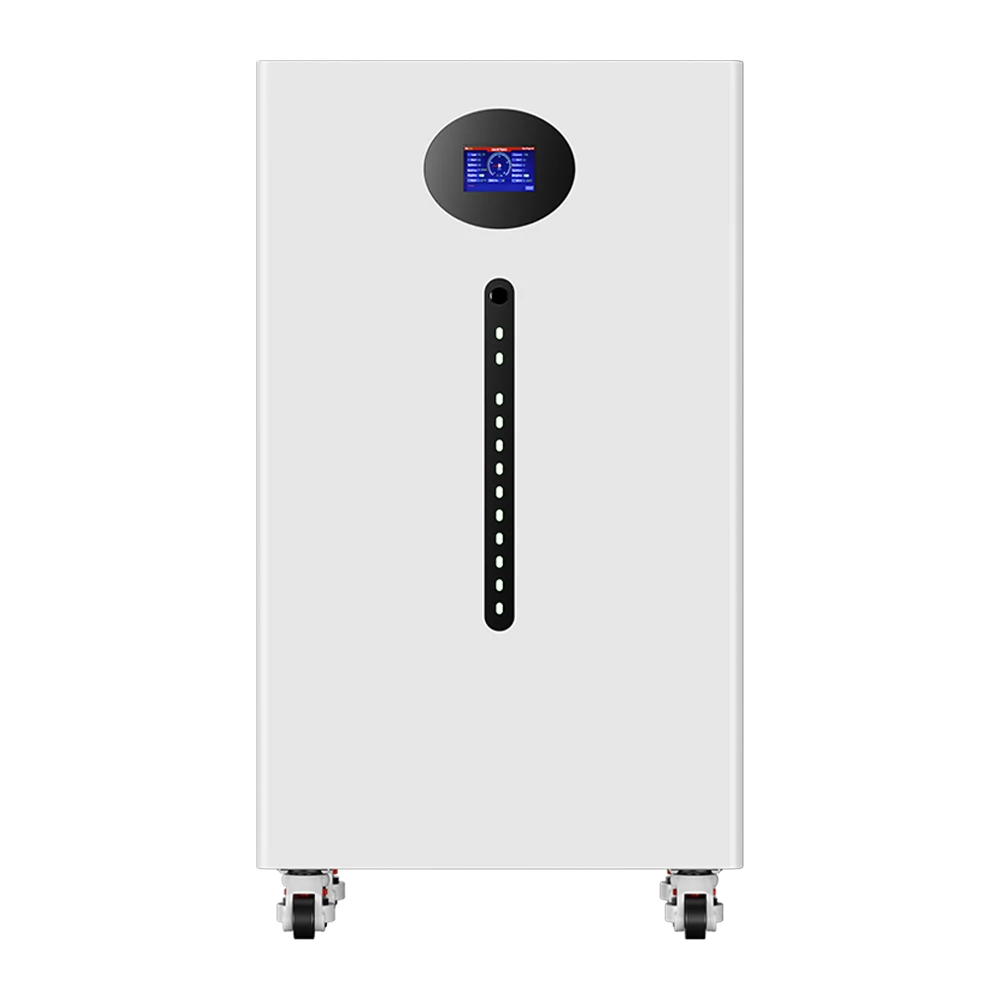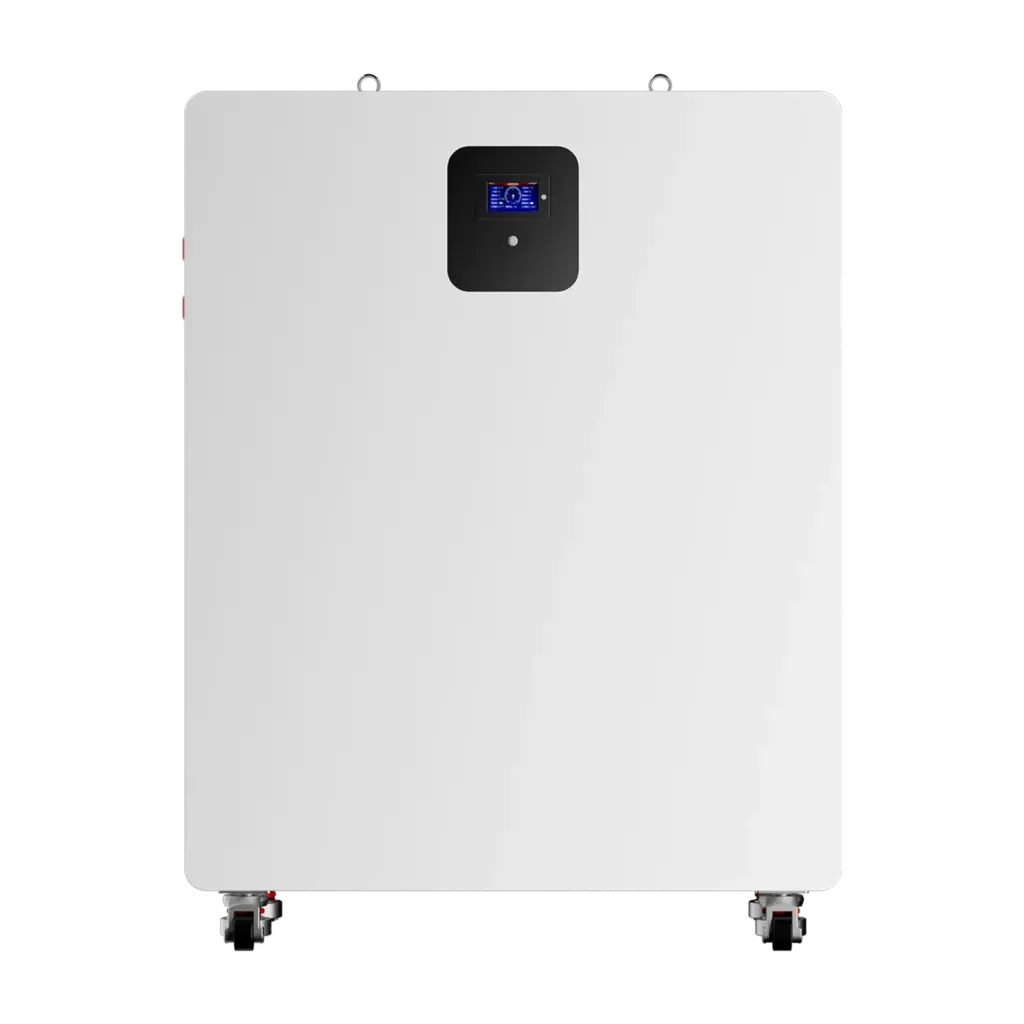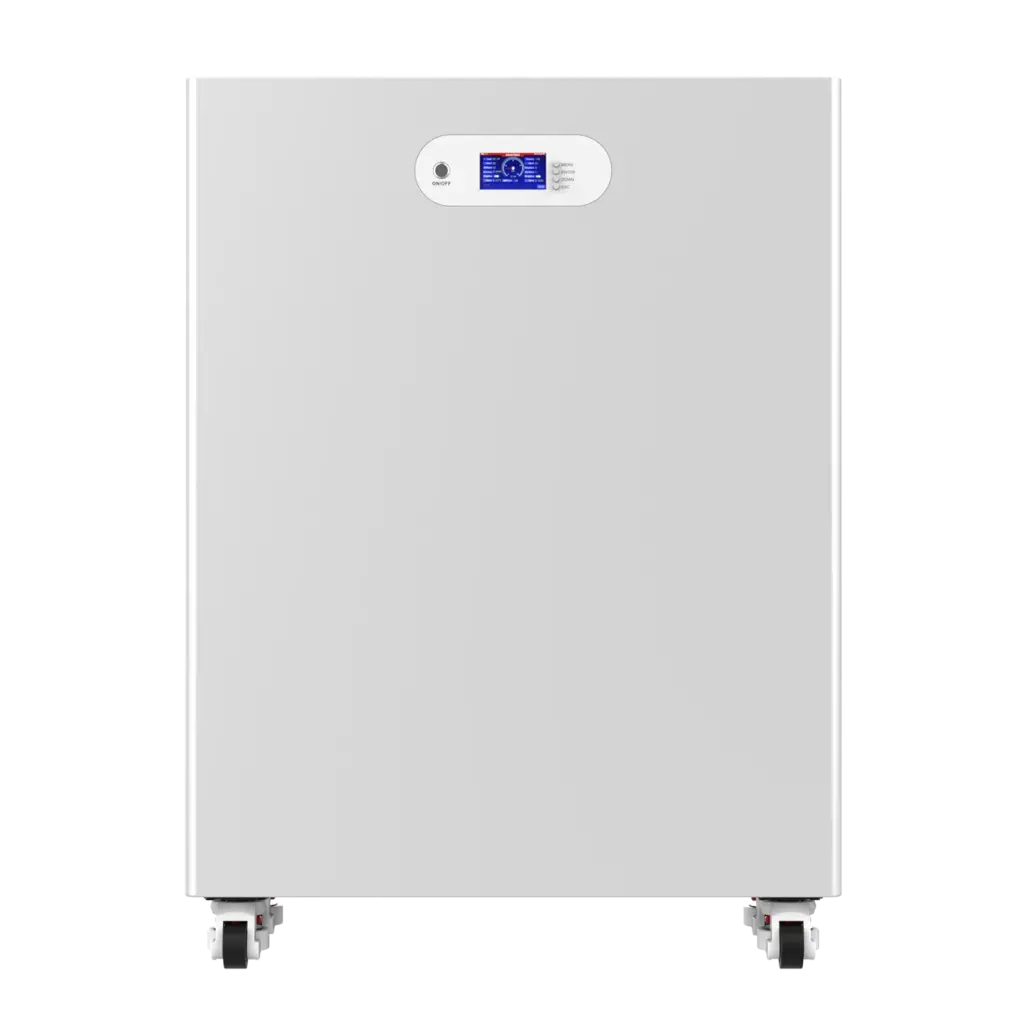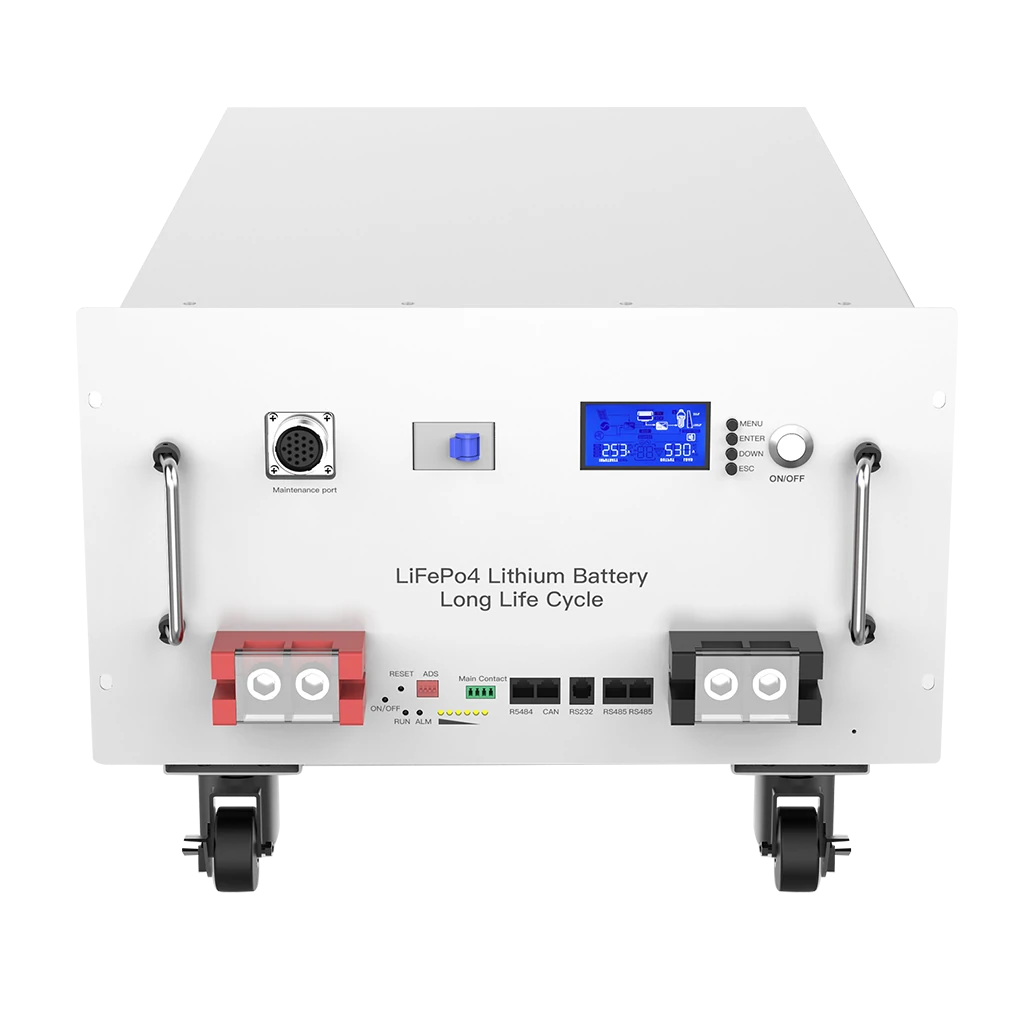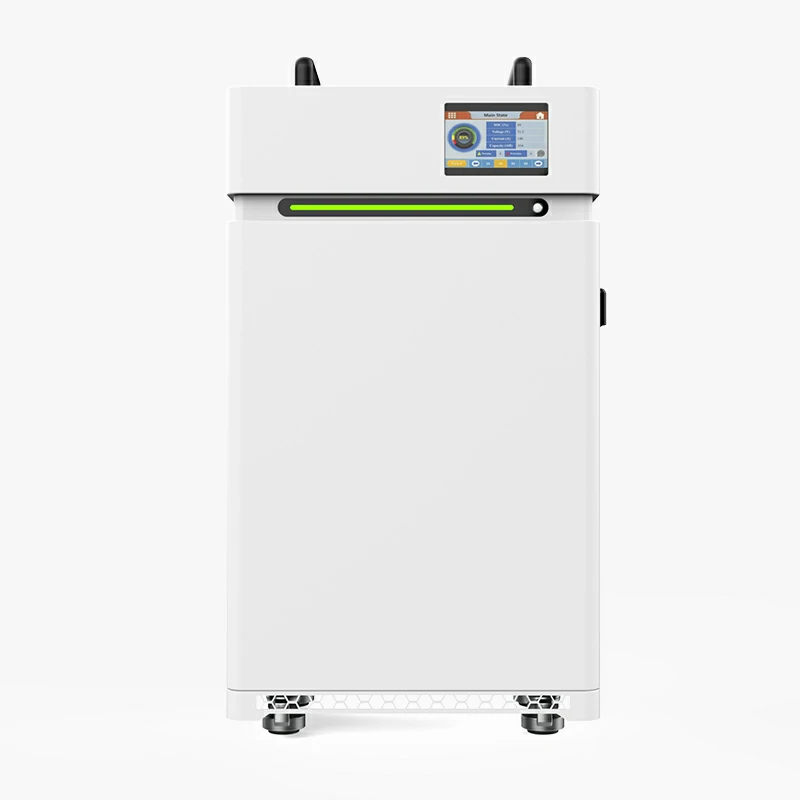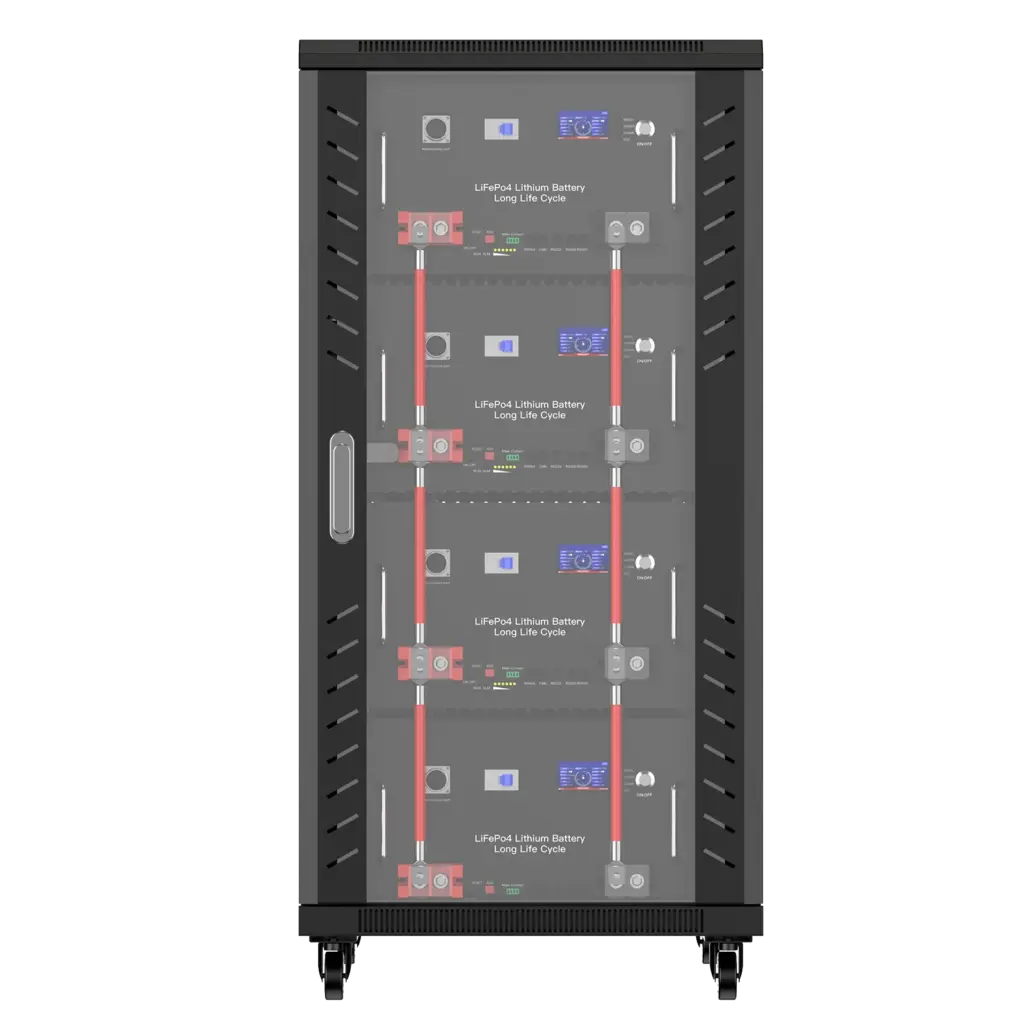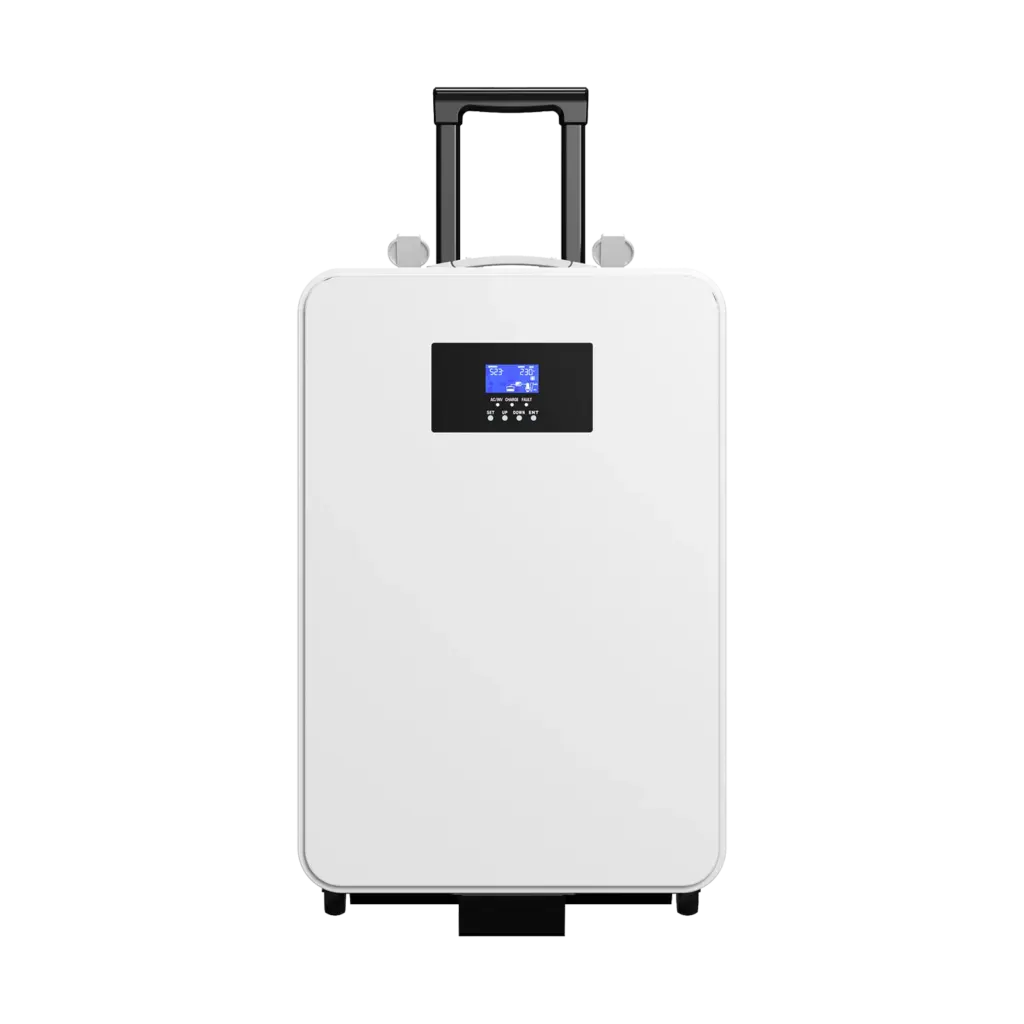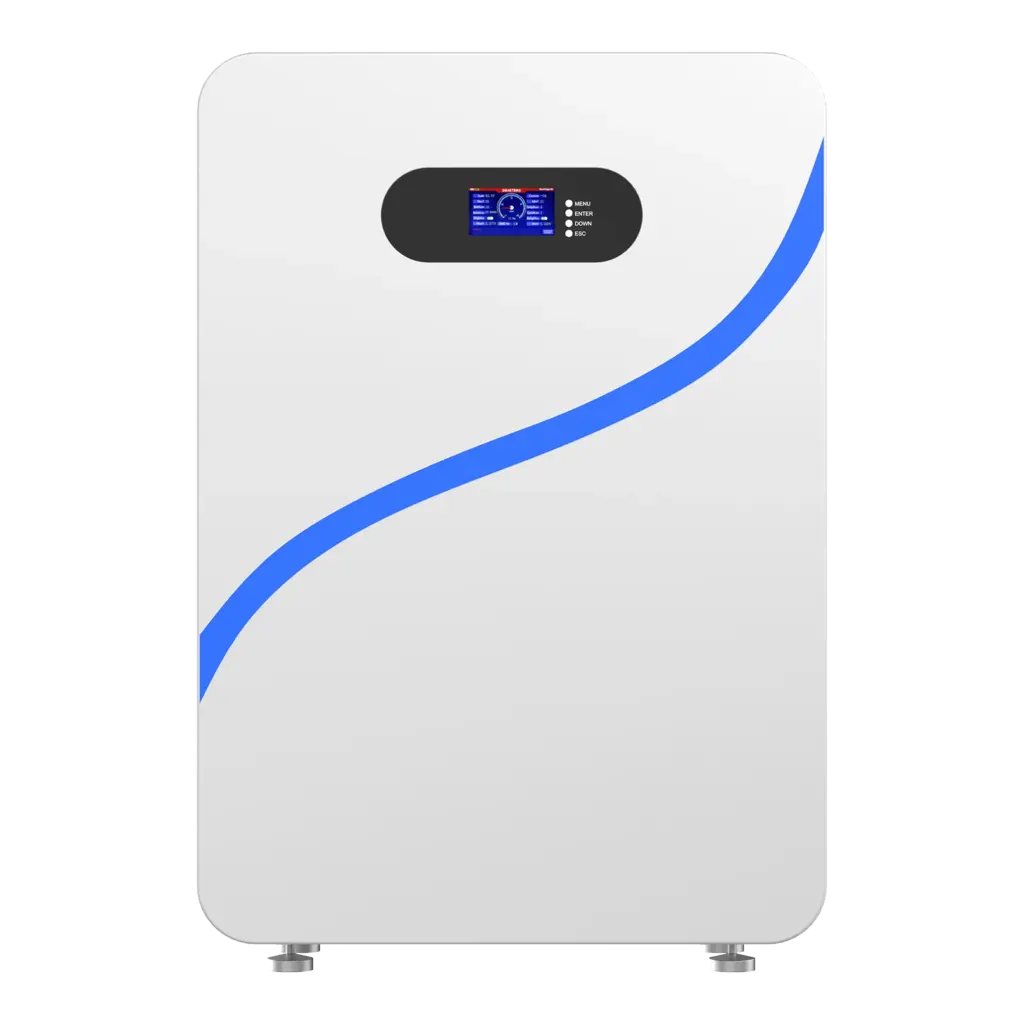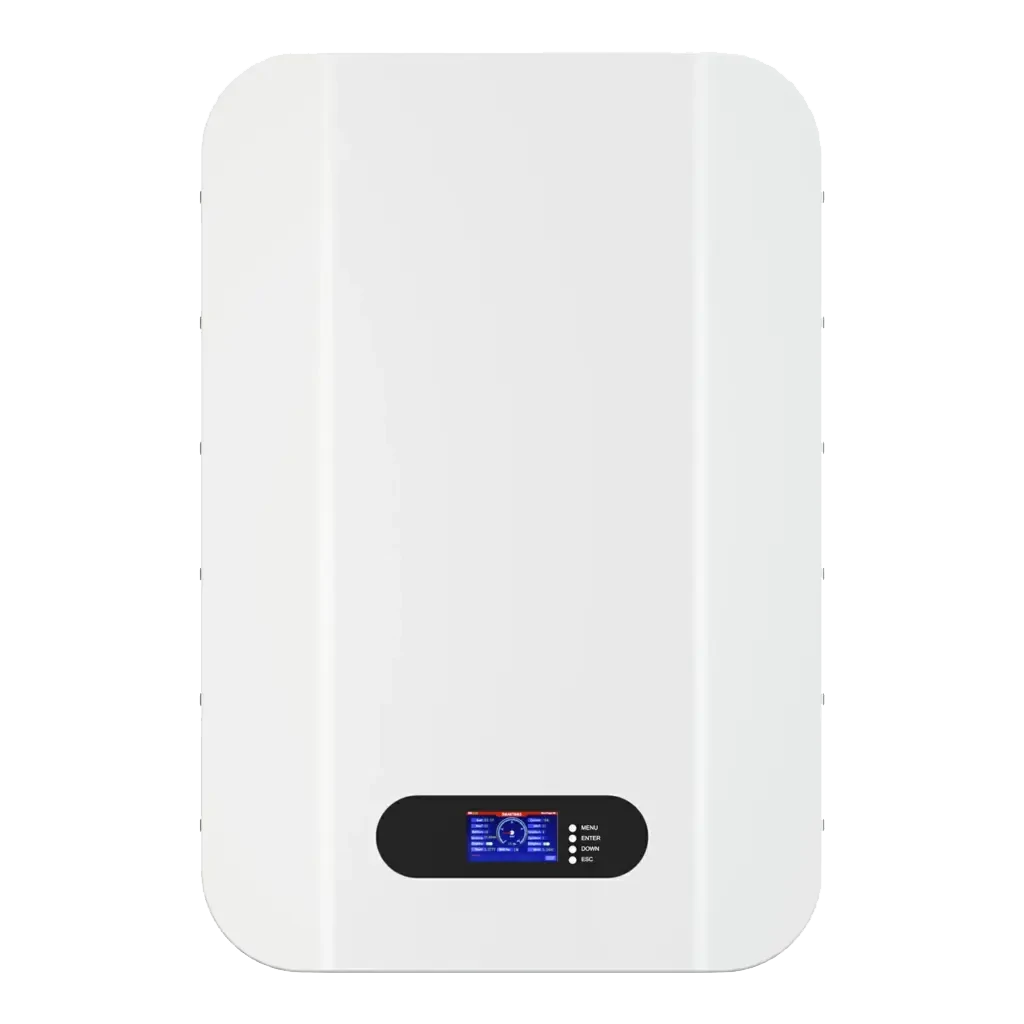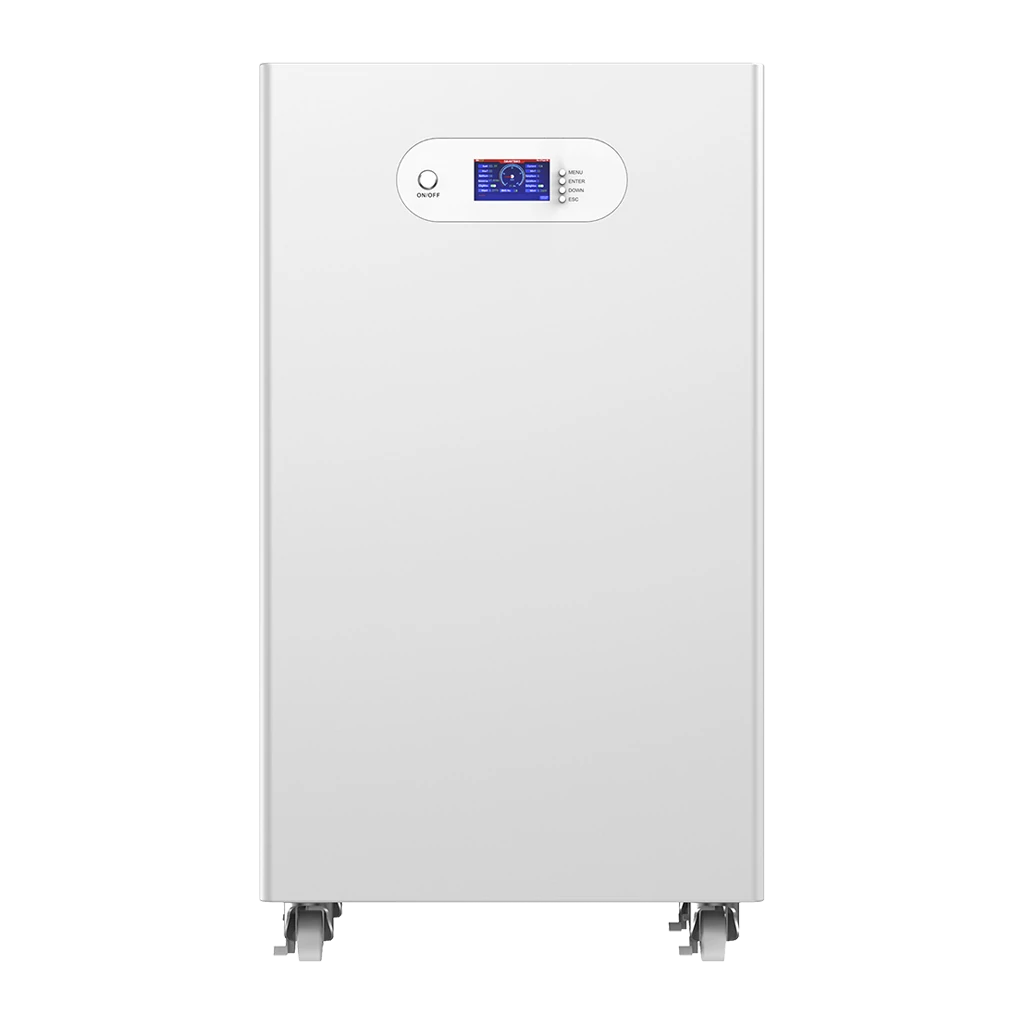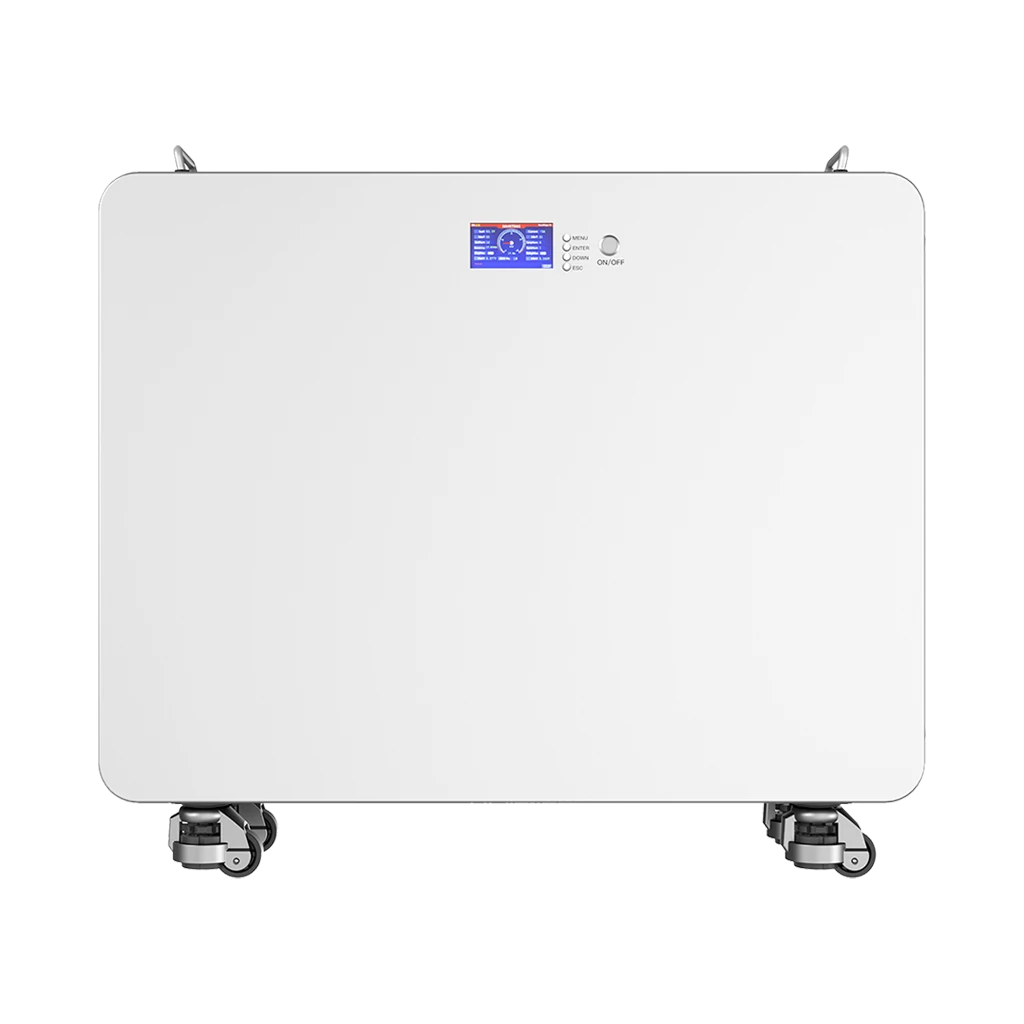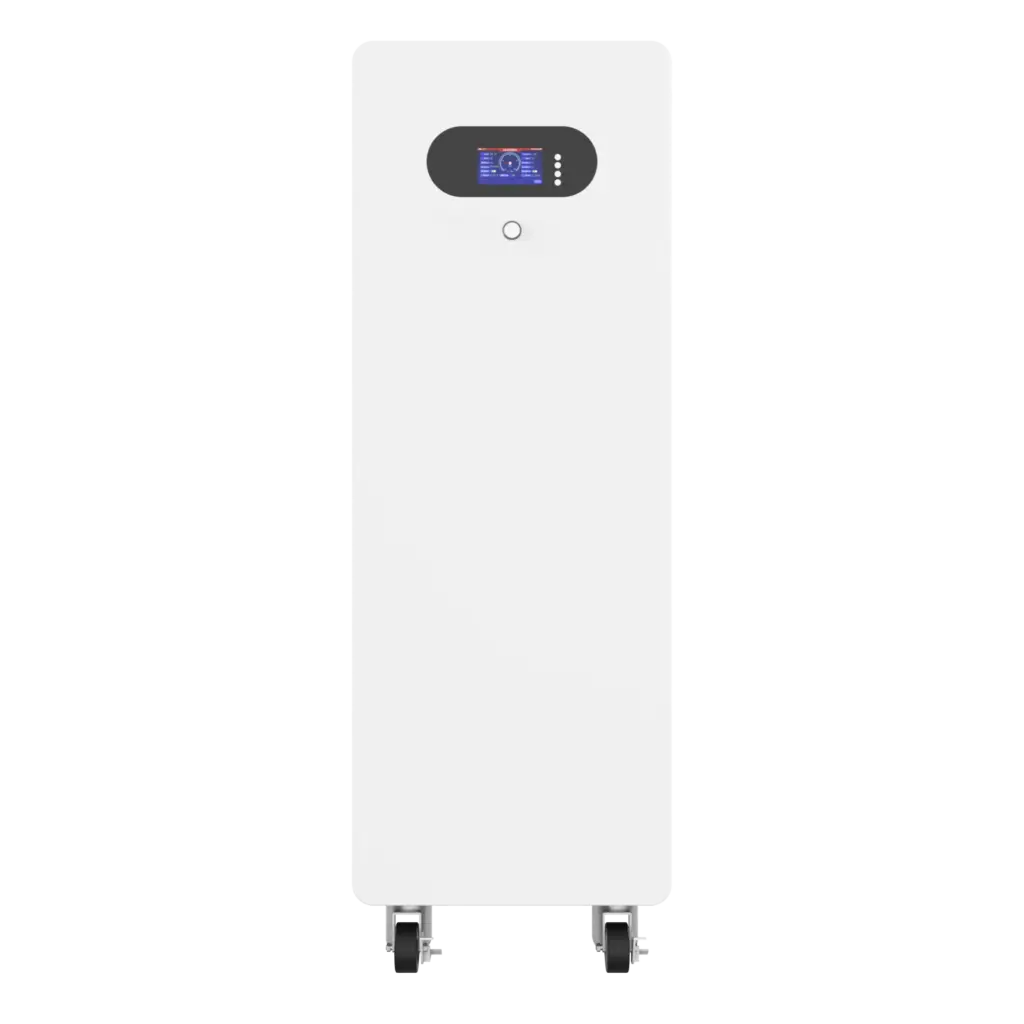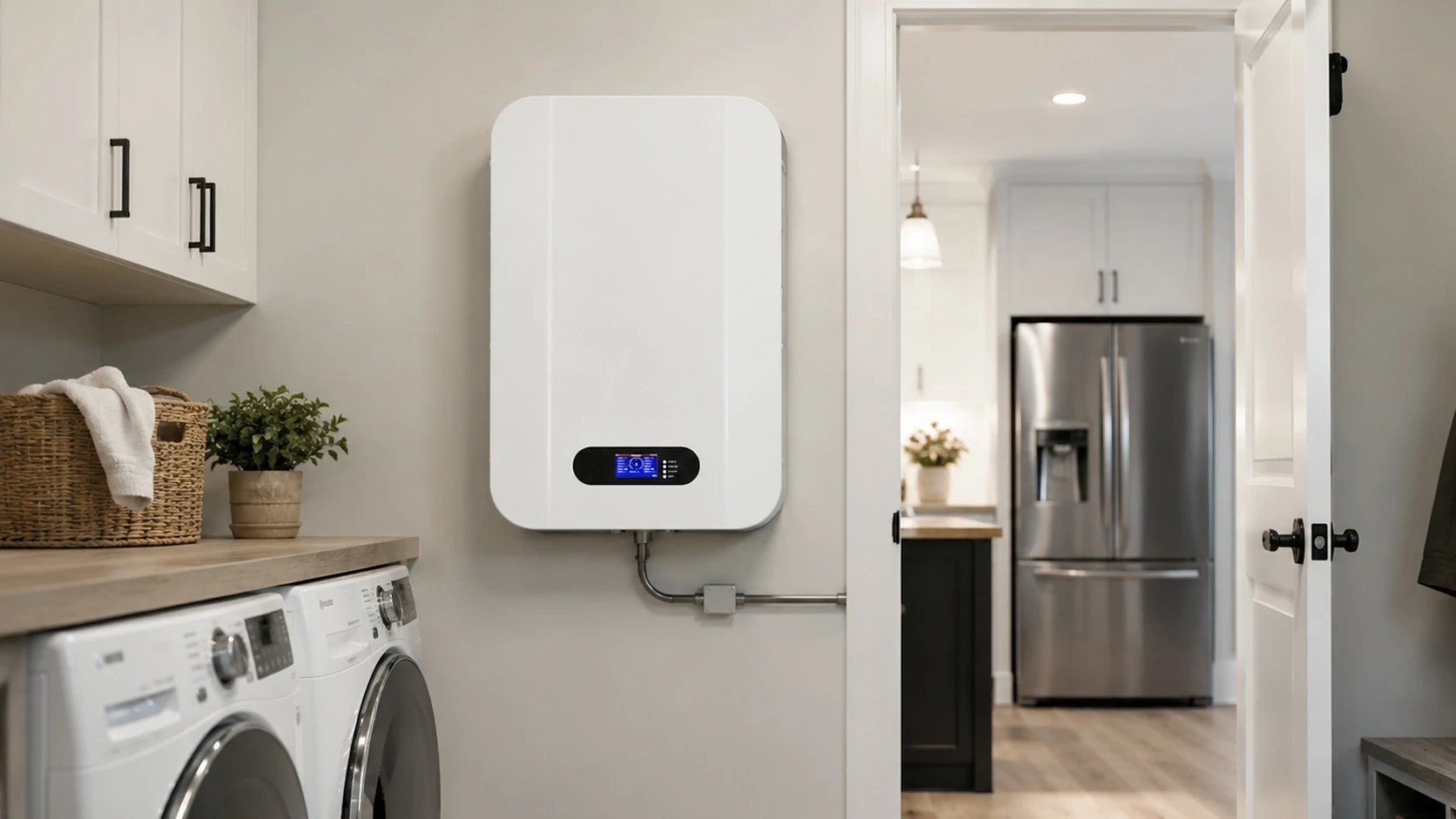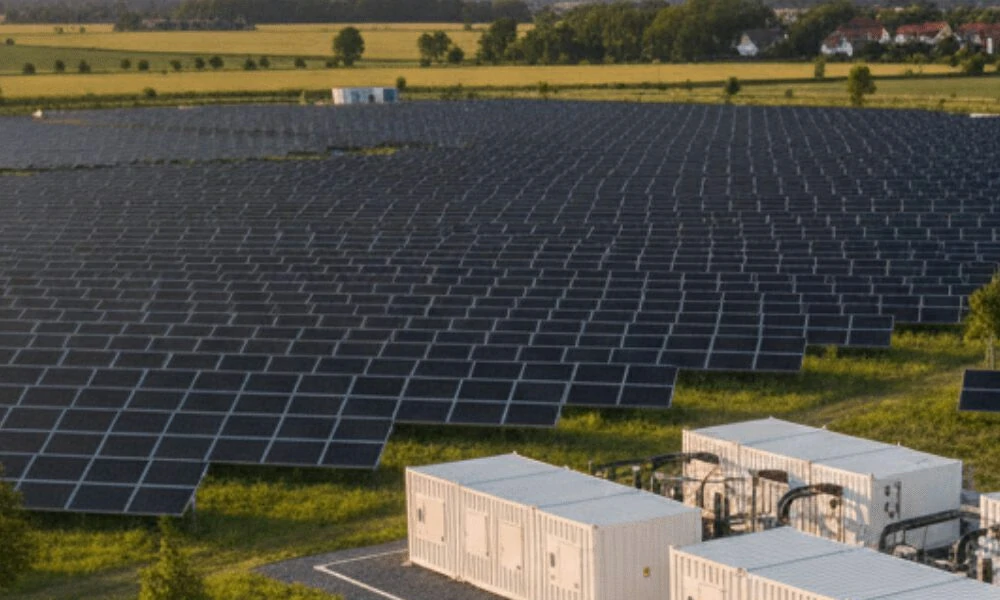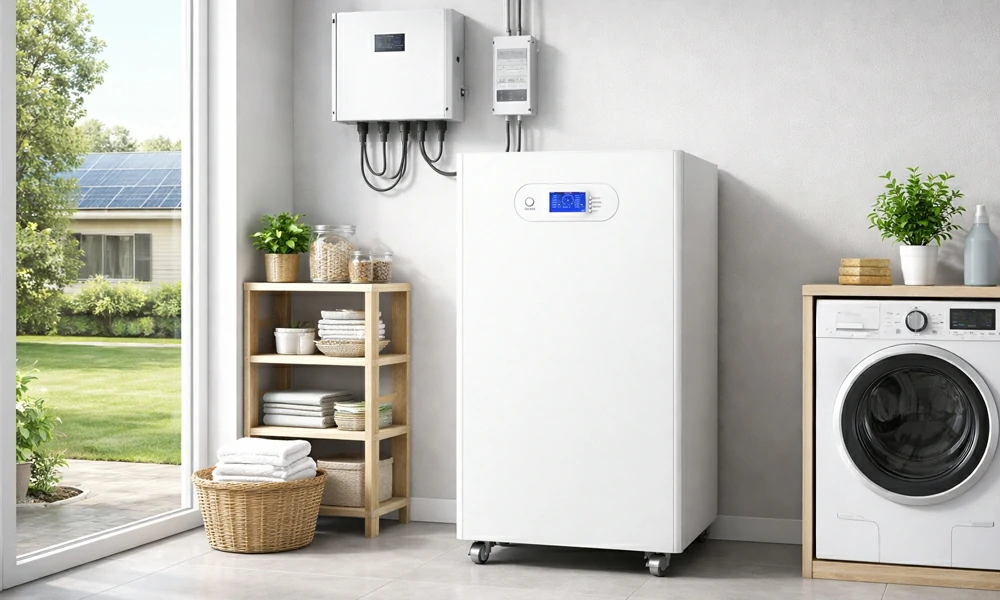

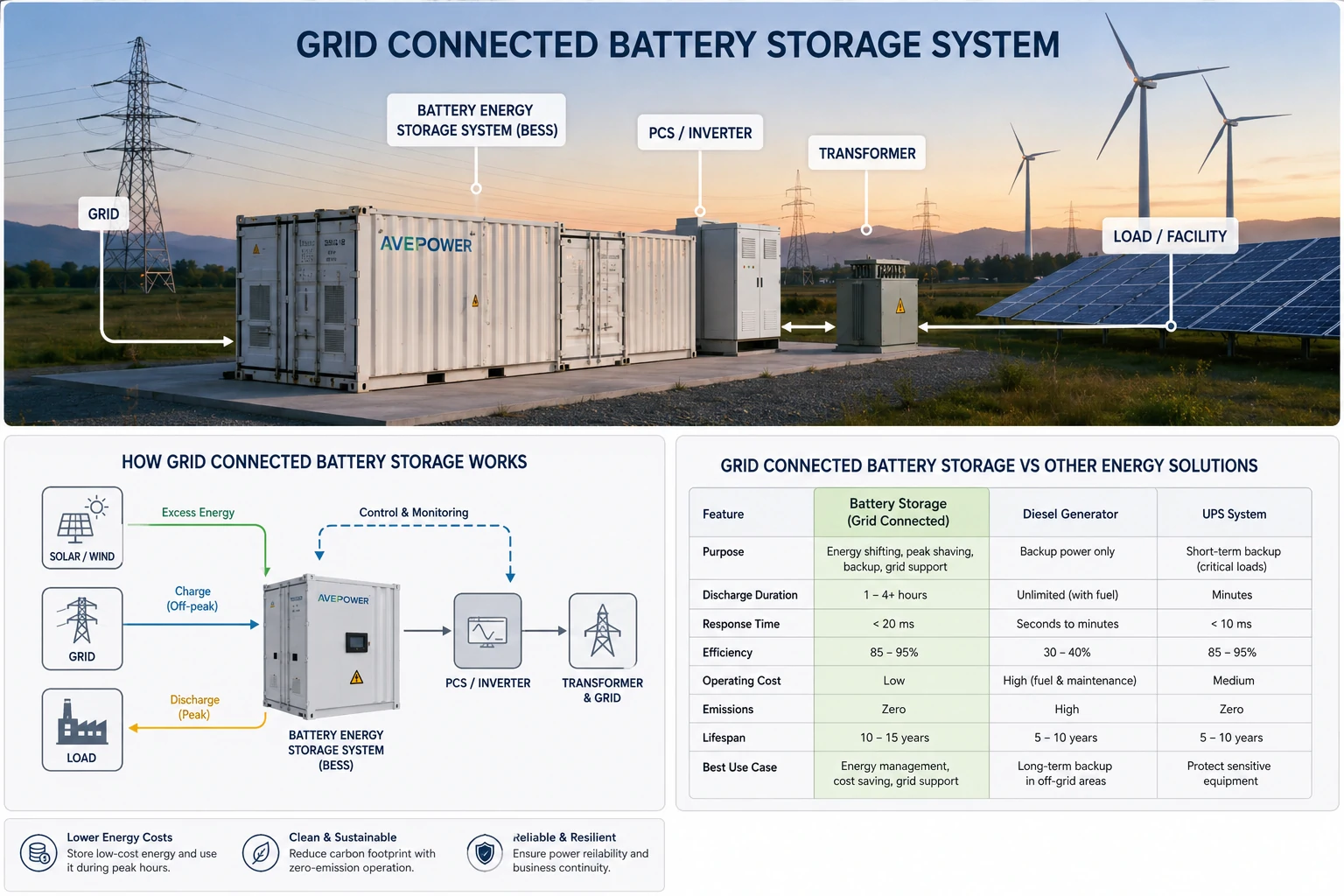
Grid connected battery storage stores electricity from solar generation or the utility grid and releases it when electricity is more valuable or urgently needed. A correctly designed system can increase solar self-consumption, reduce peak demand, control grid imports and exports, and provide backup power—but backup requires dedicated islanding equipment rather than a battery alone.
This guide explains what a grid-connected battery system does, how it differs from hybrid and off-grid storage, how to calculate the required power and capacity, and what installers, businesses and project developers should verify before purchasing equipment.
What Is Grid Connected Battery Storage?
Grid connected battery storage is a battery energy storage system that operates while connected to a public electricity network. It can charge from solar, wind or grid electricity and discharge to local loads or, where permitted, export electricity to the network under the control of an inverter, PCS or energy management system.
The term can describe several different project types:
- A home battery installed behind the electricity meter
- A commercial battery used for peak shaving
- A solar-plus-storage system connected to a distribution network
- A standalone battery that charges from the grid
- A utility-scale BESS connected to a substation
- An aggregated fleet of home batteries participating in a virtual power plant
A grid-connected battery is therefore defined by how it interacts with the electricity network, not by its physical size. A 10kWh home battery and a 100MWh utility project can both be grid connected, although their equipment, approvals and operating objectives are very different.
How Does a Grid-Connected Battery Storage System Work?
A grid-connected battery continuously measures solar production, building demand, battery state of charge, electricity tariffs and grid conditions. Its controller then decides whether to charge, discharge, remain idle or limit exports, while the bidirectional inverter converts electricity between the battery’s DC power and the site’s AC electrical system.
A typical residential or commercial energy flow follows this sequence:
- Solar electricity supplies the building’s immediate loads.
- Surplus solar charges the battery.
- Remaining surplus may be exported if the grid connection agreement permits it.
- When solar production falls, the battery supplies the building.
- The grid supplies any demand that exceeds the battery or inverter limit.
- The battery may also charge from low-cost grid electricity.
- During peak-price periods, stored electricity reduces grid imports.
- During an outage, the system disconnects from the grid before supplying approved backup circuits.
Example Energy Flow
Solar PV
   │
   ▼
Hybrid Inverter or PV Inverter
   │
   ├────────► Building Loads
   │
   ├────────► Battery Storage
   │
   └────────► Utility Grid

Utility Grid
   │
   ├────────► Building Loads
   └────────► Battery Charging

Battery
   │
   └────────► Building Loads or Approved Grid Export
The exact flow depends on the tariff, inverter mode, export limit, backup reserve and local grid requirements.
What Components Does a Grid-Connected BESS Need?
A complete grid-connected BESS needs more than battery modules. It normally combines batteries, a battery management system, bidirectional power conversion, energy management, metering, switchgear, protection, communications and thermal controls so the system can operate within battery, site and utility limits.
| Component | Main Function | Why It Matters |
|---|---|---|
| Battery cells and modules | Store DC energy | Determine capacity, voltage, chemistry and cycle performance |
| BMS | Monitors cells, current and temperature | Prevents operation outside approved battery limits |
| Inverter or PCS | Converts AC to DC and DC to AC | Determines charge and discharge power |
| EMS or system controller | Schedules and optimizes operation | Controls tariffs, solar use, export and peak shaving |
| Smart meter or CT sensors | Measures site import and export | Enables zero-export and load-following control |
| Switchgear and disconnects | Isolate equipment safely | Required for installation, servicing and emergencies |
| Fuses and circuit breakers | Protect against fault current | Reduces electrical and fire risk |
| Thermal management | Controls battery temperature | Supports stable operation and battery life |
| Fire detection or suppression | Detects and controls abnormal events | Important for larger C&I and utility installations |
| Communications | Connects BMS, inverter and EMS | Enables closed-loop control and fault reporting |
Communication compatibility should be treated as a design requirement, not an optional feature. The battery and inverter must support the required CAN or RS485 protocol, message mapping, baud rate, addressing and charge/discharge limit commands.
Installers evaluating Avepower batteries can review the Avepower inverter compatibility list, which identifies supported communication methods and protocol profiles for inverter brands including GoodWe, Growatt, Solis, SMA, Victron, Schneider and others.
What Can Grid Connected Battery Storage Actually Do?
Grid-connected battery storage can create value by shifting energy across time, reducing the highest grid demand, increasing on-site renewable consumption, controlling exports and supporting grid services. However, the financial value depends on the tariff, operating schedule, local market rules, battery degradation and the difference between charging and avoided electricity costs.
| Application | How the Battery Operates | Best-Fit Sites | Important Limitation |
|---|---|---|---|
| Solar self-consumption | Stores excess daytime solar for later use | Homes and solar-powered businesses | Limited value where export credits equal retail prices |
| Time-of-use optimization | Charges at lower prices and discharges at peak prices | Dynamic or TOU tariff customers | Tariff spread must cover losses and degradation |
| Peak shaving | Discharges when site demand exceeds a target | Factories, hotels, retail and EV charging sites | Requires sufficient kW as well as kWh |
| Demand charge reduction | Reduces the billing-period maximum demand | Commercial and industrial facilities | Billing rules differ by utility |
| Export control | Absorbs solar or limits inverter output | Sites with zero-export or restricted-export agreements | Battery may fill before the solar day ends |
| Backup power | Supplies selected loads after grid isolation | Homes, hospitals, telecom and critical facilities | Requires islanding and backup equipment |
| Grid services | Provides frequency response or reserves | Aggregated or utility-scale projects | Market participation and telemetry may be required |
| EV charging support | Supplies short charging peaks | Depots and rapid-charging hubs | Battery recharge rate must match daily demand |
A battery should not automatically be added to every solar project. Where electricity prices are flat, export compensation is generous, outages are rare and demand charges are absent, the economic case may be weak.
Is Grid-Connected Battery Storage the Same as Hybrid or Off-Grid Storage?
Grid connected, hybrid and off-grid systems are related but not identical. A standard grid-connected system operates in synchronization with the utility network, a backup-capable hybrid system can disconnect and form a local electrical supply, and an off-grid system must continuously maintain voltage and frequency without relying on a utility reference.
| Feature | Grid-Connected | Hybrid/Backup-Capable | Off-Grid |
|---|---|---|---|
| Connected to utility | Yes | Yes during normal operation | No |
| Can charge from grid | Usually | Usually | No utility grid |
| Can export electricity | Where approved | Where approved | No |
| Works during grid outage | Not automatically | Yes, within backup design limits | Yes |
| Requires islanding equipment | Not for normal grid operation | Yes | System permanently operates independently |
| Typical objective | Bill savings and grid services | Savings plus resilience | Energy autonomy |
| Battery sizing | Based on economics and selected loads | Based on economics and backup loads | Based on worst-case energy autonomy |
| Generator integration | Optional | Optional | Often recommended |
Most grid-connected homes remain dependent on the grid during prolonged periods of low solar generation. This is normally more economical than installing enough solar and batteries to cover the worst seasonal weather conditions.
For a broader comparison, see Avepower’s guide to off-grid and on-grid solar systems.
Should You Choose AC-Coupled or DC-Coupled Storage?
AC coupling is generally easier for retrofitting an existing solar system because the battery uses its own inverter, while DC coupling can reduce conversion stages in a new solar-plus-storage design. Neither architecture is universally better; the correct choice depends on existing equipment, backup requirements, export control and inverter compatibility.
| Factor | AC-Coupled Battery | DC-Coupled Battery |
|---|---|---|
| Connection point | AC side of the electrical system | DC side of a hybrid inverter |
| Best application | Existing solar retrofit | New solar-plus-storage installation |
| Battery inverter | Separate | Usually shared hybrid inverter |
| Retrofit complexity | Usually lower | Existing PV inverter may need replacement |
| Solar-to-battery conversion | DC–AC–DC | DC–DC |
| Grid charging | Usually supported | Depends on inverter and settings |
| Expandability | Often flexible | Limited by hybrid inverter design |
| Backup integration | Requires coordinated controls | Often integrated into hybrid platform |
| Failure independence | PV and battery inverters may operate separately | Shared inverter can become a single point of failure |
A site with a functioning grid-tied PV inverter may benefit from an AC-coupled retrofit. Avepower’s guide to adding battery storage to an existing solar system explains the main retrofit considerations.
How Do You Size Grid Connected Battery Storage?
Correct sizing starts with the operating objective rather than a preferred battery model. Calculate the required discharge power in kW, the required usable energy in kWh, the permitted depth of discharge, conversion losses, reserve state of charge, solar recharge potential and grid export limit before selecting the battery and inverter.
Step 1: Define the Main Objective
Choose one primary design objective:
- Store daytime solar for evening use
- Reduce maximum grid demand
- Avoid peak electricity prices
- Support critical loads during outages
- Limit solar exports
- Support EV charging
- Provide grid or ancillary services
One battery can perform several functions, but competing objectives must be prioritized. For example, a battery kept nearly empty for midday solar capture may not maintain enough energy for emergency backup.
Step 2: Calculate Required Power
Battery power is measured in kW.
For peak shaving:
Required Battery Power =
Site Peak Demand − Target Grid Demand
A site peaking at 180kW with a 120kW grid target requires at least:
180kW − 120kW = 60kWThe inverter or PCS must continuously deliver at least 60kW under the expected temperature and state-of-charge conditions.
Step 3: Calculate Required Energy
Battery energy is measured in kWh.
Load-Side Energy =
Required Battery Power × Discharge Duration
For a 60kW reduction lasting 2.5 hours:
60kW × 2.5h = 150kWhStep 4: Adjust for Efficiency and Usable Depth of Discharge
The battery must store more than the load receives because some capacity is reserved and some energy is lost.
Nominal Battery Capacity =
Required Load Energy ÷
(System Efficiency × Usable Depth of Discharge)
Using 92% system efficiency and 90% usable depth of discharge:
150kWh ÷ (0.92 × 0.90)
= 181.2kWh
Adding a 10% operational reserve:
181.2kWh × 1.10
= 199.3kWh
This site therefore needs approximately 200kWh of nominal battery capacity and at least 60kW of continuous output.
NREL emphasizes that power capacity, energy capacity and duration are different design characteristics. A 1MW battery with 4MWh of usable energy, for example, has a four-hour duration at full rated power.
Step 5: Check Recharge Energy
A battery that discharges 150kWh each day must receive more than 150kWh during charging because of system losses.
Confirm:
- Available solar surplus
- Off-peak charging window
- Maximum charge power
- Grid import limit
- Expected daily cycling
- Seasonal solar production
- Required backup reserve
Step 6: Check Export and Connection Limits
The site’s approved export capacity may be lower than the combined nameplate rating of the solar inverter and battery PCS.
The Avepower recommends distinguishing nameplate capacity from actual export capacity when evaluating storage and solar-plus-storage systems. Export-limited controls can sometimes avoid unnecessary network upgrades, but the limits must be enforceable and accepted by the utility.
What Does a Real 100kW/215kWh C&I System Look Like?
A 100kW/215kWh commercial battery is well suited to a site requiring roughly 60–100kW of peak support for two to three hours. The final suitability still depends on the usable energy window, temperature, degradation allowance, recharge opportunity and whether backup, arbitrage and peak shaving compete for the same capacity.
Avepower supplied a 215.04kWh liquid-cooled C&I energy storage project in Germany with the following project specifications:
| Project Parameter | Value |
|---|---|
| Battery capacity | 215.04kWh |
| Rated power | 100kW |
| Battery chemistry | LFP |
| Cooling | Liquid cooling |
| Enclosure protection | IP54 |
| Design | Integrated BMS, PCS, EMS, thermal management and fire protection |
The system was designed for commercial power optimization, peak-load management, backup support and smart energy management.
Using the earlier illustrative load profile, a 215.04kWh battery with 90% usable depth of discharge and 92% system efficiency could supply approximately:
215.04 × 0.90 × 0.92
= 178.1kWh at the load
At a 60kW discharge rate:
178.1kWh ÷ 60kW
= approximately 2.97 hours
This means the system could theoretically cover the calculated 2.5-hour peak while retaining some margin. This is an illustrative calculation, not the measured operating profile of the German project.
For large custom installations, Avepower also offers commercial battery energy storage solutions and custom high-voltage battery systems.
Case Example: 640kWh Grid-Connected Hotel BESS
Avepower’s Afghanistan hotel project demonstrates how grid-connected storage can combine solar self-consumption, peak management and backup instead of performing only one function. The 640kWh system uses 20 parallel 32kWh LFP batteries, smart inverters and an EMS, with operating modes that support grid-connected use and controlled switching to off-grid operation.
| Project Item | Configuration |
|---|---|
| Application | Hotel solar storage, peak shaving and backup |
| Total battery energy | 640kWh |
| Battery configuration | 20 × 32kWh |
| Single battery | 51.2V, 628Ah |
| Chemistry | LiFePO4 |
| Control | Energy management system |
| Power conversion | Project-matched smart inverters |
| Operating modes | Grid-connected and off-grid |
| Main functions | Solar storage, load shifting, peak shaving and backup |
During normal grid-connected operation, the system can store excess PV generation and schedule discharge during high-demand periods. During a suitable outage condition, the inverter and switching architecture can separate supported loads from the utility network and maintain critical hotel functions.
The project illustrates why a BESS must be designed as a complete system rather than purchased as battery capacity alone. Parallel batteries, busbars, overcurrent protection, current sharing, inverter control, EMS scheduling and backup switching must all be engineered for the final site.
At a larger scale, Avepower also developed a 522.5kWh, 832V high-voltage grid-ready ESS for a Lithuanian partner. The four-cabinet design uses two parallel high-voltage clusters and supports CAN/RS485 communication for C&I grid-support and renewable-integration applications.
When Does Grid Connected Battery Storage Make Financial Sense?
A grid-connected battery is most attractive when the site has a meaningful tariff spread, high demand charges, restricted solar exports, regular peak loads, valuable backup requirements or access to grid-service revenue. It is less attractive where electricity prices are flat, export credits are generous and the battery would cycle infrequently.
Evaluate these factors:
Tariff Spread
The difference between charging cost and avoided peak electricity cost must cover:
- Charging losses
- Inverter losses
- Battery degradation
- Maintenance
- Financing
- Software or aggregation fees
A simple screening formula is:
Annual Gross Energy Value =
Annual Discharged Energy ×
(Avoided Electricity Price − Adjusted Charging Cost)
Demand Charges
For commercial sites, the value of reducing one monthly demand peak can exceed the value of ordinary energy arbitrage. However, the battery must respond at the exact time used by the utility’s demand calculation.
Solar Export Compensation
A battery is more valuable when exported solar receives substantially less than imported electricity costs. It stores low-value surplus solar and replaces higher-value grid imports later.
Battery Utilization
An oversized battery may spend much of the year underused. A smaller system with a predictable daily duty cycle can sometimes produce a better return than a larger backup-focused system.
Value Stacking
Commercial systems may combine:
- Solar self-consumption
- Peak shaving
- Tariff arbitrage
- Backup reserve
- EV charging support
- Grid services
These services should not be double-counted. The same stored kWh cannot simultaneously serve an evening load, remain reserved for an outage and be sold into a grid-services market.
Can a Grid-Connected Battery Work During a Blackout?
A grid-connected battery can provide power during an outage only when the system includes approved islanding controls, a grid-forming inverter, transfer equipment and correctly wired backup loads. A standard grid-following inverter must normally stop energizing the grid after a utility failure to protect equipment and utility workers.
A backup-capable system may require:
- Hybrid or grid-forming inverter
- Automatic transfer switch or backup gateway
- Utility isolation contactor
- Essential-load or whole-home backup panel
- Neutral and earthing arrangement approved for island mode
- Black-start capability
- Battery reserve state of charge
- PV restart and curtailment control
- Generator coordination where applicable
The system must disconnect from the utility before energizing local circuits. This is the difference between intentional islanding and unsafe unintentional islanding.
Avepower’s explanation of islanding in solar power systems also covers why standard grid-tied systems normally shut down during an outage.
Which Avepower System Fits Different Grid-Connected Projects?
Avepower offers different battery architectures for residential installers, distributors, commercial projects and high-voltage system integrators. The correct choice depends on the inverter voltage, required power, communication protocol, backup design, installation environment and whether the project needs a standard product or an OEM/ODM configuration.
| Project Requirement | Relevant Avepower Option | Decision Value |
|---|---|---|
| Residential solar self-consumption | 51.2V 314Ah 16kWh vertical battery | Modular 48V-class storage with inverter communication |
| Larger home or small commercial backup | 48V 600Ah 30kWh battery | Higher capacity and 300A BMS platform |
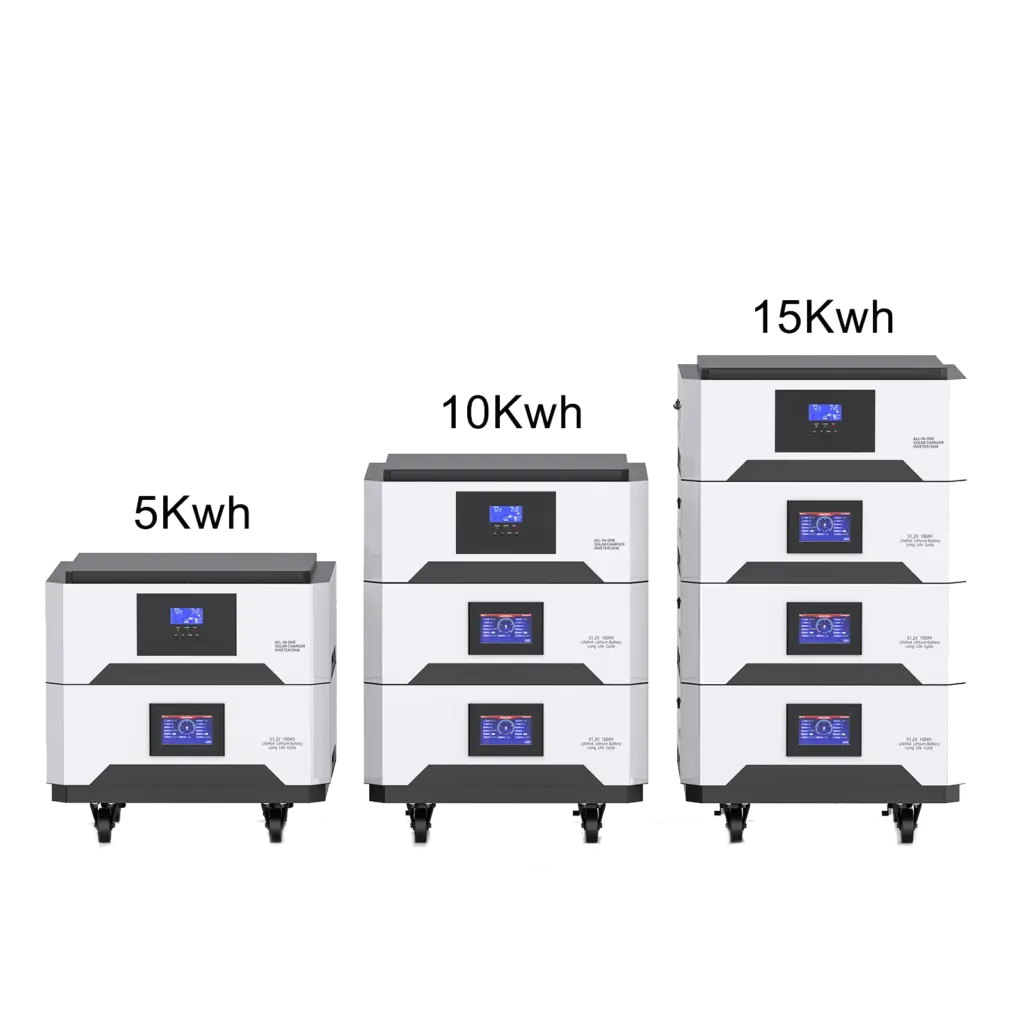
| Integrated home installation | 15kWh battery with 6kW inverter | Battery, inverter and MPPT in one cabinet |
| Commercial peak shaving | Commercial energy storage solutions | Integrated BMS, PCS, EMS, cooling and protection |
| High-voltage C&I project | Custom high-voltage battery system | Custom voltage, cabinet and communication design |
| Private-label product program | OEM/ODM battery customization | Custom appearance, protocol, documentation and packaging |
The Avepower 16kWh vertical battery uses a 51.2V, 314Ah LFP configuration with CAN, RS485 and RS232 communication. It supports up to 16 batteries in parallel, a standard charge current of 62.8A, up to 157A continuous discharge and a short-duration maximum discharge of 200A. The published specification lists more than 8,000 cycles at 80% depth of discharge under stated test conditions.
For larger projects, Avepower’s Lithuania case used a 522.496kWh, 832V high-voltage system arranged in four 42U cabinets for C&I, renewable integration and grid-support applications.
These product specifications are starting points, not automatic system approvals. The inverter model, firmware, protocol, local certification and grid connection must still be confirmed for each project.
Take Control of Your Energy with Avepower!
Reliable home solar battery solutions with OEM/ODM customization and in-house manufacturing, tailored to the needs of distributors, installers, and energy partners.
What Are the Main Limits and Risks?
Grid-connected battery storage is highly flexible, but it is not a universal solution for seasonal energy shortages, unlimited backup or every electricity tariff. Project performance can be reduced by battery degradation, poor dispatch logic, grid restrictions, communication failures, temperature, underutilization and inaccurate assumptions about future energy prices.
Important limitations include:
Battery Degradation
Available capacity and maximum power can decline with calendar age and cycling. Financial models should include retained capacity, augmentation or replacement rather than assuming the year-one output continues throughout the project life.
Limited Duration
Most batteries are designed for hours rather than weeks or seasons. The IEA reported that most new projects still clustered around two hours in 2025, although four-hour and longer systems were becoming more common.
Grid Connection Delays
Equipment may be available before the project receives utility approval. Grid studies, protection requirements, transformer upgrades and export limits can control the schedule.
Competing Operating Objectives
Holding a high backup reserve reduces the energy available for arbitrage or solar capture. Frequent deep cycling may increase short-term savings but also affects battery degradation.
Communication and Cybersecurity
Connected batteries depend on inverters, meters, cloud platforms and remote communications. Access controls, firmware management and secure communication should be included in project risk assessments.
Poor Economic Fit
A technically successful battery may still produce a weak return where tariff spreads and demand charges are low. Run the project using actual interval load data, not only monthly electricity bills.
Conclusion: Is Grid Connected Battery Storage Right for Your Project?
Grid connected battery storage is most valuable when it solves a clearly measured problem: unused solar generation, high time-of-use prices, demand peaks, grid constraints, renewable variability or costly outages. The right system must combine adequate kW and kWh ratings with compatible inverters, intelligent controls, approved protection and a realistic operating strategy.
Do not begin by asking only how large the battery should be. Begin with the site load profile, electricity tariff, solar generation, grid rules, backup requirement and expected operating schedule.
Avepower supports installers, distributors, EPCs and project developers with scalable residential batteries, commercial energy storage solutions and custom high-voltage BESS configurations. Share your required capacity, grid voltage, inverter model, load profile and application with the Avepower engineering team to receive a project-matched battery configuration and integration recommendation.
Plan Your Grid-Connected Battery Storage Project
Contact Avepower to discuss system capacity, voltage architecture, inverter communication, OEM/ODM requirements and project documentation.
FAQ
Yes. A standalone grid-connected battery can charge from the utility during lower-cost periods and discharge during peak-price periods. Its value depends on the tariff spread, efficiency, battery degradation and whether grid charging is allowed under the tariff or incentive program.
No. The system can be configured for full export, limited export or zero export, depending on the inverter, meter, control system and grid agreement. Export controls must be approved and correctly commissioned.
Yes, provided the electrical system, inverter arrangement and connection approval support the retrofit. AC-coupled batteries are commonly considered for existing solar systems, while replacing the PV inverter with a hybrid inverter may enable DC coupling.
Only when the battery, inverter, transfer equipment and wiring are designed for whole-home backup. Many systems serve only selected essential circuits, and large loads may exceed the inverter’s continuous or surge power.
LFP is currently the dominant stationary battery chemistry because of its cost, cycling suitability and thermal characteristics. Other technologies may be more appropriate for very long-duration storage, extreme temperatures or specialized grid services.
Usually not. Grid fees, fixed charges, seasonal energy deficits, power limits and battery losses remain. A battery can reduce imports and peak costs, but the result depends on the tariff and system design.