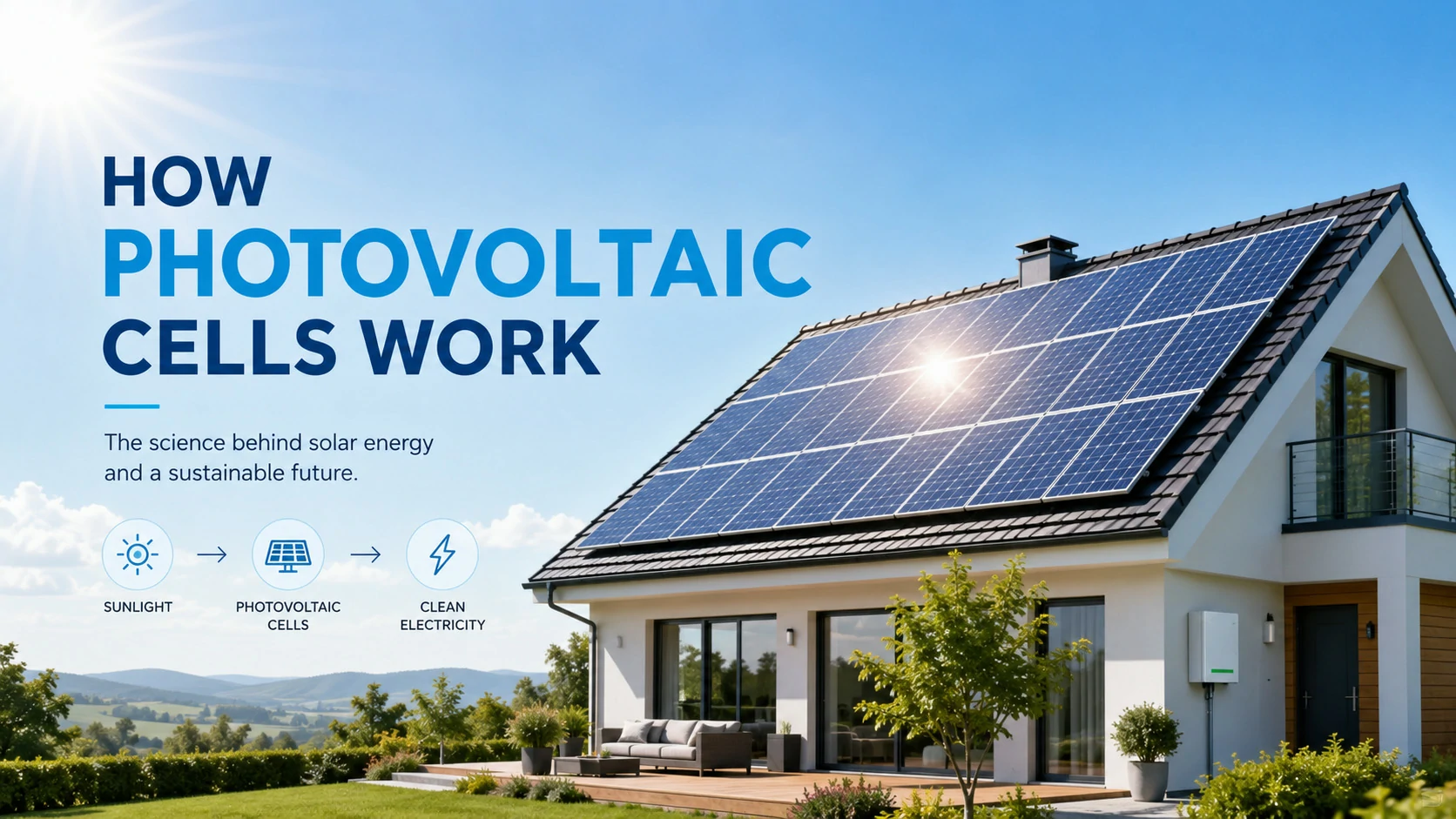
Photovoltaic cells work by converting light energy directly into electrical energy. When sunlight reaches a photovoltaic cell, the cell absorbs photons from the light. This energy excites electrons inside a semiconductor material, usually silicon, and allows those electrons to move. That movement creates direct current electricity, also known as DC electricity.
This process is called the photovoltaic effect. It is the basic reason solar panels can generate electricity without fuel, moving mechanical parts, or combustion.
What Is a Photovoltaic Cell?
A photovoltaic cell, often called a PV cell or solar cell, is the smallest working unit in a solar panel. It is an electronic component designed to absorb light and convert part of that light into electricity.
The word photovoltaic comes from two ideas. “Photo” refers to light, and “voltaic” refers to electricity or voltage. In simple terms, photovoltaic means creating electricity from light.
Most commercial PV cells are made from silicon, a semiconductor material. Silicon is useful because it is not a perfect electrical conductor like metal, but it is also not a complete insulator. With the right treatment during manufacturing, silicon can help control the movement of electrons when light hits the cell.
A single PV cell produces only a small amount of electricity. To create useful power for homes, businesses, farms, telecom rooms, or solar projects, many PV cells are connected together to form a solar panel. Multiple solar panels can then be connected together to form a solar array.
How Do Photovoltaic Cells Work?
Photovoltaic cells work through a step-by-step process:
- Sunlight reaches the solar cell.
- Light particles called photons hit the semiconductor material.
- Some photons are absorbed by the cell.
- The absorbed energy frees electrons from atoms in the semiconductor.
- An internal electric field pushes electrons in a controlled direction.
- Metal contacts collect the moving electrons.
- The movement of electrons creates direct current electricity.
When light shines on a PV cell, the light may be reflected, absorbed, or pass through the cell. Only the absorbed light contributes to electricity generation.
This is why solar panel quality, cell material, sunlight intensity, temperature, installation angle, and shading all affect how much electricity a PV system can produce.
Turn Solar Power into Usable Energy Storage
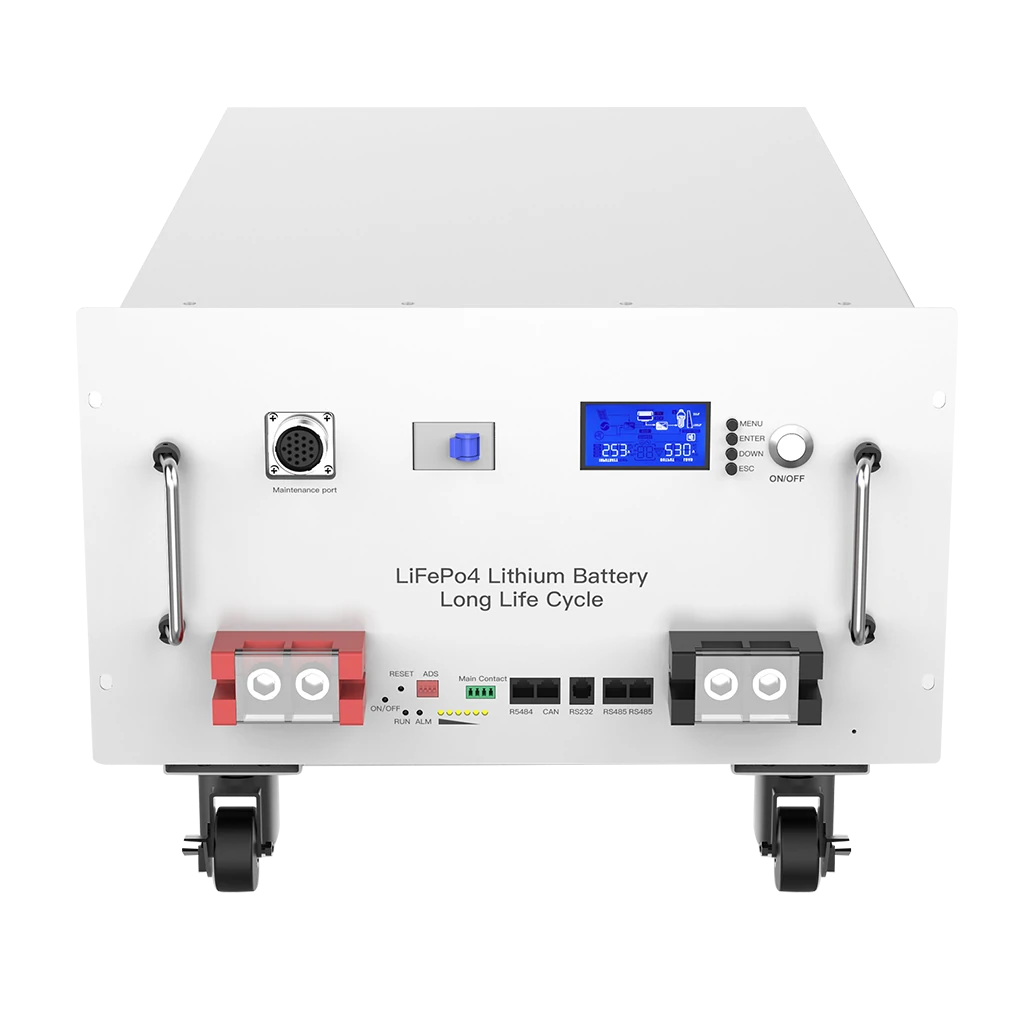
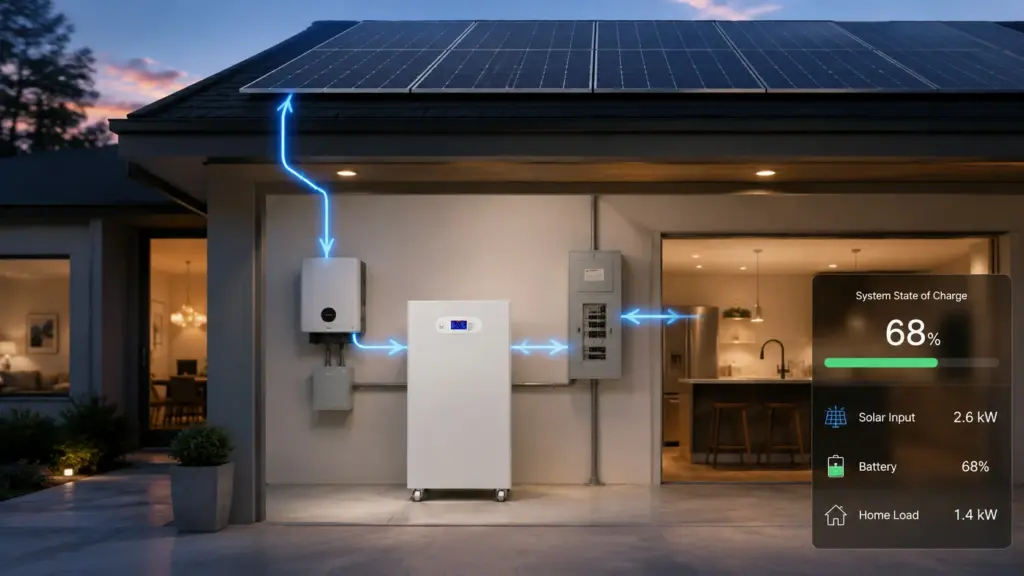
Photovoltaic cells generate electricity during daylight, but a battery system helps you store that power for later use. Avepower provides LiFePO4 solar battery storage solutions for homes, installers, distributors and energy storage projects.
Step-by-Step Process of Solar Electricity Generation
To understand the process more clearly, it helps to break solar electricity generation into several steps.
Step 1. Sunlight Reaches the Solar Cell
Sunlight contains photons. These photons carry energy. When sunlight reaches a solar panel, some light is reflected, some may pass through, and some is absorbed by the semiconductor material inside the photovoltaic cells.
Only the absorbed light contributes to electricity generation. This is why modern solar cells often use anti-reflective coatings, surface textures and improved cell designs to capture more light.
Step 2. Photons Energize Electrons
Inside the PV cell, photons transfer energy to electrons in the semiconductor. If the energy is strong enough, electrons can break free from their atoms.
This does not mean the cell is “using up” electrons. The process continues as long as light is available and the circuit is connected. Electrons move through the circuit and return, allowing the cell to keep generating electricity during daylight.
Step 3. The Electric Field Guides Electron Movement
A PV cell is designed with a positive side and a negative side. In silicon cells, this is usually created through a process called doping, where small amounts of other elements are added to silicon to change its electrical properties.
One layer has extra electrons and the other layer has fewer electrons. The junction between these two layers creates an internal electric field. This field helps push electrons in one direction, which is necessary to create a usable electric current.
Step 4. Metal Contacts Collect the Current
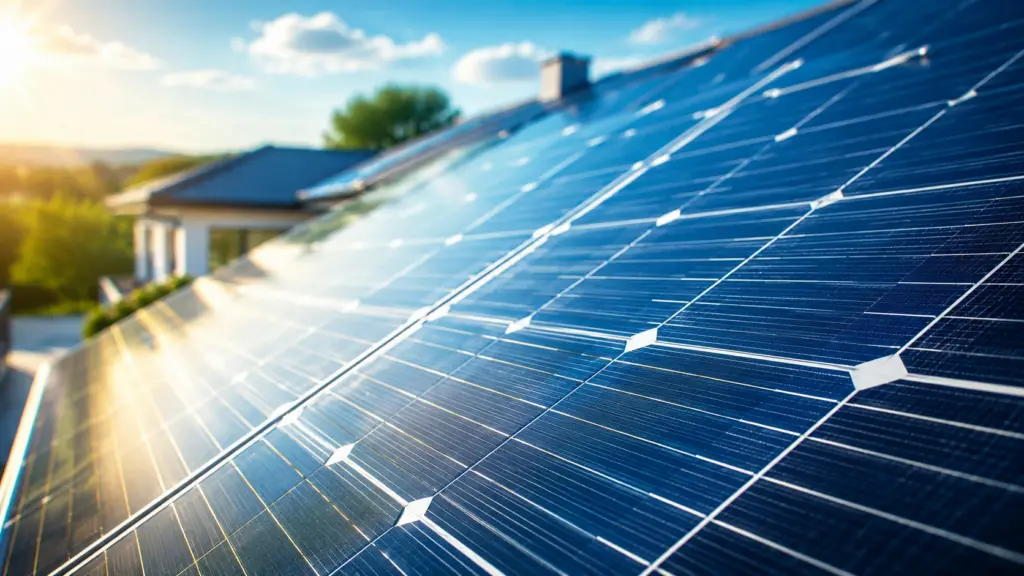
The thin grid lines you see on the front of many solar cells are metal contacts. These contacts collect the moving electrons and transfer them into external wiring.
From there, the electricity flows out of the solar panel as direct current.
Step 5. The Solar System Uses or Converts the Electricity
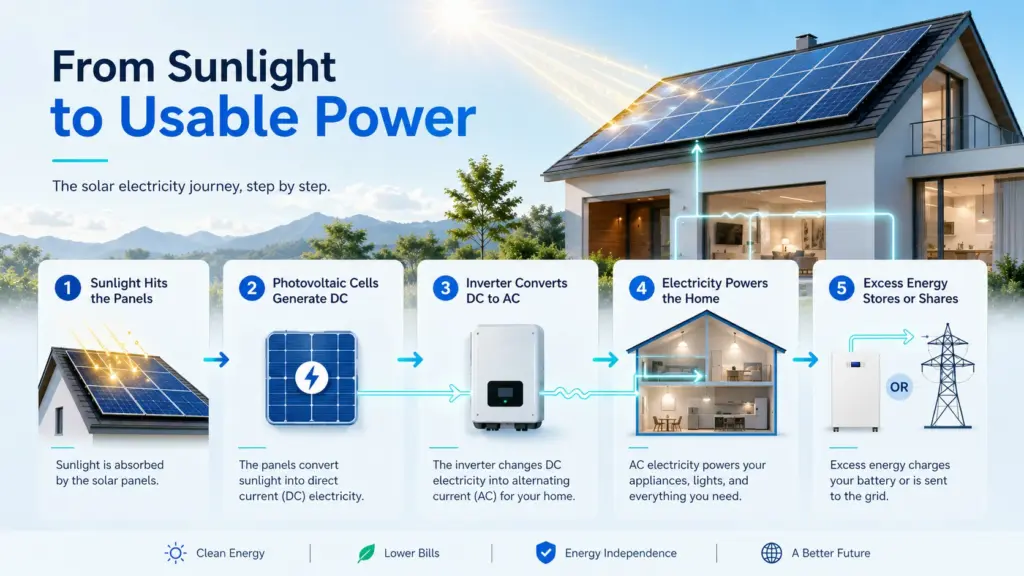
PV cells naturally generate DC electricity. However, most homes and businesses use AC electricity. That is why solar PV systems normally include an inverter. The inverter converts DC electricity from the panels into AC electricity that can power lights, appliances, machines and building loads.
If the system includes battery storage, some of the DC or converted electricity can also be stored for later use. This is especially useful at night, during cloudy periods, during peak tariff times or when the grid is unavailable.
What Is Inside a Photovoltaic Cell?
A photovoltaic cell usually includes several important parts:
- Semiconductor layer: This is the active material, commonly silicon, where light energy is absorbed and electrons are released.
- P-type and N-type layers: These layers are treated, or doped, to create positive and negative regions. The junction between them forms the electric field that helps direct electron movement.
- Metal contacts: These conductive pathways collect electrons and allow current to flow out of the cell.
- Anti-reflective coating: This helps reduce light reflection so more photons can enter the cell and be absorbed.
- Protective layers: In a complete solar panel, cells are protected by glass, encapsulant, backsheet materials, and a frame so they can operate outdoors for many years.
The more effectively a cell absorbs sunlight, separates charges, and collects electrons, the better it can convert light into electricity.
Main Types of Photovoltaic Cells
Most photovoltaic cells are made from silicon. Silicon is widely used because it is abundant, stable and effective as a semiconductor material. It is also already used in many electronic devices, which has helped support solar cell manufacturing and technology development.
Common PV cell materials include crystalline silicon, thin-film materials, perovskites, organic PV materials and other emerging semiconductor technologies. However, crystalline silicon remains the most common technology used in mainstream solar panels.
Monocrystalline Silicon Cells
Monocrystalline cells are made from a single crystal structure. They are usually more efficient than polycrystalline cells and are widely used in modern residential and commercial solar panels. They often appear black or dark in color.
Polycrystalline Silicon Cells
Polycrystalline cells are made from multiple silicon crystal fragments. They are usually less efficient than monocrystalline cells but can be more economical to produce. They often have a blue, speckled appearance.
Thin-Film Solar Cells
Thin-film cells are made by depositing very thin layers of photovoltaic material onto a surface. They can be lightweight and flexible, but many thin-film technologies have lower efficiency than crystalline silicon panels. They are often used in special applications where weight, flexibility or surface integration matters.
Emerging PV Cell Technologies
Researchers continue to develop perovskite cells, tandem cells, organic PV and other technologies. These designs aim to improve efficiency, reduce manufacturing costs or expand where solar cells can be used. Some technologies are promising, but many still need improvements in durability, stability and large-scale production before they become mainstream.
Do Photovoltaic Cells Produce AC or DC Electricity?
Photovoltaic cells produce direct current, or DC electricity.
DC electricity flows in one direction. This is similar to the type of electricity used by batteries and many electronic devices. However, most homes and businesses use alternating current, or AC electricity. AC electricity changes direction many times per second and is the standard form of electricity supplied by most power grids.
Because solar panels generate DC power, a solar inverter is needed in most solar PV systems. The inverter converts DC electricity from the solar panels into AC electricity that can be used by household appliances, commercial equipment, or the electrical grid.
This DC-to-AC conversion is one of the most important parts of a complete solar power system.
Solar Cell vs Solar Panel vs Solar Array
These terms are often used together, but they are not the same.
A solar cell is the smallest electricity-generating unit. It converts sunlight into DC electricity.
A solar panel, or PV module, is a group of solar cells connected together and sealed inside a protective structure.
A solar array is a group of solar panels connected together to generate more power.
For example, one PV cell may only generate a small amount of electricity. A solar panel combines many cells to produce a useful output. A rooftop solar system may then use several panels together to power a home. A solar farm may use thousands of panels connected into large arrays.
What Affects Photovoltaic Cell Performance?
PV cells do not always produce the same amount of electricity. Their output changes depending on several conditions.
Sunlight Intensity
Stronger sunlight usually means more electricity. A solar panel will normally produce more power at midday than in the early morning or late afternoon. It will also produce more power on clear days than on cloudy days.
Panel Angle and Direction
Solar panels generate more electricity when they face the sun directly. The best panel direction and tilt angle depend on location, roof structure and project goals.
In the northern hemisphere, panels are often installed facing south. In the southern hemisphere, they are often installed facing north. The final design should consider annual solar yield, available roof space and shading.
Temperature
Many people assume solar panels work best in hot weather, but high temperatures can reduce panel efficiency. PV cells need sunlight to generate power, but excessive heat can lower voltage and reduce output. Good airflow around the panels can help reduce heat buildup.
Shading
Shading from trees, chimneys, nearby buildings, antennas or dirt can reduce output. Even partial shading can affect production, especially in systems where panels are connected in strings. Module-level power electronics can help reduce shading impact in some designs.
Cell Technology
Different solar cell technologies have different efficiency levels, cost structures and performance characteristics. Monocrystalline panels are commonly chosen for projects where space is limited and higher efficiency is important.
System Losses
Solar power output is also affected by cable losses, inverter efficiency, mismatch between panels, dust, aging, installation quality and maintenance. A well-designed PV system considers the full electrical path, not only the solar panel rating.
Why Battery Storage Matters in Solar PV Systems
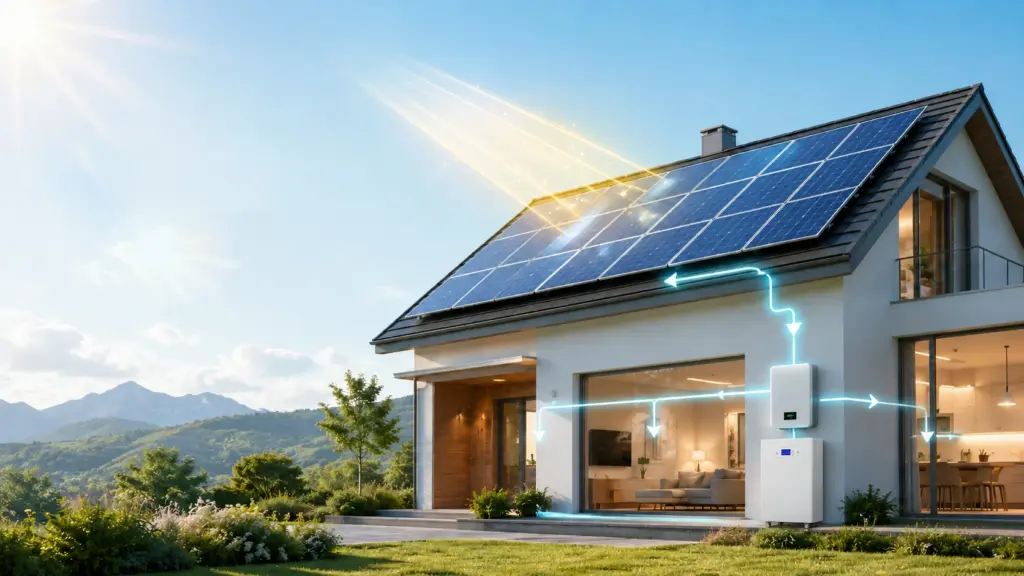
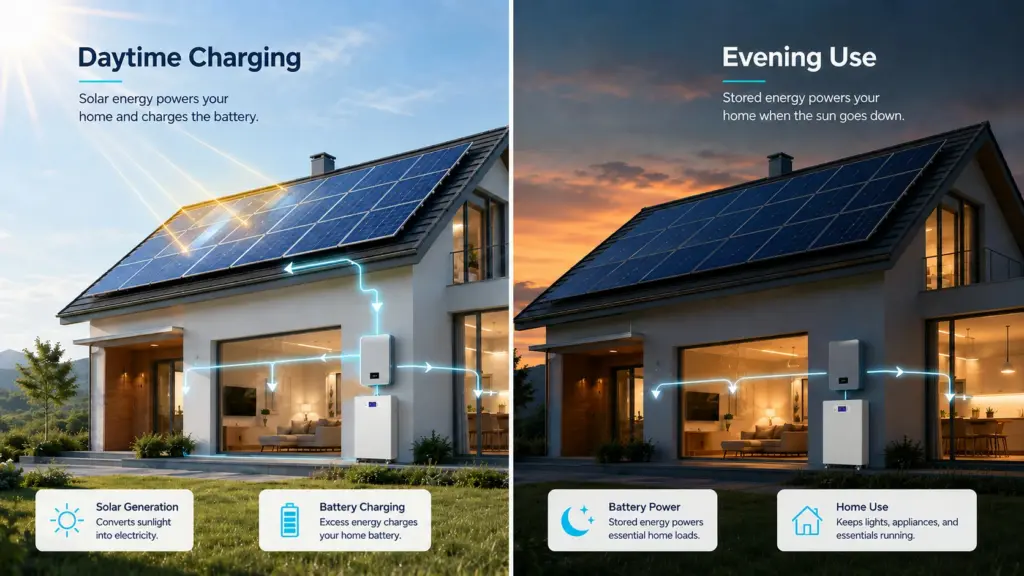
Solar panels generate power during daylight hours. But many homes and businesses use a large amount of electricity in the evening, when solar generation is lower or unavailable. Battery storage helps solve this mismatch.
A battery can store excess solar electricity during the day and release it later. This can improve solar self-consumption, reduce grid dependence and provide backup for selected loads.
For residential solar systems, a battery can help power essential appliances during outages, reduce evening electricity purchases and make better use of rooftop solar generation.
For commercial projects, battery storage can support peak shaving, load shifting, backup power and solar self-consumption. It may also help businesses manage demand charges or improve energy resilience, depending on the local electricity market and tariff structure.
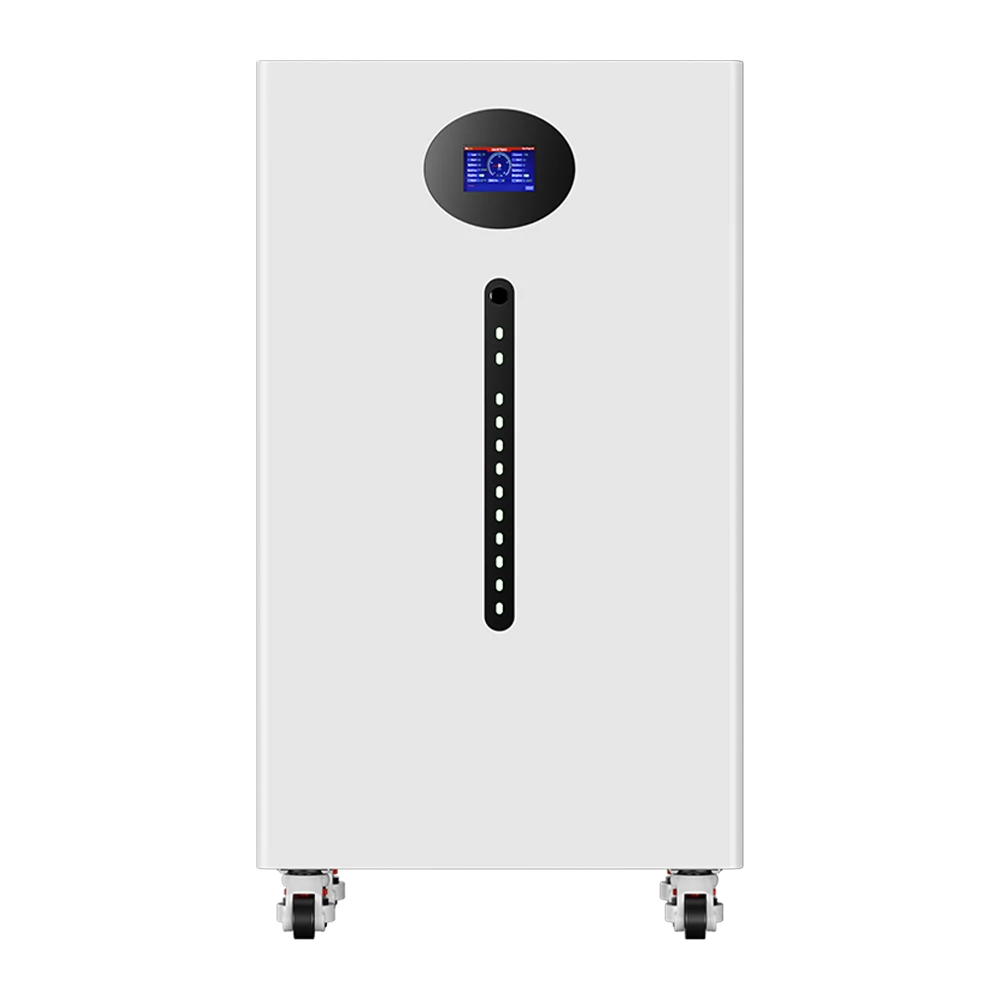
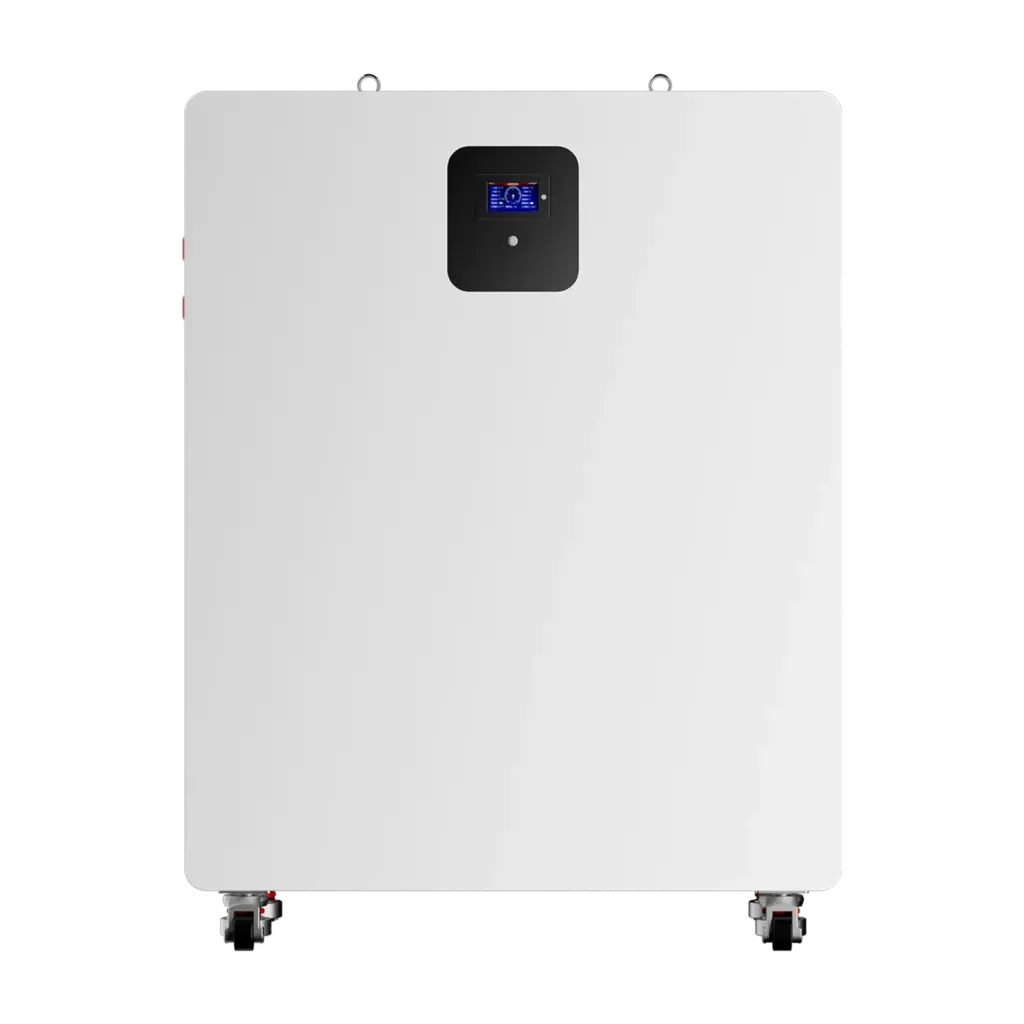
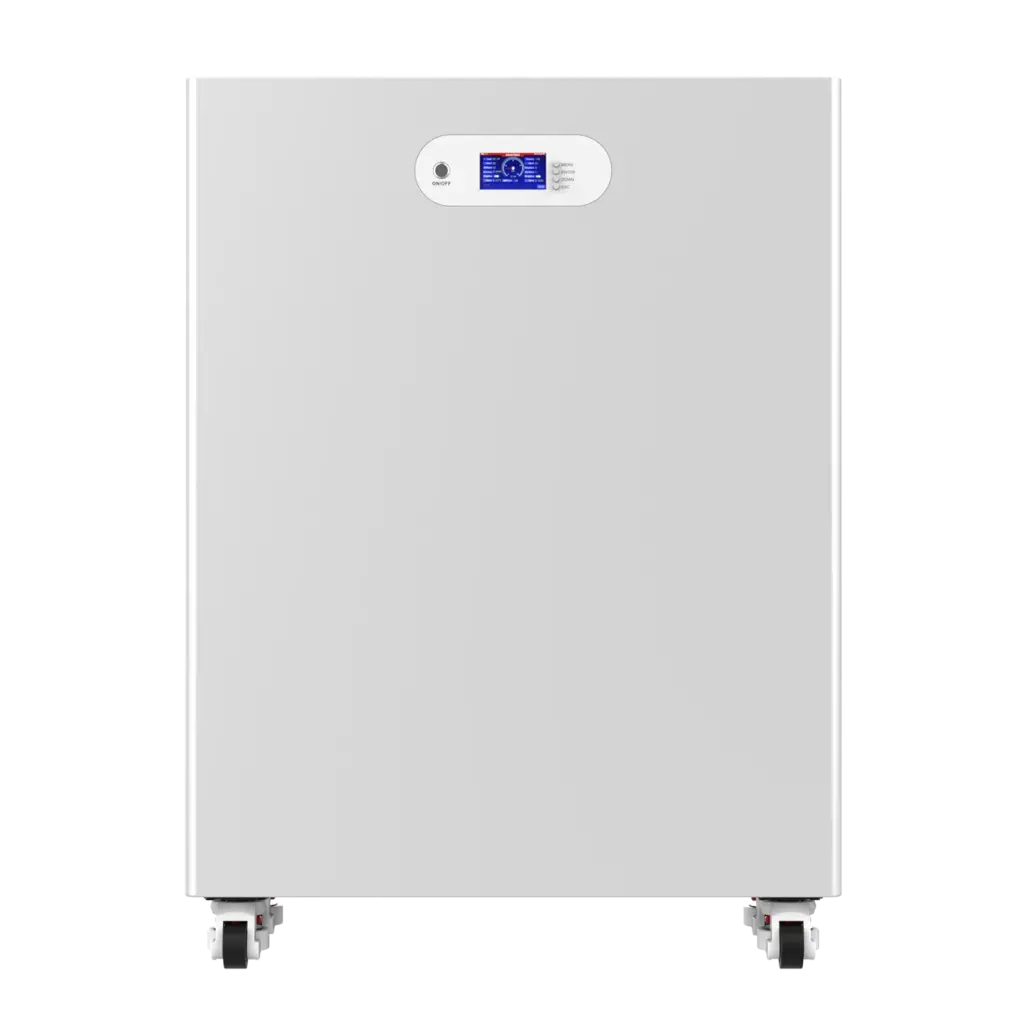
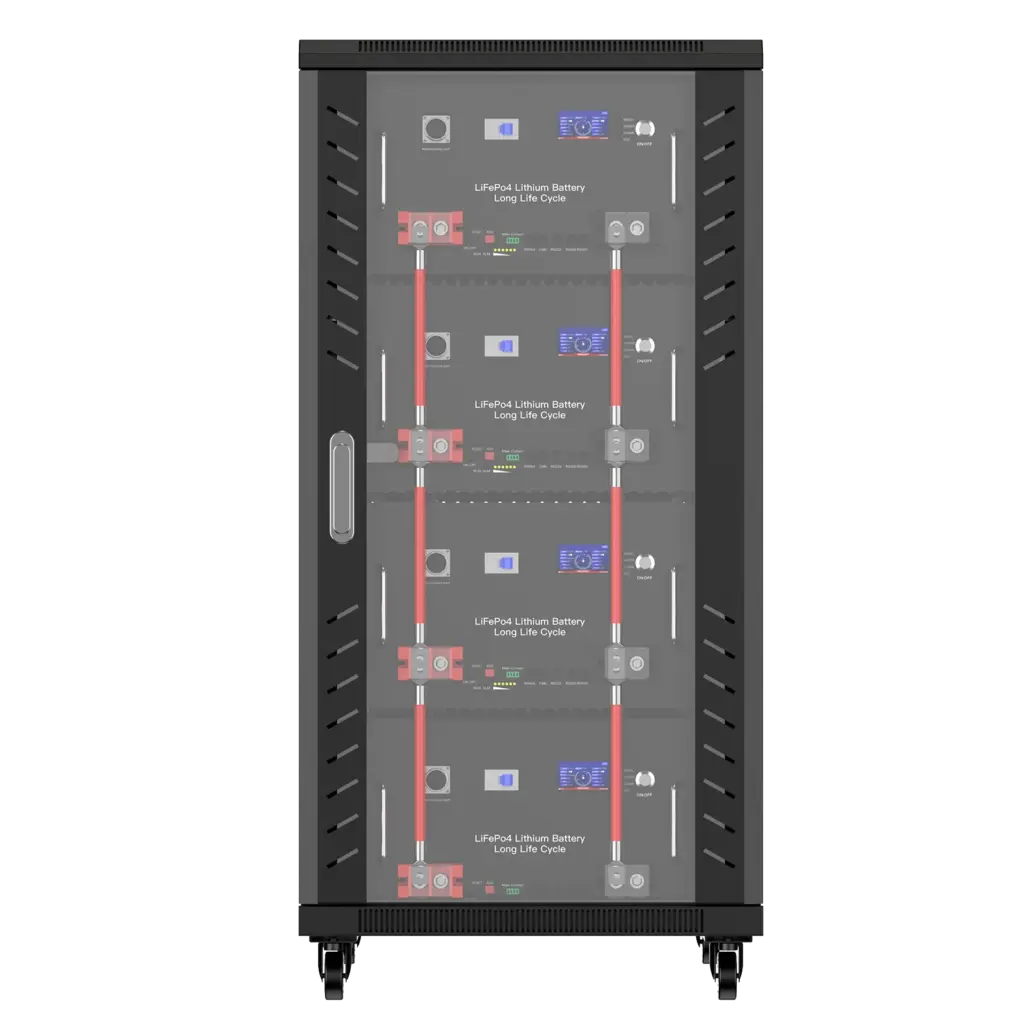
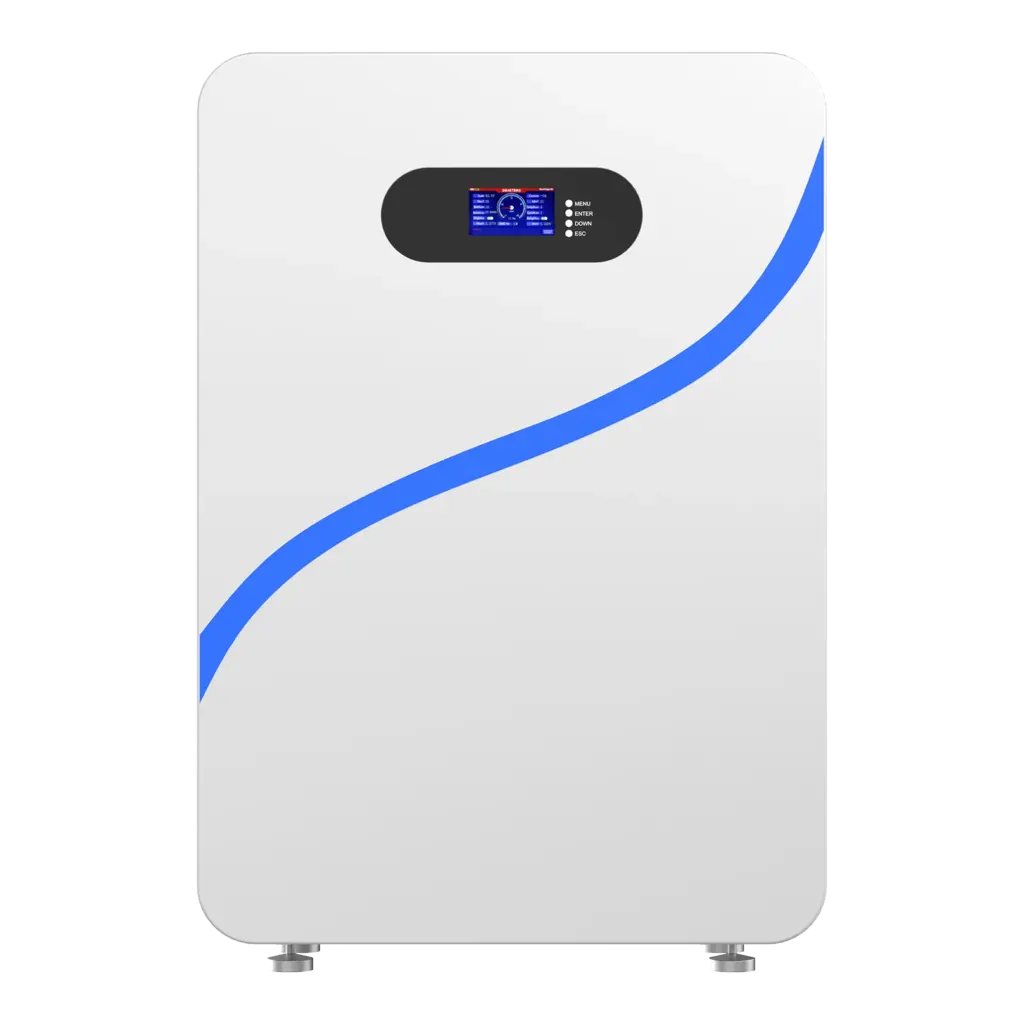
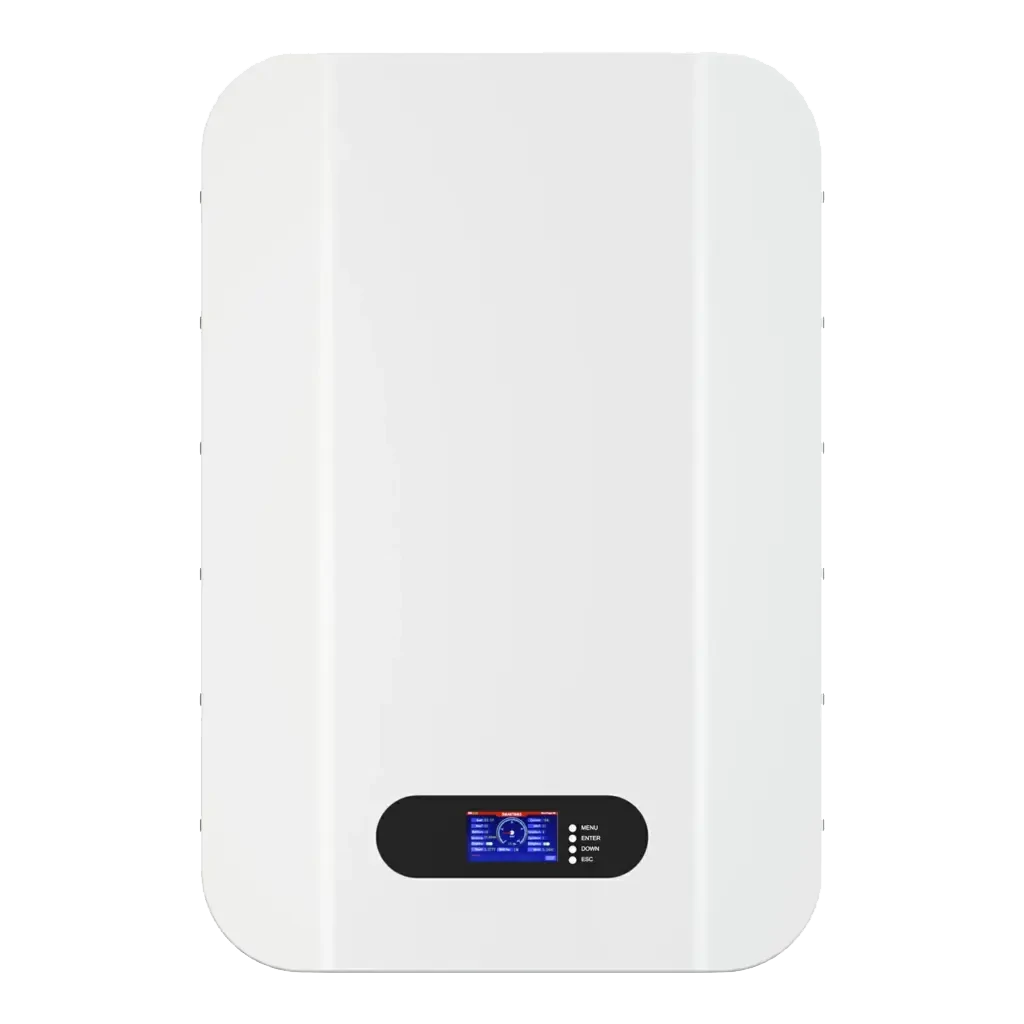
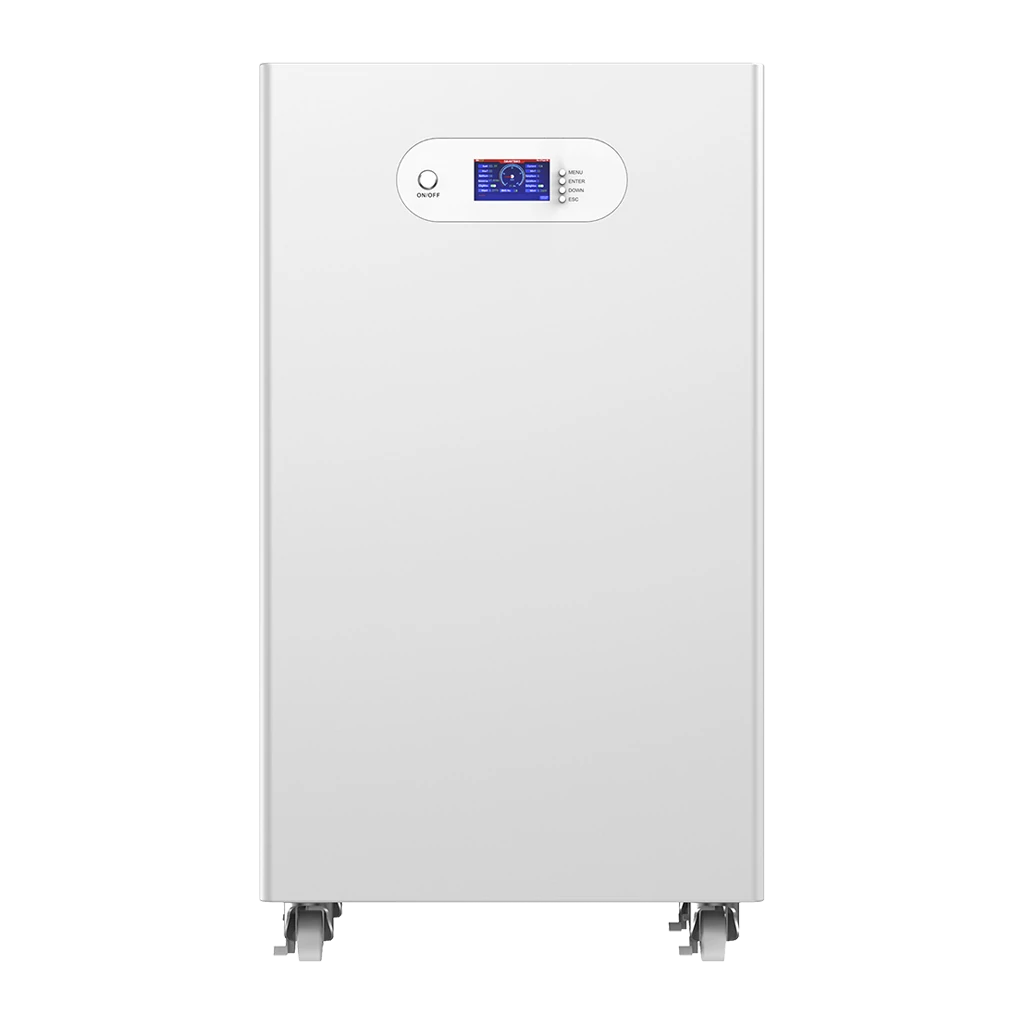
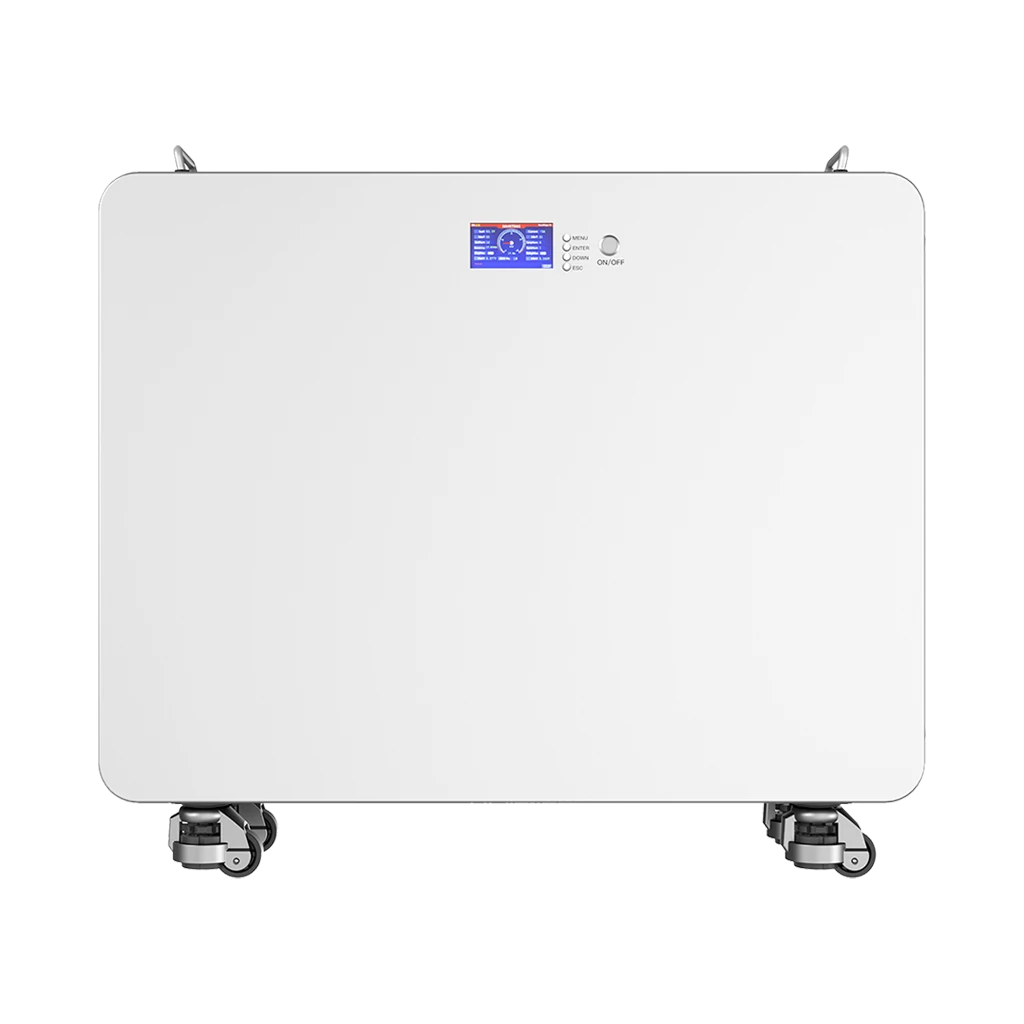
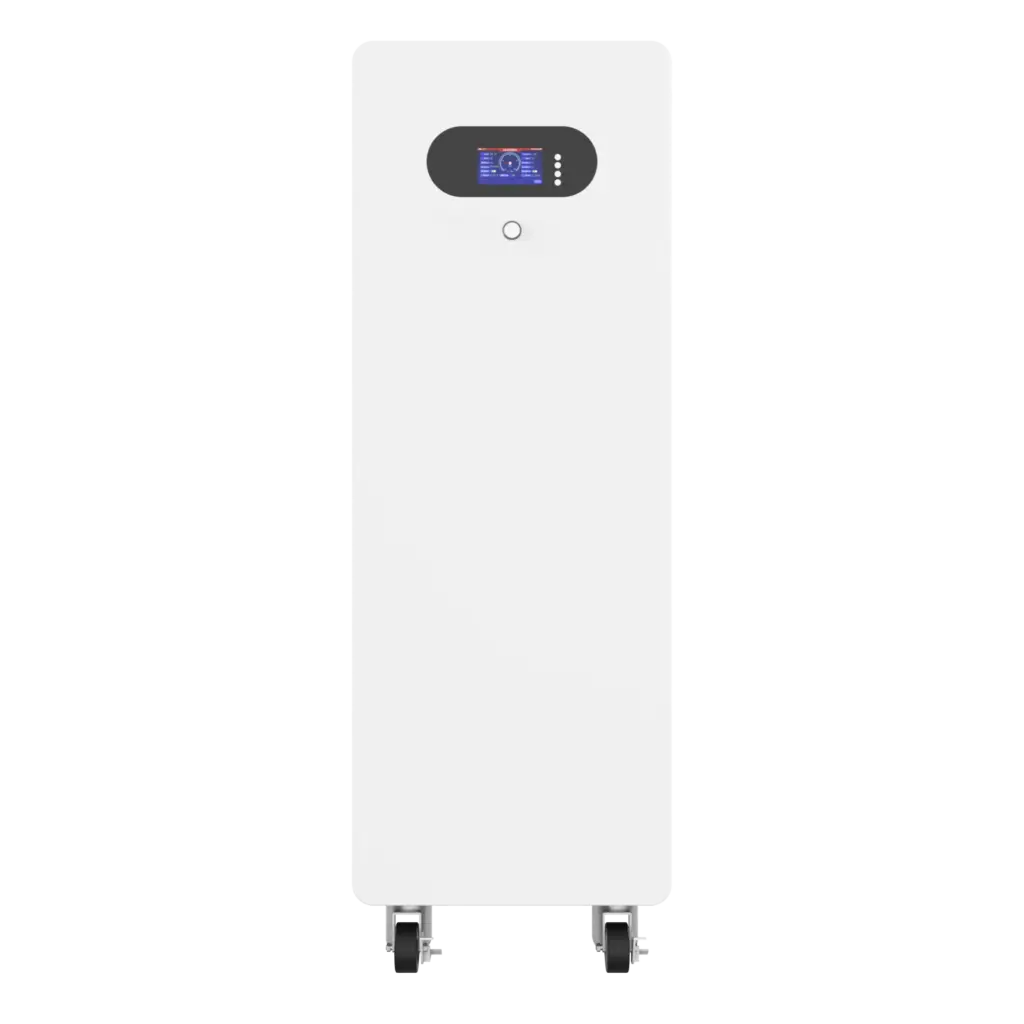
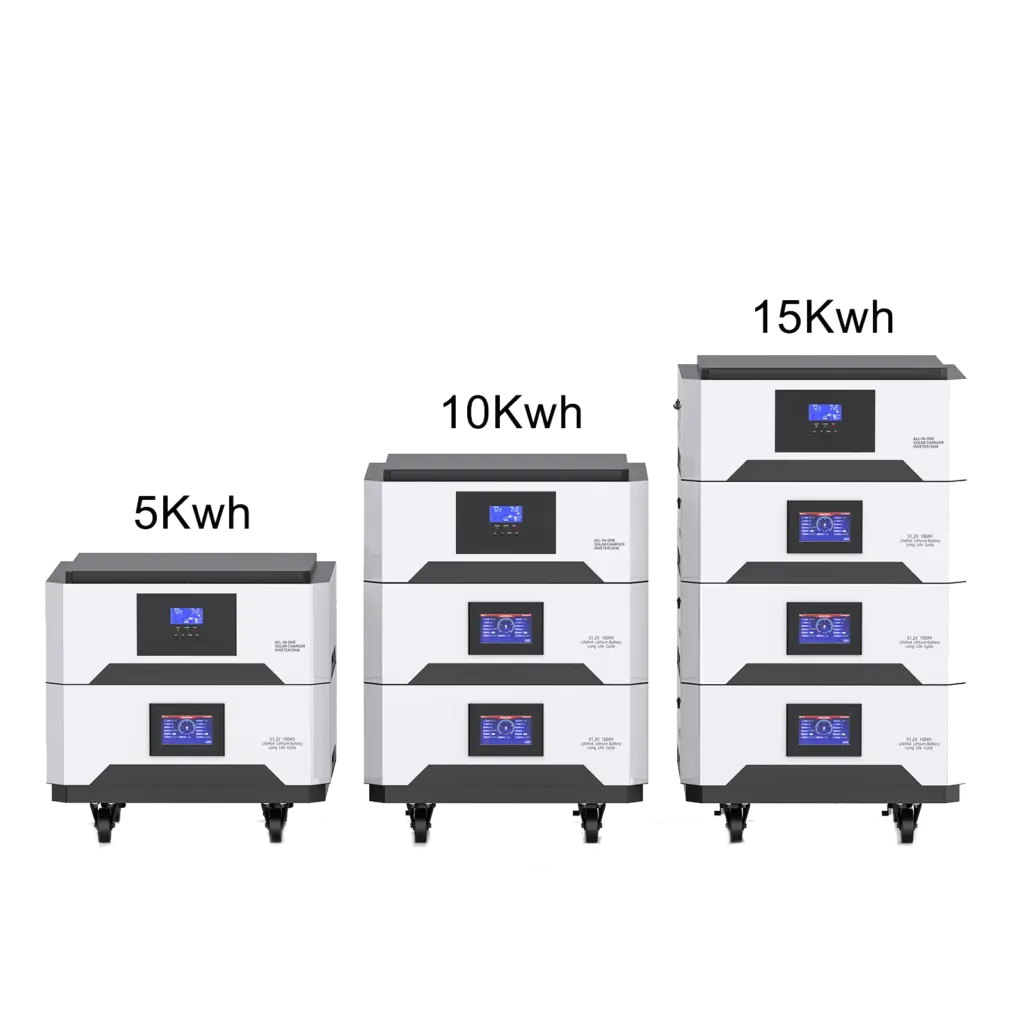
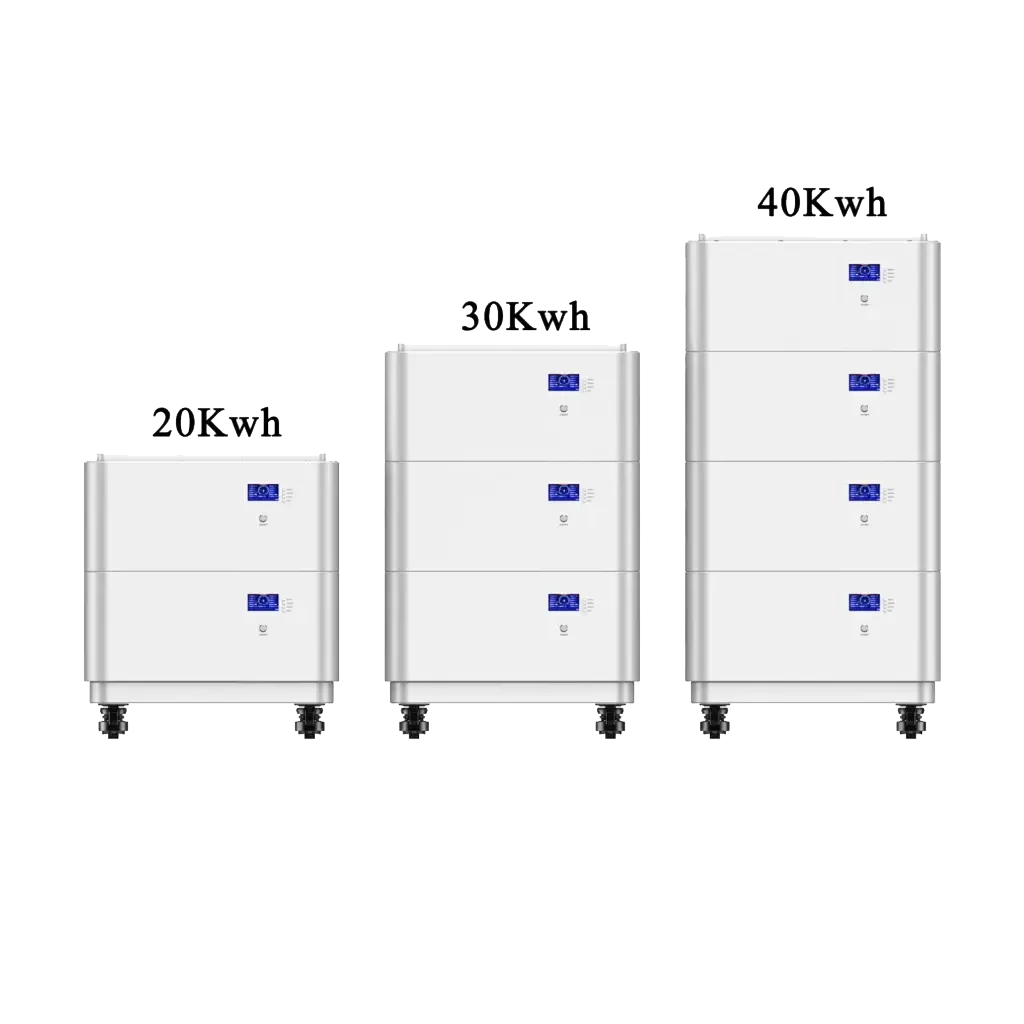
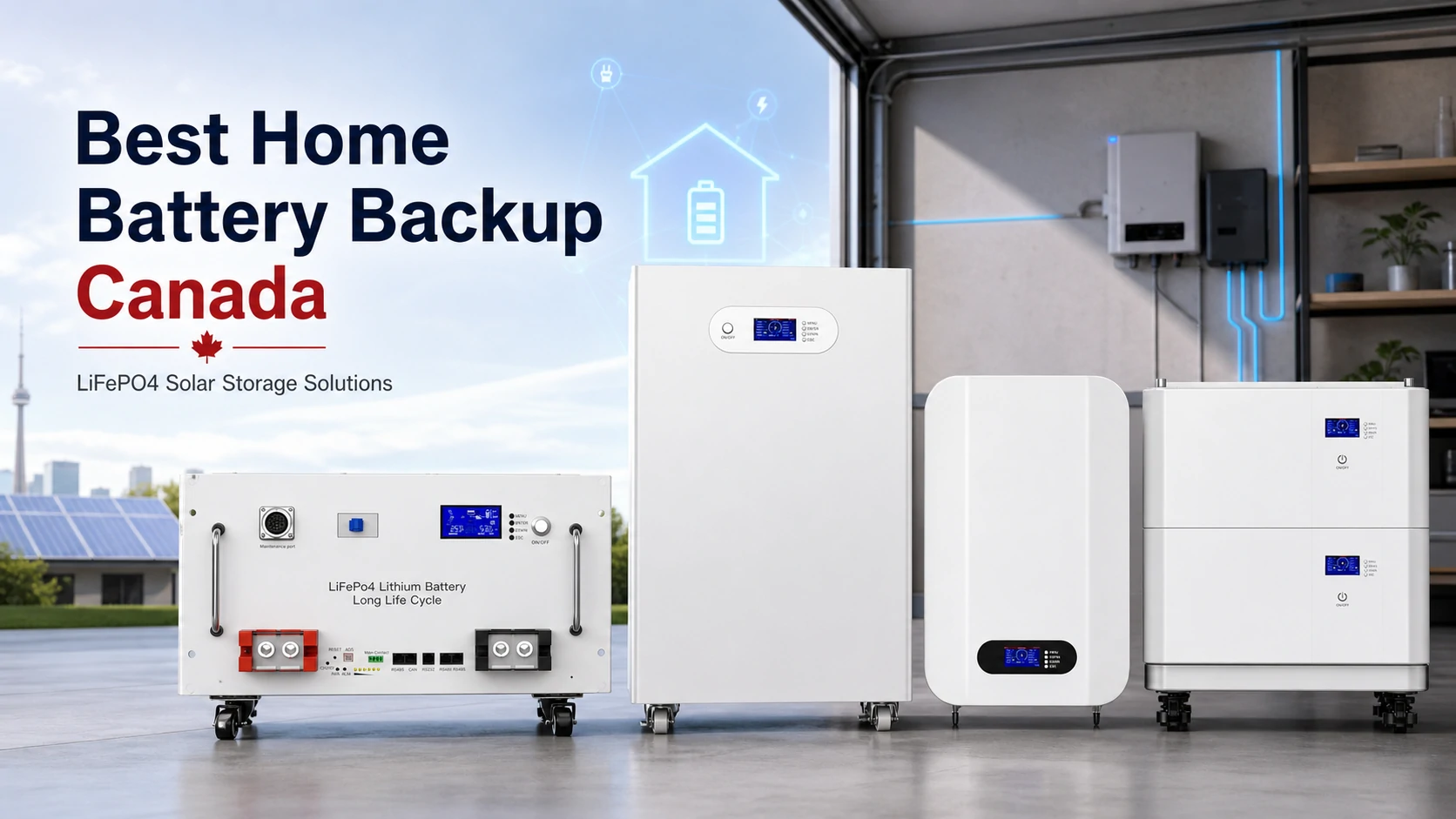
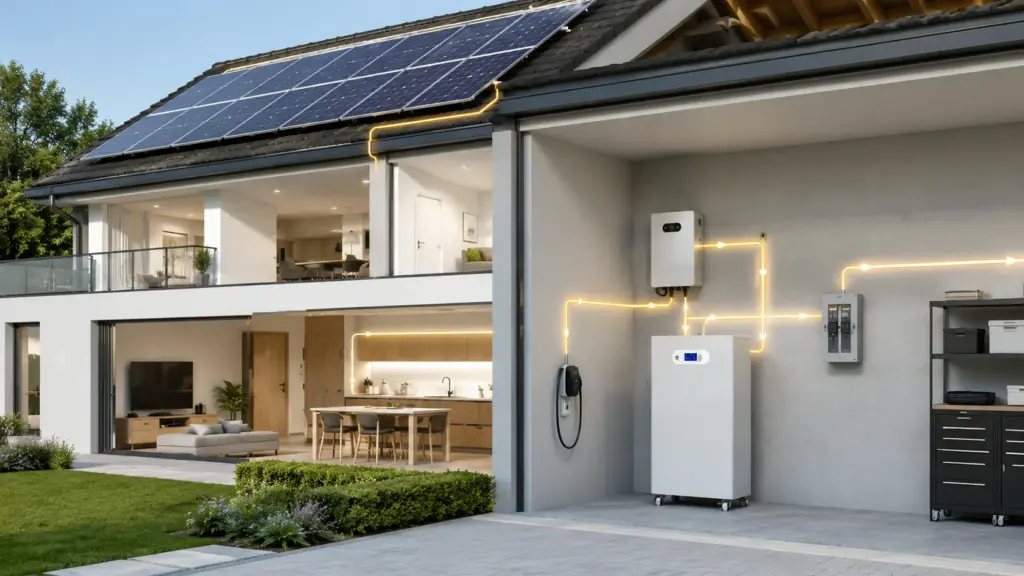
Avepower offers stackable solar batteries for home and small project applications where flexible capacity expansion is important. For larger projects, commercial and industrial energy storage solutions can support solar self-consumption, backup power, peak shaving and long-term energy cost control.
Need a Battery System for Your PV Project?
If you are designing a solar PV system, the battery is an important part of improving self-consumption, backup power and energy independence. Avepower offers scalable home and commercial energy storage solutions with BMS protection, inverter communication and flexible OEM/ODM options.
How Photovoltaic Cells Work with Battery Storage
PV cells generate electricity only when enough light is available. They do not store electricity by themselves. Solar panels are generators, not batteries.
This is where solar battery storage becomes important.
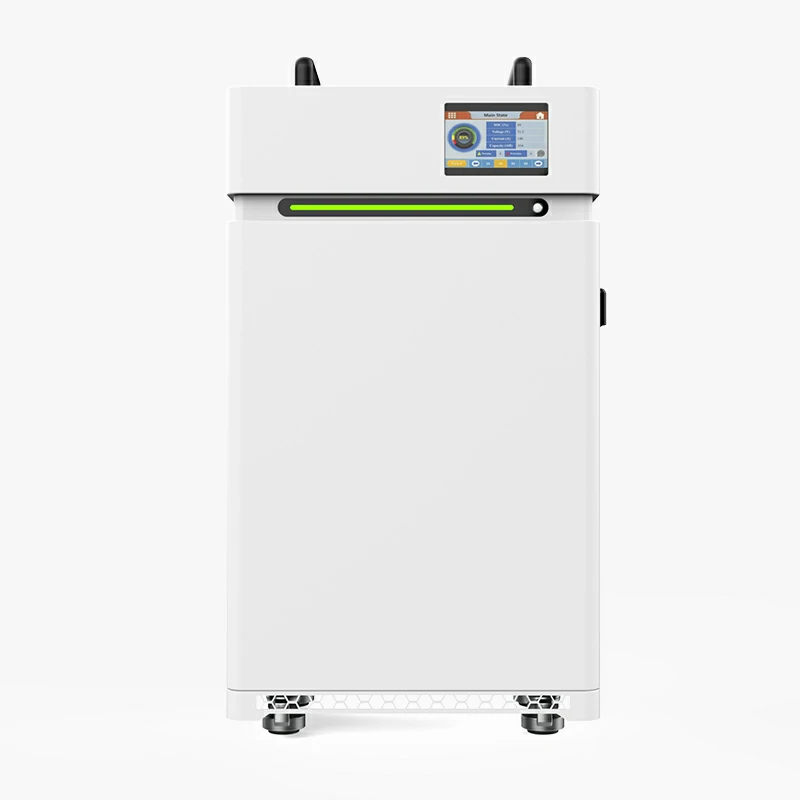
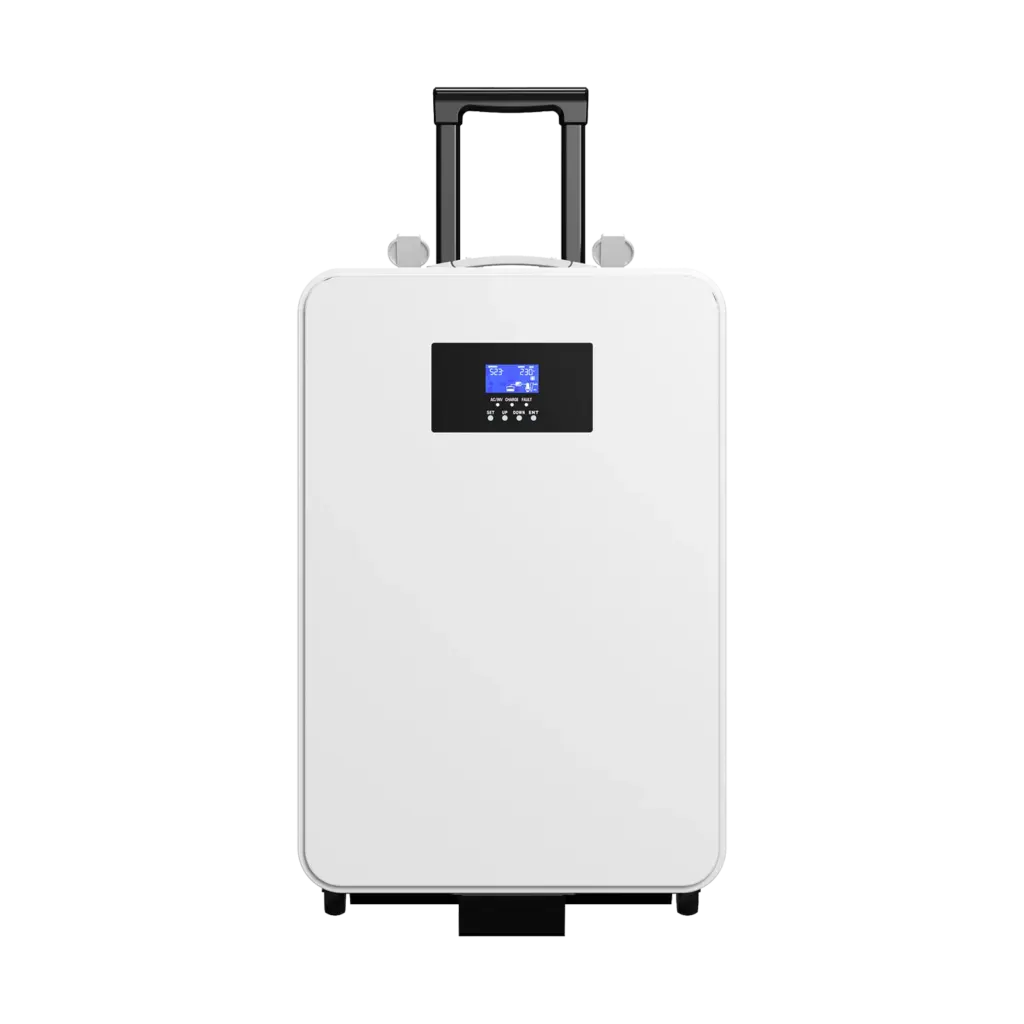
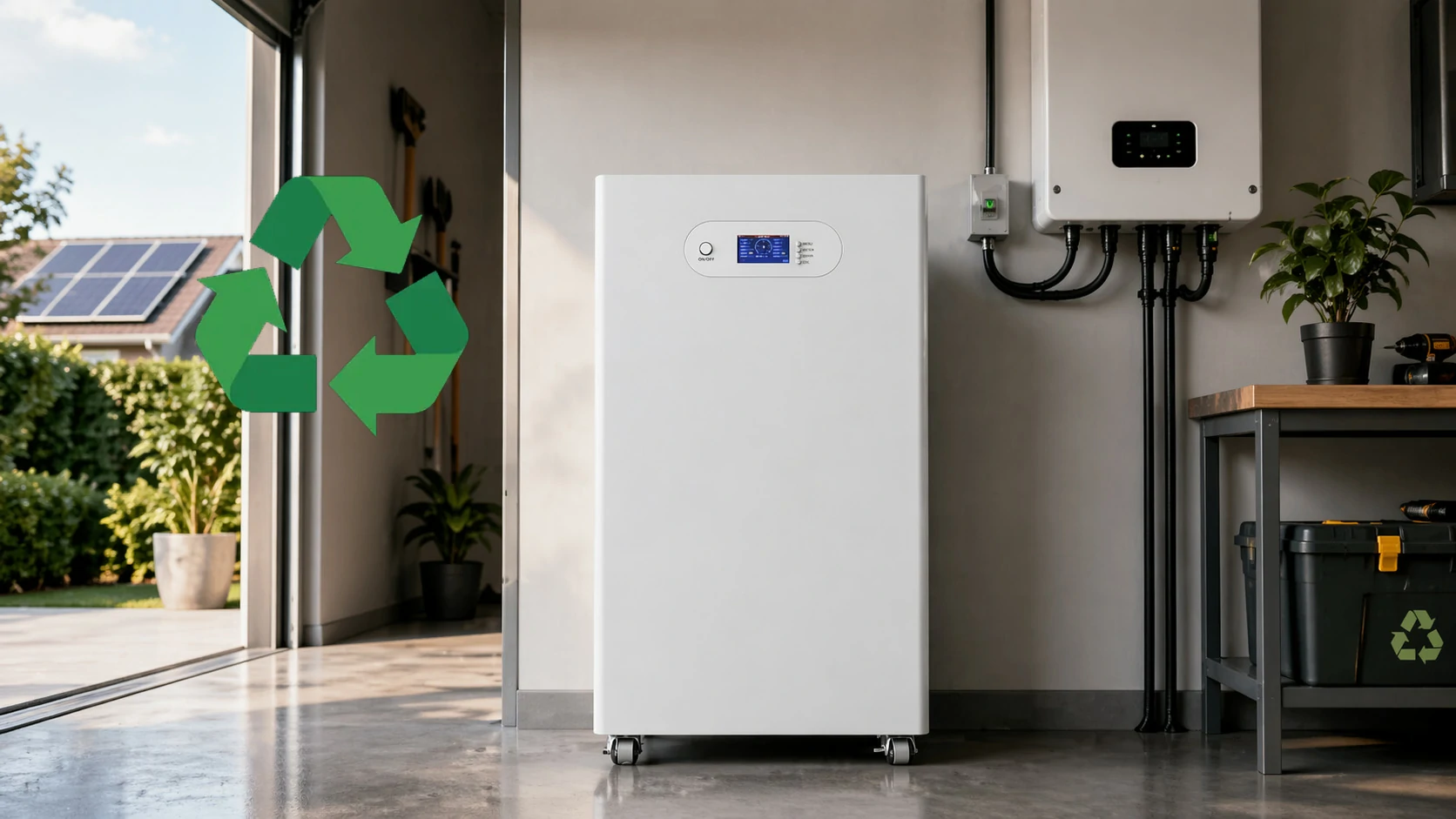
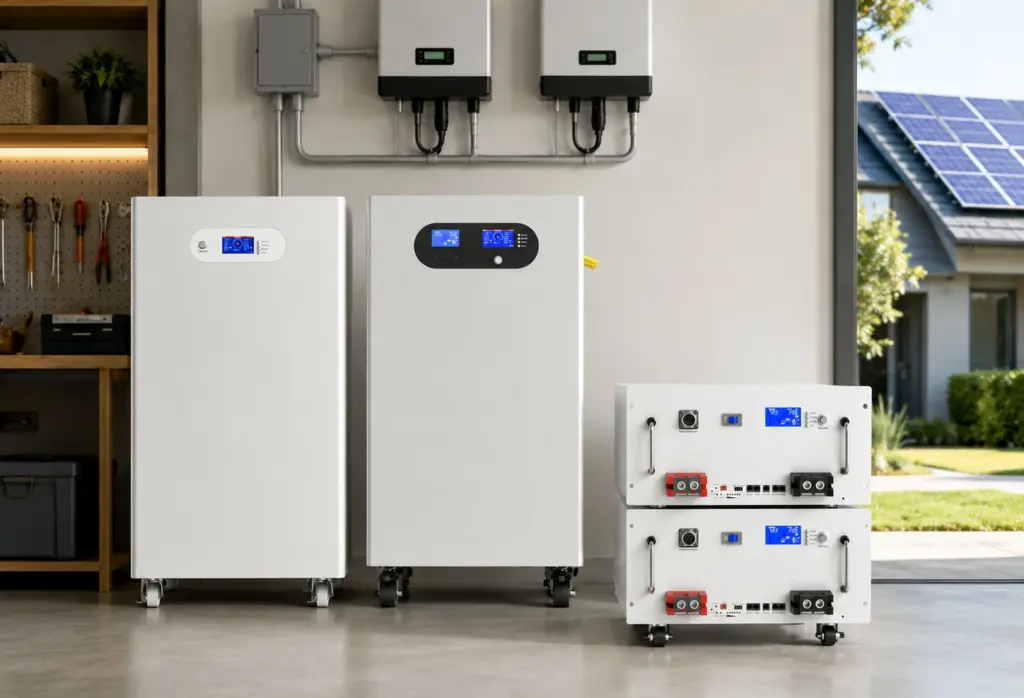
For example, Avepower provides home energy storage battery systems designed to store more solar energy, reduce grid dependence, and support essential home loads during outages. For projects that need flexible expansion, a stackable LiFePO4 battery can help installers and users scale storage capacity as energy demand grows. For larger solar self-consumption and backup projects, Avepower also offers commercial battery energy storage solutions for business and project applications.
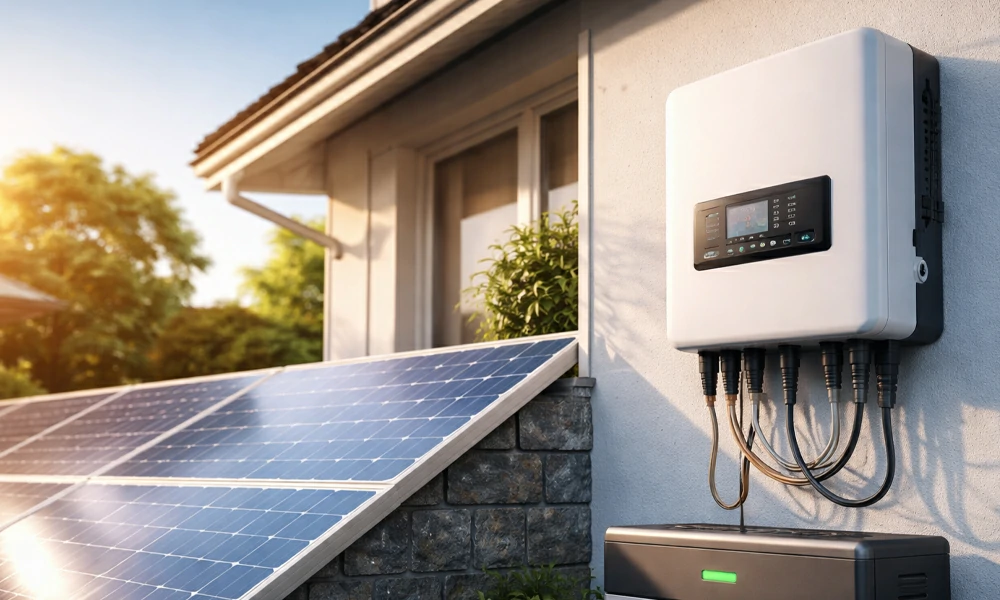
In a complete solar-plus-storage system, photovoltaic cells generate the electricity, the inverter manages power conversion, and the battery stores unused energy for later use.
Are Photovoltaic Cells the Same as Solar Thermal Collectors?
No. Photovoltaic cells and solar thermal collectors are different technologies.
Photovoltaic cells generate electricity from sunlight. Solar thermal collectors use sunlight to heat water or another fluid.
A solar PV system is used when the goal is electrical power. A solar thermal system is used when the goal is heat. Some buildings may use both technologies, but they serve different purposes.
Do Photovoltaic Cells Work on Cloudy Days?
Yes, photovoltaic cells can still work on cloudy days because some sunlight passes through clouds. However, output is usually lower than on clear sunny days.
The exact reduction depends on cloud thickness, panel technology, system design and local weather conditions. This is one reason solar system sizing should be based on realistic annual solar resource data, not only ideal sunlight conditions.
Battery storage can help smooth the difference between strong solar hours and lower production periods, but it must be sized according to real energy demand and backup requirements.
Do PV Cells Need Direct Sunlight?
PV cells perform best in direct sunlight, but they can also generate electricity from diffuse daylight. Direct sunlight provides stronger energy, while diffuse light is scattered by clouds, atmosphere or surroundings.
This is why solar panels can still produce power in winter, in cloudy weather or under hazy skies, although usually at reduced output.
How Long Do Photovoltaic Cells Last?
Most modern solar panels are designed for long-term outdoor use. Many manufacturers provide 25-year performance warranties, although actual performance depends on product quality, installation conditions, climate and maintenance.
PV cells gradually degrade over time, meaning they produce slightly less electricity each year. This degradation is normal. Good installation practices, proper ventilation, quality components and regular inspection can help maintain long-term system performance.
Are Photovoltaic Cells Efficient?
PV cell efficiency measures how much sunlight is converted into electrical power. Higher efficiency means more electricity can be generated from the same panel area.
Commercial solar panel efficiency has improved significantly over time. However, efficiency is only one part of system value. A good solar system should also consider durability, warranty, installation quality, inverter performance, battery compatibility and real-world energy yield.
For many users, the key question is not only “How efficient is the panel?” but also “How much useful electricity can the full system deliver over time?”
When Should You Add a Battery to a PV System?
A battery is not required for every solar PV system, but it can be valuable in many situations.
You may consider adding battery storage if you want to use more of your own solar electricity, reduce grid dependence, protect essential loads during outages, shift energy use away from peak-rate periods, or build an off-grid or hybrid power system.
A battery is especially useful when solar generation and electricity consumption do not happen at the same time. For example, many homes generate the most solar power during the day but use more electricity in the evening. Battery storage helps bridge that gap.
Take Control of Your Energy with Avepower!
Reliable home solar battery solutions with OEM/ODM customization and in-house manufacturing, tailored to the needs of distributors, installers, and energy partners.
Conclusion
Photovoltaic cells work by using semiconductor materials to convert sunlight directly into electricity. When photons from sunlight strike the cell, they transfer energy to electrons. The cell’s internal electric field directs those electrons into a circuit, creating DC power. Solar panels then combine many PV cells to produce useful electricity, while inverters convert that DC electricity into AC power for homes, businesses, and the grid.
Understanding this process helps explain why solar output changes with sunlight, shading, temperature, and system design. It also explains why battery storage is becoming an important part of modern solar energy systems.
Solar panels generate electricity during daylight. A well-designed battery storage system helps you use that electricity more intelligently after the sun goes down, during peak-rate periods, or when backup power is needed.
FAQ
Photovoltaic cells work by absorbing sunlight and using that light energy to move electrons inside a semiconductor material. The movement of electrons creates direct current electricity.
Photovoltaic cells perform best in direct sunlight, but they can still generate some electricity in cloudy or shaded conditions. Output will be lower when less light reaches the cell.
Most photovoltaic cells used in commercial solar panels are made from silicon. Silicon is a semiconductor material that can help convert light energy into electrical energy.
Photovoltaic cells produce DC electricity. A solar inverter is usually needed to convert DC electricity into AC electricity for homes, businesses, and the grid.
A photovoltaic cell is the basic unit that converts light into electricity. A solar panel is made from many photovoltaic cells connected together and protected inside a module.
No. Photovoltaic cells need light to generate electricity, so they do not produce power at night. A battery storage system can store daytime solar energy for later use.
A solar PV system does not always need a battery, but battery storage helps store excess solar electricity for evening use, backup power, and higher solar self-consumption.
No. Photovoltaic cells generate electricity from light. Solar thermal collectors capture heat from the sun, usually for water heating or space heating.
PV cell efficiency is affected by cell technology, sunlight intensity, wavelength, temperature, shading, panel angle, dust, wiring, inverter matching, and system design.
Many modern solar panels are designed to operate for 25 years or more, although their output gradually decreases over time. Actual performance depends on product quality, installation conditions, climate, and maintenance.