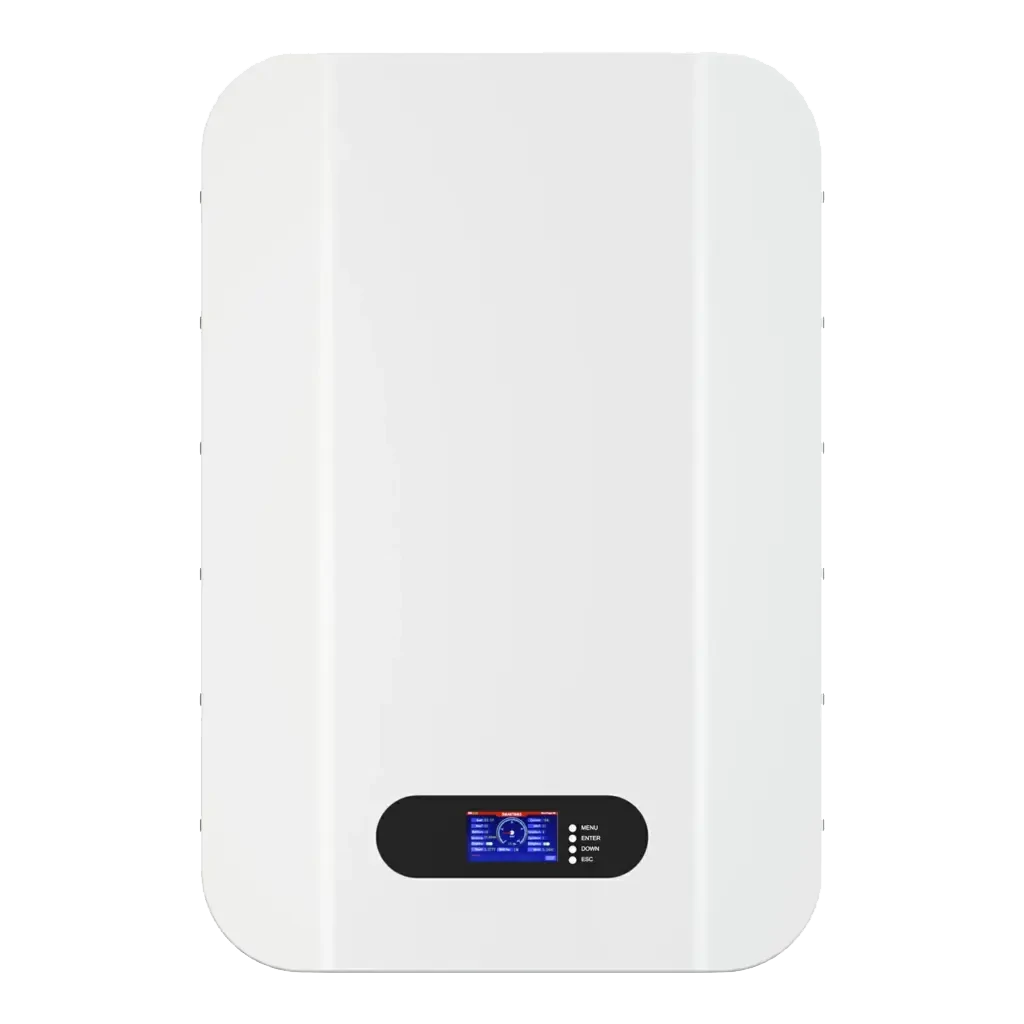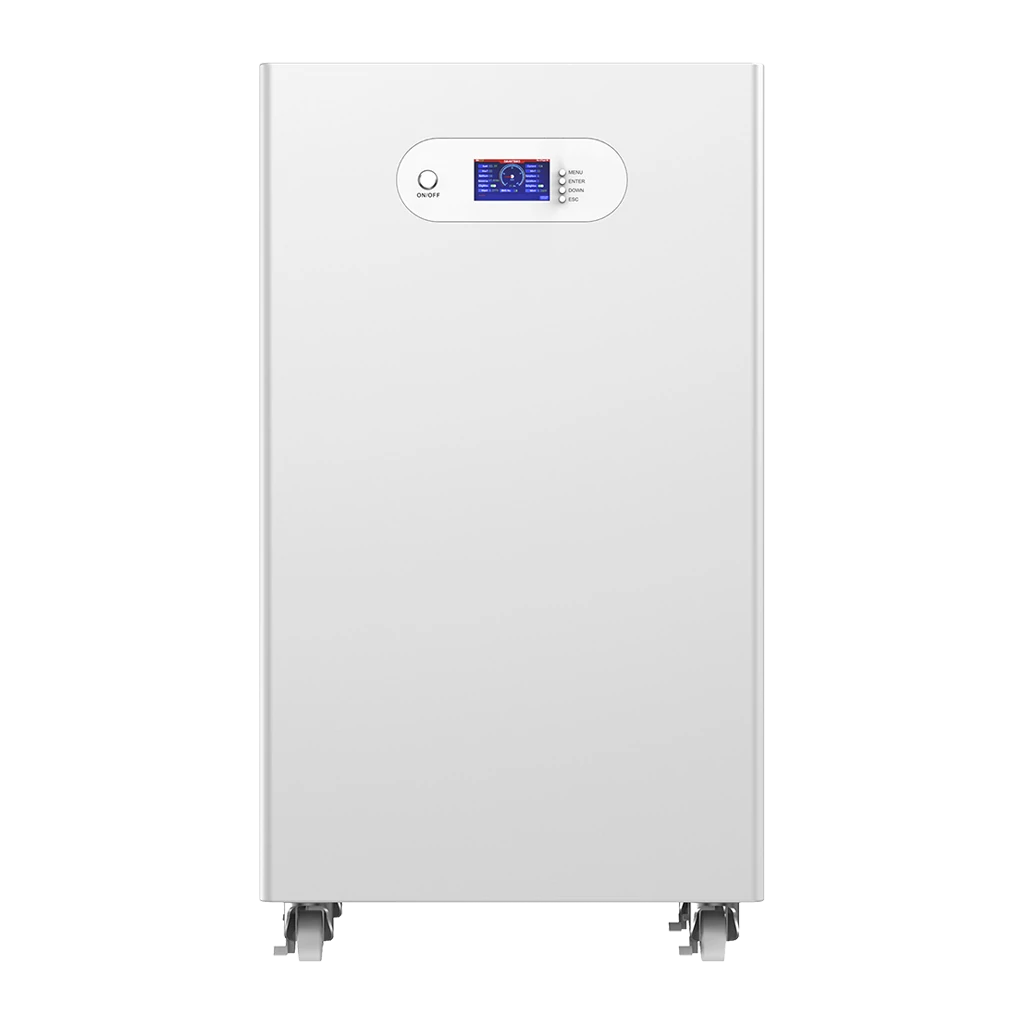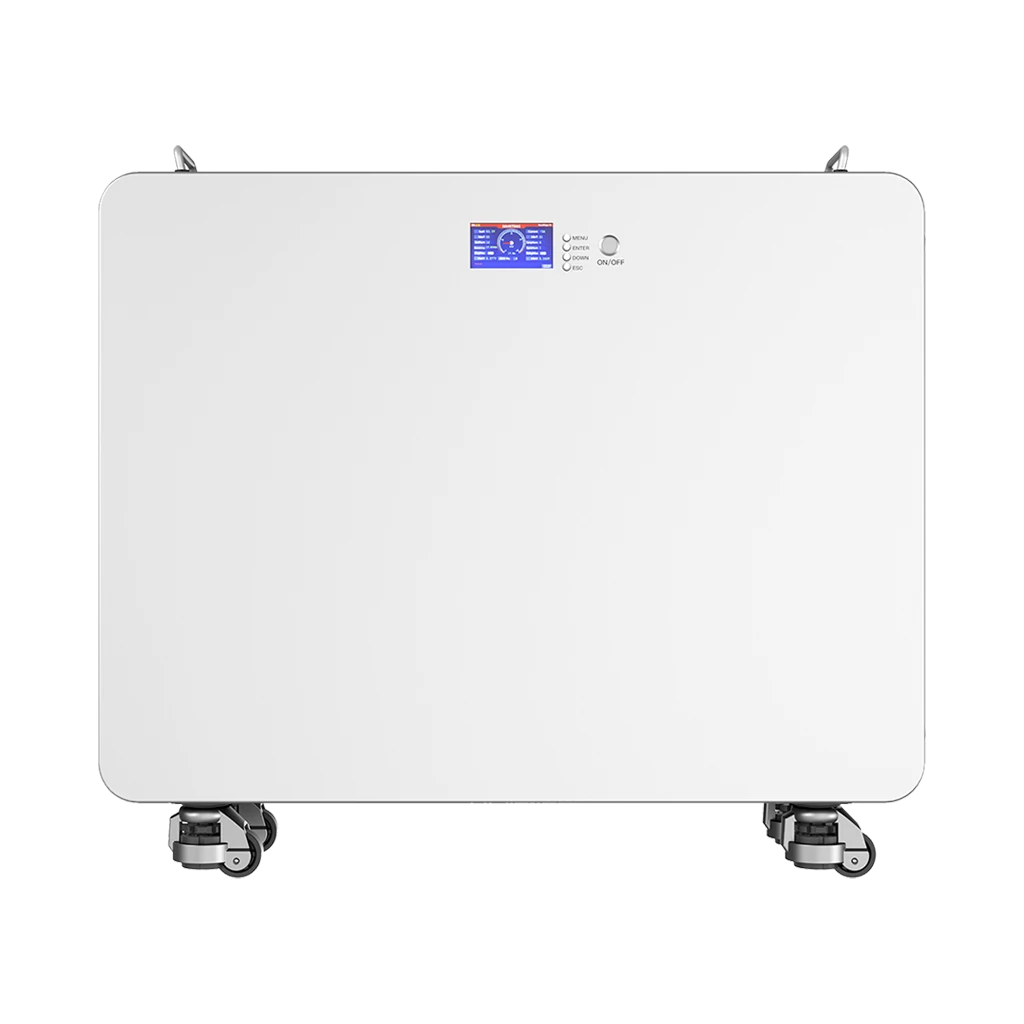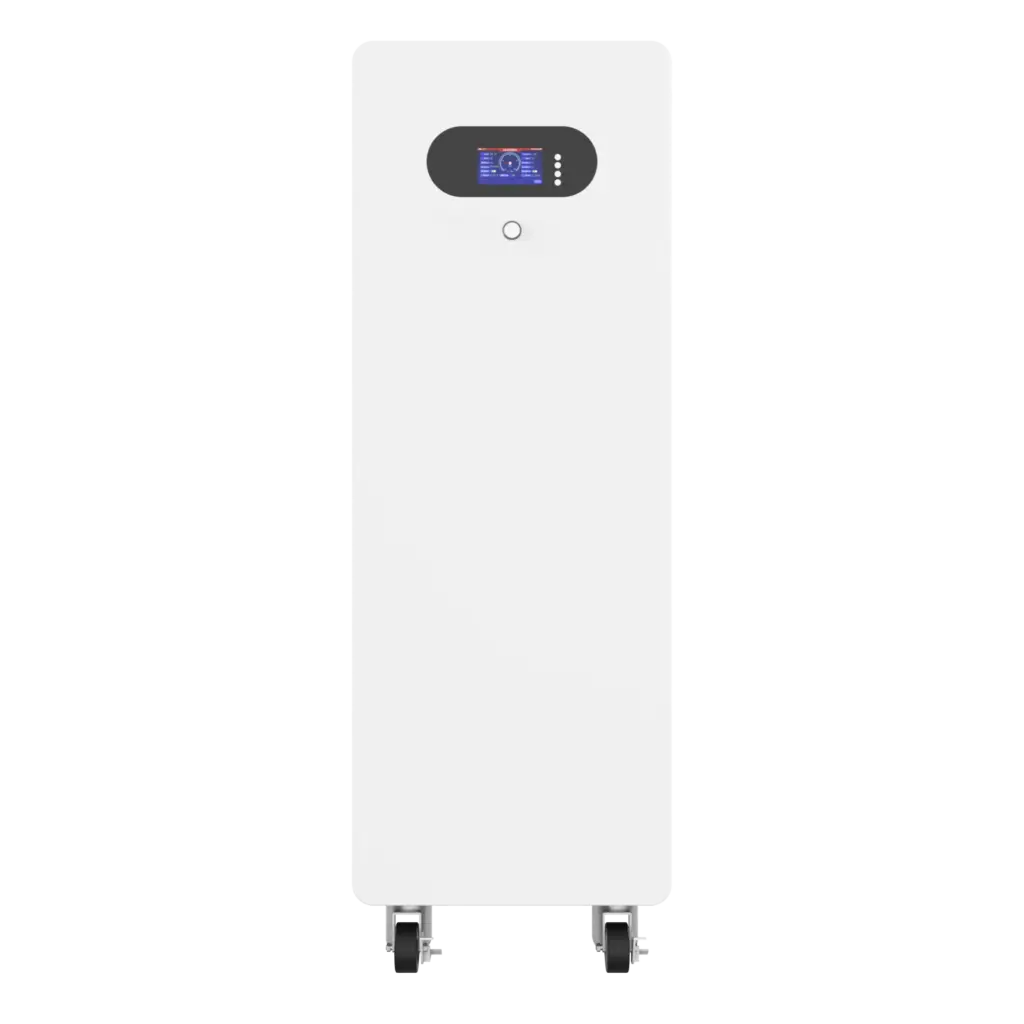

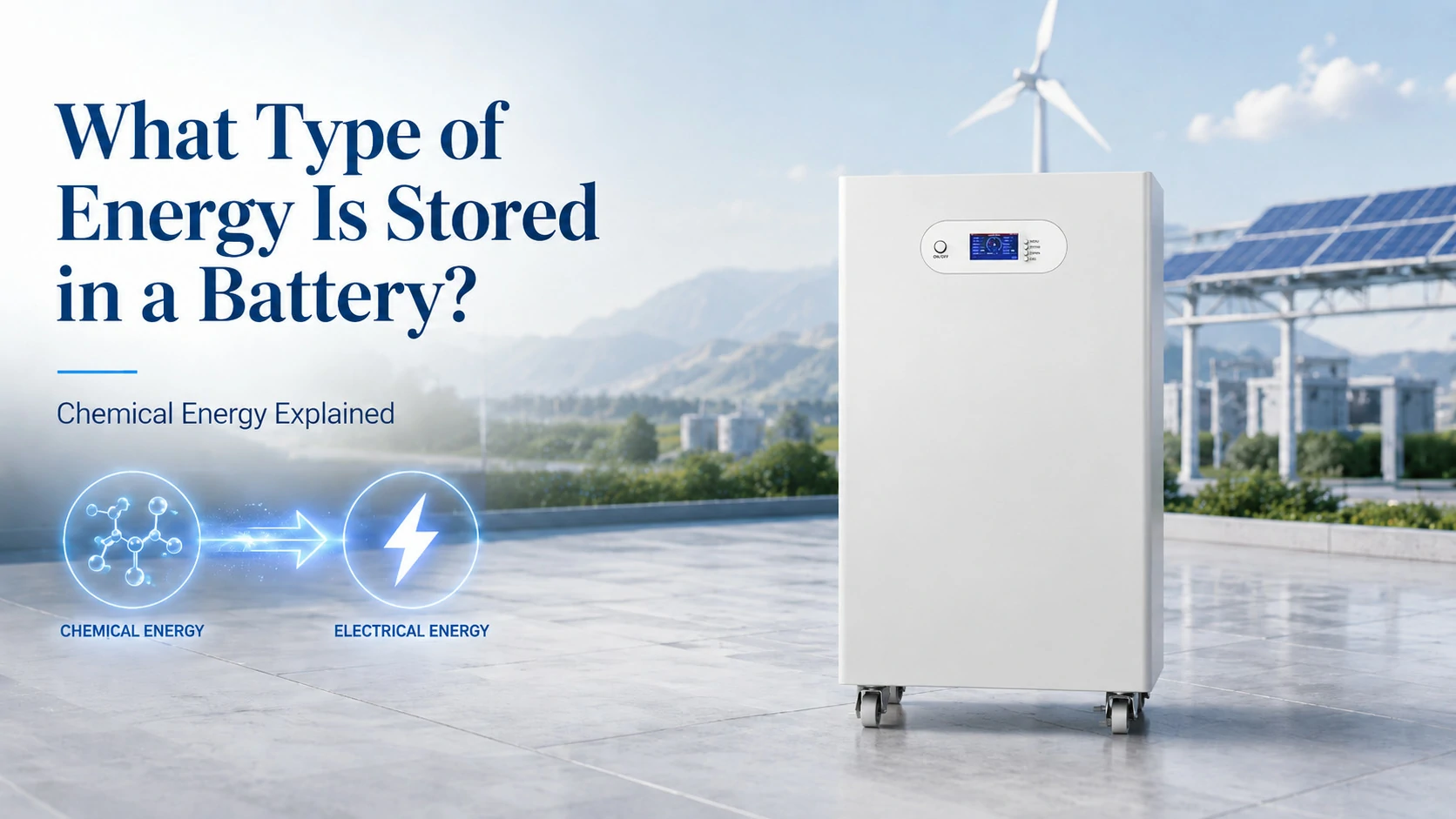
A battery stores chemical potential energy, which is converted into electrical energy when the battery powers a device. In practical battery systems, stored energy is usually measured in watt-hours (Wh) or kilowatt-hours (kWh), and it can be estimated using Energy (Wh) = Voltage (V) × Capacity (Ah). For example, a 12V 100Ah battery stores about 1,200Wh, or 1.2kWh, of nominal energy.
In simple terms:
Charging: Electrical energy → Chemical potential energy
Discharging: Chemical potential energy → Electrical energy
What Type of Energy Does a Battery Store?
The energy stored in a battery is chemical potential energy.
A battery does not store flowing electricity directly. Instead, energy is held in the chemical state of the materials inside its electrochemical cells.
When the battery is connected to a load, chemical reactions inside the cell cause ions to move through the electrolyte while electrons move through the external circuit. That electron flow provides the electrical energy used by phones, laptops, electric vehicles, solar systems and other electrical equipment.
Rechargeable batteries reverse much of this process during charging. Electrical energy from a charger changes the chemical state of the battery so that energy can be stored again.
How Is Energy Stored in a Battery Measured?
Although the energy inside a battery is stored chemically, battery energy is normally described using electrical units such as watt-hours and kilowatt-hours.
The basic relationship is:
Energy (Wh) = Voltage (V) × Capacity (Ah)
For larger battery systems:
Energy (kWh) = Voltage (V) × Capacity (Ah) ÷ 1,000
The most common battery-related units are:
| Unit | Meaning | What It Tells You |
|---|---|---|
| V | Volts | Electrical potential difference |
| Ah | Amp-hours | Electrical charge capacity |
| Wh | Watt-hours | Amount of stored energy |
| kWh | Kilowatt-hours | Stored energy in larger battery systems |
| W | Watts | Rate at which energy is delivered |
1 kWh = 1,000 Wh.
Battery Energy Example: How Much Energy Does a 12V 100Ah Battery Store?
Consider a battery rated at:
12V, 100Ah
Using the battery energy formula:
12V × 100Ah = 1,200Wh
Therefore:
1,200Wh = 1.2kWh
In theory, this amount of energy could supply:
- 100W for about 12 hours
- 300W for about 4 hours
- 600W for about 2 hours
These are theoretical values.
Actual usable runtime is normally lower because of inverter efficiency, battery management limits, depth of discharge, temperature, discharge rate and battery condition.
The same formula works for larger energy storage batteries.
For example:
51.2V × 100Ah = 5,120Wh = 5.12kWh
Chemical Energy vs Electrical Energy: What Is Actually Stored?
One of the most common misunderstandings about batteries is that they simply store electricity.
More precisely, a battery stores chemical potential energy and releases electrical energy.
The distinction can be summarized like this:
| Concept | Meaning in a Battery |
|---|---|
| Chemical potential energy | The form of energy stored inside the battery |
| Electrical energy | The useful energy delivered during discharge |
| Capacity in Ah | Amount of electrical charge the battery can deliver |
| Energy in Wh or kWh | Total amount of usable energy represented by voltage × capacity |
| Power in W or kW | How quickly the battery can deliver energy |
This explains why two batteries with the same Ah rating can contain different amounts of energy.
For example:
12V × 100Ah = 1.2kWh
while:
48V × 100Ah = 4.8kWh
Both batteries are rated at 100Ah, but the 48V battery stores approximately four times as much energy because its voltage is four times higher.
How Does a Battery Convert Chemical Energy Into Electrical Energy?
A battery is an electrochemical energy conversion device.
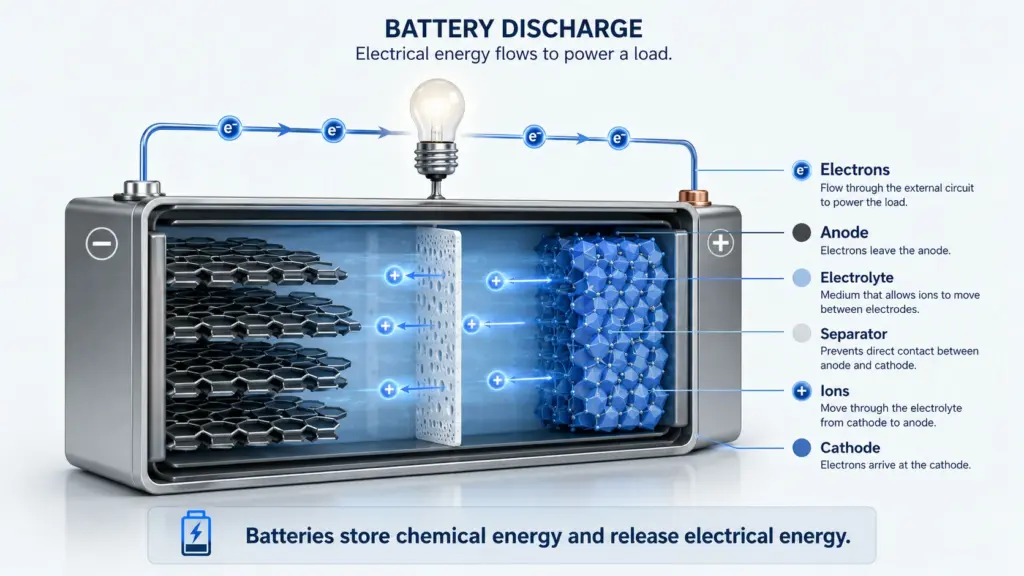
Most batteries contain three basic components:
- Anode
- Cathode
- Electrolyte
During discharge, electrochemical reactions occur between the battery materials.
Ions move internally through the electrolyte, while electrons travel through the external circuit. The movement of electrons through that circuit provides electrical energy to the connected device.
During charging, an external source supplies electrical energy to drive the electrochemical process in the opposite direction.
The basic energy conversion cycle is therefore:
Charging
Electrical energy
↓
Chemical potential energy
Discharging
Chemical potential energy
↓
Electrical energy
The exact reaction depends on battery chemistry, but the basic energy-storage principle is similar for lithium-ion, LiFePO4, lead-acid, nickel-based and many other electrochemical batteries.
What Happens Inside a Lithium-Ion Battery?
Lithium-ion batteries are widely used because they offer high energy density, rechargeability, and strong performance in compact systems.
During discharge:
- Lithium ions move from the anode to the cathode through the electrolyte.
- Electrons cannot pass through the separator inside the cell.
- Instead, electrons travel through the external circuit.
- That electron flow powers the connected device.
- The battery gradually moves toward a lower-energy chemical state.
During charging, the process is reversed. Lithium ions move back, and external electrical energy restores the battery’s chemical potential.
This is why lithium-ion batteries are used in mobile phones, laptops, electric vehicles, portable power stations, and solar energy storage systems.
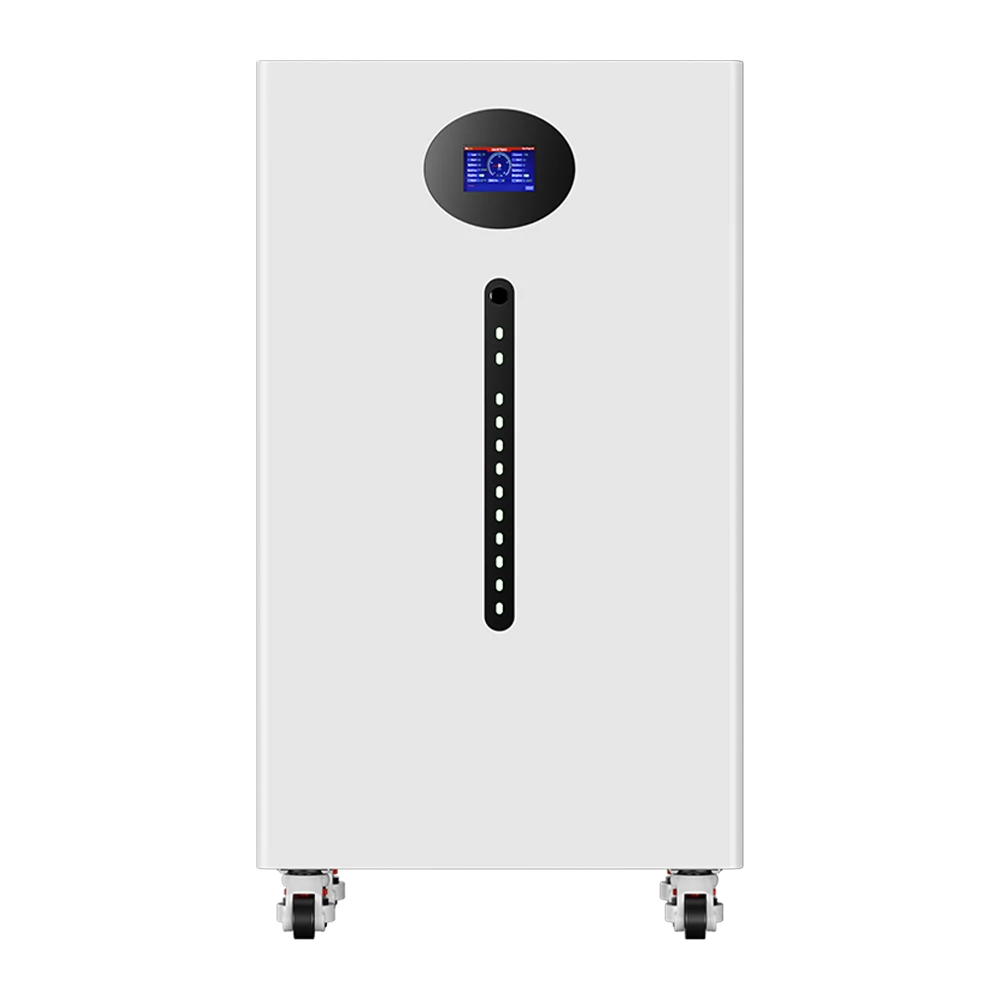
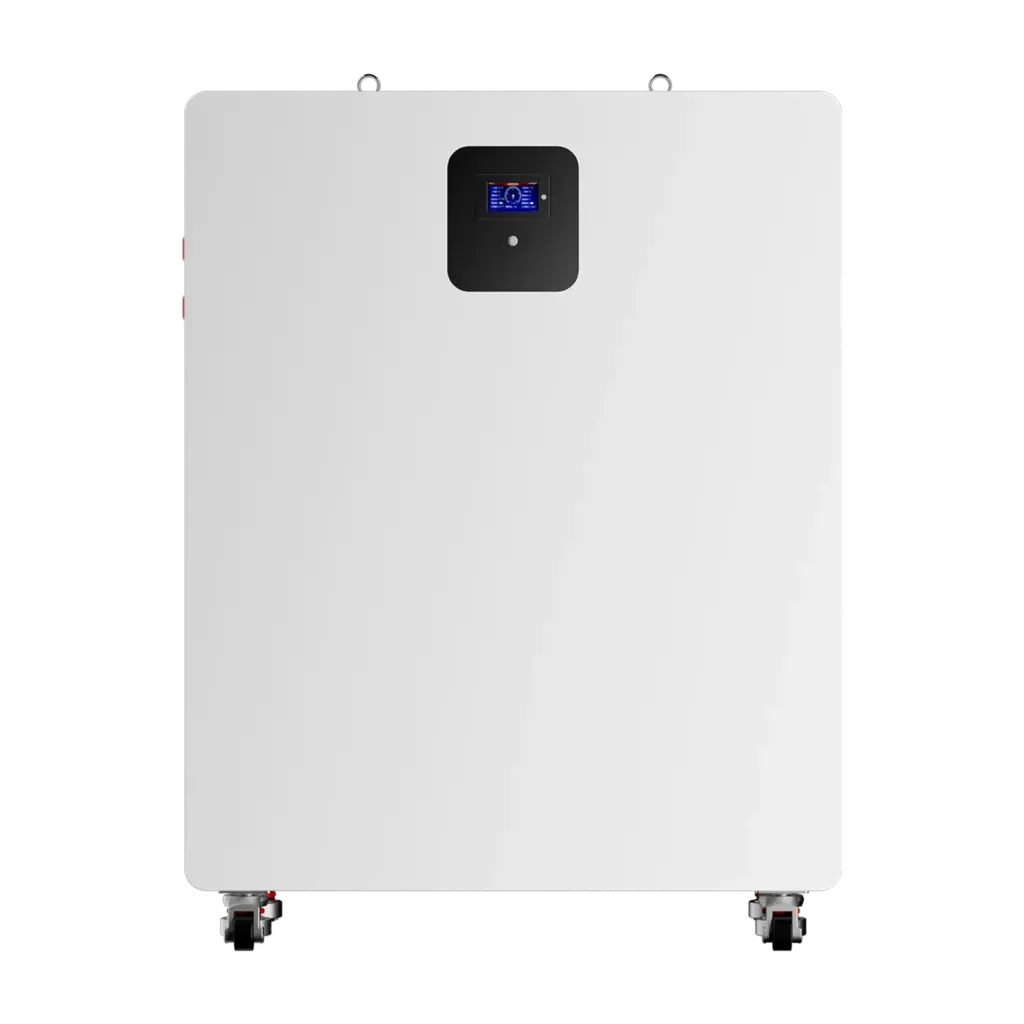
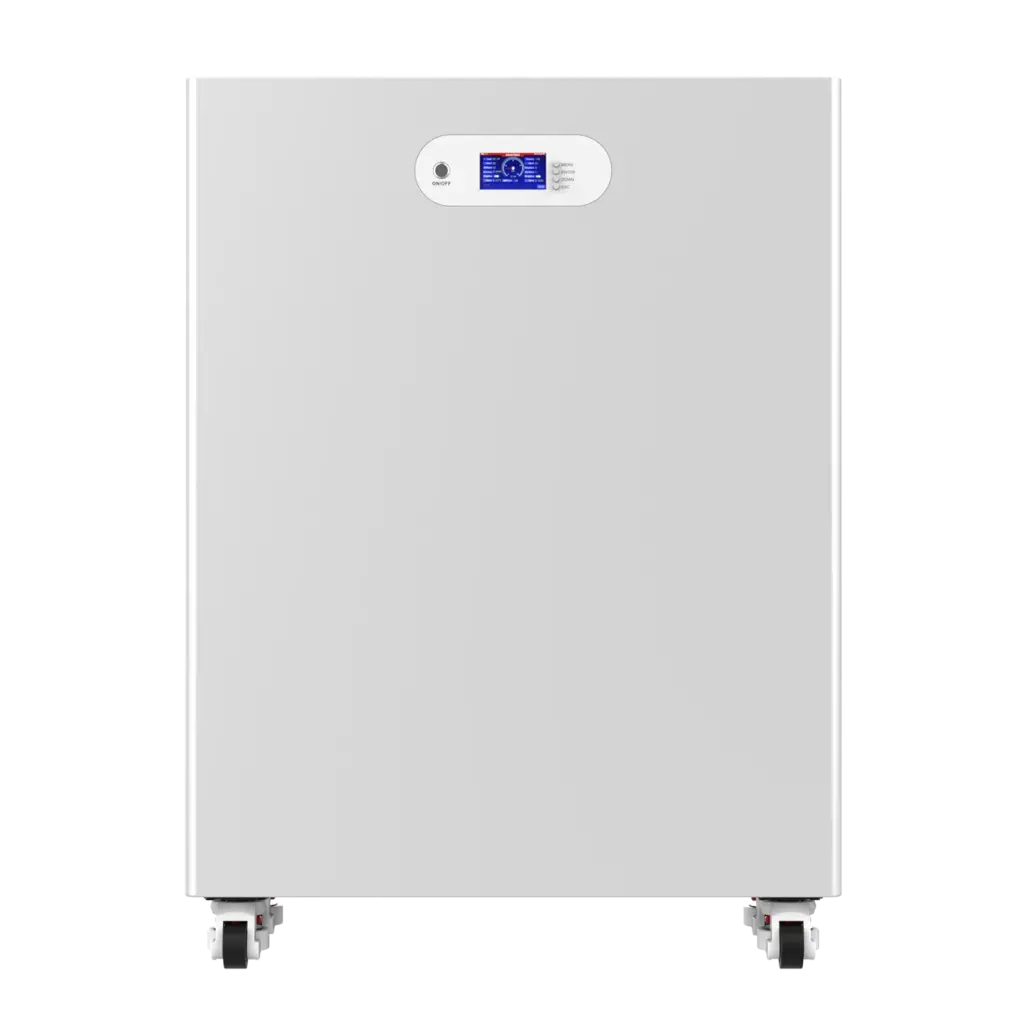
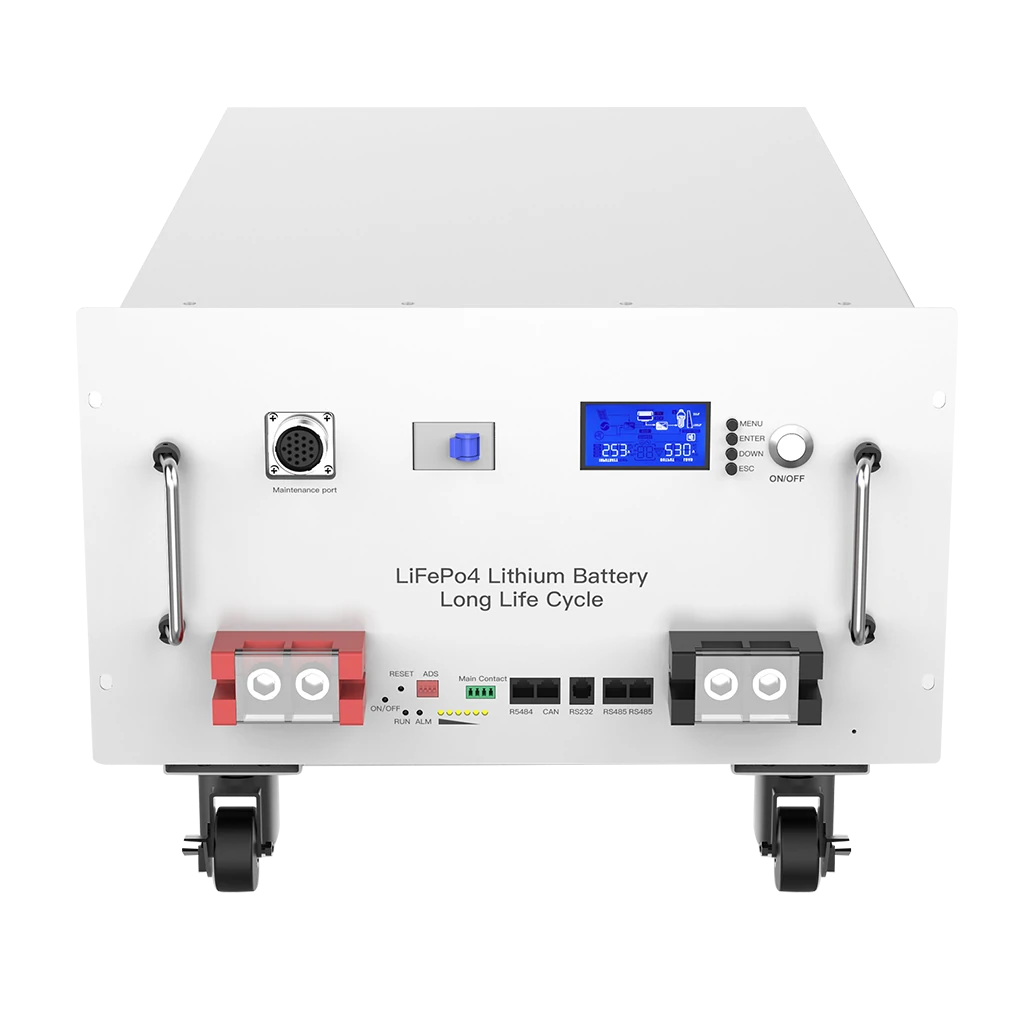
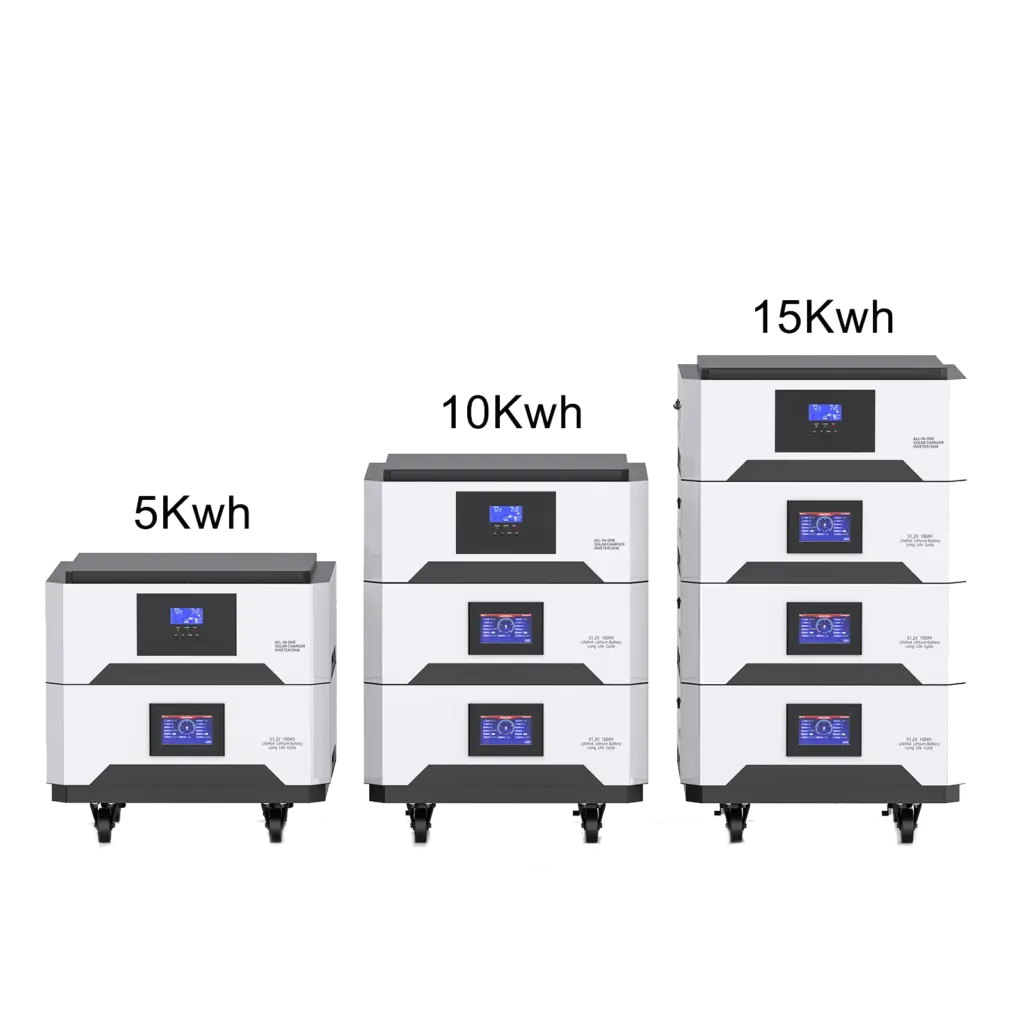
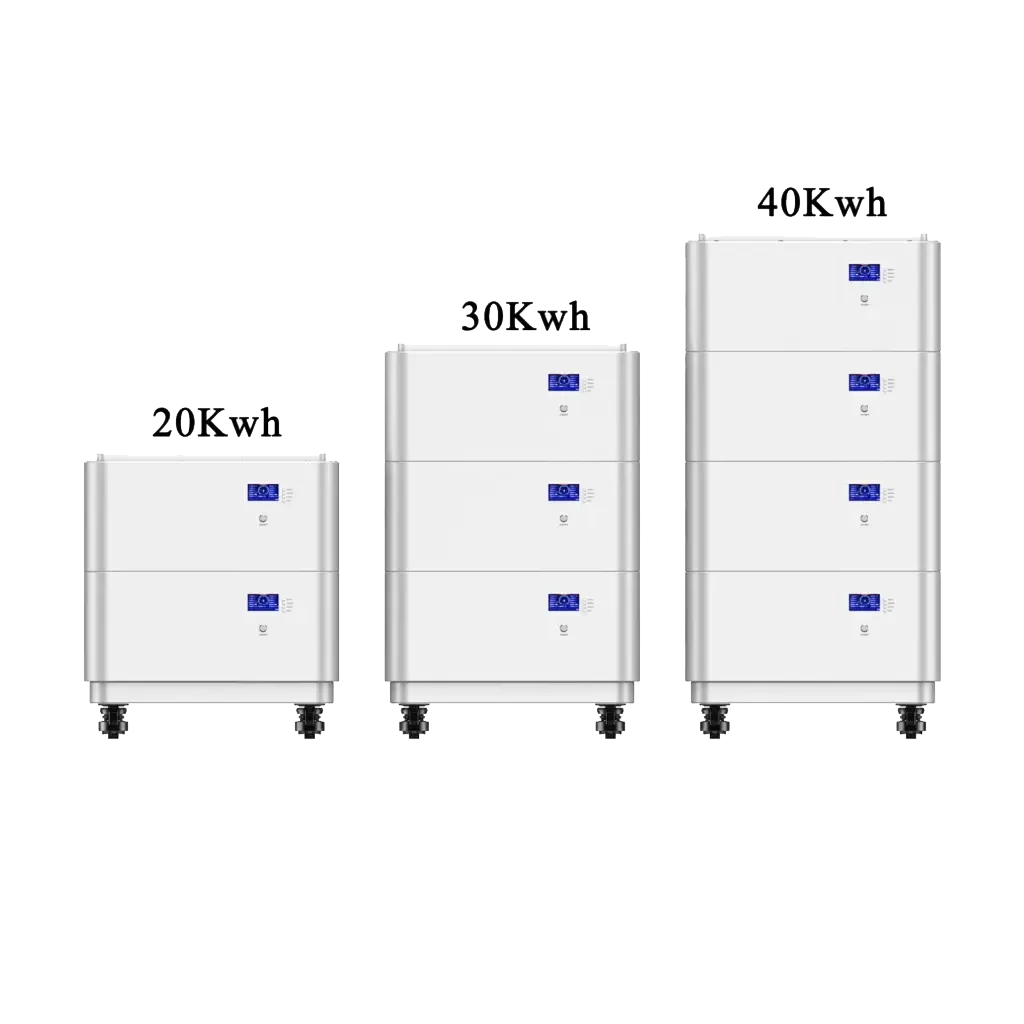
For solar storage applications, LiFePO4 batteries are especially common because they are known for safety, long cycle life, and stable performance. Avepower’s home energy storage solution focuses on LiFePO4 battery systems for storing solar energy, reducing grid dependence, and keeping essential home loads running.
Does a Battery Store Electricity?
Not in the same sense that electricity flows through a wire.
A charged battery maintains chemical conditions that can create a voltage between its terminals. Once a circuit is connected, electrochemical reactions allow electrons to move through the circuit and electrical current is produced.
Therefore, saying that a battery “stores electricity” is convenient in everyday language, but scientifically it is more accurate to say:
A battery stores energy chemically and delivers that energy electrically.
This also explains why a battery can remain disconnected for a period of time while still retaining energy.
Does a Battery Store AC or DC Energy?
A battery stores energy chemically and outputs direct current, or DC electricity.
DC means the current flows in one direction. This is why batteries are naturally suited for devices such as phones, laptops, flashlights, electric tools, and electric vehicles.
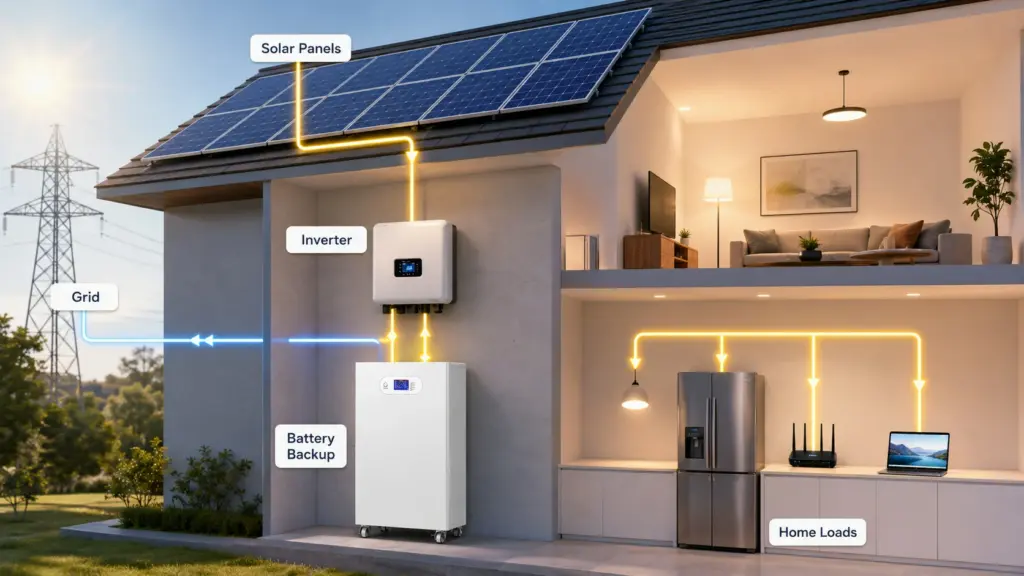
Homes and businesses, however, usually use AC electricity. That is why a battery storage system often needs an inverter. The inverter converts DC electricity from the battery into AC electricity for household or commercial loads.
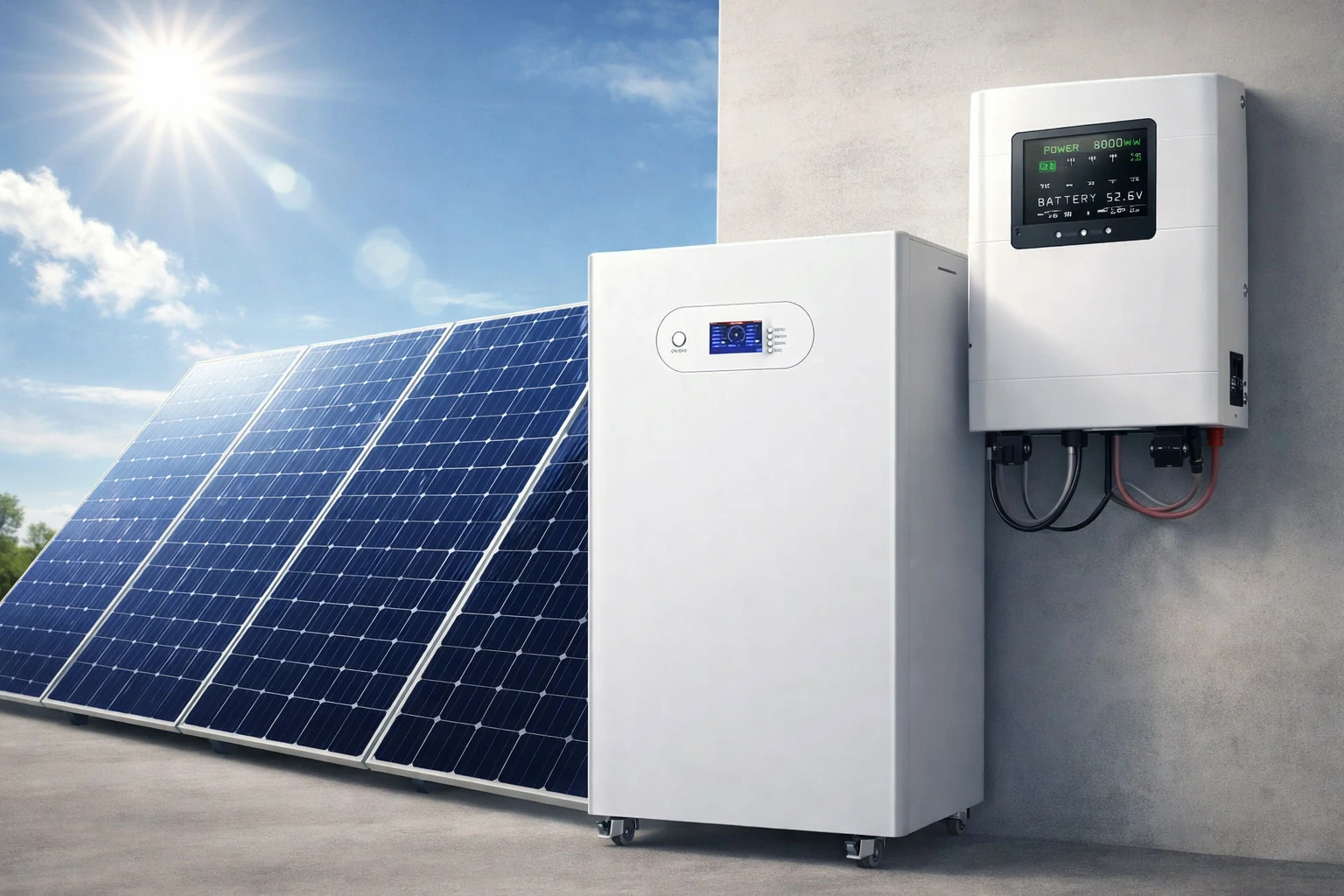
For solar energy storage, the basic flow often looks like this:
Solar panels → Charge controller or inverter → Battery → Inverter → Home or business loads
A well-designed energy storage system must manage both chemical storage inside the battery and electrical conversion outside the battery.
Do Different Batteries Store Different Types of Energy?
Most conventional batteries store the same general form of energy: chemical potential energy.
What changes is the battery chemistry used to store and release that energy.
Common examples include:
- Lithium-ion
- LiFePO4
- Lead-acid
- Nickel-metal hydride
- Sodium-ion
- Flow batteries
Different chemistries can have different energy density, voltage, cycle life, temperature behavior, safety characteristics, charge rates and costs.
For example, LiFePO4 batteries are widely used in stationary solar and home energy storage because of their long cycle life, stable chemistry and suitability for repeated charging and discharging.
The chemistry changes how the battery performs, but it does not change the fundamental principle: energy is stored chemically and converted into electrical energy when required.
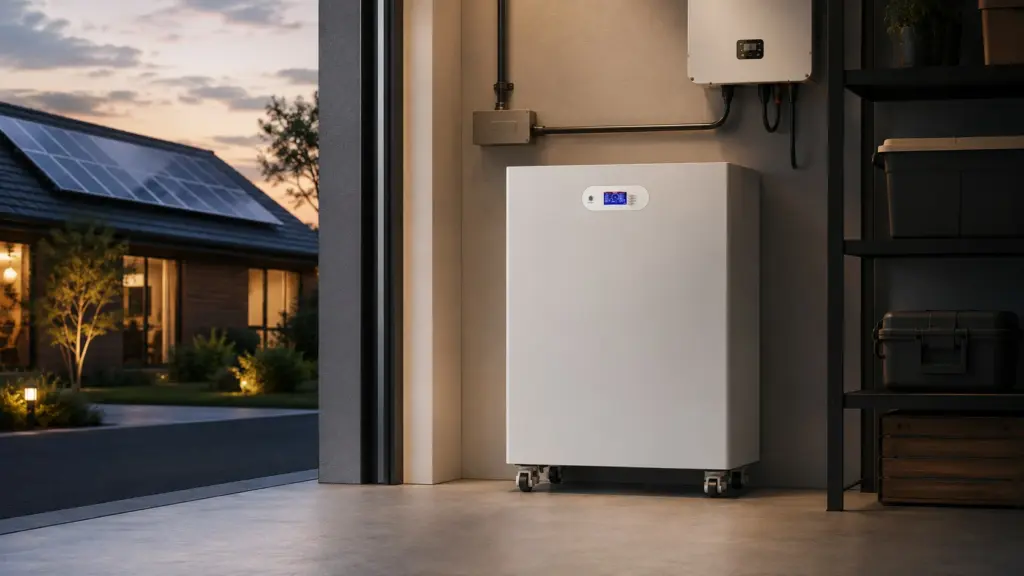
Need a Safer and Scalable Battery Storage Solution?
Avepower provides LiFePO4 battery energy storage solutions for residential solar systems, installers, distributors, and OEM/ODM partners.
How Battery Capacity Relates to Stored Energy
Battery capacity tells you how much energy a battery can store and deliver.
The most common unit is watt-hour, or Wh. Larger systems usually use kilowatt-hour, or kWh.
- 1 kWh = 1,000 Wh
- A 5 kWh battery can theoretically deliver 5,000 watts for 1 hour, or 500 watts for 10 hours
- Actual runtime depends on efficiency, inverter losses, depth of discharge, temperature, and battery health
For example, a 10 kWh home battery does not mean it can power every appliance for a full day. It means the battery stores about 10 kWh of energy before accounting for system limits and usable capacity.
This is where battery sizing matters. A small battery may be enough for lights, Wi-Fi, and a refrigerator during outages. A larger battery may be needed for air conditioning, pumps, commercial loads, or off-grid systems.
What Role Does the Inverter Play?
Most batteries store and release energy as DC electricity. However, homes and many commercial buildings use AC electricity. This is where an inverter becomes essential.
The inverter converts DC electricity from the battery into AC electricity for loads such as refrigerators, lighting, pumps, computers, HVAC equipment, and other appliances.
Where Is Stored Battery Energy Used?
Battery energy storage is used whenever electricity needs to be stored at one time and used later.
Home Energy Storage
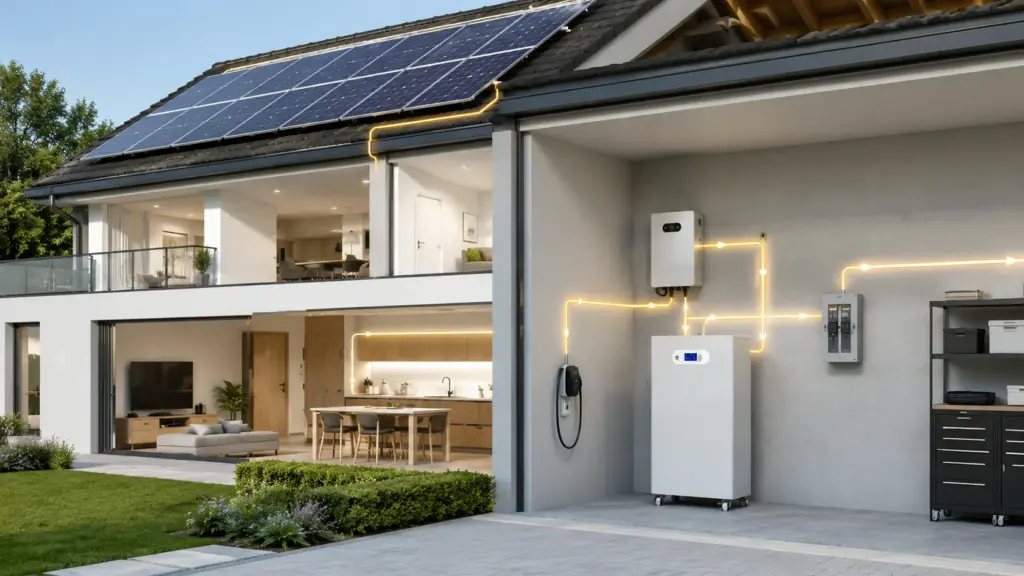
Home batteries can store electricity generated by solar panels or supplied by the grid. The stored energy can then be used at night, during outages or during periods of high electricity demand.
Solar Energy Storage
Solar panels generate electricity only when sufficient sunlight is available. Batteries make it possible to store part of that energy for later use.
During charging:
Solar electrical energy → Battery chemical energy
During discharge:
Battery chemical energy → Electrical energy
Electric Vehicles
EV batteries store chemical potential energy. During driving, the battery converts this stored energy into electrical energy, which powers the motor.
The motor then converts electrical energy into mechanical motion.
Portable Electronics
Phones, laptops, cameras, power tools and portable power stations all use batteries to store energy chemically and provide electricity when required.
Commercial and Industrial Energy Storage
Large battery systems can be used for backup power, peak shaving, renewable-energy integration, load shifting and grid-support applications.
Conclusion
So, what type of energy is stored in a battery?
The answer is chemical potential energy. A battery does not directly store electricity like water in a tank. Instead, it stores energy inside chemical materials. When the battery is connected to a device or energy system, electrochemical reactions convert that stored chemical energy into electrical energy.
For solar energy storage, backup power, and scalable ESS projects, choosing the right battery is not only about capacity. It is also about chemistry, BMS protection, inverter communication, certifications, and long-term project support.
Looking for a scalable LiFePO4 battery storage solution for residential, commercial, or project-based solar applications? Explore Avepower’s battery energy storage solutions to compare home energy storage, stackable batteries, high-voltage ESS systems, and OEM/ODM customization options for your market.
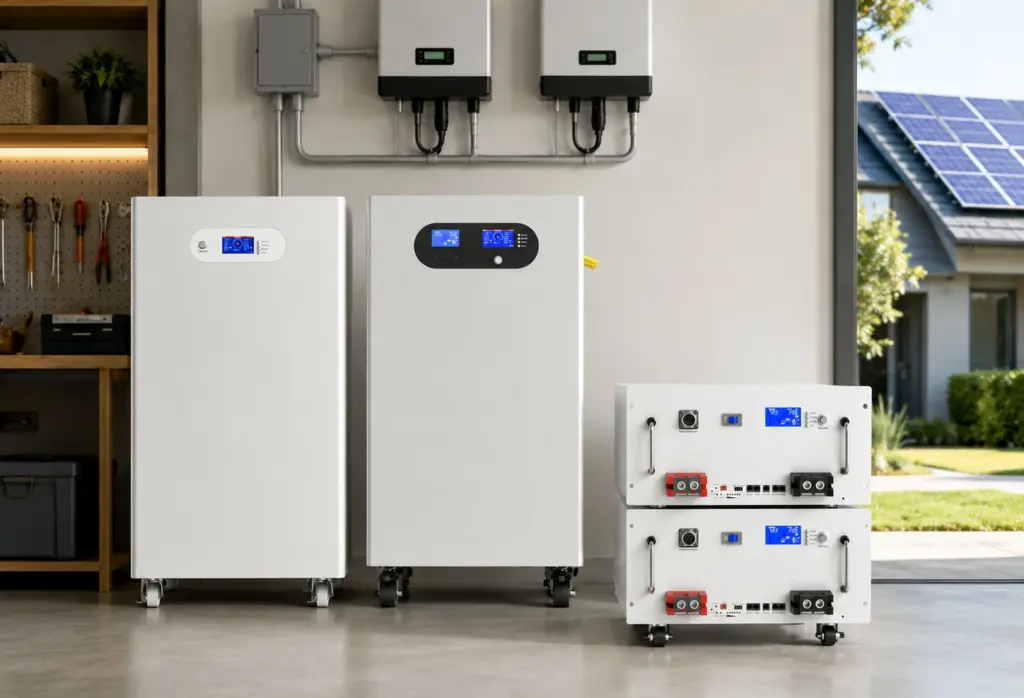
Take Control of Your Energy with Avepower!
Reliable home solar battery solutions with OEM/ODM customization and in-house manufacturing, tailored to the needs of distributors, installers, and energy partners.
FAQ
A battery stores chemical potential energy. When the battery discharges, electrochemical reactions convert this stored chemical energy into electrical energy.
A battery outputs electrical energy. That electrical energy can then become light, heat, motion, sound, or other useful forms depending on the device.
Rechargeable batteries use reversible chemical reactions, allowing them to store and release energy many times. Disposable batteries are designed for one main discharge cycle.
Yes. A battery can store electrical energy generated by solar panels by converting it into chemical energy. Later, it converts that stored chemical energy back into electricity.
A battery runs out when its active materials reach a lower-energy chemical state and can no longer maintain enough voltage and current for the connected device.
Electricity is the movement of electrons. A battery stores energy in chemical form because that is more stable and practical for later use.
A battery supplies electrical energy, normally as DC electricity. A connected device may then convert that electrical energy into light, heat, sound or mechanical motion.
Inside the battery, energy is stored primarily as chemical potential energy. During discharge, this chemical energy is converted into electrical energy.
Yes, but the battery does not store sunlight itself.
Solar panels first convert sunlight into electrical energy. The battery then converts that electrical energy into chemical potential energy during charging and converts it back into electrical energy when needed.
As a battery discharges, its chemical state changes and the available chemical potential energy decreases. Eventually the battery can no longer maintain sufficient voltage and current for the connected load.
Rechargeable batteries can restore much of this chemical potential energy by receiving electrical energy from a charger.