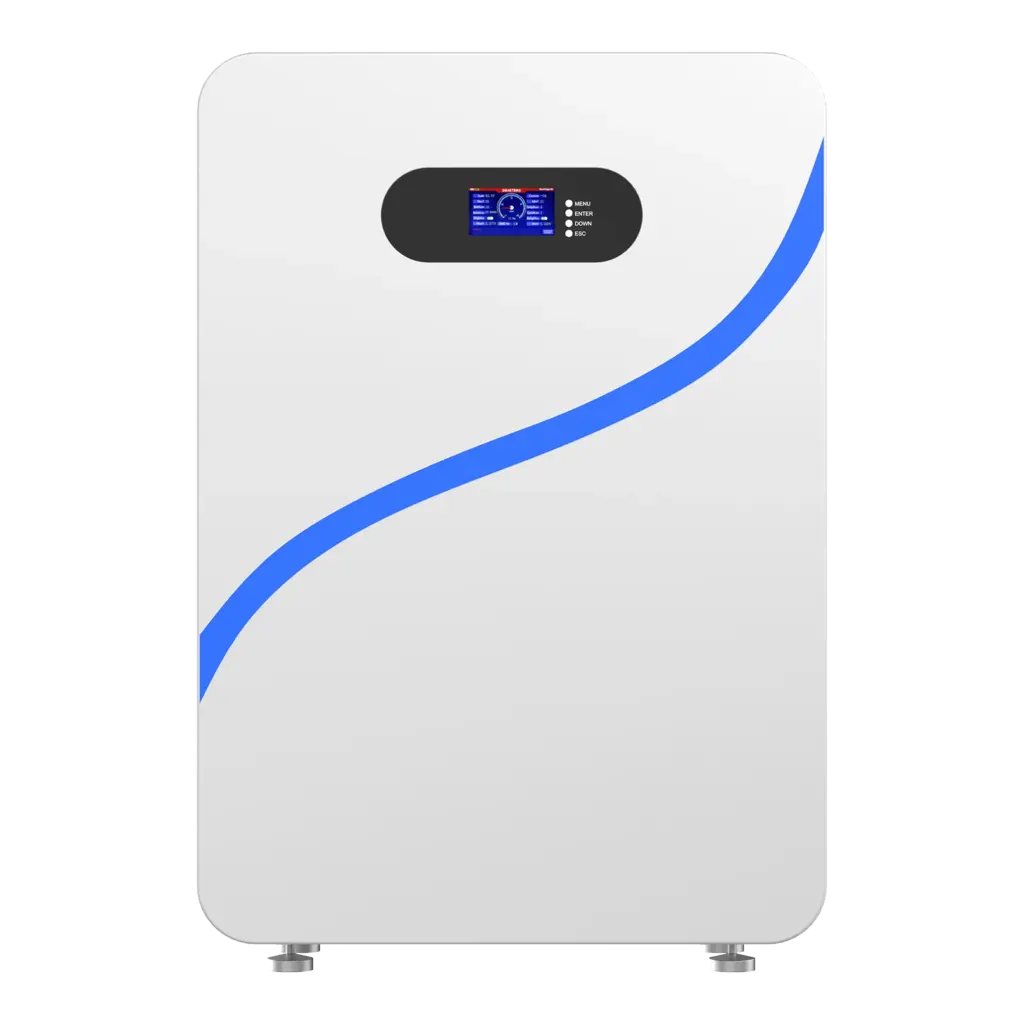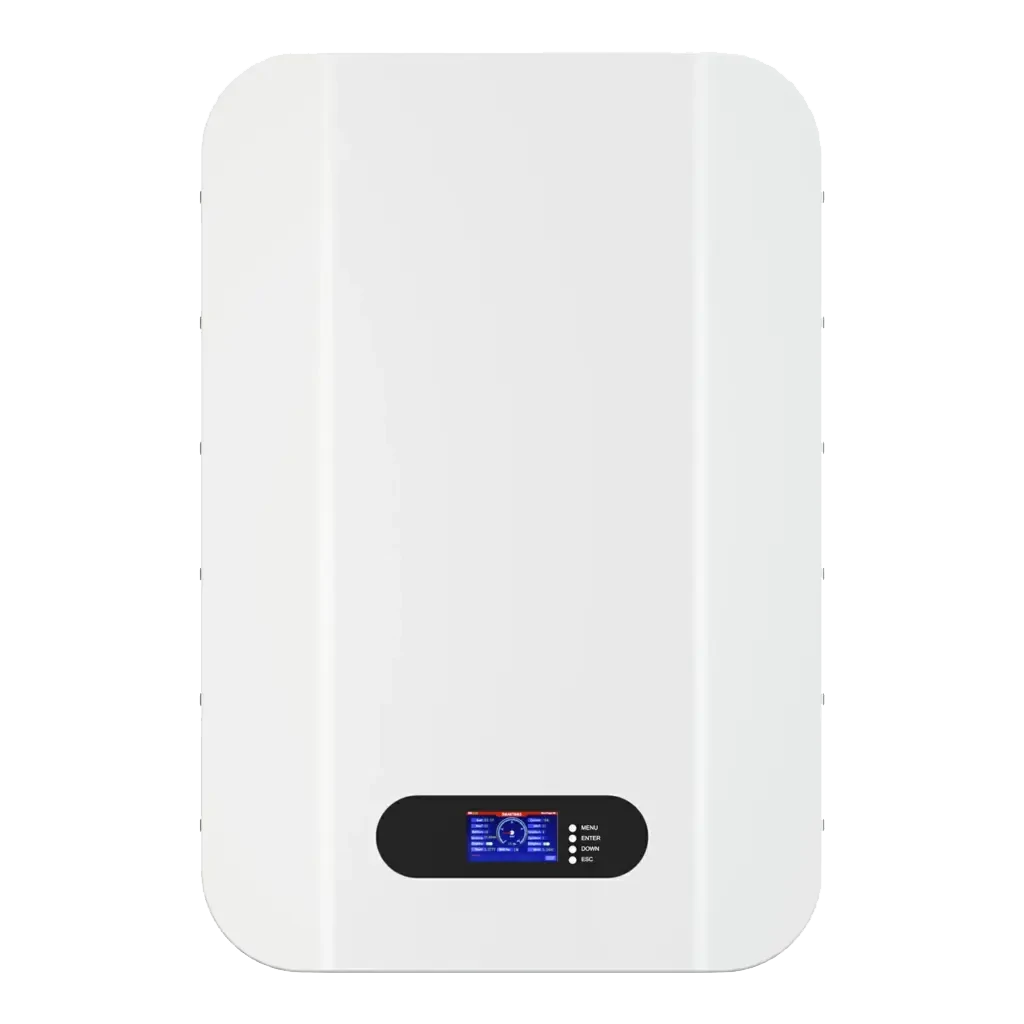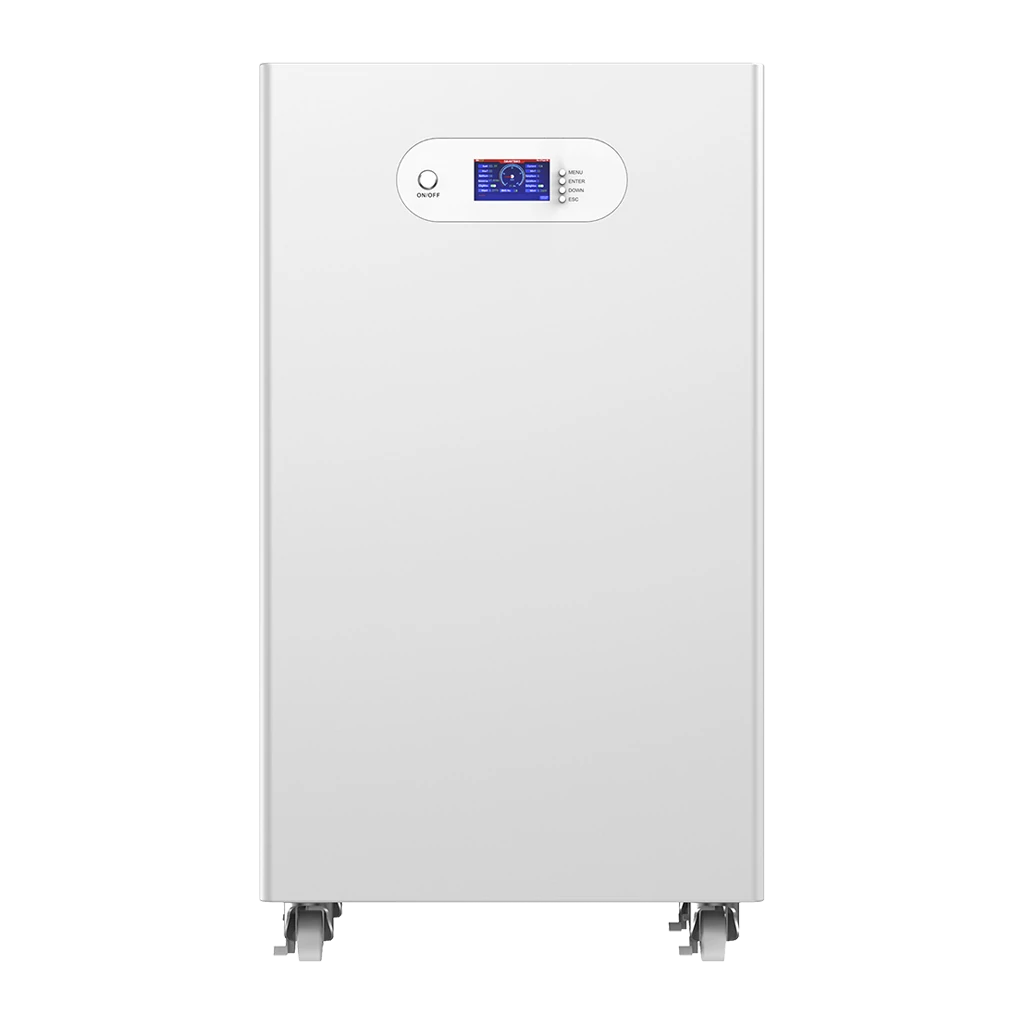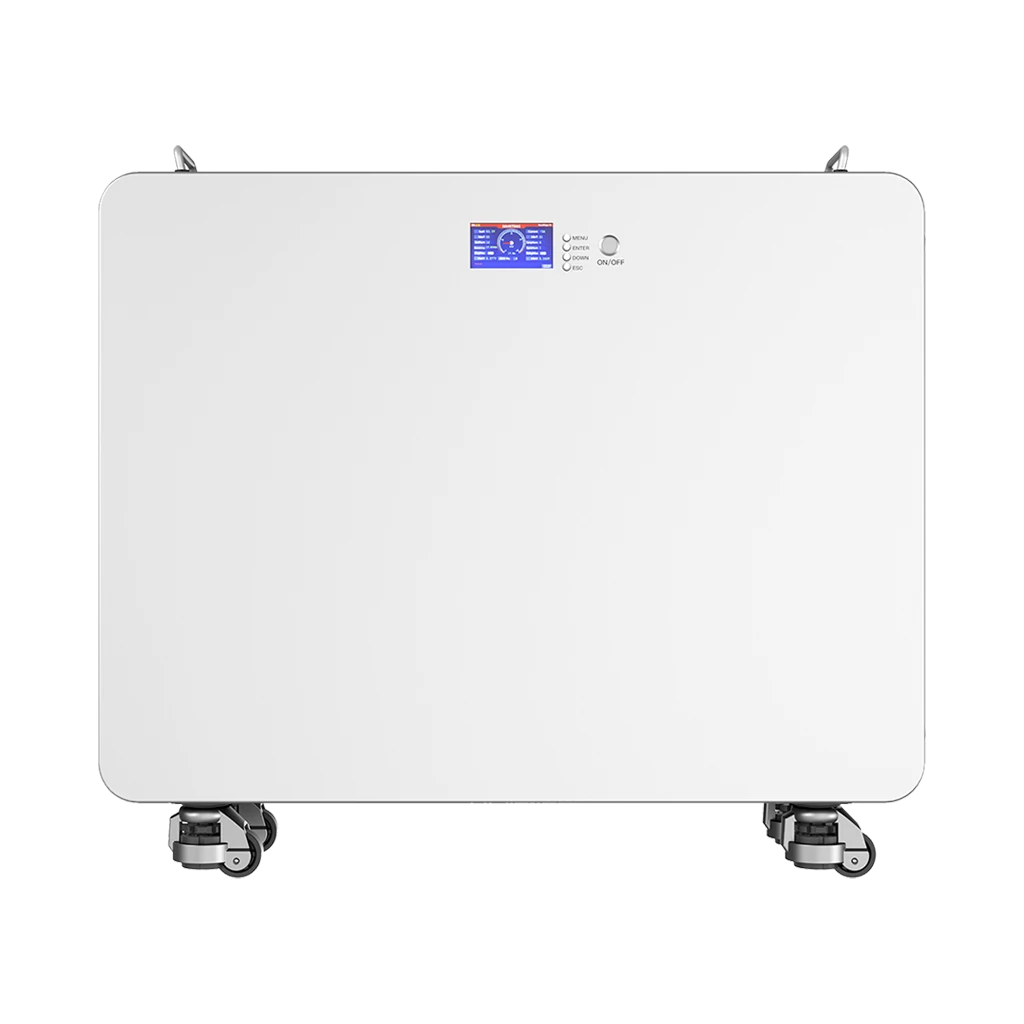

Community solar can be worth joining when you cannot install rooftop panels and the subscription provides transparent, contractually defined savings without expensive cancellation terms. Its main weaknesses are limited availability, less control, potentially confusing billing and no direct household backup during a power outage.
For renters, apartment residents and properties with shaded or unsuitable roofs, community solar can provide access to solar benefits without installing equipment. For homeowners who already own rooftop PV, need blackout protection or want greater control over when solar energy is used, rooftop solar with battery storage may provide more practical value.
Quick Answer: What Are the Pros and Cons of Community Solar?
Community solar pros and cons in 2026 come down to access versus control. Subscribers can receive solar bill credits without purchasing panels or maintaining equipment, but they usually do not control the system, cannot use it as household backup and must rely on the project operator, utility rules and contract pricing.
| Factor | Main Advantage | Main Disadvantage |
|---|---|---|
| Upfront cost | Subscription plans may require little or no upfront payment | Ownership models may require capital |
| Property requirement | No suitable roof or private land is required | The system is not installed on your property |
| Renters | Can participate when the utility account is in their name | Eligibility may end after moving |
| Electricity savings | Bill credits can lower net electricity costs | Savings depend on the credit and subscription rates |
| Maintenance | Project owner handles operation and maintenance | Subscriber has little control over performance |
| Contract | Some subscriptions are transferable or cancellable | Other plans include escalators, waiting periods or exit fees |
| Incentives | Project incentives can support lower subscription pricing | Subscribers normally do not claim ownership incentives directly |
| Backup power | Can support broader renewable generation on the grid | A normal subscription does not keep your home powered in a blackout |
| Environmental benefit | Expands access to locally generated solar | REC ownership may limit personal renewable-energy claims |
| Availability | Projects now exist across much of the United States | Open subscriptions remain concentrated in selected utility territories |
Need a Battery System Matched to Your Solar Project?
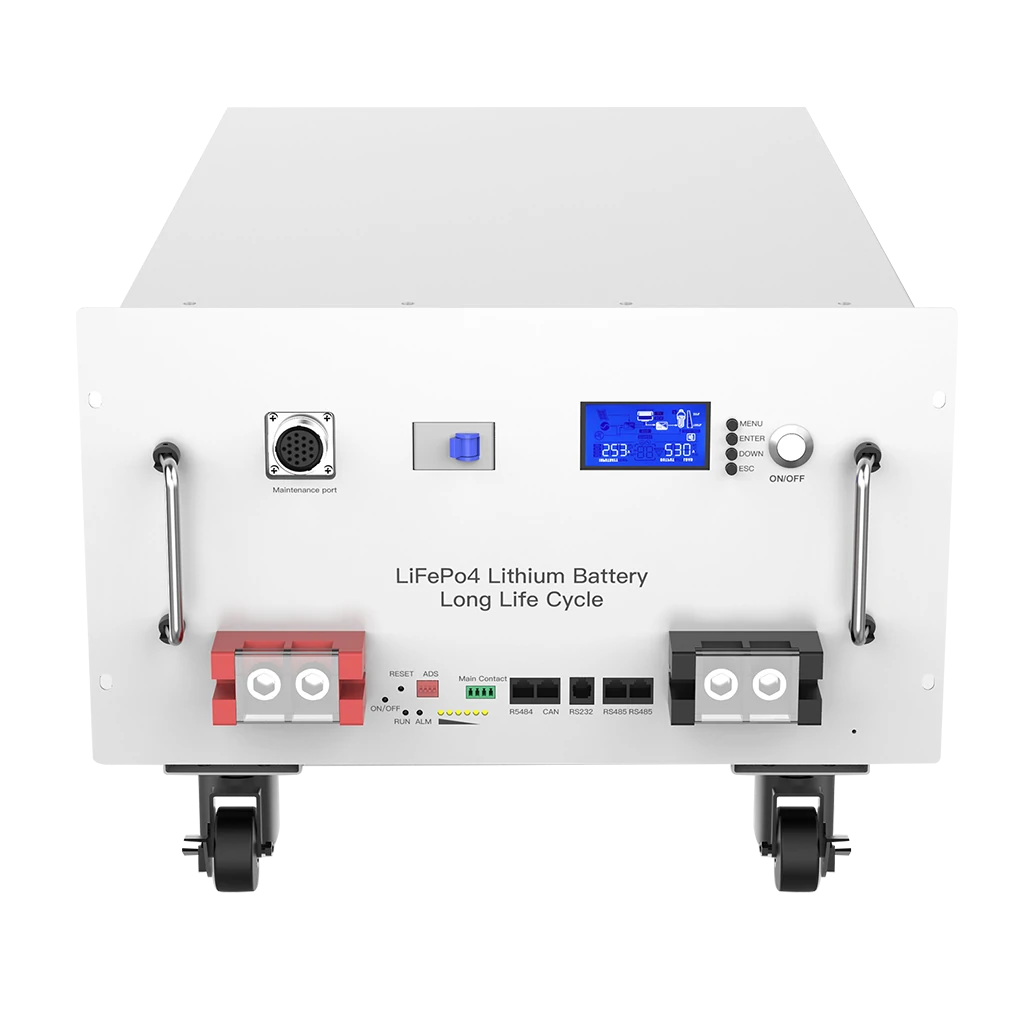
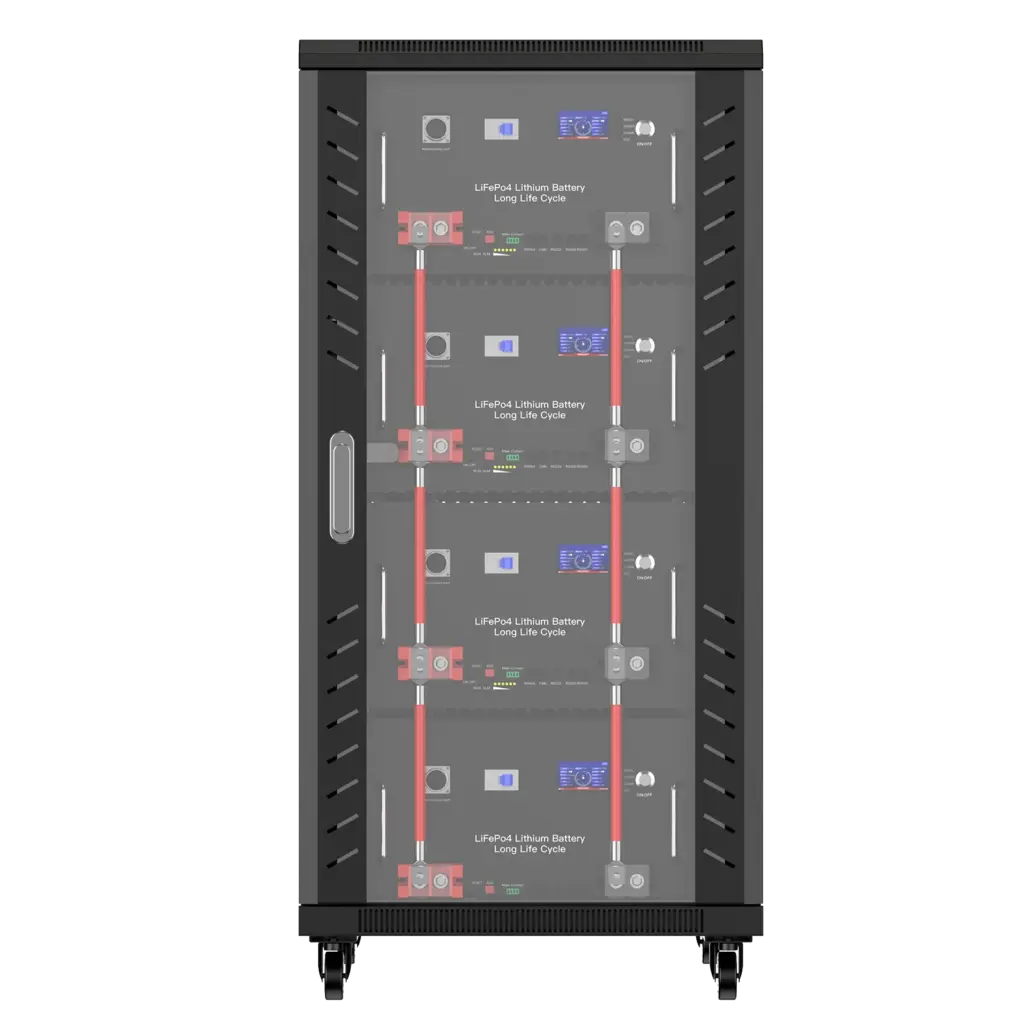
Avepower provides residential, commercial and high-voltage energy storage systems for installers, distributors, developers and OEM/ODM partners. Custom options can include battery capacity, voltage platform, enclosure design, communication protocol, branding and system integration support.
What Is Community Solar?
Community solar is a shared photovoltaic project that allocates part of its electricity value to multiple households, businesses or organizations. The electricity normally enters the local grid rather than flowing directly to each subscriber, and the subscriber receives a monetary or energy-based credit through the utility billing system.
The Solar Energy Industries Association describes community solar as a local solar facility shared by multiple subscribers who receive electricity-bill credits for their allocated share of generation. These facilities are commonly smaller than 5MW, although project definitions and limits vary by state and utility.
A typical arrangement works like this:
- A developer, utility, cooperative or public organization develops a shared solar array.
- Eligible customers subscribe to or purchase part of its output.
- The solar facility sends electricity into the grid.
- The utility calculates each subscriber’s allocated production.
- A credit appears on the subscriber’s electricity bill.
- The subscriber may receive a separate charge from the project operator.
The subscriber does not normally receive the same physical electrons generated by the project. Community solar is primarily a billing and allocation arrangement supported by grid-connected solar generation.
How Does Community Solar Work?
Community solar usually works through four steps:
- A developer, utility, council, cooperative, or community group builds a shared solar project.
- Customers subscribe to or buy a share of the project.
- The electricity generated by the solar array is sent to the grid.
- Subscribers receive credits on their electricity bills based on their allocated share of generation.
Community solar subscribers usually pay for a share of the electricity generated by the project, often through a monthly subscription fee. The local utility then applies a portion of the project’s value as a credit to the subscriber’s bill.
Example: if a community solar array produces 10,000 kWh in a billing period and a customer owns 5% of the project, that customer receives 500 kWh worth of bill credit.
How Do Community Solar Subscriptions and Ownership Models Differ?
Community solar subscriptions usually provide the easiest entry and the greatest mobility, while ownership models may offer stronger long-term economics but require capital and longer commitments. Neither label is enough to judge the offer; the pricing formula, credit valuation, transfer rules and REC ownership must be examined separately.
| Model | How It Works | Best Suited To | Main Risk |
|---|---|---|---|
| Fixed-discount subscription | Provider charges less than the value of solar credits | Renters and customers seeking predictable savings | Savings apply mainly to credited energy, not necessarily the full bill |
| Fixed-price subscription | Customer pays a defined rate for allocated production | Users expecting utility rates to rise | Rate may become less competitive |
| Escalating subscription | Subscription price rises annually | Projects requiring long-term contracted revenue | Escalator can reduce future savings |
| Ownership model | Customer purchases panels or a share of the facility | Long-term participants with available capital | Greater upfront cost and moving complexity |
| Utility-led program | Utility develops or administers the project | Customers prioritizing billing simplicity | Pricing and availability depend on utility rules |
| Cooperative or community-owned | Local members collectively own or govern the project | Communities prioritizing local control | Financing and administration can be difficult |
A “no upfront cost” offer is not automatically the cheapest model. It may exchange upfront savings for a longer contract, annual escalator or smaller bill-credit discount.
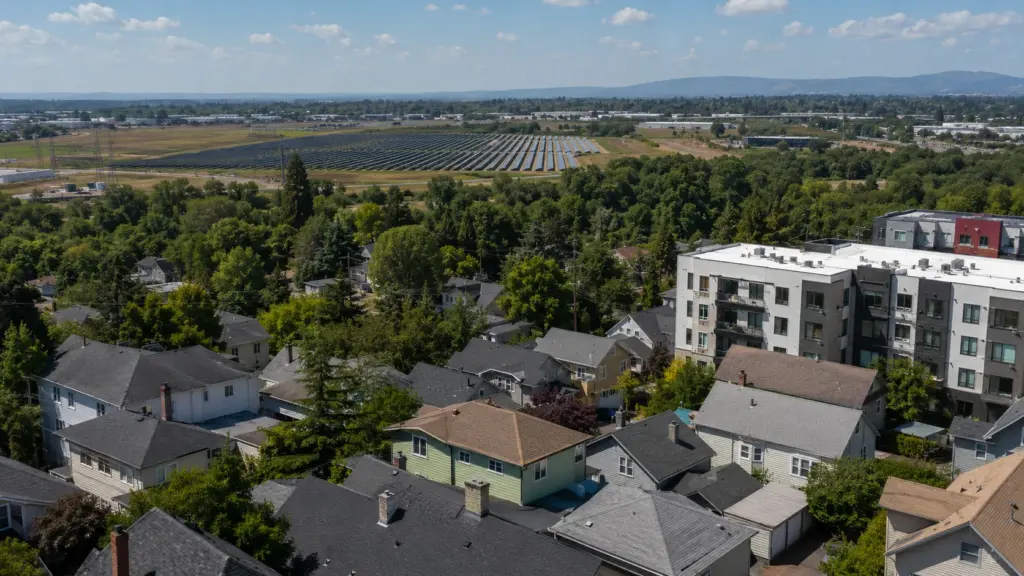
Pros of Community Solar
Community solar advantages are strongest for customers excluded from rooftop solar by renting, roof condition, shading, building ownership or installation cost. It can provide modest bill savings and local renewable-energy participation without requiring the subscriber to purchase, permit, insure, operate or maintain a solar system.
1. Community Solar Does Not Require A Suitable Roof
Community solar is particularly useful when rooftop installation is technically or legally impractical.
Common barriers include:
- Renting the property
- Living in an apartment or condominium
- Heavy roof shading
- Limited roof area
- Old roofing materials
- Structural restrictions
- Historic-building rules
- Homeowners association restrictions
- Plans to move before a rooftop system pays back
2. Subscription Plans Can Avoid Major Upfront Investment
Community solar subscribers generally do not purchase panels, inverters, mounting systems or electrical upgrades for their property.
This lowers the initial financial barrier, but “no upfront cost” should not be confused with “free solar.” The subscriber usually pays the provider through a monthly subscription charge, discounted solar-credit rate or other contractual pricing structure.
3. Subscribers Can Reduce Electricity Costs
Community solar can reduce net electricity costs when the bill-credit value exceeds the subscriber’s payment to the project provider.
Real savings depend on:
- Utility credit rate
- Subscription charge
- Allocated project production
- Fixed utility charges
- Non-bypassable charges
- Annual price escalators
- Credit rollover rules
- Project availability
- Billing accuracy
The strongest contracts define the discount clearly rather than promising vague future savings.
4. The Project Owner Handles Maintenance
Subscribers normally do not clean panels, replace inverters, inspect wiring or manage vegetation around the project.
The developer or system owner is responsible for:
- Monitoring production
- Corrective maintenance
- Equipment replacement
- Site security
- Vegetation management
- Insurance
- Reporting
- Utility coordination
Subscribers remain exposed to the financial effects of underperformance if the contract does not contain a production or savings guarantee.
5. Renters Can Participate Without Altering The Property
A renter whose electricity account is in their own name may be able to subscribe without obtaining permission to install permanent equipment.
The main limitation is portability. The subscription may transfer only when the customer moves within the same utility territory or eligible program area.
6. Community Solar Can Improve Low-Income Solar Access
Well-designed programs can provide measurable electricity savings without requiring a household to qualify for financing or own a home.
DOE identifies several consumer-protection practices for low-income community solar, including:
- A defined bill credit
- At least 20% household savings in qualifying programs
- No sign-up, exit or termination fees
- Plain-language disclosure documents
- A clear complaint and compliance process
These are program-design recommendations and eligibility conditions, not guarantees that every commercial community solar subscription provides 20% total-bill savings.
7. Shared Projects Can Use Sites That Households Cannot
Community solar can be developed on:
- Commercial rooftops
- Parking canopies
- Closed landfills
- Brownfields
- Industrial land
- Municipal property
- Agricultural sites
- Utility-owned land
Good siting can add solar generation while avoiding unnecessary pressure on sensitive habitats or productive farmland.
Cons of Community Solar
Community solar disadvantages include geographic restrictions, uncertain net savings, contract complexity, separate billing, limited equipment control and the absence of direct household backup. Subscribers must also verify moving rules, renewable-energy certificate ownership and what happens when project production or utility credit rates change.
1. Community Solar Is Not Available To Every Customer
The existence of a project in a state does not mean every household can subscribe.
Eligibility may depend on:
- Utility service territory
- Customer class
- Project location
- Program capacity
- Income qualification
- Credit history
- Electricity account ownership
- Minimum annual consumption
- Available subscriber slots
2. Advertised Savings May Not Equal Total-Bill Savings
A provider may advertise a 10% discount on community solar credits, but the household’s entire electricity bill may not fall by 10%.
Fixed service charges, taxes, delivery charges and non-bypassable fees may remain unchanged. A customer receiving $100 of discounted credits on a $200 bill does not necessarily save $20.
3. Customers May Receive Two Bills
Some programs use consolidated billing, where the utility includes both the credit and the subscription charge on one bill.
Other programs produce:
- One bill from the utility
- A second bill from the community solar provider
Two-bill arrangements are not inherently bad, but they make it harder to confirm whether the expected savings actually occurred.
4. Contract Terms Can Reduce Long-Term Value
A community solar agreement may contain:
- Annual escalators
- Minimum contract periods
- Early termination fees
- Transfer restrictions
- Auto-renewal clauses
- Minimum allocation requirements
- Credit-card or bank auto-payment
- Credit checks
- Production adjustment provisions
- Rules for unused credits
- Charges when consumption falls
A discount that looks attractive in year one can narrow if the subscription rate increases faster than the utility credit.
5. Community Solar Does Not Normally Provide Household Backup
Community solar generation is located away from the subscriber’s property and connected through the utility grid.
When the local distribution grid fails, a normal subscriber’s home will still lose power because it has no on-site islanding equipment, transfer device or battery.
A shared project may improve community-level resilience when it is combined with a microgrid, local battery and intentionally islandable critical loads. That is a specialized project design, not a standard subscription benefit.
6. Subscribers Have Limited Control
Community solar subscribers generally cannot choose:
- Solar-module brand
- Inverter model
- Battery technology
- Maintenance schedule
- Dispatch strategy
- Project location
- Vegetation plan
- Equipment replacement timing
- Export profile
This is acceptable for customers who want simplicity, but less attractive for users who want direct control over energy production and storage.
7. Subscribers May Not Own The Renewable-Energy Certificates
Renewable-energy certificates, or RECs, represent the environmental attributes of renewable electricity.
Depending on the contract, the REC may be:
- Retained by the project owner
- Sold to another entity
- Retired on behalf of subscribers
- Transferred to an electricity supplier
- Allocated to the subscriber
When subscribers do not own or retire the RECs, they may not be able to claim that their individual home is powered by 100% renewable electricity.
8. Poor Project Siting Can Create Local Opposition
Larger ground-mounted projects can raise concerns about:
- Farmland conversion
- Tree removal
- Wildlife habitat
- Stormwater
- Visual impact
- Glare
- Decommissioning
- Local tax arrangements
- Transmission or distribution upgrades
These concerns do not make community solar inherently harmful. They demonstrate why project location, local engagement, vegetation management and decommissioning obligations must be addressed early.
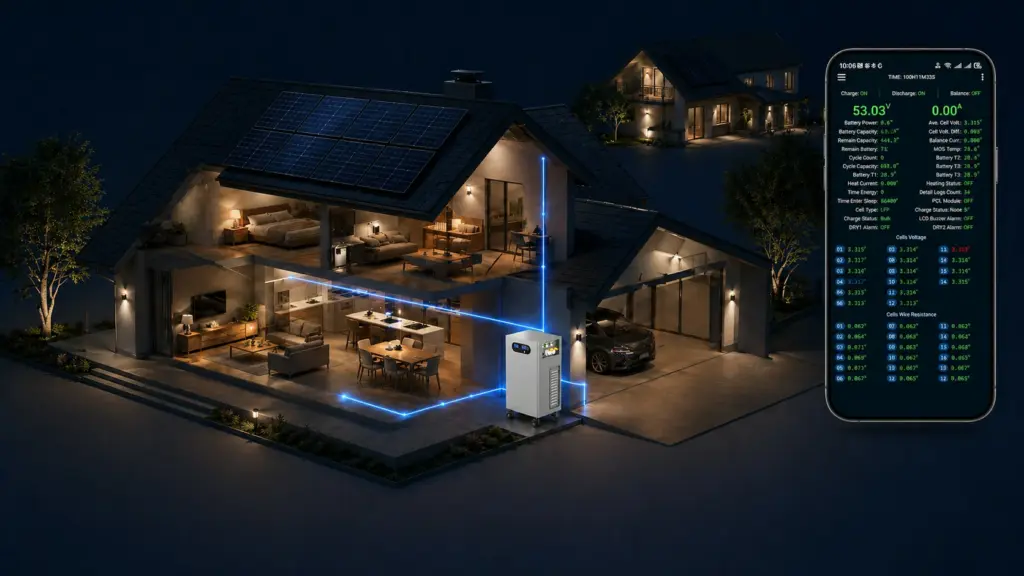
Planning a Solar-Plus-Storage System?
Avepower supports residential, commercial, and project-scale battery energy storage solutions designed for solar self-consumption, backup power, peak shaving, and long-term energy flexibility.
How large is the U.S. community solar market in 2026?
Community solar in 2026 is an established but unevenly distributed U.S. market. Cumulative capacity exceeded 10GW in late 2025, yet new installations remain concentrated in a limited number of states, and quarterly growth is affected by program caps, interconnection delays, policy changes and mature-market saturation.
2026 Market Snapshot
| Metric | Latest Available Indication |
|---|---|
| U.S. cumulative community solar capacity | More than 10GW by late 2025 |
| Q1 2026 additions | Approximately 247MWdc |
| Q1 2026 year-over-year change | About −4% |
| Jurisdictions with at least one project | 44 states and localities, including D.C. |
| Jurisdictions with enabling legislation | 24 |
| States plus D.C. with low-income participation policies | 19 states plus D.C. |
| Typical SEIA project description | Usually below 5MW |
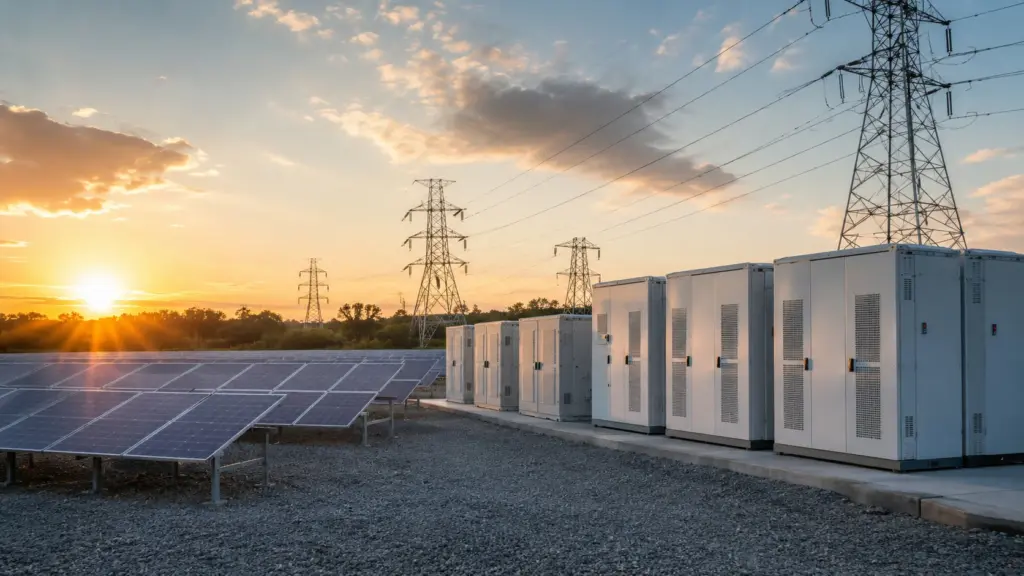
How Much Can Community Solar Save?
Community solar savings should be calculated from the value of bill credits minus the subscription charge and any added fees. The advertised discount often applies only to the solar-credit portion, so households should calculate savings against the full pre-subscription electricity bill before deciding whether the contract is worthwhile.
Community Solar Savings Formula
Net monthly savings = Bill credit − subscription payment − additional fees
Total-bill savings percentage = Net savings ÷ original utility bill × 100
Worked Billing Example
Assume:
- Original utility bill: $180
- Community solar credit: $120
- Provider charges 90% of the credit value: $108
- Additional subscription fee: $0
Calculation:
$120 credit − $108 subscription payment = $12 monthly savings
The household now pays:
- Remaining utility charges:
$180 − $120 = $60 - Community solar charge:
$108 - Total paid:
$168
Total-bill savings:
$12 ÷ $180 × 100 = 6.7%
The offer provides a 10% discount on solar credits, but only a 6.7% reduction in the original total electricity bill.
Annual estimated savings:
$12 × 12 = $144
This example assumes stable production, billing and rates. Actual results change with season, project output, consumption, credit valuation and contract terms.
Compare Community Solar With On-Site Battery Storage
Community solar can reduce electricity costs, but it does not provide direct control over stored energy or household backup. Compare your electricity bill, solar-credit value, outage needs and long-term plans before choosing between a subscription and an on-site battery system.
Is Community Solar Better Than Rooftop Solar?
Community solar is usually better for renters, apartment residents and properties that cannot support rooftop equipment. Rooftop solar is normally better for suitable long-term homeowners seeking direct generation and ownership value, while solar plus storage is stronger when the objective includes backup power, time-of-use control or greater energy independence.
| Option | Best Suited To | Main Benefit | Main Limitation |
|---|---|---|---|
| Community solar | Renters, apartments and unsuitable roofs | Solar access without on-site equipment | Limited control and no normal household backup |
| Rooftop solar | Long-term property owners with a suitable roof | Direct production and asset ownership | Installation cost and property requirements |
| Rooftop solar plus battery | Homes needing backup or time shifting | Stores energy for evening use and outages | Higher cost and greater design complexity |
| Retrofit solar battery | Existing rooftop-solar owners | Adds storage without rebuilding the full PV system | Must match the existing inverter and electrical design |
| Green electricity plan | Customers wanting a simpler renewable tariff | No equipment or project subscription | May not directly support a local solar facility |
| Community solar plus storage | Developers, utilities and microgrids | Shifts project output and can support grid needs | Storage does not automatically provide subscriber backup |
When is a Retrofit Solar Battery Better Than Community Solar?
A retrofit solar battery is more appropriate when a property already has rooftop solar and the owner wants to store surplus generation, reduce evening imports or protect essential loads during outages. Community solar provides bill credits, whereas an on-site battery changes when and how the property can use electricity.
A retrofit solar battery may make more sense when:
- You already own a working solar PV system
- Midday exports receive low compensation
- Evening electricity prices are high
- You need power during outages
- You want to reserve battery capacity for critical loads
- You need control over self-consumption
- Your utility limits solar exports
- You plan to add an EV charger or heat pump
- You expect to remain at the property long term
A retrofit battery is not automatically financially superior. The installer must check:
- Existing solar inverter
- AC- or DC-coupling route
- Battery voltage
- Communication compatibility
- Backup transfer equipment
- Switchboard capacity
- Available solar surplus
- Local permitting
- Approved equipment
- Battery installation location
Avepower recommends treating community solar and batteries as different solutions: community solar solves access to shared generation, while a residential battery energy storage system addresses timing, backup and on-site energy control.
Already Have Solar Panels? Add Storage Without Replacing the Whole System
A retrofit battery can store surplus solar generation for evening use, time-of-use savings and essential-load backup. Avepower can help installers evaluate battery voltage, inverter compatibility, usable capacity and communication requirements for an existing solar system.
Does Community Solar Work During a Blackout?
Community solar does not normally power an individual subscriber’s home during a blackout because the shared array is connected elsewhere on the utility network. Household backup requires on-site generation or storage, a backup-capable inverter, safe grid isolation and circuits specifically configured to operate when utility power is unavailable.
A normal subscription provides:
- Financial credits
- Participation in shared solar generation
- Potential electricity savings
- No equipment at the subscriber’s property
It does not normally provide:
- Household islanding
- Automatic transfer
- Battery backup
- Critical-load circuits
- Direct energy delivery during an outage
A community solar project can form part of a resilient microgrid when solar, battery storage, controls and critical facilities are designed to disconnect safely from the wider grid. That project may support a school, emergency shelter, municipal building or other defined loads, but it does not automatically energize every subscriber’s home.
Can Community Solar Projects Include Battery Storage?
Community solar projects can include batteries to shift daytime production, reduce curtailment, manage interconnection limits and deliver electricity during higher-value periods. Storage improves project dispatchability, but it only provides local outage resilience when the electrical architecture includes islanding controls and a defined set of connected critical loads.
Battery storage can help developers:
- Move solar output into evening peaks
- Reduce export spikes
- Operate within interconnection limits
- Improve capacity value
- Participate in grid-service programs
- Reduce curtailment
- Smooth short-term output changes
- Support a local microgrid
- Improve use of constrained grid connections
For developers and EPCs, a grid-connected battery storage system requires coordinated design across the battery, PCS, BMS, EMS, protection system and utility interface.
Avepower does not operate community solar subscription programs. Its relevance is the storage layer for solar-plus-storage, microgrids and commercial projects. Project developers can review its commercial energy storage solutions and high-voltage battery storage systems when evaluating scalable LiFePO₄ storage architectures.
Planning a Community Solar-Plus-Storage Project?
Avepower supports EPCs, solar installers and project developers with scalable LiFePO₄ battery systems for solar shifting, peak management, microgrids and commercial backup. Share the PCS model, required capacity, operating strategy and grid-connection requirements for technical evaluation.
Who Benefits Most From Community Solar?
Community solar benefits customers who want renewable-energy participation and measurable bill savings but cannot justify or host rooftop equipment. It is less suitable for customers whose main priorities are backup power, direct equipment ownership, maximum lifetime savings or control over solar production and battery dispatch.
| Customer | Likely Fit | Reason |
|---|---|---|
| Apartment renter with utility account | Strong | No roof or property alteration required |
| Condo owner with shared roof | Strong | Avoids roof-ownership and allocation problems |
| Home with heavy shading | Strong | Off-site project avoids poor rooftop production |
| Homeowner moving within several years | Moderate to strong | Flexible subscription may be easier than owning PV |
| Long-term homeowner with excellent roof | Compare carefully | Rooftop ownership may provide greater lifetime value |
| Existing solar owner wanting backup | Weak | A battery retrofit is more directly relevant |
| Business without roof rights | Strong | Can receive credits without modifying the leased building |
| Business needing demand-charge control | Weak to moderate | On-site storage may provide more control |
| Off-grid property | Poor | Community solar still depends on utility infrastructure |
| Customer seeking guaranteed blackout power | Poor | Normal subscription does not provide household backup |
Conclusion
Community solar is one of the most practical solar-access models for renters, apartment residents, low-income households and properties that cannot host rooftop panels. Its value is strongest when savings are contractually transparent, billing is simple, cancellation is easy and customers understand that the subscription does not provide direct household backup.
The main benefits are:
- No rooftop installation
- Low entry cost
- Solar bill credits
- No subscriber maintenance
- Greater access for renters and unsuitable properties
The main drawbacks are:
- Limited regional availability
- Variable savings
- Contract and billing complexity
- No normal blackout backup
- Limited system control
- Possible REC ownership restrictions
- Moving and cancellation risk
For a customer seeking basic solar access, community solar may be enough. For an existing solar owner who needs evening energy use or outage protection, a retrofit solar battery may be more appropriate. For developers, pairing shared solar with properly designed storage can improve dispatchability, but it requires a complete technical and commercial feasibility study.
Planning a Solar-Plus-Storage Project?
Avepower supports solar installers, distributors, EPCs and project developers with residential, commercial and high-voltage LiFePO₄ battery systems. Share the project capacity, PCS or inverter model, operating strategy, communication protocol, installation environment and certification requirements through the Avepower OEM/ODM project page to receive a project-matched storage proposal.
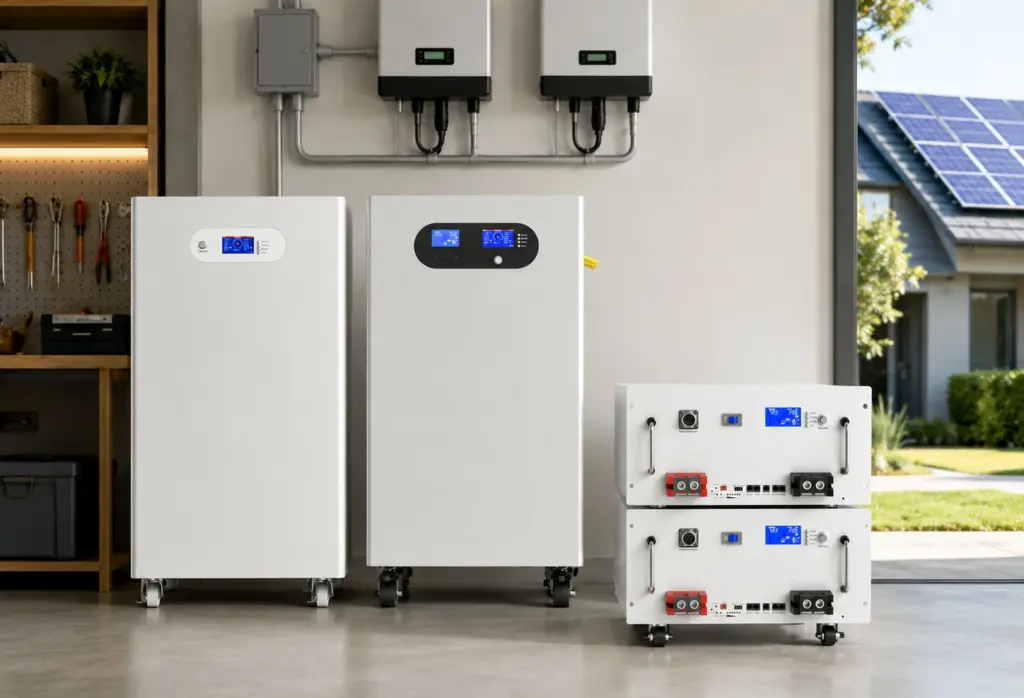
Take Control of Your Energy with Avepower!
Reliable home solar battery solutions with OEM/ODM customization and in-house manufacturing, tailored to the needs of distributors, installers, and energy partners.
FAQ
The biggest advantage is access. Renters, apartment residents, businesses without roof rights and properties with unsuitable roofs can receive solar bill credits without installing or maintaining a system.
The biggest disadvantage is limited control. Subscribers normally do not own or operate the equipment, cannot choose how electricity is dispatched and do not receive direct household backup during a grid outage.
Subscription customers generally do not own the solar facility and therefore normally do not claim ownership-based incentives directly. An ownership model may be treated differently, so customers should review program and tax rules with a qualified adviser.
Some providers allow transfers within the same utility territory. Moving outside the eligible area may require cancellation, reassignment or payment of an exit fee, depending on the contract.
No. Community solar connects bill credits to production from a specific shared project. A green electricity plan may purchase renewable electricity or certificates from a broader portfolio without allocating output from a particular local solar facility.
Yes. Developers can combine community solar with storage to shift production, reduce curtailment or support grid needs. The battery does not provide backup to individual subscribers unless the system is intentionally designed as a local islandable microgrid.