
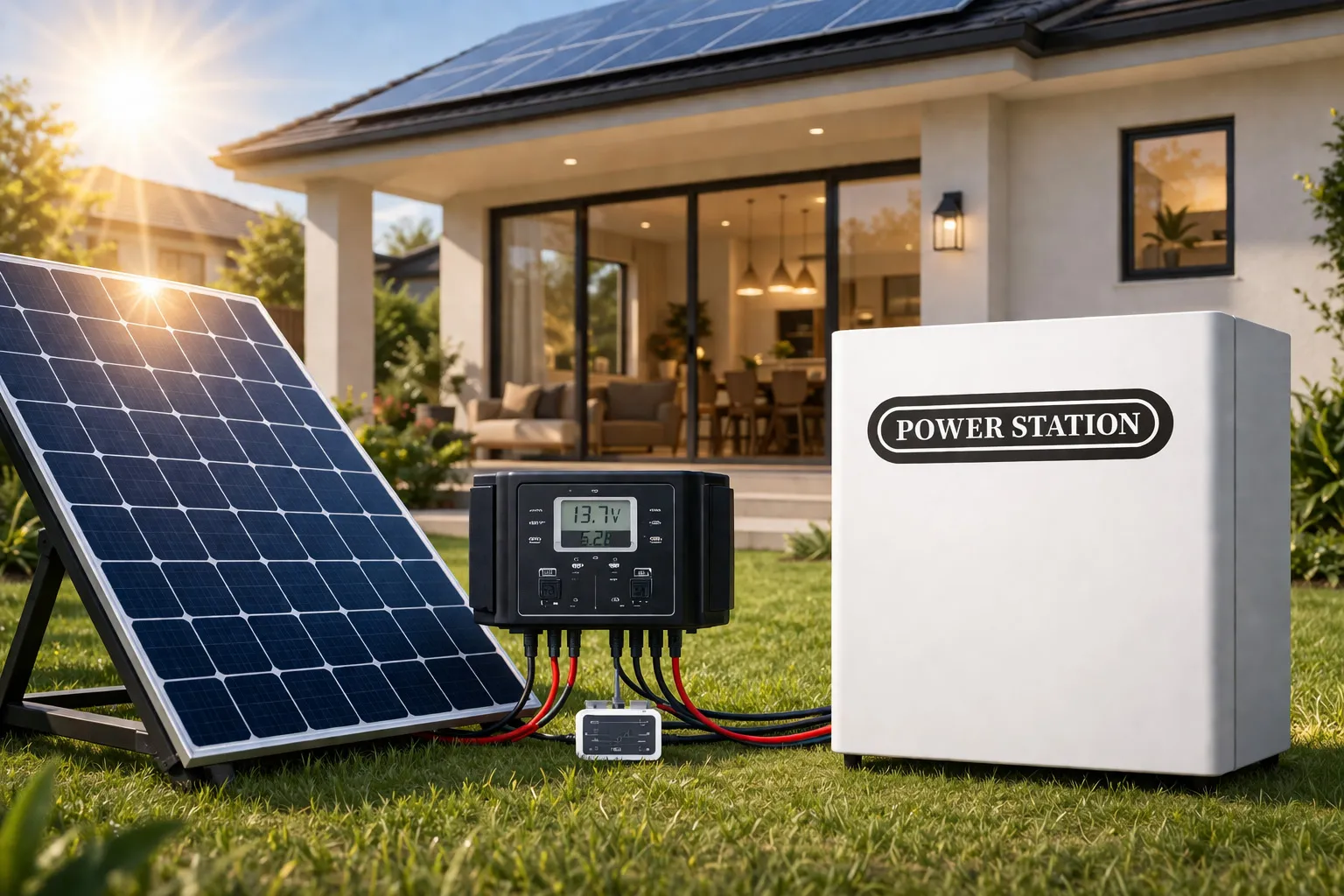
If you want to know how to charge a battery with a solar panel, the process is simpler than many people think, but it does need to be done correctly. A solar panel can absolutely charge a battery, but in most cases, it should not be connected directly to the battery without protection. To charge safely and efficiently, you usually need three core components: a solar panel, a charge controller, and a compatible battery.
This guide explains how to charge a battery from a solar panel step by step, what equipment you need, how to size the system, and which mistakes to avoid. Whether you are charging a 12V battery for an RV, boat, shed, cabin, or backup power setup, the fundamentals are the same. Once you understand the right wiring path and charging logic, building a reliable solar battery charging setup becomes much easier.
Quick Answer: How Do You Charge a Battery with a Solar Panel?
To charge a battery with a solar panel, connect the battery to a solar charge controller first, then connect the solar panel to the charge controller. The controller regulates voltage and current to protect the battery from overcharging. For best results, make sure the panel wattage, controller type, and battery voltage are properly matched.
What You Need to Charge a Battery with a Solar Panel
To build a basic solar battery charging setup, you typically need:
- A solar panel or multiple panels
- A compatible battery
- A solar charge controller
- Proper cables and connectors
- An inverter only if you want to run AC appliances or household devices
For many users, the minimum functional setup is simply solar panel + charge controller + battery. An inverter is only necessary when your end-use devices require AC output
Can a Solar Panel Charge a Battery Directly?
In most situations, no — not safely. Direct charging without a controller can lead to unregulated voltage, overcharging, overheating, and battery damage.
A charge controller protects the battery by regulating how much current flows into it and by reducing or cutting off charging when the battery reaches an appropriate state of charge. That protection matters even more for higher-value batteries such as lithium and LiFePO4. If you are planning a larger setup, you may also want to explore our residential energy storage solutions.
Step-by-Step: How to Charge a Battery with a Solar Panel
Charging a battery with solar power is straightforward when you follow the correct process and use the right components.
Step 1: Check Compatibility First
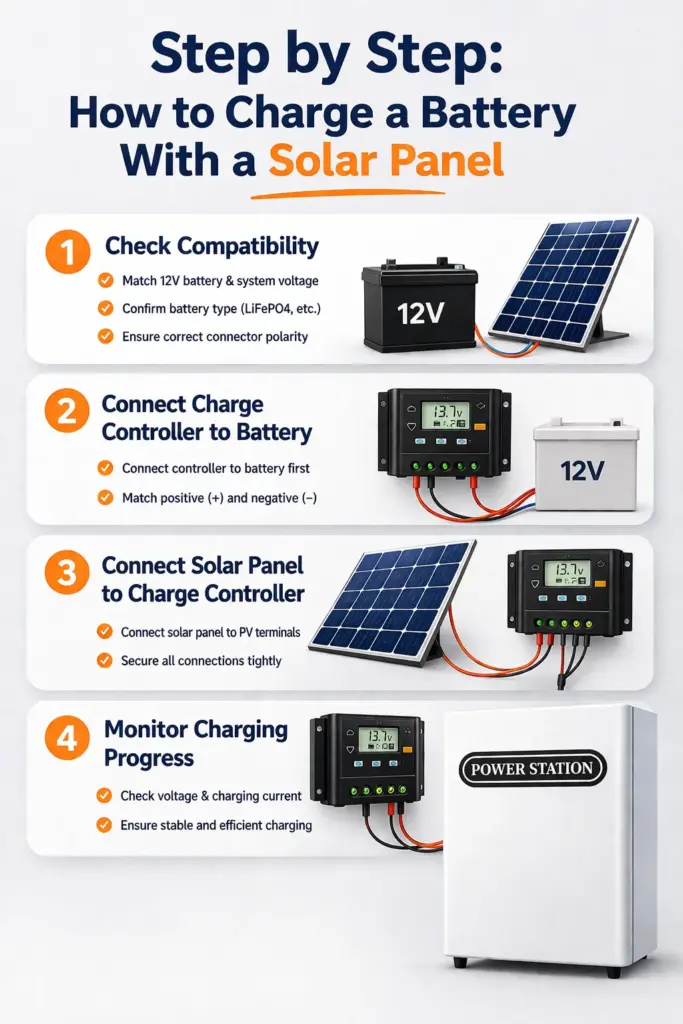
Before connecting any components, make sure the battery voltage, solar panel voltage, and charge controller are fully compatible. The solar panel should be selected based on the battery’s capacity (Ah), power rating, and voltage requirements. Likewise, the battery voltage should match the system voltage of the solar setup, such as 12V or 24V.
Using mismatched connectors or cables can lead to slow charging, reduced efficiency, or even damage to the equipment.
Step 2: Connect the Charge Controller to the Battery First
Avepower recommends connecting the charge controller to the battery before anything else. This allows the controller to detect the battery voltage and automatically configure the correct charging parameters. In simple terms, it ensures the controller can “recognize” the battery before solar power begins flowing into the system.
Step 3: Connect the Solar Panel to the Charge Controller
After the controller is connected to the battery, connect the solar panel cables to the controller’s solar input terminals. Be sure to observe correct polarity: positive to positive and negative to negative.
Step 4: Place the Solar Panel in the Best Sunlight
Solar charging performance depends heavily on sunlight intensity. Avepower recommends positioning the panel in a location that receives strong, direct sunlight throughout the day, and keeping the surface clean to avoid efficiency losses caused by dust or debris.
Even high-quality solar panels will perform poorly under weak or inconsistent sunlight conditions.
Step 5: Monitor the Charging Process
Once everything is properly connected, check the charge controller’s display or indicator lights. A correctly configured system should show active readings. Modern controllers typically display battery state of charge, input power, or other real-time charging data.
When disconnecting the system, always follow the reverse order: disconnect the solar panel first, then disconnect the controller from the battery.
PWM vs. MPPT Charge Controllers: Which One Should You Choose?
There are two common types of solar charge controllers: PWM and MPPT.
PWM (Pulse Width Modulation) controllers are typically simpler and more affordable. They are well-suited for small systems and straightforward installations where efficiency is less critical.
MPPT (Maximum Power Point Tracking) controllers are more expensive, but they offer significantly higher efficiency—especially in larger systems or under less-than-ideal sunlight conditions. In many cases, MPPT controllers can improve efficiency by 20% to 30% compared to PWM. For solar panels rated at 100W or more, this added performance often justifies the investment.
For small, basic setups, a PWM controller may be sufficient. However, if you want faster charging, better overall performance, or plan to expand your system in the future, an MPPT controller is generally the more reliable long-term choice.
What Size Solar Panel Do You Need?
The size of the solar panel you need depends on three main factors: battery capacity, desired charging speed, and the amount of daily sunlight available.
- A larger battery capacity requires more solar power.
- Faster charging speed also requires more solar power.
- Limited sunlight means you will need additional solar capacity to compensate.
A standard 100W solar panel is sufficient to charge many common 12V batteries, but actual charging time will vary depending on system conditions. Under ideal sunlight, a 100W panel may take approximately 5 to 7 hours to fully charge a small battery.
For larger home battery systems, many homeowners move beyond a single small panel and instead adopt a more integrated solar-plus-storage solution for better performance and scalability. Explore Avepower home battery solutions if you want a solar storage system that can grow with your energy needs rather than forcing a full redesign later.
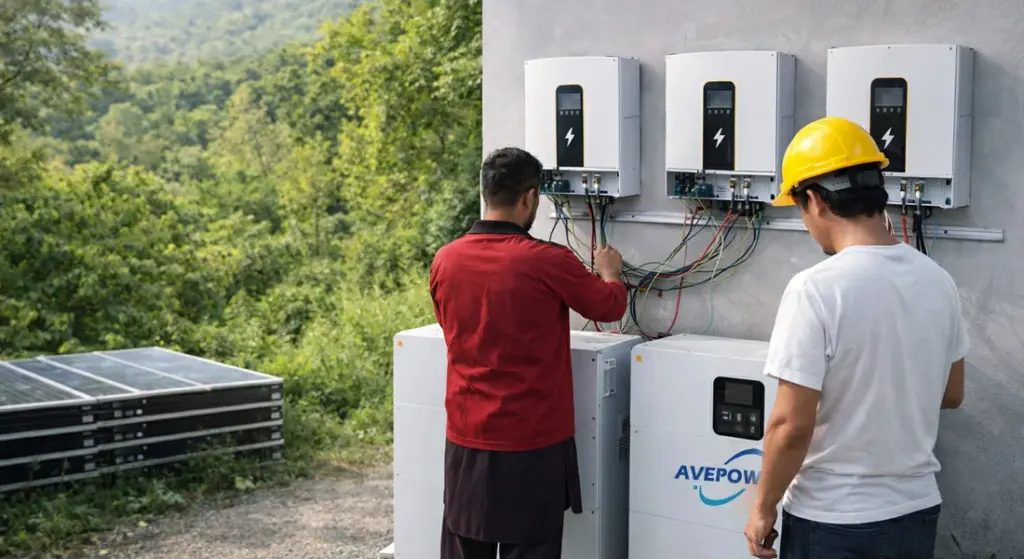
Need a Battery System That Can Grow With Your Energy Needs?
Avepower’s LiFePO4 battery solutions are designed for flexibility, helping homeowners and installers build systems that can start small and scale as energy demand grows.
Best Battery Types for Solar Charging
Different battery chemistries behave differently in solar charging systems.
Lead-acid Batteries
Lead-acid batteries are common and relatively affordable. However, they are heavier, less efficient, and generally offer shorter cycle life than lithium options.
Best for:
- low-budget systems
- simple backup applications
- users familiar with traditional battery maintenance
AGM and Gel Batteries
These are sealed lead-acid batteries. They are safer and easier to maintain than flooded lead-acid batteries, but they still do not match modern lithium performance.
Lithium-ion Batteries
Lithium batteries are lighter and more efficient than lead-acid, with better usable capacity and longer service life.
LiFePO4 Batteries
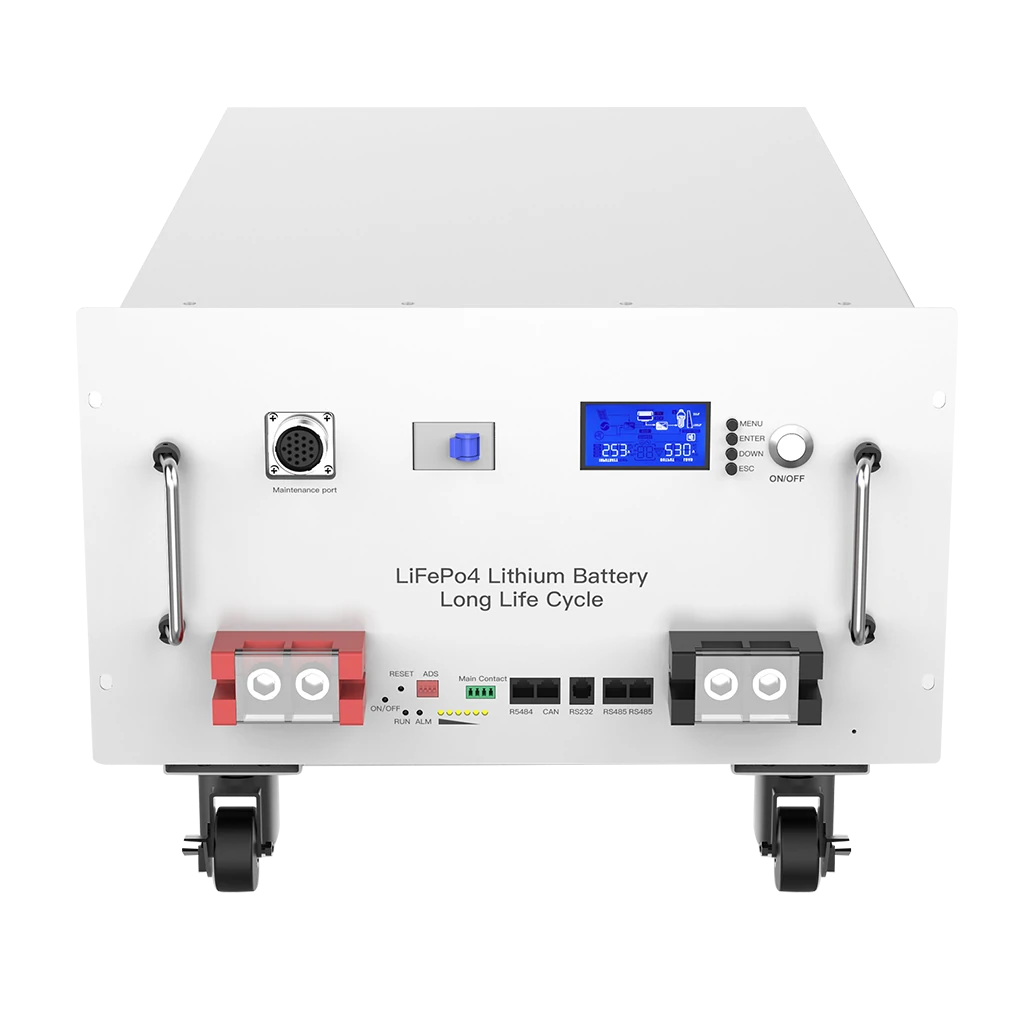
LiFePO4 batteries are widely seen as one of the best choices for solar battery storage because they offer:
- long cycle life
- deeper discharge capability
- lower maintenance
- stable performance
- better long-term value
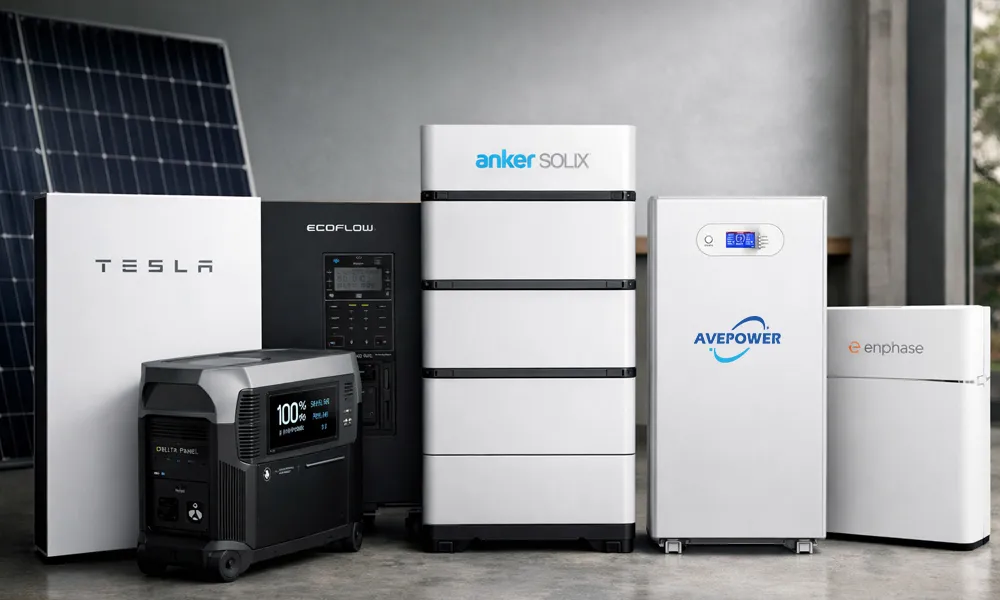
For modern solar storage applications, many users prefer LiFePO4 when budget allows, especially for RV, marine, off-grid, and home backup systems. For users comparing battery chemistries, this guide to LiFePO4 battery for solar can help.
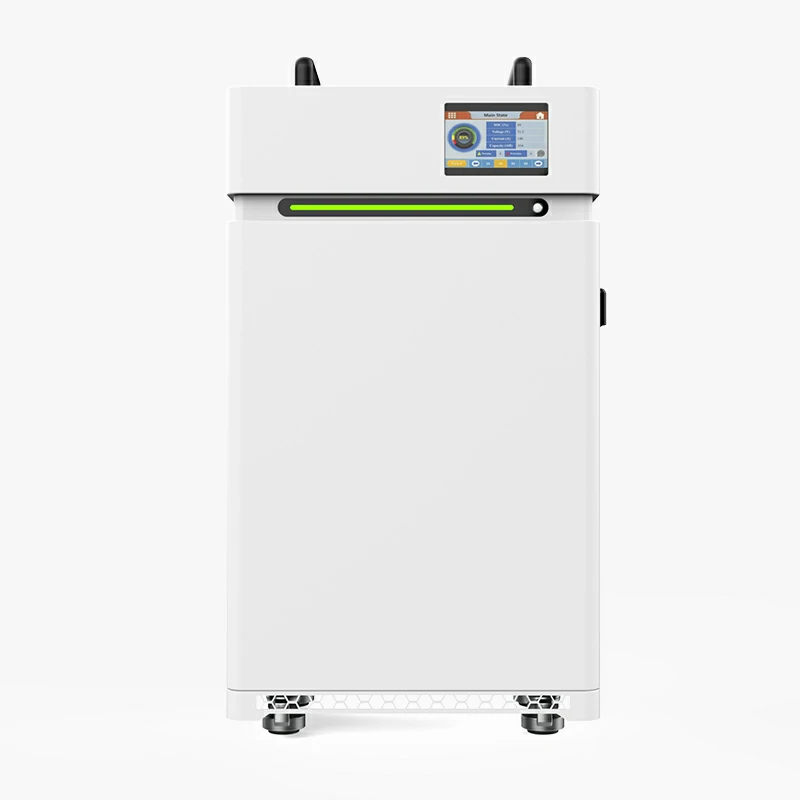
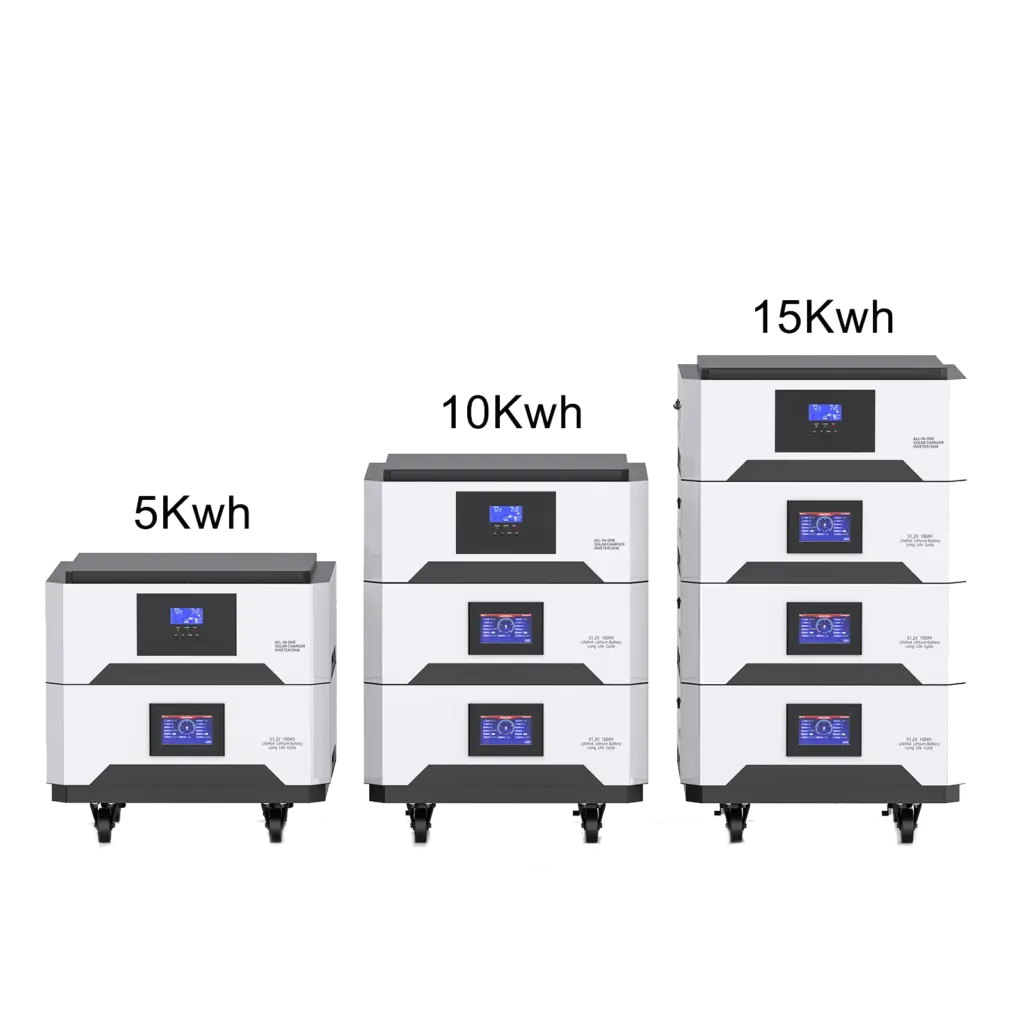
For users who prefer a simpler installation path, an all-in-one battery can reduce system complexity. Avepower’s 15kWh all-in-one model combines battery, inverter, and MPPT in one system and supports dual MPPT solar input up to 2 × 7.5kW, which makes it a practical option for homeowners looking for fewer components and easier integration.
How to Charge a Battery Faster with Solar Panels
If your battery charges too slowly, the usual improvements are straightforward:
- Use a higher-wattage solar panel or add more panels
- Improve panel angle and sun exposure
- Keep the panel surface clean
- Reduce shading
- Upgrade from PWM to MPPT if your system justifies it
- Make sure your wiring is sized correctly and connections are tight
Troubleshooting Solar Battery Charging Problems
If your battery is charging slowly or not charging at all, check the following first:
- Is the panel receiving full sunlight?
- Is there any shading on the panel?
- Are all cable connections tight and clean?
- Is the charge controller working and showing input?
- Is the battery old or damaged?
If the battery seems to overcharge, the controller may be missing, misconfigured, or faulty. If the battery drains too quickly after charging, battery age, battery health, or oversized loads may be the real issue rather than the panel alone.
Avepower Home Energy Storage System
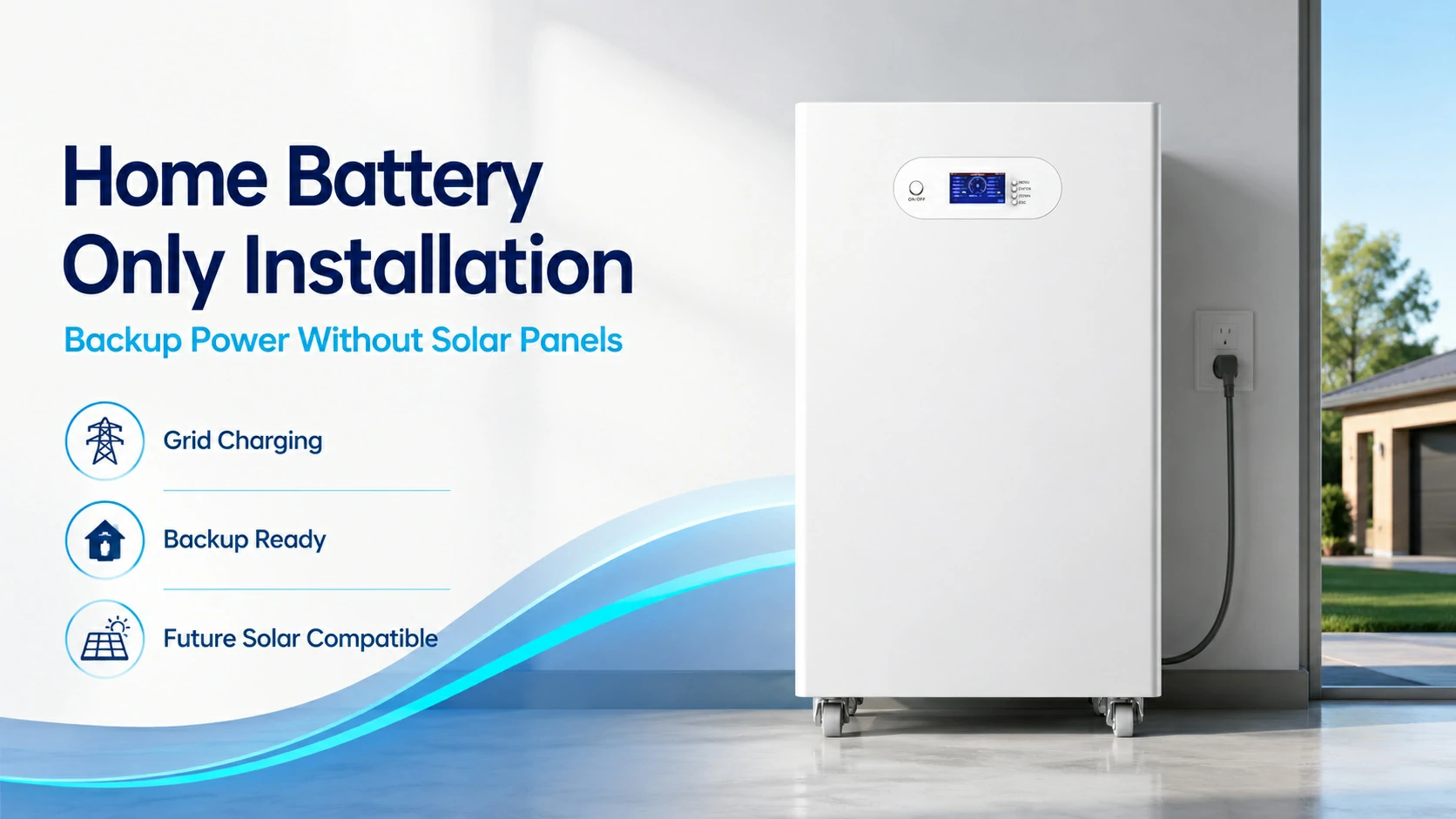
If your goal is simply to charge a small 12V battery, a basic setup with a solar panel and charge controller is usually sufficient. However, if you are planning for home backup power, daily energy savings, or a system that can expand over time, it is often more practical to invest in a dedicated home energy storage solution rather than building everything from scratch.
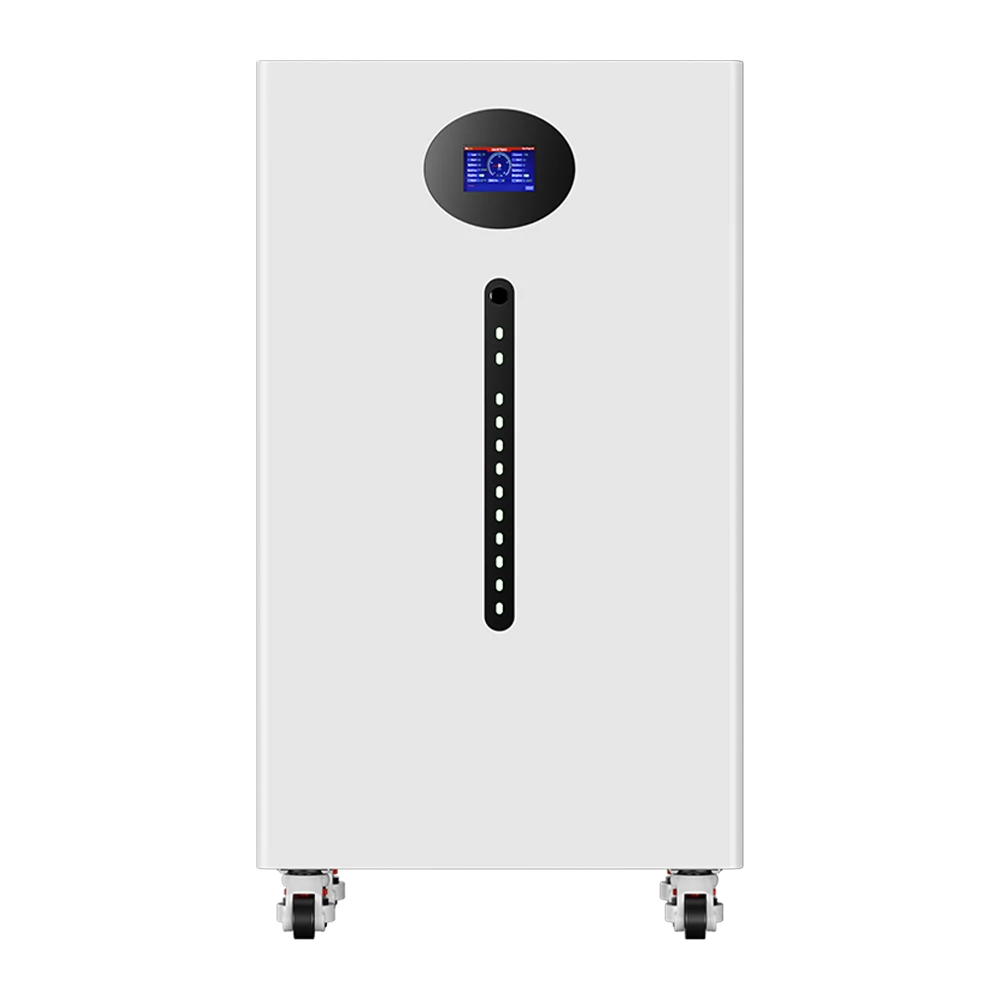
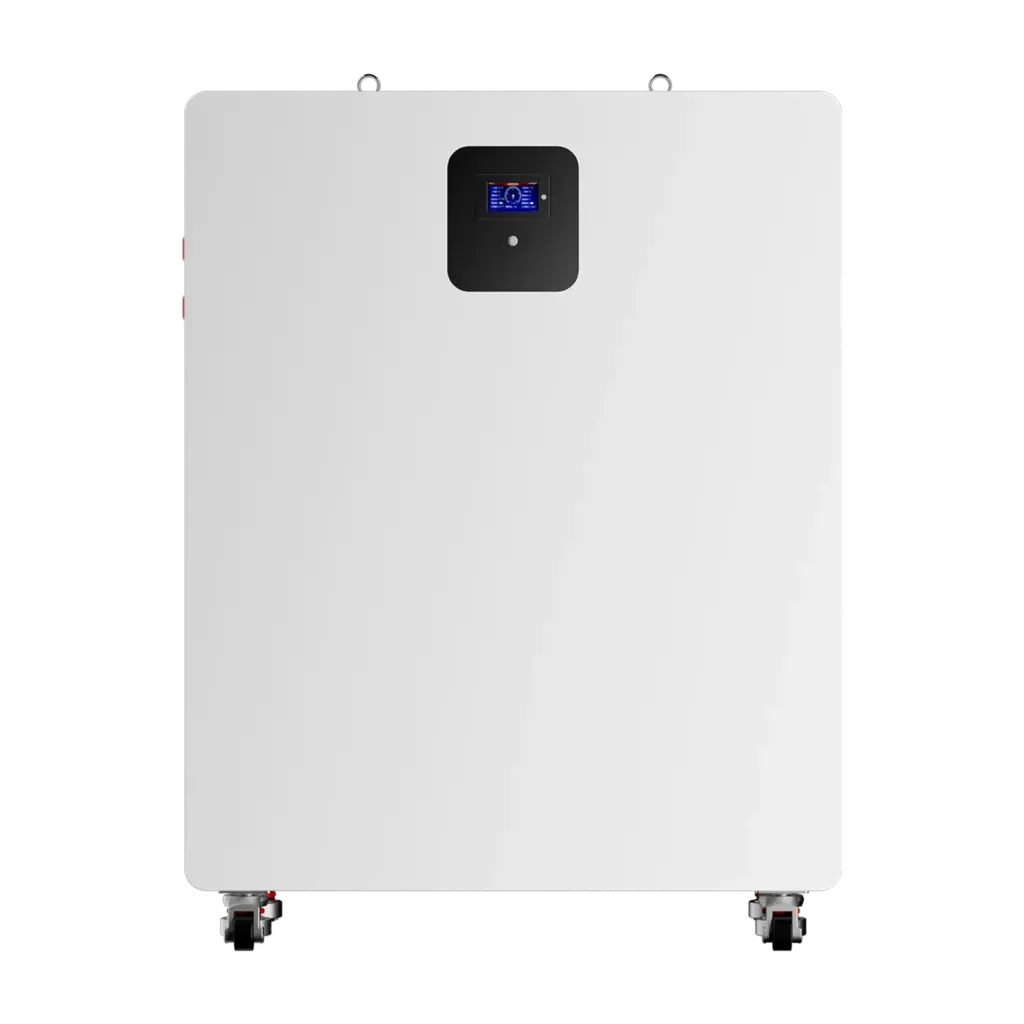
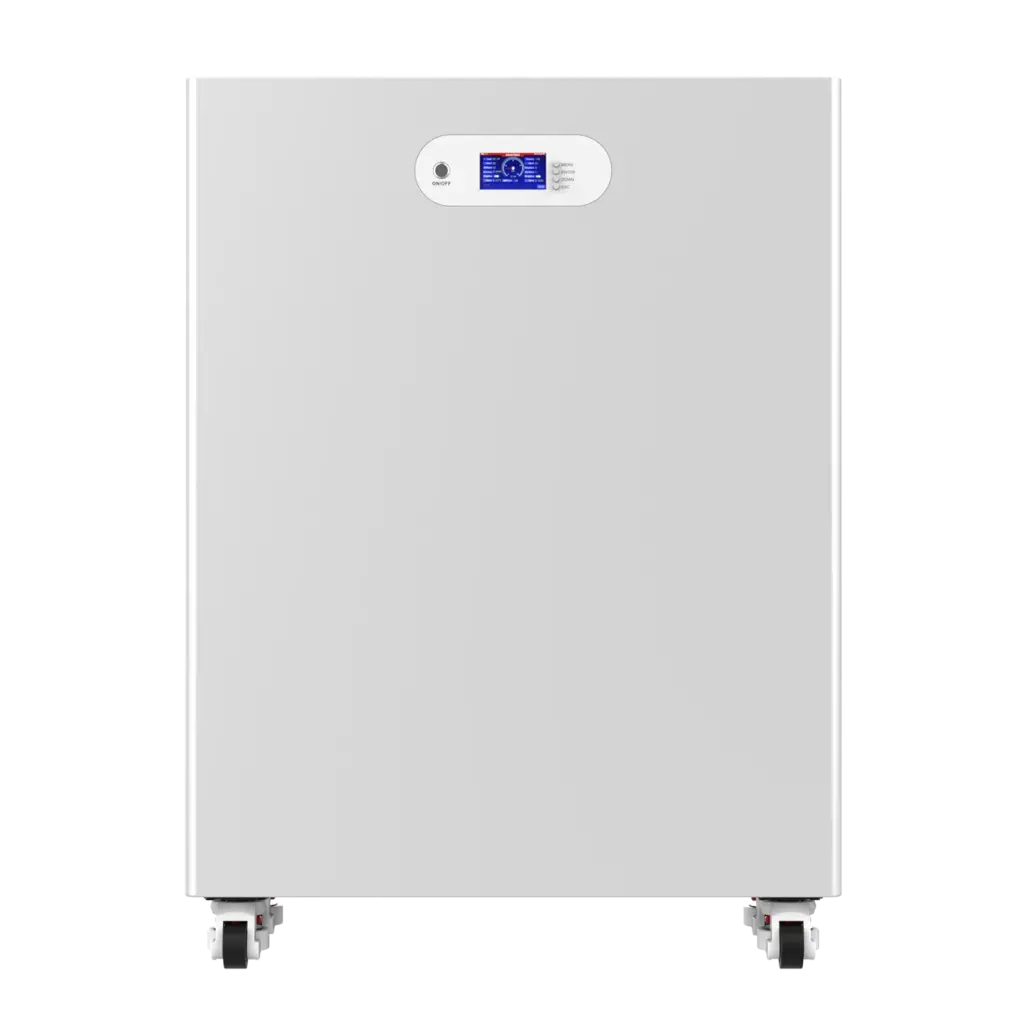
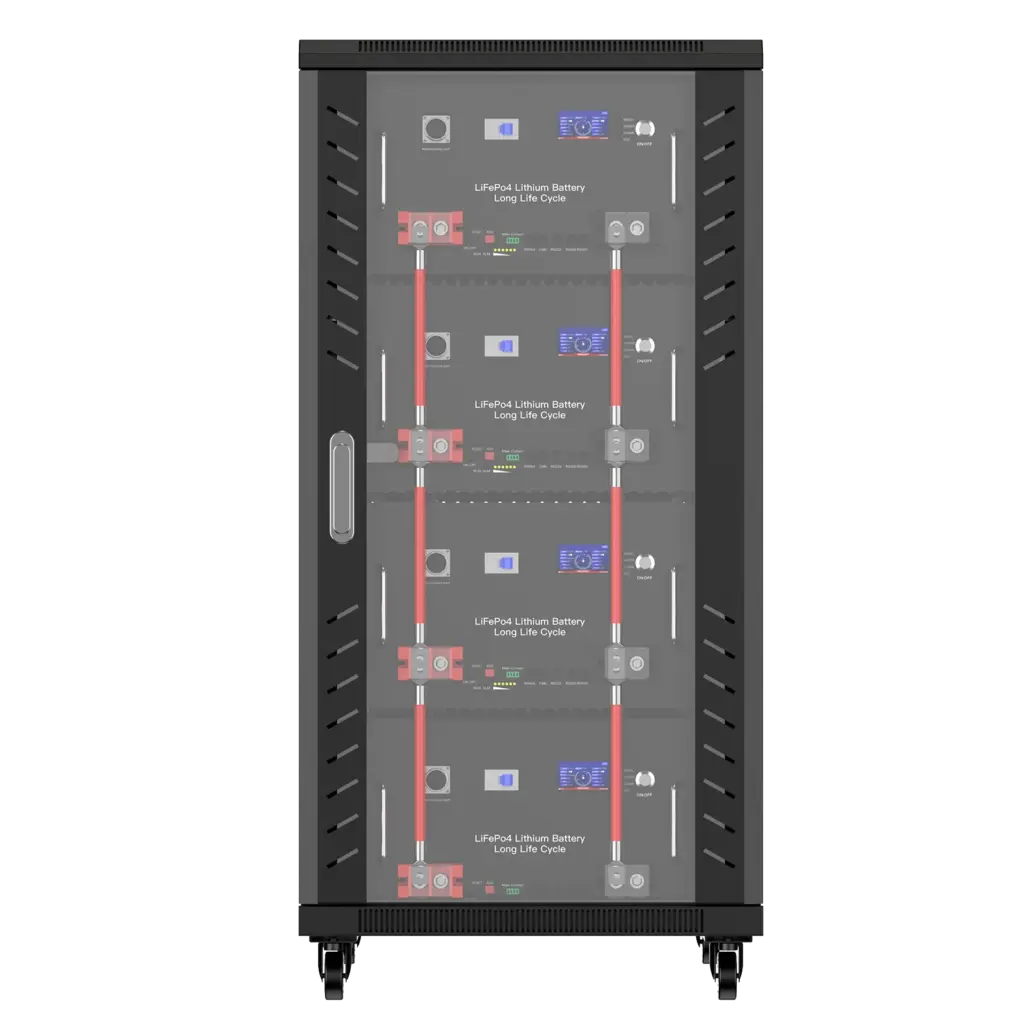
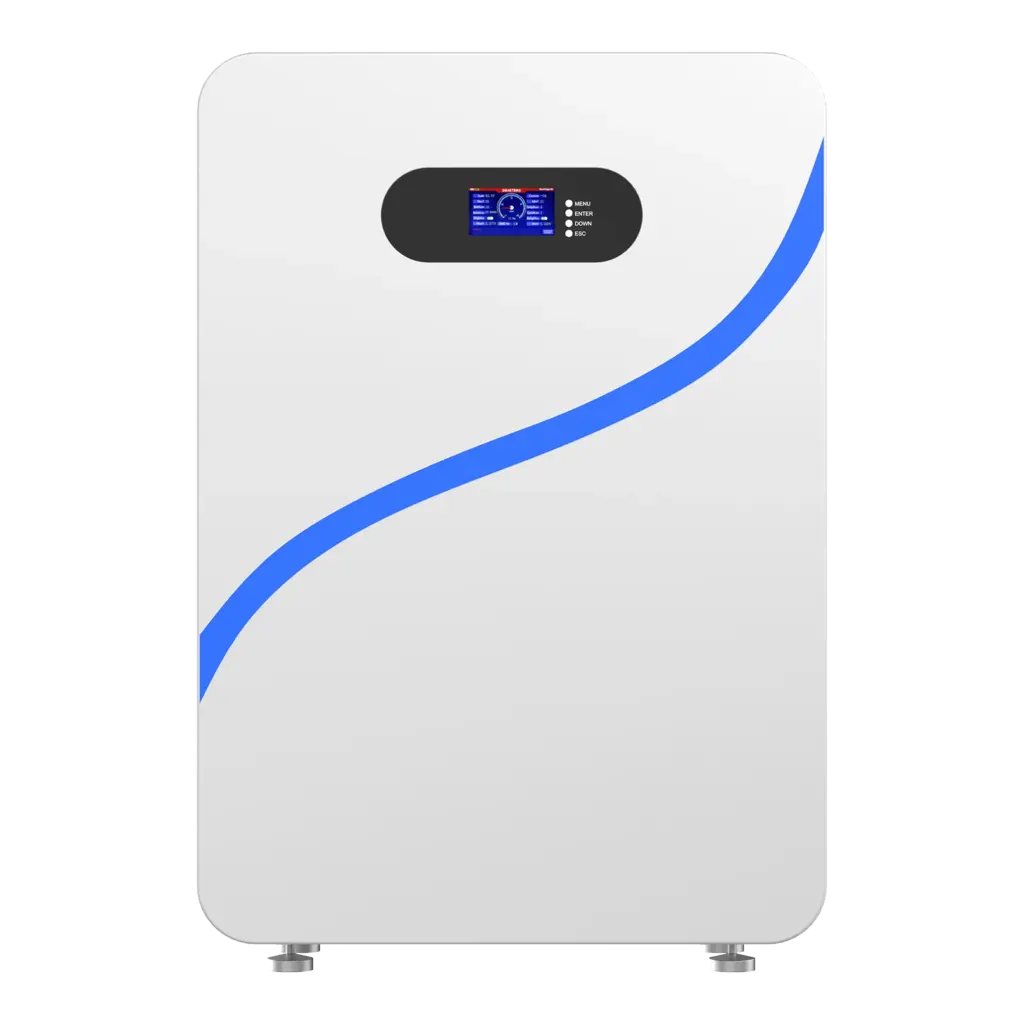
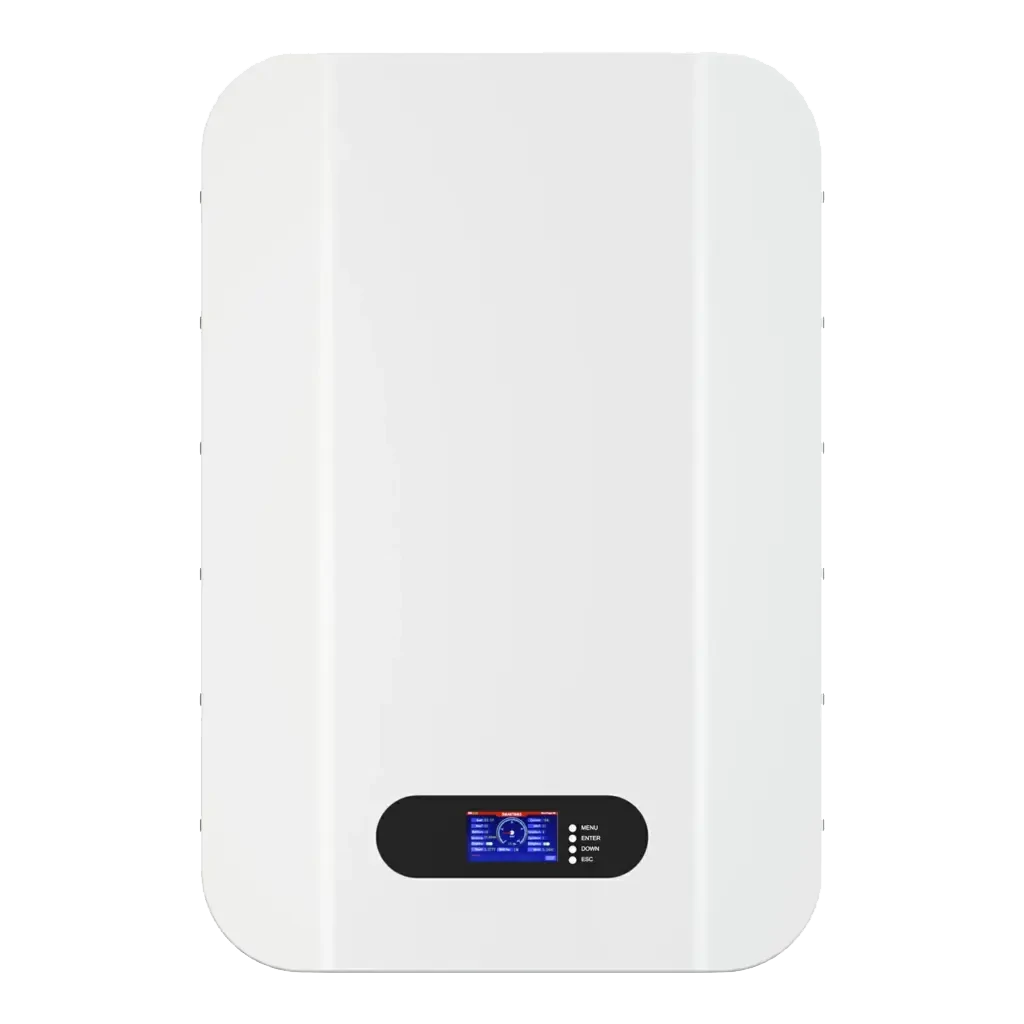
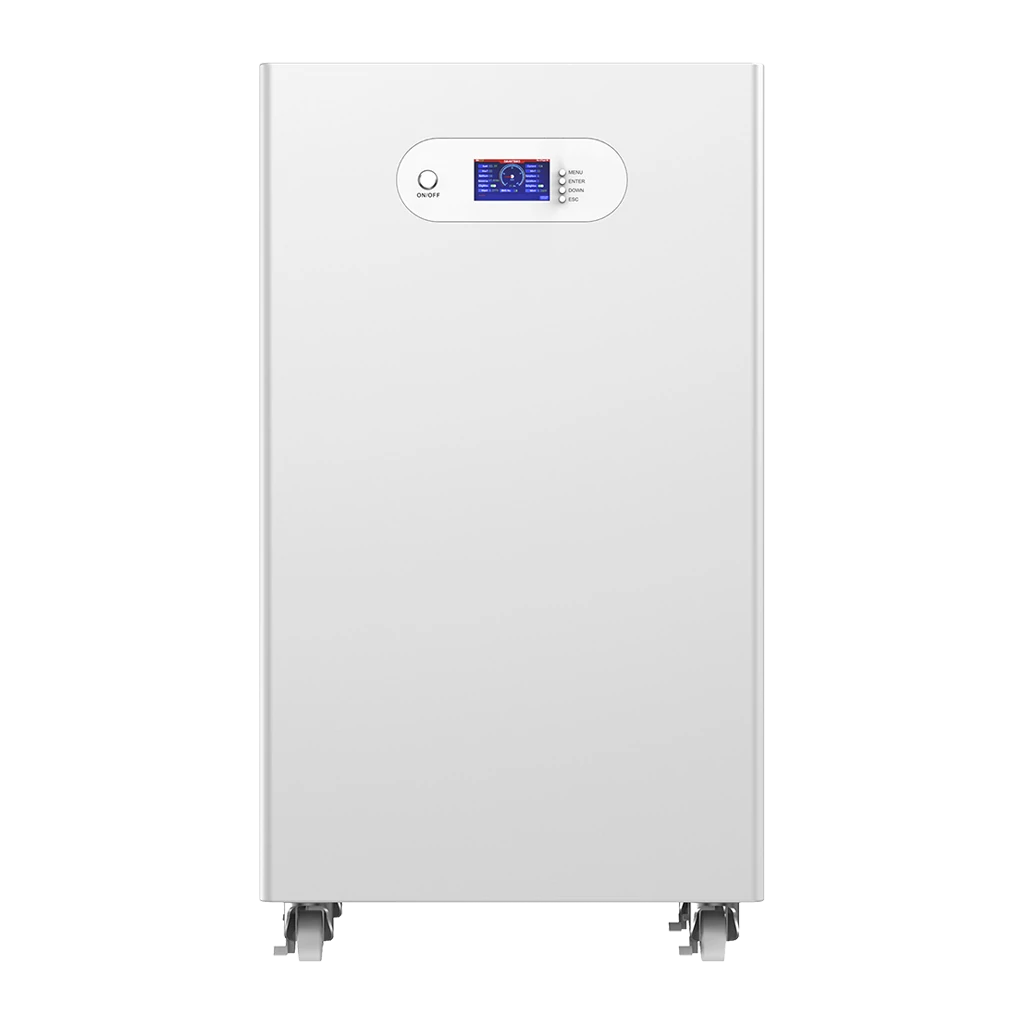
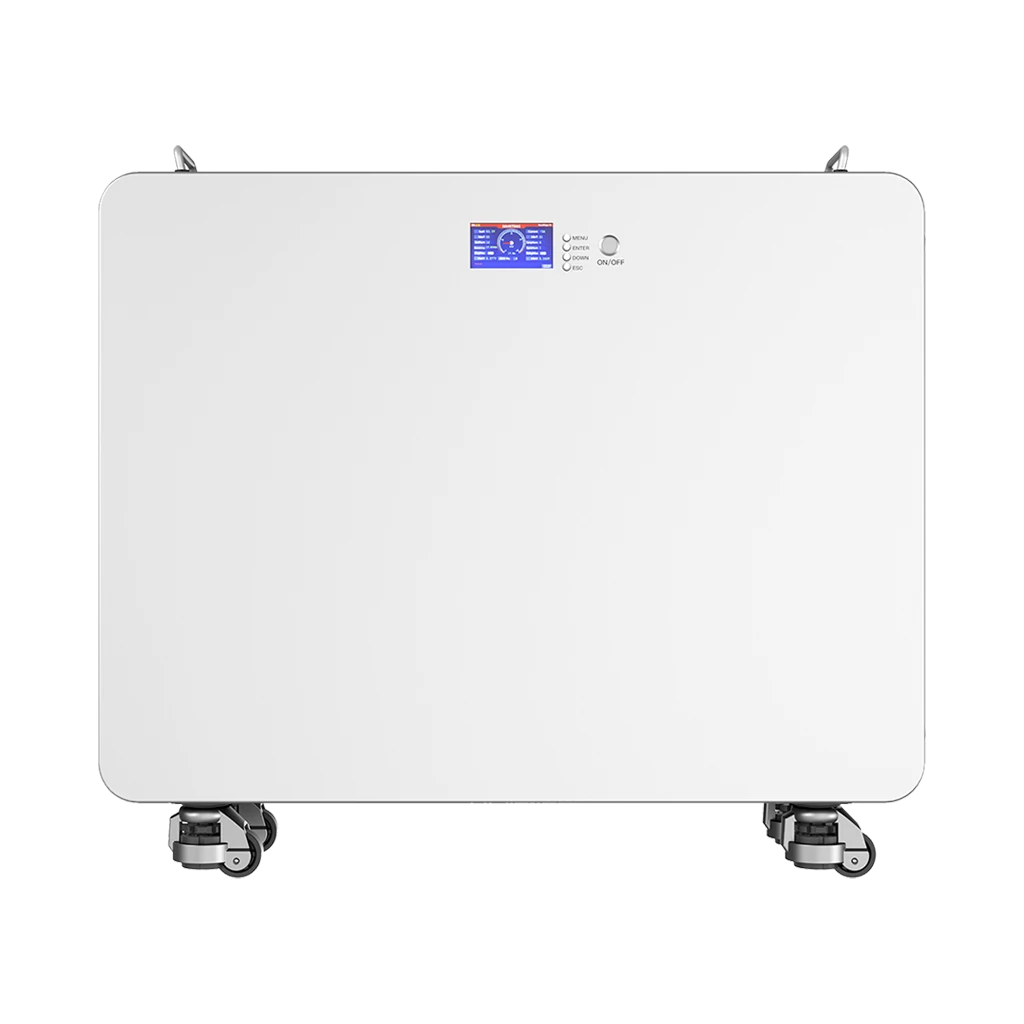
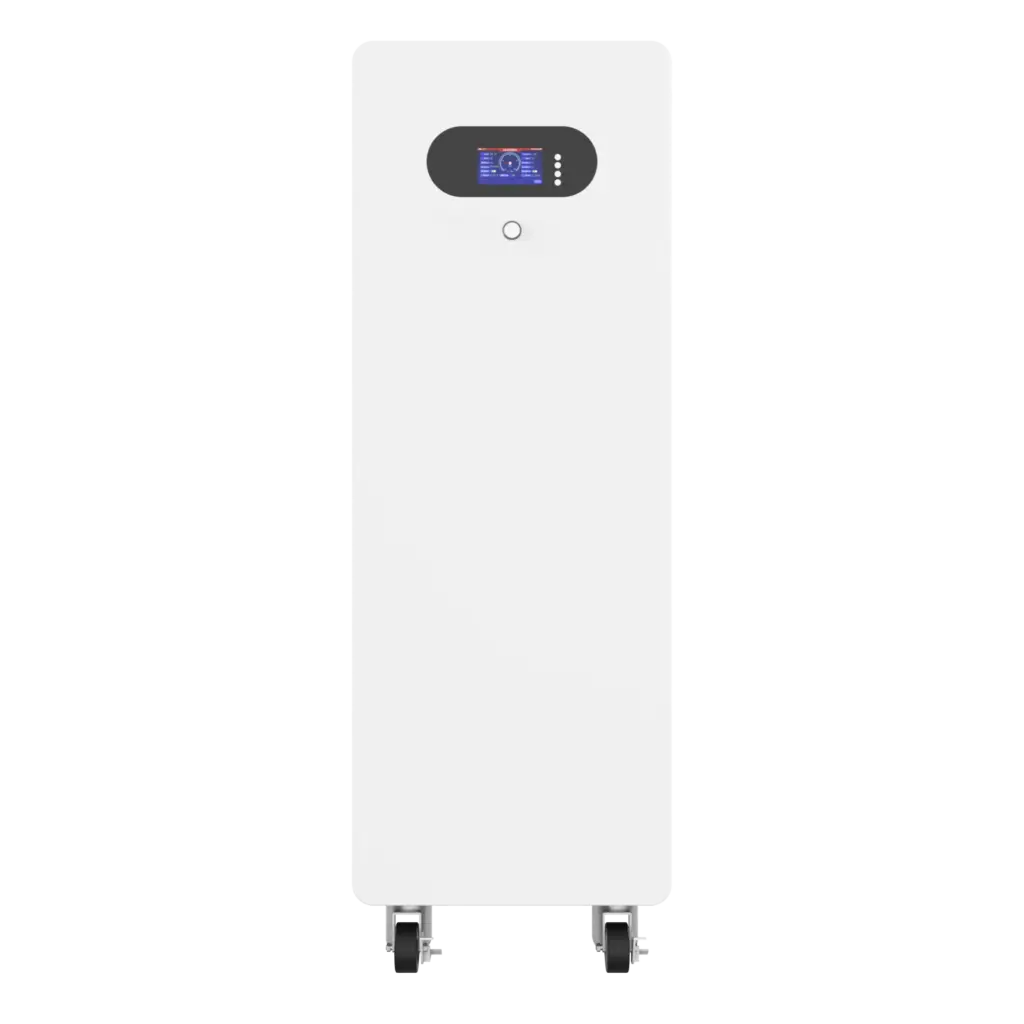
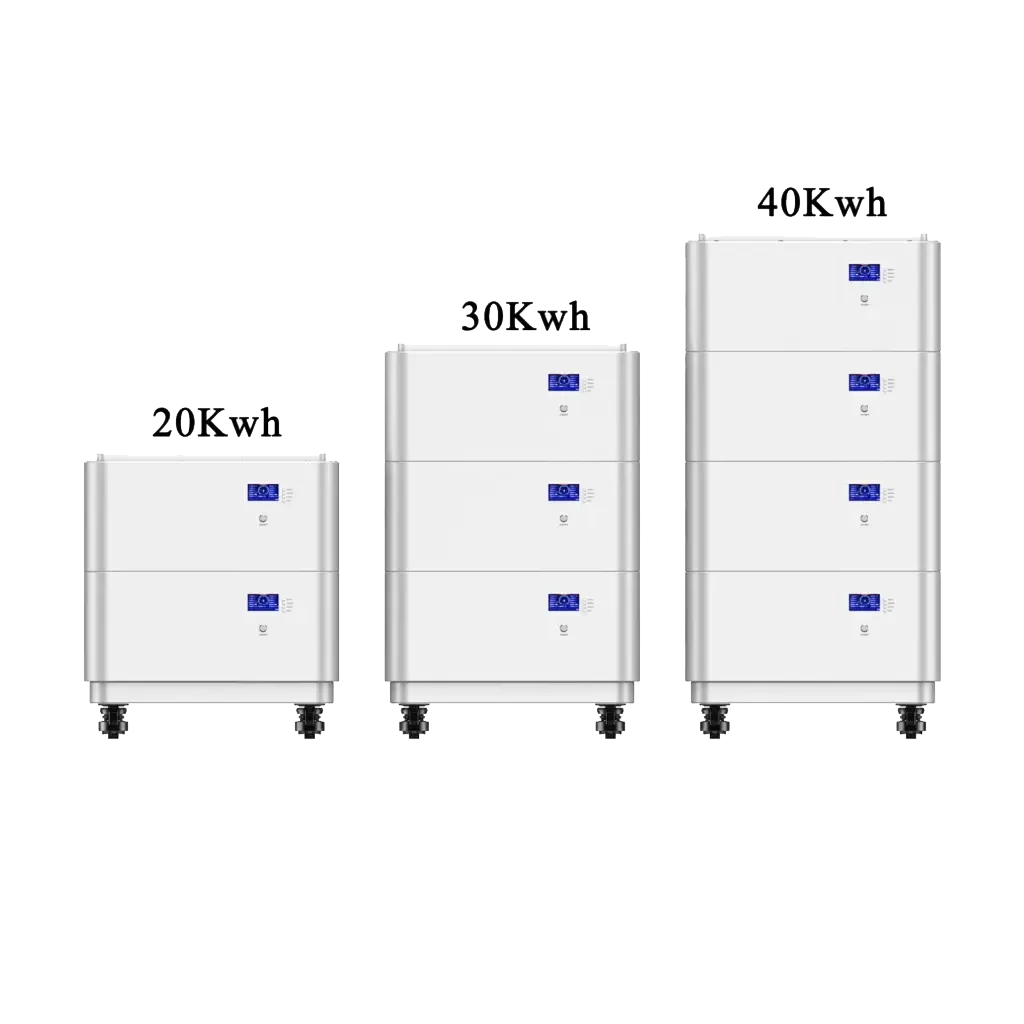
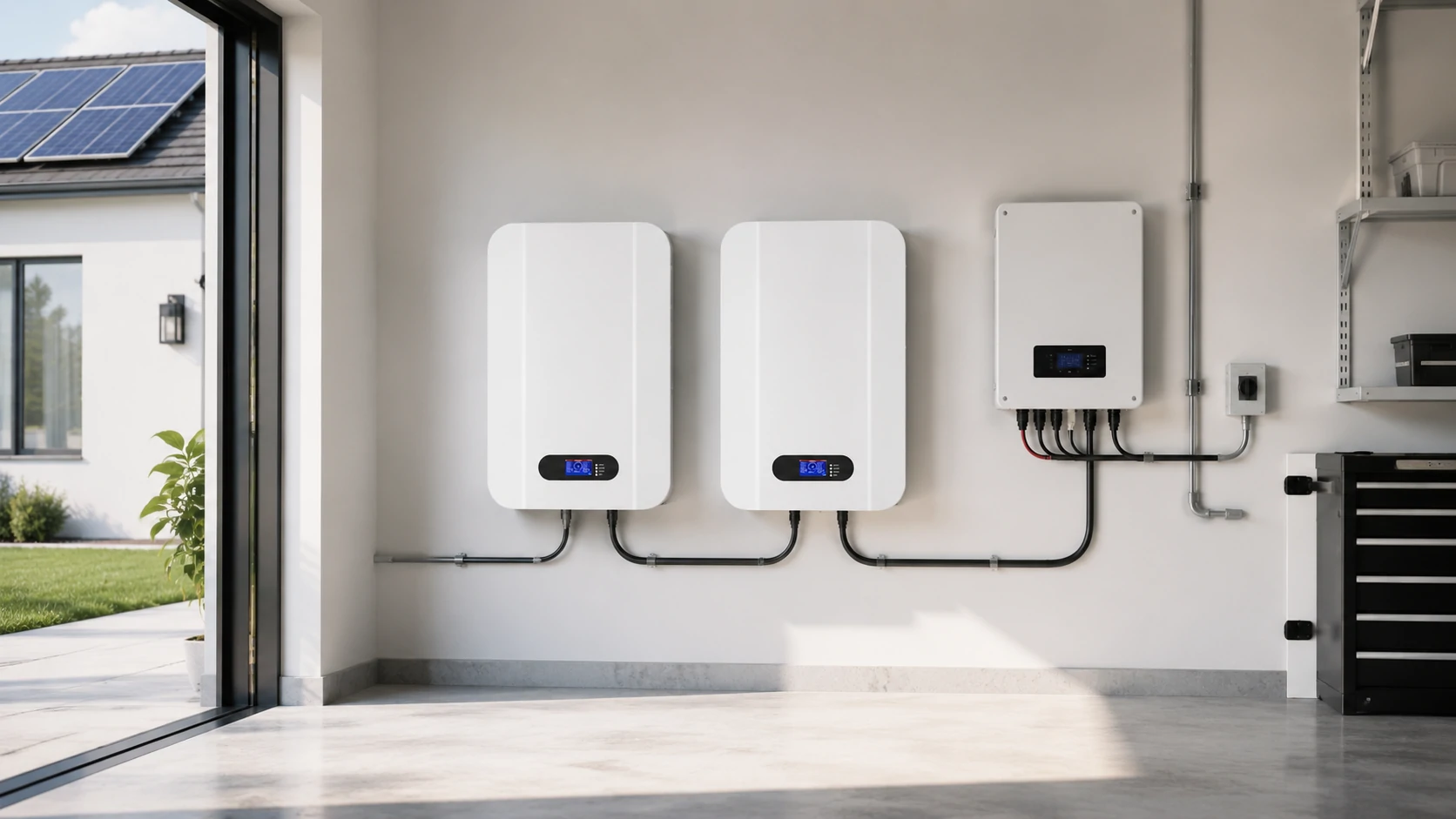
Avepower’s home battery series uses LiFePO4 (lithium iron phosphate) technology and offers multiple designs, including wall-mounted, stackable, and all-in-one systems to suit different installation needs. The system supports up to 16 units in parallel and is available in modular capacities of 5kWh, 10kWh, 15kWh, and 30kWh.
This modular approach is highly practical, as household energy needs often change over time. The system also features an integrated Battery Management System (BMS) for real-time monitoring and protection, and is compatible with major inverter brands such as Fronius, GoodWe, and Deye. It is an ideal choice for installers and homeowners who want to start small and scale their system gradually.
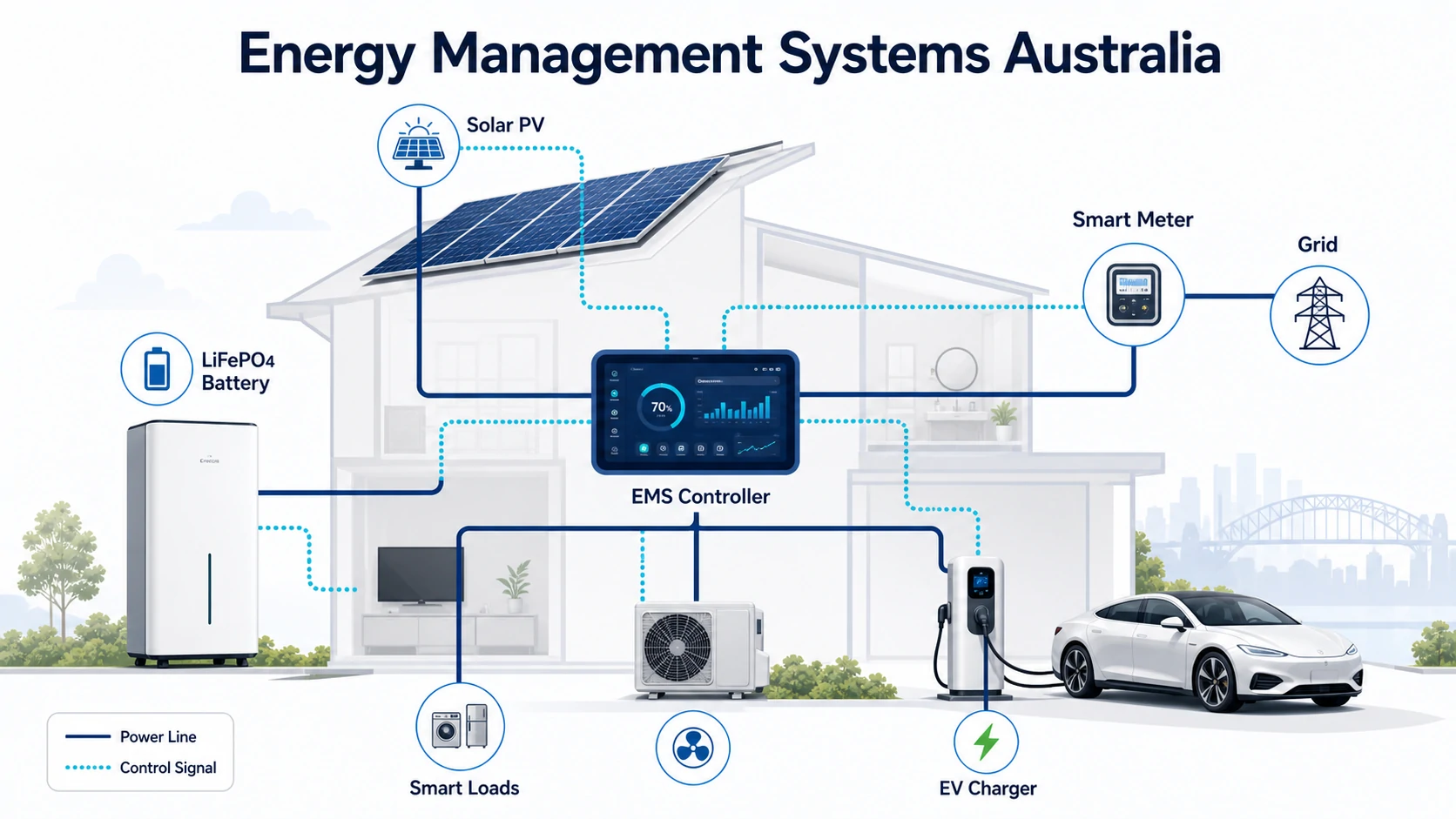
For users who prioritize ease of installation, Avepower’s 15kWh all-in-one unit integrates the LiFePO4 battery pack, inverter, and MPPT solar charge controller into a single cabinet. It includes a 6kW inverter and dual MPPT controllers, supporting up to 2 × 7.5kW of solar input. This design is well-suited for whole-home backup power, daily energy optimization, and even small commercial applications.
Ready to build a smarter solar battery system? Explore Avepower home energy storage solutions today.
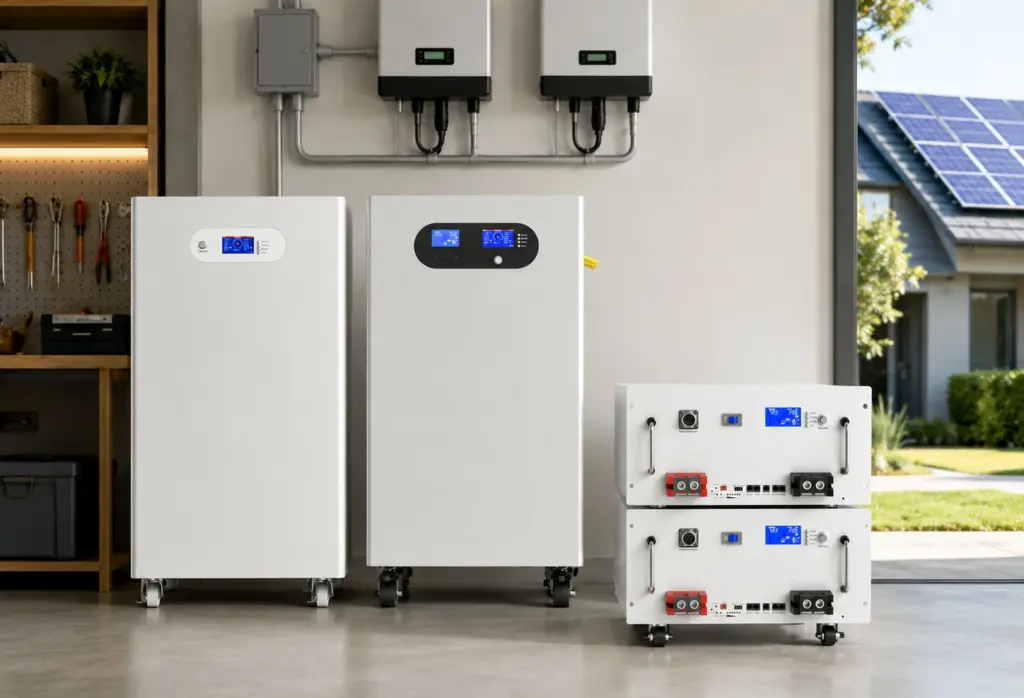
Take Control of Your Energy with Avepower!
Reliable home solar battery solutions with OEM/ODM customization and in-house manufacturing, tailored to the needs of distributors, installers, and energy partners.
Conclusion
Charging a battery with a solar panel is not complicated, but it should never be done casually. The safest approach is to choose a solar panel that matches your battery, use a proper charge controller, connect the controller to the battery first, then connect the solar panel, and install the system in a location with strong and consistent sunlight.
By following these basic principles, you can avoid most common issues and ensure a safe, efficient solar charging system.
FAQ
In most cases, no. A solar panel should normally charge a battery through a charge controller, which regulates voltage and current and helps protect the battery from overcharging or damage.
A basic setup usually includes a solar panel, a charge controller, a battery, and the correct cables or connectors. If you want to power AC appliances, you may also need an inverter.
The controller should generally be connected to the battery first, and then the solar panel should be connected to the controller. When disconnecting, reverse that order.
Yes, in many cases it can, but charging speed depends on battery size, sunlight, and losses. Avepower notes that in ideal conditions a 100W panel can charge a small battery in around 5 to 7 hours.
A modular LiFePO4 storage system is often a good long-term choice. Avepower’s stackable batteries are offered in 5kWh, 10kWh, and 15kWh versions, while its wall-mounted series and all-in-one systems provide other residential options.
It often can be, because it reduces the number of separate components. Avepower’s 15kWh all-in-one model combines the battery, inverter, and MPPT controller in one cabinet, which is designed to simplify installation and system integration.