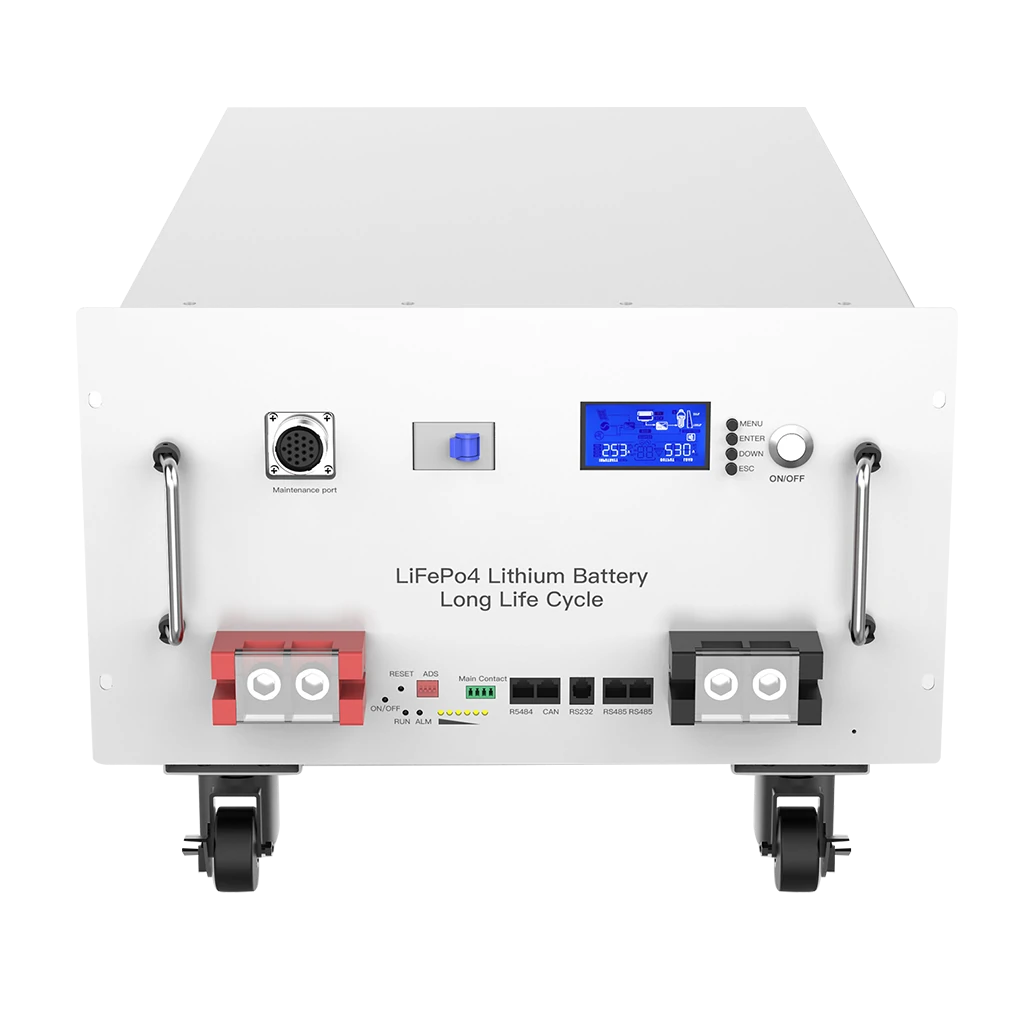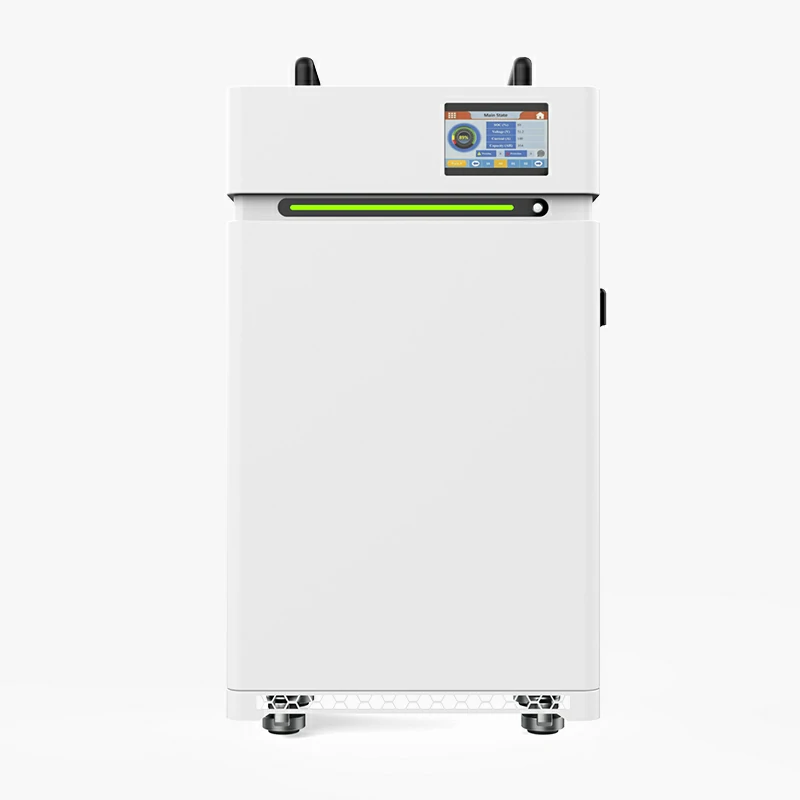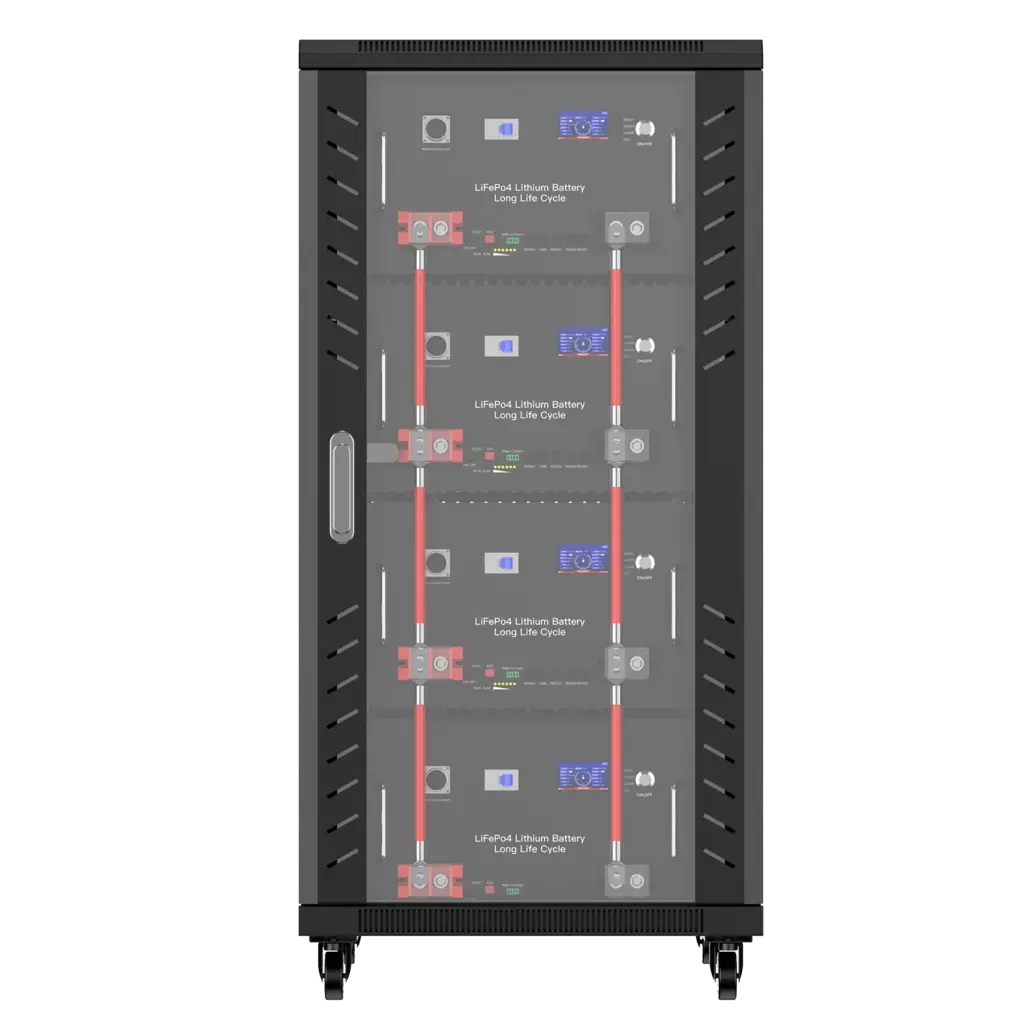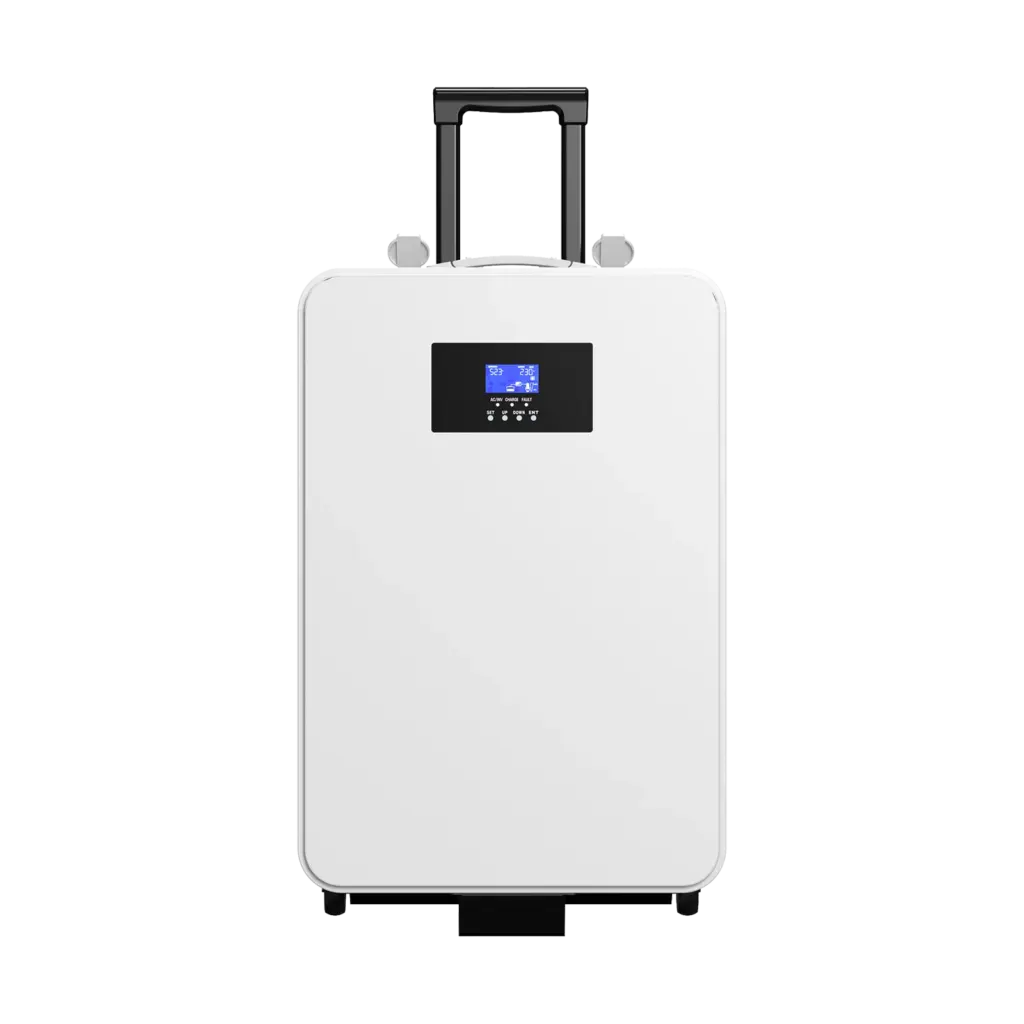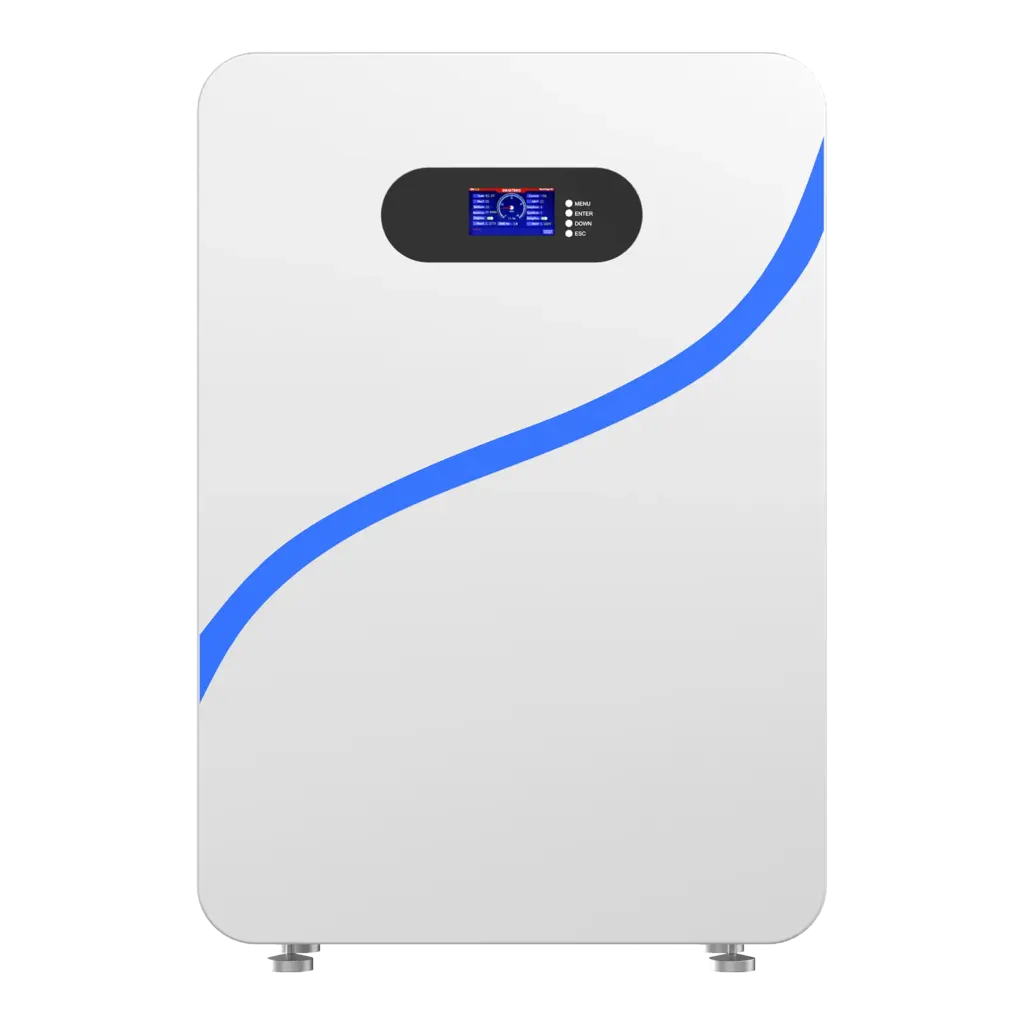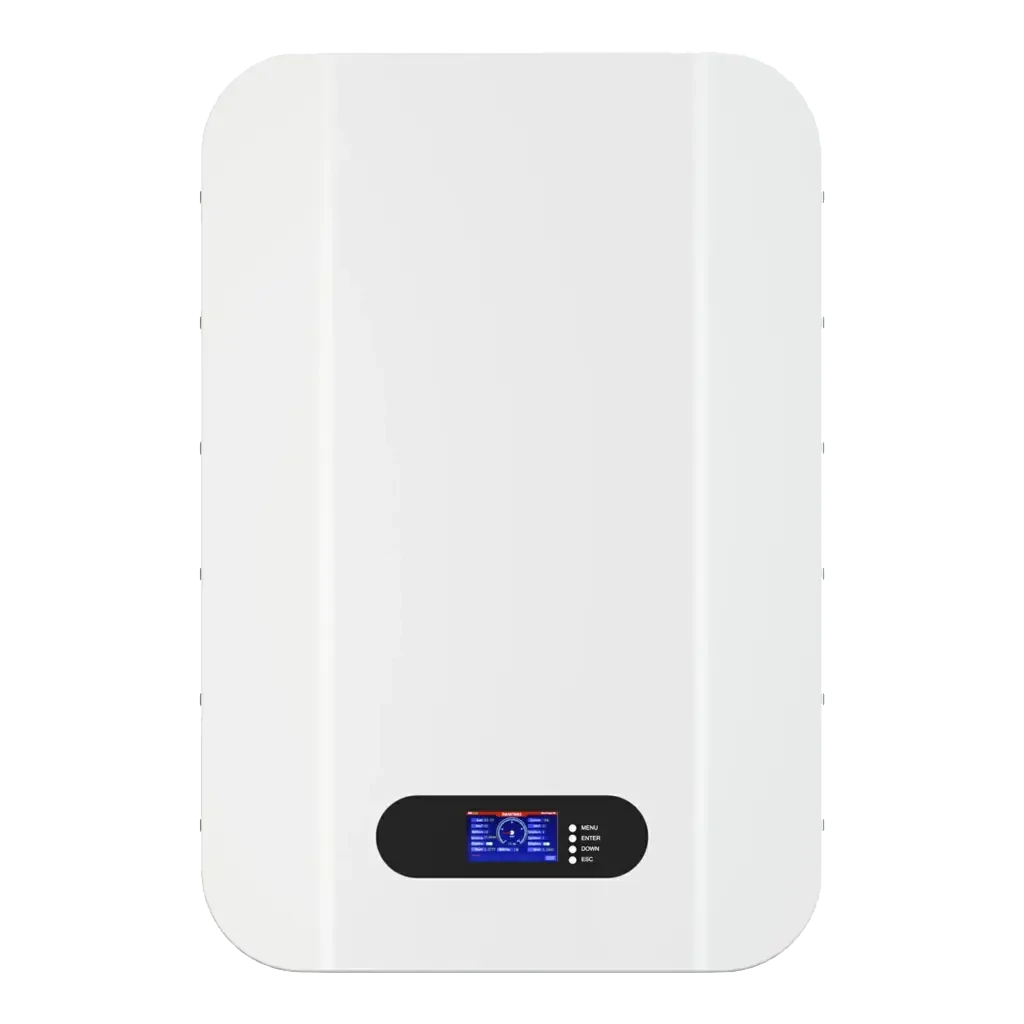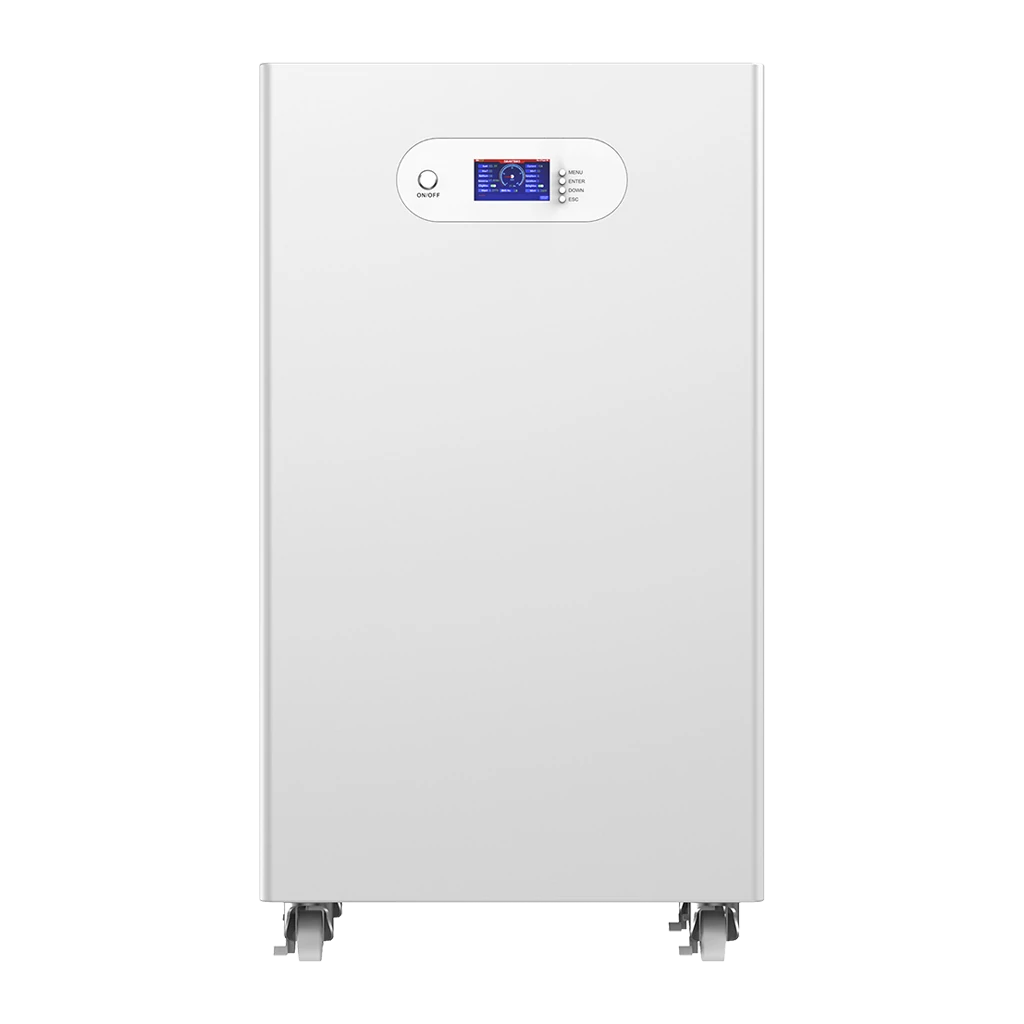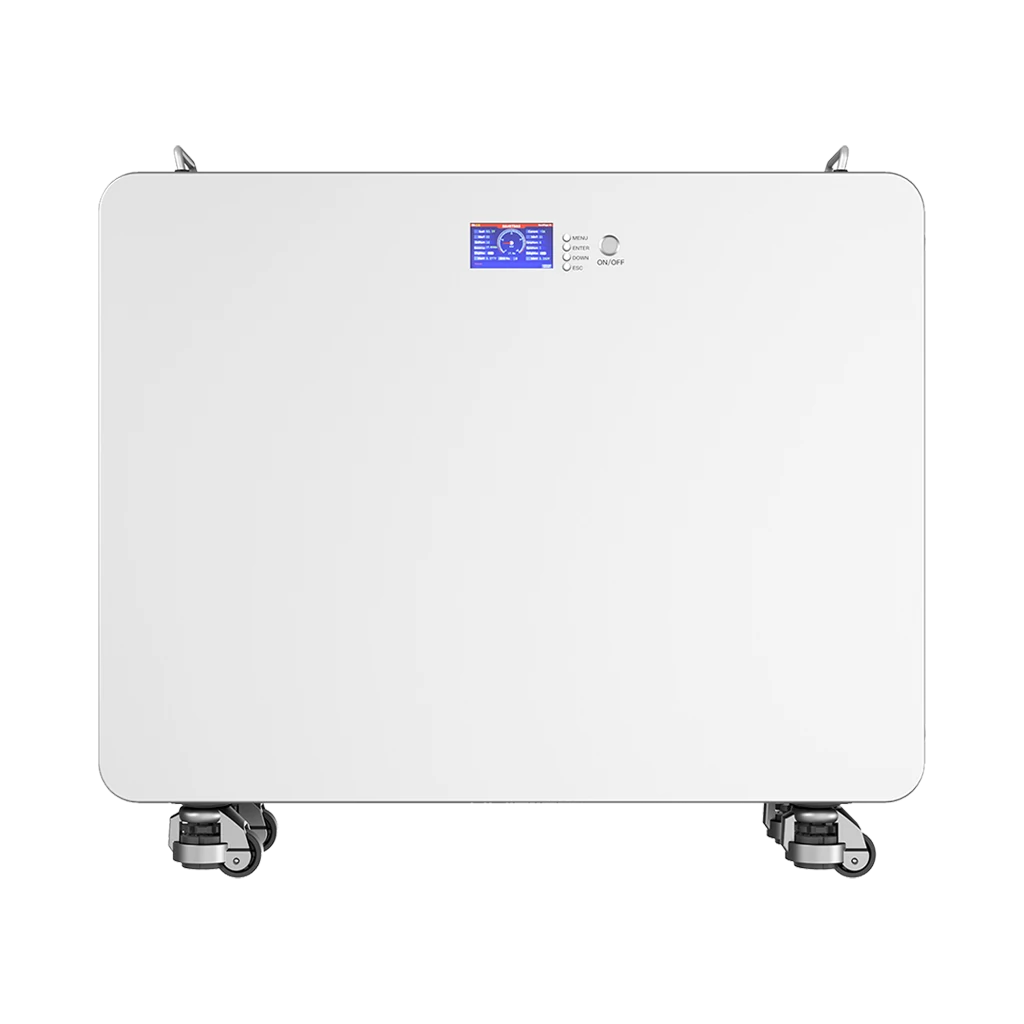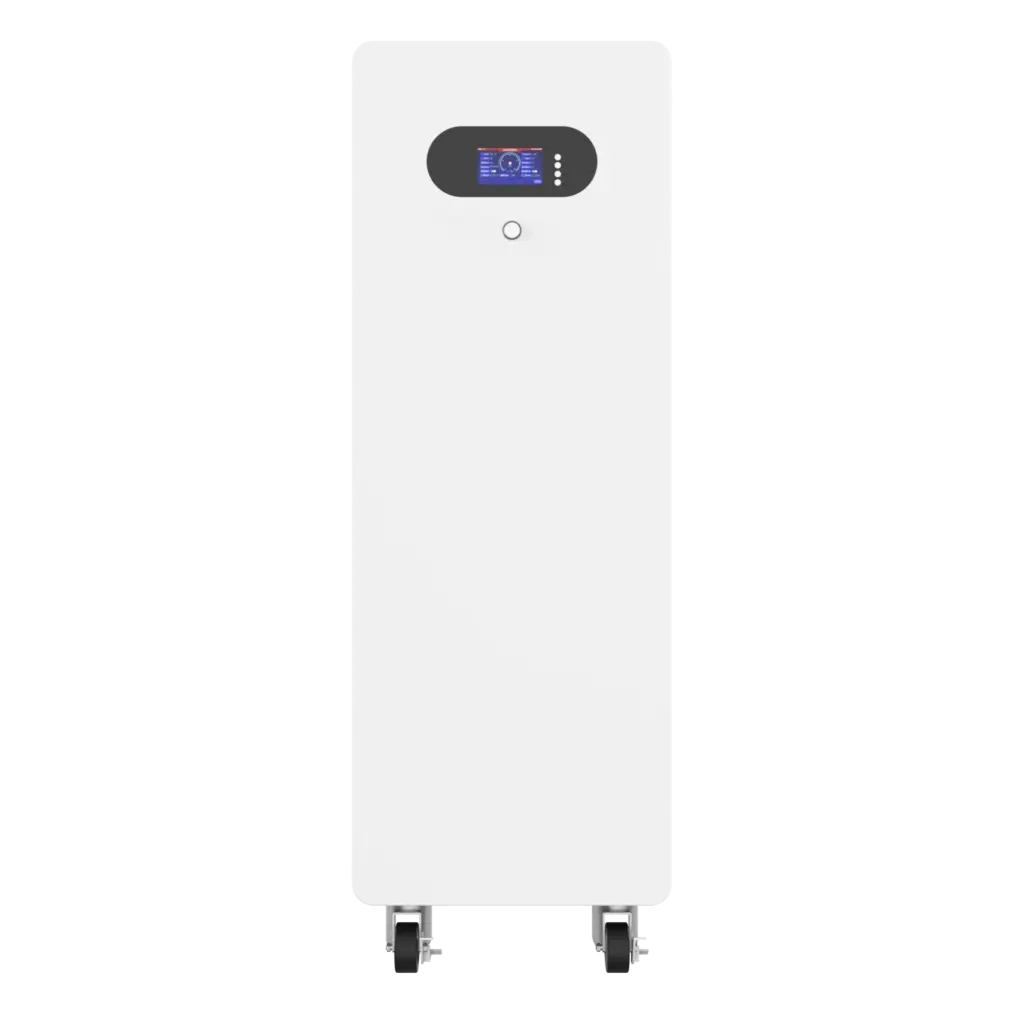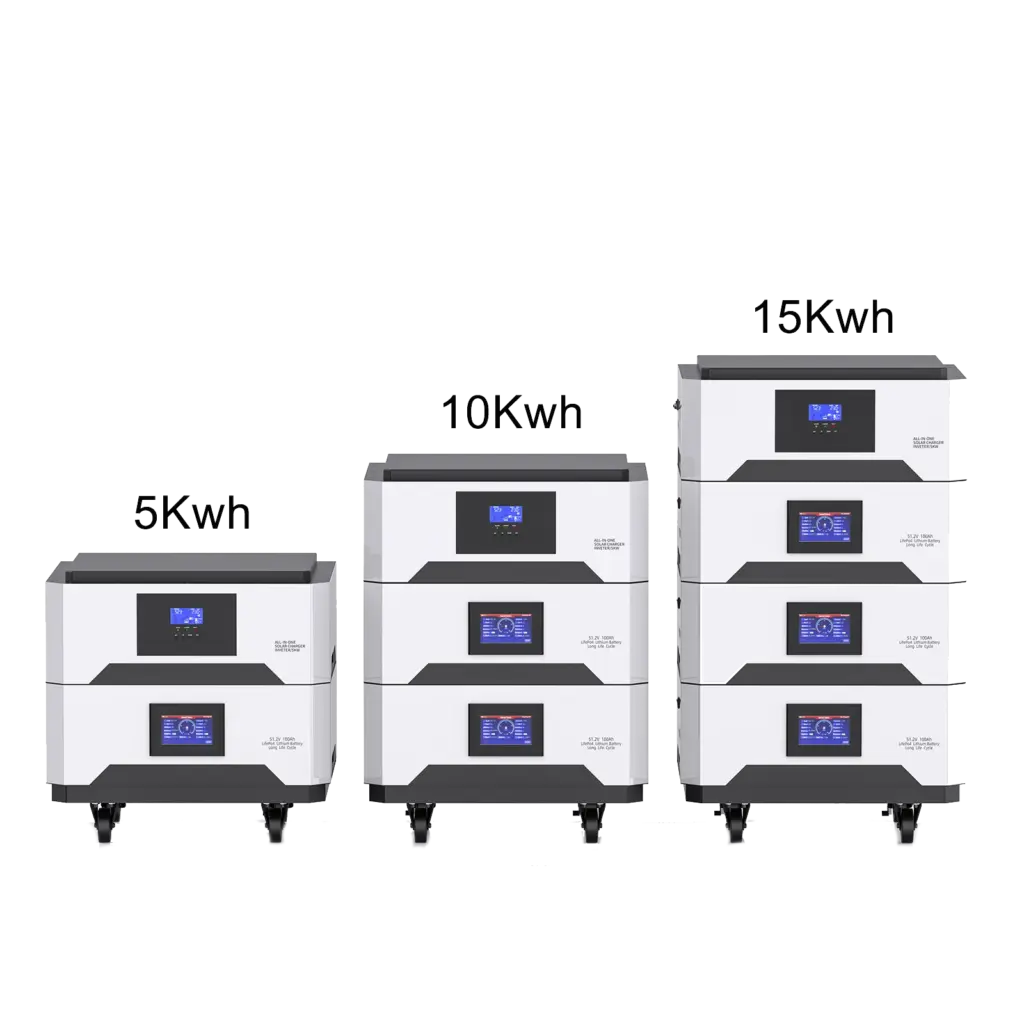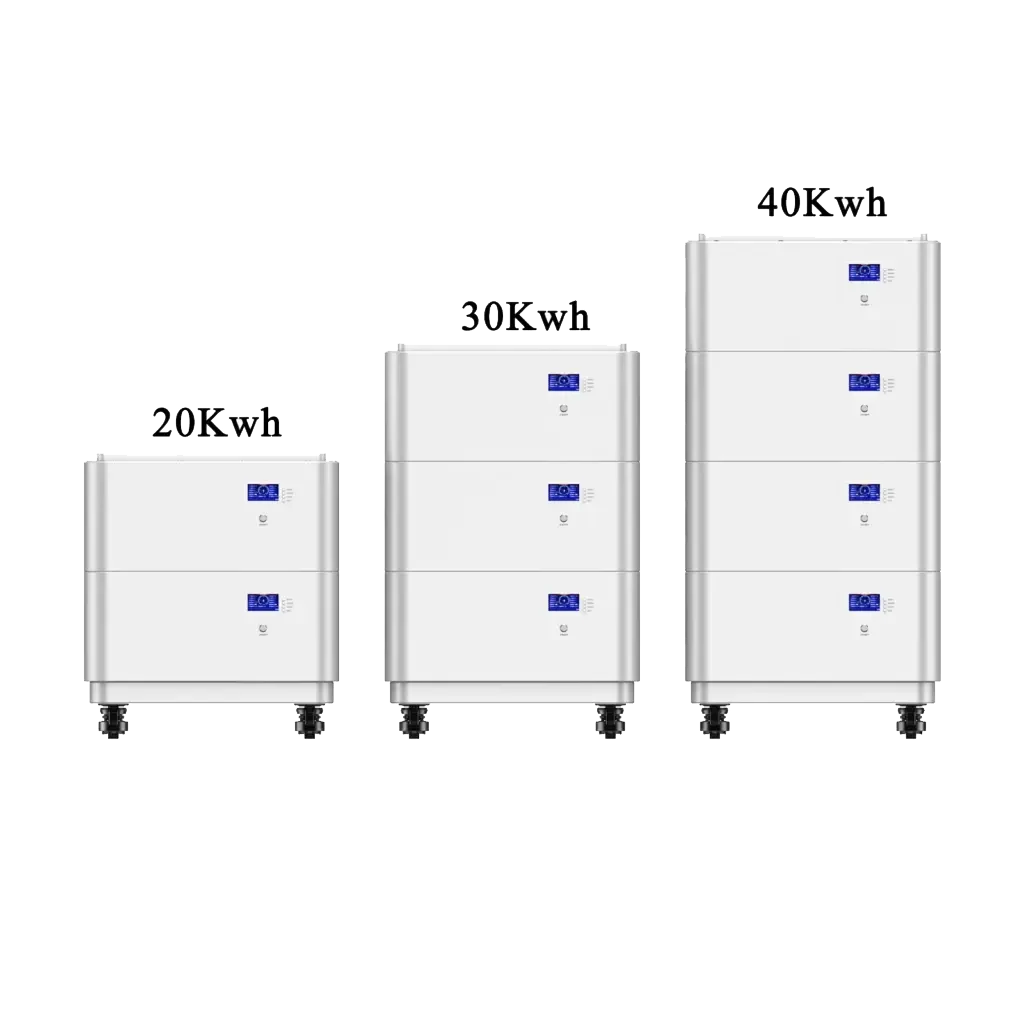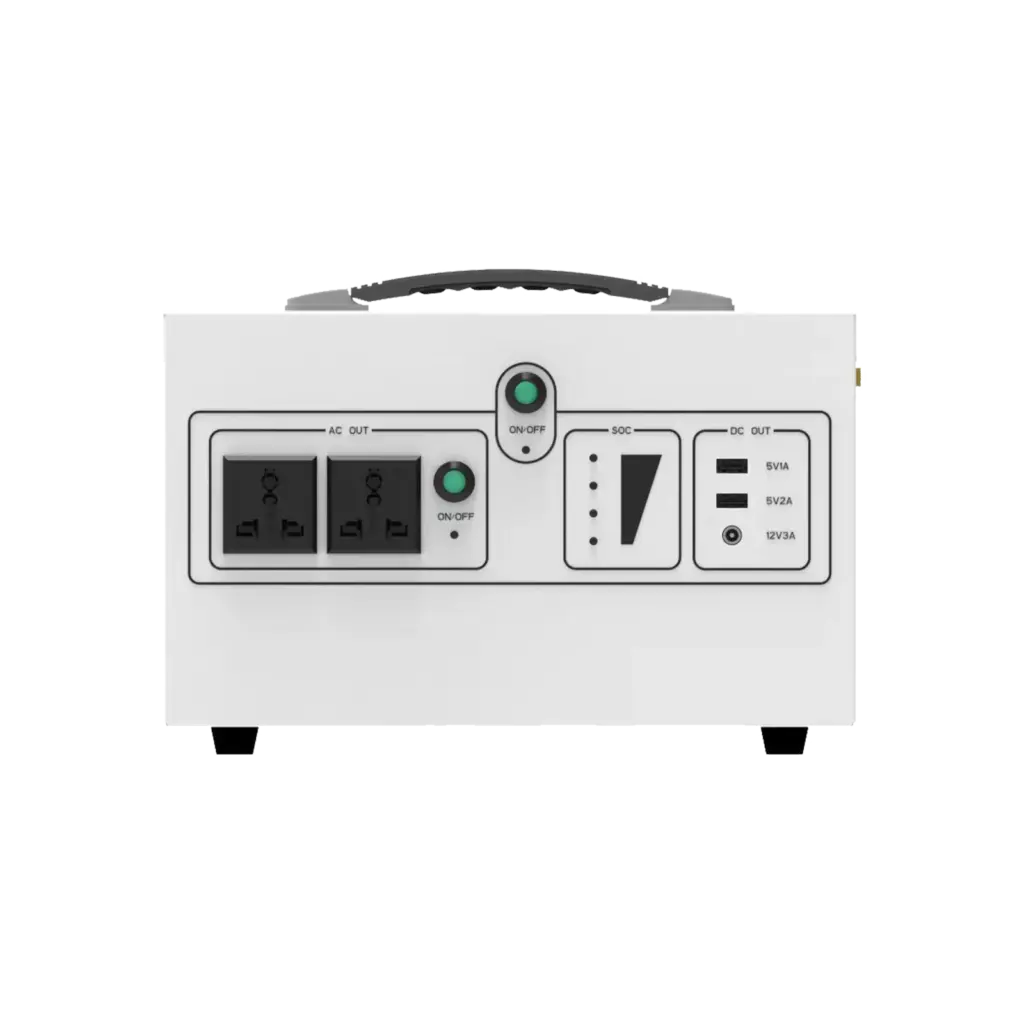
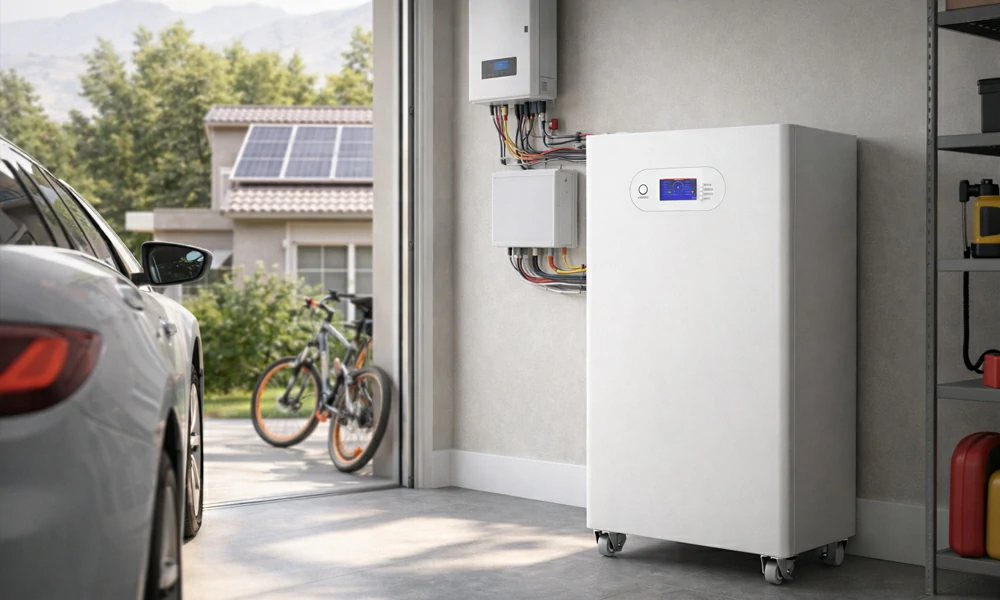
Solar battery prices in South Africa in 2026 vary widely by capacity, brand and what is included in the quote. Current retail listings show many 5kWh-class LiFePO4 batteries at roughly R12,000–R28,000 for the battery alone, while 10kWh-class batteries can range from around R28,000 to R58,000 or more depending on the brand. A complete battery-backup installation costs more once the inverter, wiring, protection equipment, labour and Certificate of Compliance are included.
The market has also changed from the load-shedding-driven buying conditions of earlier years. As of October 2026, Eskom reports more than 500 consecutive days without national load shedding, although local outages and load reduction still affect some customers. For buyers today, battery economics increasingly depend on electricity tariffs, solar self-consumption, backup requirements and the cost of the complete installed system—not battery capacity alone.
Solar Battery Market Overview in South Africa
South Africa’s battery market is no longer driven by national load shedding to the same extent as it was several years ago. Eskom reported more than 500 consecutive days without load shedding by October 2026, while load reduction had fallen to a much smaller share of customers. Battery demand therefore increasingly reflects electricity-cost management, rooftop-solar self-consumption, local reliability concerns and backup requirements.
Electricity costs nevertheless continue to rise. For the 2026/27 period, Eskom implemented an average 8.76% increase for direct customers from 1 April 2026, while NERSA approved an average 9.01% increase for municipal customers from 1 July 2026. The actual household cost per kWh varies by tariff, municipality, usage band and fixed charges, so there is no single national residential electricity price that applies to every battery-payback calculation.
Solar Battery Prices in South Africa: 2026 Market Snapshot
Battery-only pricing has fallen substantially, but the cheapest listing is not necessarily the lowest-cost battery over its usable life. The table below should be treated as a 2026 market snapshot rather than a fixed national price list, because retailer promotions, usable capacity, warranty, brand positioning and inverter compatibility can change the final value.
Battery-Only Prices (Excluding Installation)
| Battery size | 2026 battery-only market indication | What to check |
|---|---|---|
| Around 5kWh | About R12,000–R30,000 for many mainstream listings; premium models can cost more | Usable kWh, warranty, current limit, inverter compatibility |
| Around 10kWh | About R28,000–R60,000+ depending on brand and configuration | Whether capacity is nominal or usable; one large module vs parallel modules |
| Around 15kWh | Quote by exact model rather than capacity alone | Continuous power, expansion architecture, warranty |
| 20kWh+ | Project pricing is more meaningful than a generic battery-only range | Inverter/PCS size, protection, installation and system design |
Fully Installed System (Battery + Inverter + Installation)
Installed solar battery costs cannot be estimated reliably by adding a fixed percentage to the battery price. A homeowner who already has a compatible hybrid inverter may only need the battery, protection equipment, cabling, commissioning and a CoC, while another property may require a new inverter, DB-board work and additional compliance costs.
As a 2026 reference point, published South African installation guides put a 5kW hybrid inverter plus approximately 5kWh of lithium storage at roughly R65,000–R120,000 depending on equipment and project scope. Larger systems should be compared using itemised quotes rather than battery capacity alone.
| Quote item | Why it matters |
|---|---|
| Battery | Compare usable kWh, not only nominal capacity |
| Hybrid inverter | Check continuous kW and battery compatibility |
| Cabling & protection | Depends on system current and installation layout |
| DB-board work | Can materially increase retrofit cost |
| Labour & commissioning | Varies by site complexity |
| Electrical CoC | Should be included or clearly priced |
| SSEG / municipal requirements | Depends on municipality and system configuration |
What Influences Solar Battery Prices in South Africa?
Understanding the cost structure increases transparency and helps homeowners make informed decisions.
1. Battery Chemistry
The type of battery technology plays a major role in pricing and long-term value.
Most residential systems use:
- Lithium Iron Phosphate (LiFePO4) – Long lifespan, excellent safety, and ideal for daily cycling during load shedding.
- Lithium Nickel Manganese Cobalt (NMC) – Higher energy density but slightly shorter lifespan.
- Lead-Acid (AGM/Gel) – Lower upfront cost but significantly shorter lifespan and lower usable capacity.
Although lithium batteries cost more initially, they typically deliver a lower lifetime cost due to:
- 6,000–8,000+ cycle life
- 80–100% usable capacity
- Higher round-trip efficiency (up to 95–98%)
- Minimal maintenance requirements
For most South African households facing frequent load shedding, LiFePO4 batteries offer the best balance between durability and long-term savings.
2. Battery Capacity (kWh)
Battery size directly impacts price. Larger batteries require a higher upfront investment, but the cost per kWh often decreases as capacity increases. While larger systems cost more overall, they can power more appliances for longer periods and provide better value per unit of stored energy.
3. Depth of Discharge (DoD)
Depth of Discharge determines how much of the battery’s capacity you can actually use.
- A 10 kWh battery with 90% DoD provides 9 kWh usable energy
- A 10 kWh battery with 70% DoD provides only 7 kWh usable energy
Higher DoD increases usable energy without increasing nominal capacity, improving overall value.
4. Inverter Compatibility
Your inverter choice significantly affects total system cost.
Hybrid inverters increase the initial investment but offer greater flexibility, including:
- Solar charging integration
- Grid charging during off-peak hours (time-of-use savings)
- Seamless backup during load shedding
- Smart energy management features
If resilience and energy independence are priorities, a hybrid inverter system often justifies the additional cost.
5. Installation Complexity
Installation requirements can also influence the final price.
Costs may increase if:
- DB board upgrades are required
- Long cable runs are necessary
- Additional solar panels are installed
- Compliance certificates (CoC) are needed
- Structural modifications are required
Every home is different, so a site assessment is essential for accurate pricing.
Solar Battery Savings and Payback in South Africa
A solar battery does not have one fixed payback period in South Africa. Savings depend on how many usable kWh you cycle each day, the electricity price you avoid, solar energy that would otherwise be exported or curtailed, battery efficiency, degradation and total installed cost. Backup value should also be considered separately from bill savings.
Annual battery-delivered energy ≈ usable battery capacity × equivalent full cycles per year × discharge-system efficiency
For example, consider a 10kWh nominal battery, with 90% usable capacity, an assumed 90% delivery efficiency, and one equivalent full cycle per day:
10kWh × 90% × 90% × 365 ≈ 2,957kWh per year delivered to loads
If each delivered kWh avoids grid electricity, the gross annual value can then be estimated from the applicable household tariff. If the solar energy would otherwise have earned an export credit, that lost export value should also be deducted.
This is a calculation example, not a predicted saving or payback period.
Are There Solar Battery Incentives in South Africa in 2026?
South Africa’s former residential solar tax rebate does not provide a current national battery rebate in 2026. The SARS incentive applied only to qualifying new solar PV panels brought into use during the 2024 year of assessment, and batteries, inverters, fittings and installation costs were explicitly excluded. Buyers should therefore not assume that a home battery qualifies for this former rebate.
Municipal programmes, financing offers or business tax treatments may differ, so the applicable rules should be checked for the property and taxpayer type before calculating payback.
Is a Solar Battery Worth It in South Africa in 2026?
A battery can still be worthwhile in South Africa, but the case in 2026 is more property-specific than during the peak load-shedding years. It is generally easier to justify when a home has surplus daytime solar, meaningful evening consumption, expensive grid electricity, local reliability concerns or a clear need for backup power.
A large battery may offer poor value if most solar generation is already consumed during the day, the battery rarely cycles, or the homeowner buys more capacity than their nighttime load requires. Compare usable kWh, expected daily cycling and installed cost, rather than assuming that a larger battery automatically produces greater savings.
Choosing a Battery for an Installer or Solar Project
For installers, distributors and project buyers, battery price should be evaluated together with usable capacity, inverter communication, continuous charge/discharge limits, warranty terms and model-specific certification.
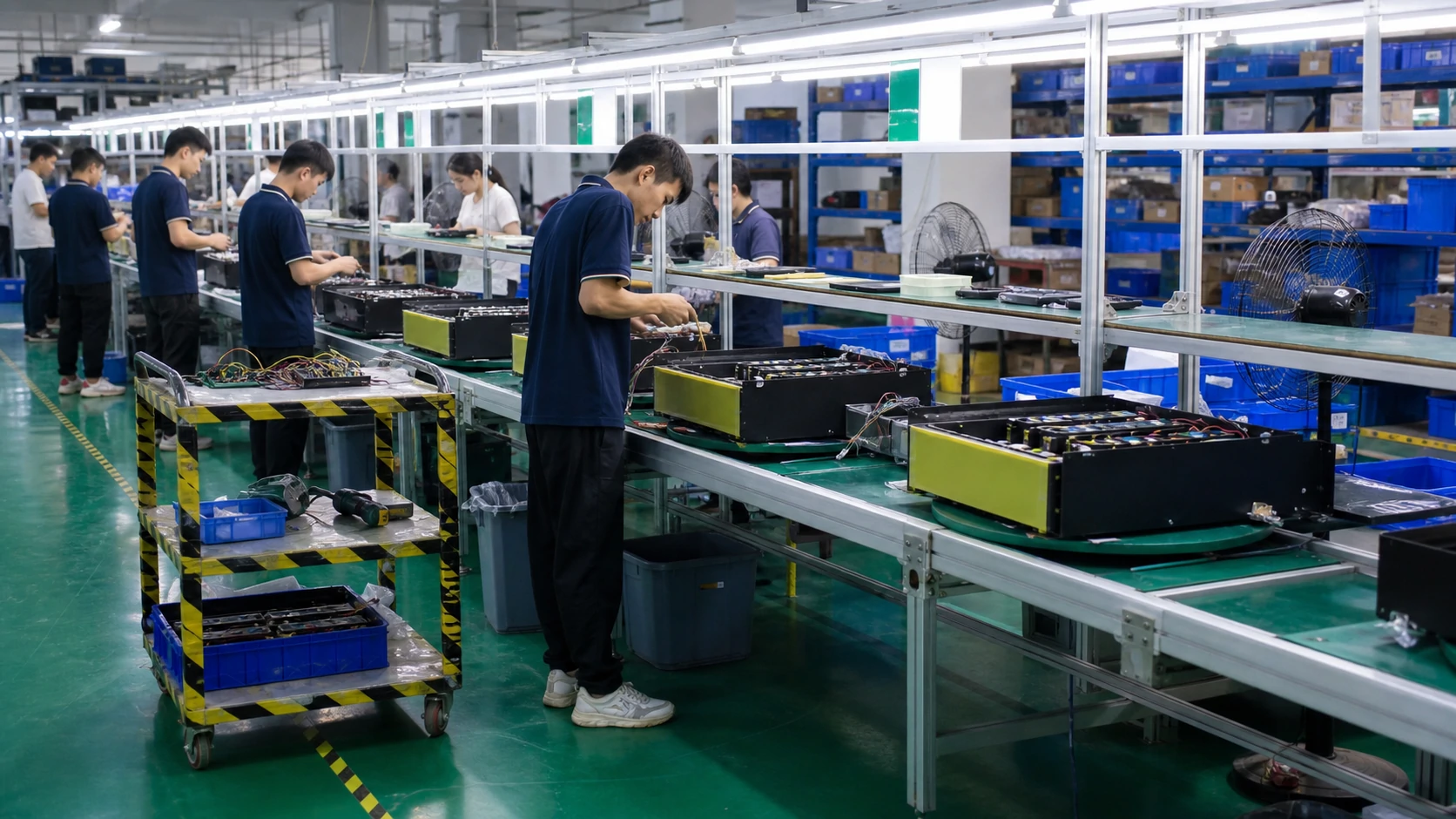
Avepower supplies LiFePO4 energy-storage batteries in multiple residential capacities and provides inverter compatibility and OEM/ODM support. Before specifying a model for a South African project, confirm the required battery voltage, usable capacity, inverter brand and model, CAN/RS485 communication requirements, installation environment and the certifications required for that project.
For an exact quotation, provide: required kWh capacity, inverter model, system voltage, expected quantity and installation/application requirements.
Take Control of Your Energy with Avepower!
Reliable home solar battery solutions with OEM/ODM customization and in-house manufacturing, tailored to the needs of distributors, installers, and energy partners.
FAQ
Many current 5kWh-class LiFePO4 batteries are listed at roughly R12,000–R30,000 for the battery alone, although premium models may cost more. Installation, inverter requirements, wiring and compliance costs are additional.
Current 10kWh-class battery prices can range from roughly R28,000 to R60,000 or more, depending on brand, usable capacity, warranty and configuration. Always confirm whether a quoted price includes installation or only the battery.
A 5kWh battery may be sufficient for essential loads and moderate evening use, while 10kWh provides longer runtime or supports higher daily consumption. The correct size should be based on the kWh you need between charging periods, not household size alone.
Runtime depends on usable capacity and average load. If 9kWh is usable, a constant 1.5kW load would theoretically run for about six hours before additional system losses and reserve settings are considered.
The former SARS residential solar rebate did not cover batteries or inverters and applied only to qualifying PV panels during the 2024 year of assessment. There is no current battery benefit under that former residential scheme.
Compare usable kWh, continuous power, inverter compatibility, warranty, cycle-life test conditions, installation scope, electrical protection, CoC requirements and total installed cost—not just the battery’s advertised capacity.