
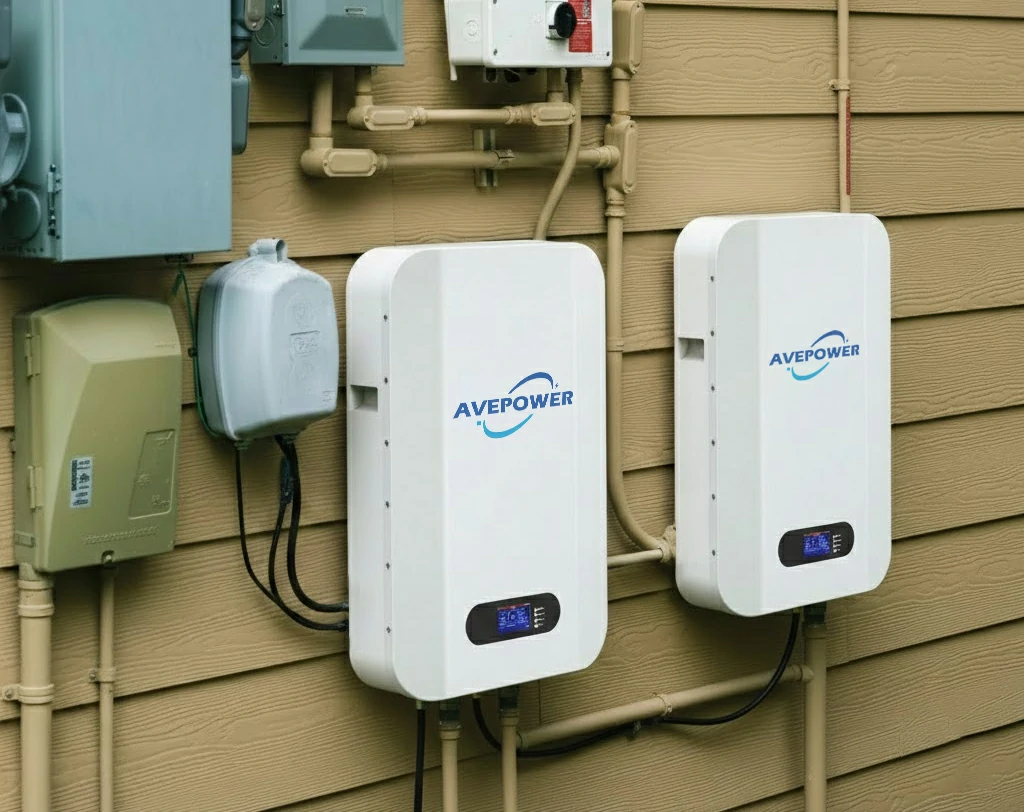
If you are considering a home battery, you probably want clear answers to practical questions. Can you install a solar battery without solar panels? How long does installation take? Where should the battery go? Do you need a new inverter or panel upgrade? And most importantly, how do you avoid buying the wrong system for your home?
That is exactly what this guide covers.
A solar battery installation is not just about mounting a battery on a wall and connecting a few cables. A good installation starts with load analysis, backup planning, battery sizing, inverter compatibility, site assessment, electrical compliance, and commissioning. When these steps are done well, the result is a system that lowers grid dependence, improves backup capability, and works safely for years. When they are rushed, the result can be poor performance, failed inspections, expensive rework, or a system that does not actually power what you expected.
What Solar Battery Installation Actually Means?
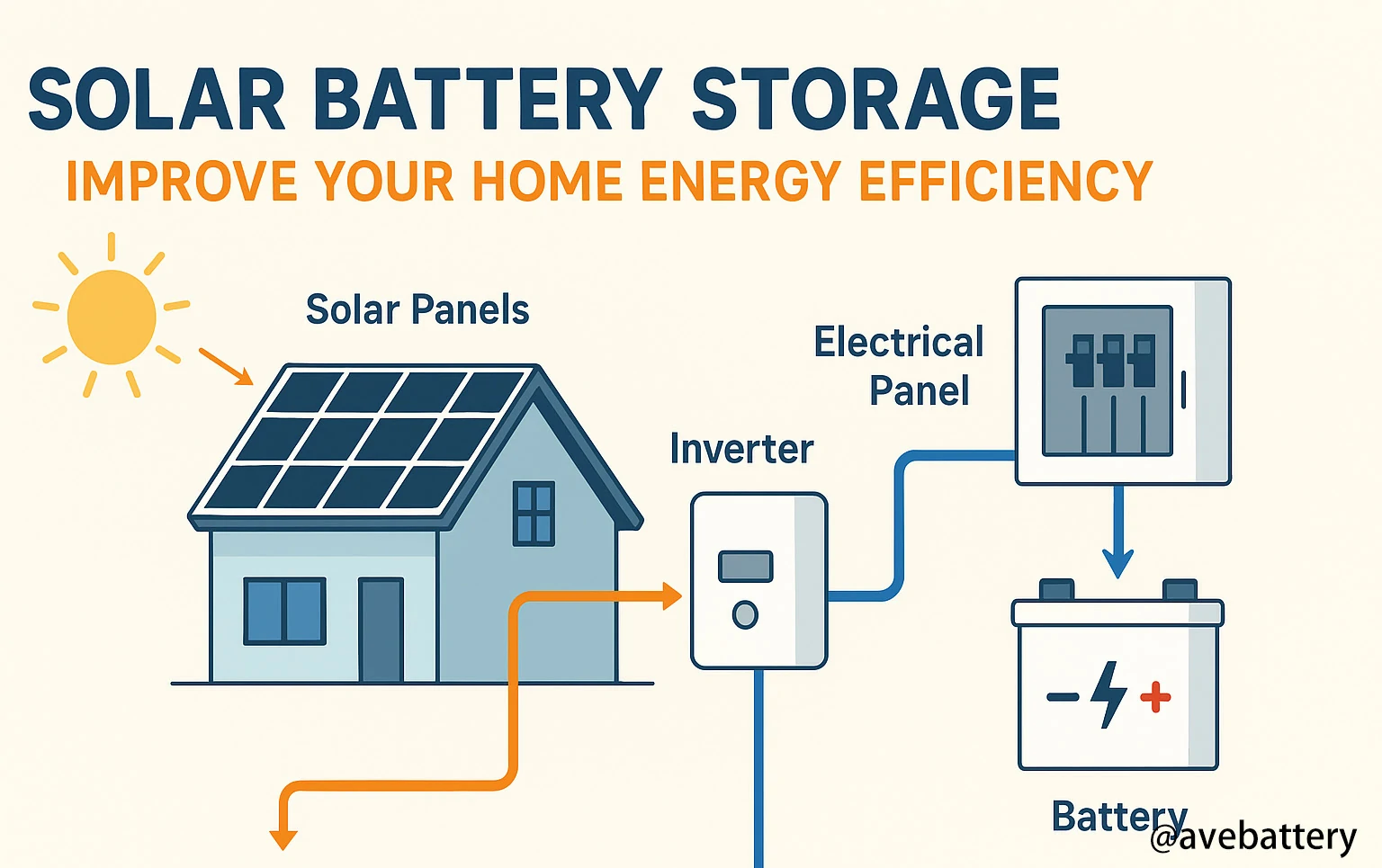
A solar battery installation usually includes the battery itself, the inverter or hybrid inverter, protection devices, cabling, monitoring, and the work needed to integrate storage into your home’s electrical system.
In simple terms, the battery stores surplus electricity so you can use it later. In a solar-plus-storage setup, that usually means storing excess daytime solar and using it at night or during outages. In a battery-only setup, the battery may charge from the grid during cheaper periods and discharge when electricity is more expensive.
Most home installations fall into three categories:
1. Solar and Battery Installed Together
This is often the cleanest approach for a new project. The system can be designed from the start around your load profile, solar production, and backup priorities.
2. Battery Added to an Existing Solar System
This is the classic retrofit path. It is popular because many homeowners already have rooftop PV and want to add storage later. In many retrofit cases, AC-coupled storage is easier because it can work with the existing solar inverter, while DC-coupled storage may require inverter replacement.
Related articles: Upgrade Your Solar System: Retrofit Battery Storage to Existing PV Systems
3. Battery Installed Without Solar Panels
A battery-only system can charge from the grid and still provide backup power or time-of-use savings. This option is especially relevant where electricity prices vary by time of day or where homeowners want backup first and solar later.
Which installation path is right for you?
Not all solar battery installations start from the same point. Some homeowners install solar and storage together, some add a battery to an existing PV system, and others choose a battery-only setup for backup power or time-of-use savings.
The table below compares the three most common paths.
| Item | New Install | Retrofit | Battery Only |
|---|---|---|---|
| Best For | New solar + battery project | Existing solar homes | Homes without solar |
| Main Goal | Solar use + backup | Add backup to existing solar | Backup or bill savings |
| Setup | Solar + battery + inverter | Existing solar + added battery | Battery charged from grid |
| Complexity | Medium | Medium to high | Low to medium |
| Advantage | Clean, integrated design | Upgrade without starting over | Flexible and simple |
| Limitation | Higher upfront cost | May need extra upgrades | No solar charging |
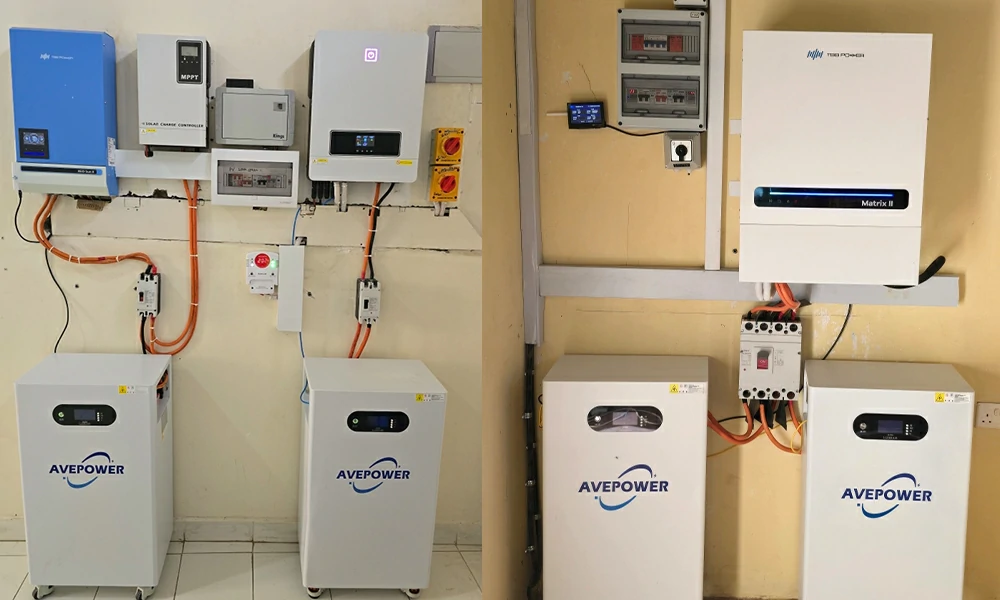
Step-by-Step: How Solar Battery Installation Works
Step 1: Define Your Real Goal
Before any installer talks about battery brands or capacity, you need to define the job the battery must do.
Ask yourself:
- Do you want lower electricity bills?
- Do you want backup for essential circuits only?
- Do you want whole-home backup?
- Do you want to add storage to existing solar?
- Do you want a battery now and solar later?
This step matters because “battery installation” is not one single product decision. A homeowner who only wants evening self-consumption needs a different solution from someone who wants air conditioning, pumps, kitchen loads, and lighting to keep running during outages.
Step 2: Assess Energy Use and Backup Loads
A good installer should review your utility bills, usage patterns, and the loads you want to support during outages. Utility bills, load curves, seasonal use, and appliance demand as key inputs for battery sizing.
This is where many projects go wrong. Some systems are sized around total daily consumption, while the homeowner actually only needs critical-load backup. Others are undersized because the design ignores startup surges from pumps, refrigerators, or HVAC equipment.
Step 3: Check Your Existing Solar and Inverter Setup
If you already have solar panels, the installer needs to check:
- inverter model and age
- whether the inverter is battery-ready
- switchboard condition
- available breaker space
- wiring quality
- grounding
- whether backup circuits can be separated
This is a major reason why two homes with similar electricity bills can end up with very different installation scopes.
Step 4: Choose AC-Coupled or DC-Coupled Installation
This is one of the biggest design decisions.
AC-coupled systems are often easier for retrofits because they work alongside an existing solar inverter. The tradeoff is extra energy conversion.
DC-coupled systems usually offer cleaner architecture and better efficiency because solar energy can be stored more directly, but retrofits may require replacing the existing inverter.
A simple rule is this:
- choose AC-coupled when you want to add a battery to an existing PV system with minimal disruption
- choose DC-coupled when you are building a new solar-plus-storage system or replacing the inverter anyway
Related articles: AC vs DC Coupling: Key Differences in Solar Energy Systems
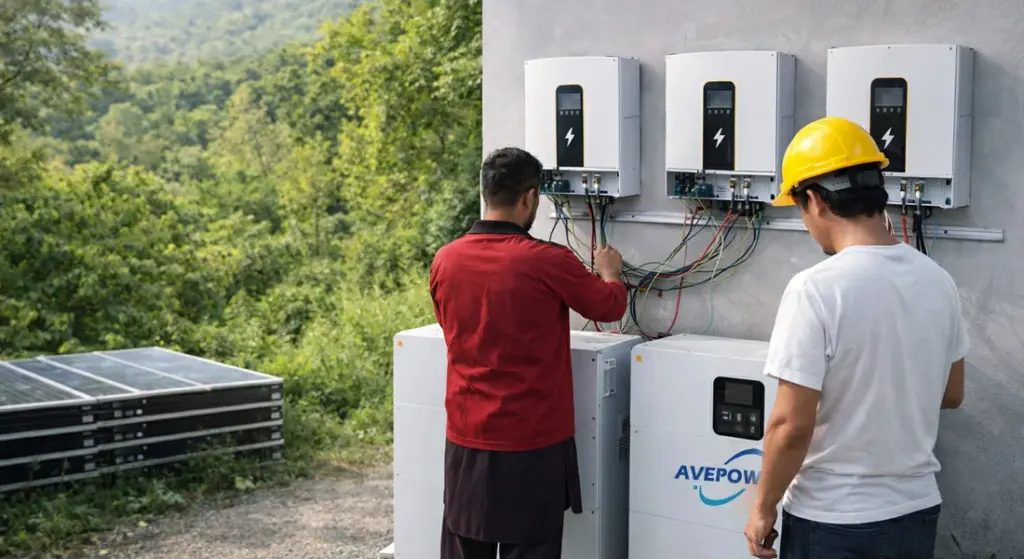
Step 5: Select the Battery Location
Battery placement affects safety, serviceability, performance, and cost.
Common installation locations include:
- garage
- utility room
- exterior wall
- dedicated storage space
The best location is usually one that is:
- dry and well ventilated
- protected from extreme heat
- accessible for maintenance
- compliant with manufacturer spacing requirements
- close enough to reduce unnecessary cable runs
- away from impact risk and escape routes
Outdoor installation can work if the battery and enclosure are designed for it, but temperature exposure, direct sun, moisture, and servicing access all become more important.
Step 6: Confirm Permits, Electrical Upgrades, and Code Compliance
Solar battery installation is not a casual DIY wiring job. It usually involves electrical permits, inspections, and compliance with local building, fire, and electrical requirements.
At the code level, requirements vary by country and city, but official standards bodies do treat stationary energy storage as a dedicated safety topic. NFPA describes NFPA 855 as a standard for installation of stationary energy storage systems, while the ICC notes that the 2021 International Residential Code addressed areas such as product listing, marking, and allowable locations for residential battery storage.
Step 7: Install, Wire, Configure, and Commission
Once design and approvals are complete, the physical work typically includes:
- mounting the battery
- connecting inverter and protection devices
- integrating backup circuits if required
- configuring monitoring
- commissioning charge and discharge settings
- testing islanding and backup functionality
- verifying communication between battery and inverter
A good installation is not only about passing inspection. It should also look neat, remain serviceable, and make future expansion easier.
How Long Does Solar Battery Installation Take?
The answer depends on the system type and how much extra electrical work is needed.
A simple retrofit may be finished in half a day, but a more complex solar-plus-storage project can take one to two days, and off-grid or switchboard-upgrade jobs can take longer.
How Much Does Solar Battery Installation Cost?
The cost of solar battery installation depends on far more than the battery itself. In most cases, the final price includes the battery, inverter or hybrid inverter, mounting hardware, protection devices, cabling, labor, commissioning, permits, and sometimes switchboard or electrical panel upgrades.
If you are comparing quotes, it is important to separate battery price from installed system price. A lower quote may exclude backup circuits, monitoring setup, electrical upgrades, or permit-related work.
In the U.S., a complete solar + storage system typically costs between $12,000 and $20,000, while retrofitting an existing system with a storage battery can range from $9,000 to $20,000, depending on battery capacity, inverter type, and installation complexity.
In Australia, similar systems generally cost around AUD 12,000 to 20,000.
In practical terms, installation costs usually rise when:
- the existing inverter is not battery-compatible
- the home needs a switchboard or panel upgrade
- backup circuits must be added
- cable runs are long
- outdoor mounting requires additional protection
- permitting and inspection requirements are more complex
A better way to evaluate price is to ask:
What exactly is included in the quote, what loads will the battery support, and what future upgrades will still be possible?
Permits, Paperwork, and Compliance: What Homeowners Should Expect
Installing solar panels and batteries is more than just buying equipment—it’s an electrical project that usually requires permits, inspections, and adherence to local regulations.
Proper planning involves obtaining the necessary permits, following local rules, and in some cases, upgrading the home’s electrical system. Depending on your location, installers may need to prepare or coordinate the following:
- Electrical permits
- Utility approvals or notifications
- Inspection documents
- Product datasheets and certification records
- Single-line diagrams
- Battery and inverter commissioning records
- Warranty registration and monitoring setup
Key takeaways for homeowners:
- Don’t treat permits and documentation as optional details.
- If a contractor is vague about paperwork, compliance, or inspection steps, consider it an early warning sign.
When installing solar panels and battery storage together, the process can sometimes be completed with a single coordinated approval and inspection, avoiding additional electrician visits later. This approach also simplifies permitting and inspection compared to retrofitting storage after the solar system is already installed.
How to Tell if a Solar Battery Installation Is High Quality?
Not all battery installations are equal. Two systems may use similar equipment, but the quality of planning and workmanship can be very different.
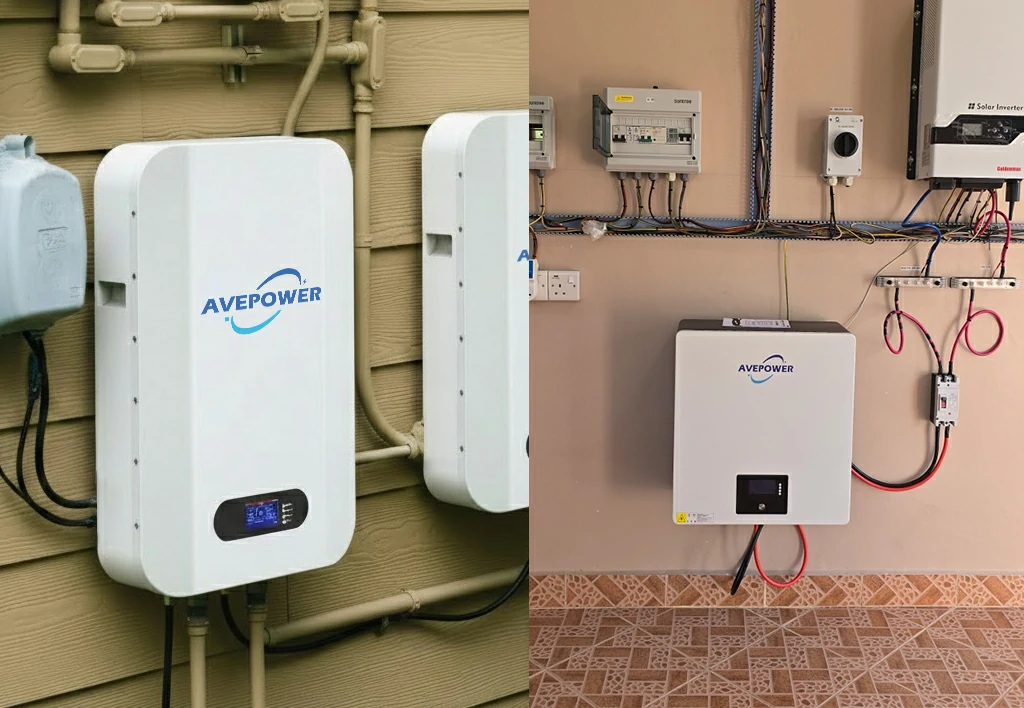
Homeowners can often judge installation quality by reviewing photos of previous projects and looking at how neat and deliberate the work appears. It specifically notes that proper planning usually results in cleaner, neater installations.
Signs of a high-quality installation include:
- tidy cable routing
- equipment placed with service access in mind
- appropriate weather protection where needed
- clearly planned layout rather than improvised placement
- compliant spacing and mounting
- clean switchboard and backup circuit integration
- monitoring and commissioning completed correctly
A good battery installation should not only pass inspection. It should also look organized, be easy to service, and match the performance promises made during the sales process.
Where Should a Solar Battery Be Installed
The best battery location depends on the home and the product. Common locations include garages, utility rooms, exterior walls, and dedicated service areas. The right choice depends on temperature stability, ventilation, structural support, local code, service access, and the manufacturer’s clearance requirements.
Indoor installation may offer better weather protection, while outdoor installation can save indoor space and simplify some layouts. But outdoor placement needs careful attention to temperature, weather exposure, enclosure rating, and long-term service access.
Common Mistakes Homeowners Should Avoid
One common mistake is assuming that any battery automatically provides whole-home backup. In practice, backup performance depends on battery power, usable capacity, inverter capability, and the way backup circuits are designed. Another mistake is ignoring whether a three-phase home has three-phase backup requirements. Not every battery arrangement will support three-phase loads the way homeowners expect during outages.
Another frequent mistake is underestimating future needs. If you may add an EV charger, electrify heating, or expand your solar system later, it is worth discussing future-proofing during the design stage.
Which Battery Setup Makes the Most Sense?
The right battery is not the same for every project.
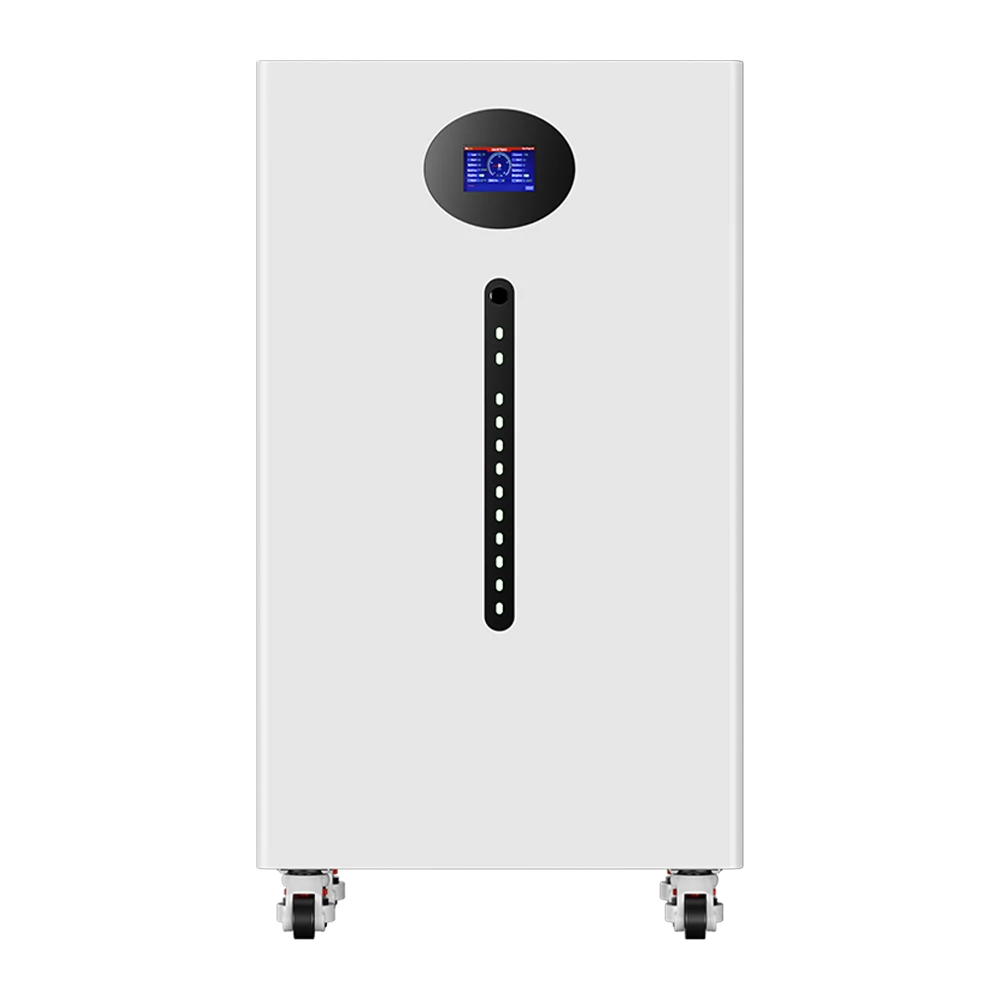
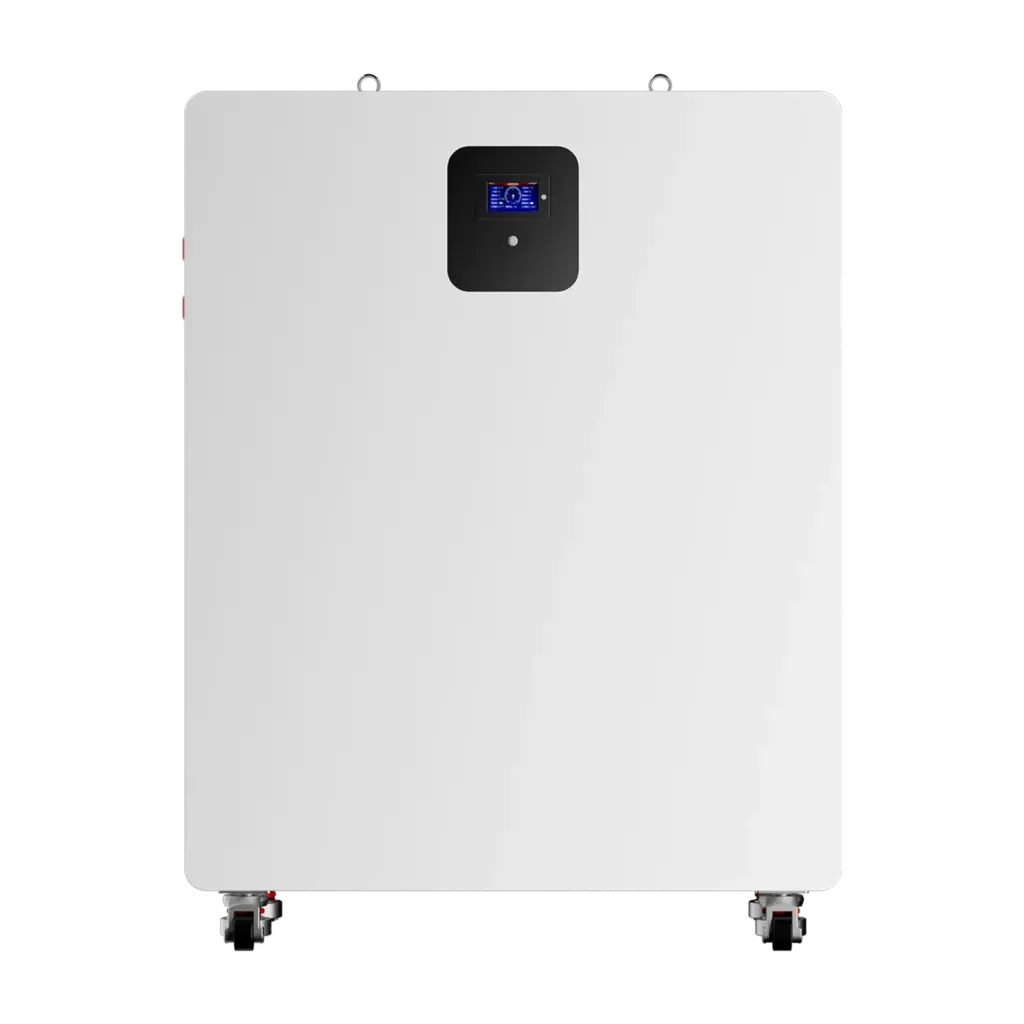
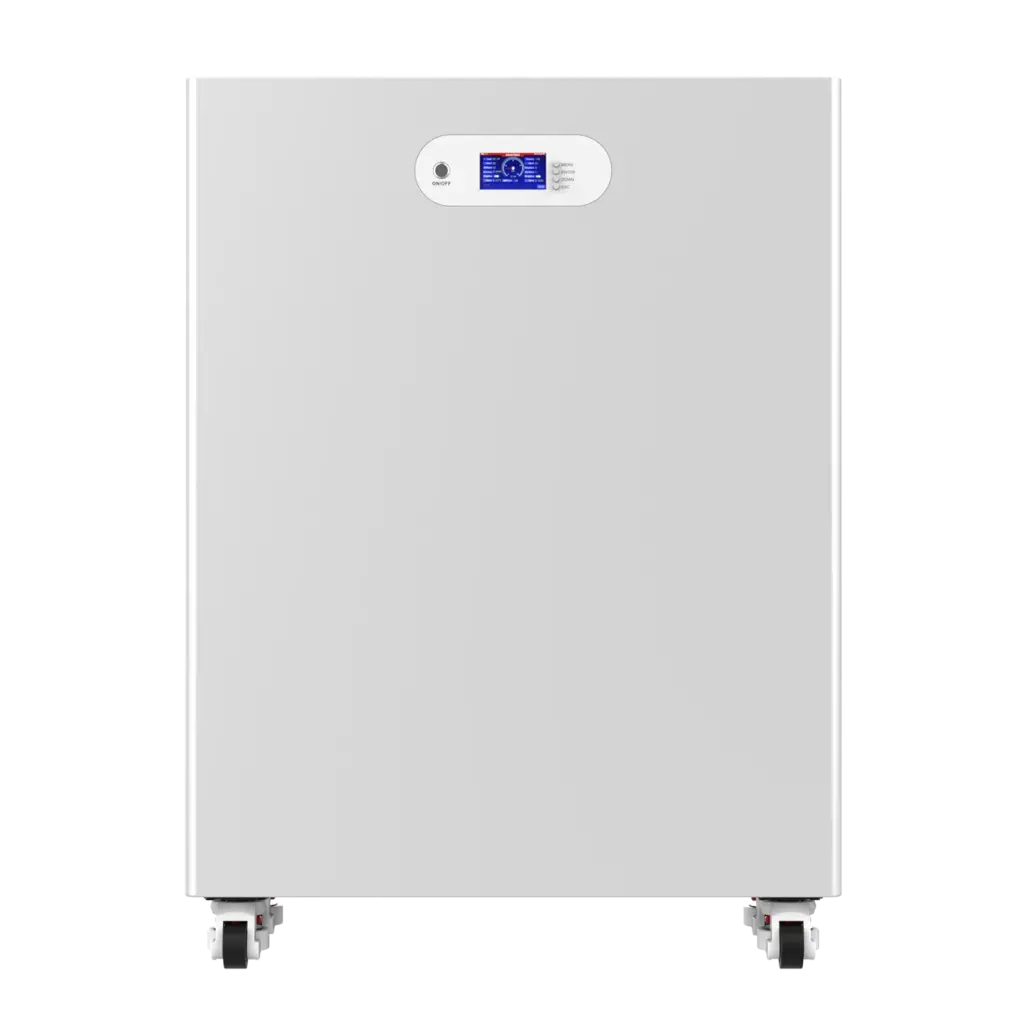
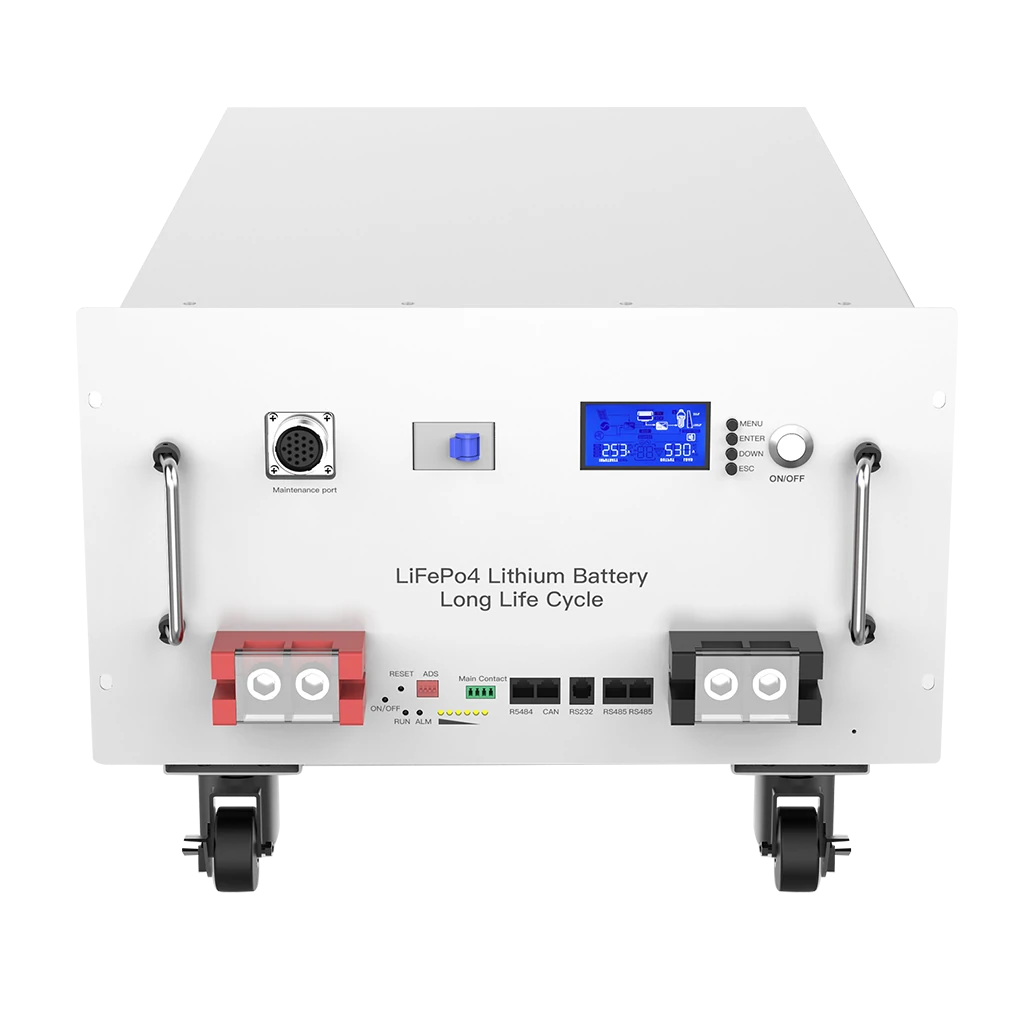
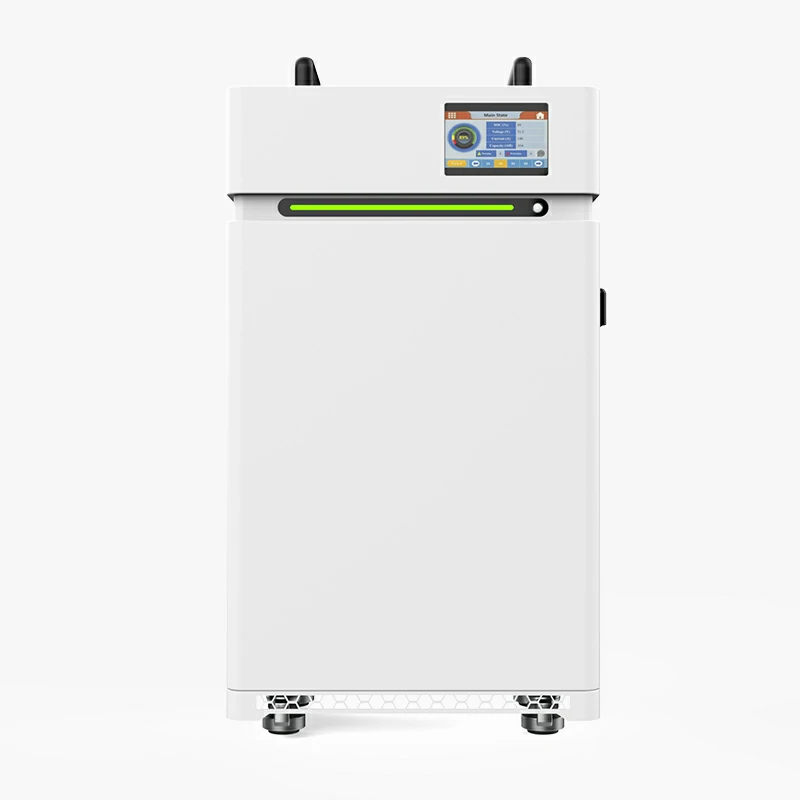
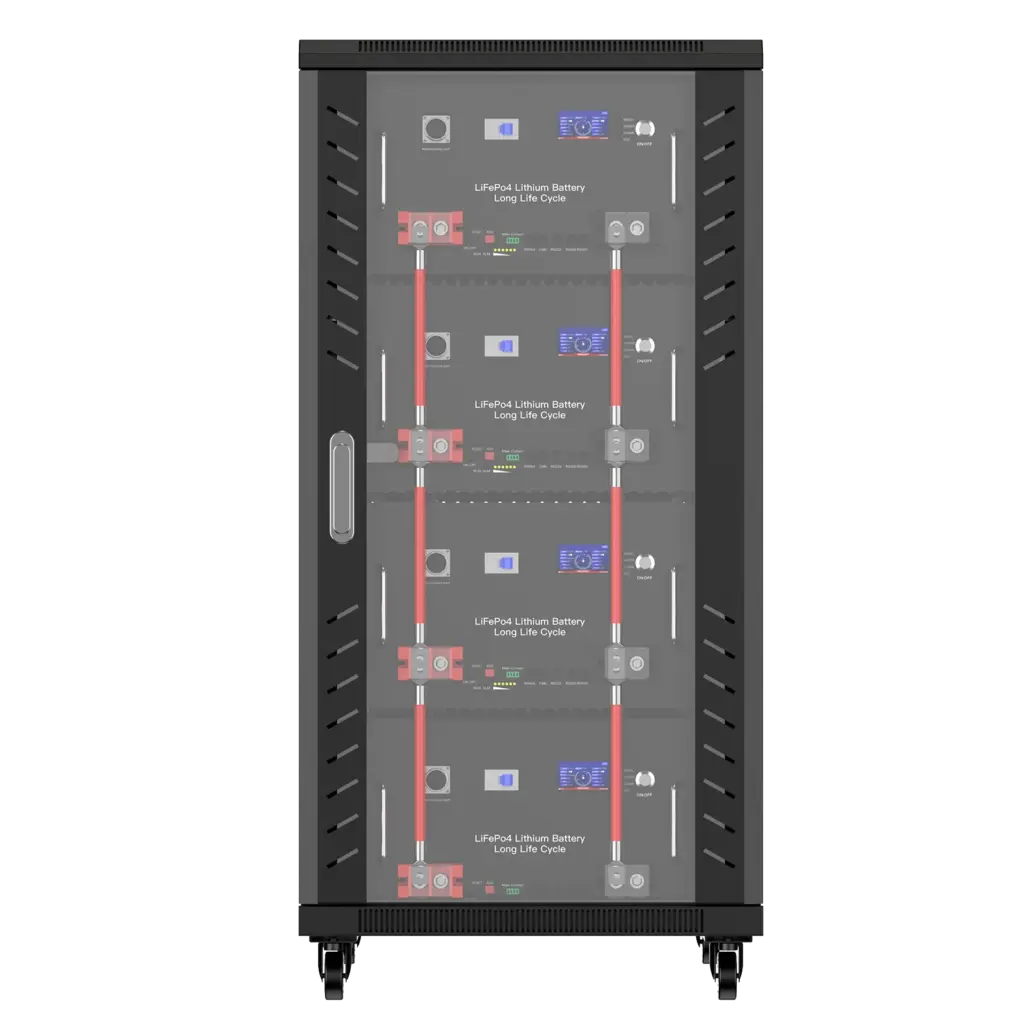
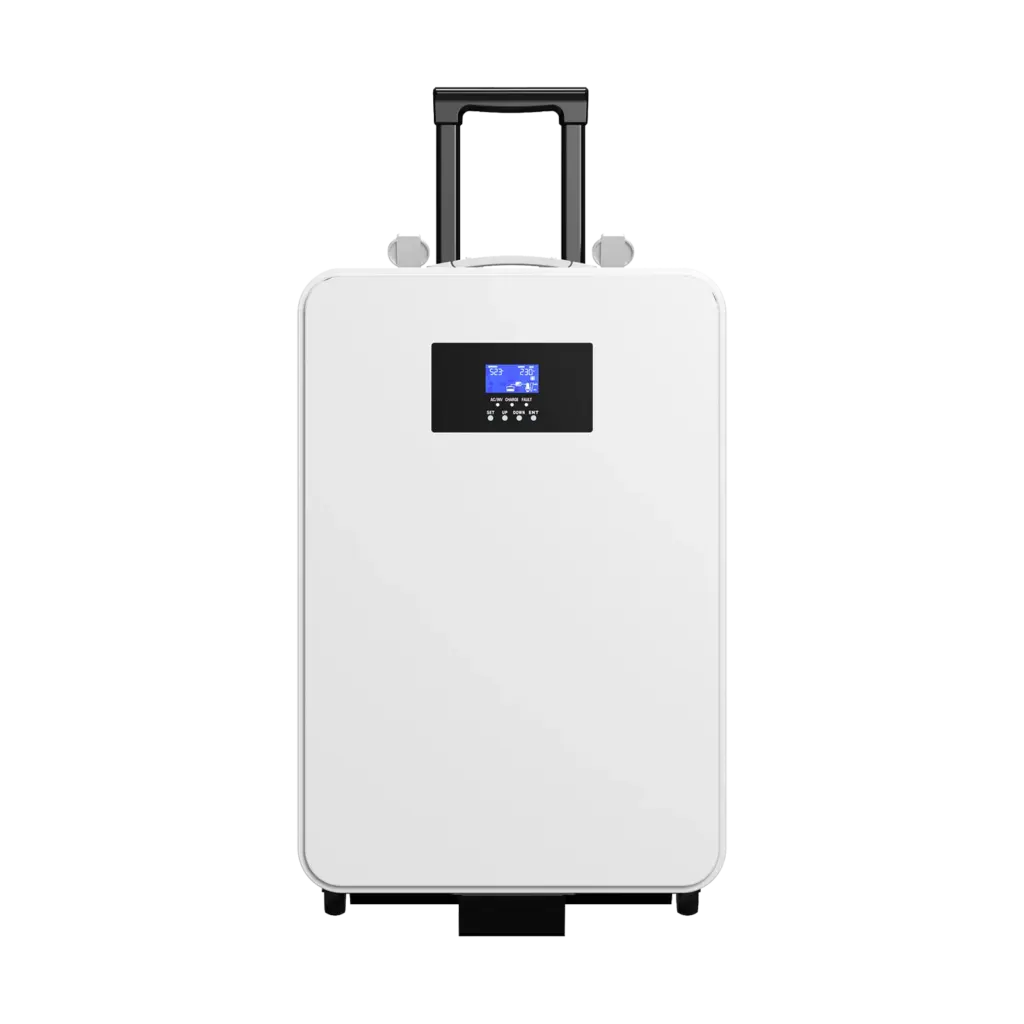
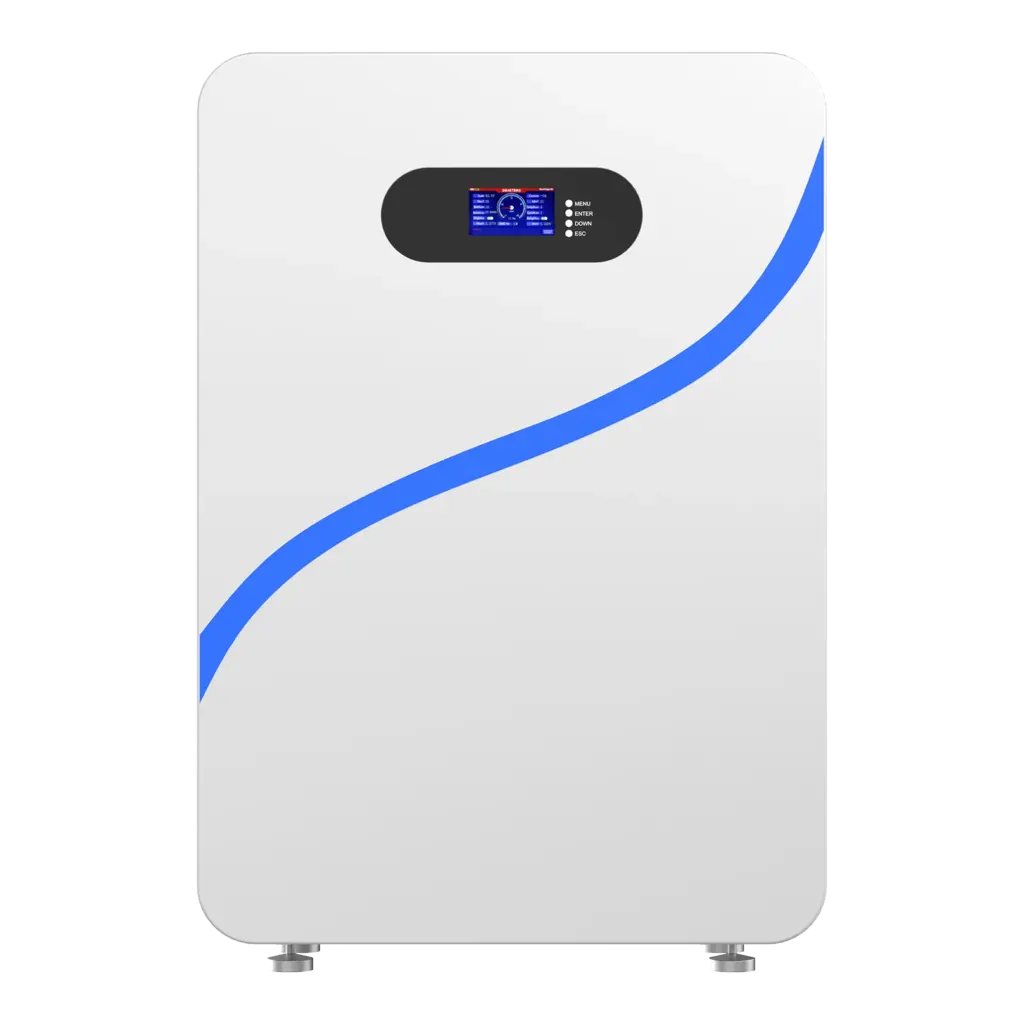
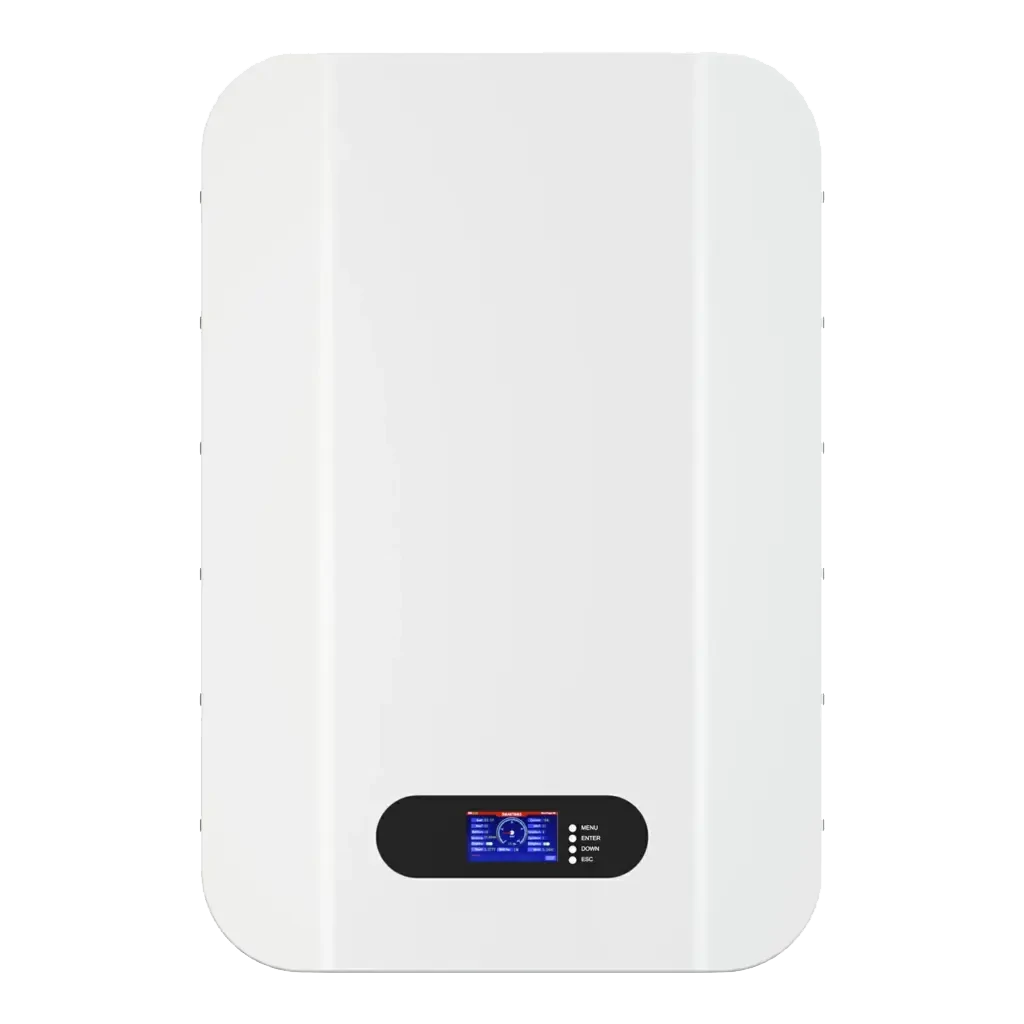
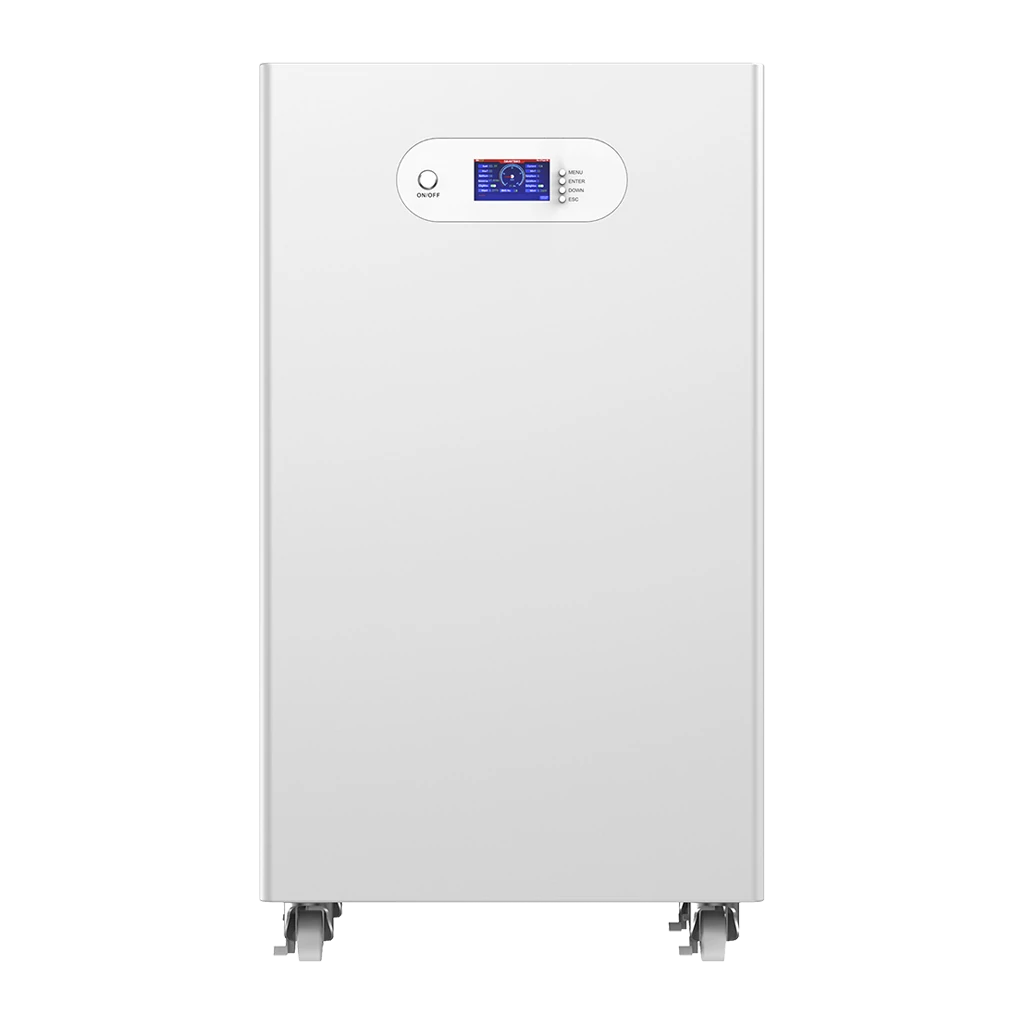
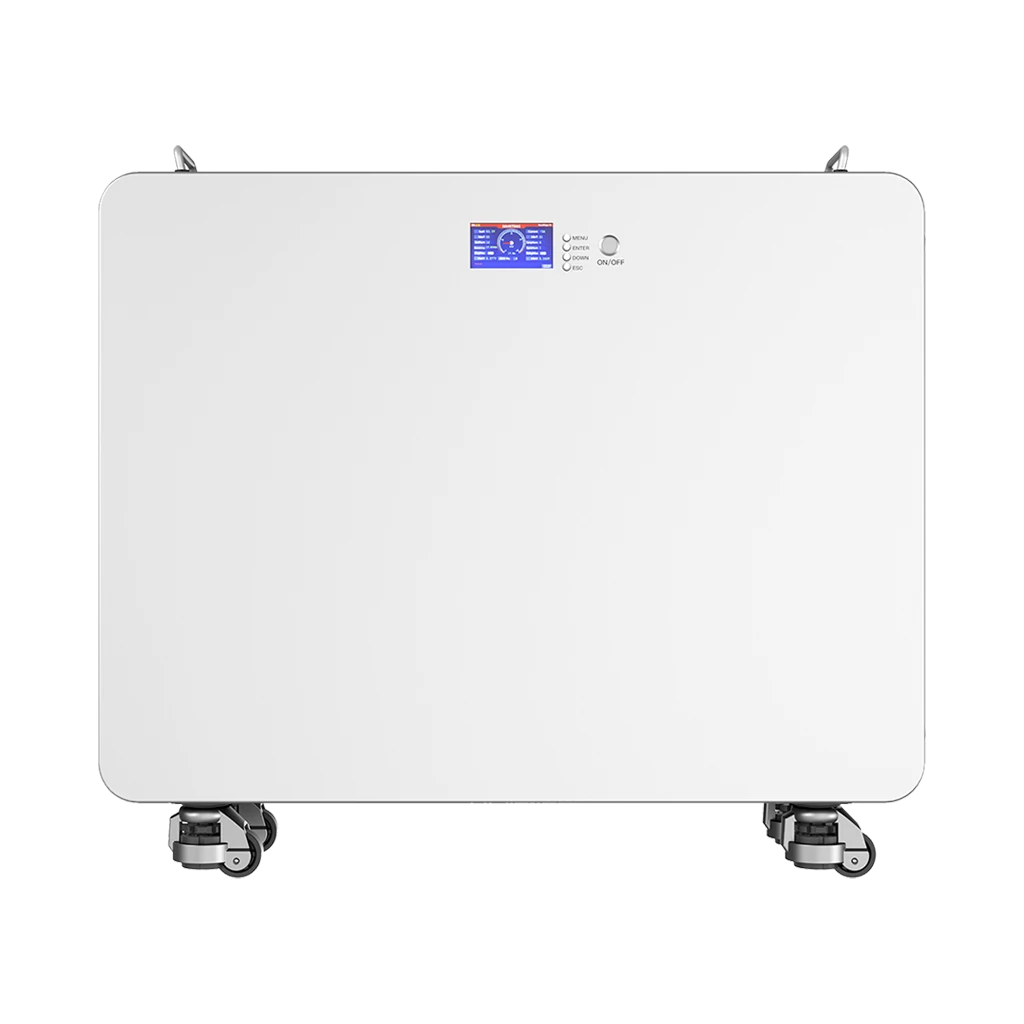
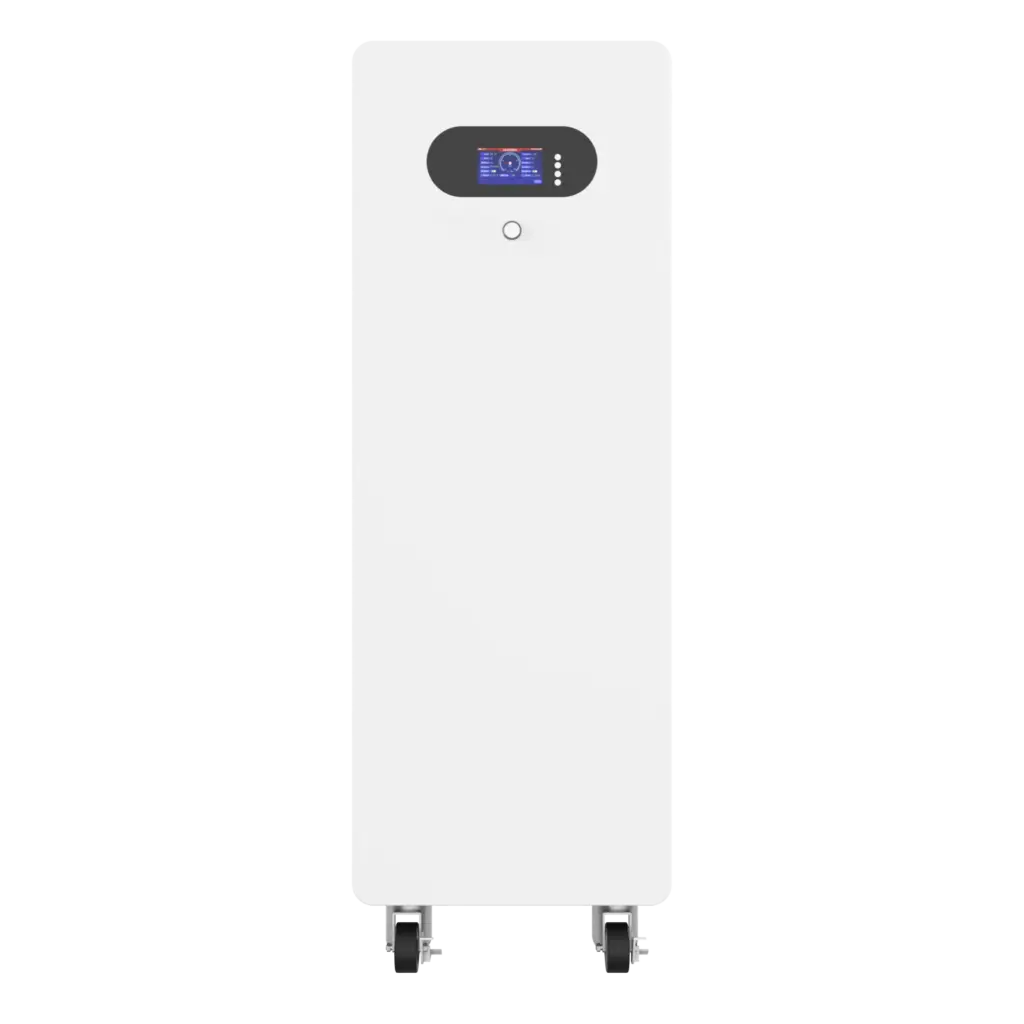
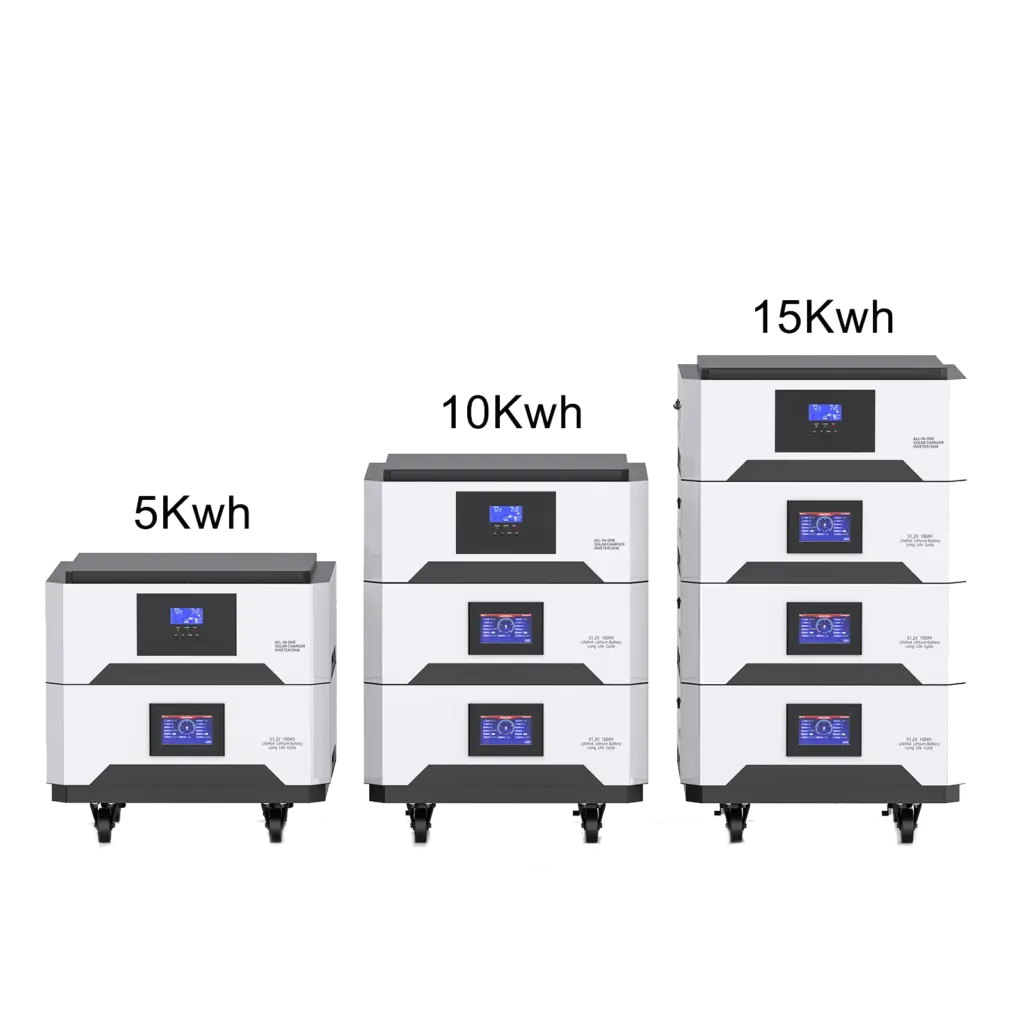
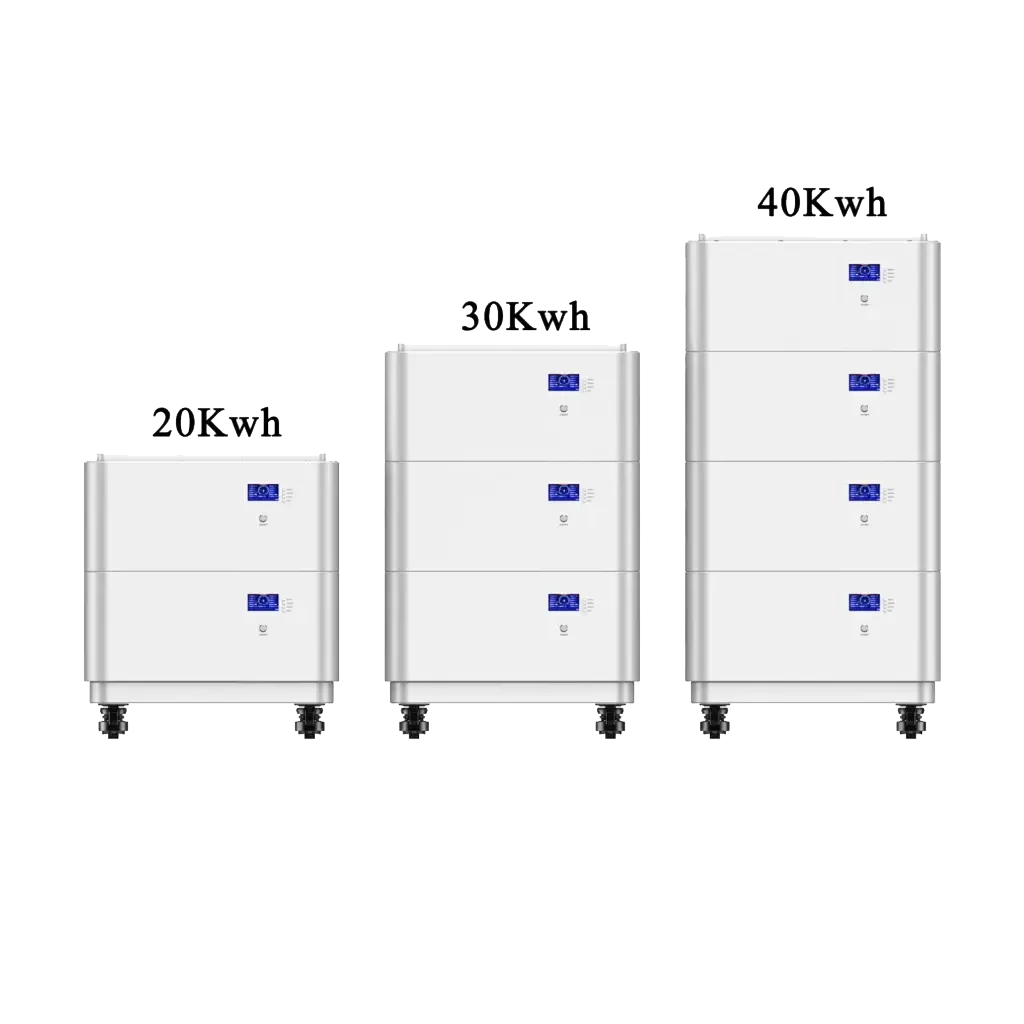
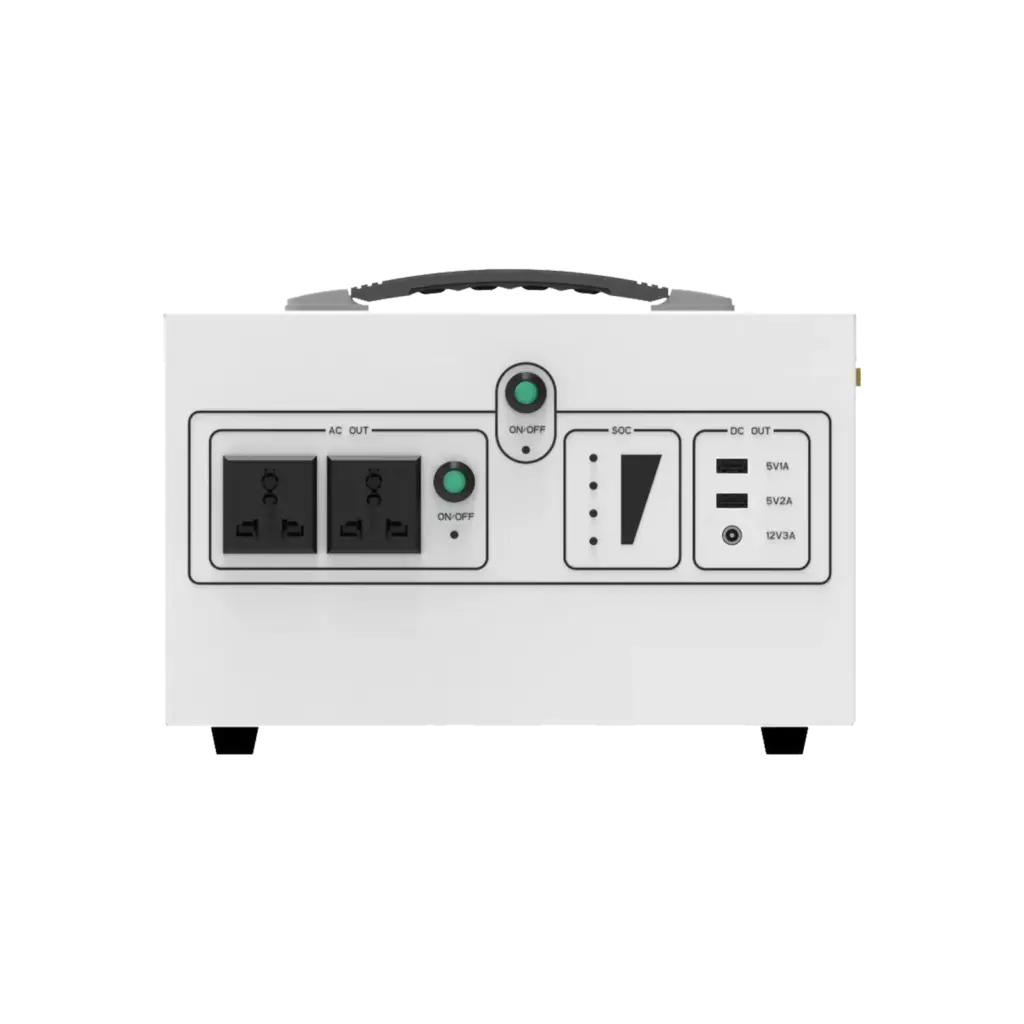
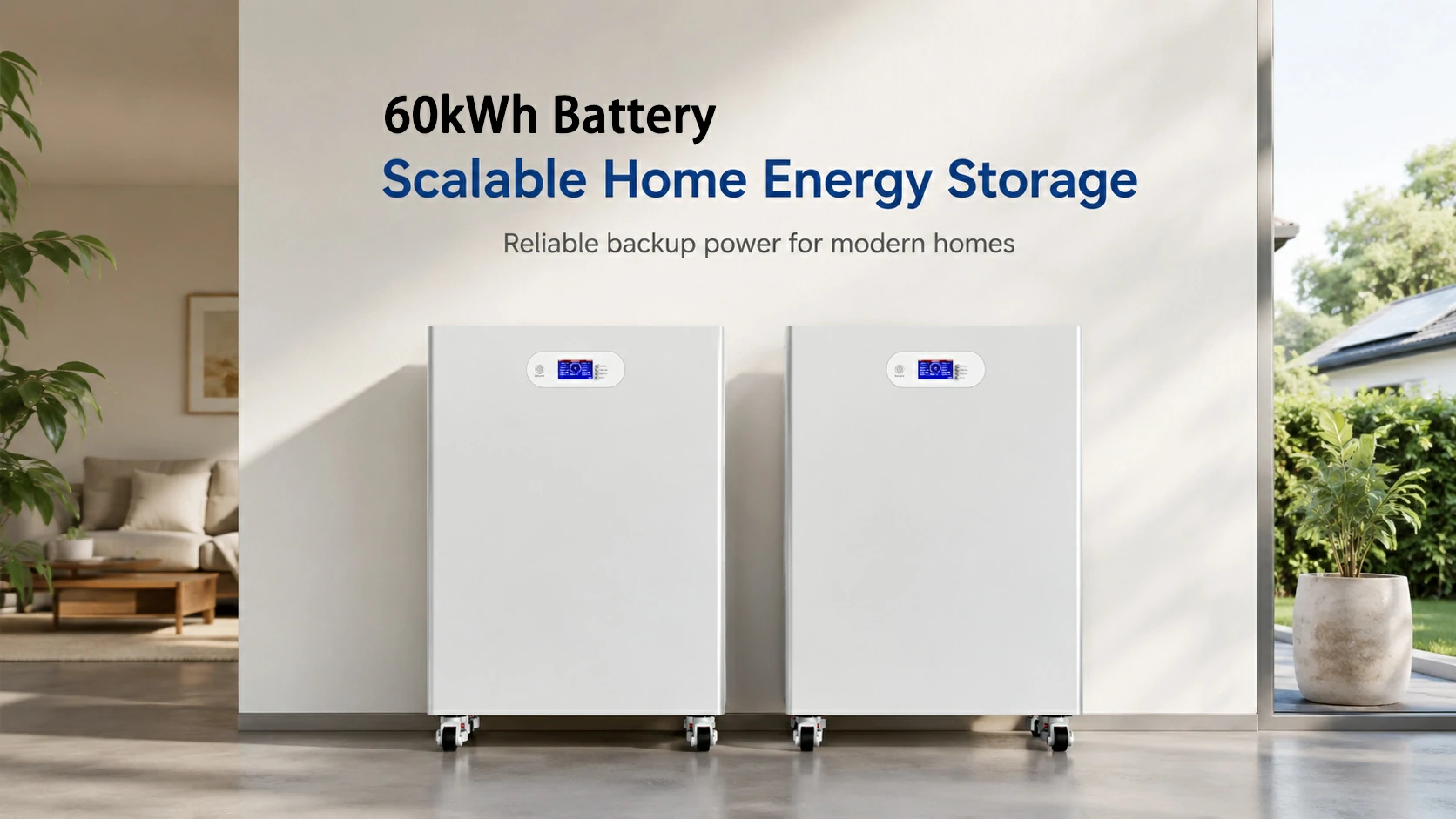
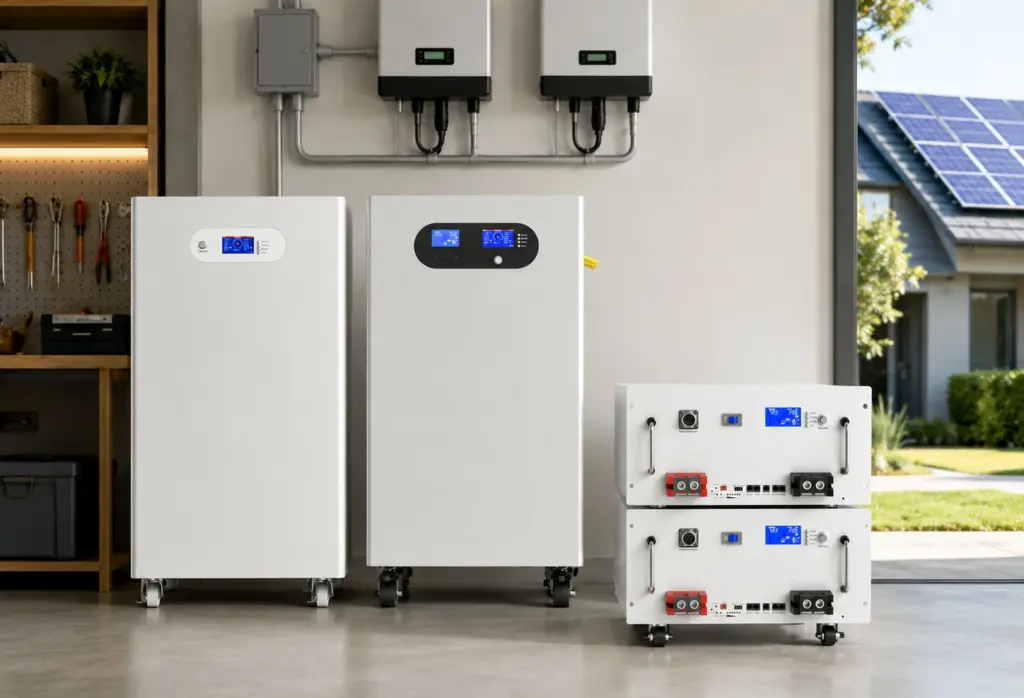
For compact residential projects, wall-mounted or rack-mounted LiFePO4 batteries are often suitable. For homeowners who want a simpler installation path, an all-in-one battery with built-in inverter can reduce design complexity. For larger homes or projects that may expand later, stackable or modular cabinet-style systems often make more sense.
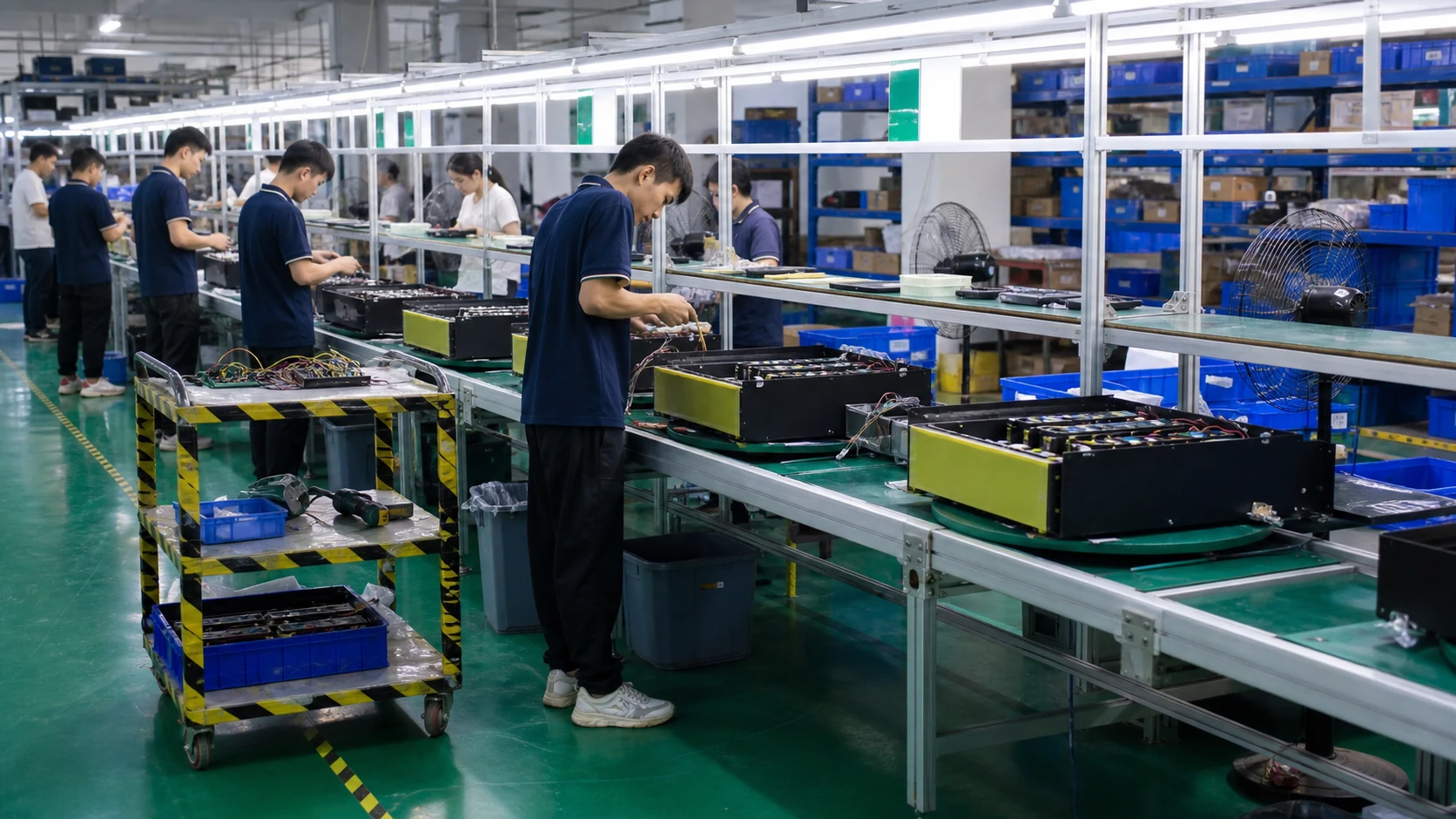
From a sourcing point of view, installers and distributors usually care about more than battery capacity. They care about inverter compatibility, communication protocols, scalable design, certification support, and ease of installation. That is where a manufacturer-led solution becomes more valuable than a battery sold as a generic commodity.
Whether you are planning a retrofit battery for an existing solar system or a complete solar-plus-storage project, the best solution depends on your inverter path, backup loads, installation space, and expansion plans. Avepower offers wall-mounted, rack-mounted, stackable, and all-in-one LiFePO4 battery solutions that can support different residential installation scenarios for installers, distributors, and project partners.
👉 Request a Proposal | Get Installer/Distributor Pricing
Take Control of Your Energy with Avepower!
Reliable home solar battery solutions with OEM/ODM customization and in-house manufacturing, tailored to the needs of distributors, installers, and energy partners.
Conclusion
Solar battery installation is not just about adding storage. It is about building a system that matches how your home actually uses electricity.
If you are starting from scratch, a new solar-plus-storage design can be the cleanest route. If you already have solar panels, an AC-coupled retrofit may be the simplest upgrade. If your priority is backup or time-of-use savings, a battery-only installation may still make sense even without panels.
The key is to start with goals, loads, inverter compatibility, installation location, and code compliance before comparing products.
A better battery installation does not begin with the battery. It begins with the right design.
FAQ
Yes, a solar battery can be installed without solar panels. In this setup, the battery charges from the grid instead of from PV generation, which can still be useful for backup power and time-of-use savings.
A simple battery retrofit may take only a few hours, while a more complex solar-plus-battery installation can take one to two days. Off-grid or whole-home backup systems may take longer.
The best location is usually a cool, dry, well-ventilated area with easy access for maintenance. Garages, utility rooms, and protected exterior walls are common choices.
For most homeowners, professional installation is the safer and more practical choice. A battery system involves high-voltage electrical work, system configuration, protection devices, and compliance with local codes.
Not always. If your current inverter is battery-ready or compatible with a hybrid setup, you may be able to add storage with fewer system changes.
AC-coupled systems are often easier for retrofits because they work alongside an existing solar inverter. DC-coupled systems usually make more sense in new solar-plus-storage projects because they can reduce energy conversion steps and simplify overall system design.
The total installed cost depends on battery size, inverter type, labor, permits, monitoring, and any required electrical upgrades. When comparing quotes, ask what is included in the full installation package, not just the battery price.
It can, but only if the battery system is sized for both power output and usable energy. Many residential systems are designed to support essential loads such as lights, Wi-Fi, refrigeration, and selected outlets rather than the entire home. Whole-home backup usually requires more battery capacity and more careful load planning.
You should check whether the installer understands battery sizing, backup load planning, inverter compatibility, and local code requirements. It is also smart to ask about warranty support, after-sales service, monitoring setup, and future expandability.
For many homeowners, yes. Adding a battery can improve self-consumption, reduce dependence on evening grid electricity, and provide backup during outages. It is especially attractive if your local electricity prices are high, export compensation is low, or grid reliability is a concern.