
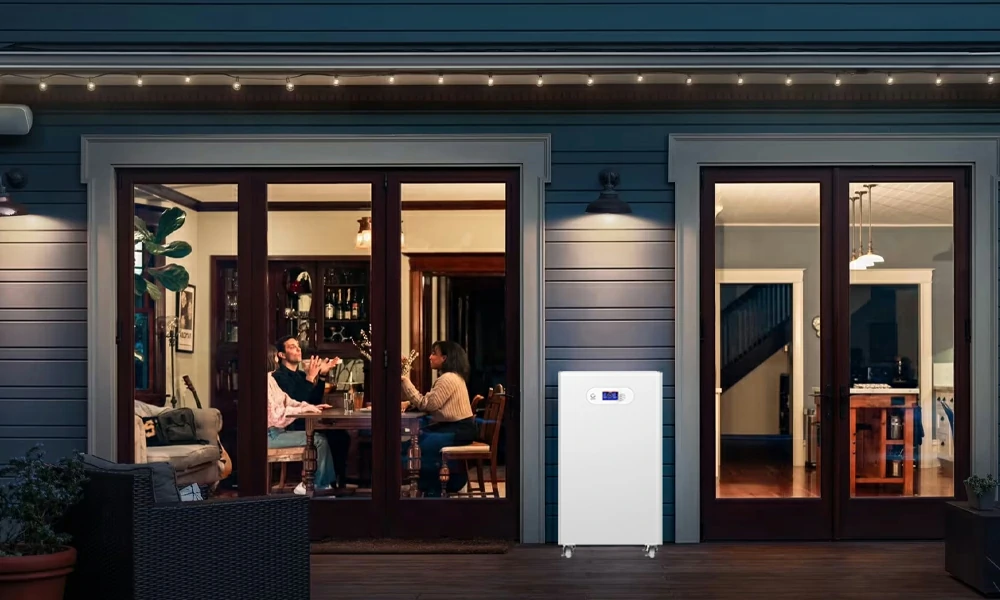
Solar batteries have become an essential component of modern home energy systems. They store excess energy generated during the day, ensuring your home remains powered even after the sun sets. But how long can a solar battery realistically last overnight? This guide will walk you through everything you need to know—from the basics of solar batteries and their role in nighttime power supply to practical tips on maximizing battery life, understanding different battery types, and choosing the right system for your home.
The Role of Solar Batteries at Night
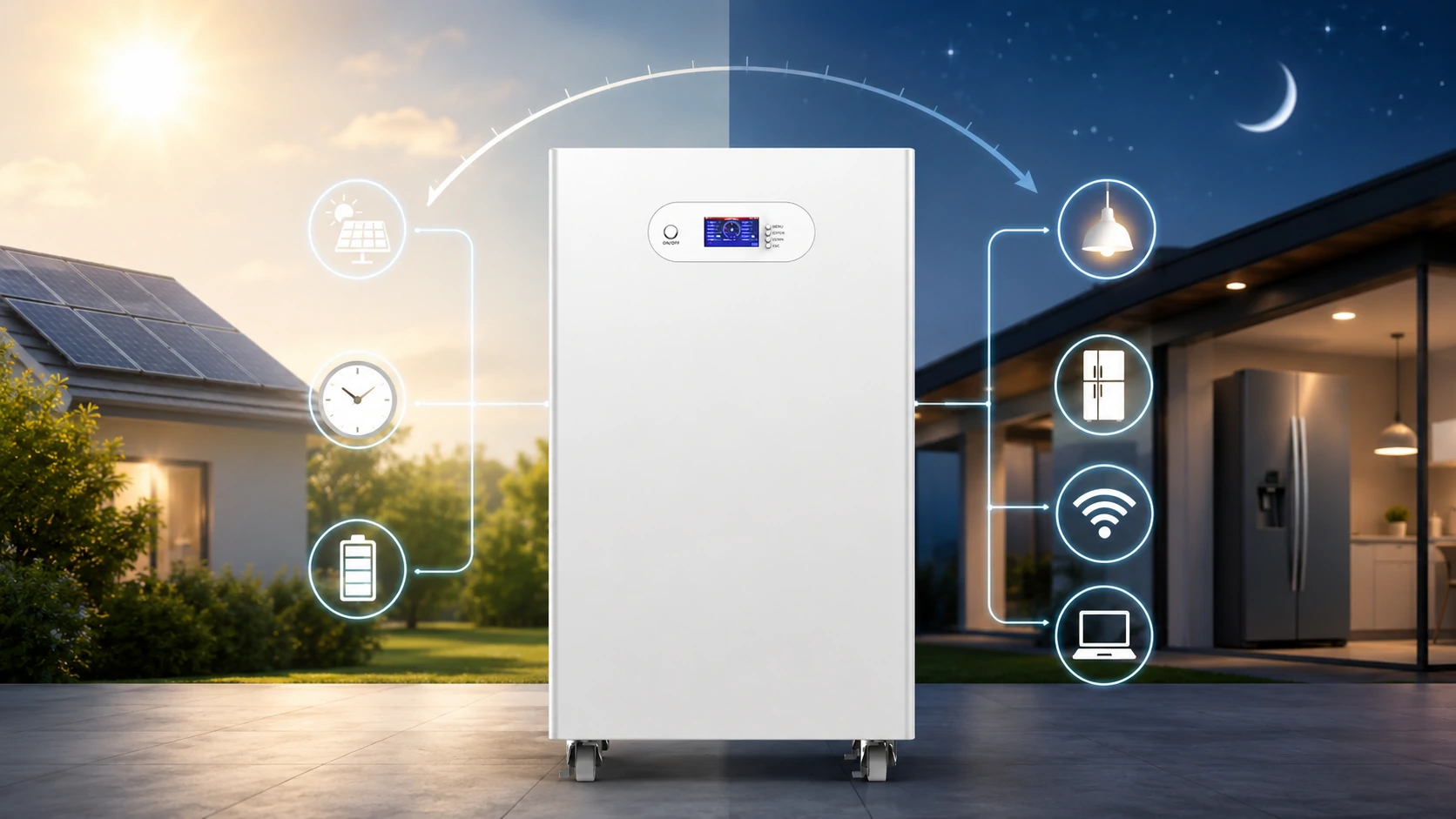
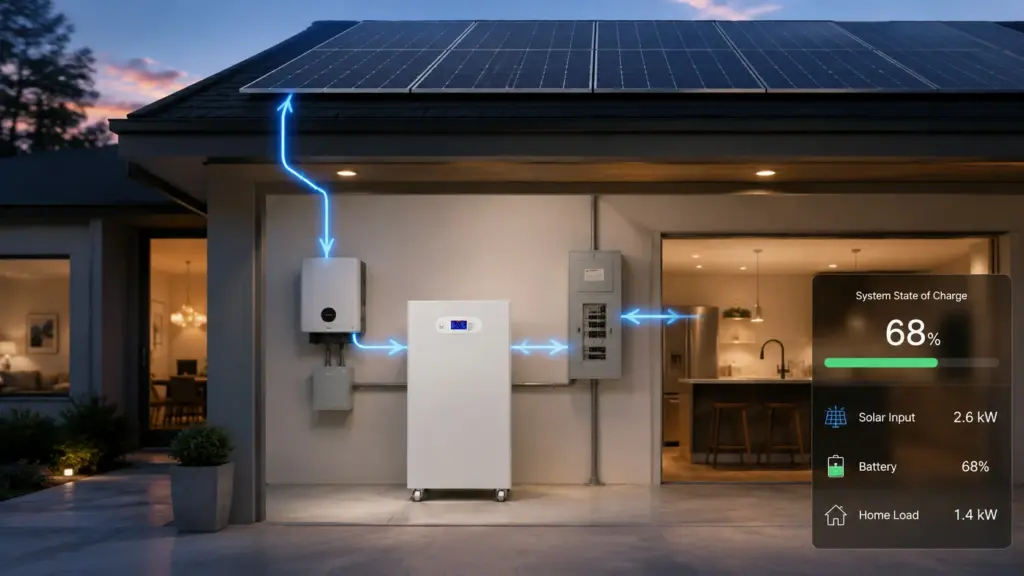
Solar batteries solve the nighttime energy gap by storing excess electricity produced during peak sunlight hours. When solar panels generate more power than the home consumes:
- The surplus electricity charges the battery instead of being sent to the grid
- At sunset, the system automatically switches to stored energy
- The transition is seamless and usually unnoticeable to occupants
How the Process Works
- The battery releases stored DC energy
- The inverter converts it into usable AC electricity
- The home’s distribution panel delivers power to appliances
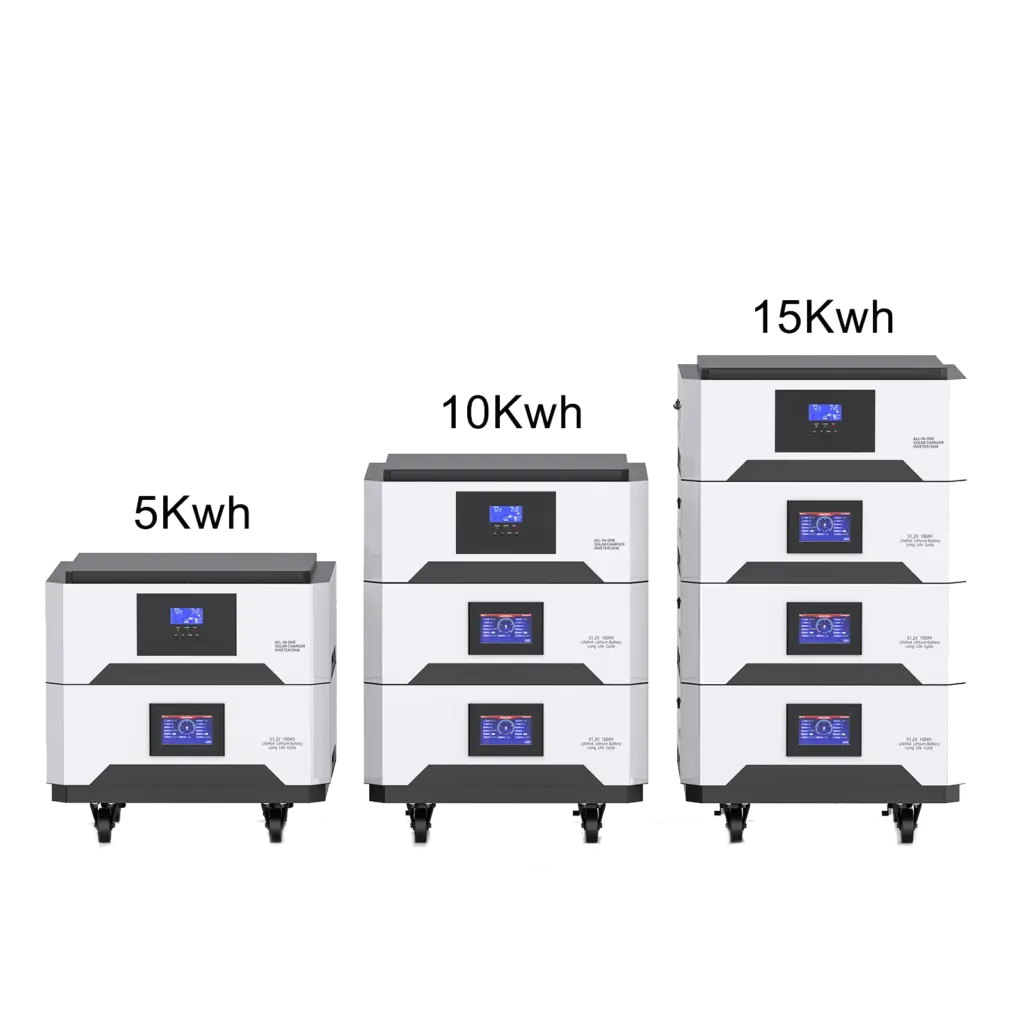
A fully charged solar battery can typically power a home for 10–12 hours overnight. If usage is limited to essentials like lighting, fans, and refrigeration, a 10kWh battery may last 13–14 hours or longer.
Can Solar Panels Store Energy for Night Use?
Solar panels themselves do not store electricity. Homes with solar panels but no battery storage still depend on the grid at night. Once the sun sets, solar production stops, and electricity must come from elsewhere. This is where solar batteries play a crucial role.
During daylight hours, solar panels convert sunlight into direct current (DC) electricity. That electricity must be:
- Used immediately by household appliances
- Stored in a battery system
- Or exported back to the grid
Want Your Solar Battery to Last Longer at Night?
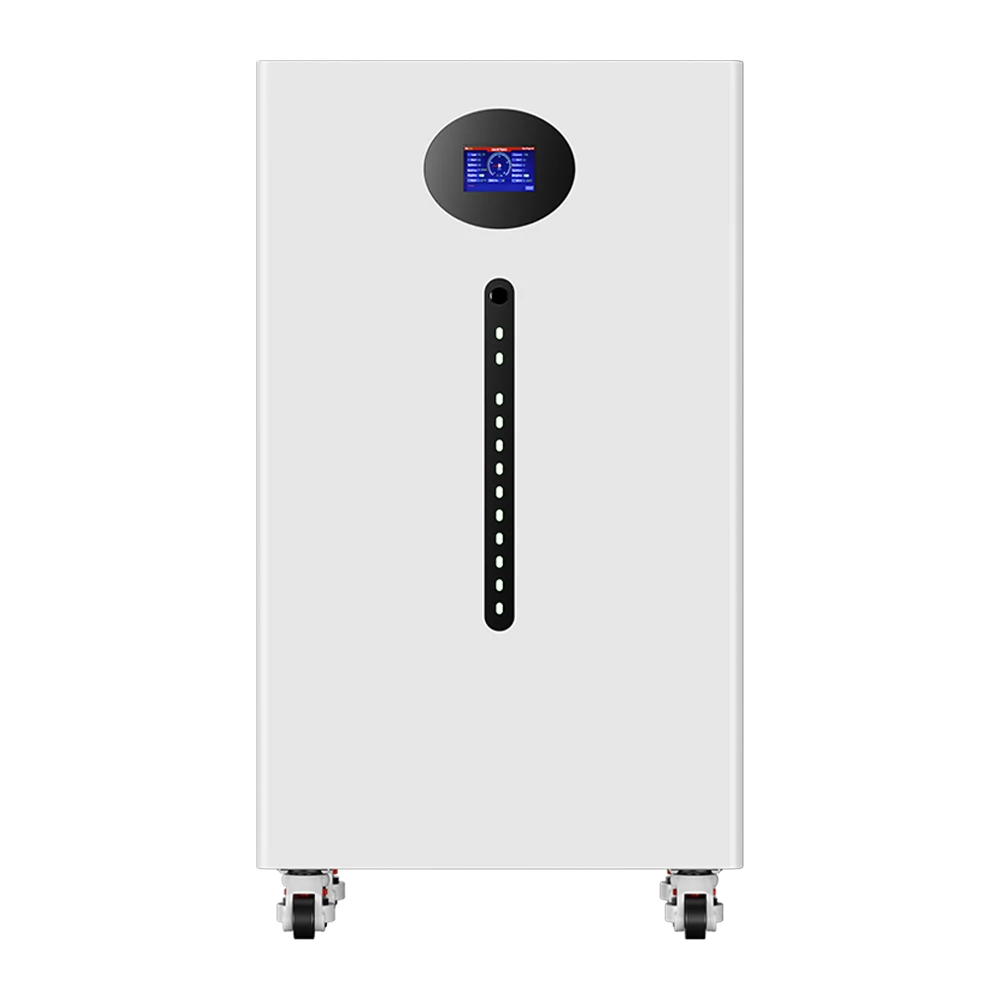
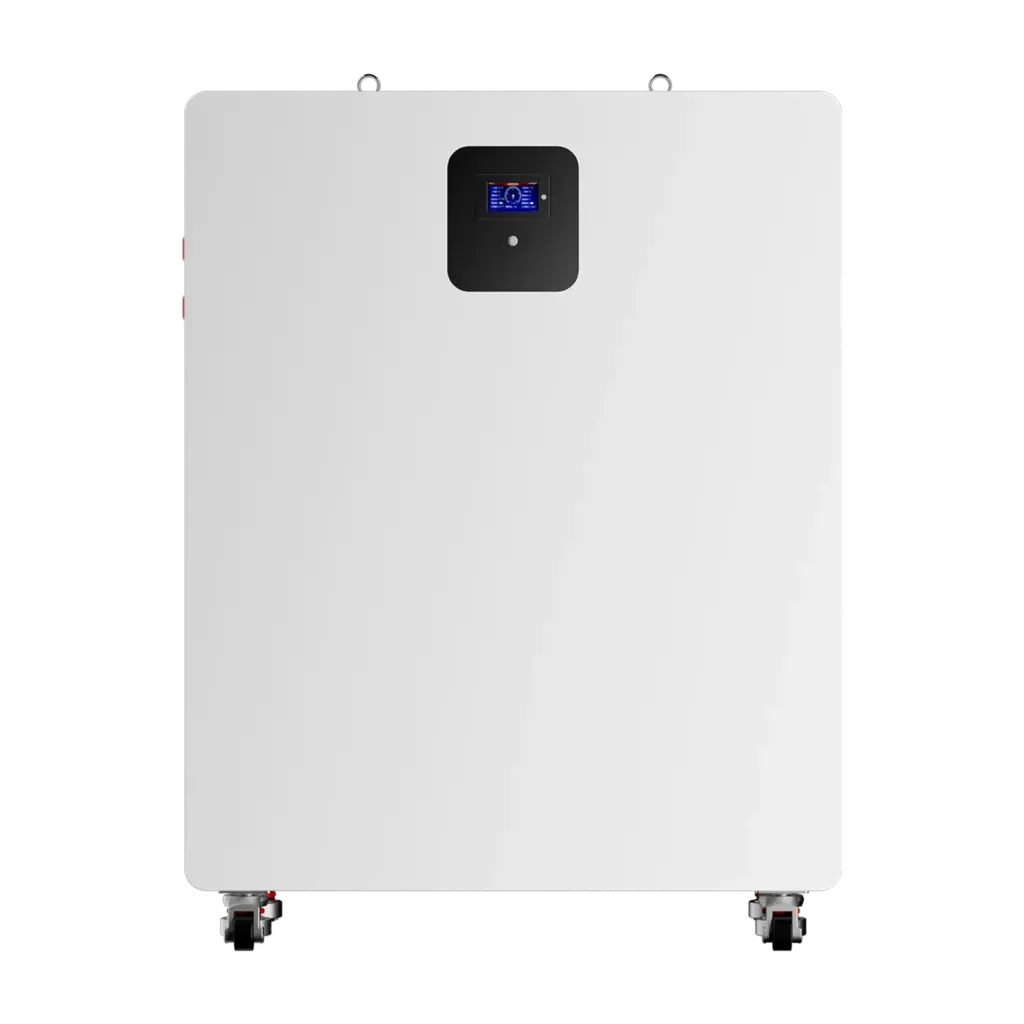
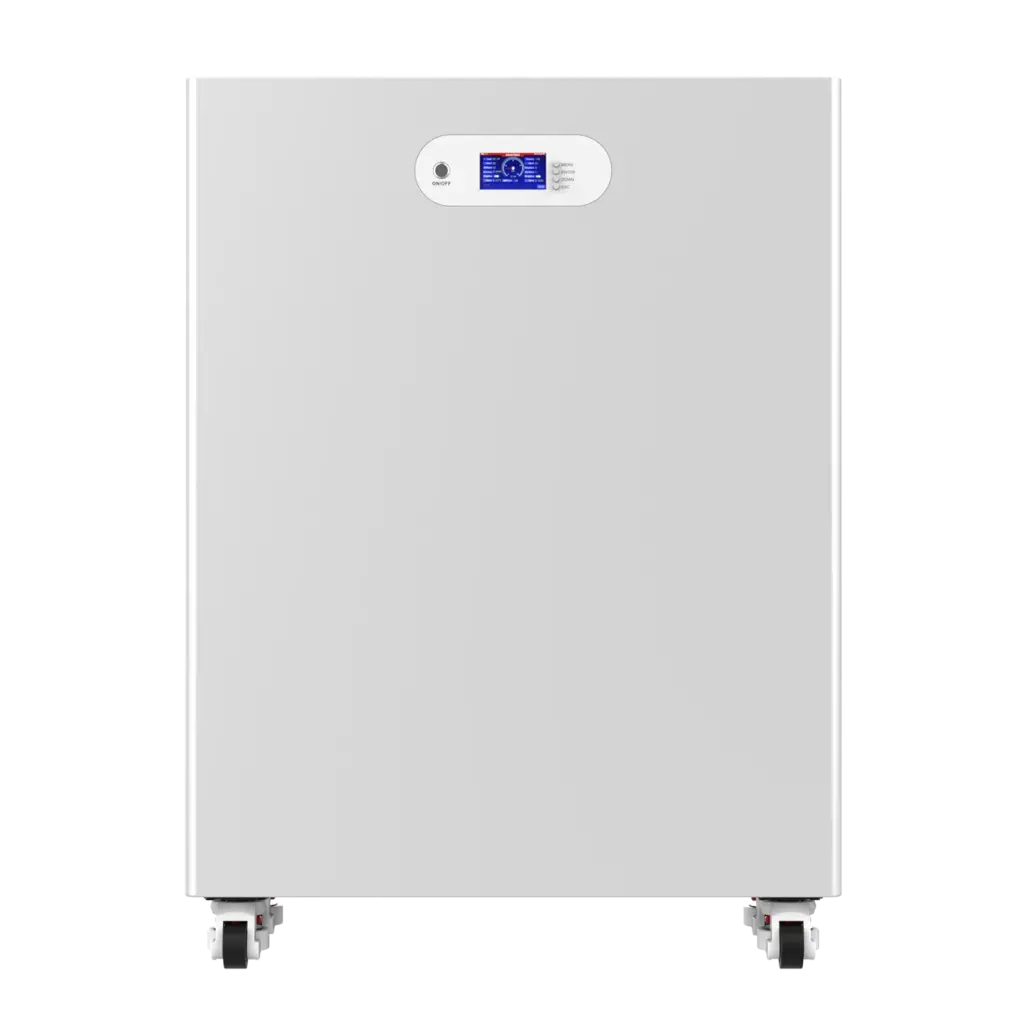
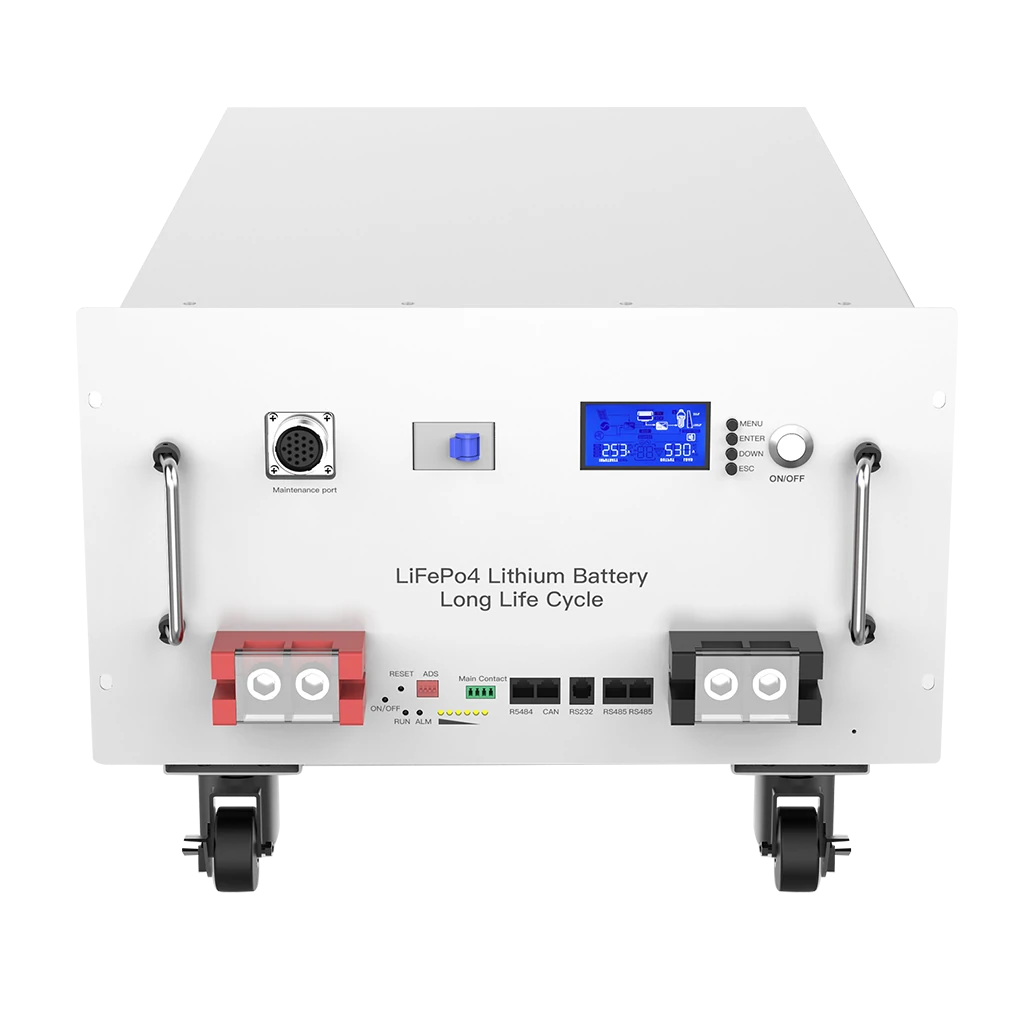
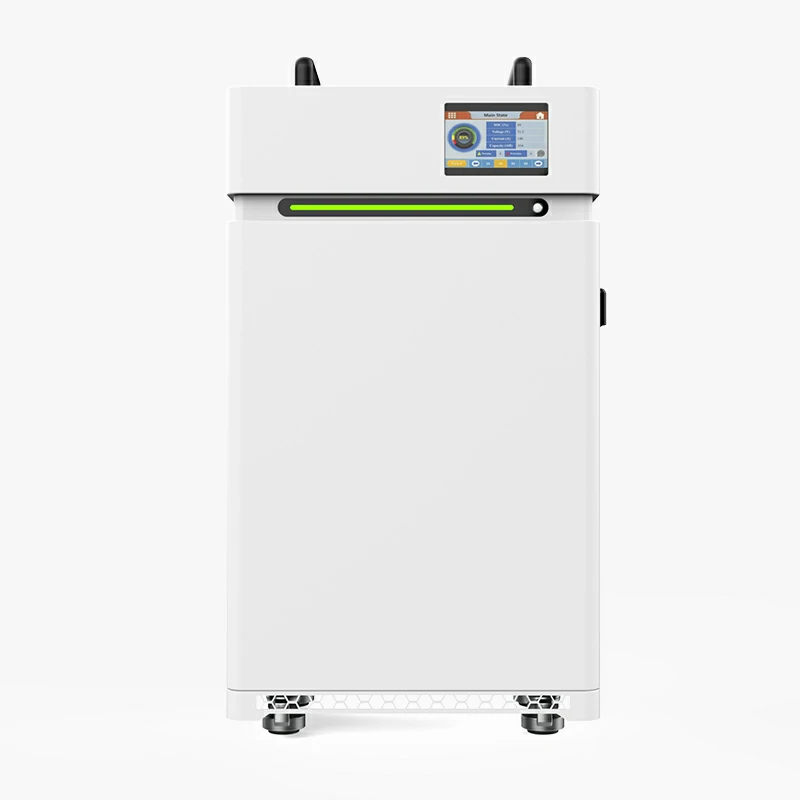
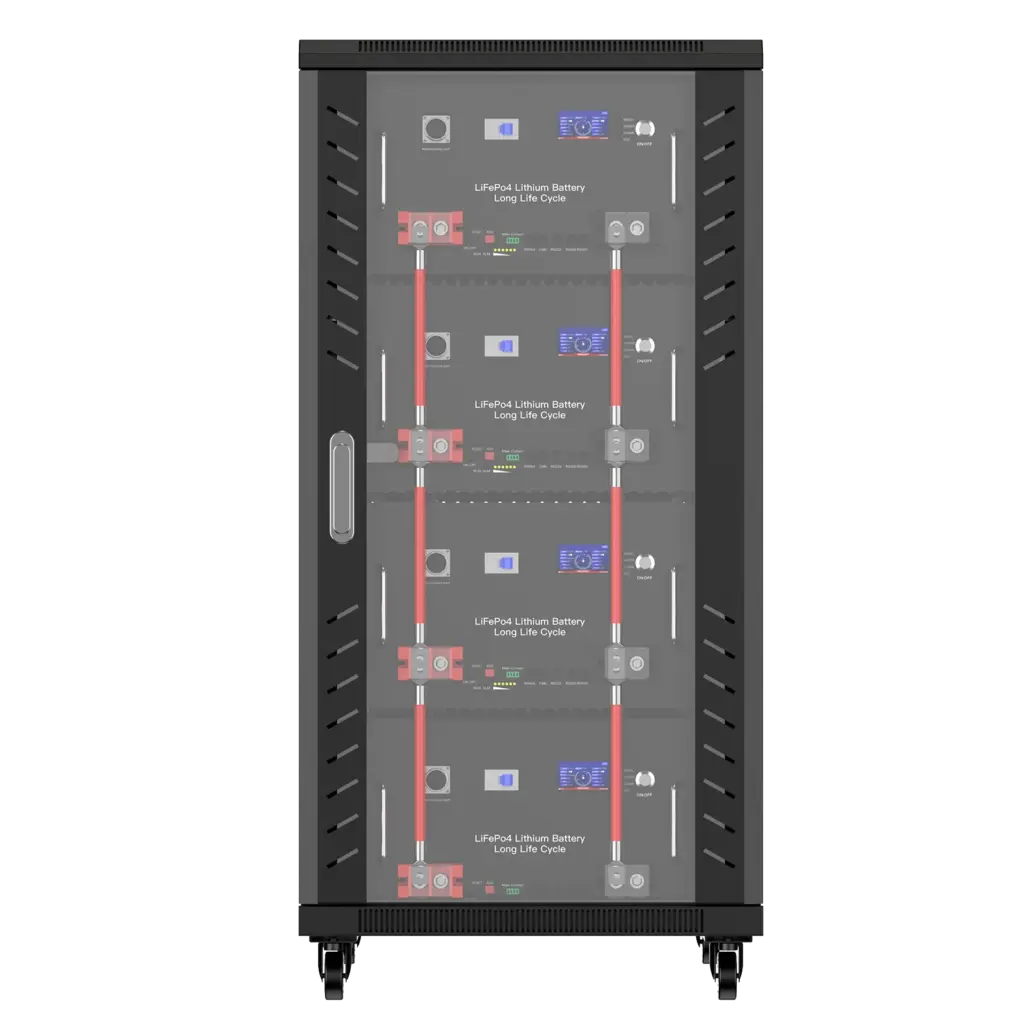
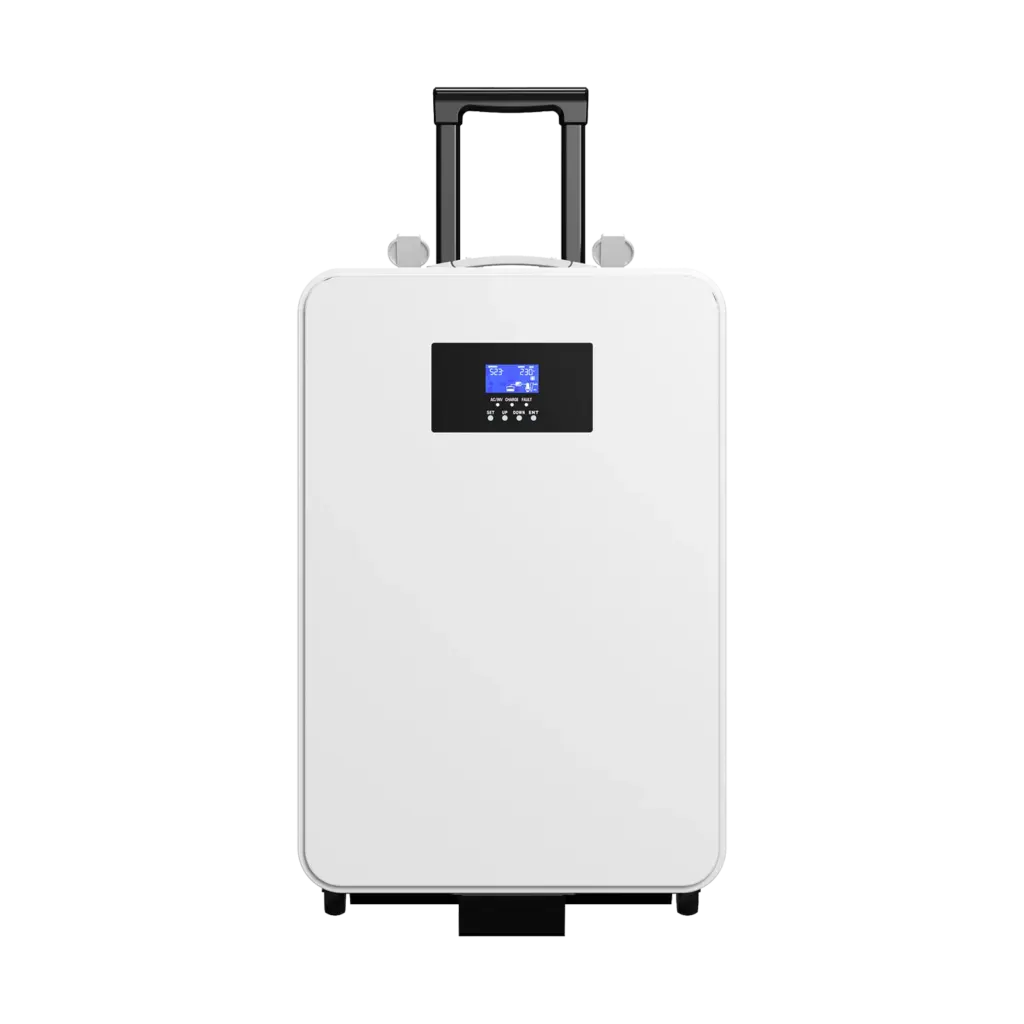
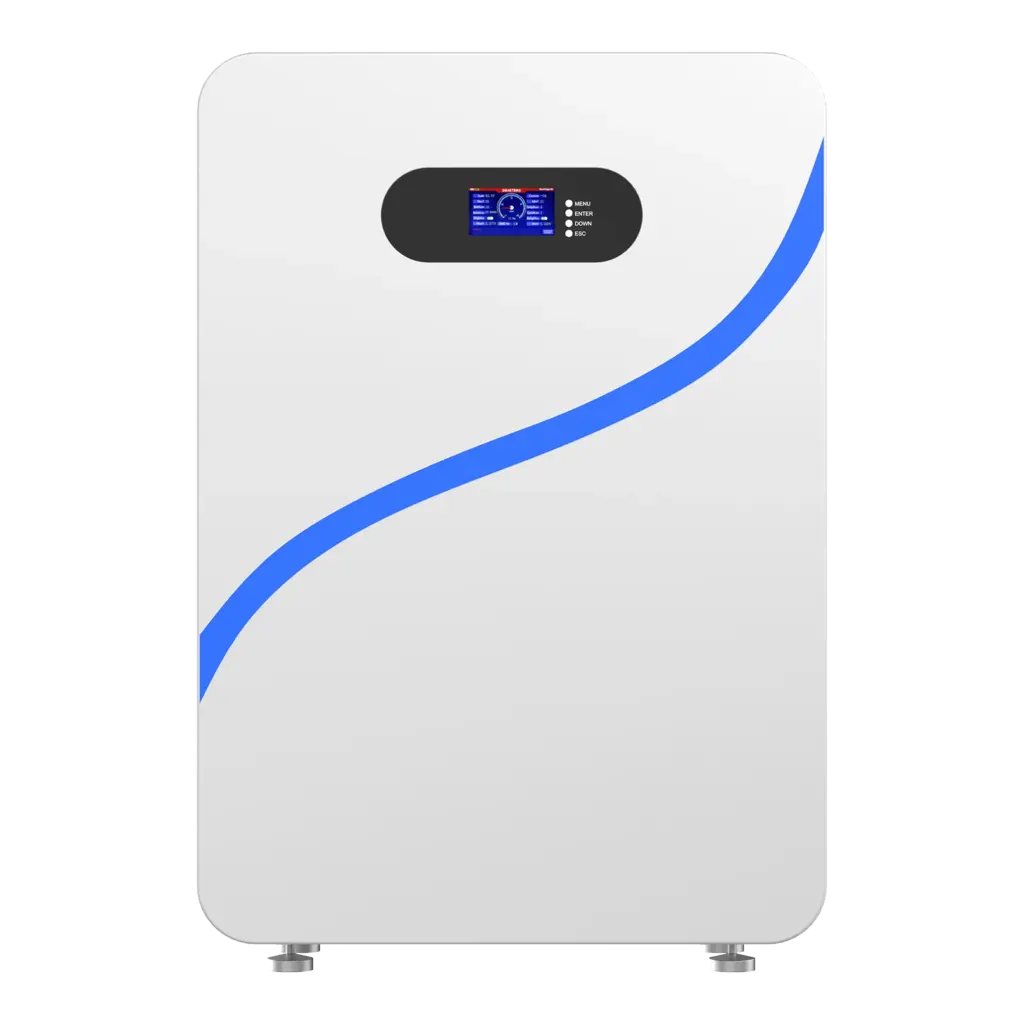
Avepower provides LiFePO4 home battery solutions that help store more daytime solar energy and support essential loads through the night.
How Long Does a Solar Battery Last at Night?
Here is a rough estimate of how long a 15 kWh battery can power common household devices:
| Appliance | Power Consumption (Watts) | Backup Duration (Hours) |
|---|---|---|
| Energy Star Refrigerator | 150 | ~100 |
| LED Light Bulb | 10 | ~1500 |
| Wi-Fi Router | 10–15 | 1000–1500 |
| Laptop | 50 | ~300 |
| 40″ LCD TV | 120 | ~125 |
| Ceiling Fan | 75 | ~200 |
| Electric Water Heater | 4500 | ~3.33 |
| Central AC | 3500 | ~4.29 |
| Microwave | 1000 | ~15 |
| Electric Oven | 3000 | ~5 |
| Washing Machine | 500 | ~30 |
| Coffee Maker | 900 | ~16.7 |
| Vacuum Cleaner | 1200 | ~12.5 |
| Toaster | 850 | ~17.6 |
| Ceiling Light Fixture | 60 | ~250 |
Average Backup Duration by Home Size and Battery Capacity
| Battery Capacity | Small Home (1-2 people) Backup Duration | Medium Home (3-4 people) Backup Duration | Large Home (5+ people) Backup Duration | Typical Load Appliances Included |
|---|---|---|---|---|
| 5 kWh | 10–12 hours | 5–6 hours | 3–4 hours | Refrigerator, LED lighting, Wi-Fi router |
| 10 kWh | 20–24 hours | 10–12 hours | 6–8 hours | Refrigerator, lighting, TV, ceiling fan |
| 15 kWh | 1.5–2 days | 15–18 hours | 9–12 hours | Refrigerator, lighting, TV, ceiling fan, laptop, washing machine |
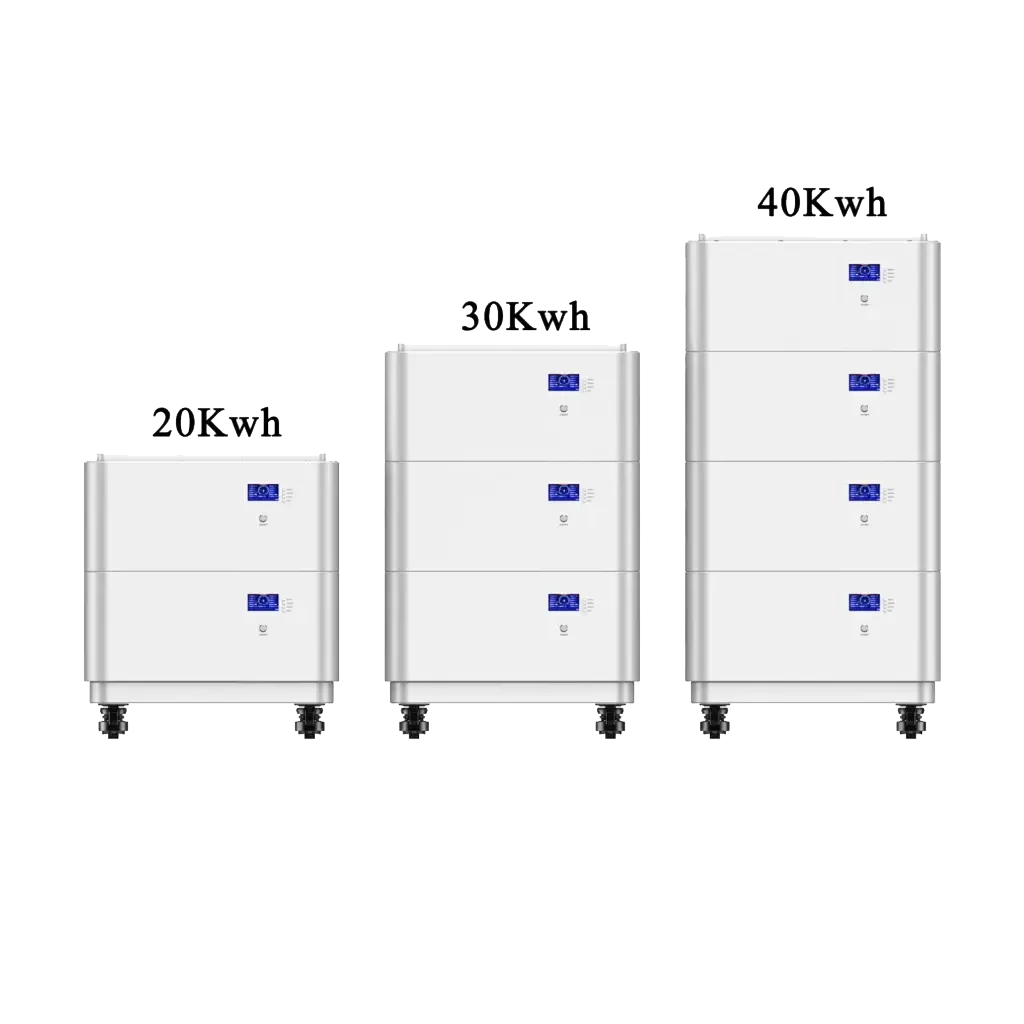
| 20 kWh | 2–3 days | 1–1.5 days | 12–18 hours | All above plus microwave, electric oven |
| 25 kWh | 3–3.5 days | 2–2.5 days | 18–22 hours | All above plus central AC, electric water heater |
| 30 kWh | 3.5–4 days | 2.5–3 days | 22–24 hours | Whole home critical loads including HVAC, kitchen appliances, lighting |
Tips to Maximize Solar Battery Runtime at Night
- Turn off non-essential appliances during outages to conserve power.
- Use energy-efficient LED lighting and lower thermostat settings.
- Charge batteries during daytime solar production, especially if an outage starts during the day.
- Employ smart energy management systems for optimal load balancing.
How to Choose the Right Battery Capacity for Your Home
- Review your electricity bill to find your average daily kWh usage.
- Multiply by the number of backup days you want (e.g., 2 days).
- Add 10-20% buffer to cover unforeseen circumstances.
Example:
Daily use = 25 kWh
Backup days = 2
25 x 2 = 50 kWh
Add 20% buffer = 60 kWh needed
If you’re interested in exploring home solar battery options, Avepower’s expert team is ready to help design a system tailored to your lifestyle and energy goals.
What Happens When the Battery Runs Out?
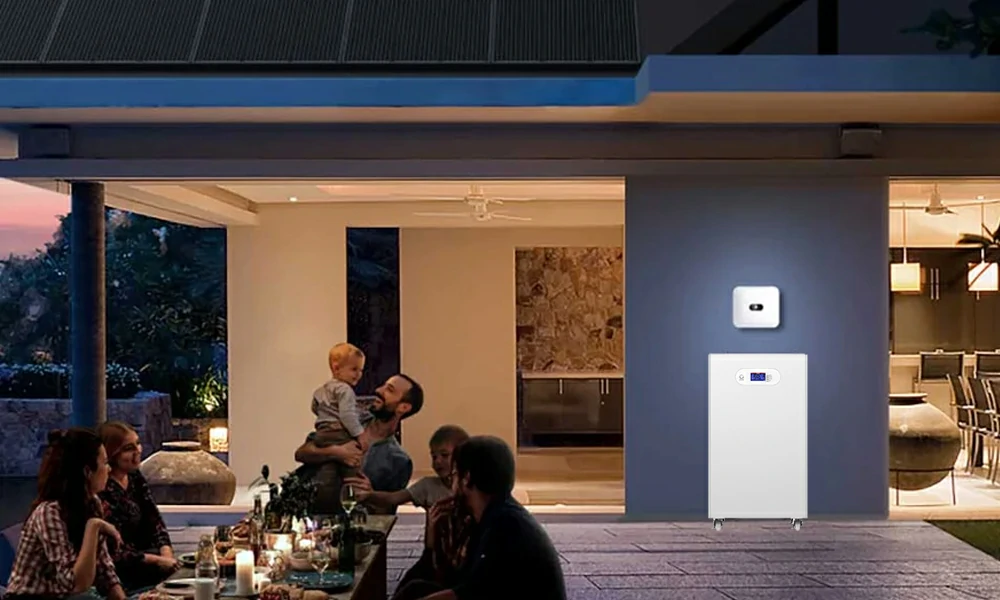
When a solar battery is fully discharged, modern systems automatically switch back to grid electricity. This transition happens in milliseconds, ensuring:
- No interruption to power supply
- No damage to appliances
- Continued household comfort
Grid power acts as a reliable safety net, especially during extended cloudy periods or high-demand seasons. Advanced energy management systems (EMS) further optimize this process by continuously directing electricity to where it is most valuable—whether that’s appliances, batteries, or grid export.
Need Help Calculating Your Nighttime Backup Runtime?
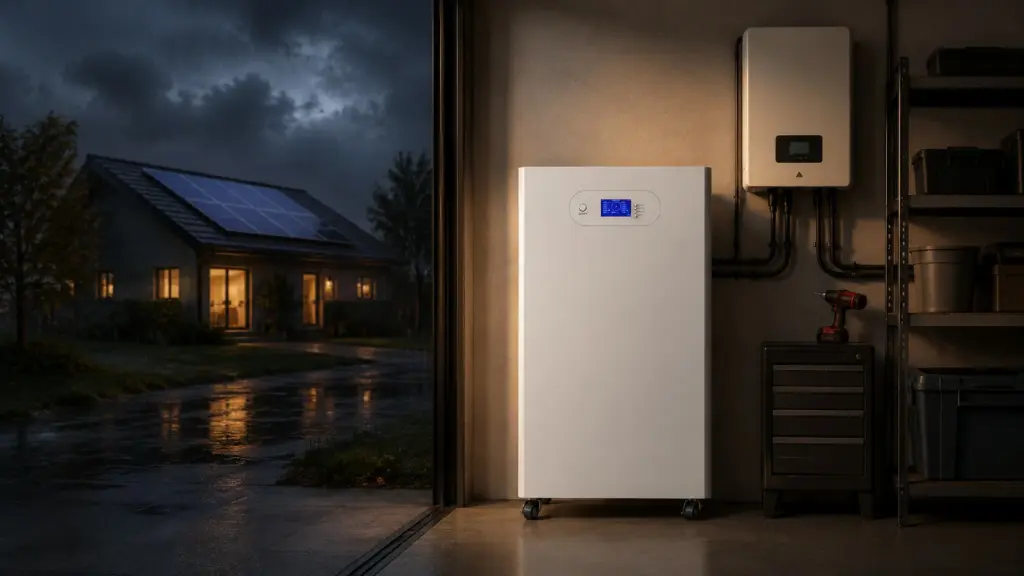
A battery that works well for lights and WiFi may not run heavy appliances for the same amount of time. Share your daily electricity use, nighttime load list and solar system size, and Avepower can help recommend a suitable battery capacity for your home.
Can a Solar Battery Handle High-Power Appliances?
Not all appliances are equal.
Some devices draw large amounts of electricity when starting up, even if their normal running consumption is moderate. Common examples include:
- Air conditioners
- Water pumps
- Microwaves
- Electric ovens
- HVAC compressors
This is where power rating matters just as much as capacity.
Two Power Ratings You Must Understand
- Continuous power output: The amount of power the battery can supply continuously.
- Peak (surge) power output: The short-term maximum power the battery can handle during startup spikes.
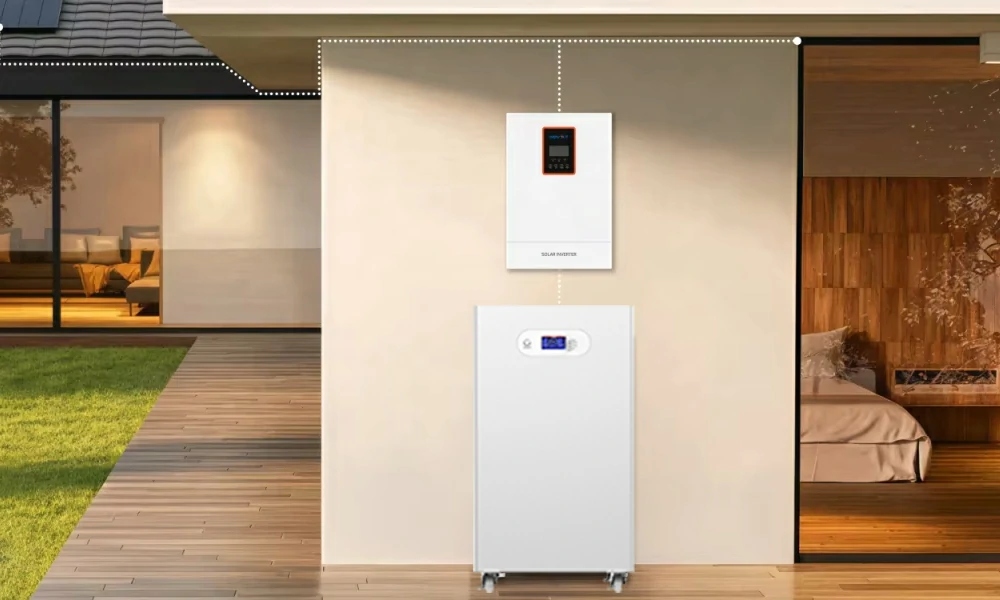
High-end residential battery systems can deliver up to 24 kW of continuous power and 50 kW of peak power, allowing multiple air conditioners and large appliances to operate simultaneously.
For energy-intensive households, choosing a battery system with strong surge capability is critical—especially during summer heat waves or winter cold snaps.
Can a Solar Battery Support a Fully Off-Grid Lifestyle?
Many homeowners dream of complete energy independence — living off the grid without reliance on external electricity supplies. Achieving this depends largely on three factors:
- Total Battery Capacity: The overall amount of stored energy.
- Daily Energy Consumption: How much electricity your household uses every day.
- Solar Panel Output: The ability of your solar panels to recharge the battery during daylight.
For example, consider a household that uses 25-30 kWh per day, equipped with a 40 kWh battery and solar panels capable of generating 30-40 kW during the day. Such a system can fully support an off-grid lifestyle under stable weather conditions and responsible energy use.
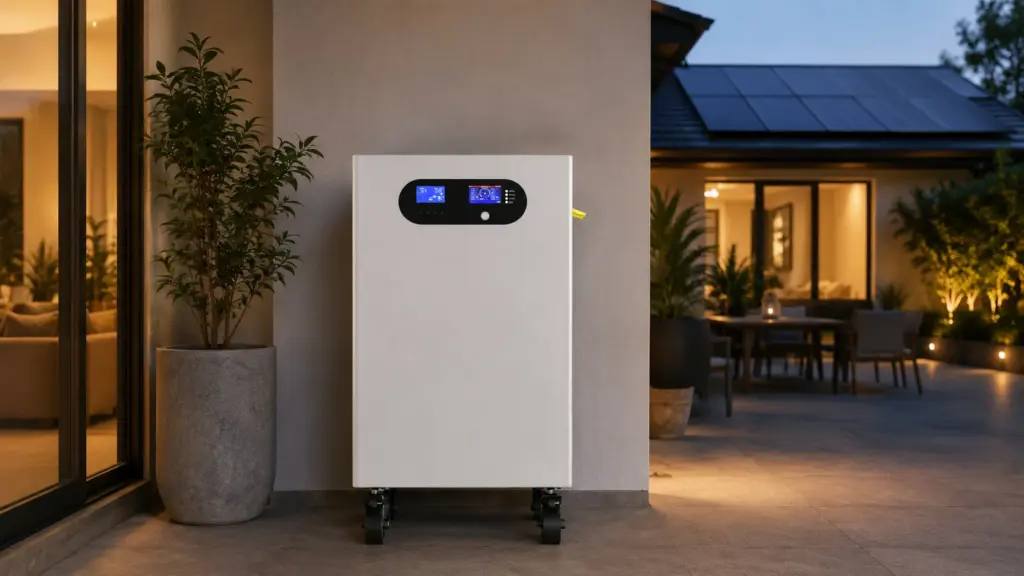
Modular and expandable battery systems are particularly advantageous for larger homes or those planning to grow their energy needs over time. Avepower offers scalable solutions starting at 10 kWh and expanding up to 260 kWh, catering to both light users and large properties.
Build a Reliable Nighttime Solar Backup System with Avepower
Avepower offers long-life LiFePO4 battery storage solutions with BMS protection, scalable capacity options and project support.
Solar Battery Types and Their Impact on Nighttime Performance
| Battery Type | Safety & Stability | Lifespan (Cycles) | Usable Energy & Efficiency | Nighttime Performance | Typical Applications |
|---|---|---|---|---|---|
| Lithium Iron Phosphate (LFP / LiFePO4) | Extremely stable and safe | 6,000–10,000+ | High depth of discharge, high efficiency | ⭐⭐⭐⭐⭐ Reliable and consistent overnight power | Residential solar and home energy storage |
| NMC (Nickel Manganese Cobalt) | Moderate stability, higher thermal risk | Shorter lifespan than LFP | Higher energy density, compact design | ⭐⭐⭐⭐ Good performance, but faster degradation | Electric vehicles, limited stationary storage |
| Lead-Acid | Lower safety, requires maintenance | 3–5 years | Limited usable capacity, low efficiency | ⭐⭐ Rapid capacity drop at night | Budget or legacy energy systems |
For nighttime energy use, LFP batteries deliver the best balance of safety, longevity, and usable energy. This is why they are widely considered the gold standard for residential solar battery storage.
How Battery Chemistry Affects Nighttime Runtime
Battery type directly impacts how much of the stored energy you can safely use.
- Lithium batteries can routinely use 80–90% of their capacity
- Lead-acid batteries should only use 50–70% to avoid damage
Efficiency also matters:
- Lithium batteries retain 95–98% of energy during charging
- Lead-acid batteries retain only 80–85%
This means a 10 kWh lithium battery provides significantly more usable nighttime energy than a 10 kWh lead-acid system.
Battery Lifespan and Energy Efficiency
Lithium-ion batteries generally last 10 to 15 years, while lead-acid batteries require replacement much sooner. Furthermore, lithium-ion batteries maintain energy efficiency rates of 95-98% during charging, whereas lead-acid batteries average around 80-85%.
When selecting a solar battery, it’s vital to consider the chemistry and expected lifespan in relation to your long-term energy goals.
Solar Batteries vs. Traditional Generators
Traditional generators have long been a go-to for backup power, but solar batteries offer compelling advantages:
| Aspect | Solar Batteries | Traditional Generators |
|---|---|---|
| Noise | Silent operation | Loud noise |
| Fuel | No fuel required | Requires gasoline or propane |
| Environmental | Clean, no emissions | Emits carbon and pollutants |
| Maintenance | Low maintenance | Regular upkeep required |
| Initial Cost | Higher upfront investment | Lower initial cost |
| Runtime | Limited by battery capacity | Long runtime if fuel is available |
For environmentally conscious homeowners, solar batteries provide a quieter, cleaner, and more cost-effective solution in the long term. For more related information, please read the article “Home Standby Generators vs Battery Backup Systems.”
Long-Term Financial Benefits of Solar Batteries
With rising energy prices, solar batteries provide an excellent hedge against future costs by:
- Reducing reliance on grid electricity
- Allowing you to shift usage to off-peak hours
- Potentially selling excess energy back to the grid
Savings typically range from $150 to $200 per month, amounting to $1,800 to $2,400 annually and up to $18,000 or more over 10 years, often enough to offset the system’s initial investment.
Avepower: Trusted Solar Battery Solutions
With Avepower’s trusted solar battery solutions, you can enjoy reliable, eco-friendly power that keeps your household running smoothly—day and night. Whether you’re looking to reduce your electricity bills, prepare for outages, or live more sustainably, Avepower offers scalable systems tailored to your needs.
- Long-lasting and safe lithium iron phosphate batteries designed to deliver years of dependable power
- Seamless integration with your existing solar and inverter systems for maximum efficiency
- Advanced intelligent energy management software that optimizes your energy use and cuts costs
- Scalable capacity options from 10 kWh up to 260 kWh, perfectly tailored to your home’s size and needs
Don’t wait—empower your home with clean, smart energy today and enjoy the peace of mind you deserve. Contact Avepower now to get started!
Take Control of Your Energy with Avepower!
Reliable home solar battery solutions with OEM/ODM customization and in-house manufacturing, tailored to the needs of distributors, installers, and energy partners.
FAQ
A fully charged 10 kWh battery can usually supply power for 10 to 12 hours, or even up to 13-14 hours if only essential appliances like lighting and fans are used.
It depends on your daily energy consumption, how many days of backup you want, and your typical solar panel output. For example, a home using 25 kWh per day might need a 60 kWh battery for two days of backup with some buffer.
Lithium iron phosphate (LFP), nickel manganese cobalt (NMC), and lead-acid batteries are common, with LFP being the safest and longest-lasting option.
Solar batteries are quieter, require no fuel, have lower maintenance, and provide clean, sustainable energy—though generators offer longer runtime with fuel.