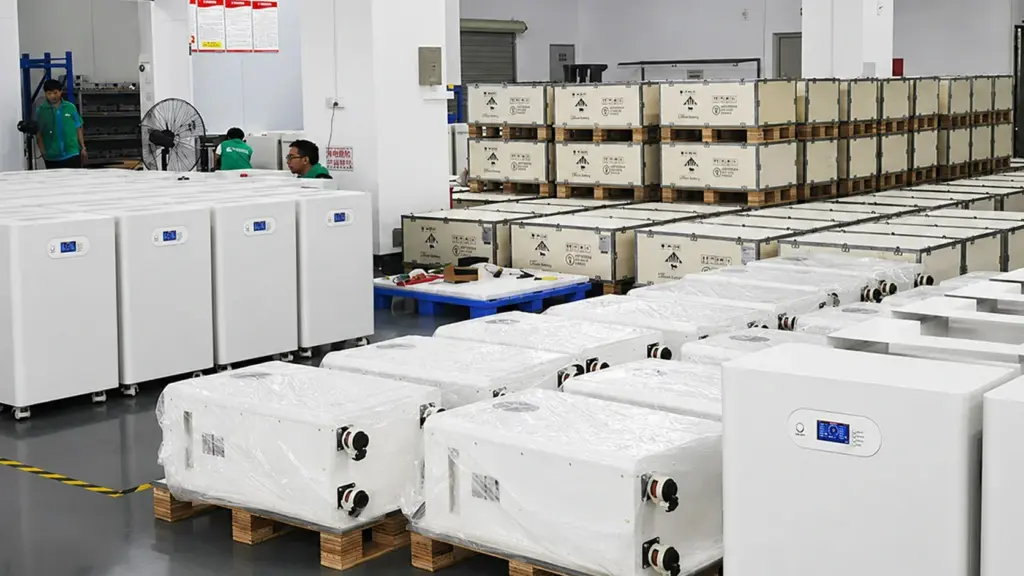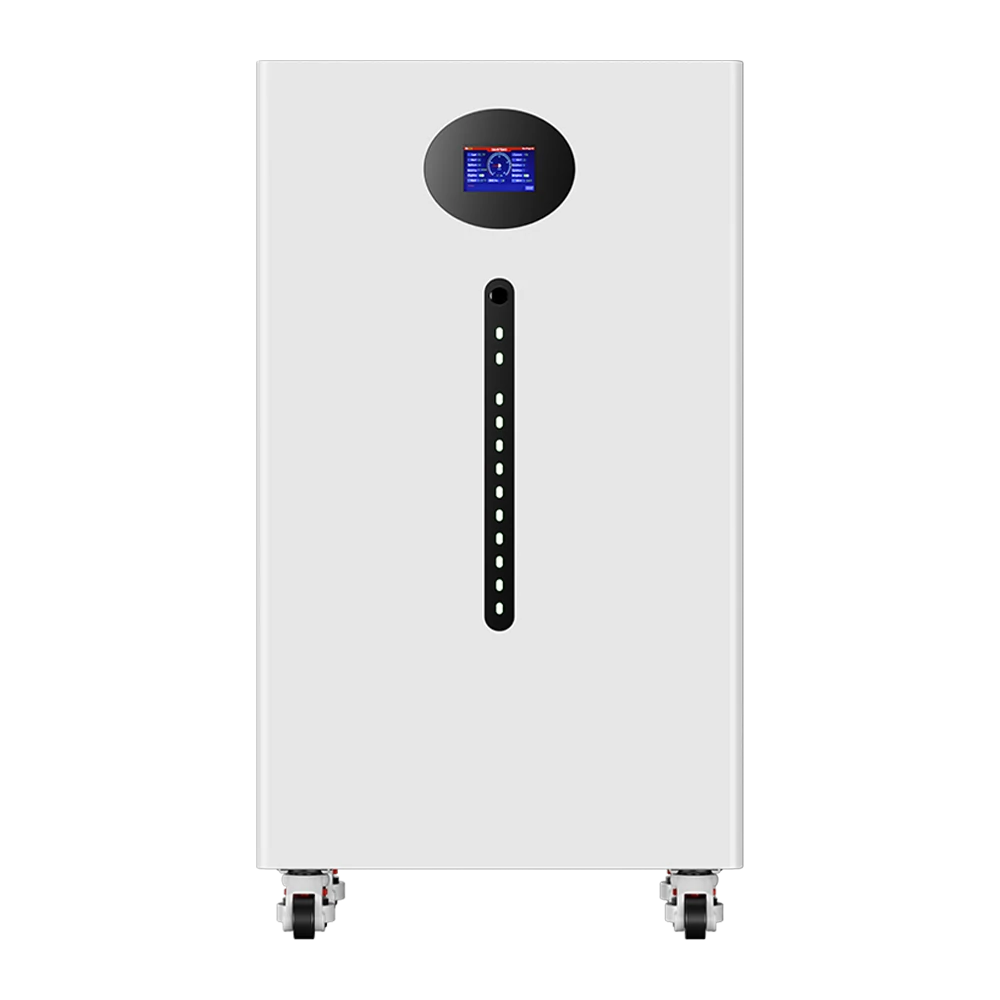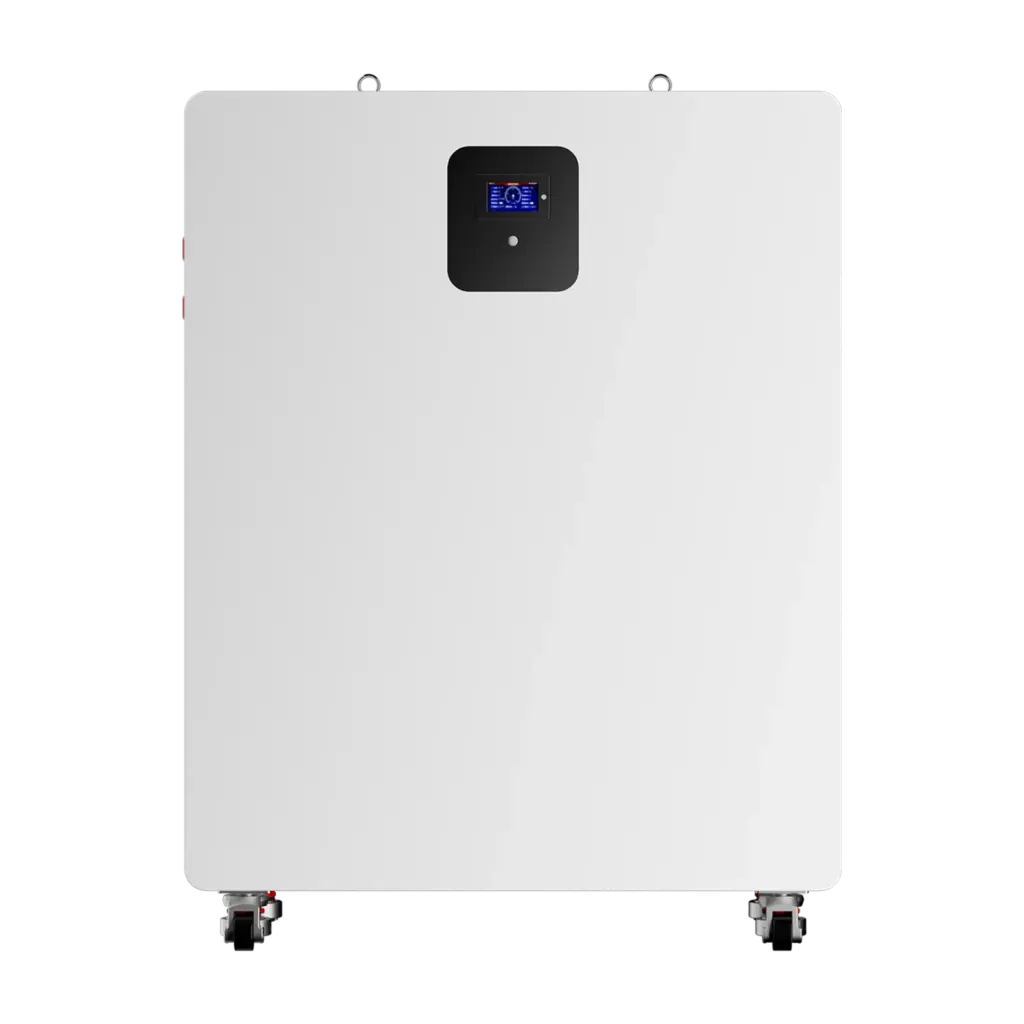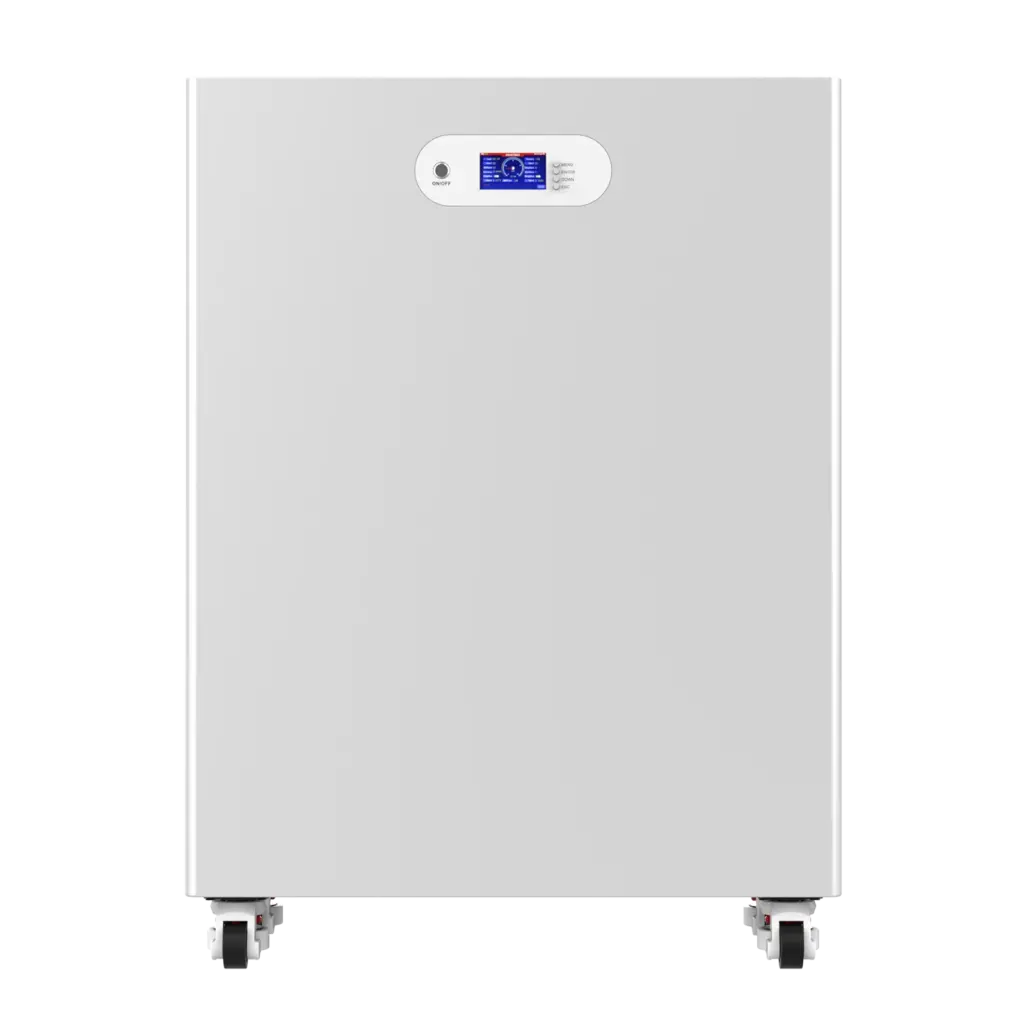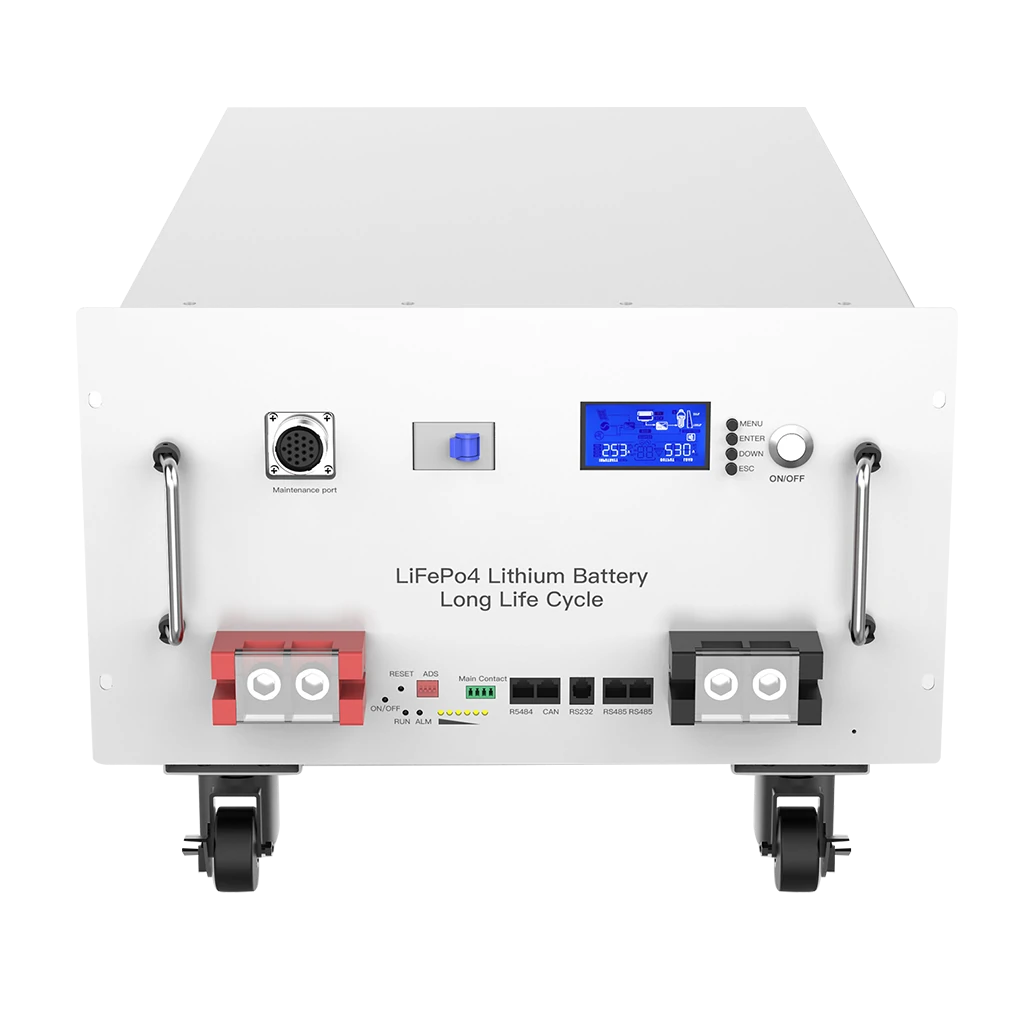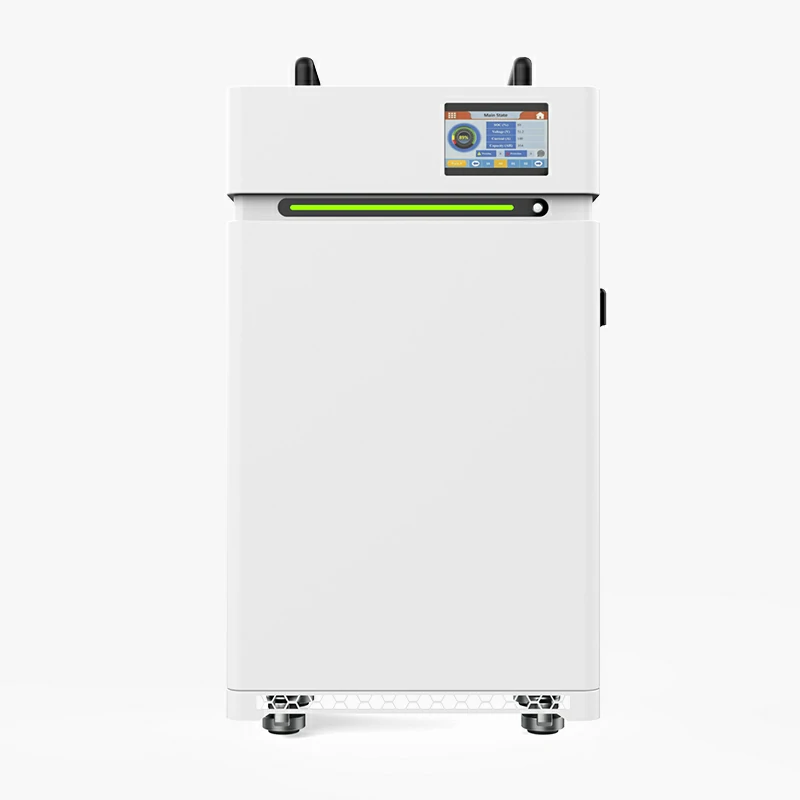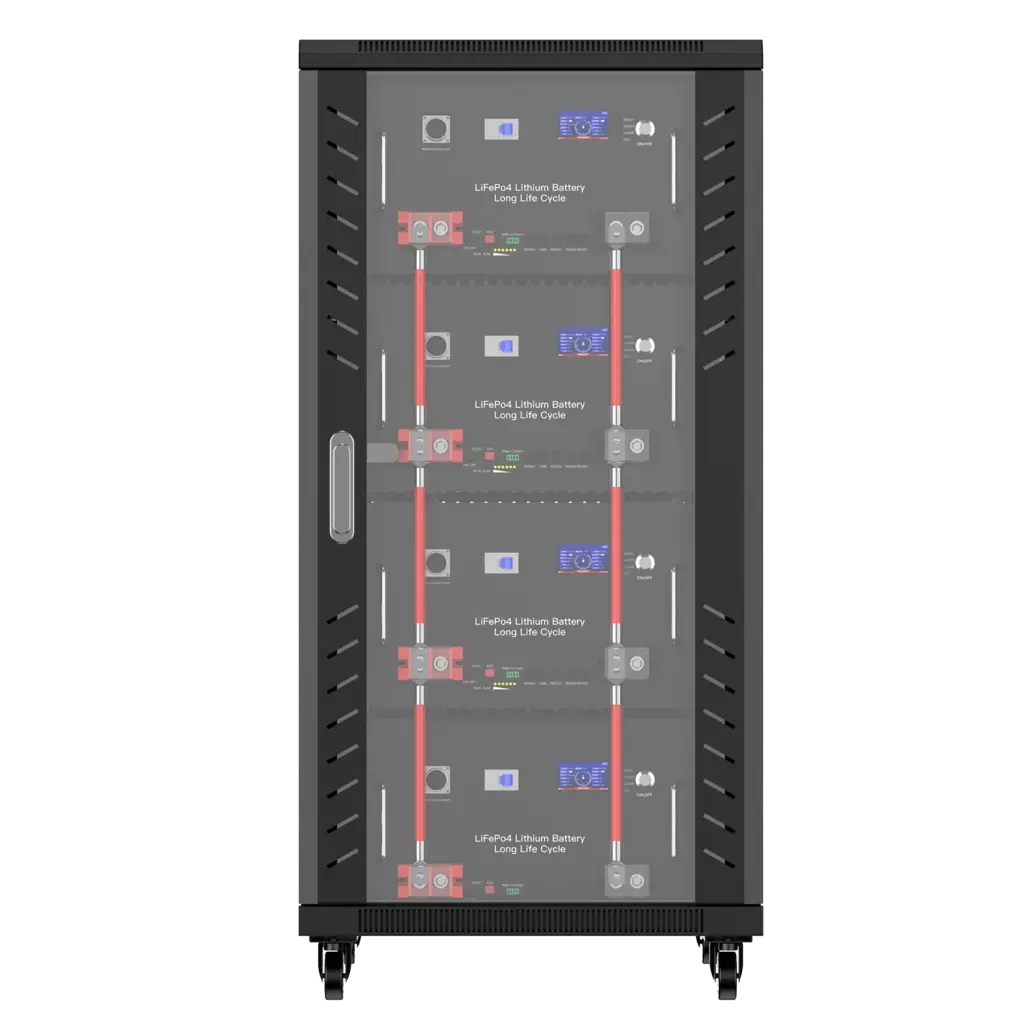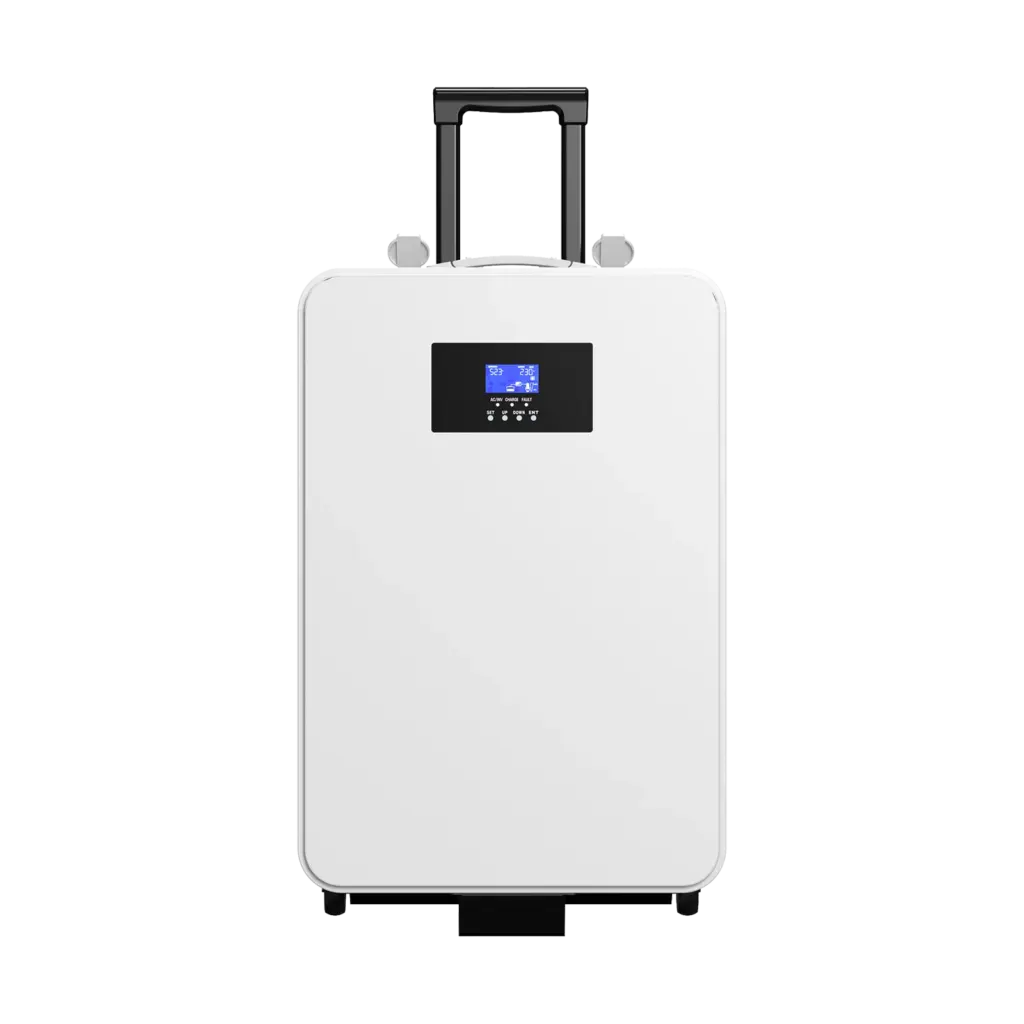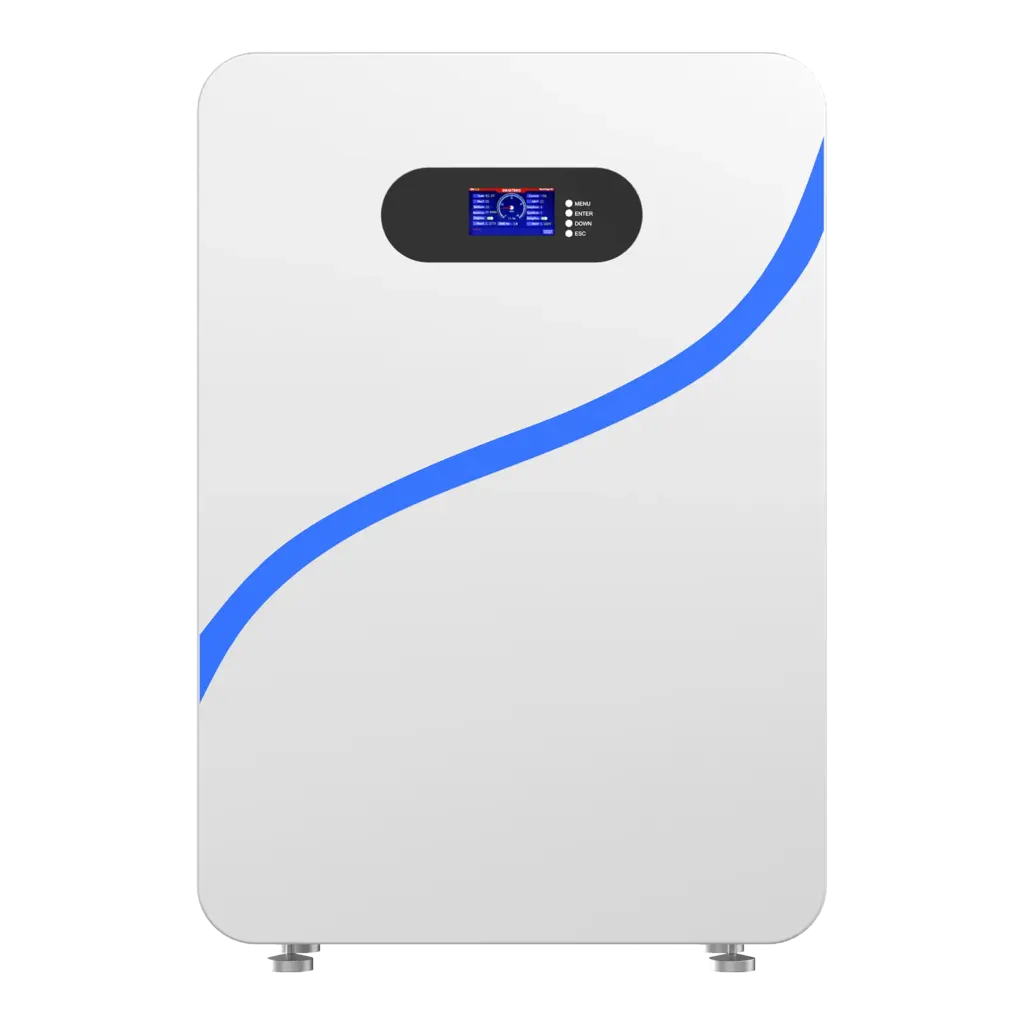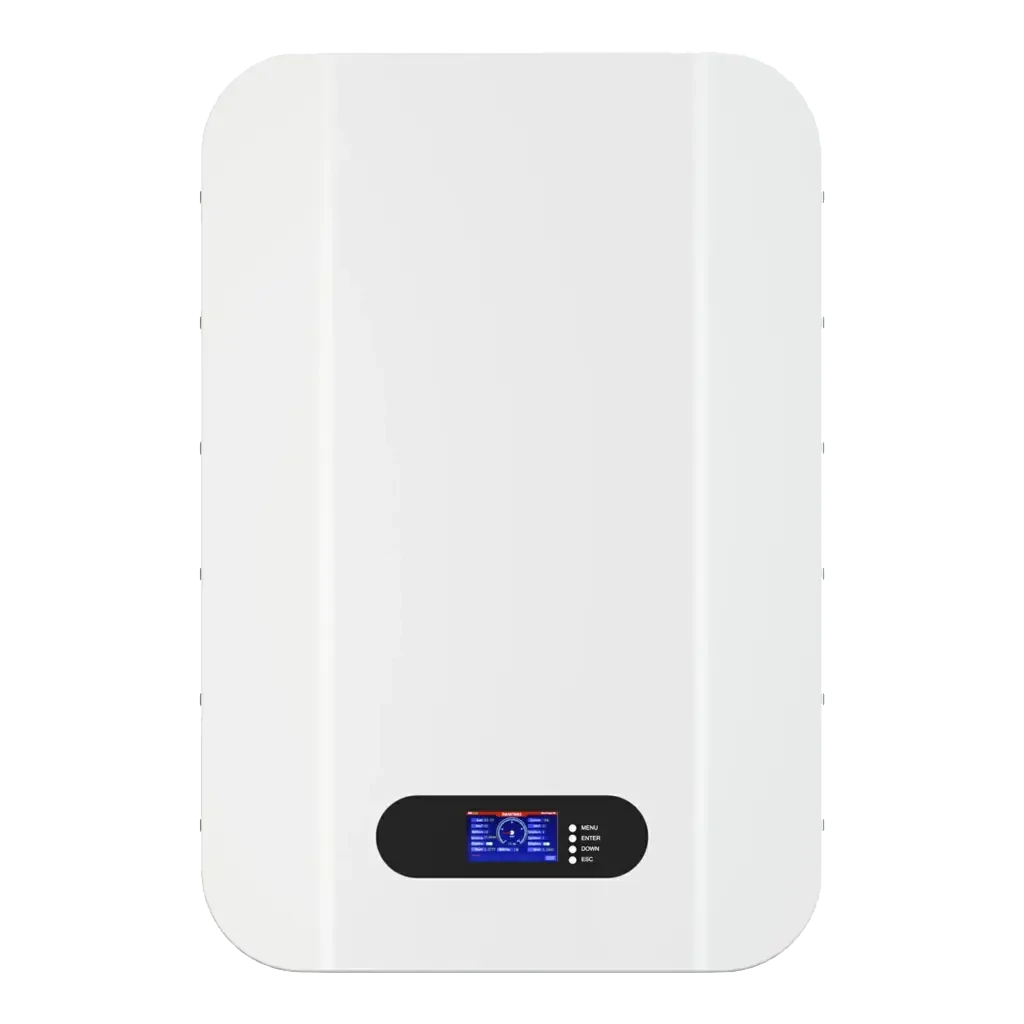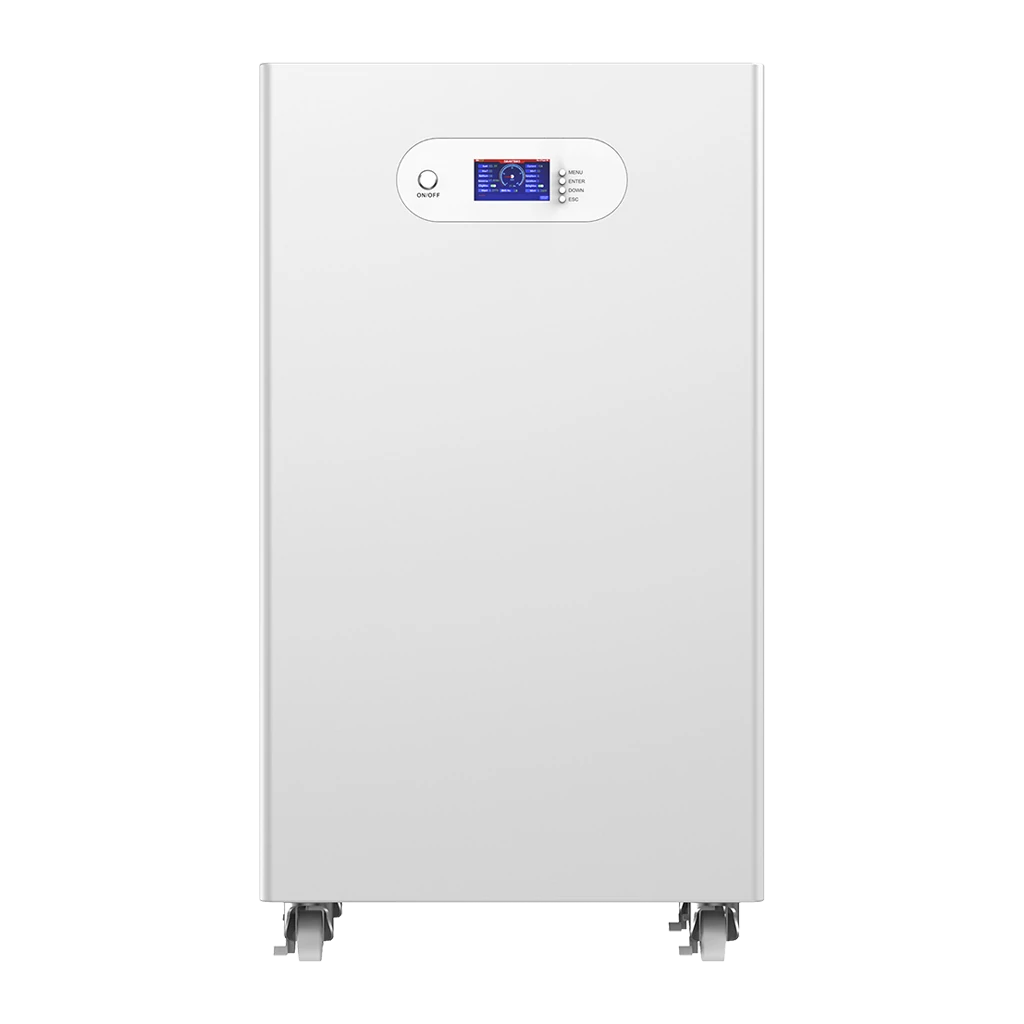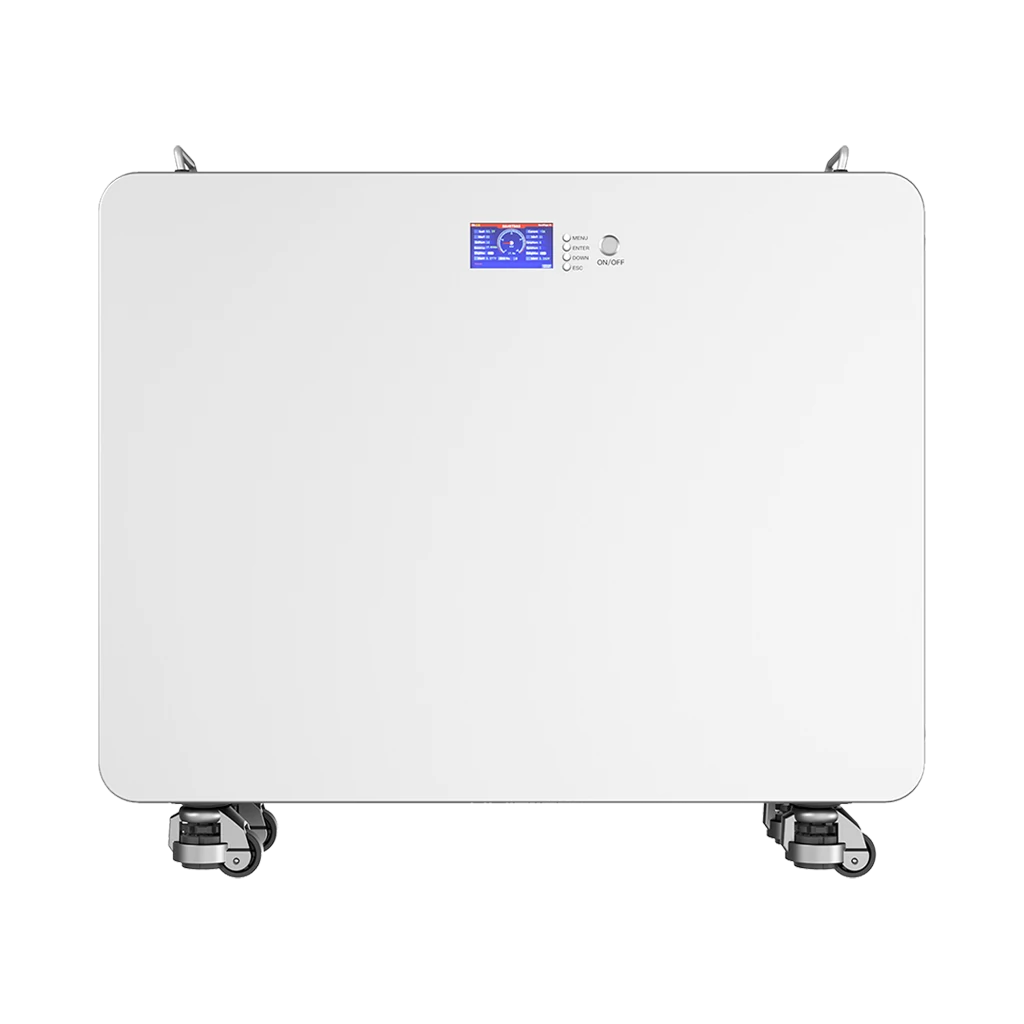

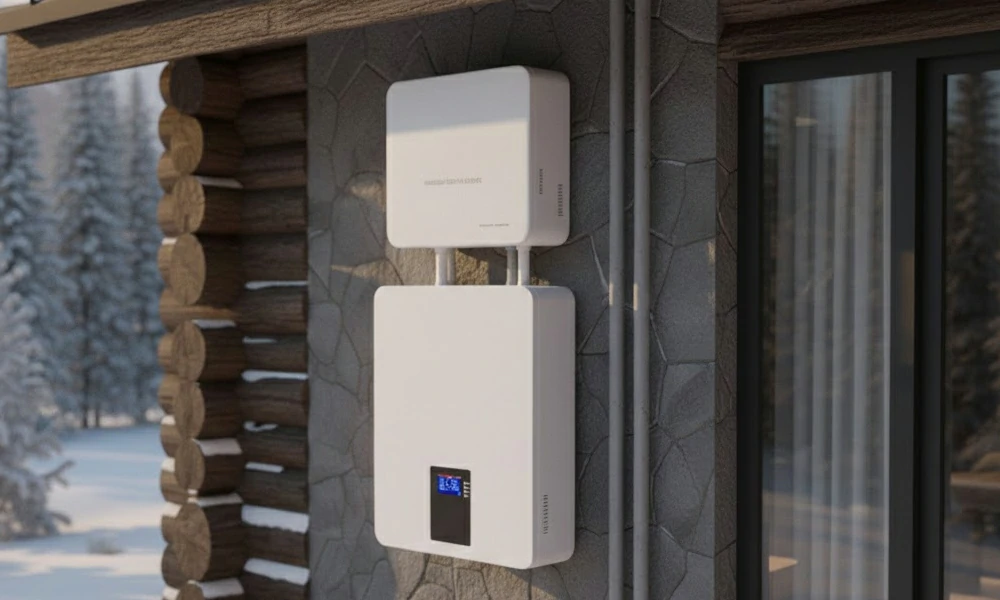
A 5kW solar battery in the UK typically refers to a system with around 5kWh of storage capacity, although kW measures power output and kWh measures stored energy. In 2026, Energy Saving Trust estimates that a 5kWh battery system costs around £4,600, while Octopus Energy advertises selected 5kWh battery installations starting from £3,947. Your final price depends on the battery model, inverter compatibility and installation requirements.
This guide explains 2026 UK solar battery prices, installation costs, government incentives, potential electricity savings and payback periods. It also covers whether a 5kWh battery is enough for your home and what to check before requesting a quote.
What Is a 5kW Solar Battery?
A 5kw solar battery is an energy storage device designed to store electricity generated by solar panels (photovoltaic systems) or drawn from the grid during off-peak periods. The stored energy can then be used when electricity demand is higher, solar output is low, or during power outages.
Why 5kWh Is So Popular in the UK
A 5kWh battery suits:
- Typical 2–3 bedroom homes
- Daily electricity consumption of 8–12 kWh
- Households aiming to increase solar self-consumption rather than go fully off-grid
According to data from the UK Department for Energy Security and Net Zero, the average UK household uses around 10 kWh of electricity per day, making a 5kWh battery a practical and cost-efficient choice when paired with rooftop solar.
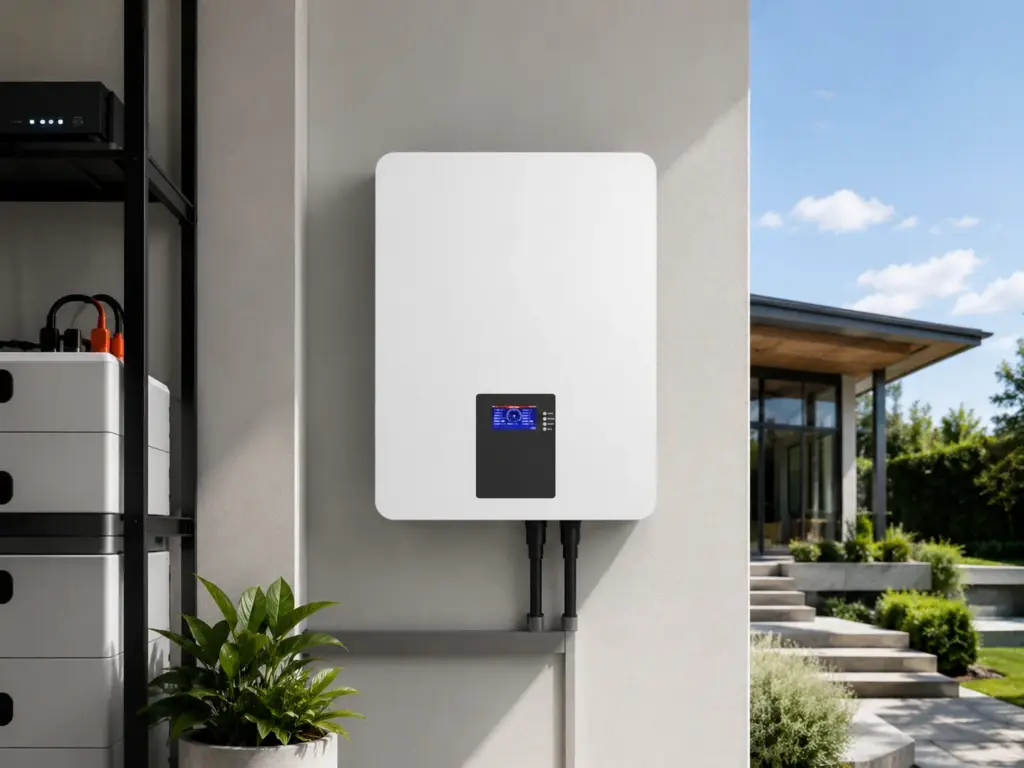
Compare 5kWh Solar Battery Costs for Your UK Home
Avepower provides 5kWh LiFePO4 battery solutions for UK homes, helping you improve solar self-consumption, manage peak-time electricity use and prepare for backup power needs.
How Does a 5kW Solar Battery Work?
During daylight hours, solar panels generate electricity that is first used to power household appliances. Any surplus energy is then diverted to charge the solar battery. Once the battery is fully charged, excess electricity may be exported to the grid under the Smart Export Guarantee (SEG).
In the evening or during periods of low sunlight, the system automatically switches to battery power. If the battery charge drops below a predefined threshold, electricity can be drawn from the grid, or—if configured—continue operating in off-grid or backup mode. Many modern batteries, including Avepower systems, also support time-of-use optimisation, allowing users to charge the battery from the grid at night when tariffs are cheaper and discharge it during peak-rate periods.

5kW Solar Battery Price in the UK (2026)
The cost of a 5kWh solar battery in the UK depends on whether it is installed alongside a new solar PV system or added to an existing installation. Battery-only retrofit projects may require additional electrical work or inverter upgrades.
2026 UK 5kWh Solar Battery Price Comparison
| Price Reference | Reported Price | What It Represents |
|---|---|---|
| Octopus Energy | From £3,947 | Published starting price for a selected 5kWh battery installation |
| Energy Saving Trust | Around £4,600 | General estimated cost of a 5kWh battery system |
| MoneySavingExpert | Around £5,000 | Indicative cost of a standard 5kWh battery system |
What Is Included in a 5kWh Battery Installation Quote?
| Cost Component | What to Check |
|---|---|
| Battery unit | Nominal and usable capacity, chemistry and warranty |
| Inverter | Whether an existing inverter is compatible or a new one is required |
| Installation and labour | Mounting, cabling, protection equipment and commissioning |
| Backup capability | Whether an EPS or backup interface is included |
| VAT | Whether the installation qualifies for the temporary 0% VAT rate |
A cheaper battery-only quotation does not necessarily mean a cheaper completed system. Before comparing installers, request an itemised quotation showing equipment, installation, warranty coverage and any additional electrical work.
Key Factors That Influence 5kW Solar Battery Prices
1. Battery Chemistry
Lithium-ion batteries dominate the UK market, with lithium iron phosphate (LiFePO4) now regarded as the gold standard. LiFePO4 offers superior safety, thermal stability, and a longer cycle life compared to older chemistries. Although its upfront cost is higher than lead-acid alternatives, the significantly lower lifetime costs and improved performance make it a smart investment.
2. Lifespan and Cycle Life
The number of charge-discharge cycles a battery can withstand greatly impacts its overall value. Premium batteries boasting 6,000 to 8,000 cycles typically last 10 to 15 years, allowing you to spread the initial cost over a longer service period.
3. Scalability and Modularity
Modular battery systems offer flexibility to expand capacity as your energy needs grow. While initial costs may be higher, the ability to add batteries later prevents costly full replacements, making scalability a valuable consideration.
4. Installation Complexity
Installation costs vary depending on the existing system and site requirements. Upgrading inverters, adding extra wiring, or installing specialised mounting hardware can increase the price. Retrofitting a battery into an older solar setup often costs more than integrating it alongside a new solar PV system.
5. Brand, Certification, and Support
Reputable manufacturers provide essential certifications such as CE, IEC, and UN38.3 for safety and compliance in the UK and EU markets. They also offer extended warranties and dependable customer support. While these factors add to the upfront price, they reduce long-term risks and enhance peace of mind.
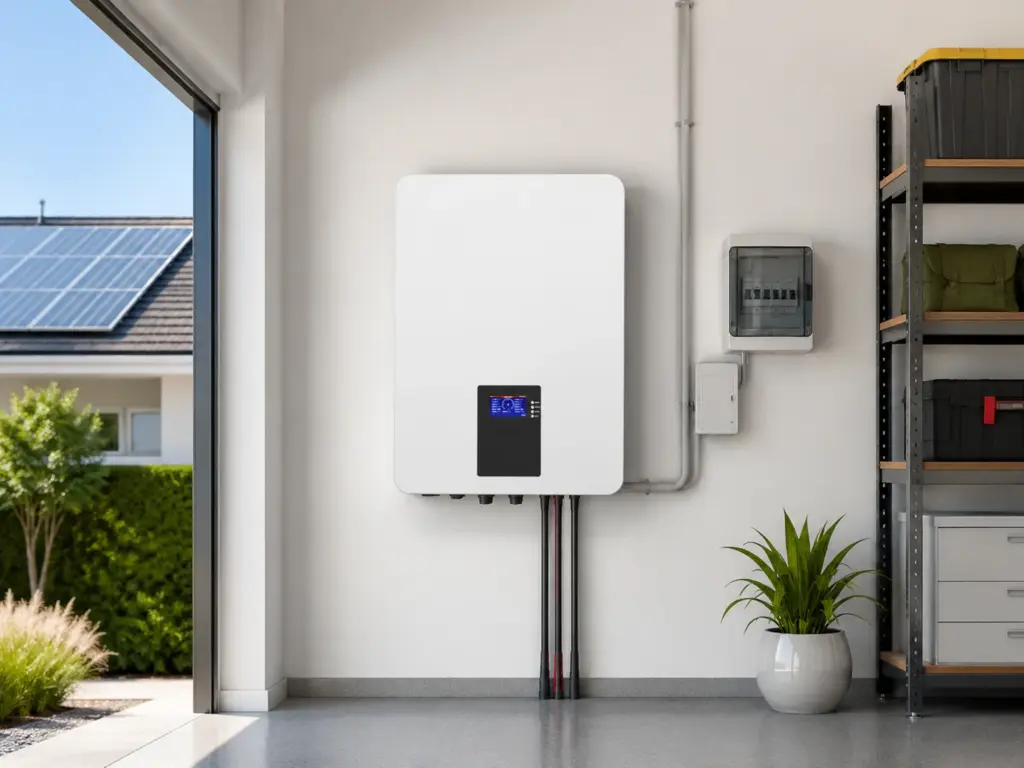
Not Sure If a 5kWh Battery Is Enough?
Every home uses energy differently. Share your daily electricity usage, solar panel size and backup power requirements, and Avepower can help you choose the right battery capacity for your project.
Is a 5kW Solar Battery the Right Size for UK Homes?
For most UK households, a 5kWh solar battery offers a practical starting point. According to Ofgem data, the average UK household consumes around 2,700 kWh of electricity per year, with peak usage in the evening.
A solar batteries uk can typically power essential household loads for several hours and cover a substantial portion of evening electricity demand. Importantly, many homeowners choose systems that allow future expansion.
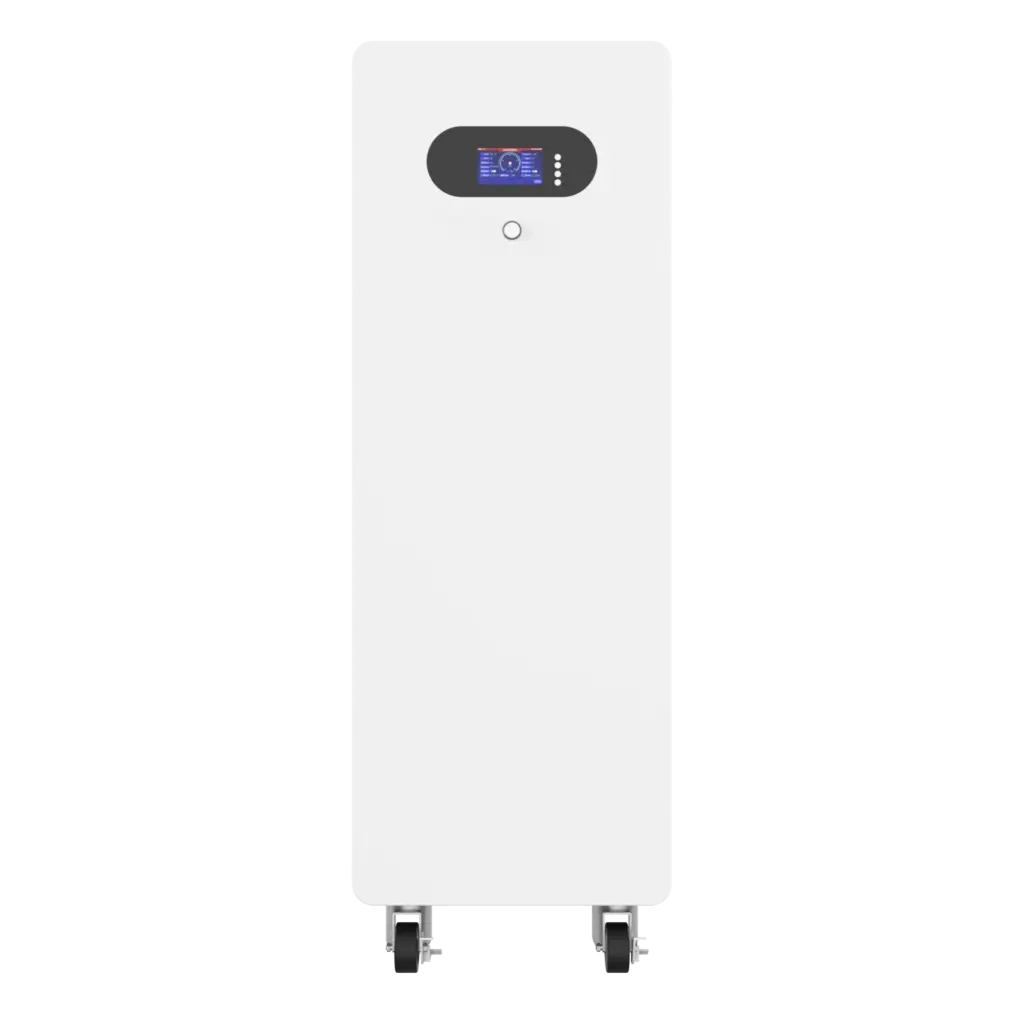
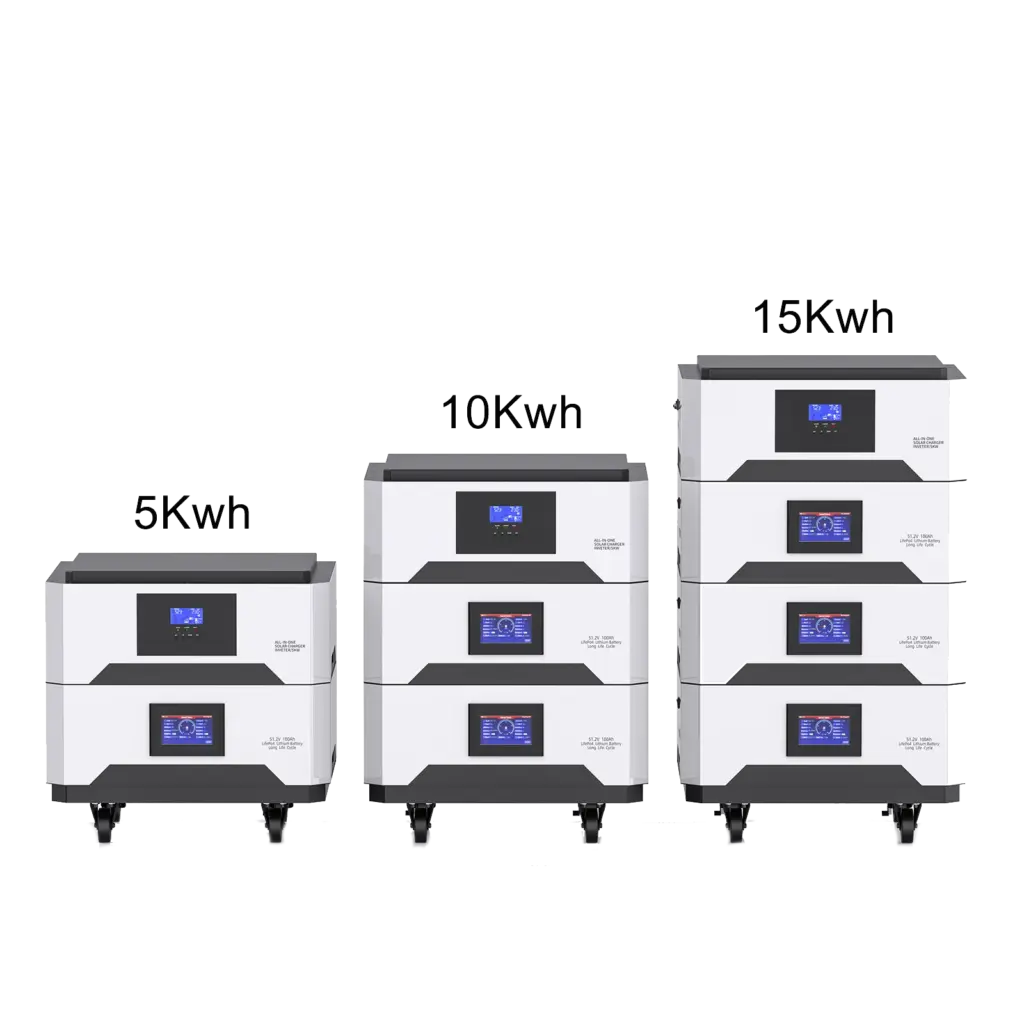
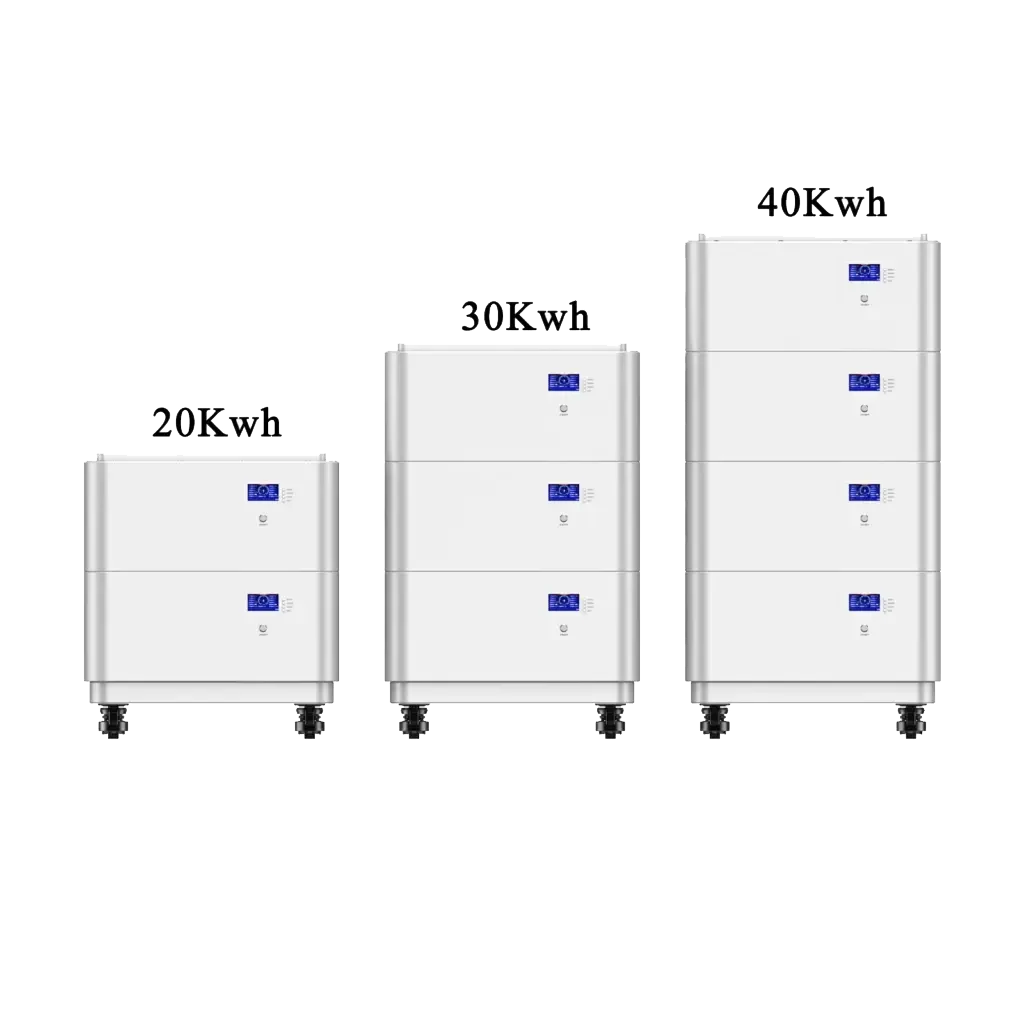
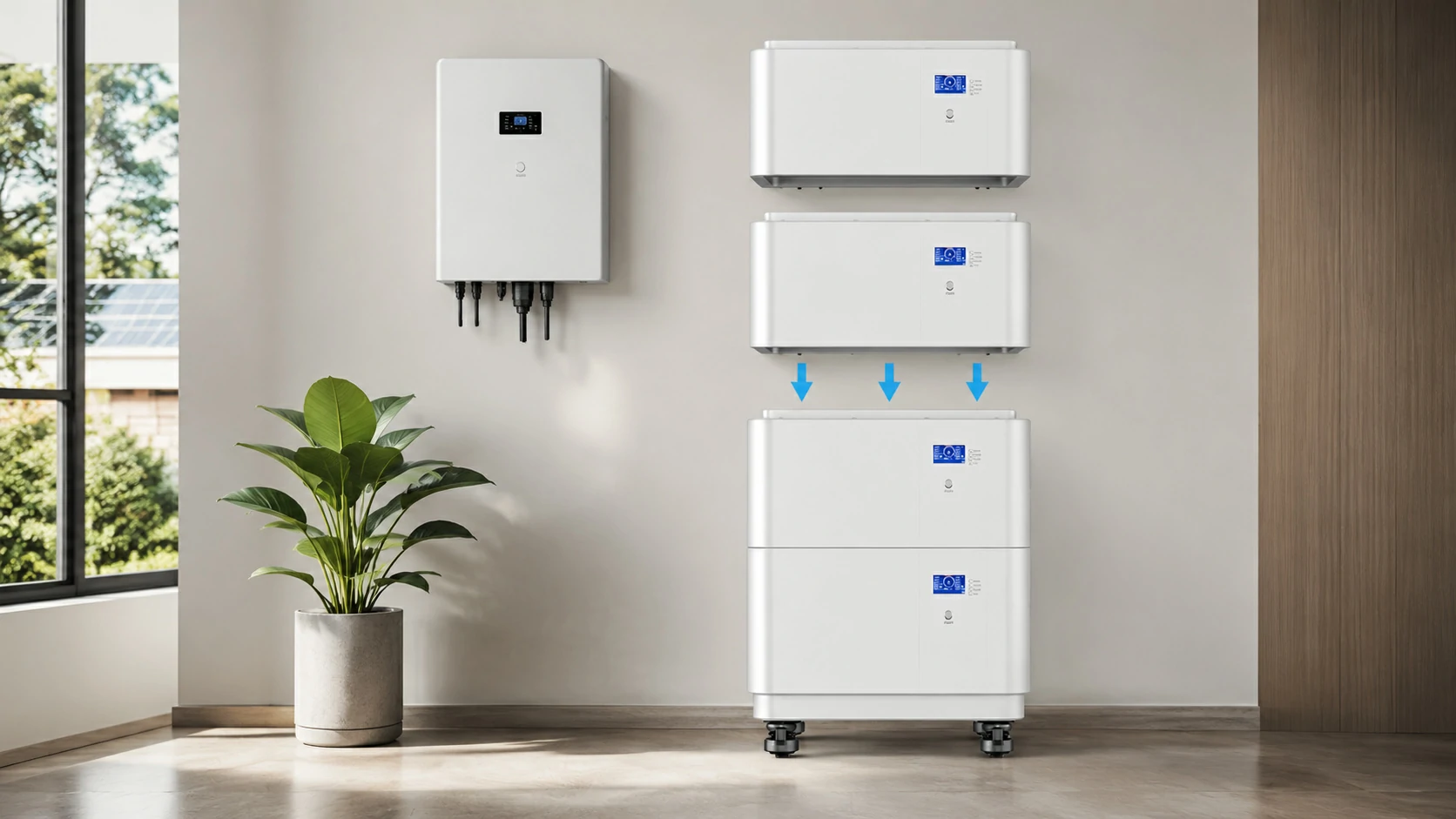
For example, Avepower’s 5kWh wall-mounted battery can be stacked or expanded incrementally, enabling households to scale storage capacity as energy needs grow—without major reinvestment.

Common Applications of a 5kWh Solar Battery
A 5kWh solar battery is a versatile energy storage solution widely used across the UK, suitable for both urban households and rural properties.
Home Solar Self-Consumption
Most UK homeowners install a 5kWh solar battery to store excess solar energy generated during the day and use it in the evening. This significantly reduces reliance on the grid and helps lower electricity bills, especially as energy prices fluctuate.
Backup Power During Outages
When paired with an inverter that supports EPS or UPS functionality, a 5kWh solar battery can automatically provide backup power during grid outages. It can keep essential appliances running, including lighting, refrigerators, broadband routers, and critical medical equipment.
Time-of-Use Tariff Optimisation
For households on Economy 7, Agile, or other smart time-of-use tariffs, a 5kWh solar battery enables cost-effective energy management. The battery can charge during off-peak, low-cost periods and discharge during peak hours when electricity prices are higher.
Off-Grid and Hybrid Energy Systems
In rural areas or locations with unreliable grid access, a 5kWh solar battery is often used as part of a hybrid solar system or off-grid solar system. When combined with solar panels and, in some cases, a backup generator, it helps create a reliable microgrid with greater energy independence.
Government Incentives and Grants for Solar Batteries in the UK
0% VAT on Solar Batteries
Qualifying residential battery installations in the UK benefit from a temporary 0% VAT rate until 31 March 2027. This includes eligible battery systems installed alongside solar panels or as standalone home energy storage. The relief applies to qualifying installations, not automatically to batteries purchased separately for DIY installation. Homeowners should confirm VAT treatment with their installer before accepting a quotation.
Warm Homes Loan Scheme (2026)
The UK government announced the Warm Homes Loan Scheme on 27 October 2026, providing access to government-backed low- and zero-interest financing for eligible home energy improvements.
Electrical battery storage is included, with supported loans of up to £15,000 for qualifying installations. These are loans rather than grants, and applicants are subject to lender affordability and eligibility checks. Installations must meet the scheme’s certification requirements.
Smart Export Guarantee (SEG)
The Smart Export Guarantee allows eligible small-scale electricity generators to receive payments for electricity exported to the grid. Export rates and contract conditions vary between suppliers, so homeowners should compare available tariffs rather than assume a fixed payment per kWh. Battery export arrangements may also depend on the supplier’s eligibility rules and system configuration.
Wales: Warm Homes Programme
In Wales, eligible low-income households may qualify for partial or full funding for solar panels and battery storage under the Warm Homes Programme. Qualification depends on Energy Performance Certificate (EPC) ratings and income criteria.
Warm Homes: Social Housing & Local Authority Grants
Local councils and housing associations can access grants and funding until 2028 to support large-scale solar and battery installations, helping drive community energy projects and social housing upgrades.

How Much Can a 5kW Solar Battery Save You?
The annual savings from a 5kWh solar battery in the UK depend on household electricity consumption, solar generation, import and export tariffs, battery efficiency and charging patterns. There is no guaranteed annual saving or fixed payback period for every home.
For solar households, the financial benefit comes from storing electricity that would otherwise be exported and using it when grid electricity is more expensive. Homes on time-of-use tariffs may also save by charging their batteries during cheaper periods.
To estimate the payback period, divide the total installed battery cost by the additional annual savings attributable to the battery, after accounting for energy losses and any export income given up. Installation costs and future tariff changes should also be considered.
If you’re considering a 5kW solar battery system for your home, exploring Avepower’s range is a great place to start. Combining cutting-edge battery technology with UK-specific expertise, they help you unlock the full potential of solar energy.
Tips to Shorten Your Investment Payback Period
Maximise Solar Self-Consumption
Run high-energy appliances—such as washing machines and dishwashers—during peak sunlight hours. Alternatively, use smart energy management systems that prioritise charging your battery when solar generation is highest and discharge it strategically to meet your energy needs.
Utilise Time-of-Use Tariffs
Take advantage of off-peak electricity rates by charging your battery when prices are lowest. Then, use the stored energy during peak-rate periods to significantly cut your electricity costs.
Sell Surplus Energy
Under schemes like the Smart Export Guarantee (SEG), you can earn between 3p and 6p per kWh by exporting surplus electricity stored in your battery back to the grid. This creates an additional income stream to help improve your return on investment.
Extend Battery Lifespan
Protect your investment by maintaining your battery’s health: keep the depth of discharge (DoD) below 80%, avoid exposing the battery to extreme temperatures, and regularly monitor its performance. This will help delay costly replacements and maximise long-term savings.
The Future Outlook: Will 5kW Solar Battery Prices Drop?
The future looks promising for solar battery affordability in the UK. Global trends suggest declining costs due to:
- Technological improvements such as solid-state batteries promising higher energy density and safety
- Economies of scale in manufacturing and supply chain optimisation
- Continued government support and regulation encouraging renewables
Lithium iron phosphate (LiFePO4) technology, prevalent in modern batteries like Avepower’s 5kWh wall-mounted unit, combines safety, longevity, and competitive pricing. Innovations and mass adoption will likely push prices down further over the next five years.
Avepower 5kWh Wall-Mounted Battery
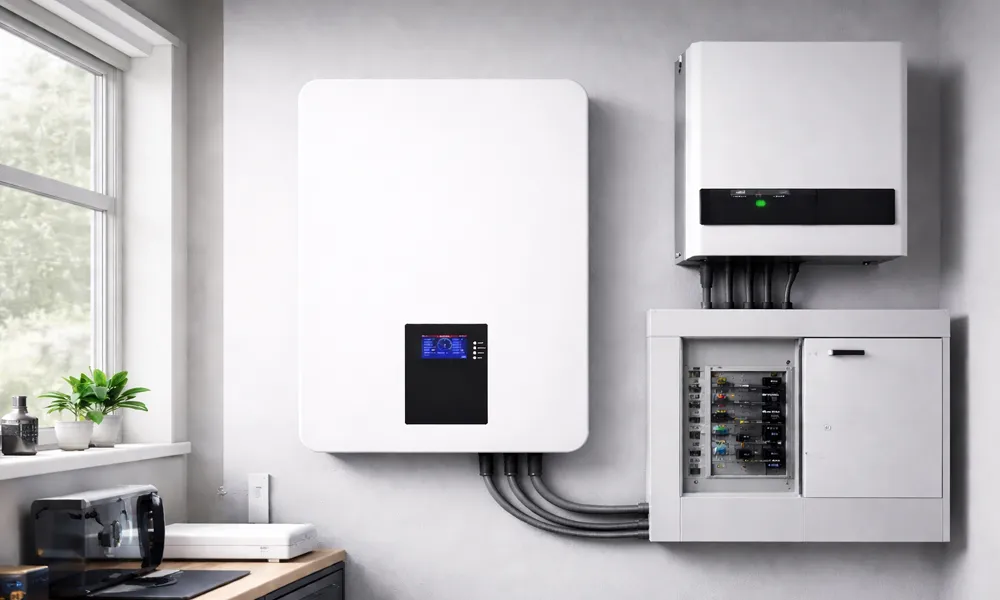
Avepower offers 5kWh wall-mounted LiFePO4 battery solutions for residential solar storage applications. System compatibility, backup capability and expansion options depend on the selected battery model and inverter configuration. For UK installations, homeowners should consult a qualified installer to confirm electrical compatibility, safety requirements and the final installed cost.
Take control of your energy costs today—contact us to learn more or get started!
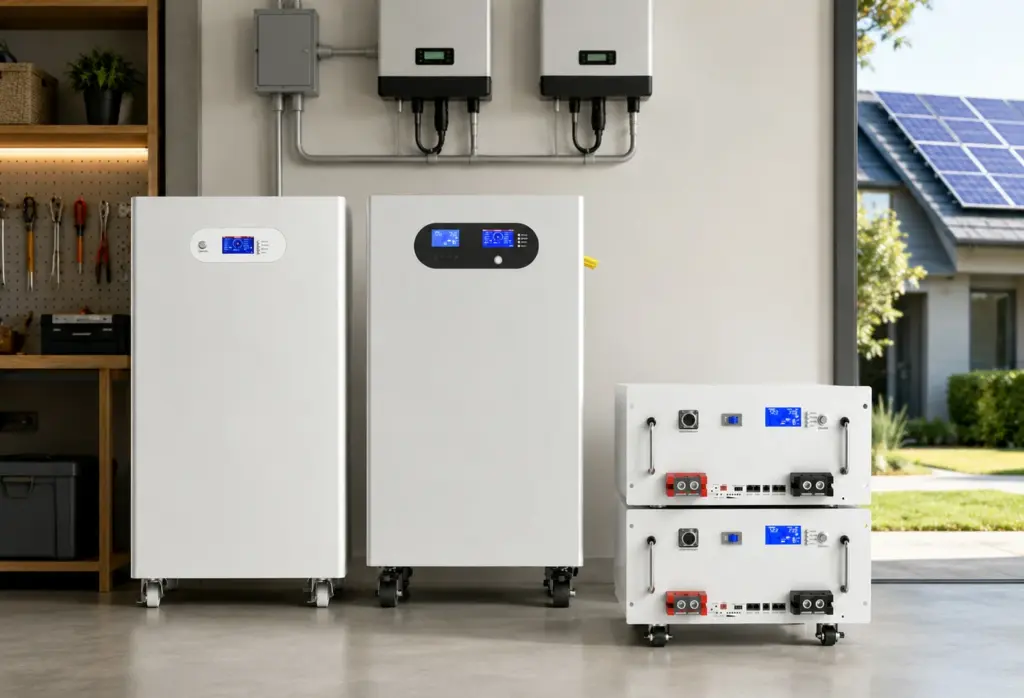
Take Control of Your Energy with Avepower!
Reliable home solar battery solutions with OEM/ODM customization and in-house manufacturing, tailored to the needs of distributors, installers, and energy partners.
FAQ
A 5kWh solar battery system costs around £4,600 according to Energy Saving Trust’s 2026 guidance. Some supplier installations start below £4,000, while more complex projects may cost more.
Yes. Qualifying residential battery installations can benefit from 0% VAT until 31 March 2027. The relief applies to eligible installations, so homeowners should confirm the applicable treatment with their supplier.
5kW solar battery is ideal for average UK homes, particularly those with three bedrooms, offering sufficient storage for daily use and backup power during outages.
A 5kW solar battery is an energy storage system with a capacity of around 5 kilowatt-hours (kWh), designed to store electricity generated by solar panels for use during nighttime or low sunlight conditions.
No. kW measures power output, while kWh measures stored energy. A 5kWh battery stores 5 kilowatt-hours of energy but does not necessarily provide 5kW of continuous output.
Not always. Some advertised prices cover the battery unit only, while others include professional installation. Check whether the quote includes an inverter, cabling, electrical protection, commissioning and VAT.
Only if the battery and inverter system support backup operation. A 5kWh battery may run selected essential appliances for several hours, depending on usable capacity, appliance power demand and system losses.
A home battery commonly lasts around 10–12 years, although actual life depends on chemistry, operating conditions, cycling patterns and manufacturer warranty. Check both the product warranty and guaranteed remaining capacity.