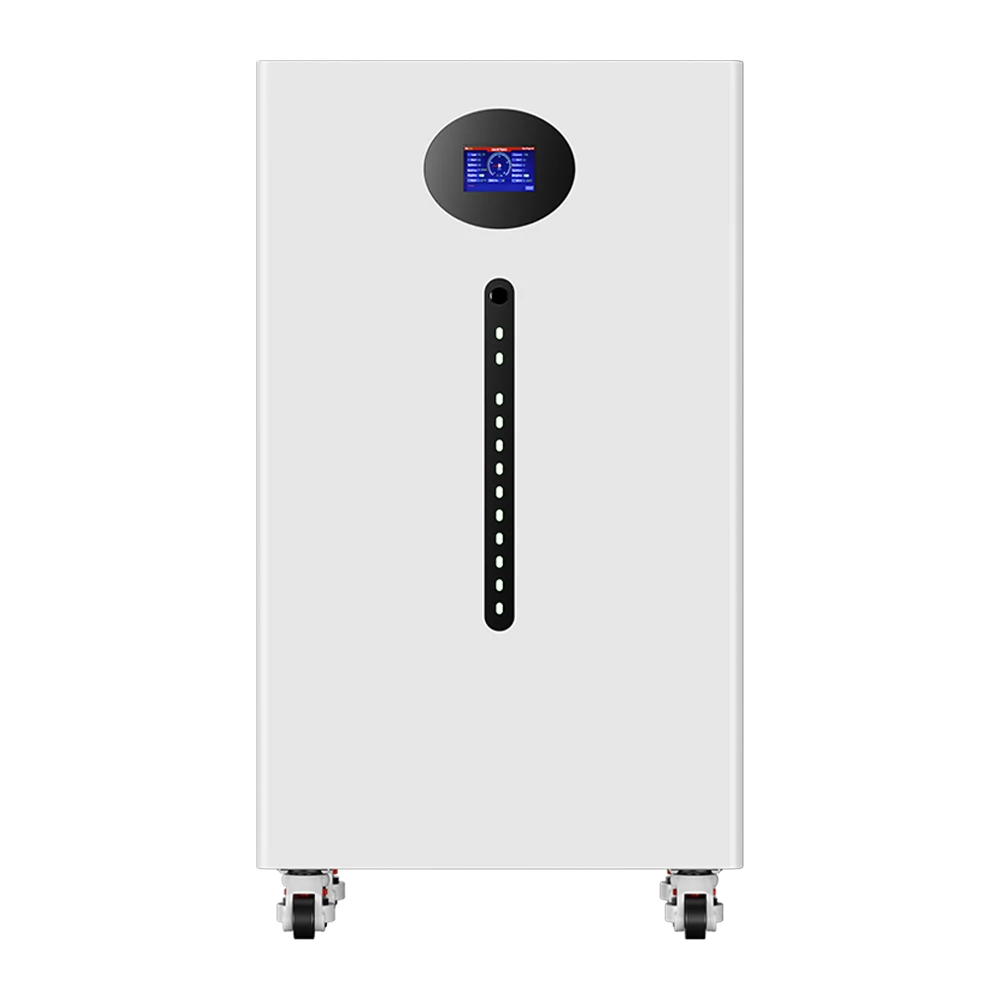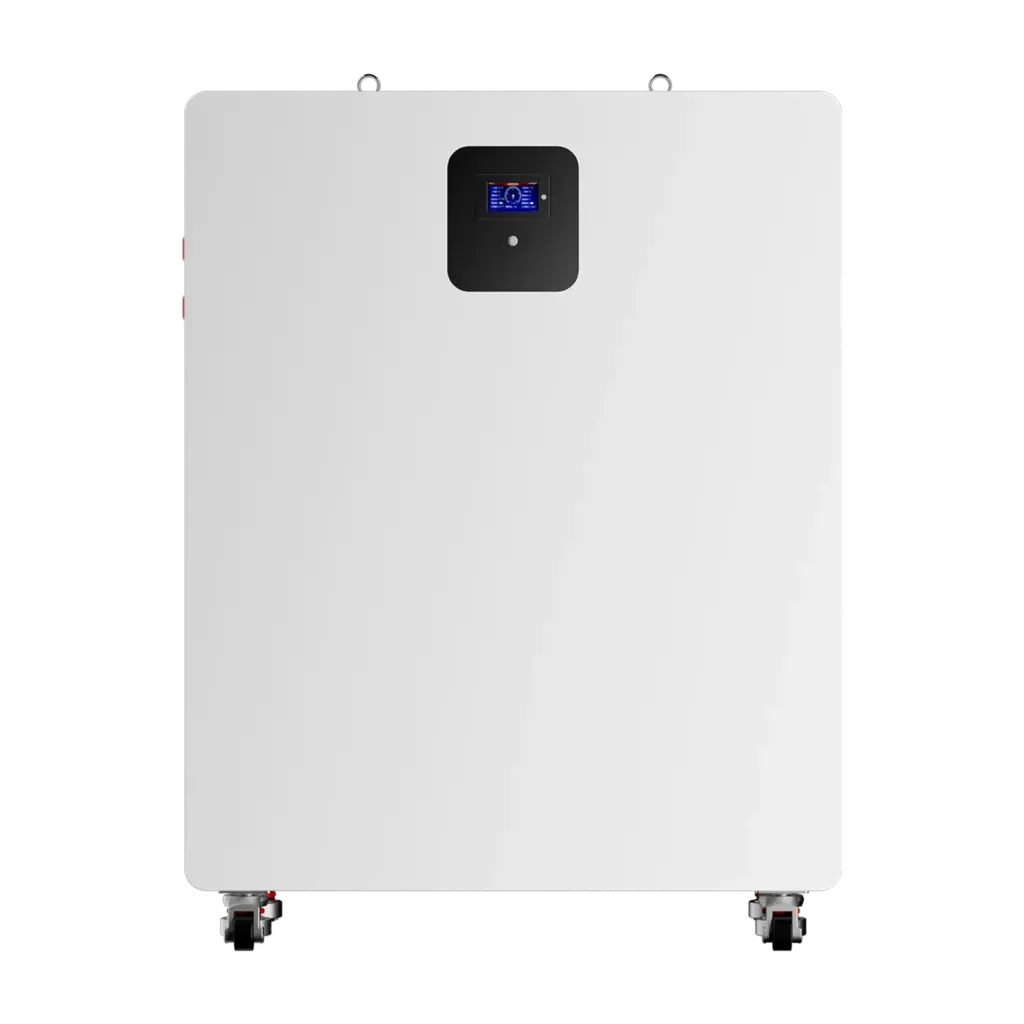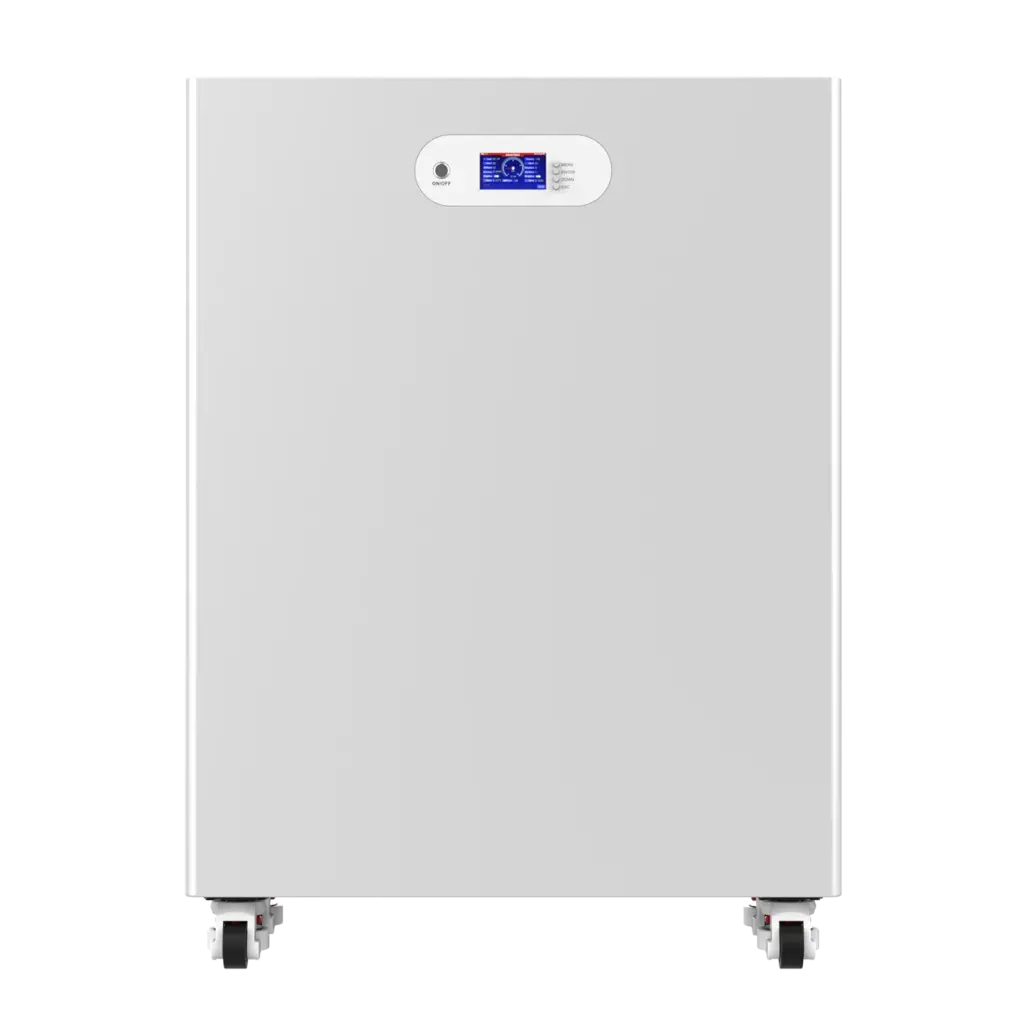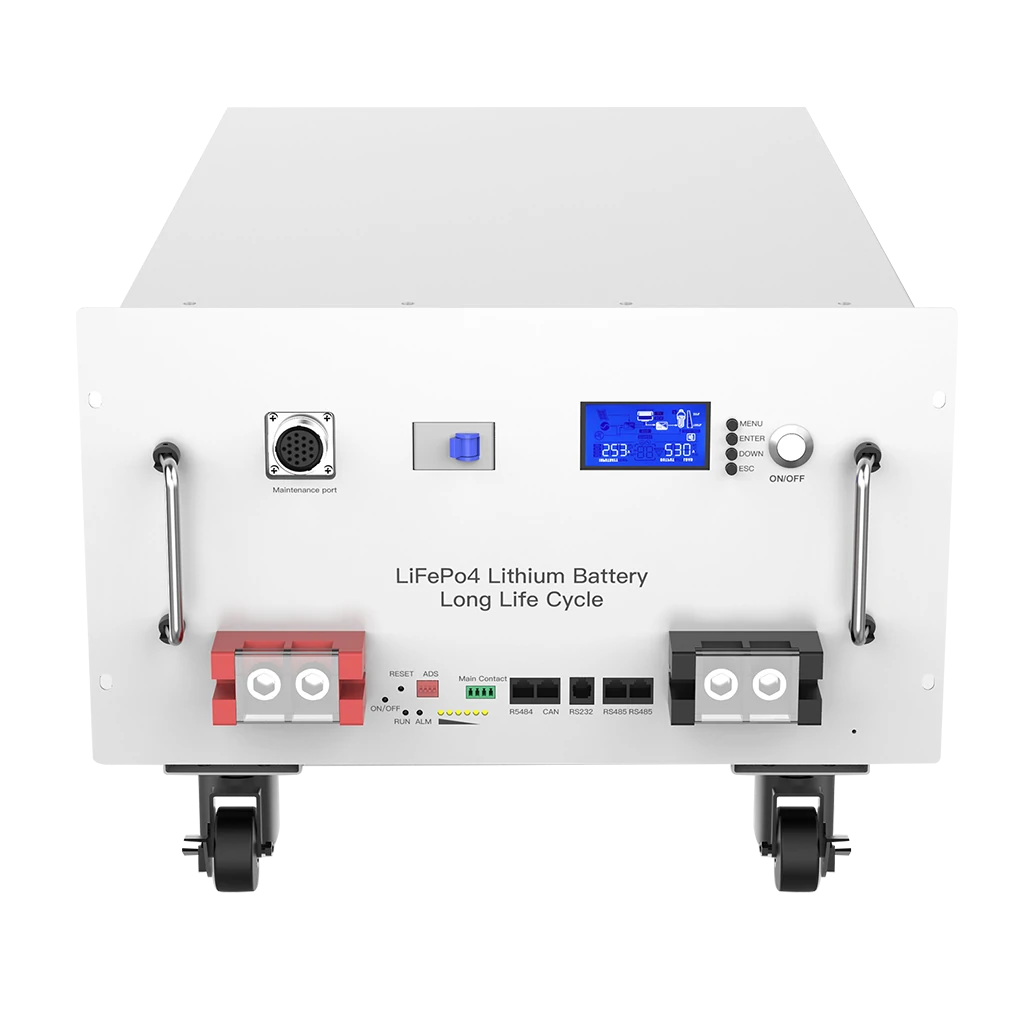


What size battery backup for refrigerator use do you actually need? For most full-size refrigerators, 1–2kWh is a practical starting point for short or overnight outages, while 2–3kWh gives more margin for approximately 24 hours.
That is only a starting point.
The correct battery size depends on four things:
- Your refrigerator’s actual daily energy consumption
- Required backup time
- Battery and inverter efficiency
- Compressor startup surge
For example, if your refrigerator consumes 500kWh per year, it uses about:
500 ÷ 365 = 1.37kWh per day
After allowing for battery reserve, inverter losses and a reasonable safety margin, approximately 2kWh nominal battery capacity would be a sensible planning size for around 24 hours.
For a refrigerator plus freezer, Wi-Fi, lights or other essential appliances, capacity can quickly increase to 3–5kWh or more.
This guide shows you how to calculate the right size instead of simply guessing from refrigerator wattage.
Quick Answer: What Size Battery Backup Do I Need for a Refrigerator?
Most household refrigerators can start with around 1–2kWh of battery storage for short-to-overnight backup, while approximately 2–3kWh is a more practical range for a full day.
| Backup Requirement | Suggested Starting Capacity | Typical Use |
|---|---|---|
| 4–8 hours | 500–1,000Wh | Mini fridge or efficient refrigerator |
| 8–12 hours | 1–1.5kWh | Short outage |
| Overnight | 1.5–2kWh | Standard refrigerator |
| Around 24 hours | 2–3kWh | Full-size refrigerator |
| Refrigerator + freezer | 3–5kWh | Multiple refrigeration loads |
| Fridge + essential circuits | 5–10kWh+ | Residential battery system |
| Multi-day backup | 10kWh+ + solar | Extended outage resilience |
Refrigerator Battery Size Calculator
Refrigerator Battery Size Calculator
Refrigerator Energy
Enter either:
- Daily Wh/kWh consumption, or
- Watts × actual operating hours
Backup Duration
Choose:
- 8 hours
- 12 hours
- 24 hours
- 48 hours
- Multiple days
Battery Usable DoD
Typical planning values:
- Lead-acid: approximately 50%
- LiFePO4: commonly 80–90%+ depending on system settings
Inverter Efficiency
A planning value around:
85–95%
is commonly used.
Reserve Margin
Add approximately:
15–20%
for uncertainty and operating margin.
Formula
Daily Wh × Backup Days ÷ DoD ÷ Inverter Efficiency × Reserve Margin
Battery Size Examples by Refrigerator Energy Use
The table below uses:
- 90% battery DoD
- 90% inverter efficiency
- Approximately 20% reserve margin
| Refrigerator Consumption | 12-Hour Backup | 24-Hour Backup | 48-Hour Backup |
|---|---|---|---|
| 0.6kWh/day | ~0.45kWh | ~0.9kWh | ~1.8kWh |
| 0.8kWh/day | ~0.6kWh | ~1.2kWh | ~2.4kWh |
| 1.0kWh/day | ~0.75kWh | ~1.5kWh | ~3.0kWh |
| 1.2kWh/day | ~0.9kWh | ~1.8kWh | ~3.6kWh |
| 1.5kWh/day | ~1.1kWh | ~2.2kWh | ~4.4kWh |
| 2.0kWh/day | ~1.5kWh | ~3.0kWh | ~5.9kWh |
How Long Will a Battery Backup Run a Refrigerator?
Refrigerator Battery Runtime Calculator
A practical energy-based calculation is:
Runtime Days = Usable Battery Energy ÷ Refrigerator Daily kWh
Then:
Runtime Hours = Runtime Days × 24
Assume:
- 90% battery DoD
- 90% inverter efficiency
A nominal 2kWh battery provides approximately:
2 × 0.90 × 0.90 = 1.62kWh AC
Runtime Example
If the refrigerator consumes:
1.2kWh/day
then:
1.62 ÷ 1.2 × 24 ≈ 32 hours
If it consumes:
1.8kWh/day
then:
1.62 ÷ 1.8 × 24 ≈ 22 hours
Actual results can be shorter or longer.
Refrigerator Battery Runtime Table
| Battery | Fridge at 1.0kWh/day | Fridge at 1.5kWh/day | Fridge at 2.0kWh/day |
|---|---|---|---|
| 1kWh | ~19h | ~13h | ~10h |
| 2kWh | ~39h | ~26h | ~19h |
| 3kWh | ~58h | ~39h | ~29h |
| 5kWh | ~97h | ~65h | ~49h |
| 10kWh | ~194h | ~130h | ~97h |
Assumption: approximately 81% of nominal capacity reaches the AC load after battery reserve and conversion losses.
These values are useful for comparison but should not replace measurements from the actual refrigerator.
How Do You Convert Ah Into Refrigerator Backup Capacity?
If your battery is rated in amp-hours rather than watt-hours, multiply battery voltage by amp-hours to calculate nominal stored energy.
Use:
Wh = Voltage × Ah
12.8V 100Ah LiFePO4 Example
12.8V × 100Ah = 1,280Wh
or:
1.28kWh nominal capacity
Assuming:
- 90% usable DoD
- 90% inverter efficiency
Approximate AC energy available becomes:
1.28 × 0.90 × 0.90 = 1.04kWh
If the refrigerator consumes:
1.2kWh/day
estimated runtime would be:
1.04 ÷ 1.2 × 24 ≈ 21 hours
Therefore, a 12.8V 100Ah LiFePO4 battery may be close to a full-day solution for a very efficient refrigerator, but could be insufficient for a larger appliance.
Portable Power Station vs LiFePO4 Battery System
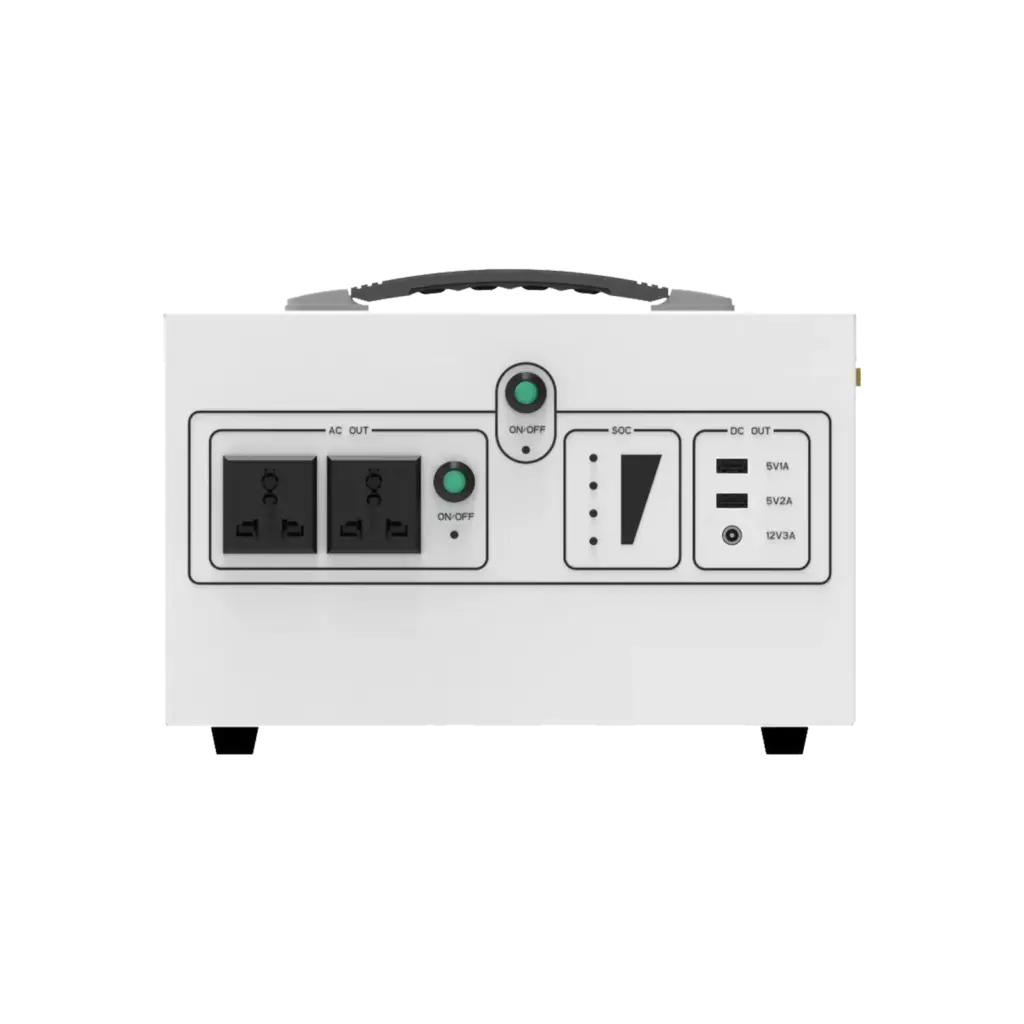
A portable power station is usually best for one refrigerator, while a residential LiFePO4 system becomes more practical when several essential loads require automatic or extended backup.
| Feature | Portable Power Station | Battery + Inverter | Home Battery System |
|---|---|---|---|
| Typical capacity | 0.5–4kWh | Flexible | 5–50kWh+ |
| Installation | Plug-in | Wiring required | Professional installation |
| One refrigerator | Excellent | Excellent | Possible |
| Refrigerator + freezer | Good | Good | Excellent |
| Essential circuits | Limited | Possible | Excellent |
| Automatic backup | Product dependent | Design dependent | Available |
| Solar charging | Usually available | Available | Available |
| Expansion | Product dependent | Flexible | Usually scalable |
| Technical complexity | Low | Medium | Higher |
For renters and short outages, portable systems offer simplicity.
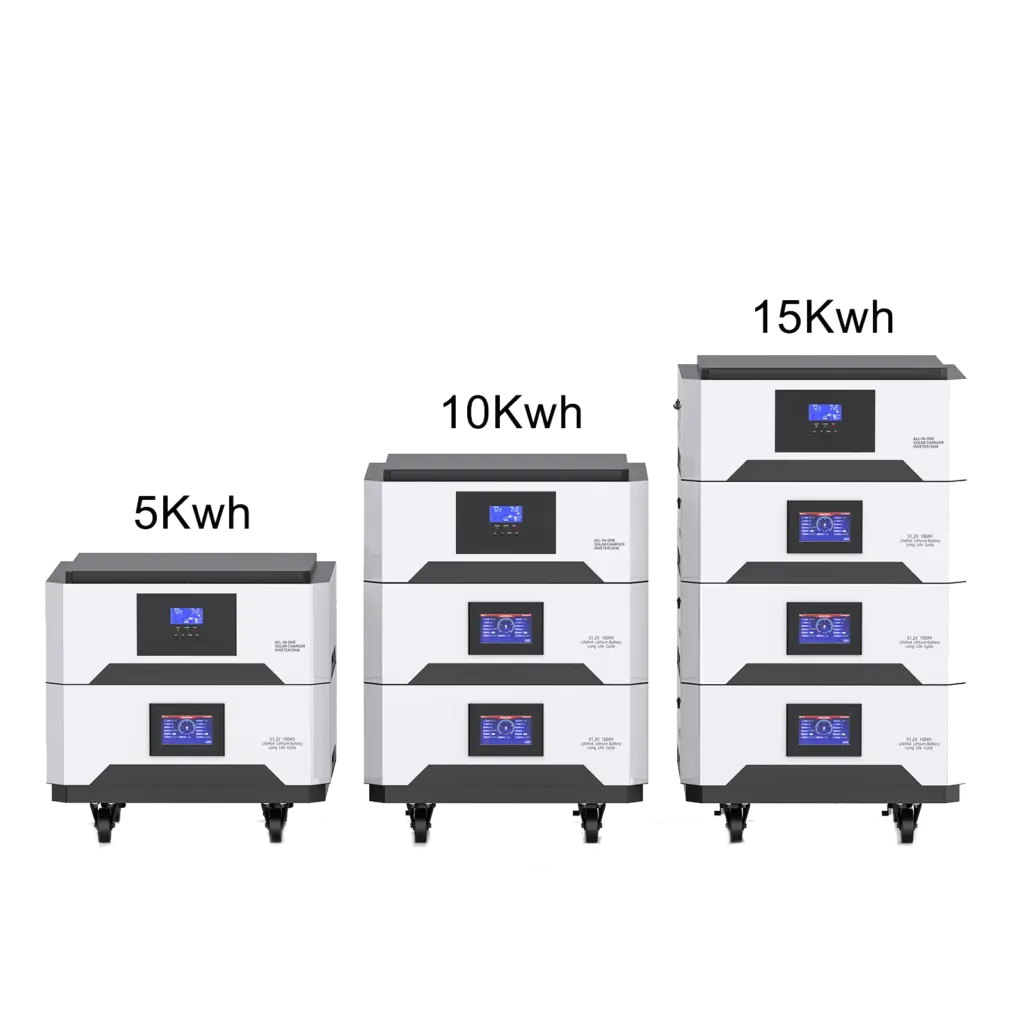
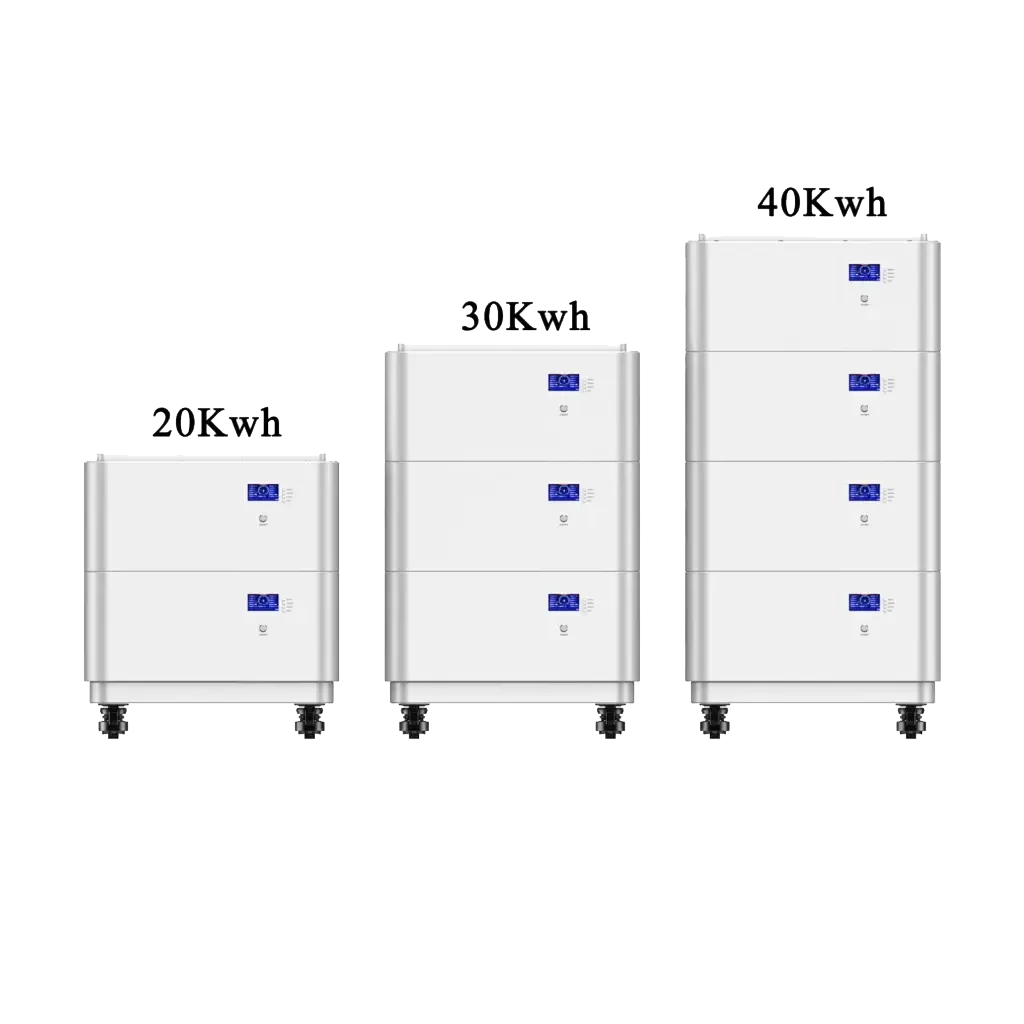
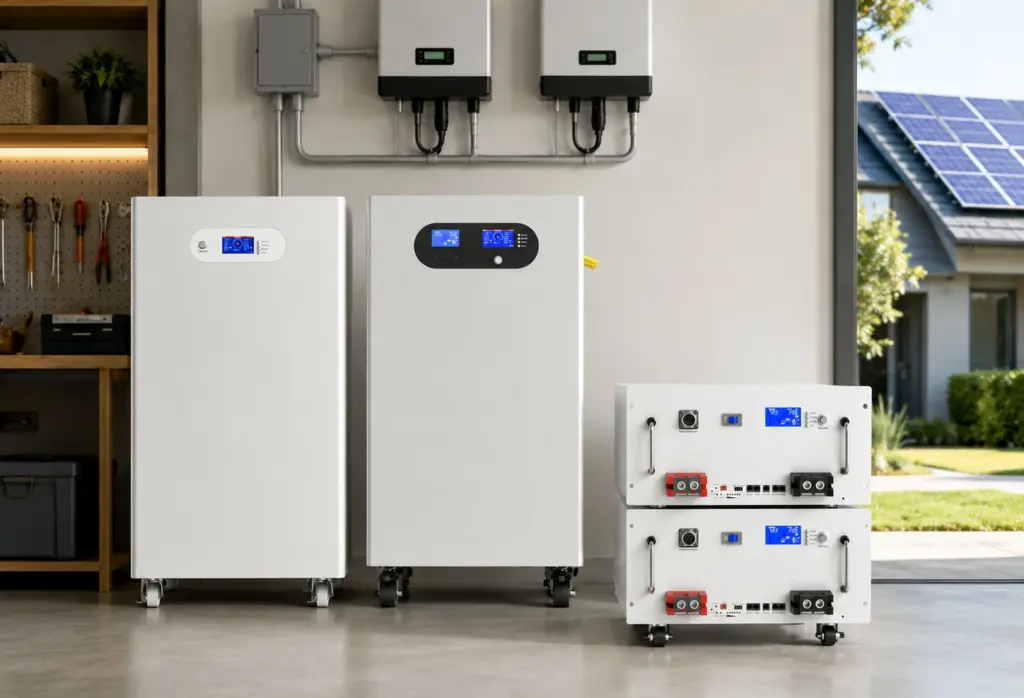
For villas, solar homes, farms, rural properties and installer-led projects, modular LiFePO4 batteries provide greater capacity and expansion flexibility.
What Size Inverter Is Needed for a Refrigerator?
The inverter should be selected from the refrigerator’s highest expected power demand, not from battery capacity.
For many household refrigerator applications, a backup inverter with generous headroom is preferable to sizing directly at the normal running wattage.
Commonly recommends at least about 1,000W continuous output for typical refrigerators, with larger units often benefiting from 1,500–2,000W or greater headroom, depending on actual compressor and defrost requirements.
Always verify the appliance specifications.
Look for Pure Sine Wave Output
A pure sine wave inverter is generally preferred for:
- Compressor motors
- Variable-speed compressors
- Electronic controls
- Smart refrigerators
The key point is not simply buying the highest-watt inverter.
It is ensuring that the inverter:
- Matches refrigerator voltage and frequency
- Handles continuous demand
- Handles startup surge
- Works within battery discharge limits
Conclusion
Selecting a battery backup for your refrigerator is a balance between your fridge’s power consumption, the duration of outages, and your budget. Start by measuring your fridge’s real-world power draw, then calculate the required watt-hours with a safety margin for conversion losses. Consider the battery type, inverter efficiency, and practical measures like keeping doors closed and the fridge full. For occasional outages, a small generator may be more cost-effective, but for frequent blackouts or long-term off-grid living, a well-sized lithium-ion battery system provides quiet, reliable, and safe backup power.
Take Control of Your Energy with Avepower!
Reliable home solar battery solutions with OEM/ODM customization and in-house manufacturing, tailored to the needs of distributors, installers, and energy partners.
FAQ
For many household refrigerators, 1–2kWh is a practical range for short or overnight outages, while 2–3kWh provides more margin for approximately 24 hours. The most accurate method is to calculate from your refrigerator’s daily kWh consumption.
If your refrigerator consumes around 1–1.5kWh per day, approximately 1.5–2.5kWh of nominal battery capacity may be a reasonable planning range after accounting for depth of discharge, inverter losses and reserve margin.
A 1,000Wh battery may provide roughly 10–20 hours for many refrigerators, but runtime depends on actual daily energy use. With 90% usable DoD and 90% inverter efficiency, approximately 810Wh reaches the appliance.
With approximately 81% practical AC energy available, a 2,000Wh battery provides roughly 1.62kWh. A refrigerator consuming 1.2kWh per day could therefore theoretically run for around 32 hours under those assumptions.
It can be enough for a short outage or an efficient refrigerator. For overnight or full-day backup, 1.5–3kWh generally provides more useful reserve.