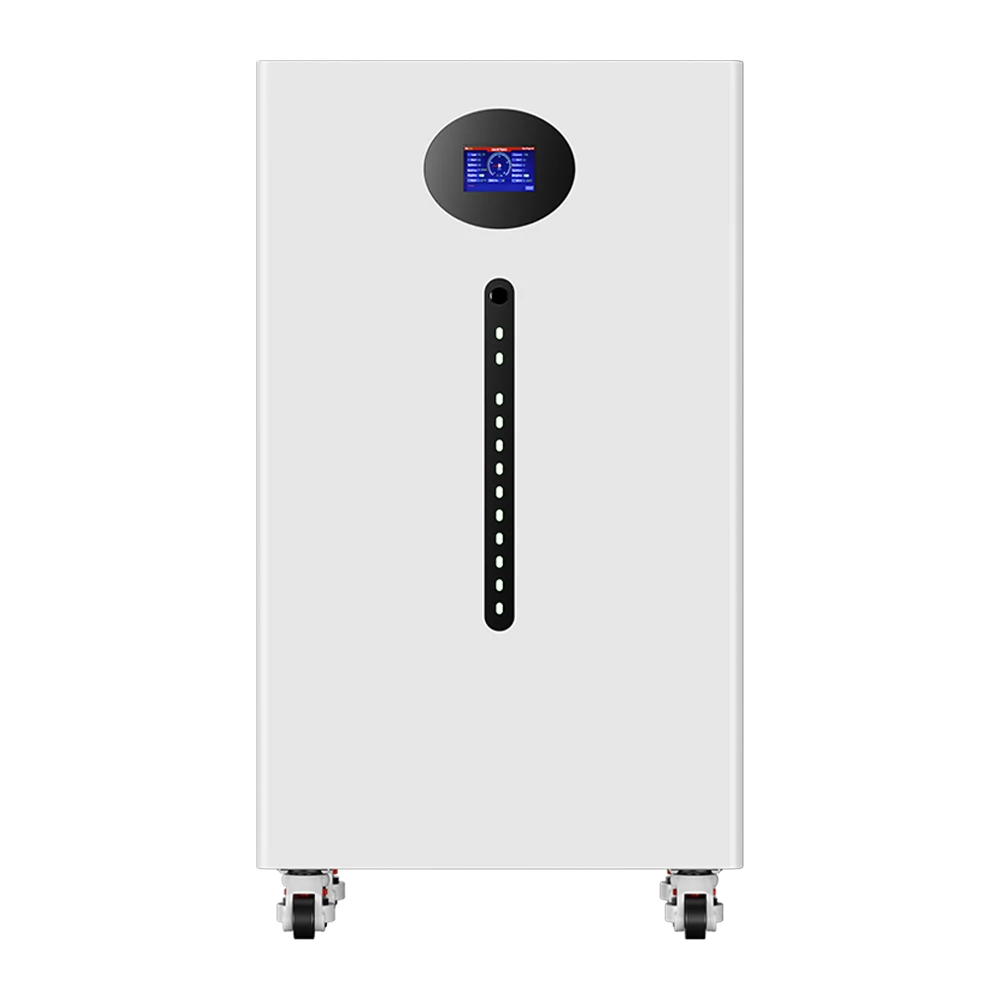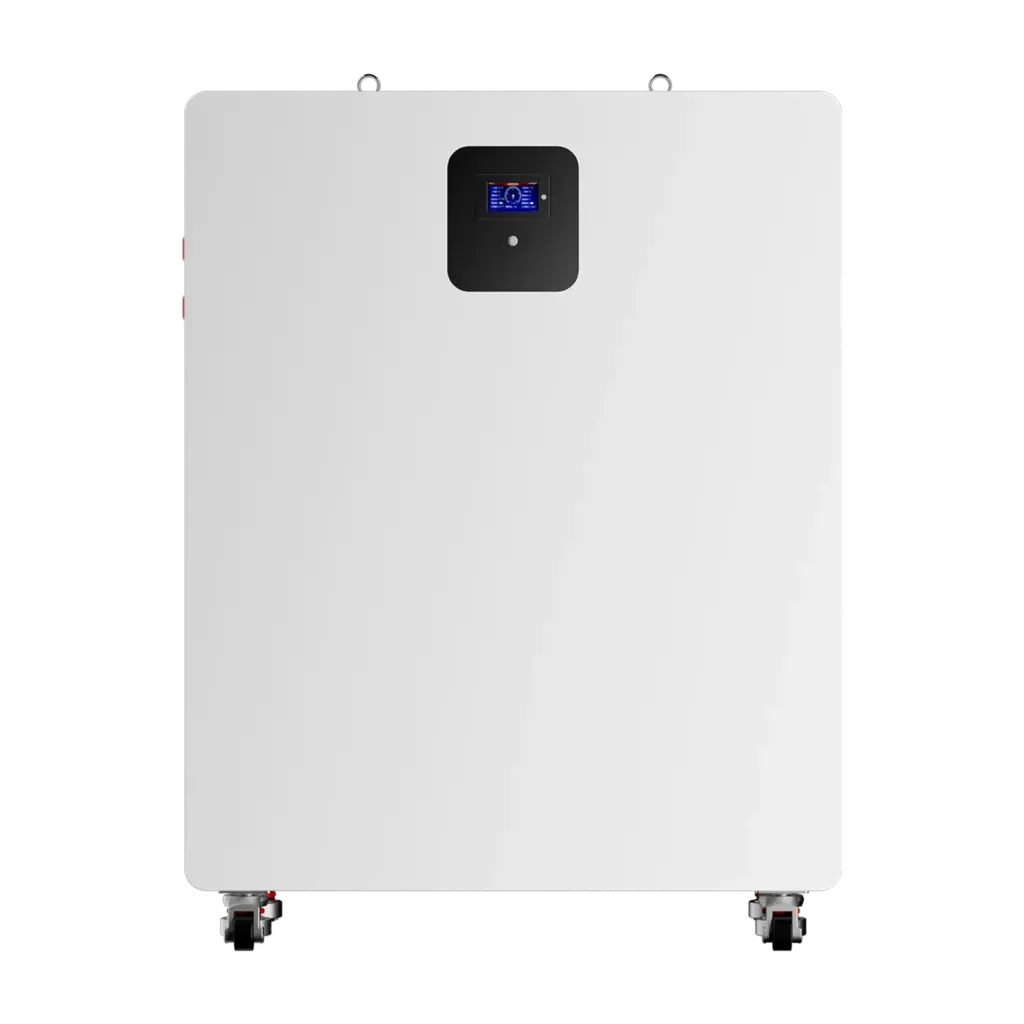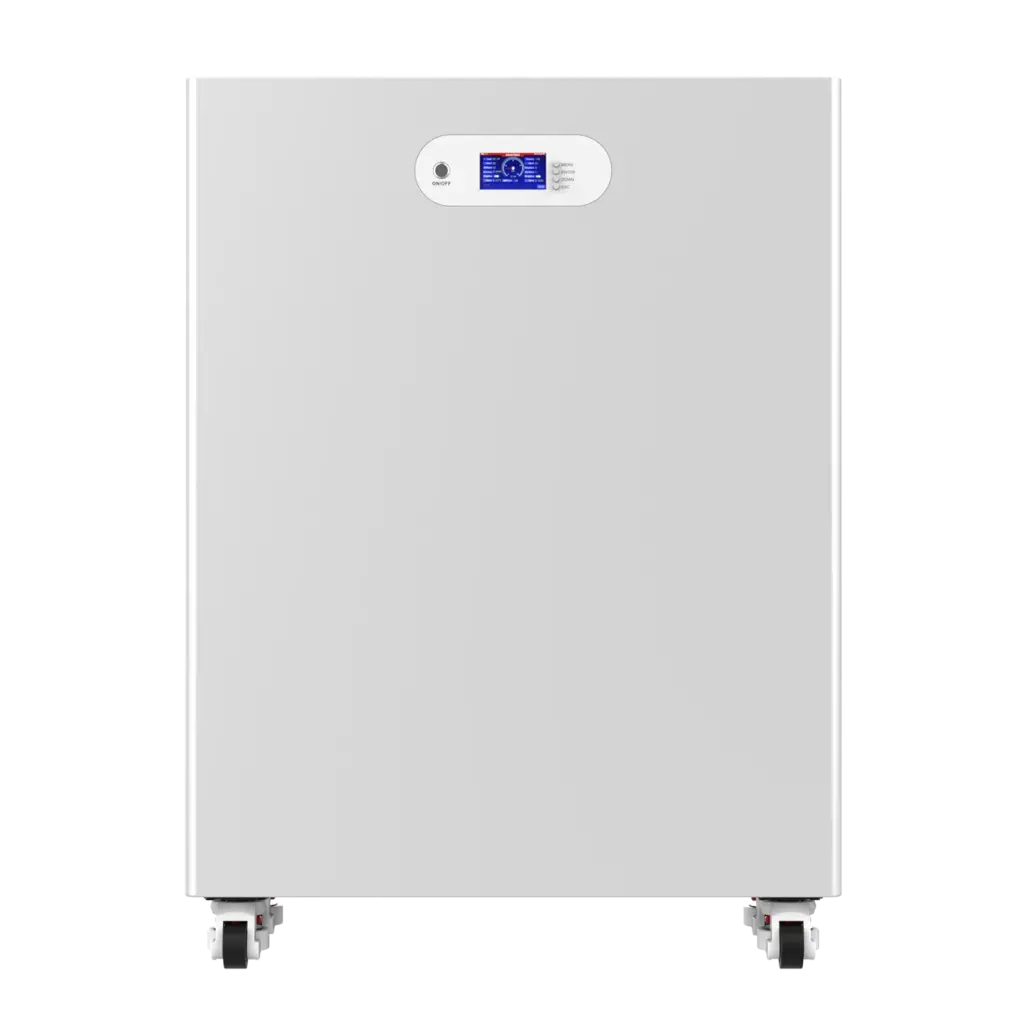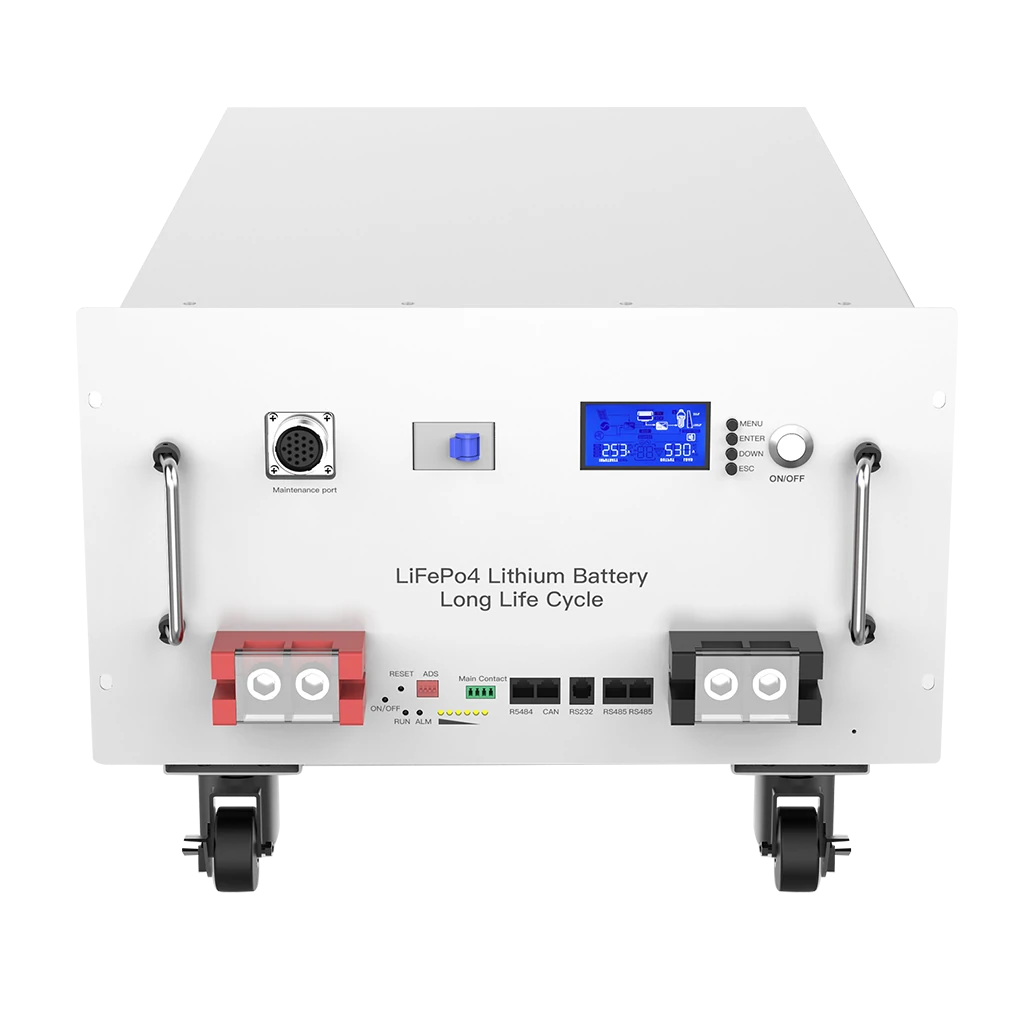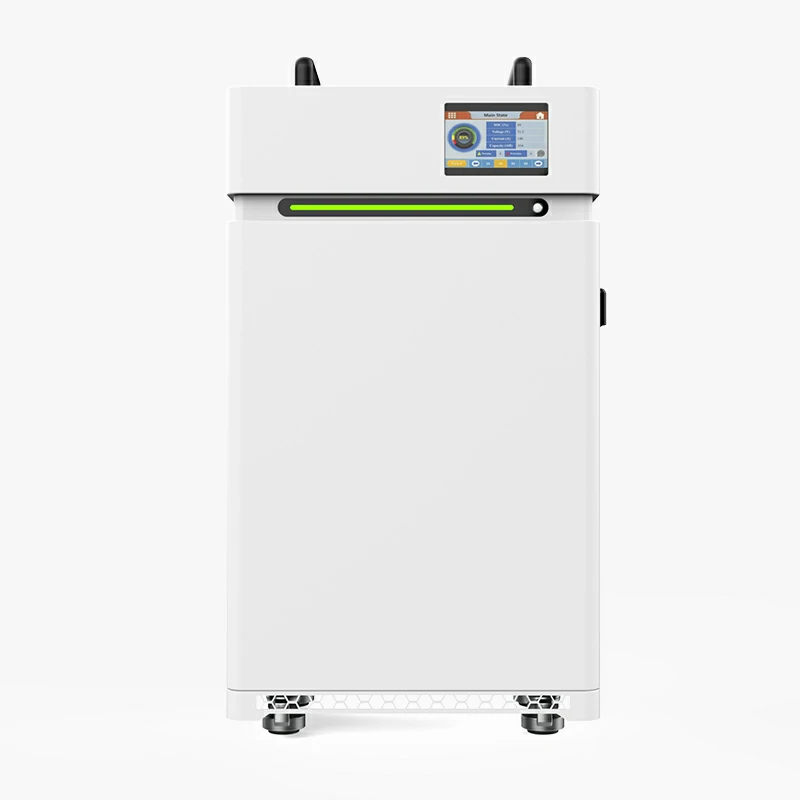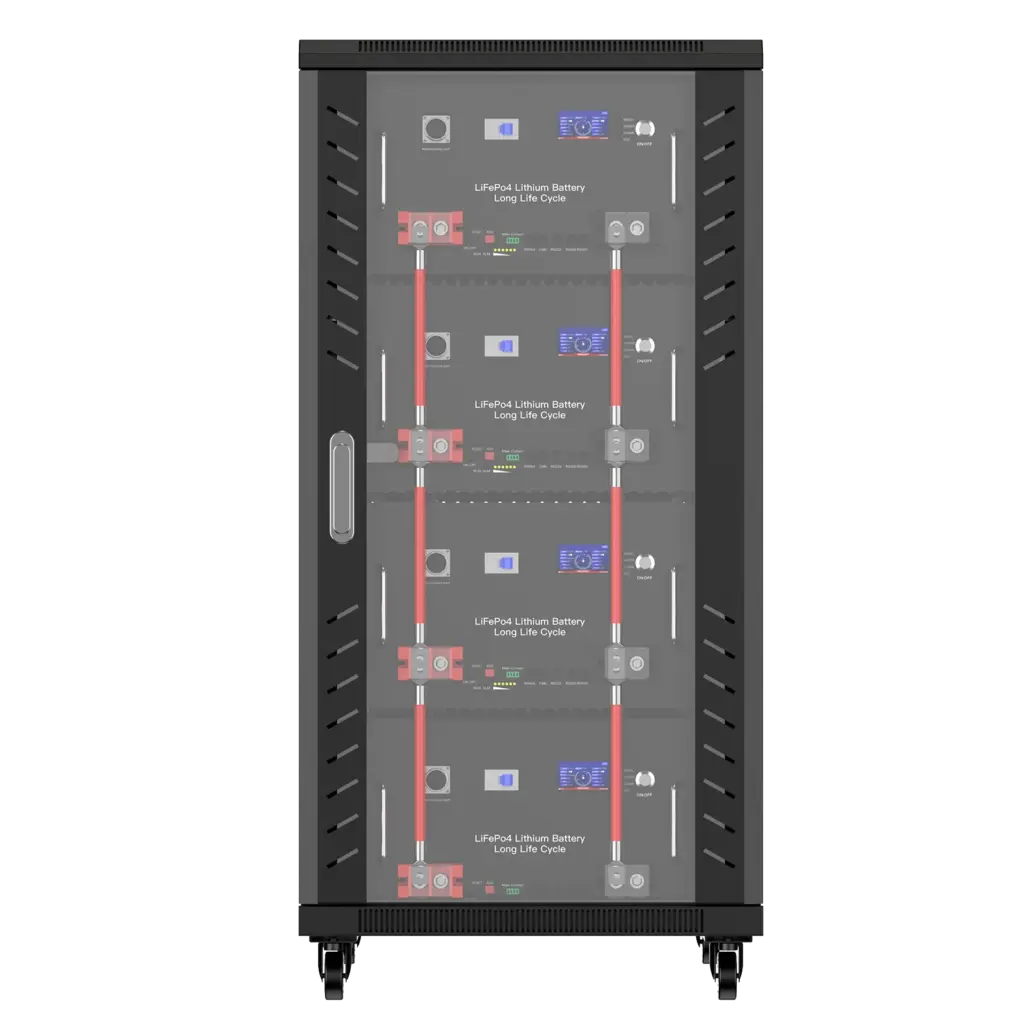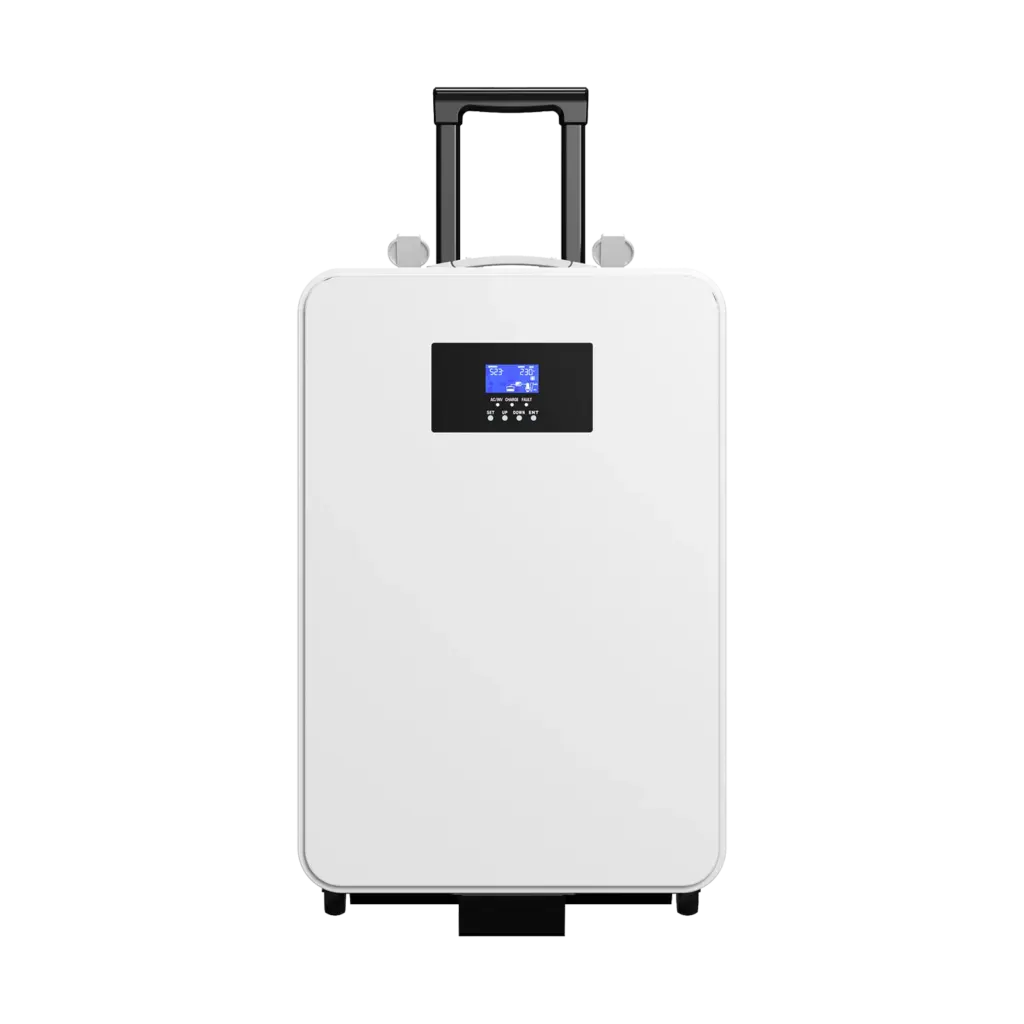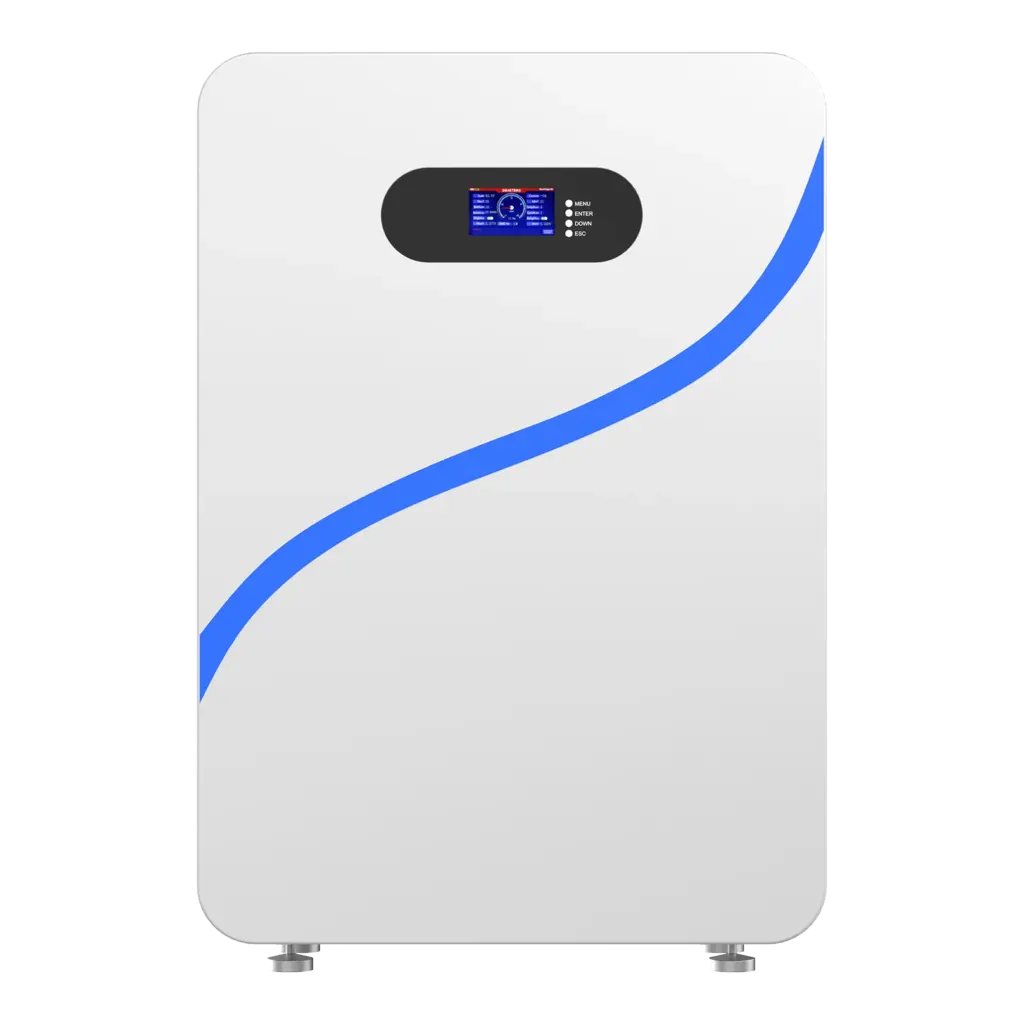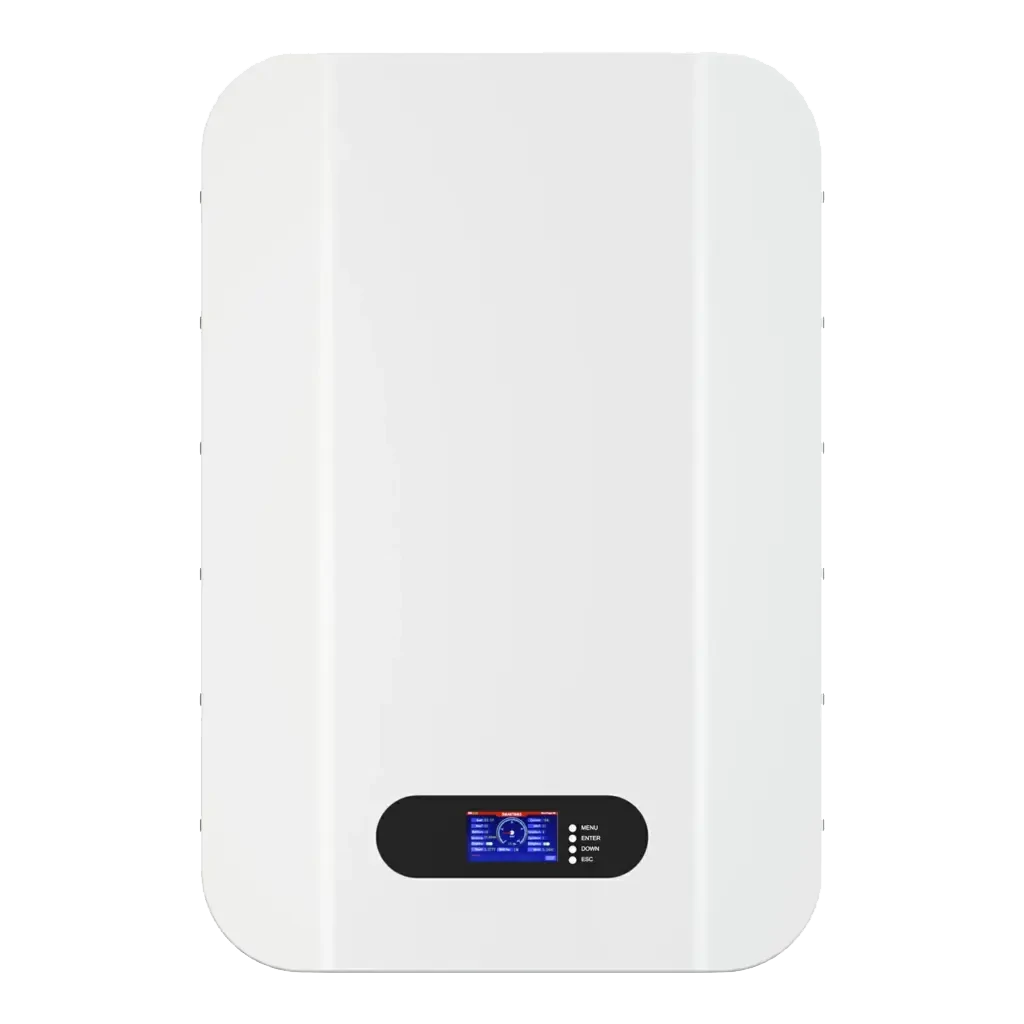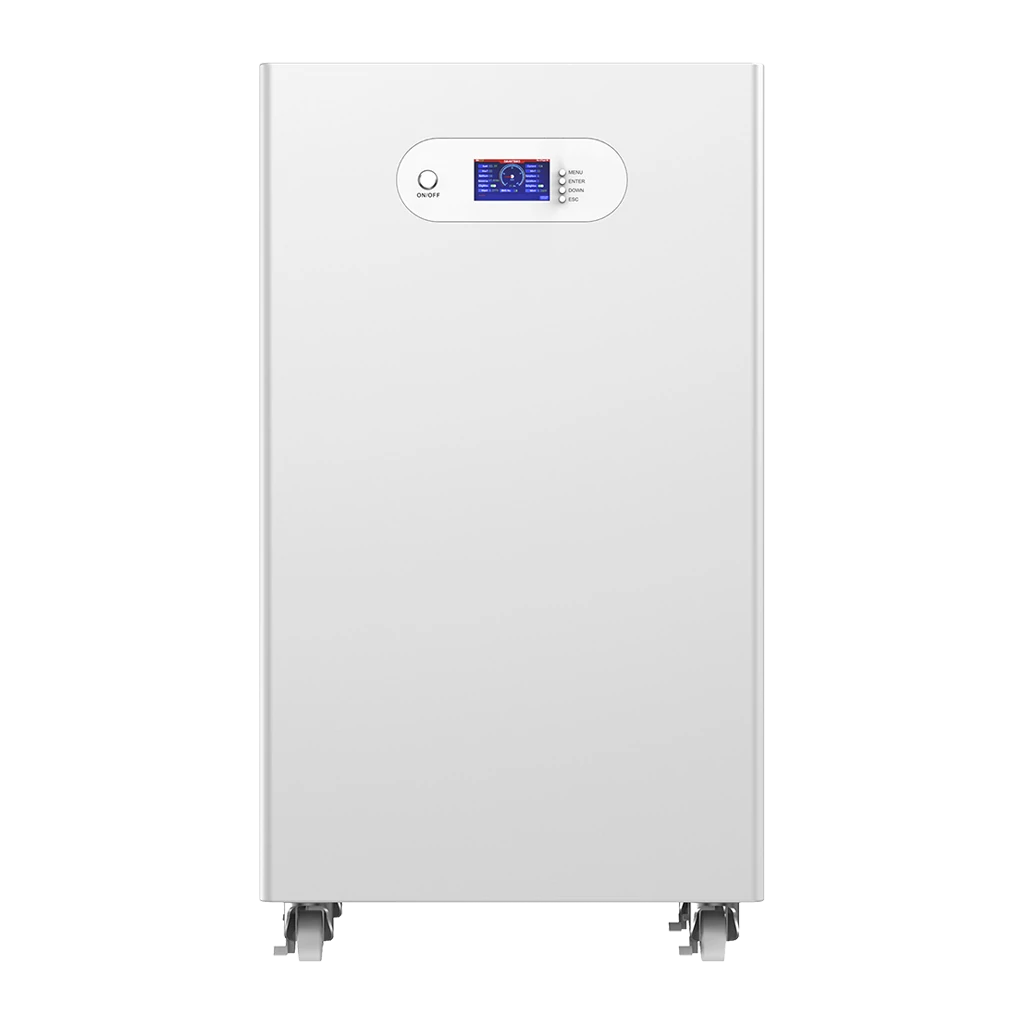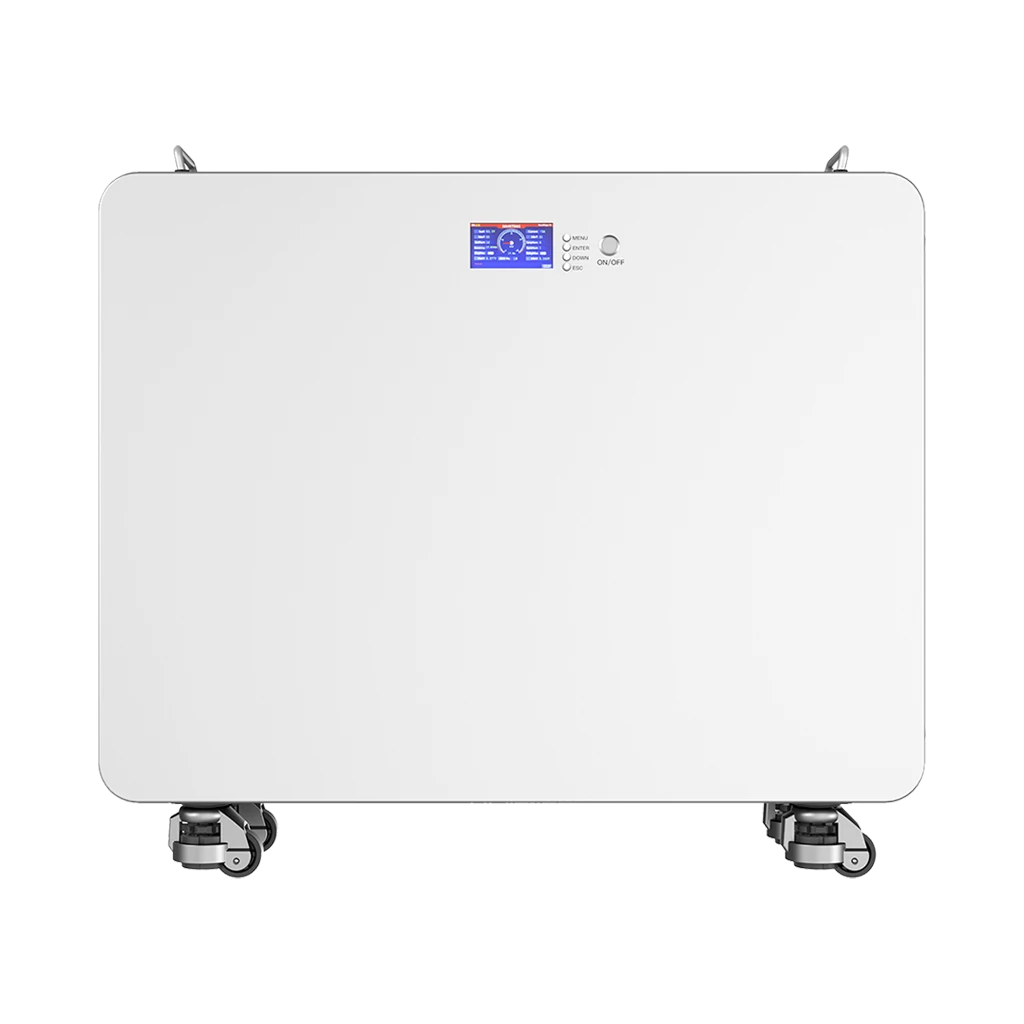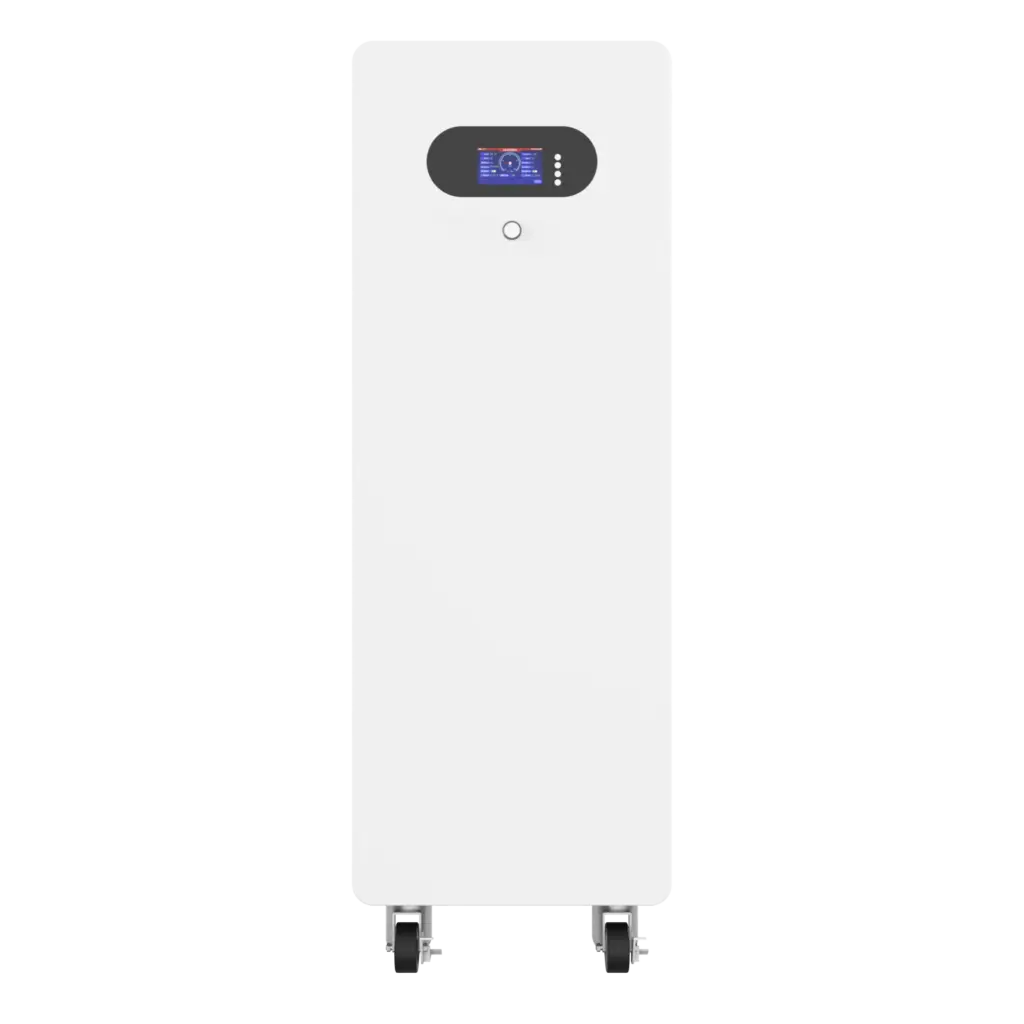

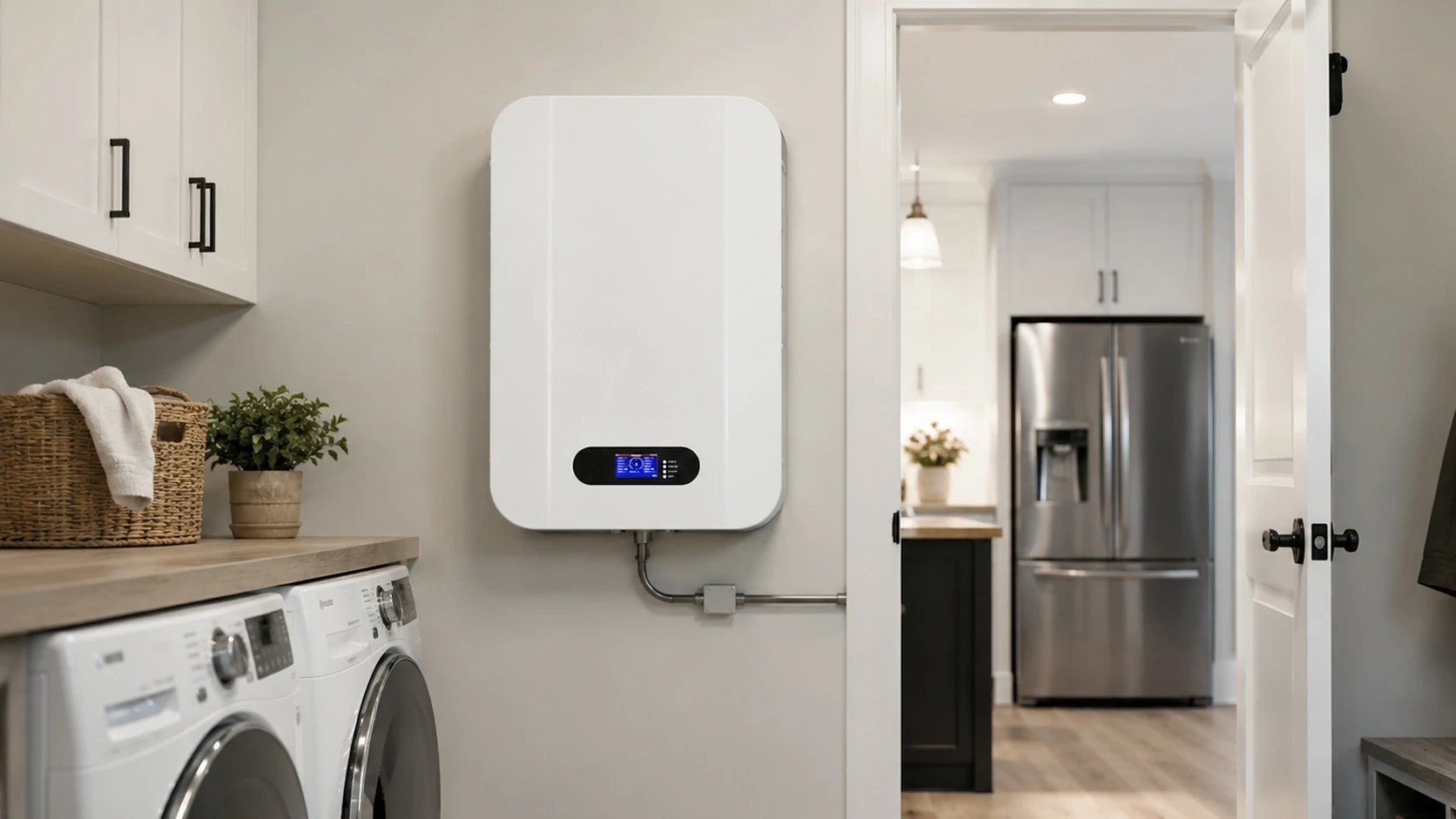
A battery backup for refrigerator use keeps your fridge running when grid power fails, helping protect food while avoiding the noise, fuel and exhaust of a conventional generator.
For most modern household refrigerators, a 1–2kWh battery is a practical starting range for short or overnight outages, while 2–3kWh provides more margin for approximately 24-hour backup. If you also need to run a separate freezer, lights, Wi-Fi or other essential loads, a 5kWh battery or larger home battery system may make more sense.
Battery capacity alone is not enough, however. The system must also provide enough inverter output to handle the refrigerator’s compressor startup surge.
This guide explains how battery backup for a refrigerator works, how to calculate the right capacity, expected cost, runtime, installation requirements, inverter compatibility and when a portable power station should be replaced by a larger home battery system.
Quick Answer: What Size Battery Backup for Refrigerator Use Do You Need?
The best battery size depends primarily on your refrigerator’s actual daily energy consumption and required backup time.
| Backup Goal | Recommended Starting Capacity | Typical Application |
|---|---|---|
| 4–8 hours | 500Wh–1kWh | Efficient fridge or mini fridge |
| Overnight | 1–2kWh | Standard household refrigerator |
| Around 24 hours | 2–3kWh | Full-size refrigerator |
| Refrigerator + freezer | 3–5kWh | Multiple refrigeration loads |
| Fridge + essential home loads | 5–10kWh+ | Home battery backup |
| Multi-day backup | 10kWh+ or solar + battery | Home energy storage |
What Is a Battery Backup for a Refrigerator?
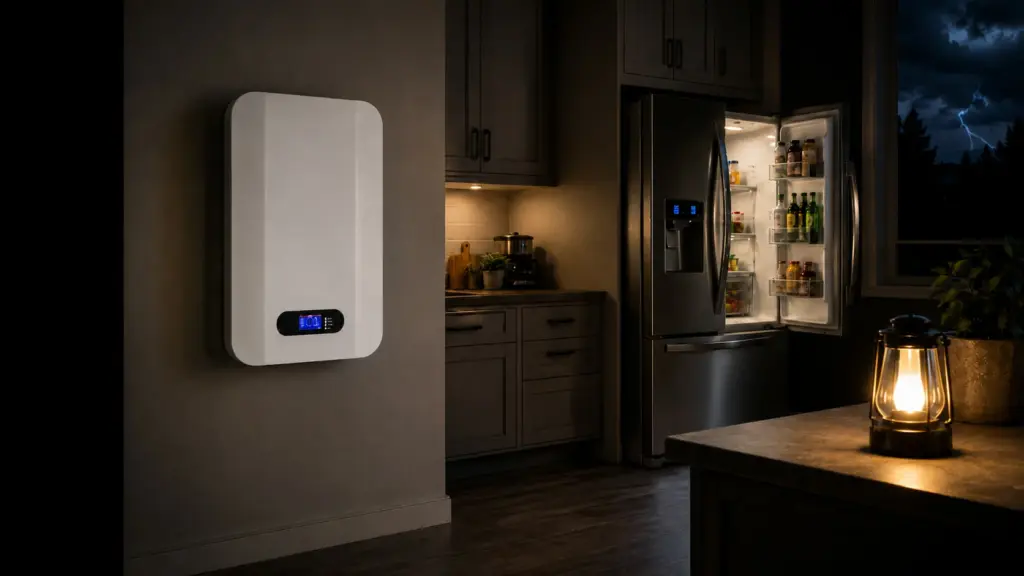
A battery backup for refrigerator use is an energy storage system that supplies AC electricity to the refrigerator when normal grid power is unavailable.
Depending on the application, it may be:
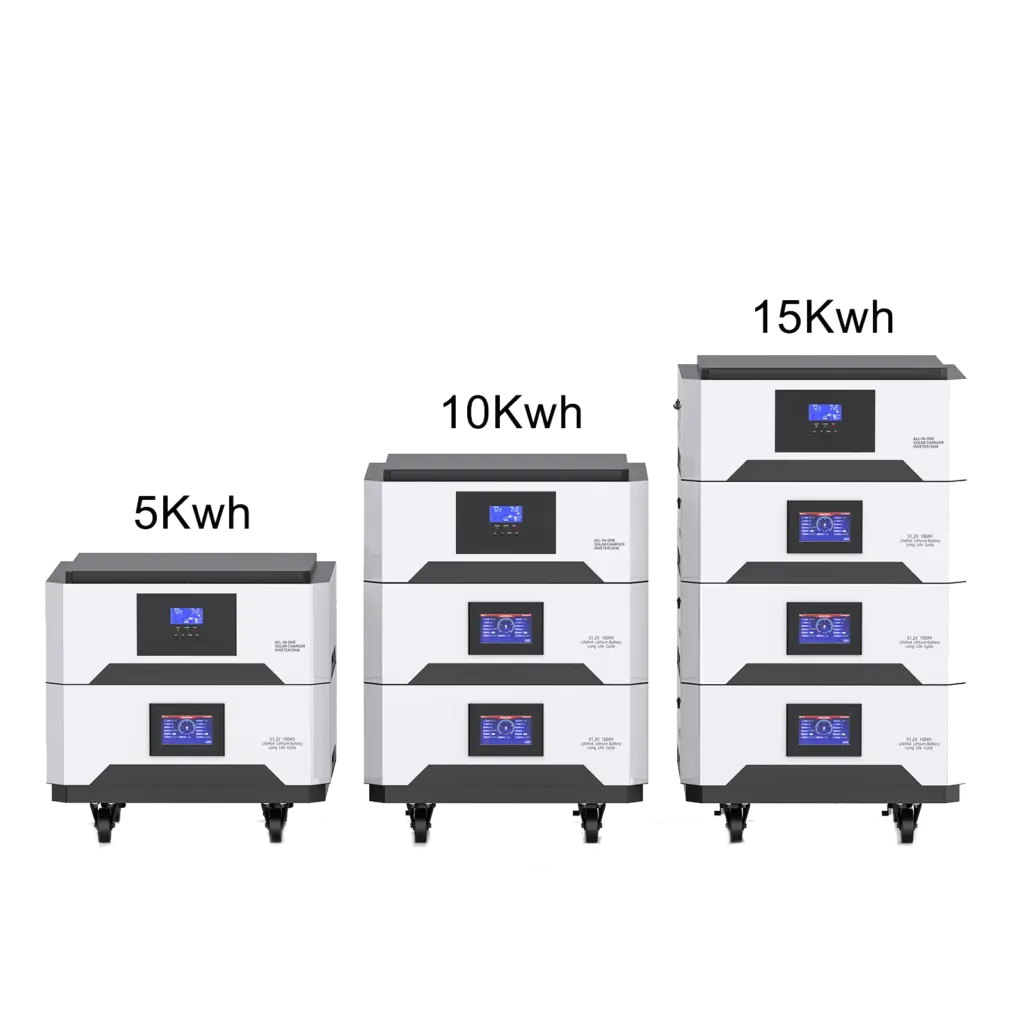
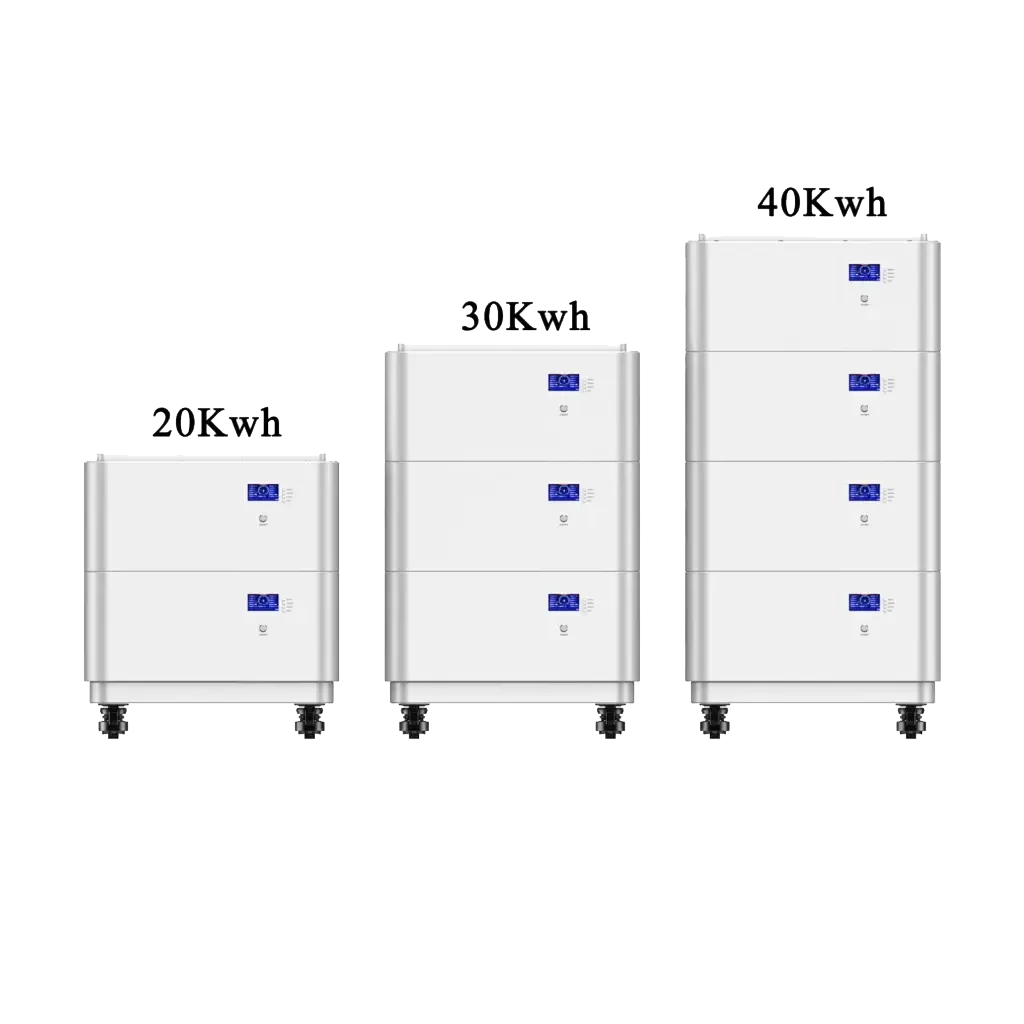
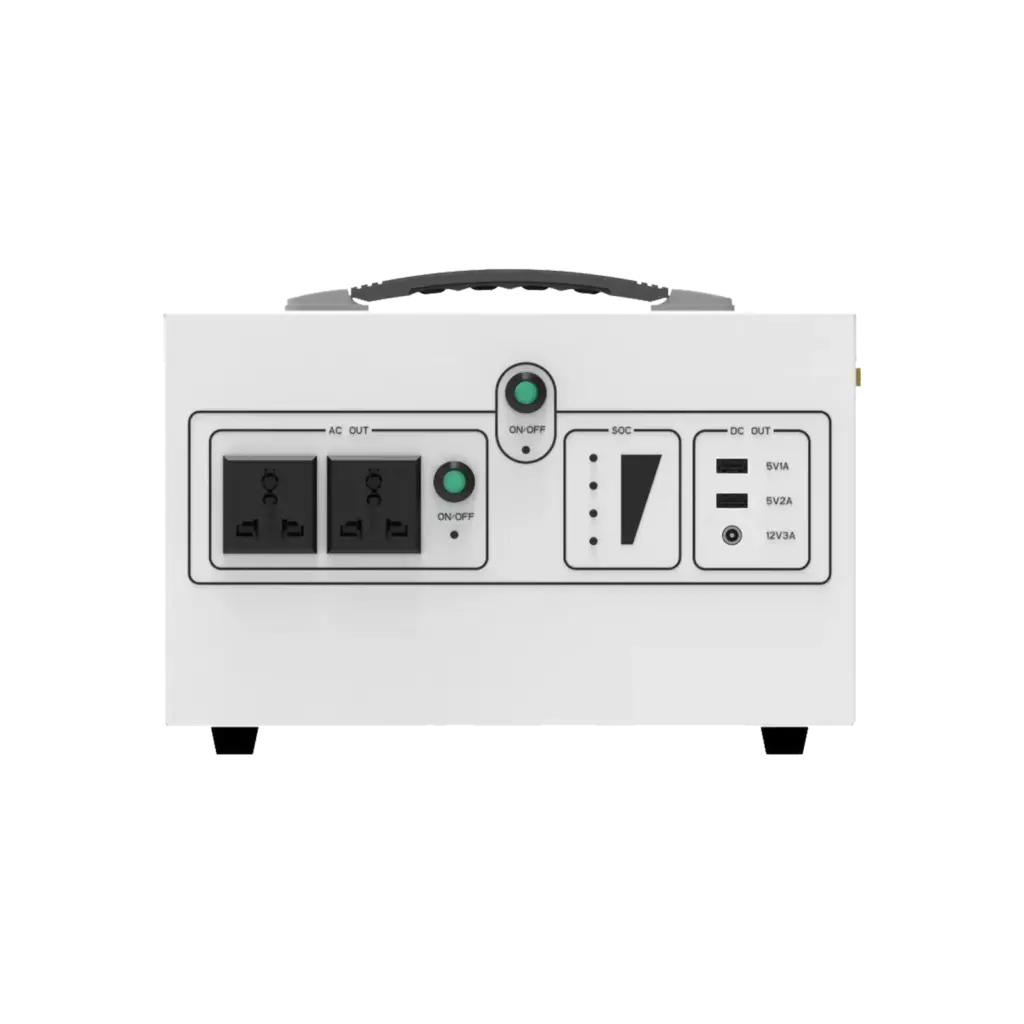
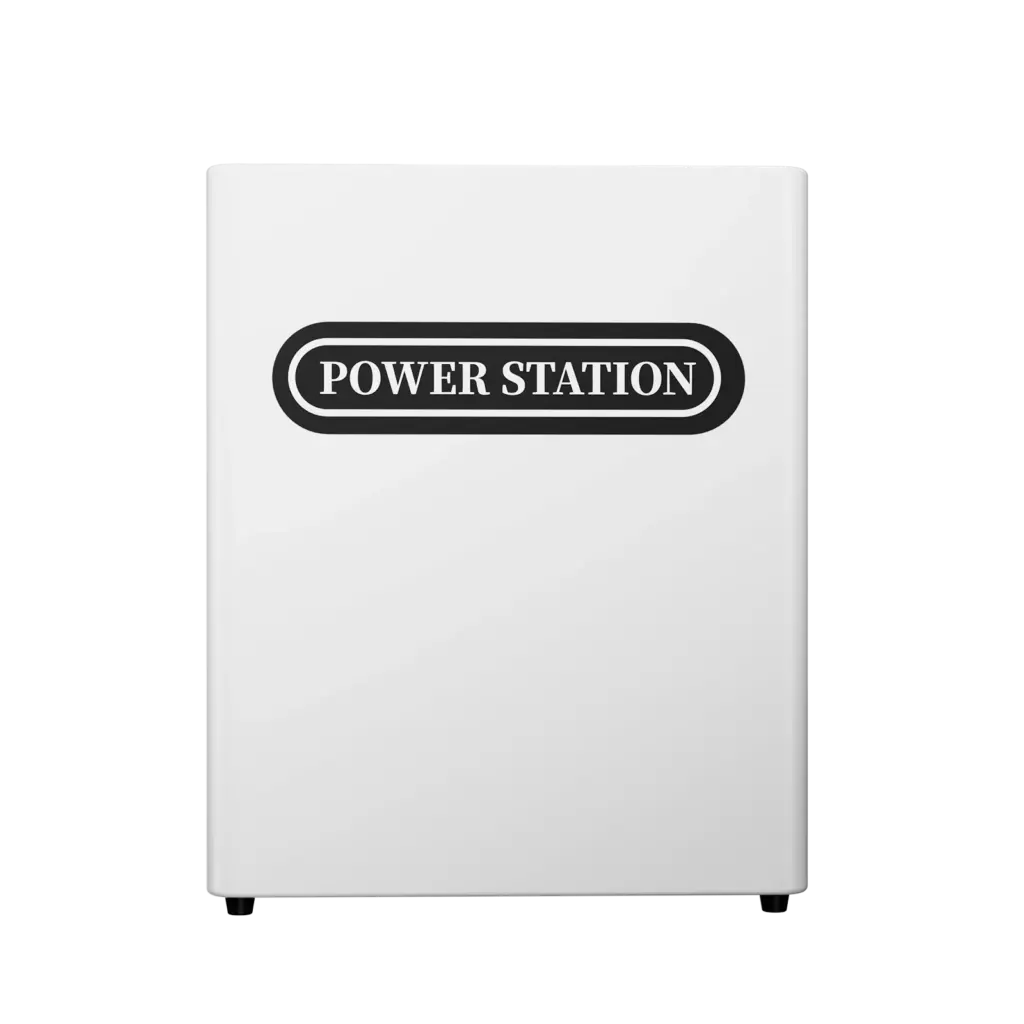
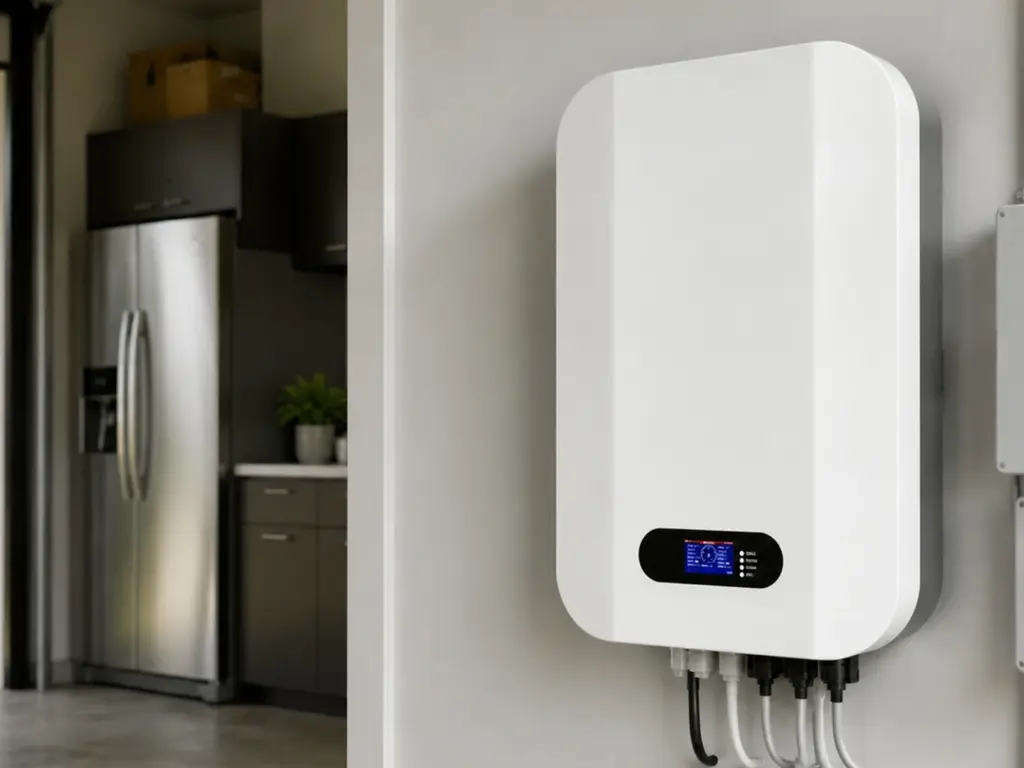
A portable power station for one appliance, a UPS-style refrigerator backup system with automatic transfer, or a larger LiFePO4 home battery connected to selected household circuits.
The energy flow is typically:
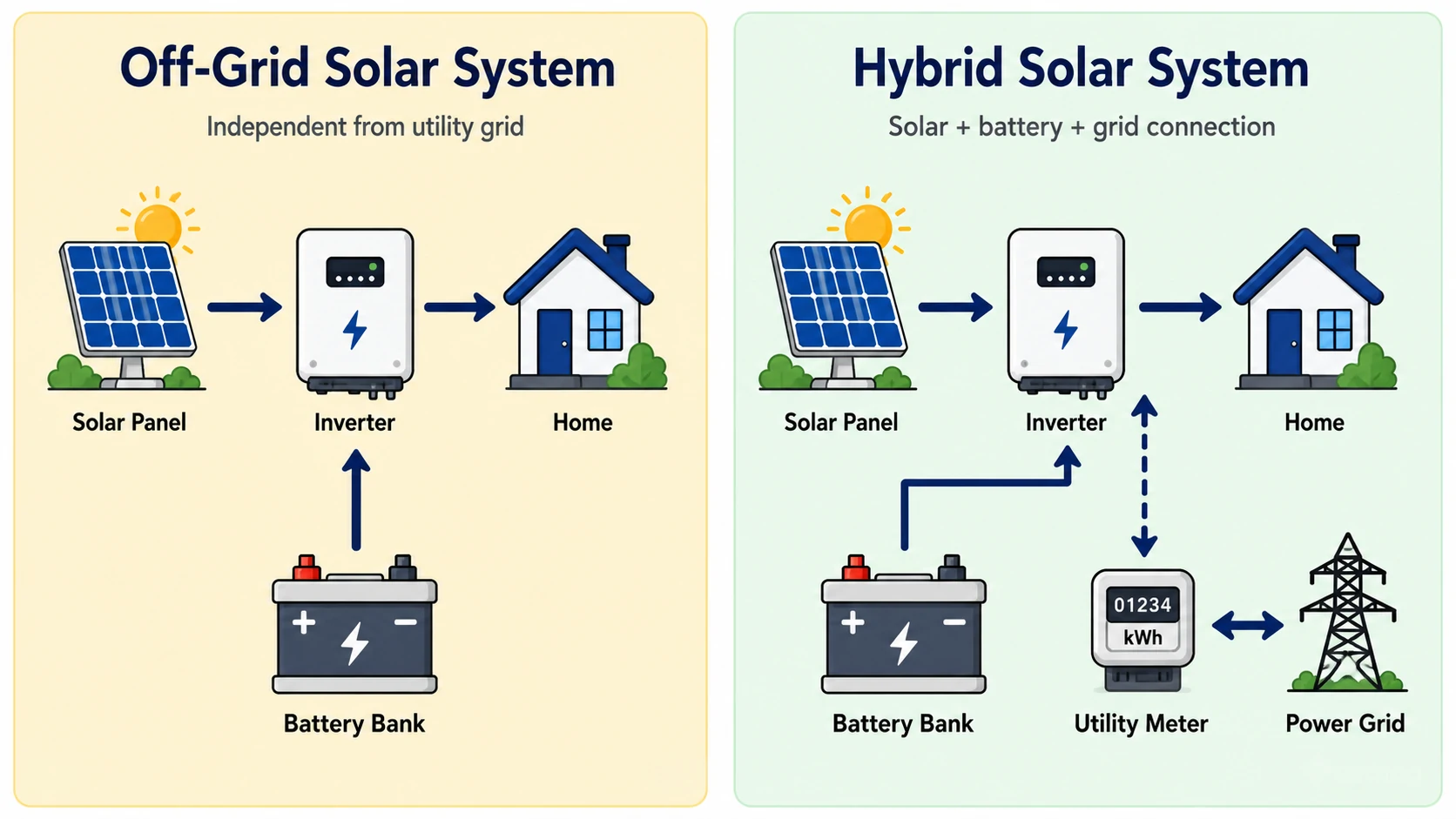
Grid or Solar → Battery → Inverter → Refrigerator
The battery stores DC energy, while the inverter converts that energy into the AC electricity required by a household refrigerator.
How Do You Calculate Battery Size for a Refrigerator?
The most accurate way to calculate a battery backup for refrigerator use is to start with the appliance’s daily kWh consumption rather than assuming it runs continuously at its nameplate wattage.
Use:
Required Battery Capacity = Refrigerator Energy Use × Backup Time ÷ Usable Battery Fraction ÷ Inverter Efficiency × Safety Margin
Example: Refrigerator Using 500kWh per Year
First calculate daily energy:
500kWh ÷ 365 = 1.37kWh/day
Assume:
Battery usable capacity: 90%
Inverter efficiency: 90%
Safety margin: 20%
Then:
1.37 ÷ 0.90 ÷ 0.90 × 1.20 ≈ 2.03kWh
A battery around 2kWh would therefore be a reasonable planning size for approximately one day of refrigerator backup under these assumptions.
Match the Battery to the Real Backup Goal
Contact Avepower to discuss battery capacity, inverter compatibility, and OEM/ODM customization for your market.
Refrigerator Battery Backup Calculator Formula
If you already know the refrigerator’s measured daily energy use, use:
Battery kWh = Daily Refrigerator kWh × Backup Days ÷ DoD ÷ Efficiency × Margin
For example:
Daily refrigerator use = 1.2kWh
Backup requirement = 2 days
Usable DoD = 90%
System efficiency = 90%
Safety margin = 20%
Calculation:
1.2 × 2 ÷ 0.9 ÷ 0.9 × 1.2 = 3.56kWh
A 4–5kWh battery would therefore provide more realistic two-day planning capacity.
For installers, measuring actual refrigerator consumption over at least 24 hours with an energy meter gives a more reliable result than estimating from running watts.
How Long Will a Battery Backup Run a Refrigerator?
A battery backup can run a refrigerator from several hours to several days depending on usable battery energy and the refrigerator’s daily consumption.
A useful formula is:
Runtime = Usable Battery Energy ÷ Average Refrigerator Energy Consumption
Assuming approximately 80–85% of nominal battery capacity reaches the AC load after practical system losses:
| Battery Capacity | Fridge Using 1kWh/day | Fridge Using 1.5kWh/day |
|---|---|---|
| 500Wh | ~10 hours | ~7 hours |
| 1kWh | ~20 hours | ~13 hours |
| 2kWh | ~40 hours | ~27 hours |
| 3kWh | ~60 hours | ~40 hours |
| 5kWh | ~4 days | ~2.7 days |
| 10kWh | ~8 days | ~5.5 days |
How Long Will a 1,000Wh Battery Run a Refrigerator?
A 1,000Wh refrigerator battery backup may provide roughly 8–20 hours for many refrigerators, depending on actual energy consumption.
For example, if approximately 850Wh reaches the appliance after conversion losses and the refrigerator averages 60W across its duty cycle:
850Wh ÷ 60W ≈ 14 hours
An efficient refrigerator may run longer.
A large refrigerator, an older appliance or a model operating in a hot room may run significantly less.
This is why the annual or measured kWh consumption is more useful than simply asking how many watts the refrigerator uses.
How Long Will a 2,000Wh Battery Run a Refrigerator?
A 2,000Wh battery can often provide overnight to approximately one day or more of refrigerator backup, depending on appliance efficiency.
Assuming about 1.7kWh of practical AC energy:
A refrigerator using 1kWh/day could theoretically operate for around 40 hours.
A refrigerator using 1.5kWh/day could operate for roughly 27 hours.
The system must still have sufficient surge output to start the compressor.
How Much Does Battery Backup for a Refrigerator Cost?
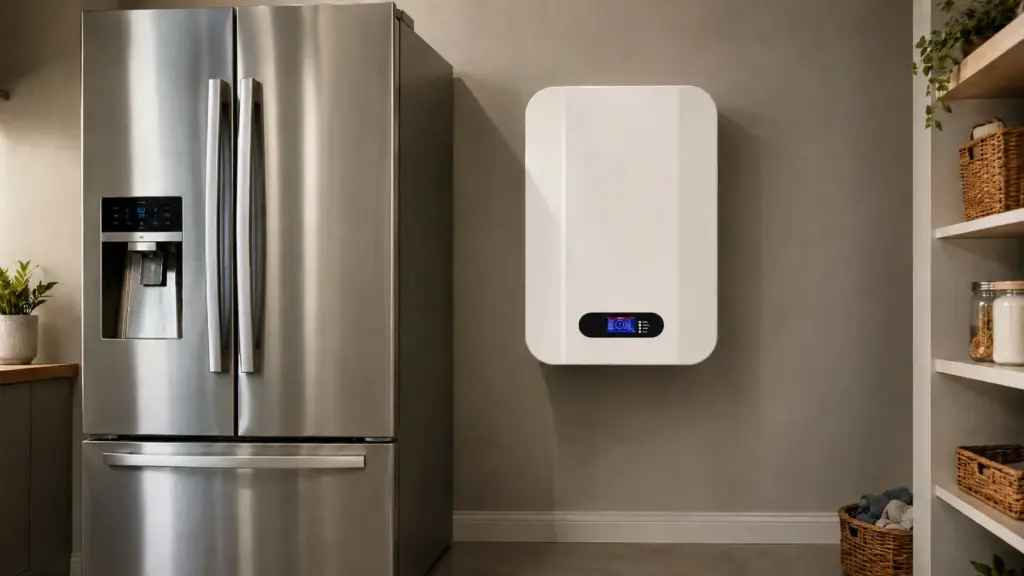
The cost of battery backup for refrigerator use depends mainly on battery capacity, inverter output, battery chemistry and whether you are buying a portable unit or installing a permanent home storage system.
As a broad 2026 planning range:
| Battery Backup Type | Approximate Capacity | Typical Budget |
|---|---|---|
| Small portable backup | 300–700Wh | $200–$500 |
| Refrigerator backup | Around 1kWh | $400–$700 |
| Longer refrigerator backup | Around 2kWh | $800–$1,200 |
| Larger portable system | 2–4kWh | $900–$2,500+ |
| Home battery storage | 5–10kWh+ | Project-specific |
Many LiFePO4 portable systems around 1kWh are available near $450–$530, while approximately 2kWh systems are commonly around $900–$1,000, although promotional pricing changes frequently.
A permanent home battery costs more because the complete installation may also require an inverter, transfer equipment, protection devices, backup circuits, cabling and professional electrical installation.
For this reason, compare complete system cost, not just battery price per kWh.
Portable Power Station vs Home Battery for Refrigerator Backup
A portable power station works well when the goal is to protect one refrigerator during occasional outages.
A home battery becomes more practical when refrigeration is only one of several loads that must stay online.
| Feature | Portable Power Station | Home Battery System |
|---|---|---|
| Typical capacity | 0.5–4kWh | 5–30kWh+ |
| Setup | Plug-and-play | Professionally installed |
| Refrigerator only | Excellent | Possible but oversized |
| Refrigerator + freezer | Good with enough capacity | Excellent |
| Lights + Wi-Fi + fridge | Limited by capacity | Well suited |
| Automatic backup | Model dependent | Can be designed in |
| Solar integration | Usually limited | Strong |
| Expansion | Model dependent | Often modular |
| Whole-home use | Limited | Designed for it |
| Upfront cost | Lower | Higher |
For a renter or apartment, a portable LiFePO4 power station is usually the simplest solution.
For a villa, solar home, rural property or installer-led residential project, a modular home battery can provide a much better long-term backup architecture.
LiFePO4 vs Lead-Acid for Refrigerator Backup
For repeated refrigerator backup, LiFePO4 is usually the more practical battery chemistry because it provides deeper usable capacity, lower maintenance requirements and longer cycle life than traditional lead-acid batteries.
Lead-acid can still work for occasional emergency use and may have a lower initial purchase price.
However, larger lead-acid banks become heavy, require more installation space and normally provide less usable energy from the same nominal capacity.
LiFePO4 is therefore increasingly common in portable power stations and residential energy storage systems.
For a permanent home installation, battery chemistry should be evaluated together with the BMS, inverter compatibility, system certification and thermal protection—not in isolation.
How to Install a Battery Backup for a Refrigerator
Installation depends on whether the refrigerator is backed up directly or through the home’s electrical system.
Portable Installation
The simplest setup is:
Wall Outlet → Battery Backup → Refrigerator
Under normal operation, some systems can remain connected and automatically transfer to battery when grid power fails.
Others should be charged separately and connected manually during an outage.
Always follow the power station manufacturer’s installation and ventilation requirements.
Home Battery Installation
A larger system may use:
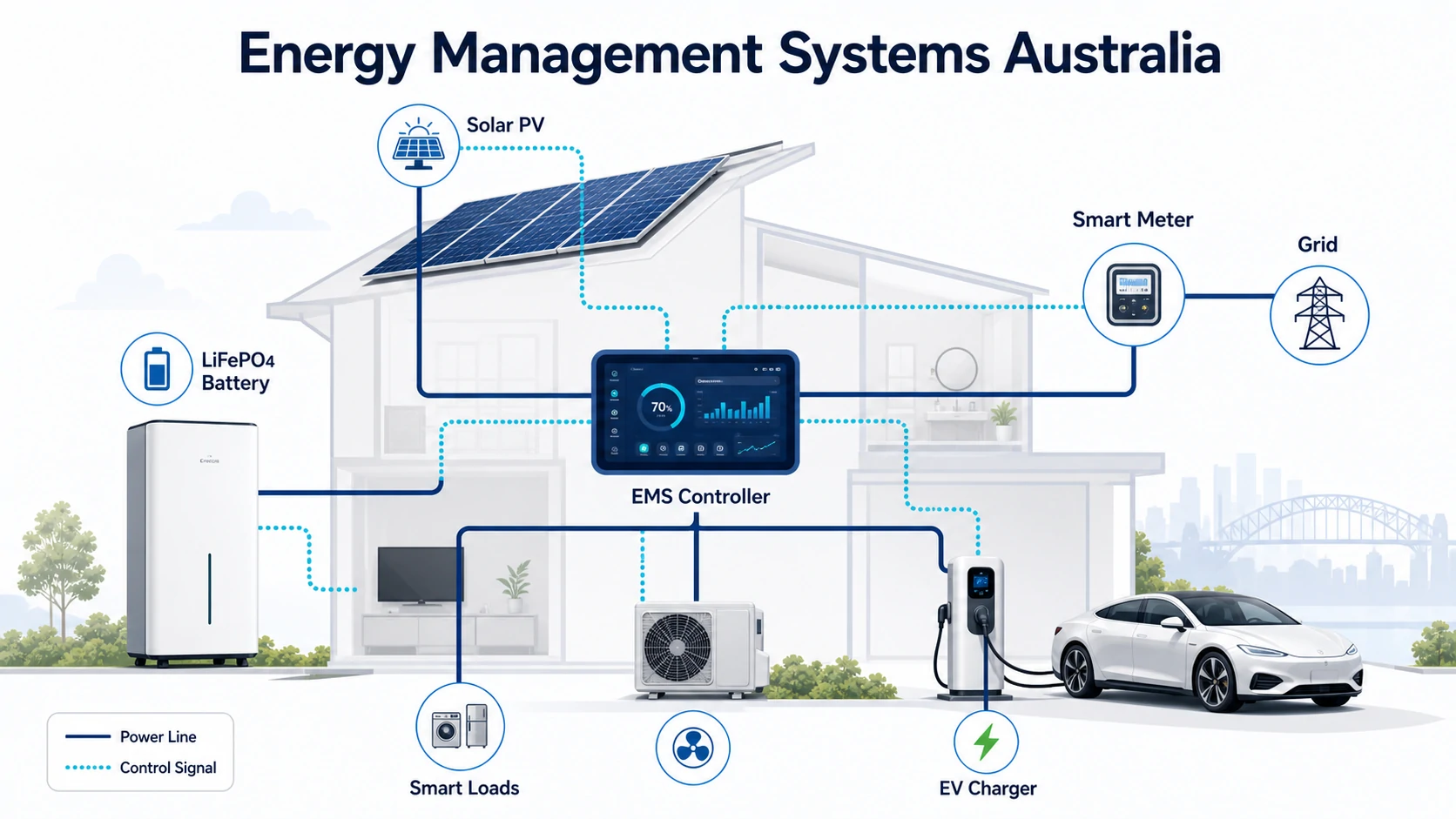
Solar / Grid → Hybrid Inverter → Battery → Backup Load Panel → Refrigerator
In this architecture, the refrigerator is placed on an essential-load circuit.
When grid power fails, the inverter isolates the backup circuits from the utility and supplies them from the battery.
This arrangement should be designed and installed by a qualified professional according to applicable electrical and fire-safety rules.
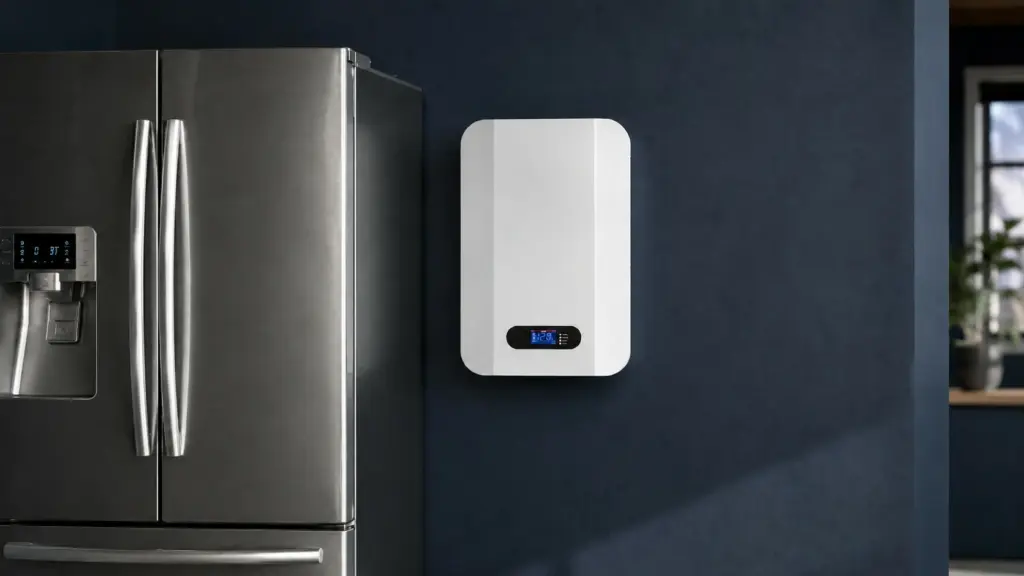
Refrigerator and Battery Compatibility Checklist
Before connecting a refrigerator to a battery system, confirm:
- AC Voltage and Frequency: The inverter output must match the refrigerator’s required supply.
- Continuous Power: Inverter output must exceed normal refrigerator demand.
- Surge Power: The system must start the compressor reliably.
- Battery Capacity: Stored energy must meet the target backup duration.
- Waveform: Pure sine wave output is preferable for modern refrigeration equipment.
- Transfer Function: Confirm whether backup is automatic or manual.
- Solar Input: Check PV voltage, current and controller limits if solar recharge is required.
- Home Battery Communication: For integrated LiFePO4 systems, the battery BMS and inverter may need compatible CAN or RS485 communication.
- Backup Wiring: Grid-connected solar does not automatically mean the refrigerator will stay powered during a blackout. The system must support islanding and backup operation.
Can Solar Panels Keep a Refrigerator Running During an Outage?
Yes, solar panels can significantly extend battery backup for refrigerator use when the PV system can generate enough energy to replace what the refrigerator consumes each day.
For example, assume:
Refrigerator consumption = 1.5kWh/day
System derating = 80%
Peak sun hours = 4
Required PV power just to replace the refrigerator’s daily energy is approximately:
1.5 ÷ 4 ÷ 0.80 = 0.47kW
So roughly 500W of well-positioned solar capacity could theoretically replace around 1.5kWh per sunny day under these assumptions.
Real systems need additional margin for cloudy weather, battery charging losses, shading and other appliances.
A 600–800W solar array may therefore be more practical when refrigerator backup is a critical requirement.
Battery Backup vs Gas Generator for a Refrigerator
A battery is generally better for quiet indoor refrigerator backup, while a fuel generator becomes attractive when extremely long runtime and high power are required.
| Battery Backup | Fuel Generator |
|---|---|
| No exhaust during operation | Produces combustion exhaust |
| Quiet | Noisy |
| Indoor-capable when product instructions allow | Must be operated outdoors |
| Minimal routine maintenance | Requires engine maintenance |
| Limited stored runtime | Runs while fuel is available |
| Can recharge from solar | Requires fuel |
| Higher cost per stored kWh | Lower cost for long-duration energy |
| Automatic integration possible | Automatic standby models available |
Portable combustion generators must never be operated indoors, in garages or near openings because carbon monoxide can accumulate.
For short to medium outages where refrigeration is the priority, batteries offer a particularly convenient solution.
For multi-day outages, a hybrid design using solar + battery, or battery plus a properly installed backup generator, may provide greater resilience.
Advantages and Disadvantages of Battery Backup for a Refrigerator
The main advantages are quiet operation, no on-site fuel requirement, fast availability, indoor usability when correctly installed and the ability to recharge from solar.
It can also provide automatic backup and expand from one refrigerator to several essential circuits.
The main limitation is stored energy.
Once the battery is depleted, it must be recharged. Larger batteries also cost more, and a system with plenty of energy can still fail if the inverter cannot handle refrigerator startup power.
Battery backup therefore works best when capacity and power are sized separately.
How to Prepare Your Refrigerator Before a Power Outage
Avepower recommends keeping refrigerator and freezer doors closed as much as possible during an outage.
A refrigerator can generally keep food cold for about 4 hours if unopened.
A full freezer can maintain temperature for about 48 hours, while a half-full freezer may maintain it for approximately 24 hours.
Before an expected outage, make sure the refrigerator is at or below 40°F / 4°C, keep the freezer at or below 0°F / -18°C, charge the backup battery, place an appliance thermometer inside and test the backup system before an emergency occurs.
These food-safety time limits should not be interpreted as battery runtime targets.
The safest backup strategy is to restore refrigerator power before temperatures rise.
Conclusion
The best battery backup for refrigerator use is not determined by battery capacity alone.
A reliable system must combine:
Enough Wh or kWh for runtime + enough inverter power for compressor startup + correct AC output + safe transfer + an appropriate charging method.
For occasional short outages, around 1–2kWh is a useful starting point for many household refrigerators.
For approximately 24-hour backup, 2–3kWh provides more margin.
For a refrigerator, freezer and several critical home loads, 5–10kWh+ residential LiFePO4 storage becomes much more practical.
The most accurate method is to read the refrigerator’s annual kWh consumption or measure its real 24-hour energy use, calculate the required autonomy, and then verify compressor surge before selecting the battery.
For installers, distributors and project developers planning refrigerator backup as part of a larger residential energy storage system, Avepower can match battery capacity, inverter communication and system architecture to the actual backup loads.
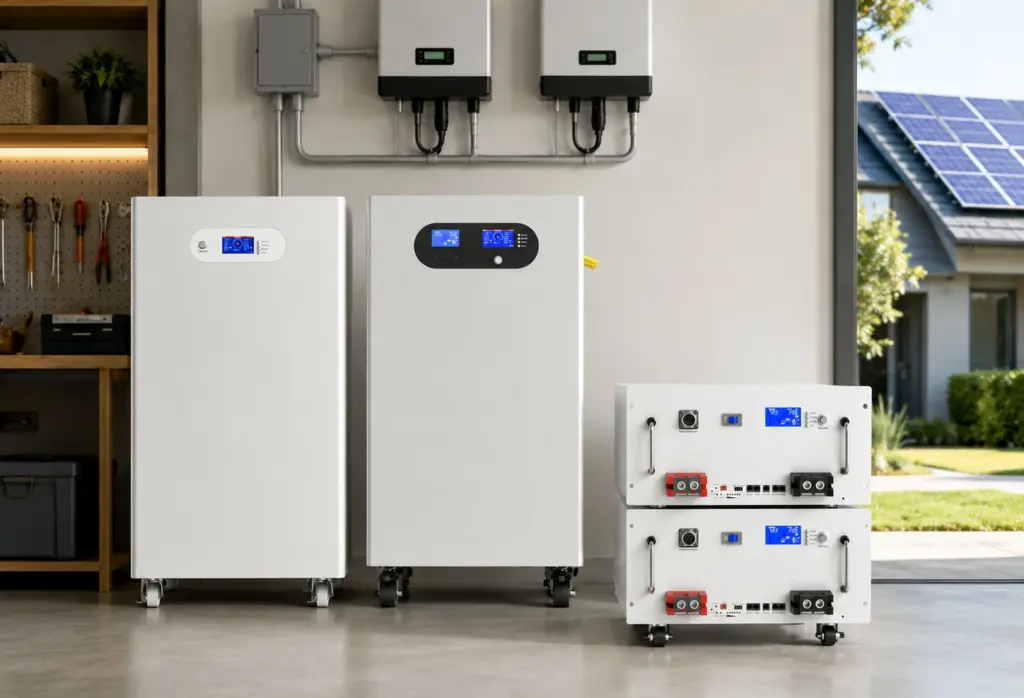
Take Control of Your Energy with Avepower!
Reliable home solar battery solutions with OEM/ODM customization and in-house manufacturing, tailored to the needs of distributors, installers, and energy partners.
FAQ
Yes. A battery backup can run a refrigerator if its inverter provides the correct AC voltage, enough continuous output and sufficient surge power to start the compressor. Battery capacity then determines how long the refrigerator can operate.
A 1–2kWh battery is a practical starting point for many refrigerators during short or overnight outages. Approximately 2–3kWh provides more margin for around 24 hours, although the correct capacity should be calculated from the refrigerator’s real daily kWh consumption.
A 1,000Wh battery may run a refrigerator for roughly 8–20 hours depending on the appliance’s average energy use, inverter losses, room temperature and compressor cycling.
A 2,000Wh battery can often provide overnight to around one day or longer of refrigerator backup. A fridge using about 1kWh per day may run substantially longer than a large refrigerator consuming 1.5–2kWh per day.
An unopened refrigerator generally keeps food cold for about four hours. A full freezer can maintain temperature for approximately 48 hours and a half-full freezer for about 24 hours if the door remains closed.
Battery backup is quieter, requires no fuel during operation and can be used indoors according to the equipment’s installation requirements. Generators can provide longer runtime while fuel is available but produce exhaust and must be operated safely outdoors. The better option depends on outage duration and the number of loads.