
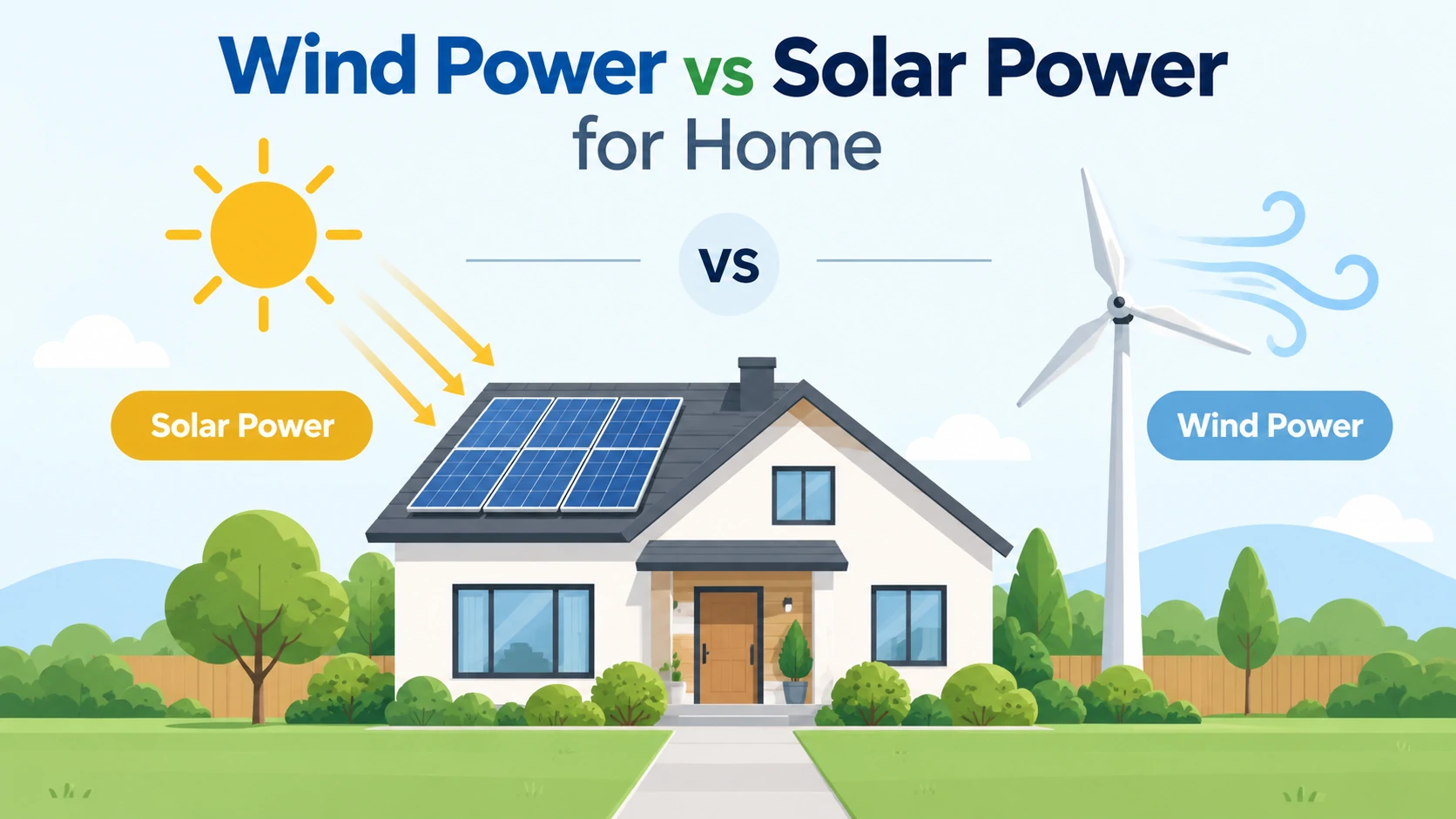
For most homes, solar power is the better first choice because it is easier to site, predict, install and maintain. Residential wind can be competitive when a property has strong unobstructed wind, enough land for a properly elevated tower and favorable local rules. Where both resources are strong, a wind-solar-battery hybrid can offer better generation coverage.
Here is the short comparison.
| Factor | Home Solar Power | Home Wind Power | Typical Winner |
|---|---|---|---|
| Suitable for urban/suburban homes | Usually | Rarely | Solar |
| Rural/open properties | Yes | Potentially excellent | Depends |
| Resource requirement | Adequate sunlight | Strong, consistent wind | Site-specific |
| Installation location | Roof or ground | Usually tall ground-mounted tower | Solar |
| Moving parts | Very few | Many | Solar |
| Routine maintenance | Relatively low | Higher | Solar |
| Generation at night | No | Yes, when windy | Wind |
| Generation on calm sunny days | Yes | No | Solar |
| Space requirement | Moderate | Often substantial | Solar |
| Permitting complexity | Usually established | Often more challenging | Solar |
| Hybrid/off-grid potential | Excellent | Excellent in a good wind site | Both |
| Battery compatibility | Excellent | Excellent with proper controls | Both |
| Best use case | Most homes | Open, consistently windy properties | Site-specific |
How Do You Know Whether Your Property Is Better for Wind or Solar?
Choose solar first when you have usable unshaded roof or ground area but limited open land around the house. Investigate wind when you have a large open site, verified wind resource at approximately the intended turbine height and permission for a tall tower.
A practical first-stage decision looks like this:
Solar is usually the stronger candidate when:
- your roof or ground area receives useful sun for much of the year;
- trees and nearby buildings do not create severe shading;
- your property cannot accommodate a tall wind tower;
- neighbors or setback requirements make a turbine difficult;
- you want relatively predictable annual production;
- you prefer a system with fewer moving mechanical components.
Wind deserves detailed assessment when:
- your property is open and rural;
- wind is strong and consistent rather than merely gusty;
- there are few trees, houses or other turbulence-producing obstacles;
- zoning allows the required tower;
- you can safely erect and service the system;
- an installer can provide an annual-energy estimate using a relevant turbine power curve.
For a deeper look at solar’s strengths and limitations, see Avepower’s guide to the advantages and disadvantages of solar energy.
How Do Solar and Wind Compare on Cost, Output, Space and Maintenance?
Solar generally wins on installation simplicity, residential space requirements and maintenance, while wind gains an important advantage when a property has strong wind after sunset or during low-solar seasons.
A practical comparison looks like this:
| Decision Metric | Solar PV | Small Wind Turbine |
|---|---|---|
| Main resource | Solar irradiance | Wind speed at hub height |
| Critical site problem | Shade | Turbulence/low wind |
| Main structure | Roof/ground racking | Tower and foundation |
| Output pattern | Primarily daytime | Whenever sufficient wind exists |
| Seasonal behavior | Location-dependent | Location-dependent |
| Mechanical wear | Low | Higher |
| Noise | Very low during operation | Can be a consideration |
| Typical residential permitting | Often standardized | Height/setback rules can matter |
| Output prediction | Solar resource + system model | Wind measurement/map + turbine power curve |
| Storage need | Optional for grid-tied; useful for backup/self-consumption | Optional for grid-tied; valuable for smoothing/off-grid |
| Best comparison metric | Annual usable kWh and lifecycle cost | Annual usable kWh and lifecycle cost |
How Much Wind Does a Home Wind Turbine Actually Need?
Grid-connected small wind can become practical where average annual wind speed is at least about 10 mph (4.5 m/s).
Annual-energy equation:
AEO = 0.01328 × D² × V³
Where:
- AEO = preliminary annual energy output in kWh/year
- D = rotor diameter in feet
- V = annual average wind speed in mph
For an illustrative 15-foot rotor:
| Average Wind Speed | Preliminary AEO |
|---|---|
| 10 mph | 2,988 kWh/year |
| 12 mph | 5,163 kWh/year |
| 14 mph | 8,199 kWh/year |
Calculation at 12 mph:
0.01328 × 15² × 12³
= 5,163 kWh/year approximately
Moving from 10 mph to 12 mph is only a 20% increase in average wind speed, but the simplified formula increases annual energy by approximately 73%.
How High Does a Residential Wind Turbine Need to Be?
The bottom of the rotor blades should be at least 30 feet above obstacles within roughly 300 feet of the tower, illustrating why small backyard or rooftop turbines often underperform homeowner expectations.
Wind slows and becomes turbulent when it moves around:
- houses;
- trees;
- garages;
- hills;
- fences;
- nearby buildings.
Is Wind Power or Solar Power Cheaper for a Home in 2026?
Solar generally has the clearer residential cost advantage because it has a mature installer market, simpler siting and fewer tower-related costs. In 2026, about $31,135 before incentives for a typical 12 kW U.S. solar installation, or roughly $2.60/W.
For comparison, capacity-weighted average installed cost of $5,120/kW for the small-wind projects.
Wind costs can include:
- turbine;
- tower;
- foundation;
- electrical equipment;
- controller;
- inverter;
- cabling;
- crane or tower erection;
- zoning and permitting;
- grid interconnection;
- inspection;
- ongoing service.
Solar costs are also site-dependent because roof condition, panel choice, racking, electrical upgrades, permitting and battery storage can change the project price.
Important 2026 U.S. tax-credit update
Homeowners should not automatically subtract the old 30% federal Residential Clean Energy Credit from a new 2026 quote.
The IRS states that the Section 25D Residential Clean Energy Credit applied through December 31, 2025 and is not available for expenditures after that date. State, local and utility incentives may still exist and should be checked separately.
Which Is Easier to Install and Maintain: Solar or Wind?
Solar is usually easier to integrate into a typical home because panels can use an existing roof or straightforward ground structure and have no rotor or tall tower. Residential wind requires mechanical equipment, foundations, tower access, clearance from obstacles and ongoing inspection, so installation and maintenance logistics deserve much more weight in its lifecycle cost.
Wind owners may need access to:
- tower-lowering equipment or lifts;
- rotor and generator inspection;
- electrical testing;
- fastener inspection;
- blade inspection;
- bearings or other serviceable components;
- replacement parts.
What about putting a small turbine on the roof?
That rooftop wind turbines can transmit vibration into the building and experience more turbulent wind, reducing output and potentially shortening turbine life.
Should You Add a Battery to Solar or Wind Power?
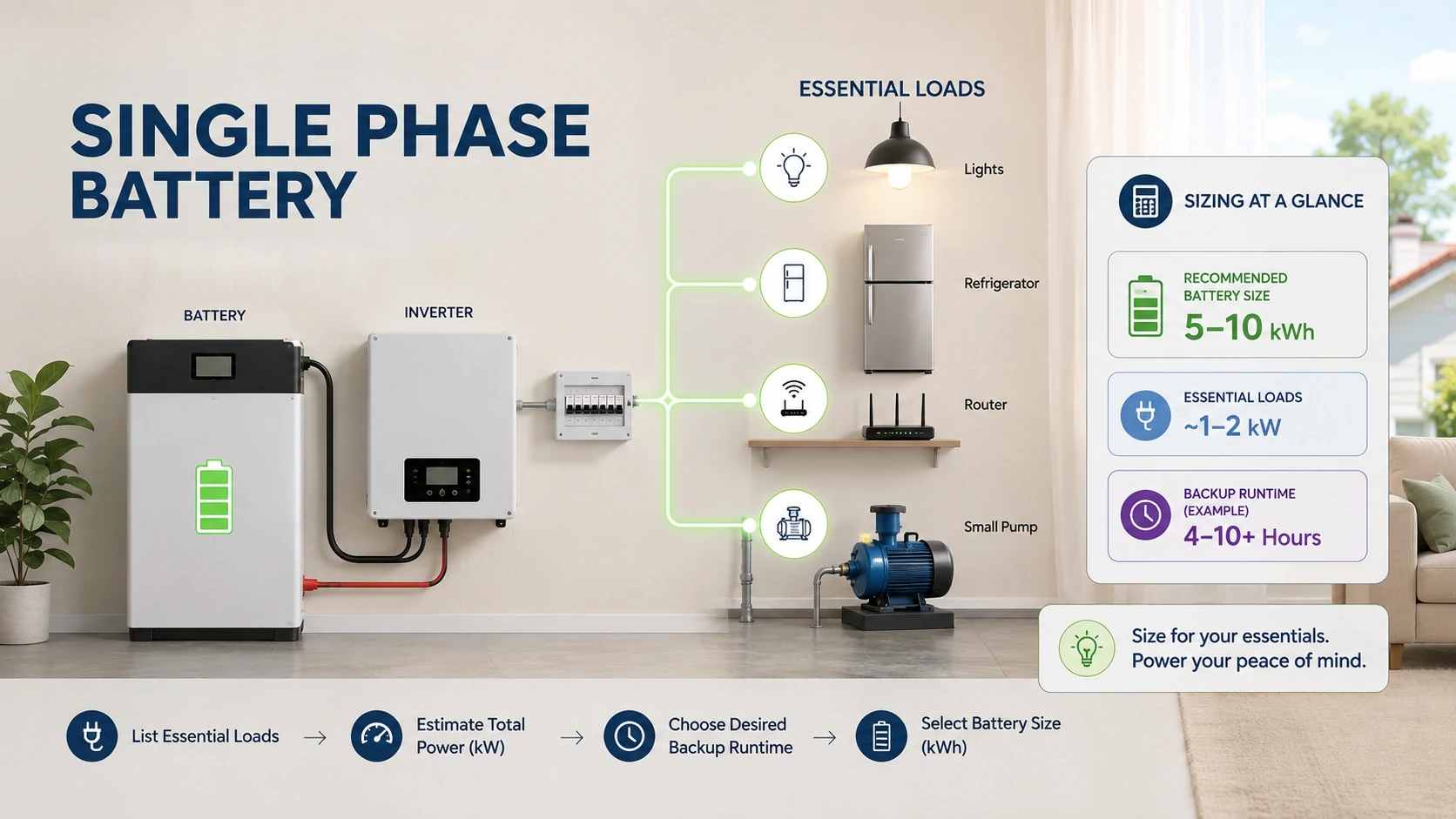
A battery can store surplus electricity from either solar or wind and make that energy available when generation and household demand do not coincide. However, battery storage cannot fix an undersized solar array or poor wind resource. First estimate annual and seasonal generation, then size usable battery kWh and inverter kW around the home’s real operating objective.
For solar homes, Avepower’s home solar and battery system guide explains the relationship between PV generation, the inverter, home loads and storage.
Before choosing a battery, separate two different measurements:
- kWh = how much energy the battery stores
- kW = how quickly the system can supply energy
Avepower’s home battery storage capacity terminology guide explains nominal energy, usable energy, continuous power, surge power, DoD, SOC and backup reserve in more detail.
For example, a home may have:
10 kWh usable battery energy
but a:
5 kW inverter
If the average protected load during an outage is:
1.5 kW
a simplified runtime estimate is:
10 kWh ÷ 1.5 kW = 6.7 hours
Real runtime will be lower or different once inverter losses, operating reserve, variable loads and battery limits are included.
Can a wind turbine connect directly to any solar battery?
No.
A wind system may require its own rectification, charge control, diversion/dump-load strategy and system-specific power electronics.
A battery described as “solar compatible” should not automatically be connected directly to a wind turbine.
For Avepower battery projects, installers can use the inverter compatibility list and compatibility support to verify battery communication and inverter integration before final system design.
Need Battery Storage for a Solar or Hybrid Home Energy Project?
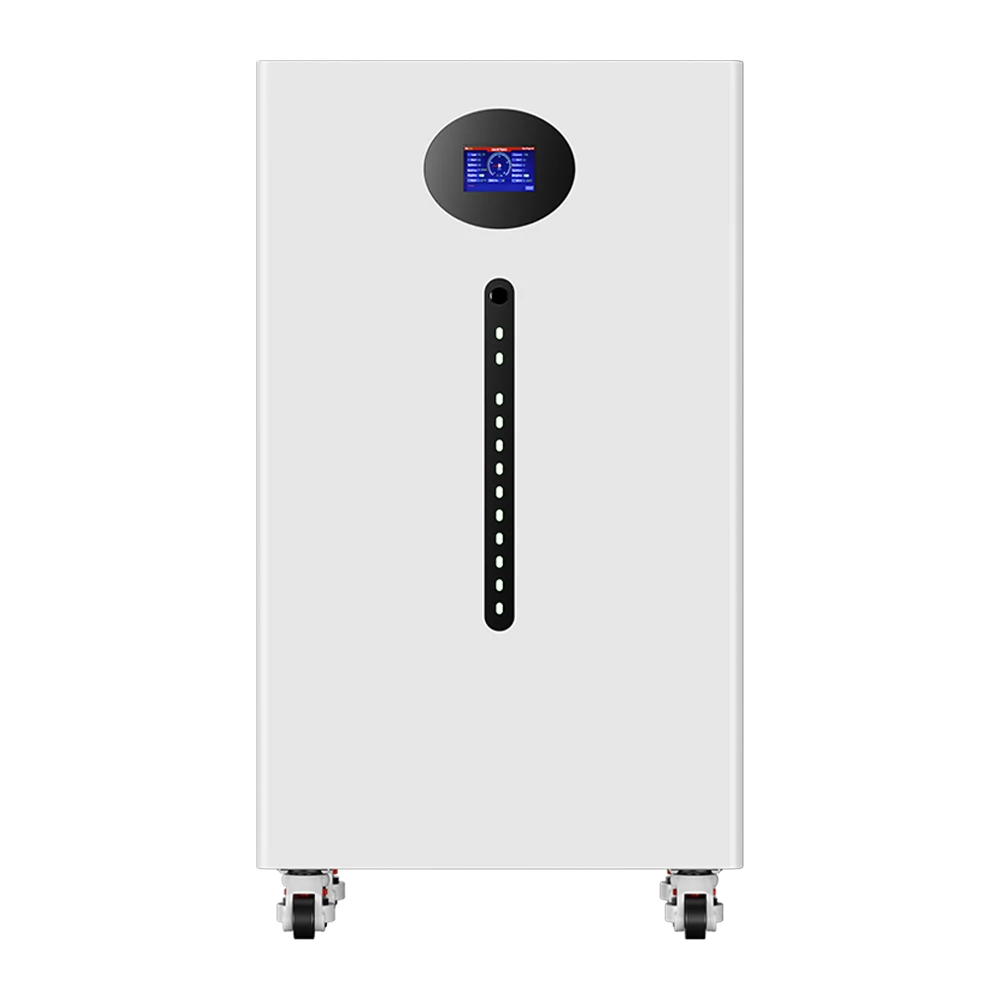
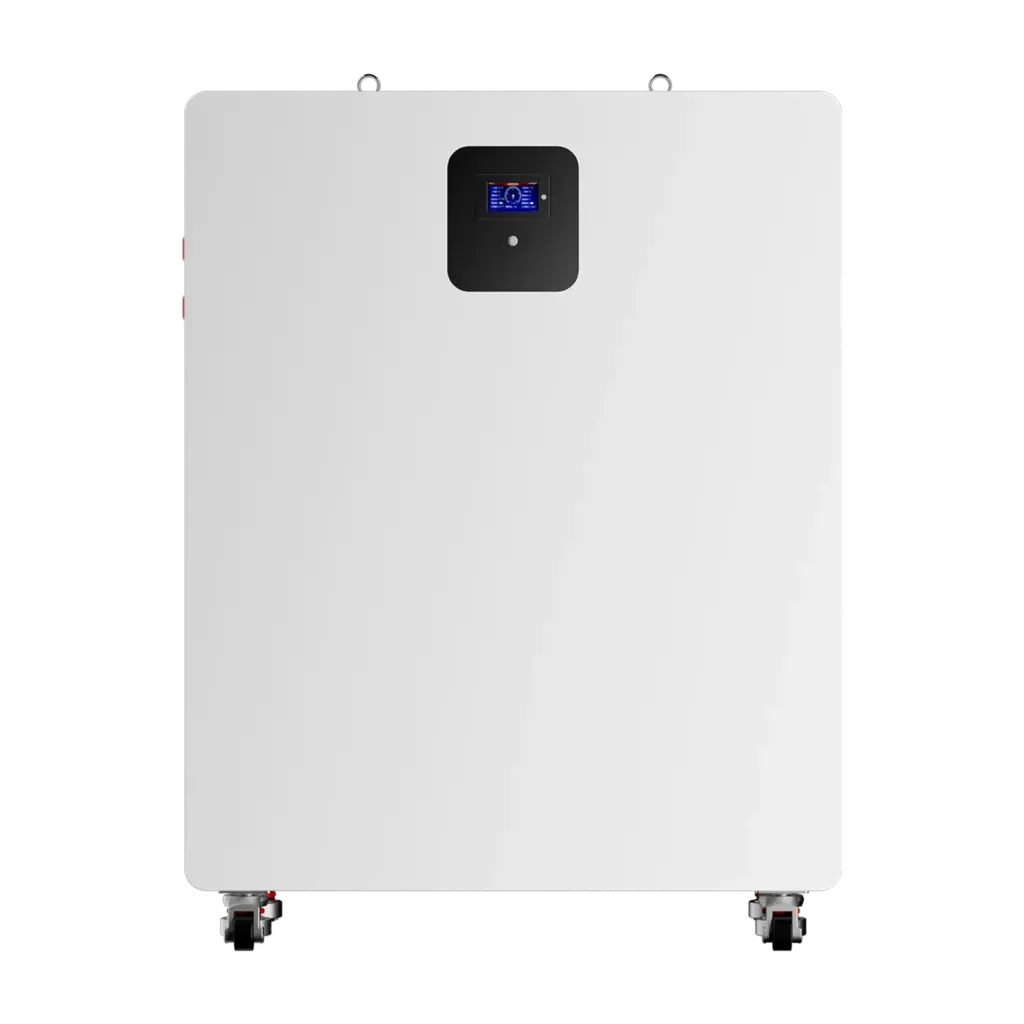
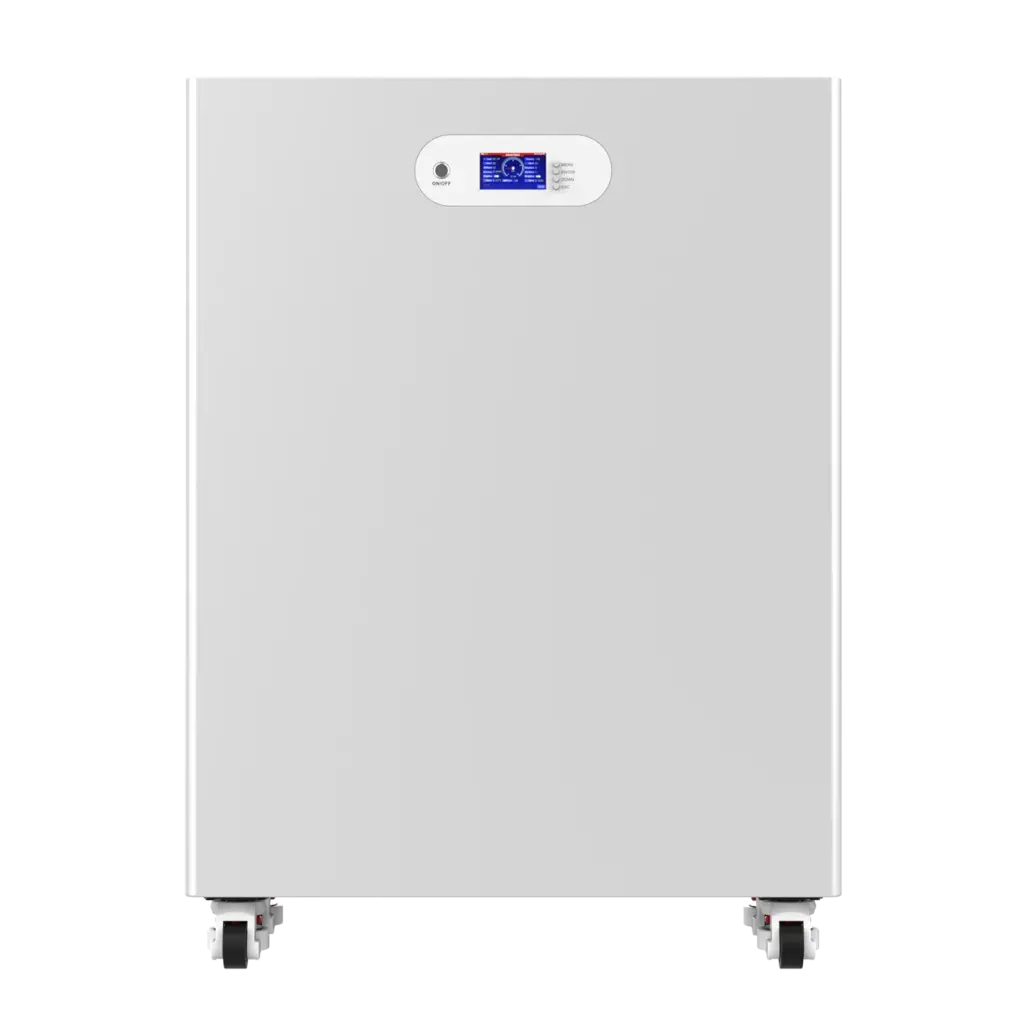
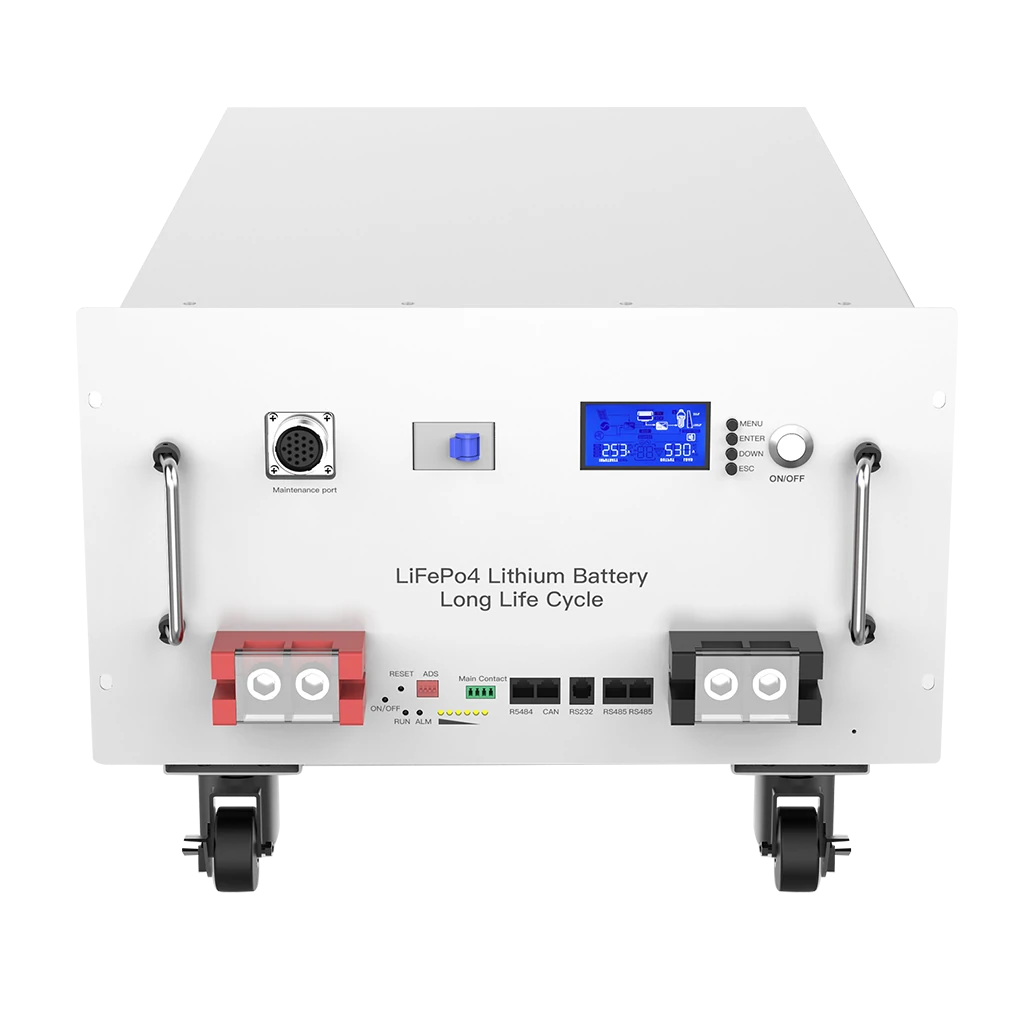
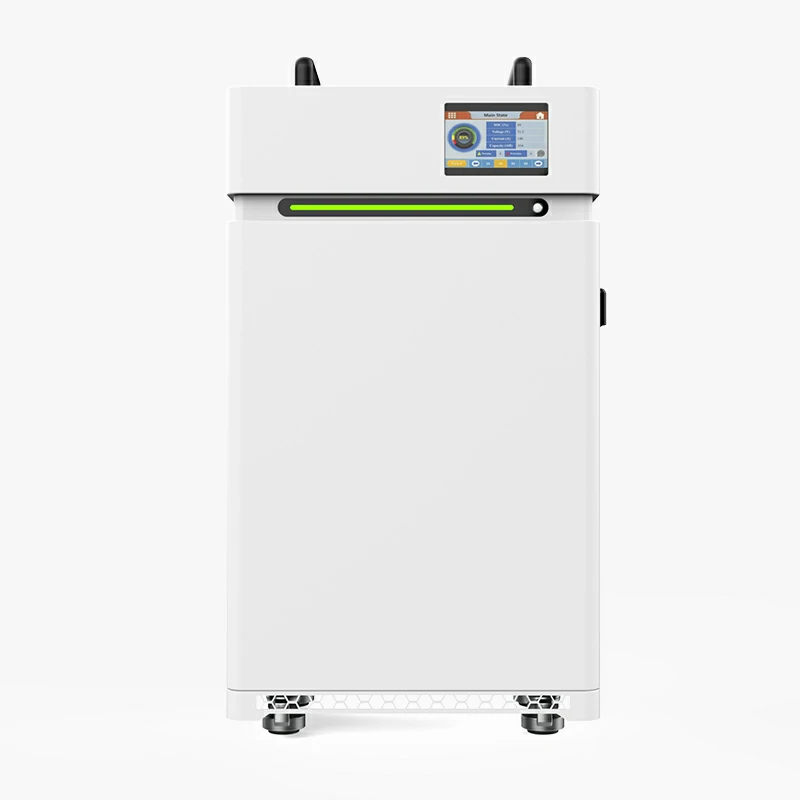
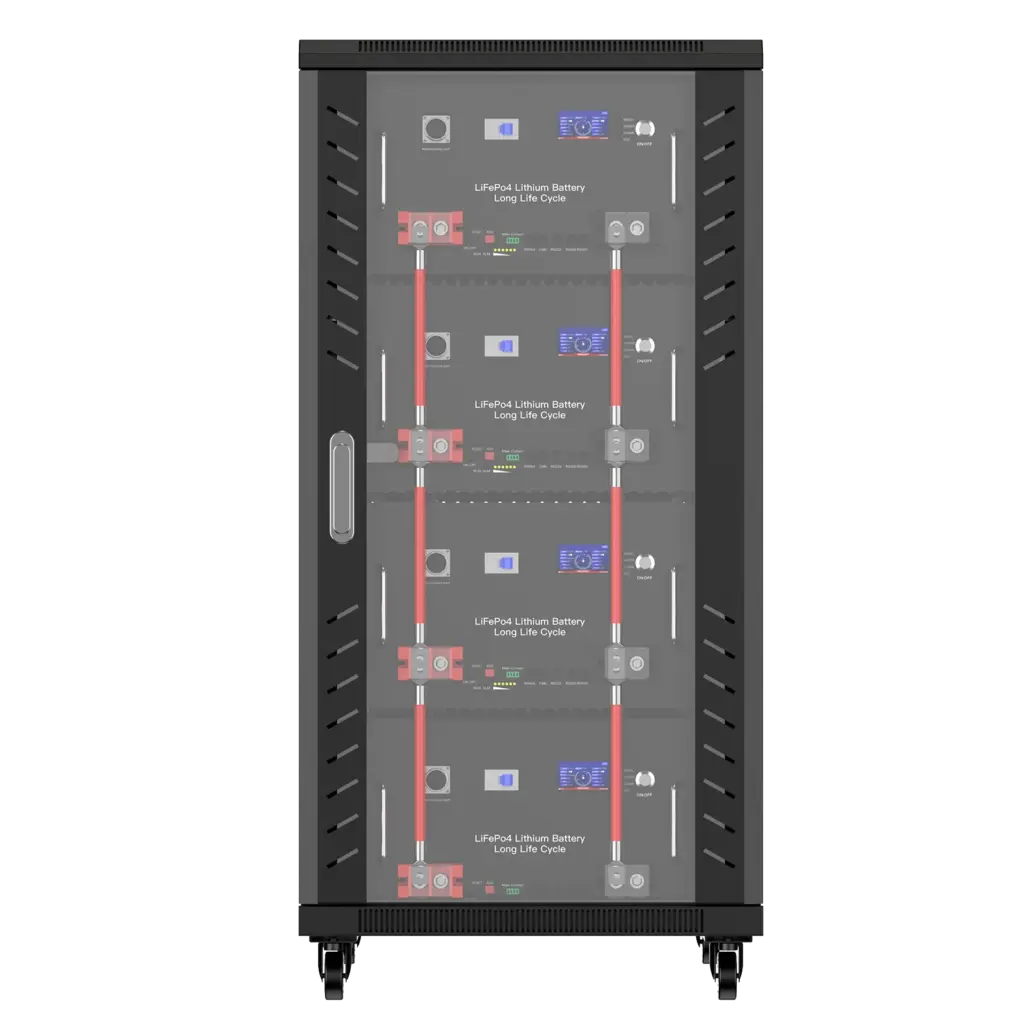
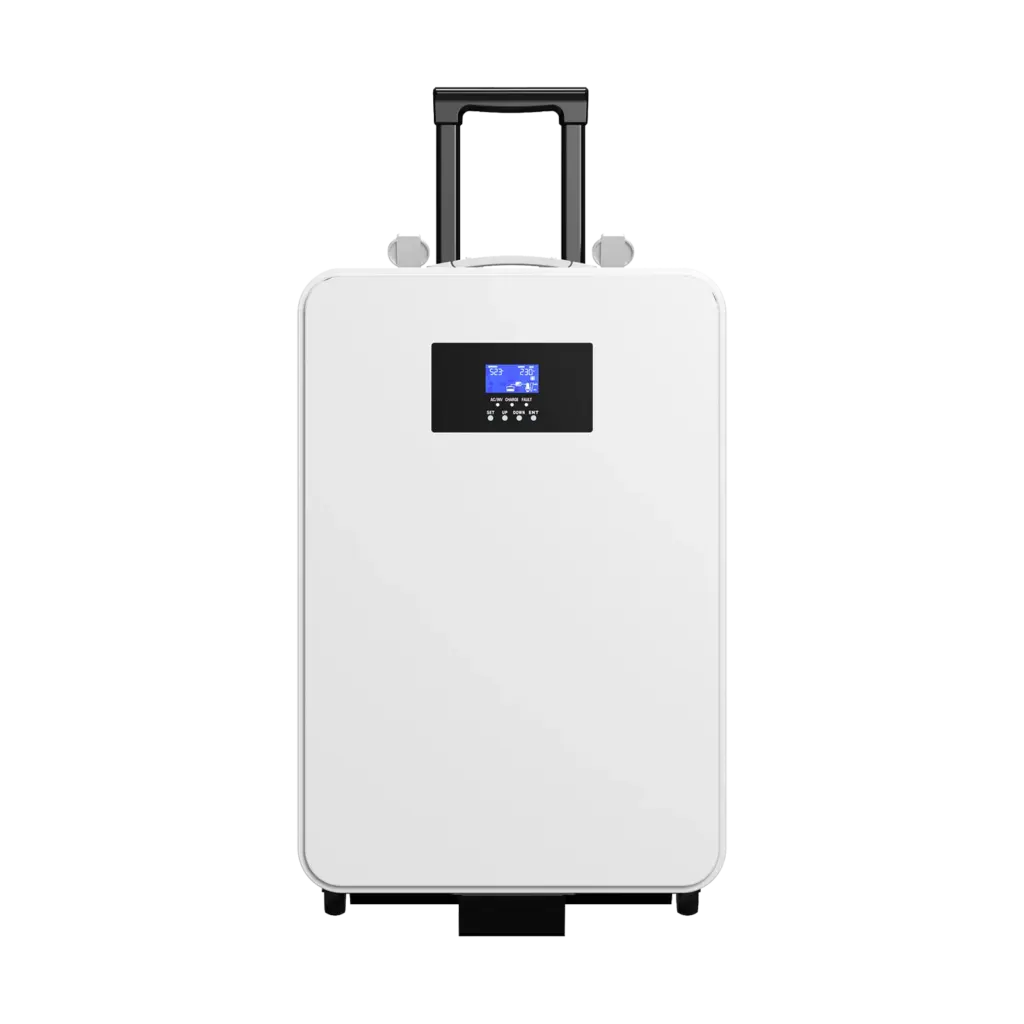
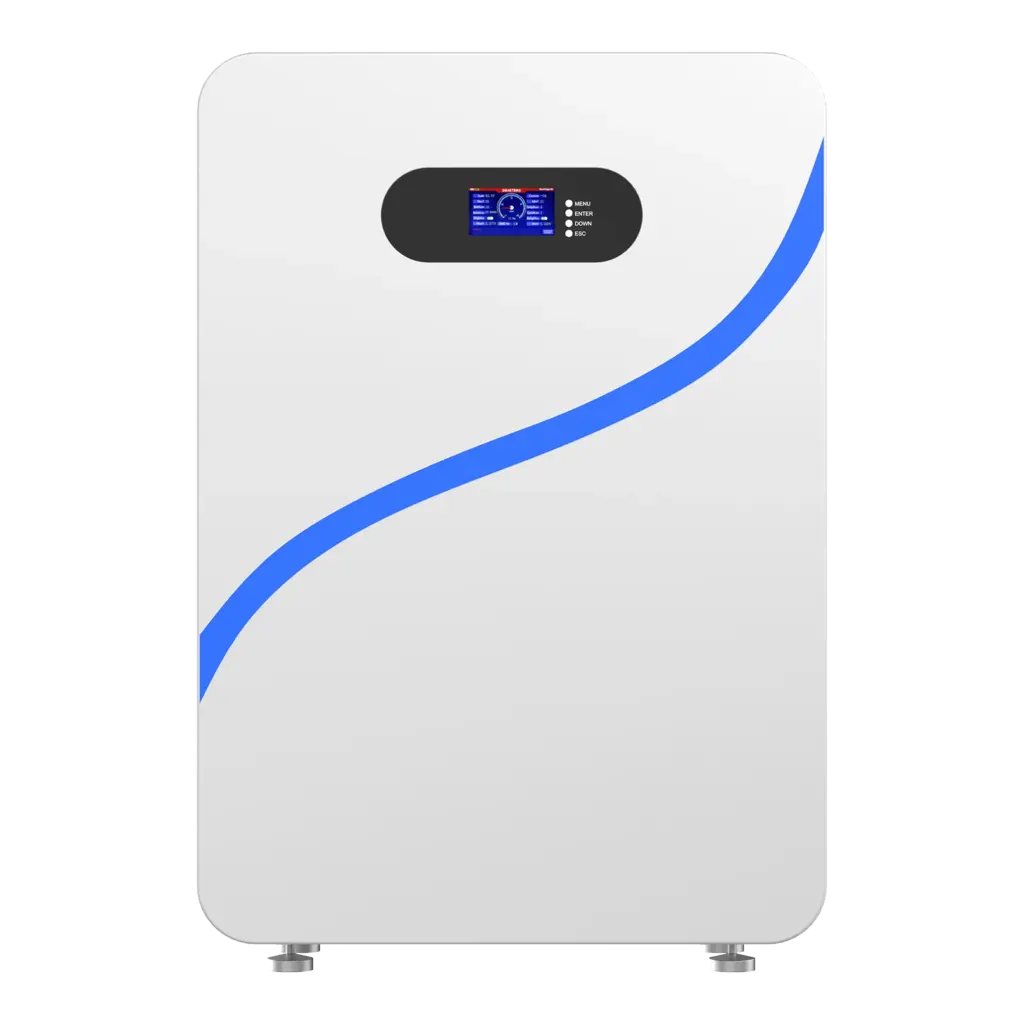
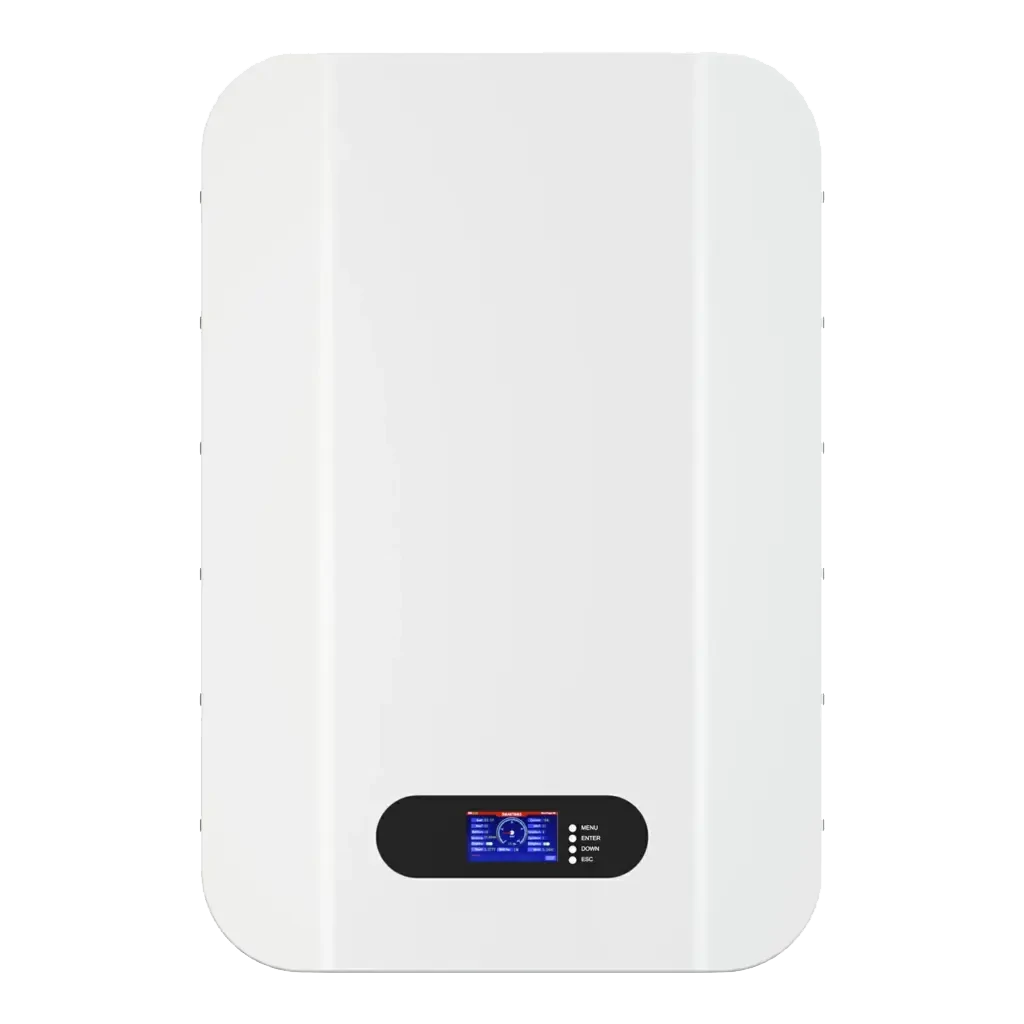
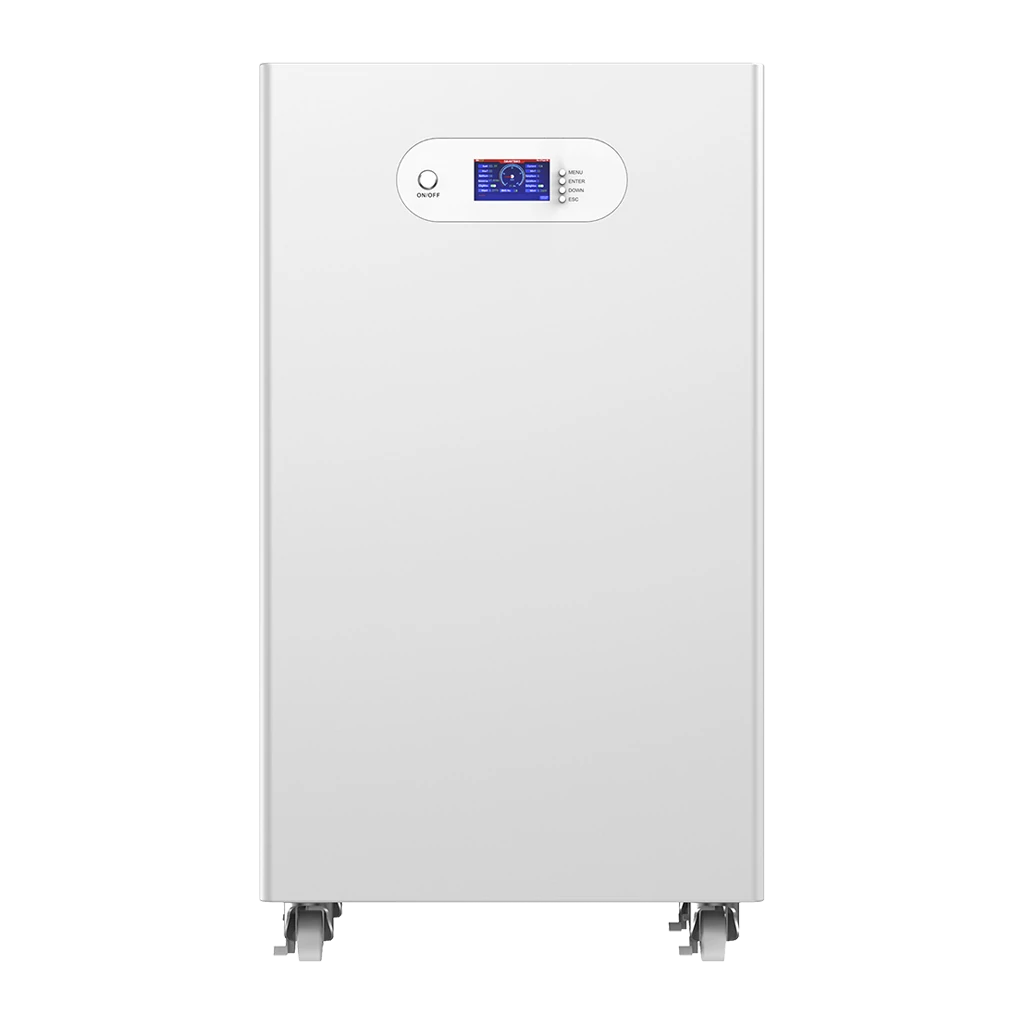
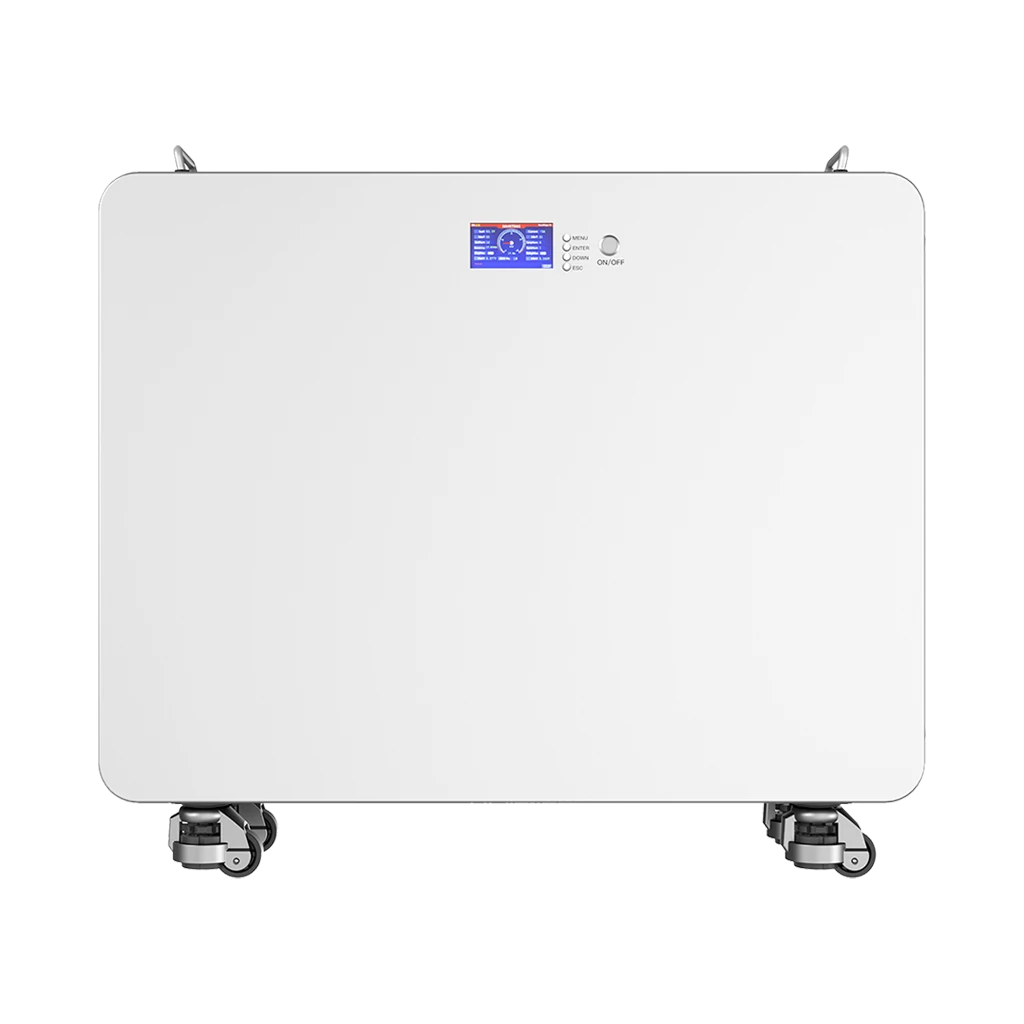
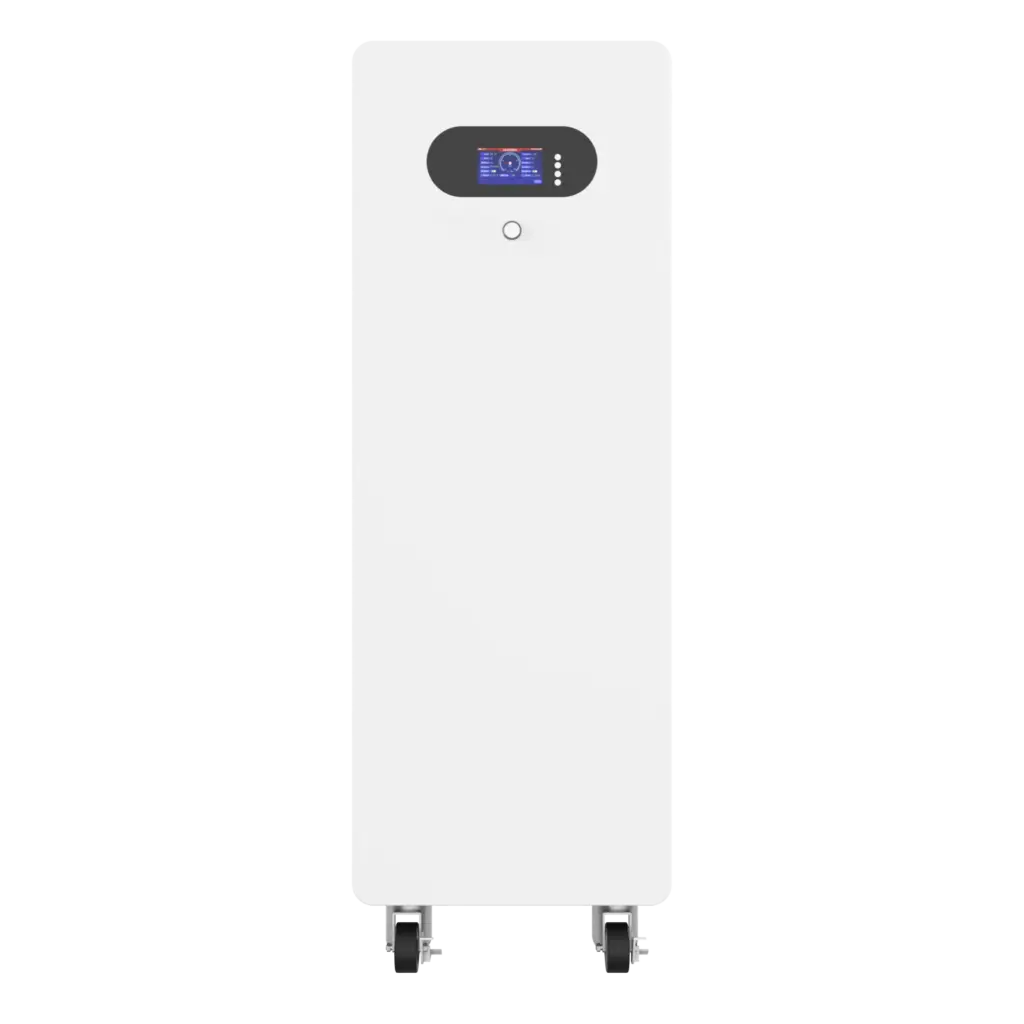
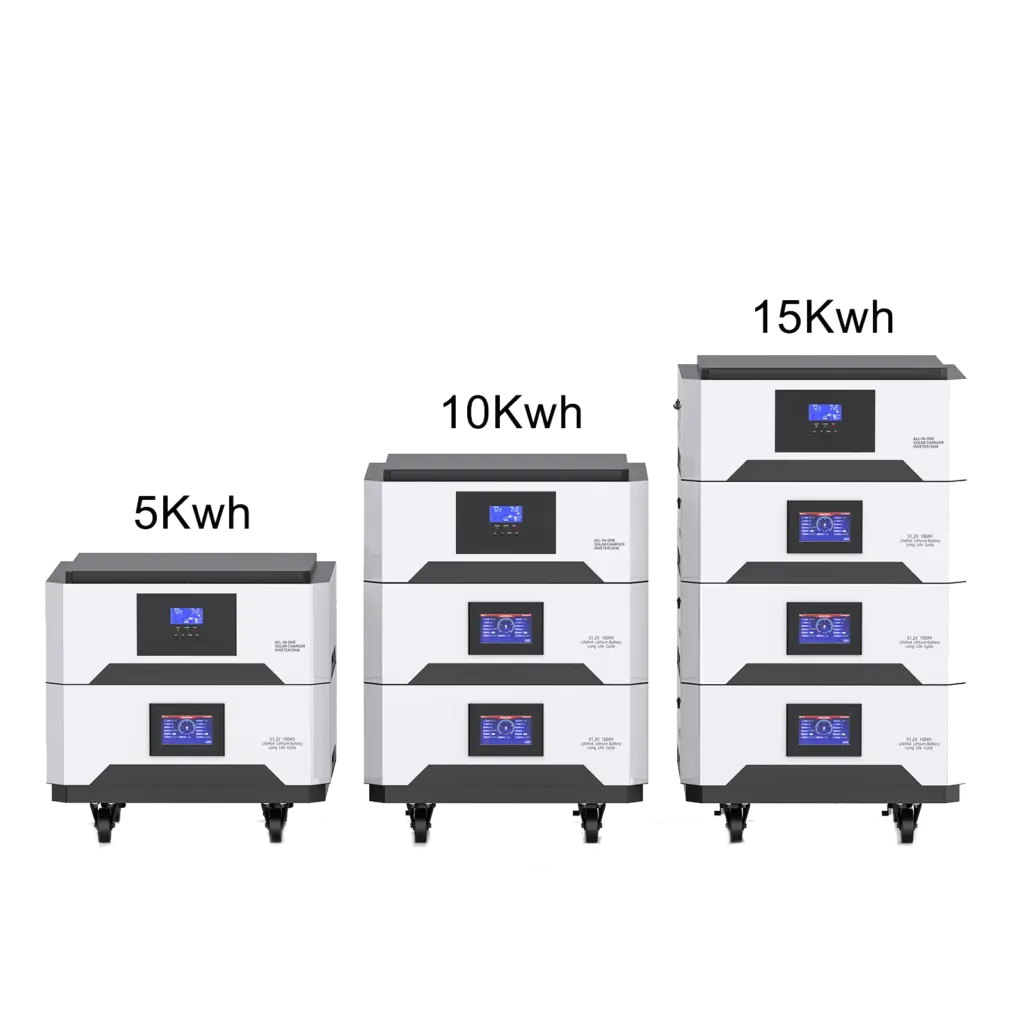
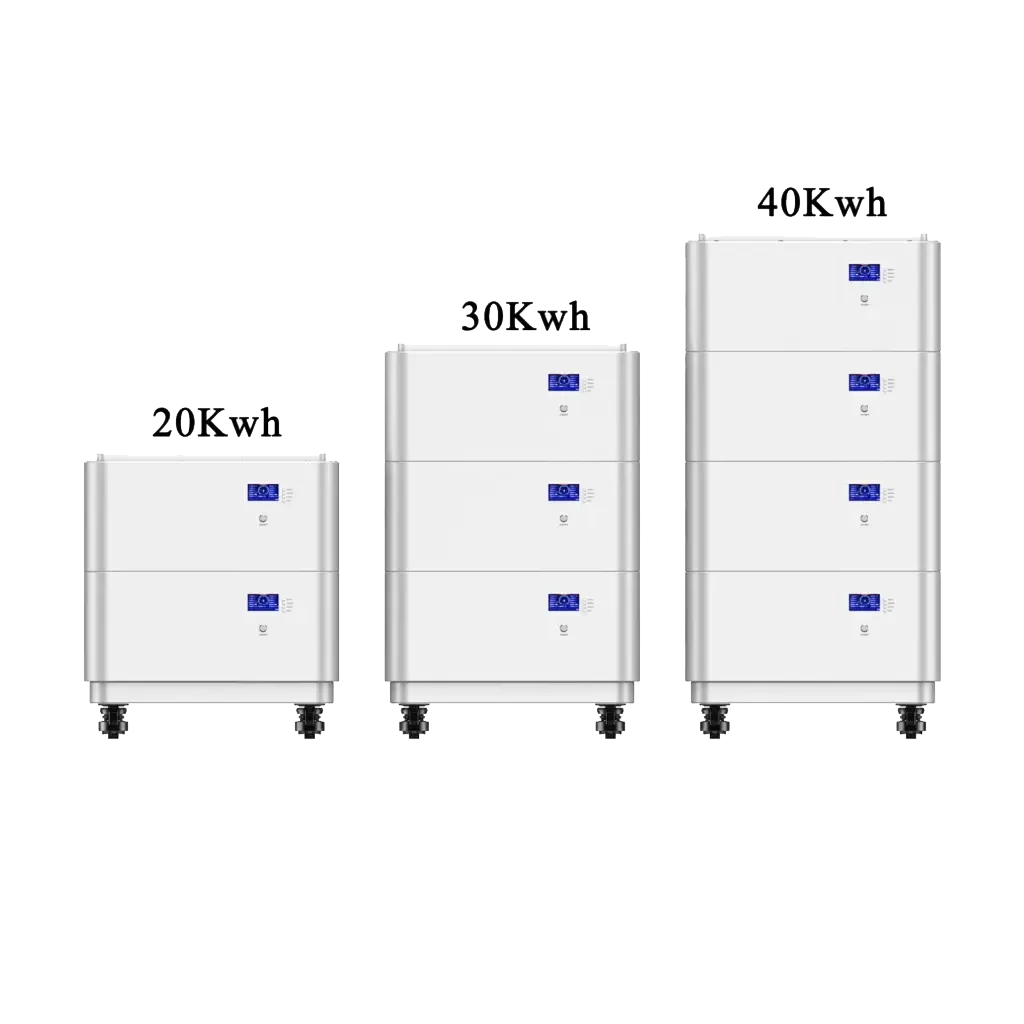
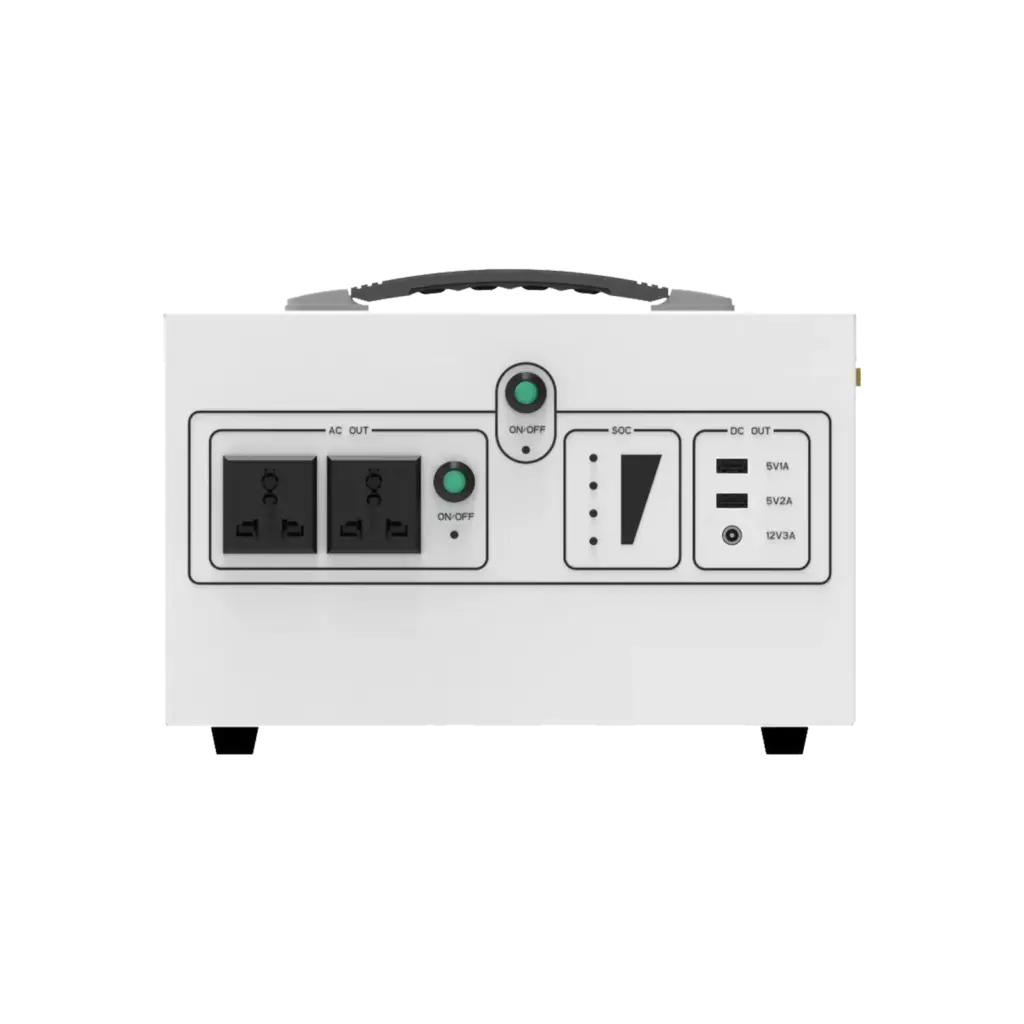
Avepower provides LiFePO4 residential battery platforms for solar self-consumption, backup, hybrid and off-grid energy projects. The right storage system should be selected from your usable-kWh requirement, peak and continuous kW loads, inverter model, renewable-generation profile, backup objective and local installation requirements—not from battery capacity alone.
Explore Avepower’s residential battery energy storage solutions, review its inverter compatibility support, or see real residential energy-storage installations.
For a project-specific configuration, send Avepower your daily energy use, peak load, solar or wind system size, inverter brand/model, required usable battery capacity, backup duration and destination country. The engineering team can then evaluate battery capacity, power, communication and system integration before a final configuration is selected.
FAQ
Solar is generally the more practical option for most residential properties because it has fewer siting constraints and does not require a tall turbine tower. Wind can be highly effective at the right open and windy site, so the final decision should compare predicted annual kWh rather than assuming one technology always performs better.
An average annual wind speed of at least about 10 mph (4.5 m/s) as one condition under which grid-connected small wind can be practical.
No for new Section 25D residential expenditures after December 31, 2025. IRS guidance states that the Residential Clean Energy Credit is not available for expenditures after that date. Homeowners should check current state, local and utility programs instead of relying on older articles that still assume a 30% federal residential credit.