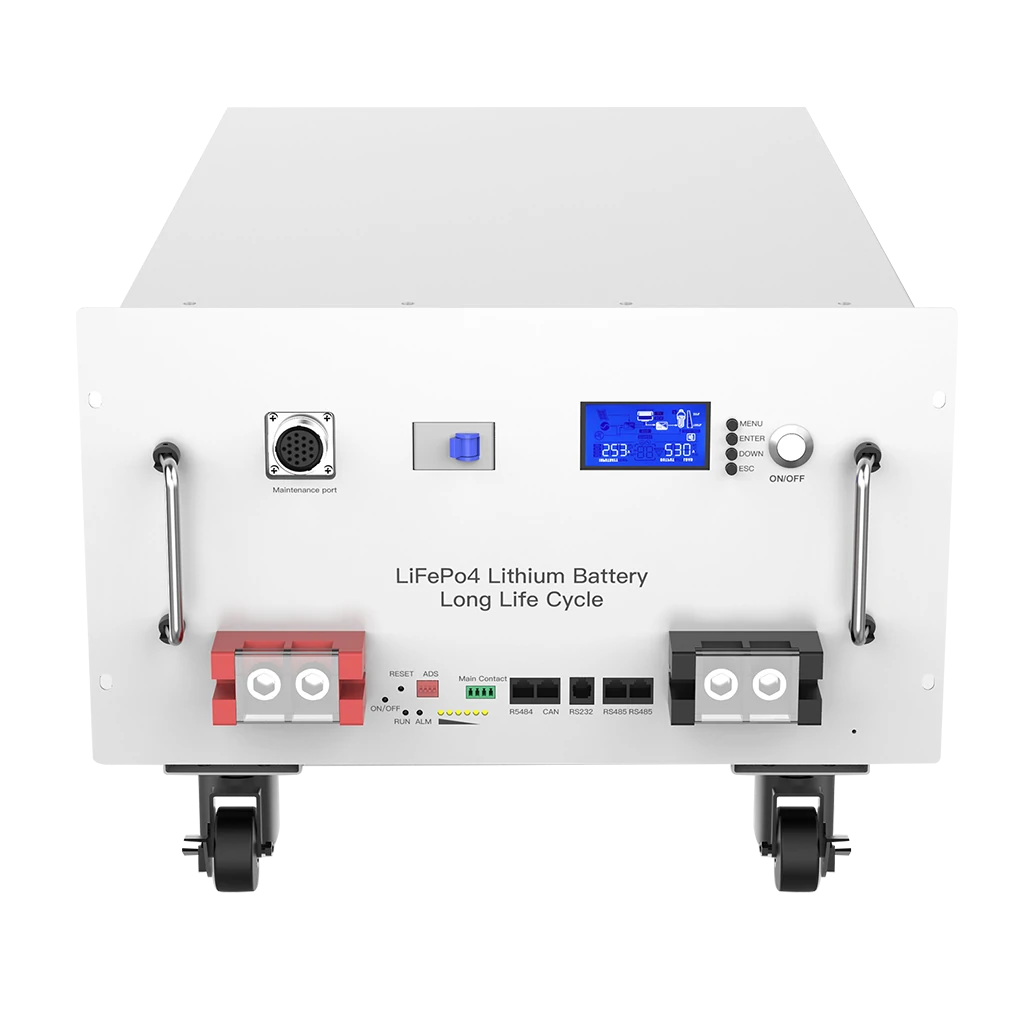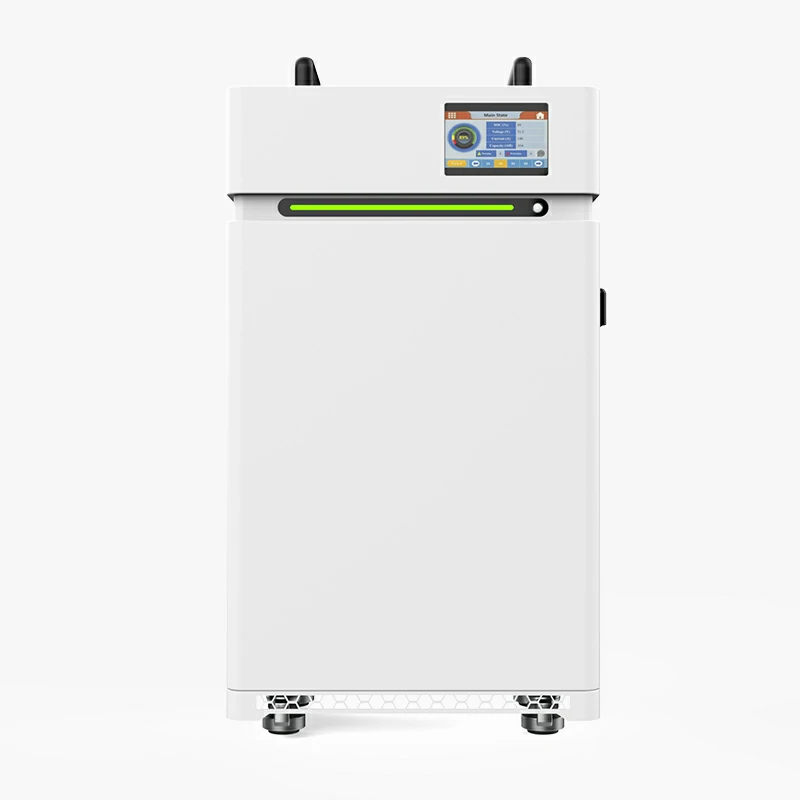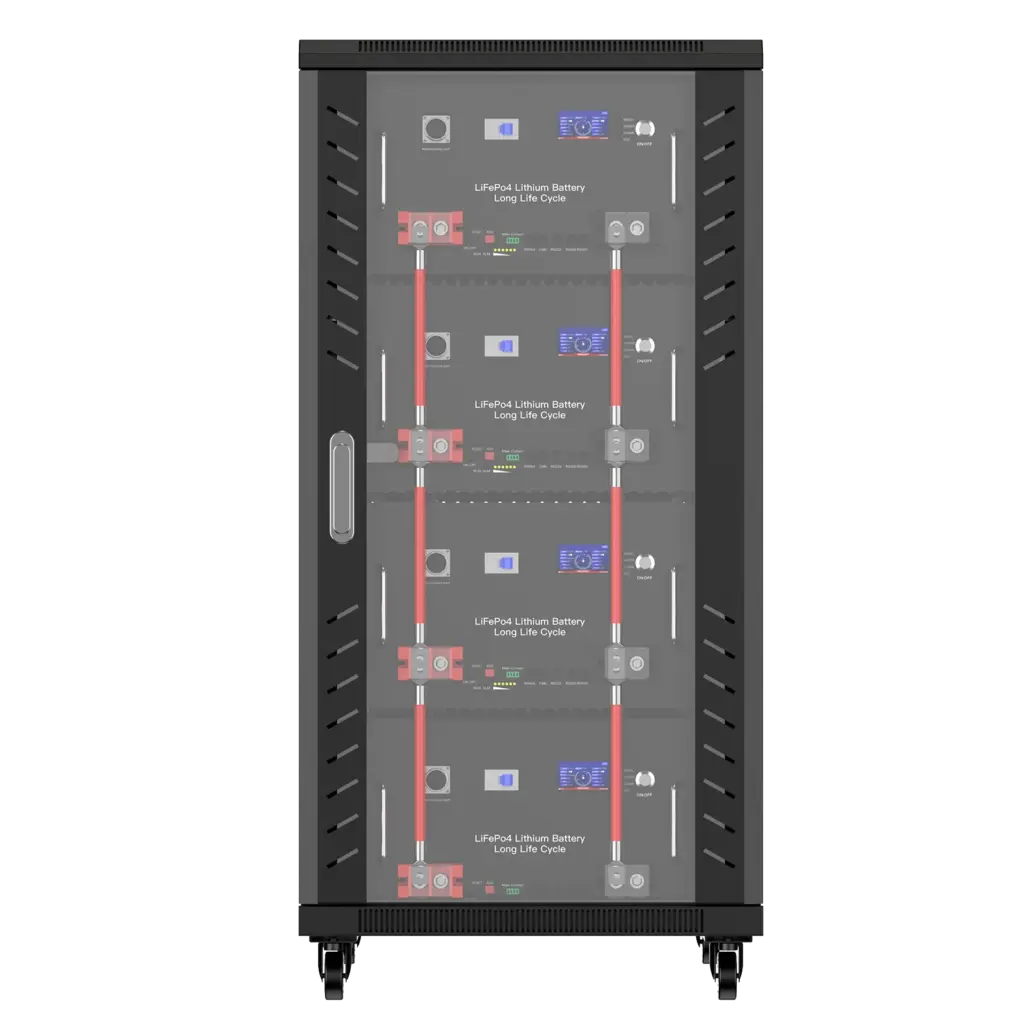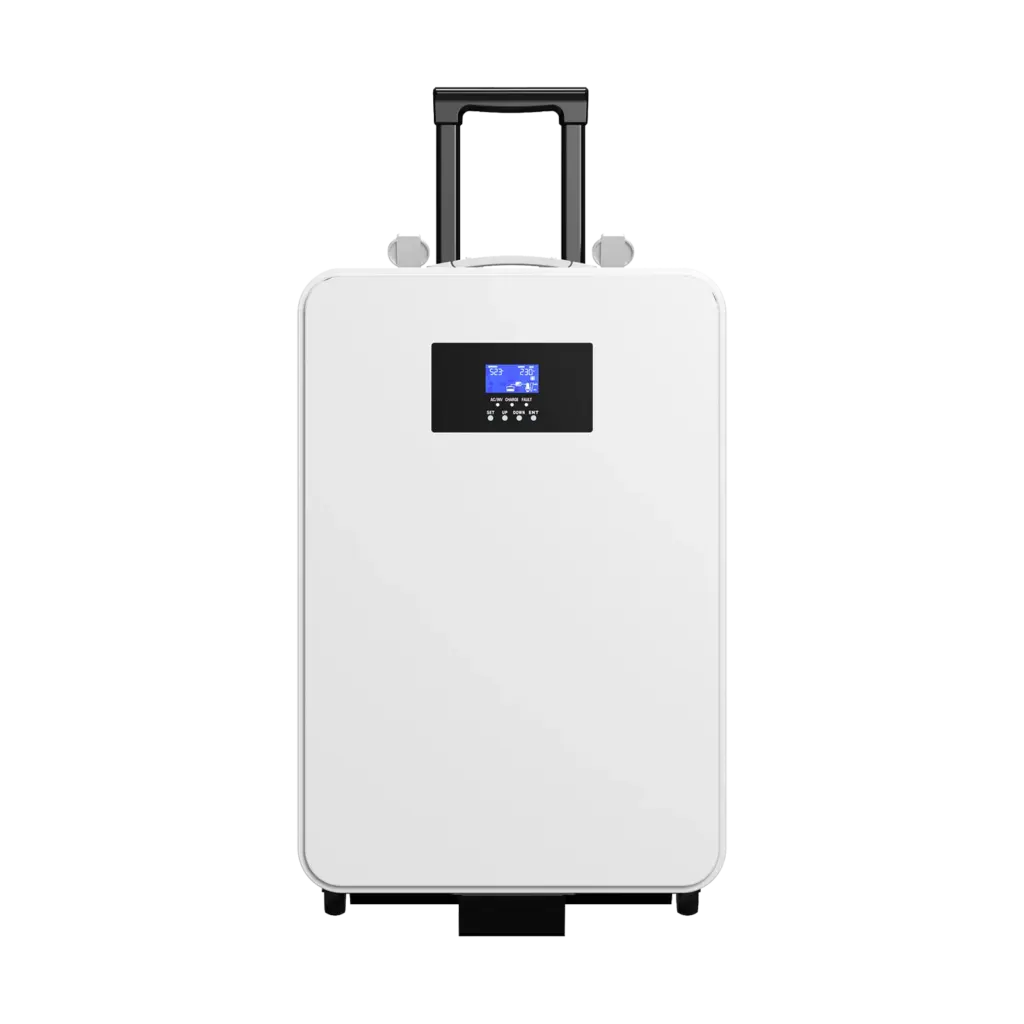

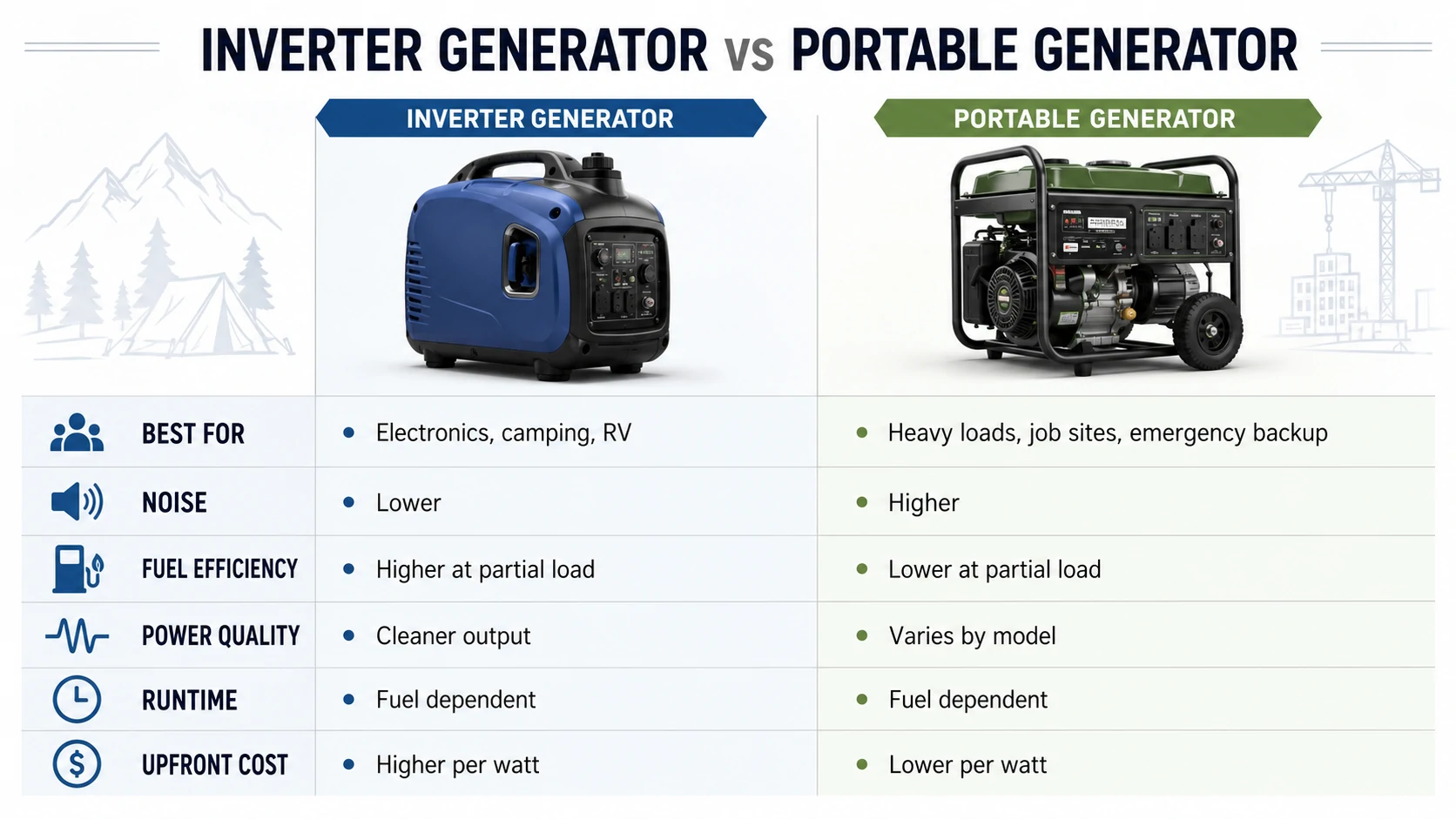
An inverter generator is usually better when you need quieter, more fuel-efficient portable power for electronics and moderate household loads. A conventional portable generator is often better when maximum output per dollar matters. A battery inverter system is the stronger option for silent operation, automatic backup and solar integration.
However, an inverter by itself does not generate or store energy. It only converts DC electricity into AC electricity, so it must be connected to a battery, solar system, vehicle or another DC source.
Which Is Better: An Inverter or a Portable Generator?
A battery inverter is the better choice for apartments, nighttime backup, sensitive electronics, frequent short outages and solar energy storage. A portable generator is the better choice when extended runtime and high-output loads matter more than noise, maintenance or exhaust. An inverter generator occupies the middle ground but remains fuel-powered.
| Factor | Battery Inverter System | Inverter Generator | Conventional Portable Generator |
|---|---|---|---|
| Energy source | Stored battery electricity | Petrol, propane or other fuel | Petrol, propane, diesel or other fuel |
| Does it generate energy? | No; it stores and converts energy | Yes | Yes |
| Typical output characteristic | Quiet pure sine wave AC when correctly specified | Stable electronically regulated AC | Model-dependent AC quality |
| Runtime limit | Battery capacity and available recharging | Fuel supply and service limits | Fuel supply and service limits |
| Startup | Automatic or near-instant when properly integrated | Usually manual for portable models | Usually manual for portable models |
| Noise | Very low | Lower than conventional generator | Usually highest |
| On-site combustion emissions | None during discharge | Yes | Yes |
| Indoor operation | Possible only in an approved installation location | Never operate indoors | Never operate indoors |
| Maintenance | Monitoring and periodic system inspection | Engine, oil, fuel and battery maintenance | Engine, oil, fuel and battery maintenance |
| Solar compatibility | Strong | Can charge a compatible battery system | Can charge a compatible battery system |
| High motor loads | Depends on inverter surge rating | Often suitable when correctly sized | Often suitable when correctly sized |
| Best use | Homes, apartments, offices, telecom, essential circuits | Camping, RVs, quiet outdoor backup | Worksites, large loads, lower-cost high wattage |
| Main limitation | Stored energy eventually runs out | Fuel, noise, CO and maintenance | Fuel, noise, CO, maintenance and power quality |
| Cost pattern | Higher initial cost, lower routine operating cost | Medium-to-high cost per watt | Usually lowest initial cost per watt |
See what an inverter is and how it works for a more detailed explanation of DC-to-AC conversion.
Which Option Produces Better Power for Sensitive Electronics?
An inverter generator is generally the safer default for sensitive electronics because its output is electronically regulated and normally contains less waveform distortion. A conventional generator may still be suitable, but only when its voltage regulation and THD specifications meet the requirements of the connected equipment.
Sensitive loads may include:
- Computers and servers
- Routers and communications equipment
- Televisions and audio systems
- Medical equipment
- Modern refrigerators
- Variable-speed pumps
- Battery chargers
- Appliances with electronic control boards
Higher harmonic distortion can increase heat, noise or malfunction risk in some equipment. Honda specifically notes that inverter generators produce lower THD and smoother electricity than traditional designs, although exact performance remains model-specific.
A surge protector should not be treated as a complete solution for poor waveform quality. Surge protection primarily addresses short overvoltage events; it does not necessarily correct persistent frequency variation, harmonic distortion or unstable voltage.
For battery-based backup, a pure sine wave inverter is normally the preferred choice for refrigerators, pumps, office equipment and mixed household loads. Avepower’s waveform guide also explains why modified sine wave output may create compatibility, heat and efficiency issues in electronically controlled equipment.
Which Is Quieter and More Fuel-Efficient?
Inverter generators are normally quieter and more fuel-efficient at partial load because their engines can slow down when electricity demand falls. Conventional generators often retain an advantage at high output and lower purchase price, while battery inverter systems avoid engine noise and fuel consumption entirely during discharge.
An inverter generator electronically throttles its engine to meet demand instead of operating at full speed continuously. This is especially valuable when loads vary through the day or remain well below the generator’s maximum capacity.
The advantage becomes smaller when an inverter generator operates near full load. At high output, the engine must still work hard and consume fuel.
Noise ratings also require careful comparison. One manufacturer may publish a measurement at low load and a long distance, while another may use rated load or a different test distance. Compare numbers only when the test method is similar.
A battery inverter system is normally the quietest choice because it has no combustion engine. Internal fans may start during high-power charging or discharging, but the operating environment is substantially different from an engine-driven generator.
Which Provides More Power and Longer Runtime?
A conventional portable generator often provides the most watts for the initial purchase price, while an inverter generator balances moderate output with cleaner, quieter operation. A battery system can deliver high instantaneous power but has finite stored energy, so its runtime depends on kWh capacity rather than fuel-tank size.
Power and energy must be evaluated separately:
- Kilowatts or watts measure power: how much equipment can operate at the same time.
- Kilowatt-hours measure energy: how long the equipment can continue operating.
- Starting watts measure surge capability: whether motors and compressors can start successfully.
A 6kW inverter does not automatically include 6kWh of stored energy. Likewise, a 10kWh battery does not guarantee that it can supply a 10kW load.
Generator Runtime
A generator can continue producing electricity while fuel, lubrication, ventilation and safe refueling remain available.
This makes a fuel generator valuable during multi-day outages. However, actual operation may still be interrupted by:
- Fuel shortages
- Safe refueling requirements
- Oil-change intervals
- Maintenance
- Noise restrictions
- Engine faults
- Weather exposure
Battery Runtime
A battery’s approximate runtime can be estimated with:
Runtime = nominal battery capacity × usable fraction × inverter efficiency ÷ average load
For example, a 10kWh nominal battery with a 90% usable fraction and 92% conversion efficiency would provide approximately:
10kWh × 0.90 × 0.92 = 8.28kWh of estimated AC energy
At an average load of 1kW:
8.28kWh ÷ 1kW = approximately 8.3 hours
This is a planning estimate, not a guaranteed product runtime. Battery temperature, aging, standby consumption, reserve settings and changing loads affect the result.
How Do You Calculate the Required Generator or Battery Size?
Size the generator from simultaneous running watts plus the largest additional starting surge, but size the battery from watt-hours consumed over the required backup period. Using only appliance nameplate watts can undersize motor starting capacity, while using only inverter kW can seriously overestimate battery runtime.
Avepower’s inverter size chart uses the following planning method:
Required inverter output = total simultaneous running watts + largest additional startup surge + design headroom
Actual appliance labels, technical manuals or inrush measurements should replace generic estimates whenever possible.
Example: 24-hour Essential-load Backup
The following example uses assumed values for demonstration. Actual refrigerator, pump and electronic loads must be measured.
| Essential Load | Assumed Power | Operating Time | Energy |
|---|---|---|---|
| Refrigerator | 180W average | 12 equivalent hours | 2.16kWh |
| Router and optical network terminal | 25W | 24 hours | 0.60kWh |
| LED lighting | 80W | 6 hours | 0.48kWh |
| Laptop and phone charging | 120W | 8 hours | 0.96kWh |
| Fan | 70W | 12 hours | 0.84kWh |
| Sump pump | 800W | 0.5 total hours | 0.40kWh |
| Total load energy | 5.44kWh |
Assume the battery can use 90% of its nominal energy and the inverter operates at an average efficiency of 92%:
Minimum nominal battery = 5.44 ÷ 0.90 ÷ 0.92 = 6.57kWh
Adding a 20% design reserve:
6.57kWh × 1.20 = approximately 7.9kWh
An approximately 8kWh nominal battery would therefore be a reasonable initial planning value for this example. It is not a universal recommendation.
Generator Sizing For The Same Loads
When all listed devices are operating and the pump starts, assumed running load is:
180 + 25 + 80 + 120 + 70 + 800 = 1,275W
Suppose the 800W pump requires 2,400W while starting. Its additional starting requirement is:
2,400W − 800W = 1,600W
Estimated short-duration requirement:
1,275W + 1,600W = 2,875W
Adding 20% headroom:
2,875W × 1.20 = approximately 3,450W
For this assumed load profile, buyers would look for approximately 1.3kW or more of continuous capacity and around 3.5kW of verified starting capability. The actual choice must use the pump and refrigerator manufacturers’ starting-current data.
When Is an Inverter Generator the Better Choice?
Choose an inverter generator when you need movable fuel-powered electricity, relatively low noise, stable output and good efficiency at varying loads. It is particularly useful for RVs, camping, mobile work, outdoor events and temporary household backup where the required output remains within the model’s continuous and surge ratings.
An inverter generator is usually a strong fit when:
- Laptops, communications equipment or electronically controlled appliances are important.
- The unit will frequently run below its maximum output.
- Noise affects neighbors, guests or campground users.
- Equipment must be transported regularly.
- Parallel operation may be useful.
- A fuel supply can be stored and handled safely.
- Manual setup during an outage is acceptable.
It may not be the best option when you need large 120/240V or three-phase loads, multiple HVAC systems, substantial electric heating or the lowest possible cost per rated watt.
When Is a Conventional Portable Generator the Better Choice?
Choose a conventional portable generator when the priority is substantial temporary output, lower initial cost and mechanically straightforward equipment. It can be suitable for job sites, pumps, tools, agricultural operations and extended emergency use where noise is acceptable and sensitive electronics are protected by verified power-quality specifications.
A conventional generator can provide better value when:
- Large motors or resistive loads dominate the application.
- The generator will operate near a high percentage of rated output.
- Noise restrictions are limited.
- Service parts and mechanical repair access are important.
- The budget does not support an equivalent high-output inverter generator.
- Fuel-powered runtime is more important than automatic operation.
Do not assume every conventional generator produces unsuitable electricity. Some models include automatic voltage regulation or documented low-THD output. The exact specification determines compatibility.
When Is a Battery Inverter System Better Than Either Generator?
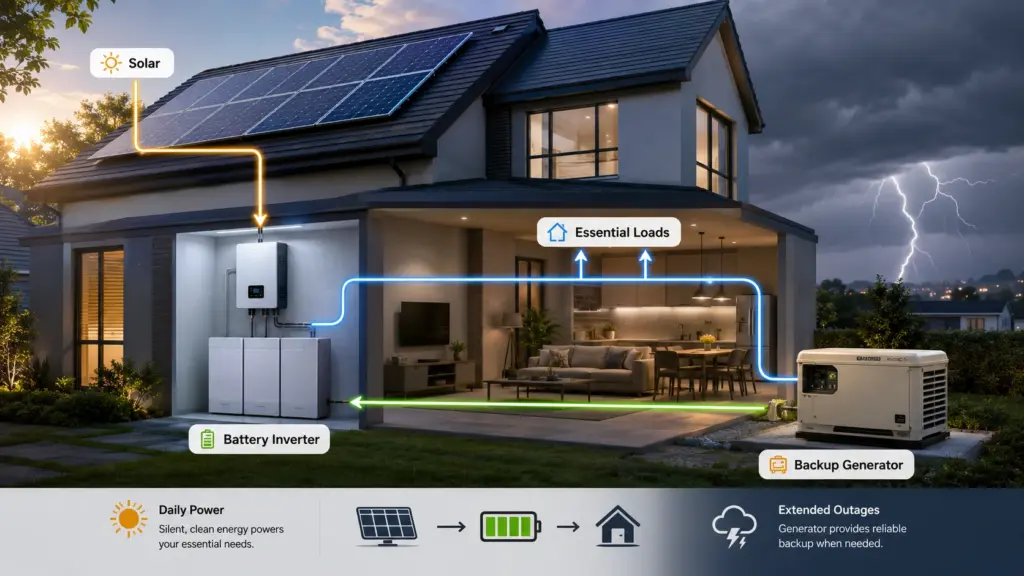
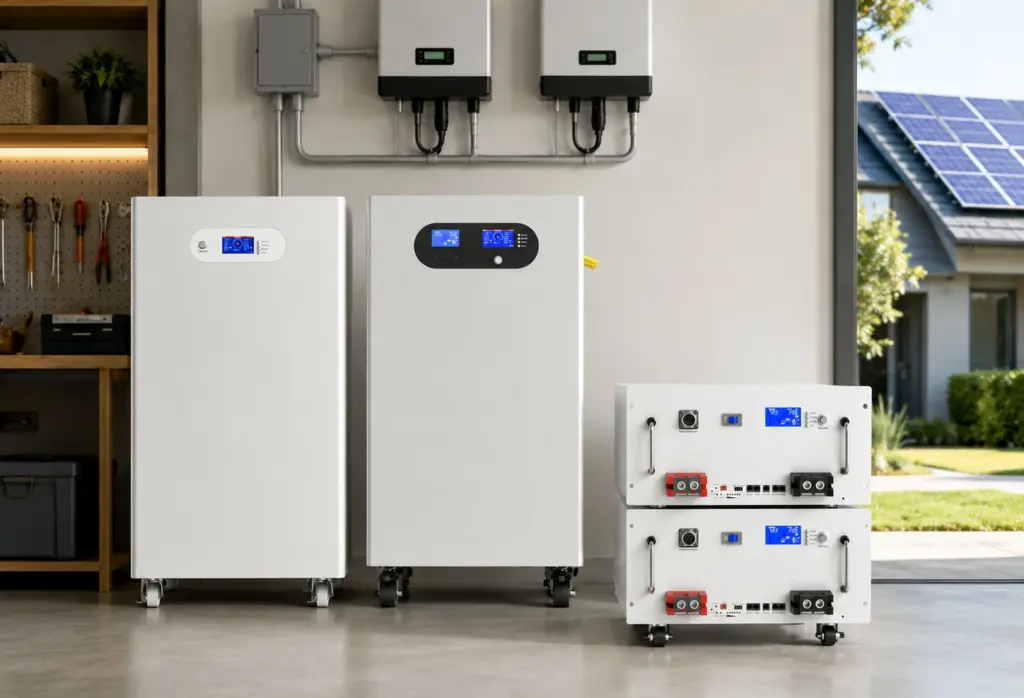
A battery inverter system is better when users need quiet operation, automatic transfer, indoor-compatible equipment, solar charging and daily energy-management value. It is particularly attractive for frequent short outages, urban homes, offices, hotels and sites where generator noise, exhaust, maintenance or fuel logistics create operational problems.
Battery systems can provide value outside outages by:
- Storing excess solar production
- Shifting consumption away from peak tariff periods
- Supporting critical loads
- Reducing generator operating hours
- Providing rapid backup transfer
- Monitoring energy through an app or EMS
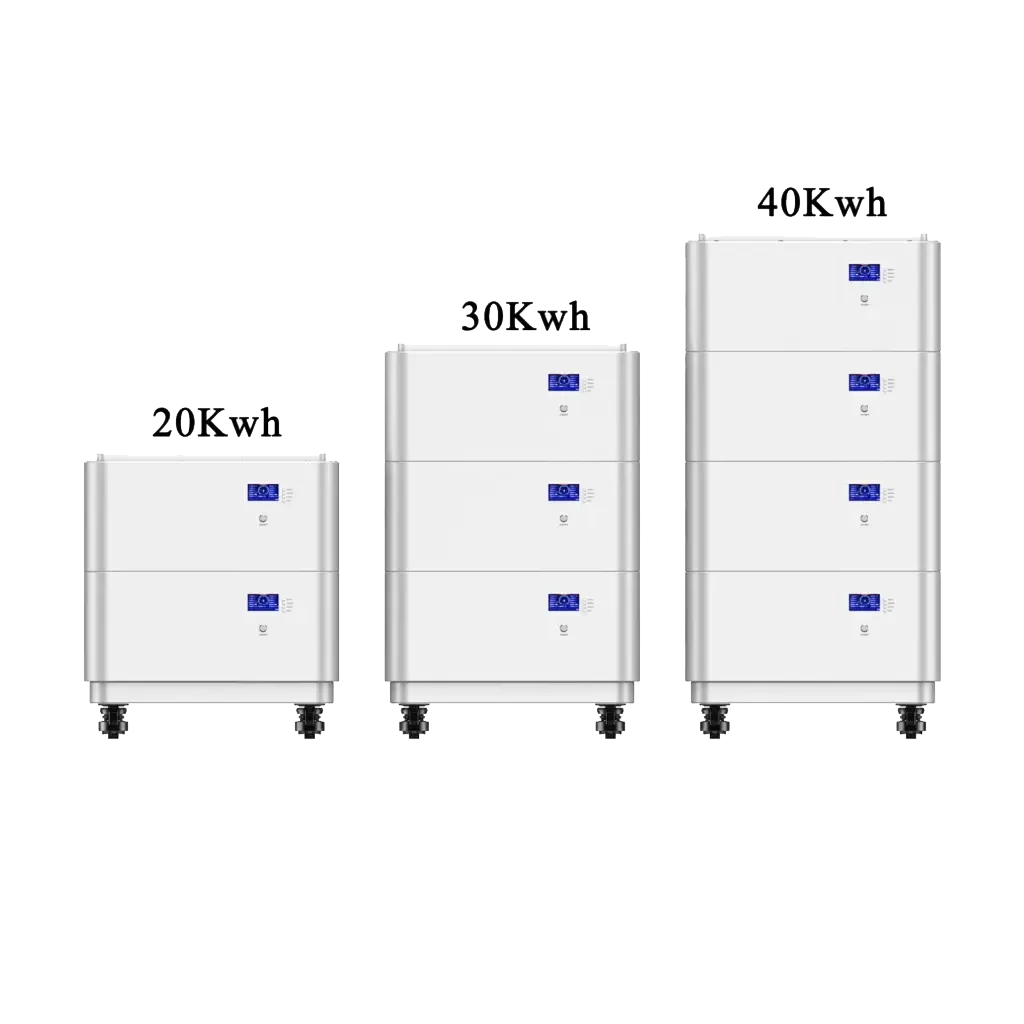
- Expanding through additional battery modules
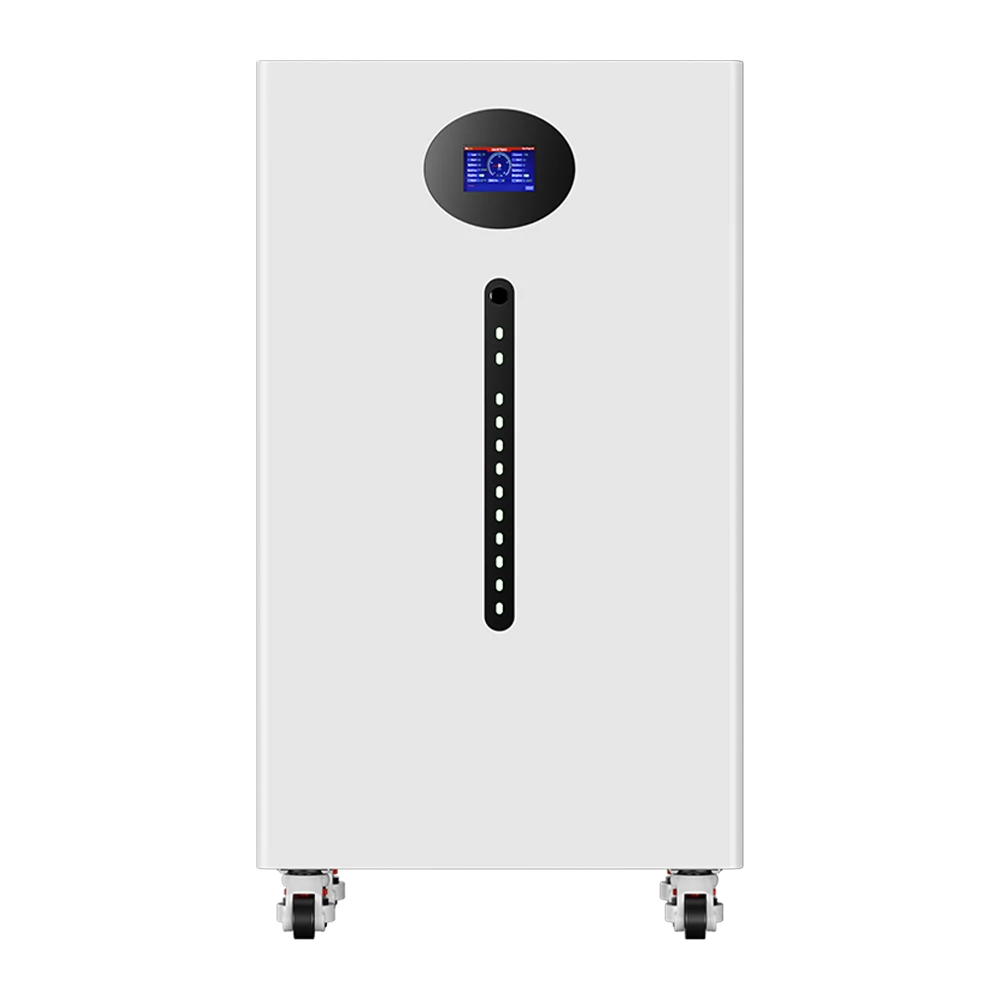
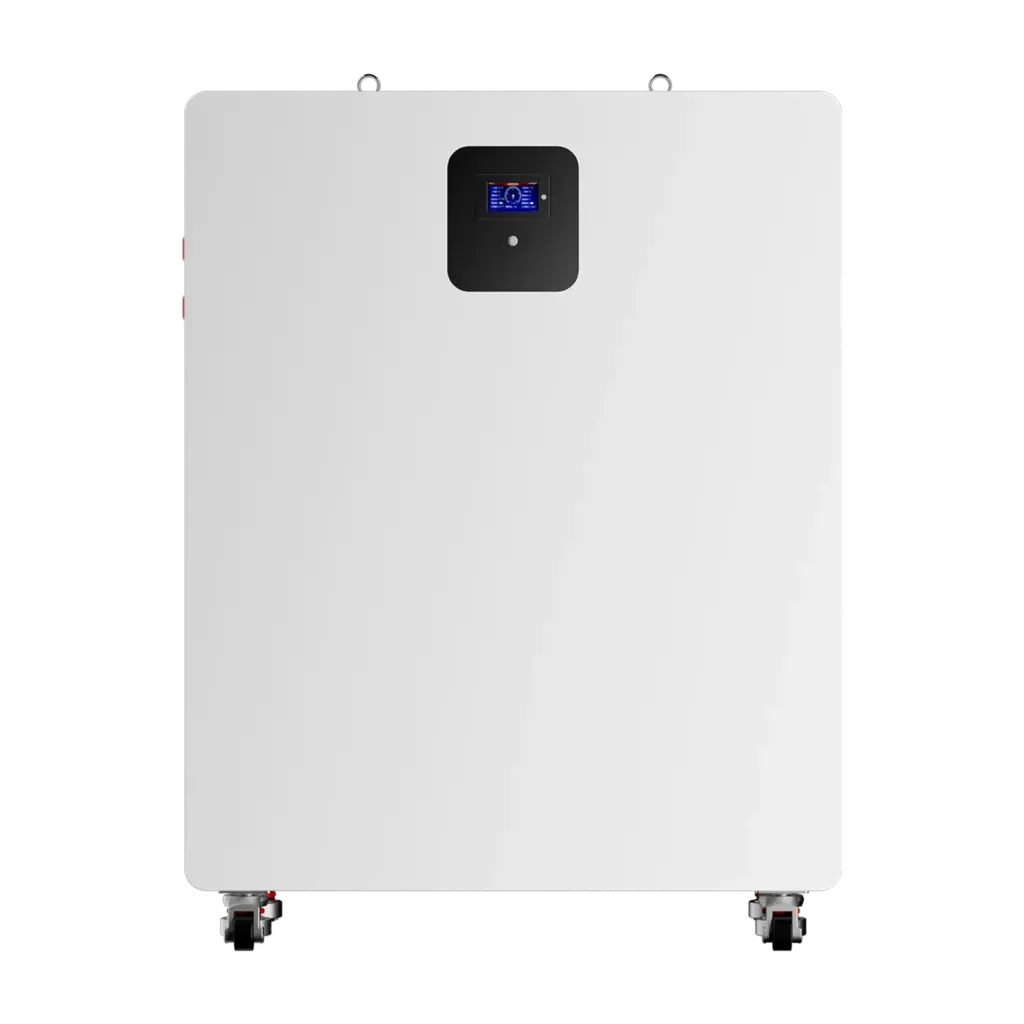
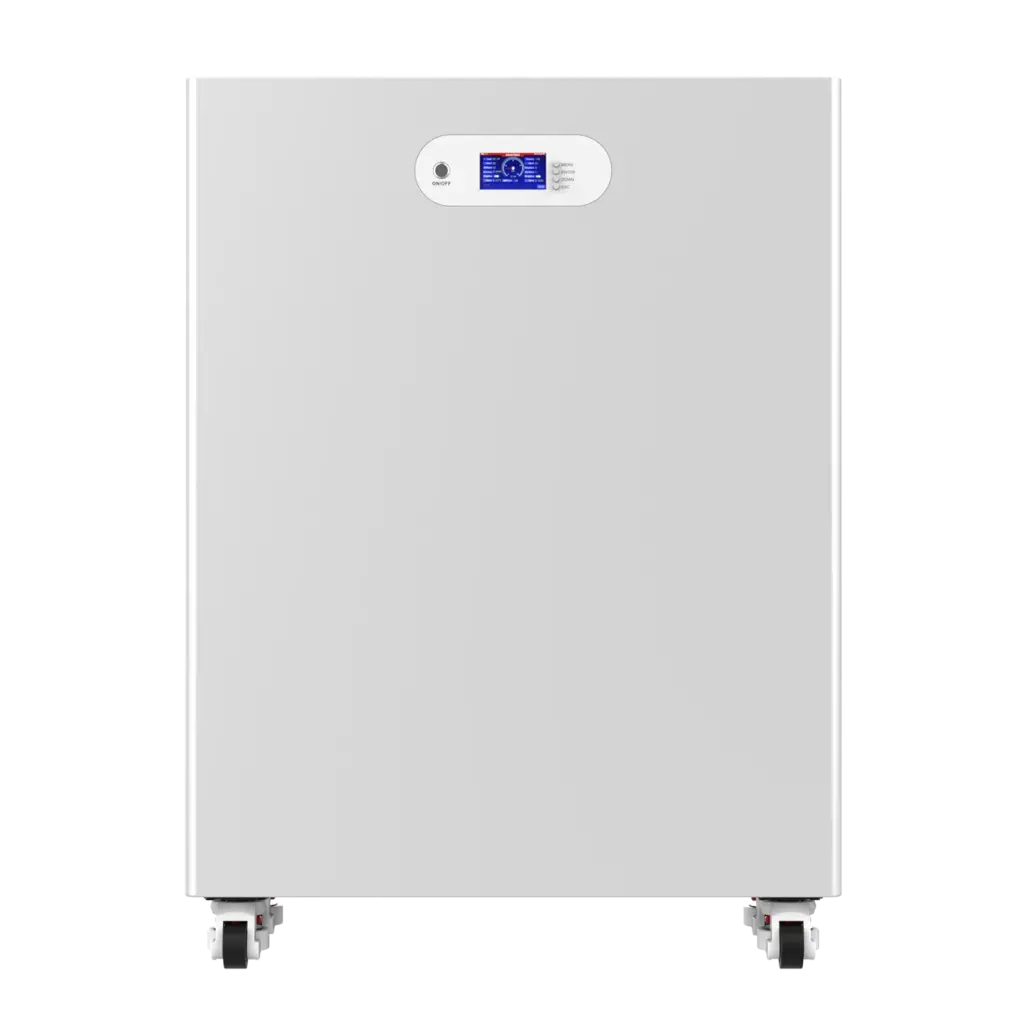
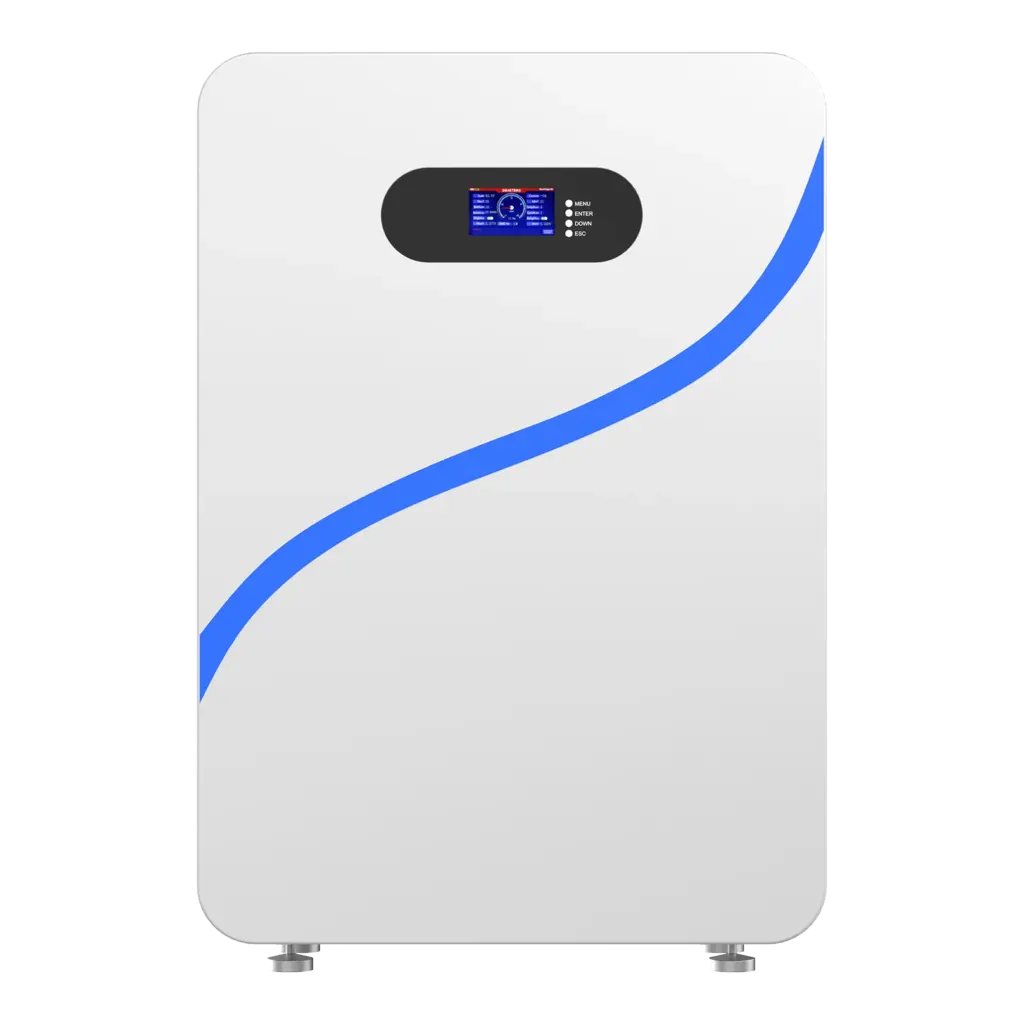
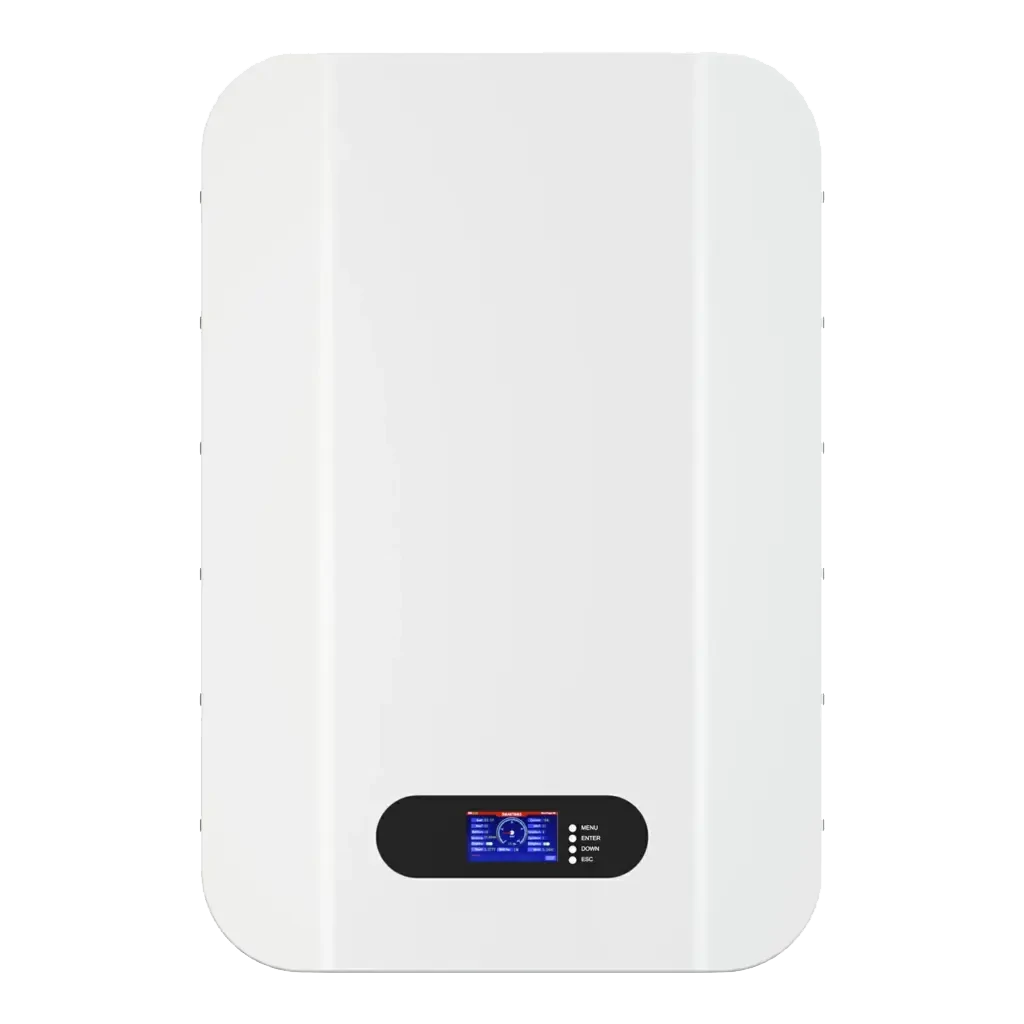
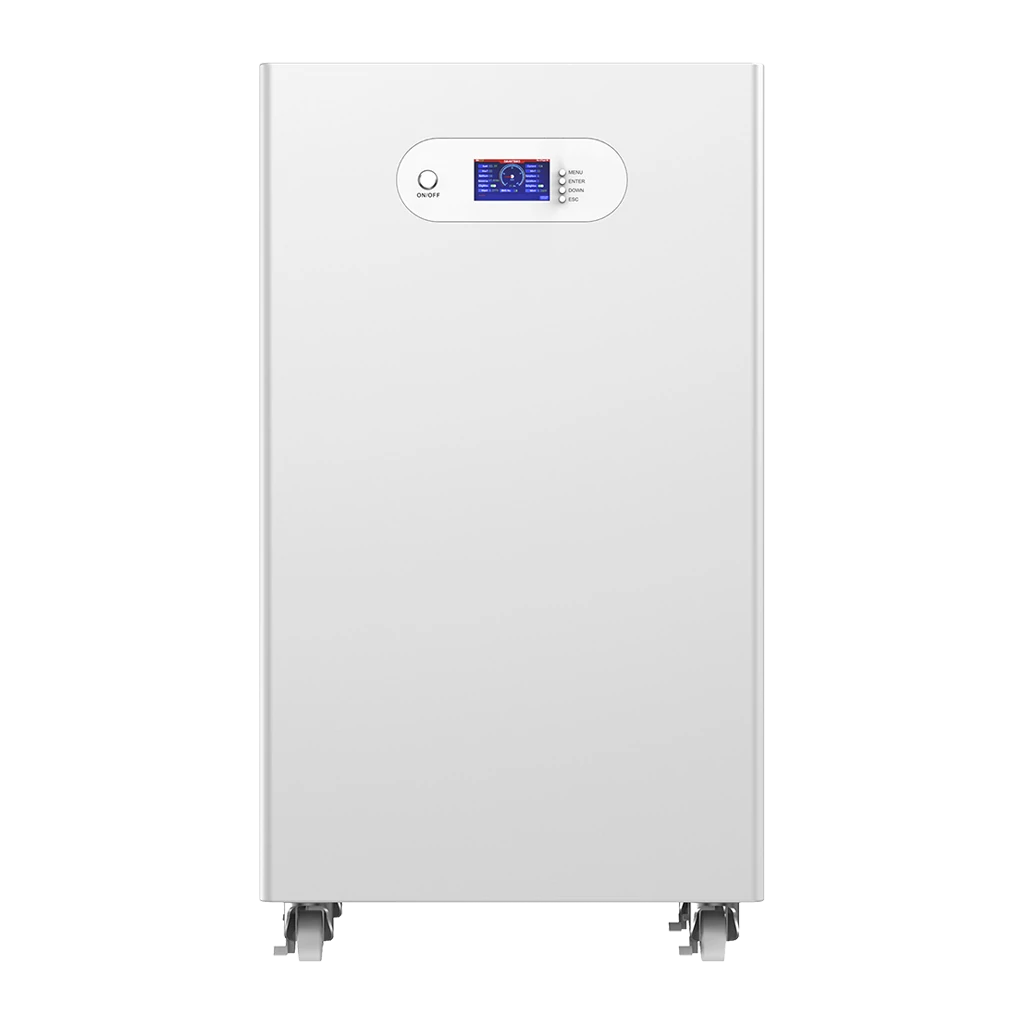
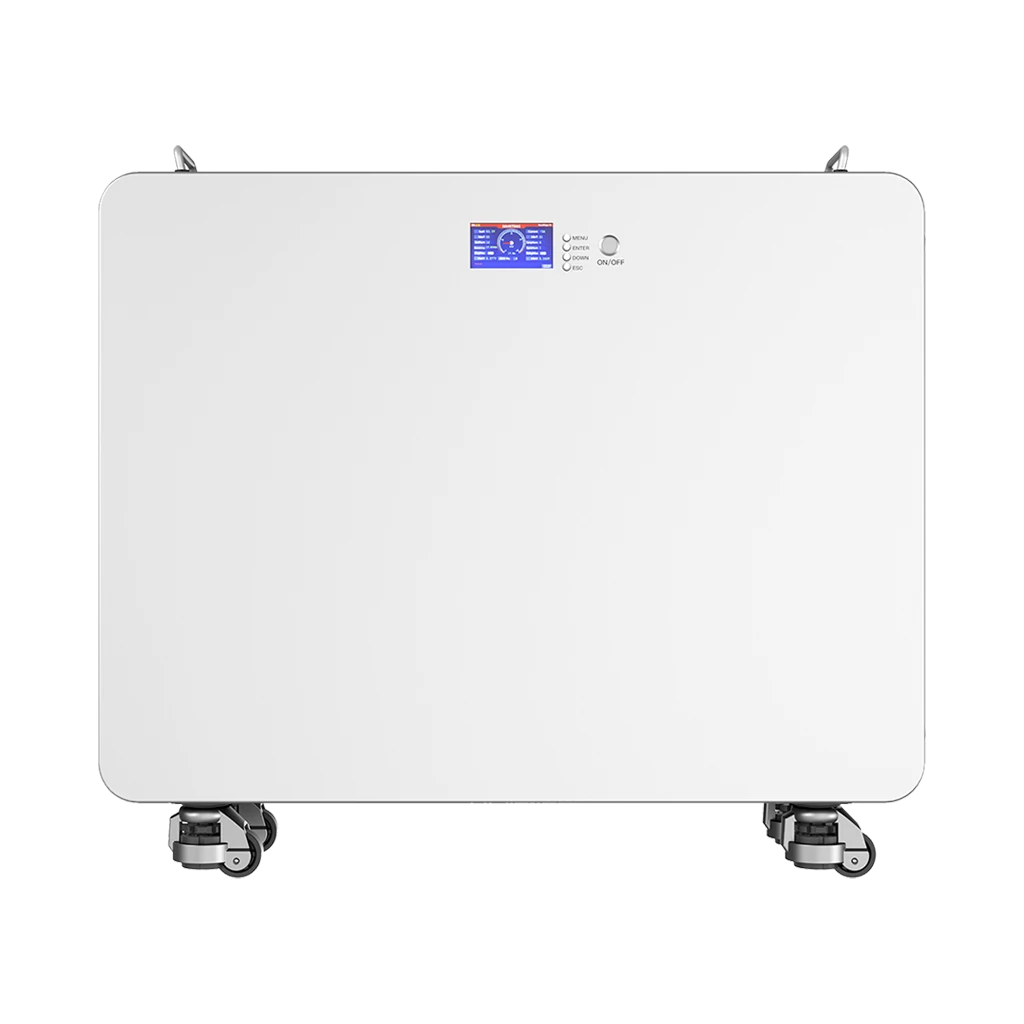
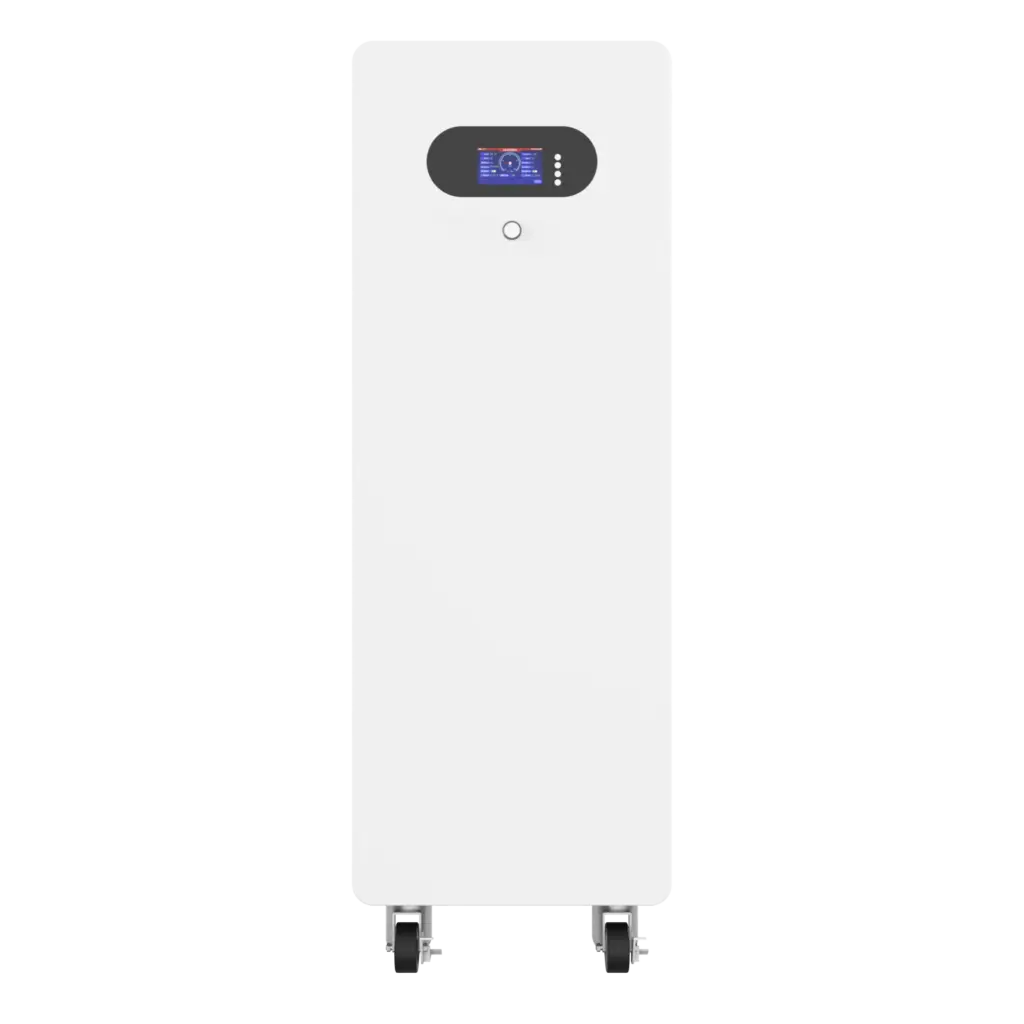
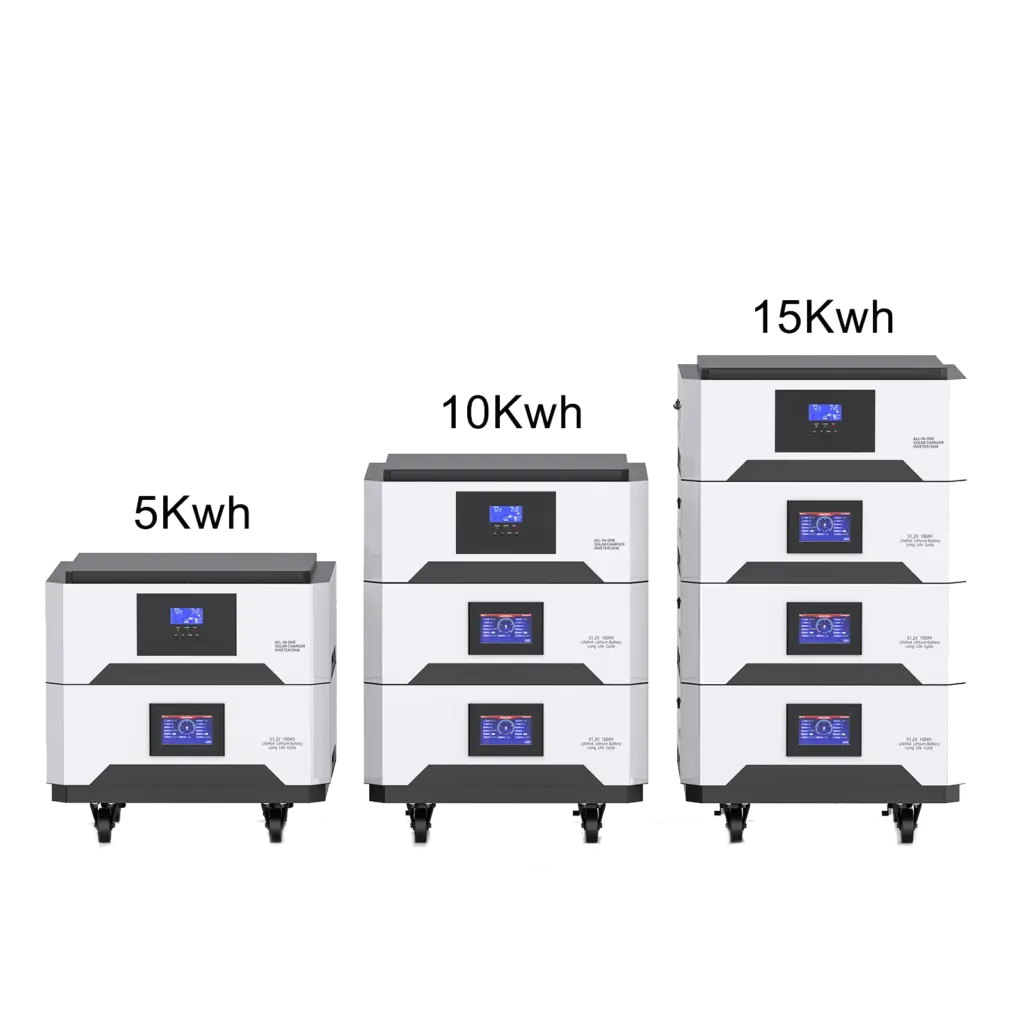
Avepower’s 15kWh all-in-one solar battery with a 6kW inverter is one example of this architecture. The published configuration combines a nominal 15kWh LiFePO4 battery, pure sine wave inverter, MPPT charging, 6.2kW maximum PV input, CAN/RS485 communication and configurable 10ms or 20ms transfer settings.
Those specifications do not mean the unit will power every home. Installers must still verify:
- Simultaneous load
- Motor starting surge
- Required runtime
- Local voltage and frequency
- Backup circuit configuration
- Solar-array compatibility
- Battery reserve
- Installation environment
The broader Avepower residential battery energy storage solution covers modular battery configurations for homes, villas, solar storage and installer-led backup projects.
Is a Hybrid Battery-and-Generator System the Most Reliable Option?
A hybrid system is often the strongest solution for sites that need both quiet daily backup and multi-day resilience. The battery supplies short outages, nighttime loads and sensitive equipment, while the generator operates only when stored energy is low or prolonged poor weather prevents sufficient solar recharge.
A typical operating sequence is:
- Solar supplies active loads.
- Excess solar charges the battery.
- The battery supplies loads when solar or grid power is unavailable.
- Non-essential loads are reduced at a defined state of charge.
- A generator starts or is connected when the battery reaches its reserve limit.
- The generator supplies loads and charges the battery at an efficient operating point.
- The generator stops after the battery reaches its target state of charge.
This design can reduce engine operating hours, nighttime noise, fuel consumption and inefficient low-load generator operation.
However, generator-assisted charging requires compatibility between:
- Generator voltage and frequency
- Inverter/charger AC input range
- Charging power
- Generator continuous rating
- Neutral and grounding arrangement
- Transfer equipment
- Control logic
- Battery charge-current limit
Avepower’s guide to home battery backup without solar explains how compatible generators may charge an inverter-battery system during extended outages.
What Does a Real Battery-Inverter Project Show?
A real project demonstrates that backup design should be based on operating objectives rather than a simple product comparison. At commercial scale, batteries, inverters, solar generation and energy management can work together to improve reliability, shift loads and reduce generator or grid dependence without assuming one technology solves every condition.
In Avepower’s Afghanistan hotel 640kWh solar BESS case, the system used 20 parallel 32kWh LiFePO4 battery units, project-matched smart inverters and an EMS.
The published operating functions include:
- Rooftop solar storage
- Peak shaving
- Load shifting
- Grid-connected operation
- Off-grid operation
- Backup support for critical loads
The project does not suggest that a residential user needs hundreds of kilowatt-hours. Its decision value is architectural: hotels and other continuity-sensitive sites benefit from coordinated batteries, inverters and energy controls rather than treating backup power as a single appliance purchase.
Build the Right Backup System With Avepower
Backup power should be sized around actual loads, required runtime, inverter compatibility and future expansion—not simply around the largest advertised capacity.
Avepower supports installers, distributors, EPC teams and OEM/ODM partners with scalable LiFePO₄ battery systems, all-in-one battery-and-inverter solutions, CAN and RS485 compatibility support, customized enclosures and project-based system configuration.
Share your inverter model, essential-load list, peak power and required backup hours to receive a matched battery configuration and technical compatibility review.
Take Control of Your Energy with Avepower!
Reliable home solar battery solutions with OEM/ODM customization and in-house manufacturing, tailored to the needs of distributors, installers, and energy partners.
FAQ
An inverter battery system is better for quiet, automatic and emission-free operation at the point of use. A portable generator is better when you need extended runtime and can continue adding fuel. The correct choice depends on power demand, outage length, installation location and charging access.
No. An inverter converts DC electricity into AC electricity and normally needs a battery or another DC source. An inverter generator is a fuel-powered generator that uses electronic conversion to regulate its AC output.
An inverter battery system can replace a generator when its continuous power, surge rating and usable energy are sufficient for the required loads and outage duration. It may not replace a generator during multi-day outages unless solar, grid restoration or another charging source is available.
Yes, when the battery inverter or charger accepts generator AC input and the generator provides compatible voltage, frequency, neutral configuration and power quality. Charge current should be configured so that the generator is not overloaded.
Yes. The inverter must support the refrigerator’s running power and compressor startup surge, while the battery must store enough usable energy for the required operating time. Use the appliance nameplate or measured startup data rather than relying on a generic refrigerator wattage.
A correctly sized inverter and battery can run an air conditioner, but starting surge and daily energy use can be substantial. Inverter-driven air conditioners with controlled startup may be easier to support than older fixed-speed compressors. Verify the actual model specifications.
A conventional portable generator normally costs less initially per watt. A battery inverter typically costs more upfront but avoids routine fuel use and may also provide solar self-consumption or time-of-use savings. Compare lifecycle cost rather than purchase price alone.
No. An inverter generator still burns fuel and produces carbon monoxide. It must be operated outdoors and positioned according to the manufacturer’s instructions and government safety guidance.