
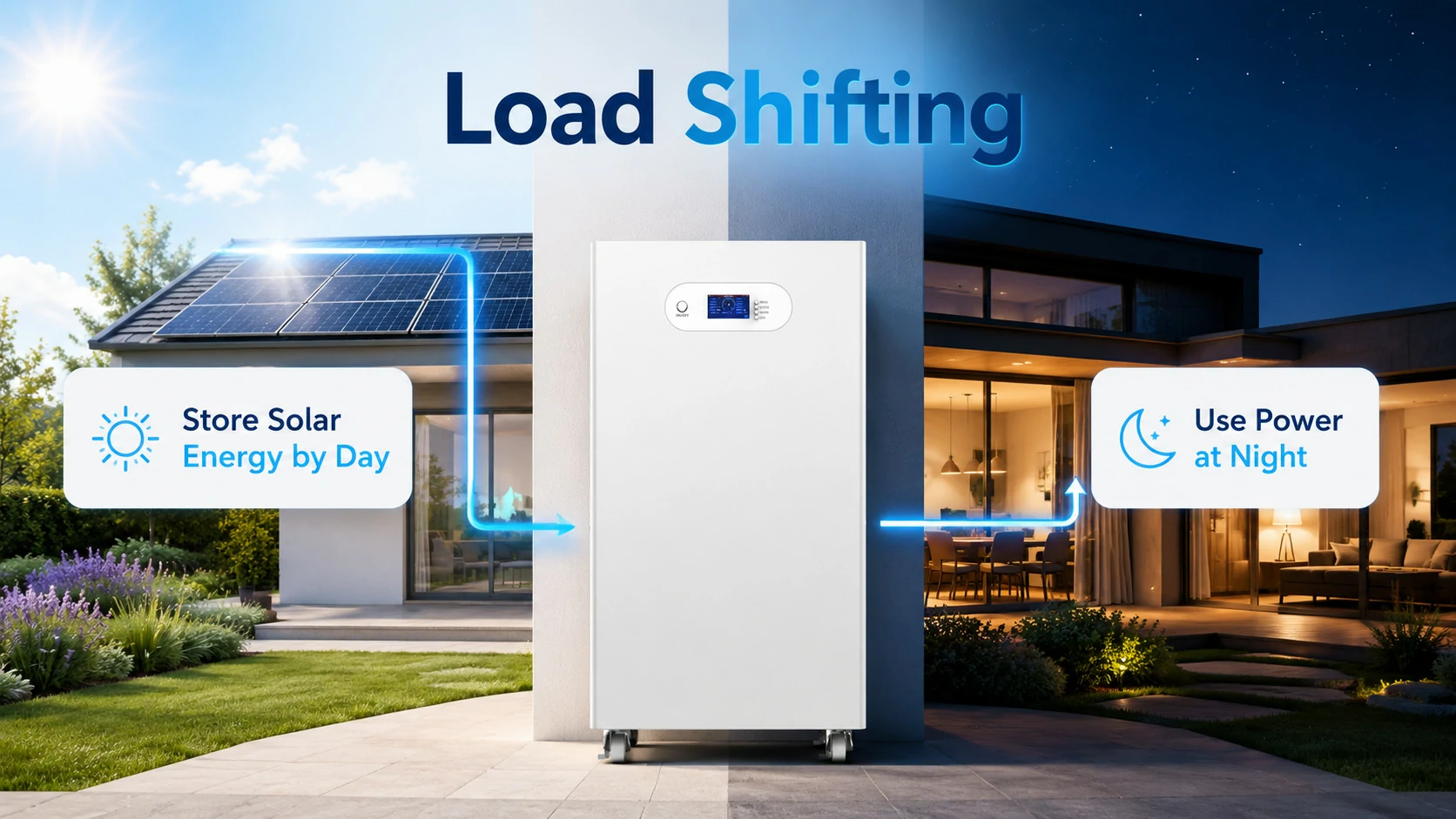
Electricity is not only about how much power you use. It is also about when you use it. In many homes, commercial buildings and industrial facilities, electricity demand rises in the morning and evening, while solar generation often peaks around the middle of the day. This timing mismatch creates higher costs, heavier grid pressure and more dependence on fossil-fuel backup generation during peak periods.
Load shifting is one of the most practical ways to solve this problem. It means moving electricity use from expensive, high-demand periods to lower-cost or cleaner periods. A home may run appliances during solar hours. A business may charge a battery overnight or at midday and discharge it during evening peaks. The goal is to reduce energy costs, ease grid pressure, increase solar self-consumption, and make better use of battery energy storage systems.
What Is Load Shifting?
In simple terms:
Load shifting = use electricity at a better time.
Load shifting is the practice of moving electricity consumption from peak periods to off-peak or lower-cost periods. It does not always reduce total electricity use. Instead, it changes the timing of that use.
A typical load shifting strategy may look like this:
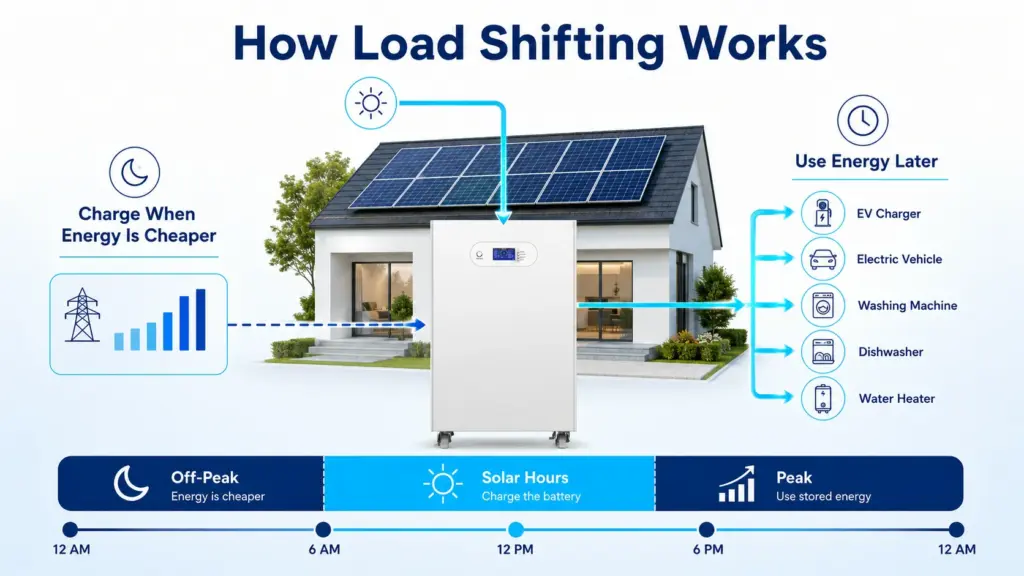
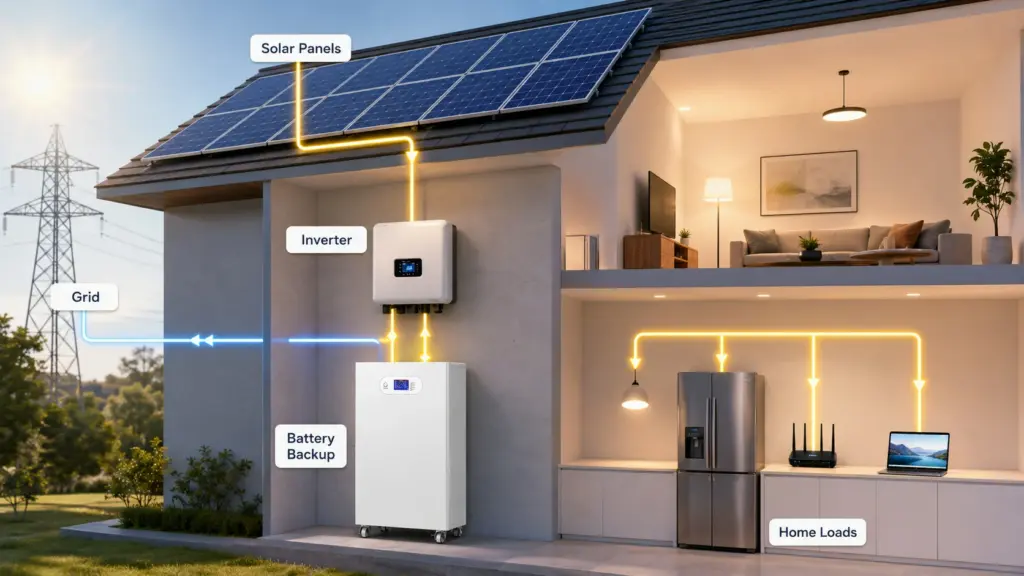
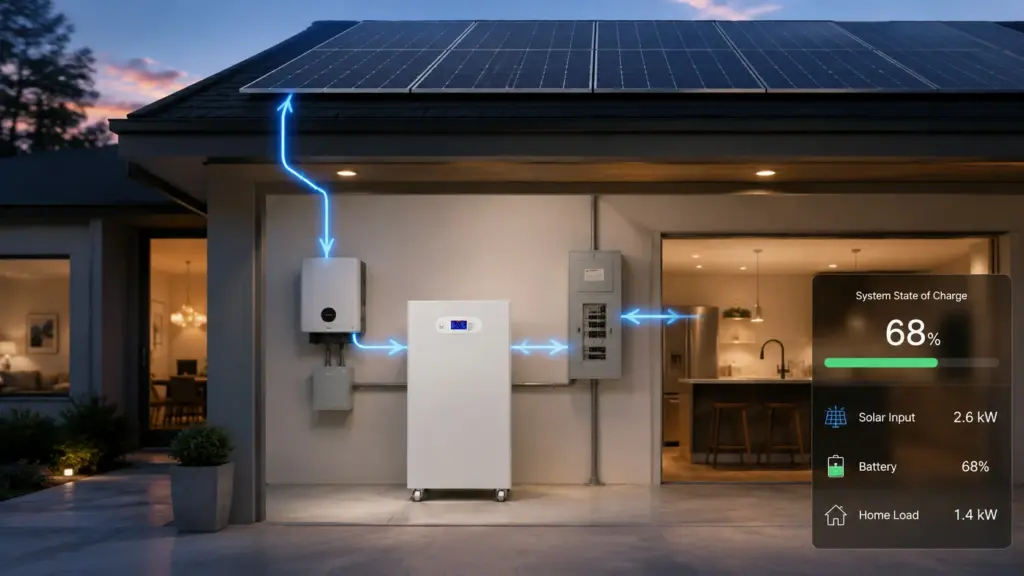
During the day, solar panels generate more electricity than the home or facility needs. Instead of exporting all surplus energy to the grid, the system charges a battery. In the evening, when electricity prices are higher and solar generation is no longer available, the battery discharges to power household or business loads.
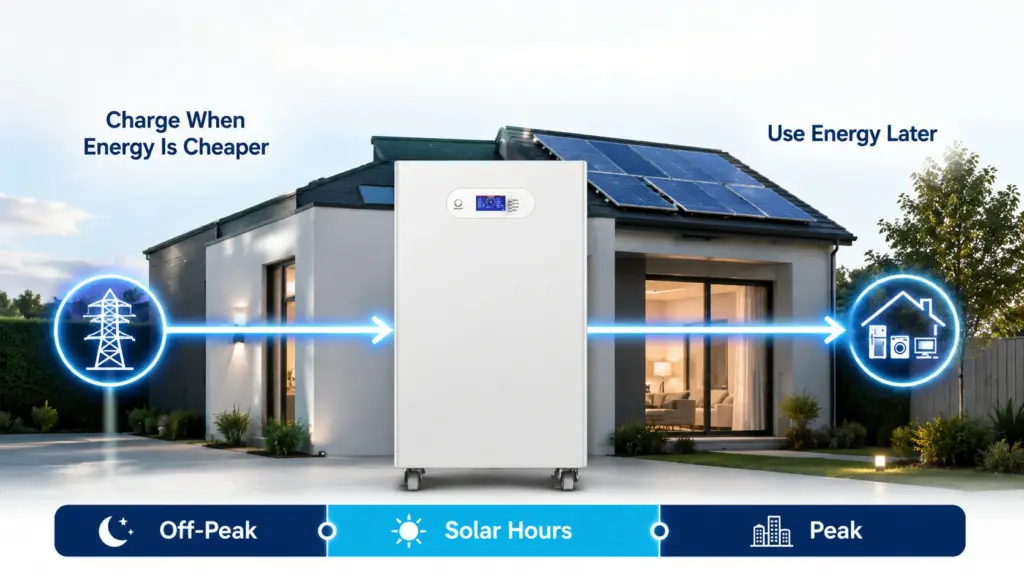
For users without solar, load shifting can still work by charging a battery or running flexible equipment during off-peak tariff windows, then reducing grid consumption during peak hours.
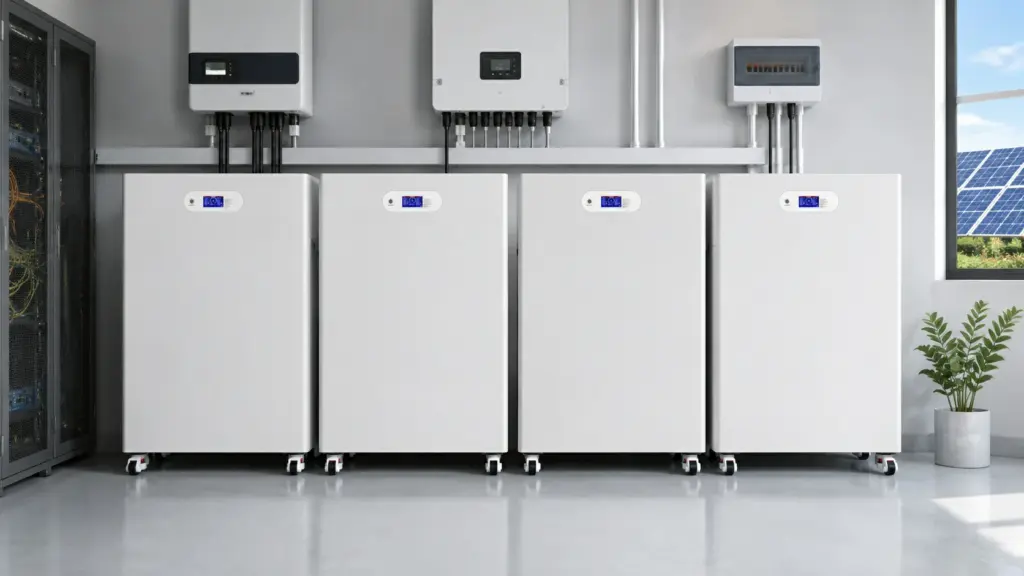
Lower Your Peak Energy Costs with Smarter Battery Storage
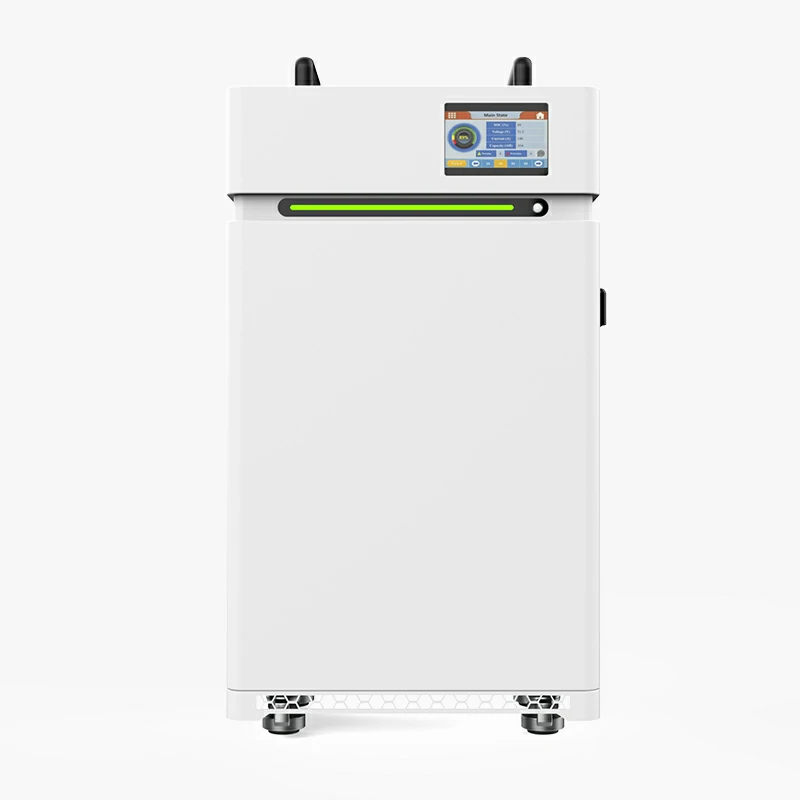
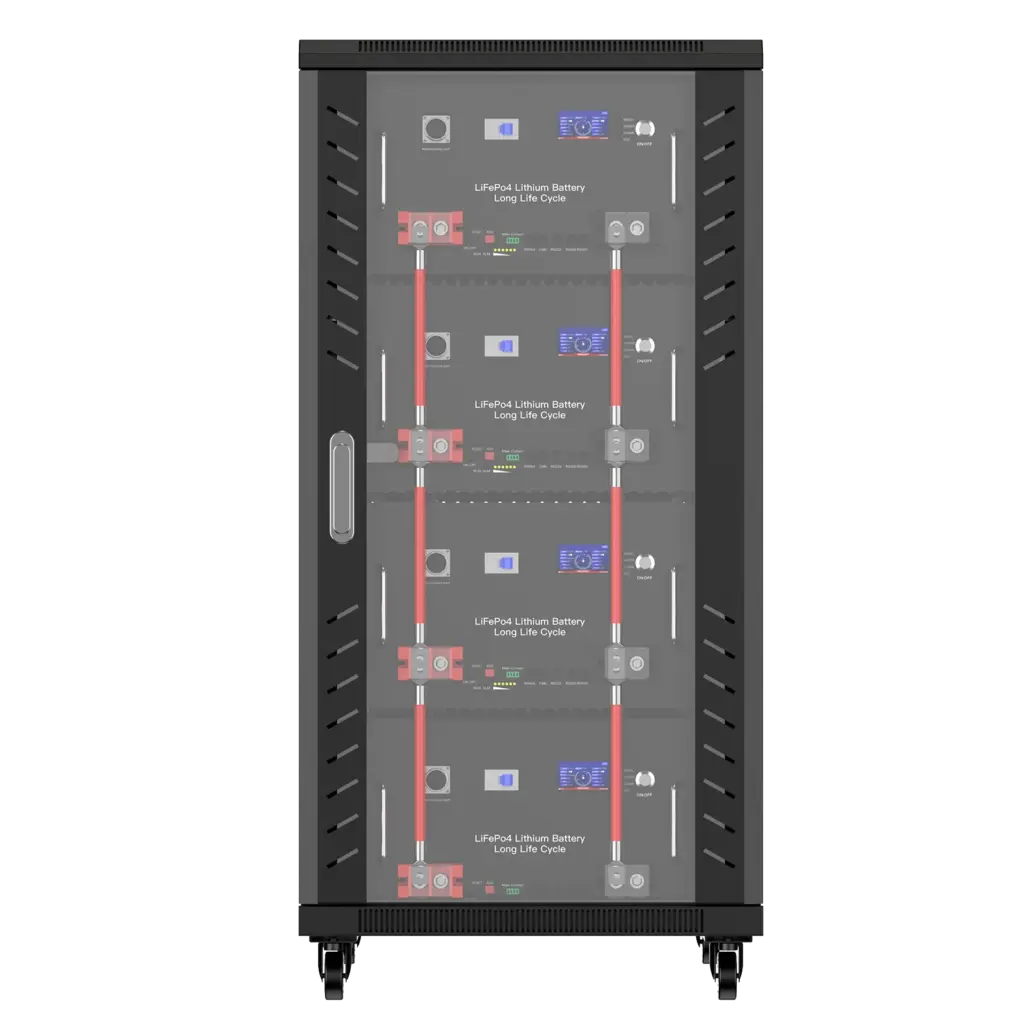
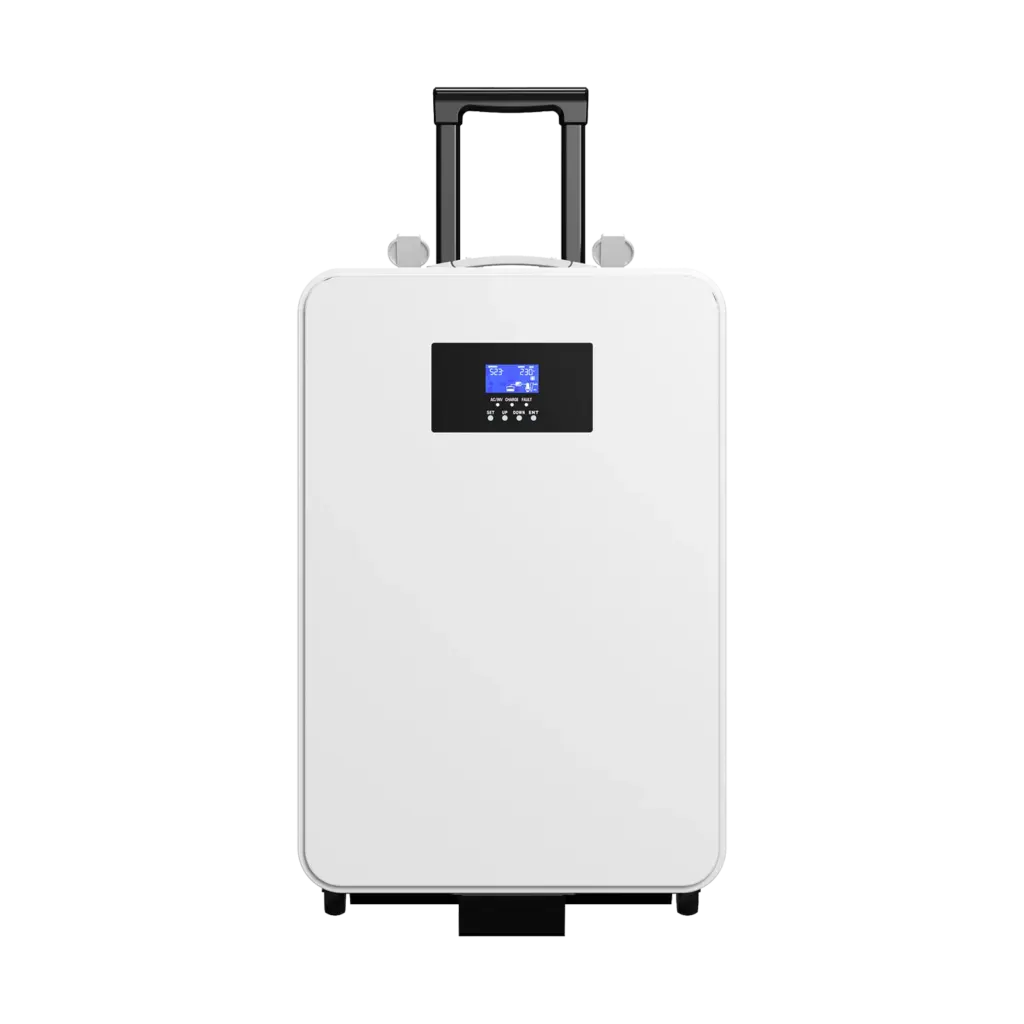
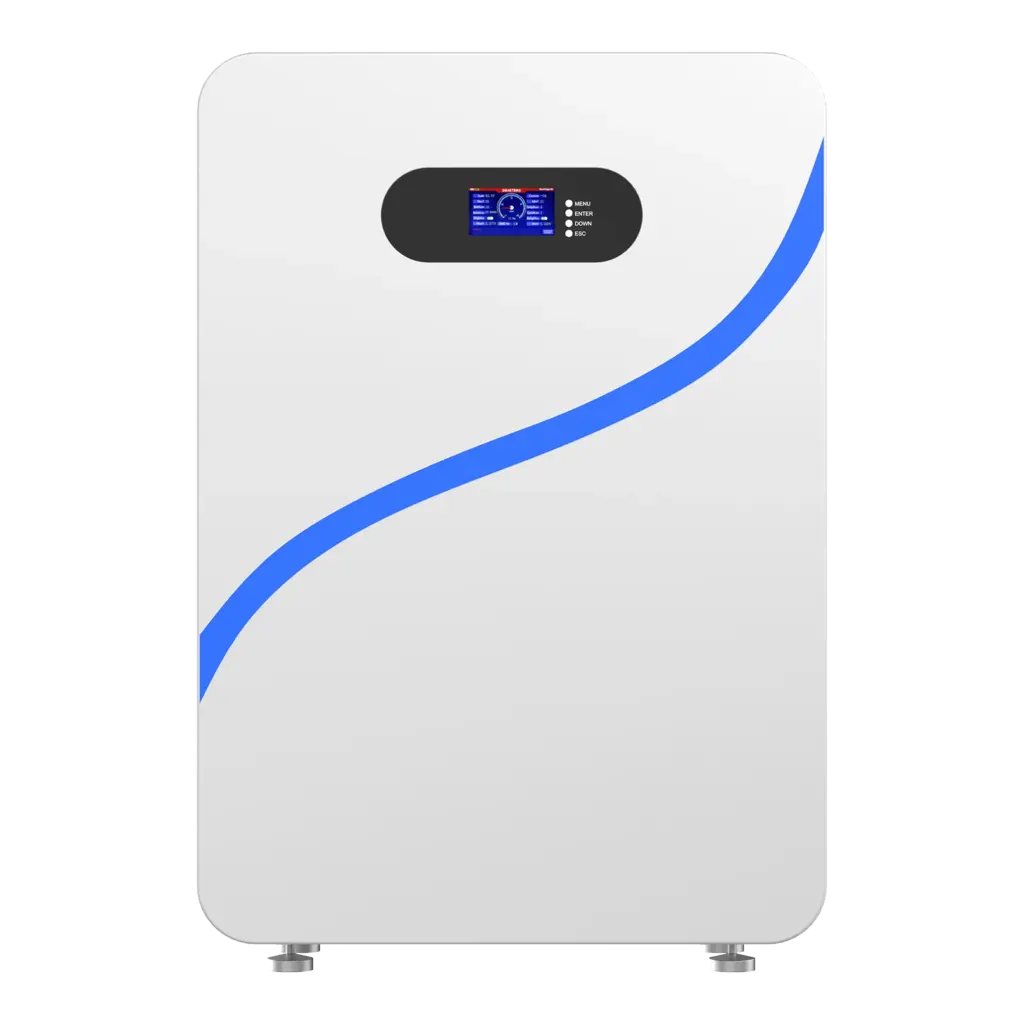
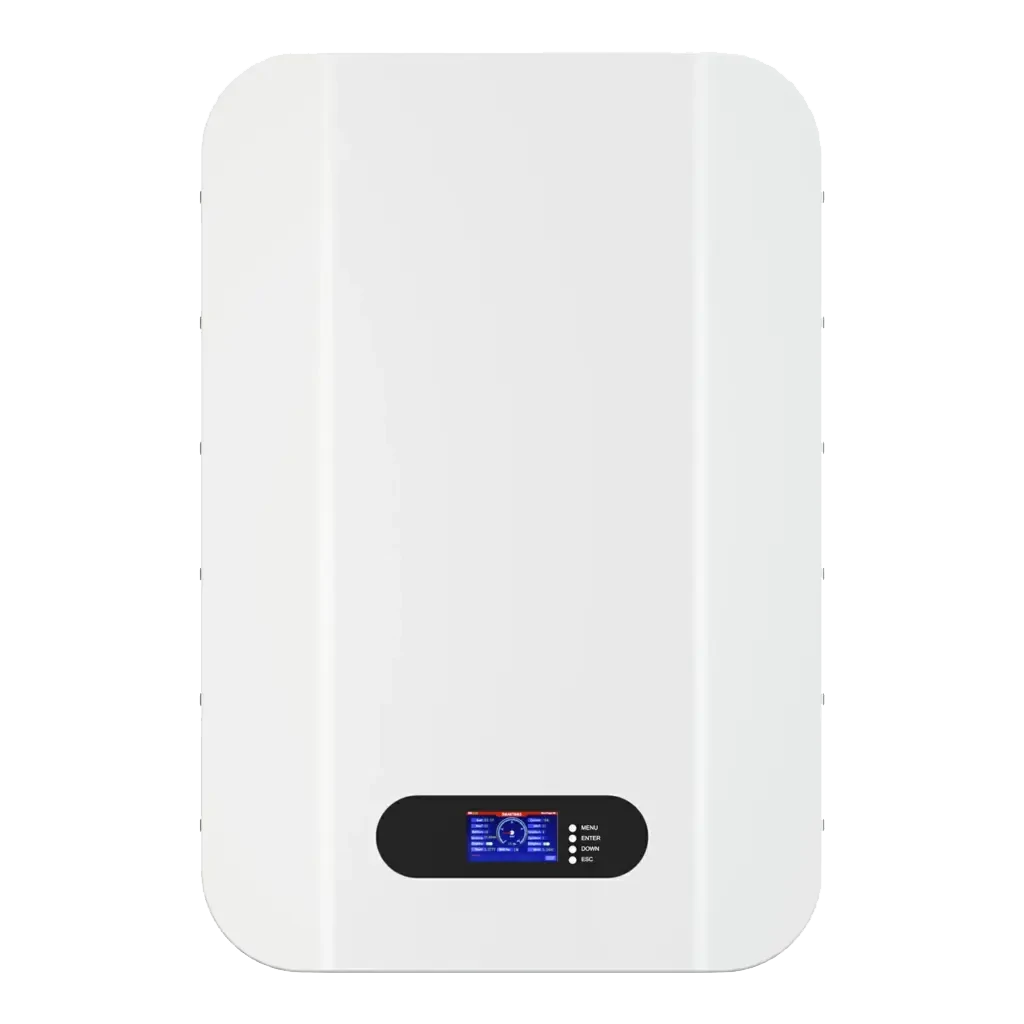
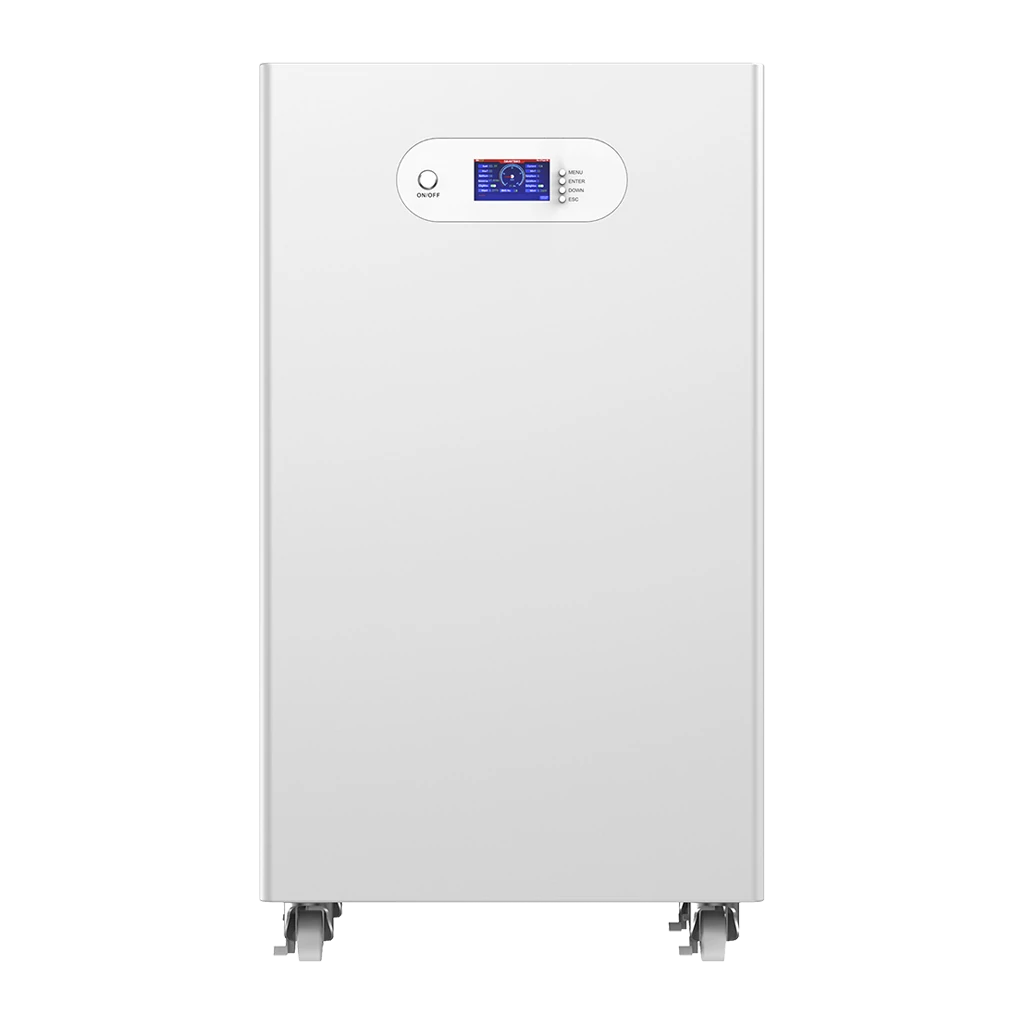
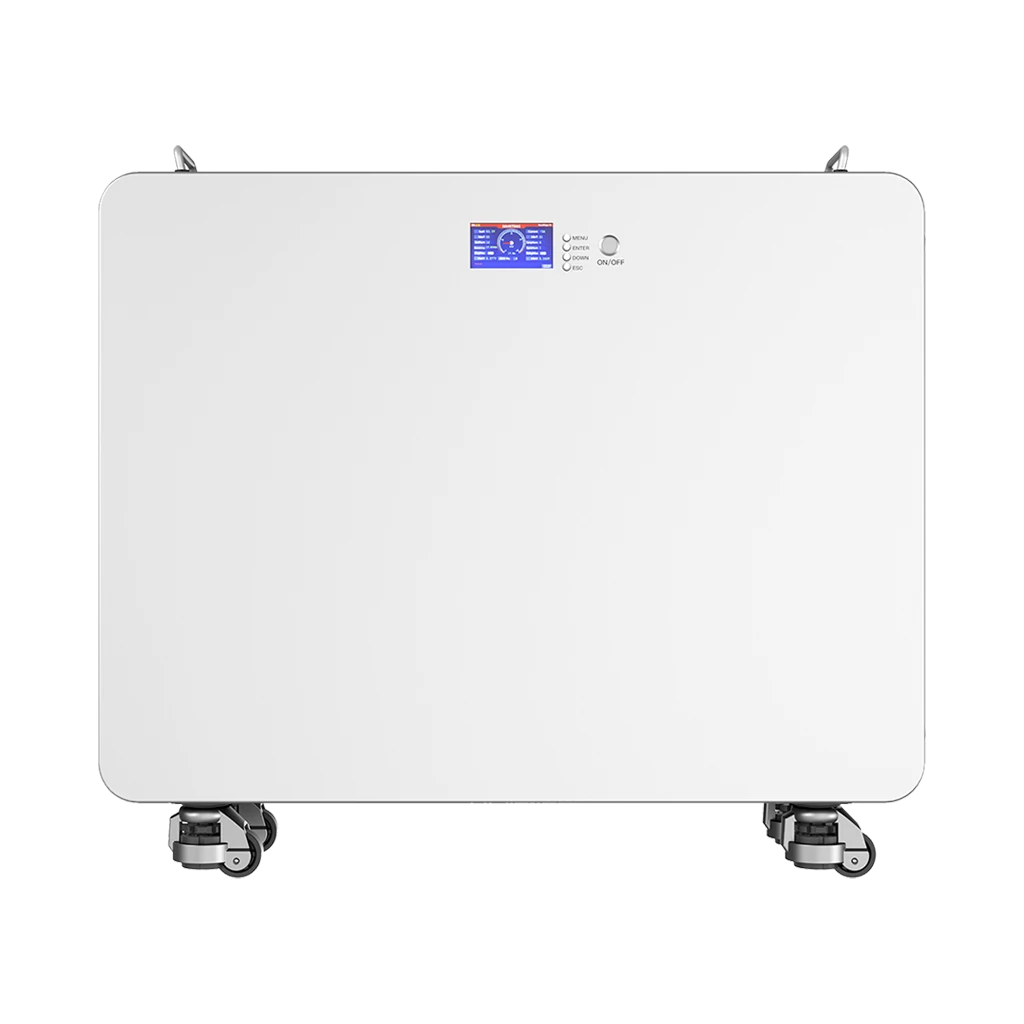
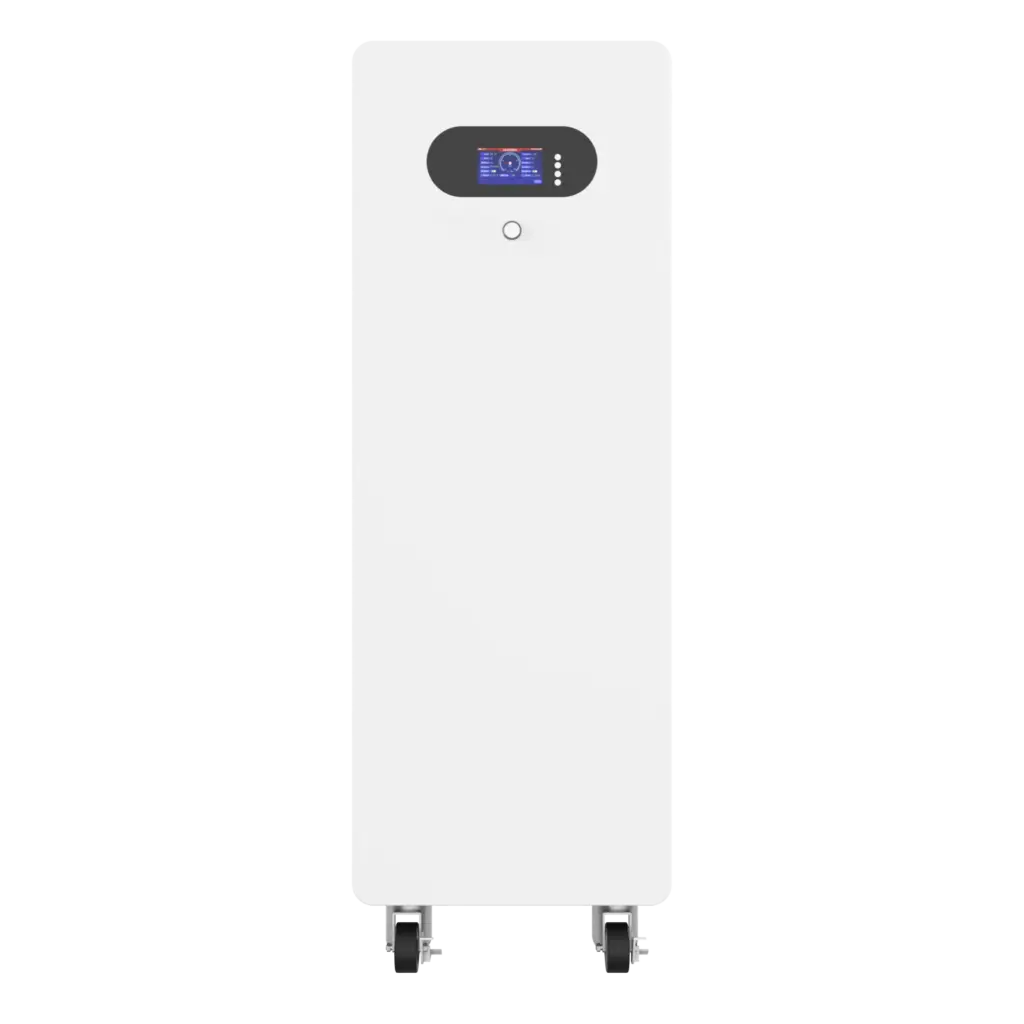
Avepower provides LiFePO4 battery storage solutions for homes, businesses and energy projects that need better solar self-consumption, peak-hour control and backup power.
How Load Shifting Works
Load shifting can be implemented through three primary methods: manual scheduling, automated control, and battery-based energy shifting.
1. Manual Scheduling
Manual scheduling is the simplest and most cost-effective approach. Users intentionally move flexible electricity-consuming activities to periods when energy rates are lower. Common examples include operating dishwashers, washing machines, pool pumps, water heaters, and EV chargers during off-peak hours.
While this method requires little to no additional equipment, its effectiveness depends largely on user awareness and consistent behavior.
2. Automated Load Control
Automated load shifting uses smart technologies to manage energy consumption without requiring constant user intervention. Timers, smart plugs, energy management systems (EMS), EV chargers, inverter settings, and building management systems can automatically schedule electrical loads based on electricity tariffs, solar generation, battery state of charge, or utility signals.
3. Battery-Based Energy Shifting
Battery energy storage systems (BESS) offer the most flexible and effective load-shifting solution. A battery can store electricity when energy costs are low, solar production is abundant, or grid demand is reduced. The stored energy is then discharged when electricity prices rise, grid demand peaks, or solar generation is unavailable.
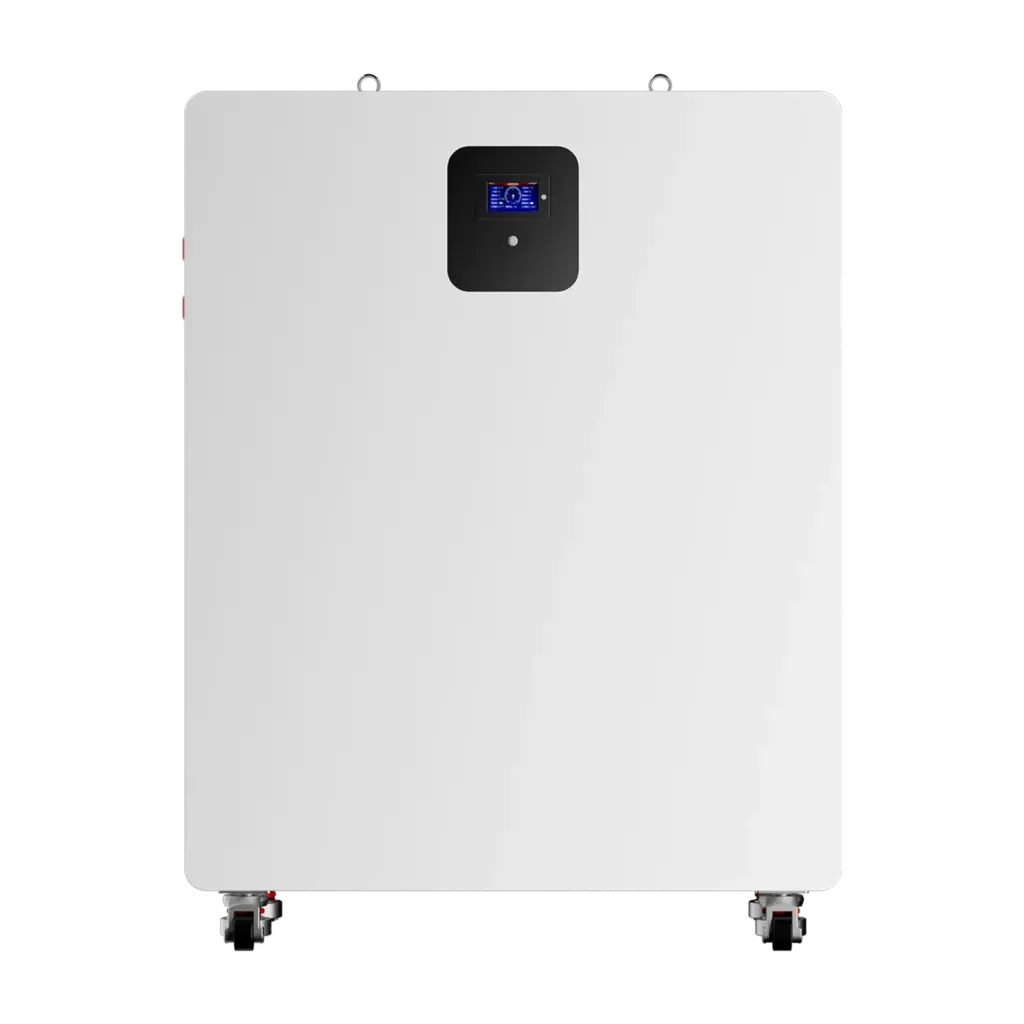
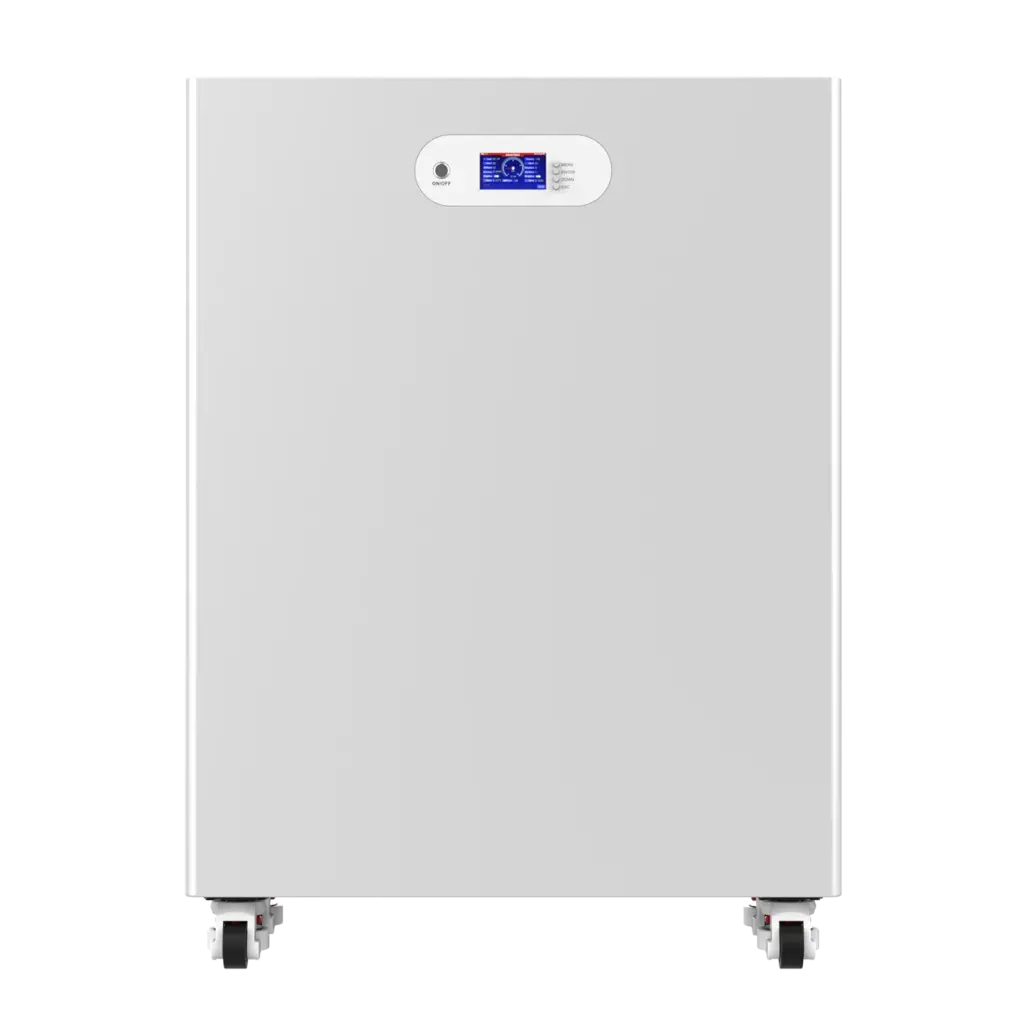
For example, a residential battery may charge from rooftop solar between 10:00 a.m. and 3:00 p.m. and discharge between 5:00 p.m. and 9:00 p.m., when household electricity demand and utility rates are often highest. Avepower home battery systems are designed to store daytime solar energy for night use, avoid peak utility rates and reduce grid dependence. These systems can store off-peak grid electricity for use during high-demand periods, even when solar panels are not installed.
Load Shifting vs Peak Shaving
Load shifting moves energy consumption from one time period to another. The goal is to use more electricity during low-cost or low-demand periods and less during expensive or high-demand periods.
Peak shaving reduces the highest level of power drawn from the grid. The goal is to lower maximum demand, usually measured in kilowatts. This is especially important for commercial users with demand charges.
Here is the simple difference:
| Strategy | Main Question | Main Goal | Common Tool |
|---|---|---|---|
| Load shifting | When should electricity be used? | Move consumption to cheaper or cleaner periods | Timers, EMS, battery storage |
| Peak shaving | How high does peak demand get? | Reduce maximum grid draw | Battery, load control, generator |
| Energy efficiency | How much electricity is used? | Reduce total consumption | Efficient appliances, process upgrades |
In real projects, these strategies often work together. A battery can shift energy by charging during low-cost periods and discharging during peak periods. At the same time, it can shave sudden demand spikes by reducing maximum power draw from the grid.
How Batteries Improve Load Shifting
Battery energy storage makes load shifting more powerful because it separates electricity generation from electricity consumption.
Without a battery, you can only shift flexible loads. With a battery, you can also shift energy itself. This means solar power generated at noon can be used in the evening. Off-peak grid power can be stored overnight and used during the day. Backup energy can also support essential loads during outages.
A well-designed battery system for load shifting should consider usable capacity, inverter power, charge and discharge rate, depth of discharge, cycle life, communication protocol, safety certification and monitoring. The power conversion system also matters because it determines how quickly the battery can charge and discharge. Avepower’s PCS guide explains that battery capacity is measured in kWh, while PCS or inverter power is measured in kW; both must be matched to the project’s load profile.
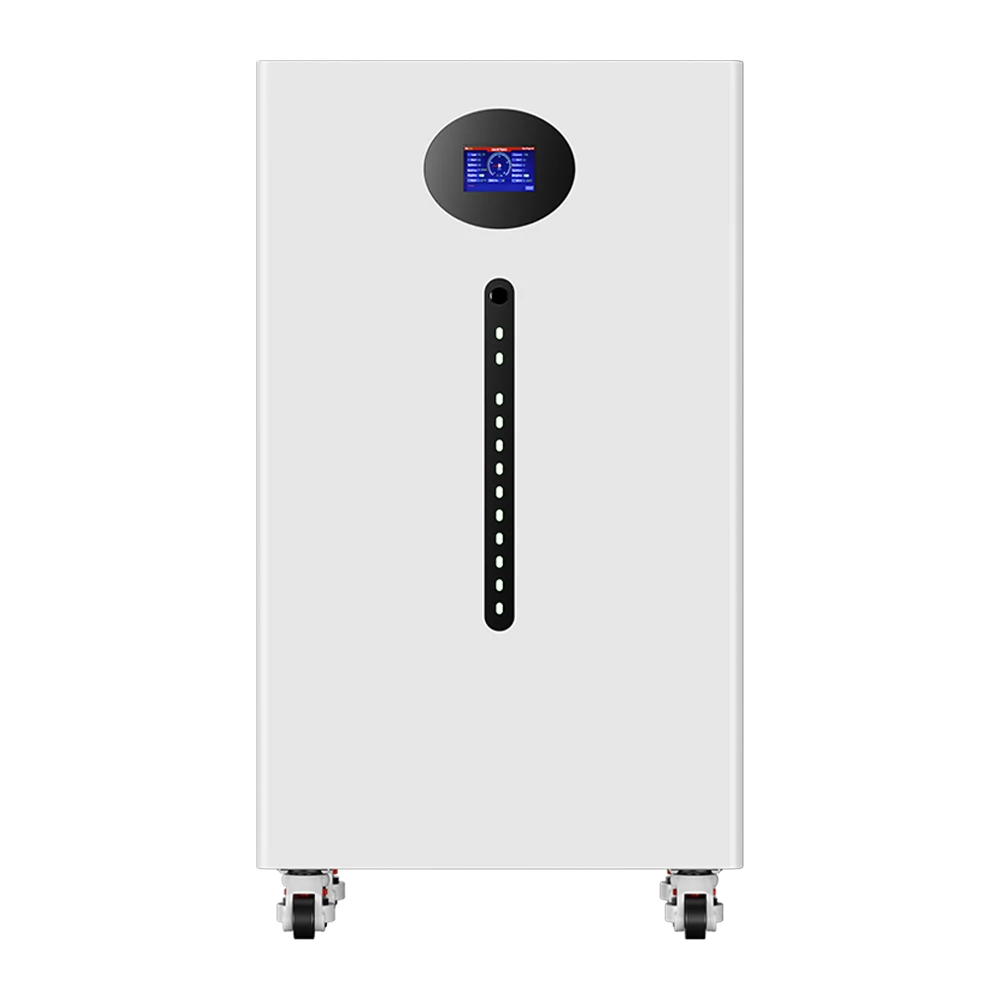
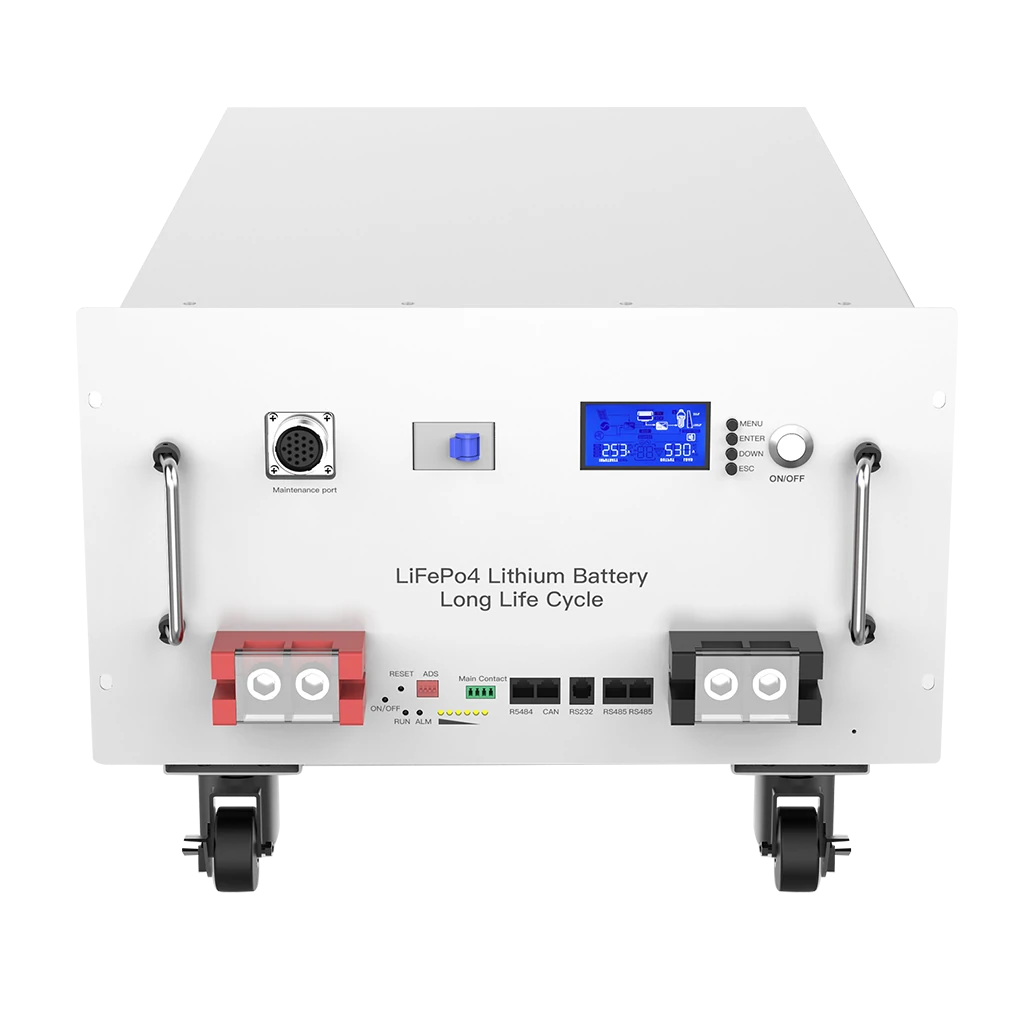
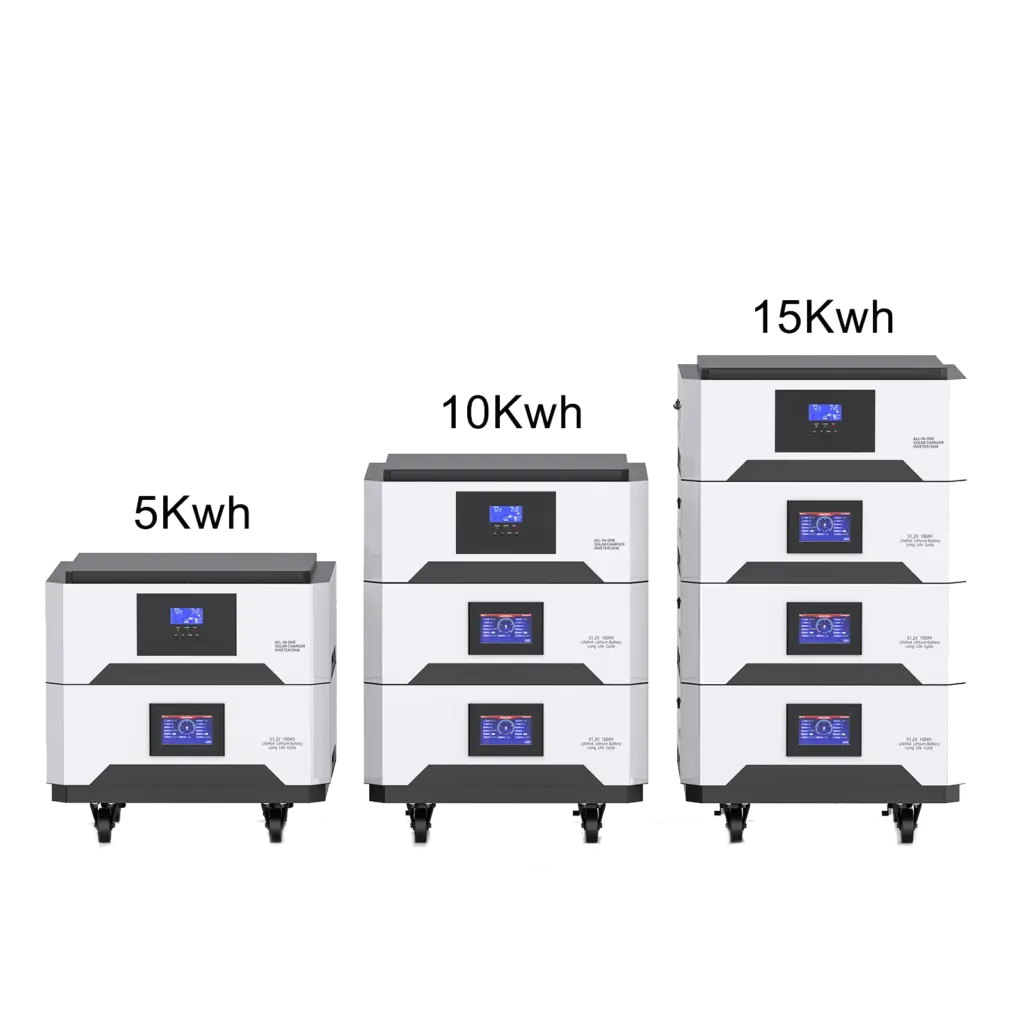
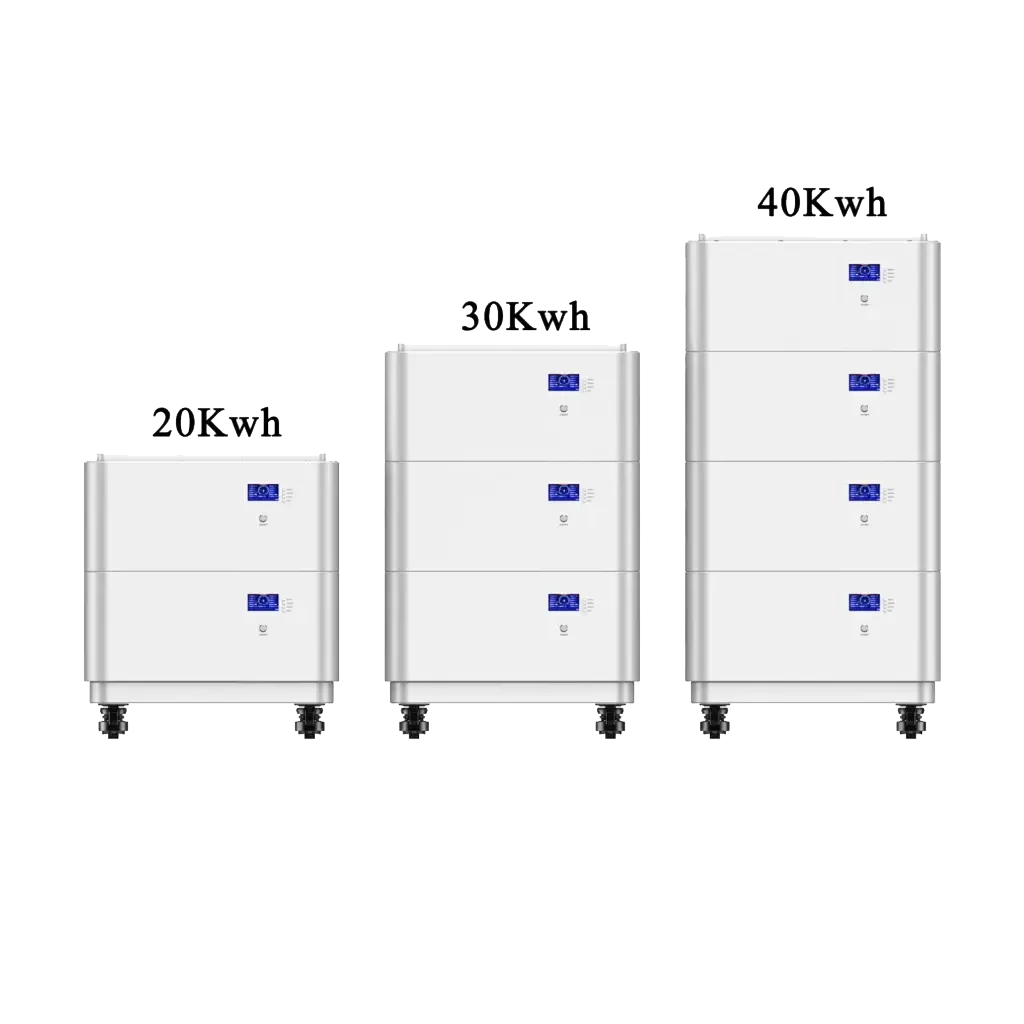
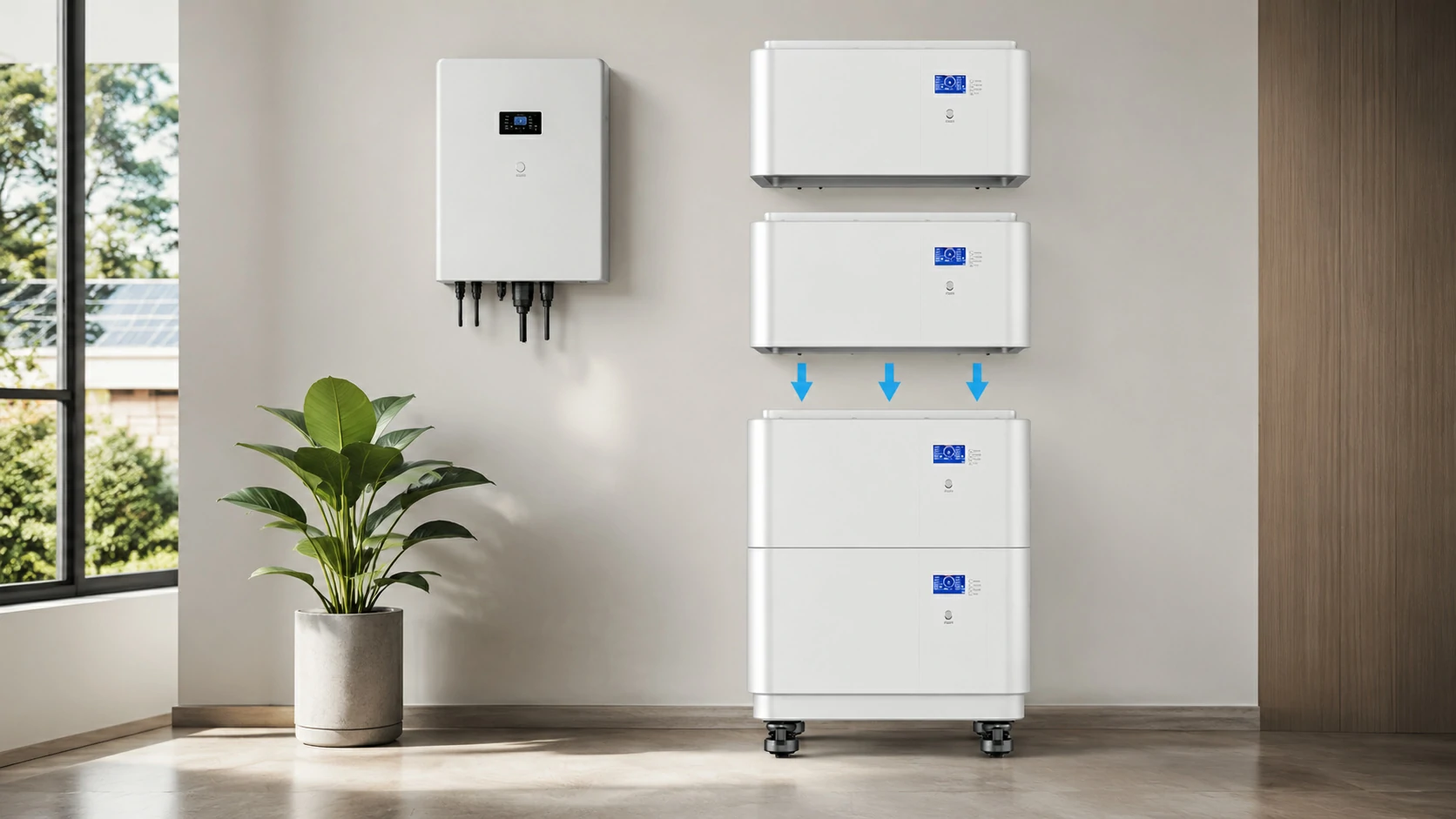
For residential and small commercial projects, LiFePO4 batteries are widely used because they offer stable thermal performance, long cycle life and strong suitability for daily charge-discharge applications. Avepower’s 15kWh vertical LiFePO4 battery is positioned for residential solar storage, backup power, off-grid systems and small commercial energy storage projects.
Battery Sizing for Load Shifting
Battery sizing for load shifting should be based on usable energy, discharge power and the length of the peak period.
Usable energy is measured in kWh. It tells you how much electricity the battery can store and deliver. Discharge power is measured in kW. It tells you how much load the battery can support at one time.
For example, a 15 kWh battery may be enough to cover several hours of essential household loads, but it may not support all high-power appliances at the same time if inverter output is limited. For a business, a 100 kWh or 200 kWh system may be useful for shifting a larger peak window, but the PCS and inverter power must also match the site’s demand profile.
A simple sizing method is:
- Identify the expensive peak tariff window.
- Calculate the average load during that period.
- Decide which loads the battery should cover.
- Estimate required usable battery capacity.
- Check inverter output and surge requirements.
- Include battery depth of discharge, efficiency and future load growth.
- Confirm communication compatibility between battery, inverter and EMS.
Avepower supports customized battery system design for different capacity, voltage platform, power output, BMS strategy and communication requirements. For distributors, installers and OEM brands, the custom battery system page is a useful internal resource to link when discussing project-based load shifting requirements.
Need a Battery System for Load Shifting and Peak Shaving?
Avepower supports residential, commercial and OEM/ODM energy storage projects with flexible battery capacity and communication options.
Common Examples of Load Shifting
Load shifting can range from simple behavioral changes to advanced energy management strategies, depending on the type of system and energy requirements.
Residential Load Shifting Examples
At the household level, common load-shifting practices include:
- Running washing machines and dryers during daylight hours.
- Scheduling dishwashers to operate late at night or during off-peak tariff periods.
- Charging electric vehicles (EVs) when rooftop solar generation is available.
- Using timers to operate pool pumps during lower-cost electricity periods.
- Pre-cooling or pre-heating a home before peak pricing begins.
- Charging a home battery energy storage system during off-peak hours for later use.
These strategies help homeowners reduce electricity costs while improving overall energy efficiency.
Solar and Battery Energy Storage Systems
In homes with solar power systems, load shifting often focuses on maximizing self-consumption of solar energy. Instead of exporting excess solar electricity to the grid, homeowners can use or store that energy for later consumption.
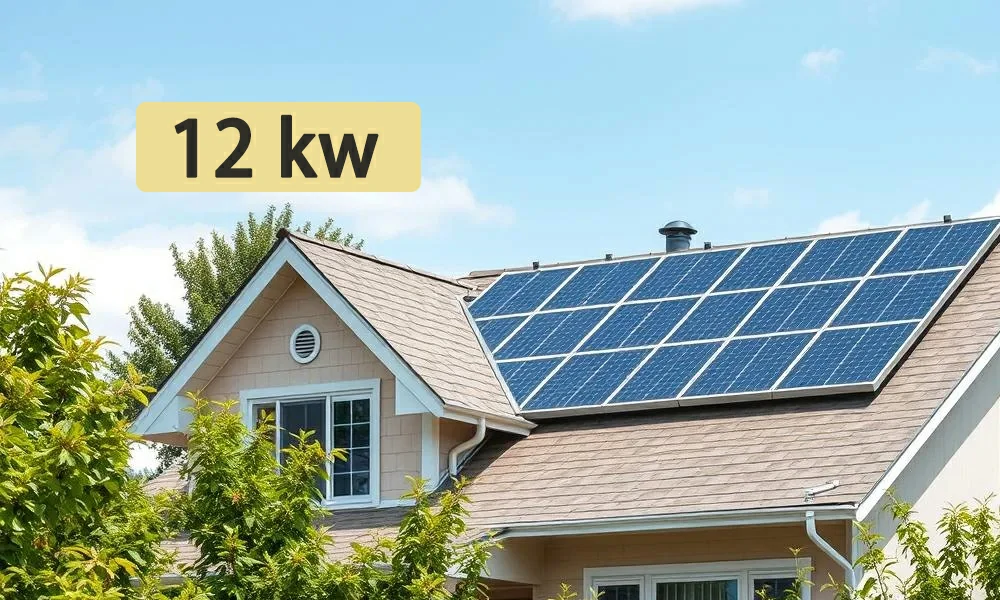
For example, a rooftop solar system may generate surplus electricity around midday when household demand is low. A battery energy storage system (BESS) can store this excess energy and discharge it during the evening, when electricity demand typically increases and solar production has stopped. This reduces grid imports during peak-rate periods and improves the financial return on the solar investment.
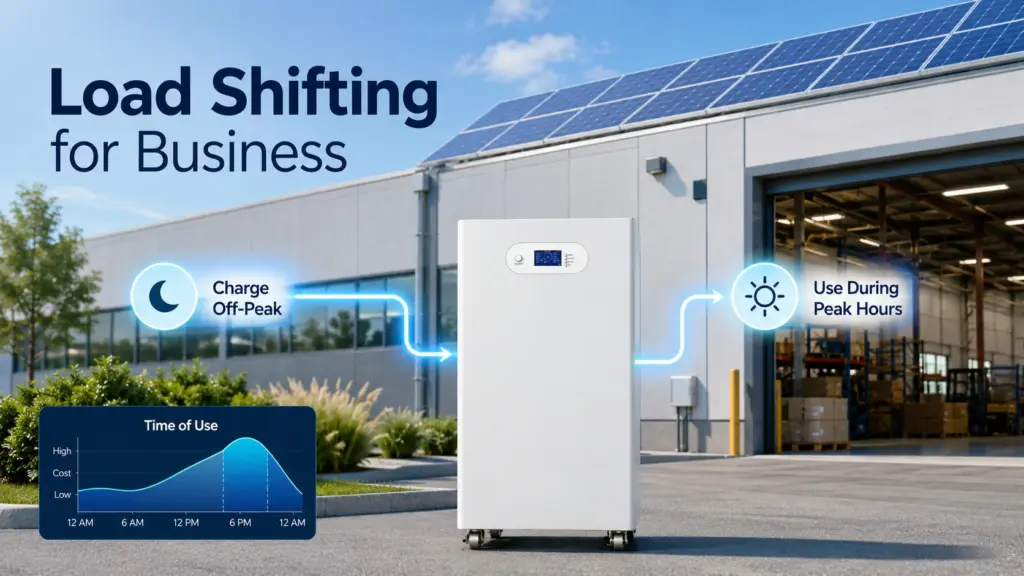
Commercial and Industrial Applications
Commercial and industrial facilities commonly use load shifting to lower energy costs and reduce demand charges. Typical examples include:
- Charging battery energy storage systems overnight during off-peak tariff periods.
- Operating selected equipment outside peak-rate windows.
- Using stored battery energy during afternoon demand peaks.
- Scheduling non-critical manufacturing or production processes during lower-cost periods.
These strategies can significantly improve energy cost management while supporting grid stability.
Electric Vehicle Charging
Load shifting is particularly valuable for EV charging because vehicles often remain parked for extended periods. Smart charging systems can automatically schedule charging sessions when electricity prices are lower, renewable energy generation is higher, or grid demand is reduced.
By shifting EV charging away from evening peak periods and toward off-peak or solar-powered hours, users can reduce charging costs, increase renewable energy utilization, and minimize strain on the electrical grid.
Benefits of Load Shifting
Load shifting offers a range of financial, operational, and energy management benefits for residential, commercial, and industrial energy users.
1. Lower Electricity Costs
One of the most significant benefits of load shifting is reduced energy costs. In areas with time-of-use (TOU) electricity pricing, electricity rates are typically lower during off-peak periods and higher during peak-demand periods. By moving energy consumption to lower-cost hours, users can reduce their average electricity cost per kilowatt-hour (kWh) and lower overall utility bills.
2. Improved Solar Energy Utilization
For homes and businesses with solar power systems, load shifting helps maximize solar self-consumption. Instead of exporting excess solar energy to the grid during periods of low demand, users can store or consume that energy when it is generated and use it later when needed.
When combined with a battery energy storage system (BESS), excess solar production can be stored during the day and discharged during the evening, increasing the value of the solar investment and reducing reliance on grid electricity.
3. Reduced Peak Demand Charges
Load shifting can significantly lower peak electricity demand, which is particularly valuable for commercial and industrial facilities. Many utilities apply demand charges based on the highest level of power consumed during a billing period.
By shifting energy-intensive activities away from peak periods or using stored battery energy during demand spikes, businesses can reduce peak demand, lower utility costs, and avoid exceeding contracted capacity limits.
4. Enhanced Grid Stability
Load shifting supports a more balanced and efficient electricity grid. When large numbers of consumers move electricity usage away from peak-demand periods and toward times of abundant renewable energy generation, grid operators face less strain on infrastructure and generation resources.
This can help reduce congestion, improve system reliability, and support the integration of renewable energy sources such as solar and wind power.
5. Increased Energy Resilience
Battery systems used for load shifting can also enhance energy resilience. Depending on the battery configuration, inverter capabilities, reserve settings, and local grid regulations, stored energy may provide backup power during grid outages or emergency situations.
This added functionality allows a battery energy storage system to deliver value not only through daily energy savings but also through improved energy security.
Plan Your Load Shifting Project with Avepower
Whether you are building a home solar battery system, commercial energy storage project or customized OEM battery solution, Avepower can help you choose the right LiFePO4 battery configuration for load shifting, solar storage and backup power applications.
Manual Load Shifting vs Automated Load Shifting
Manual load shifting is simple and low-cost. Users can change habits, use appliance timers, charge EVs at night or run equipment during solar hours. This works well for households and small sites.
Automated load shifting is more reliable. Smart chargers, smart thermostats, solar inverters, battery systems and energy management software can respond to time-of-use rates, solar production, battery state of charge or grid signals.
For commercial and industrial users, automation is usually more effective because the load profile is more complex. Manual changes may be inconsistent, while automated controls can follow a dispatch strategy every day.
Load Shifting and Renewable Energy Integration
Load shifting is not only a cost-saving strategy. It also helps renewable energy become more useful.
Solar and wind generation do not always match demand perfectly. When renewable generation is high and demand is low, clean power may be underused or exported at low value. When demand is high and renewable output is lower, the grid may need more expensive generation.
By moving consumption toward renewable-rich periods or storing renewable energy for later use, load shifting improves the match between clean energy supply and real-world demand.
This is why demand flexibility, smart controls and battery storage are becoming important parts of modern energy systems. The IEA Electricity 2026 flexibility analysis highlights the growing need for power system flexibility as variable solar PV, wind, battery storage, EVs, heat pumps and large loads increase.
How to Start a Load Shifting Project
Before selecting a battery, collect at least one month of electricity bills and, if possible, 15-minute or 30-minute interval data. For C&I sites, 12 months of data is better because demand peaks may change by season.
Then define your goal. Are you trying to reduce evening peak-rate purchases, improve solar self-consumption, reduce demand charges, support backup power, or combine all of these?
Next, choose the right system architecture. A home may need a low-voltage LiFePO4 battery with hybrid inverter communication. A commercial project may need a higher-capacity BESS with EMS control, PCS integration, fire safety design, and site-specific engineering.
Finally, set the operating strategy. A battery designed for load shifting should not simply charge and discharge randomly. It should follow tariff periods, solar generation, SOC reserve, inverter limits, and backup priorities.
Get a Load Shifting Battery Recommendation
If you are planning a home, installer-led, commercial, or OEM/ODM battery project, you can send your project details to Avepower for model selection and system configuration support.
Recommended information to prepare:
- Project type: home, villa, small business, factory, hotel, telecom, EV charging, or off-grid site
- Installation country and grid voltage
- Solar system size, if available
- Peak electricity period and tariff details
- Average daily consumption and peak-period consumption
- Required backup loads
- Target battery capacity in kWh
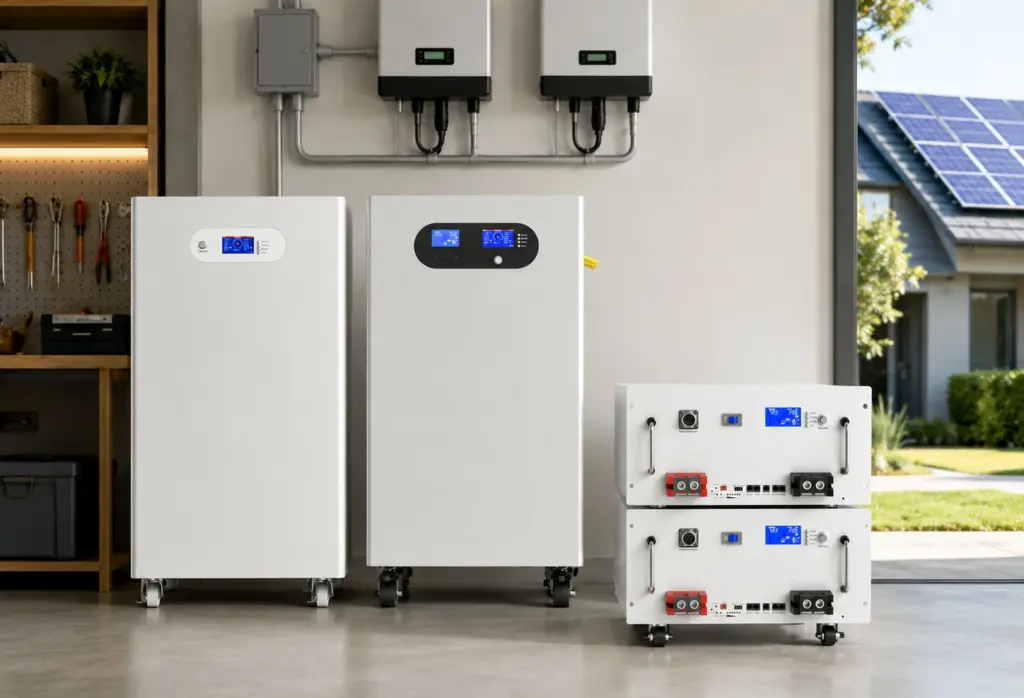
- Preferred system type: wall mounted, rack mounted, vertical, stackable, all-in-one, or high-voltage ESS
Take Control of Your Energy with Avepower!
Reliable home solar battery solutions with OEM/ODM customization and in-house manufacturing, tailored to the needs of distributors, installers, and energy partners.
Conclusion
Load shifting is one of the most practical ways to make electricity use smarter. It does not require users to stop using power. Instead, it helps them use power at a better time.
For homes, it can reduce evening grid imports and improve solar self-consumption. For businesses, it can lower peak-period costs, support demand management, and improve energy resilience. For the grid, it can reduce stress during high-demand periods and help integrate more renewable energy.
The most effective load shifting strategies combine good data, flexible loads, smart controls, and the right battery storage system. For installers, distributors, OEM/ODM brands, and project developers, Avepower can support load shifting projects with LiFePO4 battery storage solutions, inverter communication support, scalable system design, and customized battery configurations for residential and commercial applications.
If you are planning a solar battery storage project, load shifting should not be treated as an extra feature. It should be part of the system design from the beginning.
FAQ
Load shifting means moving electricity use from high-cost or high-demand periods to lower-cost or lower-demand periods. With battery storage, energy can be stored when solar power is available or grid electricity is cheaper, then used later during peak hours.
No. Load shifting changes the timing of energy consumption. Peak shaving reduces the highest power demand during peak periods. A battery system can often do both, but the design goal is different.
Not always. Some loads can be shifted with timers, smart plugs, EV chargers or energy management settings. However, a battery is useful when the load cannot easily move or when you want to store solar power for later use.
LiFePO4 batteries are commonly used for solar storage and daily cycling because they offer long cycle life, good safety performance and stable operation. The best battery also depends on capacity, inverter compatibility, BMS quality, communication protocol and installation requirements.
Yes. A battery can charge from off-peak grid electricity and discharge during peak-rate periods, depending on local electricity rules and tariff structures. However, combining solar with battery storage often improves the value because surplus solar energy can be stored instead of exported.
The required capacity depends on how many kWh you want to move from one time period to another. Review your hourly load data, peak tariff hours, solar generation and backup reserve requirements before selecting a battery size.
Yes. Commercial buildings may benefit from load shifting when they face time-of-use prices, high afternoon demand, demand charges, EV charging loads or large solar systems. The system should be designed around both energy capacity and power output.
It can help when electricity use is moved to periods with higher renewable energy availability or when stored solar power replaces grid electricity during fossil-fuel-heavy peak periods. The actual emissions benefit depends on the local grid mix and operating strategy.