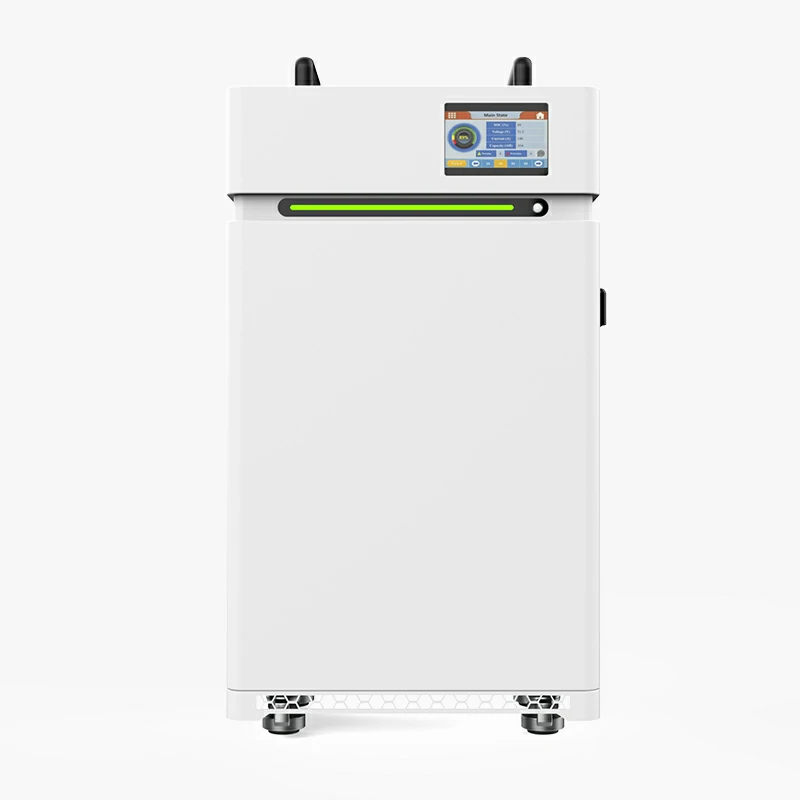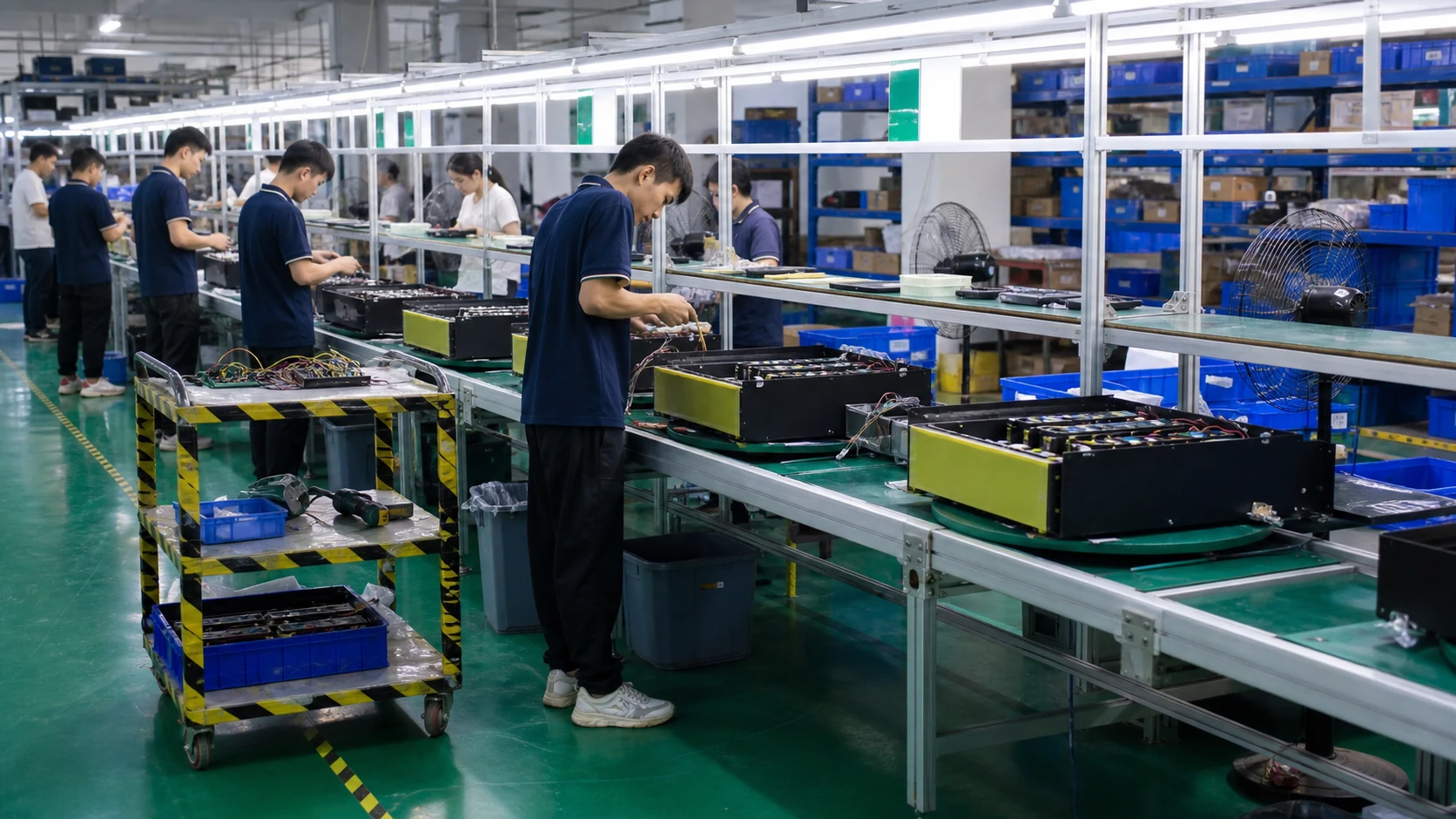

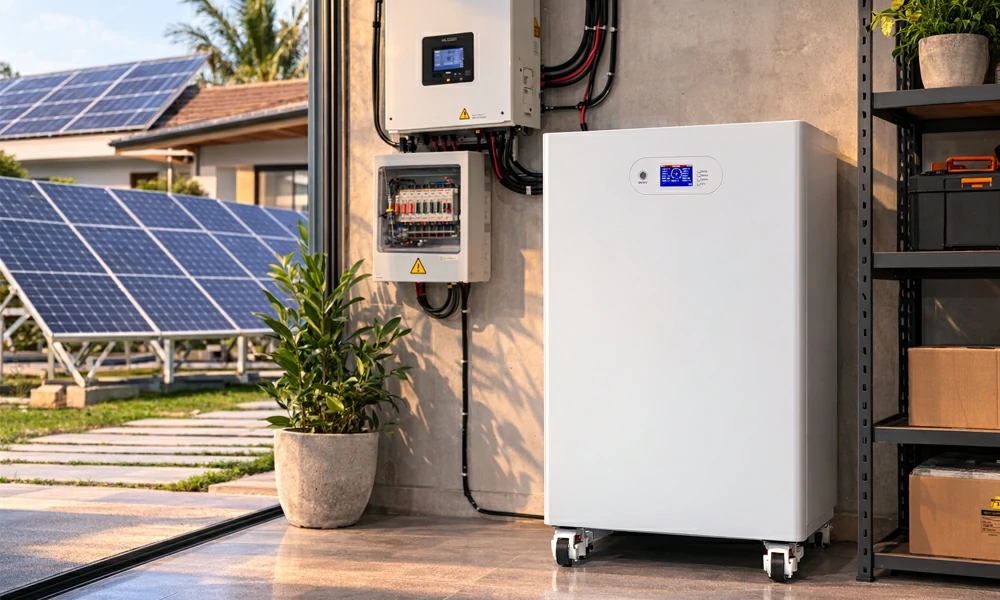
A 20 kw off grid solar system is a standalone solar power system capable of generating up to 20 kilowatts of power under optimal sunlight conditions. Unlike grid-tied systems, it operates completely independently from the public electricity grid.
Because the system is not connected to the utility network, it must generate, store, and manage electricity on its own. This requires not only solar panels but also a battery storage system and specialized off-grid inverters.
Typical Configuration of a 20 kW Off Grid Solar System
| Component | Specification |
|---|---|
| Solar Panels | 40 × 500 W |
| Total Solar Capacity | 20 kW |
| Off-Grid Inverter | 20 kW (parallel configuration) |
| Battery Storage | 40–100 kWh LiFePO4 |
| Mounting System | Rooftop or ground mount |
| Monitoring | Remote system monitoring |
Key Components of a 20 kW Off Grid Solar System
A reliable 20 kw off grid solar system requires several core components working together. Each component plays an essential role in energy generation, storage, and distribution.
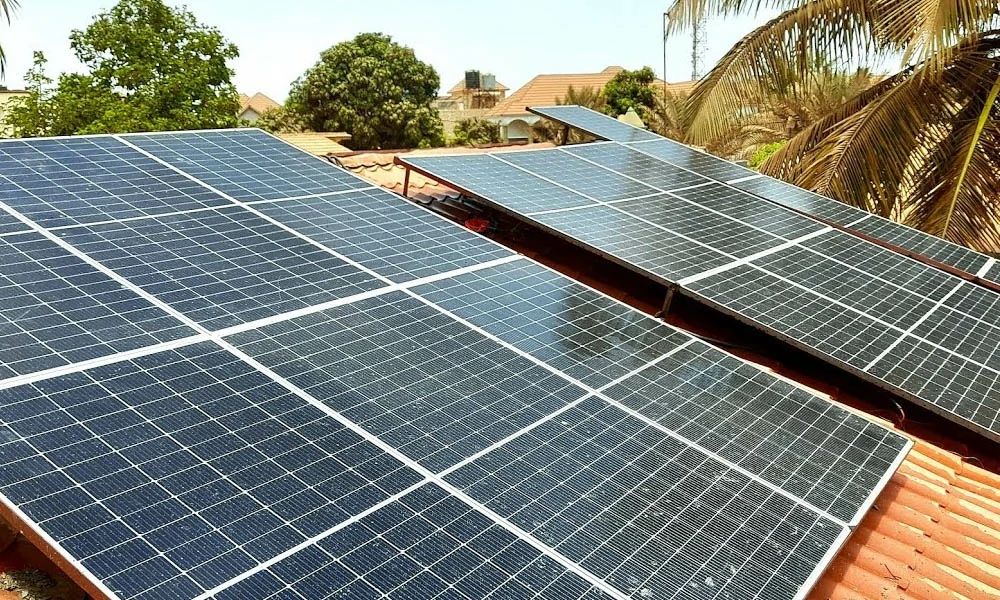
1. Solar Panels
Solar panels are responsible for converting sunlight into DC electricity.
To reach 20 kW of installed capacity, the system typically requires:
- 40 panels of 500W, or
- 50 panels of 400W
The exact number depends on the panel model used.
These panels are usually mounted on:
- Rooftops
- Ground-mounted racks
- Solar carports
- Agricultural structures
Proper orientation and tilt angle are essential to maximize solar production.
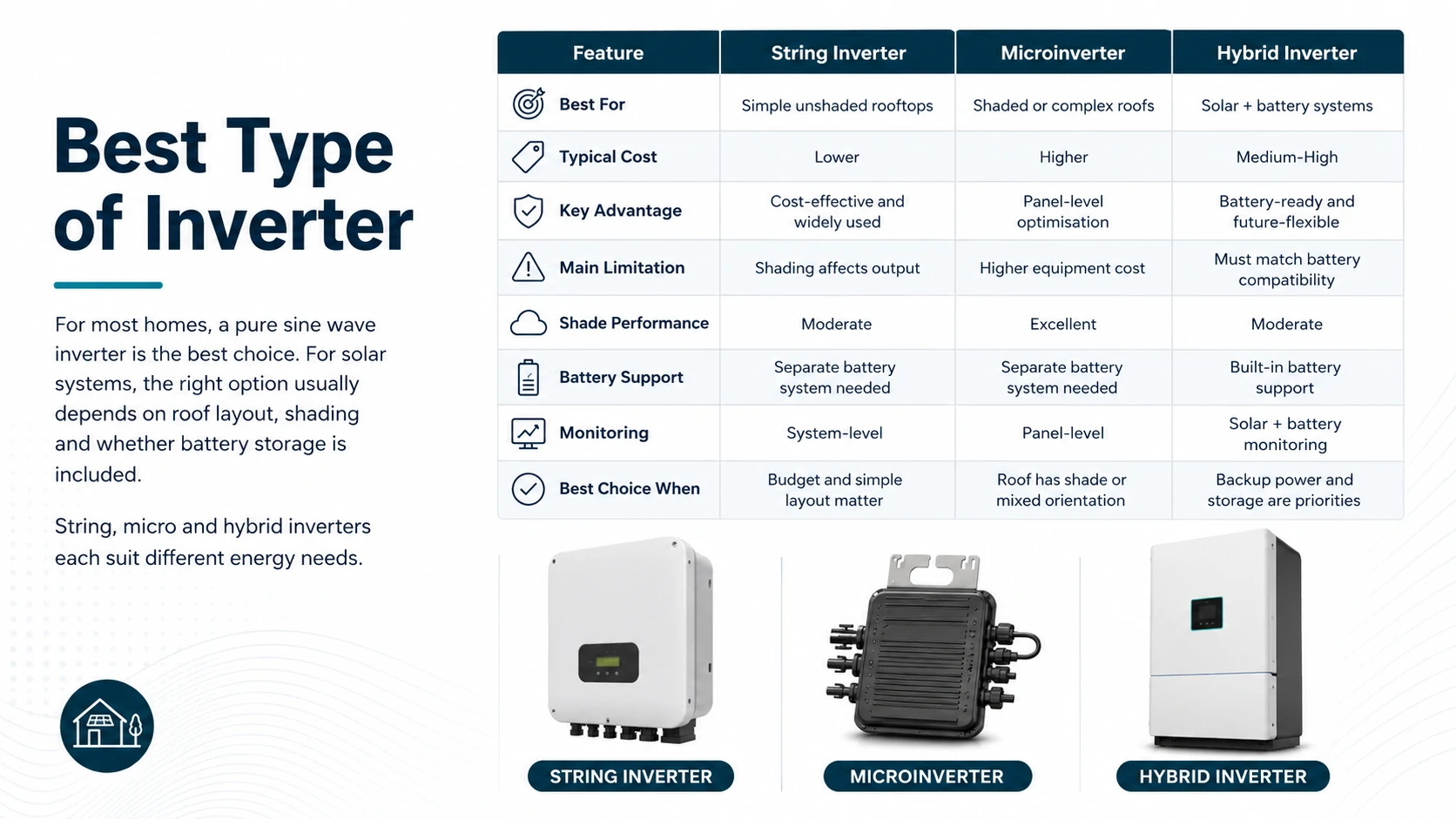
2. Off-Grid Solar Inverter
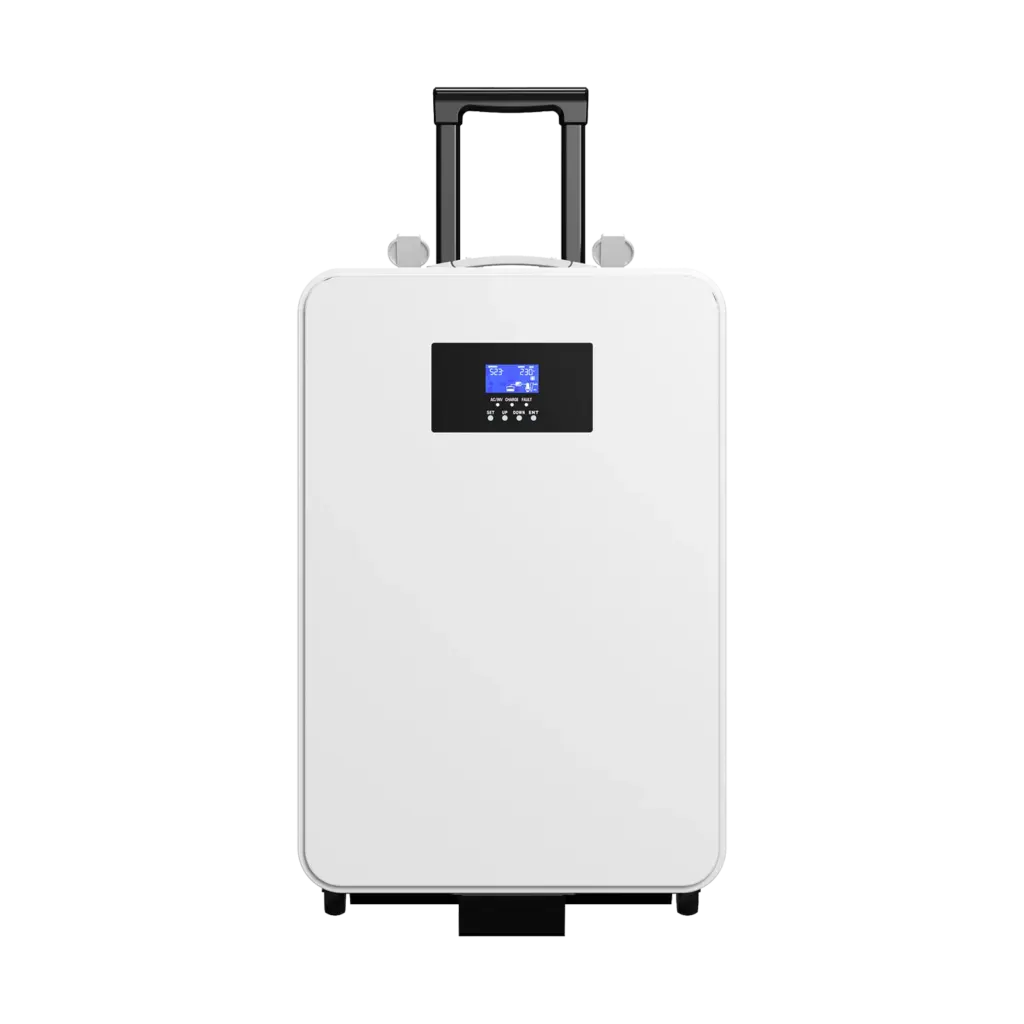
The off-grid inverter is one of the most important components. It converts DC electricity from batteries and solar charging circuits into usable AC power. It also manages load supply, battery charging priorities, and sometimes generator integration.
For a 20 kW system, the inverter capacity is often around 15 kW to 20 kW continuous output, depending on the application. Some systems use a single large inverter, while others use multiple units in parallel for scalability and redundancy.
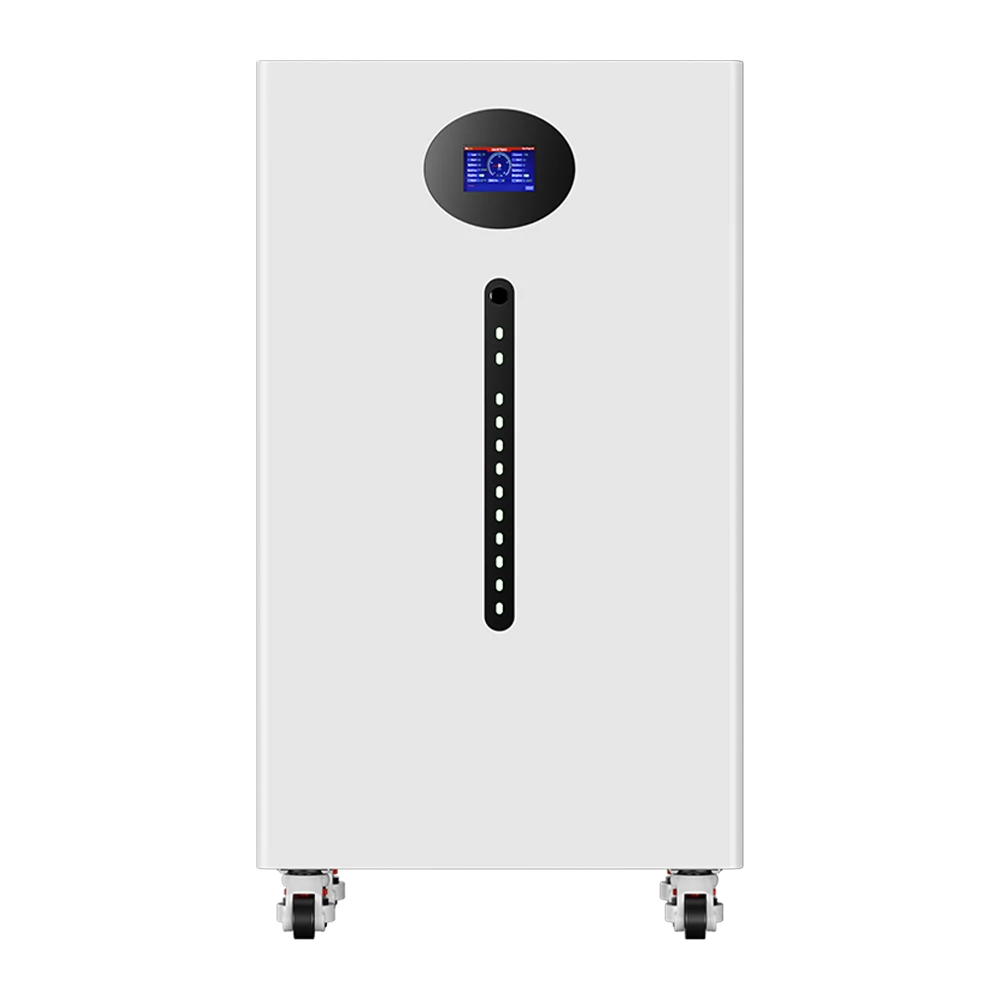
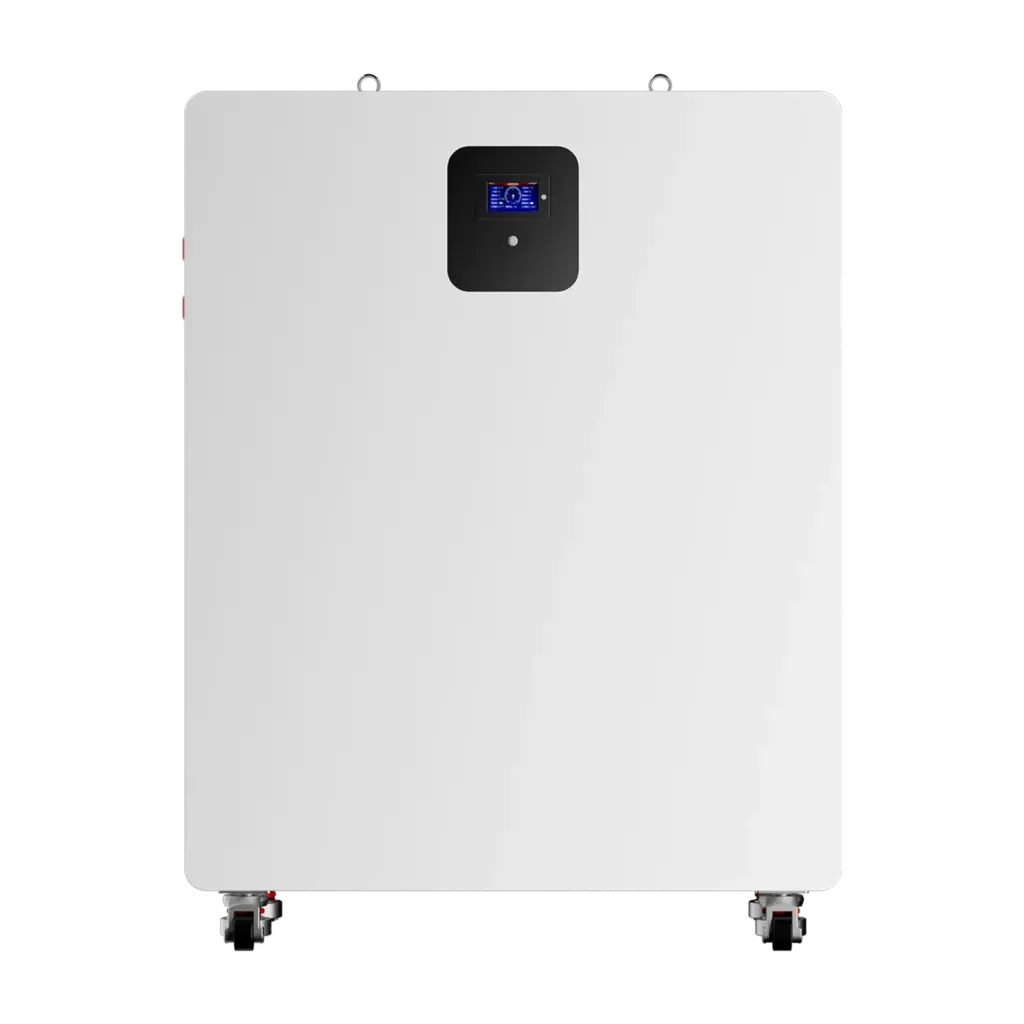
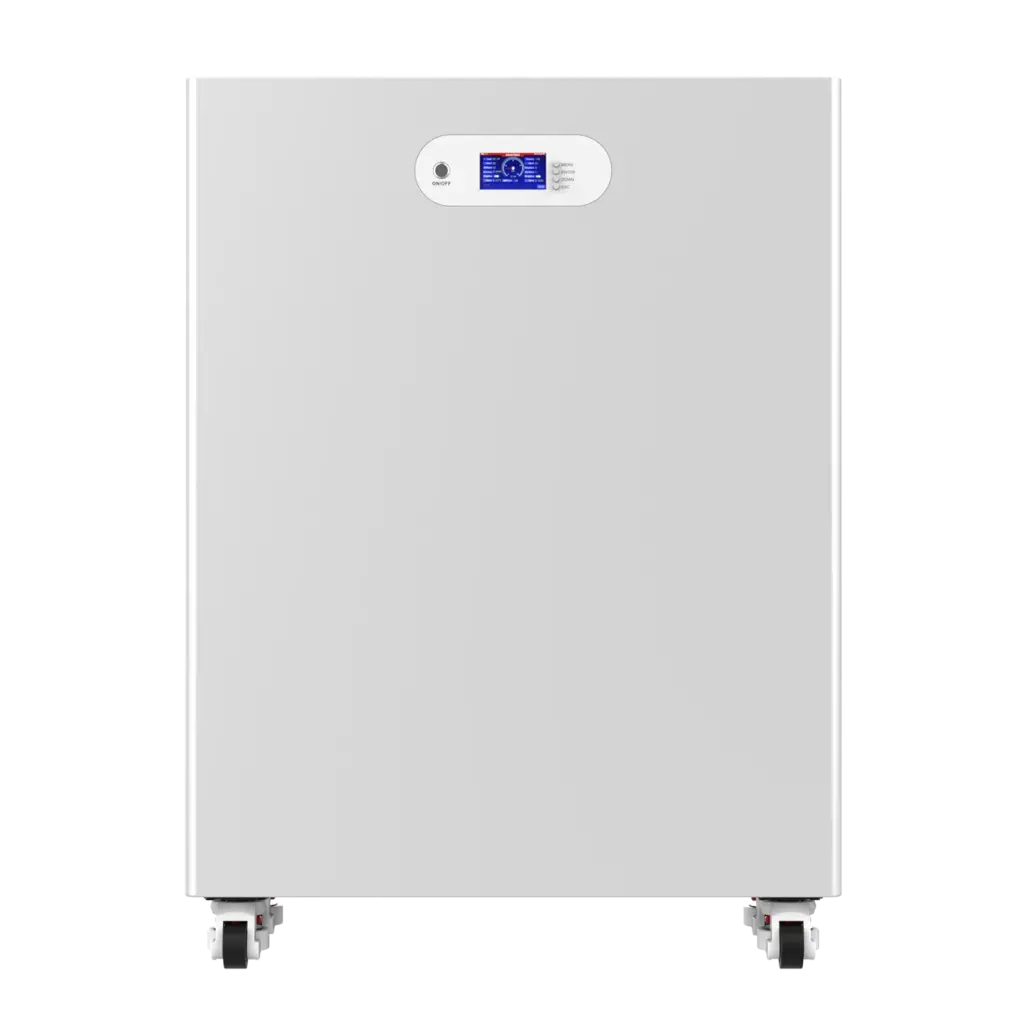
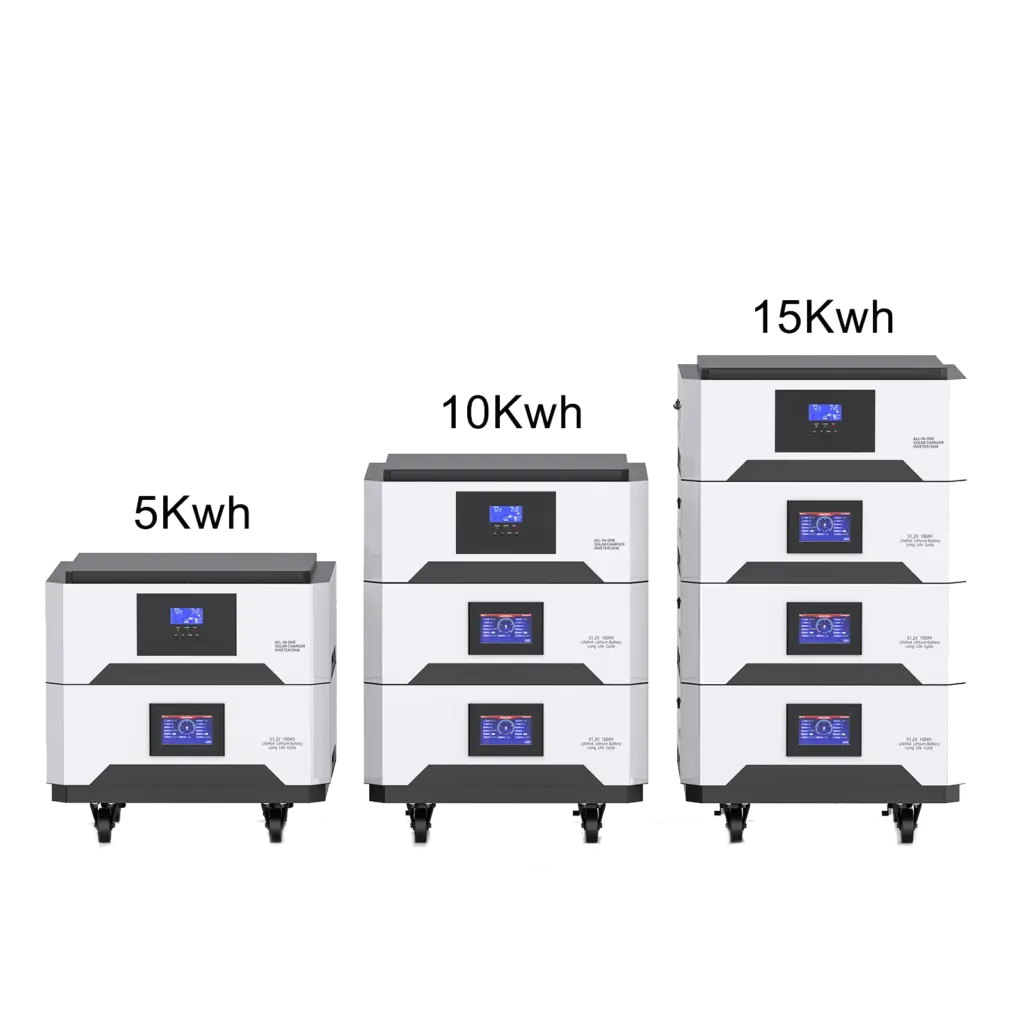
3. Battery Energy Storage System
Since off-grid systems cannot rely on the utility grid, batteries are essential.
A battery storage system stores excess solar energy during the day and supplies electricity when solar production drops.
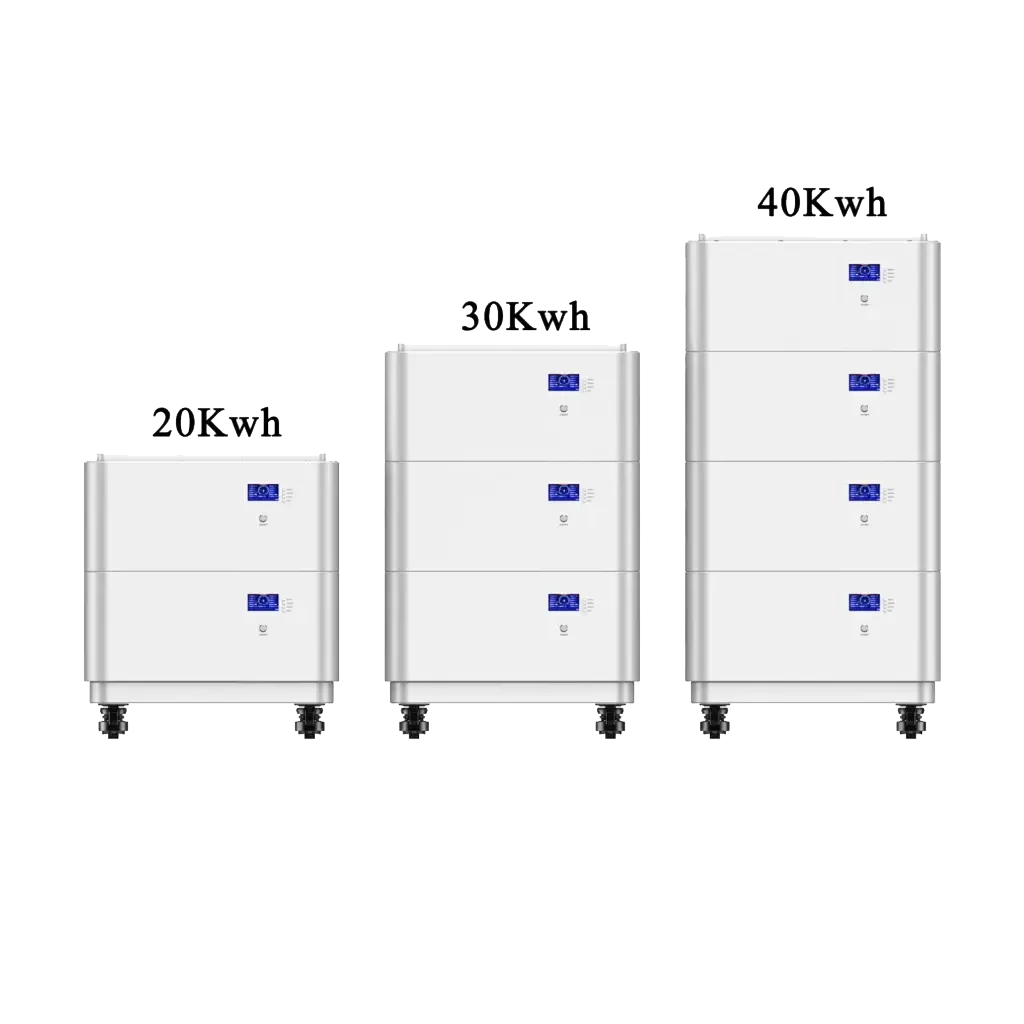
For a 20 kw off grid solar system, typical battery capacities range from:
- 40 kWh
- 60 kWh
- 80 kWh
- 100 kWh or more
The appropriate capacity depends on:
- Nighttime energy consumption
- Desired backup duration
- Weather conditions
- System autonomy requirements
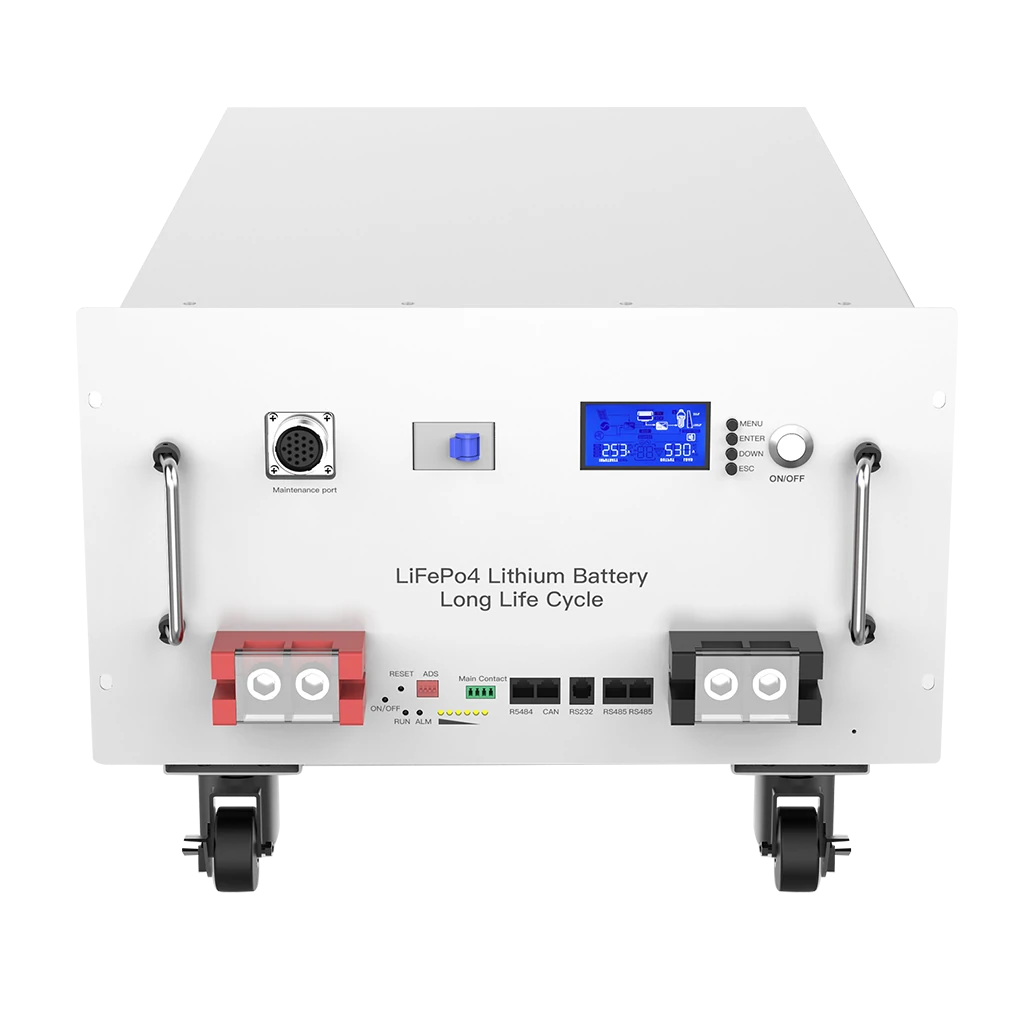
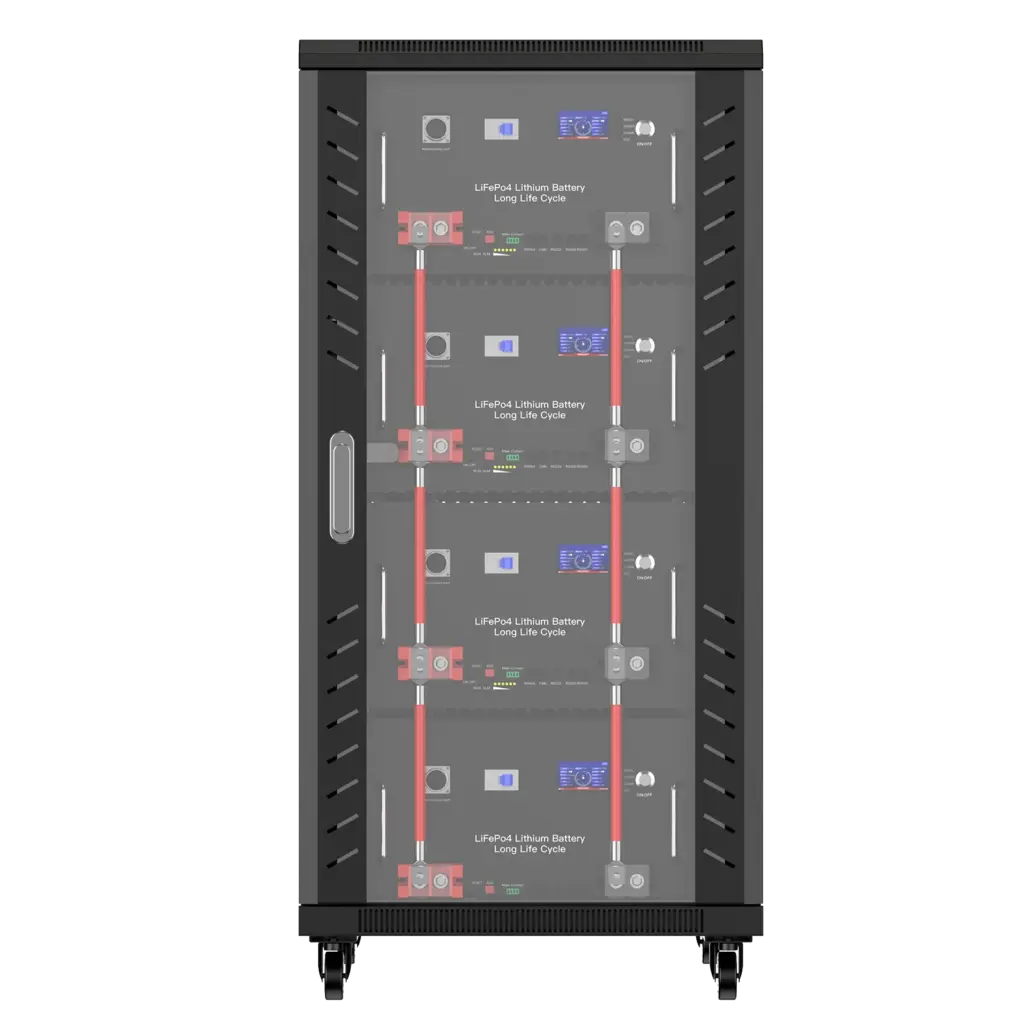
Modern lithium iron phosphate (LiFePO4) batteries are widely used because they offer:
- Long cycle life (6000+ cycles)
- High safety performance
- Stable thermal behavior
- High energy density
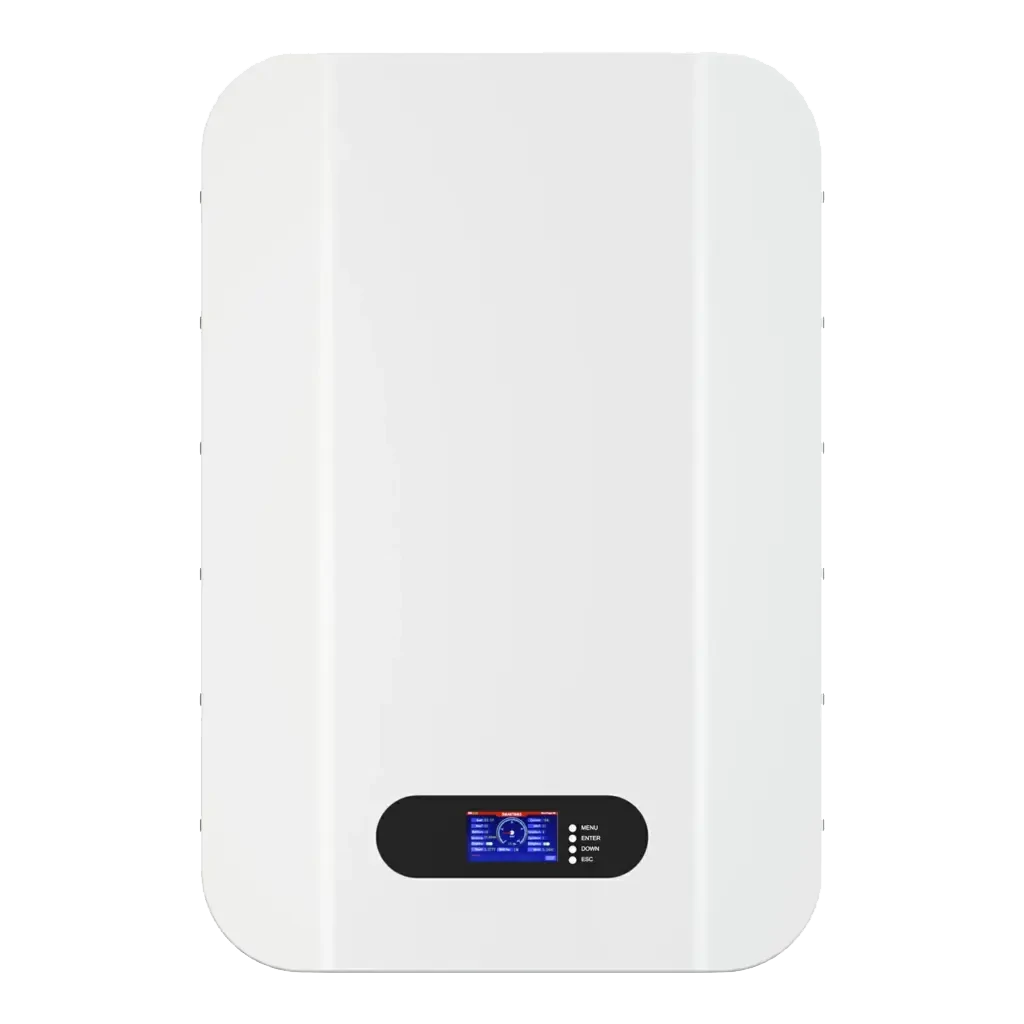
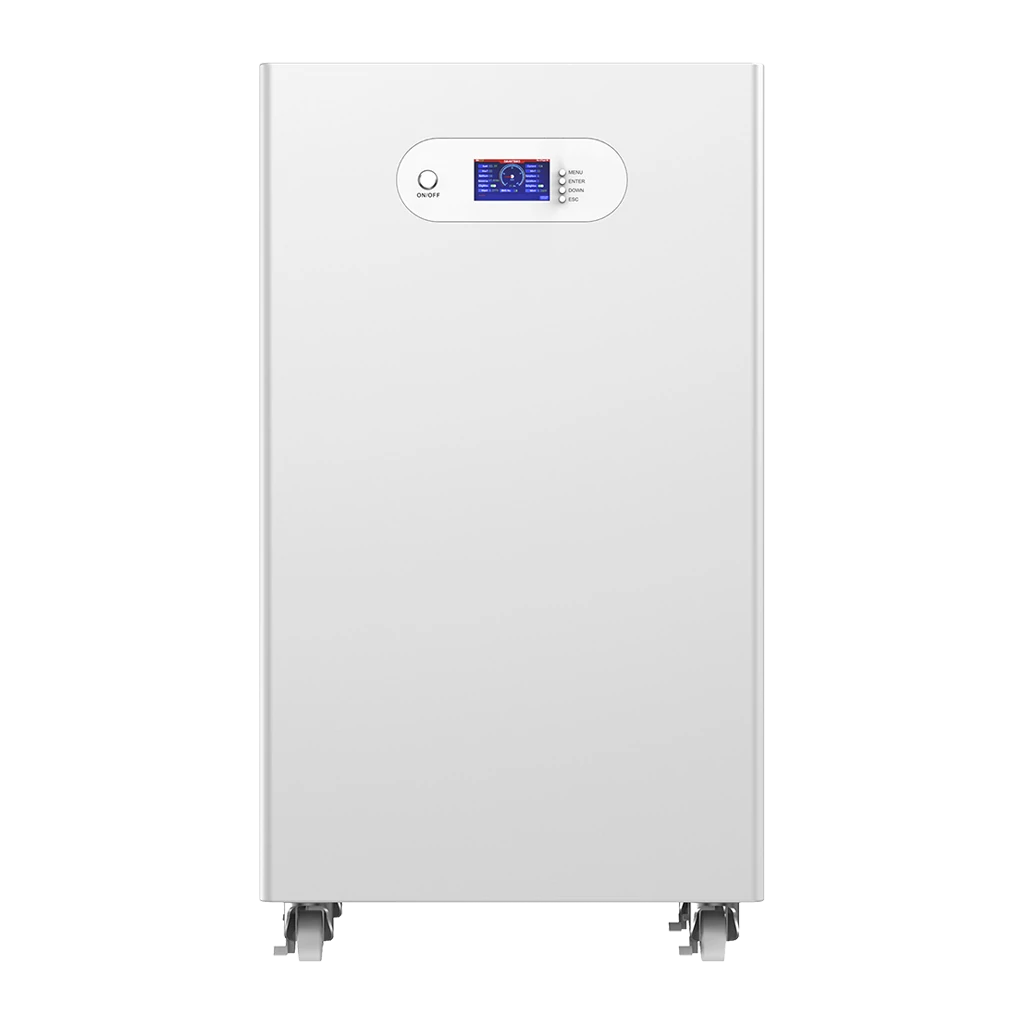
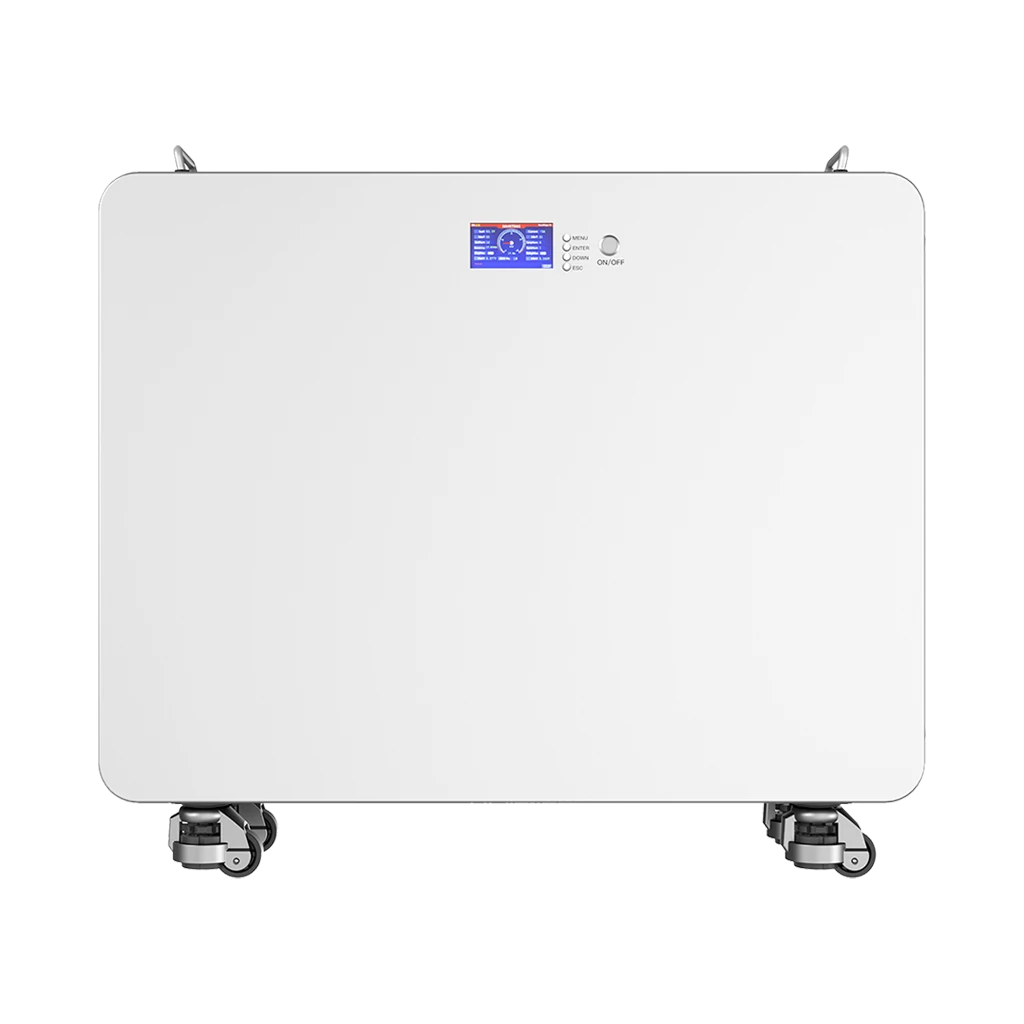
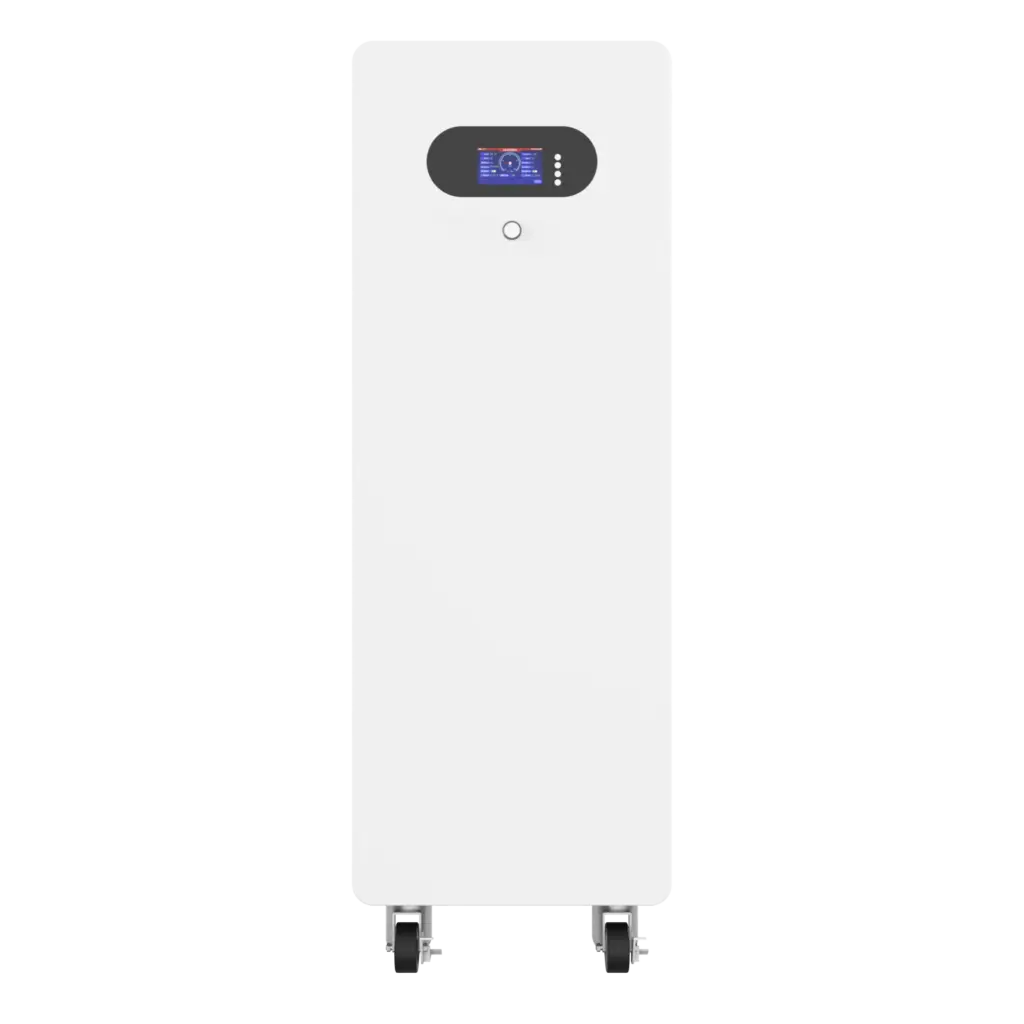
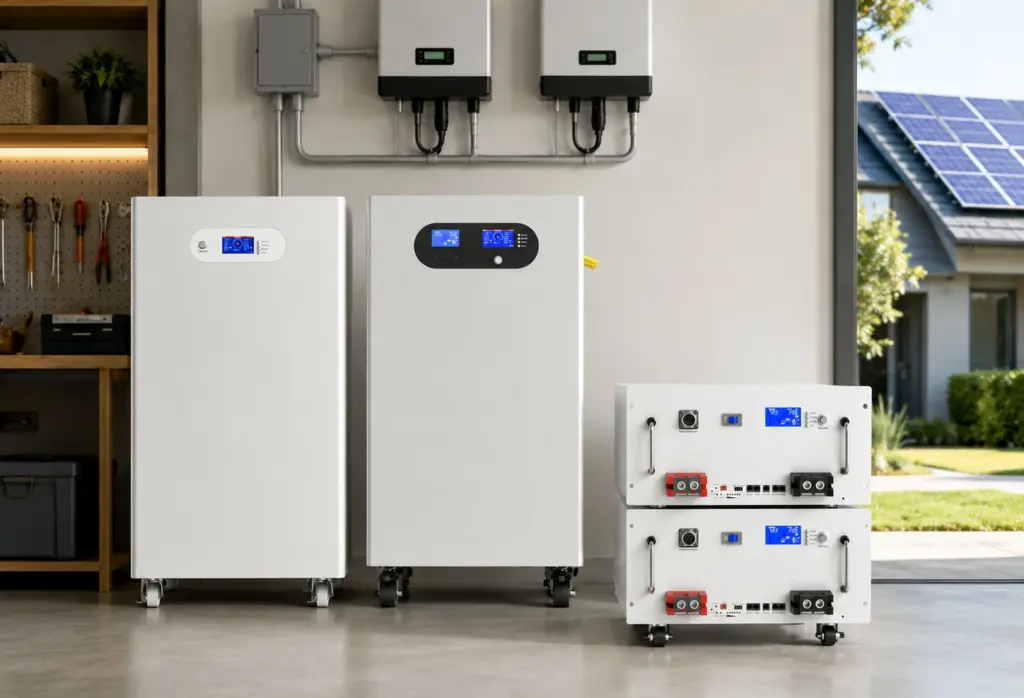
Companies such as Avepower provide scalable lithium battery systems that allow multiple modules to be combined for larger off-grid installations.
Take Control of Your Energy with Avepower!
Reliable home solar battery solutions with OEM/ODM customization and in-house manufacturing, tailored to the needs of distributors, installers, and energy partners.
4. Solar Charge Controller or MPPT Module
In some systems, especially modular ones, MPPT charge controllers are used separately. In many modern hybrid/off-grid inverter systems, MPPT solar charging is already integrated into the inverter.
The purpose of MPPT is to maximize the energy harvested from the solar array by continuously adjusting the operating point for optimal voltage and current.
5. Mounting Structure
The mechanical structure must support the panels securely for decades. Roof-mounted and ground-mounted systems are both common. In off-grid projects, ground mounting is often preferred when space is available because it allows easier maintenance, ideal orientation, and future expansion.
Battery Sizing for a 20 kW Off-Grid Solar System
Battery storage deserves special attention because it often represents a major share of total system cost.
A useful way to think about battery sizing is to ask:
- How much energy do you use after sunset?
- How many backup hours do you need?
- Are your loads flexible or fixed?
- Will you use a generator as backup?
- How many cloudy days do you want to survive without service interruption?
For example, suppose a user consumes 90 kWh per day, with 45 kWh used during solar hours and 45 kWh used at night. If the battery is LiFePO4 and the allowable depth of discharge is around 80% to 90%, then a battery bank of around 50 to 60 kWh usable capacity may be appropriate for one-night support. If the user wants more reserve, the battery capacity should increase further.
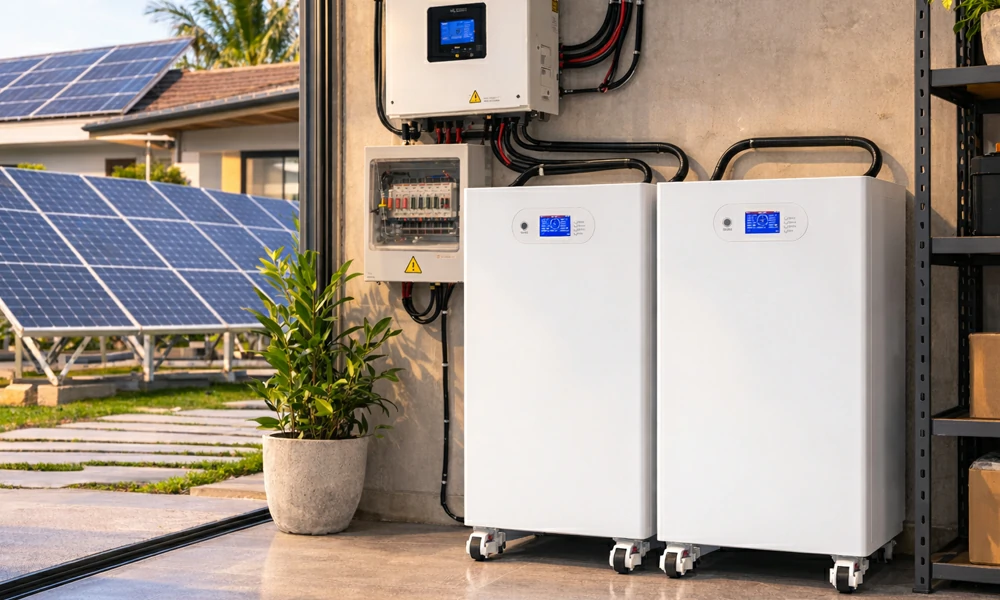
Common battery configurations for a 20 kw off grid solar system include:
- 48V low-voltage battery banks for smaller modular systems
- High-voltage battery systems for better efficiency and large-scale applications
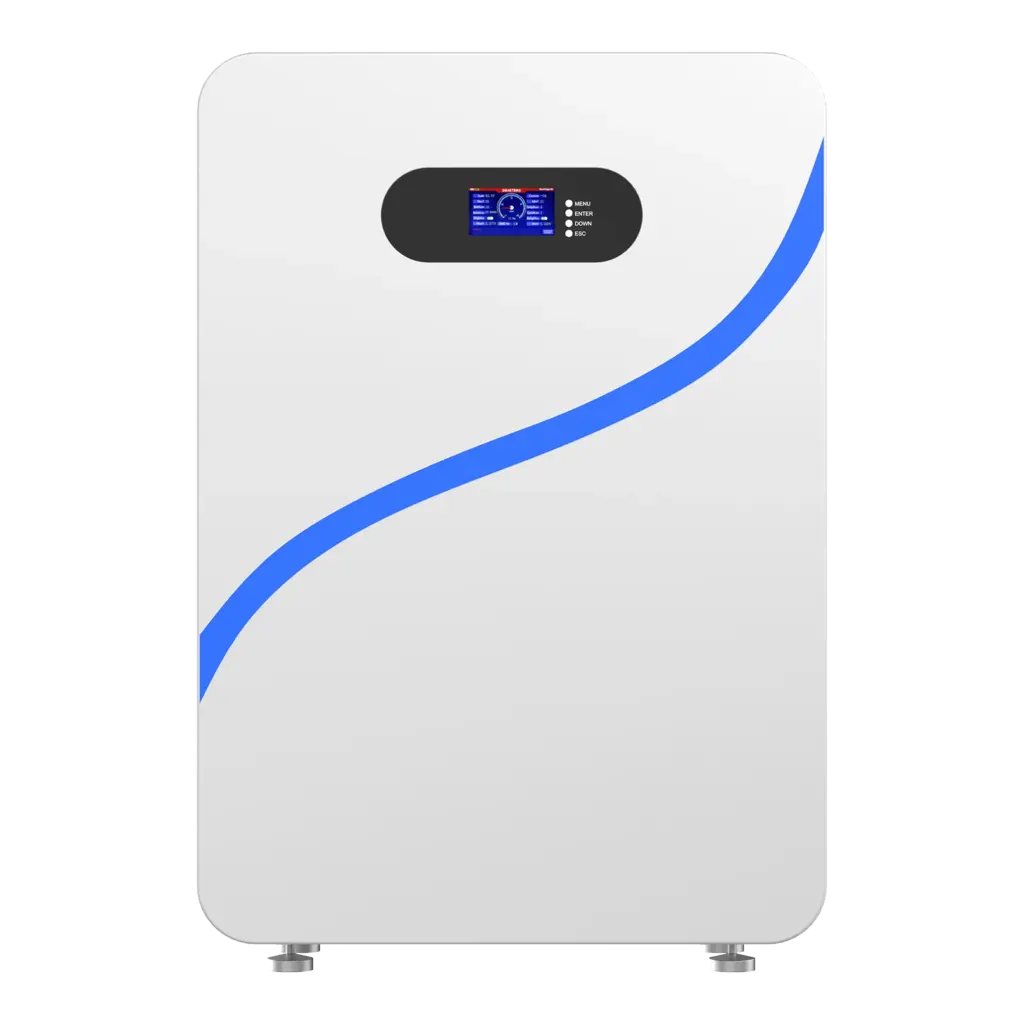
- Rack-mounted, wall-mounted, stackable, or cabinet-style battery designs
LiFePO4 remains especially attractive because it combines long service life with strong safety performance. For serious home and business use, this chemistry has become the preferred choice in many markets.
For larger home, commercial, and industrial off-grid projects, high-voltage battery systems can deliver better efficiency, cleaner system architecture, and easier scalability. If you are planning a high-capacity energy storage project, explore how Avepower supported a Lithuanian partner in building a 522.5kWh / 832V high-voltage ESS with joint engineering, robust BMS protection, and smooth on-site integration.
See the full case study here: Lithuania 522kWh High-Voltage ESS
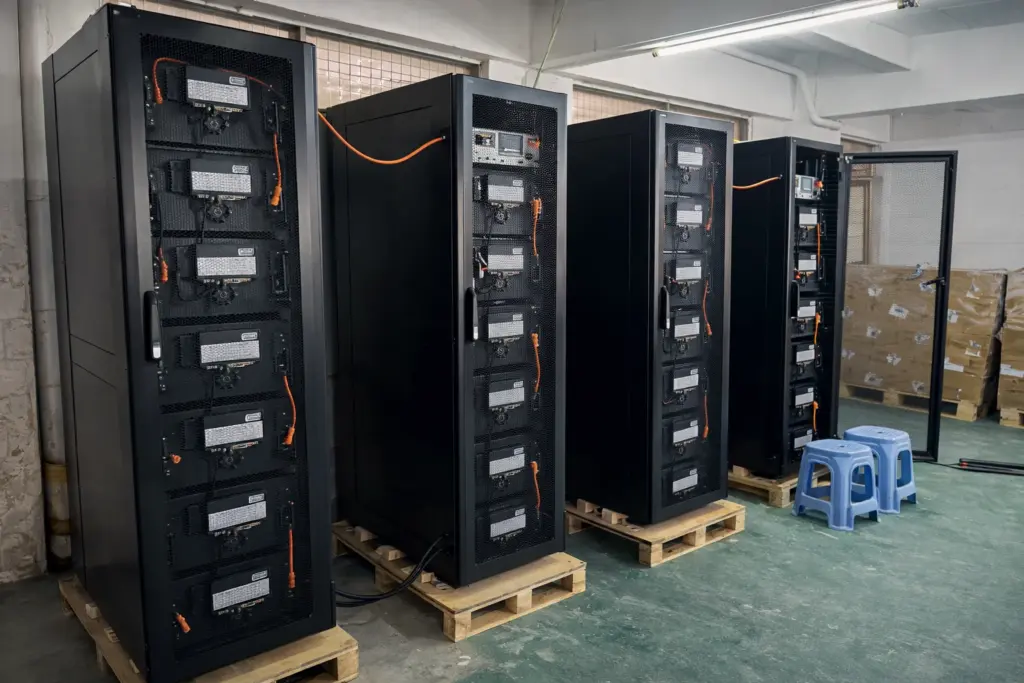
Avepower High-Voltage Battery Energy Storage System
Looking for a proven high-voltage battery solution for your next off-grid or C&I energy storage project? Avepower supports customers from battery cell verification to full system engineering
Who Is a 20 kW Off-Grid Solar System Suitable For?
A 20 kw off grid solar system is usually too large for a small apartment or a basic cabin. It is better suited to medium-to-large properties or operations with substantial daily electricity demand.
For residential use, it is ideal for:
- Large standalone homes
- Villas in remote or semi-rural areas
- Multi-family houses with shared energy demand
- Homes with air conditioning, water pumps, and high appliance usage
- Properties needing full-house backup and overnight autonomy
For commercial use, it can suit:
- Small offices
- Retail stores
- Rural clinics
- Small hotels or guesthouses
- Restaurants with moderate refrigeration and lighting loads
- Farms and agricultural buildings
- Workshops and service centers
- Telecom or site infrastructure support
The most important factor is not whether the site is a home or a business. The key question is how much electricity is used daily, how high the peak load is, and whether there are motor-driven or high-surge devices in the system.
For example, a modern house with efficient appliances may consume less energy than a small workshop with compressors and pumps. Similarly, a guesthouse with refrigeration and hot water circulation may need more battery capacity than a large office that mainly operates during daytime hours.
Choosing the Right Supplier for a 20 kW Off-Grid Solar System
Because off-grid systems are engineering solutions rather than simple retail products, supplier selection is extremely important.
A reliable supplier should offer:
- Professional load analysis support
- Clear system configuration guidance
- Proven inverter and battery compatibility
- Certified battery technology
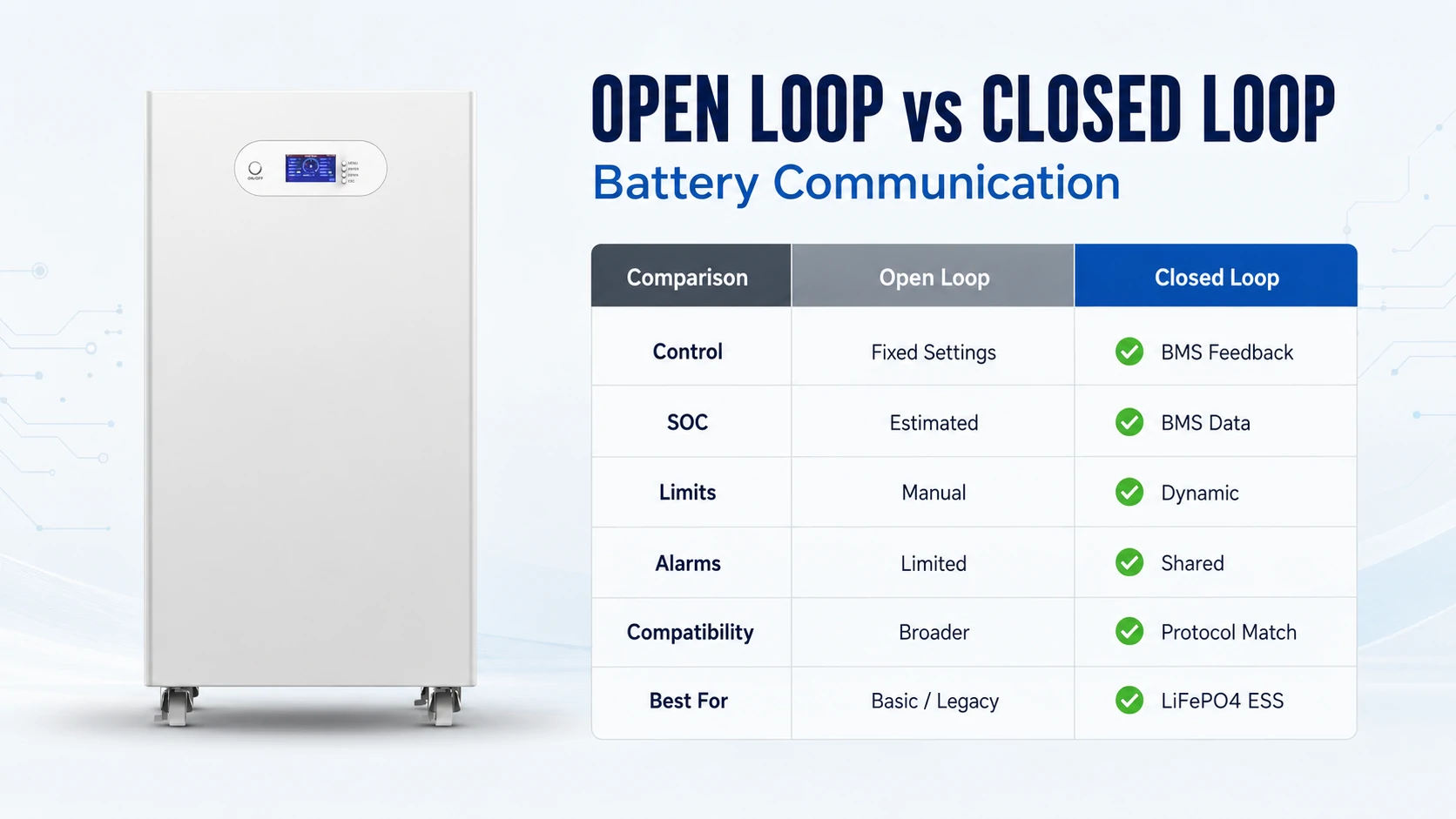
- BMS protection and communication support
- Expandable design options
- After-sales technical service
- Documentation for installation and maintenance
For home and business users alike, LiFePO4 battery manufacturers with real R&D capability, international certifications, and customization experience can provide stronger long-term value than generic low-cost sellers.
For example, companies such as Avepower focus on energy storage solutions using LiFePO4 battery technology, BMS protection, and modular system design for residential and commercial applications. In larger off-grid projects, this kind of experience matters because the battery is not just a storage box; it is the stability core of the power system.
Avepower’s Afghanistan hotel project shows how LiFePO4 battery technology, smart inverter integration, and EMS-based control can be combined into a stable 640kWh energy storage solution for demanding commercial applications. If you are planning a 20 kW off-grid solar system for a home, hotel, farm, or business site, working with a supplier that understands real-world system matching can make a major difference in long-term reliability.
View the full project here: Afghanistan 640kWh Hotel Solar BESS
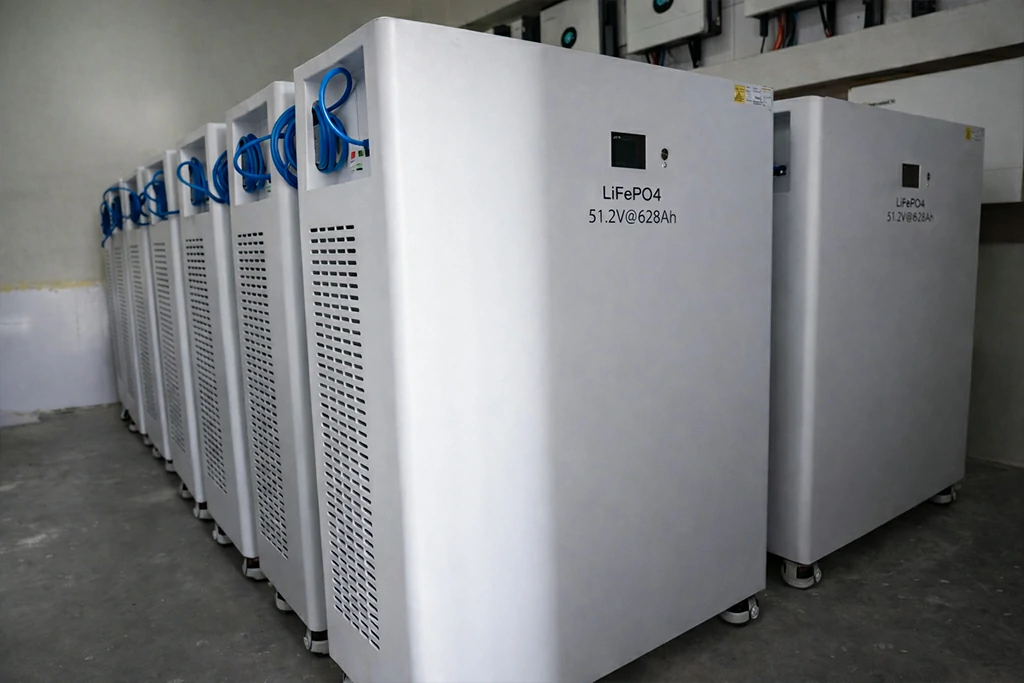
Avepower 640kWh Energy Storage Solution
Want to work with a supplier that understands real off-grid and commercial storage projects? Contact Avepower to start building your off-grid system.
Conclusion
A 20 kw off grid solar system is a powerful and flexible energy solution capable of supporting large homes, farms, and small businesses without relying on the traditional power grid. By combining solar panels, high-capacity batteries, and intelligent power management, these systems provide reliable electricity even in remote locations.
Although designing an off-grid system requires careful planning—especially in terms of energy consumption, battery capacity, and solar resource availability—the long-term benefits are substantial. Users gain energy independence, lower operating costs, and a cleaner source of power.
FAQ
The number of panels depends on the wattage of each panel. Using 550 W solar panels, a typical 20 kw off grid solar system requires approximately 36 to 40 solar panels to reach the total capacity.
Battery capacity depends on energy consumption and backup requirements. Most systems use 40 kWh to 100 kWh of battery storage to ensure stable power supply during nighttime and cloudy weather.
A 20 kw off grid solar system typically requires around 80–100 square meters (860–1,080 sq ft) of space for solar panel installation, depending on panel efficiency and layout.
Typically, a 20 kW off-grid inverter or two 10 kW inverters in parallel are used to handle the power conversion from DC to AC for household or commercial loads.
Installation typically takes 3 to 7 days, depending on system complexity, mounting structure, wiring requirements, and site conditions.
A system with 100 kWh battery storage can power a home using 50 kWh per day for about 2 days without sunlight.
Most modern systems use lithium iron phosphate (LiFePO4) batteries because they offer longer lifespan, higher safety, deeper discharge capability, and lower maintenance compared to traditional lead-acid batteries.