
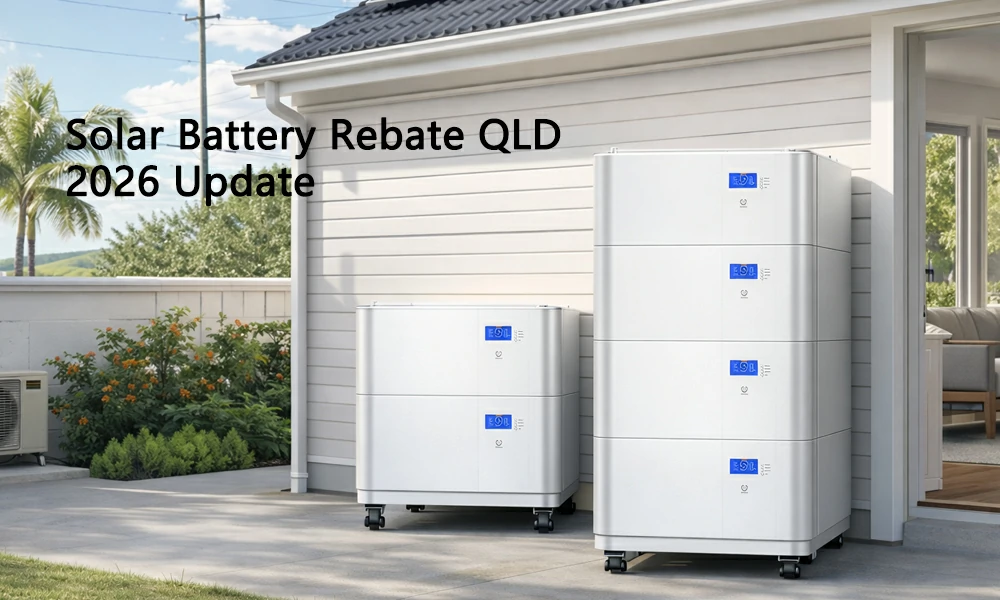
Queensland does not currently offer a general state-funded rebate for households installing a new solar battery. However, eligible Queensland homes, businesses and other premises can receive an upfront discount through the Australian Government’s Cheaper Home Batteries Program.
The previous Queensland Battery Booster program closed in May 2024 and has not reopened. Its income limits, minimum battery size and conditional-approval process should not be confused with the eligibility rules for the current federal program.
From 1 May 2026, the federal discount became less generous, particularly for batteries with more than 14kWh of usable capacity. Buyers should therefore use the current tiered STC calculation rather than rebate estimates published before May 2026.
How Much Is the Solar Battery Rebate in Queensland?
For batteries installed between 1 May and 31 December 2026, the federal program uses a base factor of 6.8 STCs per eligible kilowatt-hour. The full factor applies only to the first 14kWh of usable capacity.
| Portion of Usable Battery Capacity | Percentage of Base STC Factor |
|---|---|
| First 14kWh | 100% |
| Above 14kWh up to 28kWh | 60% |
| Above 28kWh up to 50kWh | 15% |
| Above 50kWh | No additional support |
The STC factor is scheduled to fall again to 5.7 from 1 January 2027.
Estimated QLD Battery Discount by Capacity
The following estimates use the May–December 2026 factor and a gross STC Clearing House value of A$40 per certificate.
| Usable Battery Capacity | Estimated STCs | Indicative Gross Value |
|---|---|---|
| 5kWh | 34 | A$1,360 |
| 10kWh | 68 | A$2,720 |
| 13.5kWh | 91 | A$3,640 |
| 15kWh | 99 | A$3,960 |
| 20kWh | 119 | A$4,760 |
| 30kWh | 154 | A$6,160 |
The amount shown on an installer’s quote may be lower than the gross figures above because STC agents and retailers may deduct registration, administration and trading costs. The final number of certificates is also rounded down.
Who Is Eligible for the Federal Battery Discount in Queensland?
Queensland households do not need to satisfy the former Battery Booster income test to qualify for the current federal program.
A system generally needs to meet the following requirements:
- The battery must be installed on or after 1 July 2025.
- It must be connected to a new or existing eligible solar PV system.
- The battery system must have at least 5kWh of nominal capacity.
- The total nominal capacity must not exceed 100kWh.
- STCs are available for a maximum of 50kWh of usable capacity.
- The battery and inverter must meet the applicable product and technical requirements.
- The system must be installed by an appropriately accredited installer.
- A grid-connected battery must generally be capable of participating in a Virtual Power Plant.
- Joining a VPP is normally optional.
- Eligible off-grid systems can qualify without VPP capability.
- The program does not apply a national household income test.
A battery system designed only for grid charging, without an eligible solar PV connection, does not qualify.
How Do Queensland Households Claim the Discount?
Most households do not submit a separate cash-rebate application to the Queensland Government. The federal discount is normally provided through the Small-scale Technology Certificate system and deducted from the installer’s quote.
The usual process is:
- Obtain an itemised battery quotation.
- Confirm the usable capacity, battery model, inverter and installation scope.
- Check that the products and installer satisfy the current program requirements.
- Confirm the estimated number and value of STCs in the contract.
- Complete the installation and commissioning process.
- Assign the right to create the STCs to the installer, retailer or an authorised agent.
- Receive the STC value as an upfront reduction in the installed price.
Consumers can choose to create and sell certificates themselves, but this involves additional registration and compliance work.
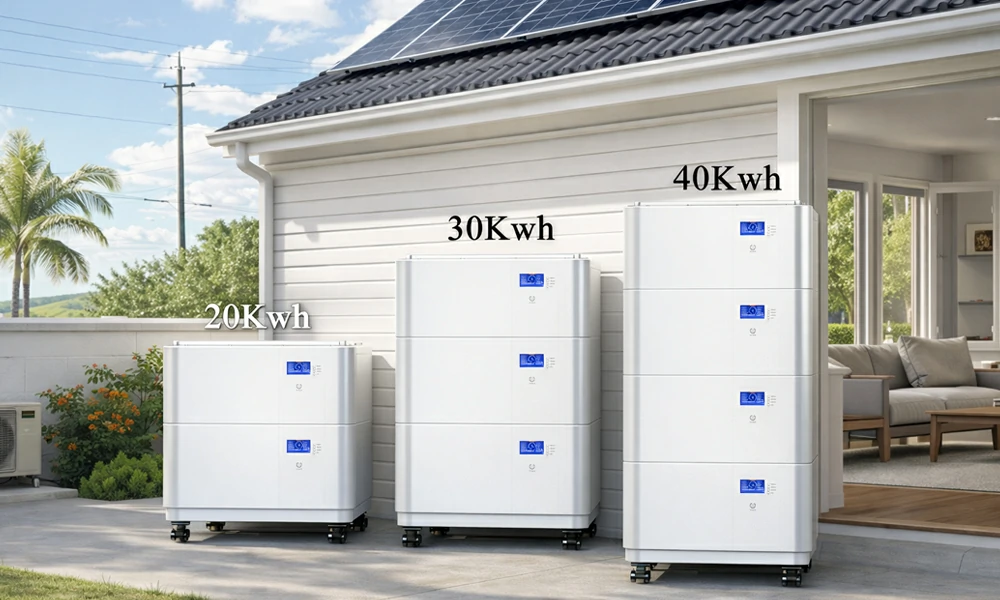
How Much Does a Solar Battery Cost in Queensland After the Rebate?
Current Australian market benchmarks indicate that a standard 10kWh battery installation costs approximately A$8,450 after the federal discount, or about A$10,150 when a new compatible inverter is also required.
| Battery Capacity | Battery with Standard Installation | Battery Plus New Inverter |
|---|---|---|
| 5kWh | A$5,325 | A$7,425 |
| 10kWh | A$8,450 | A$10,150 |
| 15kWh | A$11,325 | A$13,125 |
| 20kWh | A$14,300 | A$16,500 |
These are planning benchmarks rather than fixed Queensland retail prices. Backup gateways, protected circuits, switchboard upgrades, difficult cable routes, three-phase integration and premium battery brands can increase the final cost.
What Happened to the Queensland Battery Booster Rebate?
The Queensland Battery Booster program closed in May 2024 and rebates under that scheme are no longer available.
The former program offered up to A$3,000 for standard applicants and up to A$4,000 for eligible lower-income households. It used different income, battery-capacity, solar-system and approval requirements from the current federal program.
Information about the old Battery Booster should therefore be labelled as historical and should not be presented as the current application process.
Does Supercharged Solar for Renters Include a Battery Rebate?
No. Supercharged Solar for Renters supports eligible rooftop solar PV installations on Queensland rental properties; it is not a general battery rebate.
Eligible landlords may receive support of up to A$3,500 for an approved solar installation. Conditional approval is generally required before installation, and property, tenancy, rent, metering, system-size and installer requirements apply.
A landlord should not assume that a battery can be added to the project and receive the same state rebate.
How Do Queensland Electricity Tariffs Affect Battery Savings?
Battery savings in Queensland now depend on the customer’s tariff structure, peak import price, solar feed-in tariff and ability to use or store electricity during low-cost periods.
From July 2026, eligible South East Queensland households with a smart meter may be able to choose a Solar Sharer Offer that provides up to three hours of free daytime electricity, generally between 11am and 2pm and subject to plan conditions.
This may allow a household to charge a battery, electric vehicle or flexible appliance during the free period. However, the complete plan—including peak prices, supply charges and export rates—must be compared before switching.
The regulated regional Queensland solar feed-in tariff for 2026–27 is approximately 6.15 cents per kWh, replacing the previous 8.66-cent rate. Feed-in tariffs in South East Queensland are generally set by individual retailers.
What Should Queensland Buyers Check Before Installation?
The rebate reduces the purchase price, but it does not replace proper system design, product verification or installation quality control.
Before signing a contract, confirm:
- Nominal and usable battery capacity
- Continuous and peak power output
- Inverter compatibility
- Single-phase or three-phase configuration
- Backup capability and protected circuits
- Product approval status
- Installer accreditation
- STC quantity and dollar value
- Switchboard and meter-board work
- VPP capability and participation conditions
- Product, performance and installation warranties
- Monitoring and communication functions
- Commissioning records and required installation photographs
Why Many Installers Recommend Modular Batteries
If you are an installer, distributor, or project buyer building a battery offering for Queensland and broader Australia, you need products that align with the same compliance realities these rebate/discount schemes rely on:
- Strong safety architecture (BMS protections)
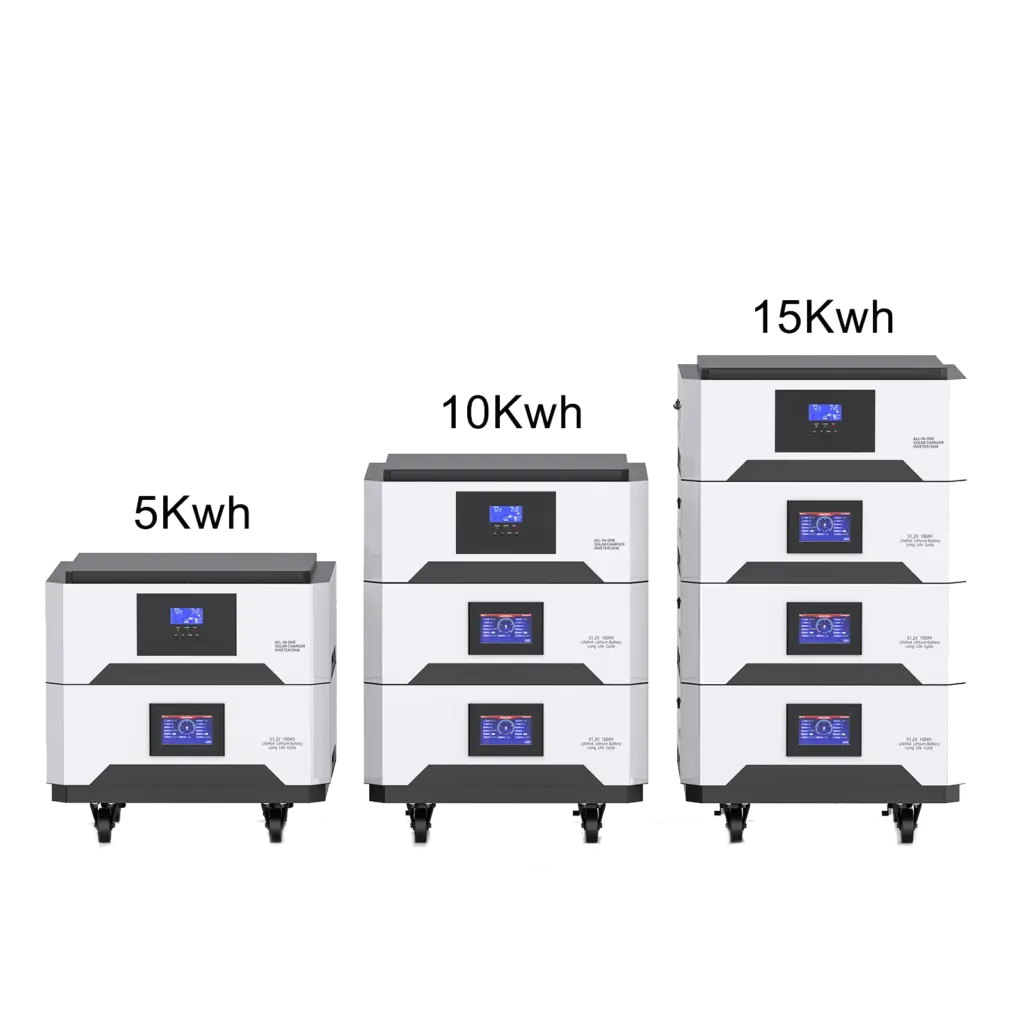
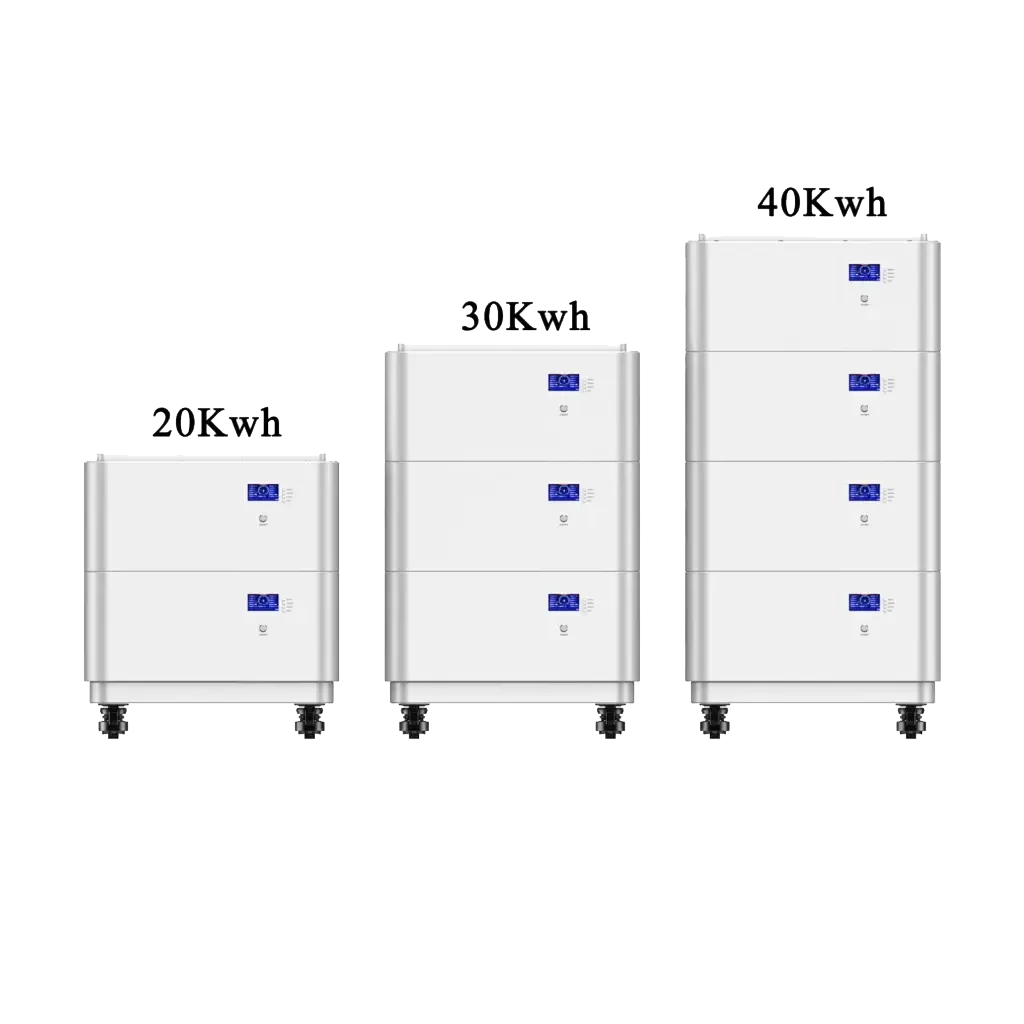
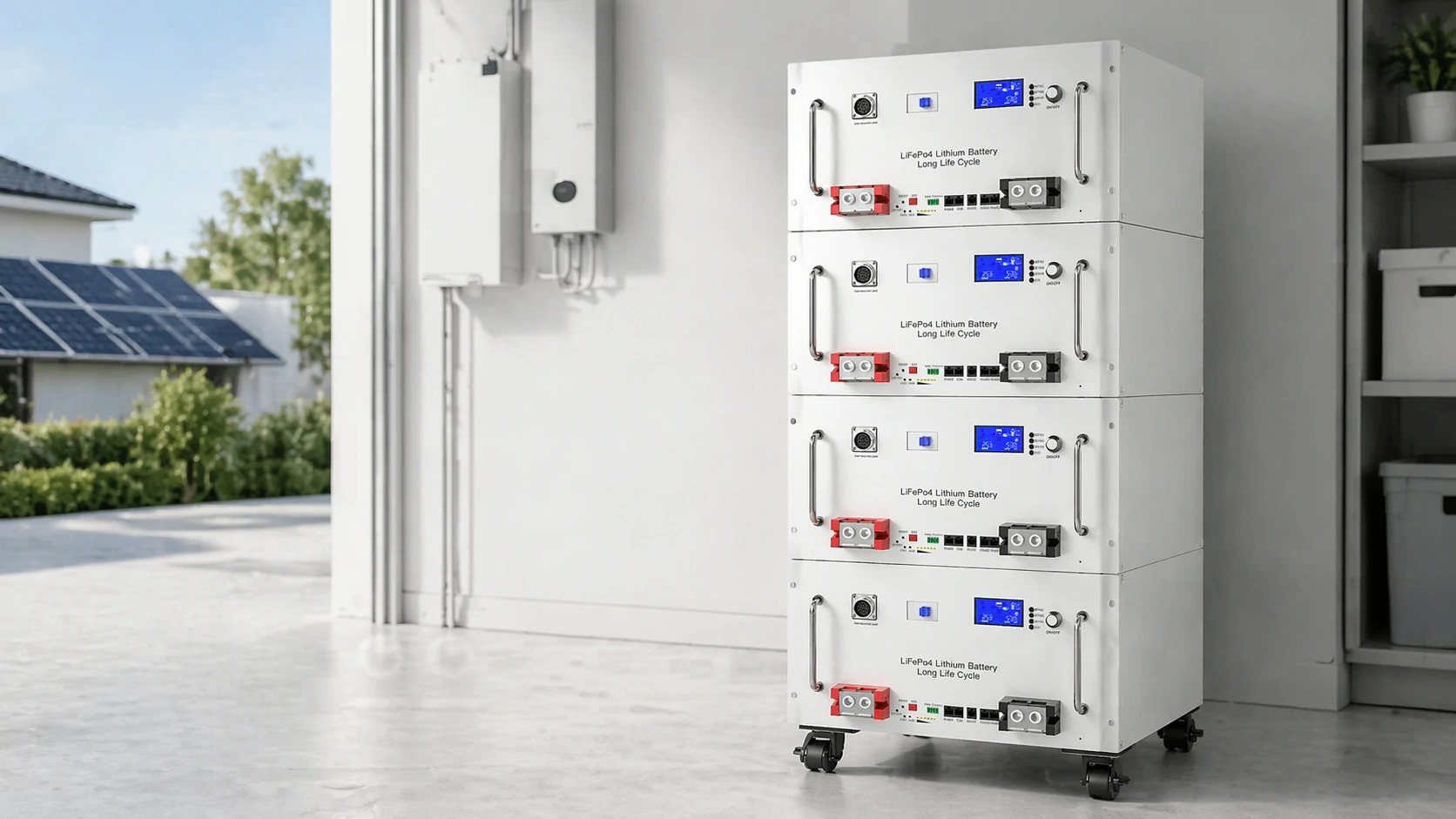
- Scalable capacity (5 kWh → 260+ kWh)
- 8,000+ cycle life
- Clear certification pathway expectations (CE/UL/RoHS/ISO9001 manufacturing discipline, where applicable to your market channel)
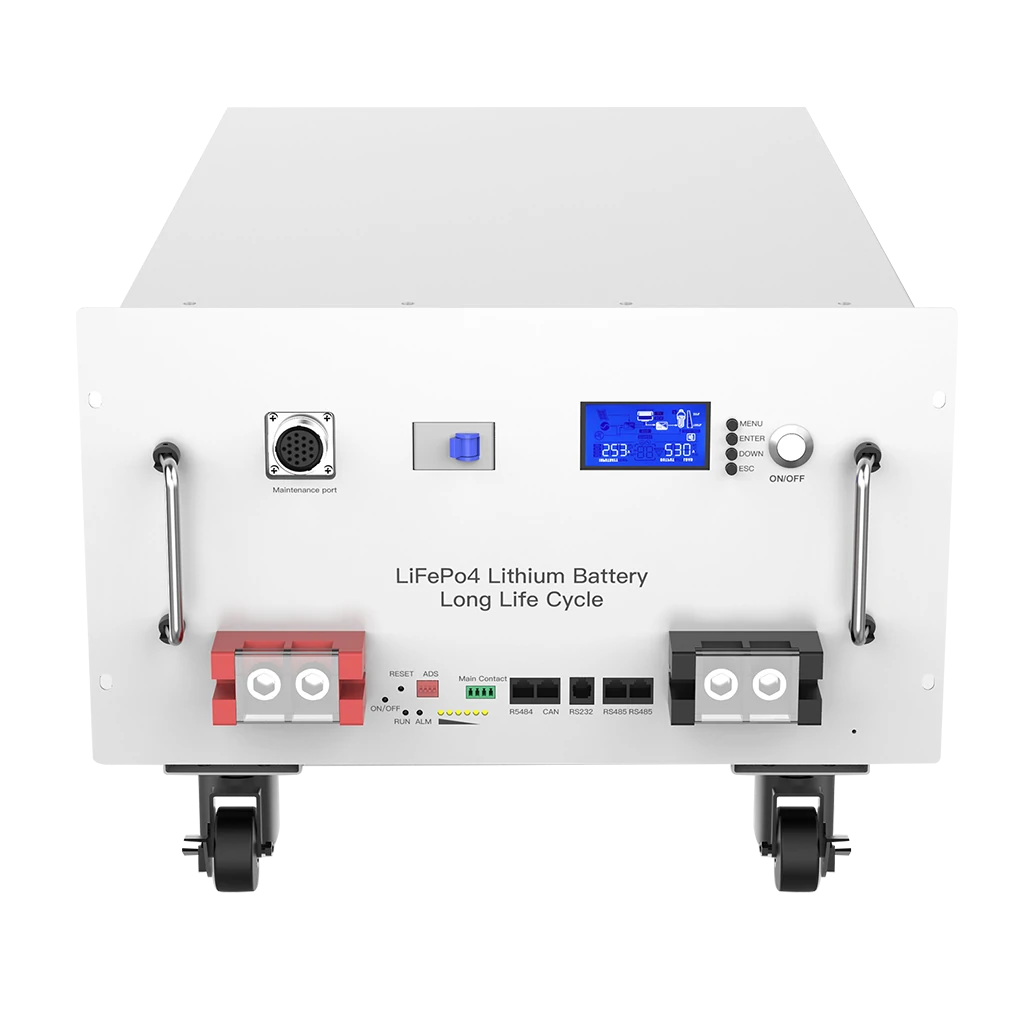
- Communications readiness (CAN/RS485/RS232) for inverter and EMS integration
- Scalable options for different household sizes (5 kWh up to higher-capacity modular solutions)
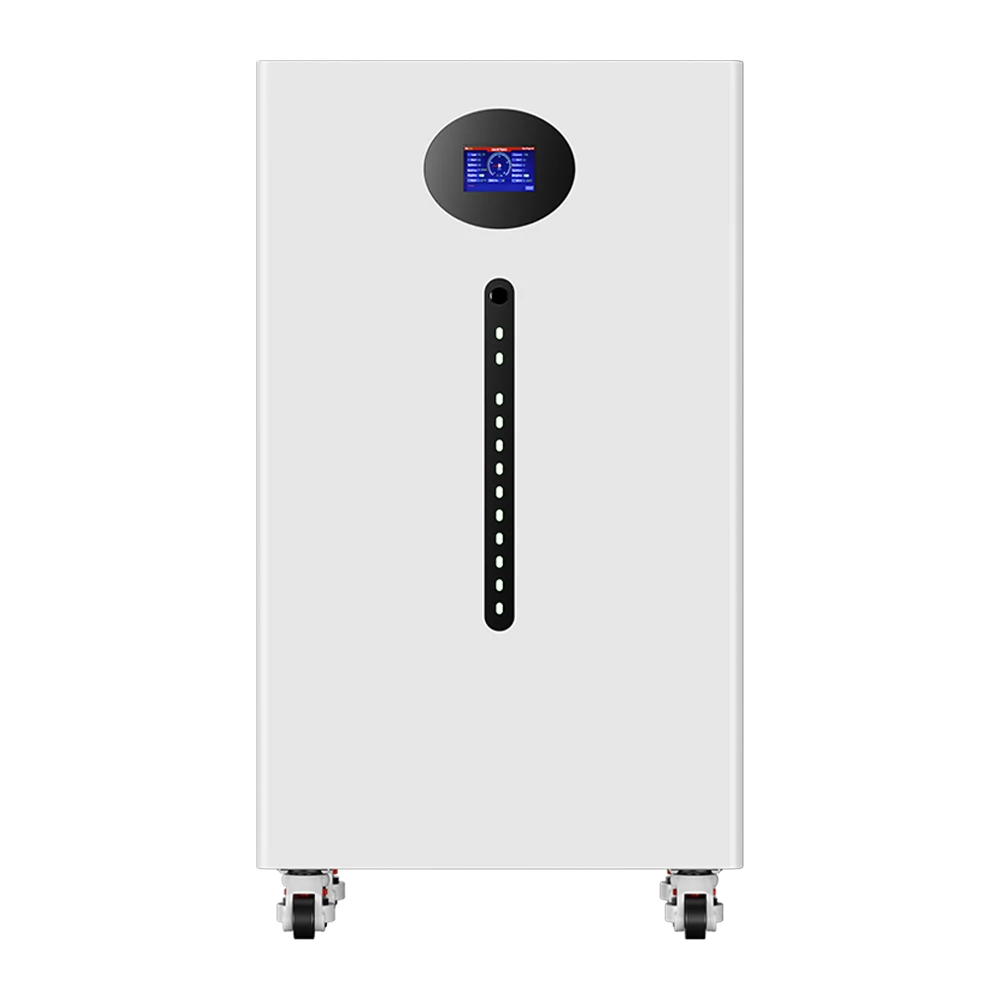
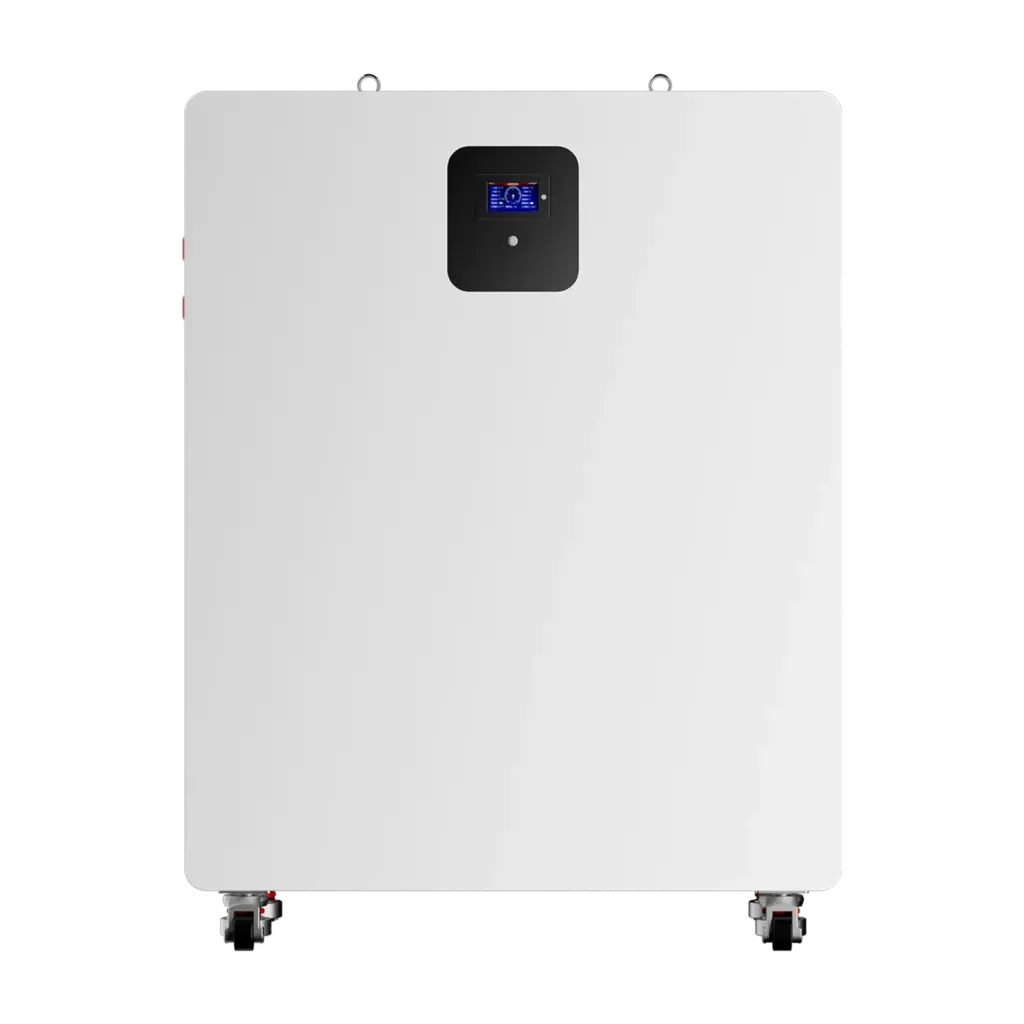
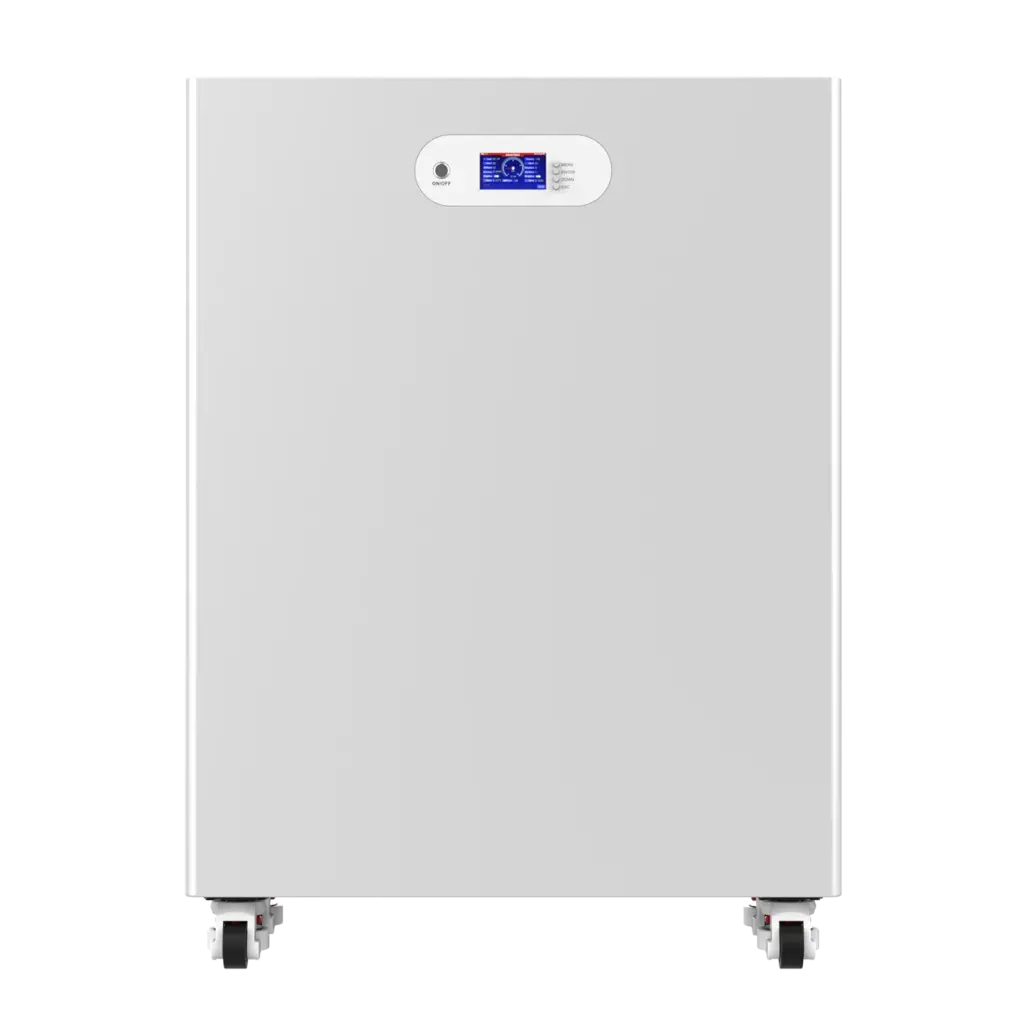
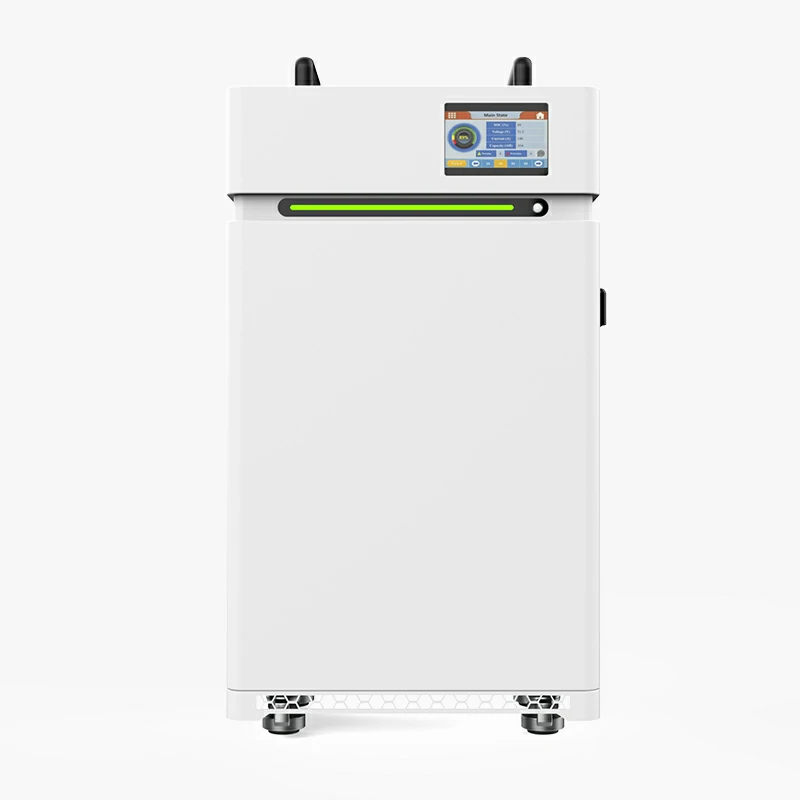
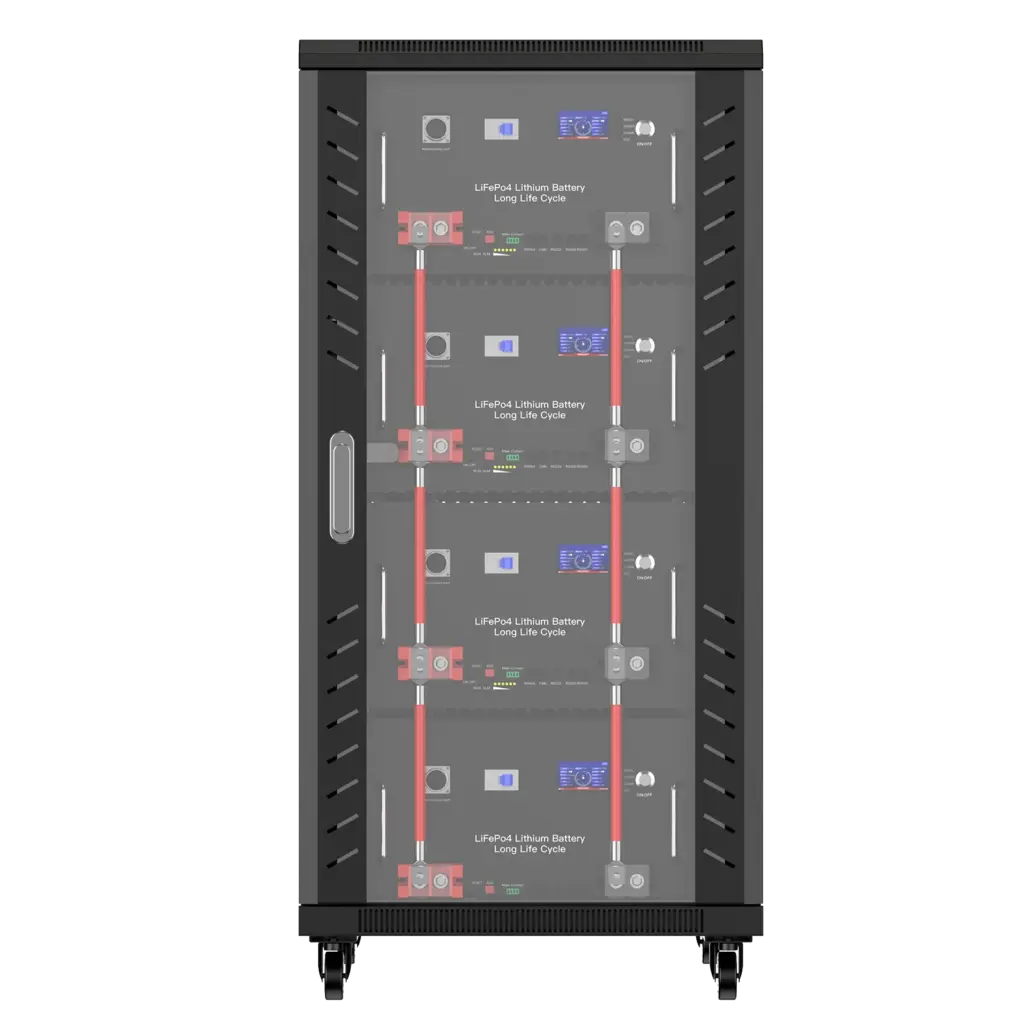
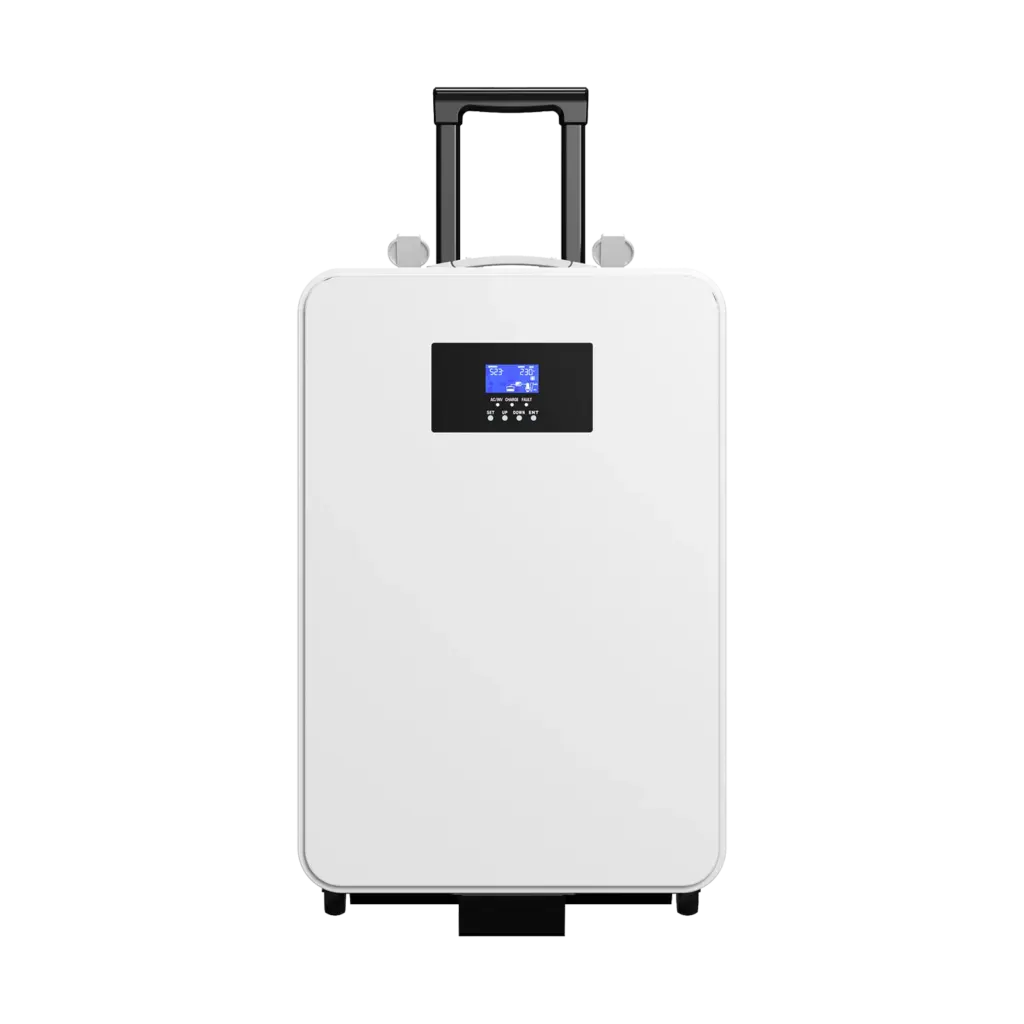
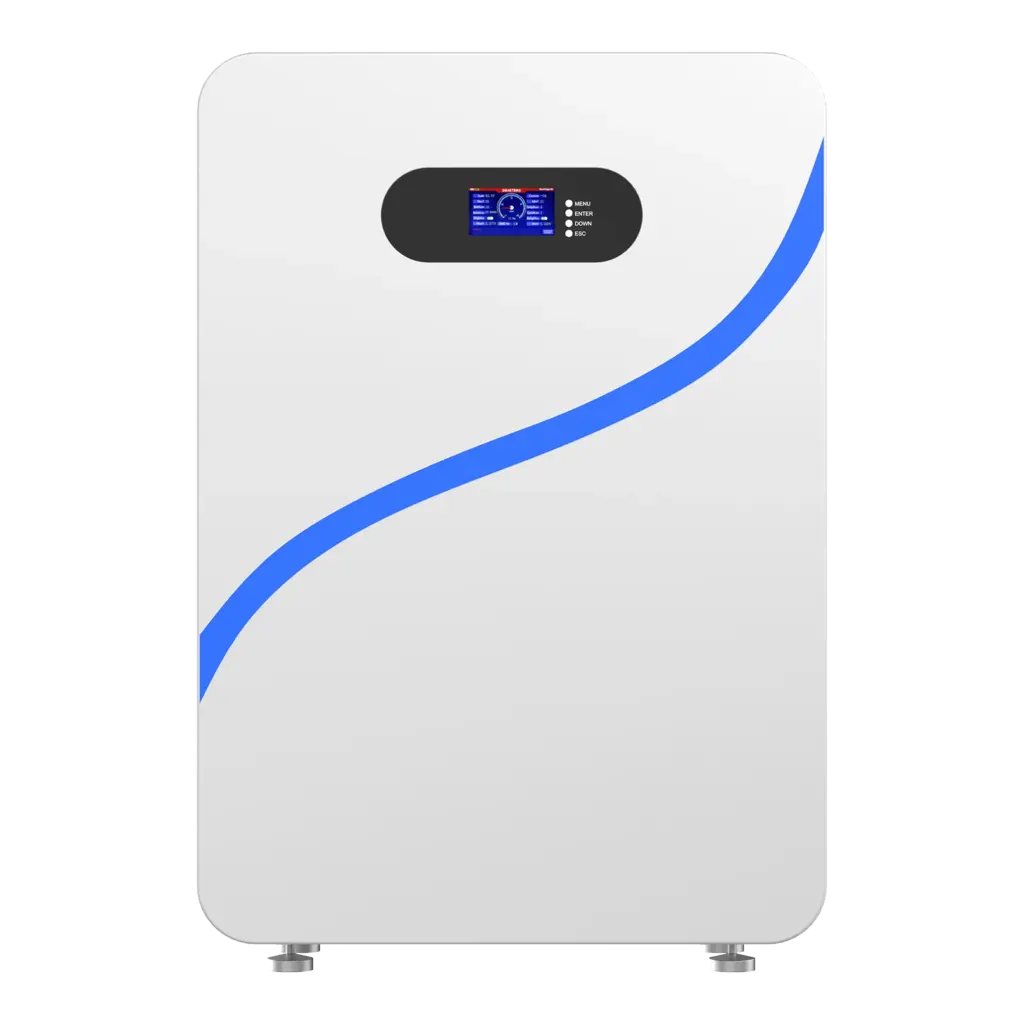
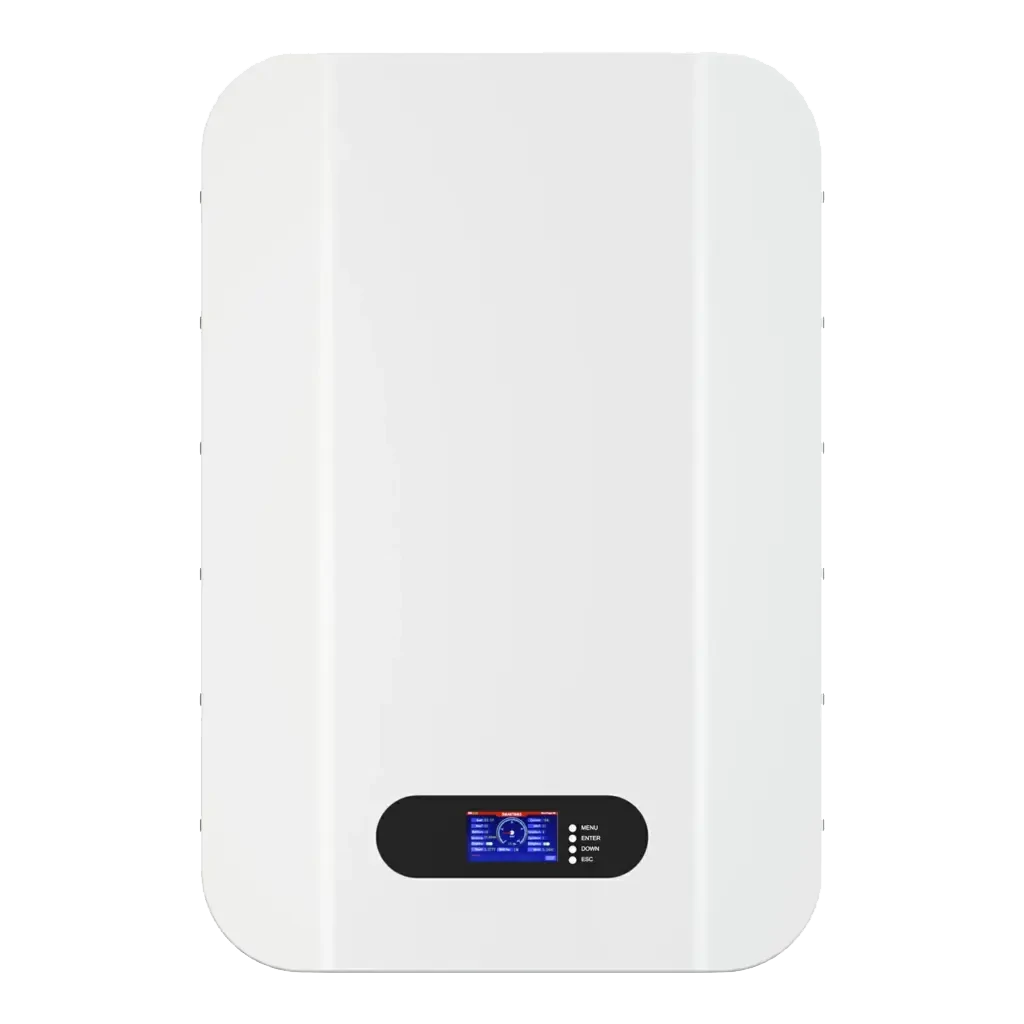
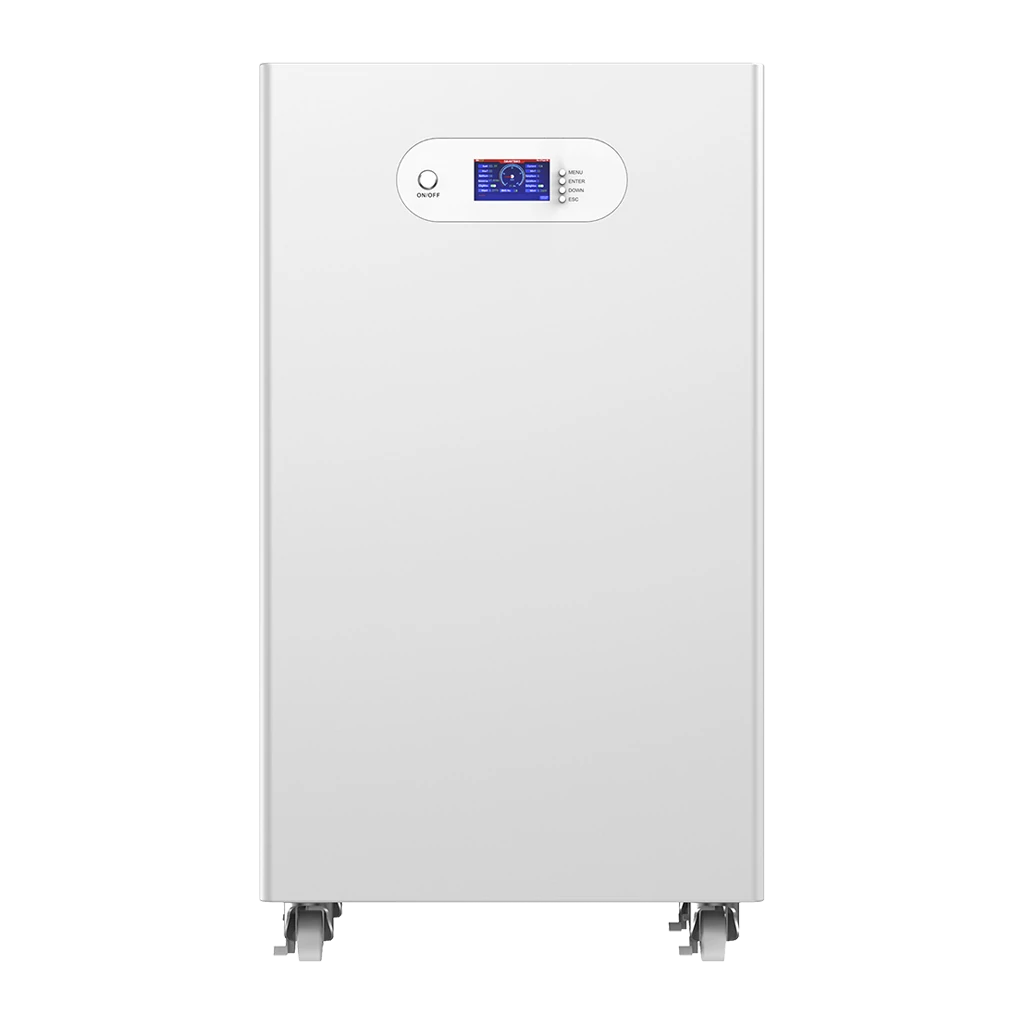
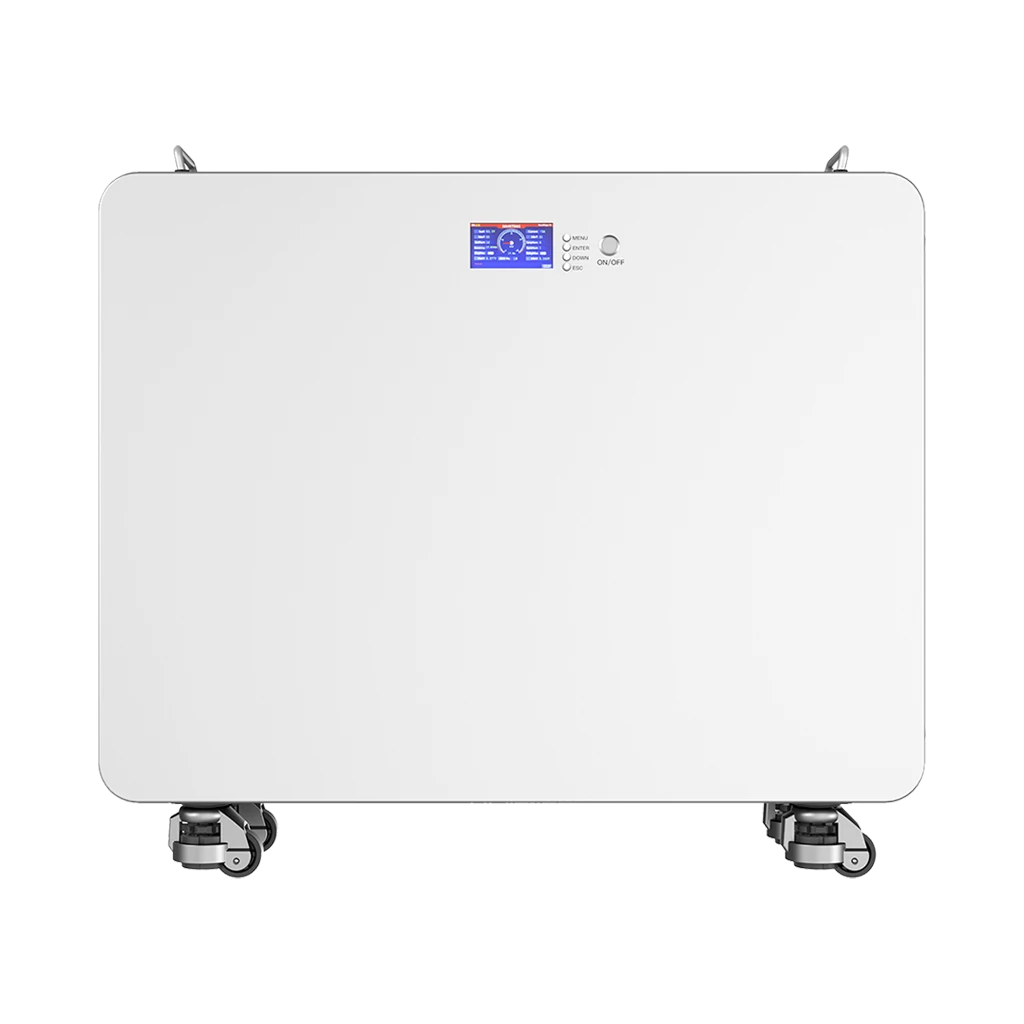
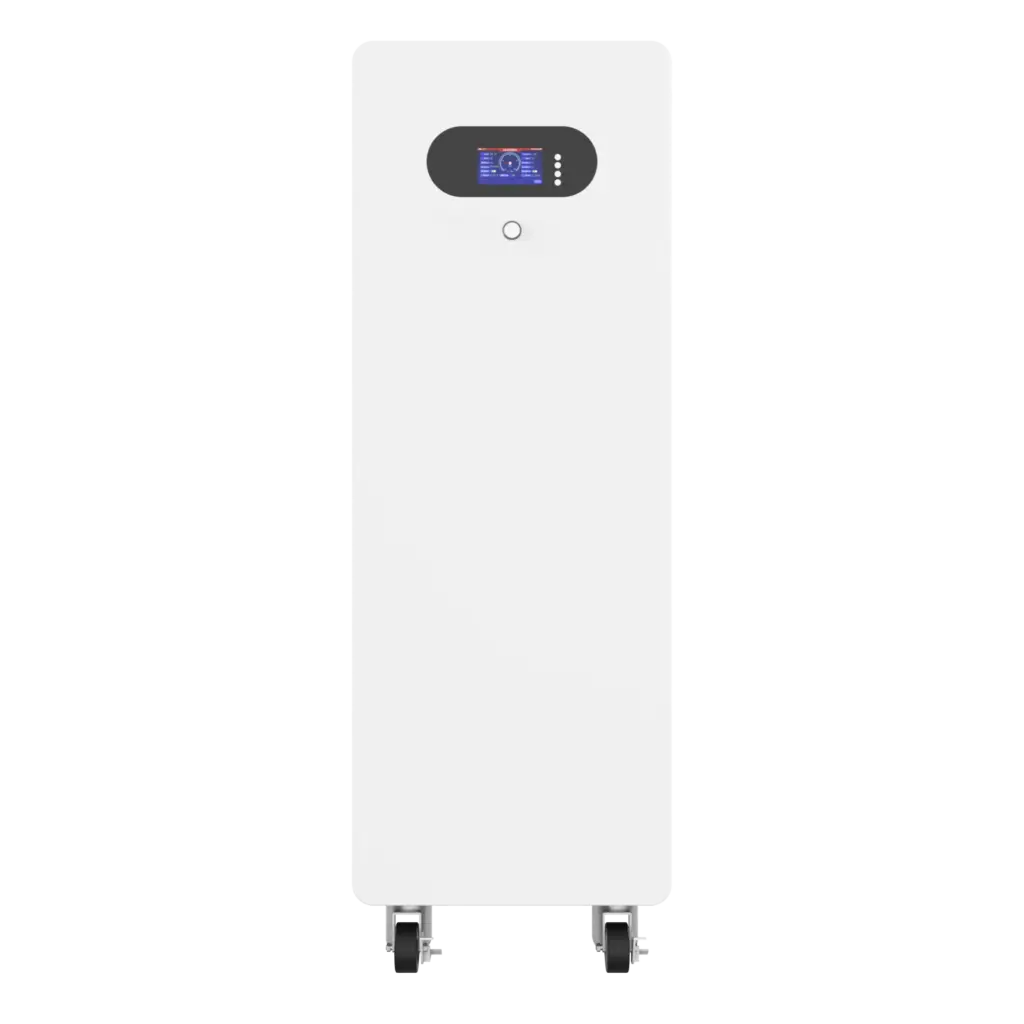
Avepower’s home energy storage portfolio is designed around those procurement realities—safety, compliance, and integration—which is exactly what serious installers and distributors want when incentives push more first-time buyers into the market.
Request installer pricing, ask for an inverter compatibility list, or get an OEM/ODM configuration recommendation for your target QLD customer segment.
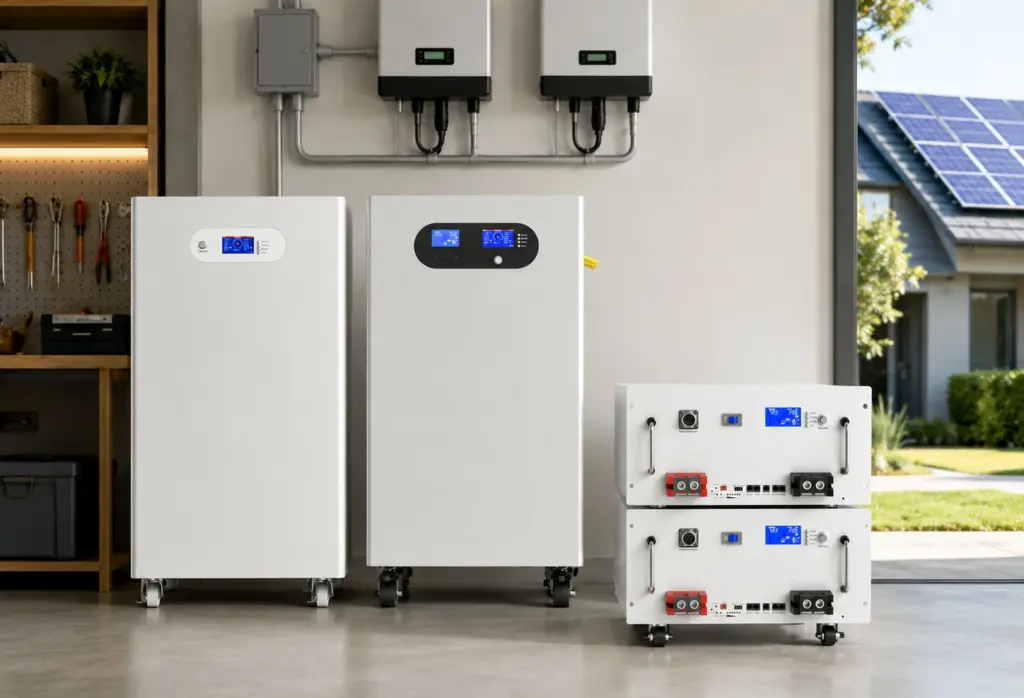
Take Control of Your Energy with Avepower!
Reliable home solar battery solutions with OEM/ODM customization and in-house manufacturing, tailored to the needs of distributors, installers, and energy partners.
FAQ
No general Queensland state battery installation rebate is currently available. Eligible Queensland customers can use the federal Cheaper Home Batteries Program.
No. The Battery Booster program closed in May 2024 and has not reopened.
A 10kWh usable battery installed between May and December 2026 theoretically creates 68 STCs, worth up to A$2,720 at the A$40 Clearing House price before fees and deductions.
Not necessarily. A battery can be connected to an eligible existing solar PV system. The existing system and inverter must still be checked for technical compatibility.
Normally no. A grid-connected battery generally needs to be VPP-capable, but participation is usually optional.
Yes. An eligible off-grid solar battery system can qualify and is not required to have VPP capability.
The federal battery program does not impose a national household income test. The income limit mentioned in older Queensland articles belonged to the closed Battery Booster scheme
Additional capacity may qualify only when the system satisfies the current rules, the added capacity is large enough and the previous battery capacity has not already received support that prevents another claim. This should be confirmed before ordering.
The base STC factor is scheduled to fall from 6.8 to 5.7 on 1 January 2027.
No. Backup operation requires compatible hardware, appropriate system design, protected circuits and correct commissioning.