
If you are considering solar energy for your home or business in Nigeria, one of the most important decisions you will make is choosing the right solar battery. The battery stores power generated by your solar panels and provides backup during power outages or nighttime use. But with so many brands and technologies on the market, it can get confusing fast.
To help you make the best choice, we have put together a clear comparison of the top 10 solar batteries available in Nigeria in 2026.
Quick Comparison: Best Solar Batteries in Nigeria (2026)
| Brand / Example Model | Chemistry | Nominal Energy | Voltage | Cycle / Life Reference | Communication | Best For |
|---|---|---|---|---|---|---|
| SRNE 5.12kWh | LiFePO4 | 5.12kWh | 48V / 51.2V class | Around 6,000 cycles on commonly sold models | Model dependent | Budget-conscious homes and hybrid systems |
| RITAR 51.2V Series | LiFePO4 | 5.12–16.08kWh | 51.2V | >6,000 cycles on current wall-mounted models | CAN / RS485 | Residential and small commercial systems |
| Avepower 51.2V 314Ah | LiFePO4 | 16kWh | 51.2V | 8,000+ cycles @ 80% DoD | CAN / RS485 / RS232 | Installers, distributors and scalable projects |
| BYD Battery-Box | LiFePO4 | Modular, model dependent | LV / HV | Long-life modular platform | CAN / RS485 | Premium residential and engineered projects |
| Pylontech US5000 | LiFePO4 | 4.8kWh nominal / 4.56kWh usable | 48V | Designed for long-term residential ESS use | CAN / RS485 | Modular rack systems |
| Felicity 5.12kWh Series | LiFePO4 | 5.12kWh | 51.2V | ≥6,000 cycles on current models | CAN / RS485 | Price-sensitive homes and small businesses |
| Eastman Tubular | Lead-acid | Bank dependent | 12V blocks | Highly dependent on DoD and maintenance | No BMS communication | Lower upfront-cost backup |
| Amaron Quanta | VRLA lead-acid | Bank dependent | 12V blocks | Application and DoD dependent | No BMS communication | UPS, telecom and stationary backup |
| Multipower | AGM / VRLA | Bank dependent | 12V blocks | Model and cycling depth dependent | No BMS communication | Basic backup loads |
| Luminous | Tubular / lead-acid | Bank dependent | 12V blocks | Strongly dependent on DoD and maintenance | No BMS communication | Entry-level backup systems |
Important: Cycle-life ratings are not directly comparable unless the test temperature, C-rate, depth of discharge and end-of-life criteria are the same. Always verify the exact model datasheet before purchasing.
Best Solar Battery in Nigeria by Use Case
| Buyer Need | What to Prioritize |
|---|---|
| Lowest upfront cost | Tubular / entry-level lithium |
| Best for daily solar cycling | LiFePO4 |
| Best for modular rack systems | Pylontech / rack-type LFP |
| Best for premium modular systems | BYD |
| Best for installer customization | Avepower / OEM-capable manufacturers |
| Best for easy local availability | Felicity / widely distributed brands |
| Best for business backup | 10–30kWh LiFePO4 with verified inverter compatibility |
Top 10 Best Solar Batteries in Nigeria
1. SRNE
SRNE is well known for controllers and inverters, and SRNE lithium batteries are now common in homes and small commercial setups. You often see SRNE in Nigerian hybrid solar setups because SRNE batteries match common 48V inverter systems.
- You get a 51.2V battery platform that fits most 48V systems.
- You usually get around 80 percent discharge depth in normal use.
- You often see over 6000 cycles listed for long life use.
- You can expand by running units in parallel, and many setups list up to 9 units.
- You can pair SRNE with common inverter brands like Growatt, Felicity, and MPP Solar, if your installer sets communication and charge limits correctly.
You can consider SRNE if you run a 3 to 5 bedroom home with full backup. You can consider SRNE if you run a retail store or POS business that needs steady power for 8 to 12 hours. You can consider SRNE if you run a school, church, or small clinic that needs stable nighttime energy.
2. RITAR
RITAR is a long-running battery maker with both lead-acid and lithium product lines, and RITAR positions itself as a large group with thousands of employees and global exports.
You will see RITAR in Nigeria through different importers, so model quality and after-sales depend heavily on the exact supplier.
Their 6kWh lithium battery features:
- Battery Chemistry: Lithium Iron Phosphate (LiFePO4)
- Cycle Life: Over 5,000 cycles
- Compatibility: Works with Victron, Growatt, and other inverters with RS485/CAN communication
Ideal for 3-bedroom homes running 3–5kVA inverter systems, RITAR batteries also serve commercial backup needs like routers, fans, and lighting.
Tips for Nigerian Users:
- Install in ventilated, elevated spaces to avoid heat build-up
- Use MPPT charge controllers for battery safety
- Set low voltage disconnect at 46V for 48V systems
- Charge consistently, especially in rainy seasons
RITAR is perfect if you want a solid, quiet battery that performs without a high price tag.
3. Avepower
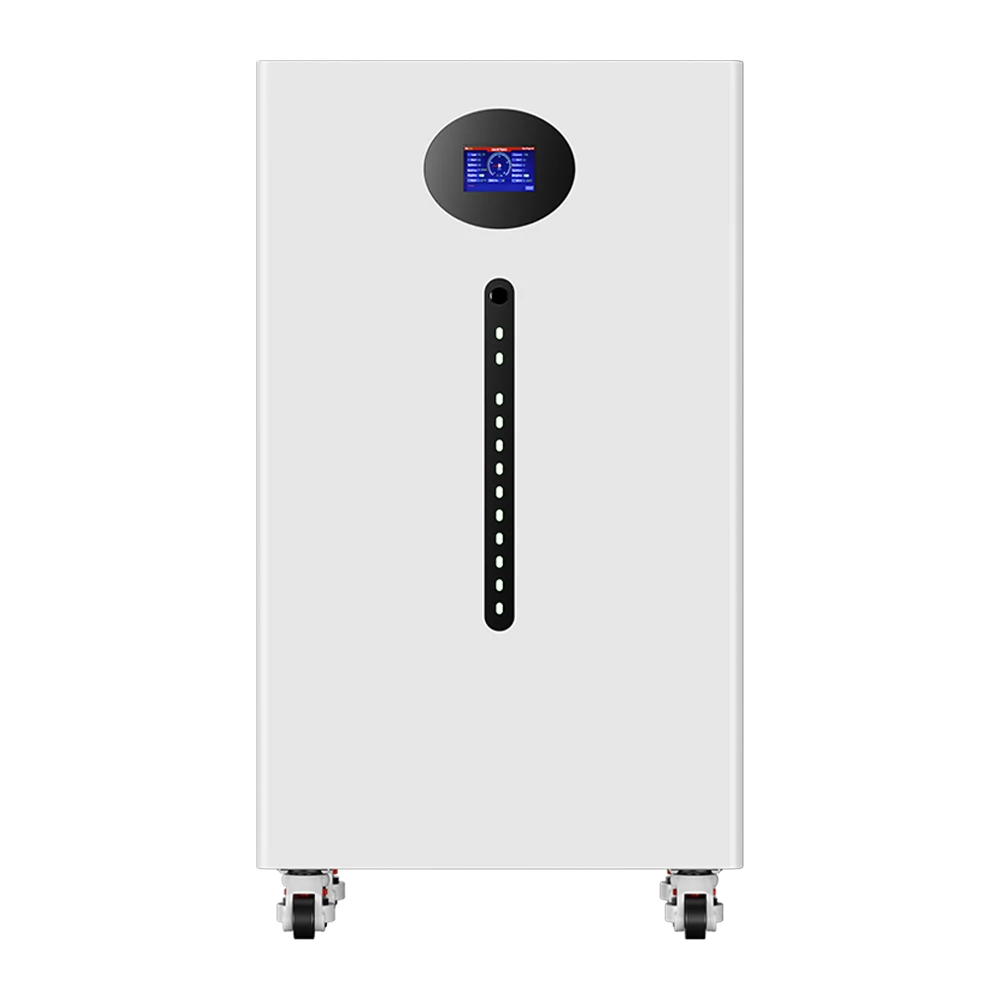
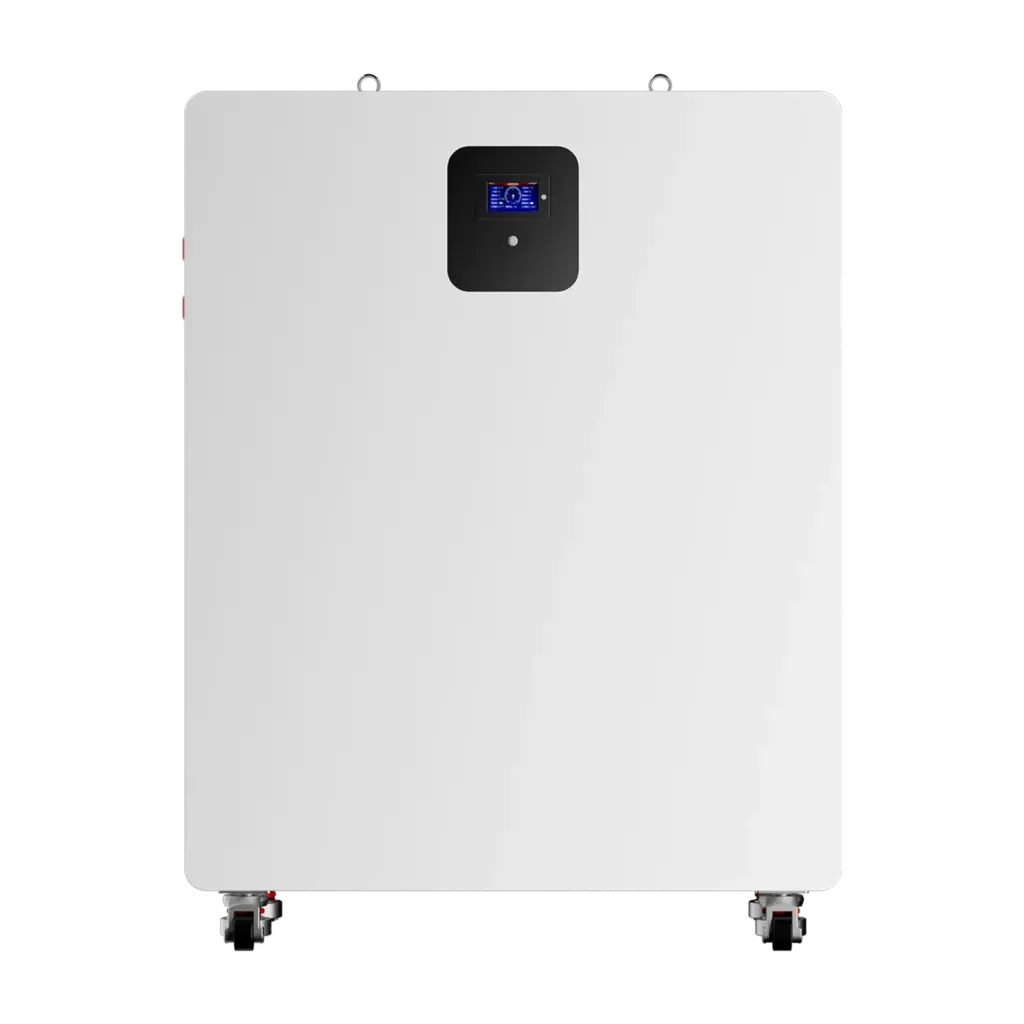
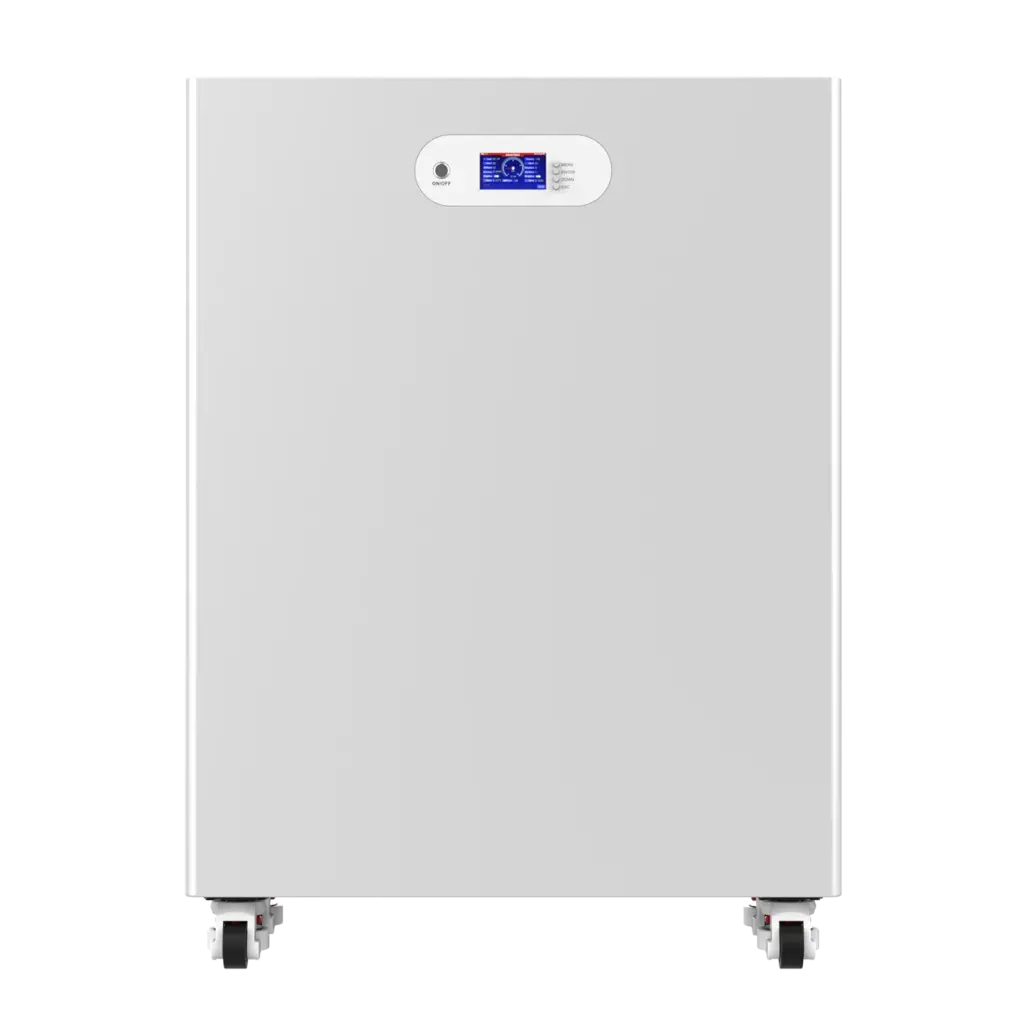
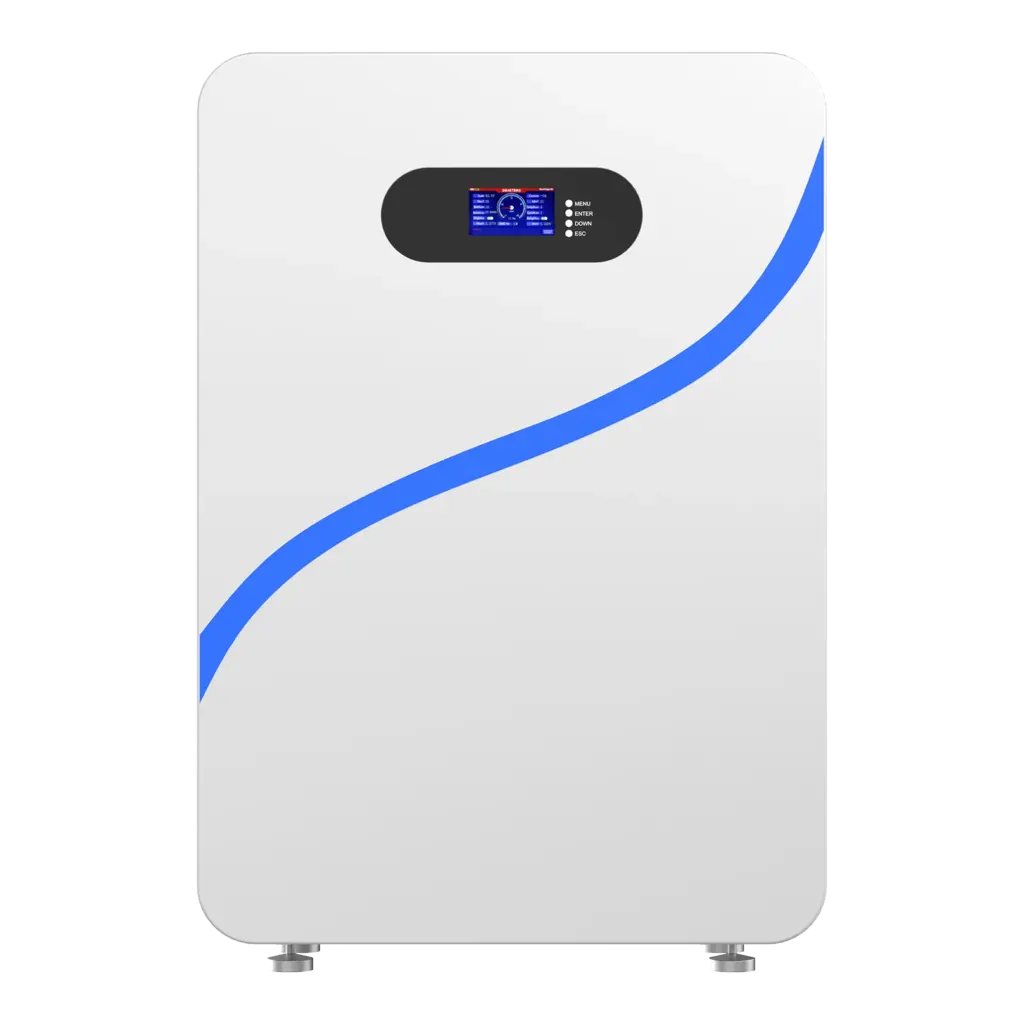
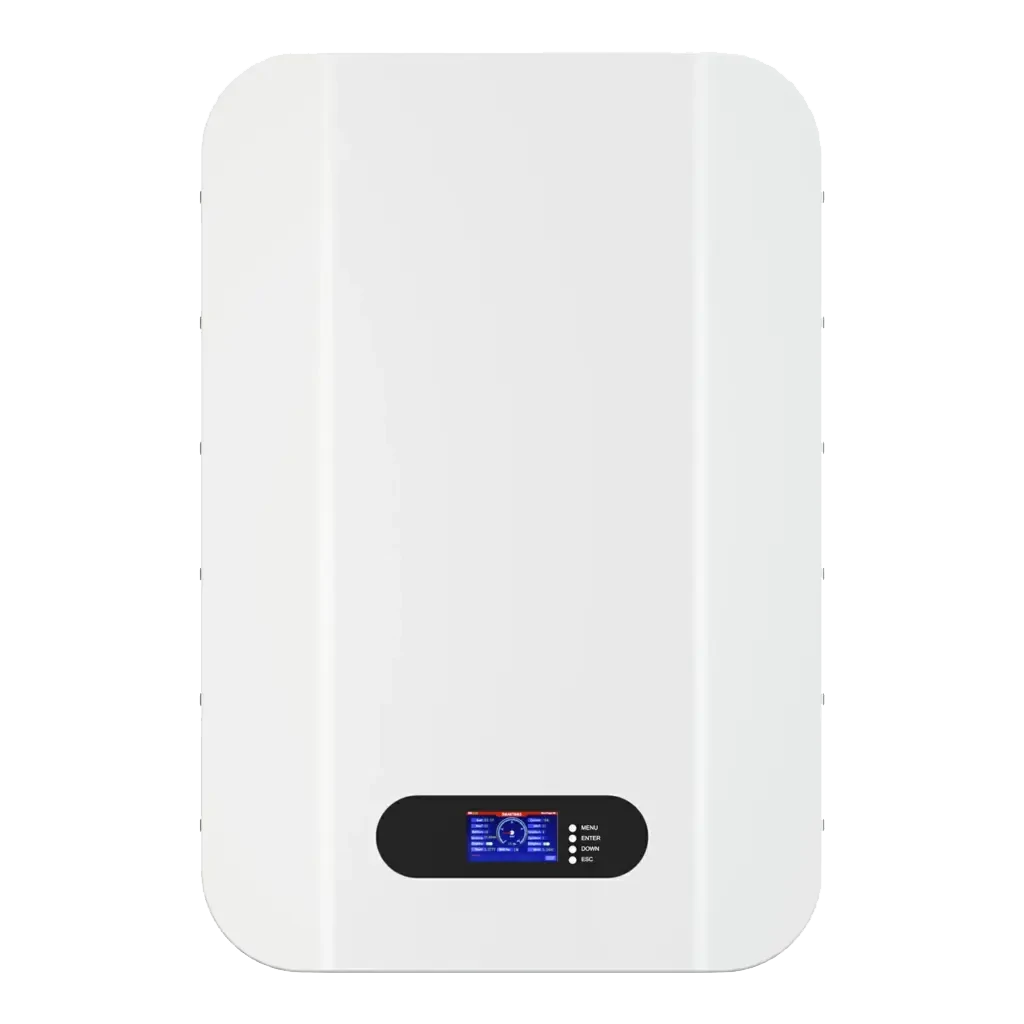
Avepower focuses on LiFePO4 energy storage systems for residential, small commercial and OEM/ODM projects, with particular value for installers and distributors that need configurable battery platforms rather than a single retail model.
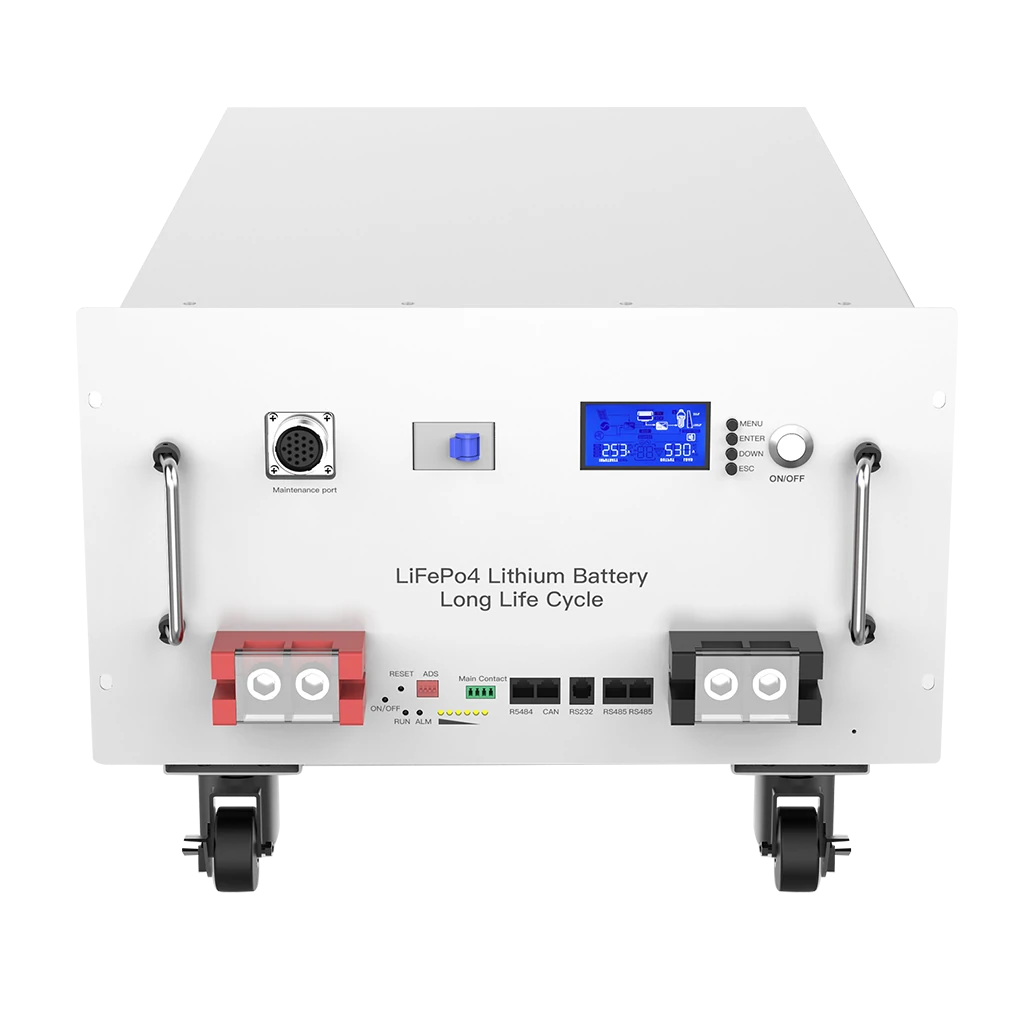
One representative residential option is its 51.2V 314Ah 16kWh LiFePO4 battery, which provides:
- 16kWh nominal energy
- 200A maximum discharge
- CAN / RS485 / RS232 communication
- Bluetooth and Wi-Fi monitoring
- Up to 16 units in parallel
- 8,000+ cycles at 80% DoD
For Nigerian installers, these specifications matter because a battery must be matched not only by kWh but also by inverter protocol, discharge current, expansion requirements and service model.
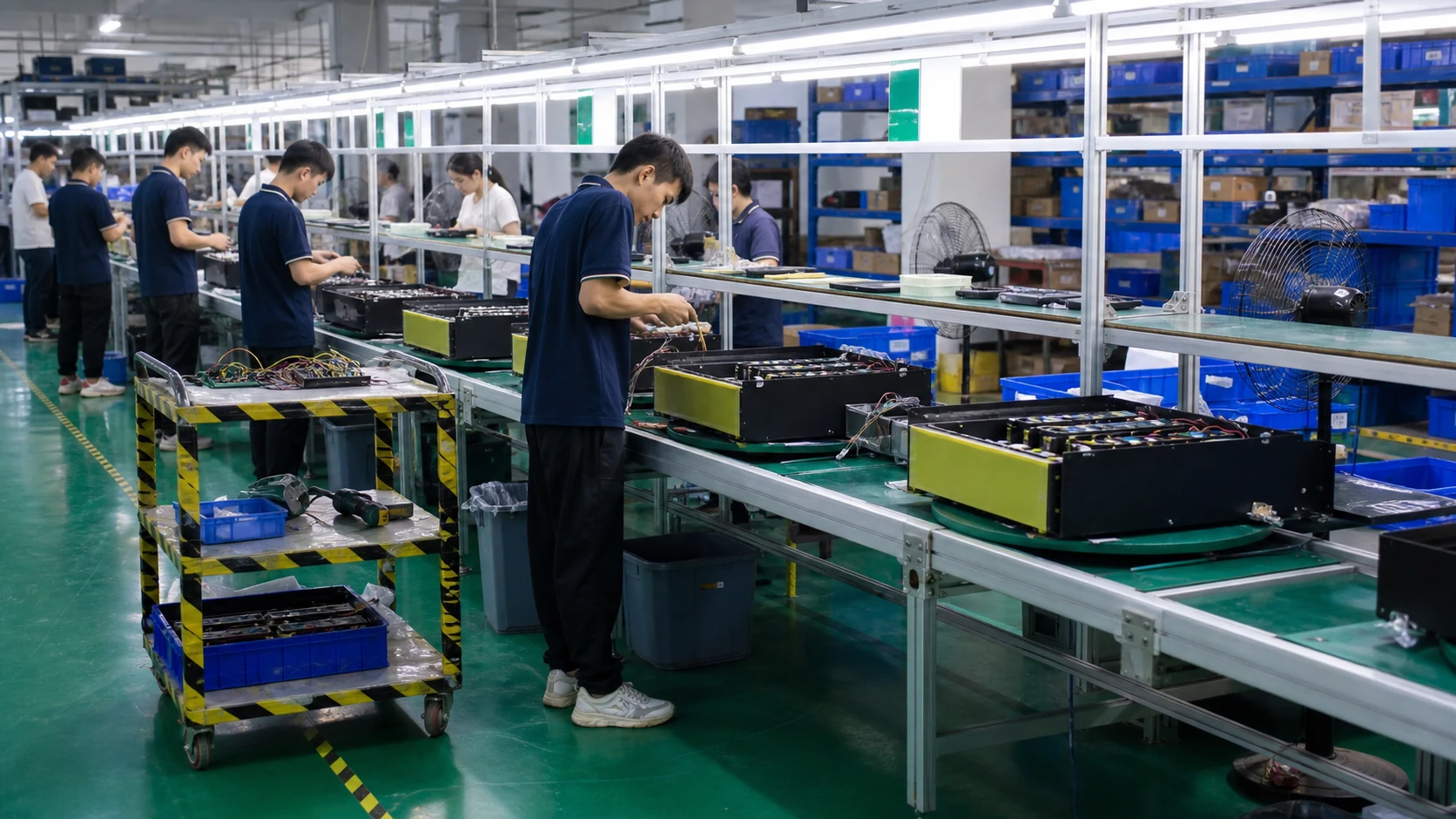
Avepower operates a 20,000m² manufacturing facility with 15 production lines and supports OEM/ODM projects for installers, distributors and project developers. Its value is therefore strongest for buyers that need factory supply, private labeling, customized communication profiles or repeatable project configurations rather than one-off retail purchases.
4. BYD
BYD is a global leader with more than 200 patents and products in over 100 countries. Nigerian homeowners and businesses looking for top-tier solar batteries often turn to BYD.
Key Features:
- Lithium Iron Phosphate chemistry
- High energy density for compact storage
- Intelligent BMS prevents overheating and overcharging
- Lifecycle of about 6,000 cycles
Price: BYD is generally positioned in the premium segment. Nigerian retail pricing varies significantly by Battery-Box model, capacity and importer, so buyers should compare the exact model rather than relying on a generic “10kWh BYD” price.
Ideal for:
- Homes and businesses that want top quality and safety
- Projects that require certified professional installation
- Users willing to invest upfront for longer system life
5. Pylontech
Pylontech is a popular choice for those looking for reliable lithium batteries that offer good value. Their LiFePO4 chemistry ensures durability, and the brand supports smart monitoring for Nigerian users.
Key Features
- 48V modular batteries designed for home solar.
- Fire-resistant and multi-layer heat protection.
- Lifespan exceeding 6000 cycles.
- Compatible with many hybrid inverters like Growatt and Victron.
- Supports real-time system monitoring.
Price Point
Pricing varies by importer and installation package. Current Nigerian listings for the 4.8kWh US5000 are typically around ₦1.2–₦1.6 million per module, before installation and balance-of-system costs.
Best Suited For
- Homes and small businesses wanting reliable, long-lasting batteries.
- Customers who prefer a balance between cost and performance.
- Users who have access to experienced solar installers.
6. Eastman
Eastman, from India, specializes in tubular lead-acid batteries that are durable and budget-friendly.
What to Expect
- Good performance for solar use in areas with intermittent sunlight
- Suitable for users who want low upfront costs and easier maintenance
Recommended For
- Users ready to maintain battery health with regular charging
- Urban and rural homes with basic solar + inverter setups
- Small shops and community centers
7. Felicity Lithium Batteries
Felicity offers affordable lithium battery solutions designed specifically for Nigerian homes and small offices.
- Models: Available from 5kWh to 17kWh capacities, working with 24V and 48V systems.
- Performance: Current Felicity 5.12kWh LiFePO4 models commonly specify 6,000+ cycles, although cycle-life conditions vary by model and depth of discharge.
- Usage: Great for off-grid homes, small clinics, shops, and mobile health centers.
You can rely on Felicity if you want mid-range lithium performance with decent affordability.
8. Amaron Quanta
Amaron Quanta focuses on industrial-grade lead-acid batteries for critical power backup in sectors like banking and telecom.
Highlights
- Valve-regulated lead-acid design requiring zero maintenance
- Special Radgrid profile for stable current and fast recovery
Best For
- Telecom base stations
- Server rooms and data centers
- Government and enterprise facilities
You should avoid deep daily cycling when you can. You should also keep ventilation in the battery room.
9. Multipower
Multipower batteries come from a German company known for precision engineering and quality.
Features
- Sealed lead-acid batteries with long shelf life
- Compact size and low maintenance
Use Cases
- Single-room apartments
- Small retail shops and kiosks
- Security systems with low power needs
You should not treat small AGM blocks like a full deep-cycle solar bank. You should match the battery build to your real load.
10. Luminous
Luminous is a very common name in inverter battery markets, and Luminous offers solar battery lines that many people can buy easily.
Why Choose Luminous?
- Simple installation and maintenance
- Compatible with common 1.5kVA–5kVA inverters
Best Fit
- Price-sensitive homeowners
- Small businesses and phone charging kiosks
- Community centers and churches
You should avoid deep discharge. You should also keep the battery in a cool, ventilated place, because heat speeds up aging.
Solar Battery Price in Nigeria 2026
As of September 2026, LiFePO4 battery prices in Nigeria vary significantly by brand, capacity, warranty, importer, exchange rate and whether the quotation covers only the battery or a complete installed system.
Last Market Check: September 2026
| Battery Capacity | Typical Battery Type | Observed 2026 Market Range | Typical Use |
|---|---|---|---|
| 2.5kWh | LiFePO4 | ₦580,000–₦700,000 | Basic backup, lights, TV, router |
| 4.8–5.12kWh | LiFePO4 | ₦1,000,000–₦2,600,000 | Apartments, shops, small homes |
| 10–10.24kWh | LiFePO4 | ₦1,500,000–₦4,600,000+ | Medium homes and offices |
| 15–16kWh | LiFePO4 | ₦1,650,000–₦4,200,000+ | Large homes, offices and clinics |
| 30kWh | LiFePO4 | ₦4,200,000–₦7,000,000+ | Villas, farms and small commercial backup |
| 50kWh+ | Modular / Commercial ESS | Project quotation | Commercial, mini-grid and EPC projects |
These are market-reference prices, not fixed selling prices. Premium imported systems can cost significantly more than the ranges above. For example, premium BYD configurations may sit well above mainstream 48V LiFePO4 products. Installation, inverter, cables, breakers, cabinet, delivery and commissioning are usually quoted separately.
For B2B buyers, Avepower also supports home solar battery wholesale supply for distributors, wholesalers, installers and project buyers who need stable factory supply instead of one-off retail purchasing.
Real 2026 Price Examples in Nigeria
| Example | Capacity | Observed Price | Market Position |
|---|---|---|---|
| Felicity FLH-48100UG1 | 5.12kWh | ≈ ₦1.30M | Mainstream lithium |
| SRNE 5.12kWh | 5.12kWh | ≈ ₦1.05M–₦1.60M | Value / mid-market |
| Pylontech US5000 | 4.8kWh | ≈ ₦1.20M–₦1.60M | Modular premium |
| BYD LV5.0 / 5kWh | ≈5kWh | ≈ ₦1.95M–₦2.59M | Premium |
| SMS 10kWh | 10kWh | ≈ ₦1.50M–₦2.00M | Value segment |
| SAKO 30kWh | ≈30.7kWh | ≈ ₦5.80M | High-capacity residential / C&I |
Prices were checked in September 2026 and can change quickly because of exchange rates, stock availability, distributor margins and promotions.
Capacity Comparison: Which Solar Battery Size Do You Need?
| User Type | Suggested Battery Capacity | Typical Inverter Range | Battery Platform | Key Check |
|---|---|---|---|---|
| Apartment / basic backup | 2.5–5kWh | 1–3kW | 24V / 48V | Essential-load runtime |
| 2–3 bedroom home | 5–10kWh | 3–5kW | 48V / 51.2V | Fridge + fans + night loads |
| 3–5 bedroom home | 10–16kWh | 5–8kW | 48V / 51.2V | Surge current and backup hours |
| Large home / office | 15–30kWh | 8–15kW | 48V / LV modular | Parallel expansion |
| Clinic / farm / telecom | 30kWh+ | Project based | LV / HV | Reliability and redundancy |
| Installer / distributor | 5–50kWh+ | Multiple | Modular / OEM | Compatibility and supply continuity |
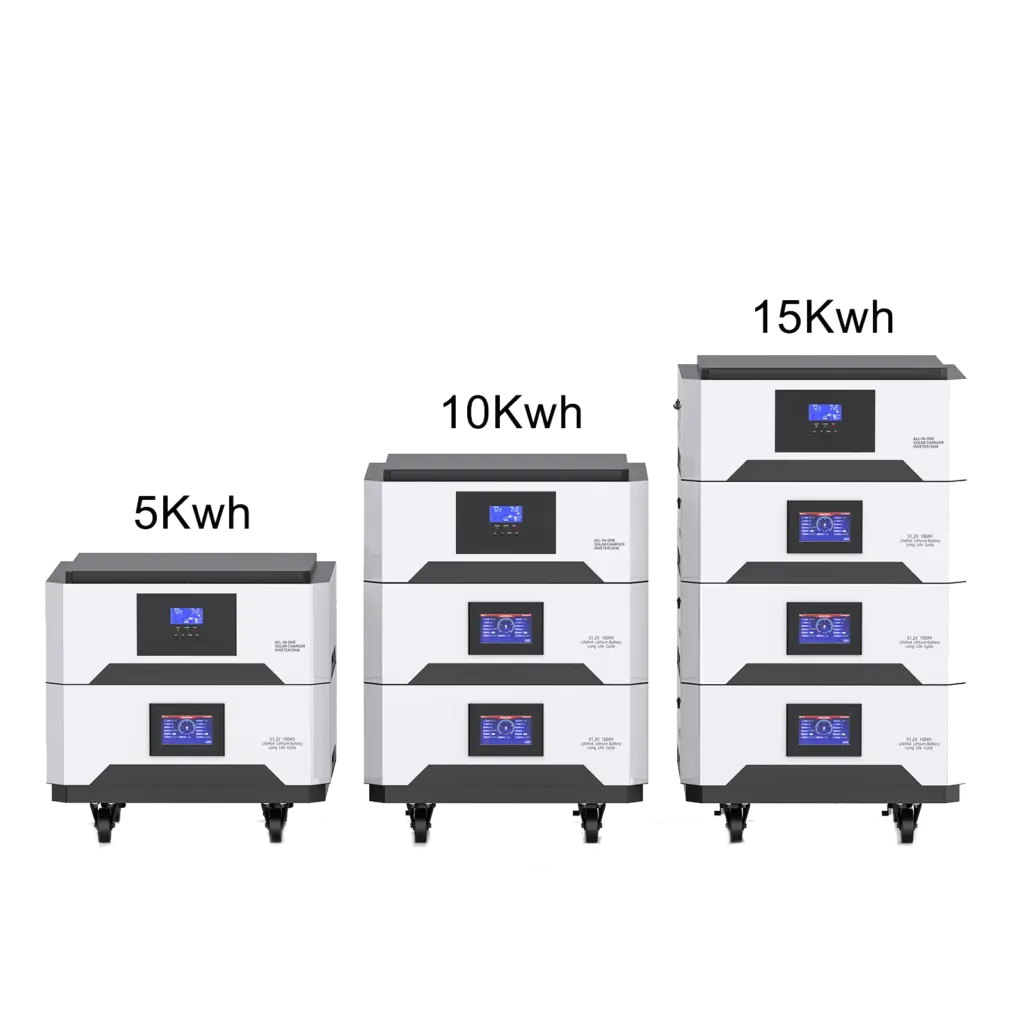
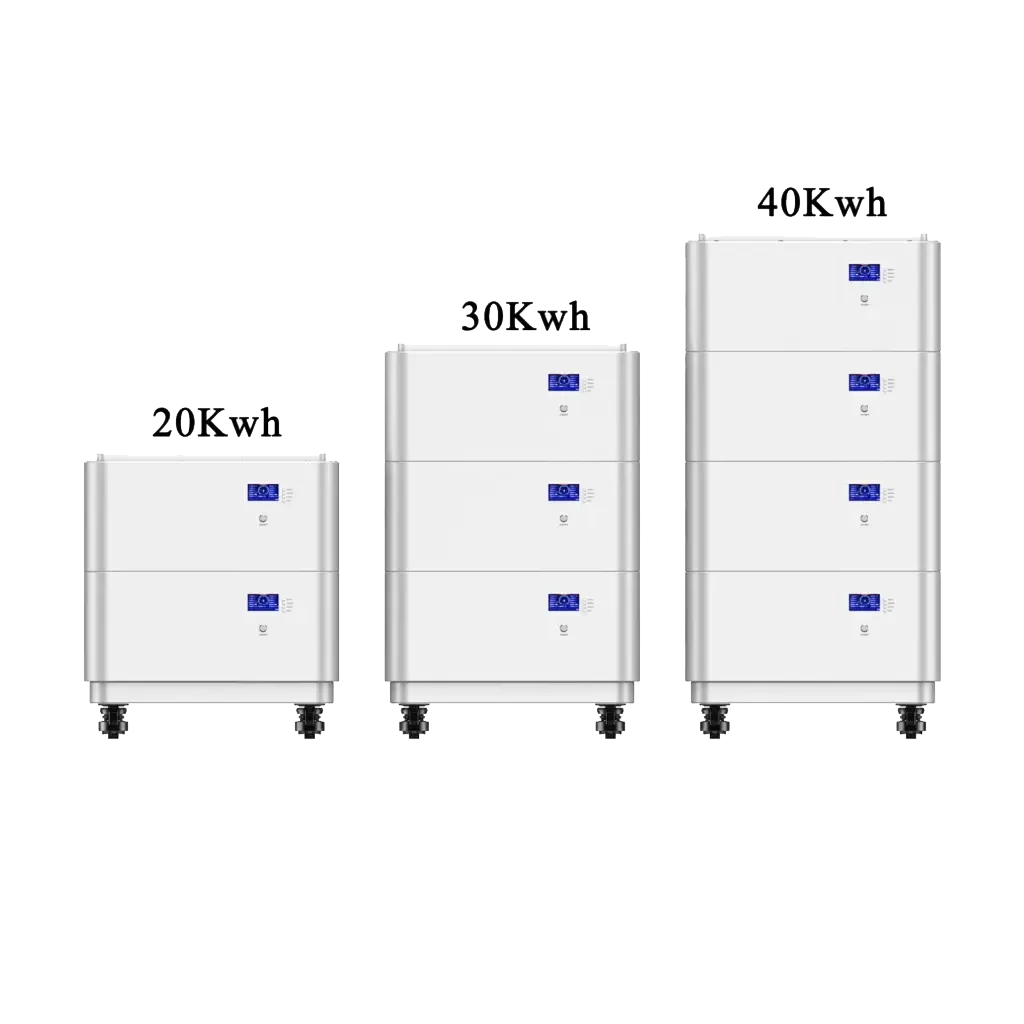
Avepower offers 5kWh, 10kWh, 15–16kWh, 30kWh and 50kWh-class LiFePO4 platforms for installer and project configurations.
Lithium vs Lead-Acid: Which Is Better for Nigeria?
Lead-acid and tubular batteries are still common in Nigeria because they are cheaper upfront and widely available. However, for long-term solar storage, LiFePO4 lithium batteries are usually the better choice.
| Feature | Lead-Acid / Tubular Battery | LiFePO4 Lithium Battery |
|---|---|---|
| Upfront cost | Lower | Higher |
| Usable energy | Lower, often around 50% recommended DoD | Higher, commonly 80–90% usable depending on model |
| Cycle life | Shorter | Longer |
| Maintenance | May require water topping or ventilation | Low maintenance |
| Weight | Heavy | More compact and lighter |
| Charging speed | Slower | Faster |
| Best for | Budget backup and light use | Solar storage, daily cycling, home and commercial backup |
If the goal is only a low-cost emergency backup battery, lead-acid may still work. But if the system will charge and discharge every day from solar panels, LiFePO4 is usually more economical over time because it provides more usable energy and longer service life.
What Makes a Good Solar Battery in Nigeria?
When choosing the best solar battery in Nigeria, check these points before comparing brands.
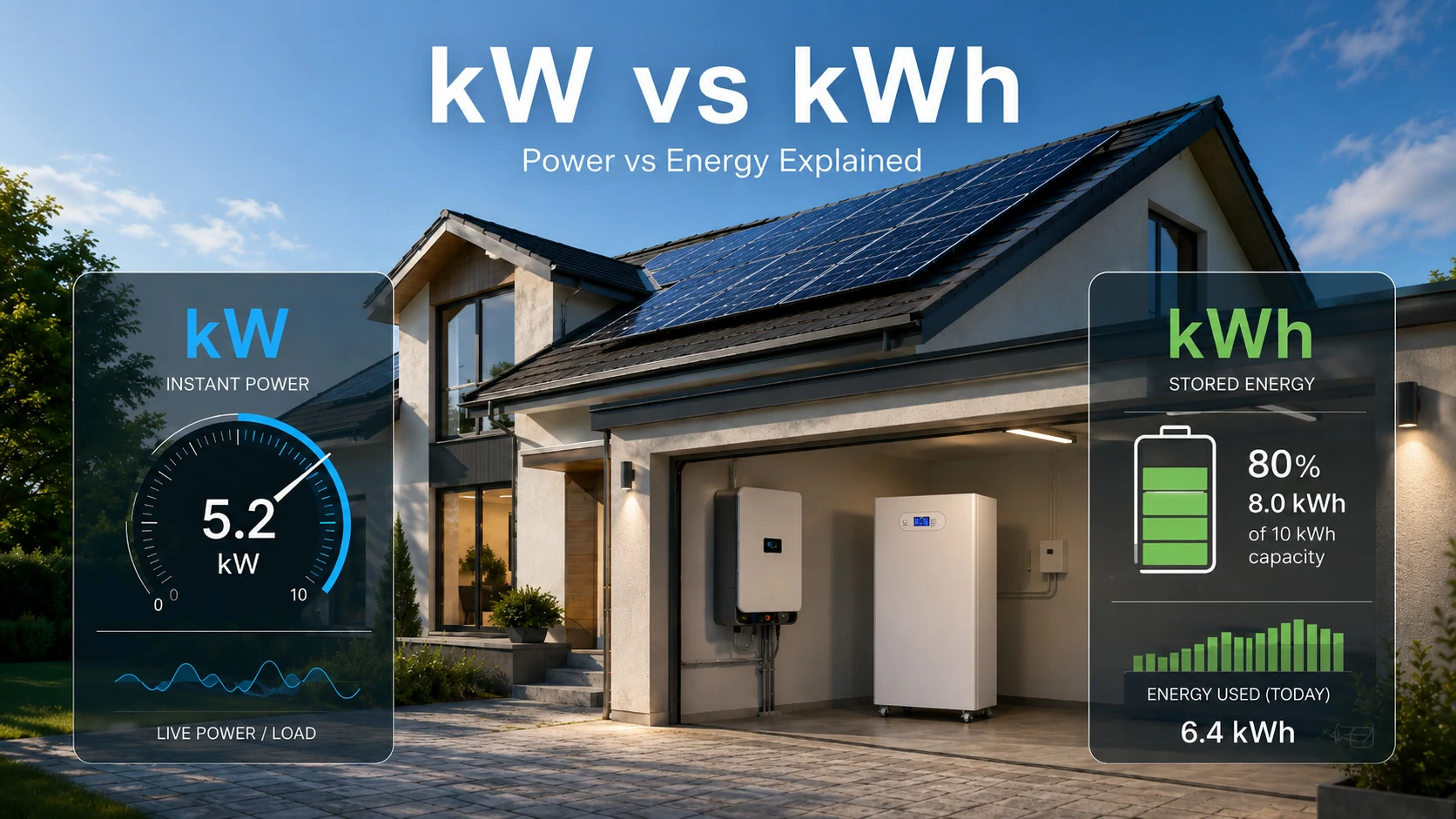
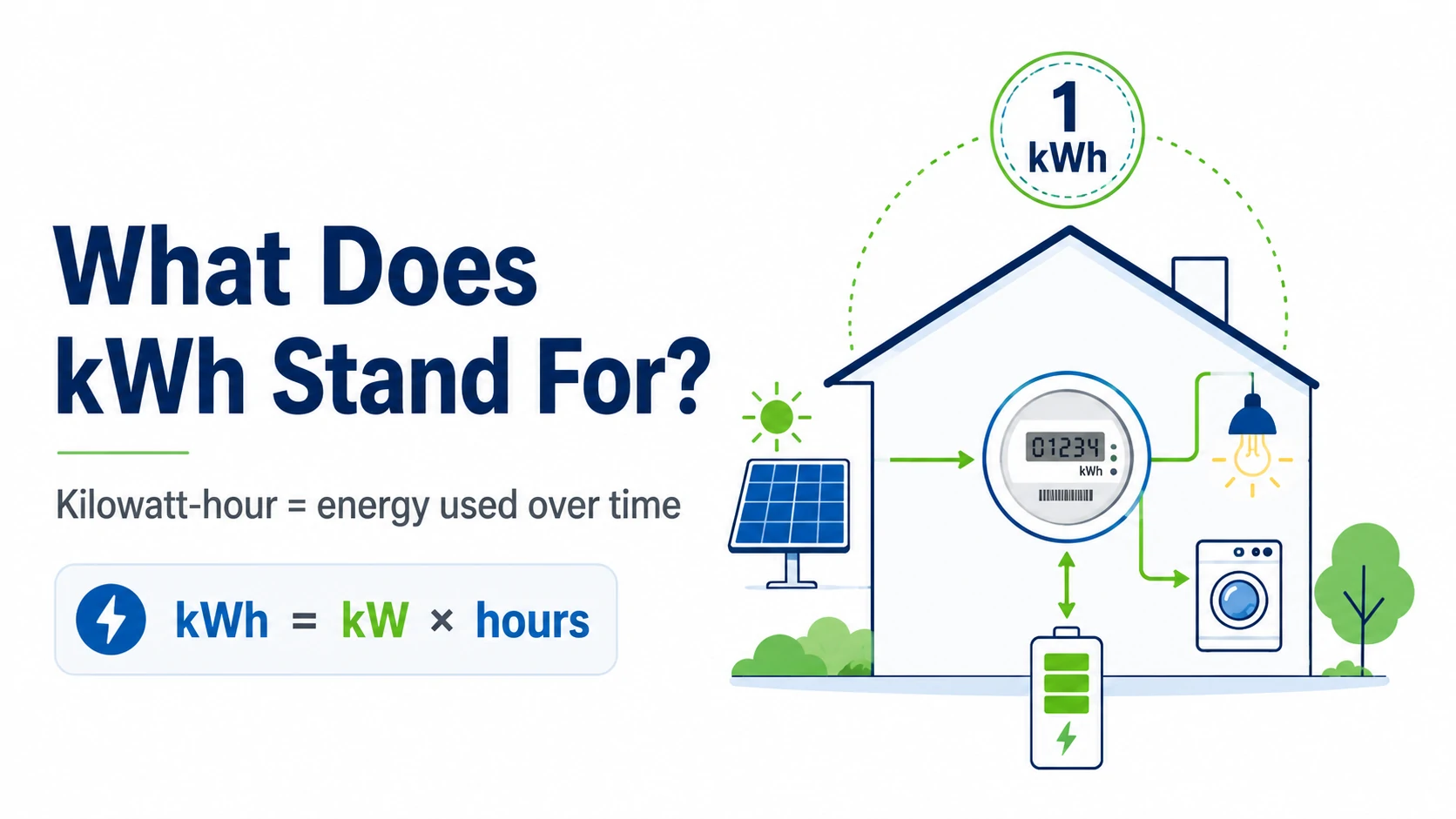
First, check the usable capacity, not only the rated kWh. A 10kWh battery does not always deliver the full 10kWh in daily use because the BMS, inverter and battery chemistry may limit discharge depth.
Second, check inverter compatibility. Many modern lithium batteries use CAN, RS485 or RS232 communication. If the inverter and battery do not communicate properly, the system may show incorrect SOC, charge poorly or shut down unexpectedly.
Third, check the BMS protection. A good battery management system should protect against overcharge, over-discharge, overcurrent, short circuit and temperature problems.
Fourth, check expandability. Many buyers start with one battery and add more later. Choose a battery system that supports parallel expansion if your power demand may grow.
Fifth, check warranty, technical support and spare parts. A low price is not useful if the supplier cannot support installers after delivery.
How to Choose the Right Solar Battery for Your Project
Before buying a solar battery, answer these questions:
- How much energy do you use per day?
- Which loads must run during outages?
- How many hours of backup do you need?
- What inverter voltage and power rating do you use?
- Does your inverter support CAN or RS485 communication?
- Will the system expand later?
- Is the battery installed indoors, outdoors, in a cabinet or in an equipment room?
- Do you need retail branding, distributor packaging or OEM customization?
If you are unsure, send your inverter model, target load list and required backup hours to the supplier. A good battery supplier should help you calculate capacity instead of simply selling the cheapest model.
Conclusion
The best solar battery in Nigeria in 2026 is not simply the cheapest battery or the most famous brand. The right choice depends on your backup hours, daily load, inverter compatibility, installation space, battery chemistry, warranty and long-term cost.
For one home, a 5–10kWh LiFePO4 battery may be enough. For larger homes, shops, clinics and offices, 15–30kWh is often more practical. For installers, distributors and project buyers, choosing a factory partner that can support battery matching, certificates, OEM ODM customization and stable supply can be more valuable than comparing retail prices only.
Avepower supports LiFePO4 home energy storage batteries for homes, installers, wholesalers, distributors and OEM projects. Share your target capacity, inverter model, project quantity and application scenario, and Avepower can help recommend a suitable solar battery solution.
FAQ
You should confirm each model’s communication support, because brands like SRNE and Felicity often list RS485 or CAN on certain models, and BYD and modular lithium systems commonly rely on proper inverter matching.
You should choose a custom solution when your load is complex, when your budget needs a staged build, or when you are a distributor or installer who needs an OEM/ODM-ready supplier.
You usually get the best long-term value from LiFePO4 lithium if you cycle daily, because lithium handles frequent cycling better than lead-acid in most home solar patterns.
You usually start around 5kWh to 10kWh usable capacity depending on your fridge, fans, lighting, and how many hours you want at night.
For most Nigerian homes using solar every day, a 48V LiFePO4 lithium battery is usually the best choice because it offers higher usable energy, longer cycle life, faster charging and lower maintenance than lead-acid batteries.
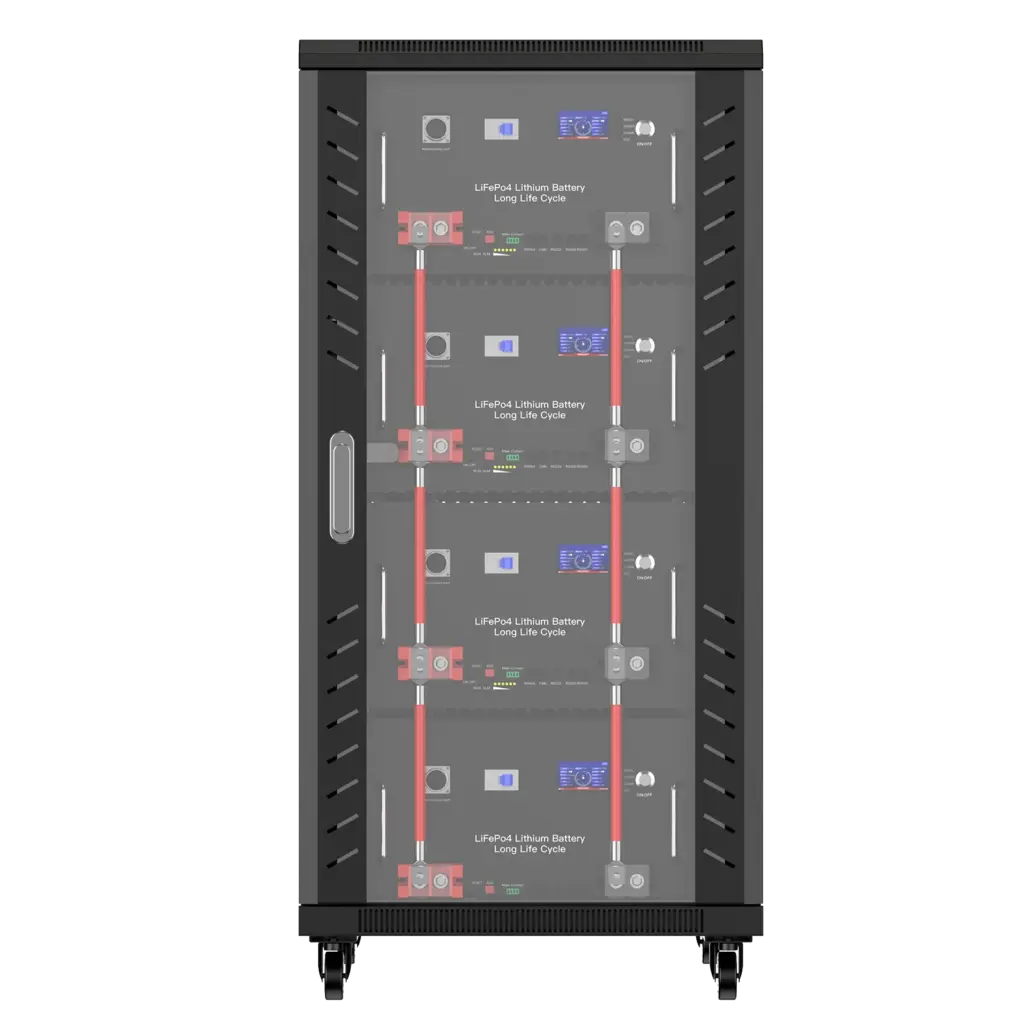
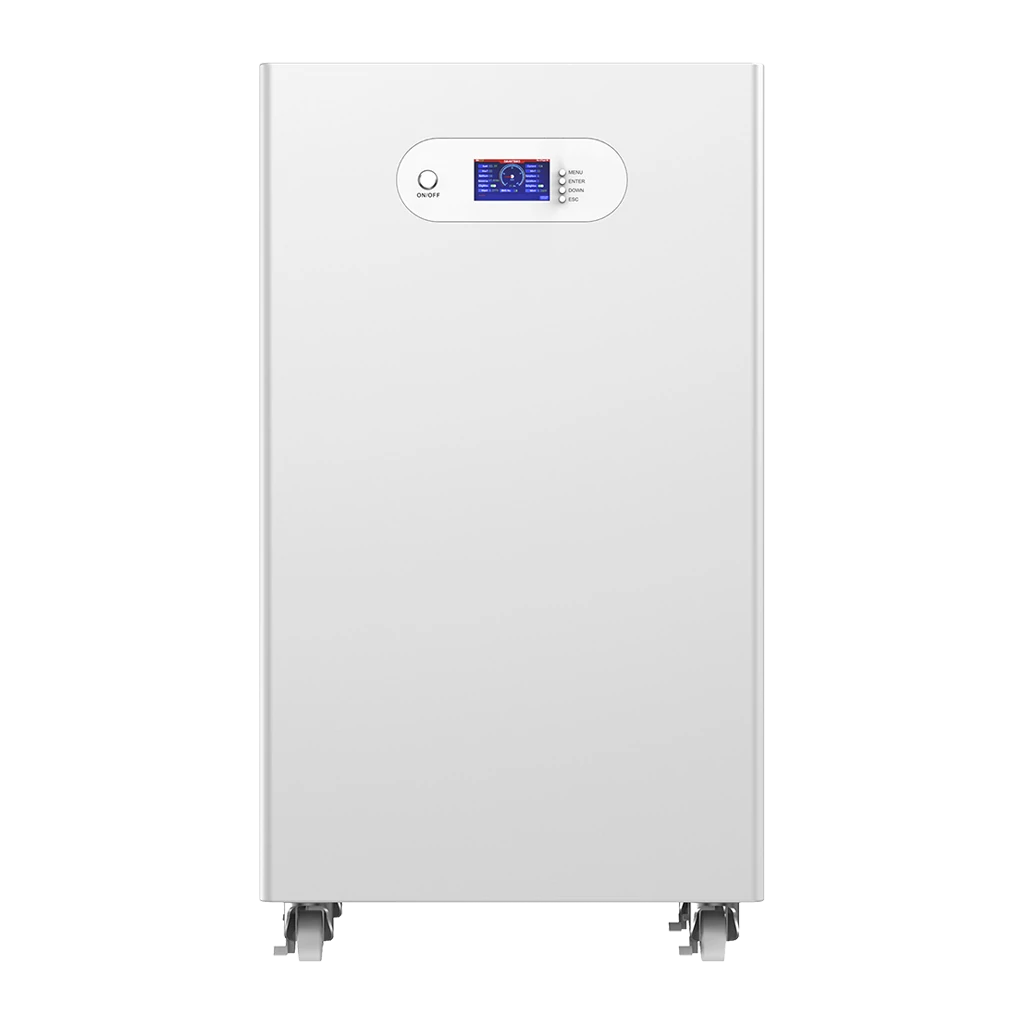
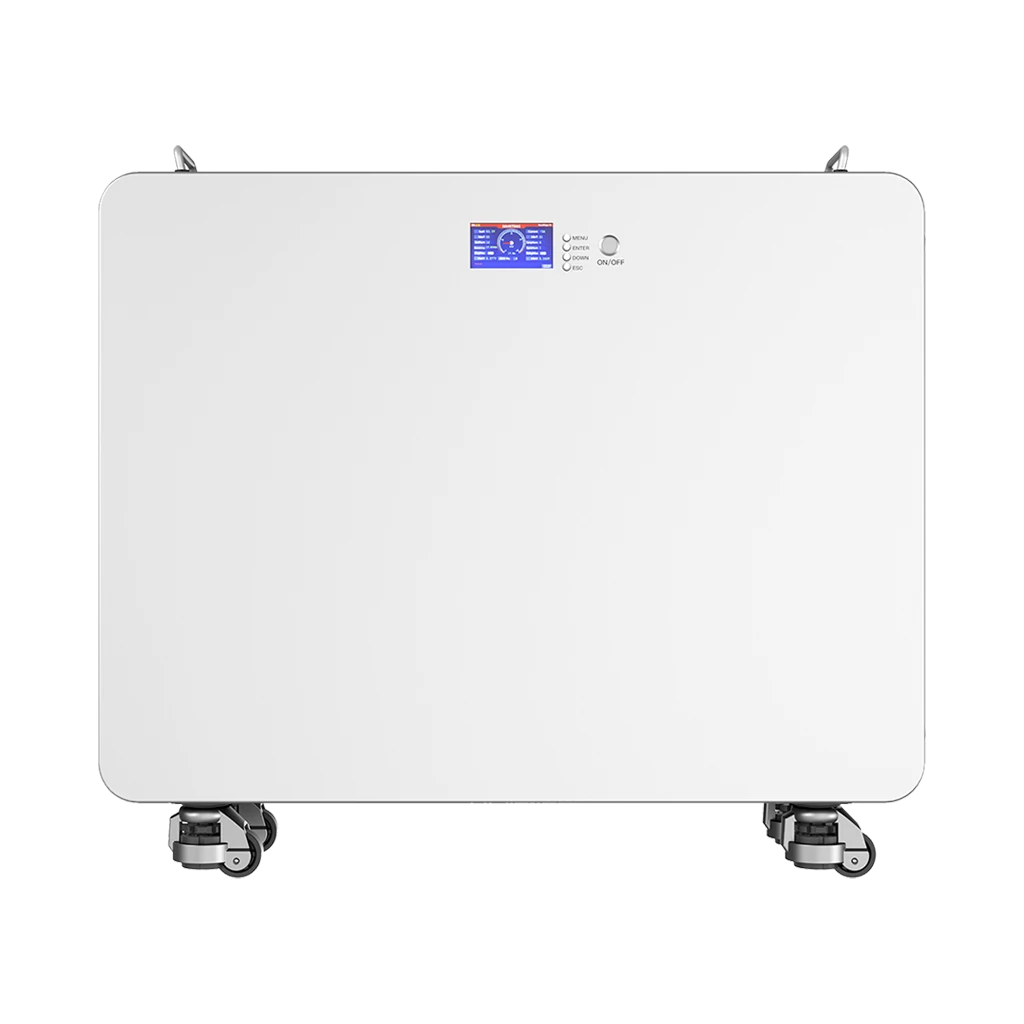
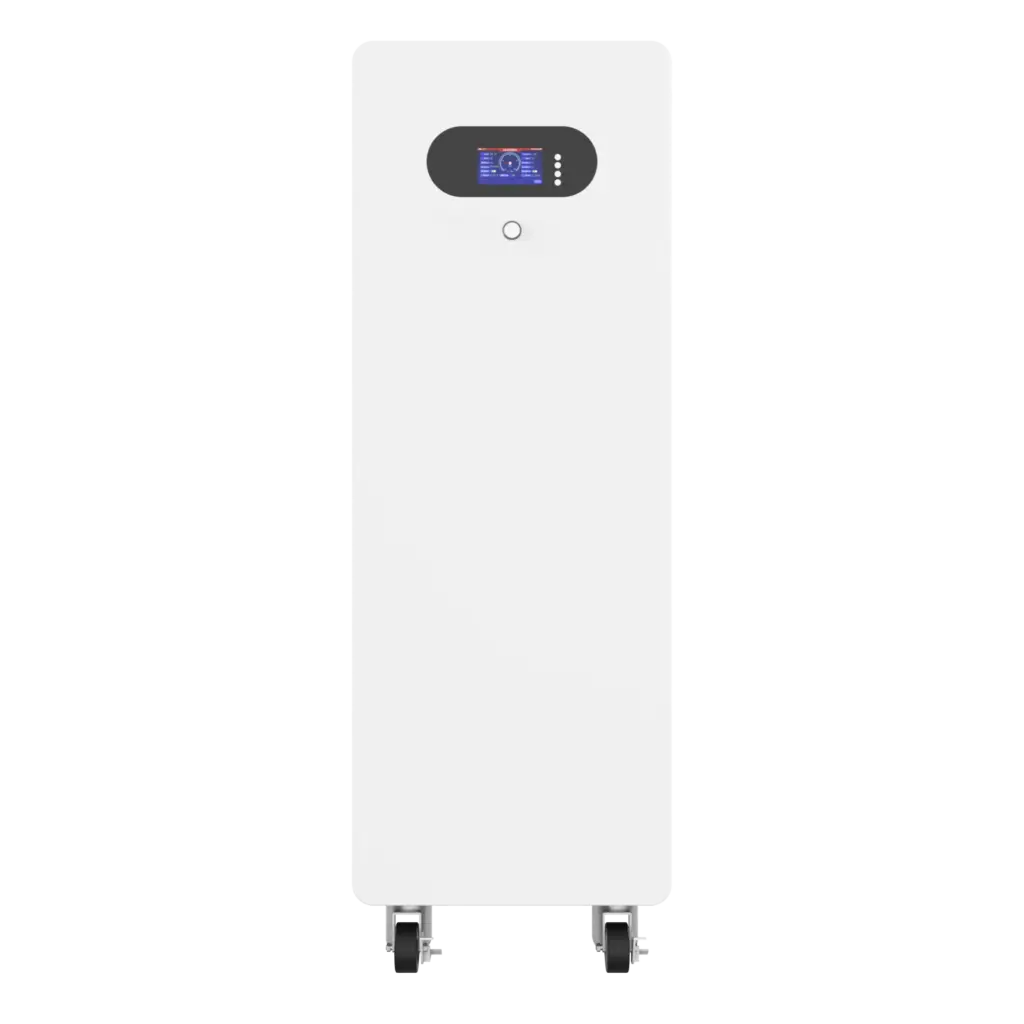
For residential projects, Nigerian installers can consider Avepower 5kWh/10kWh/15kWh stackable batteries, 15kWh vertical batteries, and 30kWh battery cabinets. For distributors and OEM buyers, Avepower can also provide wholesale and customized battery solutions.