
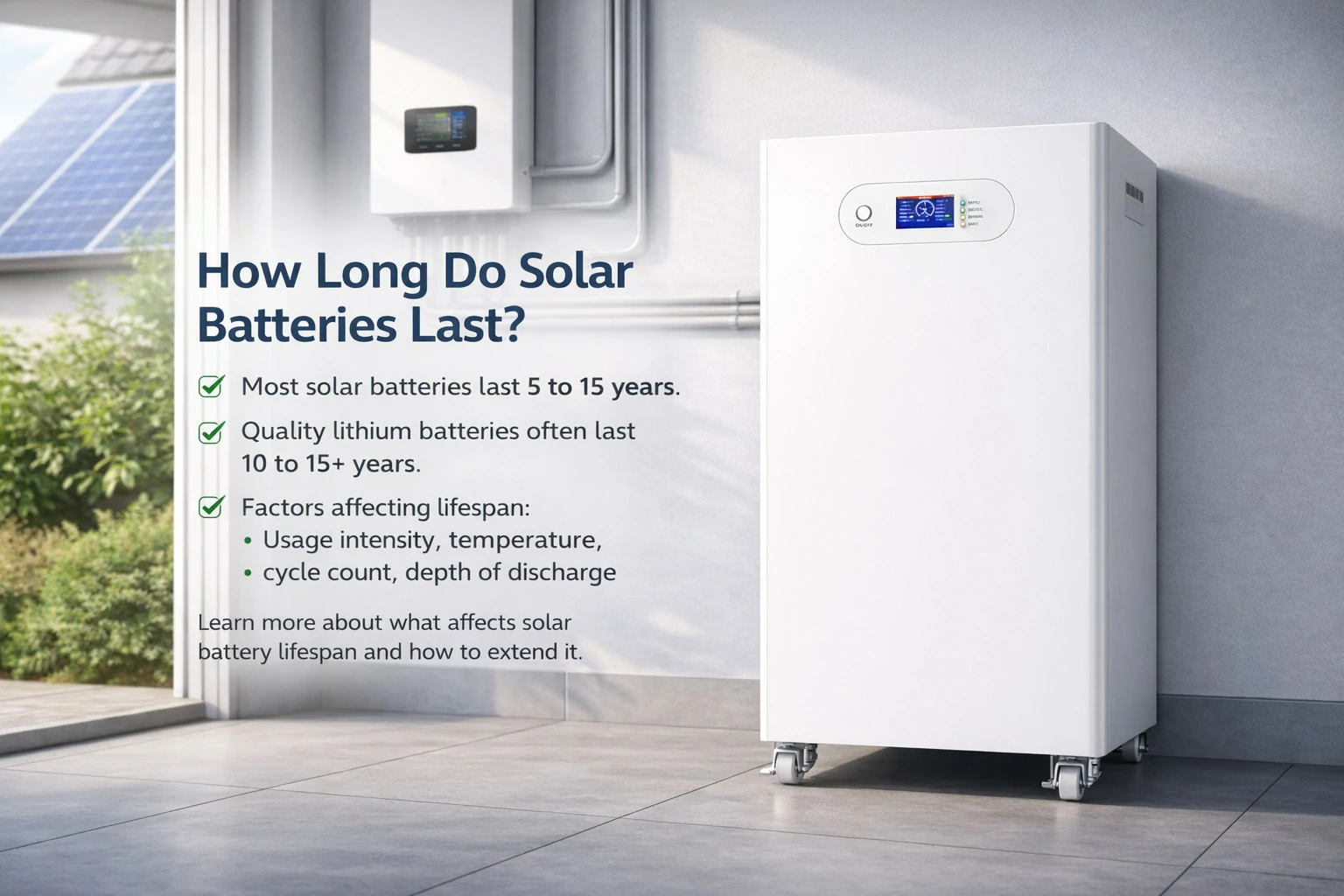
Most solar batteries last around 5 to 15 years. In many real homes, a high-quality lithium battery installed correctly and used within normal limits can often last 10 to 15 years or more. But battery lifespan is not fixed. It depends on battery chemistry, temperature, charge and discharge cycles, depth of discharge, and whether the system is used off-grid or mainly for backup in a grid-tied home.
A solar battery also does not suddenly stop working on a certain date. In most cases, it gradually loses usable capacity over time. That means an older battery may still work, but it stores less energy and delivers shorter backup duration than it did when it was new.
In this guide, you will learn what solar battery lifespan really means, how long different battery types usually last, what shortens battery life, and what you can do to make your system last longer.
The Short Answer: How Long Do Solar Batteries Last?
Here is the most useful summary:
- Lithium-ion / LiFePO4 batteries: usually around 10 to 15+ years
- Lead-acid batteries: often around 3 to 7 years
- Saltwater batteries: often around 5 to 10 years
- Most manufacturer warranties: typically around 10 years
- Typical end-of-warranty remaining capacity: often around 60% to 70% of original usable capacity
The important point is that battery lifespan is not measured by years alone. Cycles, temperature, battery chemistry, depth of discharge, and installation conditions all play a major role.
What “Battery Life” Really Means
When people ask how long a solar battery lasts, they often mean one of two things:
1. Useful Life
This is how long the battery continues to perform well enough for your needs. A battery might still operate after many years, but if it no longer stores enough energy to cover your evening use or backup goals, its useful life may feel “finished.”
2. Warrantied Life
This is the performance period guaranteed by the manufacturer. Many battery warranties are written around three limits:
- a time limit, often around 10 years
- a cycle limit or total energy throughput
- a minimum remaining capacity, often around 60% to 70% at the end of the warranty period
That means a battery does not “die” when the warranty ends. In many cases, it keeps working beyond the warranty period, but with lower capacity and reduced value.
Average Solar Battery Lifespan by Battery Type
Different battery chemistries age differently. That is why two solar storage systems can have very different lifespans even if they are installed in similar homes.
| Battery Type | Typical Lifespan | Best For | Main Limitation |
|---|---|---|---|
| Lithium-ion / LiFePO4 | 10–15+ years | Most residential solar storage systems | Higher upfront cost |
| Lead-acid | 3–7 years | Lower-budget or occasional-use systems | Shorter lifespan and lower usable depth |
| Saltwater | 5–10 years | Niche applications focused on non-toxic materials | Less common and fewer mainstream options |
Lithium-ion and LiFePO4
Lithium batteries are now the standard for most residential solar storage systems because they combine strong cycle life, higher efficiency, deeper usable discharge, and lower maintenance. In many home applications, they are the longest-lasting mainstream option, commonly delivering 10 to 15+ years under normal conditions.
Lead-acid
Lead-acid batteries are cheaper upfront, but they generally have a much shorter lifespan and are more sensitive to deep discharges and temperature swings. For solar storage, they often last only 3 to 7 years, especially when used heavily.
Saltwater
Saltwater batteries are safer and easier to recycle in concept, but they are still less common. Their lifespan is often described as longer than lead-acid but shorter than lithium, usually around 5 to 10 years.
Do Solar Batteries Last as Long as Solar Panels?
Usually, no.
Solar panels often have a service life of 25 to 30 years or more, while solar batteries typically last 5 to 15 years. In practical terms, that means many solar owners will likely replace the battery at least once during the lifetime of the solar panels.
This is an important expectation to set early. Solar panels and solar batteries are not the same kind of asset. Panels degrade slowly over a very long period, while batteries are working components that experience regular charge and discharge stress. That stress is what gradually reduces capacity over time.
Off-Grid vs Grid-Tied: Why Usage Changes Battery Life
How you use the battery changes how you should think about lifespan.
Off-grid Systems
In an off-grid system, the battery is a primary energy source, not just a backup device. It usually cycles more often and carries a heavier daily workload. As a result, end-of-life is easier to define: when the battery can no longer reliably support overnight loads or poor-weather days, replacement becomes necessary.
Grid-tied Systems with Backup
In a grid-connected system, the grid can quietly fill the gap when the battery underperforms. That means a battery may still be useful long after noticeable degradation, especially if your goal is limited backup or partial evening load shifting. In this case, end-of-life is often an economic or practical decision rather than a hard technical one.
What Affects Solar Battery Lifespan?
Several factors matter, but most high-quality pages on this topic converge on the same core drivers: temperature, cycle count, depth of discharge, and battery chemistry.
1. Battery Chemistry
Different battery chemistries handle stress differently. Lithium batteries are more tolerant of frequent cycling and deeper discharge than lead-acid batteries, which is why they usually last longer in residential solar applications.
2. Number of Charge and Discharge Cycles
Every time a battery charges and discharges, it experiences wear. This is why many warranties are linked not only to years, but also to a certain number of cycles or total energy throughput. The more frequently a battery is cycled, the faster it will usually age.
3. Depth of Discharge
Depth of discharge, or DoD, refers to how much of the battery’s stored energy you use before charging it again. Repeatedly draining a battery very deeply places more stress on it. In general, shallower cycling helps slow capacity loss and supports longer battery life.
4. Temperature
Heat is one of the biggest enemies of battery longevity. Batteries tend to perform best in moderate, stable temperatures. High temperatures accelerate internal chemical aging, while severe cold can reduce performance and create additional stress. This is why installation location matters more than many buyers expect.
5. How Hard the System Works
A battery that supports frequent backup use, heavy evening loads, or daily off-grid living will normally age faster than one used more lightly in a grid-connected home. In other words, lifespan is not only about the battery itself. It is also about the job you ask it to do.
Warranty Life vs Real-World Life
A battery warranty is helpful, but it is not the same thing as real-world lifespan.
Many modern home batteries come with about a 10-year warranty, often tied to a cycle limit or energy throughput limit, plus a guaranteed remaining capacity at the end of the term. In many cases, that guaranteed capacity is around 60% to 70% of the original usable capacity.
In practice, a well-installed lithium battery in a mild climate may last beyond its warranty. On the other hand, a battery exposed to harsh heat, poor ventilation, or repeated deep cycling may age faster than expected. That is why the warranty fine print matters: it tells you what the manufacturer considers normal use.
Signs Your Solar Battery May Need Replacement
A solar battery usually gives warning signs before full replacement becomes necessary.
Common signs include:
- reduced usable capacity
- shorter backup duration
- slower charging or discharging
- more frequent recharging
- difficulty supporting higher loads
- unexpected shutdowns
- repeated BMS or inverter alerts
- more heat than usual during normal operation
One bad day does not always mean the battery is finished. But if these symptoms become consistent, it is a strong sign that the battery has lost a meaningful part of its original performance.
How to Make Your Solar Battery Last Longer
While all batteries degrade over time, you can slow that process down with better system design and operating habits.
Install It in the Right Place
A shaded, ventilated, and stable-temperature location is far better than a hot, exposed wall or unprotected outdoor corner. Climate control is not always required, but protecting the battery from temperature extremes is one of the most effective ways to extend life.
Avoid Unnecessary Deep Discharges
Using the full battery every day is not always ideal. Staying within the manufacturer’s recommended DoD and avoiding repeated extreme cycling usually improves long-term retention.
Match the Battery to the Job
An undersized battery that is forced to work too hard will generally wear faster. Choosing the right usable capacity for your loads and usage pattern helps reduce stress over time. This is especially important in off-grid systems.
Use a Quality System with Good Controls
Battery life is not just about the cells. It is also about BMS quality, inverter settings, charging logic, and how well the whole system is configured. Smart control strategies can reduce unnecessary cycling and improve long-term performance.
Read the Warranty Conditions Carefully
The warranty often reveals the operating conditions the manufacturer expects you to follow. If you want the battery to last, that document is more useful than most people think.
Solar Battery Long Life and Safe Energy Storage
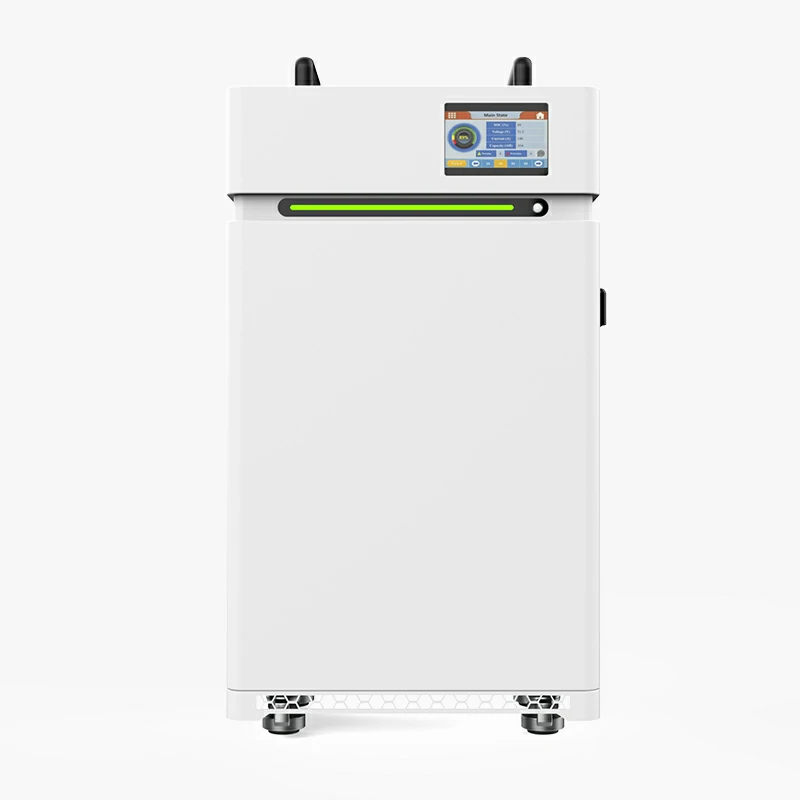
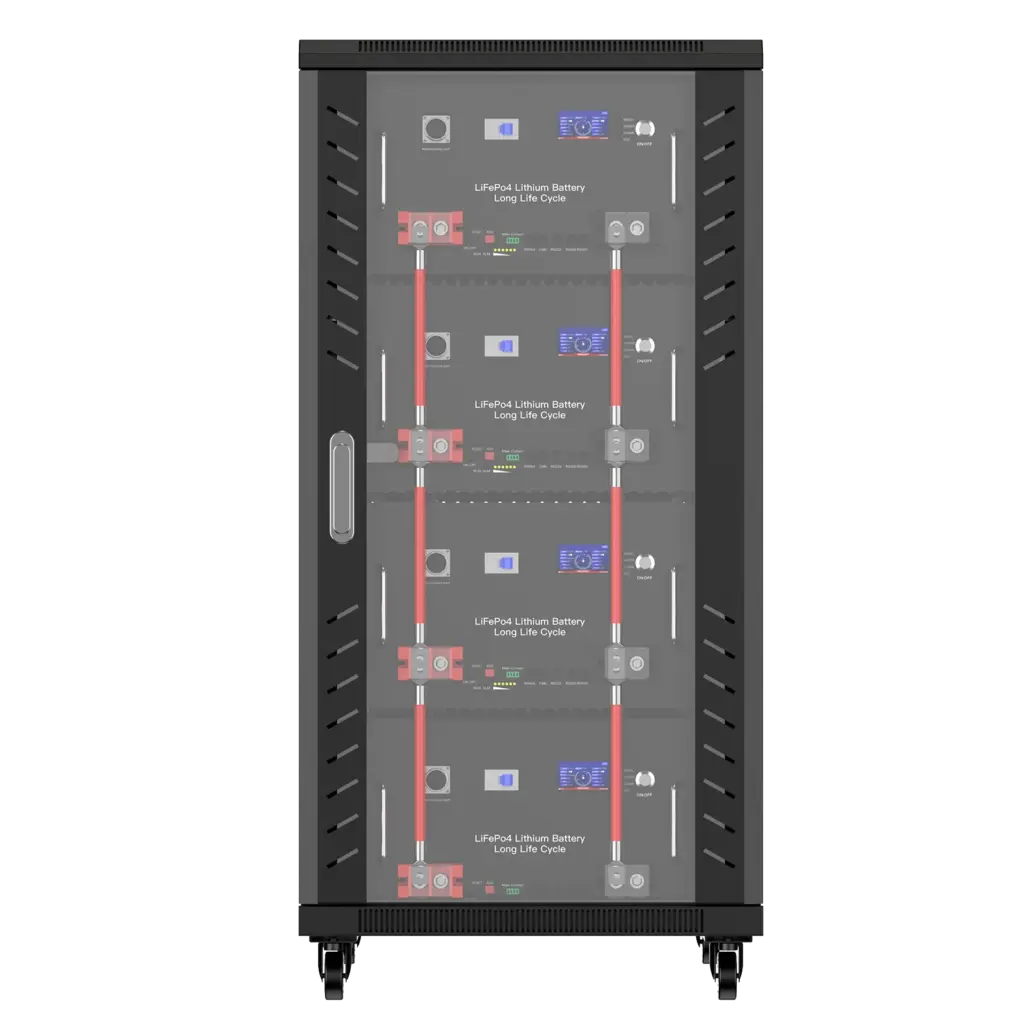
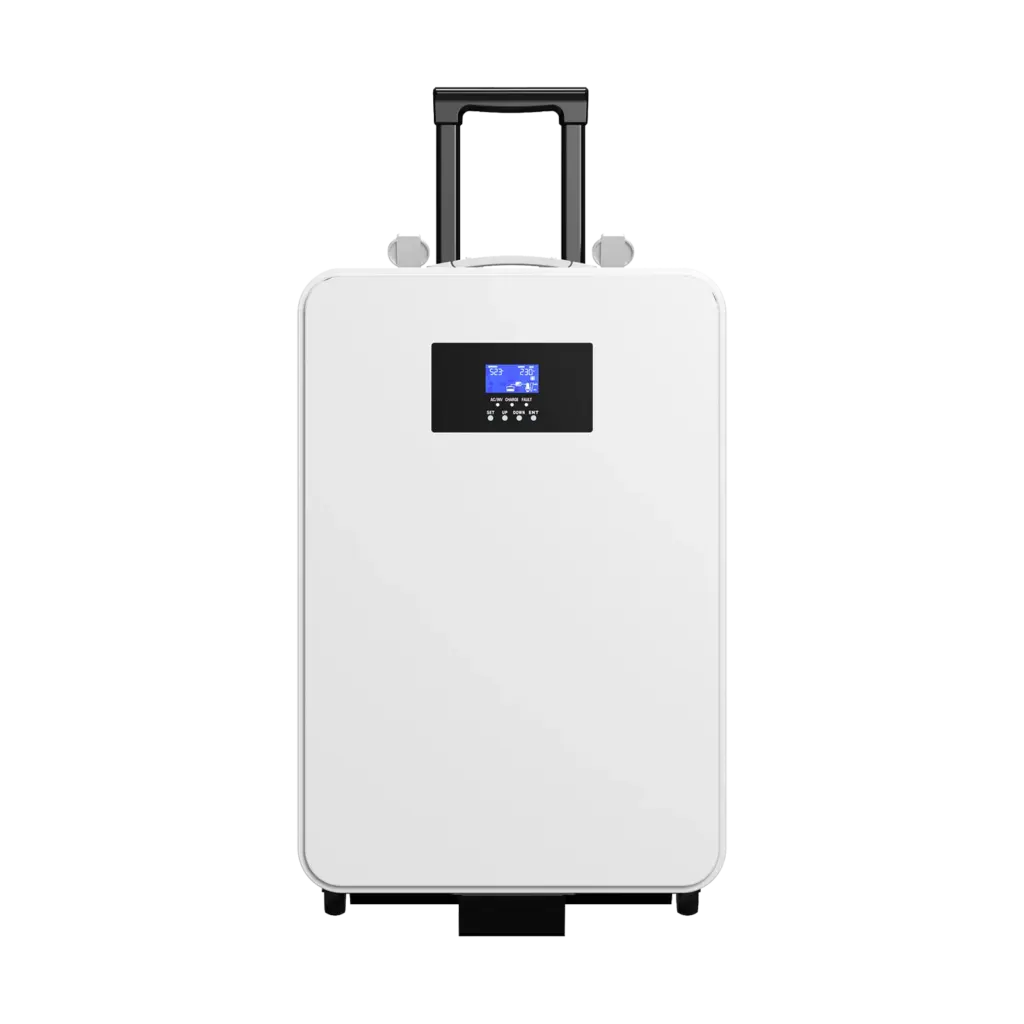
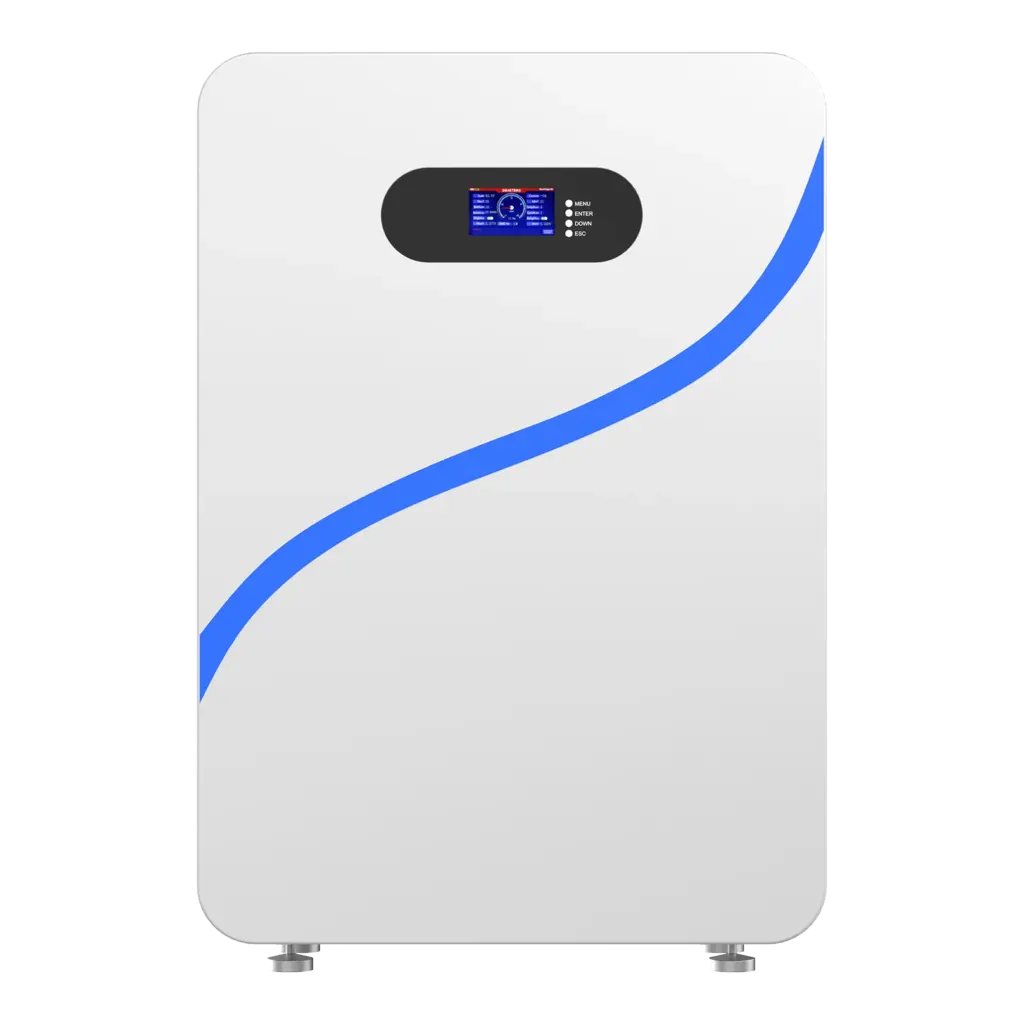
If you are comparing solar battery options for residential projects, the most important thing is not just the advertised warranty, but how the battery is designed, installed, and used over time. A well-matched LiFePO4 battery system with a smart BMS, reliable thermal design, and proper sizing will usually deliver stronger long-term value than a system that only looks cheaper upfront.
If you want help choosing the right battery capacity or configuration for your project, Avepower can help you compare suitable home energy storage options based on your usage goals, installation conditions, and inverter setup.
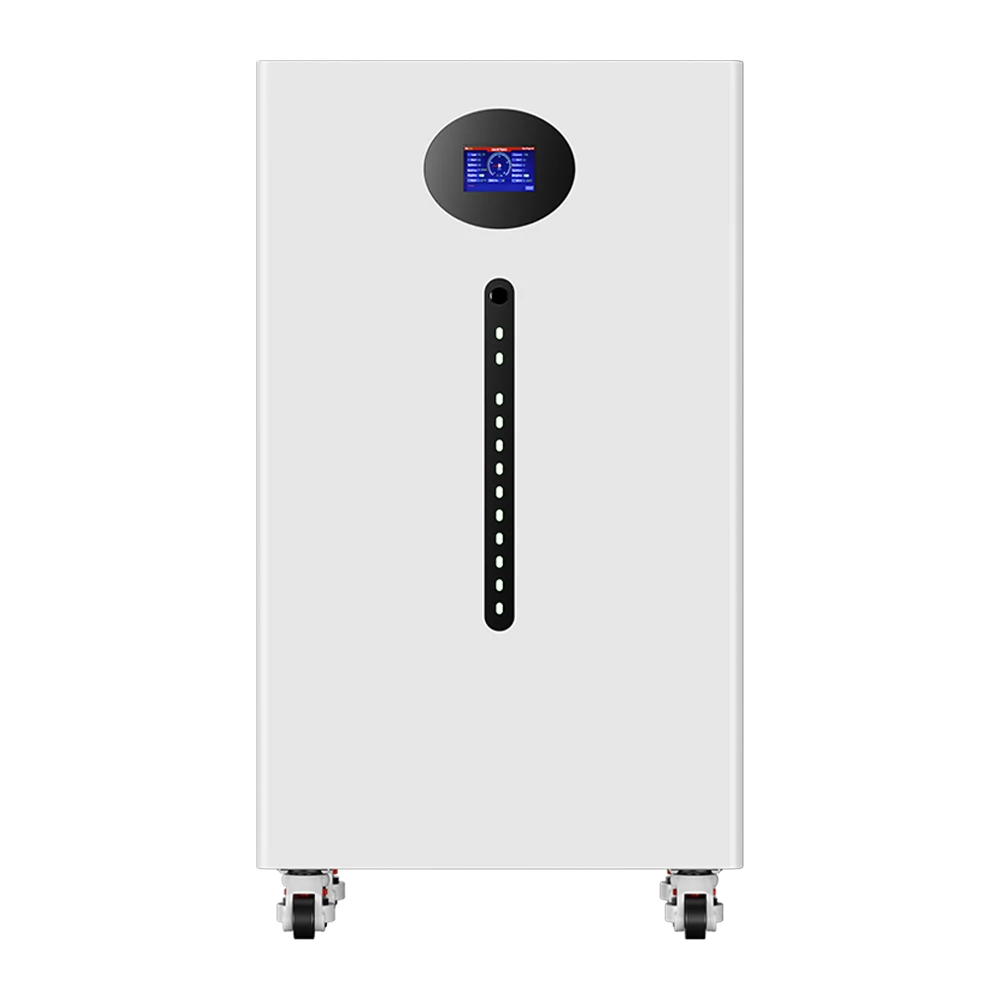
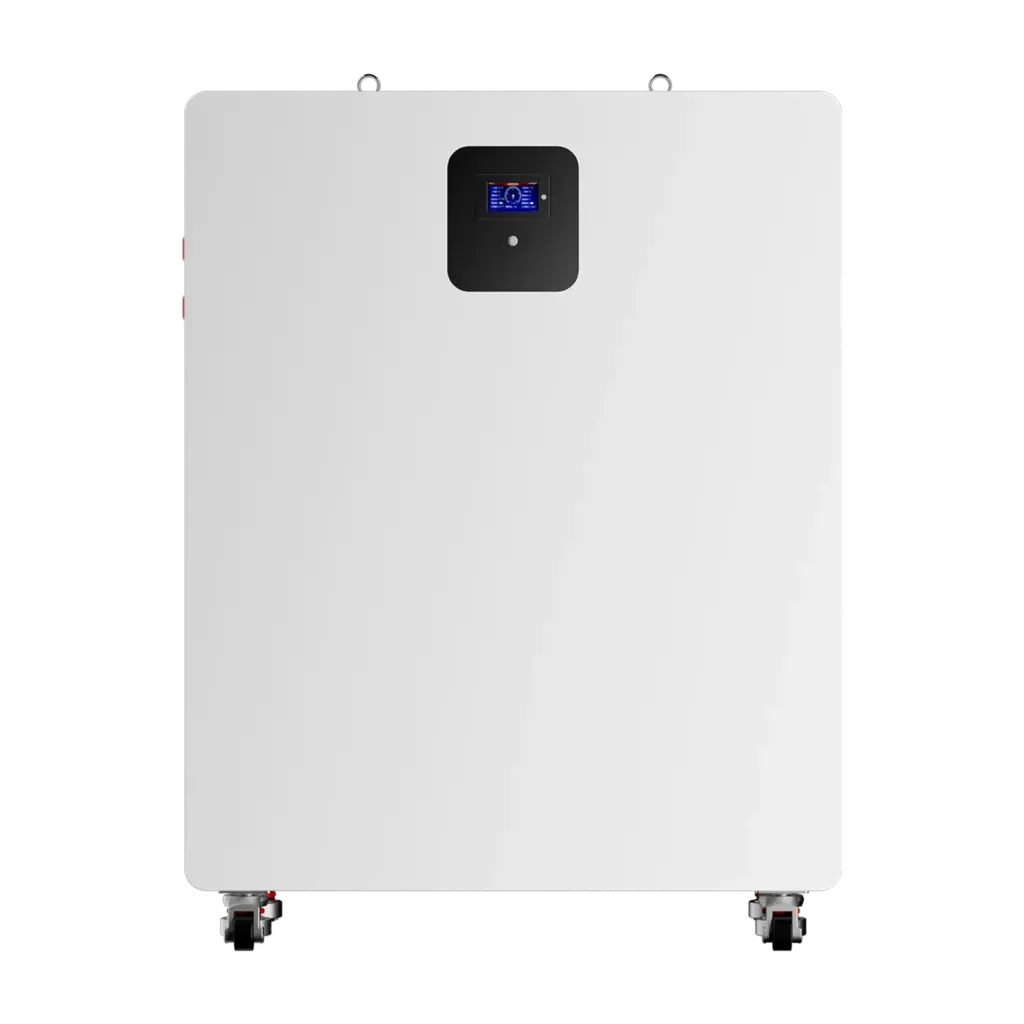
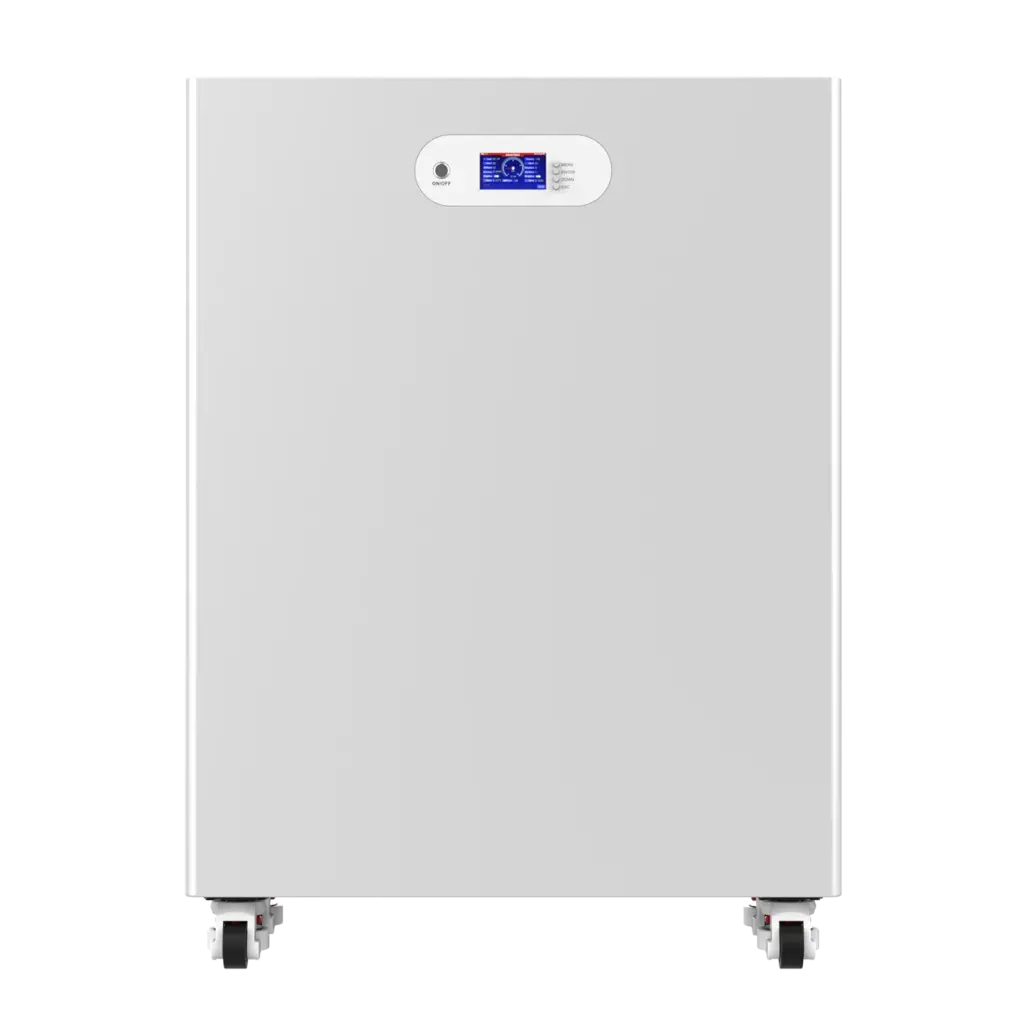
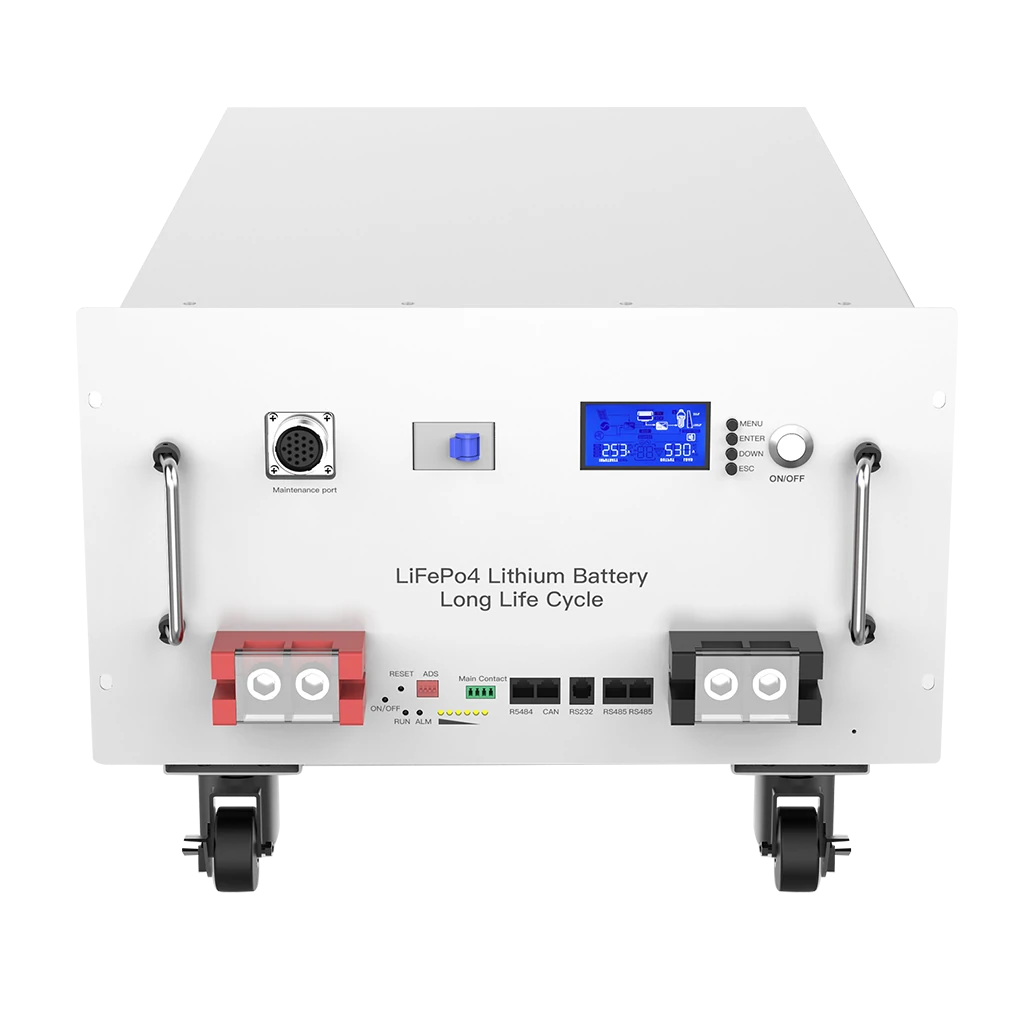
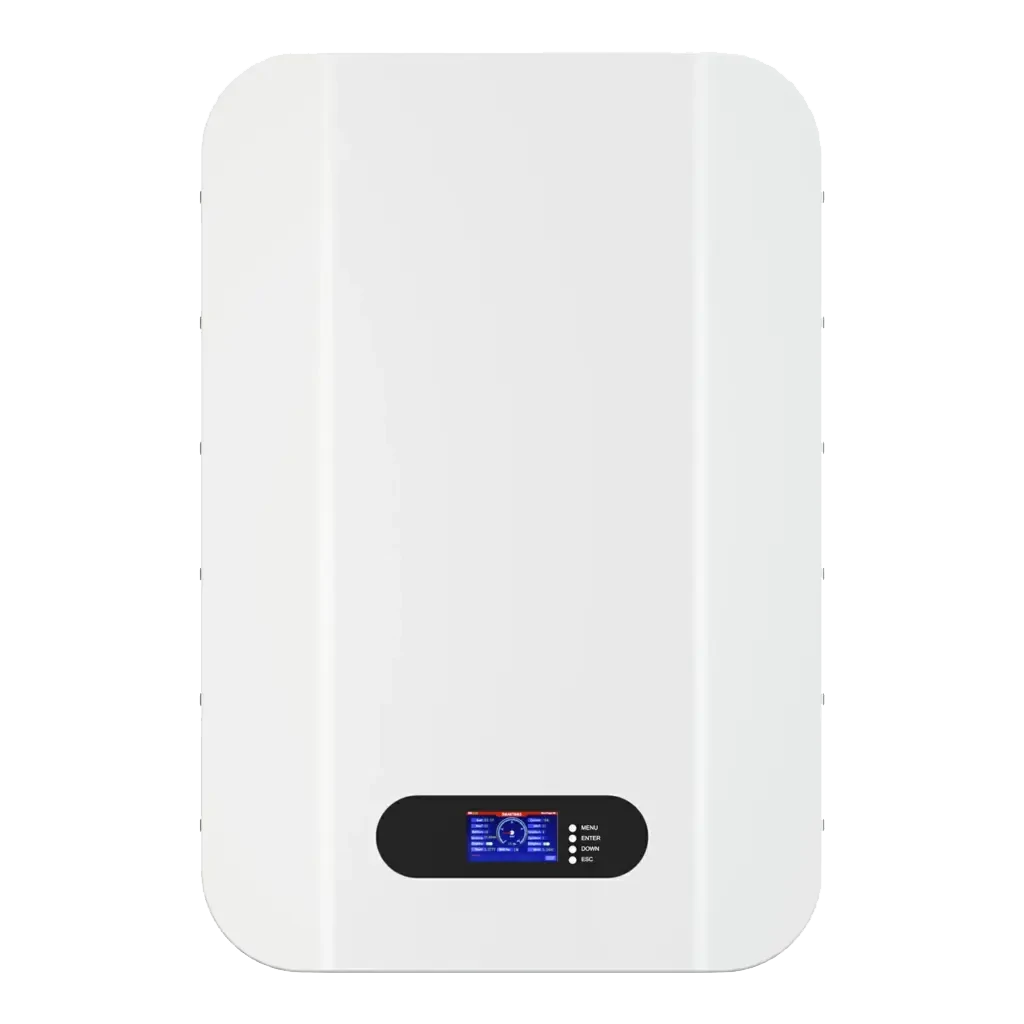
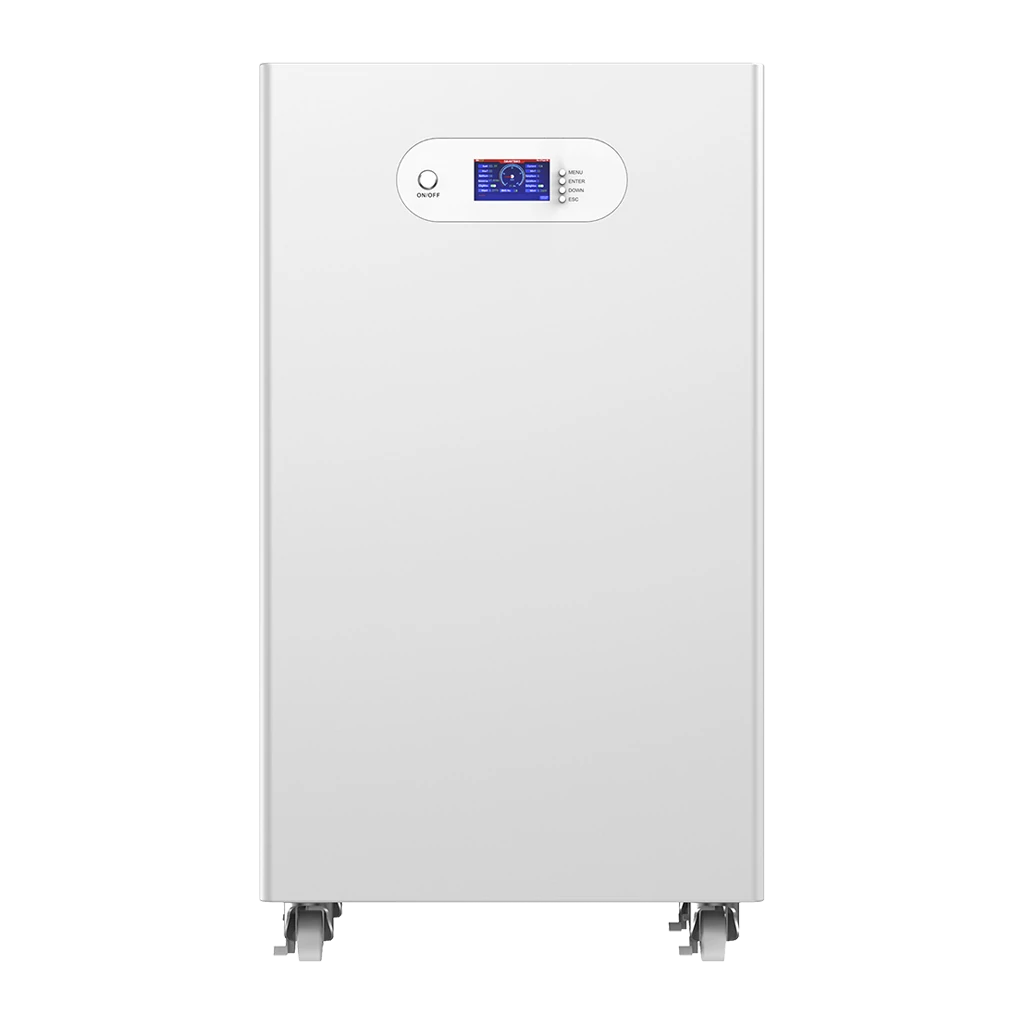
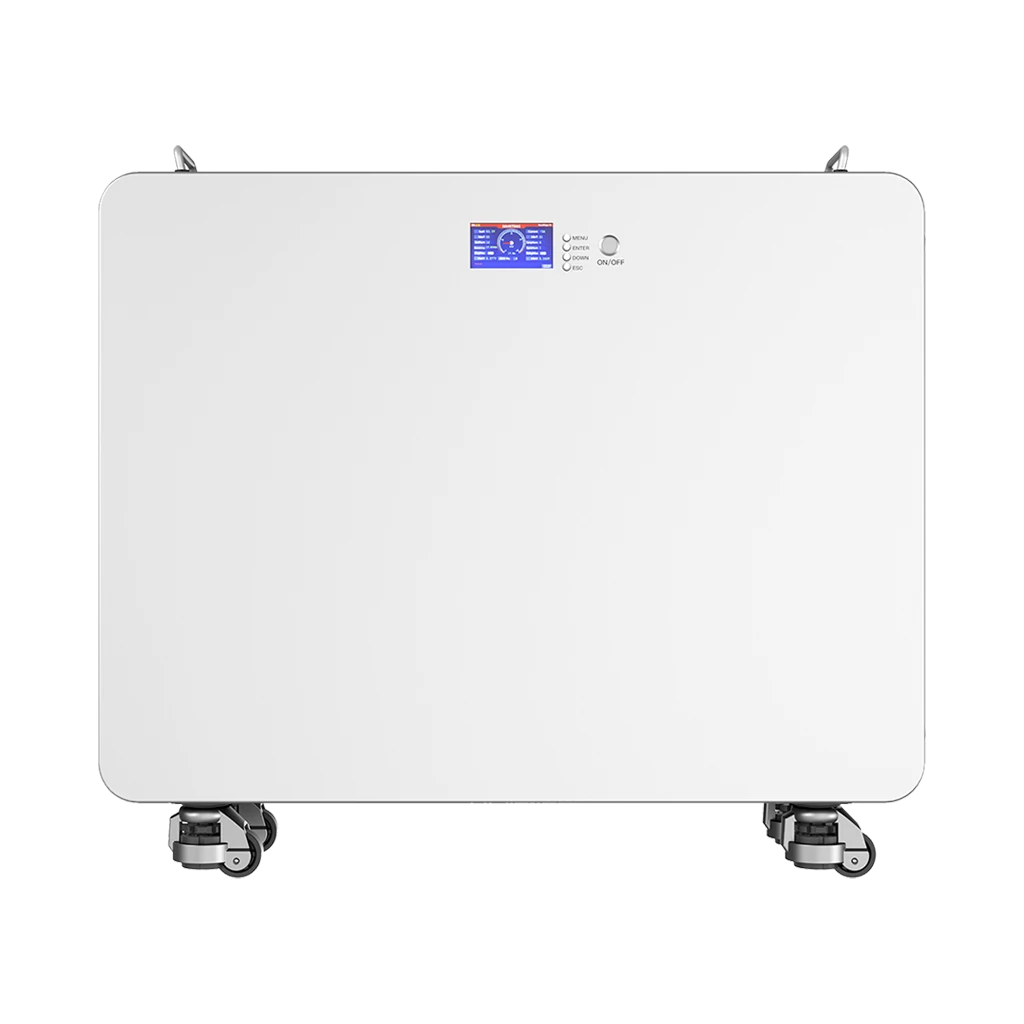
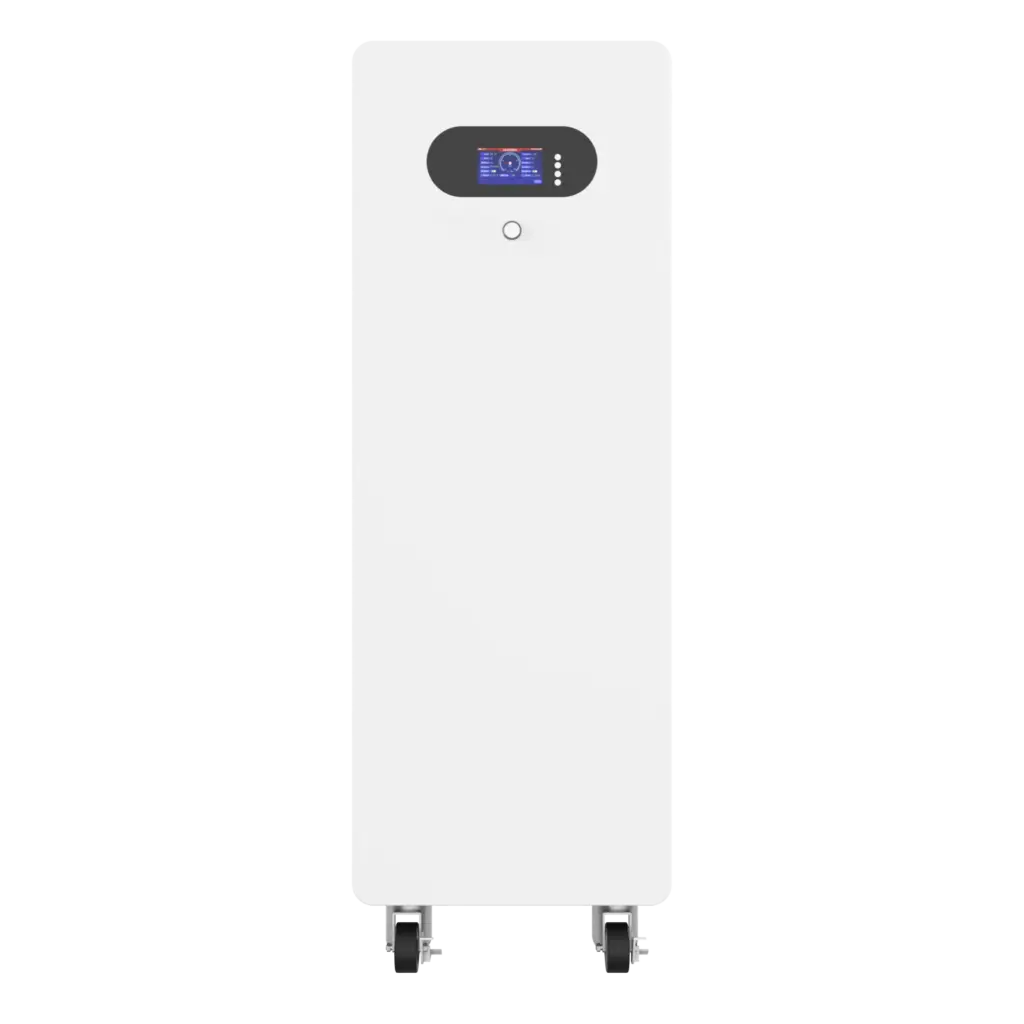
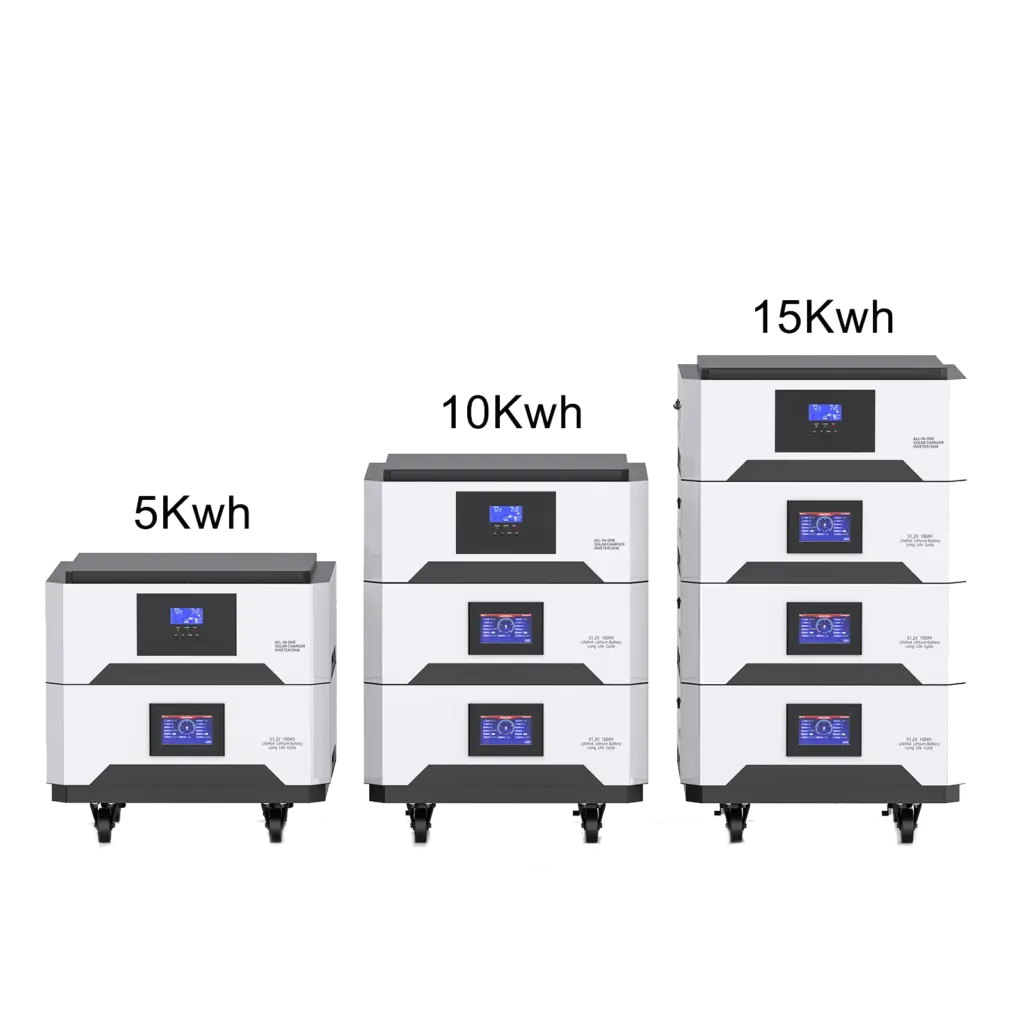
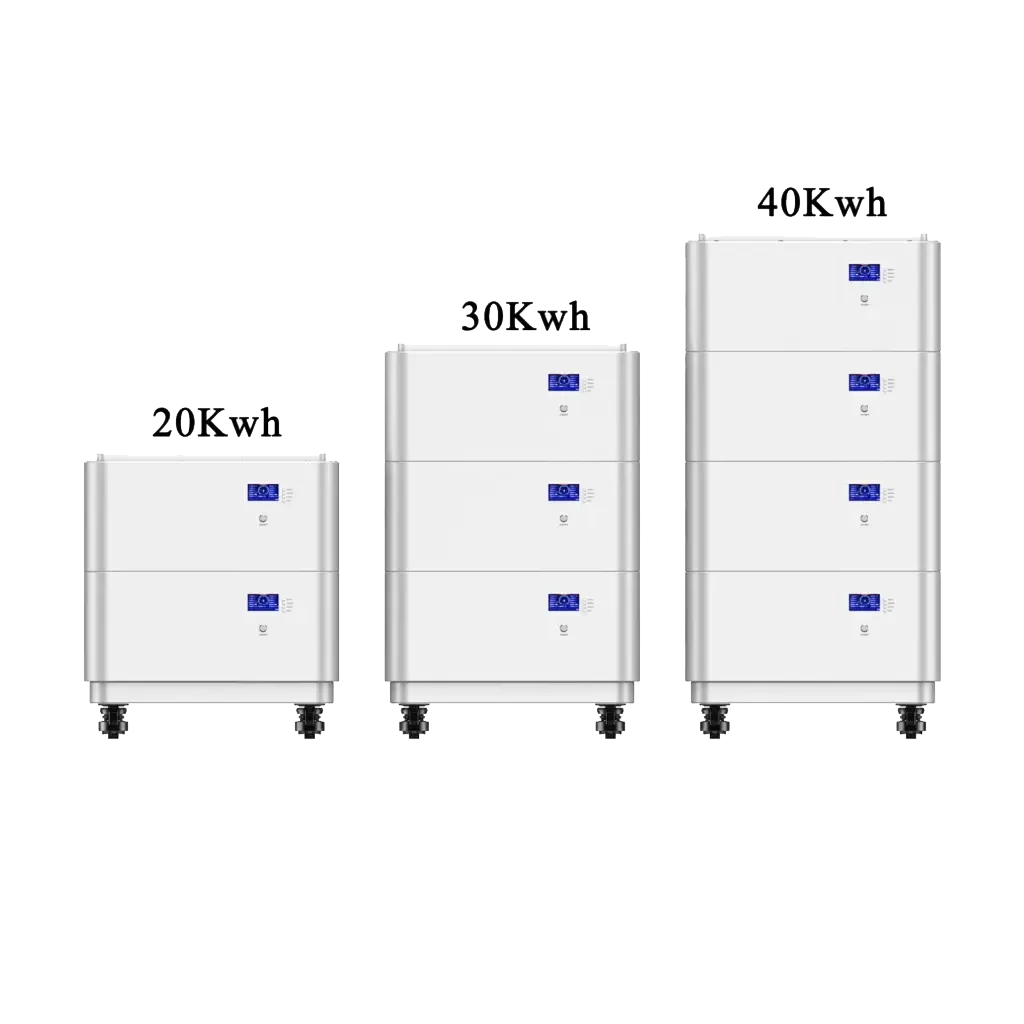
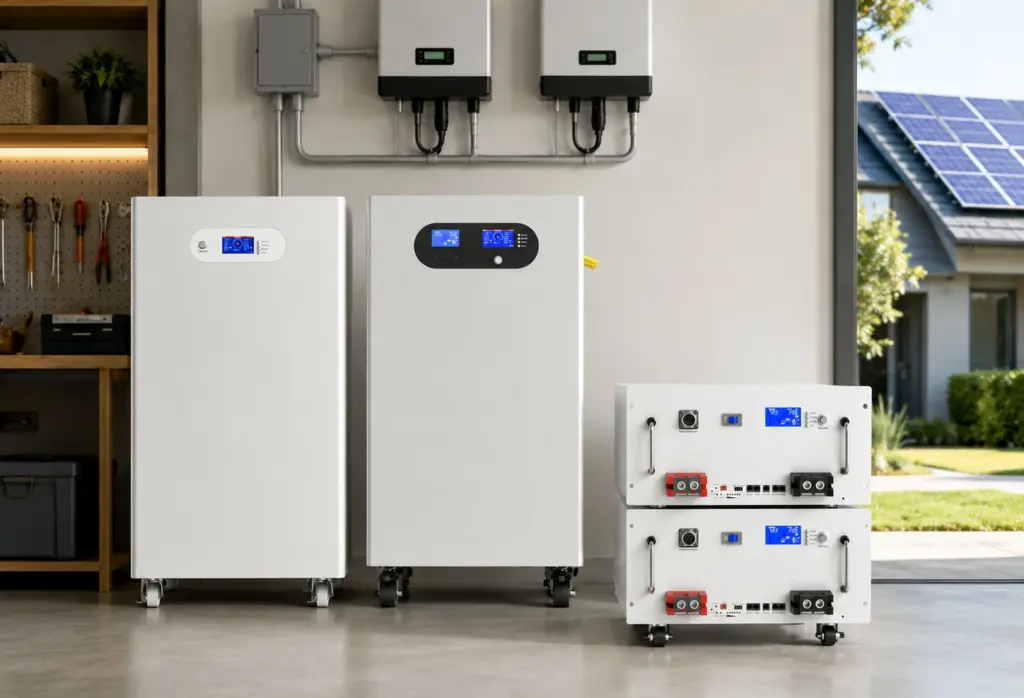
Choose Avepower solar batteries for long-lasting, safe home energy storage. Our 10kWh solar battery uses LiFePO4 technology with a built-in 200A BMS, delivering 8000+ cycles and over 10 years of reliable performance. Talk to our team today to get a quote and make your home smarter, safer, and more energy independent.
Take Control of Your Energy with Avepower!
Reliable home solar battery solutions with OEM/ODM customization and in-house manufacturing, tailored to the needs of distributors, installers, and energy partners.
Conclusion
So, how long do solar batteries last?
For most homes, expect 5 to 15 years, with quality lithium systems commonly reaching 10 to 15+ years when installed well and used sensibly. The real answer depends on battery chemistry, temperature, cycle count, depth of discharge, and whether the battery is supporting an off-grid lifestyle or a lighter grid-tied backup role.
The best way to think about battery lifespan is not as a fixed number, but as a combination of design quality + installation conditions + daily use. If you get those three things right, your battery is far more likely to deliver strong long-term value.
FAQ
Many do, especially lithium batteries. A 10-year warranty is common, and real-world life can be longer under good conditions.
In many residential applications, a quality lithium battery can last around 10 to 15+ years.
Lead-acid batteries often last around 3 to 7 years in solar applications, especially if they are cycled heavily.
Usually not. They often continue working after warranty, but with lower capacity.
The biggest factors are usually heat, frequent cycling, deep discharges, and poor installation conditions.
Yes. Install it in a cooler location, avoid unnecessary deep discharges, size it correctly, and follow the manufacturer’s limits.
They often do, because they usually cycle more often and carry a heavier daily workload than grid-tied backup batteries.
In many cases, yes. Solar panels often outlast batteries by a wide margin.