
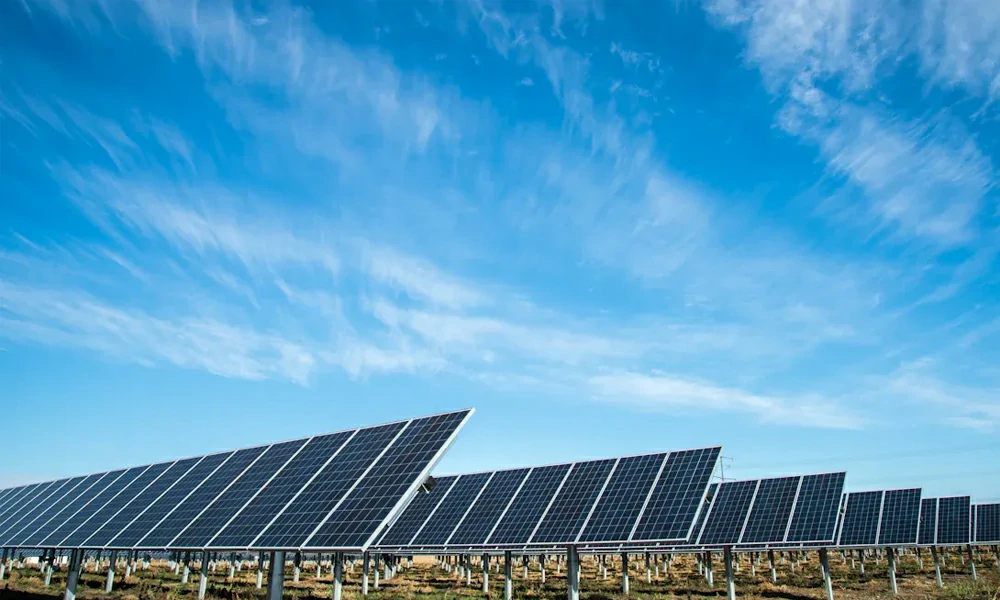
In 2026, photovoltaic panels usually cost about $0.30 to $0.90 per watt for the panels alone in the U.S., while a fully installed residential solar PV system often lands around $2.50 to $3.15 per watt before incentives. For a typical home system, that means a full installation can range from roughly $8,000 to $35,000+, depending on system size, equipment quality, roof complexity, location, and whether battery storage is included.
In Australia, pricing is generally lower after the federal STC discount. A standard 6kW to 6.6kW solar PV system often costs around AUD $5,000 to $6,500, while a 10kW system commonly sits around AUD $8,000 to $10,500 for standard installations.
The most important point is this: the panel itself is only one part of the total cost. A real quote normally includes panels, inverter, mounting system, cabling, labour, design, permits, grid connection, monitoring, warranty support, and sometimes a battery.
What Are Photovoltaic Panels?
Photovoltaic panels, often called solar PV panels or simply solar panels, convert light into electricity. A photovoltaic cell uses semiconductor material to create an electrical current when it absorbs photons from sunlight. The U.S. Energy Information Administration explains this process in its guide to photovoltaics and electricity.
In practical terms, a solar PV system usually includes:
- PV panels
- Solar inverter
- Roof mounting system
- DC and AC wiring
- Protection devices
- Metering and monitoring
- Grid connection equipment
- Optional battery storage
This is why the answer to “how much do photovoltaic panels cost” can be misleading if you only look at the price of a single panel.
Average Photovoltaic Panel Cost by Region in 2026
| Cost Type | Typical 2026 Price Range |
|---|---|
| Panel only | $0.30–$0.90/W |
| One residential panel | $175–$350+ |
| Fully installed U.S. system | $2.50–$3.15/W |
| Average U.S. residential system | $16,000–$35,000+ |
| Australia 6kW–6.6kW system | AUD $5,000–$6,500 |
| Australia 10kW system | AUD $8,000–$10,500 |
| Solar + battery system | Much higher upfront cost |
How Much Does a Solar Panel Cost?
| Panel Wattage | Typical Panel-Only Cost |
|---|---|
| 350W–400W | $175–$300 |
| 400W–450W | $250–$350 |
| 450W–500W+ | $300–$450+ |
| Premium high-efficiency panel | Higher |
In Australia, Budget panels from mainstream manufacturers may retail under AUD $150 per panel, while premium modules can exceed AUD $250–$300+ per panel.
Typical Photovoltaic System Sizes and Cost Ranges
The right system size depends on electricity use, roof area, shading and whether the home uses high-demand appliances such as air conditioning, electric heating, pool pumps or EV charging.
| System Size | Estimated U.S. Installed Cost Before Incentives | Estimated Australia Installed Cost After STC |
|---|---|---|
| 3kW | $7,700–$10,000 | AUD $4,000–$4,500 |
| 5kW | $12,800–$15,800 | AUD $4,000–$5,500 |
| 6kW–6.6kW | $15,000–$20,500 | AUD $5,000–$6,500 |
| 8kW | $20,000–$24,500 | AUD $7,500–$8,500 |
| 10kW | $25,000–$30,500 | AUD $8,000–$10,500 |
| 12kW+ | $30,000+ | Depends on site and design |
Modern panels are often around 400W–500W each, so fewer panels are needed today than older systems required.
Why Photovoltaic Panel Costs Vary So Much
Two homeowners may both install a 6.6kW solar PV system, but one quote may be thousands higher than the other. That difference usually comes from the following factors.
1. Panel Efficiency and Wattage
Higher-efficiency panels generate more power from the same roof area. This matters when roof space is limited, shaded, or broken into several small sections.
A higher-wattage panel may cost more per panel, but it can reduce the total number of panels, roof mounts, clamps, and wiring points needed. For complicated roofs, using fewer high-output panels can sometimes make practical sense.
2. Inverter Type
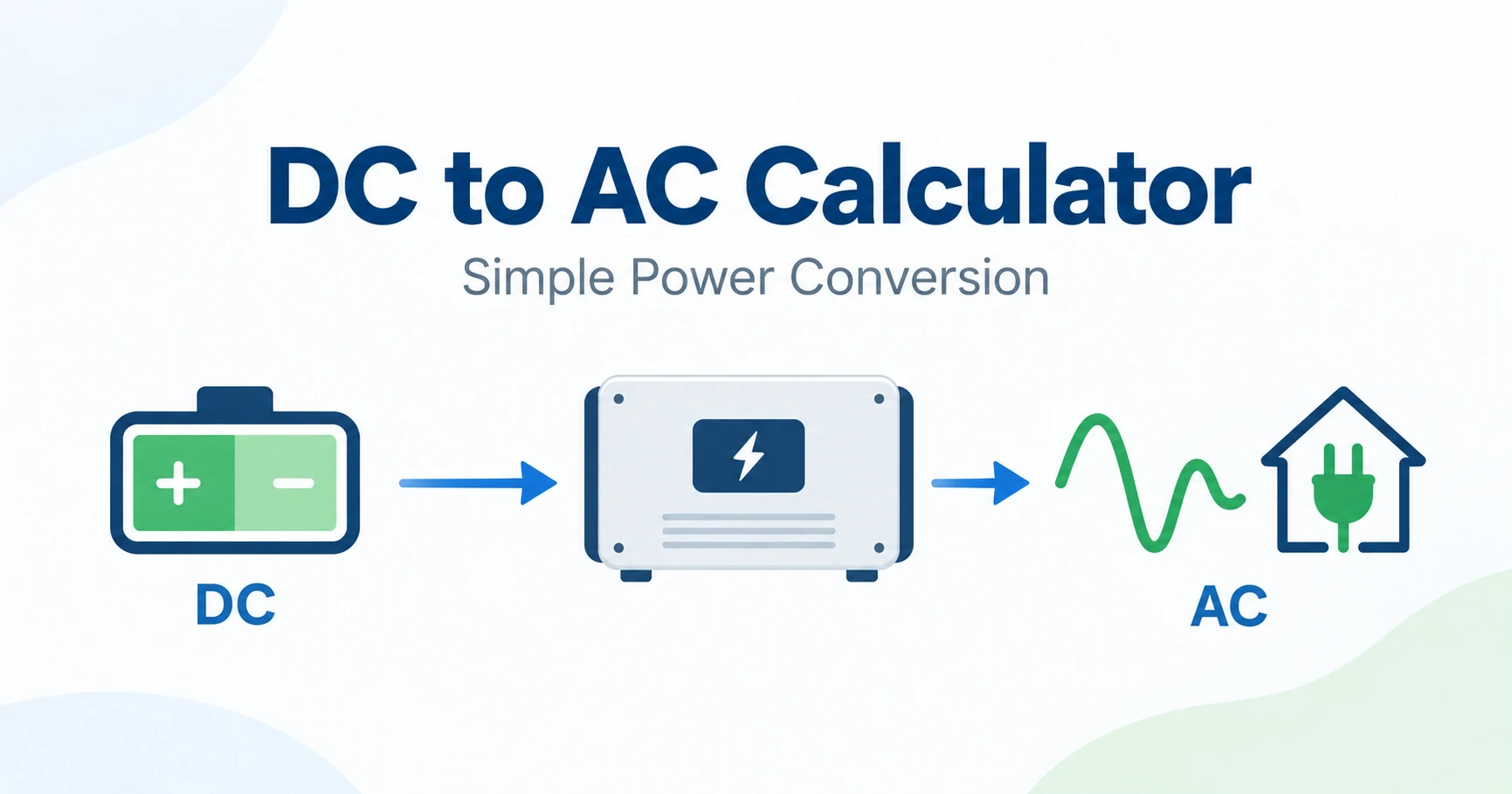
The inverter converts DC electricity from photovoltaic panels into AC electricity used by the home or business.
Common inverter options include:
- String inverter
- Hybrid inverter
- Microinverter
- Optimiser-based system
A standard string inverter is usually the most affordable. A hybrid inverter costs more but can make battery integration easier. Microinverters or optimisers can be useful for shaded or multi-orientation roofs, but they increase upfront cost.
If you plan to add a battery later, it is worth checking inverter compatibility early. Avepower’s inverter compatibility list can help installers and distributors think through communication options such as CAN, RS485, and system matching.
3. Roof Complexity
Installation is cheaper on a simple, single-storey roof with good access, strong roof structure, and minimal shading.
Costs rise when the installer needs to deal with:
- Steep roof angles
- Fragile roof tiles
- Multiple roof faces
- Limited access
- Switchboard upgrades
- Long cable runs
- Extra safety equipment
- Shading from trees, chimneys, or nearby buildings
This is why online averages are helpful, but a real site assessment is still necessary.
4. Labour, Permits, and Grid Connection
Solar PV systems are electrical assets, not plug-and-play appliances. A compliant installation includes design, mounting, DC and AC wiring, inverter setup, grid paperwork, testing, commissioning, and safety checks.
5. Battery Storage
Adding battery storage increases upfront cost but changes how the system performs financially and practically.
Without a battery, excess solar power is usually exported to the grid. With a battery, more solar energy can be stored for evening use, backup power, or time-of-use tariff savings.
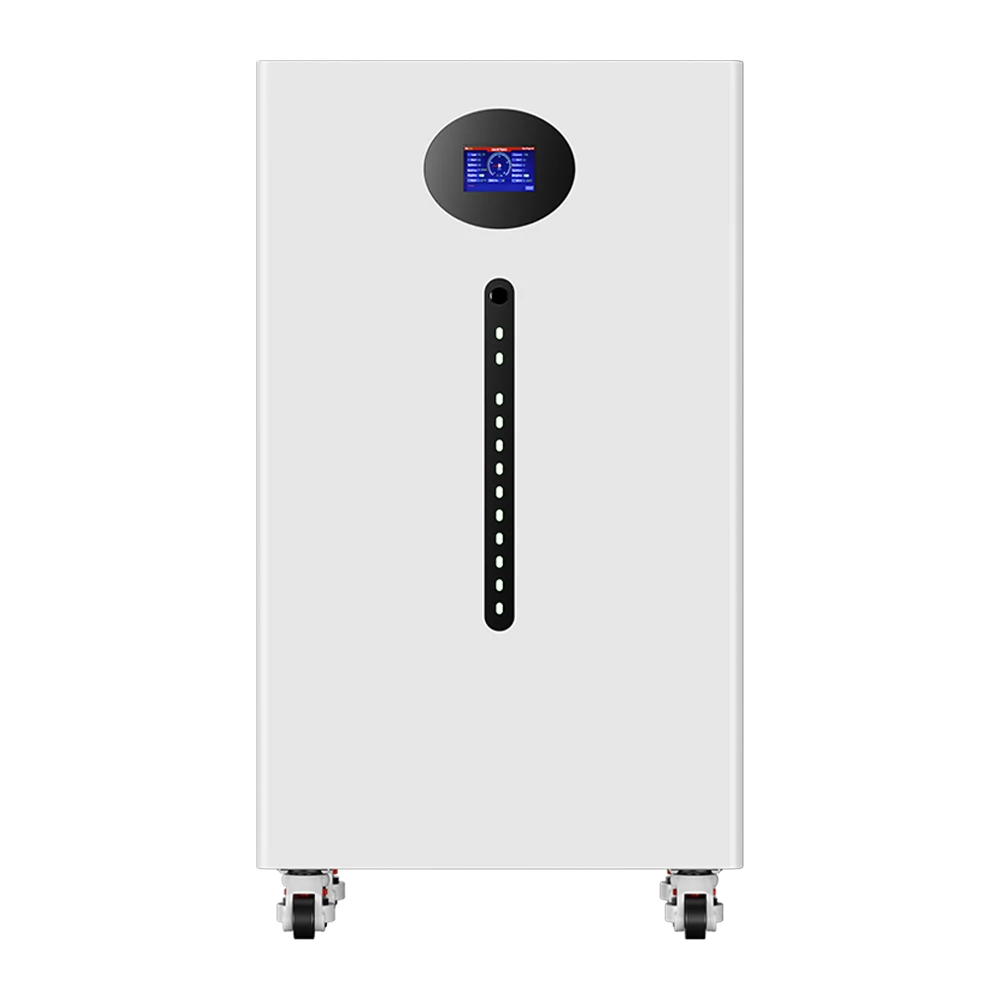
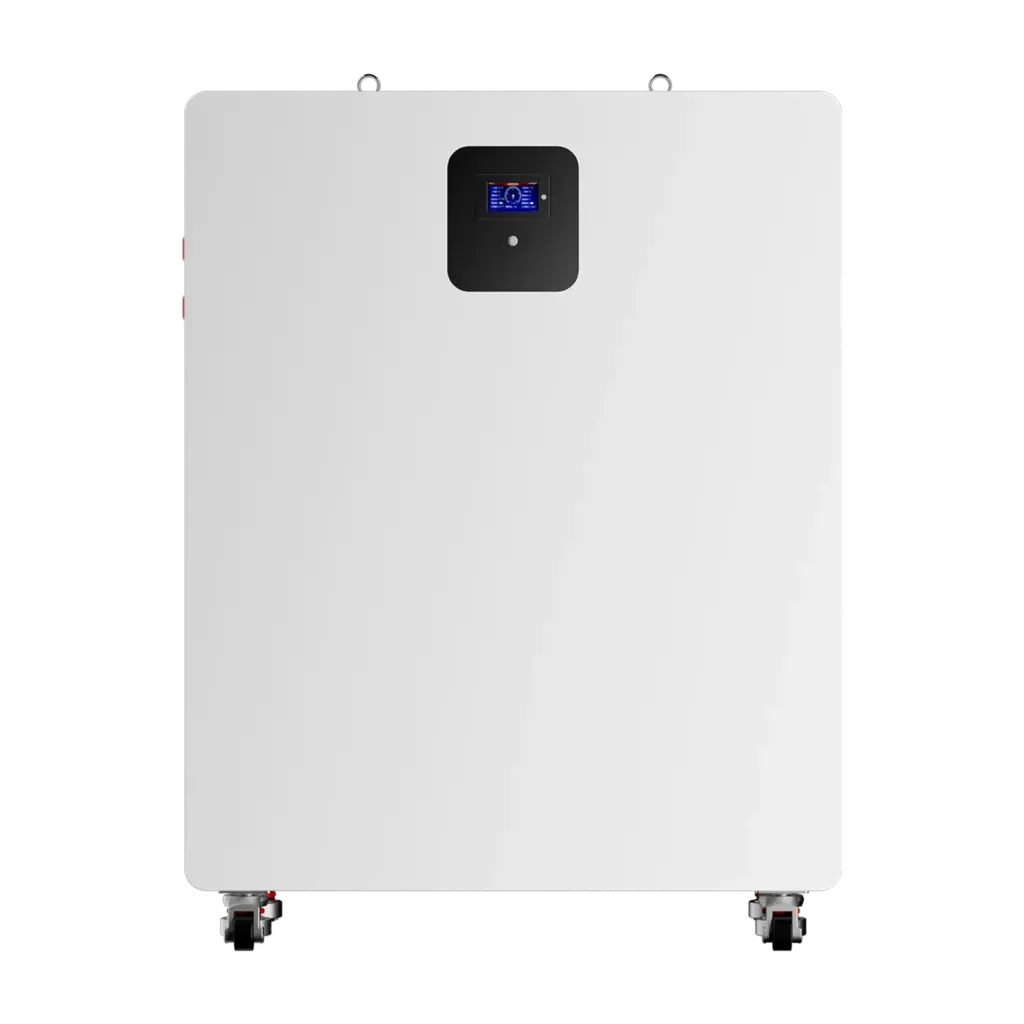
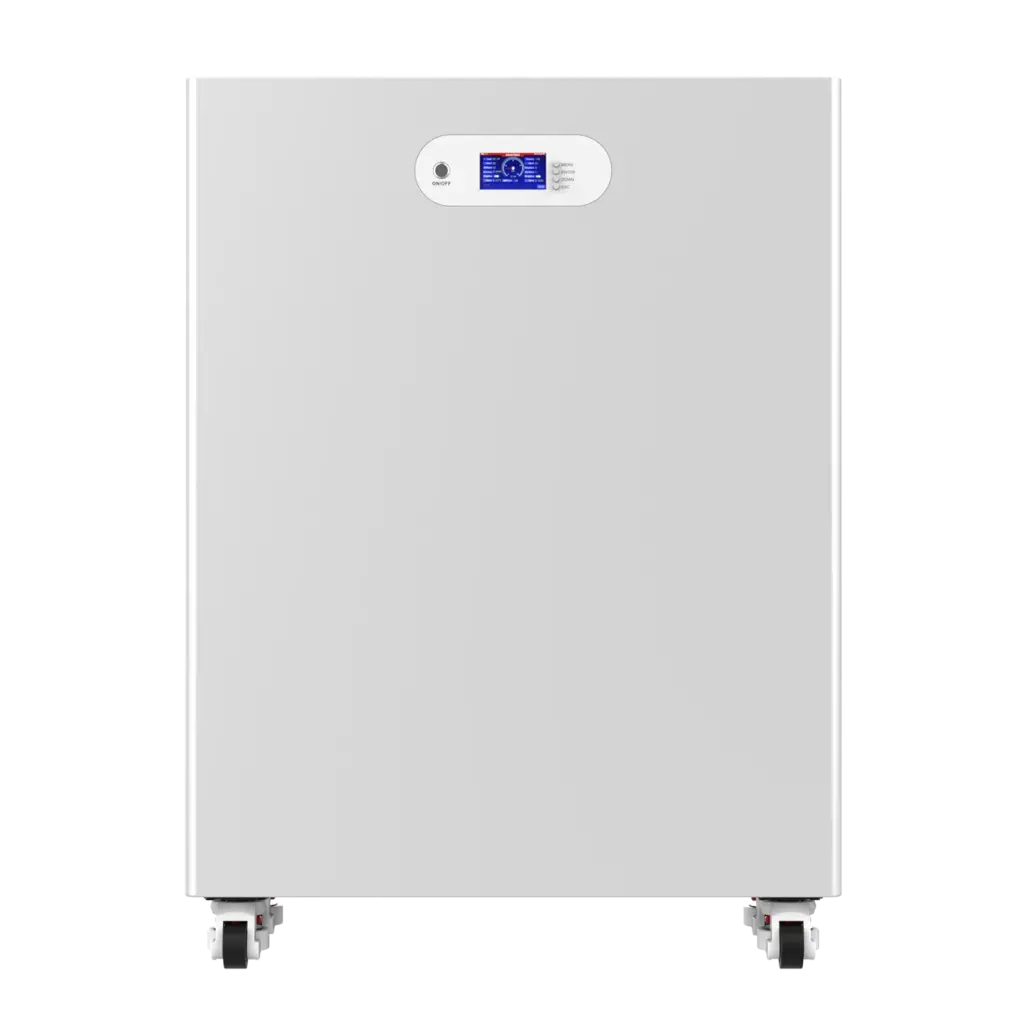
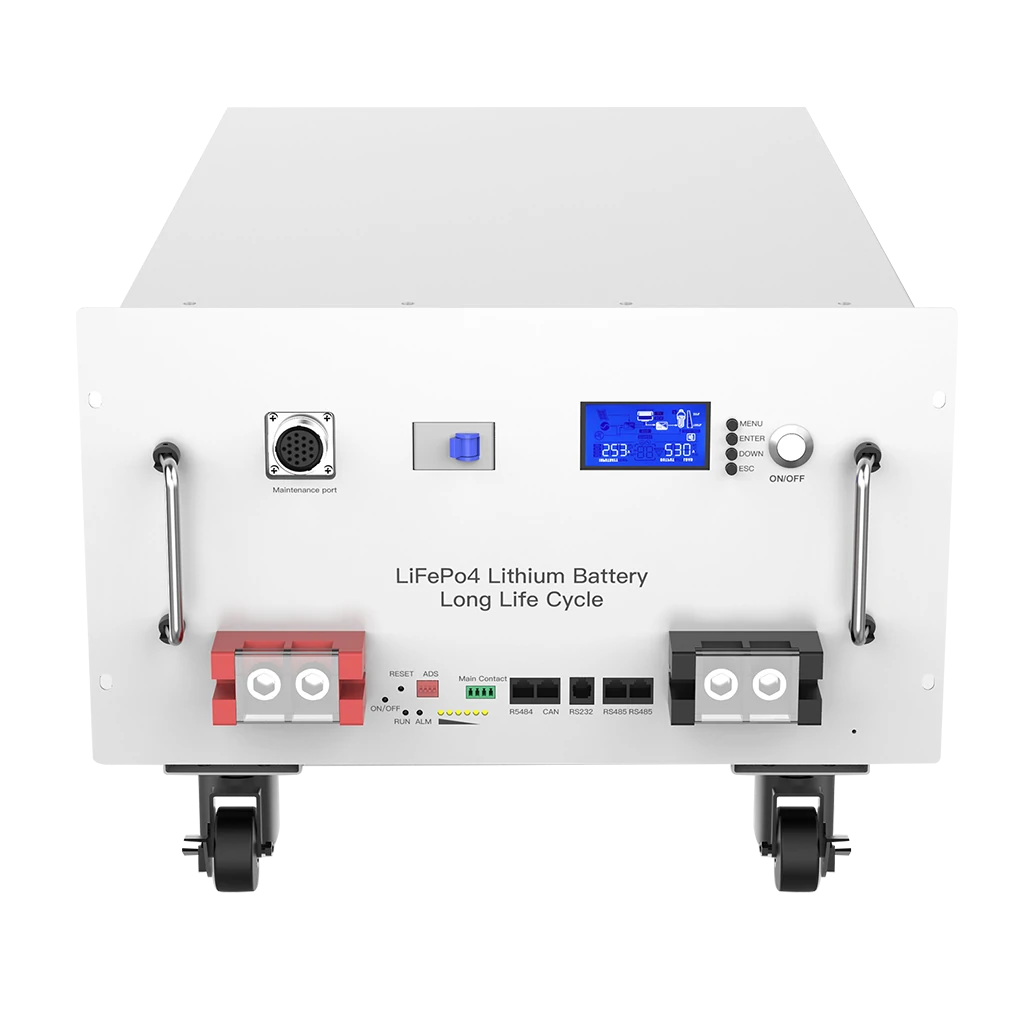
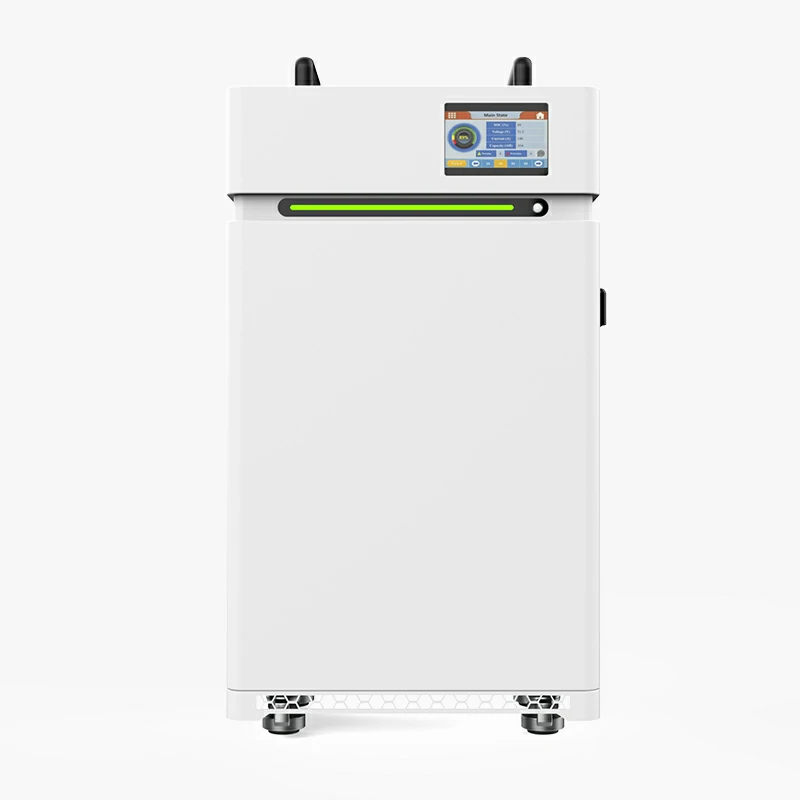
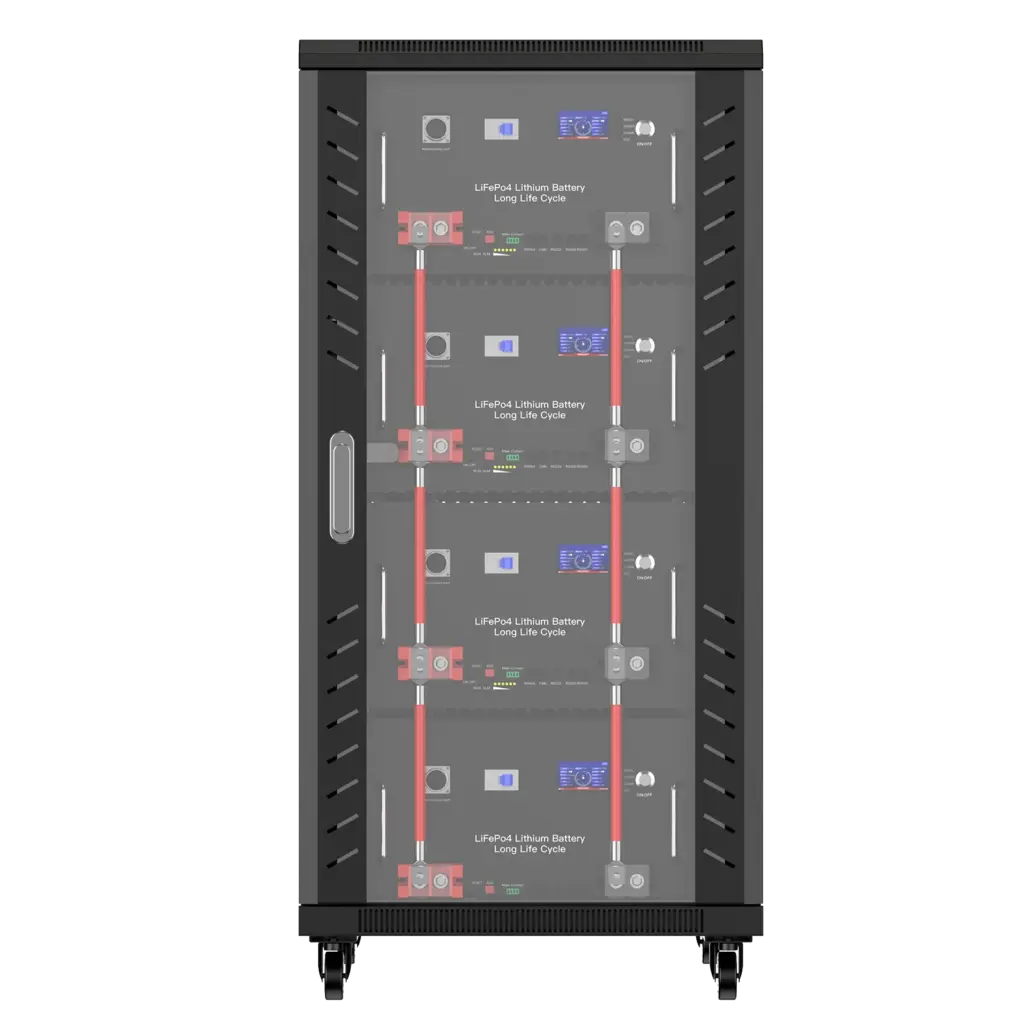
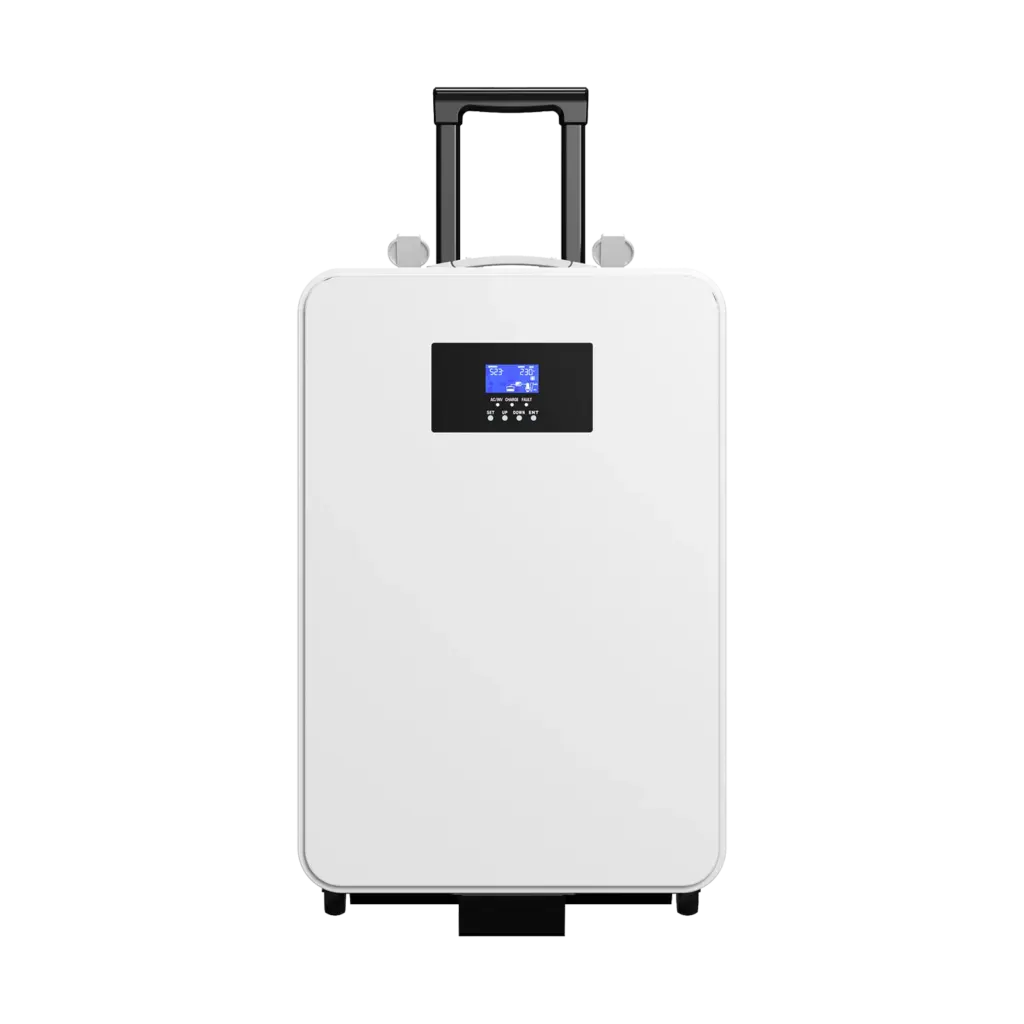
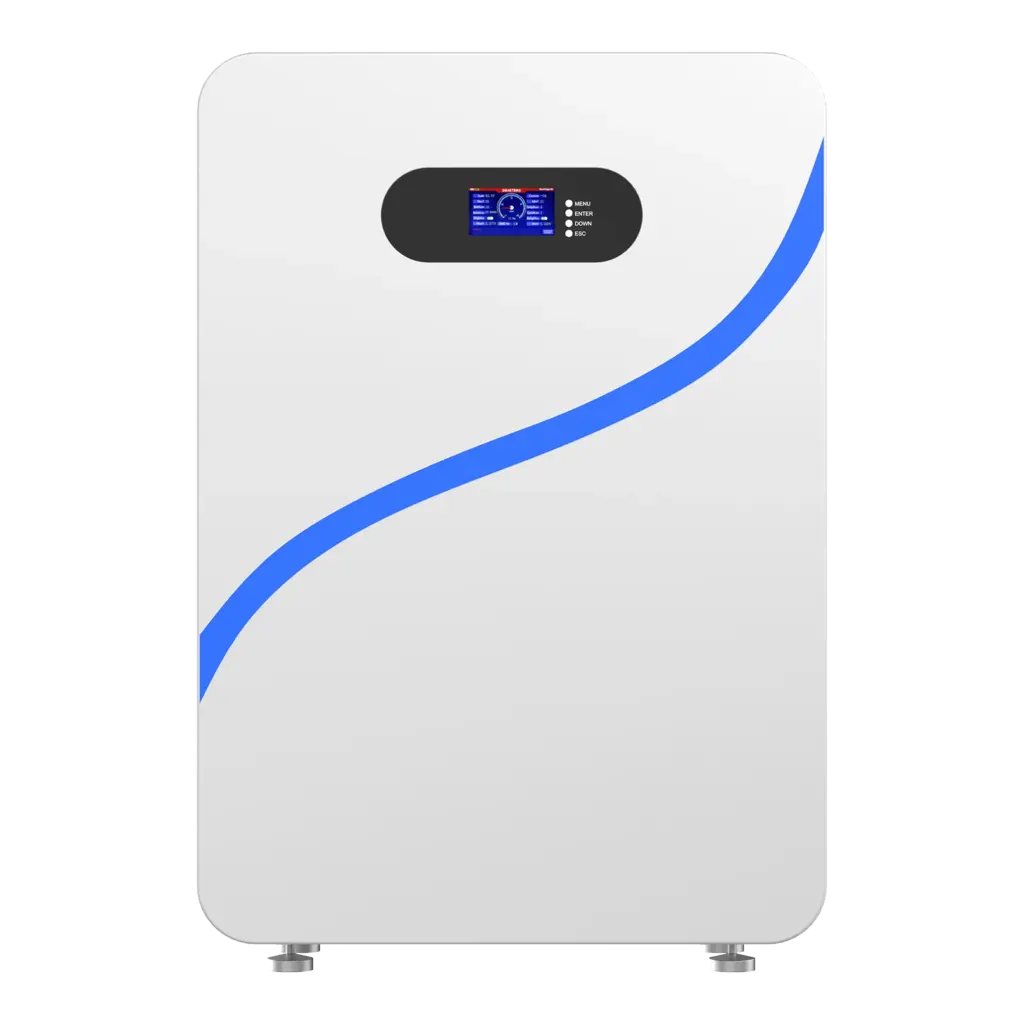
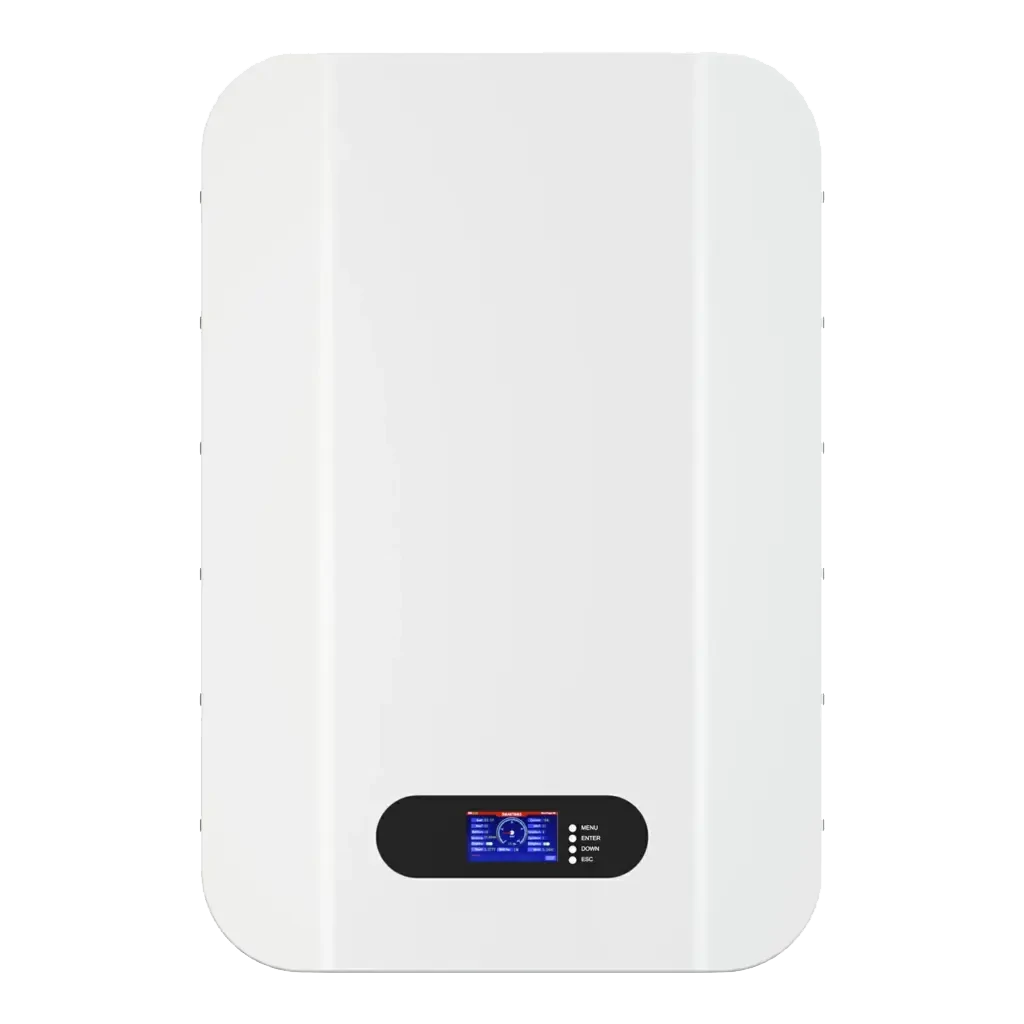
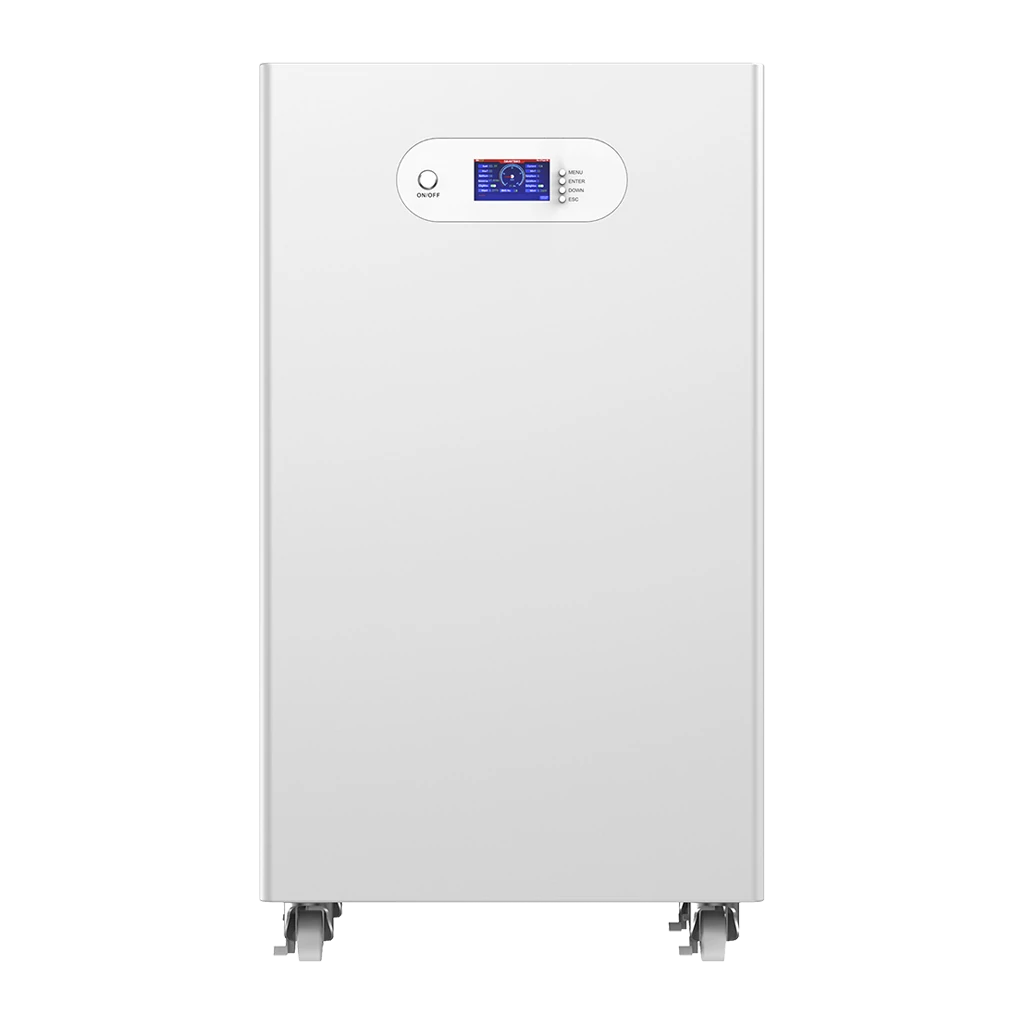
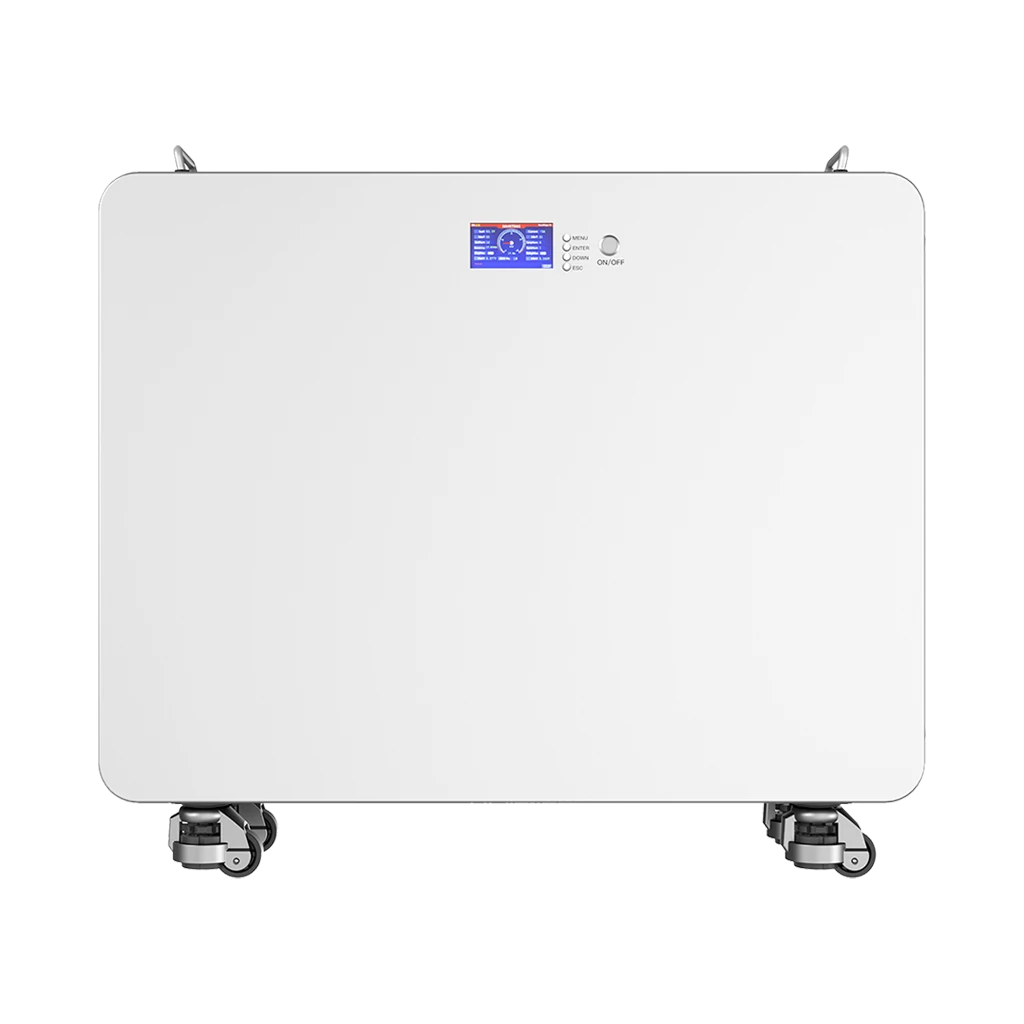
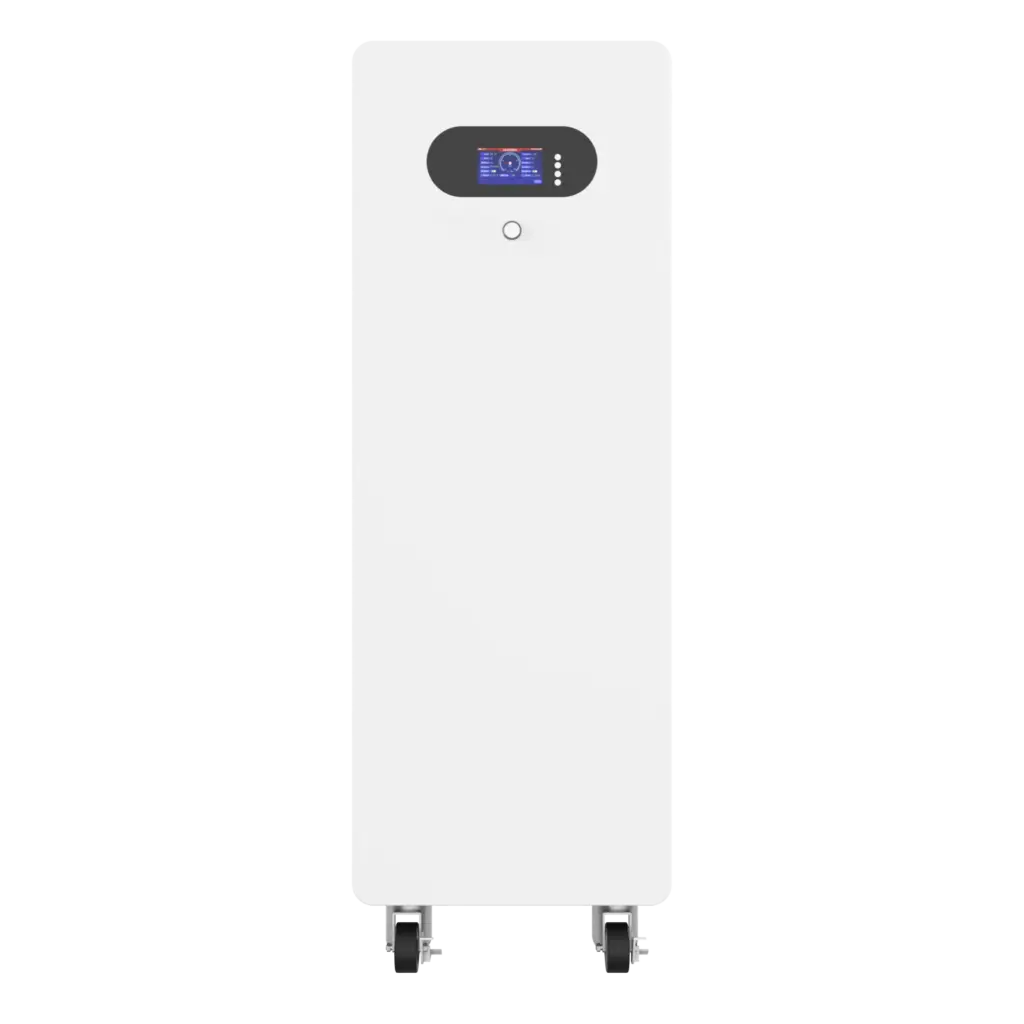
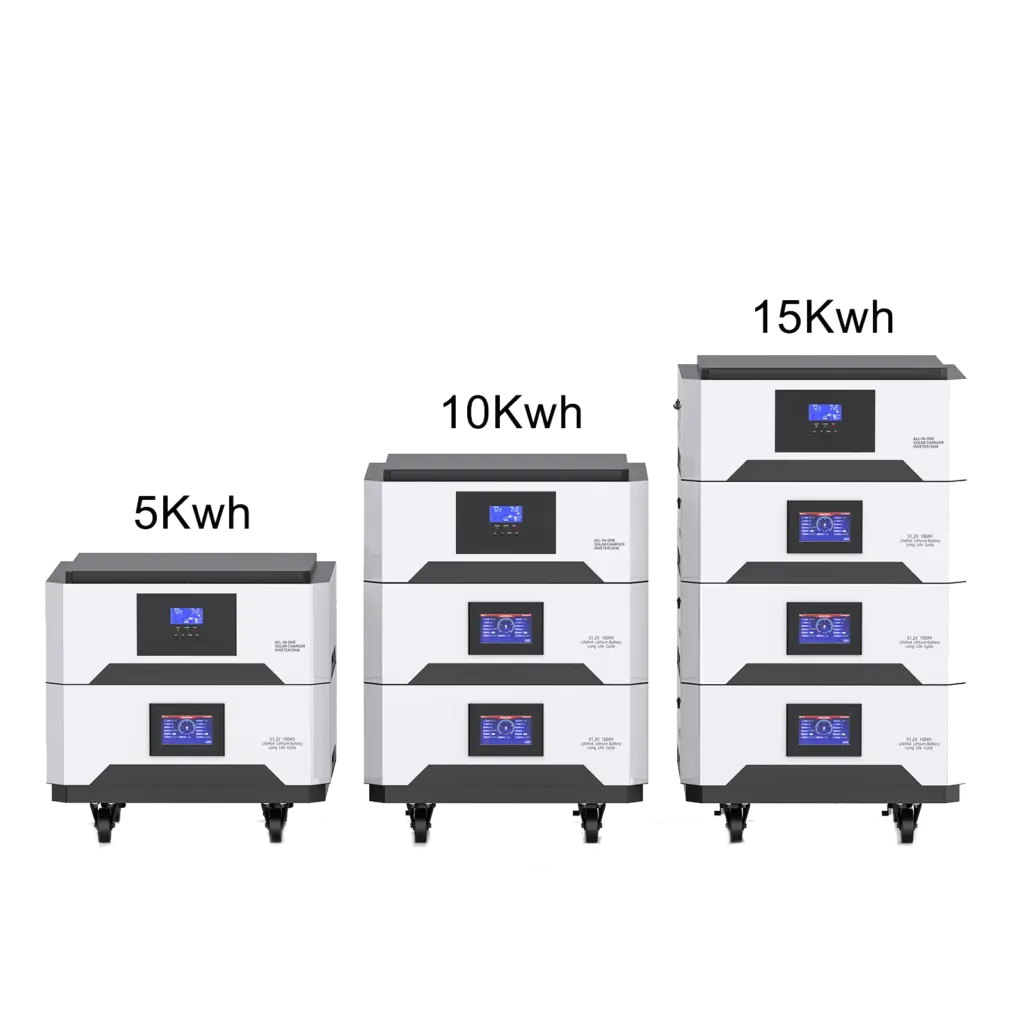
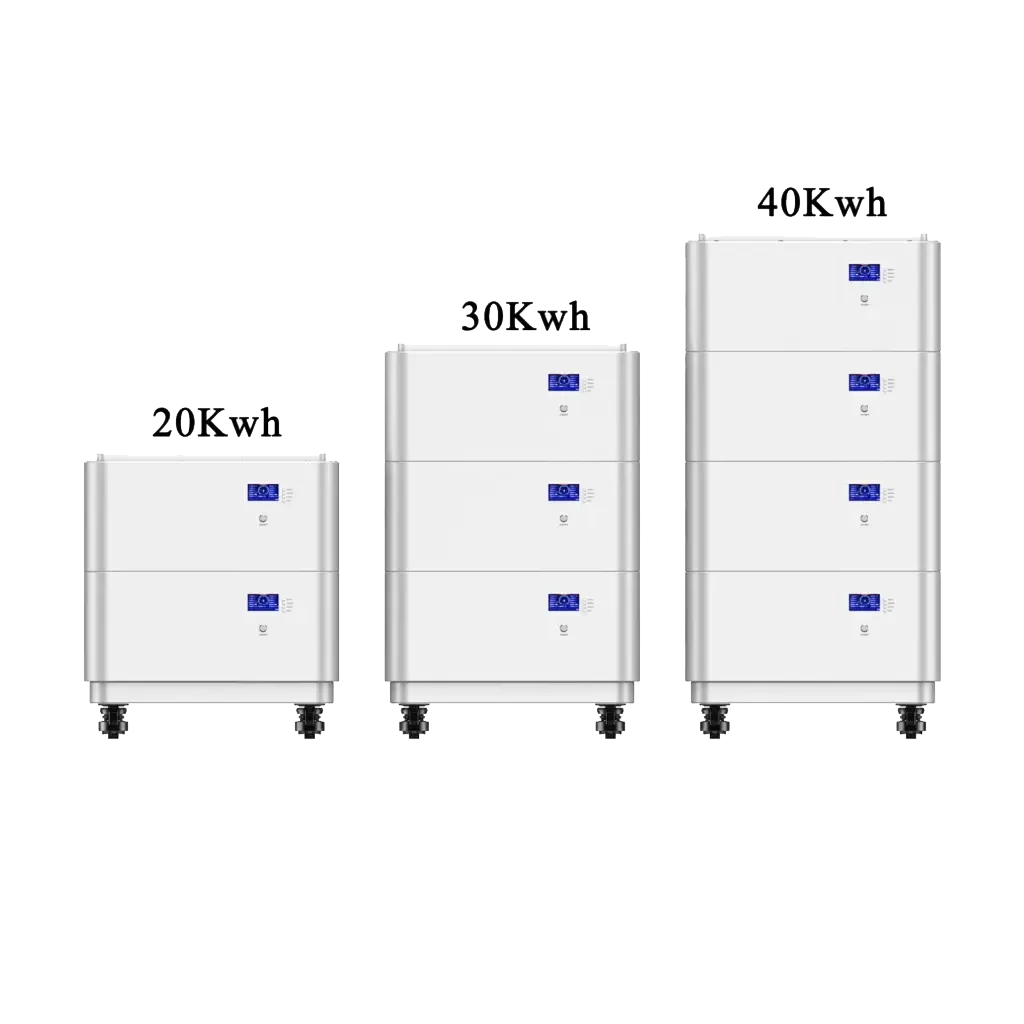
For homes, installers may recommend products such as a wall-mounted battery, rack-mounted battery, stackable battery, or all-in-one battery depending on available space and backup requirements. Avepower’s stackable solar battery options are suitable for projects where future capacity expansion is important, while an all-in-one battery system can simplify installation where integrated design is preferred.
Should You Add Battery Storage to Photovoltaic Panels?
A solar PV system lowers daytime electricity costs. A solar battery helps you use more of that solar energy after sunset.
Battery storage may be worth considering if:
- Your feed-in tariff is low
- Your evening electricity rate is high
- You want backup power during outages
- You use a heat pump, EV charger, pool pump, or high evening load
- You want to reduce grid dependence
- You are building a solar system for an off-grid or weak-grid location
- You are an installer designing scalable systems for customers
For example, a home that produces strong solar output during the day but uses most electricity at night may export too much energy without a battery. In that case, a properly sized home solar battery can improve self-consumption and reduce reliance on grid electricity.
Avepower’s advice is to size the battery based on real load data, not just the solar array size. A 10kW PV system does not automatically need a 10kWh battery. The right storage size depends on evening consumption, backup circuits, inverter power, available solar surplus, and whether the user wants essential-load backup or whole-home backup.
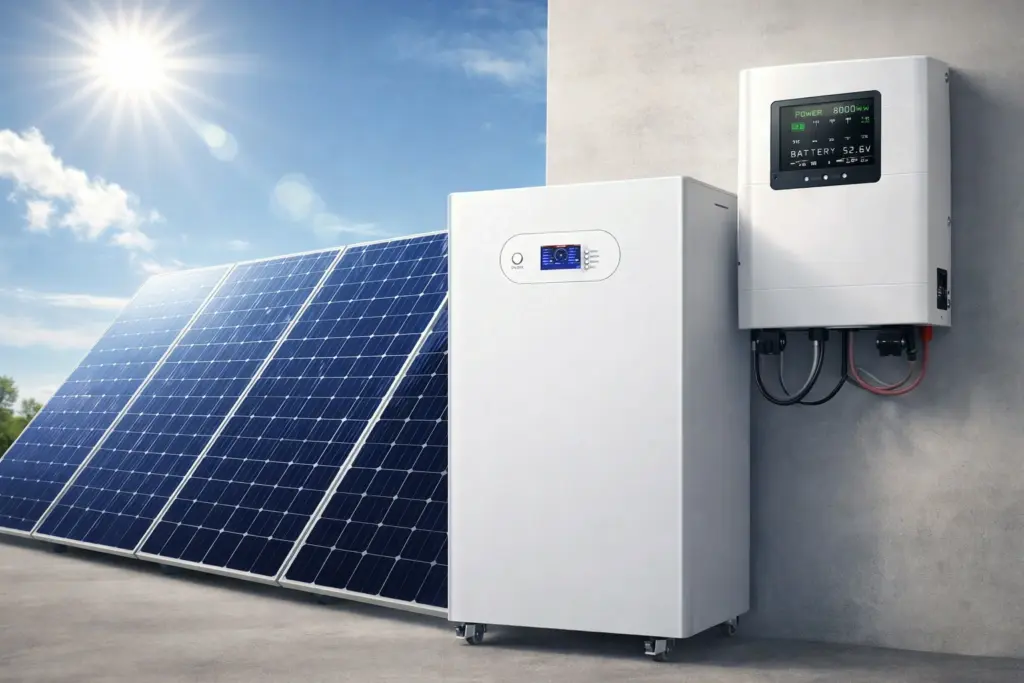
Boost Your Solar with Avepower Storage
Maximise self-consumption, protect your home during outages and cut your electricity bills—day and night. Get your personalised battery recommendation today and start powering your home on your terms.
Solar Panel Cost With Battery Storage
| System Type | Typical Configuration | Installed Cost |
|---|---|---|
| Solar panels only | 6kW–10kW PV system, no battery | $15,000–$30,500 before incentives |
| Solar + small battery | 6kW–6.6kW solar + 5kWh battery | $20,000–$28,000 before incentives |
| Solar + medium battery | 6.6kW–10kW solar + 10kWh battery | $28,000–$40,000 before incentives |
| Solar + larger battery | 10kW solar + 13.5kWh–15kWh battery | $35,000–$48,000 before incentives |
| Solar + stackable battery | 10kW+ solar + 15kWh–30kWh modular battery | $45,000–$70,000+ before incentives |
| Solar + commercial storage | 30kW+ PV + 50kWh–200kWh+ battery | Project-specific, often $80,000+ |
For installers, distributors, and EPCs, the battery decision also affects product sourcing, certification requirements, shipping plans, enclosure design, communication protocols, and after-sales support. Avepower supports OEM/ODM battery storage solutions for residential and commercial projects, including customization for appearance, capacity, BMS logic, branding, and communication requirements.
Useful internal links:
- Home Energy Storage Solutions
- Wall Mounted Battery
- Rack Mount Battery
- Stackable Battery
- High Voltage Battery Storage
- Commercial and Industrial Energy Storage Solutions
Solar PV Only vs Solar PV With Battery Storage
| Option | Lower Upfront Cost | Better Evening Use | Backup Power | Best For |
|---|---|---|---|---|
| Solar PV only | Yes | Limited | Usually no | Daytime electricity use |
| Solar PV + battery | No | Yes | Yes, if designed for backup | Homes with evening loads or outage needs |
| Solar PV + hybrid inverter | Medium | Future-ready | Depends on setup | Buyers planning to add storage later |
| Off-grid PV + battery | Highest | Yes | Yes | Remote homes and unstable grid areas |
A battery is not always necessary for every homeowner. But if electricity tariffs are high in the evening, export payments are low or outages are common, storage can make the system more useful.
Is It Better to Buy Cheap or Premium Photovoltaic Panels?
The answer depends on the project.
Cheap panels may be acceptable when:
- Roof space is generous
- Budget is the main concern
- The installation is simple
- The panel brand still has credible warranty support
- The installer has a strong track record
Premium panels may be worth paying for when:
- Roof space is limited
- The roof has partial shading
- You want higher efficiency
- You want stronger degradation performance
- You need better temperature performance
- You plan to stay in the property long term
For most homeowners, the best value is not the cheapest panel or the most expensive panel. It is the system that gives the best balance of energy yield, warranty support, installation quality, inverter reliability, and long-term service.
How to Estimate Your Photovoltaic Panel Cost
A simple way to estimate cost is:
System size × installed cost per watt = estimated system cost
For example:
- 8kW system = 8,000 watts
- Installed price = $2.58/W
- Estimated system cost = 8,000 × $2.58 = $20,640 before incentives
This is only a rough estimate. It does not include every local factor, but it helps you compare quotes more clearly.
For a more accurate estimate, collect:
- Last 12 months of electricity bills
- Daytime and nighttime usage pattern
- Roof direction and shading information
- Preferred backup loads
- Local tariff and export rate
- Whether an EV, heat pump or pool pump will be added later
A good installer should size the system based on consumption, not just roof space.
How Long Does It Take to Pay Back Photovoltaic Panels?
Solar payback depends on installation cost, electricity rate, solar production, self-consumption, export tariff, financing cost, and incentives.
In many markets, residential solar can pay back within 5 to 10 years, but this varies widely. The payback may be faster where electricity prices are high and the home uses a large share of solar power during the day. It may be slower where electricity prices are low, the roof is shaded, or financing costs are high.
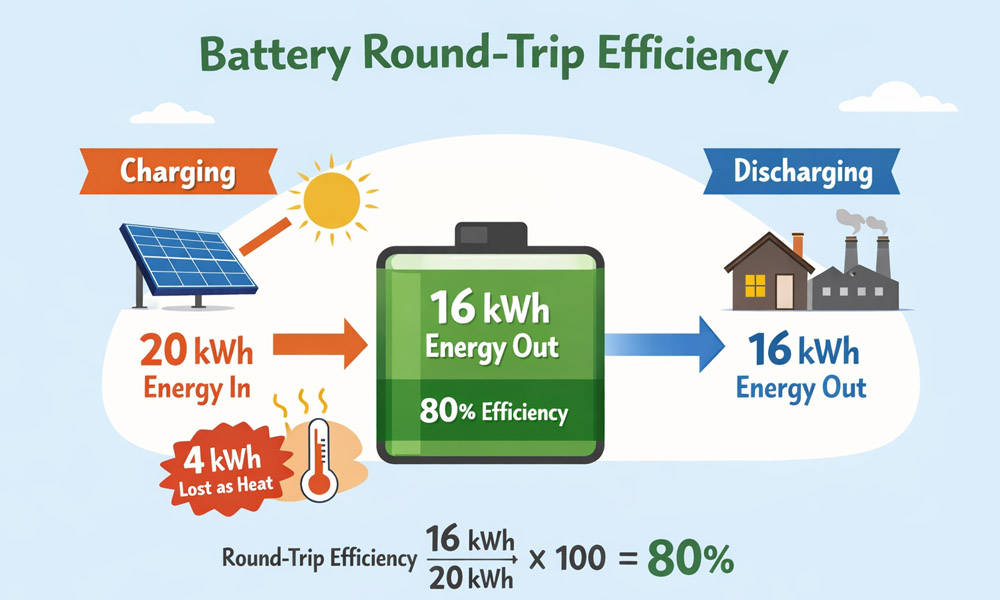
Battery payback is more site-specific. A battery can improve backup security and self-consumption, but the financial return depends heavily on tariffs, battery price, usable capacity, round-trip efficiency, and daily cycling.
A good installer should model at least three scenarios:
- Solar panels only
- Solar panels with a small battery
- Solar panels with a larger scalable battery
Residential vs Commercial Photovoltaic Panel Costs
Residential and commercial PV systems are priced differently.
Residential systems are usually smaller, more roof-specific and more sensitive to aesthetics. Commercial systems are larger and may have lower cost per watt, but they require more detailed electrical design, structural review and project management.
| Project Type | Typical System Size | Typical Features | 2026 Installed Cost Range |
|---|---|---|---|
| Residential PV | 3kW–13kW | Rooftop solar for homes | US: $7,700–$33,500+ / AU: A$2,700–A$11,500+ / UK: £5,000–£18,000+ |
| Small business PV | 20kW–100kW | Shops, offices, farms, small warehouses | US: $36,000–$255,000 / AU: A$25,000–A$120,000 / UK: £16,000–£130,000 |
| Commercial PV | 100kW–500kW+ | Warehouses, factories, schools, logistics sites | US: $140,000–$950,000+ / AU: A$70,000–A$425,000+ / UK: £85,000–£750,000+ |
| Solar + storage project | PV system + battery storage | Solar self-consumption, peak shaving, backup power | Residential battery: about A$800–A$1,300 per usable kWh installed / Commercial BESS: often about $360–$690 per kWh installed |
For larger energy users, storage can do more than provide backup. It may help with peak shaving, load shifting and better solar self-consumption. Businesses exploring this route can review Avepower commercial and industrial energy storage solutions as part of a broader PV-plus-storage design.
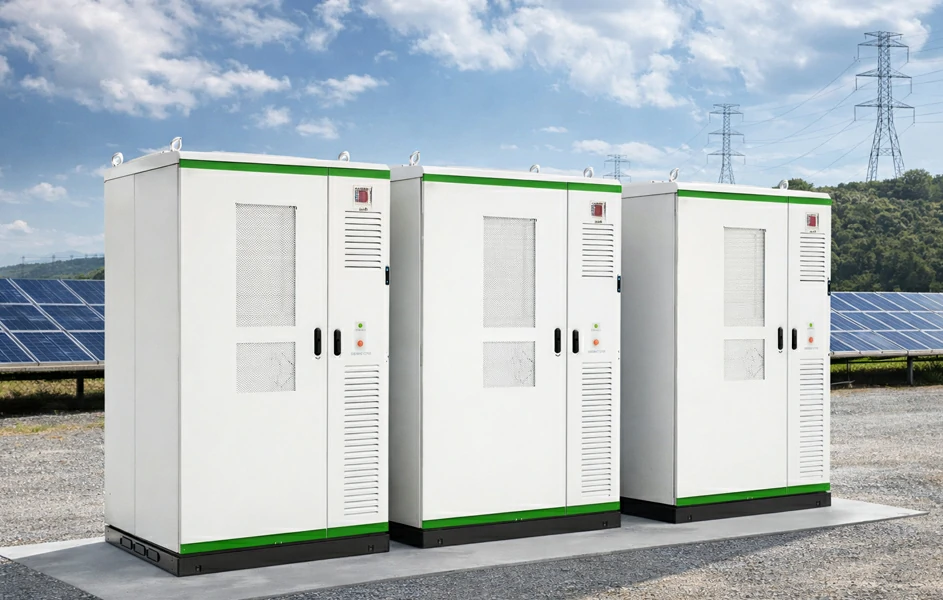
Avepower Commercial and Industrial Energy Storage Solutions
For commercial users, Avepower recommends sizing the system around the facility’s daily load curve, peak demand periods, backup load requirements and available roof area, rather than choosing PV panels and batteries separately.
Commercial Photovoltaic Panel
Commercial photovoltaic systems usually cost less per watt than residential systems because they are larger and may benefit from economies of scale. However, the total project cost is higher because commercial buildings often need engineering review, switchboard work, grid approval, monitoring, export control, and sometimes demand management.
Common commercial system sizes include:
- 30kW for small businesses
- 50kW to 100kW for warehouses, workshops, and retail sites
- 100kW+ for factories, farms, logistics centres, and larger facilities
For larger commercial and industrial projects, Avepower’s commercial and industrial energy storage solutions can be used alongside PV systems to support peak shaving, load shifting, backup power, and higher solar self-consumption.
Final Answer: How Much Do Photovoltaic Panels Cost?
In 2026, photovoltaic panels alone may cost only a few hundred dollars each, but a complete installed solar PV system usually costs much more because it includes inverters, mounting, electrical work, permits, labour, monitoring, and warranty support.
As a practical guide:
- Panel only: about $0.30–$0.90/W
- One panel: about $175–$350+
- U.S. installed system: about $2.50–$3.15/W before incentives
- Australia 6kW–6.6kW system: around AUD $5,000–$6,500 after STC
- Australia 10kW system: around AUD $8,000–$10,500 after STC
- Solar + battery: higher upfront cost, but better self-consumption and backup value
The best way to control cost is to size the system properly, compare detailed quotes, avoid poor-quality installation, and decide early whether battery storage will be part of the system now or in the future.
FAQ
Photovoltaic panels alone often cost about $0.30 to $0.90 per watt, while a fully installed residential solar PV system usually costs around $2.50 to $3.15 per watt before incentives in the U.S. In Australia, common 6kW to 6.6kW systems often cost around AUD $5,000 to $6,500 after STC discounts.
One residential solar panel commonly costs around $175 to $350 or more, depending on wattage, brand, efficiency, and warranty. Premium high-efficiency panels can cost more.
The panel is only one part of the system. A complete installation also includes inverter, mounting hardware, wiring, labour, permits, inspection, monitoring, grid connection, and warranty support.
In Australia, a standard 6kW to 6.6kW system often costs around AUD $5,000 to $6,500 after the STC discount. In the U.S., a similar-size system may cost around $16,000 to $21,000 before incentives.
A 10kW system in Australia commonly costs around AUD $8,000 to $10,500 after STC discounts. In the U.S., a 10kW system may cost around $25,000 to $30,000 before incentives, depending on location and hardware.
The biggest cost factors are system size, panel efficiency, inverter type, roof complexity, labour, local permits, grid connection requirements, and whether battery storage is included.
Compare multiple detailed quotes, choose reliable but not over-specified equipment, use available incentives, avoid unnecessary oversizing, and make sure the system is designed around your real electricity usage.