
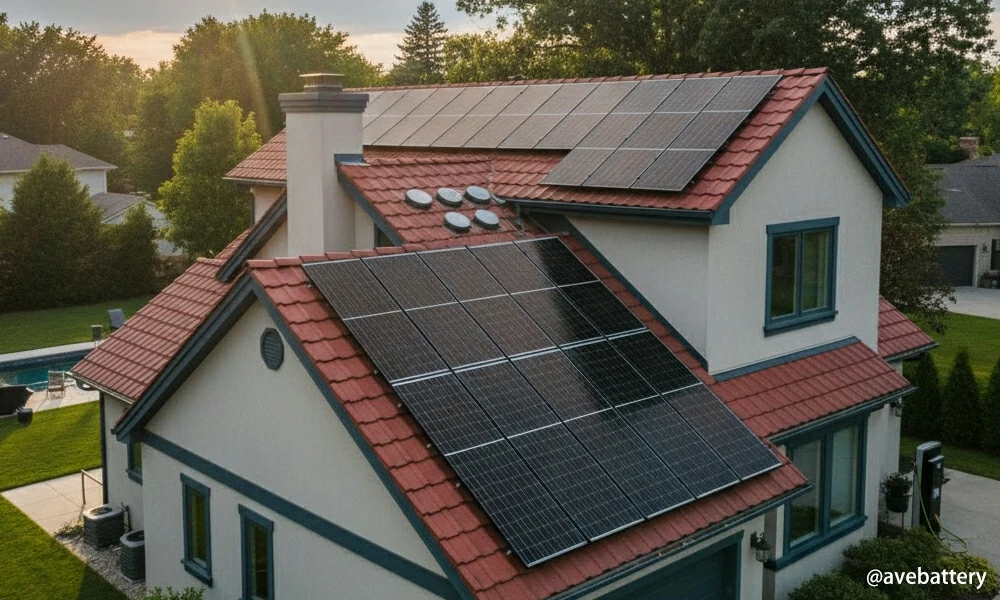
How much do solar panels cost for a 2,000 square foot house in 2026? A typical U.S. homeowner should budget about $18,340–$25,800 before state or utility incentives for a 7–10 kW solar system. At around 430W per panel, that equals roughly 17–24 solar panels.
Square footage is only a starting point—the final price depends more on annual electricity use, local sunlight, roof conditions, equipment, and installer pricing. The federal Residential Clean Energy Credit is no longer available for residential expenditures after December 31, 2025, so homeowners should check state, utility, and local incentives instead.
How Much Do Solar Panels Cost for a 2,000 Sq Ft House?
In 2026, a typical 2,000 sq ft home may spend about $18,340–$25,800 before state, utility, or local incentives, depending on whether the home needs roughly a 7–10 kW solar system.
| System Size | Panels @ 430W | Avg. Cost/W | Estimated Installed Cost |
|---|---|---|---|
| 7 kW | ~17 | $2.62/W | $18,340 |
| 8 kW | ~19 | $2.62/W | $20,960 |
| 9 kW | ~21 | $2.57/W | $23,130 |
| 10 kW | ~24 | $2.58/W | $25,800 |
Planning Solar for a 2000 Sq Ft Home?
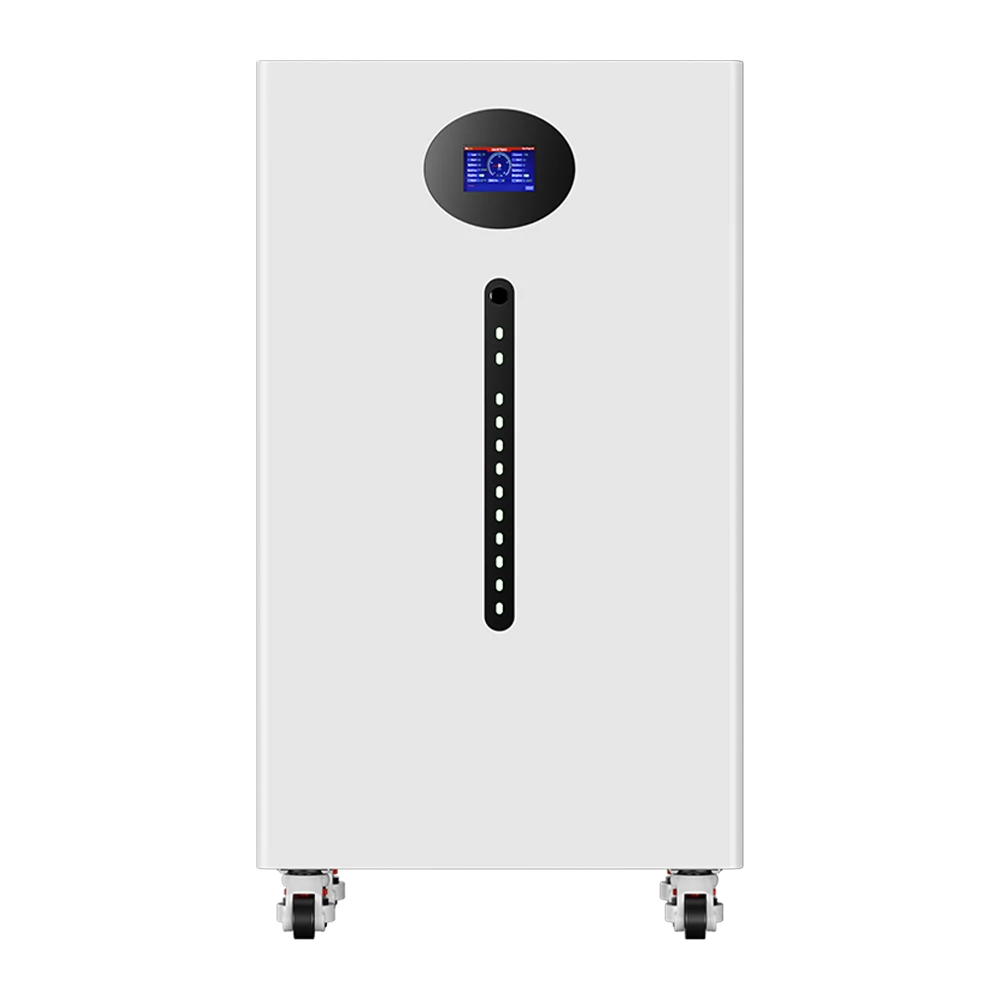
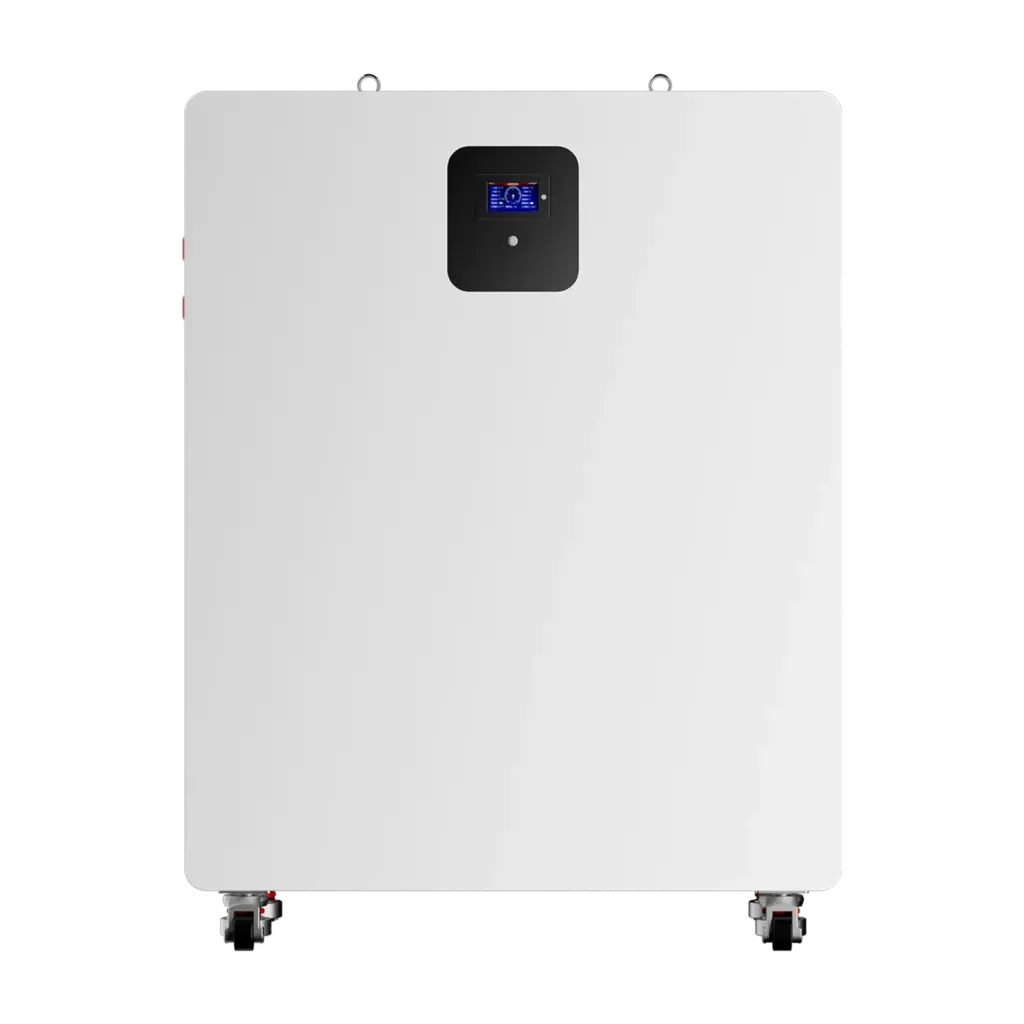
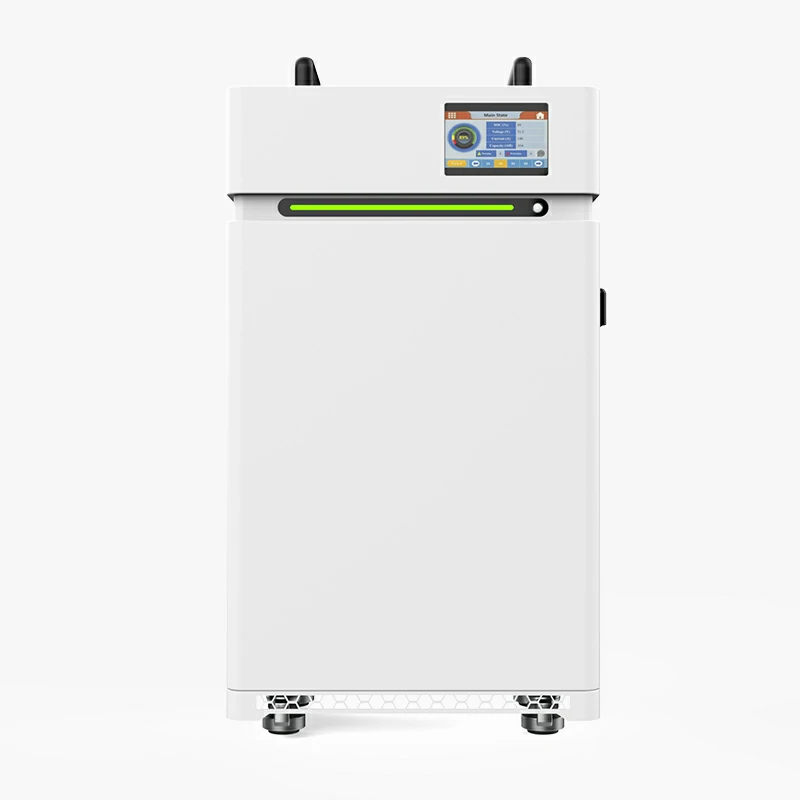
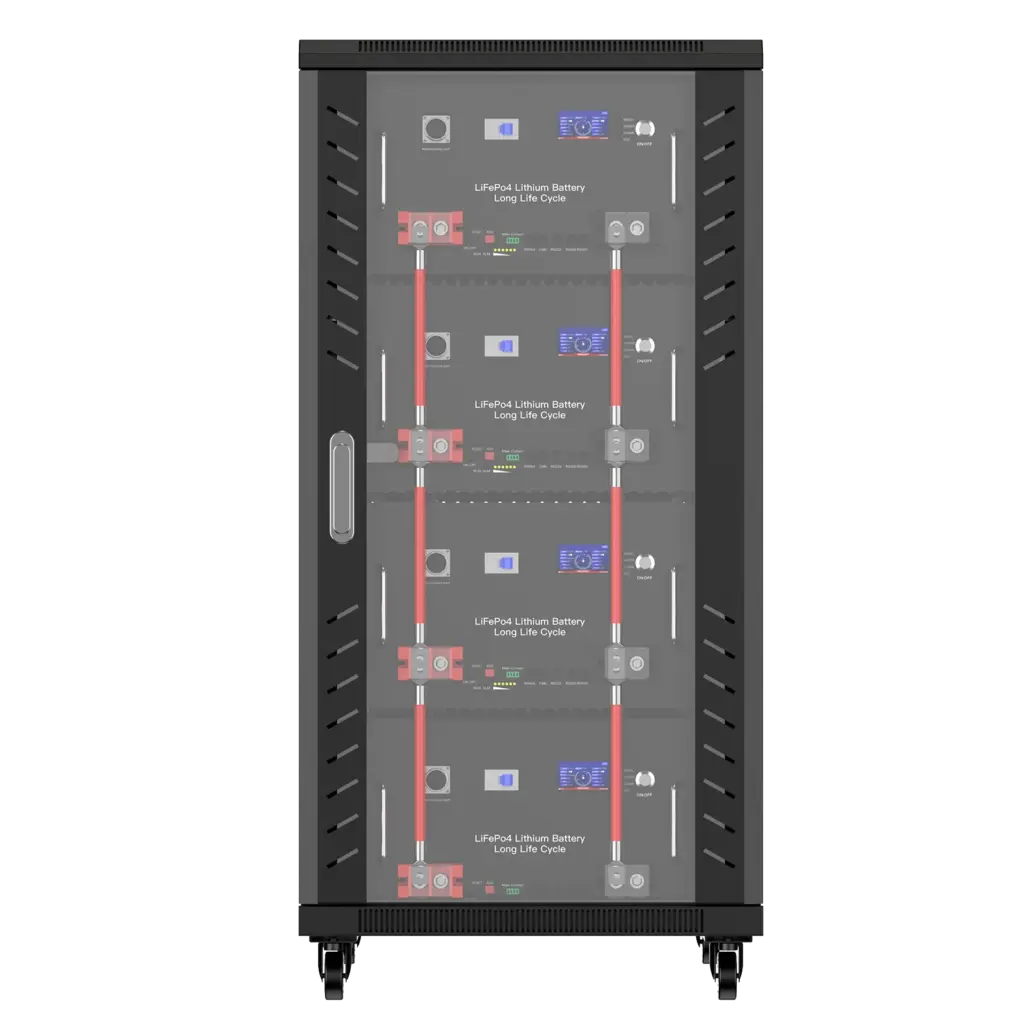
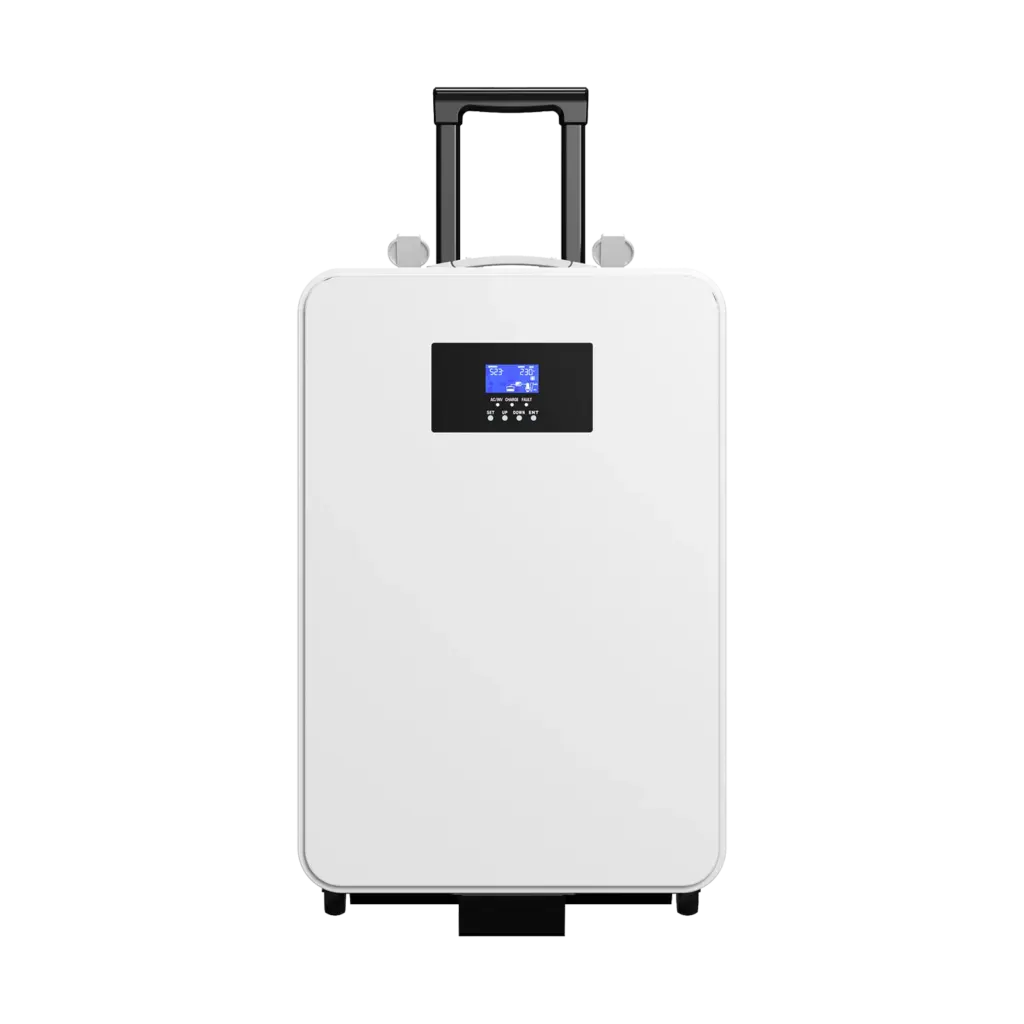
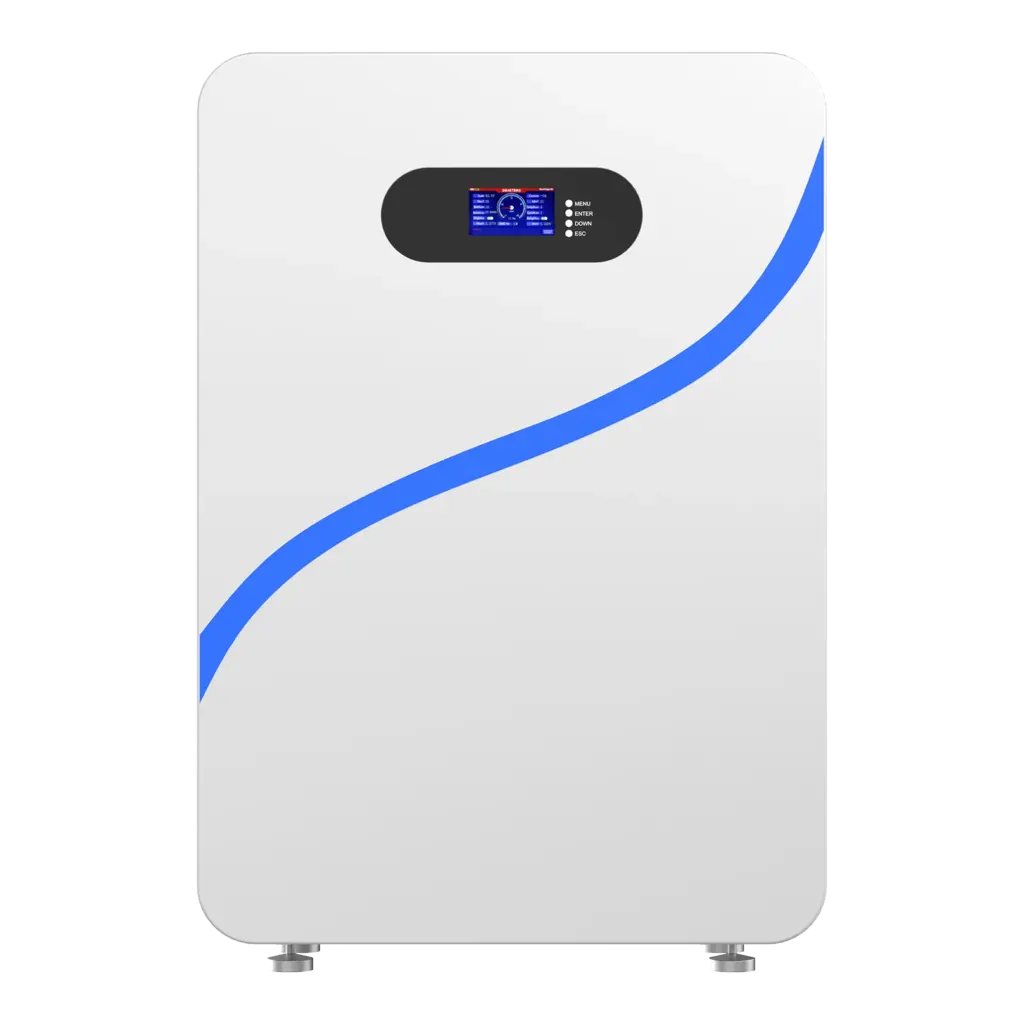
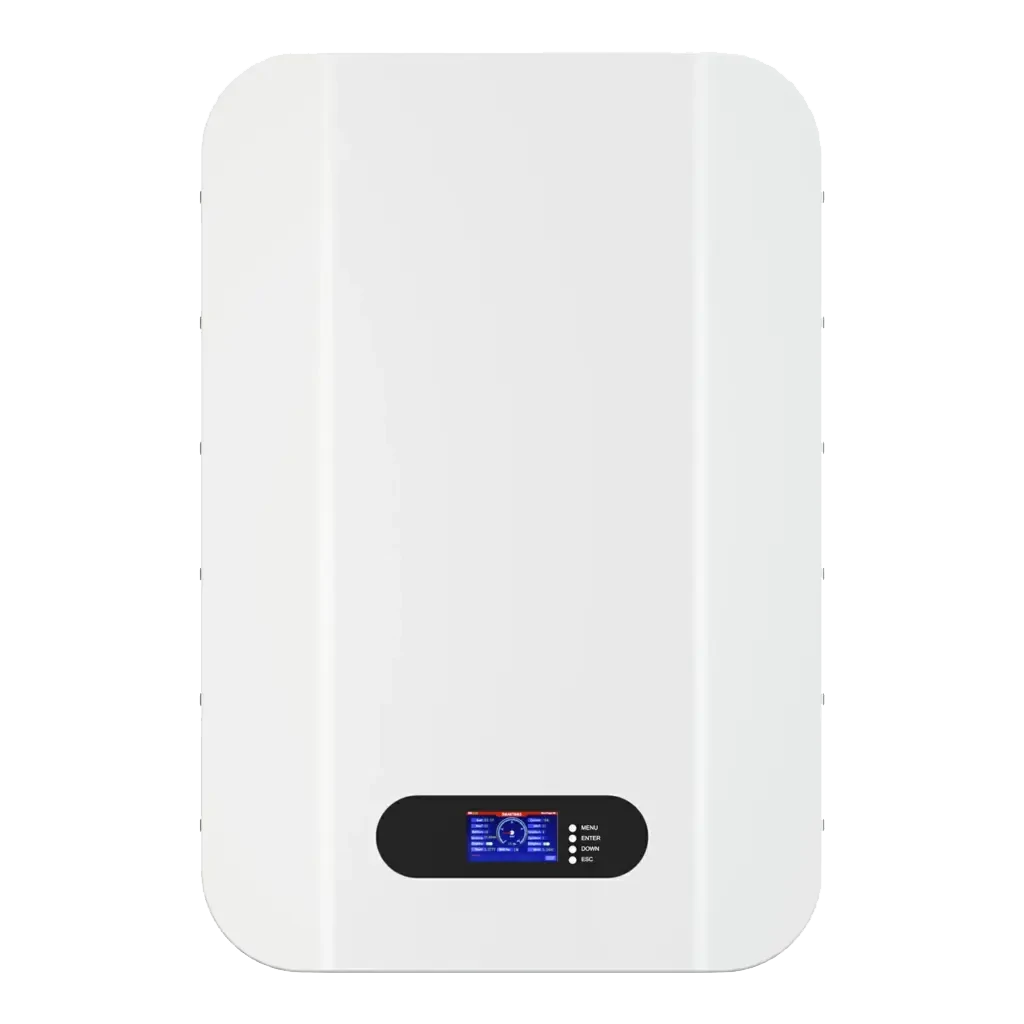
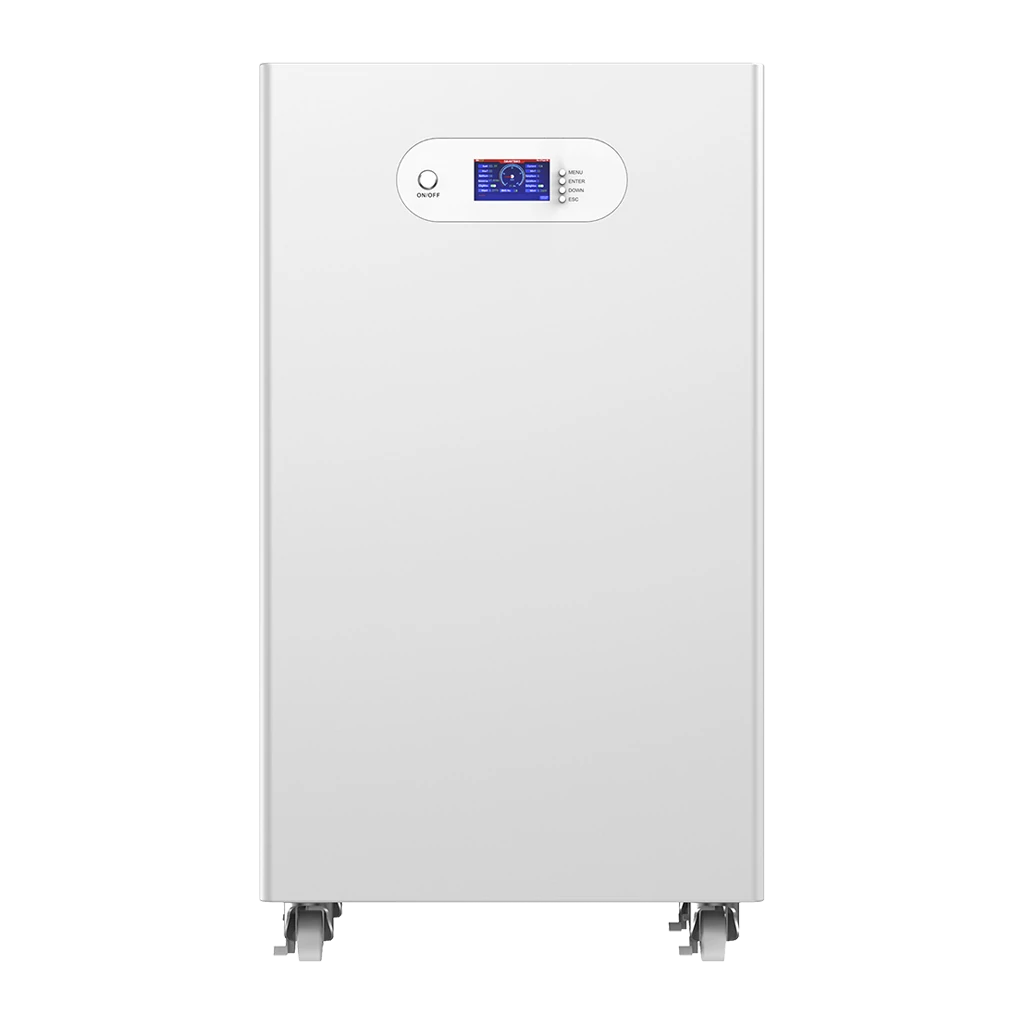
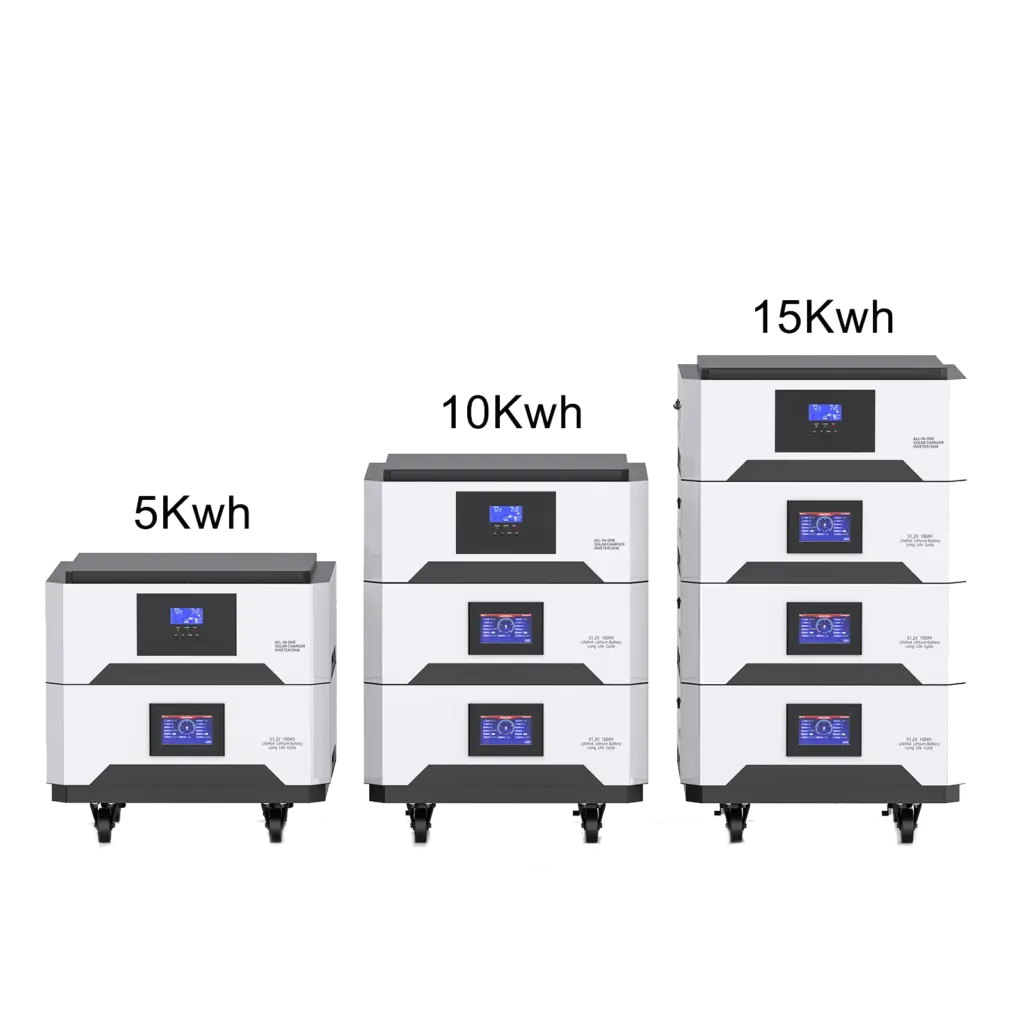
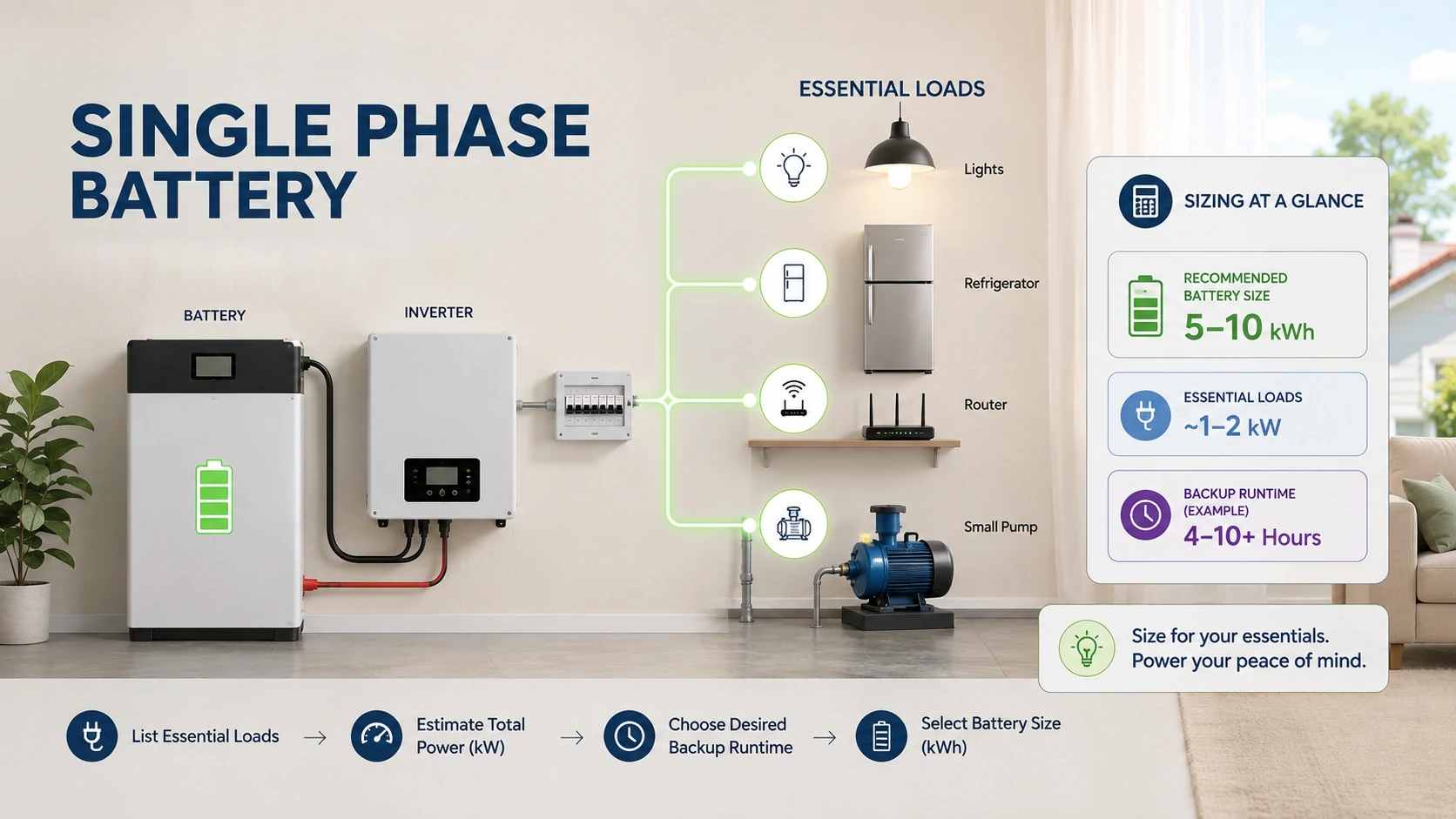
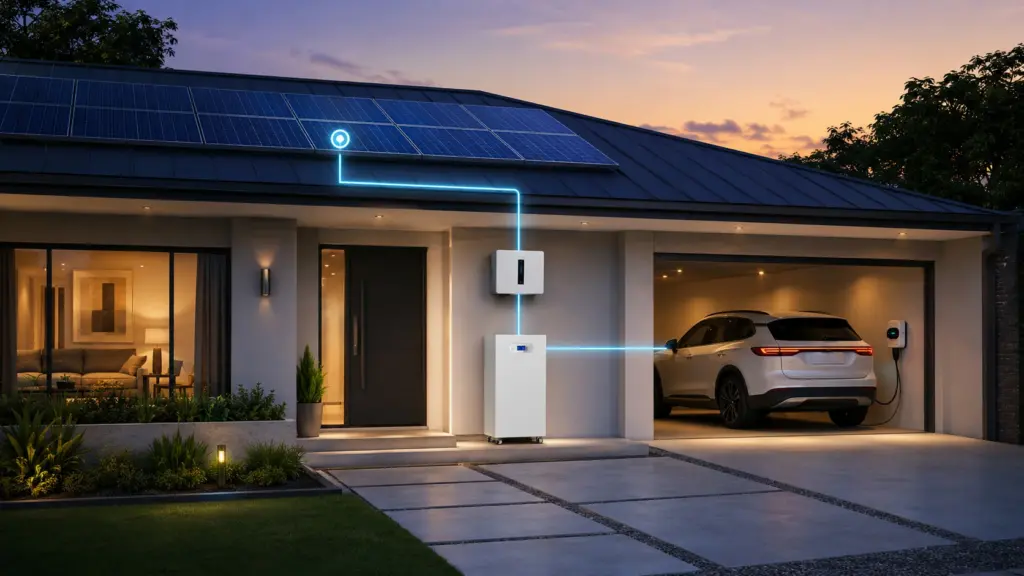
A 2000 sq ft home may need a carefully matched solar and battery system based on daily electricity use, roof space, local sunlight and backup power needs. Avepower provides LiFePO4 battery storage solutions that help homeowners store more solar energy and reduce grid dependence.
What Size Solar System Does a 2,000 Sq Ft House Need?
A typical 2,000 sq ft house may need a 7–10 kW solar system, but square footage alone cannot determine the correct system size. The most important factor is your home’s annual electricity consumption in kilowatt-hours (kWh).
Two homes with the same floor area can use very different amounts of electricity depending on air conditioning, electric heating, appliances, EV charging, pool equipment, household size, and lifestyle.
For the most accurate estimate, start with your last 12 months of electricity bills and calculate your total annual electricity usage.
Typical System Size: 7–10 kW
For many 2,000 sq ft homes in the U.S., a 7–10 kW solar system is a practical starting range.
| Annual Electricity Use | Approx. Solar System Size |
|---|---|
| 8,000–9,000 kWh/year | 6–7 kW |
| 9,000–11,000 kWh/year | 7–8 kW |
| 11,000–13,000 kWh/year | 8–10 kW |
| 13,000+ kWh/year | 10 kW+ |
How Many Solar Panels Will You Need?
The number of solar panels depends on the total system size and the wattage of each panel.
With 430W solar panels, a typical 7–10 kW system would require approximately:
| Solar System Size | Approx. Number of 430W Panels |
|---|---|
| 7 kW | 17 panels |
| 8 kW | 19 panels |
| 9 kW | 21 panels |
| 10 kW | 24 panels |
So, for a typical 2,000 sq ft house, you may need roughly 17–24 solar panels.
The calculation is simple:
Number of panels = Solar system size ÷ Panel wattage
For example:
8,000W ÷ 430W = 18.6 panels
That means an 8 kW system would typically require about 19 panels.
Higher-wattage panels can reduce the total number of panels needed, which may be useful when roof space is limited.
What Does Solar Installation Cost Include?
The estimated $18,340–$25,800 is the total installed cost of a typical 7–10 kW solar system, not just the price of the solar panels.
A standard solar quote may include panels, inverter equipment, mounting hardware, wiring, labor, permits, utility interconnection, and installer overhead.
Solar Panels, Inverter and Racking
The main equipment cost usually includes:
- Solar panels
- Inverter or microinverters
- Mounting and racking
- Wiring and electrical components
- Monitoring equipment
Equipment quality, efficiency, and warranty can affect the final price.
Labor and Electrical Work
Installation costs may include:
- Roof installation
- Electrical wiring
- System setup
- Testing and inspection
- System commissioning
More complex roofs or electrical systems may increase labor costs.
Permits and Grid Interconnection
Most grid-connected solar systems also require:
- Local permits
- Inspection fees
- Utility interconnection
- Engineering or design work
These costs vary by location and installer.
Possible Extra Costs
Some homes may require additional work that is not included in a basic solar estimate, such as:
- Main electrical panel upgrades
- Roof repairs
- Trenching
- Complex roof installation
- Premium inverter upgrades
- Battery integration
When comparing solar quotes, confirm exactly what is included in the total installed price and whether any additional work may be required.
Solar Incentives and Payback Period in 2026
Is There a Federal Solar Tax Credit in 2026?
No federal Residential Clean Energy Credit is available for residential expenditures made after December 31, 2025. Homeowners installing solar in 2026 should instead check state, local, and utility incentives.
State and Utility Solar Incentives
Incentives vary by state, utility and ZIP code. Homeowners should check their local utility and the DSIRE database before estimating net solar cost.
How Long Does Solar Take to Pay for Itself?
For illustration, a household using about 10,500 kWh per year at an average electricity price near 18.2¢/kWh spends roughly $1,900 per year on electricity. Compared with a gross solar cost of about $18,340–$25,800, that suggests a simple pre-incentive payback of roughly 10–14 years. Actual payback depends heavily on local electricity rates, net-metering rules, system production, financing, fixed utility charges, and available incentives.
What Affects Solar Installation Cost for a 2,000 Sq Ft House?
Solar cost is not based on square footage alone. Two 2,000 sq ft homes can receive very different quotes because of electricity use, sunlight, roof conditions, equipment, and local installation costs.
Electricity Usage and System Size
Homes that use more electricity need larger solar systems, which usually means more panels and a higher total cost.
Annual electricity usage in kWh is more useful than home size when estimating system size.
Local Sunlight and Solar Production
Solar production varies by location, roof orientation, shading, and weather.
Homes with better sunlight may need fewer panels, while shaded properties may require a larger system.
Roof Pitch, Shading and Electrical Upgrades
Steep or complex roofs can increase labor costs.
Additional expenses may also include:
- Roof repairs
- Tree trimming
- Electrical panel upgrades
- Extra wiring
- Structural work
Panels, Inverters and Equipment Choice
Higher-efficiency panels and premium inverter systems can increase upfront cost.
Common inverter options include:
- String inverters
- Power optimizers
- Microinverters
Equipment should be selected based on roof space, energy needs, and future plans.
Installer, Permitting and Interconnection Costs
Solar quotes may also include:
- Labor
- System design
- Permits
- Utility interconnection
- Electrical work
- Warranty and service
When comparing quotes, check the system size, cost per watt, equipment, expected annual production, and included services, not just the final price.
How Much a Battery Adds to the Cost
Most U.S. homes now see $9,000–$18,000 installed for a single 10–13.5 kWh battery, depending on brand and labor.
If you install battery storage at the same time as your solar, you should budget an extra 40%–60% of your solar price. For a $20,000 solar project, that puts you in the $8,000–$12,000 battery range, before any state programs.
| Component | Realistic Range |
|---|---|
| 7–8 kW solar (panels, inverter, racking) | $18,000–$24,000 |
| Labor, permits, interconnection | Included above |
| 10–13.5 kWh lithium battery | $9,000–$18,000 |
| Total before incentives | $27,000–$42,000 |
| After state/utility battery rebate (example: CA SGIP, low-income tiers) | potentially below $20,000 all-in |
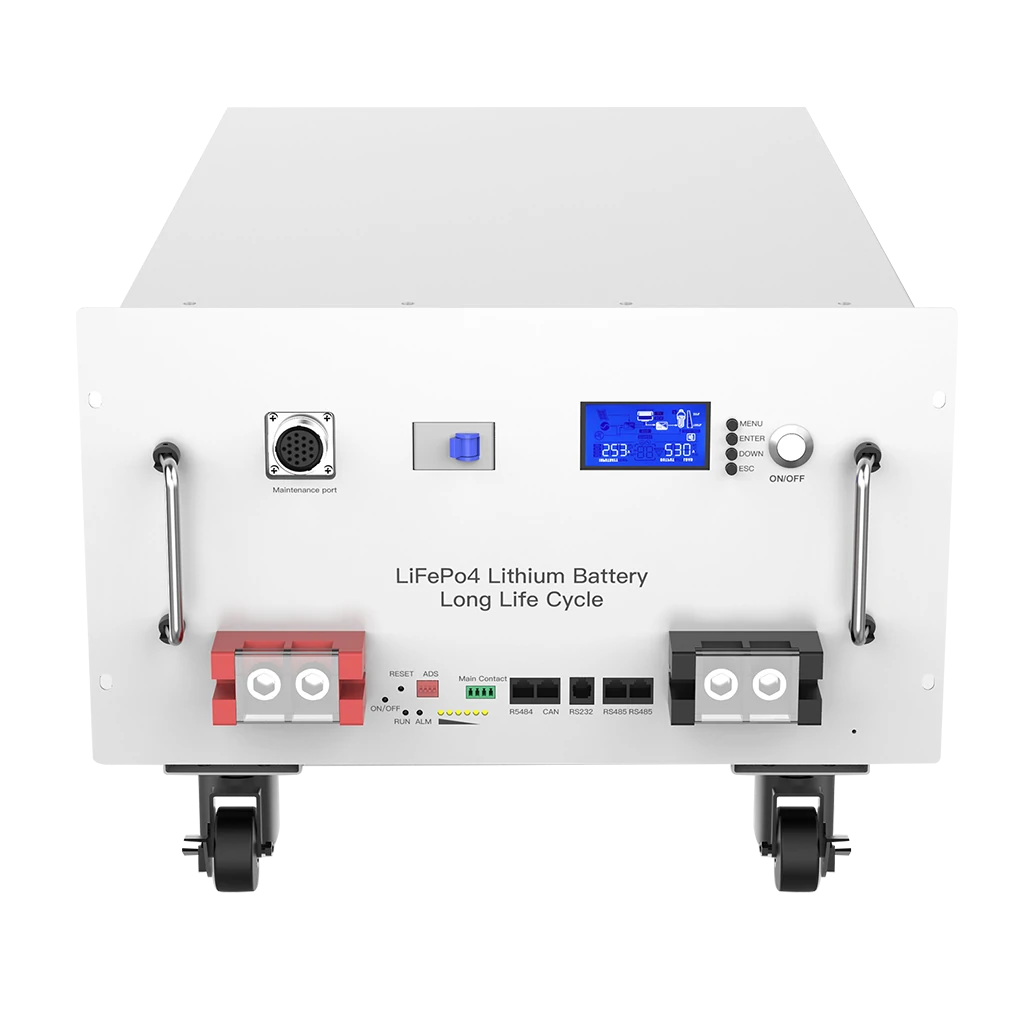
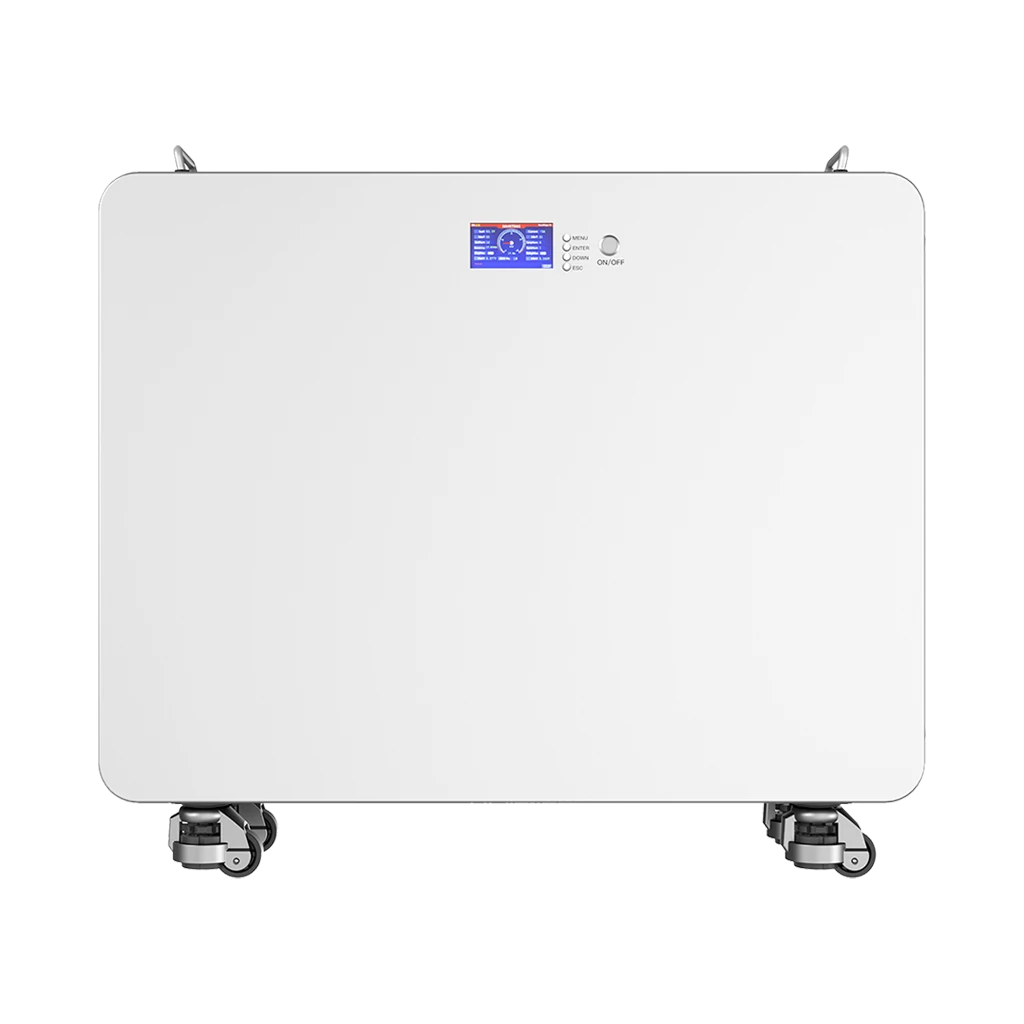
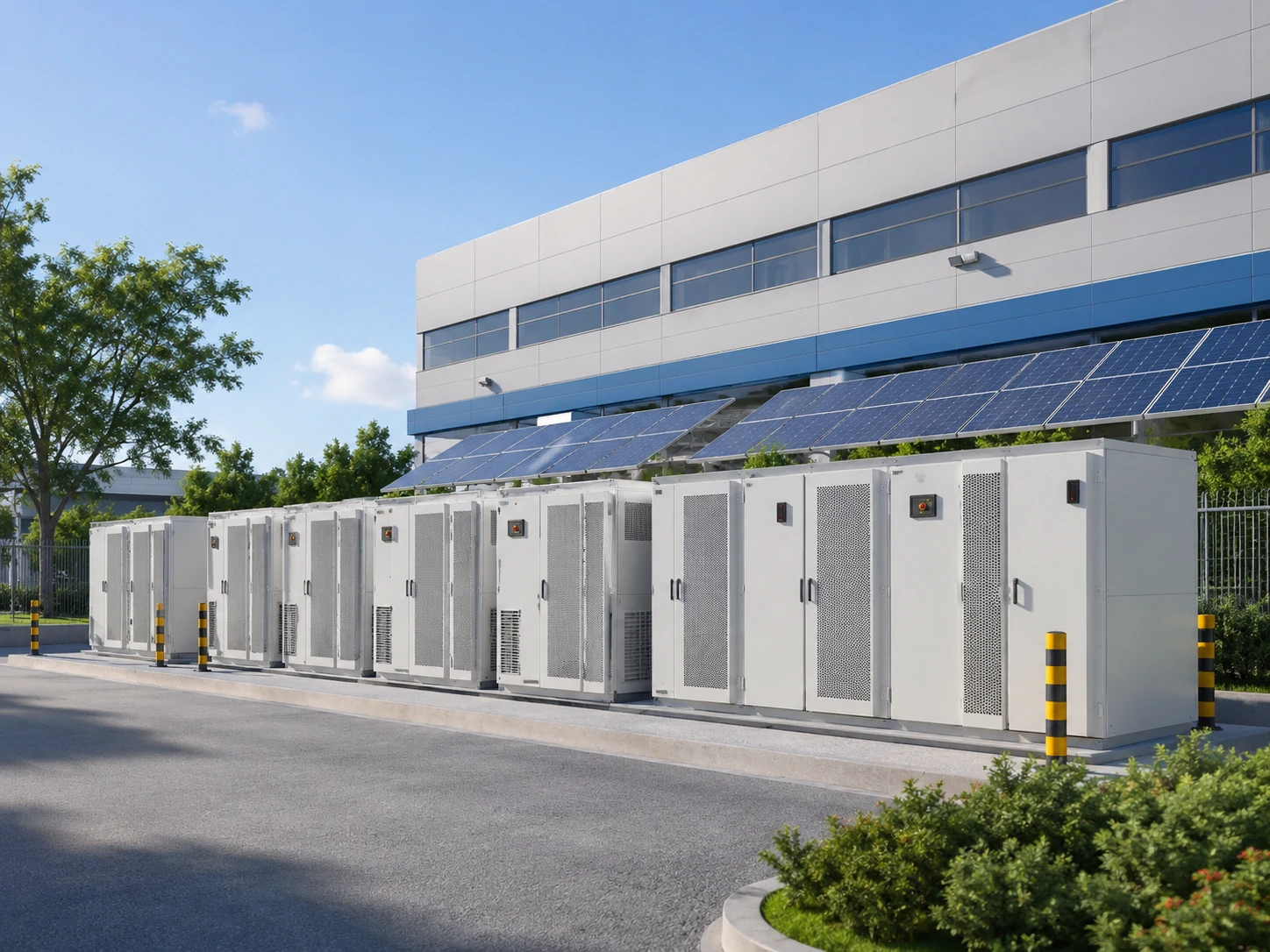
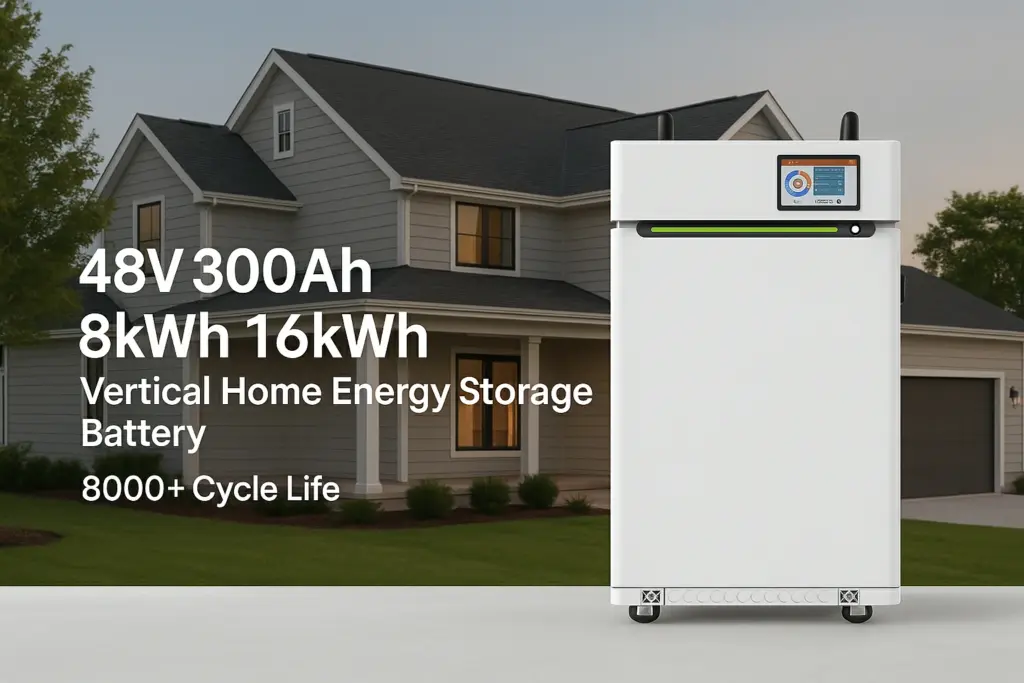
Even if you don’t plan to install a battery right now, ask your installer for a “battery-ready” design — adding a battery later can increase costs by 15–20%. This will still be the case in 2026, especially as battery capacities continue to grow (for example, Avepower 300Ah LiFePO4 Battery expanding from 10 kWh to 260 kWh).
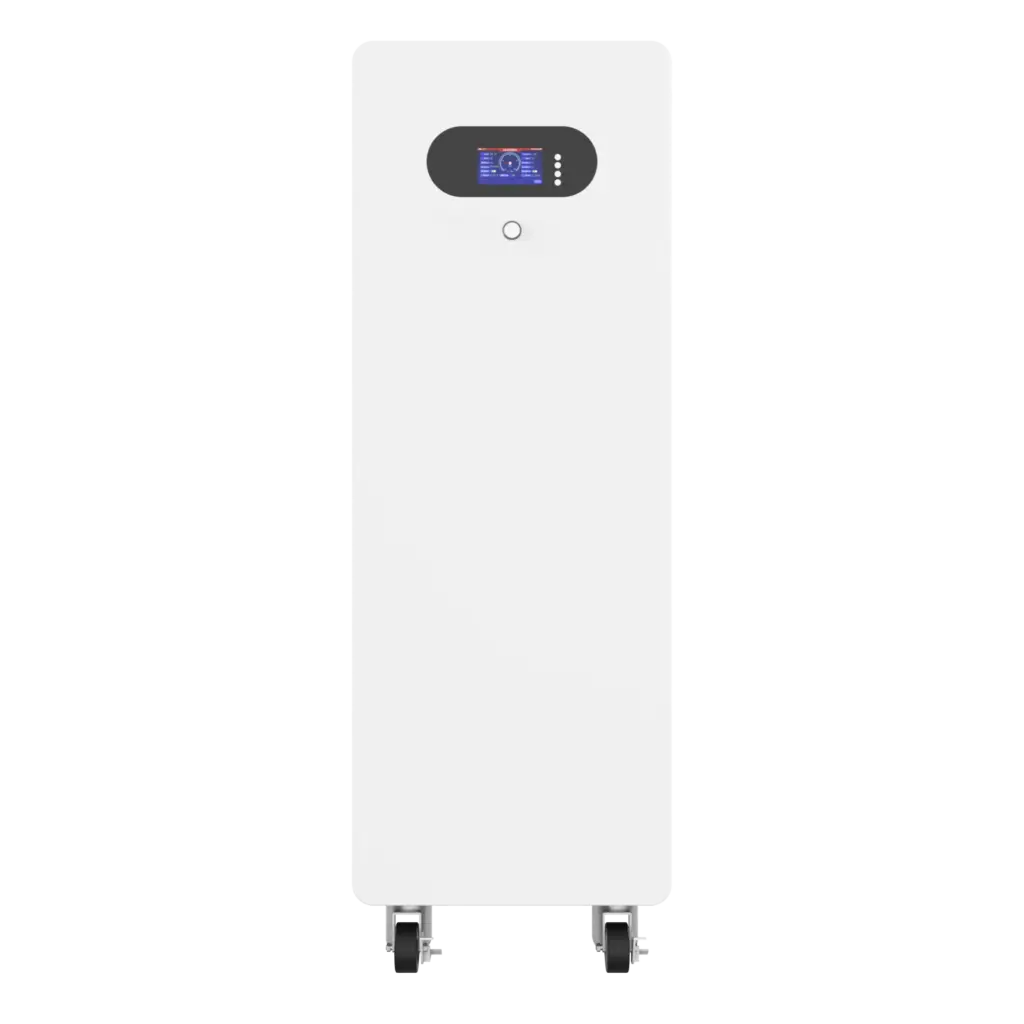
Premium brands (Tesla Powerwall, Avepower, Enphase) tend to sit at the high end of that range because they include better monitoring, warranty, and integration. Value or B2B-oriented batteries can come in lower, especially if they are sold battery-only and installed as part of a custom system.
Need Backup Power as Well as Lower Bills
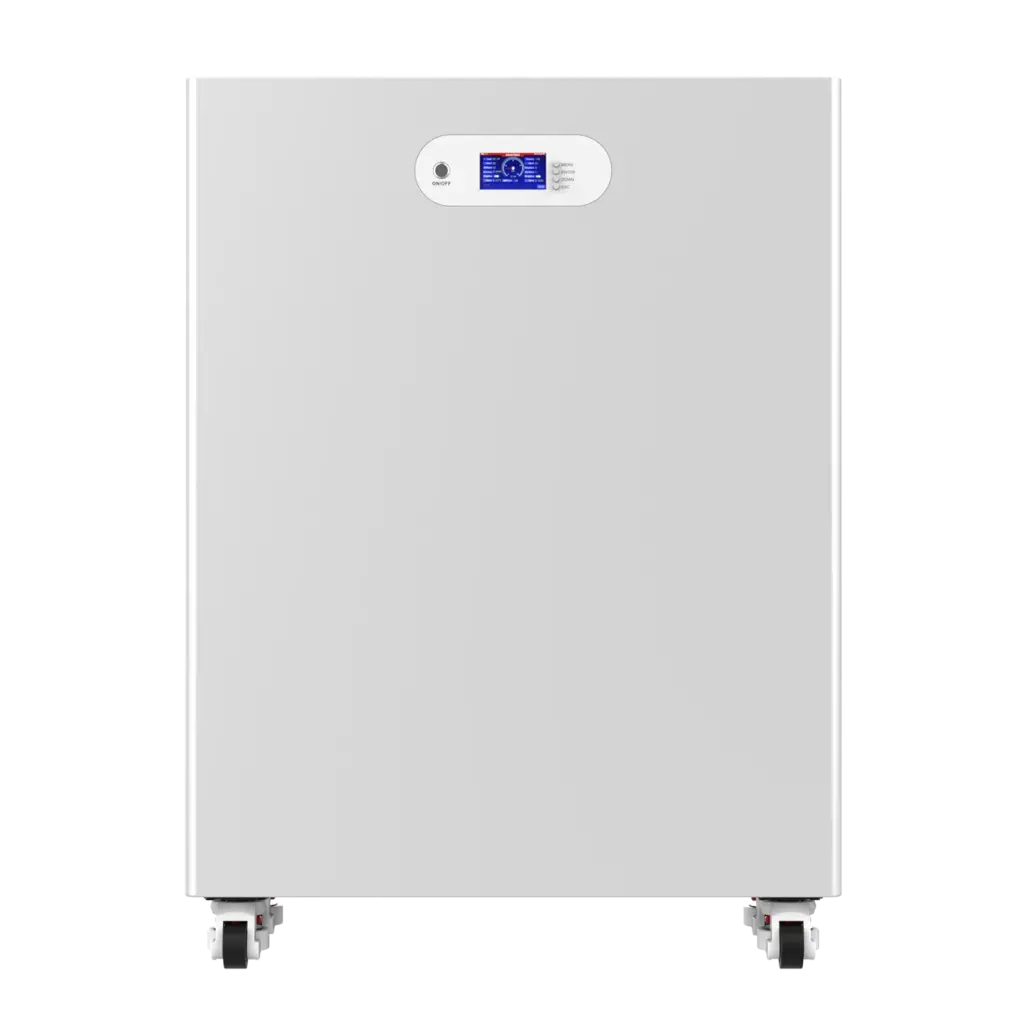
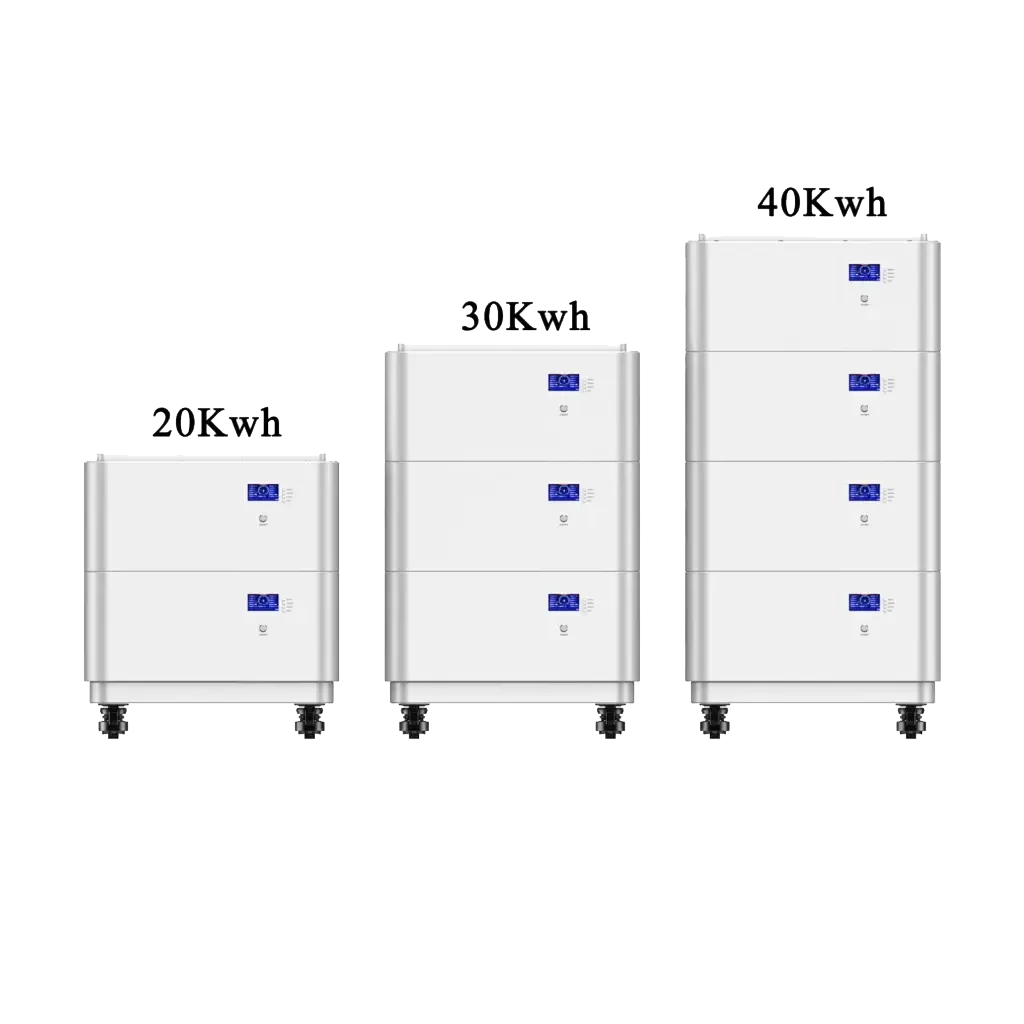
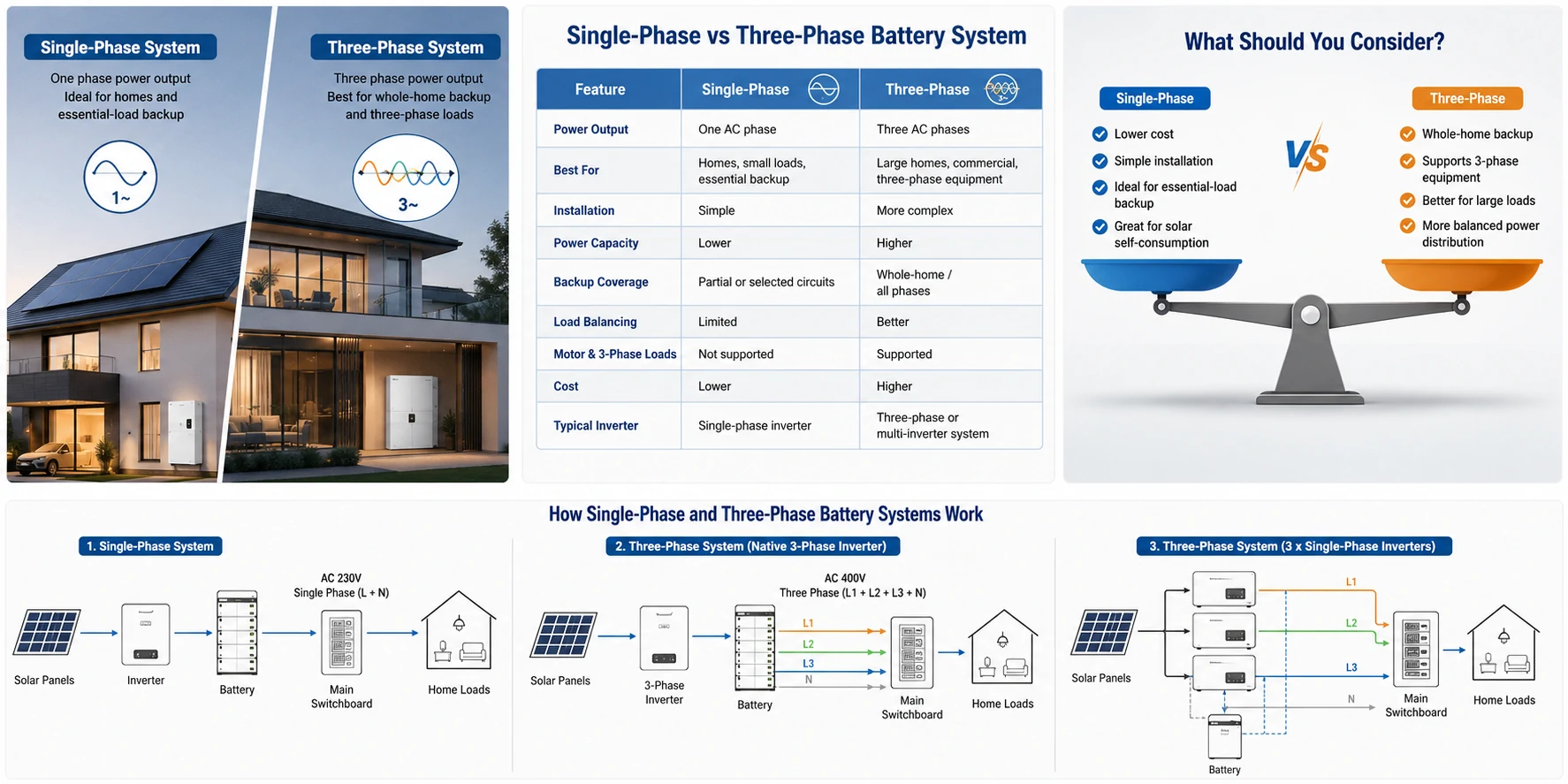
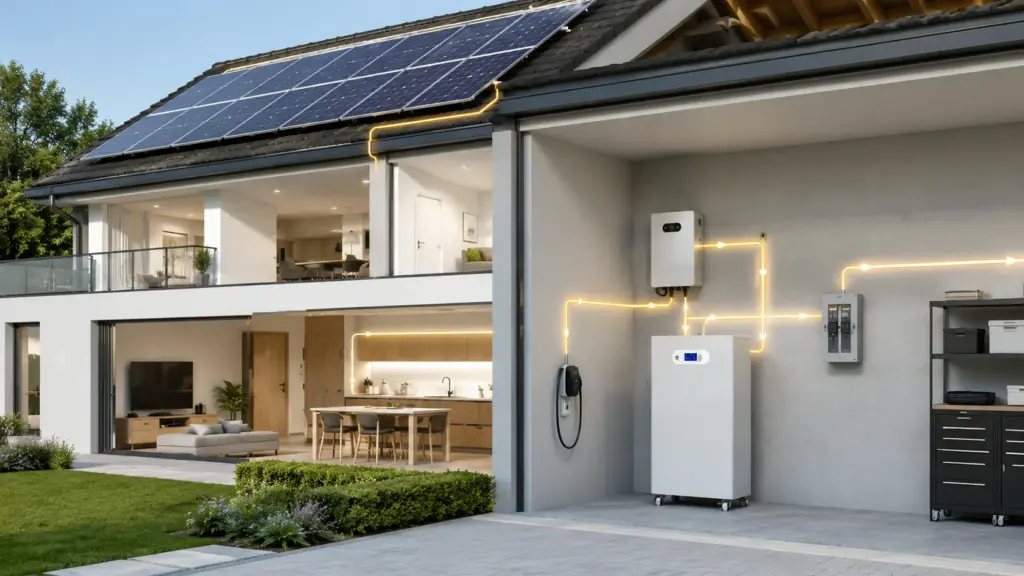
If your goal is not only to reduce daytime electricity costs but also to keep essential loads running during outages, adding the right battery matters just as much as sizing the solar array correctly. Avepower offers 30kWh home battery that fit different backup and self-consumption goals. Explore the right battery configuration based on the loads you want to support and the runtime you need.
Need Help Matching Solar Panels with Battery Storage?
The total cost of a home solar system depends on panel size, inverter power, battery capacity, installation layout and how much backup power you need. Share your energy usage and project requirements, and Avepower can help recommend a suitable battery storage configuration.
Solar Buying Checklist for a 2,000 Sq Ft Home
- Check your last 12 months of electricity usage — use annual kWh, not square footage alone.
- Compare quotes by $/W — not only total system price.
- Confirm system size and expected annual production — kW and kWh are different.
- Check panel wattage and warranty.
- Confirm the inverter type — string, optimizer or microinverter.
- Ask whether permits and interconnection are included.
- Check roof and electrical-panel upgrade costs.
- Verify local incentives and net-metering rules.
- Decide whether the system should be battery-ready.
- Compare at least two or three installer quotes.
Is Solar Still Worth It for a 2,000 Sq Ft Home in 2026
For many homes, yes.
The EIA reports a January 2026 average residential electricity price of 17.45 cents per kWh. At roughly 10,500 kWh of annual household usage, that works out to about $1,830 in annual electricity spending before future utility rate increases. For households with higher cooling loads or electric vehicles, annual utility costs can be much higher, which can make solar more attractive even without the old federal residential tax credit.
That said, the strongest decision-making framework in 2026 is no longer “How much does solar cost for a 2,000 sq ft home after the 30% federal tax credit?” The better question is:
How much electricity does this specific home use, what size system will offset that usage, and what is the installed price in this ZIP code?
That framing is more accurate, more useful for the reader, and more aligned with how the best-ranking solar content is structured today.
Take Control of Your Energy with Avepower!
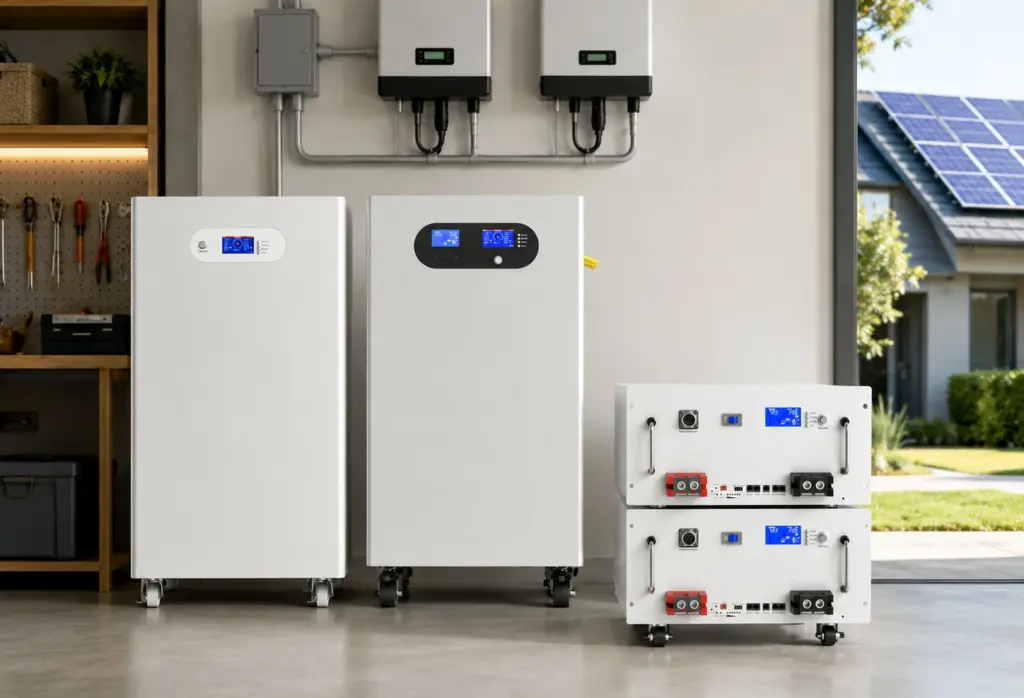
Reliable home solar battery solutions with OEM/ODM customization and in-house manufacturing, tailored to the needs of distributors, installers, and energy partners.
FAQ
A typical 2,000 sq ft U.S. home may need a 7–10 kW solar system costing roughly $18,340–$25,800 before state, utility, or local incentives. Your actual price depends more on electricity usage, location, roof conditions, equipment, and installer pricing than on square footage alone.
A 7–10 kW system requires roughly 17–24 panels when using 430W solar panels. Homes with lower electricity use may need fewer panels, while EV charging or electric heating may increase the required system size.
A practical starting range is about 7–10 kW, but the correct size should be based on the home’s annual electricity consumption, local solar production, roof orientation, and target electricity offset.
A rough simple-payback estimate may fall around 10–14 years in some scenarios before local incentives, but actual payback depends on electricity rates, annual solar production, system price, financing, utility rules, and available incentives.
Yes. Battery storage increases upfront project cost, with the final amount depending on storage capacity, inverter configuration, installation labor, and backup requirements.
Electricity usage is more important. Two 2,000 sq ft houses can require very different solar systems if one uses gas heating while the other has electric HVAC, an EV charger, a pool, or other large electrical loads.