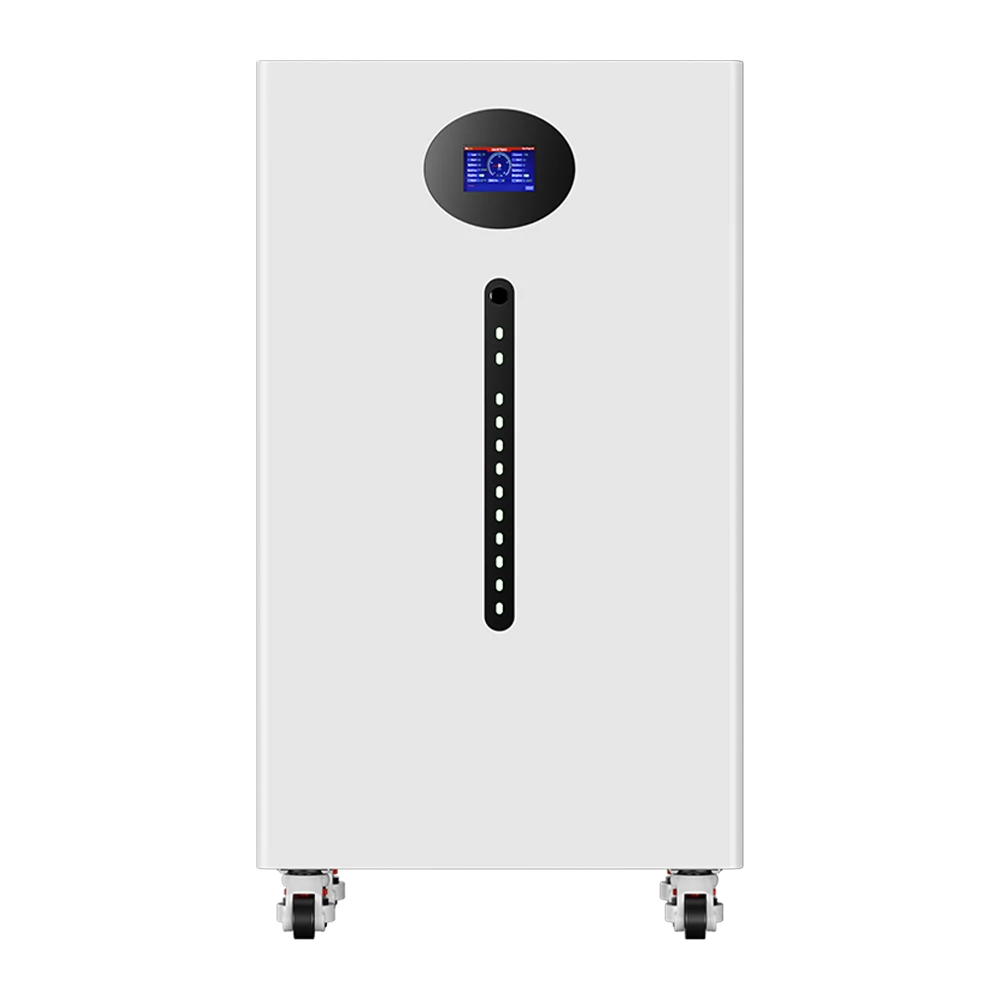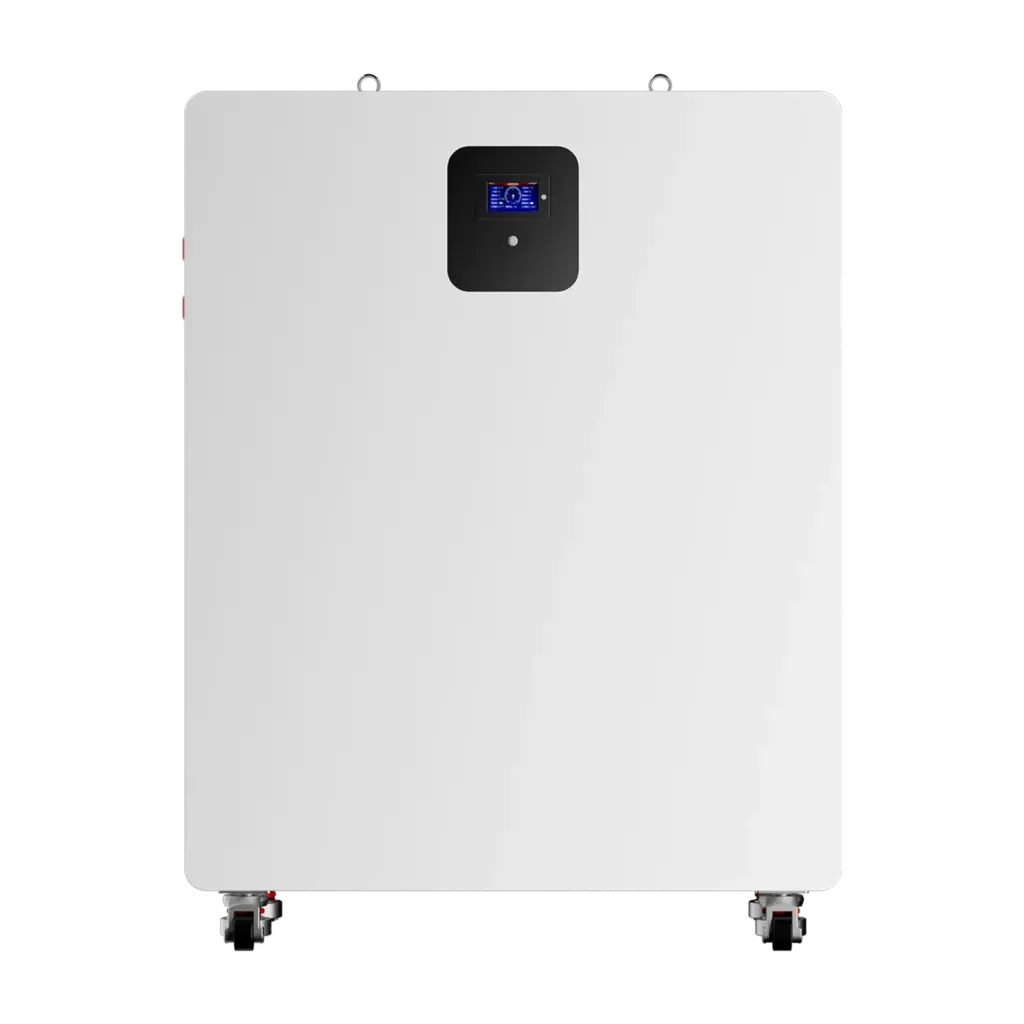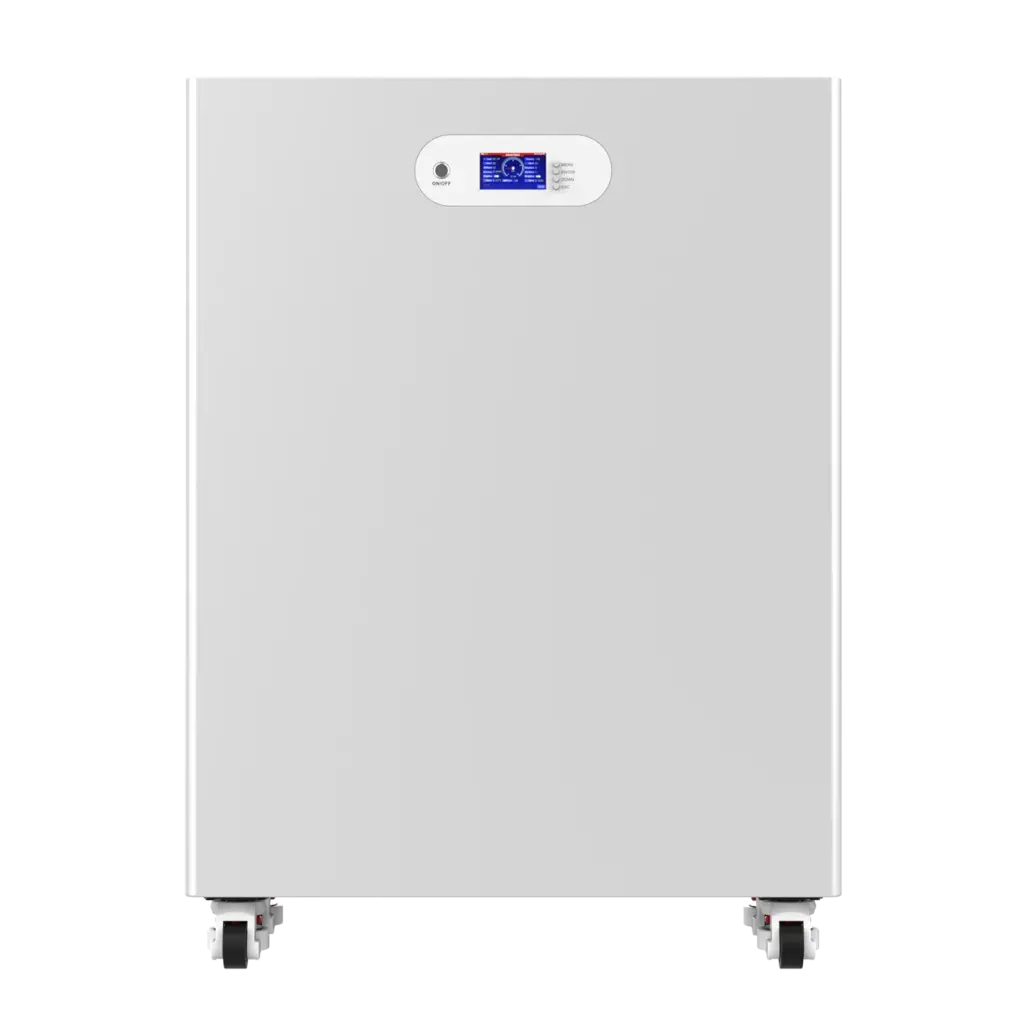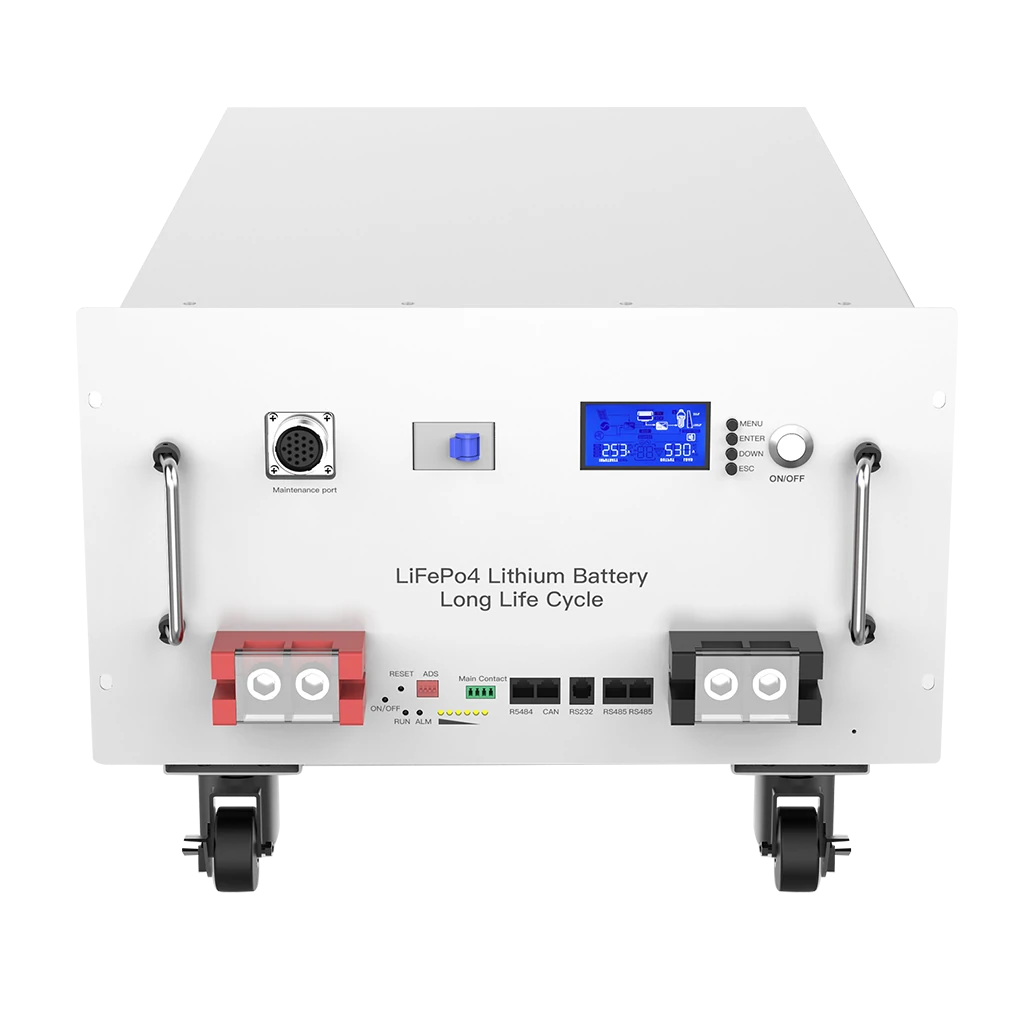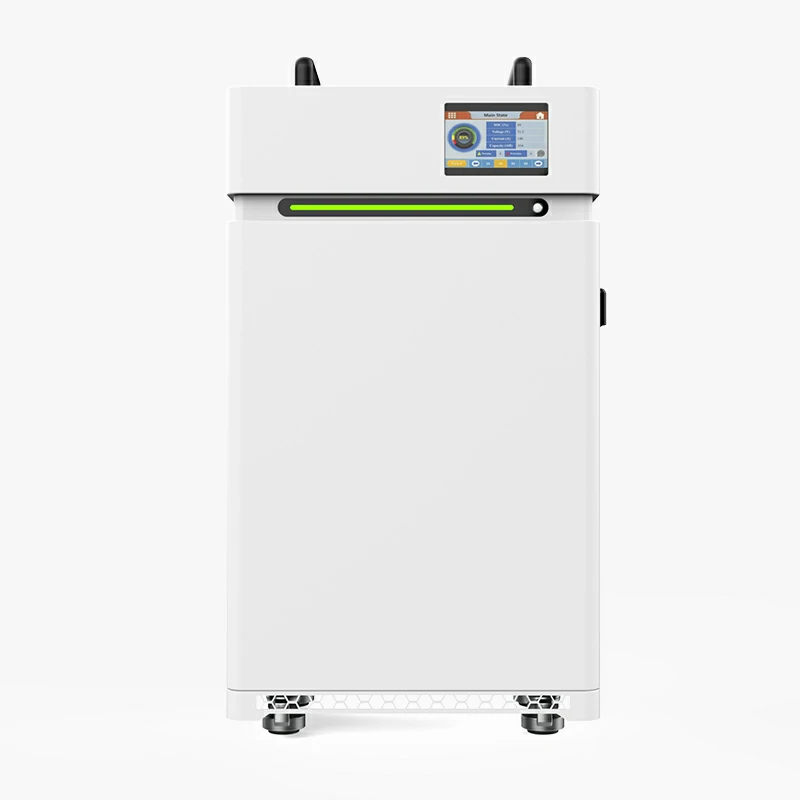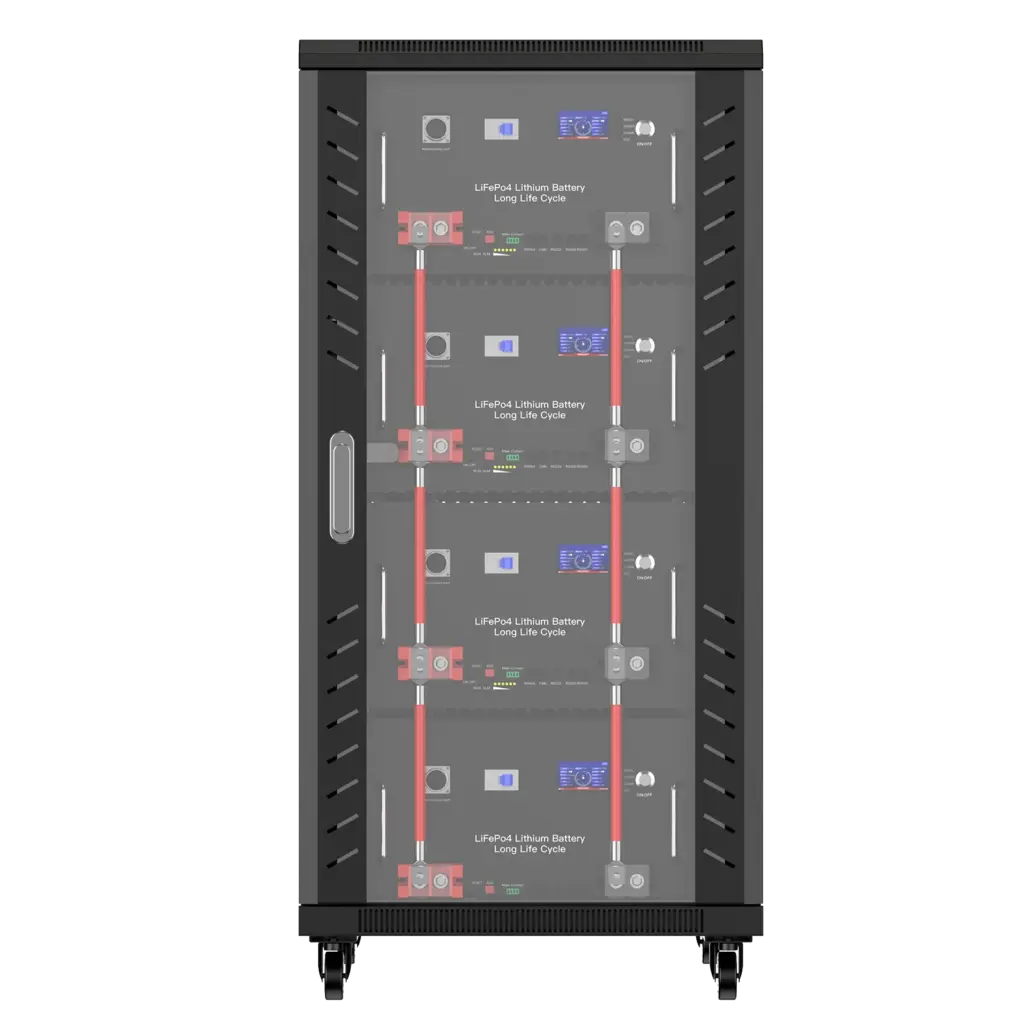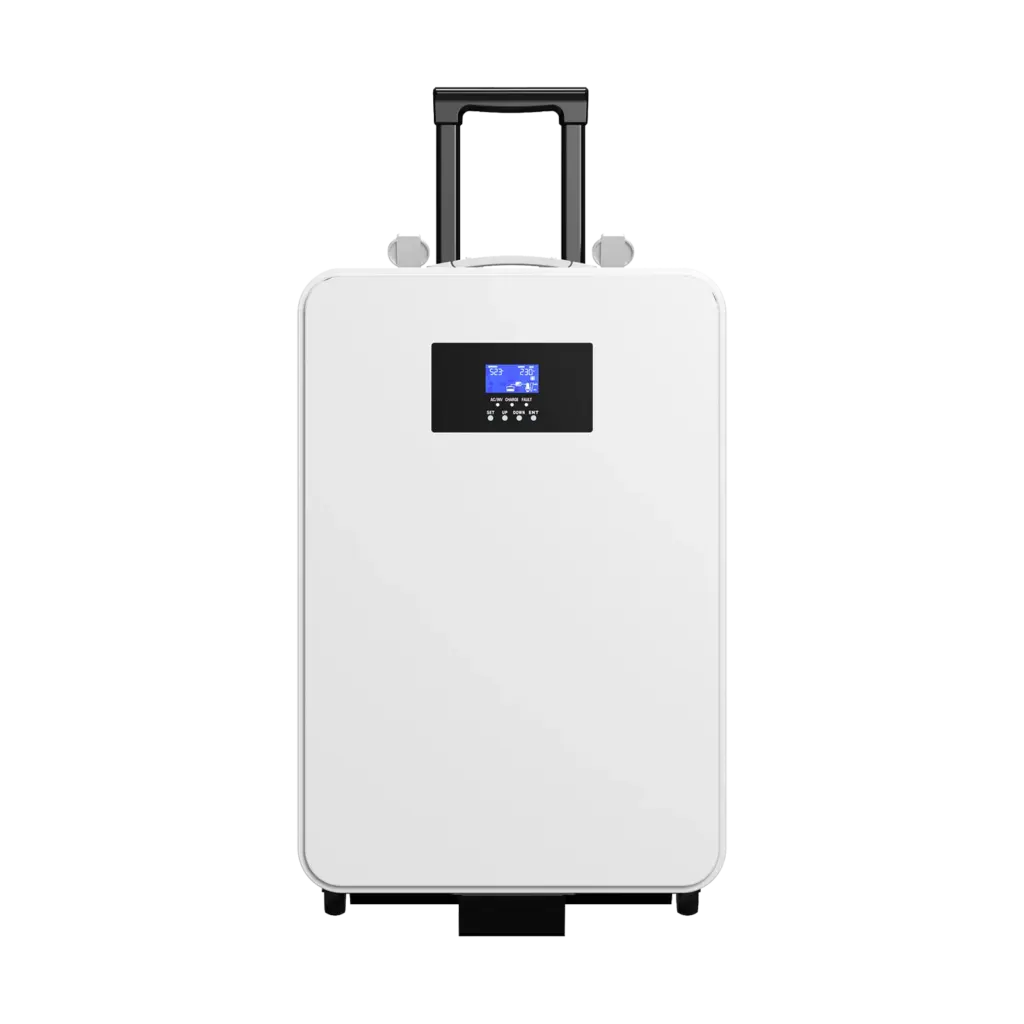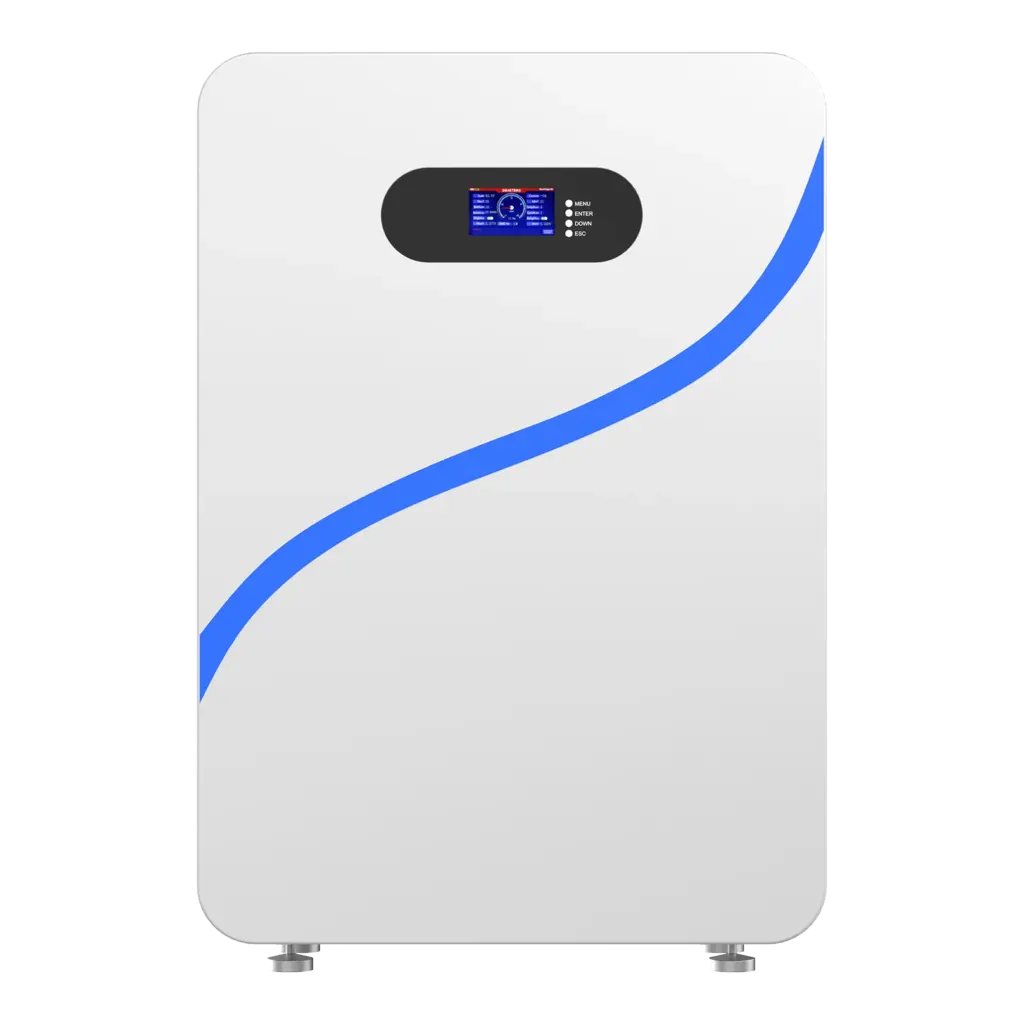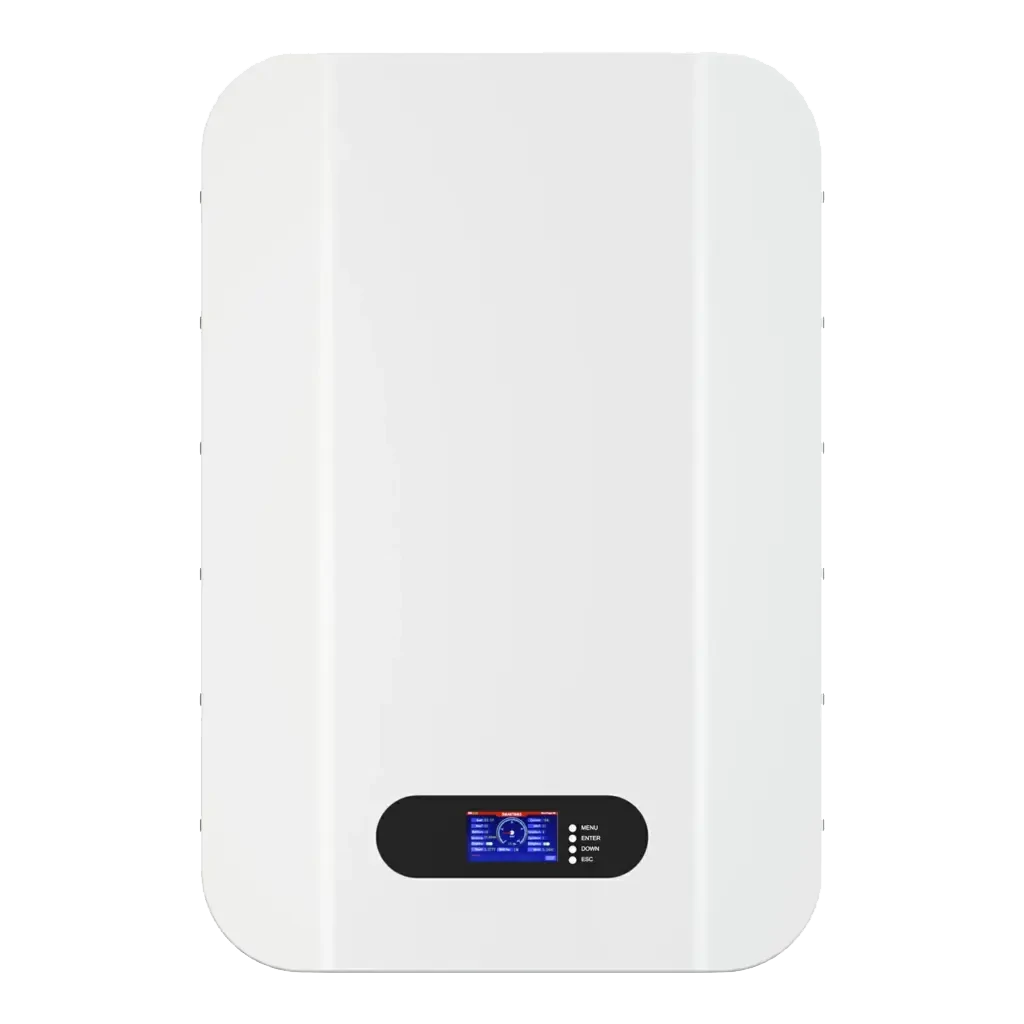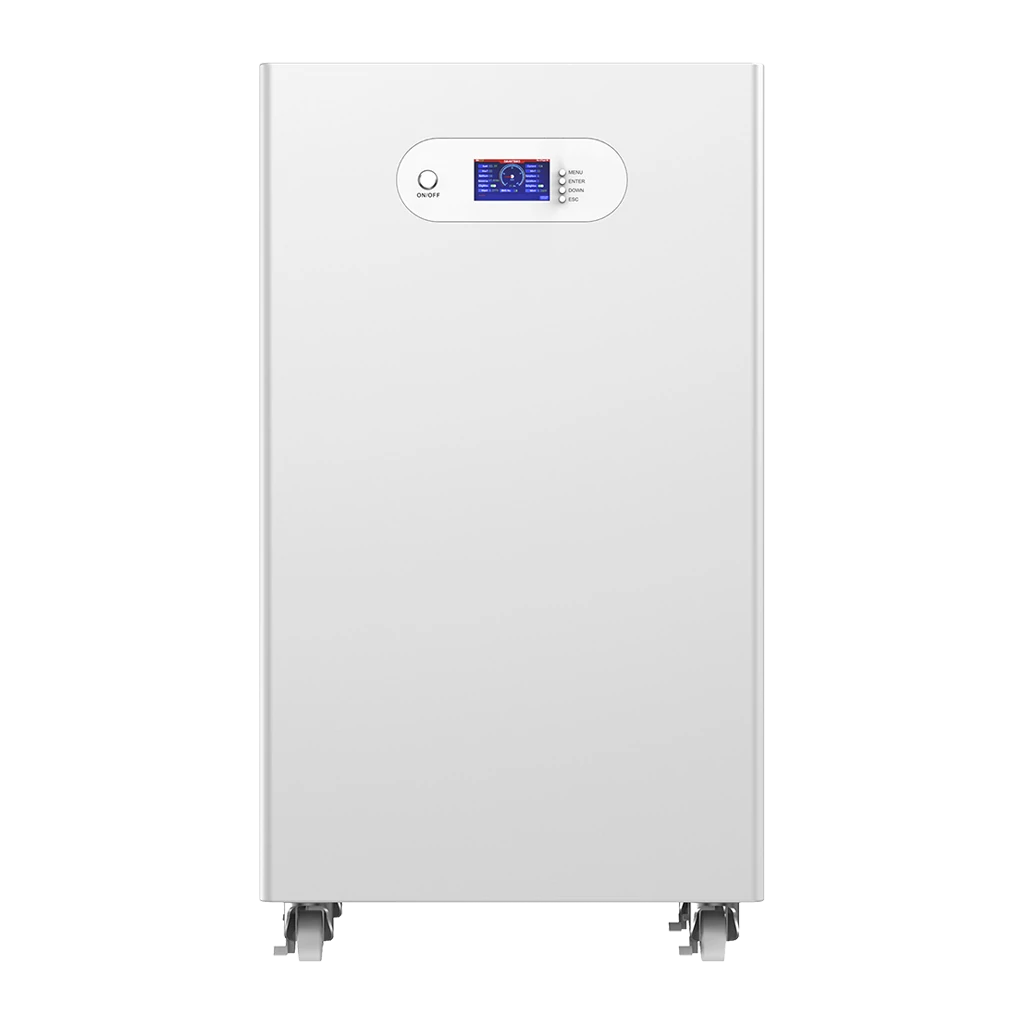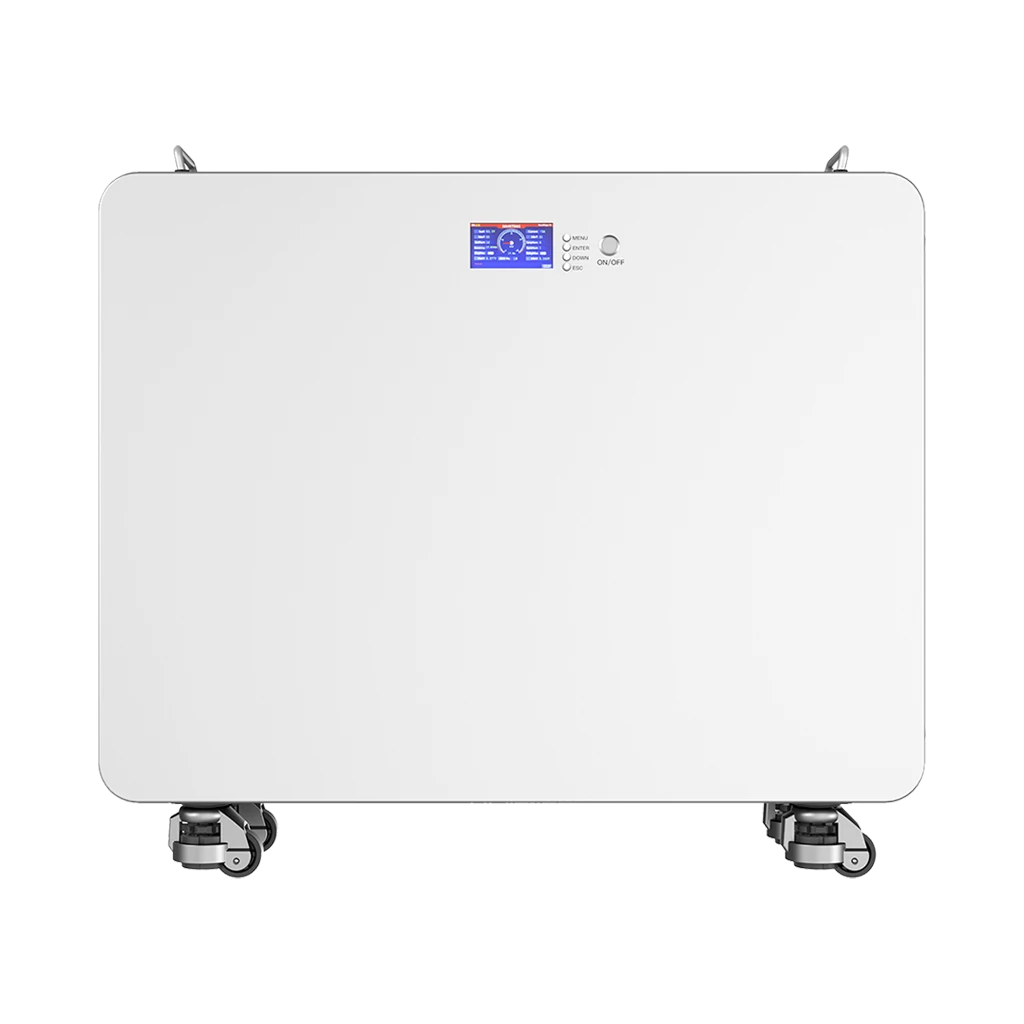

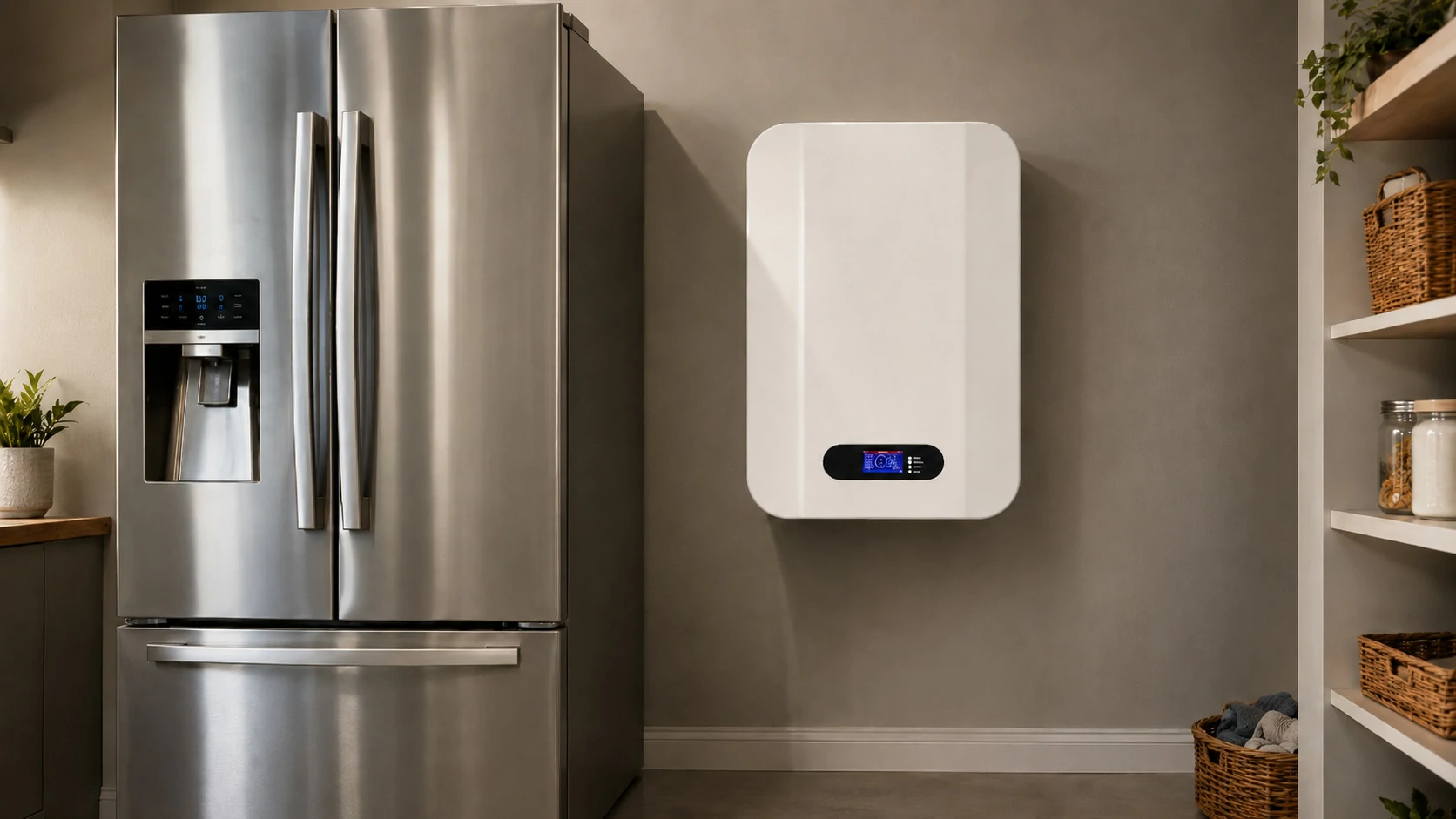
A battery backup for freezer is a backup power system that keeps your freezer running when the grid goes down. For most home freezers, you should focus on four things: battery capacity, inverter output, compressor starting surge, and how long you need the freezer to stay cold.
A full freezer can usually hold a safe temperature for about 48 hours if the door stays closed, while a half-full freezer may hold for about 24 hours. However, hot weather, frequent door opening, an older freezer, or a partially loaded freezer can shorten that window. FoodSafety.gov also advises that frozen food may be safely refrozen if it still has ice crystals or remains at 40°F / 4°C or below.
For short outages, a 1–2 kWh portable battery may be enough for one freezer. For longer outages, multiple freezers, or a refrigerator plus freezer, a larger LiFePO4 home battery system or solar battery backup is usually more practical.
What Is a Battery Backup for Freezer Use?
A freezer battery backup is a stored-energy system that powers your freezer when the grid goes down. It usually includes three core parts:
- Battery storage — measured in watt-hours or kilowatt-hours
- Inverter — converts DC battery energy into AC power for the freezer
- Output and transfer method — either plug-in AC outlets, a backup circuit, or a home energy storage connection
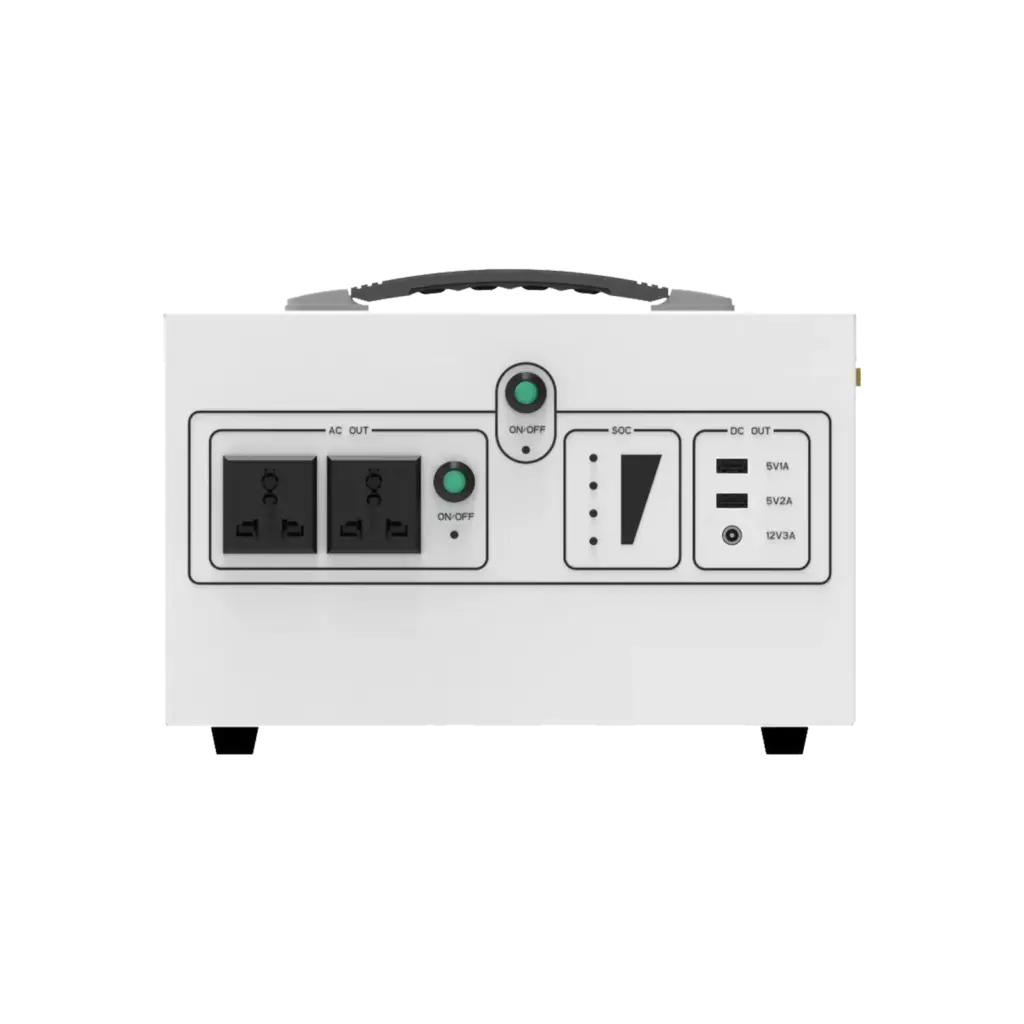
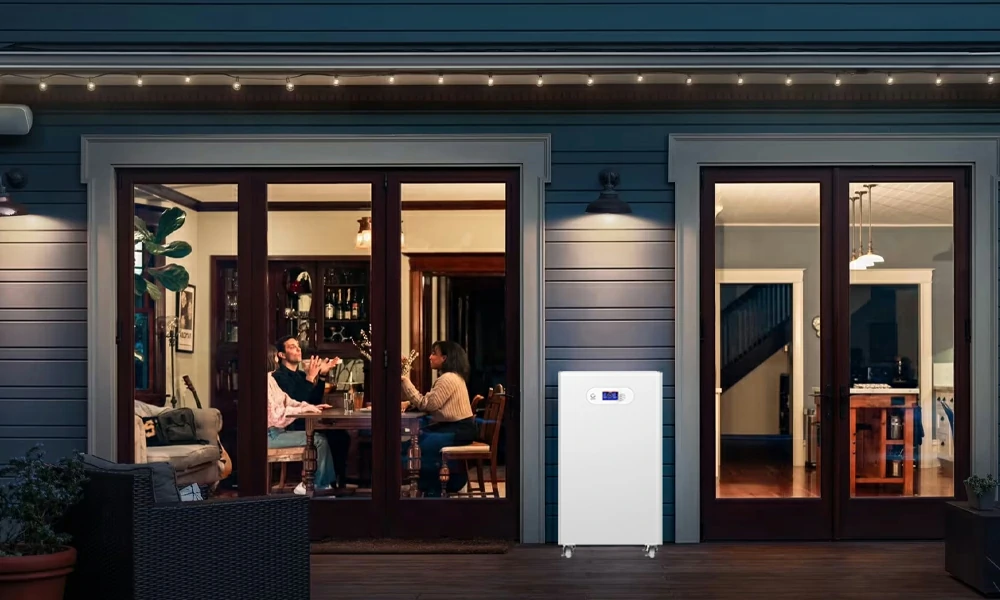
For small homes or renters, this may be a portable power station placed near the freezer. For larger homes, rural properties, installers, or solar-plus-storage projects, it may be a dedicated home battery system connected to selected backup loads.
This is where a properly designed home energy storage system becomes more useful than a small emergency battery. Instead of powering only one appliance for a few hours, a larger LiFePO4 system can support the freezer, refrigerator, router, lights, monitoring equipment, and other critical household loads.
Related resources: Battery Backup for Refrigerator and Freezer
How Long Can a Freezer Stay Cold Without Power?
The general food safety rule is simple: keep the freezer door closed.
A full freezer can hold a safe temperature for approximately 48 hours if the door remains closed. A half-full freezer may hold for about 24 hours. Food can often be refrozen if it still contains ice crystals or remains at 40°F / 4°C or below.
That guidance is useful, but it should not be treated as a guarantee. Real runtime depends on:
- How full the freezer is
- Whether it is a chest freezer or upright freezer
- Room temperature
- Insulation quality
- Door seal condition
- How often the door is opened
- Freezer age and efficiency
A chest freezer usually performs better during outages because cold air stays inside more easily when the top lid is opened.
How a Battery Backup for Freezer Works
A freezer uses AC power. A battery stores DC power. So a freezer backup system needs an inverter to convert stored DC energy into usable AC electricity.
A basic setup looks like this:
Grid or solar panels → battery storage → inverter → freezer
During normal conditions, the battery charges from the grid, solar panels, or both. When the power goes out, the battery provides electricity to the freezer. Some systems require manual plugging. Others offer automatic switchover, which is useful if outages happen while you are asleep, away from home, or running a business.
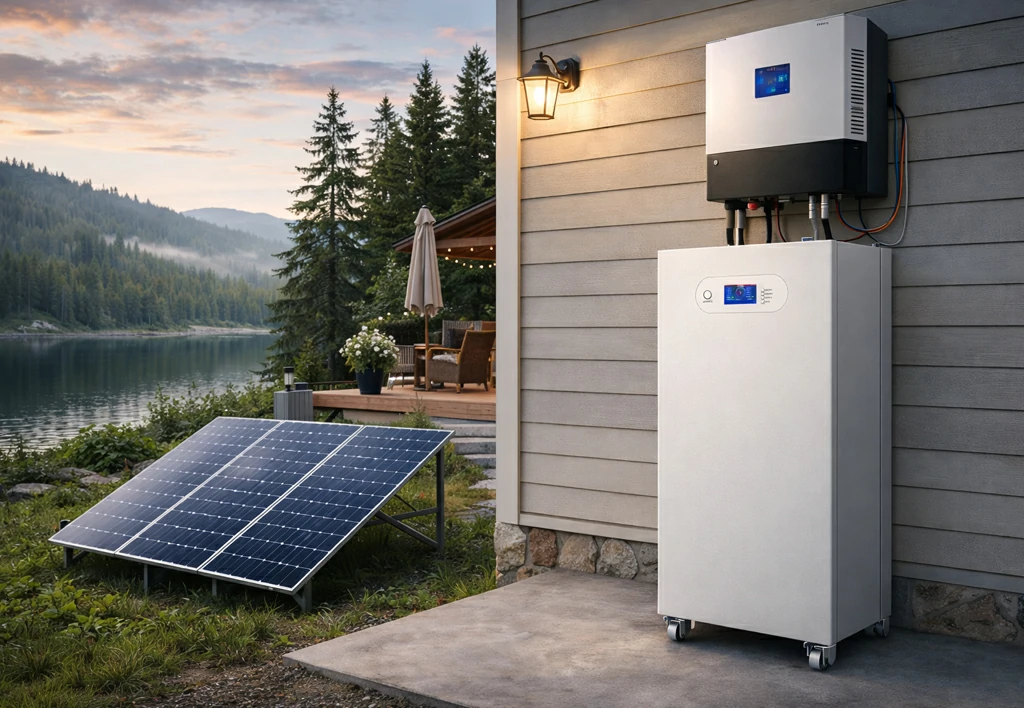
For homeowners who already use solar, a home energy storage system can support more than freezer backup. It can also help power refrigerators, lights, routers, pumps, and selected essential loads when designed correctly.
Need Help Matching a Freezer Backup System to Your Project?
Avepower can help installers, distributors, and energy storage buyers design LiFePO4 battery solutions for freezer backup, home emergency power, solar storage, and essential-load protection.
How Much Electricity Does a Freezer Use?
A freezer’s electricity consumption is described using two key figures: running power and starting (surge) power.
Running power is the amount of energy the compressor uses while operating continuously. Starting power (surge power) is the short burst of much higher power required when the compressor first starts.
Typically, a freezer may have a running power of around 180 watts, while the starting surge can reach about 1800 watts. This is because motor-driven appliances often draw significantly more power at startup than during normal operation.
This is also why some undersized backup power systems fail. A freezer may seem easy to support because it only uses around 100–300 watts most of the time, but the inverter must still handle the high surge when the compressor starts. For freezer backup applications, a pure sine wave inverter with sufficient surge capacity is strongly recommended.
According to certified energy efficiency data, a standard chest freezer consumes about 215 kWh per year, while an upright freezer uses about 395 kWh per year. This translates to:
- Chest freezer: ~0.59 kWh per day
- Upright freezer: ~1.08 kWh per day
The simplest way to estimate daily usage is to divide the annual consumption by 365, then use that value to size an appropriate battery backup system, while also accounting for inverter surge requirements.
What Size Battery Backup Do You Need for a Freezer?
| Use Case | Suggested Battery Capacity | Best Fit |
|---|---|---|
| Small freezer, short outage | 500Wh–1,000Wh | Short emergency backup |
| One standard freezer | 1,000Wh–2,000Wh | Overnight or short blackout support |
| Freezer plus refrigerator | 2,000Wh–4,000Wh | Longer household outage |
| Multiple freezers | 5kWh+ | Home battery or modular storage |
| Remote home or business freezer | 10kWh+ | Solar battery backup system |
If the freezer is used for business, medical storage, farm produce, or high-value food inventory, it is better to oversize the system rather than rely on the smallest possible battery.
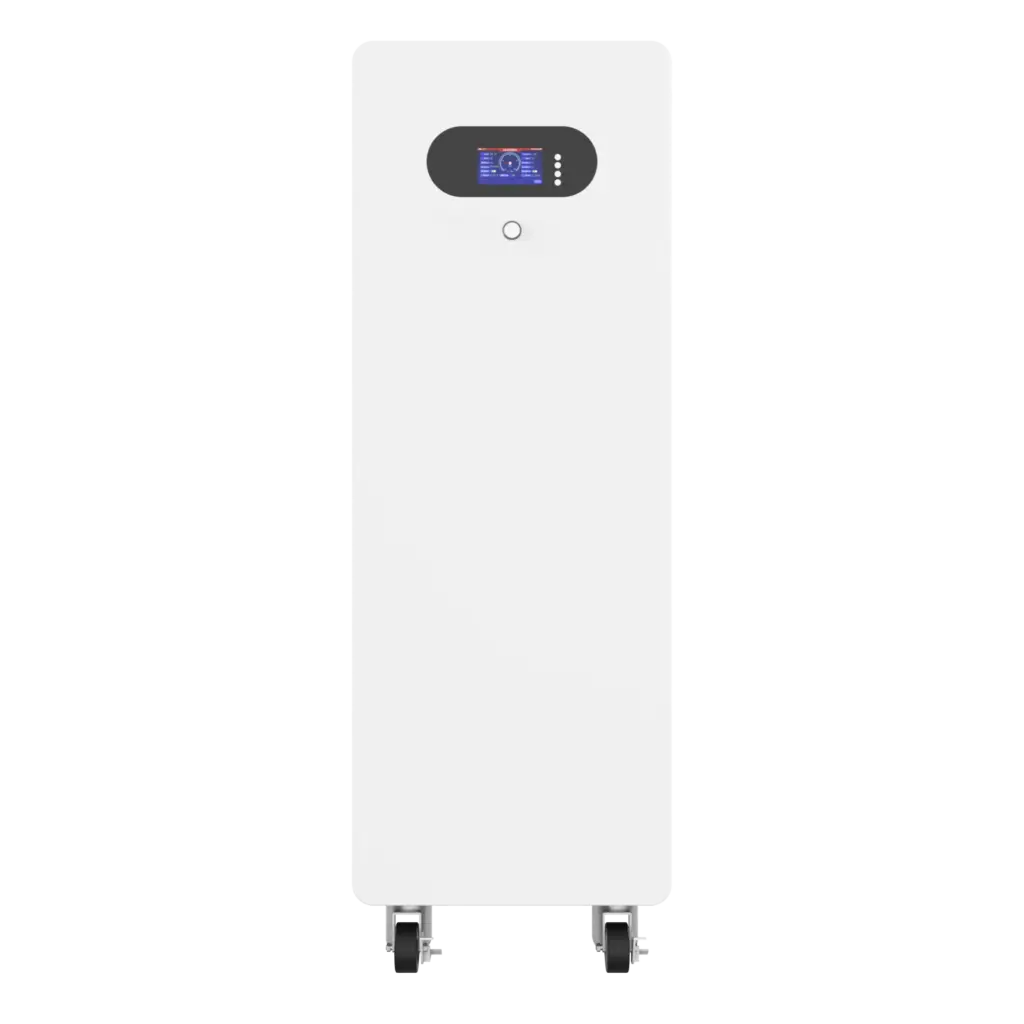
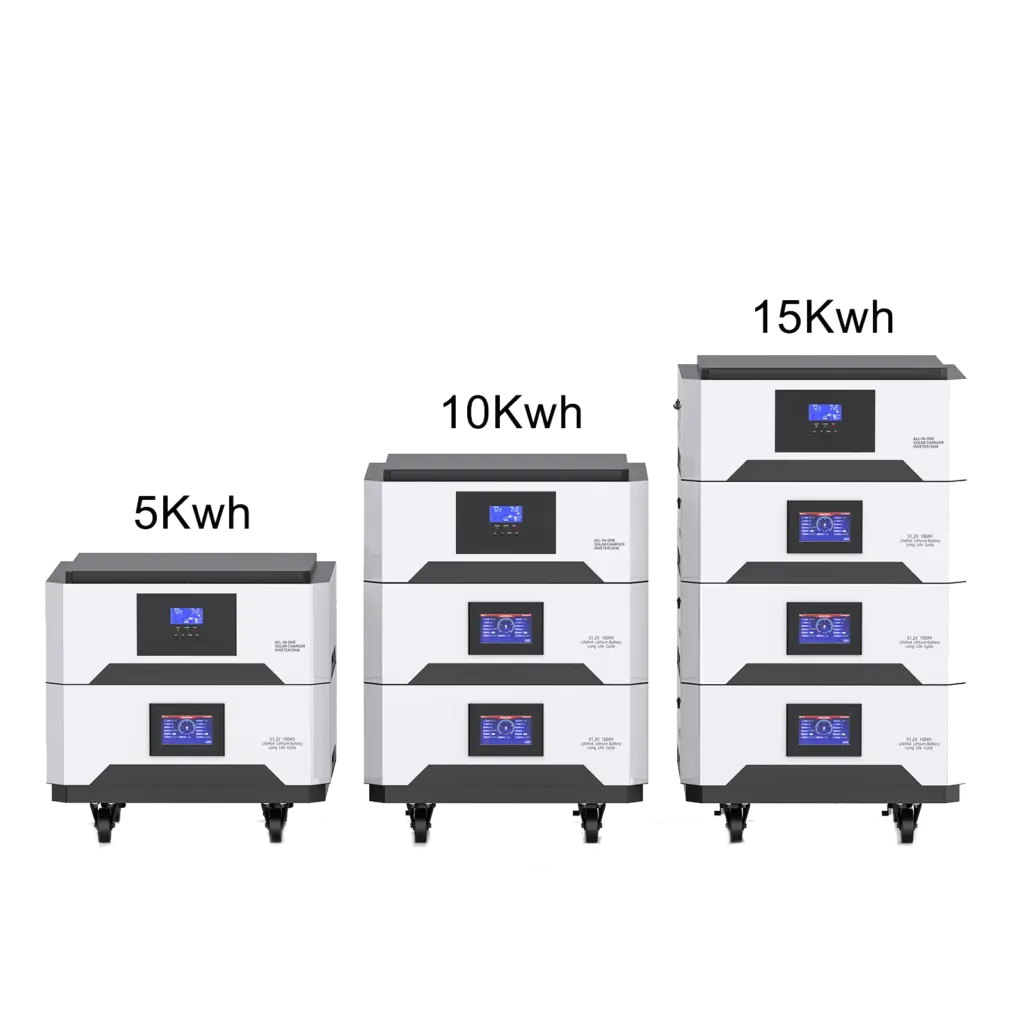
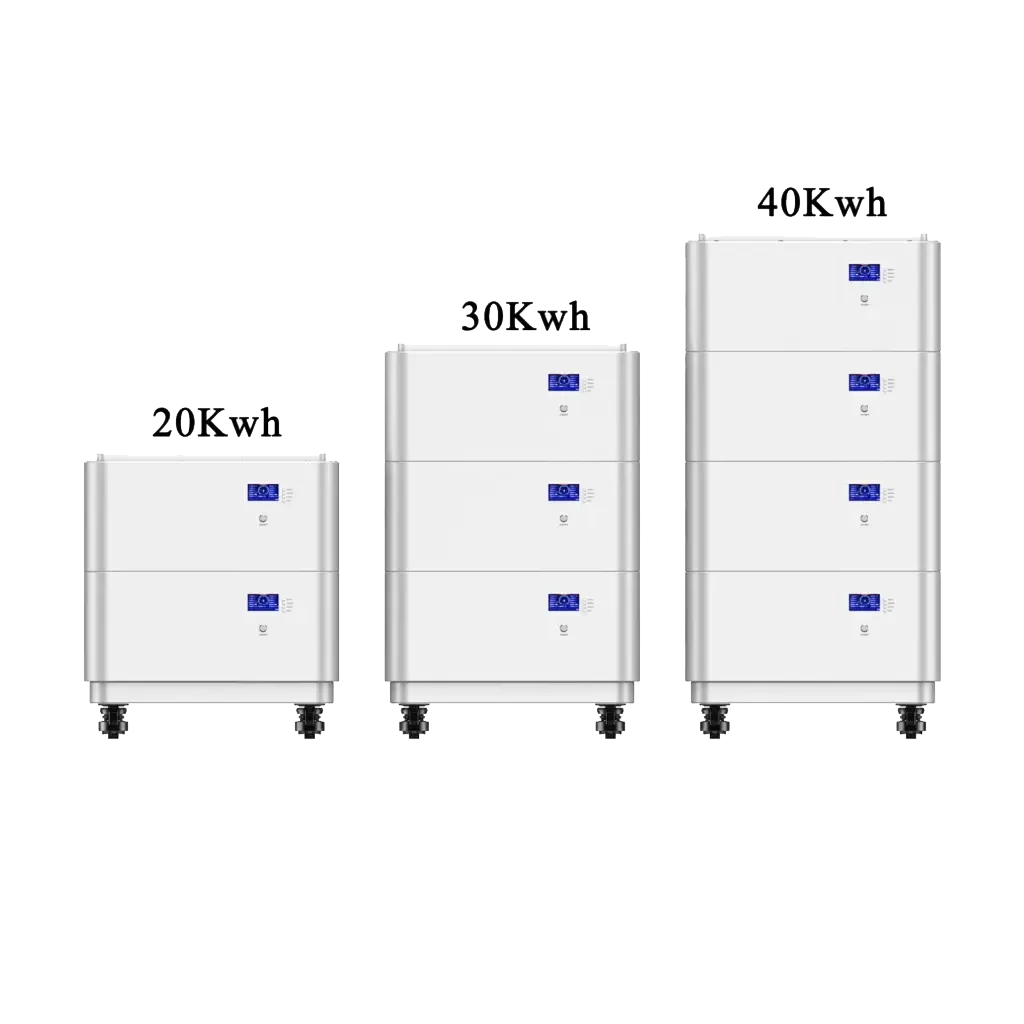
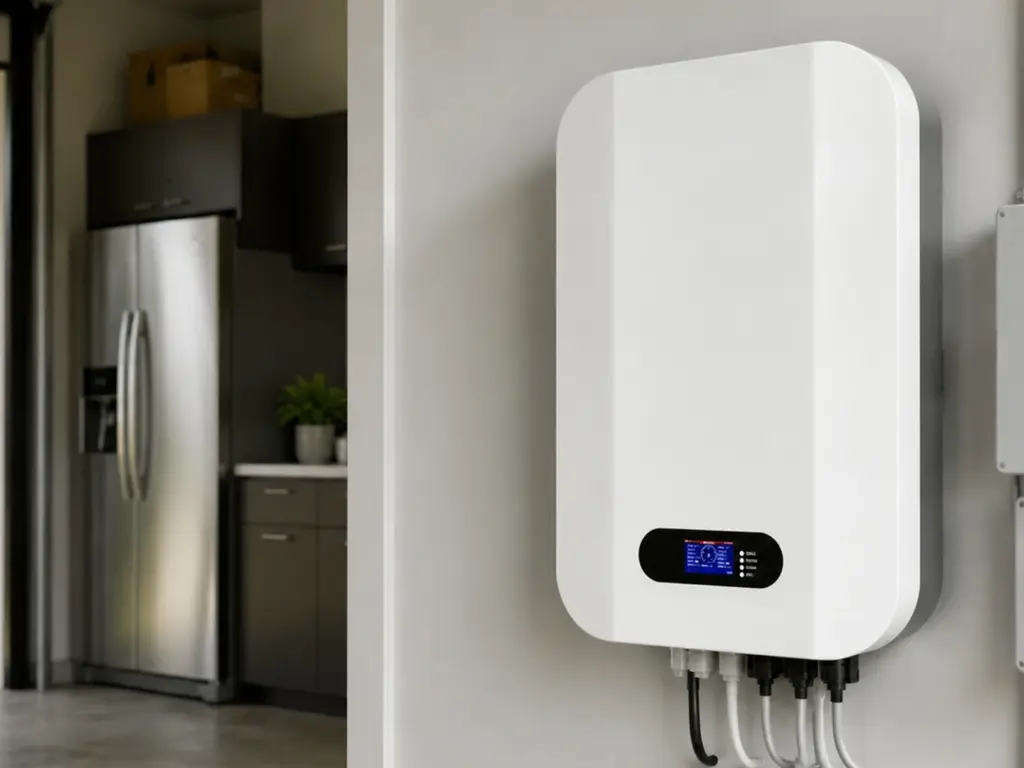
For residential backup, a wall mounted LiFePO4 battery may be suitable where space is limited. For homes that may expand from freezer backup to wider essential-load backup, a stackable battery system gives more flexibility.
How to Calculate Battery Size for a Freezer
Use this simple sizing method:
Required Battery Capacity = Daily Freezer Energy Use × Backup Days ÷ Inverter Efficiency × Safety Margin
For most AC battery systems, using 85–90% inverter efficiency is a practical planning range. A 20–30% safety margin is also recommended because freezers use more energy in hot rooms, after frequent door openings, or when the compressor runs harder.
Example 1: Efficient Chest Freezer for 24 Hours
Assume the freezer uses 0.7 kWh per day.
0.7 kWh × 1 day ÷ 0.9 × 1.25 = 0.97 kWh
A 1 kWh portable battery may be enough for a short outage if it can handle the compressor surge. However, it leaves limited margin if the room is hot or the outage lasts longer than expected.
Example 2: Upright Freezer for 48 Hours
Assume the freezer uses 1.2 kWh per day.
1.2 kWh × 2 days ÷ 0.9 × 1.25 = 3.33 kWh
A 3–5 kWh battery is more realistic than a small power station.
Example 3: Two Freezers for 72 Hours
Assume both freezers together use 2.5 kWh per day.
2.5 kWh × 3 days ÷ 0.9 × 1.25 = 10.4 kWh
In this case, a modular home battery system is usually a better fit than a small portable power station.
Battery Backup Runtime Table
| Usable Battery Capacity | Small Chest Freezer 0.6 kWh/day | Upright Freezer 1.2 kWh/day | Heavy Use 2.0 kWh/day |
|---|---|---|---|
| 1 kWh | About 1.5 days | About 20 hours | About 12 hours |
| 2 kWh | About 3 days | About 1.5 days | About 1 day |
| 5 kWh | About 8 days | About 4 days | About 2.5 days |
| 10 kWh | About 16 days | About 8 days | About 5 days |
These are simplified estimates. Real runtime can be lower if the freezer is old, the ambient temperature is high, the door is opened often, or the battery has standby losses.
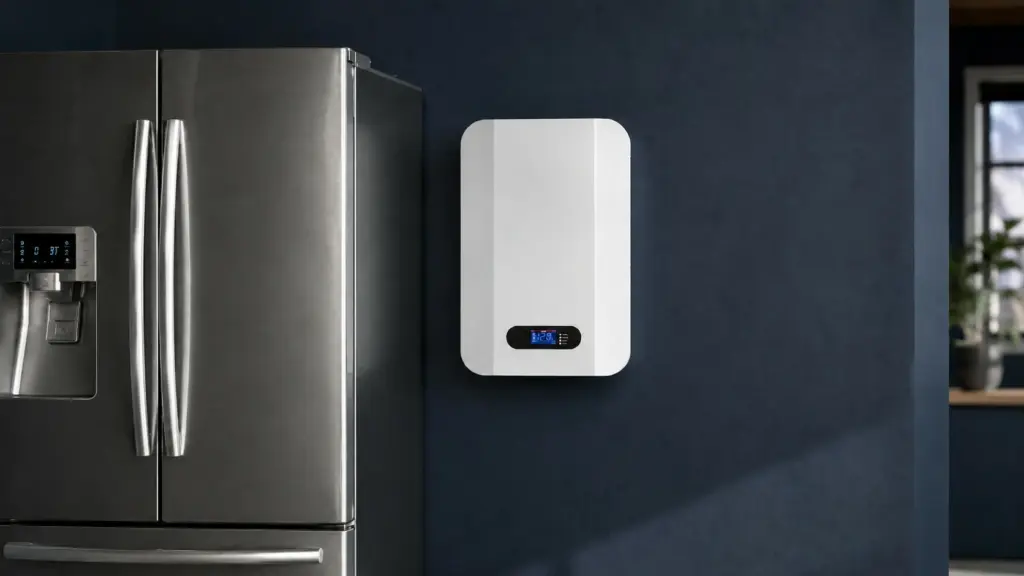
Portable Power Station vs Home Battery Backup
Both can work, but they serve different users.
| Backup Option | Best For | Advantages | Limits |
|---|---|---|---|
| Small UPS | Short transfer protection | Fast switchover, simple setup | Usually too small for long freezer runtime |
| Portable power station | Renters, short outages, one freezer | Plug-and-play, indoor use, solar input options | Limited capacity, manual load management |
| Home battery system | Homes, solar users, installers, long outages | Larger capacity, automatic backup, supports more loads | Requires planning and correct installation |
| Solar plus battery | Extended outages and self-consumption | Can recharge during the day | Needs blackout protection and correct system design |
| Fuel generator | Long outages with fuel available | High power output | Outdoor-only, noise, fuel storage, carbon monoxide risk |
1. Portable Power Station
A portable power station is easier to set up. You plug the freezer into the unit and keep the power station charged. Many newer models use LiFePO4 cells, offer pure sine wave AC output, and support solar panel charging.
This option works well for:
- Apartments
- Renters
- Short outages
- One freezer only
- Emergency preparedness
- Camping or mobile use
The limitation is capacity. A small portable unit may keep a freezer running for several hours, but it may not be enough for a long storm outage, multiple appliances, or several days without grid power.
2. Home Battery Backup
A home battery backup is more suitable when you want longer runtime and better integration with solar panels, inverters, and essential household loads.
This option works well for:
- Homes with solar panels
- Rural homes
- Frequent power outages
- Freezer plus refrigerator backup
- Multiple essential loads
- Small commercial cold storage
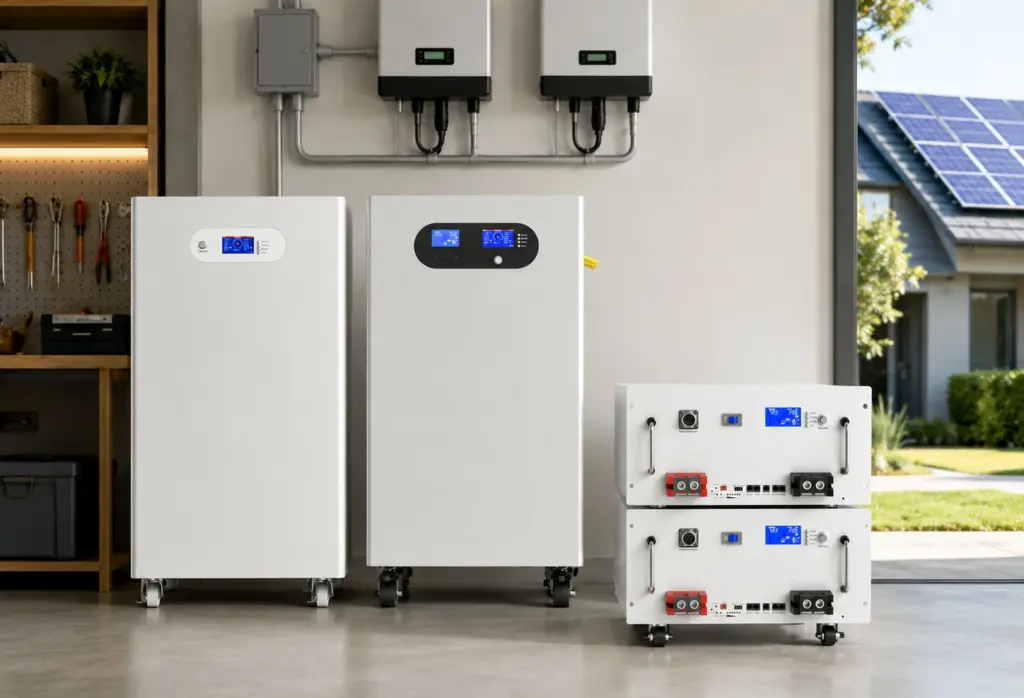
For users who need a cleaner and quieter alternative to fuel generators, Avepower’s LiFePO4 battery solutions can be considered as part of a larger backup system design. For example, an all in one battery system can simplify installation by integrating battery storage and inverter functions in one solution, while a rack mount battery system can suit equipment rooms or installer-led projects.
Best Battery Chemistry for Freezer Backup
LiFePO4 is now one of the most practical chemistries for freezer backup and home energy storage. It is widely used because it offers strong cycle life, thermal stability, and good daily-use performance.
For occasional short blackouts, a small portable battery may be enough. For repeated cycling, solar charging, or longer backup needs, LiFePO4 is usually a better long-term option than older lead-acid systems.
Avepower focuses on LiFePO4 battery energy storage systems for residential applications. When freezer backup is part of a broader home resilience plan, Avepower can be considered for modular systems, OEM/ODM requirements, inverter communication support, and larger capacity designs.
For larger homes, farms, restaurants, or commercial freezer rooms, a custom high voltage battery storage system may be more suitable than a small portable unit.
Food Safety During a Power Outage
A battery backup helps, but good food safety practice is still essential.
Before an outage:
- Keep a thermometer in the freezer.
- Freeze water bottles or gel packs.
- Keep the freezer reasonably full.
- Know where to buy block ice or dry ice.
- Group food together to retain cold longer.
During an outage:
- Keep the freezer door closed.
- Avoid checking the food repeatedly.
- Connect the freezer to backup power as soon as practical.
- Prioritize the freezer over non-essential loads.
After power returns:
- Check the freezer temperature.
- Refreeze food only if it still contains ice crystals or remains at 40°F / 4°C or below.
- Never taste questionable food to decide whether it is safe.
- Discard food exposed to unsafe temperatures for too long.
Avepower Recommendation for Different Users
For a single small freezer, a compact portable battery may be enough if the outage is short and the compressor surge is within the inverter rating.
For homes that want freezer, refrigerator, router, lights, and essential backup, Avepower recommends moving from a small power station to a properly designed residential energy storage solution. This gives the system more usable capacity, better safety architecture, and clearer expansion planning.
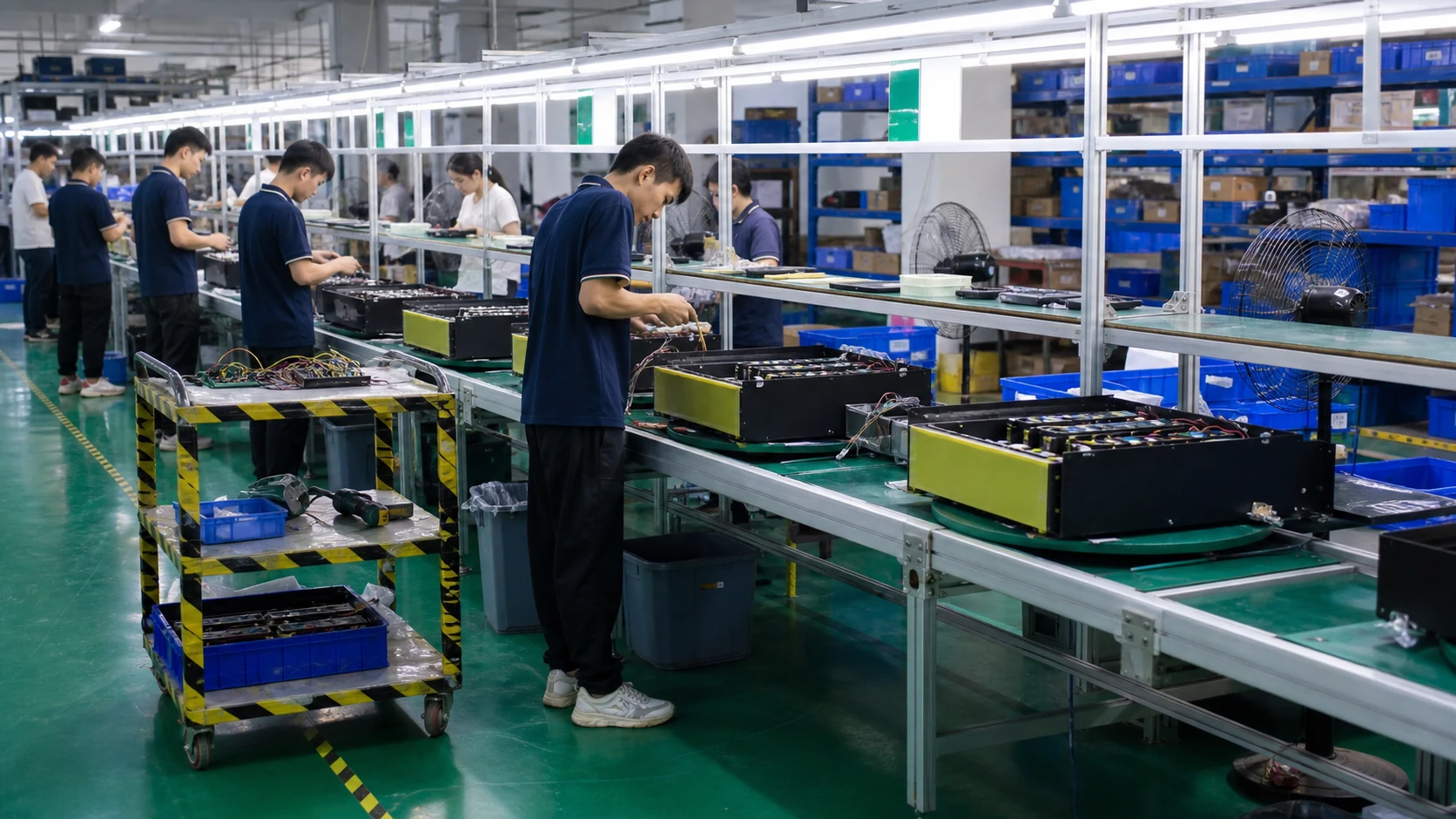
For installers, distributors, and energy storage buyers, Avepower can support LiFePO4 battery systems with intelligent BMS protection, inverter communication options, and OEM/ODM customization for capacity, appearance, labeling, and system configuration. This makes it easier to match freezer backup needs with broader residential or small commercial energy storage projects.
If the project involves backup for grocery storage, farms, small food shops, or commercial refrigeration, review Avepower’s commercial and industrial energy storage solutions rather than relying on a consumer portable battery.
Take Control of Your Energy with Avepower!
Reliable home solar battery solutions with OEM/ODM customization and in-house manufacturing, tailored to the needs of distributors, installers, and energy partners.
Can Solar Panels Recharge a Freezer Battery Backup?
Yes, but the solar system must produce enough usable energy during the day to replace what the freezer uses.
For example, if a freezer uses 1.2 kWh per day, the solar charging setup should deliver more than 1.2 kWh of real daily energy after weather, panel angle, charge-controller losses, and battery losses. A small solar panel may slow the battery drain, but it may not fully recharge the system during cloudy weather.
For longer outages, a solar-compatible battery backup is much more useful than a battery-only setup. It can turn a fixed runtime into a renewable backup loop, especially for rural homes, cabins, farms, mobile food storage, and off-grid properties.
If you are designing solar backup around several home loads, also check inverter communication and compatibility. Avepower’s inverter compatibility list is useful for installers who need CAN, RS485, RS232, or other communication options in a complete energy storage design.
Conclusion
A battery backup for freezer is not just an emergency gadget. It is a practical protection plan for food safety, household resilience, and energy independence.
For short outages, a 1–2 kWh portable battery may be enough for one efficient freezer. For 24–72 hours, larger freezers, or multiple appliances, a 5–10 kWh LiFePO4 system is usually more dependable. For whole-home backup or solar integration, a modular residential battery system gives better long-term value.
The best approach is simple: measure the freezer’s energy use, allow enough surge output for the compressor, choose pure sine wave power, and size the battery with a real safety margin. Explore Avepower’s home energy storage batteries or contact the team to discuss capacity, inverter compatibility, OEM/ODM options, and project requirements.
FAQ
Most home freezers need at least 1,000Wh to 2,000Wh for practical short-term backup. Larger freezers, hot climates, or longer outages may require 3,000Wh or more.
Some UPS units can run a freezer briefly, but many office UPS systems are not designed for compressor startup surge or long runtime. A pure sine wave battery backup with enough surge capacity is usually better.
It depends on the freezer’s average load and battery efficiency. If usable capacity is around 850Wh and the freezer averages 80W, runtime may be around 10–11 hours. A more efficient freezer may last longer.
A full freezer can usually stay safe for about 48 hours if the door remains closed. A half-full freezer may stay safe for about 24 hours. Always check temperature and food condition before refreezing.
Avepower can be suitable when freezer backup is part of a larger home, commercial, or solar energy storage system. Its LiFePO4 battery options include wall mounted, stackable, rack mount, all in one, and customized high-voltage battery storage solutions.
Choose battery backup for quiet, indoor, low-maintenance power. Choose a generator for very long outages where fuel is available and safe outdoor operation is possible. Some homes use both.